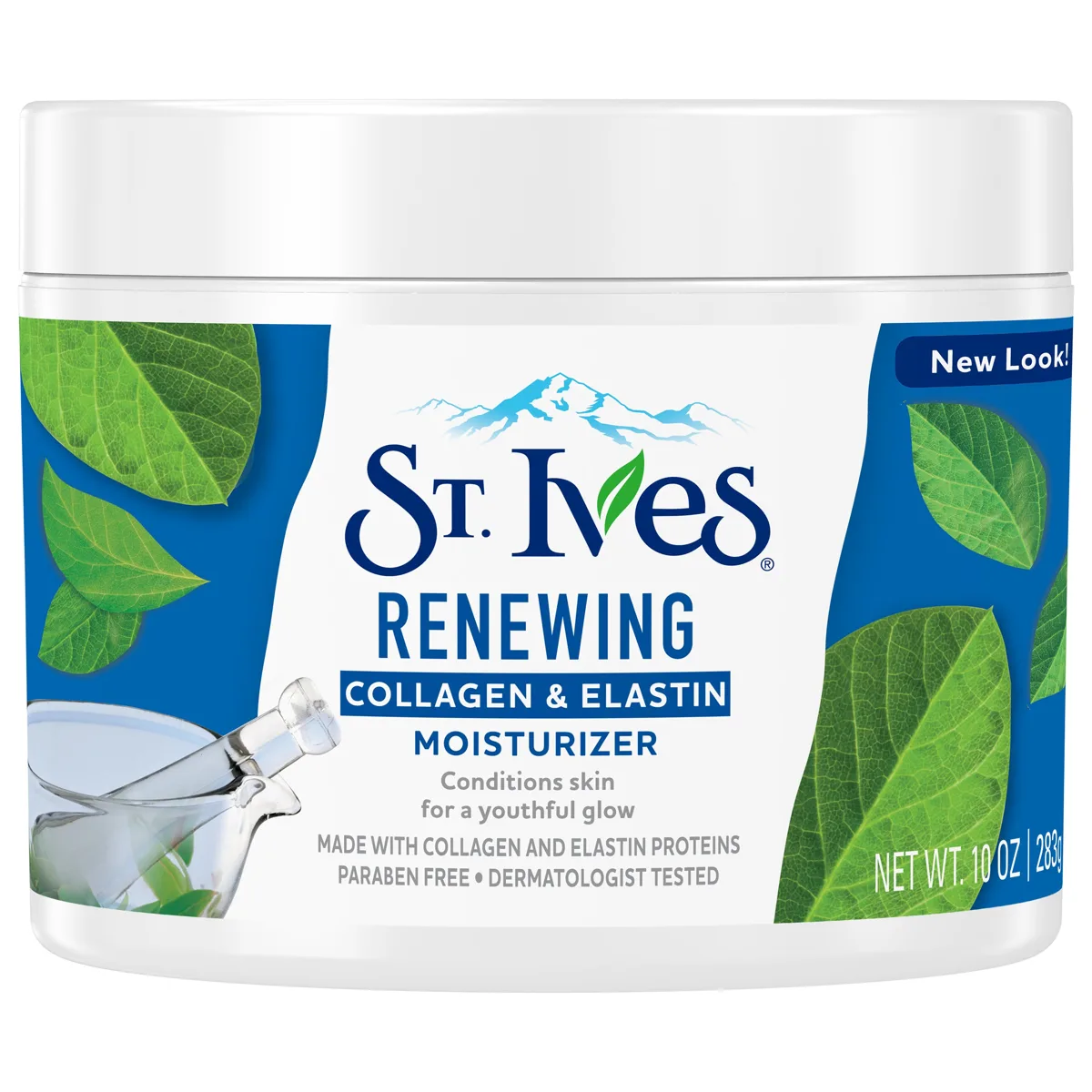
A brutally honest product: it's an effective mineral oil moisturizer for dry skin at an almost absurdly low price, but the collagen and elastin in the name are decorative — present at trace levels that do nothing meaningful for aging. Buy it for hydration, not for the promise on the label.
Renewing Collagen & Elastin Moisturizer
A brutally honest product: it's an effective mineral oil moisturizer for dry skin at an almost absurdly low price, but the collagen and elastin in the name are decorative — present at trace levels that do nothing meaningful for aging. Buy it for hydration, not for the promise on the label.
Score Breakdown
Where this product gains points and where it loses them — broken down across the four scoring pillars.
A basic mineral oil-based moisturizer with negligible amounts of the collagen and elastin it's named after. The ingredient list is dated and minimalist — but the 10 oz jar for under $8 makes it one of the cheapest per-ounce facial moisturizers available, and mineral oil genuinely is an effective occlusive for dry skin.
Pros & Cons
- ✓Exceptional value — 10 oz for approximately $8, lasting 3-4 months of daily use
- ✓Mineral oil and dimethicone provide genuinely effective occlusive moisture protection
- ✓Creamy texture feels smoother and more elegant than the ingredient list suggests
- ✓Non-comedogenic formulation claim — suitable for many skin types despite mineral oil base
- ✓Cruelty-free and paraben-free at a mass-market price point
- ✓Safflower seed oil provides linoleic acid for barrier support
- ✗Collagen and elastin are present at negligible concentrations despite being the product's headline ingredients
- ✗Mineral oil as the second ingredient feels dated compared to modern moisturizer formulations
- ✗Contains fragrance and triethanolamine — not ideal for sensitive skin
- ✗Jar packaging raises hygiene concerns compared to pump or tube formats
- ✗Can clog pores on oily or acne-prone facial skin despite non-comedogenic claim
- ✗Formula has been changed multiple times from the original 'Timeless Skin' version
Full Review
There's a specific kind of product that survives in the market for decades not because of what it does, but because of what it's called. St. Ives' Renewing Collagen & Elastin Moisturizer is perhaps the purest example of this phenomenon in drugstore skincare. The words 'collagen' and 'elastin' on the front of the jar are doing heroic marketing work, while the actual collagen and elastin inside the jar are doing almost nothing at all.
Let's be direct about the ingredient list: this is primarily a mineral oil moisturizer. Water comes first, mineral oil comes second — making up a substantial portion of the formula. Then propylene glycol, glyceryl stearate, PEG-100 stearate, stearic acid, phenoxyethanol, safflower oil, and various emulsifiers and stabilizers. Hydrolyzed collagen and hydrolyzed elastin appear at the very bottom of the list, after the preservative system and fragrance — positions that indicate trace concentrations well below any functional threshold.
This matters because topical collagen and elastin, even at meaningful concentrations, cannot rebuild the skin's structural protein matrix. These are large protein molecules that cannot penetrate through the stratum corneum into the dermis where your body's own collagen and elastin live. What they can do at higher concentrations is act as humectants and film-formers — providing surface-level moisturizing and smoothing. At the trace levels present in this formula, even that modest benefit is negligible.
So what is this product actually good at? Moisturizing dry skin. And on that front, it performs well. Mineral oil is one of dermatology's most effective occlusives — it creates a barrier on the skin surface that dramatically reduces transepidermal water loss. Dimethicone adds a silky texture and additional occlusive protection. Safflower seed oil contributes linoleic acid, an essential fatty acid that supports barrier function. The combination creates a cream that genuinely keeps dry skin hydrated, comfortable, and protected from environmental moisture loss.
The texture hits above its price point. Despite the mineral oil base, this doesn't feel heavy or greasy. The dimethicone and glyceryl stearate emulsifier system creates a cream that spreads easily, absorbs into a smooth finish, and leaves skin feeling soft and cushioned rather than coated. Users consistently describe the experience as more pleasant than the ingredient list predicts.
The 10-ounce jar is the real star of this product. At approximately $8, you're getting three to four months of twice-daily facial moisturizing for roughly $2 per month. The sheer volume makes this one of the most affordable per-ounce facial moisturizers available from a nationally recognized brand. For people who go through moisturizer quickly — those with very dry skin, those who moisturize face and neck and chest — the economics are compelling.
The jar packaging is this product's most forgivable sin. Yes, hygiene-conscious skincare experts prefer pumps and tubes over open jars where you repeatedly dip your fingers. But at this price point, jar packaging is standard, and the product's preservative system (phenoxyethanol, ethylhexylglycerin) is designed to handle the bacterial exposure that jar packaging introduces.
The fragrance is polarizing. Some long-time users love the familiar scent; others find it artificial and wish for an unscented version. The fragrance plus the triethanolamine pH adjuster make this less suitable for genuinely sensitive skin — though St. Ives has never really positioned this product for the sensitive skin market.
Former 'Timeless Skin' devotees have legitimate gripes about formula changes over the years. Unilever has reformulated this product multiple times, and some users insist that earlier versions performed better. Without archived formulations to compare, it's impossible to validate these claims — but the volume of the complaint suggests something shifted.
The honest recommendation: if you have dry skin and need an effective, occlusive moisturizer at a budget price, this genuinely works. The mineral oil-dimethicone combination is simple, proven, and cheap. But buy it for what it is — a basic moisturizer — not for what the label implies. The collagen and elastin are marketing ingredients, not functional ones. If anti-aging is your goal, pair this cream as an occlusive layer over a retinol, vitamin C, or peptide serum that can actually stimulate collagen production. Used that way, this jar becomes a very cost-effective final step in an evidence-based anti-aging routine.
Formula
Key Ingredients
The hero actives that drive this product's performance.
| Ingredient | Function | Evidence |
|---|---|---|
| Mineral Oil | The primary occlusive emollient in this formula, listed second after water and making up a significant portion of the cream. Creates a protective barrier on the skin surface that prevents transepidermal water loss. While not a sophisticated ingredient, mineral oil is one of the most effective occlusives available and is well-tolerated by most skin types. | well-established |
| Hydrolyzed Collagen | Broken-down collagen protein that acts as a humectant and film-former on the skin surface, providing a temporary smoothing and plumping effect. Listed near the end of the ingredient list at minimal concentration, its contribution is primarily as a light moisturizing protein rather than a collagen-rebuilding treatment despite the product's marketing emphasis. | limited |
| Hydrolyzed Elastin | A broken-down elastin protein that provides surface-level conditioning and moisture-binding properties. Like the collagen, it cannot penetrate to the dermis to rebuild the skin's structural elastin network. At its low concentration in this formula, it contributes minor humectant activity and a skin-smoothing feel. | limited |
| Dimethicone | A silicone-based emollient that smooths the skin surface and creates a breathable protective barrier. Works alongside the mineral oil to lock in moisture while providing the slip and spreadability that makes this cream feel silky rather than heavy despite its occlusive base. | well-established |
Full INCI List
Water, Mineral Oil (Paraffinum Liquidum), Propylene Glycol, Glyceryl Stearate, PEG-100 Stearate, Stearic Acid, Phenoxyethanol, Carthamus Tinctorius (Safflower) Seed Oil, Triethanolamine, Carbomer, Cetyl Alcohol, Dimethicone, Disodium EDTA, Fragrance (Parfum), Ethylhexylglycerin, Hydrolyzed Collagen, Hydrolyzed Elastin
Product Flags
✗ Fragrance Free✓ Alcohol Free✗ Oil Free✗ Silicone Free✓ Paraben Free✓ Sulfate Free✓ Cruelty Free✗ Vegan✗ Fungal Acne Safe
Comedogenic Ingredients
Mineral OilCetyl Alcohol
Potential Irritants
Fragrance (Parfum)Triethanolamine
Common Allergens
Fragrance (Parfum)
Compatibility
Skin Match
Best For
Works For
Not Ideal For
Addresses These Conditions
Use With Caution
Routine Step
moisturizer
Time of Day
AM & PM
Pregnancy Safe
Yes ✓
Layering Tips
Apply to clean skin after any serums or treatments. The rich, occlusive formula works best as the final step before sunscreen in the morning. At night, it can serve as a standalone moisturizer for dry skin. Due to the mineral oil base, it may interfere with the absorption of water-based products applied afterward.
Results Timeline
Immediate softening and moisture-barrier improvement from first use. Skin feels less dry and tight within days of consistent twice-daily use. Long-term, provides consistent basic hydration but should not be expected to deliver anti-aging results despite the collagen and elastin marketing.
Pairs Well With
Hyaluronic acid serum (applied underneath)Retinol (applied underneath, followed by this cream)SPF sunscreen (applied on top in AM)
Sample AM Routine
- Gentle cleanser
- Serum
- St. Ives Renewing Collagen & Elastin Moisturizer
- SPF sunscreen
Sample PM Routine
- Gentle cleanser
- Treatment serum
- St. Ives Renewing Collagen & Elastin Moisturizer
Evidence
Science & Expert Perspective
The Science
Mineral oil's efficacy as an occlusive moisturizer is among the best-documented in dermatology. Research shows that cosmetic-grade mineral oil reduces transepidermal water loss (TEWL) by forming a semi-occlusive barrier on the skin surface, with studies demonstrating a greater than 40% reduction in TEWL when applied to dry skin. Its molecular structure prevents it from penetrating into the skin, which is both its strength (surface protection) and its limitation (no deeper biological activity).
Hydrolyzed collagen and elastin as topical ingredients have minimal evidence for anti-aging efficacy. A 2020 review in the International Journal of Cosmetic Science noted that collagen peptides can provide surface-level moisture retention and a temporary smoothing effect when applied at sufficient concentrations, but cannot stimulate new collagen synthesis when applied topically. The molecules are too large to penetrate the stratum corneum in their hydrolyzed form, and even smaller collagen fragments have not demonstrated the ability to reach dermal fibroblasts at concentrations achievable through topical application.
For genuine collagen stimulation, the evidence points to retinoids (which upregulate collagen gene expression), L-ascorbic acid (a cofactor in collagen synthesis), and specific peptides (which can signal fibroblasts to increase collagen production). None of these ingredients are present in this formula, which means the product's anti-aging claims rest entirely on its moisturizing properties — which, while real, are not specific to the collagen and elastin it highlights.
Dermatologist Perspective
Board-certified dermatologists view mineral oil-based moisturizers as effective, affordable options for dry skin management. Dermatologists note that while the collagen and elastin ingredients in this product do not provide meaningful anti-aging benefits at their listed concentrations, the mineral oil and dimethicone create a reliable occlusive barrier that addresses the most common cause of dry, dull-looking skin: insufficient moisture retention. Dermatologists may recommend using this as an affordable occlusive layer over evidence-based anti-aging actives like retinol or vitamin C serums — essentially using the cheap moisturizer to seal in the expensive treatments.
Guidance
Usage Guide
How to Use
Apply a thin layer to clean skin morning and evening after any serums or treatment products. The occlusive mineral oil base works best as the final skincare step before sunscreen (AM) or as the last step (PM). For anti-aging benefits, layer over a retinol, vitamin C, or peptide serum — this cream's occlusive properties help seal in those active ingredients. Apply to slightly damp skin for enhanced moisture trapping.
Value Assessment
At approximately $8 for 10 ounces, this is extraordinary value as a basic moisturizer. The per-month cost of roughly $2 with twice-daily use makes it one of the most affordable facial moisturizers from a recognized brand. The ingredient quality is basic — mineral oil, dimethicone, and safflower oil are effective but not sophisticated — and the collagen/elastin ingredients don't justify any anti-aging premium. Buy this as a budget occlusive moisturizer and it's excellent value. Buy it expecting collagen-rebuilding benefits and you're overpaying for the marketing, even at $8.
Who Should Buy
Budget-conscious shoppers with dry to normal skin seeking effective, no-frills hydration. Ideal as an affordable occlusive layer to seal in active serums, or as a straightforward daily moisturizer for people who don't want to spend more than necessary on basic skin hydration.
Who Should Skip
Anyone buying this expecting anti-aging collagen benefits — the collagen and elastin are present at negligible levels. Also not ideal for oily or acne-prone skin (mineral oil may clog pores), sensitive skin (fragrance and triethanolamine), or anyone who prefers modern, lightweight moisturizer formulations over mineral oil-based creams.
Ready to try St. Ives Renewing Collagen & Elastin Moisturizer?
Details
Details
Texture
Creamy, moderately thick moisturizer that spreads easily and absorbs into a smooth, slightly dewy finish. The mineral oil and dimethicone give it a slip and softness that feels more luxurious than the price suggests.
Scent
Mild floral-clean fragrance that's noticeable but not overwhelming. Some users find it pleasant; others find it artificial. The scent has changed with formula updates over the years.
Packaging
Large 10 oz jar — practical and cost-effective but not ideal for hygiene since you dip fingers into the product. The jar format is standard for this price category.
Finish
satindewylightweight
What to Expect on First Use
Applies smoothly with a creamy, comforting feel. Skin immediately feels softer and more cushioned. The mineral oil base creates a noticeable protective layer without feeling heavy or greasy. Dry patches and tightness noticeably improve from the first application.
How Long It Lasts
3-4 months with twice-daily face and neck application (10 oz jar)
Period After Opening
12 months
Best Season
All Year
Background
The Why
Originally sold as St. Ives 'Timeless Skin' Collagen Elastin Moisturizer, this product has been a drugstore fixture for over two decades. Multiple formula updates and rebrandings later, it maintains its core identity as an affordable collagen-named moisturizer. The name has always been its best marketing — 'collagen' and 'elastin' are powerful consumer-facing words, even though the topical application of these proteins at trace concentrations doesn't rebuild the skin's structural matrix.
About St. Ives Legacy Brand (20+ years)
St. Ives has been a drugstore skincare staple since 1980, known for accessible, nature-inspired products. Owned by Unilever, the brand has massive distribution and brand recognition. The Collagen Elastin moisturizer line has been one of the brand's longest-running products, originally sold as 'Timeless Skin' before rebranding.
Brand founded: 1980 · Product launched: 2005
Myth vs. Reality
Myths & Misconceptions
Myth
This moisturizer's collagen and elastin will rebuild your skin's structural proteins.
Reality
Hydrolyzed collagen and elastin applied topically cannot penetrate into the dermis where the skin's structural proteins live. These ingredients are far too large molecularly to reach the fibroblasts that produce collagen and elastin. In this formula, they function as surface-level humectants and film-formers — they make skin feel temporarily smoother, but they don't stimulate new collagen or elastin production. For that, you'd need retinoids, peptides, or vitamin C in leave-on formulations.
Myth
Mineral oil is bad for your skin and clogs pores.
Reality
Cosmetic-grade mineral oil is one of the most studied occlusive ingredients in dermatology. It's non-comedogenic in its purified form and is highly effective at preventing transepidermal water loss. Some individuals do experience breakouts from mineral oil, particularly on acne-prone facial skin, but this is individual sensitivity rather than a universal problem. Mineral oil has been safely used in skincare for over a century.
FAQ
Frequently Asked Questions
Does St. Ives Collagen & Elastin Moisturizer actually fight wrinkles?
Not through its collagen and elastin ingredients, which are present at negligible concentrations and cannot penetrate to the dermis to rebuild structural proteins. The moisturizer does reduce the appearance of fine dehydration lines by keeping skin well-hydrated — but this is a basic moisturizing effect, not an anti-aging treatment. If anti-aging is your goal, pair this as a moisturizing layer over a retinol or vitamin C serum.
Is St. Ives Collagen & Elastin Moisturizer good for oily skin?
Likely too heavy. The mineral oil base, while effective for dry skin, can feel occlusive and may contribute to breakouts on oily or acne-prone skin. If you have oily skin, look for an oil-free, water-based moisturizer instead.
Why did St. Ives change the Timeless Skin formula?
St. Ives has updated this product's formula and branding multiple times over its 20+ year history. The current 'Renewing Collagen & Elastin' formulation replaced the previous 'Timeless Skin' version. While the core concept remains the same — affordable collagen-named moisturizer — ingredient details and proportions have shifted between versions, which has frustrated some long-time users who preferred the original formula.
Is mineral oil in St. Ives moisturizer safe?
Yes — cosmetic-grade mineral oil is one of the most thoroughly studied and safest occlusive ingredients in skincare. It's been used in dermatological applications for over a century. The purified mineral oil in this moisturizer is non-toxic, non-sensitizing, and highly effective at preventing moisture loss. Some individuals may experience clogged pores from mineral oil on their face, but this is individual sensitivity, not a safety concern.
How long does the 10 oz jar of St. Ives Collagen Moisturizer last?
With twice-daily face and neck application, the generous 10 oz jar typically lasts 3-4 months. At roughly $8, that works out to about $2 per month — making this one of the most affordable facial moisturizers available per day of use.
Community
Community Voices
Common Praise
"Extremely affordable for the generous 10 oz size"
"Keeps dry skin moisturized and soft"
"Lightweight texture that absorbs without excessive greasiness"
"Non-comedogenic claim"
"Long-running cult favorite among budget skincare users"
Common Complaints
"Mineral oil as the second ingredient feels outdated"
"Collagen and elastin are present at negligible concentrations"
"Formula has changed from the original Timeless Skin version"
"Can clog pores and cause breakouts on acne-prone skin"
"Contains fragrance that some users find artificial"
Notable Endorsements
Sold at every major US drugstore, grocery store, and mass retailer
Appears In
best moisturizer for dryness best moisturizer for winter skin
Related Conditions
Related Ingredients
You Might Also Like
 Budget Holy Grail
 Moisturizing Cream
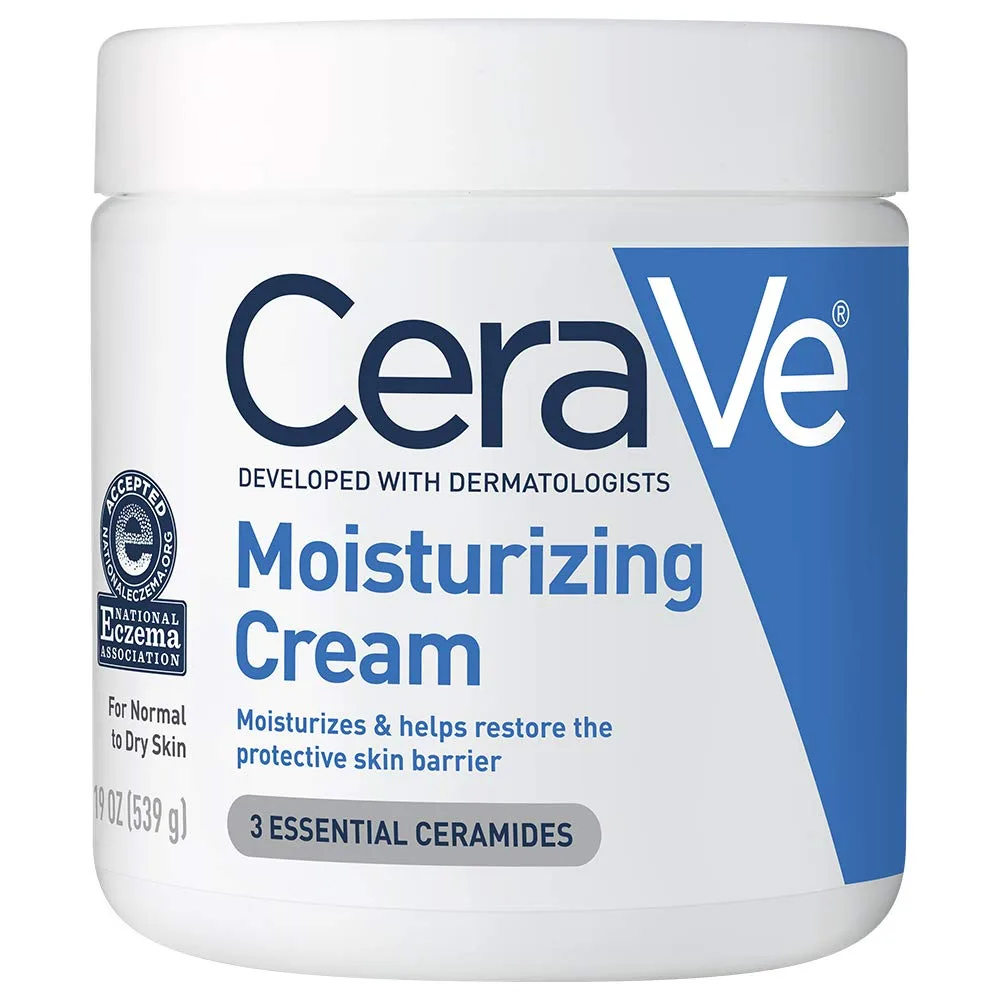
The CeraVe Moisturizing Cream is the most important moisturizer in the drugstore — a ceramide-rich, dermatologist-developed formula that delivers barrier repair, multi-humectant hydration, and occlusive protection at a price so accessible it has no real excuse not to be in every household. Twenty-one years of consistent performance and universal dermatologist approval speak louder than any ingredient list.
 Barrier Repair Pioneer
 MLE Cream
Atopalm MLE Cream is one of the genuinely scientifically anchored barrier moisturizers in K-beauty — a fragrance-free, pseudo-ceramide cream built around a patented liquid-crystal lipid structure that mimics the skin's own intercellular matrix. For eczema, atopic skin, post-procedure recovery, or anyone with a stinging compromised barrier, it's one of the most reliably effective moisturizers in the entire category.
 K-Beauty Barrier Repair Staple
 Atobarrier 365 Cream
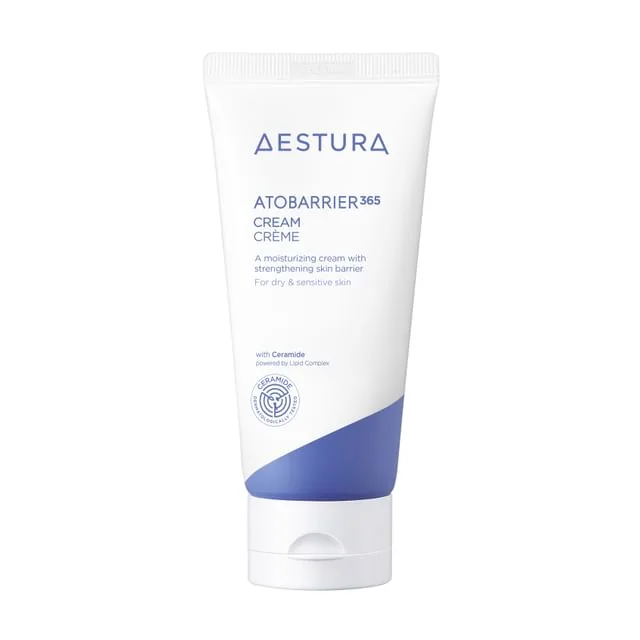
A Korean pharmacy cream that earns its cult following the hard way — with a lamellar lipid structure that actually rebuilds the barrier, not just coats it. If your skin has been through a rough winter, a retinoid ramp-up, or a bad reaction, this is the jar that quietly puts it back together.
 Korean Derm Clinic Recovery Pick
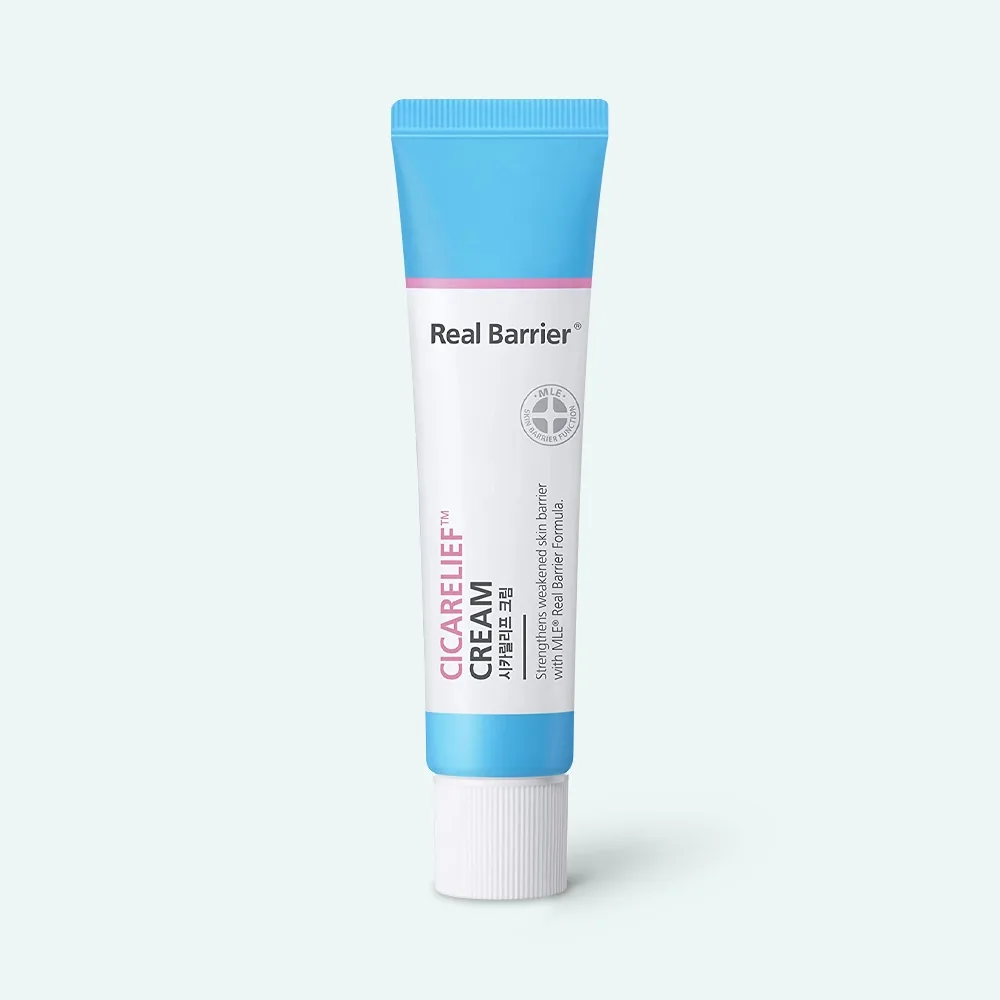
 Real Barrier Cicarelief Cream
One of the best consumer cica creams on the market, combining the full spectrum of centella actives with NeoPharm's MLE ceramide delivery and multiple complementary calming ingredients. Ideal for compromised, reactive, rosacea-prone, or recovering skin, and a staple in Korean dermatology clinic protocols. Minor limitations on packaging, but the formulation is genuinely excellent.
 Transparent 10% Panthenol Cream
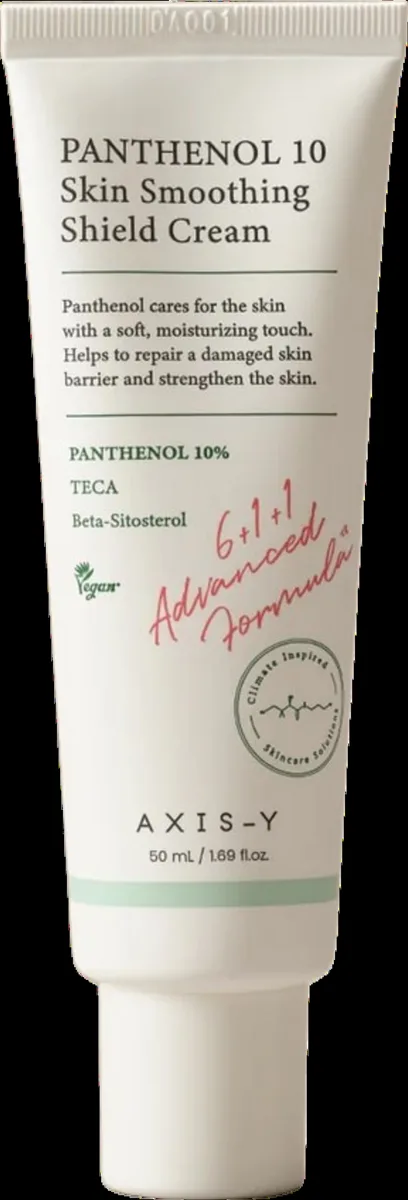
 Panthenol 10 Skin Smoothing Shield Cream
A disclosed 10% panthenol barrier cream built around a full physiological ceramide trio, a centella calming cast, and a modest shea butter occlusive. Fragrance-free, cross-season, and unusually transparent about its hero active — one of the brand's strongest moisturizer formulations.
 K-Beauty Icon
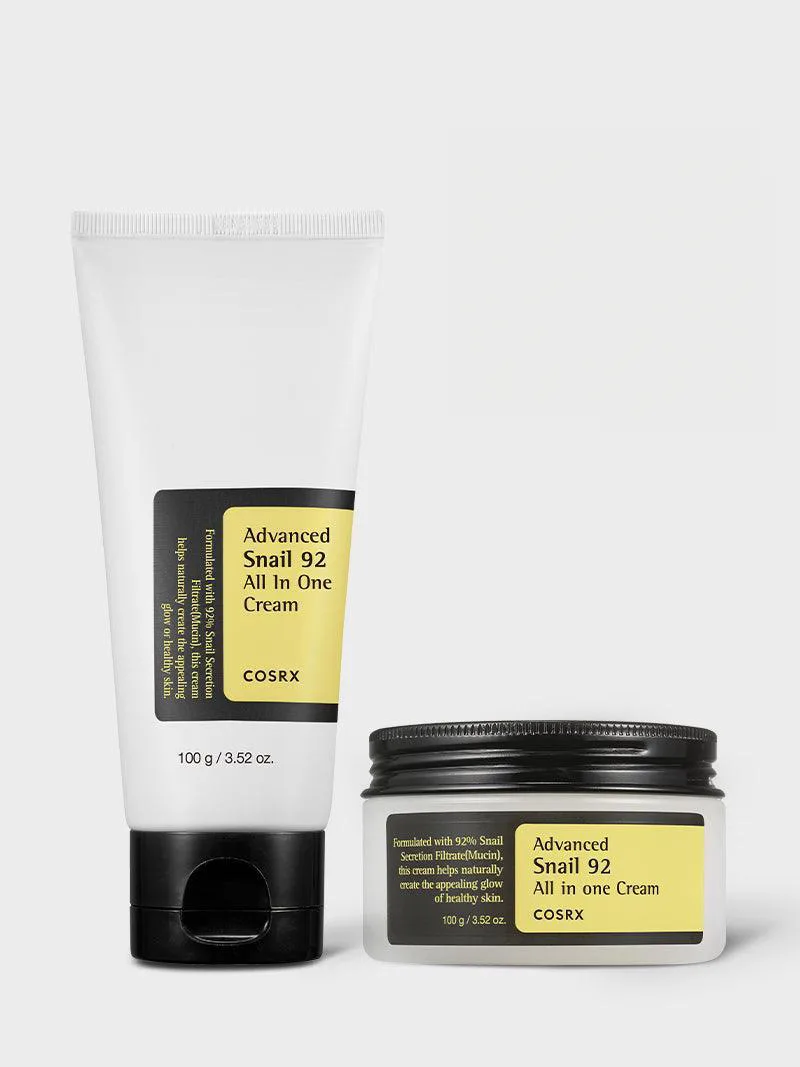
 Advanced Snail 92 All in One Cream
The cream that helped prove snail mucin to the world — and a decade later, it still deserves the reputation. At 92% snail secretion filtrate in a fragrance-free, gentle gel-cream, it delivers hydration, soothing, and gradual skin improvement across virtually every skin type. The texture takes getting used to, but 13 million sold units and 25,000+ reviews suggest most people manage.