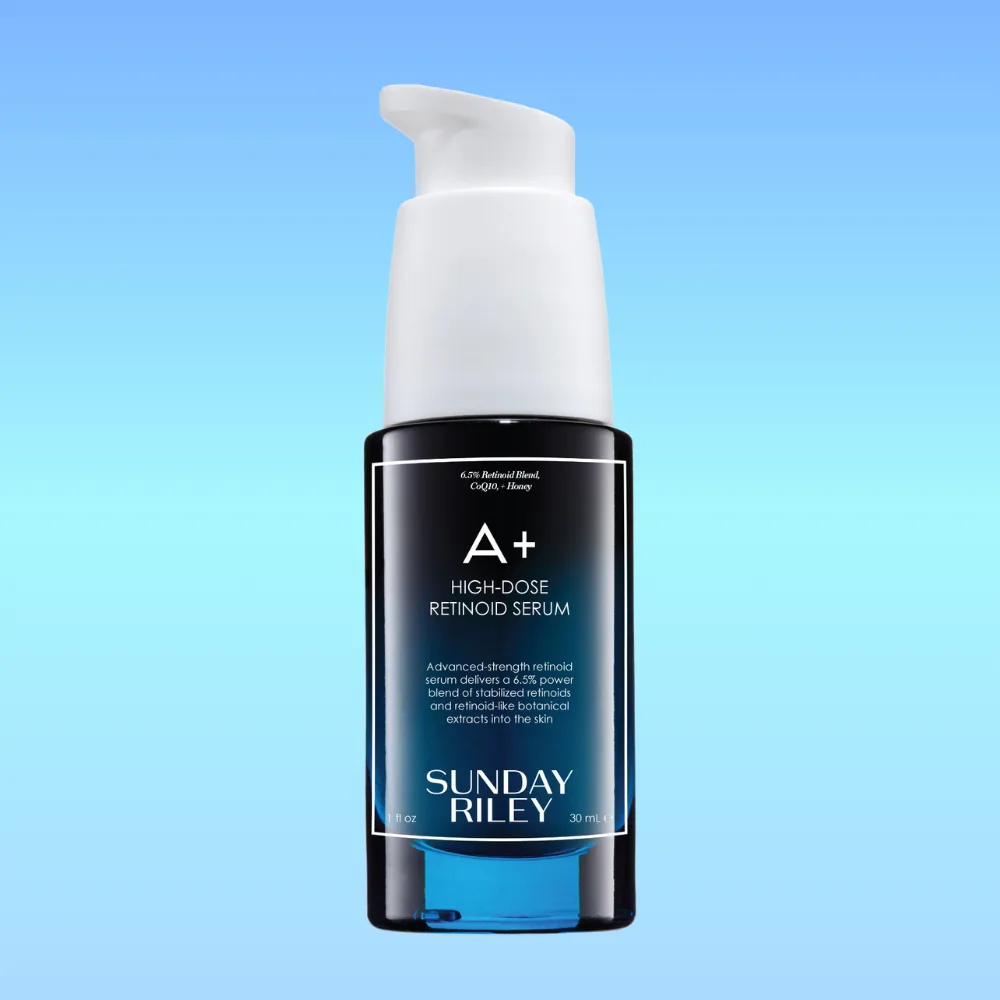
A thoughtfully formulated dual retinoid serum that prioritizes tolerability through HPR's direct receptor activation and generous soothing botanicals. It's genuinely gentle for a retinoid this ambitious, but the premium price and the gap between the 6.5% marketing claim and the 0.5% HPR reality demand scrutiny.
A+ High-Dose Retinoid Serum
A thoughtfully formulated dual retinoid serum that prioritizes tolerability through HPR's direct receptor activation and generous soothing botanicals. It's genuinely gentle for a retinoid this ambitious, but the premium price and the gap between the 6.5% marketing claim and the 0.5% HPR reality demand scrutiny.
Score Breakdown
Where this product gains points and where it loses them — broken down across the four scoring pillars.
A well-formulated dual retinoid system with sophisticated delivery technology and generous soothing support. The HPR + liposomal retinol approach is genuinely thoughtful, but the premium price is steep for actual active concentrations that are modest, and the brand's FTC review scandal warrants noting.
Pros & Cons
- ✓Dual retinoid system with HPR for immediate activity and liposomal retinol for sustained release
- ✓Notably gentler adjustment period than most traditional retinol serums
- ✓Dense soothing support with bisabolol, prickly pear, ginger, honey, and CoQ10
- ✓Lightweight texture absorbs quickly and layers well under moisturizer
- ✓Fragrance-free formulation despite the brand's prestige positioning
- ✓Airless pump packaging protects unstable retinoid actives from degradation
- ✓Effective entry point for people new to retinoid therapy
- ✗The 6.5% retinoid claim conflates ingredients of vastly different potencies
- ✗At $85 per ounce the price is steep for 0.5% HPR concentration
- ✗Unpleasant chemical smell described as old rubber by multiple reviewers
- ✗Brand's FTC fake review settlement raises questions about early consumer feedback
- ✗Contains alcohol (listed low in INCI but present)
Full Review
Let's start with the number that sells this serum: 6.5%. It's the biggest number on the marketing materials, and in a skincare market where consumers have learned to ask about concentrations, it sounds impressively potent. But the math behind that number deserves a closer look, because it tells a more nuanced story than the headline suggests.
The 6.5% breaks down into three components: 5% retinoid esters (gentle vitamin A derivatives that need multiple enzymatic conversion steps to become active), 1% liposome-encapsulated retinol blend (traditional retinol in a slow-release delivery system), and 0.5% blue-green algae extract with retinoid-like activity. The ingredient that actually matters most — Hydroxypinacolone Retinoate, the 'high-dose retinoid' in the product name — is present at approximately 0.5%. That's not a criticism of the concentration itself; 0.5% HPR is a meaningful amount given the ingredient's direct receptor-binding activity. But the 6.5% figure adds together ingredients of vastly different potencies and calls it a total, which is like adding the horsepower of a bicycle to a car and marketing the combined number.
Now, setting the marketing aside, the actual formulation is genuinely interesting. Sunday Riley's founder is a cosmetic chemist by training, and the dual retinoid approach reflects real formulation sophistication. HPR — Hydroxypinacolone Retinoate — is a retinoic acid ester that binds directly to retinoid receptors without requiring the multi-step enzymatic conversion that retinol undergoes. Retinol needs to be converted to retinaldehyde, then to retinoic acid, before it can activate receptors. HPR skips that entire chain. In vitro research has shown HPR stimulating procollagen production at levels comparable to tretinoin, with significantly less inflammatory response.
The second retinoid component — liposome-encapsulated retinol — provides a sustained-release mechanism. The phospholipid liposomes act as tiny delivery vehicles, slowly releasing retinol into the skin over hours rather than dumping it all at once. This time-release approach reduces the irritation spike that comes with free retinol while extending the duration of retinoid activity. The result is a formula designed to deliver retinoid benefits through two parallel pathways: HPR for immediate receptor activation and liposomal retinol for sustained, conversion-dependent activity.
The surrounding cast of ingredients reads like a soothing protocol designed to make this retinoid therapy tolerable for the widest possible audience. Bisabolol (chamomile-derived), prickly pear fruit extract, ginger root extract, honey extract, and CoQ10 all contribute anti-inflammatory and antioxidant support. Sodium hyaluronate crosspolymer provides longer-lasting hydration than standard hyaluronic acid. Cetylhydroxyproline palmitamide functions as a ceramide-like barrier support ingredient. Shea butter adds emollience. This is not a formula that drops retinoids onto your face and leaves you to deal with the consequences — it actively works to manage the irritation that retinoid therapy commonly produces.
The texture is a lightweight, slightly yellow-tinted lotion that absorbs quickly and feels almost weightless on the skin. One to two pumps covers the full face. It layers well under a heavier moisturizer or facial oil, which is how most retinoid serums should be used, especially during the adjustment period.
Then there's the smell. Multiple reviewers describe it as 'old rubber,' 'chemical,' or simply 'weird.' It's not a fragrance — the product is fragrance-free — but the combination of HPR, retinol, and the Dimethyl Isosorbide penetration enhancer produces an odor that some users find genuinely off-putting. It dissipates within a few minutes of application, and it's actually a positive sign that Sunday Riley chose not to mask it with added fragrance, but it's worth knowing about before your first application.
In practice, most users report visible improvements in skin smoothness and radiance within two to four weeks, with more significant changes in fine lines and dark spots emerging over eight to twelve weeks. The adjustment period — some mild flaking, possible tightness, occasional purging — is notably gentler than with many traditional retinol products, which is the whole point of the HPR-forward approach. Retinoid beginners frequently cite this as a manageable entry point into vitamin A therapy.
We should address the elephant in the room. In 2020, the FTC issued a consent agreement after finding that Sunday Riley had directed employees to post fake positive reviews on Sephora between 2015 and 2017. While the A+ launched in 2019 — after the fake review period — the scandal raises legitimate questions about the brand's relationship with honest consumer feedback. The brand has continued to operate at major retailers and the consent agreement prohibited future deceptive practices, but it's context that informed consumers should have.
The value question is straightforward: $85 for one ounce of a serum where the star active is present at 0.5% is a lot of money. The formulation is sophisticated, the delivery technology is thoughtful, and the soothing support is generous — but you are paying prestige prices, and competing HPR-based products exist at significantly lower price points. Whether Sunday Riley's specific formulation approach (dual retinoid, heavy soothing support, airless pump stability) justifies the premium over a simpler HPR serum at half the price is a personal calculus.
What the A+ does well — and it does do it well — is make retinoid therapy accessible to people who've been intimidated by it. The gentle adjustment period, the lightweight texture, the buffered delivery systems, and the army of soothing botanicals all work toward removing barriers to consistent retinoid use. For someone who's tried retinol before and given up due to irritation, or for someone who wants to start retinoids but is nervous about the adjustment, this formula is designed to meet them where they are. Whether that approachability is worth $85 depends entirely on what you value.
Formula
Key Ingredients
The hero actives that drive this product's performance.
| Ingredient | Function | Evidence |
|---|---|---|
| Hydroxypinacolone Retinoate (HPR) 0.5% (0.5%) | A next-generation retinoic acid ester that binds directly to retinoid receptors (RAR) without requiring the multi-step enzymatic conversion that retinol needs. In this formula, HPR works as the fast-acting component of a dual retinoid system — providing immediate retinoid receptor activation while the liposome-encapsulated retinol delivers sustained, time-released activity. | promising |
| Retinol (Liposome-Encapsulated) | Classic vitamin A derivative delivered in phospholipid liposomes that slow its release into the skin, reducing the irritation spike that comes with unencapsulated retinol. Complements the HPR by providing a secondary, conversion-dependent retinoid pathway for sustained collagen-stimulating and cell-turnover effects. | well-established |
| Ubiquinone (CoQ10) | A mitochondrial antioxidant that helps protect skin cells from the oxidative stress that retinoids can temporarily amplify. In a retinoid-heavy formula, CoQ10 serves a strategic role — supporting cellular energy production during the increased metabolic demand of accelerated cell turnover. | well-established |
| Bisabolol | A chamomile-derived anti-inflammatory that helps soothe the redness and irritation commonly triggered by retinoid use. Part of this formula's deliberate strategy of pairing potent actives with calming botanicals to improve tolerability. | well-established |
| Sodium Hyaluronate Crosspolymer | A crosslinked form of hyaluronic acid that provides longer-lasting hydration than standard sodium hyaluronate by forming a moisture-retaining film on the skin surface. Critical in a retinoid formula where transepidermal water loss typically increases during the adjustment period. | well-established |
Full INCI List
Water/Eau/Aqua, Dimethyl Isosorbide, Propanediol, Triheptanoin, Dimethicone, Glycerin, Pentylene Glycol, Cetyl PEG/PPG-10/1 Dimethicone, Disiloxane, Hexyldecanol, Diheptyl Succinate, Propylene Carbonate, Phenyl Trimethicone, PPG-24-Glycereth-24, Hydroxypinacolone Retinoate, Sodium Acrylates Copolymer, Helianthus Annuus (Sunflower) Seed Oil, Honey Extract, Opuntia Ficus-Indica Fruit Extract, Bisabolol, Butyrospermum Parkii (Shea) Butter, Retinol, Sodium Hyaluronate Crosspolymer, Ubiquinone, Zingiber Officinale (Ginger) Root Extract, Tocopherol, Hydrogenated Polydecene, Lecithin, 1,2-Hexanediol, 4-T-Butylcyclohexanol, Caprylyl Glycol, Phospholipids, Polyglyceryl-10 Stearate, Sorbitol, Cetylhydroxyproline Palmitamide, Polysilicone-11, Benzoic Acid, Dehydroacetic Acid, Capryloyl Glycerin/Sebacic Acid Copolymer, Sodium Phytate, Phenoxyethanol, Glyceryl Polyacrylate, Alcohol, Polysorbate 20, Saccharomyces Cerevisiae Extract, Brassica Campestris (Rapeseed) Sterols
Product Flags
✓ Fragrance Free✗ Alcohol Free✗ Oil Free✗ Silicone Free✓ Paraben Free✓ Sulfate Free✓ Cruelty Free✗ Vegan✗ Fungal Acne Safe
Potential Irritants
RetinolHydroxypinacolone RetinoateAlcohol
Compatibility
Skin Match
Best For
Works For
Not Ideal For
Addresses These Conditions
aging hyperpigmentation dullness texture dark spots
Use With Caution
Routine Step
treatment
Time of Day
PM
Pregnancy Safe
No ✗
Layering Tips
Apply 1-2 pumps to clean, dry skin in the evening. Wait 1-2 minutes before layering moisturizer on top. Start with every other night and build to nightly use over 2-4 weeks. Always use SPF 30+ the following morning.
Results Timeline
First 1-2 weeks: possible mild flaking, redness, or purging as skin adjusts. Weeks 2-4: skin texture begins to smooth and radiance improves. Weeks 4-8: visible improvement in fine lines and dark spots. Full anti-aging benefits typically become apparent after 8-12 weeks of consistent nightly use.
Pairs Well With
Gentle hydrating cleanserHyaluronic acid serum underneath for extra hydrationRich moisturizer or facial oil on top to buffer
Conflicts With
Other retinoidsAHA/BHA exfoliants on the same nightBenzoyl peroxide
Sample AM Routine
- Gentle cleanser
- Vitamin C serum
- Moisturizer
- SPF 30+ sunscreen
Sample PM Routine
- Oil cleanser or micellar water
- Gentle foaming cleanser
- THIS PRODUCT — 1-2 pumps on dry skin
- Rich moisturizer or facial oil
Evidence
Who Should Skip
- The 6.5% retinoid claim conflates ingredients of vastly different potencies
- At $85 per ounce the price is steep for 0.5% HPR concentration
- Unpleasant chemical smell described as old rubber by multiple reviewers
- Brand's FTC fake review settlement raises questions about early consumer feedback
Science & Expert Perspective
The Science
Hydroxypinacolone Retinoate (HPR) represents a newer approach to retinoid therapy that has generated genuine scientific interest. Unlike retinol, which must undergo a two-step enzymatic conversion (retinol → retinaldehyde → retinoic acid) before it can activate retinoid receptors, HPR is a retinoic acid ester that binds directly to retinoid acid receptors (RAR). This direct binding means it's pharmacologically active upon contact with skin cells, without depending on the conversion enzymes whose expression varies between individuals.
A 2018 study by Ruth and Mammone presented at the Journal of Investigative Dermatology found that HPR increased procollagen production in skin models at levels comparable to all-trans retinoic acid (tretinoin) — the gold standard prescription retinoid — without inducing the heightened inflammatory response that tretinoin produces. At the highest tested dose, HPR actually outperformed tretinoin in collagen staining metrics. The researchers concluded HPR is 'an effective alternative to ATRA and other less potent retinoids without the detrimental side-effects.'
A 2023 clinical trial by Wang et al. published in the Journal of Cosmetic Dermatology studied 42 women using HPR combined with retinyl propionate over 8 weeks. The combination reduced wrinkles by 8.3%, improved smoothness by 11.9%, decreased transepidermal water loss by 25.7%, and improved elasticity by 14.5-22.6% — with no adverse reactions reported. These results support the multi-retinoid approach used in the A+ formula.
More recently, a 2025 study by Shen et al. published in the Journal of Cosmetic Dermatology examined an HPR + retinol combination serum in 31 women over 8 weeks. The combination activated TGF-beta/Smad signaling pathways — key molecular cascades in collagen production — with a gene expression profile that more closely resembled HPR's activity than retinol's alone, suggesting HPR is the dominant driver of anti-aging effects even when combined with retinol.
The liposomal delivery of retinol in this formula uses phospholipid encapsulation to create a sustained-release mechanism. Research on liposomal retinol delivery has consistently shown reduced irritation potential compared to free retinol at equivalent concentrations, with comparable or improved efficacy due to the more gradual release profile.
References
- Anti-aging effects of retinoid hydroxypinacolone retinoate on skin models — Journal of Investigative Dermatology (2018)
- The synergistic effect of retinyl propionate and hydroxypinacolone retinoate on skin aging — Journal of Cosmetic Dermatology (2023)
- An Innovative Serum With Retinol, Hydroxypinacolone Retinoate, Peptides, and Silybin Improves Mild Photoaged Facial Skin — Journal of Cosmetic Dermatology (2025)
Dermatologist Perspective
Board-certified dermatologists recognize HPR as a promising retinoid with a growing evidence base, though most note that the published research is still far smaller than the decades of clinical data supporting tretinoin and retinol. Dermatologists frequently recommend the A+ as a stepping stone for patients who find prescription retinoids intolerable — the gentler adjustment period can help build compliance before transitioning to stronger retinoid therapy if needed. The dual retinoid approach is viewed favorably from a formulation standpoint, and the dense soothing support addresses one of the most common reasons patients abandon retinoid therapy. However, dermatologists also note that the prestige price point puts this product in competition with prescription tretinoin, which is both more potent and often less expensive with insurance coverage.
Guidance
Usage Guide
How to Use
Start by applying 1-2 pumps to clean, dry skin every other evening. After 2-4 weeks, increase to nightly use if skin tolerates it well. Follow with a moisturizer — ideally one with ceramides or rich emollients to support the skin barrier during retinoid adjustment. Always apply broad-spectrum SPF 30+ the following morning, as retinoids increase photosensitivity. Avoid using AHA/BHA exfoliants or benzoyl peroxide on the same nights you use this serum.
Value Assessment
At $85 for 1 ounce, the A+ is priced at the premium end of over-the-counter retinoid serums. The 0.5 oz size at $50 offers a lower entry point for trial, and the 1.7 oz size at $122 ($71.76/oz) provides the best per-unit value for committed users. The formulation is genuinely more sophisticated than most retinol products — the dual retinoid system, liposomal delivery, and comprehensive soothing support represent real R&D investment. However, HPR-based products from other brands offer similar active technology at significantly lower price points. The premium here is partially for the formulation complexity and partially for the Sunday Riley brand name. For retinoid beginners who value tolerability above all, the price may be justified by the gentler experience. For experienced retinoid users comfortable with some irritation, more potent options exist for less money.
Who Should Buy
Retinoid beginners and people with a history of retinol intolerance who want to start vitamin A therapy with minimal irritation. Also suitable for anyone seeking a premium anti-aging treatment that addresses fine lines, dullness, and hyperpigmentation without the harsh adjustment period of traditional retinol products.
Who Should Skip
Budget-conscious shoppers can find HPR and retinol products at a fraction of this price. Anyone already comfortable using prescription tretinoin or high-percentage retinol serums won't gain enough additional benefit to justify the cost. Pregnant and breastfeeding individuals should avoid all retinoid products.
Ready to try Sunday Riley A+ High-Dose Retinoid Serum?
Details
Details
Texture
Lightweight, milky lotion with a slight yellow tint. Fluid enough to spread easily but not watery. Absorbs quickly into skin without feeling heavy or greasy. One to two pumps covers the full face.
Scent
No added fragrance, but has a noticeable chemical or medicinal smell that many reviewers describe as unpleasant — compared to old rubber, chemicals, or a faintly clinical odor. The smell is from the active ingredients themselves and dissipates within a few minutes of application.
Packaging
Opaque yellow-gold airless pump bottle that protects the retinoid actives from light and air degradation. Available in 0.5 oz ($50), 1 oz ($85), and 1.7 oz ($122). The airless pump design ensures consistent dosing and ingredient stability.
Finish
satinlightweightdewy
What to Expect on First Use
First application feels silky and lightweight — noticeably different from heavier retinol creams. The unusual chemical smell is immediately apparent but fades within minutes. During the first 1-2 weeks, expect possible mild tightness, slight flaking, or minor breakouts as skin adjusts to the retinoid activity. Most users find this adjustment milder than with traditional retinol products.
How Long It Lasts
2-3 months with nightly use of 1-2 pumps (1 oz size)
Period After Opening
12 months
Best Season
All Year
Certifications
Cruelty-FreeClean at Sephora
Background
The Why
Launched in January 2019, the A+ was Sunday Riley's answer to the retinoid renaissance that was sweeping the prestige skincare market. The brand's founder — a cosmetic chemist by training — built the formula around Hydroxypinacolone Retinoate, a retinoic acid ester that had been generating excitement in dermatological research for its ability to deliver retinoid benefits with less irritation. The 'A+' name signals both the vitamin A ingredient class and the ambition to be a top-of-class retinoid treatment.
About Sunday Riley Established Brand (5–20 years)
Sunday Riley was founded in 2009 by cosmetic chemist Sunday Riley in Houston, Texas. The brand became one of the top independently owned prestige skincare lines in America and is sold at Sephora, Ulta, and Nordstrom. However, in 2020 the FTC issued a consent agreement after finding that the company had directed employees to post fake positive reviews on Sephora between 2015-2017, which raised questions about the authenticity of the brand's early review data.
Brand founded: 2009 · Product launched: 2019
Myth vs. Reality
Myths & Misconceptions
Myth
The 6.5% concentration means this is a very strong retinoid product.
Reality
The 6.5% figure is a combined total of all retinoid and retinoid-like ingredients, including gentle esters and a blue-green algae extract. The most potent active — HPR — is present at 0.5%, and the retinol concentration within the liposomal blend is undisclosed. By comparison, many drugstore retinol products contain 0.3-1% pure retinol. The 6.5% figure is technically accurate but can overstate the product's potency.
Myth
HPR is as effective as prescription tretinoin.
Reality
In vitro studies show HPR stimulates procollagen production comparable to tretinoin, but head-to-head clinical trials in humans at comparable concentrations are limited. HPR is promising and significantly less irritating, but the evidence base is still smaller than the decades of research supporting tretinoin. It's a gentler alternative, not a proven equivalent.
FAQ
Frequently Asked Questions
Is the Sunday Riley A+ serum really 6.5% retinoid?
The 6.5% is a combined figure that includes 5% retinoid esters (gentler derivatives), 1% liposome-encapsulated retinol blend, and 0.5% blue-green algae extract with retinoid-like activity. The most potent ingredient — Hydroxypinacolone Retinoate (HPR) — is present at approximately 0.5%. The total figure is technically accurate but can overstate the product's intensity compared to a straight retinol percentage.
Can I use the Sunday Riley A+ if I've never used retinol before?
Yes — this is actually one of the better retinoid serums for beginners. The HPR is gentler than traditional retinol, and the formula is loaded with soothing agents (bisabolol, prickly pear, honey, CoQ10). Start with every other night, apply 1-2 pumps, and layer a rich moisturizer on top. Build to nightly use over 2-4 weeks as your skin adjusts.
Why does the Sunday Riley A+ smell so bad?
The unusual chemical or 'old rubber' smell comes from the active ingredients themselves — primarily the HPR and retinol, plus the Dimethyl Isosorbide solvent used to enhance penetration. There is no added fragrance. The smell dissipates within a few minutes of application and is a trade-off for the fragrance-free formulation that's better for skin health.
Can I use vitamin C with the Sunday Riley A+ retinoid?
Yes, but in separate routines. Use your vitamin C serum in the morning and the A+ retinoid serum at night. Using them at the same time can reduce the efficacy of both ingredients and increase irritation. This morning/evening split is the most effective approach.
Is the Sunday Riley A+ worth the price?
The formulation is genuinely sophisticated — the dual retinoid system with HPR and liposomal retinol is well-designed, and the soothing support ingredients are generous. However, at $85 for 1 oz, the actual HPR concentration is only 0.5%, and several competitors offer HPR-based retinoid serums at lower price points. The value depends on how much you weigh the specific formulation approach versus the active concentration alone.
Is the Sunday Riley A+ safe during pregnancy?
No. This product contains retinol and Hydroxypinacolone Retinoate, both of which are vitamin A derivatives. All topical retinoids are recommended to be avoided during pregnancy and breastfeeding due to the theoretical risk of vitamin A-related birth defects. Consult your healthcare provider for pregnancy-safe alternatives.
Community
Community Voices
Common Praise
"Noticeably smoother and firmer skin within 2-4 weeks of consistent use"
"Significantly gentler than traditional retinol serums with minimal irritation"
"Lightweight lotion texture absorbs quickly without heaviness"
"Visible improvement in radiance and overall skin glow"
"Effective for retinoid beginners who can build tolerance gradually"
Common Complaints
"Unusual chemical smell frequently described as old rubber or medicinal"
"High price relative to the actual HPR concentration of only 0.5%"
"The 6.5% total retinoid claim includes weaker esters — potentially misleading"
"Some users still experience purging and flaking during adjustment"
"Price-to-potency ratio questioned versus more affordable HPR alternatives"
Notable Endorsements
Brand-cited clinical study: 90% of participants saw boosted radiance in 4 weeksFeatured in TODAY, HuffPost, and Elite Daily
Appears In
best retinoid serum best retinoid for beginners best hpr serum best anti aging serum
Related Conditions
aging hyperpigmentation dullness texture dark spots
Related Ingredients
hydroxypinacolone retinoate retinol coenzyme q10 chamomile hyaluronic acid
You Might Also Like
 Beginner-Friendly Retinoid
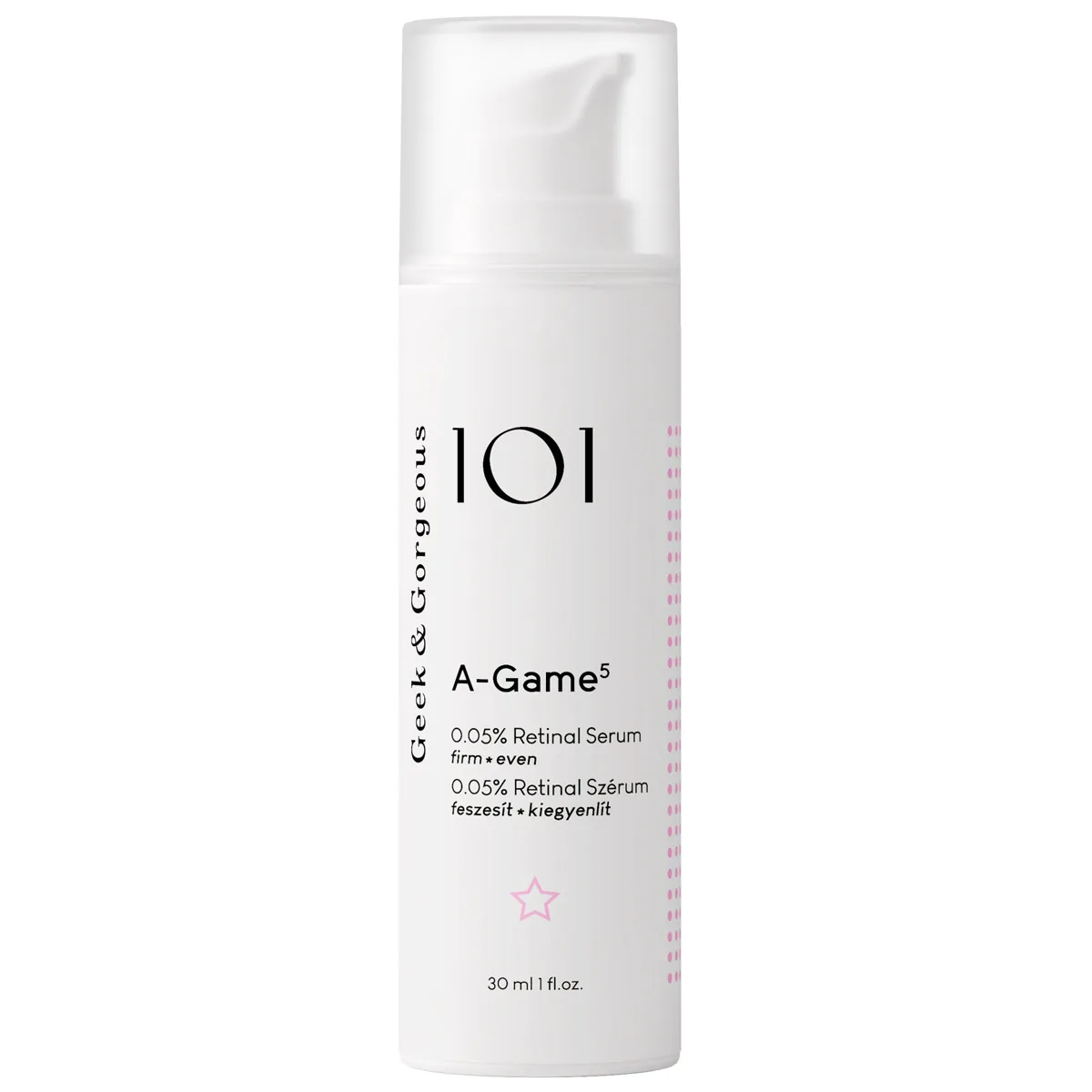
 A-Game 5 Retinal Serum
The ideal beginner's retinaldehyde serum — a properly dosed 0.05% retinal in a buffered, fragrance-free formula at a price that makes long-term retinoid use actually sustainable. Same thoughtful supporting ingredients as the higher-strength A-Game 10 at half the potency, which is exactly the point. If you've never used a real retinoid, this is one of the best entry points on the market.
 Derm-Grade Retinal at Drugstore Price
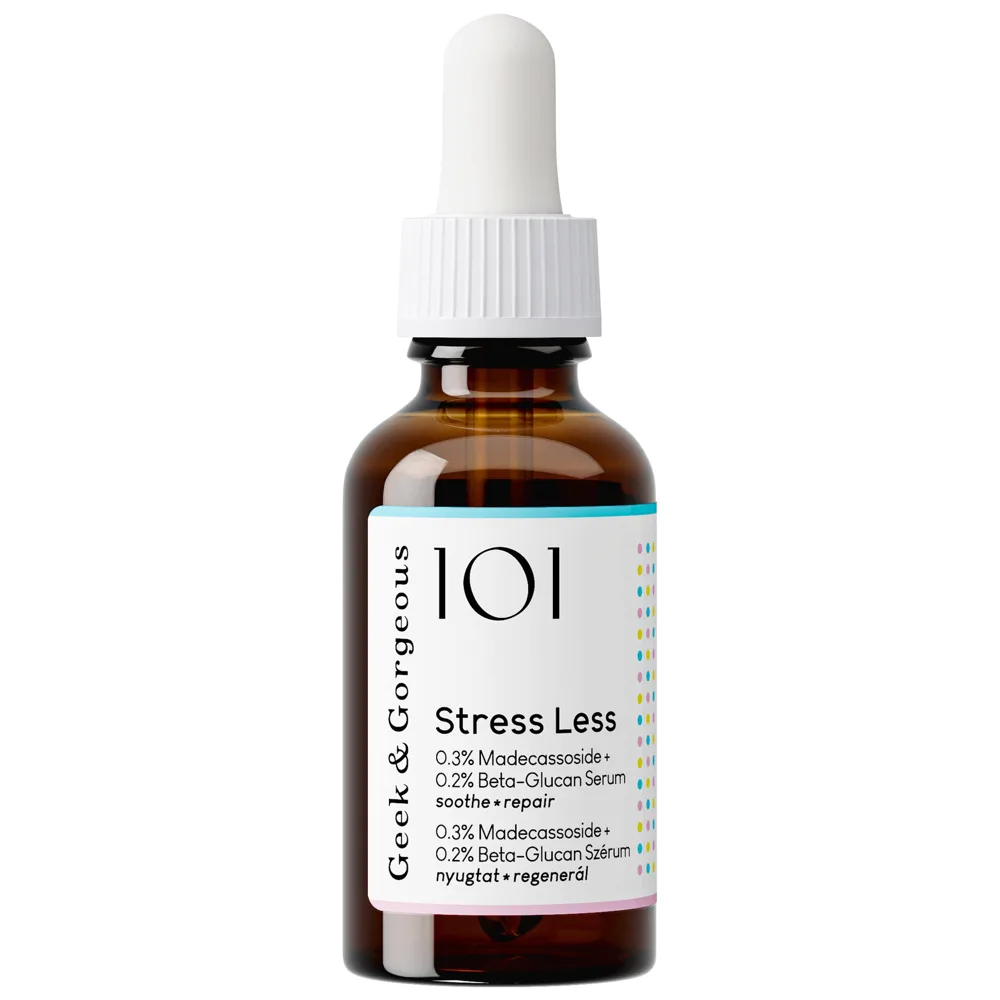
 Stress Less 0.3% Retinal Serum
A genuinely derm-grade 0.3% retinaldehyde serum at a price that shouldn't be possible. The ceramide and bisabolol buffering keeps it tolerable for experienced retinoid users, and the results — on texture, tone, and fine lines — rival premium retinals costing four times as much.
 Budget Retinal Holy Grail
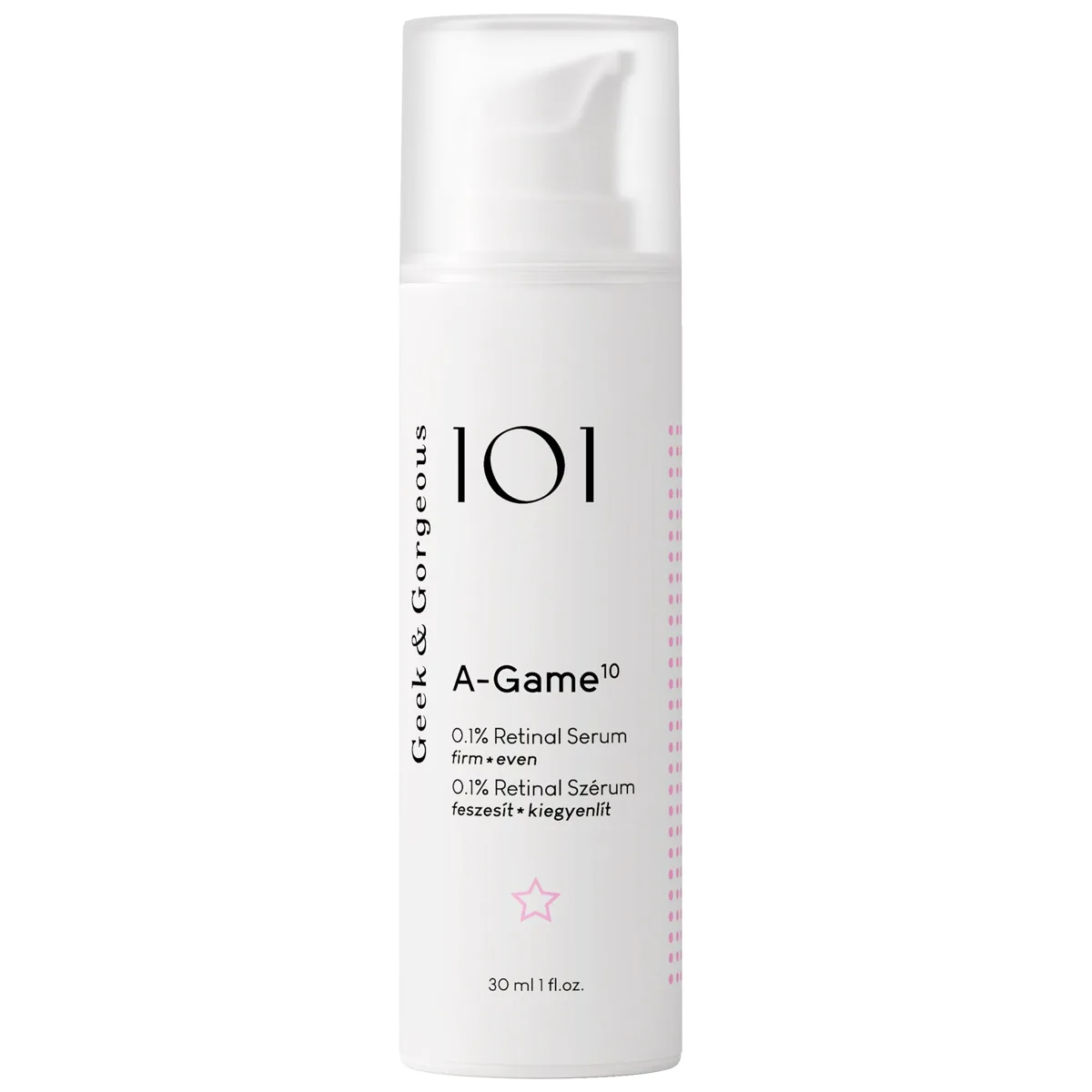
 A-Game 10 Retinal Serum
One of the most disruptive products in the retinoid category — a 0.1% retinaldehyde serum at around $16 when equivalent concentrations from derm brands cost $60-120. The formulation is thoughtful, the airless packaging is right, and the price point has no real competitor. Not for retinoid beginners: start with the 5 version and step up to this after a few months.
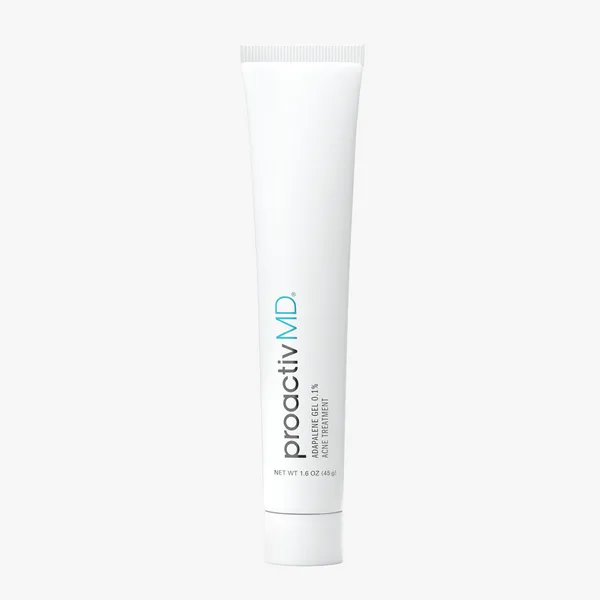 Gold Standard OTC Retinoid
 Adapalene Gel 0.1%
This is adapalene 0.1% — the same FDA-approved retinoid dermatologists have prescribed for over two decades, now available without a prescription in a no-nonsense gel. It's one of the most evidence-backed acne treatments you can buy, and Proactiv's version offers solid value in the larger size with an updated paraben-free formula.
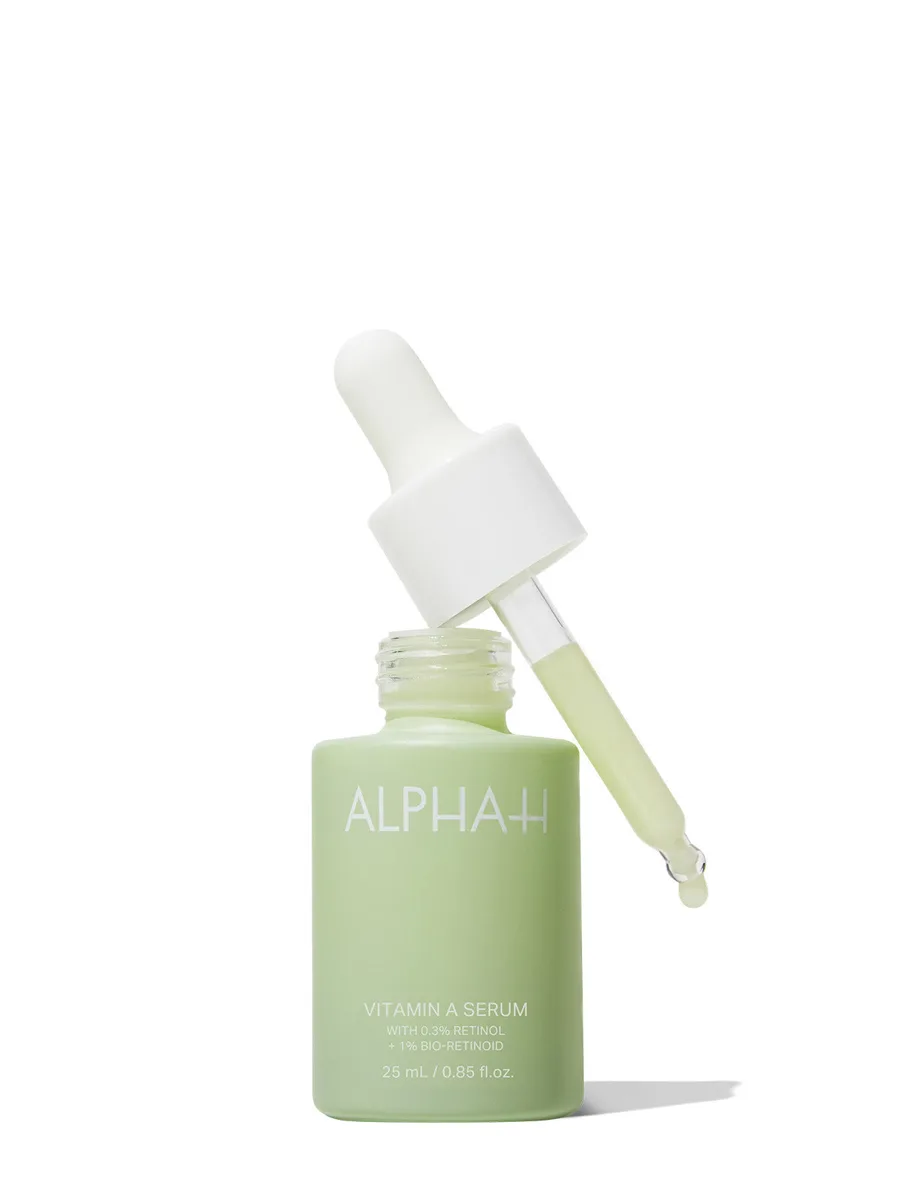 Buffered Beginner Retinol
 Vitamin A Serum
Alpha-H built its 0.5% retinol on a squalane and plant-oil base specifically to make a meaningful retinol concentration tolerable for the beginners it knew were already running aggressive AHA routines. The buffering works — this is one of the few 0.5% retinol serums new users can actually stick with through the adjustment period. The price is the only meaningful complaint.
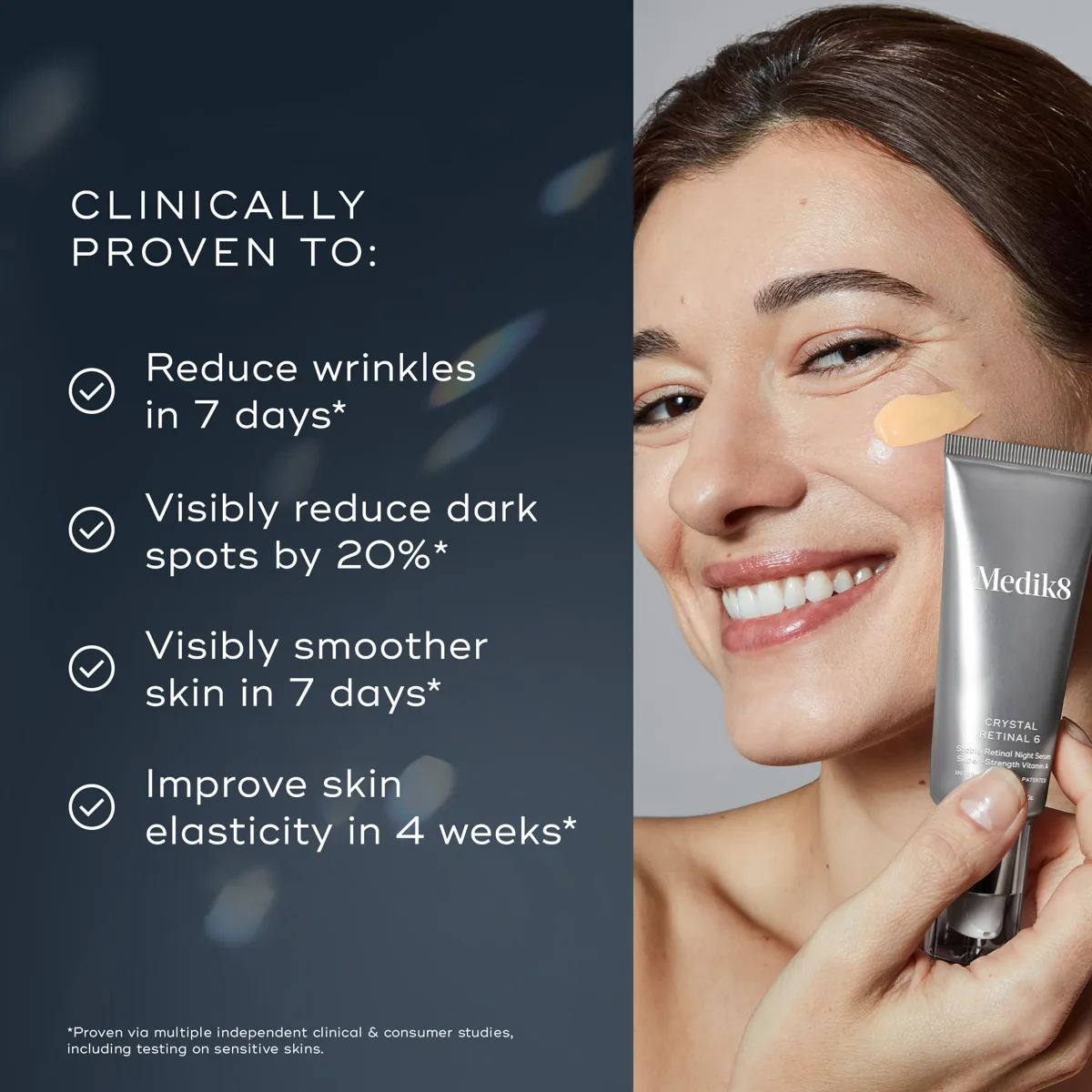 Best Retinoid Starter
 Crystal Retinal 3
The retinoid designed for people who are afraid of retinoids — and the product that might just convert them. Crystal Retinal 3 proves that the world's most effective OTC vitamin A form can be introduced to sensitive skin without the usual drama, creating a genuinely accessible on-ramp to serious anti-aging skincare.
This review reflects our independent analysis of publicly available ingredient data, manufacturer claims, and verified user reviews. We are reader-supported — Amazon links may earn us a commission at no cost to you. We do not accept paid placements; rankings are based solely on the evidence.