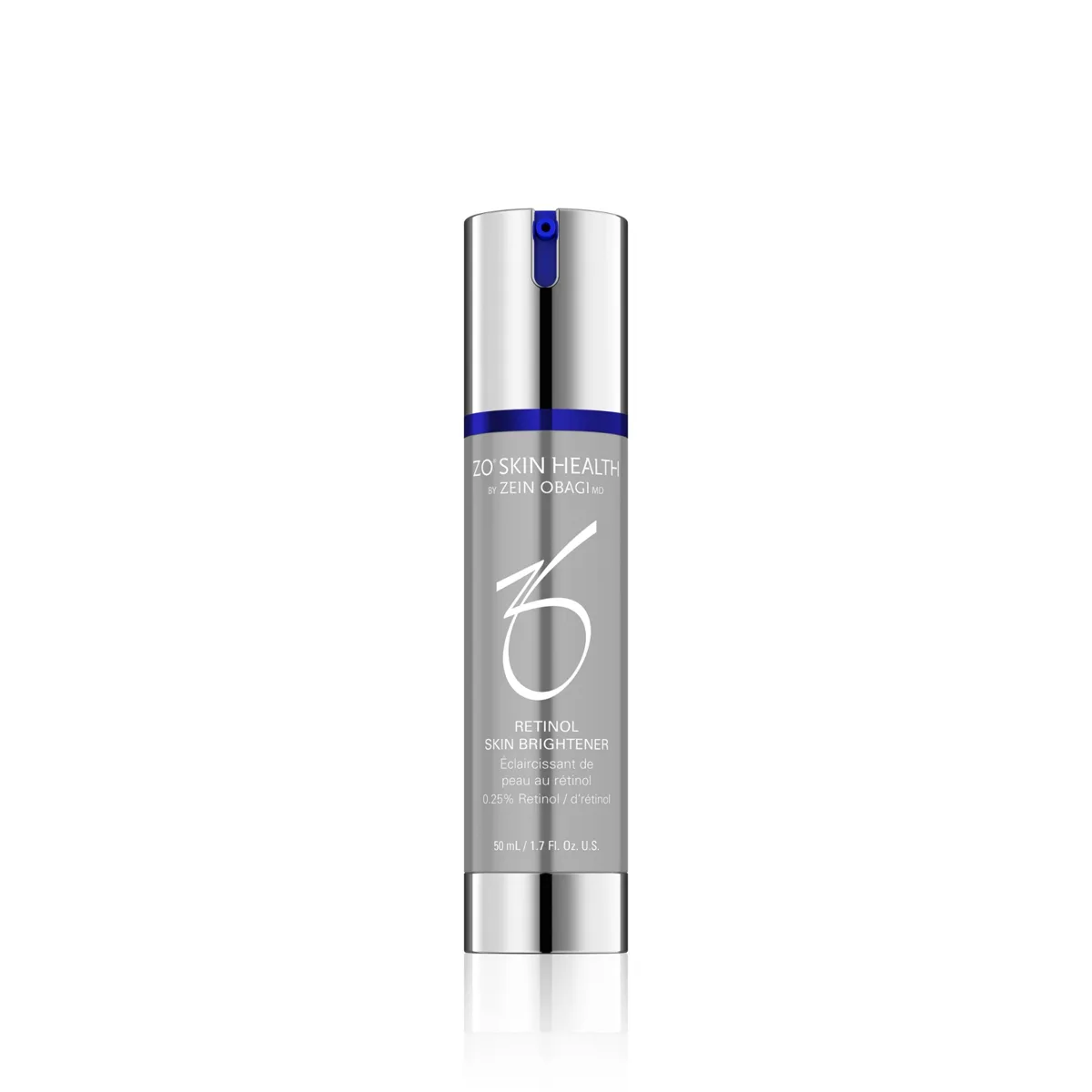
A genuinely sophisticated multi-pathway brightening formula that addresses hyperpigmentation from five distinct mechanisms — a level of formulation ambition rare in even premium retinol products. But the $117 price tag, essential oils in a retinol product, and multiple fragrance allergens create real tension with the clinical positioning.
Retinol Skin Brightener 0.25%
A genuinely sophisticated multi-pathway brightening formula that addresses hyperpigmentation from five distinct mechanisms — a level of formulation ambition rare in even premium retinol products. But the $117 price tag, essential oils in a retinol product, and multiple fragrance allergens create real tension with the clinical positioning.
Score Breakdown
Where this product gains points and where it loses them — broken down across the four scoring pillars.
A sophisticated multi-mechanism brightening formula with an impressive array of actives targeting hyperpigmentation from five distinct pathways. However, the $117 price for 0.25% retinol, the inclusion of essential oils and fragrance allergens, and the limited suitability for sensitive skin significantly impact the overall score.
Pros & Cons
- ✓Five-mechanism brightening approach targeting melanin at every stage
- ✓Bakuchiol amplifies retinol effects without proportionally increasing irritation
- ✓Encapsulated retinol provides controlled, gradual release
- ✓Rich, nourishing cream base supports skin comfort during retinoid adaptation
- ✓Glutathione and soy isoflavones add uncommon brightening mechanisms
- ✓Clear upgrade path to 0.5% and 1.0% within the ZO range
- ✗One hundred seventeen dollars for 0.25% retinol is extremely premium
- ✗Essential oils introduce six fragrance allergens into a retinoid product
- ✗Lavender and geranium oils may sensitize retinol-thinned skin
- ✗Not available at standard retailers — professional channel only
- ✗Not cruelty-free or vegan certified
- ✗Adaptation period with peeling and dryness still expected
Full Review
Hyperpigmentation is not one problem — it is several problems wearing the same disguise. Melanin overproduction, excess tyrosinase activity, melanin transfer from melanocytes to keratinocytes, the ratio of dark eumelanin to lighter pheomelanin, and the stubborn persistence of melanin in cells that have already received their pigment load. Most brightening products address one, maybe two of these steps. ZO Skin Health's Retinol Skin Brightener 0.25% attempts to address all of them in a single formula, and the ingredient architecture behind that attempt is genuinely impressive.
Retinol at 0.25% serves as the foundation — the engine of cell turnover that forces pigmented cells to cycle out faster while stimulating fresh, less-pigmented cells from below. The encapsulated delivery system releases the retinol gradually, reducing the irritation spike that pure retinol formulas can produce while maintaining sustained activity through the night. At a quarter percent, this is a conservative concentration — a starting point rather than a destination — designed for retinol beginners and sensitive skin that needs to build tolerance before graduating to the 0.5% or 1.0% strengths in ZO's range.
Bakuchiol works alongside the retinol, not as a replacement but as an amplifier. Research has shown that bakuchiol activates retinoid receptors through a mechanism distinct from retinol's, meaning the two together produce additive effects without proportionally increasing irritation. It is a genuinely smart pairing that allows the formula to punch above the modest 0.25% retinol concentration.
The brightening complex surrounding the retinol is where the formula becomes distinctive. Ascorbyl glucoside inhibits tyrosinase — the enzyme that catalyzes melanin synthesis. Acetyl glucosamine disrupts the glycosylation of pro-tyrosinase, preventing the enzyme from reaching its active form. Glutathione shifts melanin production from darker eumelanin toward lighter pheomelanin, changing the color composition of the melanin being produced. And soy isoflavones inhibit the transfer of melanin from melanocytes to surrounding keratinocytes, the final step in visible pigmentation. Each ingredient targets a different bottleneck in the pigmentation cascade, and together they create a comprehensive anti-hyperpigmentation strategy that most products do not even attempt.
The cream base is rich and comfortable. Sweet almond oil and apricot kernel oil provide emollient nourishment. Dimethicone creates a smooth, silky application feel and helps the retinol penetrate evenly. Glycerin delivers humectant hydration. The overall texture is that of a luxurious night cream — not lightweight, not heavy, but substantive enough to feel like a genuine treatment rather than a thin serum. It absorbs into the skin within a few minutes and leaves a satin finish that works well under additional moisturizer if needed.
Now for the contradictions. A formula designed for sensitive and retinol-naive skin contains geranium and lavender essential oils. These introduce linalool, citronellol, geraniol, limonene, citral, and coumarin — six identifiable fragrance allergens — into a product that, by its retinoid nature, already challenges the skin barrier. Retinol thins the stratum corneum and increases transepidermal water loss. Applying known sensitizers to skin in that vulnerable state is a formulation decision that directly contradicts the gentleness the 0.25% concentration is trying to achieve. It is the most puzzling element of an otherwise thoughtfully constructed formula.
The price commands attention. At one hundred seventeen dollars for 1.7 ounces, this is one of the most expensive 0.25% retinol products on the market. The multi-mechanism brightening complex partially justifies the premium — you are getting significantly more than retinol in a cream. But the essential oils, fragrance allergens, and professional-channel markup push the value proposition into difficult territory, particularly when effective retinol products with cleaner ancillary ingredient profiles exist at a fraction of the price.
Results follow retinol's predictable timeline, accelerated by the supporting brightening actives. The first two to four weeks bring the expected adaptation — mild peeling, some dryness, possibly a brief purging phase. By week four to six, the brightening effects become visible: a general luminosity improvement, more even skin tone, the beginning of dark spot fading. By three months, established hyperpigmentation should show measurable improvement, assuming consistent nightly use and diligent daily sunscreen. The multiple brightening pathways do appear to accelerate results compared to retinol alone, based on user reports across platforms.
For patients working with a dermatologist on a hyperpigmentation protocol, this product fits logically into the ZO Skin Health system. The 0.25% starting strength allows tolerance building with a clear upgrade path to 0.5% and 1.0%. The multi-mechanism approach aligns with the clinical understanding that stubborn pigmentation requires a multi-target strategy. And the professional oversight helps manage the adaptation period and identify any sensitization issues early.
For consumers purchasing independently, the calculation changes. The essential oils and fragrance allergens introduce risks that a gentler formulation could avoid. The price asks a lot for a starting-strength retinol. And the professional-channel premium means you are paying partly for the brand's dermatological credibility — which may or may not matter to your skin.
The brightening architecture is genuinely exceptional. If the formula dropped the essential oils and fragrance allergens, it would be one of the most intelligently designed retinol brighteners available at any price. As it stands, it is a product at war with itself — brilliant in its active ingredient strategy, puzzling in its sensory ingredient choices, and expensive enough that those contradictions are hard to forgive.
Formula
Key Ingredients
The hero actives that drive this product's performance.
| Ingredient | Function | Evidence |
|---|---|---|
| Retinol (0.25%) (0.25%) | Encapsulated retinol at 0.25% provides controlled, gradual release to minimize irritation while delivering retinol's well-documented benefits — accelerating cell turnover, stimulating collagen synthesis, and inhibiting melanin transfer to address hyperpigmentation. In this brightening-focused formula, the retinol drives long-term skin renewal while bakuchiol and vitamin C handle complementary brightening pathways. | well-established |
| Bakuchiol | A plant-derived retinol alternative that works synergistically with the retinol in this formula rather than replacing it. Bakuchiol activates retinoid receptors through a different mechanism than retinol, providing additive anti-aging and brightening effects while helping to soothe the irritation that retinol can cause. This dual approach amplifies the brightening results without proportionally increasing irritation. | promising |
| Ascorbyl Glucoside | A stable vitamin C derivative that provides brightening support through tyrosinase inhibition — a different melanin-reduction pathway than retinol's cell-turnover mechanism. In this formula, ascorbyl glucoside addresses existing hyperpigmentation from the enzyme level while the retinol prevents new melanin deposits from forming, creating a two-pronged brightening strategy. | promising |
| Acetyl Glucosamine | An amino sugar that inhibits glycosylation of pro-tyrosinase, reducing melanin production through yet another distinct pathway. In this multi-mechanism brightening formula, acetyl glucosamine adds a third brightening mechanism alongside retinol's cell turnover and vitamin C's tyrosinase inhibition — each targeting hyperpigmentation from a different angle. | promising |
| Glutathione | A powerful antioxidant tripeptide that shifts melanin production from darker eumelanin to lighter pheomelanin — yet another distinct brightening mechanism in this formula. Glutathione also provides free radical scavenging that protects the skin from oxidative stress during the retinol-driven cell renewal process. | emerging |
| Soy Isoflavones | Soy-derived phytoestrogens that have been shown to inhibit melanin transfer from melanocytes to keratinocytes — addressing the final step in the pigmentation process that the other brightening agents in this formula do not target. This completes a comprehensive multi-step approach to hyperpigmentation management. | promising |
Full INCI List
Water/Aqua/Eau, Dimethicone, Cetearyl Isononanoate, Glycerin, Prunus Amygdalus Dulcis (Sweet Almond) Oil, Cetearyl Alcohol, Steareth-20, Pentylene Glycol, Ascorbyl Glucoside, Cetyl Alcohol, Acrylamide/Ammonium Acrylate Copolymer, Prunus Armeniaca (Apricot) Kernel Oil, Pelargonium Graveolens Flower Oil, Lavandula Angustifolia (Lavender) Oil, Propylheptyl Caprylate, Bakuchiol, Acetyl Glucosamine, Cetearyl Glucoside, Lecithin, Polyisobutene, Alcohol, Glutathione, Carbomer, Caprylyl Glycol, Bisabolol, 1,2-Hexanediol, Silica, Polysorbate 20, Retinol, Polysorbate 80, Pentaerythrityl Tetra-di-t-butyl Hydroxyhydrocinnamate, Disodium EDTA, Sorbitan Isostearate, Gluconolactone, Tocopheryl Acetate, Sodium Sulfite, Sodium Metabisulfite, Ascorbyl Palmitate, BHT, Soy Isoflavones, Sodium Hydroxide, Potassium Sorbate, Sodium Benzoate, Linalool, Citronellol, Geraniol, Limonene, Citral, Coumarin
Product Flags
✗ Fragrance Free✗ Alcohol Free✗ Oil Free✗ Silicone Free✓ Paraben Free✓ Sulfate Free✗ Cruelty Free✗ Vegan✗ Fungal Acne Safe
Comedogenic Ingredients
Cetearyl Alcohol (low risk)
Potential Irritants
RetinolPelargonium Graveolens Flower OilLavandula Angustifolia OilAlcoholLinaloolCitronellolGeraniolLimoneneCitral
Common Allergens
Pelargonium Graveolens (Geranium) Flower OilLavandula Angustifolia (Lavender) OilLinaloolCitronellolGeraniolLimoneneCitralCoumarin
Compatibility
Skin Match
Best For
Works For
Not Ideal For
Addresses These Conditions
hyperpigmentation dark spots aging dullness melasma sun damage texture
Use With Caution
Avoid With
eczema compromised skin barrier
Routine Step
treatment
Time of Day
PM
Pregnancy Safe
No ✗
Layering Tips
Apply a pea-sized amount to clean, dry skin at night after cleansing and toning. Allow to absorb before applying moisturizer. Avoid layering with other direct acids, vitamin C serums, or benzoyl peroxide on the same night to minimize irritation. Daily SPF is essential the next morning.
Results Timeline
Initial mild peeling and adjustment during the first 2-4 weeks. Improved brightness and more even skin tone visible within 4-6 weeks. Significant reduction in dark spots and hyperpigmentation typically develops over 8-12 weeks of consistent nightly use.
Pairs Well With
gentle cleansershydrating moisturizersceramide productsSPF 30+ (next morning)
Conflicts With
AHA/BHA exfoliants (same night)benzoyl peroxide (same night)vitamin C serums (same night)other retinoids
Sample AM Routine
- Gentle cleanser
- Antioxidant serum
- Moisturizer
- SPF 30+
Sample PM Routine
- Gentle cleanser
- ZO Skin Health Retinol Skin Brightener 0.25%
- Rich moisturizer
Evidence
Science & Expert Perspective
The Science
Retinol's efficacy in addressing hyperpigmentation is well-established. A randomized controlled trial published in the British Journal of Dermatology (Kang et al., 2005) demonstrated that topical retinol at concentrations as low as 0.1% significantly improved photodamaged skin, including reducing hyperpigmentation and improving skin texture over 24 weeks of use.
The bakuchiol-retinol combination is supported by a landmark study published in the British Journal of Dermatology (Dhaliwal et al., 2019) that found bakuchiol and retinol achieved comparable improvements in lines, wrinkles, and pigmentation over 12 weeks, with bakuchiol users experiencing significantly less scaling and stinging. The study suggested these ingredients work through complementary mechanisms, supporting their combined use.
Acetyl glucosamine's brightening mechanism was validated in a double-blind study published in the Journal of Cosmetic Dermatology (Bissett et al., 2007) that demonstrated topical N-acetyl glucosamine significantly reduced facial hyperpigmentation over 8 weeks, with enhanced results when combined with niacinamide.
Glutathione's skin-brightening effects have been investigated in several clinical trials. A randomized, double-blind, placebo-controlled study published in Clinical, Cosmetic and Investigational Dermatology (Weschawalit et al., 2017) found that oral glutathione supplementation significantly reduced melanin index and increased skin lightness — supporting the mechanistic basis for its topical application in brightening formulations.
Soy isoflavones' ability to inhibit melanin transfer was demonstrated in research published in the Journal of Investigative Dermatology (Paine et al., 2001), which showed that soybean extract inhibited the protease-activated receptor-2 (PAR-2) pathway responsible for melanosome transfer from melanocytes to keratinocytes.
References
- Bakuchiol: a retinol-like functional compound revealed by gene expression profiling — British Journal of Dermatology (2019)
- Reduction in facial hyperpigmentation by topical N-acetyl glucosamine — Journal of Cosmetic Dermatology (2007)
- Glutathione and its antiaging and antimelanogenic effects — Clinical, Cosmetic and Investigational Dermatology (2017)
Dermatologist Perspective
Dermatologists who prescribe ZO Skin Health products frequently recommend the 0.25% Retinol Skin Brightener as an entry point for patients new to retinoids or those with sensitive skin who need a gradual introduction. Board-certified dermatologists note that the multi-pathway brightening approach — targeting melanin production, transport, and type — aligns with the clinical understanding that stubborn hyperpigmentation requires a comprehensive strategy. However, some dermatologists express concern about the essential oil and fragrance allergen content, noting that retinoid-treated skin with a compromised barrier is more susceptible to contact sensitization. Dermatologists unanimously emphasize that any retinol brightening protocol must be paired with rigorous daily broad-spectrum sun protection to prevent UV-induced re-pigmentation.
Guidance
Usage Guide
How to Use
Apply a pea-sized amount to clean, dry skin at night after cleansing. Start with every other night for the first 2-4 weeks to allow skin to adapt. Gradually increase to nightly use as tolerated. Follow with a rich moisturizer if skin feels dry. Do not combine with other retinoids, direct acids (AHA/BHA), or vitamin C in the same PM routine. Apply broad-spectrum SPF 30+ every morning without exception.
Value Assessment
At $117 for 1.7 fl oz, this is among the most expensive 0.25% retinol products available. With nightly use, the tube lasts approximately 2-3 months ($39-58/month). The multi-mechanism brightening formula is genuinely more sophisticated than most retinol products — the combination of retinol, bakuchiol, ascorbyl glucoside, acetyl glucosamine, glutathione, and soy isoflavones represents a level of formulation ambition that justifies some premium. However, the essential oils and fragrance allergens undermine the clinical positioning, and effective retinol products with cleaner profiles exist at dramatically lower price points. For patients in a supervised ZO protocol, the product integrates into a comprehensive system. For independent consumers focused on value per dollar, the premium is difficult to justify.
Who Should Buy
Those dealing with hyperpigmentation, dark spots, or melasma who want a multi-mechanism approach under dermatologist guidance. Best suited for retinol beginners with normal-to-combination skin who can tolerate the essential oils and fragrance components. Ideal for patients already committed to a ZO Skin Health protocol.
Who Should Skip
Anyone with sensitive, eczema-prone, or fragrance-reactive skin — the essential oils and multiple allergens are a risk. Budget-conscious consumers who can find effective retinol at lower price points. Those who prefer clean, fragrance-free formulations. Not suitable during pregnancy or breastfeeding due to retinol content.
Ready to try ZO Skin Health Retinol Skin Brightener 0.25%?
Details
Details
Texture
Rich, silky cream with a dimethicone-smoothed feel that glides on without heaviness. The emollient base of sweet almond and apricot kernel oils provides a comfortable, nourishing application experience. Absorbs within a few minutes to a satin finish.
Scent
A noticeable floral-herbal fragrance from the geranium and lavender essential oils. The scent is present during application and lingers briefly. Contains multiple identifiable fragrance allergens.
Packaging
Opaque tube with a screw cap, protecting the light-sensitive retinol from degradation. Professional ZO branding. The opaque packaging is important for retinol stability.
Finish
satinnon-greasyvelvety
What to Expect on First Use
On first application, the cream feels rich and soothing with a noticeable floral scent. The 0.25% retinol concentration is designed as a starting strength, but some mild peeling, dryness, and sensitivity are still expected during the first 2-4 weeks as skin adapts. Start with every other night and gradually increase to nightly use.
How Long It Lasts
2-3 months with nightly application
Period After Opening
12 months
Best Season
All Year
Background
The Why
Developed as the entry-level product in ZO Skin Health's retinol brightener range (which scales from 0.25% to 0.5% and 1.0%), this formula reflects Dr. Obagi's clinical philosophy that effective brightening requires targeting multiple steps in the melanin production and distribution pathway. The addition of bakuchiol to the reformulated version represents an acknowledgment that botanical retinol alternatives can complement rather than compete with synthetic retinol.
About ZO Skin Health Established Brand (5–20 years)
ZO Skin Health was founded in 2007 by Dr. Zein Obagi, a board-certified dermatologist and internationally recognized authority in skin health. The brand's formulations are developed with clinical-grade standards and are widely used in dermatology offices and medical spas.
Brand founded: 2007 · Product launched: 2015
Myth vs. Reality
Myths & Misconceptions
Myth
0.25% retinol is too weak to produce real results.
Reality
Clinical studies have demonstrated measurable skin improvements at retinol concentrations as low as 0.025% (ten times lower than this formula). The 0.25% concentration in this product, combined with five additional brightening mechanisms and the encapsulated delivery system, provides meaningful clinical activity. Higher is not always better — the goal is consistent use without barrier compromise.
Myth
You can skip sunscreen on cloudy days while using retinol.
Reality
Retinol increases photosensitivity by thinning the stratum corneum and accelerating cell turnover. UV radiation penetrates clouds and causes cumulative damage regardless of visible sunlight. Daily SPF 30+ is non-negotiable when using any retinol product — and especially critical when the goal is brightening hyperpigmentation that UV exposure directly worsens.
FAQ
Frequently Asked Questions
Should I start with the 0.25% or go straight to 0.5%?
Start with 0.25% unless your dermatologist specifically recommends otherwise. Even at this lower concentration, retinol causes an adaptation period with mild peeling and dryness. The 0.25% allows your skin to build tolerance while still delivering meaningful brightening results. You can graduate to 0.5% after 3-6 months if your skin has fully adapted and you want more intensive results.
How long until I see results on dark spots?
Initial brightness improvements and more even tone are typically visible within 4-6 weeks. Significant reduction in established dark spots and hyperpigmentation usually develops over 8-12 weeks of consistent nightly use. Deep or longstanding hyperpigmentation (like melasma) may require 3-6 months of use alongside strict sun protection.
Can I use this with vitamin C in the morning?
Yes — applying a vitamin C serum in the morning and this retinol brightener at night is a well-established complementary approach. The vitamin C provides daytime antioxidant protection and additional brightening, while the retinol works overnight. Just don't layer them in the same routine, as the combination can irritate.
Why does this product contain essential oils?
The geranium and lavender essential oils are included for their aromatic properties and potential soothing benefits. However, they also introduce multiple fragrance allergens (linalool, citronellol, geraniol, limonene, citral) that can cause sensitization, especially on retinol-treated skin where the barrier is already under some stress. This is a formulation choice that some dermatologists and sensitive-skin experts question.
Is this worth $117 when cheaper retinol products exist?
The price reflects the multi-mechanism brightening formula (five distinct pathways), encapsulated retinol delivery, professional-channel standards, and the ZO Skin Health brand. The formulation is genuinely more complex than most retinol products. However, effective 0.25% retinol products exist at a fraction of the price, and the essential oils and fragrance allergens are ingredients that many dermatologists recommend avoiding — creating a tension between the formula's strengths and its unnecessary additions.
Community
Community Voices
Common Praise
"Visible brightening and more even skin tone within weeks"
"Smooth, comfortable cream texture absorbs well"
"Effective entry point for retinol beginners"
"Noticeable reduction in dark spots over time"
Common Complaints
"One hundred seventeen dollars for 0.25% retinol is extremely expensive"
"Contains essential oils and multiple fragrance allergens"
"Initial peeling and dryness during adaptation phase"
"Not available at standard retailers"
Notable Endorsements
Widely prescribed by dermatologists for hyperpigmentation managementPart of ZO Skin Health's professional brightening protocols
Appears In
best retinol for hyperpigmentation best retinol for dark spots best dermatologist retinol best retinol for beginners
Related Conditions
hyperpigmentation dark spots aging melasma dullness sun damage
Related Ingredients
You Might Also Like
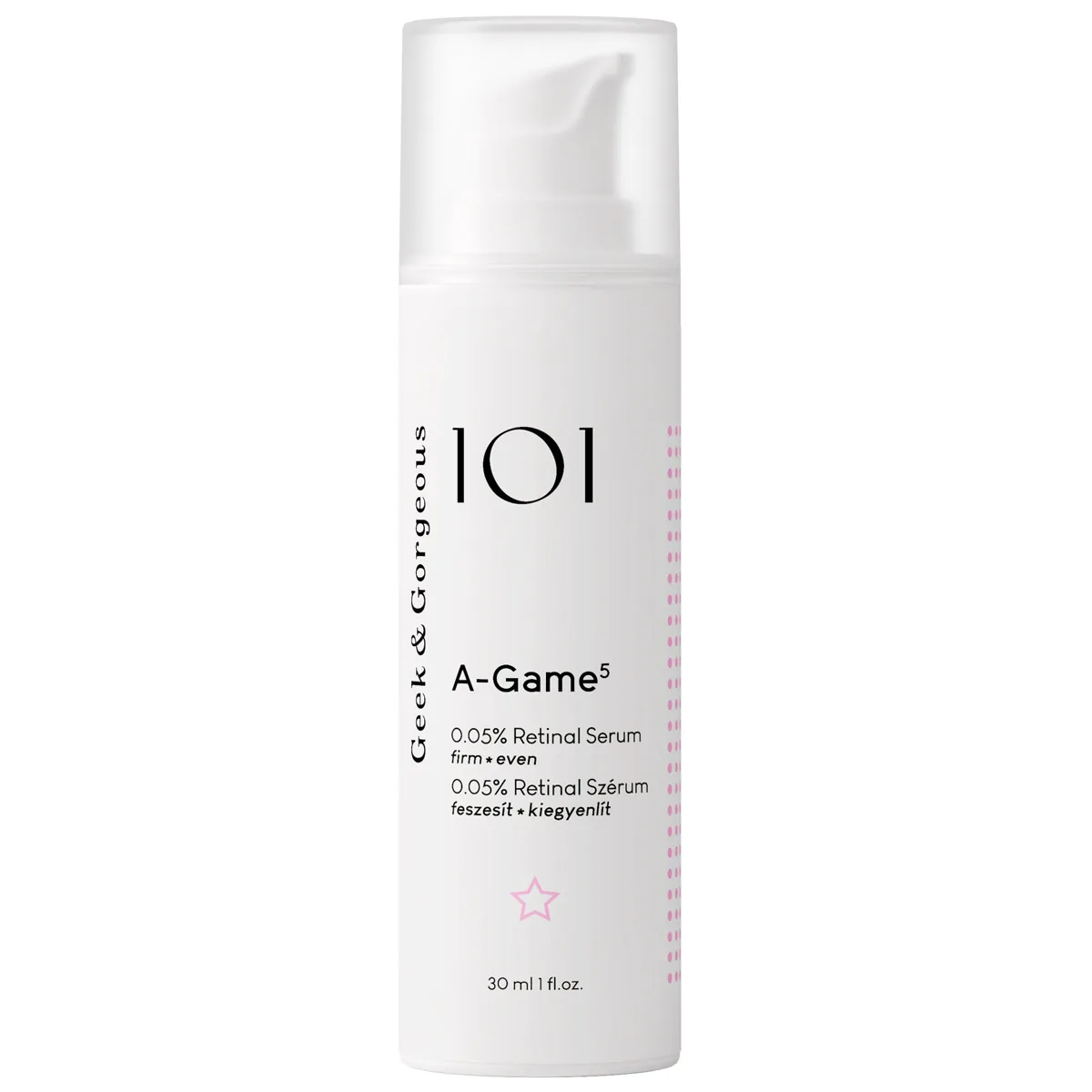 Beginner-Friendly Retinoid
 A-Game 5 Retinal Serum
The ideal beginner's retinaldehyde serum — a properly dosed 0.05% retinal in a buffered, fragrance-free formula at a price that makes long-term retinoid use actually sustainable. Same thoughtful supporting ingredients as the higher-strength A-Game 10 at half the potency, which is exactly the point. If you've never used a real retinoid, this is one of the best entry points on the market.
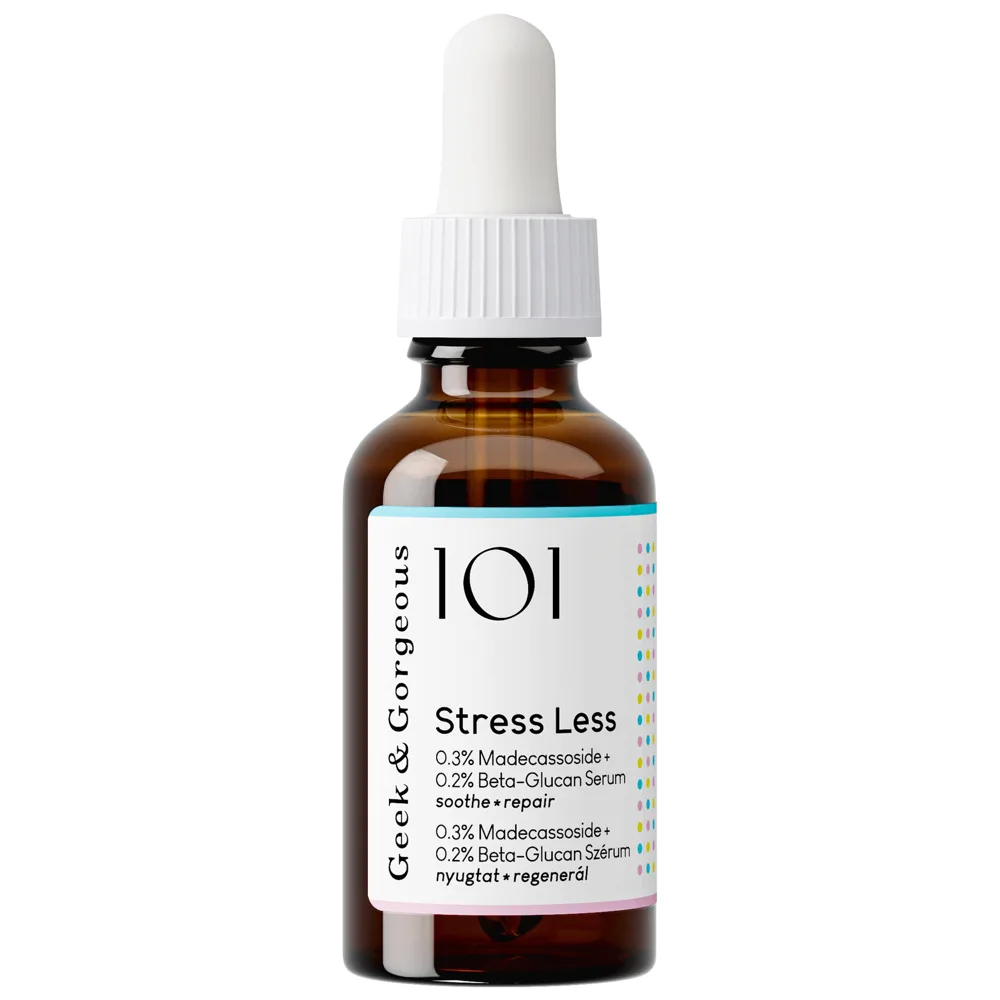 Derm-Grade Retinal at Drugstore Price
 Stress Less 0.3% Retinal Serum
A genuinely derm-grade 0.3% retinaldehyde serum at a price that shouldn't be possible. The ceramide and bisabolol buffering keeps it tolerable for experienced retinoid users, and the results — on texture, tone, and fine lines — rival premium retinals costing four times as much.
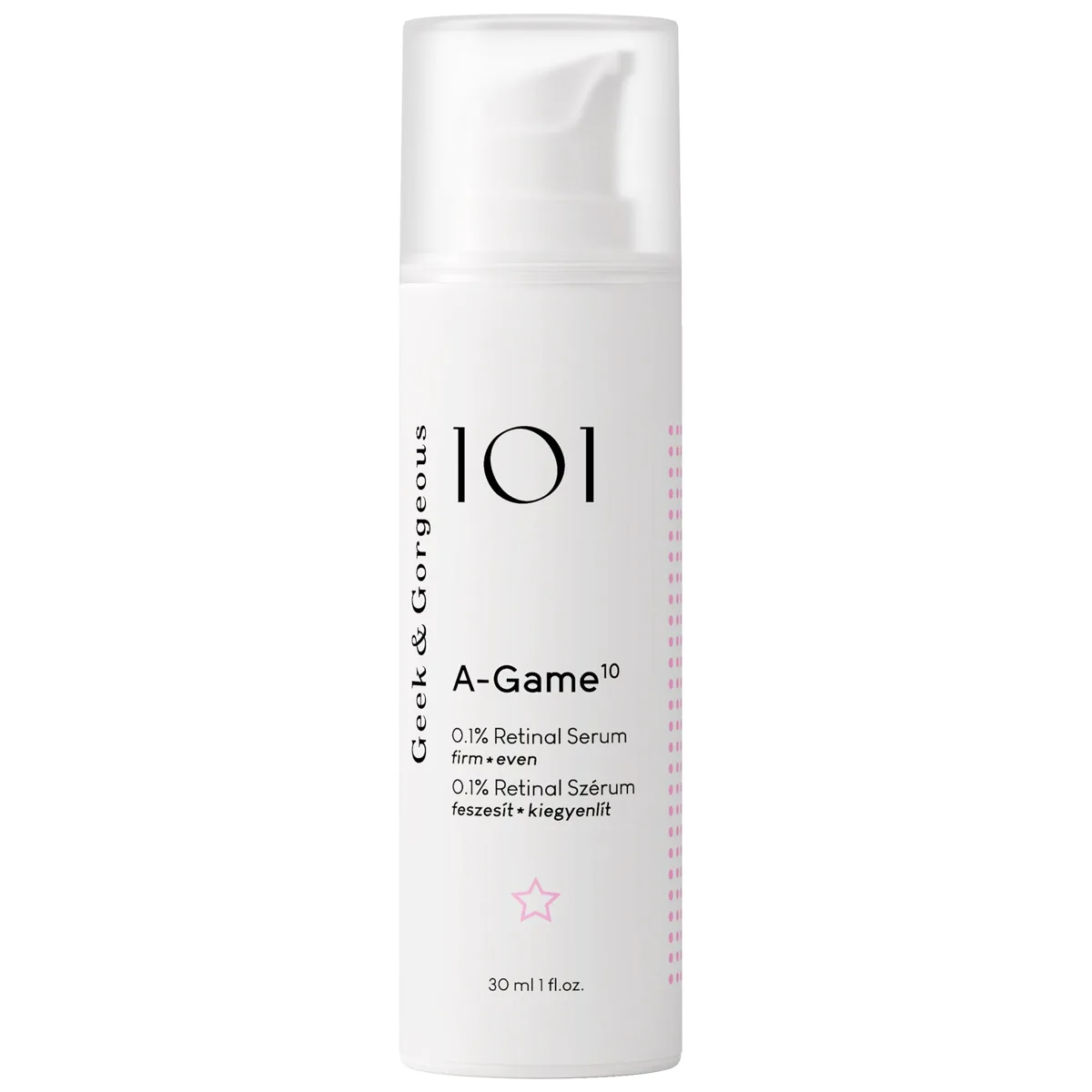 Budget Retinal Holy Grail
 A-Game 10 Retinal Serum
One of the most disruptive products in the retinoid category — a 0.1% retinaldehyde serum at around $16 when equivalent concentrations from derm brands cost $60-120. The formulation is thoughtful, the airless packaging is right, and the price point has no real competitor. Not for retinoid beginners: start with the 5 version and step up to this after a few months.
 Gold Standard OTC Retinoid
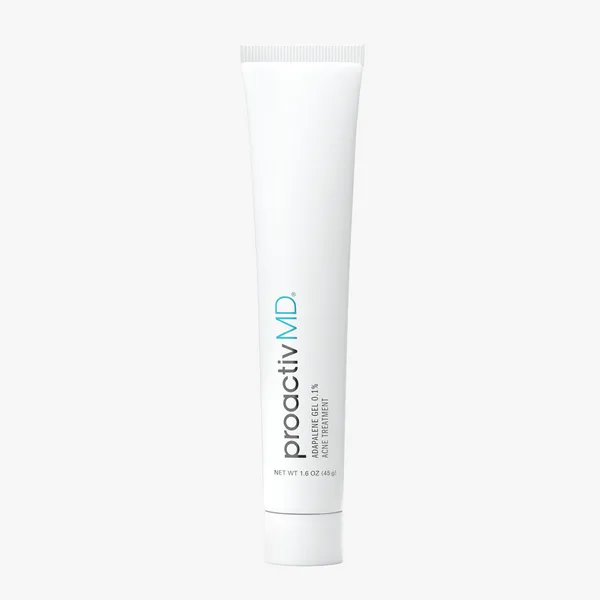
 Adapalene Gel 0.1%
This is adapalene 0.1% — the same FDA-approved retinoid dermatologists have prescribed for over two decades, now available without a prescription in a no-nonsense gel. It's one of the most evidence-backed acne treatments you can buy, and Proactiv's version offers solid value in the larger size with an updated paraben-free formula.
 Buffered Beginner Retinol
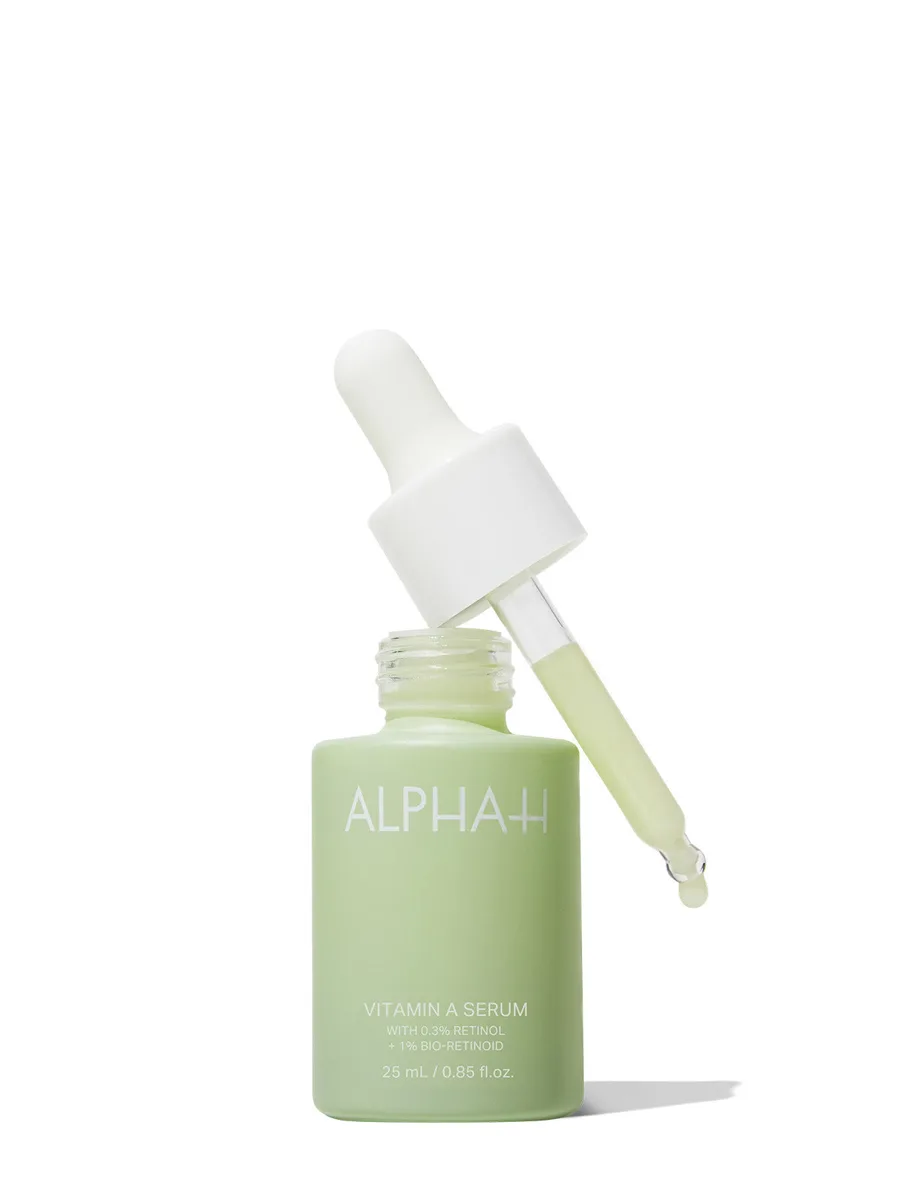
 Vitamin A Serum
Alpha-H built its 0.5% retinol on a squalane and plant-oil base specifically to make a meaningful retinol concentration tolerable for the beginners it knew were already running aggressive AHA routines. The buffering works — this is one of the few 0.5% retinol serums new users can actually stick with through the adjustment period. The price is the only meaningful complaint.
 Best Retinoid Starter
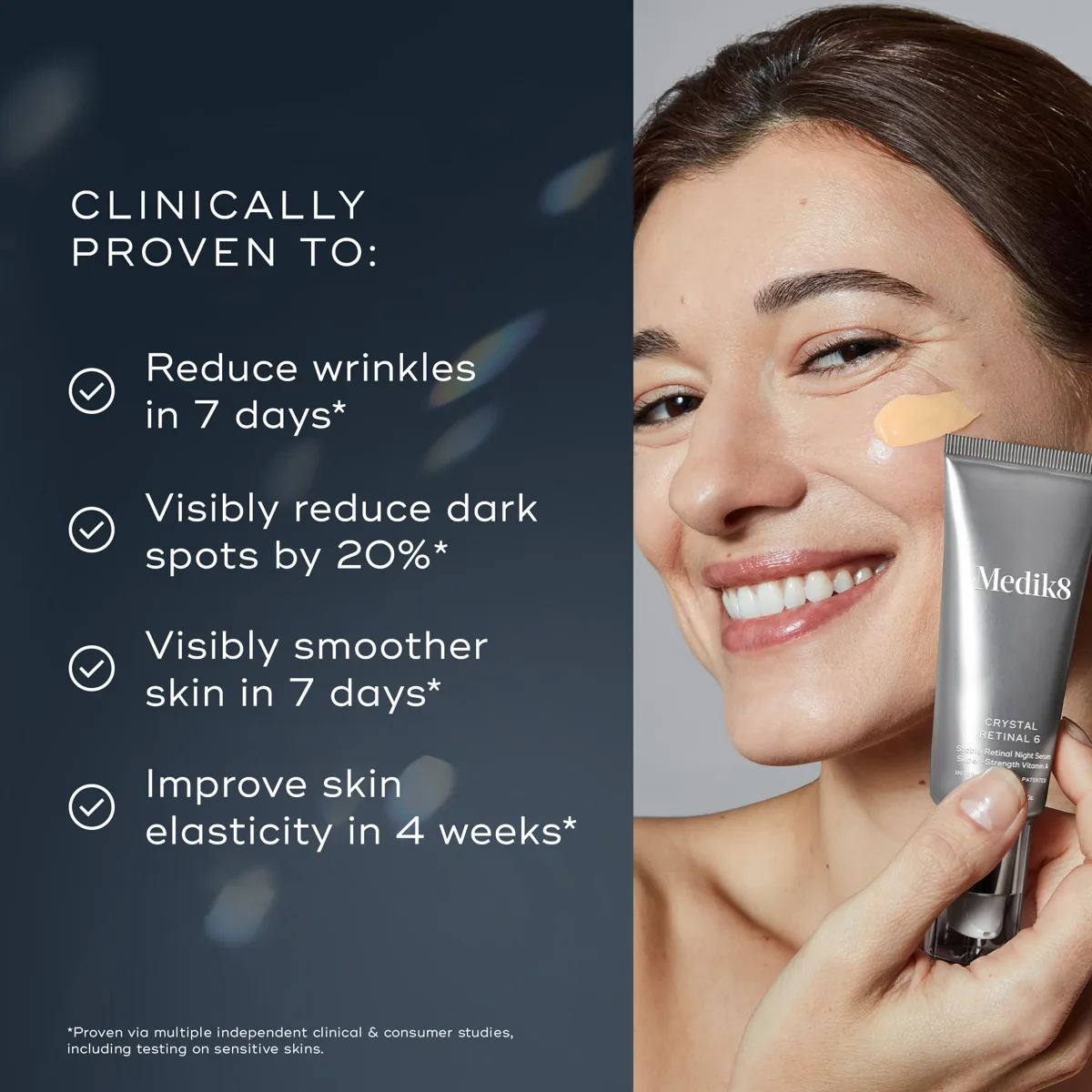
 Crystal Retinal 3
The retinoid designed for people who are afraid of retinoids — and the product that might just convert them. Crystal Retinal 3 proves that the world's most effective OTC vitamin A form can be introduced to sensitive skin without the usual drama, creating a genuinely accessible on-ramp to serious anti-aging skincare.