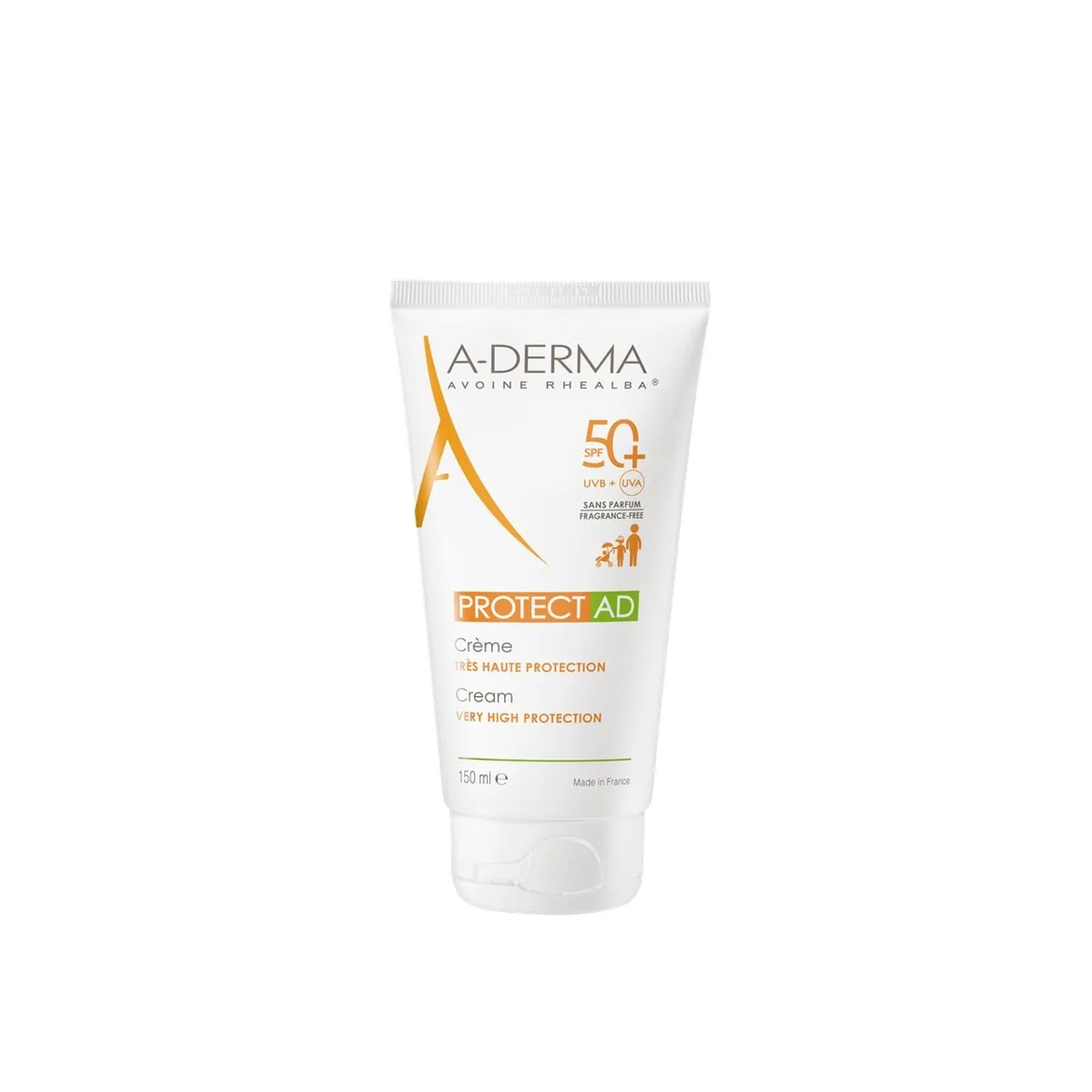
A-Derma's Protect AD Cream SPF 50+ is the rare sunscreen that treats atopic skin as its primary customer rather than an afterthought. It layers high broad-spectrum protection onto the brand's soothing Rhealba oat base, which is exactly what eczema-prone skin needs when heat and UV start provoking flares. It's cosmetically heavier than modern facial SPFs, but that's the tradeoff.
Protect AD Cream SPF 50+
A-Derma's Protect AD Cream SPF 50+ is the rare sunscreen that treats atopic skin as its primary customer rather than an afterthought. It layers high broad-spectrum protection onto the brand's soothing Rhealba oat base, which is exactly what eczema-prone skin needs when heat and UV start provoking flares. It's cosmetically heavier than modern facial SPFs, but that's the tradeoff.
Score Breakdown
A thoughtful, fragrance-free SPF 50+ specifically formulated for atopic-prone skin with A-Derma's well-researched Rhealba oat extract. Loses a few points for a cosmetically heavier texture and the inclusion of octocrylene and homosalate, which some sensitive users still prefer to avoid.
Data Confidence: high
A-Derma's Protect range has been a fixture in European pharmacies for well over a decade with thousands of user reviews across EU retailers and consistent recommendations from pediatric dermatologists for atopic patients.
0/100
Overall Score
Ingredient Quality 0
Value for Money 0
Suitability Breadth 0
Irritation Risk (↑ = safer) 0
Assessment
Pros
- Genuinely formulated for atopic and eczema-prone skin, not just mildly sensitive
- Rhealba oat plantlet extract adds soothing action on top of SPF 50+ protection
- Fragrance-free, alcohol-free, and free of the usual sensitive-skin irritant list
- Gluten-free oat derivative safe for cereal-sensitive atopic patients
- Water-resistant for beach, pool, and sweaty outdoor days
- Pharmacy price point for a specialty-formulated sunscreen
- 150ml tube is generous enough for face and body use
Cons
- Cosmetically heavier than modern facial-only sunscreens
- Leaves a faint cast for the first ten minutes after application
- Can visibly linger on deeper skin tones when used only on face
- Contains C12-15 alkyl benzoate, which is comedogenic for acne-prone users
- Filter system is older-generation and not as photostable as newer EU options
Full Review
Most facial sunscreens are built on a simple premise: take a cosmetically elegant base, fold in a filter system that delivers a high SPF, and sand down the rough edges for sensitive users. Protect AD Cream is built the other way around. A-Derma started with the problem of atopic skin — the chronically inflamed, barrier-compromised, heat-reactive kind of skin that flares the moment you ask too much of it — and then figured out how to give it SPF 50+ without triggering the very reaction the sunscreen is meant to prevent. You can feel that priority order the moment you apply it. It's thicker than you expect. It doesn't finish like a modern K-beauty fluid. It settles into a matte-adjacent, slightly velvety film that sits on the skin the way a physical barrier should. For the people this cream is designed for, that weight is a feature, not a bug. The backbone is Rhealba oat plantlet extract, A-Derma's proprietary star ingredient and the reason the brand exists at all. Pierre Fabre's researchers isolated this particular variety of young oat, harvested before grain formation, because it carries an unusually rich load of flavonoids and saponins and — crucially — none of the gluten-associated proteins that can be a problem for atopic patients with cereal sensitivities. That matters more than it sounds. A lot of 'sensitive skin' sunscreens lean on colloidal oatmeal as a soothing agent, but for a specific subset of eczema patients, oat grain is itself a trigger. Rhealba sidesteps that entirely, which is why it shows up in the products French pediatric dermatologists hand out for atopic toddlers. Build a soothing base out of that extract, add glycerin and allantoin for the rough-patch softening, and you have a starting point that most other sunscreens simply don't have. On top of that, A-Derma layers a hybrid filter system — octocrylene, avobenzone, ethylhexyl salicylate, homosalate, with titanium dioxide for a mineral assist — tuned to deliver SPF 50+ broad-spectrum coverage. This is not the most modern filter cocktail on the market; if you want Tinosorb or Mexoryl, you're shopping La Roche-Posay or Avène. But it works, it's stable, and in a formula scrubbed of the fragrance, alcohol, and surfactants that usually cause atopic reactions, the filters themselves rarely trip anyone up. The practical question is always 'how does it wear.' Honestly: like a 2010s-era European pharmacy sunscreen, which is exactly what it is. There's a faint cast for the first ten minutes, a weight you notice if you're used to a thin gel-SPF, and some challenge in layering under foundation if that's your priority. Under none of those conditions is it unpleasant — it's just that the brief was skin health first, makeup compatibility maybe seventh or eighth. For a parent applying it to a child's flare-prone face and shoulders before the beach, or for an adult managing a stubborn case of adult-onset eczema, it's one of the only SPF 50+ options on the market that doesn't demand compromise between protection and tolerance. Value sits comfortably in pharmacy territory: around twenty-seven dollars for 150ml, which is enough to cover face and exposed body areas for a solid run of summer weeks. It's water-resistant, so it holds up through swimming and light sweat, though like any sunscreen it needs reapplying every couple of hours outdoors. If you have oily or breakout-prone skin, this isn't your cream — the emollient base is generous, and a couple of ingredients in the INCI list are on the mildly comedogenic watchlist. But for the population A-Derma designed it for, that's the right tradeoff. Sometimes a sunscreen's job isn't to be invisible. Sometimes it's to let someone with angry, reactive skin actually spend a day outside.
Formula
Ingredients
The hero actives that drive this product's performance.
| Ingredient | Function | Evidence |
|---|---|---|
| Rhealba Oat Plantlet Extract | A-Derma's patented extract from young oat plantlets, harvested before the grain forms and therefore gluten-free. In this sunscreen it delivers the soothing, anti-inflammatory action the brand built its atopic-skin reputation on, pairing with the high-SPF filter system to calm reactive, eczema-prone skin that flares after UV exposure. | promising |
| Homosalate + Octocrylene + Avobenzone + Titanium Dioxide | A hybrid organic-mineral filter grid tuned to deliver SPF 50+ broad-spectrum coverage on sensitive, atopic-prone skin. The organic filters carry most of the UVA/UVB load while titanium dioxide adds a mineral assist, which is important for the compromised barriers this cream is formulated for. | well-established |
| Glycerin | Present relatively high in the list to counteract the drying tendency of the filter matrix. For atopic skin that already struggles to hold water, this humectant base is what keeps the cream comfortable enough for daily reapplication rather than feeling like a chalky sunblock. | well-established |
| Allantoin | A gentle keratolytic and skin-conditioning agent that works with the Rhealba oat to soften the rough, flaky patches characteristic of atopic skin, while helping reduce the prickly, reactive feeling that can follow sun exposure on compromised barriers. | well-established |
| Tocopherol (Vitamin E) | Stabilizes the oil phase and provides antioxidant defense against residual UV-generated free radicals that slip past the filter system. In a product designed for fragile, inflammation-prone skin, that extra antioxidant layer helps mitigate oxidative stress that would otherwise prolong a flare. | well-established |
Full INCI List
Aqua, Homosalate, Ethylhexyl Salicylate, Butyl Methoxydibenzoylmethane, Octocrylene, C12-15 Alkyl Benzoate, Glycerin, Titanium Dioxide, Butylene Glycol, Propylene Glycol, Cetearyl Alcohol, Dimethicone, Silica, Cetyl Alcohol, Glyceryl Stearate, PEG-100 Stearate, Aluminum Hydroxide, Stearic Acid, Ethylhexylglycerin, Tocopherol, Phenoxyethanol, Xanthan Gum, Disodium EDTA, Trisodium EDTA, Acrylates/C10-30 Alkyl Acrylate Crosspolymer, Triethanolamine, Rhealba Avena Sativa (Oat) Plantlet Extract, Allantoin
Product Flags
✓ Fragrance Free✓ Alcohol Free✗ Oil Free✗ Silicone Free✓ Paraben Free✓ Sulfate Free✓ Cruelty Free✗ Vegan✗ Fungal Acne Safe
Comedogenic Ingredients
C12-15 Alkyl Benzoate
Potential Irritants
OctocryleneHomosalate
Compatibility
Skin Match
Best For
Works For
Not Ideal For
Addresses These Conditions
eczema sensitivity compromised skin barrier sun damage
Use With Caution
Routine Step
sunscreen
Time of Day
AM
Pregnancy Safe
Unknown
Layering Tips
Apply as the final morning step after moisturizer. Use roughly two finger-lengths for face and neck and reapply every two hours during sustained outdoor exposure, especially on flare-prone areas.
Results Timeline
Photoprotection is immediate upon application. Soothing benefits from the Rhealba oat typically emerge within a few days of consistent daily use, and users with atopic skin often report fewer heat- and UV-triggered flares after about 4 weeks.
Pairs Well With
ceramidesglycerinpanthenolcolloidal-oatmeal
Sample AM Routine
- Gentle cream cleanser
- Ceramide moisturizer
- A-Derma Protect AD Cream SPF 50+
Sample PM Routine
- Gentle cream cleanser
- Barrier repair balm
Evidence
Science
The Science
The evidence base behind this formula breaks into two halves: the photoprotection chemistry and the Rhealba oat soothing action. On the filter side, the octocrylene-avobenzone-salicylate combination is one of the most-studied UV filter systems in cosmetic science. Octocrylene's primary role here is stabilizing avobenzone, which on its own photodegrades rapidly under UVA exposure, and this is a well-established pairing documented across decades of photoprotection research in journals like Photochemistry and Photobiology. The titanium dioxide provides an additional mineral component, though at the concentrations used in this kind of hybrid formula its contribution is mostly to UVB and short UVA rather than carrying the bulk of the load. On the oat side, Pierre Fabre has funded and published multiple studies on Rhealba oat plantlet extract, with research demonstrating reductions in inflammatory markers and improvement in atopic dermatitis symptoms when used as a topical adjunct to standard care. The extract's flavonoid-saponin profile differs meaningfully from standard colloidal oatmeal, and the gluten-free harvest method is what allows it to be used on populations where oat grain is otherwise problematic. The specific claim this formula rests on — that you can deliver SPF 50+ protection without triggering atopic flare — is supported more by the choice of what's left out (fragrance, alcohol, common sensitizers) than by any single active. The synergy is essentially a subtractive one: take the best-documented filter cocktail, strip out the usual irritant scaffolding, and build it into an emollient base proven to soothe atopic skin.
Dermatologist Perspective
Dermatologists treating atopic dermatitis routinely emphasize daily photoprotection because UV exposure is a documented flare trigger for many eczema patients, and board-certified dermatologists often recommend A-Derma's Protect range specifically because it threads the needle between meaningful SPF coverage and the extreme tolerance requirements of atopic skin. The Rhealba oat platform is one of the few soothing ingredients that has ingredient-level clinical backing in this patient population, and pediatric dermatologists in Europe frequently recommend it for atopic children who cannot tolerate standard sunscreens. The main counsel most derms give is practical: apply generously, reapply every two hours during outdoor exposure, and treat this as part of a broader barrier-repair routine rather than a standalone fix for reactive skin.
Guidance
Usage Guide
How to Use
Apply as the final morning step, roughly two finger-lengths for face and neck, warming the cream between your fingers before pressing it into the skin. For body use on atopic-prone areas, apply a visible layer rather than rubbing it in thin. Give it about ten minutes to settle before dressing or layering anything over it. During outdoor activity, reapply every two hours and immediately after swimming or towel-drying. On active flare areas, skip makeup over this sunscreen and keep the surface undisturbed for maximum barrier integrity.
Value Assessment
At roughly twenty-seven dollars for 150ml, Protect AD Cream sits firmly in pharmacy-sunscreen territory, which is a fair price for a specialty formulation aimed at a difficult population. The tube is generous enough to cover face and body, and when you factor in that it's effectively bundling SPF 50+ photoprotection with an atopic-soothing base, it's cheaper than buying a separate sunscreen and a separate barrier cream. A-Derma's legacy and decades of clinical use in pharmacies back the price point — unlike premium 'sensitive skin' sunscreens from newer brands, you're paying for real clinical track record, not branding. The only users who might feel shortchanged are those who end up disliking the cosmetic weight and rarely reach for it.
Who Should Buy
Anyone with atopic dermatitis, eczema, or chronically reactive skin who has struggled to find a high-SPF sunscreen that doesn't itch, sting, or trigger a flare. Parents of atopic children looking for a pharmacy-trusted option will find this one of the safest SPF 50+ choices available.
Who Should Skip
If you have oily, acne-prone, or fungal-acne-sensitive skin, the emollient base and C12-15 alkyl benzoate make this the wrong choice. If your priority is an invisible, makeup-compatible facial SPF, a modern K-beauty or Korean-filter-system sunscreen will layer much more elegantly.
Ready to try A-Derma Protect AD Cream SPF 50+?
Details
Details
Texture
Thick, opaque cream that softens as it warms on the skin
Scent
Unscented with a faint neutral emollient background note
Packaging
Soft squeeze tube with a flip cap, practical for beach bags and reapplication on the go
Finish
non-greasynatural
What to Expect on First Use
Goes on thicker than a modern facial SPF and can leave a faint cast initially. On atopic skin, most users notice the usual post-sunscreen sting and tightness are absent, which is the whole point. It settles in about 10 minutes and stops feeling visible.
How Long It Lasts
About 6-8 weeks for face and neck use, or 2-3 weeks if also used on exposed body areas during summer
Period After Opening
12 months
Best Season
All Year
Background
The Why
A-Derma was founded in 1981 after Pierre Fabre researchers identified Rhealba oat, a specific variety of young oat plantlet harvested before grain formation, as unusually rich in soothing flavonoids and saponins. Protect AD extends that ingredient into sun care for the atopic patients who make up most of the brand's pharmacy base.
About A-Derma Legacy Brand (20+ years)
A-Derma is a French pharmacy skincare brand from the Pierre Fabre Dermo-Cosmetique group, founded in 1981 and built around patented Rhealba oat plantlet extract. The brand is widely recommended in European pharmacies for atopic and reactive skin and has decades of clinical use behind its core ranges.
Brand founded: 1981
Myth vs. Reality
Myths
Myth
People with eczema can't use chemical sunscreen filters.
Reality
The filters themselves rarely trigger eczema; the alcohol, fragrance, and surfactants often found alongside them do. This cream uses organic filters in a fragrance- and alcohol-free base specifically tested for atopic skin.
Myth
Oat in skincare is unsafe for people with gluten sensitivity.
Reality
Rhealba oat is harvested from the plantlet stage before the grain forms, so it is gluten-free, which is part of why A-Derma standardized on this variety.
FAQ
FAQ
Can I use A-Derma Protect AD on a child with eczema?
Yes — this cream was specifically developed for atopic-prone skin, including children, which is a core focus of A-Derma's pharmacy positioning. It is fragrance-free and uses Rhealba oat plantlet extract to soothe reactive skin. As always, patch test on a calm area first if your child has an active flare.
Does this sunscreen leave a white cast?
There is a faint cast on application due to the titanium dioxide content, but it fades significantly within about 10 minutes as the emollient base sinks in. On deeper skin tones, a light cast may remain visible, so it is more suited for face and body use than for under makeup on medium-to-deep complexions.
Is Protect AD Cream water resistant?
A-Derma markets the Protect AD range as water-resistant, which makes it suitable for beach or pool use. Reapply every two hours and immediately after towel-drying, especially on atopic skin where any rubbing compromises the protective film.
Can I wear this under makeup?
You can, but it is cosmetically heavier than a modern facial-only SPF and can pill under silicone-based primers. If your priority is an invisible finish under foundation, a dedicated facial sunscreen may layer more cleanly. This cream is designed first for skin health rather than makeup compatibility.
Does this contain oat protein that can trigger a grass allergy?
A-Derma uses Rhealba oat plantlet extract harvested before the grain stage, so it is free of the gliadin proteins associated with both gluten sensitivity and many oat-grain reactions. It is one of the few oat extracts that dermatologists in Europe routinely recommend for atopic patients with cereal sensitivities.
How often should I reapply?
Every two hours during sustained outdoor exposure and immediately after swimming, heavy sweating, or towel-drying. For atopic skin, keeping the film intact is how you prevent both UV damage and the heat-triggered flares that often come with sun exposure.
Community
Community
Common Praise
"Doesn't trigger eczema flares"
"Comfortable on very dry, reactive skin"
"Good SPF 50+ protection without stinging"
"Fragrance-free"
Common Complaints
"Slight white cast on deeper skin tones"
"Cosmetically heavier than typical facial SPFs"
"Not the most elegant finish under makeup"
Notable Endorsements
Widely recommended in French pharmacies for atopic children and adults
Appears In
best sunscreen for eczema best spf for atopic skin best pharmacy sunscreen for sensitive skin best fragrance free spf 50 best body sunscreen for dermatitis
Related Conditions
eczema sensitivity compromised skin barrier sun damage
Related Ingredients
You Might Also Like
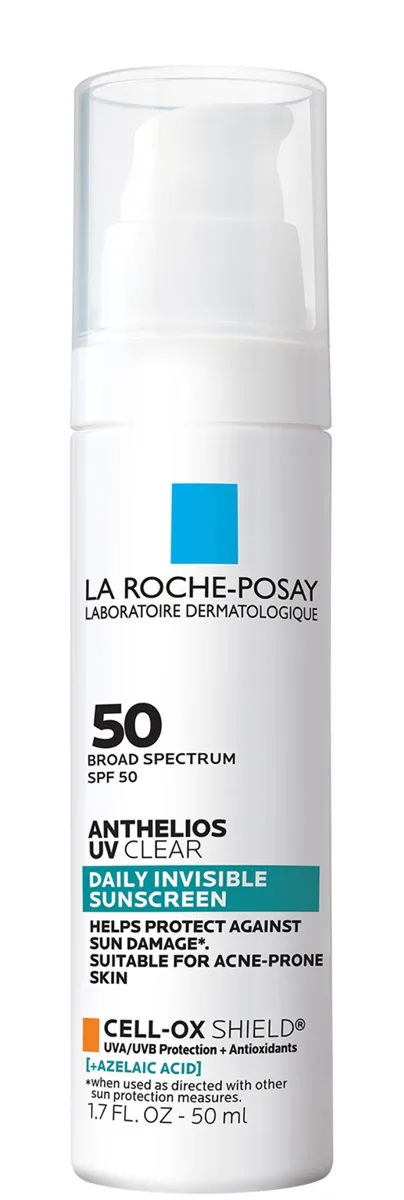 Derm Office Staple
 Anthelios UV Clear Sunscreen SPF 50
One of the only US chemical sunscreens that genuinely earns its 'for sensitive and breakout-prone skin' positioning. A photostable Anthelios filter system paired with a legitimate azelaic acid dose in a lightweight serum-fluid that disappears on every skin tone. Excellent for rosacea, acne, and post-inflammatory hyperpigmentation — and probably the single best daily sunscreen in the La Roche-Posay US lineup for those conditions.
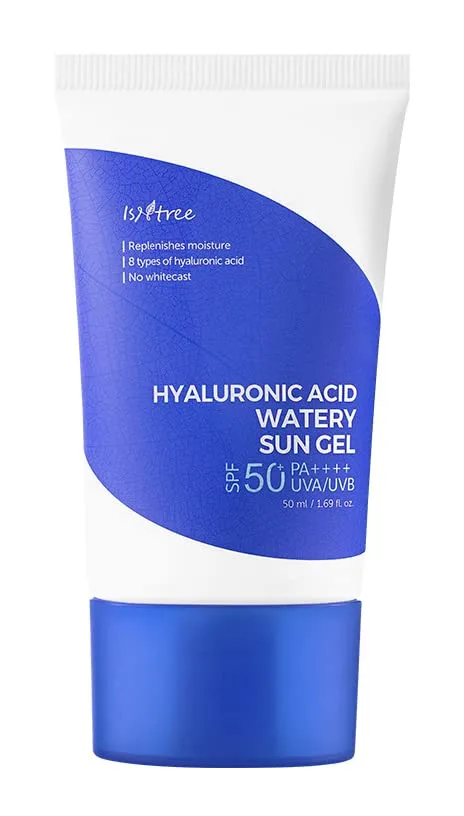 K-Beauty Daily SPF Standout
 Hyaluronic Acid Watery Sun Gel SPF 50+
One of the strongest everyday K-beauty sunscreens in the international market — modern European filters, no white cast, fragrance-free, niacinamide-boosted, and built around the brand's signature six-weight HA complex. At twenty-two dollars for 50ml, it's a case study in how much better a daily sunscreen can be when the formulator cares about both protection and wearability.
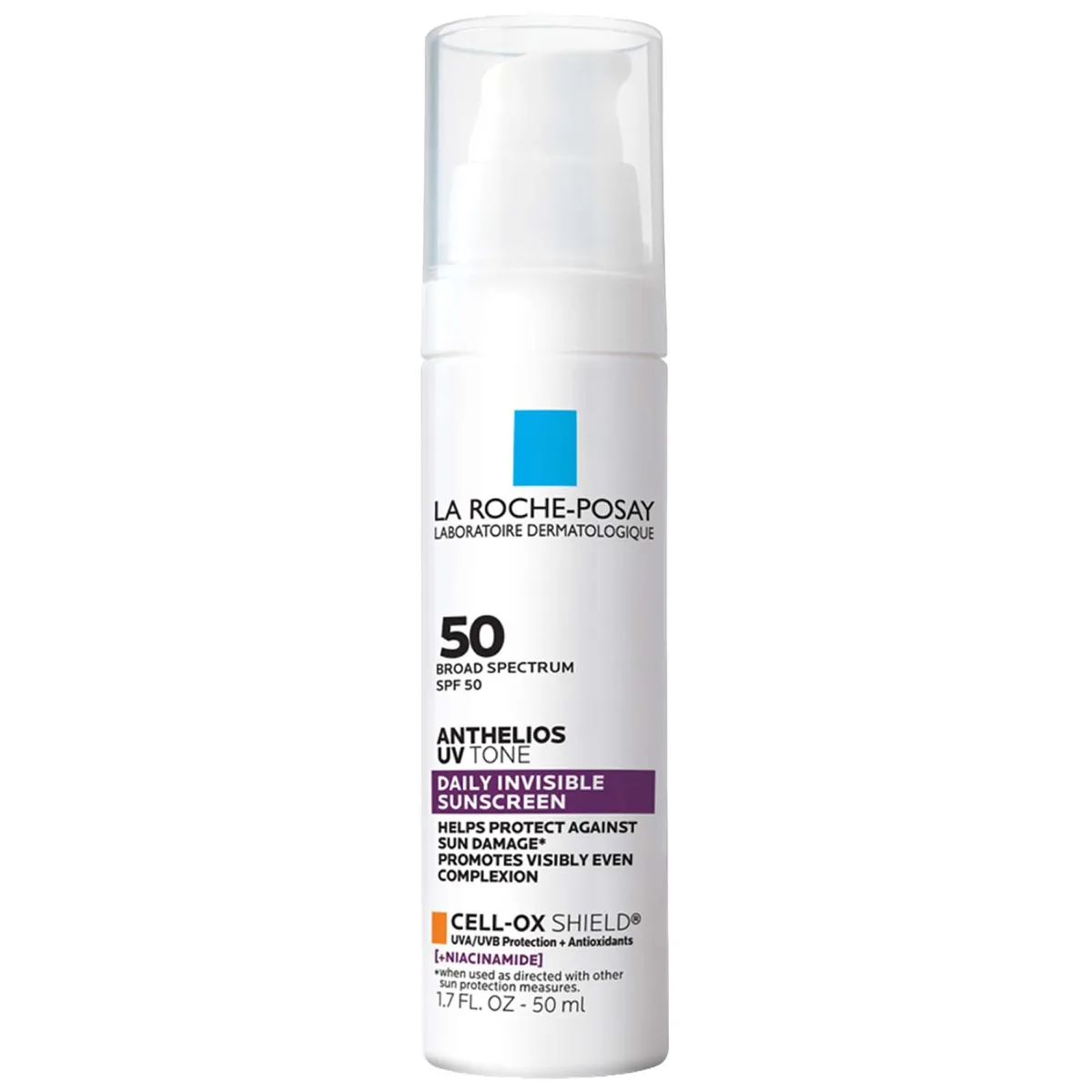 Derm Office Staple
 Anthelios UV Tone Daily Invisible Sunscreen SPF 50
La Roche-Posay's most thoughtful answer yet for hyperpigmentation-prone skin that needs daily SPF. A photostable avobenzone system reinforced with Oxynex ST, paired with a meaningful dose of niacinamide, in a serum-fluid base that goes on invisible on every skin tone. Expensive for 1.7 oz but legitimately well-built — and a rare chemical sunscreen that earns its 'for dark spots' marketing.
 Melasma-Grade Mineral Sunscreen
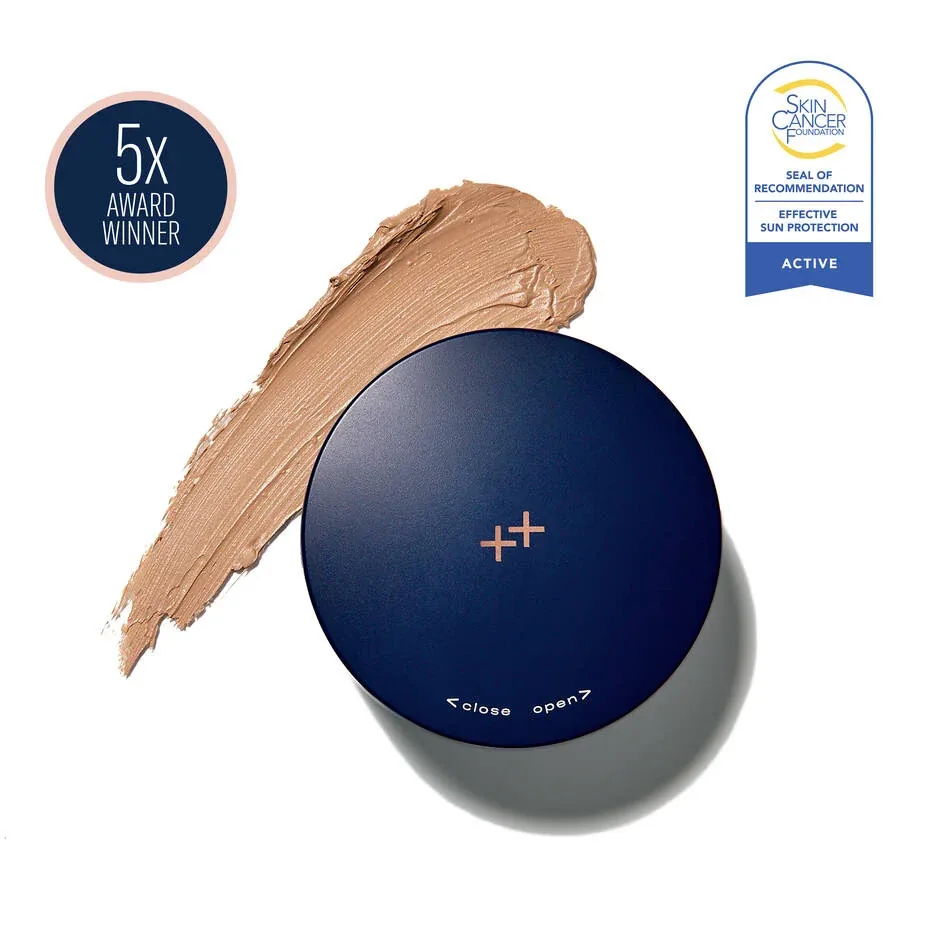
 sunbetter TONE SMART SPF 68
One of the most clinically useful tinted mineral sunscreens in the professional category. SPF 68 from a 100% mineral formula, iron oxide tint that blocks visible light for melasma protection, and an unusually lightweight texture that doesn't feel like you're wearing high-concentration zinc. For patients with melasma or post-inflammatory hyperpigmentation, this is the category benchmark — and it's earned its Allure Best of Beauty wins.
 K-Beauty Cult Favorite
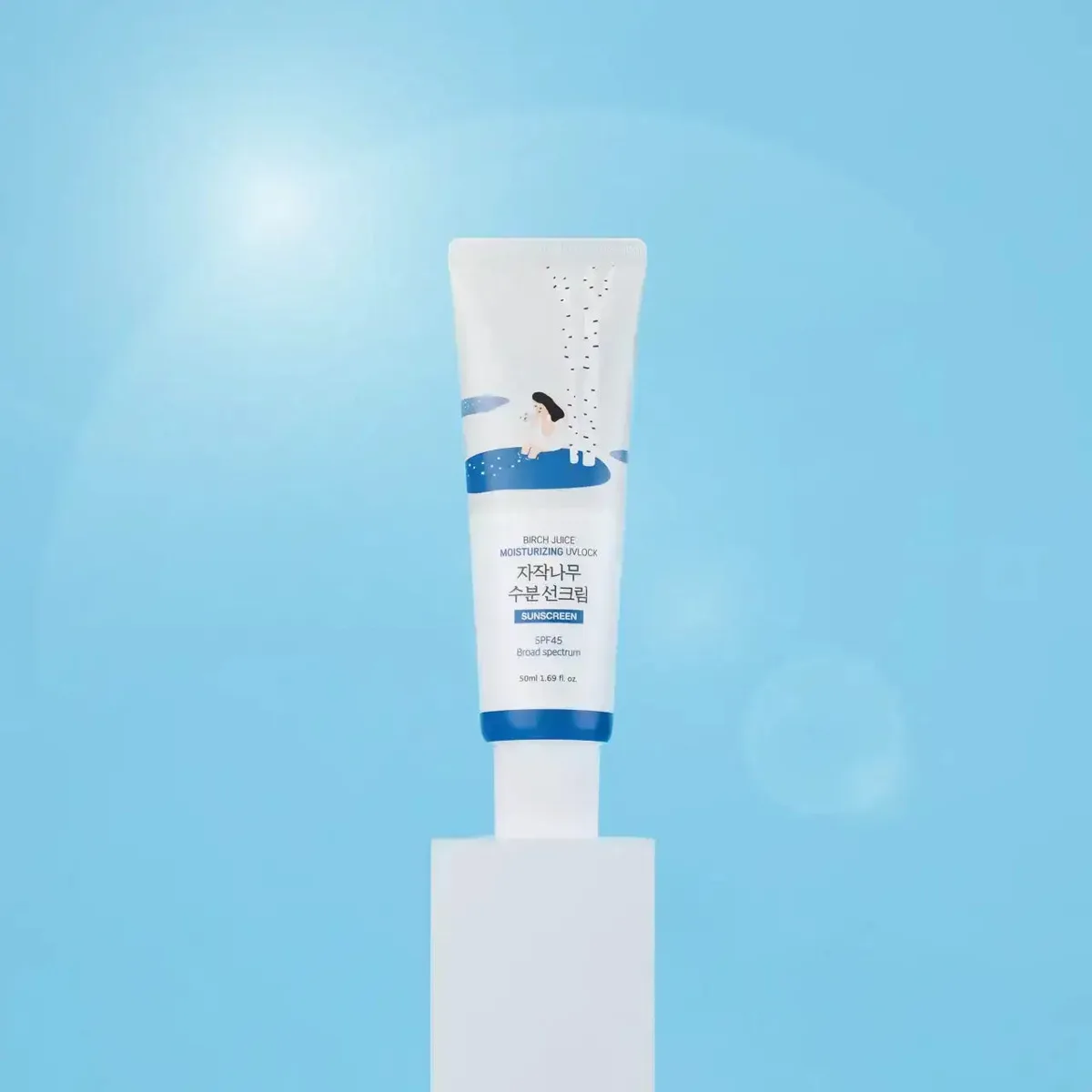
 Birch Juice Moisturizing Sun Cream SPF 50+
One of the best hybrid sunscreens in K-beauty right now — a 70% birch sap base, modern UVA filters you can't get in the US, and a finish that wears like a lightweight moisturizer. Broadly compatible, well-priced, and genuinely pleasant to apply, with minor tradeoffs for oily and fungal-acne-prone users.
 The K-Beauty Sunscreen That Changed Everything
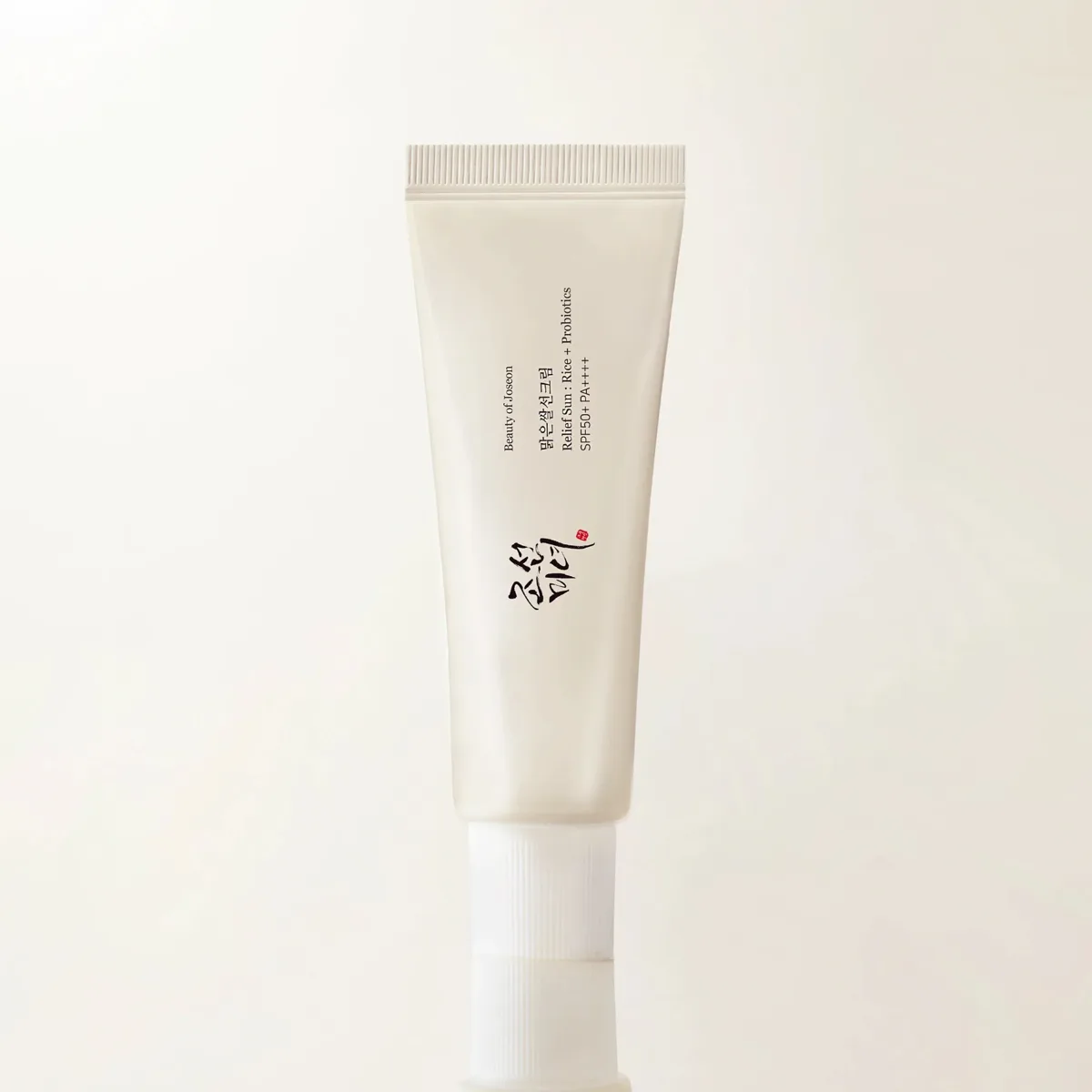
 Relief Sun: Rice + Probiotics SPF 50+
The sunscreen that rewrote the rules for what a $14 product could deliver. With independently verified SPF 50+, 30% rice extract, niacinamide, and a probiotic ferment complex, it offers protection and skincare benefits that rival products three times its price. The texture that feels like wearing nothing on your face is the reason it went viral — and stayed there.