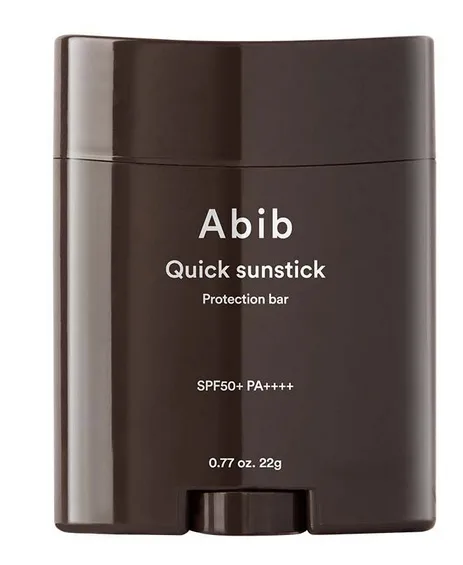
A pocket-sized SPF stick that finally makes daytime reapplication feasible — and uses modern Korean UV filters that outperform almost everything FDA-approved in the U.S. The waxy finish takes adjustment, but for anyone who's ever skipped reapplying because it would wreck their makeup, this is a small revelation.
Quick Sunstick Protection Bar SPF 50+
A pocket-sized SPF stick that finally makes daytime reapplication feasible — and uses modern Korean UV filters that outperform almost everything FDA-approved in the U.S. The waxy finish takes adjustment, but for anyone who's ever skipped reapplying because it would wreck their makeup, this is a small revelation.
Score Breakdown
Where this product gains points and where it loses them — broken down across the four scoring pillars.
A modern Korean filter blend in a genuinely portable format that solves the reapplication problem most chemical sunscreens have. Loses points for waxy finish that not everyone loves.
Pros & Cons
- ✓Modern Korean UV filters not available in U.S. domestic sunscreens
- ✓Truly invisible on all skin tones with zero white cast
- ✓Solves the over-makeup reapplication problem better than any cream
- ✓Pocket-sized and twist-up format ideal for travel and touch-ups
- ✓Centella, aloe, and ceramide NP add antioxidant and barrier support
- ✓Fragrance and alcohol-free with vegan certification
- ✓Glides smoothly without dragging or tugging delicate areas
- ✓Photostable filter blend holds up through wear time
- ✗Wax base requires 3-4 passes per zone for adequate SPF coverage
- ✗Waxy finish not preferred by oily skin types
- ✗Heavier wax base may not suit very oily skin types
- ✗Not water-resistant enough for swimming or heavy sweat
- ✗Contains octinoxate, which some users prefer to avoid
Full Review
The U.S. has a sunscreen problem, and most Americans don't know it. The FDA hasn't approved a new chemical UV filter since 1999. Meanwhile, South Korea, the EU, Japan, and Australia have spent the last quarter-century developing and approving filters like Tinosorb S, Tinosorb M, Mexoryl SX, and Uvinul A Plus — molecules that provide better UVA coverage, more photostability, and fewer cosmetic compromises than anything in the American formulary. Abib's Quick Sunstick contains two of those modern filters. Buying it is, in a small way, a workaround for a regulatory gap that's left U.S. consumers a generation behind on sun protection.
That's the technical story. The practical story is even better: this thing solves the reapplication problem that quietly undermines almost everyone's sun protection. Dermatologists are emphatic that SPF needs to be reapplied every two hours of daylight exposure, but anyone who's tried to do that over makeup, mid-workday, knows it's basically impossible with a cream sunscreen. You smear your foundation, you ruin your concealer, you skip it. A stick is the only realistic answer, and most U.S. sticks are mineral-heavy, chalky, and ghostly on anything but pale skin.
Abib's stick goes the other direction. Uvinul A Plus handles long-wave UVA (the rays that drive photoaging and pigmentation), Tinosorb S provides photostable broad-spectrum coverage and stabilizes the octinoxate that does the UVB heavy lifting, and the whole blend is colorless. There's no white cast, no grey haze, no ghost photo bombs. You can apply it over a full face of makeup and walk out the door looking like you didn't just smear sunscreen on your forehead.
The texture takes a minute to learn. It's a wax base — synthetic and microcrystalline waxes plus polyethylene — that warms slightly on contact and glides as a thin emollient film. The most common mistake is one swipe per cheek. That's not enough. The proper application is 3-4 firm passes over each section: forehead, each cheek, nose bridge, chin, jawline. You should see the surface of your skin look subtly different — slightly more even, very slightly more reflective — once you've put down enough product. If your skin looks identical before and after, you didn't apply enough.
The finish is where opinions split. People with dry to normal skin tend to like it: it's smoothing, slightly emollient, and reads as natural rather than greasy. Oilier types sometimes find it waxy or feel like it's just sitting on top of the skin. That's not wrong — it is sitting on top of the skin, which is exactly what a sunscreen is supposed to do. But if your sebum runs high in summer, you may prefer to use this only as reapplication over a fluid morning sunscreen, rather than as your primary SPF.
Two other limitations worth flagging. First, the wax base is heavier than a fluid SPF and may feel occlusive on congested or acne-prone skin — patch test before going all-in. Second, it's not water-resistant enough for swimming or heavy sweating. For pool days or workouts, use a dedicated water-resistant fluid and reapply after toweling. And like all chemical sunscreens with octinoxate, it's not the pick for pregnancy or anyone who specifically wants to avoid that filter.
What you're really paying for at $19 is the format and the filter blend. Comparable Korean sticks with this filter set typically run $15-$28, so it's priced reasonably for the category. The stick lasts roughly 2-3 months as a daily touch-up, longer if you only deploy it midday over a base sunscreen. From an emerging brand without legacy clinical data, the price feels fair because the formulation is genuinely modern in ways that legacy brands haven't matched. Unlike some Abib products that lean on pine extract as the main story, the sunstick is a real piece of UV filter chemistry first, with the centella and pine acting as supporting players rather than headliners. That's the right priority for a sunscreen, and it's part of why this has become one of the most-recommended K-beauty SPFs of the last few years.
Formula
Key Ingredients
The hero actives that drive this product's performance.
| Ingredient | Function | Evidence |
|---|---|---|
| Diethylamino Hydroxybenzoyl Hexyl Benzoate (Uvinul A Plus) | A modern UVA filter that protects against the long-wave UVA rays linked to photoaging and pigmentation, paired here with the broad UVB filters to give this stick true broad-spectrum coverage in a portable format. | well-established |
| Bis-Ethylhexyloxyphenol Methoxyphenyl Triazine (Tinosorb S) | A photostable broad-spectrum filter that covers both UVA and UVB and stabilizes the octinoxate in this formula, preventing the on-skin degradation that limits older Western stick formulations. | well-established |
| Ethylhexyl Methoxycinnamate (Octinoxate) | Provides the bulk of UVB absorption in this stick. It's stabilized by the Tinosorb S so the SPF holds up over the wear time you'd expect from a reapplication-friendly format. | well-established |
| Centella Asiatica Extract | Soothes sun-stressed skin and reduces the post-exposure inflammation that accelerates pigmentation, supporting the same anti-photodamage goal as the UV filters from a different angle. | promising |
| Ceramide NP | An unusual addition for a sunstick — most stick formulations skip skincare actives entirely. Ceramide NP supports the barrier through repeated wear and reapplication, which matters when you're swiping a wax-based product across the same skin multiple times a day. | well-established |
Full INCI List
Octyldodecanol, Butylene Glycol Dicaprylate/Dicaprate, Ethylhexyl Methoxycinnamate, Dibutyl Ethylhexanoyl Glutamide, Dibutyl Lauroyl Glutamide, Diisostearyl Malate, Ethylhexyl Salicylate, Diethylamino Hydroxybenzoyl Hexyl Benzoate, Bis-Ethylhexyloxyphenol Methoxyphenyl Triazine, Dextrin Palmitate, Octocrylene, Camellia Sinensis Leaf Extract, Centella Asiatica Extract, Aloe Barbadensis Leaf Juice, Cucumis Sativus (Cucumber) Fruit Extract, Aloe Barbadensis Leaf Extract, Glycerin, Water, Butylene Glycol, Saccharide Isomerate, Maltodextrin, Hydrolyzed Vegetable Protein, Caprylic/Capric Triglyceride, Hydrogenated Lecithin, Ethyl Hexanediol, Ceramide NP, Citric Acid, Sodium Citrate, Ethylhexylglycerin, Phenoxyethanol
Product Flags
✓ Fragrance Free✓ Alcohol Free✗ Oil Free✓ Silicone Free✓ Paraben Free✓ Sulfate Free✓ Cruelty Free✓ Vegan✗ Fungal Acne Safe
Compatibility
Skin Match
Best For
Works For
Not Ideal For
Addresses These Conditions
sun damage hyperpigmentation aging melasma
Use With Caution
Routine Step
sunscreen
Time of Day
AM
Pregnancy Safe
No ✗
Layering Tips
Apply over moisturizer as your final daytime step or use throughout the day for reapplication. Glide 3-4 times over each area to achieve a meaningful layer. Don't rely on a single swipe for full SPF coverage.
Results Timeline
Immediate UV protection upon application. Long-term benefits — reduced pigmentation, slower visible aging, fewer sun spots — develop over months of consistent daily use as part of a complete routine.
Pairs Well With
niacinamidevitamin-ccentella-asiaticaantioxidants
Sample AM Routine
- Cleanser
- Vitamin C serum
- Moisturizer
- THIS PRODUCT (or as reapplication over a base SPF)
Sample PM Routine
- Cleanser
- Treatment serum
- Moisturizer
- Occlusive
Evidence
Science & Expert Perspective
The Science
The case for modern UV filters is now well-established in the international dermatology literature. Bis-Ethylhexyloxyphenol Methoxyphenyl Triazine (Tinosorb S) and Diethylamino Hydroxybenzoyl Hexyl Benzoate (Uvinul A Plus) cover the long-wave UVA spectrum more effectively than older filters like avobenzone, and they're significantly more photostable — meaning they don't degrade on skin during the wear window. Long-wave UVA penetrates deeper into the dermis than UVB, contributes to collagen breakdown, and is heavily implicated in melasma and post-inflammatory hyperpigmentation. A sunscreen that protects only against UVB, or against UVA poorly, leaves a major aging and pigmentation pathway open.
What distinguishes this stick formulation isn't a single hero filter — it's the combination logic. Tinosorb S photostabilizes the octinoxate, which would otherwise degrade on skin within an hour of UV exposure. Uvinul A Plus extends UVA-1 coverage that octinoxate alone can't provide. The result is a filter set that holds its rated SPF and PA++++ rating through several hours of light wear, which is exactly what a portable reapplication tool needs to do.
The ancillary actives — pine needle extract, centella asiatica, madecassoside, beta-glucan — provide a secondary antioxidant layer. The dermatology rationale here is well-supported: even the best sunscreen blocks only a portion of incoming UV, and the photons that get through generate reactive oxygen species. Topical antioxidants neutralize some of those radicals before they damage cellular structures. None of these botanicals replace the UV filters, but they add a meaningful supporting layer that pure-filter sunscreens lack.
Dermatologist Perspective
Dermatologists internationally recognize Tinosorb S and Uvinul A Plus as among the most effective broad-spectrum filters available, and many U.S. dermatologists openly recommend that patients seeking better UVA protection consider Korean or European sunscreens. Board-certified dermatologists consistently emphasize that the best sunscreen is the one a patient will actually reapply, and the practical reality is that cream sunscreens are rarely reapplied during the workday. Sunsticks, particularly invisible chemical formulations like this one, address that compliance gap directly. Dermatologists generally advise that any SPF reapplication is better than none, and recommend pairing a stick with a generously-applied morning fluid sunscreen as a primary base layer. For melasma and hyperpigmentation patients, dermatologists typically stress that modern UVA filters are critical, since visible UVA exposure is a major driver of pigment recurrence.
Guidance
Usage Guide
How to Use
Apply as the final step of your morning routine after moisturizer, or use throughout the day as reapplication over a base sunscreen. Glide the stick 3-4 times across each facial zone — forehead, each cheek, nose, chin, jawline — pressing firmly enough to deposit a visible layer. For reapplication over makeup, swipe broadly and pat in gently with clean fingers. Don't forget the neck, ears, and back of hands. Reapply every two hours during sun exposure or after sweating. Cap immediately after use to prevent the stick from softening in heat.
Value Assessment
At $19 for 22g, this stick lands in the middle of the K-beauty sunstick market. Comparable Korean sticks with similar filter blends range from $15 to $28, so the pricing is fair rather than aspirational. The real value isn't the per-gram math — it's what you can't get for any price in U.S. domestic sunscreens: Tinosorb S and Uvinul A Plus in a portable format. From an emerging brand without decades of clinical history, the price would be harder to justify if not for the filter blend itself, which is what dermatologists actually want to see in a sunscreen.
Who Should Buy
Anyone who struggles with sunscreen reapplication during the workday, especially over makeup. People with normal to dry skin who want a modern Korean filter blend that's invisible on all skin tones. K-beauty fans who care about UVA protection beyond what U.S.-formulated sunscreens can provide.
Who Should Skip
Very oily skin types who find waxy textures uncomfortable and want a fluid SPF instead. Acne-prone users who do better with fluid SPFs. Pregnant users who prefer to avoid octinoxate. Anyone needing serious water resistance for swimming or athletic activity.
Ready to try Abib Quick Sunstick Protection Bar SPF 50+?
Details
Details
Texture
Solid waxy stick that warms slightly on contact and glides as a thin emollient layer
Scent
Faint herbal centella note; no added fragrance
Packaging
Twist-up plastic stick tube with cap; compact enough for a pocket or small bag
Finish
naturalnon-greasy
What to Expect on First Use
First swipe deposits a thin invisible layer with no white cast and minimal residue. The wax base means you'll need 3-4 passes per area to build adequate protection — undershooting is the most common application error.
How Long It Lasts
About 2-3 months as a daily reapplication tool over a base sunscreen, or 4-6 weeks if used as a primary SPF
Period After Opening
12 months
Best Season
All Year
Certifications
PA++++Vegan
Background
The Why
Abib introduced its sun care range in 2022 as the brand expanded beyond cleansers and toners. The sunstick was designed specifically for Korean consumers' midday reapplication habits — Korean beauty culture treats SPF reapplication as a non-negotiable, and traditional cream sunscreens are too disruptive over makeup. It quickly became one of Abib's most discussed products as TikTok creators highlighted its modern Korean filter blend.
About Abib Emerging Brand (2–5 years)
Abib launched in 2017 as a Korean indie brand built around minimalist plant-derived skincare. Its sun care range uses Korean-approved UV filters not yet available in U.S. domestic sunscreens, giving it a formulation edge K-beauty fans seek out.
Brand founded: 2017 · Product launched: 2022
Myth vs. Reality
Myths & Misconceptions
Myth
Sunsticks don't provide as much protection as creams.
Reality
The lab SPF rating is identical to a cream version of the same filters. Real-world protection depends entirely on application thickness — undershooting a stick is just easier than undershooting a cream, which is why 3-4 passes per area is the rule, not the exception.
Myth
If there's no white cast, the SPF must be low.
Reality
Modern chemical filters like Tinosorb S and Uvinul A Plus are colorless by design and provide broad-spectrum protection without the mineral haze. White cast is a property of zinc and titanium pigments, not a marker of effectiveness.
FAQ
Frequently Asked Questions
How do I apply Abib Quick Sunstick correctly?
Glide the stick 3-4 times across each section of your face, pressing firmly enough to deposit a visible layer. A single swipe is not enough for full SPF protection. For reapplication over makeup, swipe broadly and pat in with clean fingers.
Does this sunstick leave a white cast?
No. The chemical filters used here — Uvinul A Plus and Tinosorb S — are colorless and invisible on all skin tones. This is a key advantage over mineral sunsticks, which can leave a white or grey cast on deeper complexions.
Can I use Abib Quick Sunstick over makeup?
Yes — that's its primary use case for many. The waxy texture sits on top of makeup without disturbing it, making it the easiest way to honor the every-two-hours reapplication recommendation during a workday.
Is this sunstick water-resistant?
It has some water resistance from the wax base but isn't intended for swimming or heavy sweating. For beach or pool days, use a dedicated water-resistant sunscreen and reapply after toweling off.
Is the Abib sunstick FDA-approved in the US?
The product is sold in the U.S. as a cosmetic, but the filters Tinosorb S and Uvinul A Plus are not approved by the FDA for new U.S. sunscreens. It's legal to import and use, but it isn't classified as an OTC sunscreen drug under U.S. monograph rules.
Will this stick clog my pores?
The wax base is heavier than a fluid sunscreen, which can feel occlusive on oily or congested skin. Acne-prone users may want to test it on a small area first or use only as touch-up reapplication over a lighter primary SPF.
Is it safe during pregnancy?
The filter octinoxate (ethylhexyl methoxycinnamate) is one some pregnant users prefer to avoid. If you'd rather skip it, look for mineral-only sunsticks or fluids with zinc oxide as the sole active.
Community
Community Voices
Common Praise
"Easy reapplication over makeup throughout the day"
"Non-greasy, no white cast"
"Glides on smoothly without dragging"
"Modern UV filter blend rare in U.S. sunscreens"
Common Complaints
"Waxy feel for some users"
"Hard to know how much SPF you've actually applied"
"Not water-resistant enough for swimming"
Notable Endorsements
TikTok K-beauty creatorsOlive Young best-selling sunsticks
Appears In
best sunscreen for reapplication best k beauty sunstick best spf over makeup best sunstick for aging best portable sunscreen
Related Conditions
sun damage hyperpigmentation aging melasma
Related Ingredients
You Might Also Like
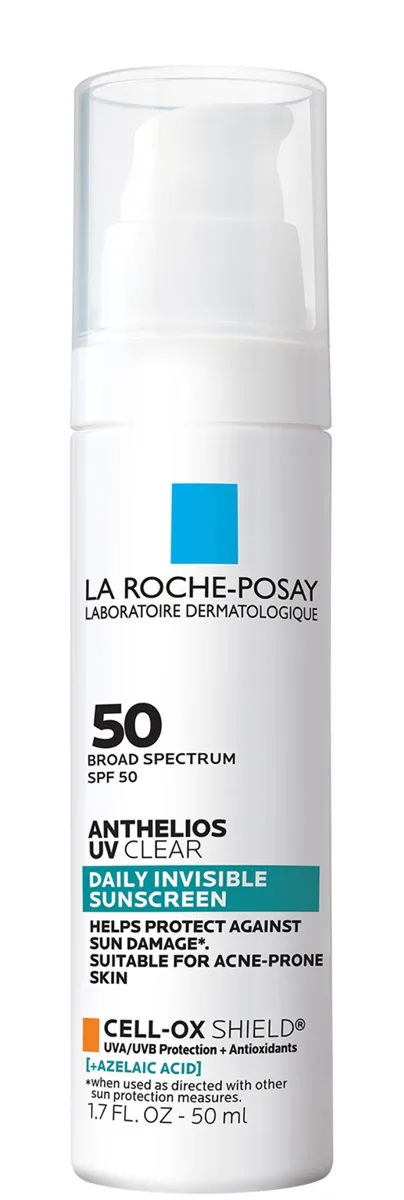 Derm Office Staple
 Anthelios UV Clear Sunscreen SPF 50
One of the only US chemical sunscreens that genuinely earns its 'for sensitive and breakout-prone skin' positioning. A photostable Anthelios filter system paired with a legitimate azelaic acid dose in a lightweight serum-fluid that disappears on every skin tone. Excellent for rosacea, acne, and post-inflammatory hyperpigmentation — and probably the single best daily sunscreen in the La Roche-Posay US lineup for those conditions.
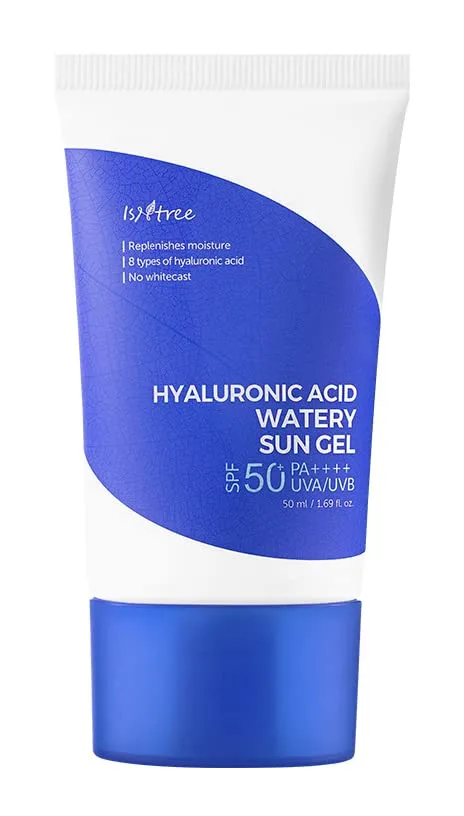 K-Beauty Daily SPF Standout
 Hyaluronic Acid Watery Sun Gel SPF 50+
One of the strongest everyday K-beauty sunscreens in the international market — modern European filters, no white cast, fragrance-free, niacinamide-boosted, and built around the brand's signature six-weight HA complex. At twenty-two dollars for 50ml, it's a case study in how much better a daily sunscreen can be when the formulator cares about both protection and wearability.
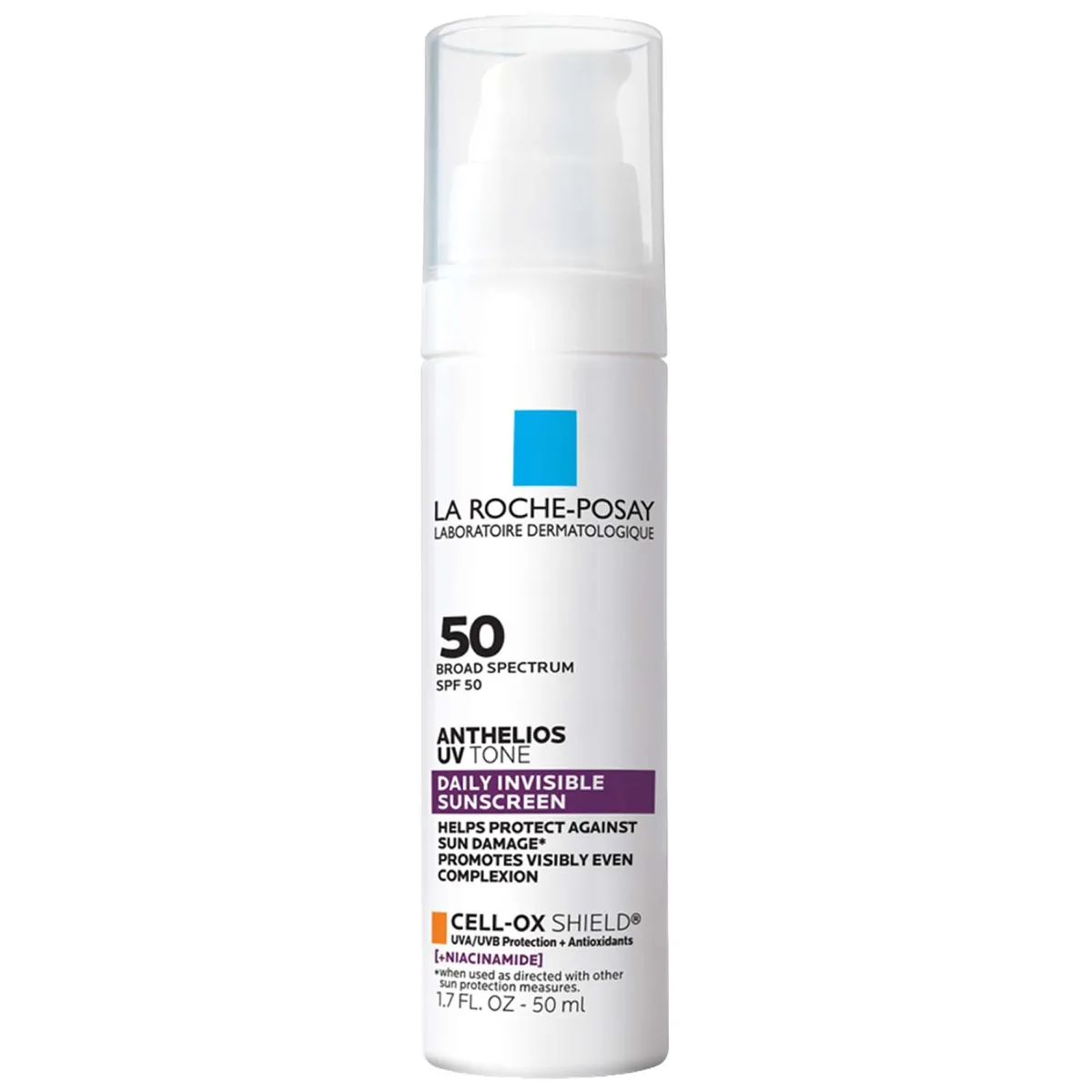 Derm Office Staple
 Anthelios UV Tone Daily Invisible Sunscreen SPF 50
La Roche-Posay's most thoughtful answer yet for hyperpigmentation-prone skin that needs daily SPF. A photostable avobenzone system reinforced with Oxynex ST, paired with a meaningful dose of niacinamide, in a serum-fluid base that goes on invisible on every skin tone. Expensive for 1.7 oz but legitimately well-built — and a rare chemical sunscreen that earns its 'for dark spots' marketing.
 Melasma-Grade Mineral Sunscreen
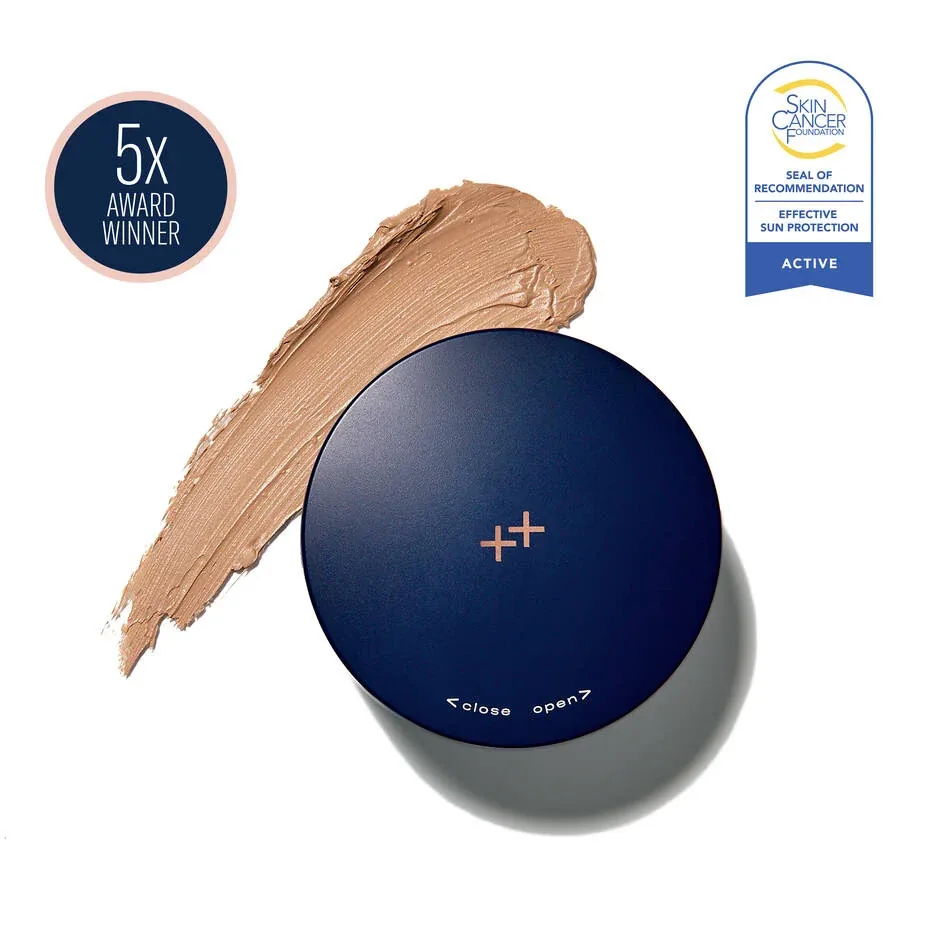
 sunbetter TONE SMART SPF 68
One of the most clinically useful tinted mineral sunscreens in the professional category. SPF 68 from a 100% mineral formula, iron oxide tint that blocks visible light for melasma protection, and an unusually lightweight texture that doesn't feel like you're wearing high-concentration zinc. For patients with melasma or post-inflammatory hyperpigmentation, this is the category benchmark — and it's earned its Allure Best of Beauty wins.
 K-Beauty Cult Favorite
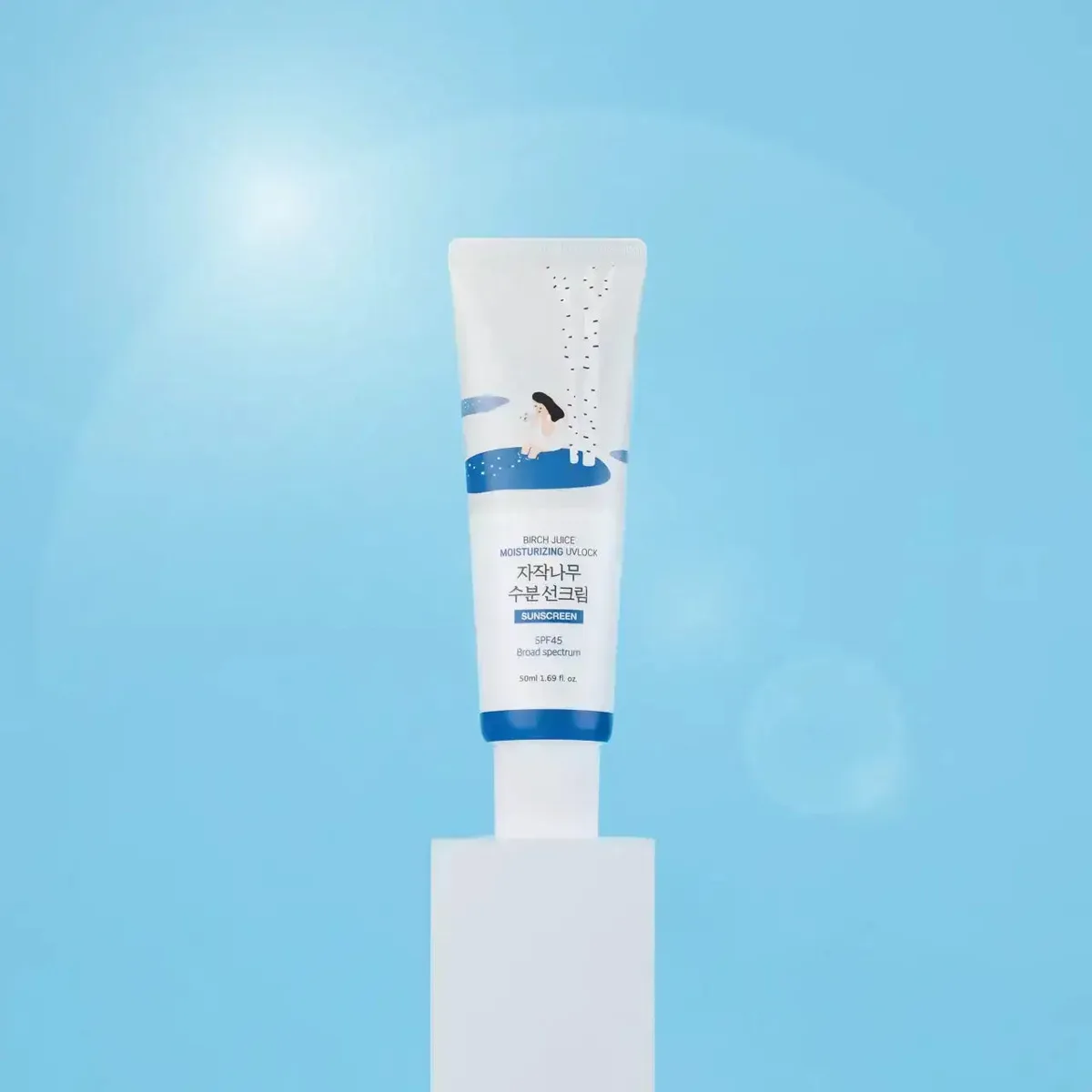
 Birch Juice Moisturizing Sun Cream SPF 50+
One of the best hybrid sunscreens in K-beauty right now — a 70% birch sap base, modern UVA filters you can't get in the US, and a finish that wears like a lightweight moisturizer. Broadly compatible, well-priced, and genuinely pleasant to apply, with minor tradeoffs for oily and fungal-acne-prone users.
 The K-Beauty Sunscreen That Changed Everything
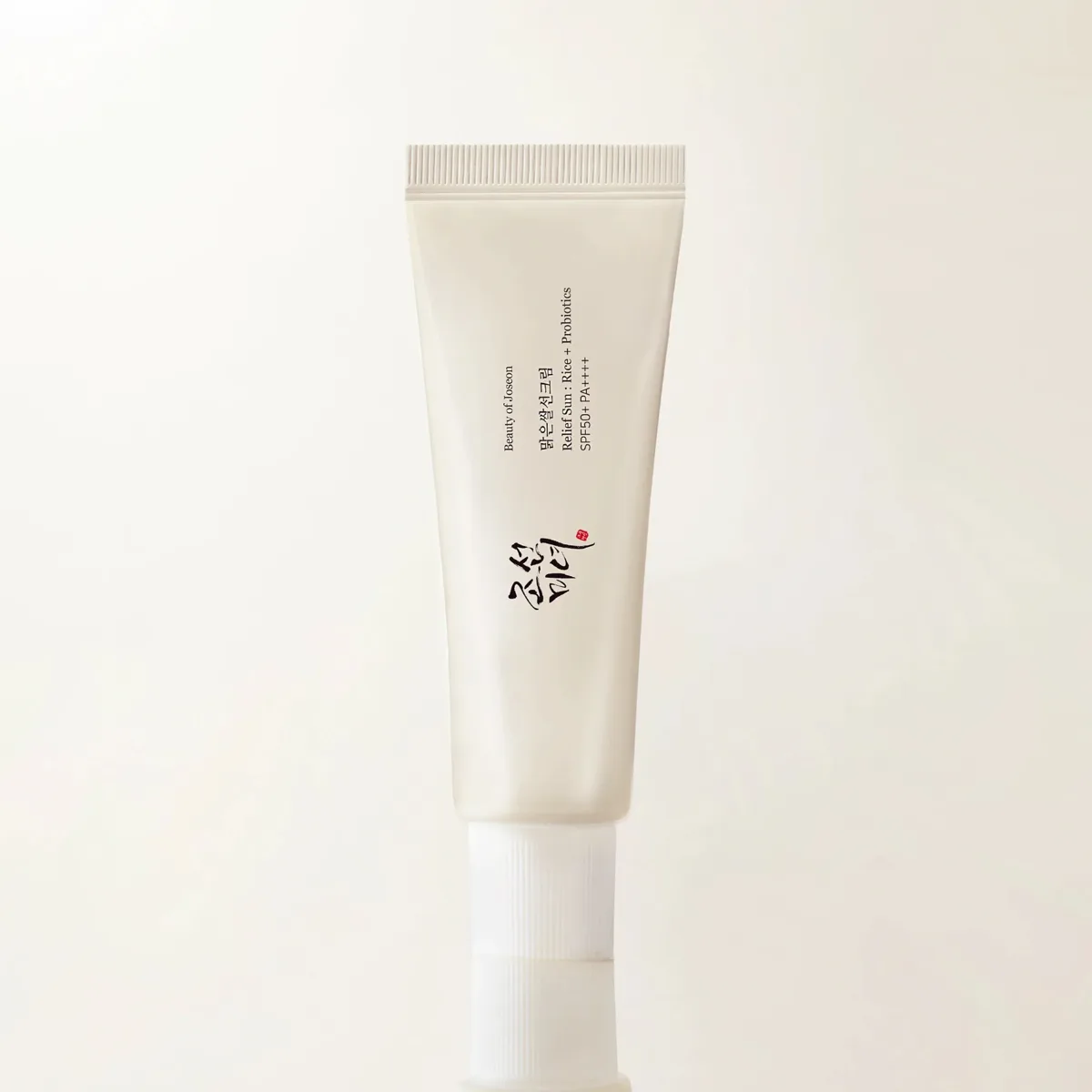
 Relief Sun: Rice + Probiotics SPF 50+
The sunscreen that rewrote the rules for what a $14 product could deliver. With independently verified SPF 50+, 30% rice extract, niacinamide, and a probiotic ferment complex, it offers protection and skincare benefits that rival products three times its price. The texture that feels like wearing nothing on your face is the reason it went viral — and stayed there.