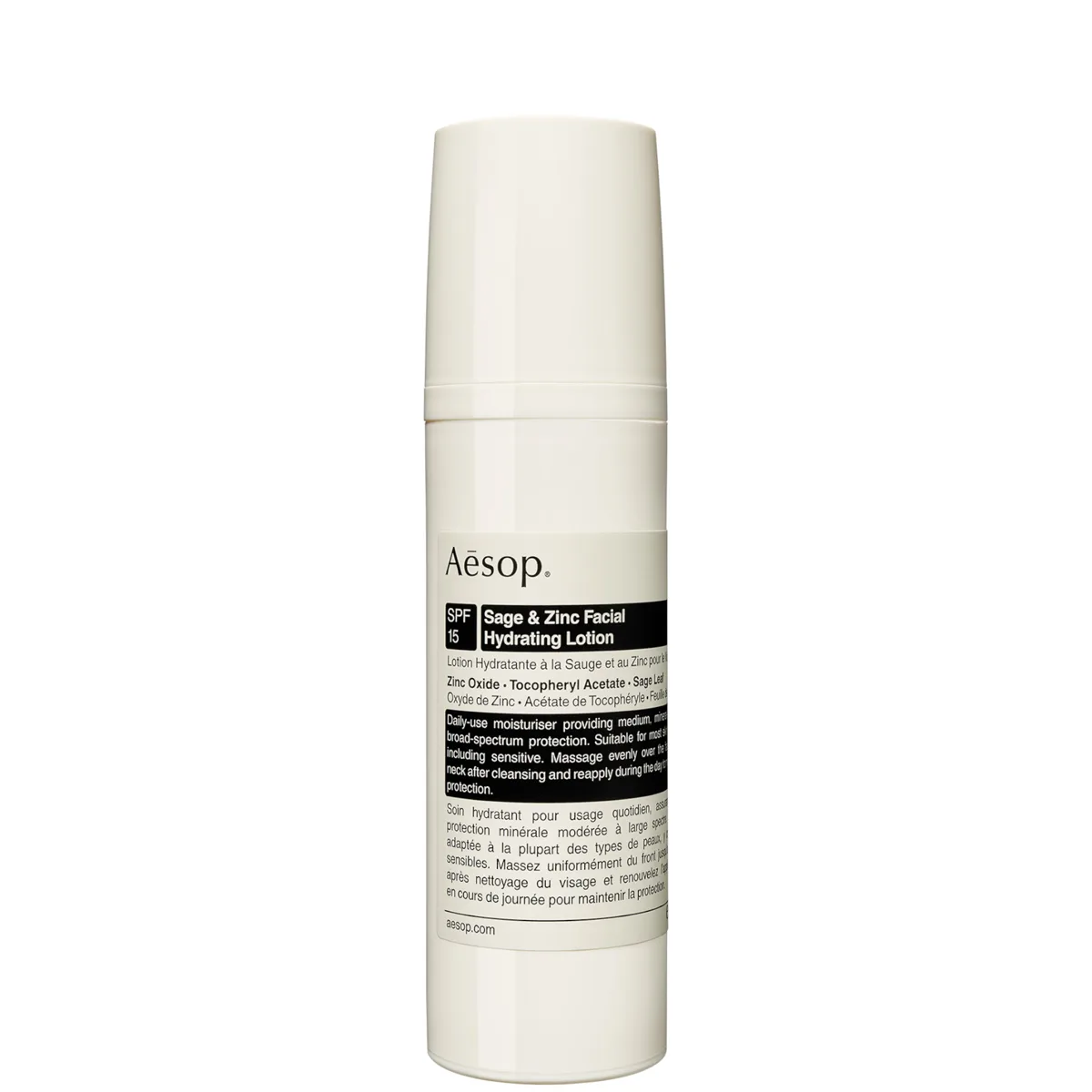
Aesop's Sage & Zinc is a competent mineral SPF moisturizer hybrid with a clean lipid base and one of the more wearable nano-zinc finishes in the luxury category. The SPF 15 rating is its biggest functional liability — it falls short of modern dermatological recommendations for daily sun protection, and the price asks a lot for half the UVB defense of a standard SPF 30 product.
Sage & Zinc Facial Hydrating Cream SPF 15
Aesop's Sage & Zinc is a competent mineral SPF moisturizer hybrid with a clean lipid base and one of the more wearable nano-zinc finishes in the luxury category. The SPF 15 rating is its biggest functional liability — it falls short of modern dermatological recommendations for daily sun protection, and the price asks a lot for half the UVB defense of a standard SPF 30 product.
Score Breakdown
Where this product gains points and where it loses them — broken down across the four scoring pillars.
A pleasant mineral SPF moisturizer hybrid with a clean lipid base, undermined by the SPF 15 rating that falls short of modern dermatological recommendations and a luxury price for what is effectively half the protection of a standard SPF 30 product.
Pros & Cons
- ✓Fully mineral SPF with nano zinc oxide as the sole filter
- ✓Less white cast than traditional zinc sunscreens
- ✓Genuinely hydrating in addition to providing UV protection
- ✓Squalane and macadamia oil lipid base feels clean and modern
- ✓Vitamin E antioxidant inclusion supports photoprotection
- ✓Pregnancy-friendly mineral filter profile
- ✓Pleasant satin finish that layers under makeup
- ✗SPF 15 falls below modern dermatological recommendations
- ✗Premium price for sub-optimal sun protection
- ✗Sage and lavender oils irritate sensitive skin
- ✗Faint cast on darker skin tones
- ✗Small 50 ml bottle disappears quickly at correct application amounts
- ✗Newer mineral SPF moisturizers offer better protection at lower prices
Full Review
There is a story buried in the SPF rating on this bottle that is more important than anything else about the formula. Fifteen years ago, when this product launched, SPF 15 was a perfectly acceptable level of daily sun protection. The dermatological consensus held that any meaningful UVB filter applied consistently was better than nothing, the math on percentages-blocked was reassuring (SPF 15 blocks about 93 percent of UVB rays), and the broader skincare conversation hadn't yet absorbed the long-term photoaging research that would shift recommendations upward. Aesop launched Sage & Zinc into that environment and built a competent mineral SPF moisturizer that fit the standards of its time.
The standards have moved. The current dermatological consensus, supported by the American Academy of Dermatology and most equivalent bodies internationally, recommends SPF 30 as the daily minimum for face protection — particularly for anyone concerned about photoaging, hyperpigmentation, melasma, or long-term sun damage. The math on that shift is more interesting than it first appears. SPF 15 blocks 93 percent of UVB. SPF 30 blocks 97 percent. The four-percentage-point difference sounds modest, but it actually represents roughly twice the UVB transmission to the skin (7 percent versus 3 percent), which matters cumulatively across years of daily exposure. For someone with no pigmentation concerns and no family history of skin cancer, SPF 15 is not catastrophic. For most modern luxury skincare buyers — who are typically also concerned with pigmentation and photoaging — it is no longer enough.
This matters because Sage & Zinc is sold at a luxury price point to exactly the demographic that should be using SPF 30 minimum. The product has never been reformulated to a higher SPF, and that single fact is the most important thing to understand before buying. Treat this cream as a hydrating layer with bonus minor protection, not as your primary daily sunscreen, and the value math becomes more honest. Treat it as your only sun defense and you are leaving meaningful protection on the table for the price.
With that framing in place, let me describe what the formula actually does well, because there is real craft in it. The sole sunscreen filter is nano-particle zinc oxide, which makes this a fully mineral SPF — no chemical filters, no avobenzone instability, no breakdown over the day. Mineral sunscreens with zinc oxide are particularly attractive to certain users: people with reactive skin who tolerate physical filters better than chemical ones, people who want a single-filter formula for simplicity, people who specifically prefer mineral SPF for environmental reasons or pregnancy considerations. Aesop's choice of nano zinc rather than non-nano dramatically reduces the white cast that defines older mineral sunscreens. Light to medium skin tones generally won't see any cast at all. Darker skin tones will see a faint residue that doesn't fully blend out, which is the recurring limitation of all nano-zinc formulas regardless of brand.
The lipid and humectant cast around the zinc is well-formulated. Caprylic/capric triglyceride sits high on the INCI as a clean, fast-absorbing emollient. Glycerin provides the primary humectant work. Squalane — a skin-identical lipid that absorbs cleanly without the heaviness of plant butters — and macadamia seed oil add structural lipids that help the formula behave like a moisturizer rather than just a sunscreen. Evening primrose oil contributes a small amount of essential fatty acids further down the list, and tocopheryl acetate plus tocopherol provide vitamin E antioxidant support, which is genuinely useful in a sunscreen context where the goal is photoprotection rather than just UV blocking. The overall effect is a cream that genuinely functions as a moisturizer in addition to providing sun protection — which is the entire point of an SPF moisturizer hybrid.
Texture and finish land in pleasant territory. The cream applies as a slightly substantial lotion that thins under the fingertips and presses into the skin without dragging. Unlike many older mineral sunscreens that feel chalky or stiff, Sage & Zinc settles into a satin finish within a minute or two and layers cleanly under makeup. The herbal scent is unmistakably Aesop — sage and lavender lead, with a faint sandalwood warmth from the Fusanus oil — and lingers in the air for several minutes after application. Fragrance-tolerant users will find it pleasant and ritualistic. Fragrance-reactive users will find it concerning, and the sage oil in particular is worth noting as a less common contact sensitizer that not all reactive skin handles well.
Application amount is the part of any sunscreen review where users need to be honest with themselves. To achieve the labeled SPF protection — whether that's SPF 15, 30, or 50 — you need to apply roughly a quarter-teaspoon to the face alone, which is significantly more than most people instinctively use. With this product, applying the correct amount means the 50 ml bottle disappears in roughly six to eight weeks at daily use. Most users will instinctively use less, which stretches the bottle to two or three months but also reduces the actual SPF protection achieved. There is no way around this trade-off, and it's a built-in cost of the small bottle size at a luxury price.
The people for whom this product genuinely works are narrower than the marketing implies. The right buyer has normal-to-combination skin, no fragrance sensitivity, no significant pigmentation concerns, lives in a mostly indoor lifestyle without heavy outdoor exposure, and treats SPF 15 as an acceptable bonus on a hydrating moisturizer rather than as their primary defense. For that buyer, Sage & Zinc is a perfectly reasonable luxury product that does what it says. For everyone else — and that's most people — the recommendation is to choose a higher-SPF alternative, either within Aesop's catalog (the brand's other Protective Facial Lotion offers higher SPF in newer formulations) or from a dermatologist-developed brand like La Roche-Posay or EltaMD, both of which offer mineral SPF 30+ moisturizers at lower prices with cleaner ingredient profiles.
The value math is the recurring Aesop conversation, with an extra wrinkle here. Eighty dollars for fifty milliliters of an SPF 15 mineral moisturizer is firmly in luxury territory, and the same money buys you well-formulated SPF 30 or 50 mineral sunscreens at every price point below it. What you are paying for, beyond the formulation, is the Aesop sensorial experience and the brand's careful work on the texture and finish. For someone who specifically wants the brand's herbal scent profile and is willing to accept the SPF 15 rating, the math can work. For someone optimizing strictly on sun protection per dollar, this is one of the harder Aesop products to defend.
Application is straightforward but worth doing right. After cleansing and any treatment serums, dispense at least a quarter-teaspoon (about two pumps from the dispenser) and press into the face and neck as the final morning step. Allow the cream to fully absorb before applying makeup. Reapply every two hours when outdoors, and apply more generously than you think you need to — the labeled SPF assumes adequate application amount, and shortcuts on the dose mean shortcuts on the protection. Use only in the morning; this product has no place in an evening routine.
Longevity is solid for the size at correct usage. The 50 ml bottle should last six to eight weeks at sun-safe application amounts, or two to three months if you stretch it (which means you're under-protected). Once opened, finish within twelve months for stability of both the zinc dispersion and the herbal extracts.
What Sage & Zinc is, ultimately, is a thoughtfully formulated mineral SPF hybrid that has been left behind by a shift in dermatological standards. The cream itself is well-made. The SPF 15 rating is the core problem, and it's not something a buyer can work around without simply choosing a different product. For the narrow audience that doesn't need more than minor daily protection and specifically values the Aesop experience, it earns its place. For everyone else — which is most people — the honest recommendation is to look at higher-SPF alternatives.
Formula
Key Ingredients
The hero actives that drive this product's performance.
| Ingredient | Function | Evidence |
|---|---|---|
| Zinc Oxide (Nano) | The sole sunscreen filter in this formula and the entire reason the product exists as an SPF moisturizer. Aesop uses nano-particle zinc oxide, which provides broad-spectrum UVA and UVB protection with significantly less white cast than traditional non-nano zinc — though SPF 15 is the legal minimum and not the level dermatologists recommend for serious sun protection. | well-established |
| Glycerin | Sits in the fifth INCI slot as the primary humectant in the formula, doing the water-binding work that keeps the cream from feeling like a flat, occlusive sunscreen. It's the reason this product can call itself a hydrating moisturizer rather than just a tinted sunblock. | well-established |
| Squalane | A skin-identical lipid that absorbs cleanly without the heavy after-feel of traditional plant butters. In a sunscreen formula, squalane is particularly useful because it adds barrier-supportive lipid content without compromising the matte finish that most users want from an SPF product. | well-established |
| Macadamia Seed Oil | A medium-weight plant oil rich in oleic and palmitoleic acids that provides barrier-supportive lipids without the heaviness of shea or cocoa butter. Aesop placed it relatively high on the INCI, which contributes to the cream's slightly more substantial finish than a typical sunscreen lotion. | promising |
| Tocopheryl Acetate (Vitamin E) | A stable form of vitamin E that provides lipid-soluble antioxidant support, particularly relevant in a sunscreen formula where the goal is to defend against UV-induced free radical damage. It complements the carotenoid antioxidants further down the list. | well-established |
Full INCI List
Water (Aqua), Zinc Oxide (Nano), Caprylic/Capric Triglyceride, PEG-100 Stearate, Glycerin, Cetearyl Alcohol, Potassium Cetyl Phosphate, Macadamia Ternifolia Seed Oil, Squalane, Hydrogenated Palm Glycerides, Phenoxyethanol, Tocopheryl Acetate, Citric Acid, Lauryl Pyrrolidone, Oenothera Biennis (Evening Primrose) Oil, Silica, Lavandula Angustifolia (Lavender) Oil, 1,2-Hexanediol, Salvia Officinalis (Sage) Oil, Glycine Soja (Soybean) Oil, Disodium EDTA, Xanthan Gum, Fusanus Spicatus Wood Oil, Tocopherol, Caprylyl Glycol, Ethylhexylglycerin, Magnesium Aluminum Silicate, Sodium Citrate, Glycine Soja (Soybean) Seed Extract, Daucus Carota Sativa (Carrot) Root Extract, Beta-Carotene, Linalool, Farnesol, D-Limonene, Geraniol.
Product Flags
✗ Fragrance Free✓ Alcohol Free✗ Oil Free✓ Silicone Free✓ Paraben Free✓ Sulfate Free✓ Cruelty Free✓ Vegan✗ Fungal Acne Safe
Potential Irritants
Lavandula Angustifolia (Lavender) OilSalvia Officinalis (Sage) OilFusanus Spicatus Wood OilLinaloolFarnesolD-LimoneneGeraniol
Common Allergens
LinaloolFarnesolD-LimoneneGeraniolLavender OilSage OilSoybean Oil
Compatibility
Skin Match
Best For
Works For
Not Ideal For
Addresses These Conditions
Use With Caution
sensitivity rosacea hyperpigmentation melasma
Avoid With
Routine Step
sunscreen
Time of Day
AM
Pregnancy Safe
Yes ✓
Layering Tips
Apply as the final step of your morning routine after serums and any other moisturizer (if needed). Use at least a quarter-teaspoon for the face alone to achieve label SPF protection — applying less reduces protection significantly. Reapply every two hours when outdoors.
Results Timeline
Immediate sun protection on first application. Long-term photoprotective benefits accumulate with consistent daily use over months and years. Hydration effects are immediate and ongoing.
Pairs Well With
vitamin-c-serumsniacinamide-serumshydrating-toners
Conflicts With
water-based-makeup-applied-immediately
Sample AM Routine
- Gentle cleanser
- Vitamin C serum
- Hydrating moisturizer (optional)
- Aesop Sage & Zinc Facial Hydrating Cream SPF 15
Sample PM Routine
- Oil cleanser
- Gentle cleanser
- Treatment serum
- Moisturizer
Evidence
Science & Expert Perspective
The Science
The sole sunscreen filter in this formula is nano-particle zinc oxide, a physical (mineral) UV filter that provides broad-spectrum UVA and UVB protection by reflecting and scattering UV radiation. Nano zinc oxide differs from traditional non-nano zinc primarily in particle size, which affects both the cosmetic finish (less white cast) and the optical properties. Published reviews by regulatory bodies including the EU Scientific Committee on Consumer Safety have concluded that intact nano zinc oxide in topical sunscreen formulations does not penetrate beyond the stratum corneum and is considered safe for cosmetic use. The SPF 15 rating reflects the concentration of zinc oxide in the formula and represents the level at which the product was tested under standardized conditions. SPF 15 is the legal minimum for sunscreen labeling and blocks approximately 93 percent of UVB rays under correct application conditions; SPF 30 blocks approximately 97 percent. The four-percentage-point difference sounds modest but represents roughly double the UVB transmission, which matters cumulatively for long-term photoaging and pigmentation outcomes. Modern dermatological consensus, supported by the American Academy of Dermatology and most equivalent international bodies, recommends SPF 30 as the daily minimum for face protection, particularly for users concerned with hyperpigmentation, melasma, or accelerated photoaging. The hydration and lipid components of the formula are well-supported. Glycerin is the most-studied small-molecule humectant in cosmetic chemistry, with decades of evidence for surface hydration and barrier function support. Squalane is a skin-identical lipid that absorbs cleanly without the heaviness of plant butters and has documented emollient and barrier-supporting effects. Macadamia seed oil contributes a balanced fatty acid profile rich in oleic and palmitoleic acids. Tocopheryl acetate and tocopherol provide vitamin E antioxidant activity, which is particularly relevant in a sunscreen formula where the goal is to defend against UV-induced free radical damage. The essential oil components — sage, lavender, sandalwood, and the disclosed allergens — contribute aromatic identity and minor traditional-use anti-inflammatory claims, but they are also the formula's main contact-sensitization risk for fragrance-reactive users. Sage oil in particular is worth noting as a less common but documented contact sensitizer.
Dermatologist Perspective
Dermatologists generally view SPF 15 daily moisturizers as insufficient for primary sun protection by current standards. Board-certified dermatologists frequently recommend SPF 30 as the minimum daily protection level, particularly for patients concerned with photoaging, hyperpigmentation, melasma, or long-term skin cancer risk reduction. The mineral zinc oxide filter in this product is otherwise viewed favorably — dermatologists often recommend mineral sunscreens for patients with sensitive skin, rosacea, or pregnancy considerations, and nano zinc is considered safe by regulatory consensus. The standard dermatological caveats with this specific product are the SPF rating and the essential oil profile, with sage oil and the disclosed fragrance allergens flagged as suboptimal for patients with reactive or rosacea-prone skin. For patients seeking a luxury mineral SPF moisturizer with adequate protection levels, dermatologists would more typically recommend an EltaMD UV Clear Tinted (SPF 46), La Roche-Posay Anthelios mineral options, or similar products at lower prices and higher SPF levels.
Guidance
Usage Guide
How to Use
Apply as the final step of your morning routine after cleansing, treatment serums, and any other moisturizer (if needed). Use at least a quarter-teaspoon — roughly two pumps from the dispenser — for the face and neck combined; applying less reduces the actual SPF protection achieved. Press the cream into the skin rather than rubbing aggressively, and allow it to fully absorb before applying makeup. Reapply every two hours when outdoors or after sweating or swimming. Use only in the morning. Patch test on the inner forearm for 48 hours before first full use if you have any history of fragrance sensitivity. Once opened, finish within twelve months.
Value Assessment
At approximately $80 for 50 ml in its only available size, the cream sits in the upper-mid range of luxury SPF moisturizer pricing. The sun protection delivered (SPF 15) is significantly below the same money's worth at competing brands, where SPF 30 mineral moisturizers are widely available at lower price points. The lipid and humectant base is well-formulated, but the core function — sun protection — falls short of modern recommendations. For a buyer who specifically wants the Aesop herbal scent profile and accepts SPF 15 as their daily protection level, the math can work as a luxury experience purchase. For someone optimizing on actual sun defense per dollar, this is one of the harder products in the catalog to defend.
Who Should Buy
People with normal-to-combination skin, no fragrance sensitivity, no significant pigmentation concerns, and a mostly indoor lifestyle who want a hydrating mineral SPF moisturizer hybrid and specifically value the Aesop sensorial experience. The narrow target is buyers who treat SPF 15 as acceptable for their daily exposure level and want a single-step morning product.
Who Should Skip
Anyone concerned with photoaging, hyperpigmentation, melasma, or significant sun exposure should choose an SPF 30+ mineral moisturizer instead. Skip it too if you have rosacea or fragrance-reactive skin (the sage and lavender oils are not friendly), or if you're shopping for a primary sunscreen rather than a hybrid moisturizer. Budget-minded buyers can find better SPF protection from EltaMD, La Roche-Posay, or similar dermatologist-developed brands at lower prices.
Ready to try Aesop Sage & Zinc Facial Hydrating Cream SPF 15?
Details
Details
Texture
Lightly substantial cream that thins on application and absorbs into a satin finish.
Scent
Distinctly herbal — sage and lavender over a faint sandalwood warmth.
Packaging
Aesop's signature amber glass bottle with a pump dispenser. The pump is hygienic and dispenses a controlled dose, but the small 50 ml volume goes quickly given the amount needed for full SPF protection.
Finish
satinnon-greasy
What to Expect on First Use
First application is cool and herbal-scented, with the slightly thicker cream pressing into the skin and absorbing into a satin finish. Most users notice a faint cast for the first minute or two before the formula settles. There is no purging or adjustment period.
How Long It Lasts
Approximately 1.5-2 months at the correct sun-safe application amount (roughly a quarter-teaspoon for the face). Applying less stretches the bottle but reduces the actual SPF protection achieved.
Period After Opening
12 months
Best Season
All Year
Certifications
VeganCruelty-Free
Background
The Why
Sage & Zinc has been part of Aesop's catalog for over a decade as one of the brand's only SPF-containing daily moisturizers. It reflects an earlier era when SPF 15 was still considered an acceptable daily protection level — a standard that has since shifted upward to SPF 30 minimum across most dermatological guidance, leaving this product slightly behind contemporary best practice.
About Aesop Legacy Brand (20+ years)
Aesop launched in Melbourne in 1987 and has nearly four decades of formulation experience. Sage & Zinc has been in continuous distribution for over a decade as one of the brand's only SPF-containing daily moisturizers, with consistent global distribution supporting its credibility within the prestige category.
Brand founded: 1987 · Product launched: 2009
Myth vs. Reality
Myths & Misconceptions
Myth
SPF 15 is enough for daily wear if you're not at the beach.
Reality
Modern dermatological guidance recommends SPF 30 minimum for daily face protection, particularly for any skin concerned with photoaging, hyperpigmentation, or melasma. SPF 15 blocks roughly 93% of UVB while SPF 30 blocks 97% — the difference matters more than the math suggests, especially for people with pigmentation concerns.
Myth
Zinc oxide always leaves a white cast.
Reality
Nano-particle zinc oxide formulations have significantly reduced the white cast that defined older mineral sunscreens. This product still leaves a faint cast on deeper skin tones, but it's notably less than traditional micronized or non-nano zinc options.
FAQ
Frequently Asked Questions
Is SPF 15 enough for daily sun protection?
By modern dermatological standards, no — SPF 30 is the recommended minimum for daily face protection. SPF 15 blocks roughly 93% of UVB while SPF 30 blocks 97%, and that difference matters more for long-term photoaging and pigmentation prevention than the math suggests. This product is best treated as a hydrating layer with bonus minor protection rather than your only sunscreen.
Does it leave a white cast?
Less than traditional zinc oxide sunscreens thanks to the nano particle size, but a faint cast is still visible on darker skin tones. Light to medium skin tones generally won't notice anything; deeper tones may want to layer it under foundation or skip it for a tinted alternative.
Can I use it instead of a separate sunscreen?
Only if you accept the SPF 15 rating as your full protection, which most dermatologists wouldn't recommend. For meaningful daily sun defense, you're better off pairing this as a moisturizer with a dedicated SPF 30+ sunscreen on top, or replacing it with a higher-SPF mineral moisturizer.
Is it suitable for sensitive skin?
Caution is warranted. The formula contains sage oil, lavender oil, and the standard fragrance-allergen trio, all of which can irritate reactive skin. Sensitive types should choose a fragrance-free mineral sunscreen instead.
Is the nano zinc safe?
Yes. Nano-particle zinc oxide has been extensively studied and reviewed by regulatory bodies including the EU SCCS, which has concluded that intact (non-degraded) nano zinc in topical sunscreens does not penetrate beyond the stratum corneum and is considered safe for use in cosmetic products.
Is it pregnancy-safe?
Yes. Mineral sunscreens with zinc oxide are generally considered the most pregnancy-friendly sunscreen option, and the active profile contains nothing typically restricted during pregnancy. The essential oils mean patch testing is wise if your pregnancy skin has become more reactive.
How often should I reapply?
Every two hours when outdoors, and after sweating or swimming. This is true for any sunscreen, including this one. For indoor desk days the morning application is generally sufficient, but step into prolonged outdoor sun and you need to reapply.
Community
Community Voices
Common Praise
"Lightweight texture for a mineral SPF"
"Less white cast than typical zinc sunscreens"
"Layers cleanly under makeup"
"Pleasant herbal scent"
"Genuinely hydrating in addition to SPF"
Common Complaints
"SPF 15 is too low for primary daily sun protection"
"Sage and lavender oils irritate sensitive skin"
"Premium price for a low-SPF formula"
"Still leaves a faint cast on darker skin tones"
Notable Endorsements
Long-running Aesop SPF moisturizerStocked at Cult Beauty, John Lewis, Aesop counters globally
Appears In
best luxury mineral spf best aesop spf moisturizer best zinc oxide day cream best low spf hybrid moisturizer
Related Conditions
Related Ingredients
You Might Also Like
 Clean Beauty Cult Classic
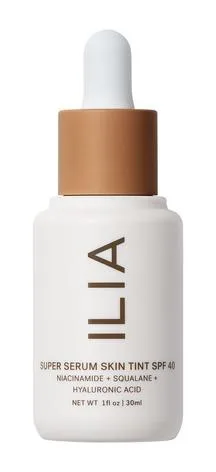
 Super Serum Skin Tint SPF 40
The product that finally made mineral tinted SPF desirable instead of medicinal. At 12% non-nano zinc with iron oxide visible-light protection, niacinamide, and a squalane-based glowy finish, this bottle does the impossible — it delivers real sun protection, real skincare, and real makeup in a single step without any one of them feeling compromised. The $54 price stings, but almost nothing else in the category does all three jobs this well.
 Australian SPF Standard
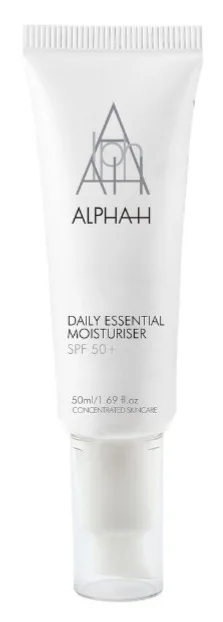
 Daily Essential Moisturiser SPF 50+
An excellent multi-active daily SPF that meets Australia's stricter TGA SPF 50+ standard and includes modern UVA filters that put it well ahead of most US sunscreens. Niacinamide, centella, and hyaluronate make it a genuine moisturizer rather than just a sunscreen step. Premium-priced but uniquely well-formulated.
 Mineral SPF for Melasma
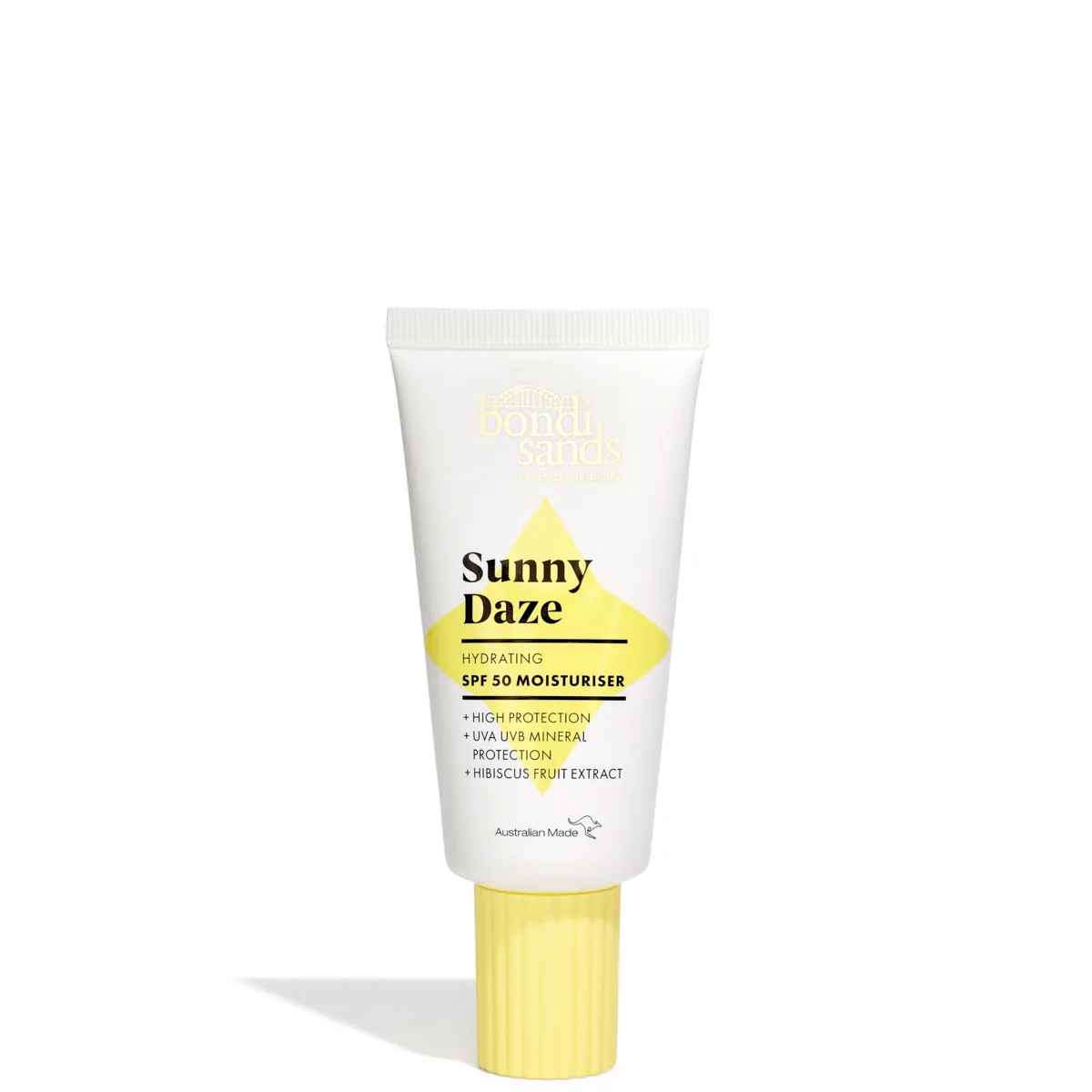
 Sunny Daze SPF 50 Moisturiser
A 25% zinc oxide mineral face moisturizer with a built-in universal tint that provides both visible-light protection and white-cast neutralization — one of the better-engineered mineral SPF moisturizers in its price tier. The single universal shade is a real limitation, but for anyone managing melasma or reactive skin, this is a surprisingly thoughtful drugstore option.
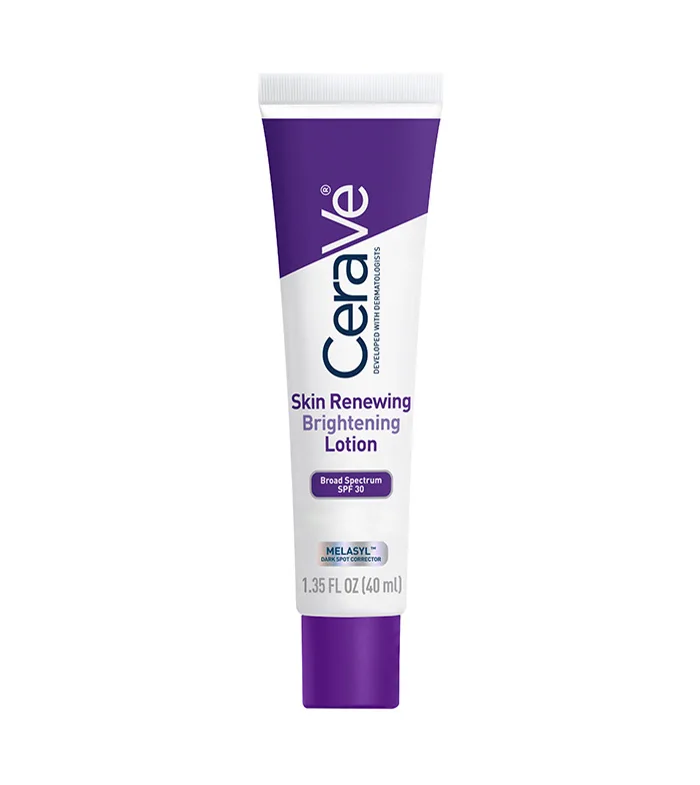 Brightening Multitasker
 Skin Renewing Brightening Lotion SPF 30
CeraVe's first product to use L'Oréal's Melasyl pigmentation molecule is also a competent SPF 30 day cream and a barrier-supporting lotion in one step. The size is small for the price, but the formula is genuinely impressive — this is CeraVe taking a real swing at the dark spot treatment category.
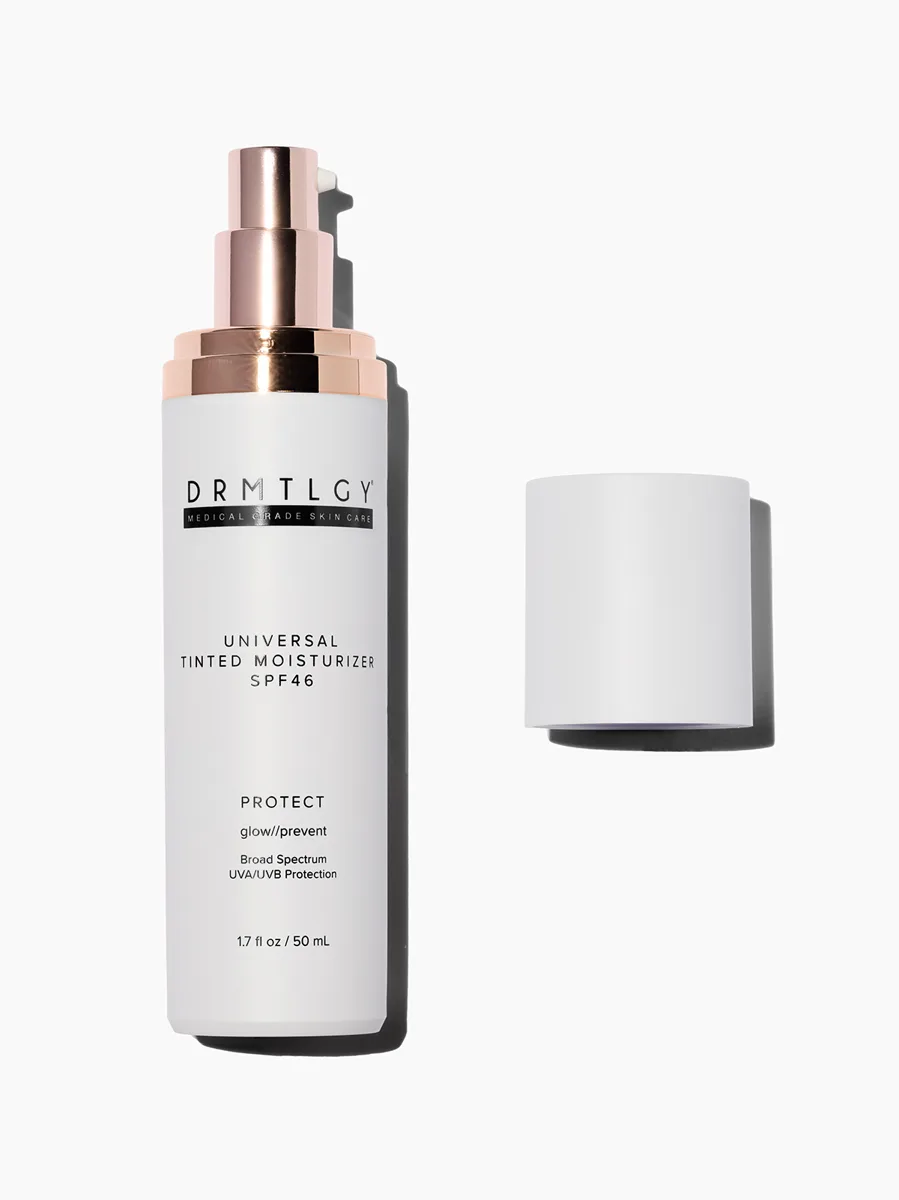 Budget Tinted SPF Pick
 Tinted Moisturizer SPF 46
One of the most-recommended tinted SPFs in dermatologist-focused online communities, and for good reason — a hybrid SPF 46 with iron oxide visible-light protection, niacinamide treatment benefits, and a universal satin tint at roughly half the price of the Elta MD product it closely resembles. The fragrance and the octinoxate are the only meaningful asks for forgiveness.
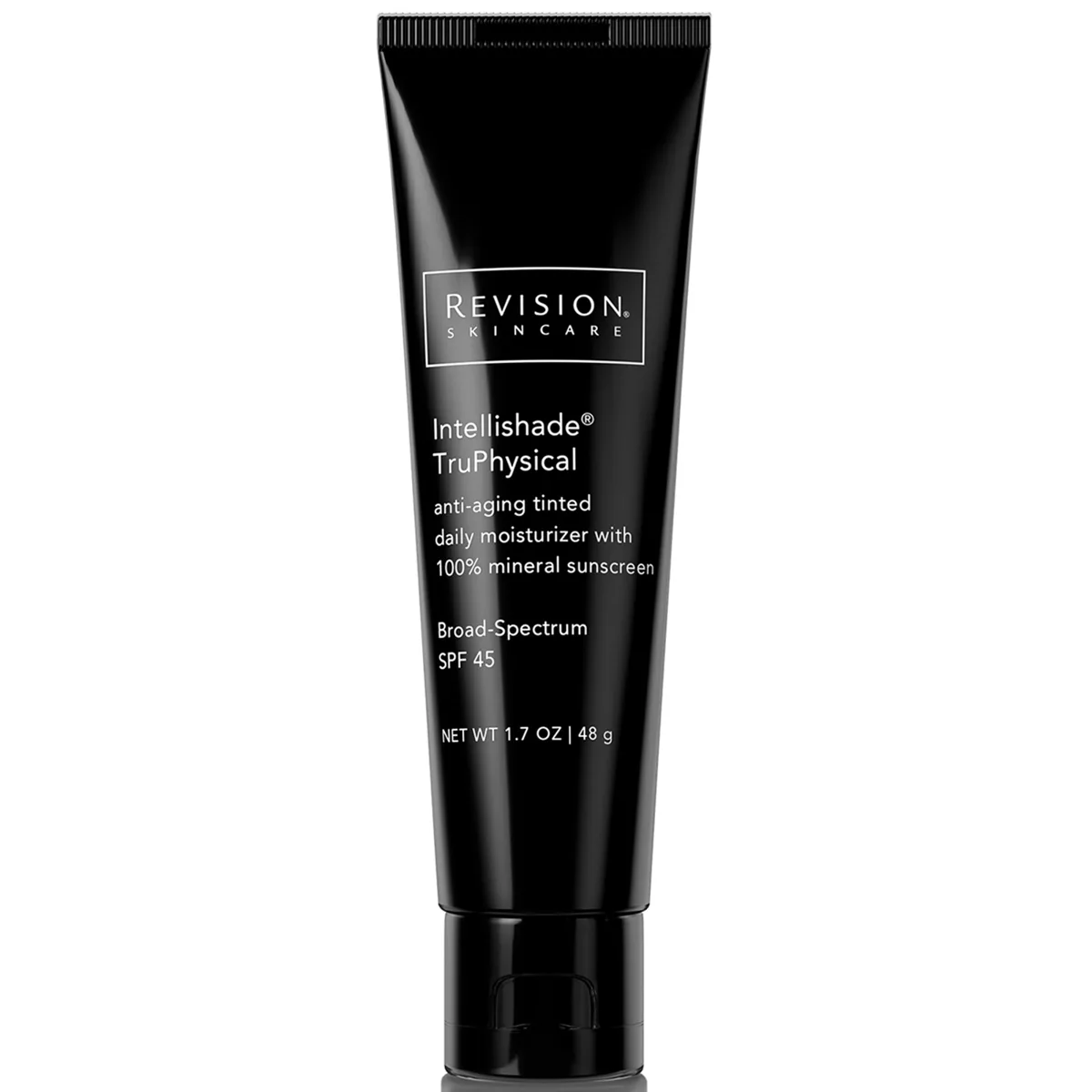 5-in-1 Mineral SPF Multitasker
 Intellishade TruPhysical SPF 45
A genuinely impressive multi-tasking mineral sunscreen that packs meaningful anti-aging actives into a wearable tinted formula. It replaces foundation for many users while delivering SPF 45 mineral protection and peptide-driven corrective benefits — though the thick texture requires patience and may not suit oily skin.