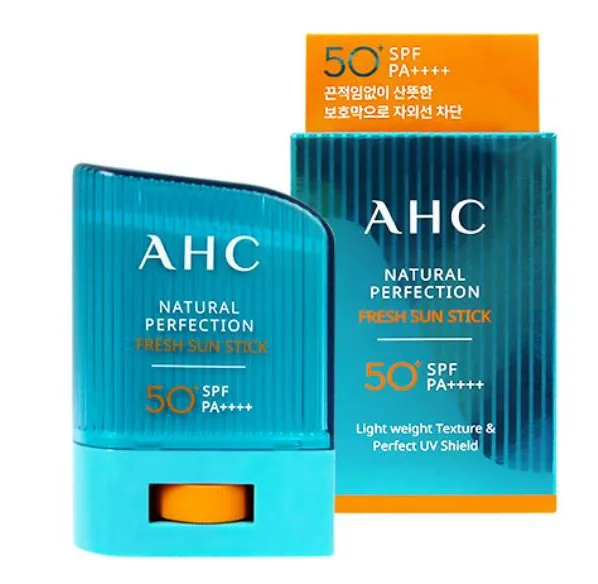
AHC Natural Perfection Fresh Sun Stick is a capable Korean SPF 50+ stick that uses next-generation Tinosorb S and Uvinul A Plus filters — two ingredients the US FDA hasn't approved that give this stick genuinely modern broad-spectrum protection. The stick format makes reapplication over makeup actually realistic, but should supplement rather than replace your morning lotion application.
Natural Perfection Fresh Sun Stick SPF 50+
AHC Natural Perfection Fresh Sun Stick is a capable Korean SPF 50+ stick that uses next-generation Tinosorb S and Uvinul A Plus filters — two ingredients the US FDA hasn't approved that give this stick genuinely modern broad-spectrum protection. The stick format makes reapplication over makeup actually realistic, but should supplement rather than replace your morning lotion application.
Score Breakdown
Where this product gains points and where it loses them — broken down across the four scoring pillars.
A capable Korean sun stick using next-generation Tinosorb S and Uvinul A Plus filters that outperform US-approved options on UVA. The citrus oils and octinoxate are minor cautions, and stick formats inherently challenge full-face application coverage.
Pros & Cons
- ✓Uses next-generation Tinosorb S and Uvinul A Plus UV filters
- ✓Genuine PA++++ broad-spectrum UVA protection
- ✓Invisible finish on all skin tones, no white cast
- ✓Twist-up stick format makes midday reapplication realistic
- ✓Centella, green tea, and aloe add supportive soothing
- ✓Glides smoothly without dragging or pulling on makeup
- ✗Stick format makes adequate coverage harder to verify
- ✗Contains octinoxate, restricted in some reef jurisdictions
- ✗Citrus oils make it unsuitable for sensitive skin
- ✗Coconut oil can break out acne-prone users
- ✗Not cruelty-free due to mainland China distribution
- ✗Should supplement rather than replace morning lotion SPF
Full Review
If you've ever wondered why K-beauty sunscreens have a reputation for being 'better' than American sunscreens, the answer is mostly buried in regulatory chemistry. The US FDA last approved a new UV filter ingredient in 1999. Since then, European and Asian regulators have approved a series of next-generation filters — Tinosorb S, Tinosorb M, Uvinul A Plus, Uvinul T 150, Mexoryl SX, Mexoryl XL — that offer broader UVA coverage, better photostability, and more elegant cosmetic feel than the older filters available in the US. Sunscreens formulated outside the US can use these modern ingredients. American sunscreens cannot. AHC's Natural Perfection Fresh Sun Stick is a small, $18, twist-up tube that quietly contains two of those next-generation filters, which is the entire reason it exists as a meaningful product rather than just another K-beauty sun stick.
The filter system in this stick is a modern Korean blend. Homosalate, ethylhexyl methoxycinnamate (octinoxate), and ethylhexyl salicylate provide the UVB backbone — these are familiar global chemical filters that have been around for decades. The interesting ingredients sit slightly lower on the INCI: bis-ethylhexyloxyphenol methoxyphenyl triazine (Tinosorb S) and diethylamino hydroxybenzoyl hexyl benzoate (Uvinul A Plus). Tinosorb S is a broad-spectrum filter that absorbs strongly across both UVB and UVA-I and UVA-II ranges, and it's exceptionally photostable — it doesn't degrade with sun exposure the way some older filters do, which means the protection holds up over hours of wear. Uvinul A Plus is a dedicated UVA filter that fills in the longer wavelength UVA range that contributes most to photoaging and pigmentation. Together, they give this stick measurably better UVA coverage than nearly any chemical-filter-only American sunscreen at any price point, and the PA++++ rating on the package isn't marketing — it reflects real broad-spectrum performance.
The stick base is built on dimethicone, polyethylene, and waxes, with cetyl ethylhexanoate and dicaprylyl carbonate as emollient esters that keep the stick gliding smoothly rather than dragging. There's a small set of supportive ingredients further down — centella asiatica for soothing, green tea extract and camellia japonica for antioxidants, lavender water and aloe for additional comfort, vanilla and dioscorea root for the brand's signature touches. None of these are doing dramatic skin treatment work, but they make the formula feel more thoughtful than a basic SPF stick. The citrus oils — orange peel, mandarin peel, litsea cubeba — provide the fresh scent and contribute the mildly fragrant character of the product, which is also a small irritation flag for sensitive users.
Using the stick is genuinely easy. The twist-up format dispenses the product in a smooth, even glide that requires only light pressure. Application leaves a barely-perceptible satin finish with no white cast on any skin tone — the chemical filter system means even deep skin tones get an invisible finish, which is one of the biggest practical advantages of Korean chemical sunscreens over mineral alternatives. Over makeup, the stick glides without disturbing the underlying base if you apply gently and then press in with fingertips rather than rubbing. The citrus scent is moderate and fresh on application, fading to almost nothing within minutes.
The practical limitation of all sun sticks — including this one — is the same: real-world coverage is harder to verify than with a lotion. SPF ratings are determined under specific application conditions (about 2 mg per square centimeter of skin), and most users apply far less product than this with a stick than they would with a lotion, simply because rolling a stick across the face doesn't deposit as much product as squeezing out a quarter teaspoon. The fix is to use the stick correctly: glide across each section of the face two to three times, press in with fingertips, and treat the stick as your reapplication tool rather than your only morning application. For midday touchups over makeup or for targeted areas like cheeks, nose, ears, and around the eyes, sun sticks are extremely useful. For your initial morning SPF, a lotion is generally a more reliable choice for achieving the rated protection.
The limitations beyond format are worth being honest about. The fragrance from citrus oils, while pleasant, makes this product unsuitable for sensitive or rosacea-prone skin and for any photosensitive conditions where citrus oils could be an issue. The coconut oil in the formula is comedogenic for some users, which means acne-prone skin should test cautiously before relying on this stick across the entire face. The brand is not cruelty-free due to mainland China retail distribution. And octinoxate has been restricted in Hawaii and other jurisdictions over coral reef impact concerns, so this is not the right pick for snorkeling or beach swimming in protected reef areas.
The value case is solid for what's in the bottle. At $18 for 22g of a stick using Tinosorb S and Uvinul A Plus, AHC delivers a modern broad-spectrum filter system that you literally cannot buy in any American-formulated sunscreen at any price. For consumers who care about UVA protection beyond what US sunscreens can offer, K-beauty sunscreens like this one are not just preference but genuine functional advantage. The stick format adds practical convenience for the most common SPF failure point — actually reapplying during the day. As one tool in a sun protection routine, this stick earns its place. As your only sunscreen, it should be paired with a lotion application in the morning for maximum reliability.
Formula
Key Ingredients
The hero actives that drive this product's performance.
| Ingredient | Function | Evidence |
|---|---|---|
| Homosalate | A UVB filter that's part of the global organic UV filter system in this stick. Provides core sunburn protection and works alongside the other filters to reach SPF 50+. Listed high on the INCI suggesting a meaningful percentage. | well-established |
| Ethylhexyl Methoxycinnamate (Octinoxate) | A UVB filter contributing additional sunburn protection. Combined with homosalate and salicylate, it forms the UVB backbone of this Korean sunscreen stick — note that octinoxate has been restricted in some jurisdictions over reef impact concerns. | well-established |
| Bis-Ethylhexyloxyphenol Methoxyphenyl Triazine (Tinosorb S) | A modern broad-spectrum filter with strong UVA and UVB activity, photostability, and excellent compatibility with other filters. This is the ingredient that gives the stick its real broad-spectrum credentials and PA++++ rating — and it's notable for being a next-generation Korean and EU filter not approved by the US FDA. | well-established |
| Diethylamino Hydroxybenzoyl Hexyl Benzoate (Uvinul A Plus) | A modern UVA filter that complements Tinosorb S to deliver the PA++++ broad-spectrum protection. The combination of these two next-generation filters is what makes Korean and European sunscreens generally outperform US sunscreens on UVA protection. | well-established |
| Centella Asiatica Extract | Adds soothing and barrier-supportive activity to the stick, helping prevent the sensitization that can occur with multi-filter sunscreens. A nice touch in a sun stick where you'd typically expect minimal supportive ingredients. | well-established |
Full INCI List
Dimethicone, Vinyl Dimethicone/Methicone Silsesquioxane Crosspolymer, Polyethylene, Cetyl Ethylhexanoate, Homosalate, Ethylhexyl Methoxycinnamate, Dicaprylyl Carbonate, Hydrogenated Poly(C6-14 Olefin), Ethylhexyl Salicylate, Tocopheryl Acetate, Diethylamino Hydroxybenzoyl Hexyl Benzoate, Bis-Ethylhexyloxyphenol Methoxyphenyl Triazine, Ozokerite, Citrus Aurantium Dulcis Peel Oil, Citrus Nobilis Peel Oil, Litsea Cubeba Fruit Oil, Camellia Sinensis Leaf Extract, Camellia Japonica Flower Extract, Lavandula Angustifolia Flower Water, Centella Asiatica Extract, Glacier Water, Opuntia Ficus-Indica Stem Extract, Oryza Sativa Bran Extract, Argania Spinosa Kernel Oil, Aloe Barbadensis Leaf Extract, Calendula Officinalis Flower Extract, Cocos Nucifera Oil, Vanilla Tahitensis Fruit Extract, Helianthus Annuus Seed Oil Unsaponifiables, Maris Aqua, Lactobacillus/Soybean Ferment Extract, Dioscorea Japonica Root Extract
Product Flags
✗ Fragrance Free✓ Alcohol Free✗ Oil Free✗ Silicone Free✓ Paraben Free✓ Sulfate Free✗ Cruelty Free✗ Vegan✗ Fungal Acne Safe
Comedogenic Ingredients
Coconut Oil
Potential Irritants
Citrus oilsOctinoxate
Common Allergens
Citrus oilsLimonene
Compatibility
Skin Match
Best For
Works For
Not Ideal For
Addresses These Conditions
sun damage aging hyperpigmentation
Use With Caution
sensitivity rosacea acne fungal acne
Routine Step
sunscreen
Time of Day
AM
Pregnancy Safe
Yes ✓
Layering Tips
Apply as the final step in your morning routine over moisturizer. Sun sticks generally provide less reliable coverage than lotions for full-face application — use as a touchup or for targeted areas like cheeks, nose, and around the eyes. Reapply every 2 hours of sun exposure.
Results Timeline
Immediate sun protection upon application. Cumulative photoaging prevention with daily consistent use over months and years.
Pairs Well With
hydrating-moisturizersantioxidant-serums
Sample AM Routine
- Cleanser
- Toner
- Vitamin C serum
- Moisturizer
- AHC Natural Perfection Fresh Sun Stick SPF 50+
Sample PM Routine
- Cleanser
- Toner
- Treatment
- Moisturizer
Evidence
Who Should Skip
- Stick format makes adequate coverage harder to verify
- Contains octinoxate, restricted in some reef jurisdictions
- Citrus oils make it unsuitable for sensitive skin
- Coconut oil can break out acne-prone users
Science & Expert Perspective
The Science
The UV filter chemistry in this stick deserves attention because it represents the gap between Korean and American sunscreen formulation that consumers often hear about but rarely understand. The UVB backbone is provided by homosalate, ethylhexyl methoxycinnamate (octinoxate), and ethylhexyl salicylate — three older organic filters that absorb strongly in the UVB range (290-320 nm) and provide most of the sunburn protection responsible for the SPF 50+ rating. These are familiar global filters with extensive published research on efficacy.
The broad-spectrum coverage relies on two next-generation filters that are approved in Korea, the EU, and most of Asia, but not by the US FDA. Bis-ethylhexyloxyphenol methoxyphenyl triazine, sold commercially as Tinosorb S, is an organic filter with absorption peaks across UVB and UVA — it covers wavelengths from about 280 to 400 nm with strong activity, and it's notably photostable, meaning it doesn't break down with sun exposure the way some older filters do. Published research has consistently shown Tinosorb S to be among the most effective single-molecule broad-spectrum filters available, and it's also a known photostabilizer for other filters in the formula.
Diethylamino hydroxybenzoyl hexyl benzoate, sold as Uvinul A Plus, is a dedicated UVA filter with peak absorption around 354 nm — squarely in the UVA-I range that contributes most to photoaging and dermal pigmentation. The combination of Tinosorb S and Uvinul A Plus delivers UVA coverage that is meaningfully more comprehensive than what US-only filter systems can typically achieve with avobenzone alone, especially in terms of photostability over hours of wear.
The PA++++ rating on the package corresponds to the highest level of UVA protection on the Asian PA scale, indicating that this product reduces UVA-induced persistent pigment darkening by a factor of 16 or more in standardized testing — a meaningful real-world benefit for photoaging prevention.
The stick format itself relies on dimethicone, waxes (polyethylene, ozokerite), and emollient esters to create a solid that softens with body heat and glides onto skin. The trade-off is that real-world application density with a stick is typically lower than with a lotion, which can reduce the actual protection achieved compared to the rated SPF.
Dermatologist Perspective
Dermatologists generally recommend daily broad-spectrum sunscreen as the single most important anti-aging and skin cancer prevention intervention in any skincare routine. Board-certified dermatologists note that the modern UV filter system in Korean sunscreens like this one — particularly the inclusion of Tinosorb S and Uvinul A Plus — offers measurably better UVA protection than most US-only filter systems, and that this matters significantly for photoaging and pigmentation prevention. However, dermatologists also generally recommend using sun sticks as supplementary or reapplication tools rather than as the only daily SPF application, since real-world stick application typically delivers less product than the rated SPF requires. For patients with sensitive skin, rosacea, or acne, dermatologists may recommend choosing fragrance-free, non-comedogenic alternatives. As with any chemical sunscreen, dermatologists also typically recommend reapplication every two hours of sun exposure to maintain protection.
Guidance
Usage Guide
How to Use
Apply as the final step in your morning skincare routine, after moisturizer and any treatments. Twist up about 5mm of product and glide across the face in two to three passes per section, then press into the skin with fingertips for even distribution. For best protection, supplement rather than replace a lotion sunscreen application — use the stick for targeted areas like cheeks, nose, ears, and around the eyes, and for midday reapplication over makeup. Reapply every 2 hours of direct sun exposure, after swimming, and after heavy sweating. Avoid the immediate eye area.
Value Assessment
At $18 for 22g, AHC Natural Perfection Fresh Sun Stick is competitively priced among Korean sun sticks and represents excellent value for the modern UV filter system on offer. There is no larger size available. Compared to similar K-beauty sun sticks from Beauty of Joseon, Round Lab, and Etude House, AHC's filter system is comparable to the best in the category and the price is among the more affordable. Compared to American sun sticks, you're getting filter chemistry that simply isn't available in US-formulated products at any price — a meaningful functional advantage for buyers who prioritize UVA protection. As a reapplication tool, the stick format also delivers practical value that lotion sunscreens don't, since most users will actually use it during the day where they wouldn't bother with a lotion.
Who Should Buy
Buyers who want a convenient broad-spectrum sun stick for midday reapplication over makeup, anyone who values modern UVA protection from Tinosorb S and Uvinul A Plus, and K-beauty fans looking for affordable Korean sunscreen options. Best for normal, combination, and oily skin without significant sensitivities.
Who Should Skip
Anyone with sensitive, rosacea-prone, or fragrance-reactive skin should choose a fragrance-free alternative. Acne-prone skin should test cautiously due to coconut oil. Strict cruelty-free shoppers should also skip due to mainland China distribution, and snorkelers in protected reef areas should choose a mineral sunscreen due to octinoxate restrictions.
Ready to try AHC Natural Perfection Fresh Sun Stick SPF 50+?
Details
Details
Texture
Solid stick that glides smoothly with light pressure
Scent
Fresh citrus from the orange and mandarin oils
Packaging
Twist-up plastic stick
Finish
satininvisible
What to Expect on First Use
First swipe glides easily and leaves a barely-perceptible satin finish with no white cast. The citrus scent is moderate and pleasant. Easy to apply over makeup for touchups, harder to verify you've applied enough product for full SPF protection on first use.
How Long It Lasts
About 4-6 months as a primary sunscreen, longer as a touchup product
Period After Opening
12 months
Best Season
All Year
Background
The Why
AHC developed this sun stick as part of the broader Korean sun stick boom that took off around 2018, when Korean brands recognized that consumers wanted convenient reapplication options for a market that took daily SPF very seriously. The Natural Perfection branding positions it as the everyday-use option in AHC's sun lineup.
About AHC Established Brand (5–20 years)
AHC was founded in Korea in 1999 and built its reputation through Korea's professional aesthetics market before expanding to consumer retail. The brand is now part of Carver Korea (Unilever) and is a leading affordable K-beauty brand in Korean drugstores.
Brand founded: 1999 · Product launched: 2018
Myth vs. Reality
Myths & Misconceptions
Myth
Sun sticks provide the same SPF protection as lotions in real-world use.
Reality
Stick formats deliver SPF effectively in lab conditions when applied at the same density tested for the rating. In real-world use, most people apply less product with a stick than they would with a lotion, which can reduce actual protection. Use sticks for touchups, not as your only daily SPF application.
Myth
Korean sunscreens are always better than American sunscreens.
Reality
The advantage is specific — Korean and European sunscreens have access to next-generation UVA filters like Tinosorb S and Uvinul A Plus that the US FDA hasn't approved. This often results in superior broad-spectrum protection on paper, but well-formulated American sunscreens with zinc oxide can match or exceed UVA performance through different chemistry.
FAQ
Frequently Asked Questions
Is AHC Natural Perfection Fresh Sun Stick worth it?
Yes, especially as a reapplication tool over makeup. The modern Tinosorb S and Uvinul A Plus filter system delivers genuinely good broad-spectrum protection at a reasonable price, and the stick format makes midday reapplication actually realistic.
Can I rely on a sun stick alone for daily SPF?
Probably not. Stick formats are very effective for touchups but harder to apply in the volume required to achieve the labeled SPF rating in real-world use. For your morning application, use a lotion sunscreen and reserve the stick for reapplication or for areas that need extra coverage.
Is this sun stick reef safe?
Not fully. The formula contains octinoxate (ethylhexyl methoxycinnamate), which has been restricted in some jurisdictions over coral reef impact concerns. If you're snorkeling or swimming in protected reef areas, choose a mineral sunscreen instead.
Does it leave a white cast?
No — the chemical filter system delivers an invisible finish on all skin tones, which is one of the biggest advantages of Korean chemical sunscreens over mineral options for medium and deep skin tones.
Can I apply this over makeup?
Yes, and that's actually one of the strongest use cases for sun sticks. Glide gently across the face without rubbing, then press in with fingertips to avoid disturbing your makeup. Reapply every 2 hours of sun exposure.
Is it pregnancy safe?
Most of the ingredients are pregnancy safe, but octinoxate and homosalate are sometimes flagged for endocrine concerns during pregnancy. If you're pregnant and prefer to avoid these filters, choose a mineral zinc oxide sunscreen instead. Always consult your doctor.
Community
Community Voices
Common Praise
"Convenient stick format for touchups"
"Modern broad-spectrum filter system"
"No white cast"
"Easy to reapply over makeup"
Common Complaints
"Coverage harder to verify with stick format"
"Citrus scent isn't for everyone"
"Coconut oil can break out acne-prone users"
"Hard to apply enough for full SPF protection"
Notable Endorsements
Best-seller in Korean drugstoresStocked at Olive YoungFeatured in K-beauty SPF roundups
Appears In
best k beauty sun stick best sunscreen for touchups best broad spectrum sunscreen stick best spf stick for makeup best affordable korean sunscreen
Related Conditions
sun damage aging hyperpigmentation
Related Ingredients
You Might Also Like
 Derm Office Staple
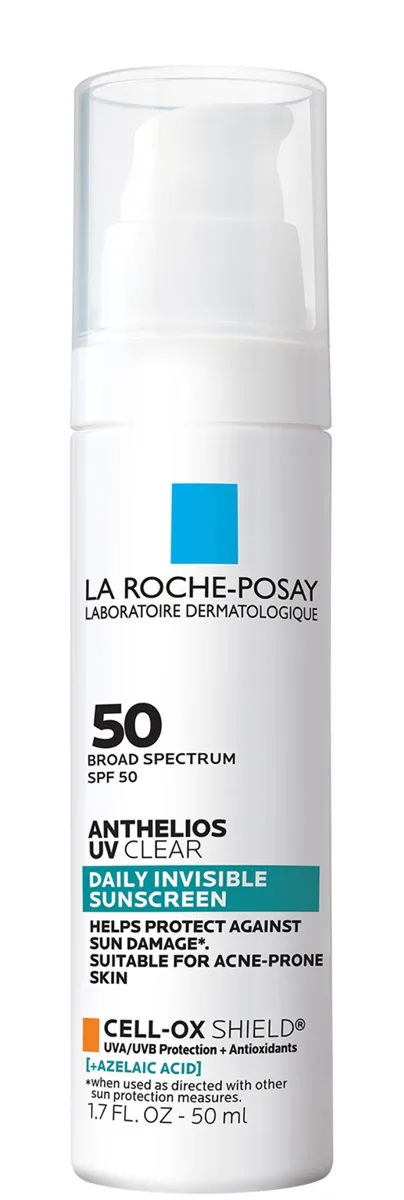
 Anthelios UV Clear Sunscreen SPF 50
One of the only US chemical sunscreens that genuinely earns its 'for sensitive and breakout-prone skin' positioning. A photostable Anthelios filter system paired with a legitimate azelaic acid dose in a lightweight serum-fluid that disappears on every skin tone. Excellent for rosacea, acne, and post-inflammatory hyperpigmentation — and probably the single best daily sunscreen in the La Roche-Posay US lineup for those conditions.
 K-Beauty Daily SPF Standout
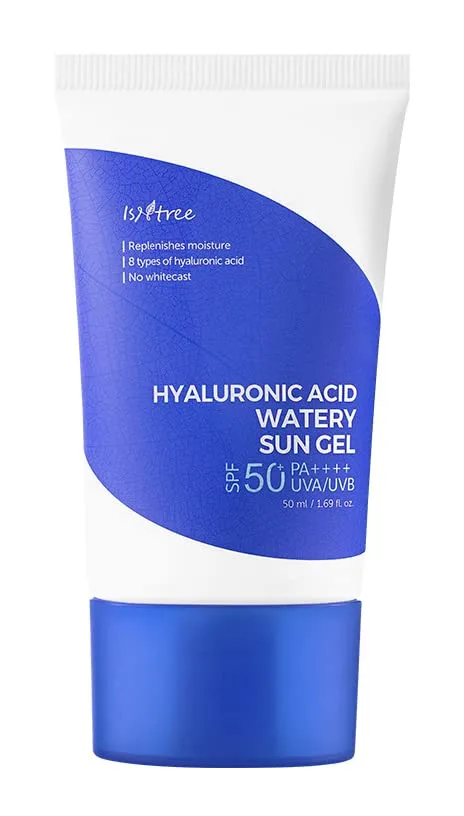
 Hyaluronic Acid Watery Sun Gel SPF 50+
One of the strongest everyday K-beauty sunscreens in the international market — modern European filters, no white cast, fragrance-free, niacinamide-boosted, and built around the brand's signature six-weight HA complex. At twenty-two dollars for 50ml, it's a case study in how much better a daily sunscreen can be when the formulator cares about both protection and wearability.
 Derm Office Staple
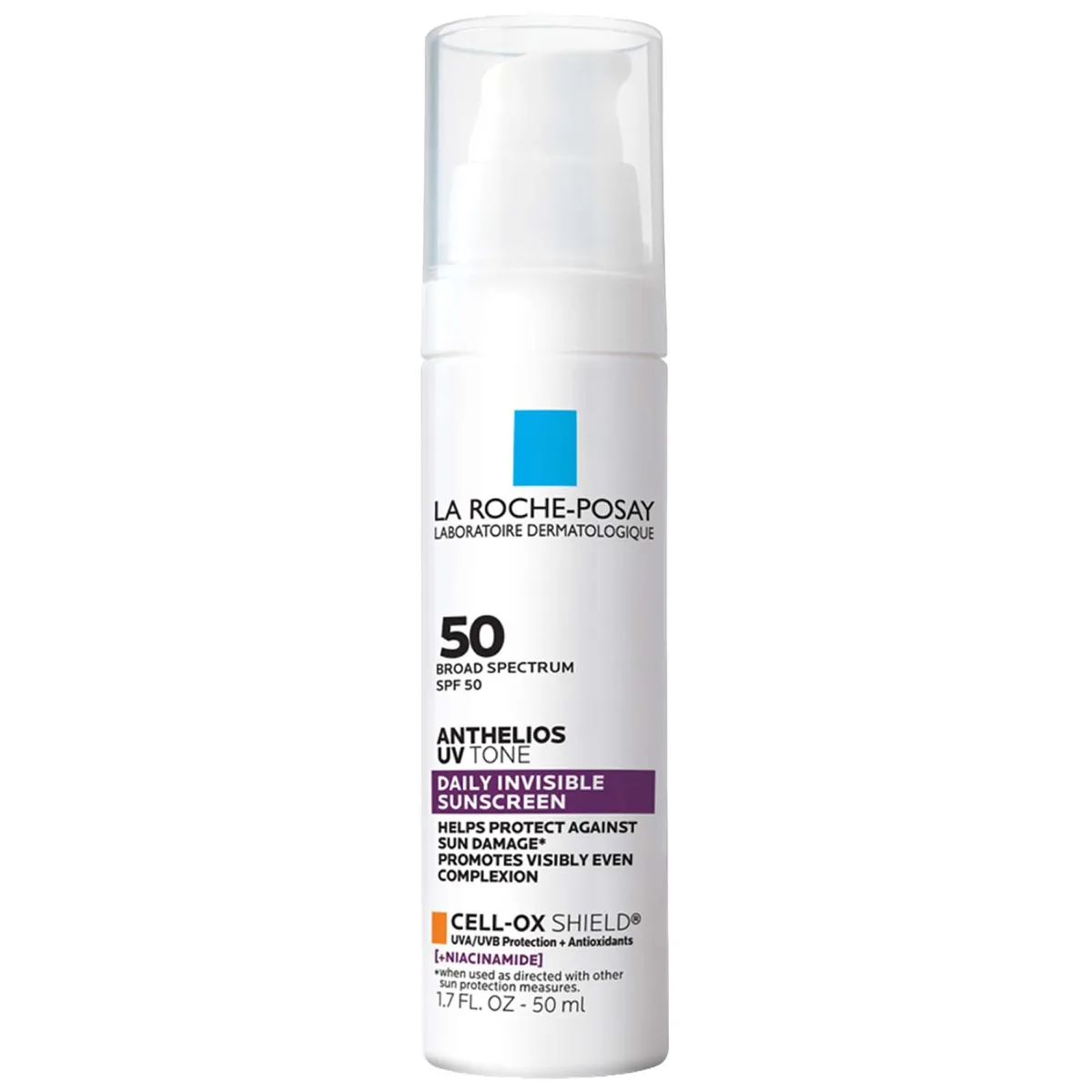
 Anthelios UV Tone Daily Invisible Sunscreen SPF 50
La Roche-Posay's most thoughtful answer yet for hyperpigmentation-prone skin that needs daily SPF. A photostable avobenzone system reinforced with Oxynex ST, paired with a meaningful dose of niacinamide, in a serum-fluid base that goes on invisible on every skin tone. Expensive for 1.7 oz but legitimately well-built — and a rare chemical sunscreen that earns its 'for dark spots' marketing.
 Melasma-Grade Mineral Sunscreen
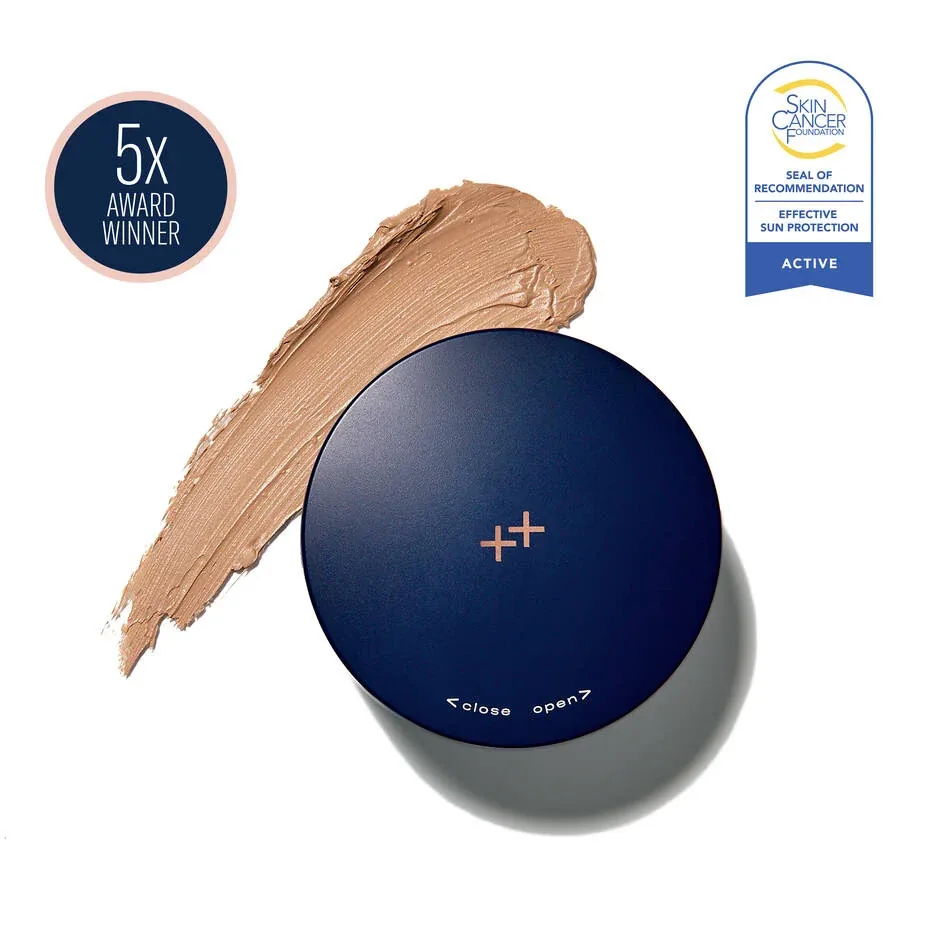
 sunbetter TONE SMART SPF 68
One of the most clinically useful tinted mineral sunscreens in the professional category. SPF 68 from a 100% mineral formula, iron oxide tint that blocks visible light for melasma protection, and an unusually lightweight texture that doesn't feel like you're wearing high-concentration zinc. For patients with melasma or post-inflammatory hyperpigmentation, this is the category benchmark — and it's earned its Allure Best of Beauty wins.
 K-Beauty Cult Favorite
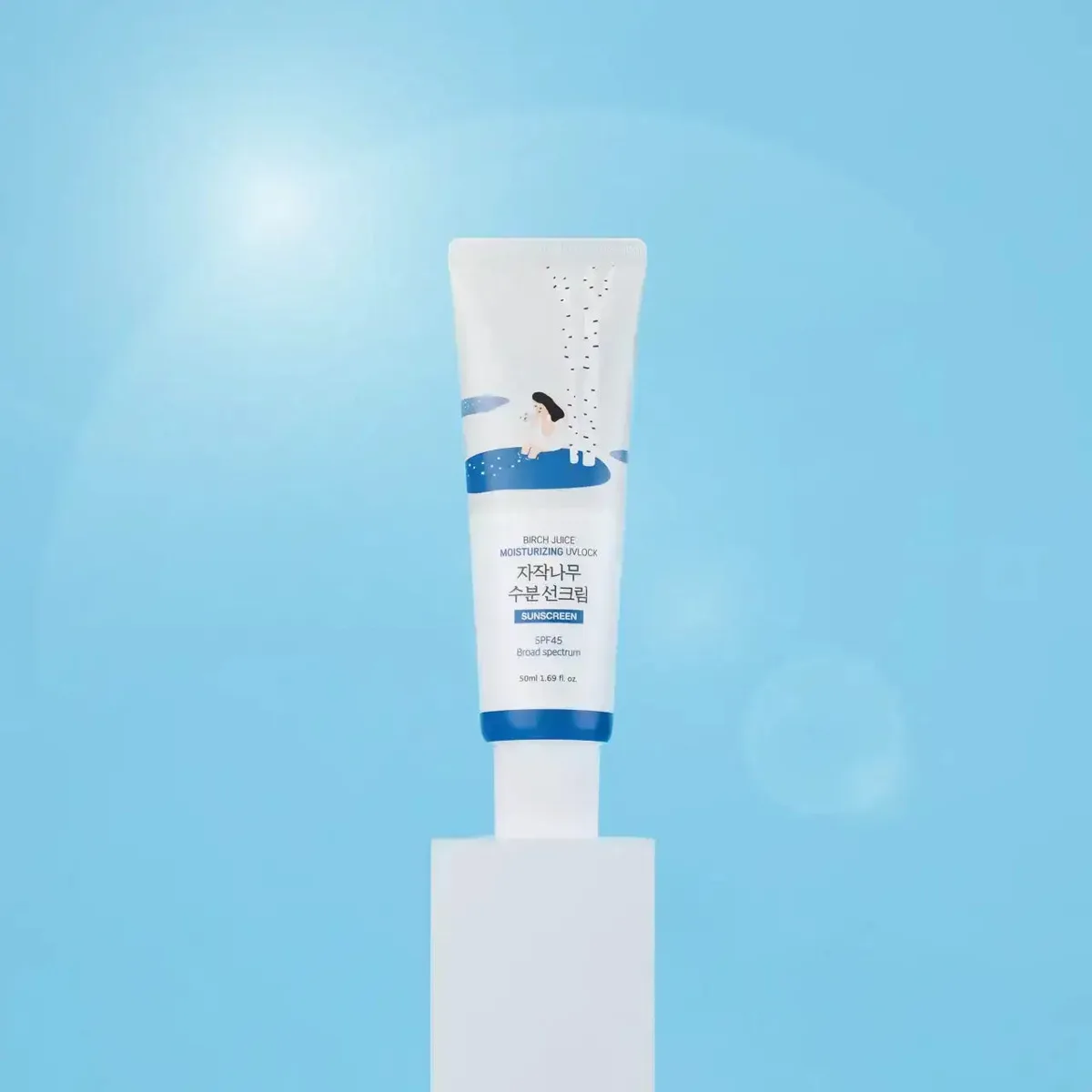
 Birch Juice Moisturizing Sun Cream SPF 50+
One of the best hybrid sunscreens in K-beauty right now — a 70% birch sap base, modern UVA filters you can't get in the US, and a finish that wears like a lightweight moisturizer. Broadly compatible, well-priced, and genuinely pleasant to apply, with minor tradeoffs for oily and fungal-acne-prone users.
 The K-Beauty Sunscreen That Changed Everything
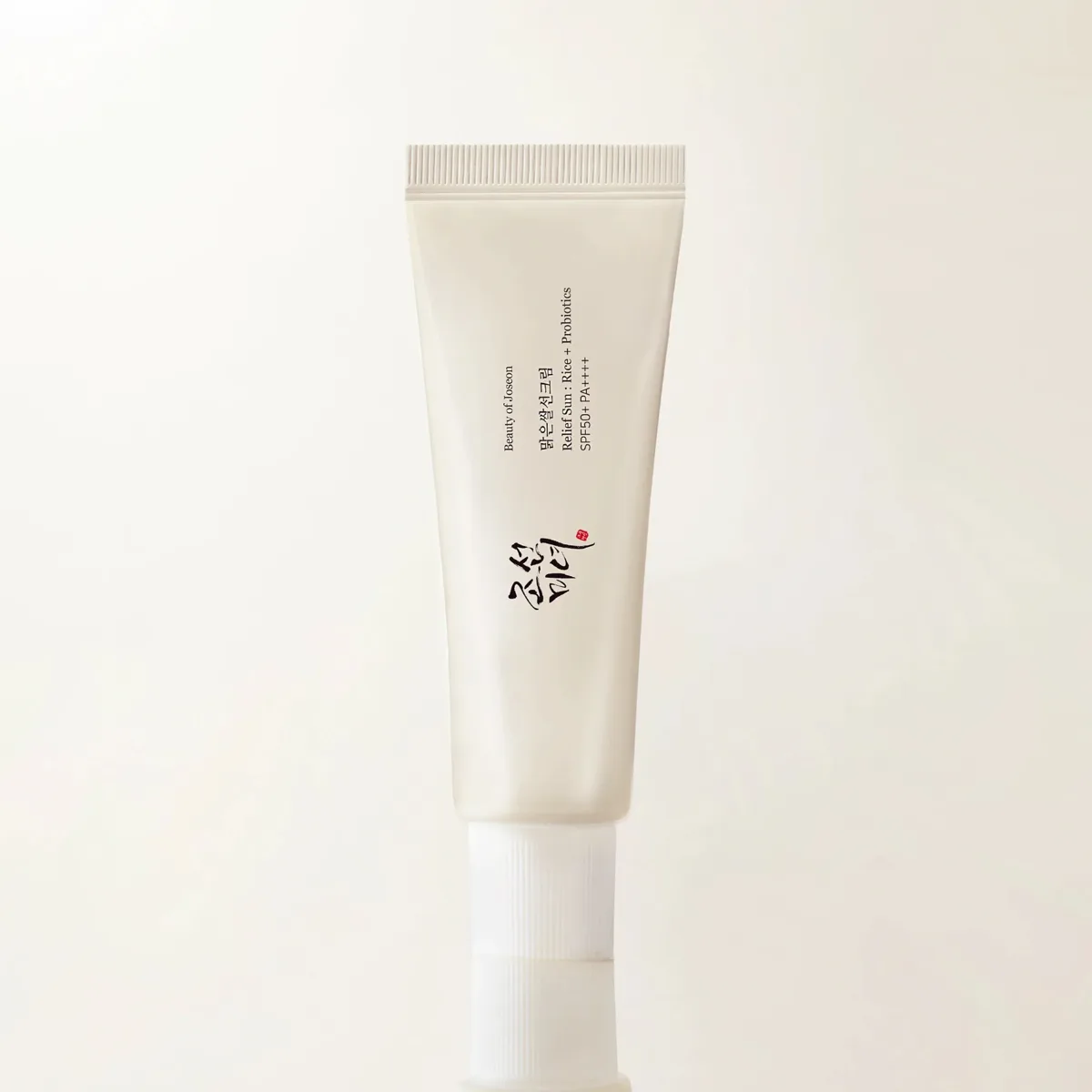
 Relief Sun: Rice + Probiotics SPF 50+
The sunscreen that rewrote the rules for what a $14 product could deliver. With independently verified SPF 50+, 30% rice extract, niacinamide, and a probiotic ferment complex, it offers protection and skincare benefits that rival products three times its price. The texture that feels like wearing nothing on your face is the reason it went viral — and stayed there.
This review reflects our independent analysis of publicly available ingredient data, manufacturer claims, and verified user reviews. We are reader-supported — Amazon links may earn us a commission at no cost to you. We do not accept paid placements; rankings are based solely on the evidence.