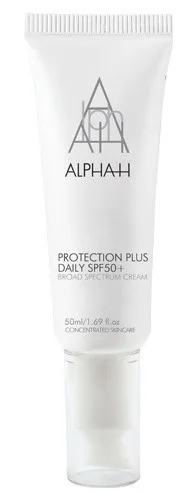
Alpha-H built this four-filter SPF 50+ specifically as the protective companion to its Liquid Gold treatment — a recognition that AHA users need disciplined sun protection more than most. The texture is genuinely lightweight for an SPF 50+ chemical formula and the no-white-cast performance is excellent across skin tones. The oxybenzone content is the formula's biggest 2026 liability.
Protection Plus Daily SPF 50+
Alpha-H built this four-filter SPF 50+ specifically as the protective companion to its Liquid Gold treatment — a recognition that AHA users need disciplined sun protection more than most. The texture is genuinely lightweight for an SPF 50+ chemical formula and the no-white-cast performance is excellent across skin tones. The oxybenzone content is the formula's biggest 2026 liability.
Score Breakdown
Where this product gains points and where it loses them — broken down across the four scoring pillars.
A solid four-filter chemical SPF 50+ that pairs sensibly with Alpha-H's exfoliating treatments. The inclusion of oxybenzone is the main drawback in 2026 — most modern formulators have moved away from it.
Pros & Cons
- ✓Four-filter cocktail delivers genuine SPF 50+ protection across UVB and UVA
- ✓No white cast on any skin tone, including deep complexions
- ✓Surprisingly lightweight texture for an SPF 50+ chemical sunscreen
- ✓Pomegranate seed oil and pine bark extract add antioxidant protection
- ✓Layers cleanly under primer, foundation, and powder
- ✓Fragrance-free and alcohol-free — rare for a chemical SPF
- ✓TGA-listed under Australia's stricter sunscreen regulatory framework
- ✓Designed specifically to pair with Alpha-H's acid treatments
- ✗Contains oxybenzone, which many modern users actively avoid
- ✗Not reef-safe under Hawaii and similar ocean protection regulations
- ✗Higher price than equivalent four-filter drugstore SPF alternatives
- ✗Oxybenzone makes this a poor choice for sensitive or contact-allergic skin
- ✗Available only in 50ml — no value-tier larger size for committed daily users
Full Review
There's a particular failure mode that affects committed AHA users. They invest in glycolic acid, see the morning-after glow, get hooked on the texture refinement, and within a year they've accelerated their own photodamage because they were never quite disciplined enough about sunscreen. Alpha-H watched this happen to its Liquid Gold customers throughout the early 2000s and eventually decided to do something about it. Protection Plus Daily SPF 50+ launched around 2010 as the deliberate protective complement to the brand's acid range — designed from the brief that AHA-resurfaced skin needs a sunscreen that delivers serious UV protection without any of the heavy, occlusive feel that would make freshly exfoliated faces reactive. The formulation choices reflect that brief specifically. The filter system is a four-actor cocktail: octocrylene as the primary UVB workhorse and avobenzone stabilizer, avobenzone for the long UVA wavelengths that drive photoaging and pigmentation, oxybenzone (benzophenone-3) for additional UVB and short UVA coverage, and phenylbenzimidazole sulfonic acid (ensulizole) as a water-soluble UVB filter that keeps the texture light. That last choice is the interesting one. Most chemical SPF 50+ formulas rely entirely on oil-soluble filters, which is why they tend to feel heavier than lower-SPF products. Pulling some of the filter load into the water phase via ensulizole is what gives this cream its surprisingly satin, non-greasy texture. The supporting cast is reasonable. Pomegranate seed oil contributes punicic acid and ellagic acid, both UV-induced free-radical scavengers. Pinus radiata bark extract — a New Zealand pine — is rich in proanthocyanidins and adds antioxidant protection that addresses the oxidative damage even a perfect SPF can't fully prevent. Mango seed oil and tocopheryl acetate round out the moisturizing and antioxidant function. The performance, in practice, is what you'd expect from a well-formulated four-filter SPF 50+. It applies as a thin satin layer with no white cast on any skin tone — this is the formula's strongest competitive advantage over mineral SPF 50 alternatives, which still struggle on deeper complexions in 2026. It absorbs in under a minute. It layers cleanly under primer and foundation after a one or two minute set time. There's no warming, no tingling, no fragrance. It does what a daily-wear sunscreen needs to do, invisibly. The 2026 caveat — and it's a real one — is the oxybenzone. When this formula was developed fifteen years ago, oxybenzone was a standard chemical filter and nobody thought twice about it. Since then, several reef jurisdictions (Hawaii, parts of Mexico, Palau) have banned it over coral damage concerns, and a meaningful share of skincare consumers now actively avoid it for environmental and personal reasons. The science on coral damage is contested, and major regulatory bodies including the FDA and Australian TGA continue to classify oxybenzone as safe for human use. But the perception has shifted, and the modern alternative — the European tinosorb-based filter systems used by La Roche-Posay, Bioderma, and others — provides equivalent or better protection without the controversy. If Alpha-H reformulated this product with tinosorb instead of oxybenzone, it would deserve a meaningful score bump and a much broader recommendation. As it stands, the product is excellent for AHA users who don't have ethical objections to oxybenzone and who want the pairing with their existing Alpha-H routine, and a harder sell for anyone who has already decided to avoid the ingredient. The price is on the higher end for an unfussy daily SPF — around forty-nine dollars for fifty milliliters, which works out to roughly twice the per-milliliter cost of equivalent drugstore options. You're paying for the Australian formulation pedigree, the TGA listing under one of the world's stricter sunscreen regulatory frameworks, and the brand pairing with the rest of the Alpha-H lineup. It's defensible but not generous. Overall: a well-built sunscreen with a clear design brief, an excellent texture, and one ingredient choice that increasingly looks dated. Existing Alpha-H customers should buy it. Newcomers should know what they're choosing and weigh it against tinosorb-based alternatives.
Formula
Key Ingredients
The hero actives that drive this product's performance.
| Ingredient | Function | Evidence |
|---|---|---|
| Octocrylene (5.7-8.6%) | The primary UVB filter and stabilizer for the avobenzone in this formula. Octocrylene's role here is dual: it absorbs UVB directly while also preventing the avobenzone from photo-degrading during sun exposure, which is critical for maintaining the SPF 50+ rating across a full day of wear. | well-established |
| Avobenzone (2.2-3.4%) | The dedicated UVA absorber in the filter system. Avobenzone covers the long UVA wavelengths responsible for photoaging and pigmentation — particularly important in this formula because it pairs with Alpha-H's acid treatments that increase UV vulnerability. | well-established |
| Benzophenone-3 (Oxybenzone) (3.2-4.7%) | Broad-spectrum UVB and short UVA filter. Its inclusion alongside avobenzone and ensulizole is what allows this formula to hit SPF 50+ at relatively modest individual concentrations of each filter — a four-filter cocktail that distributes the load. | well-established |
| Phenylbenzimidazole Sulfonic Acid (Ensulizole) (1.3-1.9%) | A water-soluble UVB filter that allows this sunscreen to maintain its lightweight non-greasy texture. Ensulizole sits in the water phase rather than the oil phase, which keeps the cream from feeling occlusive — meaningful for a daily-wear SPF that needs to layer under makeup. | well-established |
| Pomegranate Seed Oil & Pine Bark Extract | Antioxidant supporting cast. Pomegranate seed oil contains punicic acid and ellagic acid, which scavenge UV-induced free radicals. Pinus radiata bark extract (a New Zealand pine) is rich in proanthocyanidins. Together they reduce the oxidative damage that even a perfect SPF can't fully prevent. | promising |
Full INCI List
Aqua, Octocrylene, C12-15 Alkyl Benzoate, Benzophenone-3, Glyceryl Stearate, Butyl Methoxydibenzoylmethane, Potassium Cetyl Phosphate, Punica Granatum Seed Oil, Phenylbenzimidazole Sulfonic Acid, Cetearyl Alcohol, Glycerin, Mangifera Indica Seed Oil, Phenoxyethanol, Sodium Hydroxide, Carbomer, Sorbitan Stearate, Pinus Radiata Bark Extract, Tocopheryl Acetate, Ethylhexylglycerin, Disodium EDTA, Iodopropynyl Butylcarbamate
Product Flags
✓ Fragrance Free✓ Alcohol Free✗ Oil Free✓ Silicone Free✓ Paraben Free✓ Sulfate Free✓ Cruelty Free✓ Vegan✗ Fungal Acne Safe
Potential Irritants
benzophenone-3
Common Allergens
benzophenone-3
Compatibility
Skin Match
Best For
Works For
Not Ideal For
Addresses These Conditions
sun damage aging hyperpigmentation
Use With Caution
rosacea compromised skin barrier
Routine Step
sunscreen
Time of Day
AM
Pregnancy Safe
Unknown
Layering Tips
Apply as the final morning step over moisturizer. Use approximately a quarter teaspoon for face and neck. Reapply every two hours during direct sun exposure or after swimming or sweating.
Results Timeline
Immediate UV protection upon application. Visible reduction in sun-induced pigmentation and photoaging markers requires consistent daily use over 6-12 months. The most important benefit — preventing future damage — is invisible by design.
Pairs Well With
niacinamidehyaluronic-acidceramidesvitamin-c
Sample AM Routine
- Cleanser
- Vitamin C serum
- Moisturizer
- Alpha-H Protection Plus Daily SPF 50+
Sample PM Routine
- Cleanser
- Treatment
- Serum
- Moisturizer
Evidence
Science & Expert Perspective
The Science
The four-filter system in this formula is well-grounded in sunscreen photochemistry. Avobenzone is the primary UVA-I absorber in nearly all chemical sunscreens worldwide, but it photo-degrades rapidly in isolation — losing roughly 50% of its absorption capacity within an hour of UV exposure. Octocrylene's role as a stabilizer for avobenzone is documented in formulation chemistry literature, and the combination is what allows this formula to maintain its rated SPF across a full day of wear. Oxybenzone (benzophenone-3) absorbs across UVB and short UVA wavelengths and remains FDA-approved at concentrations up to 6%. Ensulizole is a water-soluble UVB filter that allows formulators to distribute filter load between oil and water phases, which is the technical reason this cream is lighter than most SPF 50+ chemical formulas. The antioxidant cast — pomegranate seed oil, pine bark extract, tocopheryl acetate — has supporting evidence for reducing UV-induced oxidative damage, though the magnitude of benefit beyond the SPF itself is modest. The most important caveat in current sunscreen science is application dose: nearly all SPF testing assumes 2 mg/cm², which translates to about a quarter teaspoon for the face. Real-world users typically apply 25-50% of this dose, which proportionally reduces the actual SPF achieved.
Dermatologist Perspective
Dermatologists generally recommend daily broad-spectrum SPF 30 or higher for any patient using AHAs, BHAs, retinoids, or other actives that increase UV vulnerability — Alpha-H Protection Plus meets that brief at SPF 50+. Board-certified dermatologists often note that the four-filter chemical approach used here is the standard formulation strategy for cosmetically elegant high-SPF products in markets where tinosorb is not approved. The oxybenzone content is the most frequently flagged concern in clinical commentary on this product — both for its allergenic potential in sensitive patients and for the broader environmental discussion. Dermatologists working with AHA patients commonly emphasize that the choice of SPF matters less than the daily compliance, and any well-formulated SPF 50+ is preferable to no SPF at all. For patients without sensitivity or environmental concerns, this product is appropriate. For those who prefer to avoid oxybenzone, dermatologists typically point toward European tinosorb-based alternatives.
Guidance
Usage Guide
How to Use
Apply as the final morning skincare step over moisturizer. Use approximately a quarter teaspoon (about 1.25ml) for face and neck — measured generously is better than measured stingily. Smooth evenly across the entire face, including forehead, temples, ears, and neck. Wait one to two minutes for the film to set before applying makeup. Reapply every two hours during direct sun exposure, after swimming, or after heavy sweating. For daily indoor wear with intermittent sun exposure, a single morning application is generally adequate.
Value Assessment
At around forty-nine dollars for fifty milliliters, Protection Plus sits in the upper-middle tier of daily wear chemical sunscreens. The TGA listing, the four-filter performance, and the texture justify some of the premium — this is meaningfully more refined than the average drugstore SPF 50. But European tinosorb-based alternatives in the same price range deliver equivalent protection without the oxybenzone trade-off, which makes the value proposition specific rather than universal. For existing Alpha-H customers building a complete brand routine, the value is fine. For shoppers without that brand loyalty, the calculation gets harder.
Who Should Buy
Alpha-H acid users who want the brand-paired protective complement to Liquid Gold or other treatments. Anyone seeking a lightweight chemical SPF 50+ that disappears on all skin tones and layers under makeup without disturbing it. Buyers who don't have ethical or sensitivity concerns about oxybenzone.
Who Should Skip
Sensitive or contact-allergic skin — the oxybenzone is one of the more reactive chemical filters. Anyone who prioritizes reef-safe or ocean-safe formulations. Users who already prefer mineral or tinosorb-based European sunscreens. Pregnant users who prefer to avoid oxybenzone as a precaution.
Ready to try Alpha-H Protection Plus Daily SPF 50+?
Details
Details
Texture
Lightweight cream that spreads thin and absorbs to a satin finish
Scent
Faint pomegranate-vegetal note, no added fragrance
Packaging
White plastic squeeze tube with flip cap
Finish
satinnon-greasyinvisible
What to Expect on First Use
Spreads easily and absorbs in under a minute with no white cast on light to deep skin tones. There is no warming, tingling, or stinging on application. The first few weeks of consistent use are uneventful by design — the work this product does is invisible. You'll only notice the benefit retrospectively, when your acid-treatment results don't fade as quickly into hyperpigmentation.
How Long It Lasts
Approximately 2-3 months with daily face and neck application
Period After Opening
12 months
Best Season
All Year
Certifications
TGA-listedCruelty-freeVegan
Background
The Why
Alpha-H released Protection Plus Daily as the protective complement to its Liquid Gold treatment line — a recognition that customers using daily glycolic acid were also accelerating photodamage if they didn't pair the routine with disciplined SPF. The formula has been refined twice since launch, with the antioxidant load increasing in each revision while the filter cocktail remained essentially constant.
About Alpha-H Established Brand (5–20 years)
Alpha-H developed this sunscreen as the protective companion to its acid-heavy treatment range, recognizing that aggressive AHA users need disciplined daily SPF. The formula is TGA-listed in Australia under one of the world's stricter sunscreen regulatory frameworks.
Brand founded: 1995 · Product launched: 2010
Myth vs. Reality
Myths & Misconceptions
Myth
All chemical sunscreens feel greasy and heavy.
Reality
The use of phenylbenzimidazole sulfonic acid in this formula keeps part of the filter load in the water phase, which is why this cream feels lighter than most SPF 50+ creams that rely solely on oil-soluble filters.
Myth
Reef-safe and ocean-safe SPFs are always the better choice.
Reality
The science on filter-related coral damage is contested, and current Australian (TGA) and American (FDA) reviews still classify oxybenzone as safe for human use. The decision is environmental and personal — but the human-protection science remains intact.
FAQ
Frequently Asked Questions
Is Alpha-H Protection Plus reef-safe?
No. This formula contains oxybenzone (benzophenone-3), which is restricted in some reef jurisdictions like Hawaii. If reef safety is a priority, choose a mineral-only sunscreen instead. The protection chemistry for human skin is unchanged.
Can I use this sunscreen with Alpha-H Liquid Gold?
Yes — this is precisely the pairing Alpha-H designed it for. Apply Liquid Gold at night, then use Protection Plus the following morning to protect the freshly resurfaced skin from UV damage. Daily SPF is essential for any AHA user.
Does this sunscreen leave a white cast?
No. As a four-filter chemical sunscreen, there is no white cast on any skin tone. This is one of the formula's main advantages over mineral SPF 50 alternatives, which can leave grey or white residue on deeper complexions.
Is Protection Plus suitable for sensitive skin?
Probably not. The oxybenzone in this formula is one of the more allergenic chemical filters and can trigger contact reactions in sensitive users. A mineral SPF 50 or a tinosorb-based European sunscreen is a better choice for reactive skin.
How much should I apply for adequate protection?
Approximately a quarter teaspoon (1.25ml) for face and neck — equivalent to about two adult finger lengths squeezed from the tube. Less than this dose meaningfully reduces the actual SPF achieved on skin.
Is this sunscreen safe to use during pregnancy?
The oxybenzone content is the consideration. Some pregnant users prefer to avoid oxybenzone as a precaution, though regulatory bodies in the US and Australia continue to classify it as safe for cosmetic use. Discuss with your prescribing doctor if uncertain.
Can I wear this under makeup?
Yes. The lightweight cream texture absorbs to a satin finish that takes powder and liquid foundation cleanly. Wait one to two minutes after application before applying primer or foundation to allow the film to set fully.
Community
Community Voices
Common Praise
"No white cast on any skin tone"
"Lightweight texture despite high SPF rating"
"Layers cleanly under makeup"
"Genuine SPF 50+ protection"
Common Complaints
"Contains oxybenzone, which many users now actively avoid"
"Higher price than equivalent four-filter SPFs"
"Mild slip from chemical filters can disturb fragile makeup"
"Not reef-safe due to oxybenzone content"
Notable Endorsements
Adore Beauty top SPFTGA-listed Australian sunscreen
Appears In
best chemical sunscreen best spf 50 daily moisturizer best sunscreen for aha users best australian sunscreen best sunscreen for no white cast
Related Conditions
sun damage aging hyperpigmentation
Related Ingredients
You Might Also Like
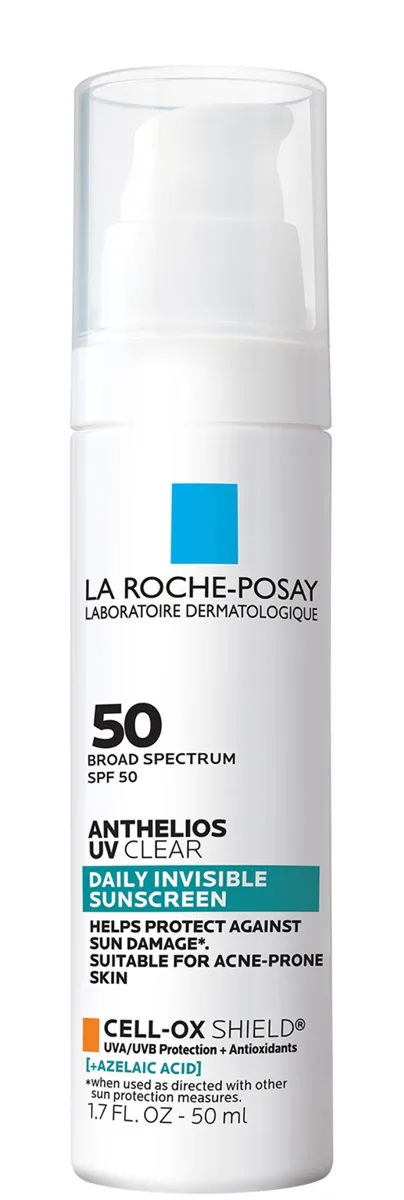 Derm Office Staple
 Anthelios UV Clear Sunscreen SPF 50
One of the only US chemical sunscreens that genuinely earns its 'for sensitive and breakout-prone skin' positioning. A photostable Anthelios filter system paired with a legitimate azelaic acid dose in a lightweight serum-fluid that disappears on every skin tone. Excellent for rosacea, acne, and post-inflammatory hyperpigmentation — and probably the single best daily sunscreen in the La Roche-Posay US lineup for those conditions.
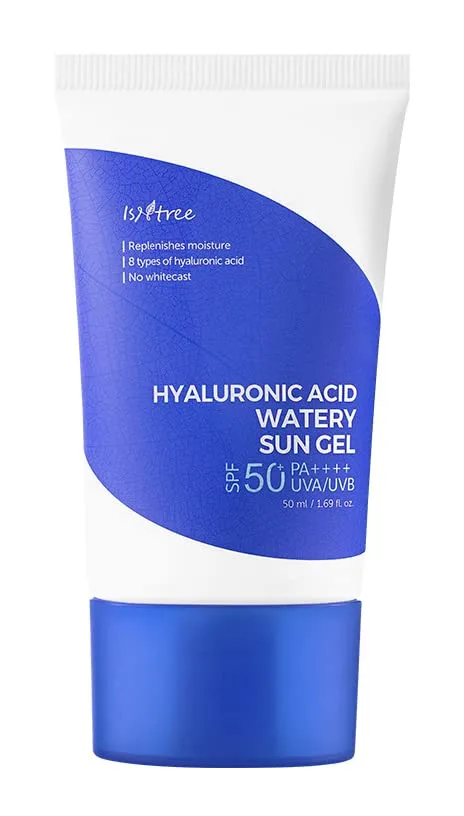 K-Beauty Daily SPF Standout
 Hyaluronic Acid Watery Sun Gel SPF 50+
One of the strongest everyday K-beauty sunscreens in the international market — modern European filters, no white cast, fragrance-free, niacinamide-boosted, and built around the brand's signature six-weight HA complex. At twenty-two dollars for 50ml, it's a case study in how much better a daily sunscreen can be when the formulator cares about both protection and wearability.
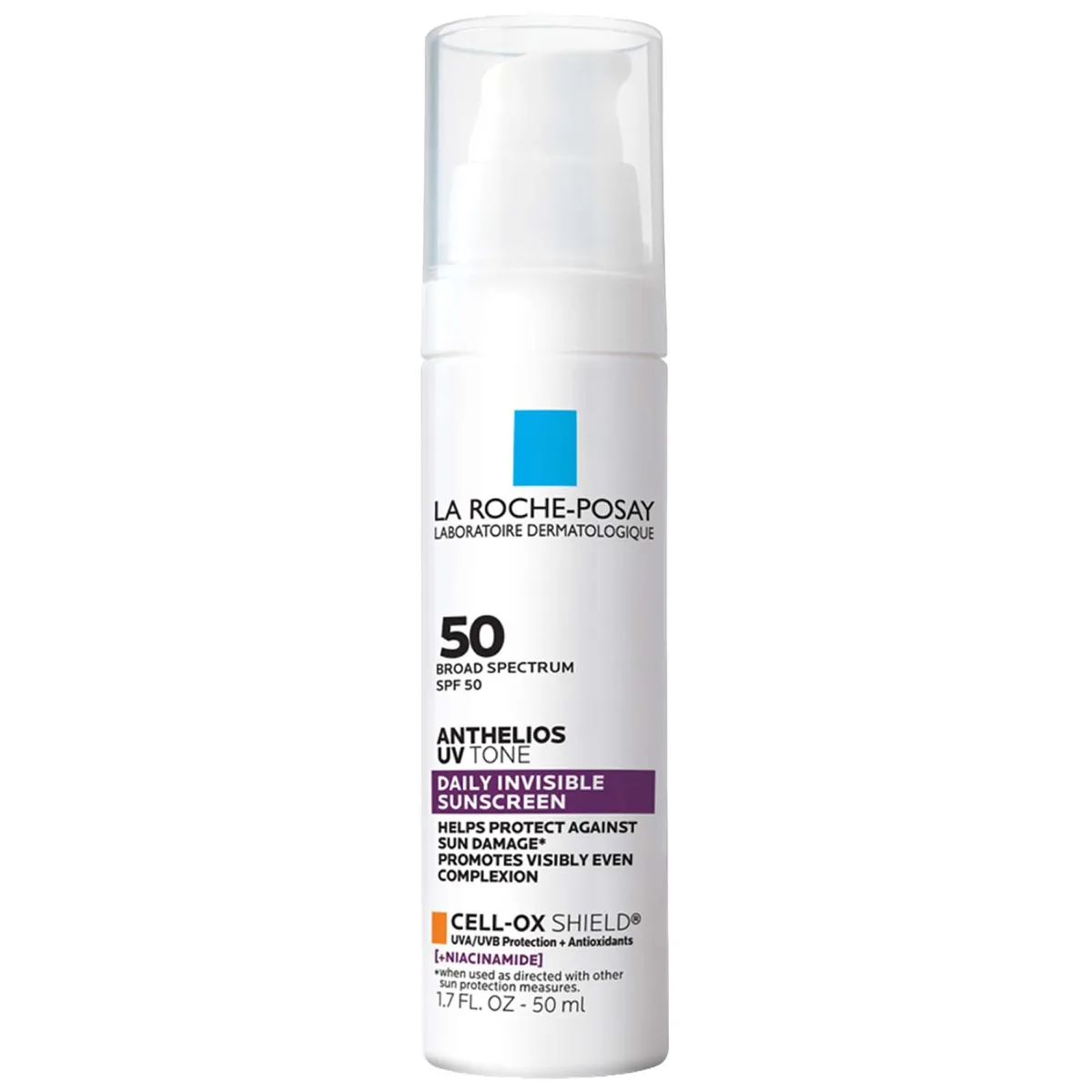 Derm Office Staple
 Anthelios UV Tone Daily Invisible Sunscreen SPF 50
La Roche-Posay's most thoughtful answer yet for hyperpigmentation-prone skin that needs daily SPF. A photostable avobenzone system reinforced with Oxynex ST, paired with a meaningful dose of niacinamide, in a serum-fluid base that goes on invisible on every skin tone. Expensive for 1.7 oz but legitimately well-built — and a rare chemical sunscreen that earns its 'for dark spots' marketing.
 Melasma-Grade Mineral Sunscreen
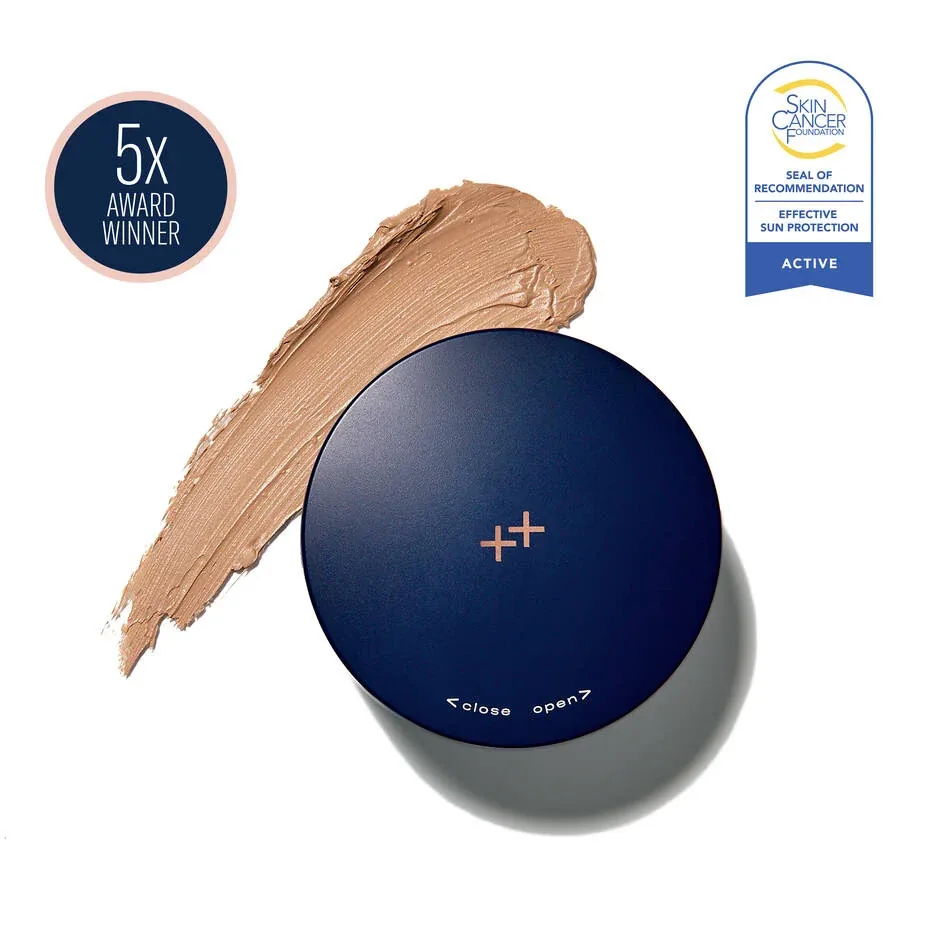
 sunbetter TONE SMART SPF 68
One of the most clinically useful tinted mineral sunscreens in the professional category. SPF 68 from a 100% mineral formula, iron oxide tint that blocks visible light for melasma protection, and an unusually lightweight texture that doesn't feel like you're wearing high-concentration zinc. For patients with melasma or post-inflammatory hyperpigmentation, this is the category benchmark — and it's earned its Allure Best of Beauty wins.
 K-Beauty Cult Favorite
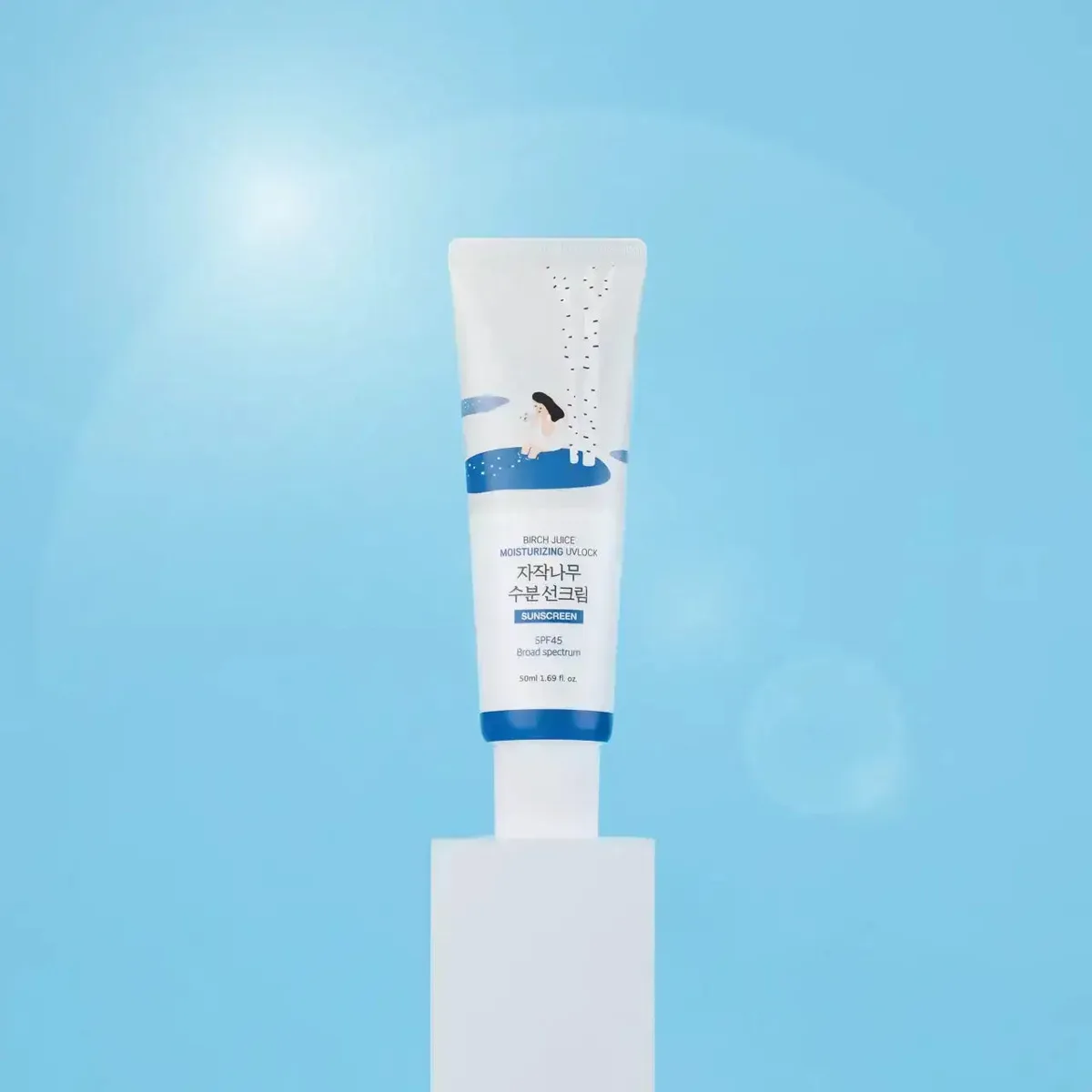
 Birch Juice Moisturizing Sun Cream SPF 50+
One of the best hybrid sunscreens in K-beauty right now — a 70% birch sap base, modern UVA filters you can't get in the US, and a finish that wears like a lightweight moisturizer. Broadly compatible, well-priced, and genuinely pleasant to apply, with minor tradeoffs for oily and fungal-acne-prone users.
 Layered Hydration MVP
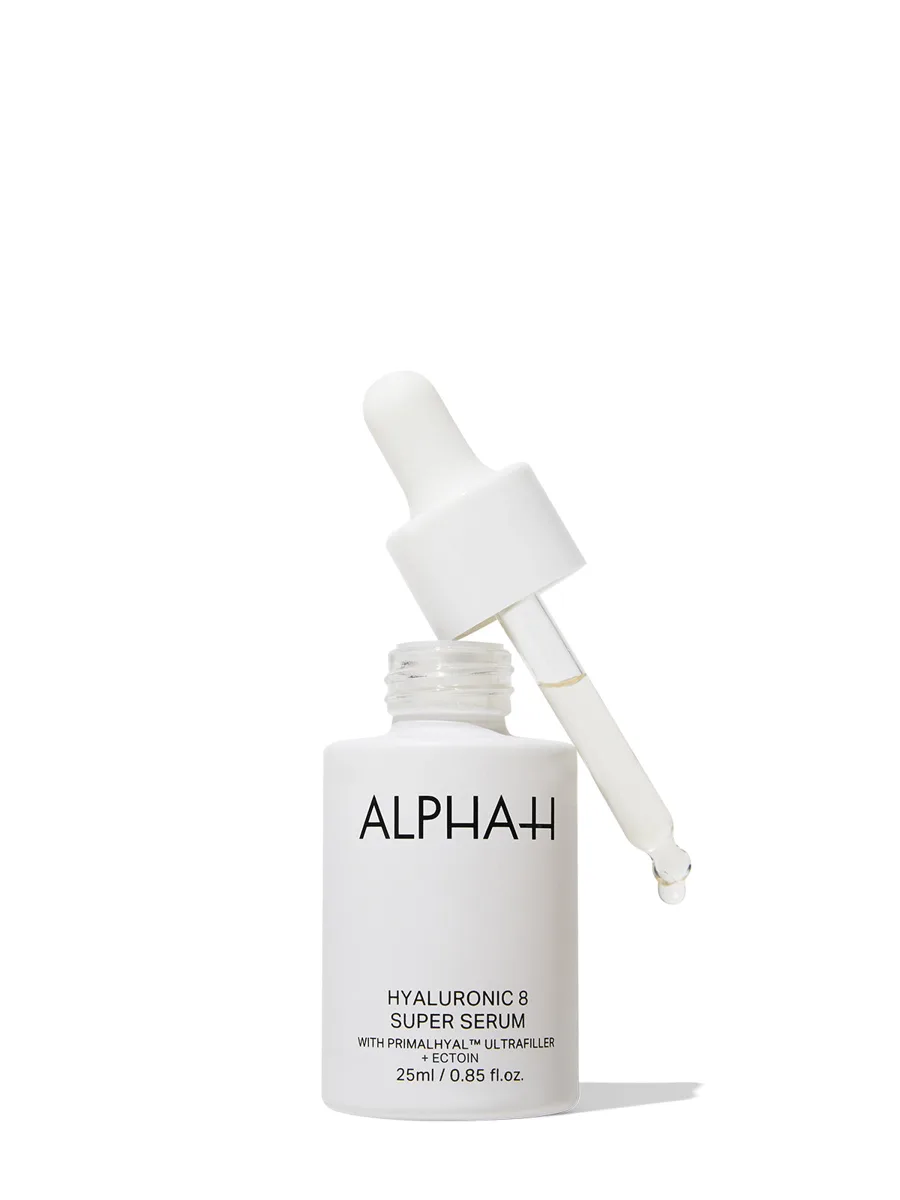
 Hyaluronic 8 Super Serum
Alpha-H stacks eight molecular weights of hyaluronic acid with polyglutamic acid, ectoin, and 4% niacinamide to build a hydration system that actually outlasts the four-hour window most HA serums hit. It's overpriced compared to drugstore alternatives, but the supporting ingredients earn the premium for dehydrated, reactive, or mature skin.