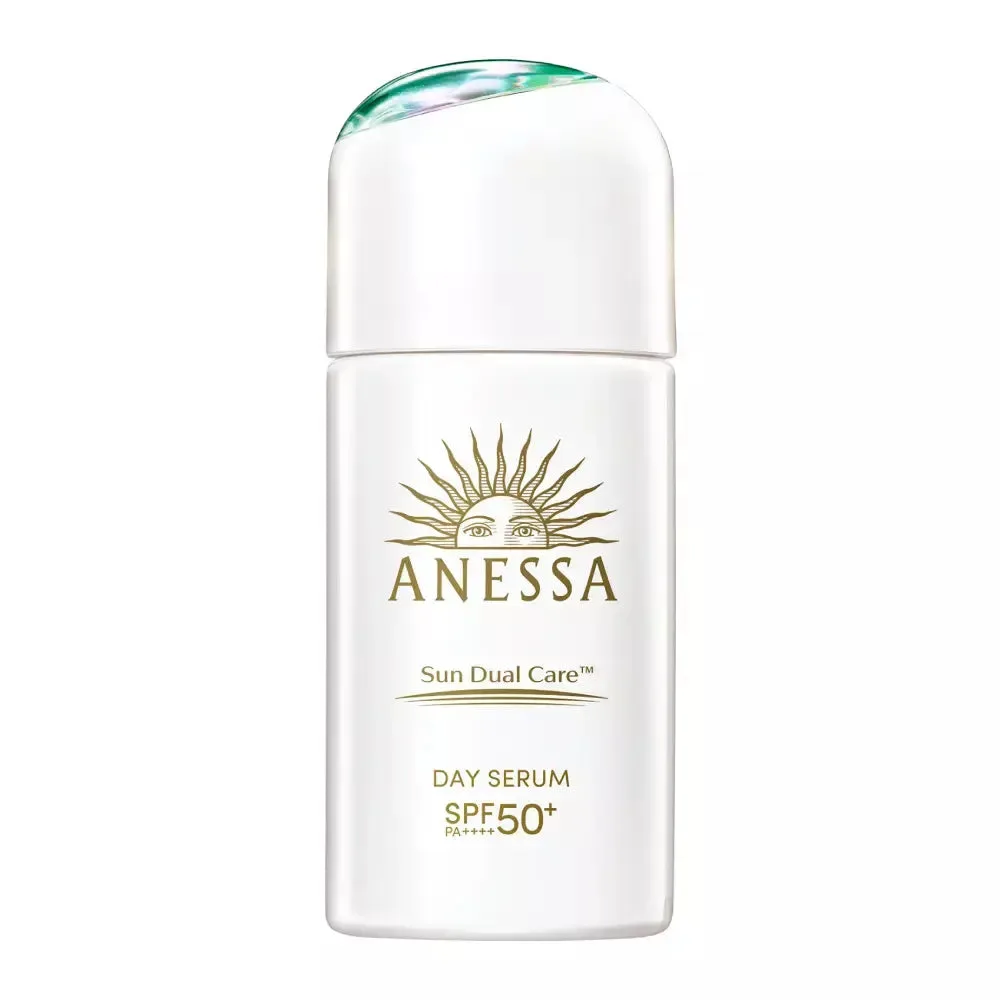
A masterclass in Japanese sunscreen engineering — the Day Serum delivers SPF 50+ PA++++ through a photostable multi-filter system wrapped in genuine skincare, with a finish so elegant you'll forget you're wearing sunscreen. The small size and fragrance are the only real concessions.
Day Serum Sunscreen SPF 50+
A masterclass in Japanese sunscreen engineering — the Day Serum delivers SPF 50+ PA++++ through a photostable multi-filter system wrapped in genuine skincare, with a finish so elegant you'll forget you're wearing sunscreen. The small size and fragrance are the only real concessions.
Score Breakdown
Where this product gains points and where it loses them — broken down across the four scoring pillars.
An exceptionally well-engineered Japanese sunscreen-serum hybrid with sophisticated multi-filter UV protection and genuine skincare ingredients. Limited by fragrance, alcohol content, and premium pricing for a small 30ml size.
Pros & Cons
- ✓Five-filter photostable UV system provides robust, long-lasting SPF 50+ PA++++ broad-spectrum protection
- ✓Elegant serum texture and dewy finish function as both sunscreen and lightweight illuminating primer
- ✓Zero white cast despite containing mineral UV filters (nano zinc oxide and titanium dioxide)
- ✓Genuine skincare actives including acetylated hyaluronate, spirulina, collagen, and licorice root
- ✓Backed by Shiseido's 150+ years of cosmetic R&D and Anessa's 30+ year sunscreen expertise
- ✓Subtle tone-up brightening effect makes skin look healthier without obvious product coverage
- ✗Contains fragrance and common fragrance allergens (citronellol, limonene, linalool)
- ✗Alcohol as fourth ingredient may not suit very dry or barrier-compromised skin
- ✗Small 30ml size at ~$38 makes it expensive for daily use at roughly $400-500 annually
- ✗Contains octinoxate, which is restricted in some locations due to coral reef concerns
- ✗Dimethicone-first formula may not appeal to those avoiding heavy silicone content
Full Review
There's a reason Japanese sunscreens have developed a devoted following that crosses oceans and ignores language barriers. The cosmetic elegance — that ability to provide serious UV protection without feeling, looking, or behaving like sunscreen — represents a fundamentally different philosophy from the thick, white, mineral-heavy approach that dominated Western sun care for decades. Anessa, Shiseido's dedicated sun care brand since 1992, has been at the forefront of this philosophy for over thirty years, and the Day Serum represents their most ambitious attempt to blur the line between sunscreen and skincare serum entirely.
The UV filter system is where the engineering shines brightest. Rather than relying on one or two filters at high concentrations, Anessa deploys five: ethylhexyl methoxycinnamate (octinoxate) for UVB, octocrylene for UVB stability, diethylamino hydroxybenzoyl hexyl benzoate (Tinosorb S) for broad-spectrum coverage and photostabilization, plus nano zinc oxide and titanium dioxide for mineral backup. This multi-filter approach is the gold standard of photoprotection engineering — each filter covers a different portion of the UV spectrum while photostabilizing the others, resulting in protection that lasts rather than degrading under the very light it's supposed to block.
Timosorb S deserves special recognition here. It's a broad-spectrum filter that absorbs both UVA and UVB while actively preventing the photodegradation of surrounding filters — particularly octinoxate, which is notoriously unstable on its own. The inclusion of Tinosorb S transforms the entire filter system from adequate to genuinely robust, which is part of why Anessa products test so well in real-world UV exposure studies.
The serum-sunscreen hybrid concept goes beyond marketing. The formula includes sodium acetylated hyaluronate — a modified hyaluronic acid that clings to skin more tenaciously than standard HA — providing sustained hydration underneath the silicone UV shield. Spirulina platensis extract brings potent antioxidant activity, though Anessa's marketing claim that it converts UV rays into 'beauty beams' is more poetic license than hard science. What's less debatable is that spirulina is rich in phycocyanin, a powerful antioxidant that neutralizes UV-generated free radicals before they can damage cellular structures. Dipotassium glycyrrhizate from licorice root provides anti-inflammatory and melanin-inhibiting activity — a practical inclusion in a sunscreen designed for brightening and tone-up effects.
On the skin, the Day Serum is immediately, almost disarmingly pleasant. The dimethicone-first base gives it a slip that's pure skincare — it glides on without pulling, sets within a minute to a dewy, luminous finish, and produces zero white cast despite the mineral filter content. The mica adds a subtle, natural-looking radiance that functions as a tone-up effect — not a full-coverage tint, but a gentle brightening that makes skin look healthier and more even. It's the kind of finish that makes people ask if you're wearing anything at all.
Under makeup, it performs like a lightweight, illuminating primer. The smooth silicone base fills minor texture imperfections, the mica provides a luminous canvas, and the non-tacky finish gives foundation or tinted moisturizer something to grip without sliding. On bare-skin days, it provides enough cosmetic benefit to skip additional products entirely.
The limitations are specific and worth noting honestly. The fragrance is present — a light floral scent that most users find inoffensive but that automatically disqualifies the product for fragrance-sensitive individuals. Alcohol is the fourth ingredient, which aids in the lightweight, fast-drying application but can be problematic for very dry or barrier-compromised skin. And octinoxate, while an effective UVB filter, is banned in Hawaii and parts of the Caribbean for coral reef concerns — environmentally conscious swimmers should be aware.
The 30ml size at approximately $38 makes this one of the more expensive sunscreens on a per-ounce basis. With daily facial application at the recommended amount, a bottle lasts roughly four to six weeks — translating to an annual cost of $400-500 on sunscreen alone. That's premium territory, though not unusual for Japanese facial sunscreens. The per-use value improves if you're replacing both a sunscreen and a primer with this single product.
Anessa's legacy as Japan's bestselling sunscreen brand for over two decades isn't built on marketing — it's built on Shiseido's R&D infrastructure, one of the largest in the cosmetics industry, and on formulations that consistently outperform in real-world wear testing. The Day Serum extends that heritage into the serum-sunscreen hybrid category with characteristic Japanese precision: every ingredient has a clear function, the filter system is photostable and comprehensive, and the finish is effortlessly elegant.
For those seeking a sunscreen that genuinely doubles as a skincare treatment and a makeup primer — and who don't mind fragrance, alcohol, or a premium price for a small package — the Day Serum delivers on its ambitious positioning. It's sunscreen reimagined as something you look forward to applying, and in the compliance-dependent world of UV protection, that's more valuable than any single ingredient.
Formula
Key Ingredients
The hero actives that drive this product's performance.
| Ingredient | Function | Evidence |
|---|---|---|
| Ethylhexyl Methoxycinnamate (Octinoxate) | The primary chemical UV filter in this formula, providing strong UVB protection. Positioned third in the ingredient list, it contributes significantly to the SPF 50+ rating. Combined with octocrylene and Tinosorb S, it creates a multi-filter system covering the full UV spectrum with photostability that single-filter formulas can't achieve. | well-established |
| Bis-Ethylhexyloxyphenol Methoxyphenyl Triazine (Tinosorb S) | A broad-spectrum UV filter covering both UVA and UVB that also functions as a photostabilizer for the other UV filters in the formula. Tinosorb S prevents the degradation of octinoxate and octocrylene under UV exposure, maintaining the SPF rating throughout the day. This is the filter that separates Japanese sunscreen engineering from simpler Western formulations. | well-established |
| Spirulina Platensis Extract | The signature ingredient in Anessa's Sun Dual Care technology — a blue-green algae extract that the brand claims helps convert portions of UV energy into beneficial wavelengths. Beyond the marketing story, spirulina is a potent antioxidant that neutralizes free radicals generated by UV exposure, providing cellular-level protection that complements the UV filters above. | promising |
| Sodium Acetylated Hyaluronate | A modified form of hyaluronic acid with enhanced skin adhesion due to the acetyl group. In this sunscreen-serum hybrid, it provides sustained hydration that persists through the silicone-based sunscreen matrix, addressing the dehydrating effect that alcohol and silicone-heavy formulas can have on skin. | well-established |
| Trehalose | A natural disaccharide that protects skin cells from environmental stress by stabilizing proteins and cell membranes. In this formula, trehalose reinforces the skin's resilience under UV exposure, complementing the filter system with stress-protective properties at the cellular level. | promising |
| Dipotassium Glycyrrhizate | A licorice-derived anti-inflammatory that calms UV-induced irritation and helps inhibit melanin production. In this tone-up serum sunscreen, it provides both soothing and brightening benefits that support the product's skin-perfecting claims beyond pure UV protection. | well-established |
Full INCI List
Dimethicone, Water, Ethylhexyl Methoxycinnamate, Alcohol, Caprylyl Methicone, Diisopropyl Sebacate, Butylene Glycol, Octocrylene, Silica, Glycerin, Mica, Diethylamino Hydroxybenzoyl Hexyl Benzoate, Trifluoropropyldimethyl/Trimethylsiloxysilicate, PEG-9 Polydimethylsiloxyethyl Dimethicone, Dextrin Palmitate, Trehalose, Isododecane, PEG/PPG-14/7 Dimethyl Ether, Sorbitan Sesquiisostearate, Phytosteryl Macadamiate, PPG-17, Bis-Ethylhexyloxyphenol Methoxyphenyl Triazine, Disteardimonium Hectorite, Triisostearin, PEG-10 Dimethicone, Isostearic Acid, Aluminum Hydroxide, Stearic Acid, Triethoxycaprylylsilane, Fragrance, PEG/PPG-17/4 Dimethyl Ether, Trisodium EDTA, BHT, Tocopherol, Sodium Metabisulfite, Sodium Polyacrylate, Synthetic Fluorphlogopite, Talc, Sodium Citrate, Citric Acid, Dipotassium Glycyrrhizate, Camellia Sinensis Leaf Extract, Potentilla Erecta Root Extract, Triethoxysilylethyl Polydimethylsiloxyethyl Dimethicone, Hydrogen Dimethicone, Plankton Extract, Phenoxyethanol, Sodium Acetylated Hyaluronate, Rosa Roxburghii Fruit Extract, Spirulina Platensis Extract, Soluble Collagen, Citronellol, Limonene, Linalool, Zinc Oxide, Titanium Dioxide, CI 77491, CI 77891, CI 77947
Product Flags
✗ Fragrance Free✗ Alcohol Free✓ Oil Free✗ Silicone Free✓ Paraben Free✓ Sulfate Free✗ Cruelty Free✗ Vegan✗ Fungal Acne Safe
Potential Irritants
alcoholfragranceoctinoxate
Common Allergens
fragrancecitronellollimonenelinalool
Compatibility
Skin Match
Best For
Works For
Not Ideal For
Addresses These Conditions
sun damage dullness hyperpigmentation aging
Use With Caution
Routine Step
sunscreen
Time of Day
AM
Pregnancy Safe
Unknown
Layering Tips
Apply as the final step of your morning skincare routine after moisturizer (or after serum if your skin doesn't need additional moisturizer). The serum-like texture and subtle tone-up effect mean it can serve as a lightweight primer under makeup or be worn alone for a natural, glowing finish. Reapply every 2 hours during prolonged sun exposure.
Results Timeline
Immediate: smooth, glowing finish with subtle tone-up brightening effect and full SPF 50+ protection. Days 1-7: skin feels hydrated and protected with no sunscreen fatigue. Weeks 4-8: consistent use may contribute to more even skin tone through UV protection and licorice-derived brightening support.
Pairs Well With
vitamin C serumsniacinamide productslightweight moisturizersretinoids (PM use)
Sample AM Routine
- Gentle cleanser
- Hydrating toner or serum
- Lightweight moisturizer (if needed)
- Anessa Day Serum Sunscreen SPF 50+
Sample PM Routine
- Oil cleanser (to remove sunscreen)
- Gentle cleanser
- Treatment serum (retinol, vitamin C)
- Moisturizer
Evidence
Science & Expert Perspective
The Science
The Day Serum's UV protection strategy exemplifies modern multi-filter engineering. The combination of ethylhexyl methoxycinnamate (UVB, peak absorption ~310 nm), octocrylene (UVB, ~303 nm, stabilizer), bis-ethylhexyloxyphenol methoxyphenyl triazine/Tinosorb S (UVA+UVB, broad absorption 310-340 nm), zinc oxide (broad-spectrum, physical), and titanium dioxide (primarily UVB, physical) creates overlapping coverage across the entire UV spectrum.
Timosorb S is the keystone of this system. As a photostable broad-spectrum filter, it absorbs UV energy and dissipates it as heat without degradation. Critically, it also absorbs and re-emits energy from adjacent unstable filters — particularly octinoxate, which is known to degrade under UV exposure, losing up to 50% of its photoprotective capacity within hours without stabilization. Studies published in Photochemical and Photobiological Sciences have demonstrated that Tinosorb S-containing formulations maintain their SPF rating significantly longer than formulations without photostabilizers.
The skincare component relies on sodium acetylated hyaluronate — a hyaluronic acid derivative where acetyl groups increase lipophilicity and skin adhesion compared to standard sodium hyaluronate. This modification allows the humectant to persist on the skin surface despite the hydrophobic silicone matrix of the sunscreen, providing sustained hydration that standard HA would struggle to deliver in this formulation context.
Spirulina platensis extract contains phycocyanin, a biliprotein with documented antioxidant and anti-inflammatory properties. While Anessa's marketing describes UV energy 'conversion,' the more established mechanism is phycocyanin's ability to scavenge reactive oxygen species (particularly superoxide and hydroxyl radicals) generated by UV-induced photochemical reactions in the skin.
Dipotassium glycyrrhizate inhibits tyrosinase activity and blocks the cyclooxygenase and lipoxygenase pathways, providing both melanin-suppressive and anti-inflammatory effects. In a sunscreen context, this dual activity addresses both UV-triggered pigmentation and UV-induced inflammation — practical additions that move the formula beyond pure UV filtration into genuine photoprotective skincare.
Dermatologist Perspective
Dermatologists recognize Anessa as one of the most technically sophisticated sunscreen brands globally, backed by Shiseido's extensive research infrastructure. Board-certified dermatologists note that the multi-filter approach with Tinosorb S photostabilization provides more reliable real-world UV protection than simpler formulations that rely on one or two filters. The PA++++ rating (the highest possible UVA protection grade under Japanese testing standards) is particularly valued by dermatologists treating hyperpigmentation and melasma. However, dermatologists caution that the fragrance and alcohol content make this unsuitable for patients with rosacea, eczema, or severe sensitivity — for those patients, the Anessa Mild Milk would be recommended instead.
Guidance
Usage Guide
How to Use
Apply generously to face and neck as the final step of your morning skincare routine, after moisturizer. Use approximately a nickel-sized amount for full facial coverage. Spread evenly with fingertips — the serum texture glides easily without tugging. Allow 1-2 minutes for the product to set before applying makeup. Reapply every 2 hours during prolonged sun exposure. For thorough removal, use an oil-based cleanser or micellar water followed by a gentle water-based cleanser.
Value Assessment
At approximately $38 for 30ml, this is premium pricing even by Japanese sunscreen standards. With daily facial use, expect 4-6 weeks per bottle, translating to $400-500 annually. The price reflects Shiseido's R&D investment, the multi-filter system, and the genuine skincare ingredient complex. For those replacing both a sunscreen and a primer with this single product, the per-use value improves. The small size follows Japanese facial sunscreen market norms but can be frustrating for Western consumers accustomed to larger volumes. Value-conscious consumers can find excellent Japanese sunscreens at lower price points, though few match the Day Serum's combination of filter sophistication and skincare integration.
Who Should Buy
Those seeking a sunscreen that genuinely functions as a skincare serum and makeup primer in one step. J-beauty enthusiasts who value cosmetic elegance and sophisticated UV filter engineering. Normal to oily skin types who want a lightweight, dewy, high-SPF option without white cast or greasiness.
Who Should Skip
Fragrance-sensitive or alcohol-sensitive individuals — the formula contains both. Very dry or barrier-compromised skin types who need fragrance-free, alcohol-free sun protection. Budget-conscious consumers who need daily sunscreen at a lower price point. Those concerned about octinoxate's environmental impact on coral reefs.
Ready to try Anessa Day Serum Sunscreen SPF 50+?
Details
Details
Texture
Lightweight, fluid serum with a silky slip from the dimethicone base. Spreads easily and sets into a dewy, slightly luminous finish. More serum-like than traditional sunscreen — feels like applying a skincare product rather than a sun protectant.
Scent
Light floral fragrance that is pleasant but present. Dissipates within a few minutes of application. Not suitable for those who require fragrance-free products.
Packaging
Compact 30ml bottle with a pump dispenser. Sleek, minimal Japanese design that's travel-friendly. The small size reflects the premium positioning and Asian sunscreen market norms for facial products.
Finish
dewyglowynaturallightweight
What to Expect on First Use
On first application, the serum glides on smoothly with zero white cast. A subtle brightening/tone-up effect is visible immediately — skin looks more luminous and even-toned. No stinging or heaviness. The finish is dewy without being shiny, settling into a natural glow within 1-2 minutes.
How Long It Lasts
1-1.5 months with daily facial application
Period After Opening
12 months
Best Season
All Year
Background
The Why
Anessa launched the Day Serum in 2023 as an evolution beyond traditional sunscreen — a product designed for consumers who wanted their sun protection to contribute positively to their skin rather than just sit on it. The Sun Dual Care technology, incorporating spirulina extract and advanced UV filter engineering, represents Shiseido's patent-backed attempt to transform sunscreen from a defensive product into an active skincare treatment. It's positioned as the premium, skincare-forward entry in Anessa's range.
About Anessa Established Brand (5–20 years)
Anessa was established in 1992 as Shiseido's dedicated sun care brand, building on Shiseido's 150+ years of cosmetic science heritage (founded 1872). Anessa has been Japan's #1 sun care brand for over 20 years and is now available in 13 Asian countries. The brand's formulations leverage Shiseido's patented UV protection technologies and extensive R&D capabilities.
Brand founded: 1992 · Product launched: 2023
Myth vs. Reality
Myths & Misconceptions
Myth
Japanese sunscreens can't provide as strong protection as Western SPF 50 products.
Reality
Japanese sunscreens are tested under rigorous JCIA standards, and Anessa's SPF 50+ PA++++ rating indicates maximum protection against both UVB and UVA. The multi-filter system in this formula — combining chemical and mineral filters with photostabilizers — actually provides more comprehensive and longer-lasting protection than many single-filter Western sunscreens.
Myth
Alcohol in sunscreen always damages the skin barrier.
Reality
Denatured alcohol in sunscreens serves important formulation functions: it enables lightweight application, rapid drying, and helps dissolve UV filters for even distribution. In this formula, the alcohol content is balanced by hydrating ingredients like sodium acetylated hyaluronate, glycerin, and trehalose. While not ideal for very dry or barrier-compromised skin, the alcohol doesn't negate the skincare benefits for most skin types.
FAQ
Frequently Asked Questions
Where can I buy Anessa Day Serum in the USA?
Anessa Day Serum is available at Target stores and Target.com, as well as through Japanese beauty importers like Japanese Taste, Buy Me Japan, and Stylevana. Prices typically range from $36-40 USD for the 30ml size. Availability has expanded since Anessa began targeting the US market alongside its established Asian presence.
Does Anessa Day Serum leave a white cast?
No — despite containing both zinc oxide and titanium dioxide, the nano-sized particles and sophisticated silicone delivery system prevent any visible white cast. The formula actually provides a subtle brightening/tone-up effect with a natural, dewy glow that works across a wide range of skin tones.
Can I use Anessa Day Serum as a primer under makeup?
Yes — the silicone-based formula with mica creates an excellent base for makeup. The smooth, non-tacky finish and subtle luminosity work similarly to a lightweight illuminating primer. Many users wear it alone on light-makeup days for a natural, protected, glowing look.
Is Anessa Day Serum good for oily skin?
Yes — the dimethicone and silica-based formula sets to a semi-matte, non-greasy finish that works well for oily and combination skin. The lightweight serum texture doesn't add heaviness, and the silicone base helps control shine throughout the day. It's one of the better high-SPF options for oily skin types.
What is Sun Dual Care technology in Anessa products?
Sun Dual Care is Shiseido's patented approach that combines UV protection with active skincare benefits. The technology uses spirulina extract and advanced UV engineering to provide protection while simultaneously delivering hydrating, brightening, and antioxidant ingredients. The brand claims it helps convert some UV energy into beneficial effects, though the primary value is the sophisticated multi-filter UV protection combined with genuine skincare actives.
Is Anessa Day Serum safe for sensitive skin?
This formula contains fragrance, denatured alcohol, and chemical UV filters including octinoxate — all potential irritants for sensitive skin. If you have reactive, rosacea-prone, or eczema-prone skin, Anessa's Perfect UV Sunscreen Mild Milk (designed for sensitive skin) would be a safer choice. The Day Serum is best suited for normal to oily skin types.
Community
Community Voices
Common Praise
"Beautiful dewy, natural glow finish without looking greasy"
"Lightweight serum texture feels more like skincare than sunscreen"
"Excellent under makeup — works as a subtle tone-up primer"
"SPF 50+ PA++++ offers maximum broad-spectrum UV protection"
Common Complaints
"Contains fragrance and alcohol, limiting suitability for sensitive skin"
"Small 30ml size at $38 makes it expensive per daily use"
"Dimethicone as first ingredient may not suit those avoiding silicones"
"Subtle pink tone-up effect may not suit all skin tones"
Notable Endorsements
Part of Japan's #1 sun care brand for over 20 yearsBacked by Shiseido's 150+ years of cosmetic science and R&D
Appears In
best sunscreen for oily skin best sunscreen for glow best sunscreen for makeup base best sunscreen for hyperpigmentation
Related Conditions
sun damage dullness hyperpigmentation aging
Related Ingredients
You Might Also Like
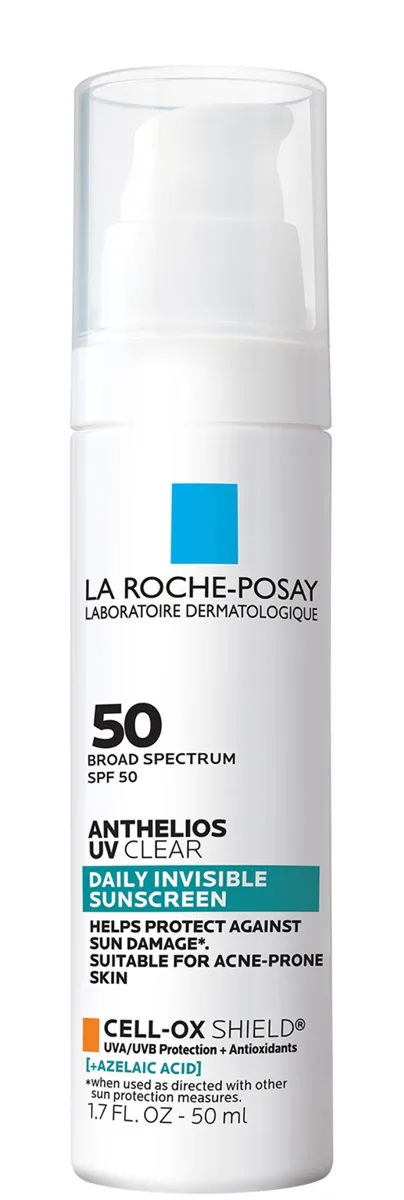 Derm Office Staple
 Anthelios UV Clear Sunscreen SPF 50
One of the only US chemical sunscreens that genuinely earns its 'for sensitive and breakout-prone skin' positioning. A photostable Anthelios filter system paired with a legitimate azelaic acid dose in a lightweight serum-fluid that disappears on every skin tone. Excellent for rosacea, acne, and post-inflammatory hyperpigmentation — and probably the single best daily sunscreen in the La Roche-Posay US lineup for those conditions.
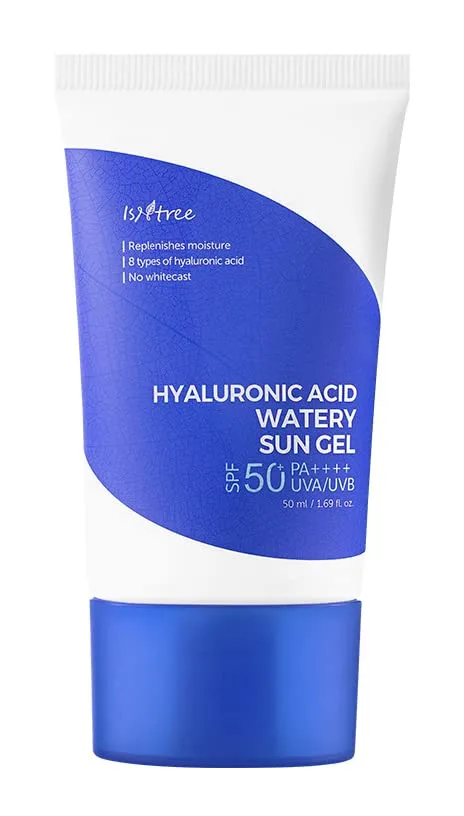 K-Beauty Daily SPF Standout
 Hyaluronic Acid Watery Sun Gel SPF 50+
One of the strongest everyday K-beauty sunscreens in the international market — modern European filters, no white cast, fragrance-free, niacinamide-boosted, and built around the brand's signature six-weight HA complex. At twenty-two dollars for 50ml, it's a case study in how much better a daily sunscreen can be when the formulator cares about both protection and wearability.
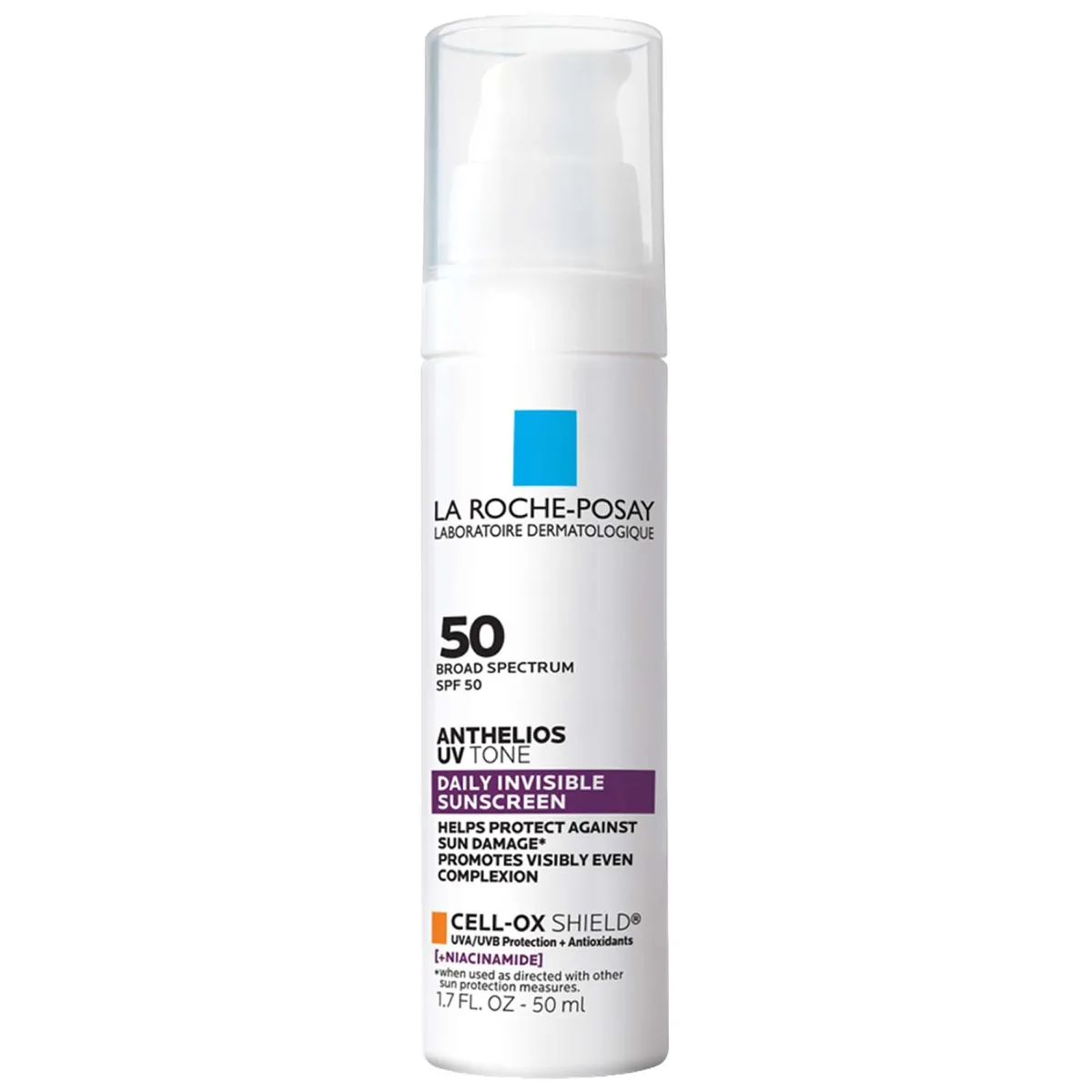 Derm Office Staple
 Anthelios UV Tone Daily Invisible Sunscreen SPF 50
La Roche-Posay's most thoughtful answer yet for hyperpigmentation-prone skin that needs daily SPF. A photostable avobenzone system reinforced with Oxynex ST, paired with a meaningful dose of niacinamide, in a serum-fluid base that goes on invisible on every skin tone. Expensive for 1.7 oz but legitimately well-built — and a rare chemical sunscreen that earns its 'for dark spots' marketing.
 Melasma-Grade Mineral Sunscreen
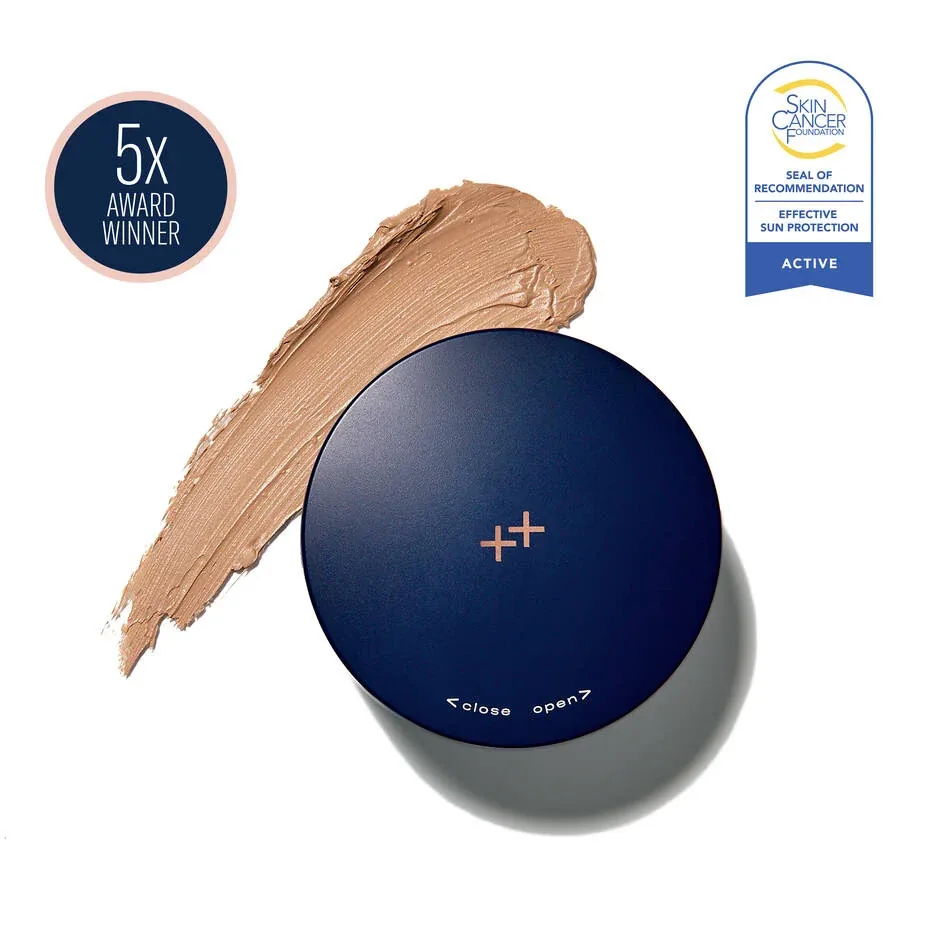
 sunbetter TONE SMART SPF 68
One of the most clinically useful tinted mineral sunscreens in the professional category. SPF 68 from a 100% mineral formula, iron oxide tint that blocks visible light for melasma protection, and an unusually lightweight texture that doesn't feel like you're wearing high-concentration zinc. For patients with melasma or post-inflammatory hyperpigmentation, this is the category benchmark — and it's earned its Allure Best of Beauty wins.
 K-Beauty Cult Favorite
 Birch Juice Moisturizing Sun Cream SPF 50+
One of the best hybrid sunscreens in K-beauty right now — a 70% birch sap base, modern UVA filters you can't get in the US, and a finish that wears like a lightweight moisturizer. Broadly compatible, well-priced, and genuinely pleasant to apply, with minor tradeoffs for oily and fungal-acne-prone users.
 The K-Beauty Sunscreen That Changed Everything
 Relief Sun: Rice + Probiotics SPF 50+
The sunscreen that rewrote the rules for what a $14 product could deliver. With independently verified SPF 50+, 30% rice extract, niacinamide, and a probiotic ferment complex, it offers protection and skincare benefits that rival products three times its price. The texture that feels like wearing nothing on your face is the reason it went viral — and stayed there.