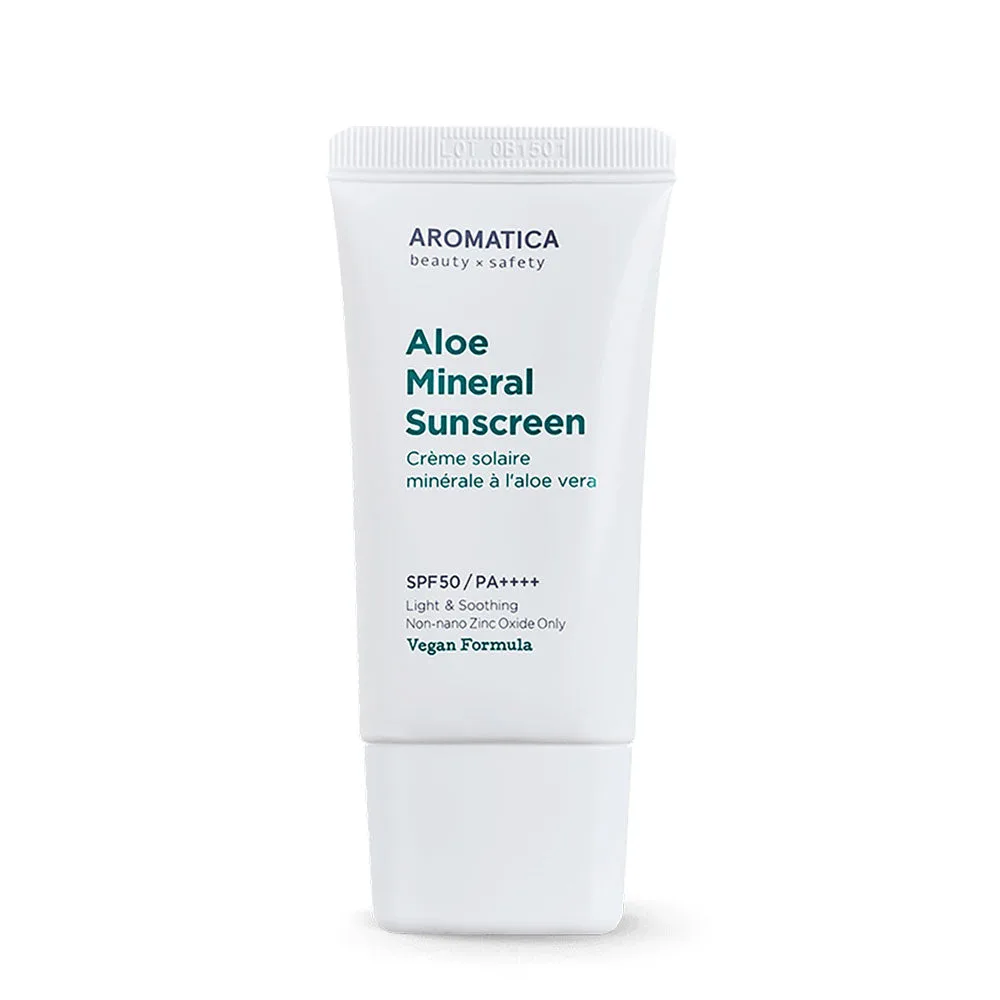
Aromatica's Aloe Mineral Sunscreen takes the rare approach of building a 100% mineral SPF 50 on an aloe juice base instead of water, and loading it with 24% non-nano zinc oxide for proper broad-spectrum protection. It's an honest, gentle, well-formulated mineral option for users committed to physical filters — let down only by the inclusion of lavender essential oils, which keep it from being the universal sensitive-skin pick it almost is.
Aloe Mineral Sunscreen SPF 50
Aromatica's Aloe Mineral Sunscreen takes the rare approach of building a 100% mineral SPF 50 on an aloe juice base instead of water, and loading it with 24% non-nano zinc oxide for proper broad-spectrum protection. It's an honest, gentle, well-formulated mineral option for users committed to physical filters — let down only by the inclusion of lavender essential oils, which keep it from being the universal sensitive-skin pick it almost is.
Score Breakdown
Where this product gains points and where it loses them — broken down across the four scoring pillars.
A high-zinc 100% mineral sunscreen built on an aloe base rather than water, which is unusual and well-considered. The lavender oils prevent it from being a universal sensitive-skin recommendation despite the otherwise gentle formulation.
Pros & Cons
- ✓24% non-nano zinc oxide delivers honest broad-spectrum SPF 50
- ✓Aloe juice base is meaningfully soothing, not a token addition
- ✓100% mineral with no chemical UV filters
- ✓Probiotic ferments contribute additional barrier support
- ✓EWG Verified, vegan, and cruelty-free
- ✓Pregnancy-safe with established mineral filter profile
- ✗Lavender essential oils make it unsuitable for sensitive or reactive skin
- ✗Visible white cast on medium and deeper complexions
- ✗Thick texture requires patient application and can pill under makeup
- ✗Not as cosmetically elegant as Korean chemical filter alternatives
- ✗Heavier finish than ideal for very oily skin
Full Review
Read the INCI of almost any sunscreen on the market and the first ingredient is going to be water. That's true for chemical filter sunscreens, it's true for mineral sunscreens, it's true for tinted mineral sunscreens, and it's true for hybrid formulations that combine the two. Water is the universal base ingredient because it's cheap, neutral, and doesn't interfere with the rest of the formula. Aromatica's Aloe Mineral Sunscreen is one of the rare exceptions. The first ingredient on the INCI is aloe barbadensis leaf extract — actual aloe juice, not water with aloe added — and the rest of the formula is built around supporting that base. It's a small thing, but it's the kind of small thing that distinguishes a sunscreen designed by people who care about the formula from one cobbled together to hit a price point. The rest of the formulation matches the philosophy. There's 24% non-nano zinc oxide as the only UV filter, which puts this sunscreen at the high end of the zinc concentration range for commercially available products. There are no chemical filters at all — no avobenzone, no octisalate, no octocrylene, none of the synthetic UV absorbers that show up in hybrid mineral-chemical formulations. There are probiotic ferments — lactobacillus and bifida — that K-beauty has used for years for their barrier and microbiome-supportive effects. There's hydrogenated olive oil unsaponifiables for emollient cushioning, and a base of olive-derived emulsifiers that keeps the texture soft despite the high zinc load. As a delivery system, the cream is dense and demands patient application. Mineral sunscreens at this zinc concentration cannot be lightweight gels — physics doesn't allow it — and Aromatica didn't try to fake that. The sunscreen comes out as a thick white cream, requires deliberate massaging to spread evenly across the face, and leaves a noticeable pale cast that partially fades as the formula settles. On lighter complexions the cast is mild and integrates within a few minutes; on medium and deeper skin tones it's a real consideration and a tinted mineral option may be the better choice. The trade-off is that the protection is honest. At 24% zinc oxide there's no question about whether the SPF 50 / PA++++ rating is being reached at the labeled application amount, and the broad-spectrum coverage is built into the single filter rather than relying on a stack of chemical absorbers each handling a narrow part of the UV spectrum. The aloe base does what a real aloe ingredient is supposed to do. There's a noticeable cooling and soothing quality to the application, which is meaningfully different from sunscreens where aloe is added as a token at the end of the INCI for marketing purposes. Users with sun-sensitive skin or reactive complexions tend to notice this immediately — the formula doesn't have the slightly tight or itchy feeling that some mineral sunscreens leave during the first hour of wear. The probiotic ferments contribute their own soothing effect, and over weeks of consistent use the formula reads as actively comforting on the skin in addition to delivering UV protection. The hard problem with this sunscreen is the lavender. Aromatica is a clean-beauty brand and the brand's entire identity is built on plant extracts and essential oils, and lavender is one of their signature scents. There are two lavender oils on the INCI — lavandula angustifolia and lavandula hybrida — and they're present at concentrations high enough to produce a distinct lavender scent on application that lingers for several minutes. For users who like the smell, this is not a problem. For users who are indifferent, it's a mild annoyance. For users with reactive skin or known lavender sensitivity, it's a complete dealbreaker. Lavender oil is one of the more commonly cited contact allergens in cosmetic products, and putting it in a leave-on sunscreen meant for daily face-and-neck application is the wrong place for it. This single decision is what keeps the Aromatica Aloe Mineral Sunscreen from being a universal sensitive-skin recommendation. Without the lavender, this would be one of the easiest mineral sunscreens to recommend on the market. With the lavender, you have to ask the user whether they tolerate lavender oils elsewhere in their routine before suggesting it. The cosmetic elegance is the other consideration. Mineral sunscreens at 24% zinc are not going to feel like the latest Korean chemical filter formulations — those are engineered around cosmetic invisibility and Aromatica wasn't trying to compete in that lane. The texture is heavier, the white cast is real, and the cream can pill under heavy makeup if you don't let it set fully before layering. For users who want a sunscreen that disappears and forget about it under foundation, a tinted mineral or a Korean chemical filter is a better fit. For users who want a high-zinc, no-chemical-filter, aloe-based mineral sunscreen with real soothing benefits and they're willing to deal with the texture and the scent, this earns its place. As an established Korean clean-beauty brand with EWG Verified certification and over two decades on the market, Aromatica has the credibility to make this kind of product without it reading as marketing-first. The Aloe Mineral Sunscreen is what it claims to be, the formulation philosophy is honest, and within its target audience it does its job well.
Formula
Key Ingredients
The hero actives that drive this product's performance.
| Ingredient | Function | Evidence |
|---|---|---|
| Non-Nano Zinc Oxide 24% (24%) | The single UV filter in the formula at one of the highest concentrations available outside of pure mineral suspension products. In this sunscreen, the high zinc load is what delivers broad-spectrum UVA and UVB protection across the full SPF 50 / PA++++ rating without any chemical filter support, making it suitable for users who specifically need a 100% mineral product. | well-established |
| Aloe Barbadensis Leaf Extract | Sits as the first ingredient on the INCI in place of water — Aromatica uses aloe juice as the formulation base. This delivers the anti-inflammatory and humectant effects of aloe across the entire product rather than as a token addition, and pairs with the zinc oxide to address the surface inflammation that often accompanies sun exposure. | well-established |
| Probiotic Ferments (Lactobacillus + Bifida) | Two of the most-used probiotic-derived ingredients in K-beauty, included for their effect on the skin microbiome and barrier function. In this sunscreen, the ferments contribute additional soothing and barrier-supportive activity that complements the aloe base. | promising |
Full INCI List
Aloe Barbadensis Leaf Extract, Zinc Oxide (24%), Ethylhexyl Palmitate, Triethylhexanoin, Glycerin, Polyglyceryl-2 Dipolyhydroxystearate, Coco-Caprylate/Caprate, Polyglyceryl-2 Sesquioleate, Sorbitan Olivate, Sodium Chloride, Hydrogenated Olive Oil Unsaponifiables, 1,2-Hexanediol, Butylene Glycol, Caprylyl Glycol, Illicium Verum Fruit Extract, Copernicia Cerifera Wax, Limnanthes Alba Seed Oil, Lavandula Angustifolia Oil, Lavandula Hybrida Oil, Xanthan Gum, Lactobacillus Ferment Lysate, Bifida Ferment Lysate
Product Flags
✗ Fragrance Free✓ Alcohol Free✗ Oil Free✓ Silicone Free✓ Paraben Free✓ Sulfate Free✓ Cruelty Free✓ Vegan✗ Fungal Acne Safe
Potential Irritants
lavender oillavender hybrid oil
Common Allergens
lavender oillinalool
Compatibility
Skin Match
Best For
Works For
Not Ideal For
Addresses These Conditions
sun damage sensitivity post procedure
Use With Caution
Routine Step
sunscreen
Time of Day
AM
Pregnancy Safe
Yes ✓
Layering Tips
Apply as the final morning step after moisturizer. Use two finger lengths for the face and neck — mineral sunscreens require generous application to deliver labeled SPF. Reapply every 2 hours of sun exposure.
Results Timeline
Immediate UV protection on application. Soothing and anti-redness benefits of the aloe base compound over weeks of consistent use.
Pairs Well With
all morning serumsmoisturizersmakeup
Sample AM Routine
- Gentle cleanser
- Hydrating toner
- Vitamin C serum
- Moisturizer
- Aromatica Aloe Mineral Sunscreen SPF 50
Sample PM Routine
- Double cleanse
- Treatment serum
- Moisturizer
Evidence
Science & Expert Perspective
The Science
Zinc oxide is one of the two FDA-approved physical UV filters and is the only single-ingredient option that delivers broad-spectrum protection across the entire UVA and UVB range without supplementation. The mechanism is physical scattering and absorption — zinc oxide particles sit on the surface of the skin and reflect UV photons before they can penetrate to the cellular level. The 24% concentration in this sunscreen is at the high end of the practical range; zinc oxide concentrations above this point start producing sunscreens that are too thick to spread evenly across the face. The non-nano specification refers to the particle size of the zinc oxide. Non-nano particles are larger than 100 nanometers and do not penetrate intact skin, which is the main safety concern that prompted some users and regulatory bodies to scrutinize nano-sized mineral filters. The aloe vera base has a documented anti-inflammatory and barrier-supportive effect that's been studied in dermatology since the 1970s. A 1996 study in the Journal of the American Podiatric Medical Association demonstrated wound-healing effects of topical aloe in superficial injuries, and subsequent research has supported its use in mild burns, post-procedure recovery, and irritated skin. Using aloe as the formulation base rather than water means that every application of the sunscreen delivers a meaningful dose of these compounds, which is unusual in the sunscreen category. The probiotic ferments — lactobacillus ferment lysate and bifida ferment lysate — are part of a category of postbiotic ingredients that K-beauty pioneered. The available evidence is largely in vitro and supplier-sponsored, but a growing body of dermatology research suggests that postbiotic ingredients can support the skin's microbiome and contribute to barrier function, particularly in sensitive and inflammation-prone complexions. The lavender essential oils, while marketed as soothing, contain linalool and linalyl acetate that are documented contact sensitizers. The European Union requires lavender oil to be declared on cosmetic ingredient lists when present above 0.001% in leave-on products specifically because of this sensitization potential.
Dermatologist Perspective
Dermatologists generally recommend mineral sunscreens with zinc oxide for patients with sensitive skin, rosacea, post-procedure recovery, and during pregnancy. Board-certified dermatologists emphasize that zinc oxide at concentrations of 20% or higher is needed to deliver clinically meaningful broad-spectrum protection, and the 24% in this formula meets that bar comfortably. The aloe base and probiotic ferments are considered reasonable supportive additions, though clinicians note that the UV protection itself is doing the heavy lifting. The main point of caution is the lavender essential oils — dermatologists routinely advise patients with reactive or eczema-prone skin to avoid leave-on products containing lavender oil due to the well-documented contact sensitization risk. For users without lavender sensitivity, this is otherwise a clean and well-formulated mineral sunscreen.
Guidance
Usage Guide
How to Use
Apply as the absolute final step in your morning routine, after moisturizer. Use two finger lengths' worth for the face and neck combined — mineral sunscreens require generous application to deliver labeled SPF protection, and skimping on the amount means you're getting much less coverage than the bottle promises. Allow 5-10 minutes for the formula to set before applying makeup or going outside. Reapply every 2 hours during sun exposure or immediately after swimming or heavy sweating. Layer over any morning serums and moisturizers, but keep your active treatments (vitamin C, niacinamide) for the steps before the sunscreen rather than after.
Value Assessment
At around twenty-two dollars for 50ml, this sunscreen is priced in line with mid-tier Korean mineral options and slightly above mass-market alternatives like Aveeno Positively Mineral. The value is reasonable for what you get — a 24% non-nano zinc formula on an aloe base from an established clean-beauty brand with EWG Verified certification. For users who specifically want a high-zinc 100% mineral product with real soothing benefits and don't mind the lavender, the price is fair. For users who would be using this purely for sun protection and ignoring the aloe and probiotic features, a basic mineral sunscreen from Trader Joe's or Cetaphil delivers similar UV protection for less. The brand premium reflects the formulation philosophy rather than marketing.
Who Should Buy
Users who specifically want a 100% mineral sunscreen and need real broad-spectrum protection. Pregnant or breastfeeding users seeking a chemical-filter-free option. Sensitive complexions that don't react to lavender. Anyone who values the aloe and probiotic supporting cast as part of their routine.
Who Should Skip
Users with lavender sensitivity or eczema-prone reactive skin. Medium and deeper skin tones who can't tolerate the white cast and need a tinted alternative. Very oily skin types who prefer a lightweight gel finish. Anyone who wants the cosmetic elegance of a Korean chemical filter sunscreen.
Ready to try Aromatica Aloe Mineral Sunscreen SPF 50?
Details
Details
Texture
A thick white cream that requires deliberate spreading
Scent
Distinct lavender from the essential oils
Packaging
50ml white tube with screw cap
Finish
mattenatural
What to Expect on First Use
The cream is dense and requires patient massage to spread evenly. There's a noticeable white cast on initial application that fades partially as the product settles, leaving a slight pale tone on medium-and-deeper complexions. The lavender scent is immediately noticeable and lingers for several minutes. No stinging or burning, even around the eyes.
How Long It Lasts
About 6-8 weeks with daily face-and-neck application
Period After Opening
12 months
Best Season
All Year
Certifications
EWG VerifiedVeganCruelty-Free
Background
The Why
Aromatica was founded in Seoul in 2003, making it one of the older Korean indie brands with a clean-beauty positioning. The brand earned EWG Verified certification early and built its lineup around plant-based formulations. The Aloe Mineral Sunscreen launched in 2018 as the brand's flagship sun protection product, designed for users seeking an alternative to chemical filters or tinted mineral products that prioritize aesthetics over skin compatibility.
About Aromatica Established Brand (5–20 years)
Aromatica is a Korean clean-beauty brand founded in 2003 that holds EWG Verified and COSMOS Organic certifications. The brand has built a reputation in the K-beauty space for plant-based formulations and has been on the market for over two decades.
Brand founded: 2003 · Product launched: 2018
Myth vs. Reality
Myths & Misconceptions
Myth
Mineral sunscreens are always whiter than chemical sunscreens.
Reality
Modern non-nano zinc formulations vary widely in white cast depending on particle size, concentration, and formulation work. This sunscreen has a noticeable cast at 24% zinc, but Korean tinted mineral options can be nearly invisible on most skin tones.
Myth
Lavender essential oil is gentle because it's calming.
Reality
Lavender oil is a documented contact allergen and one of the more common sensitization triggers in cosmetic products. Its calming aroma has nothing to do with its skin compatibility, and users with reactive skin should treat it the same way as any other essential oil.
FAQ
Frequently Asked Questions
Does this leave a white cast?
Yes, somewhat. At 24% zinc oxide with no tint, this sunscreen leaves a visible pale cast on medium and deeper skin tones. It's less obvious on lighter complexions but still noticeable. If a tinted mineral option works for your skin tone, it will be more cosmetically elegant.
Is this safe for very sensitive skin?
Mostly, with one caveat. The aloe base, high zinc, and probiotic ferments are all gentle. The lavender essential oils are not — they're documented contact allergens for users with reactive skin. If your skin tolerates lavender, this is one of the gentler high-SPF mineral options. If not, skip it.
Is this a chemical or physical sunscreen?
100% physical. Zinc oxide is the only UV filter in the formula. There are no chemical filters like avobenzone, octisalate, or octocrylene. This makes it a good fit for users who specifically need to avoid chemical filters for personal preference or post-procedure skin.
Will this work under makeup?
Yes, but with care. The cream is thick and can pill under heavy makeup if you don't allow it to fully set first. Wait 5-10 minutes after application before applying foundation, and use a primer designed to layer over mineral SPF if pilling is a recurring issue.
How does it compare to Missha All Around Safe Block?
Missha's All Around Safe Block is a chemical filter sunscreen and significantly more cosmetically elegant. Aromatica's mineral version is the right pick if you specifically need physical filters; Missha is the right pick if you want a polished elegant texture and don't have a reason to avoid chemical filters.
Can I use this during pregnancy?
Yes. Mineral sunscreens are generally considered the safest option during pregnancy, and zinc oxide is on every dermatologist's pregnancy-safe list. The lavender oils are present in small amounts and are not flagged as pregnancy concerns at typical cosmetic concentrations.
Community
Community Voices
Common Praise
"100% mineral with high zinc concentration"
"Aloe base feels soothing on hot days"
"Doesn't sting eyes like some chemical filters"
"Reasonable white cast for a 24% zinc formula"
Common Complaints
"Lavender oil is a dealbreaker for sensitive users"
"Visible white cast on deeper skin tones"
"Can pill under heavy makeup"
"Less elegant texture than chemical filters"
Notable Endorsements
EWG VerifiedHighly recommended in K-beauty Reddit communities for sensitive skin
Appears In
best korean mineral sunscreens best mineral sunscreens for sensitive skin best sunscreen for pregnancy best non nano zinc sunscreens
Related Conditions
sun damage sensitivity post procedure
Related Ingredients
You Might Also Like
 Derm Office Staple
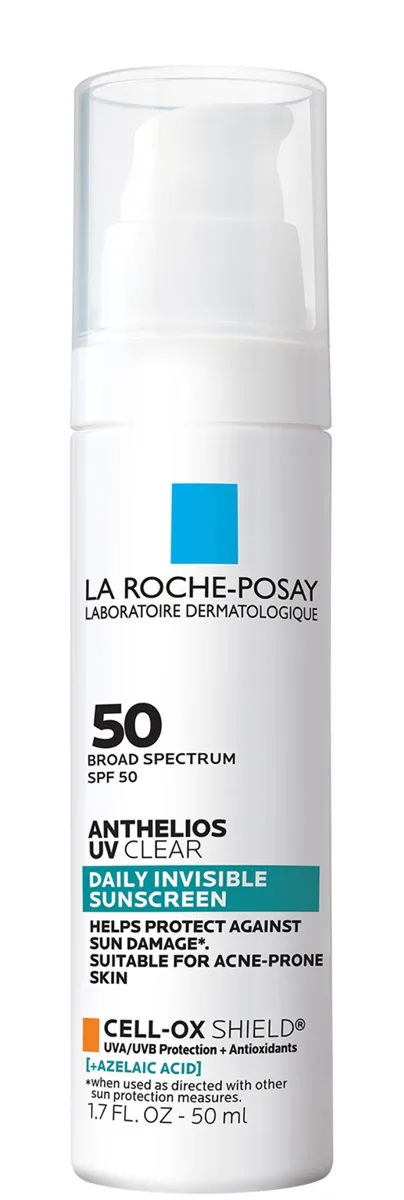
 Anthelios UV Clear Sunscreen SPF 50
One of the only US chemical sunscreens that genuinely earns its 'for sensitive and breakout-prone skin' positioning. A photostable Anthelios filter system paired with a legitimate azelaic acid dose in a lightweight serum-fluid that disappears on every skin tone. Excellent for rosacea, acne, and post-inflammatory hyperpigmentation — and probably the single best daily sunscreen in the La Roche-Posay US lineup for those conditions.
 K-Beauty Daily SPF Standout
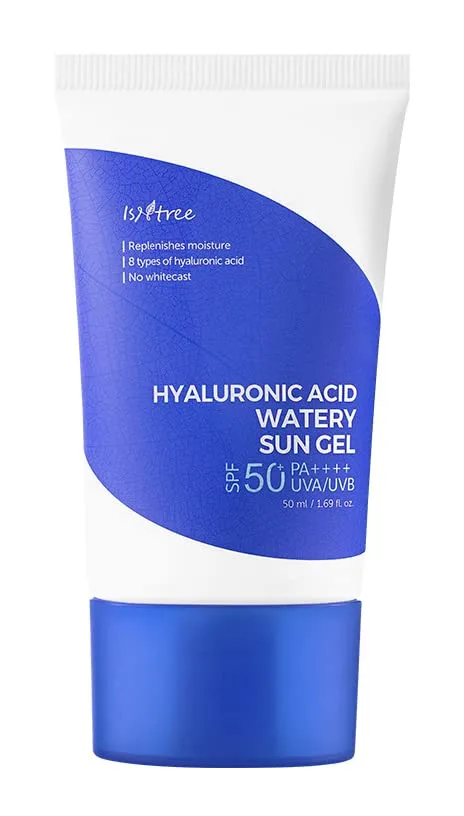
 Hyaluronic Acid Watery Sun Gel SPF 50+
One of the strongest everyday K-beauty sunscreens in the international market — modern European filters, no white cast, fragrance-free, niacinamide-boosted, and built around the brand's signature six-weight HA complex. At twenty-two dollars for 50ml, it's a case study in how much better a daily sunscreen can be when the formulator cares about both protection and wearability.
 Derm Office Staple
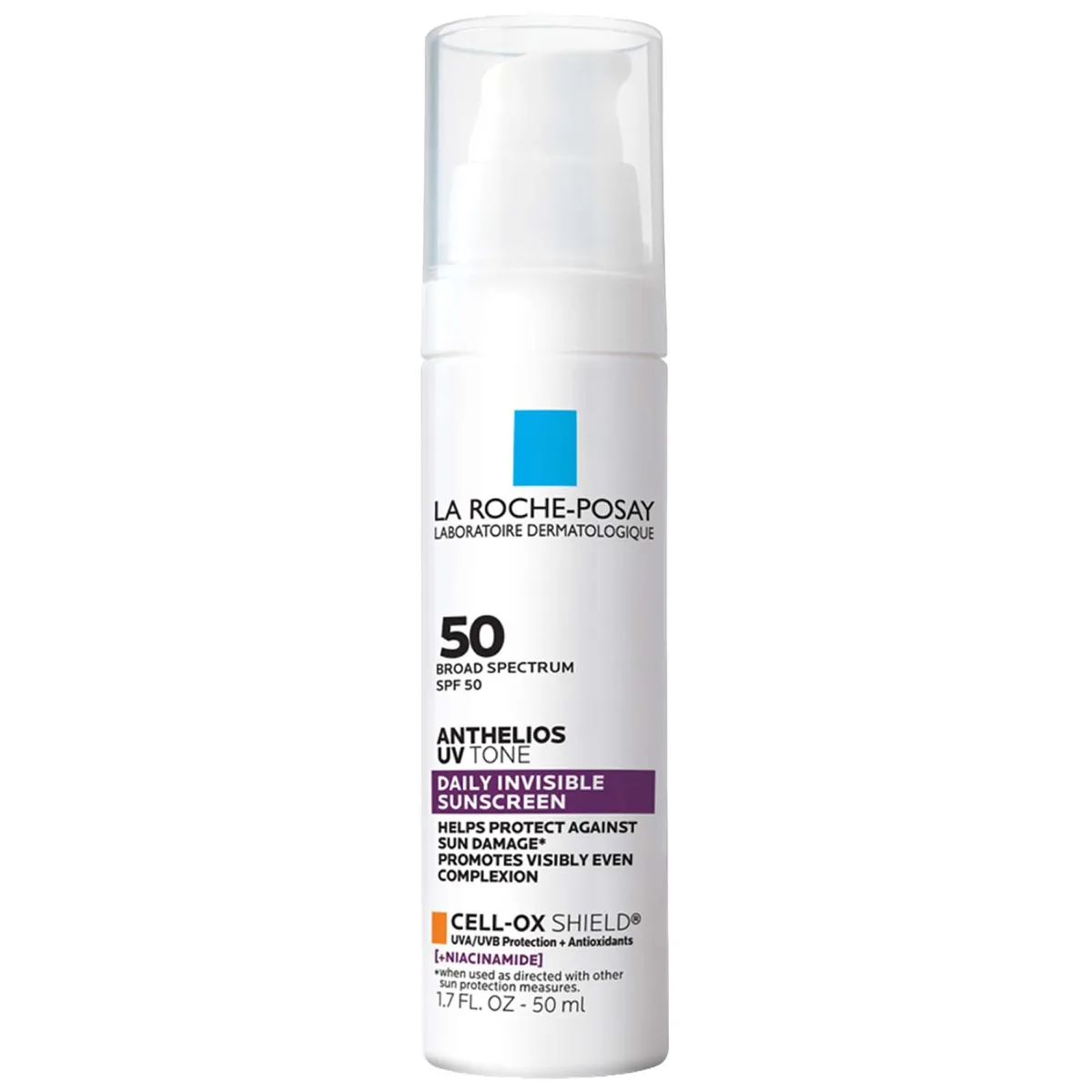
 Anthelios UV Tone Daily Invisible Sunscreen SPF 50
La Roche-Posay's most thoughtful answer yet for hyperpigmentation-prone skin that needs daily SPF. A photostable avobenzone system reinforced with Oxynex ST, paired with a meaningful dose of niacinamide, in a serum-fluid base that goes on invisible on every skin tone. Expensive for 1.7 oz but legitimately well-built — and a rare chemical sunscreen that earns its 'for dark spots' marketing.
 Melasma-Grade Mineral Sunscreen
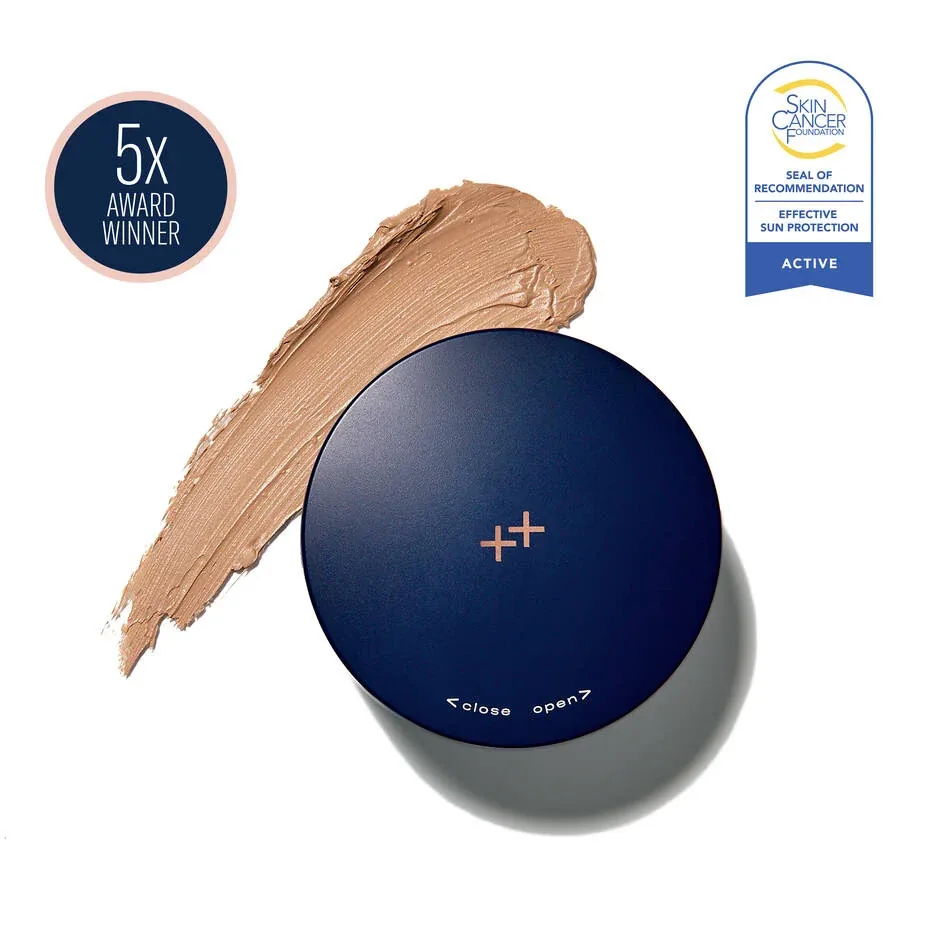
 sunbetter TONE SMART SPF 68
One of the most clinically useful tinted mineral sunscreens in the professional category. SPF 68 from a 100% mineral formula, iron oxide tint that blocks visible light for melasma protection, and an unusually lightweight texture that doesn't feel like you're wearing high-concentration zinc. For patients with melasma or post-inflammatory hyperpigmentation, this is the category benchmark — and it's earned its Allure Best of Beauty wins.
 K-Beauty Cult Favorite
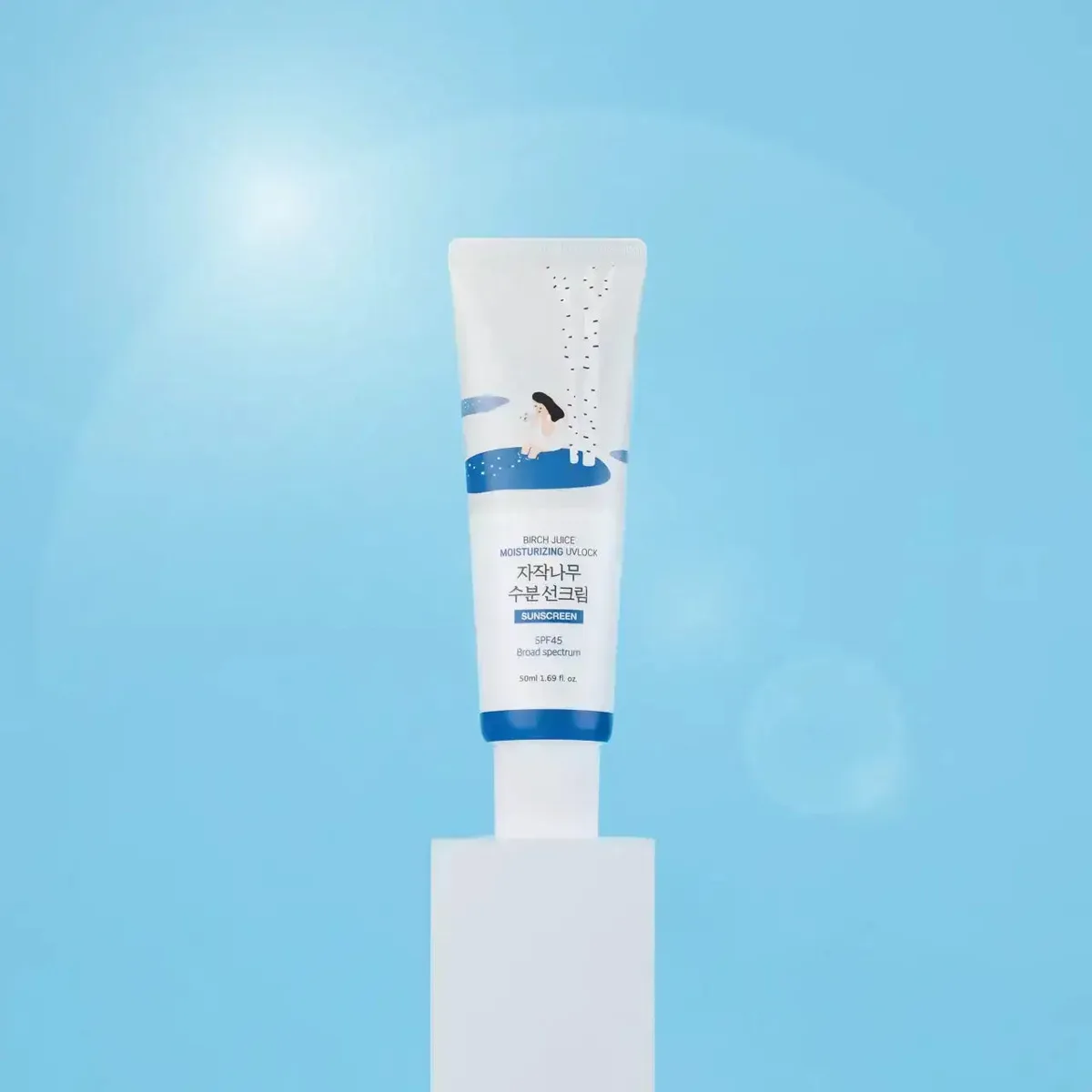
 Birch Juice Moisturizing Sun Cream SPF 50+
One of the best hybrid sunscreens in K-beauty right now — a 70% birch sap base, modern UVA filters you can't get in the US, and a finish that wears like a lightweight moisturizer. Broadly compatible, well-priced, and genuinely pleasant to apply, with minor tradeoffs for oily and fungal-acne-prone users.
 The K-Beauty Sunscreen That Changed Everything
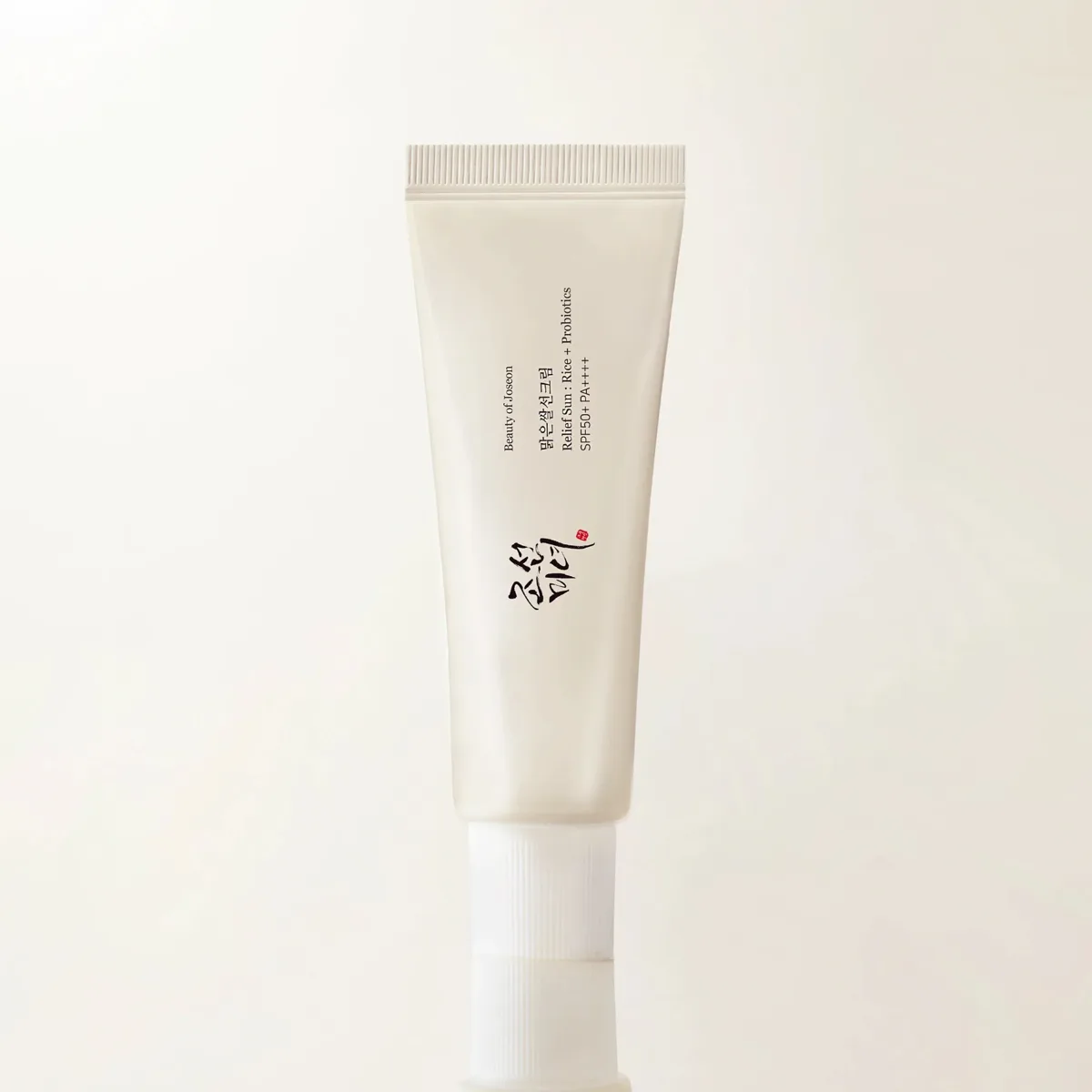
 Relief Sun: Rice + Probiotics SPF 50+
The sunscreen that rewrote the rules for what a $14 product could deliver. With independently verified SPF 50+, 30% rice extract, niacinamide, and a probiotic ferment complex, it offers protection and skincare benefits that rival products three times its price. The texture that feels like wearing nothing on your face is the reason it went viral — and stayed there.