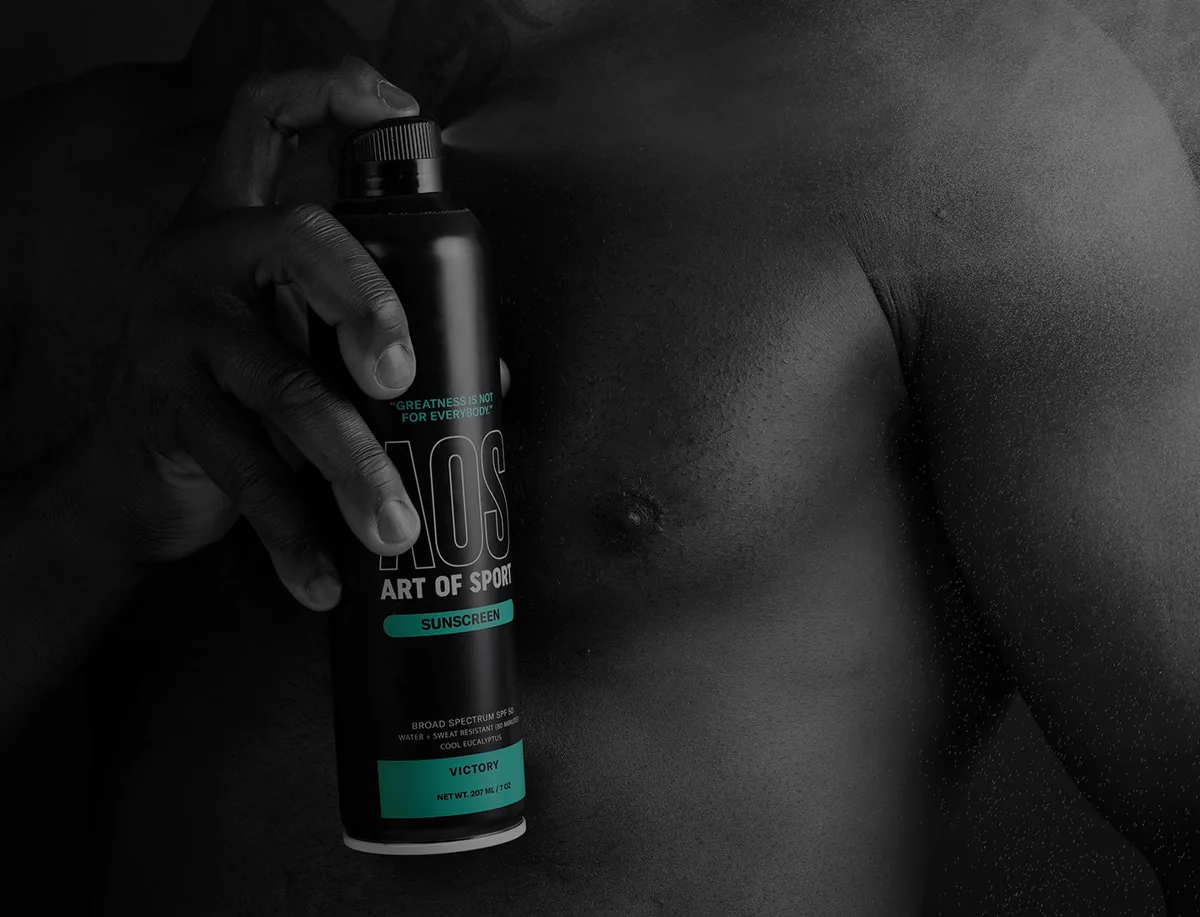
Art of Sport's Skin Armor is one of the better sport sunscreens at any price — and it's a drugstore product. Avobenzone is maxed at 3%, photostabilized by 8% octocrylene, and locked in by a real water-resistance polymer. The fragrance and alcohol denat keep it out of sensitive-skin territory, but for athletes who actually sweat, it earns the name.
Skin Armor SPF 50 Sunscreen
Art of Sport's Skin Armor is one of the better sport sunscreens at any price — and it's a drugstore product. Avobenzone is maxed at 3%, photostabilized by 8% octocrylene, and locked in by a real water-resistance polymer. The fragrance and alcohol denat keep it out of sensitive-skin territory, but for athletes who actually sweat, it earns the name.
Score Breakdown
Where this product gains points and where it loses them — broken down across the four scoring pillars.
A genuinely well-built sport chemical sunscreen with maxed avobenzone, photostabilization, and trustworthy water resistance at a drugstore price. Loses points on fragrance, alcohol, and the absence of newer-generation UVA filters available outside the US.
Pros & Cons
- ✓Avobenzone maxed at 3% for proper UVA coverage
- ✓8% octocrylene fully photostabilizes the avobenzone
- ✓Polymer film holds up across sweat — doesn't sting eyes
- ✓80-minute water resistance that genuinely holds
- ✓Lightweight matte finish with no white cast on any skin tone
- ✓Drugstore price for clinical-grade formula chemistry
- ✓Independently chemist-reviewed and validated
- ✗Contains alcohol denat that can dry out sensitive skin
- ✗Fragrance rules it out for fragrance-avoidant users
- ✗Limited to US-approved filters — no newer UVA1-specific options
- ✗5 oz tube empties quickly with full-body daily use
- ✗Not the best fit for daily face SPF on reactive skin
Full Review
The story of how Art of Sport's sunscreen came to exist is more interesting than most drugstore product origin stories. The brand launched in 2018 out of Los Angeles, co-founded with Kobe Bryant alongside a group of professional athletes from across multiple sports, and built around an observation that the sport body care category was full of products that didn't actually understand sport. Drugstore aisles were dominated by generic sunscreens that were either greasy enough to slide off a forearm during a tennis serve, or so heavily mineralized they left a chalky white film on every melanated athlete who tried to wear them. The dermatology aisle had clinical brands that worked but weren't designed for sweat, and weren't priced for daily reapplication on a full body. The middle ground — performance sport, clean ingredients, drugstore price — barely existed. Skin Armor was the line's answer, and seven years in, it remains one of the genuinely well-built formulas in its category. The active ingredient panel is where the formula's seriousness becomes obvious. Avobenzone is dosed at 3%, the maximum allowed in the United States, which is the single most important detail in any chemical sunscreen with a broad-spectrum claim. The reason matters: avobenzone is the only US-approved filter that meaningfully covers the UVA1 range associated with photoaging and pigment darkening, and a sunscreen that under-doses it is essentially a UVB-only product wearing UVA clothing. Many drugstore sport sunscreens dose avobenzone at 2% or 2.5% to save formulation cost and accept a weaker UVA profile. Art of Sport doesn't. Then comes the photostability problem. Avobenzone is famously unstable under sunlight on its own — it can lose more than half its protective capacity within an hour of UV exposure, which is exactly the wrong property for a sunscreen designed for outdoor sport. The fix has been known for two decades: pair avobenzone with octocrylene at adequate concentration, and the avobenzone stays intact. Skin Armor uses octocrylene at 8%, well above the threshold for stabilization, and the choice is what makes the broad-spectrum claim trustworthy in real-world conditions. Octisalate at 5% rounds out the active panel, contributing UVB filtering and acting as a co-solvent that helps disperse the other oil-soluble filters into a uniform film. Even film application, more than any single active concentration, is what determines whether labeled SPF actually translates to real-world protection. The water-resistance side of the formula is built around an acrylates/octylacrylamide copolymer film former, which is what earns the 80-minute water-resistance designation on the label. This is the polymer responsible for the genuinely impressive thing about this sunscreen: it doesn't migrate into your eyes when you sweat. Anyone who has tried to play tennis or run a 10K in a chemical sunscreen knows the experience of the actives slowly stinging their way into the eye area until they have to stop and wipe. Skin Armor's film holds the filters in place across sweat exposure, and the user reviews consistently bear this out — 'doesn't sting my eyes' is one of the most-cited praise points on Amazon and Target. The texture is the other thing the formula gets right. It applies as a lightweight white lotion, spreads thin, and absorbs to a near-matte finish in under a minute — no greasy residue, no shine, no white cast. This is achieved partly through the alcohol denat in the formula, which evaporates on application and helps the film set quickly, and partly through the polymer system. The alcohol is also the formula's clearest compromise: it's effective for the texture goal but adds a minor irritation risk for sensitive skin. The fragrance is the other point of debate. It's a clean, sport-cologne style scent — not the tropical-coconut default of beach sunscreens — and it's noticeable but not overwhelming. For most users it reads as 'fresh,' for fragrance-sensitive users it's a no. The honest limitations are these. The formula is built for athletes with non-sensitive skin who want protection that holds up under sweat — it is not a daily face SPF for someone with rosacea or compromised barrier. The alcohol and fragrance combination puts it out of reach for very reactive skin types. The actives are the standard US-approved chemical filters, which means it can't compete with newer-generation Asian and European sunscreens on UVA1 coverage from filters like Tinosorb S or Uvinul A Plus. And the 5 oz tube goes faster than you'd expect when you're using it on full body — the brand sells larger sizes and a spray, which are worth tracking down if you use this regularly. What makes this product genuinely worth recommending is the build quality at the price. At around $13 for a 5 oz tube, you're getting a sport sunscreen that any clinical brand would charge $25-30 for, with active concentrations and photostabilization choices that rival the best in the category. The independent chemist review at My Dad The Chemist publicly walked through the formula and concluded it would meet its SPF 50 claim — a vote of confidence that drugstore sport sunscreens rarely earn. Kobe is gone, but the brand's commitment to the original thesis seems to have held. For someone who needs a sunscreen that earns its name on a tennis court, a beach run, or a long bike ride, Skin Armor is one of the easier recommendations in the category.
Formula
Key Ingredients
The hero actives that drive this product's performance.
| Ingredient | Function | Evidence |
|---|---|---|
| Avobenzone 3% (3%) | The only meaningful UVA filter in this formula and the reason it qualifies as broad-spectrum. Maxed at 3% — the highest concentration allowed in the US — which is exactly what you want from a chemical sunscreen designed to hold up under outdoor sport. Stabilized here by octocrylene to prevent the photodegradation avobenzone is notorious for. | well-established |
| Octocrylene 8% (8%) | Provides UVB and short UVA coverage and, more importantly, photostabilizes the avobenzone so it doesn't break down during a multi-hour outdoor session. This is the structural choice that makes the broad-spectrum claim trustworthy in real-world conditions. | well-established |
| Octisalate 5% (5%) | A mild UVB filter that boosts SPF and acts as a co-solvent that helps disperse the other oil-soluble filters evenly across the skin. In a sport sunscreen the even film is what determines whether the labeled SPF actually translates to real-world protection. | well-established |
| Acrylates/Octylacrylamide Copolymer | The water-resistance polymer responsible for the 80-minute water-resistance claim. It forms a flexible film that holds the active filters in place across sweat and water exposure — the single ingredient most responsible for whether this product earns its 'sport' positioning. | well-established |
| Aloe + Avocado Oil + Vitamin E | A small soothing and antioxidant package that softens the post-application feel and adds some free-radical defense beyond UV protection. They're cosmetic supporting cast members rather than primary actives, but they help this sunscreen feel less drying than the average chemical sport formula. | well-established |
Full INCI List
Active Ingredients: Avobenzone 3%, Octocrylene 8%, Octisalate 5%. Inactive Ingredients: Water, Acrylates/Octylacrylamide Copolymer, Diisopropyl Adipate, Butyloctyl Salicylate, Dicaprylyl Ether, Aloe Barbadensis Leaf Juice, Persea Gratissima (Avocado) Oil, Tocopheryl Acetate, Cetyl PEG/PPG-10/1 Dimethicone, Propylene Glycol, Phenoxyethanol, Benzoic Acid, Ethylhexylglycerin, Glycereth-2 Cocoate, Octyldodecyl Stearoyl Stearate Crosspolymer, Fragrance, Disodium EDTA, Sodium Chloride
Product Flags
✗ Fragrance Free✗ Alcohol Free✓ Oil Free✗ Silicone Free✓ Paraben Free✓ Sulfate Free✓ Cruelty Free✗ Vegan✗ Fungal Acne Safe
Potential Irritants
fragranceoctocrylene
Common Allergens
fragrance
Compatibility
Skin Match
Best For
Works For
Not Ideal For
Addresses These Conditions
Use With Caution
Avoid With
Routine Step
sunscreen
Time of Day
AM
Pregnancy Safe
Unknown
Layering Tips
Apply as the final morning step on the face and as a body sunscreen 15 minutes before sun exposure. Reapply every two hours and immediately after swimming, towel-drying, or heavy sweating. Use approximately a quarter-sized amount for the face and a shot-glass amount for the body.
Results Timeline
Immediate: protects against UV damage from the first application. Short-term (over a season): cumulative protection from sunburn, photoaging, and pigment darkening. Full benefits (years): reduced lifetime sun damage and lower skin cancer risk with consistent use.
Pairs Well With
lightweight moisturizerspost-workout body lotionantioxidant serums under face application
Sample AM Routine
- Body wash
- Lightweight moisturizer (face)
- THIS PRODUCT (face and body)
Evidence
Science & Expert Perspective
The Science
The case for this sunscreen is built on three well-understood principles in photoprotection. First, avobenzone is the only US-approved chemical filter that provides meaningful UVA1 coverage in the 340-400 nm range, where photoaging and pigment-driving wavelengths sit. Maxing it at 3% is the most efficient single decision a US sport sunscreen can make for broad-spectrum performance. Second, avobenzone's instability under UV exposure is well-documented — a 2004 paper in Photochemistry and Photobiology by Marais and colleagues showed that unstabilized avobenzone can lose more than 50% of its UVA-filtering capacity within an hour of sunlight exposure. The fix, also well-documented, is to pair it with octocrylene, which acts as a triplet-state quencher and keeps the avobenzone in its filtering form across the labeled wear time. The 8% octocrylene in Skin Armor sits comfortably above the threshold needed for full stabilization. Third, water resistance in a sport sunscreen is a function of the film-forming polymer holding the active filters in place. Acrylates/octylacrylamide copolymer is a workhorse in this category and has been validated in standardized FDA water-resistance testing for 80-minute claims. The combination of these three structural choices is what makes the formula's broad-spectrum and water-resistant claims trustworthy in real-world athletic conditions. The supporting cast — aloe, avocado oil, and tocopheryl acetate — contributes mild antioxidant and emollient effects but is not the structural reason this sunscreen performs. Independent chemist review at My Dad The Chemist publicly walked through the formula and concluded it should meet its SPF 50 label claim, a useful third-party check on a category where claims often outpace performance.
References
- Photostability and Efficacy Studies of Topical Formulations Containing UV-Filters Combination and Vitamins A, C and E — International Journal of Pharmaceutics (2007)
Dermatologist Perspective
Dermatologists generally regard properly photostabilized chemical sunscreens with maxed avobenzone as legitimate broad-spectrum options for athletes and outdoor enthusiasts who don't tolerate mineral sunscreens well. Board-certified dermatologists note that the combination of 3% avobenzone with adequate octocrylene reflects current understanding of avobenzone stabilization, and that a well-formulated water-resistant film is more important than any single active for sport performance. Caution is typically advised for patients with rosacea, sensitive skin, or compromised barriers, where the alcohol denat and fragrance in formulas like this one can compound irritation. For daily face use on sensitive skin, dermatologists often recommend a dedicated mineral or hybrid face SPF instead, and reserve sport chemical sunscreens for actual sport occasions.
Guidance
Usage Guide
How to Use
Apply liberally 15 minutes before sun exposure to all areas that will be exposed — about a quarter-sized amount for the face and a shot-glass amount for the body. Smooth in evenly, paying attention to commonly missed spots like ears, the back of the neck, and the tops of feet. Reapply every two hours during outdoor exposure and immediately after swimming, towel-drying, or heavy sweating. The 80-minute water-resistance window does not extend the two-hour reapplication interval — it just means the sunscreen is still working through that window if you've been in the water.
Value Assessment
At around $13 for a 5 oz tube, this sunscreen is one of the strongest drugstore values in the sport SPF category. A clinical brand with comparable active percentages and photostabilization typically charges $25-30 for the same volume. The brand also offers a larger tube and a spray version — both are worth tracking down if you use this on full body daily, since the 5 oz size empties faster than you'd expect at proper application amounts. For face-only or face-and-arms use, the 5 oz lasts a full season and the per-use cost is excellent. There's no premium being charged for the celebrity co-founder branding, which is the rare case where the marketing story doesn't translate to a price tax.
Who Should Buy
Athletes, runners, cyclists, swimmers, tennis players and anyone who needs a sunscreen that holds up under heavy sweat without migrating into the eyes. Also a good fit for budget-conscious users who want clinical-grade formulation chemistry at a drugstore price.
Who Should Skip
People with rosacea, sensitive skin, or compromised barriers who react to alcohol or fragrance, and those who prefer mineral sunscreens. For daily office wear on reactive face skin, a dedicated mineral or hybrid face SPF is a more comfortable choice.
Ready to try Art of Sport Skin Armor SPF 50 Sunscreen?
Details
Details
Texture
Lightweight white lotion that spreads thin and absorbs to a non-greasy, almost dry finish
Scent
Light, fresh sport-fragrance — clean and masculine-leaning rather than coconut-tropical
Packaging
Standard squeeze tube with flip cap — practical, not premium
Finish
non-greasylightweightmatte
What to Expect on First Use
Glides on without the heavy slick of older sport sunscreens. Most users notice it disappears into the skin within a minute and doesn't reappear as a sticky film during workouts. The first hot day is the real test — this formula holds up where many drugstore sport sunscreens slide off into the eyes.
How Long It Lasts
About 1-2 weeks for daily full-body application, longer for face-only or face-and-arms use
Period After Opening
12 months
Best Season
All Year
Certifications
Reef-friendly (oxybenzone-free, octinoxate-free)
Background
The Why
Art of Sport launched in 2018 out of Los Angeles, co-founded with Kobe Bryant, the late Lakers legend, alongside a roster of professional athletes from sports as varied as basketball, baseball and tennis. The brand was built around the observation that performance body care was either dermatologist-clinical or generic drugstore — and that there was no middle ground for athletes who wanted clean ingredient lists in formulas designed for actual sweat. The sunscreen has been the line's most consistently reviewed product since launch.
About Art of Sport Established Brand (5–20 years)
Art of Sport launched in 2018 as a Los Angeles-based men's body care brand co-founded with Kobe Bryant and other professional athletes. While not dermatologist-developed, the line is positioned around sport-specific performance and the sunscreen has held up to independent chemist review since launch.
Brand founded: 2018 · Product launched: 2018
Myth vs. Reality
Myths & Misconceptions
Myth
Sport sunscreens are too greasy to wear under sports gear or on the face.
Reality
This formula is specifically built around a quick-drying film-former that absorbs to a near-matte finish. It wears comfortably under jerseys, helmets and sunglasses without the slimy migration that plagues older sport sunscreens.
Myth
Chemical sunscreens break down too fast to be reliable for outdoor sport.
Reality
Avobenzone alone does break down quickly, but properly photostabilized avobenzone — paired with 8% octocrylene as it is here — maintains its UVA filtering across the labeled water-resistance window. The chemistry is well-understood and supported by stability testing.
FAQ
Frequently Asked Questions
Will it sting my eyes when I sweat?
Most users report it doesn't, which is unusual for a chemical sport sunscreen. The water-resistance polymer holds the filters in place across heavy sweat, so the actives don't migrate into the eye area the way they do with looser formulas.
Is it reef-safe?
It's oxybenzone-free and octinoxate-free, which is the standard most reef-friendly definitions use. It does still contain octocrylene and avobenzone, which some Hawaii and Florida regulations may not classify as 'reef-safe' depending on jurisdiction. If you're swimming in a strict regulated area, check local guidance.
Can I use it on my face?
Yes, and it works well on face for outdoor sport. Some users with sensitive face skin find the alcohol denat and fragrance irritating for daily face use; if you're using it only on workout days, it's fine for most people. For everyday office wear, a dedicated face SPF is more comfortable.
Does it leave a white cast?
No — the entirely chemical filter system means there's no zinc or titanium dioxide to leave a white film. It absorbs invisibly on all skin tones, which is one of the consistent praise points in user reviews.
How often do I need to reapply?
Every two hours during outdoor exposure, and immediately after swimming, towel-drying, or significant sweating. The 80-minute water-resistance claim means the sunscreen is still working through that window, but it doesn't extend the two-hour reapplication interval.
Is the alcohol bad for my skin?
Alcohol denat in a sunscreen helps the lotion dry quickly to a non-greasy finish, which is a legitimate formulation choice for sport. It's not at high enough concentration to be irritating for most users, but if your skin specifically reacts to alcohol-containing sunscreens, this isn't the one for you.
Is it safe for kids?
It meets US FDA OTC sunscreen requirements and is rated for general use, but the brand markets it for adults and athletes. For kids, a dedicated mineral kids' sunscreen is generally a more conservative choice.
Community
Community Voices
Common Praise
"holds up under heavy sweating"
"no white cast"
"lightweight non-greasy finish"
"doesn't sting eyes during workouts"
Common Complaints
"fragrance is divisive"
"5 oz tube goes fast for full-body use"
"contains alcohol denat which some users dislike"
Notable Endorsements
Independent chemist review (My Dad The Chemist)Backed by professional athletes including Kobe Bryant
Appears In
best sport sunscreen best sunscreen for sweating best spf 50 for athletes best drugstore sport sunscreen
Related Conditions
Related Ingredients
You Might Also Like
 Derm Office Staple
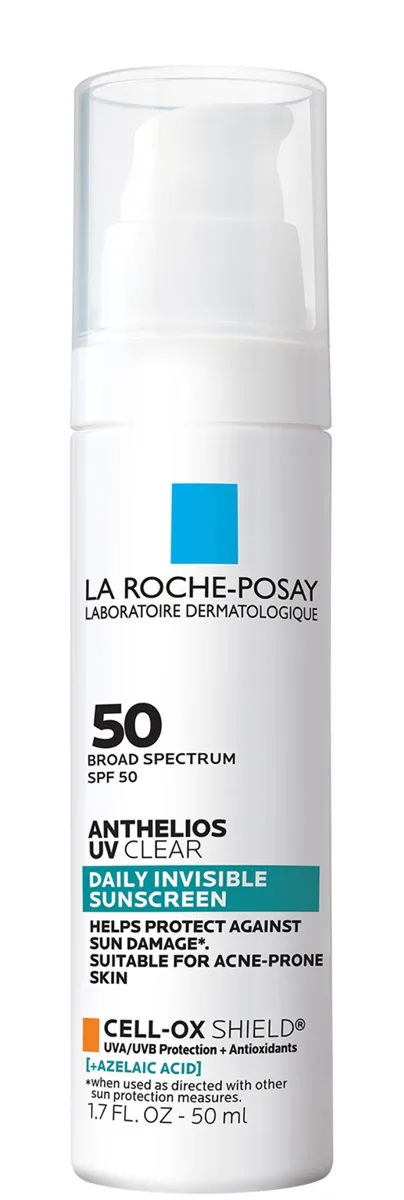
 Anthelios UV Clear Sunscreen SPF 50
One of the only US chemical sunscreens that genuinely earns its 'for sensitive and breakout-prone skin' positioning. A photostable Anthelios filter system paired with a legitimate azelaic acid dose in a lightweight serum-fluid that disappears on every skin tone. Excellent for rosacea, acne, and post-inflammatory hyperpigmentation — and probably the single best daily sunscreen in the La Roche-Posay US lineup for those conditions.
 K-Beauty Daily SPF Standout
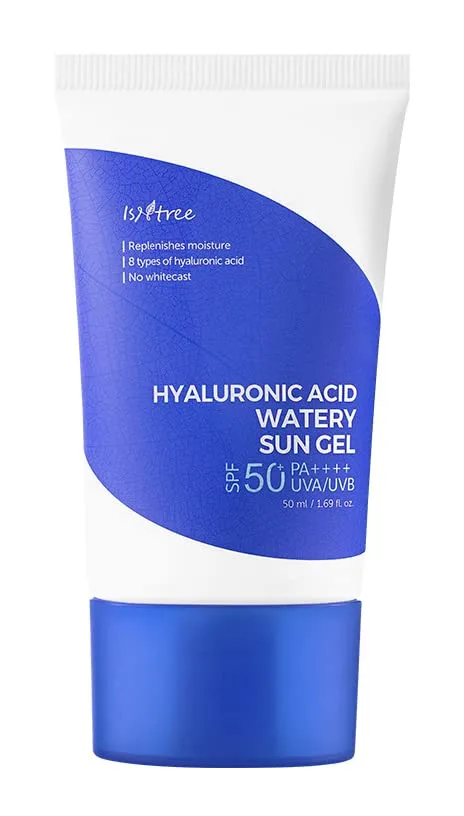
 Hyaluronic Acid Watery Sun Gel SPF 50+
One of the strongest everyday K-beauty sunscreens in the international market — modern European filters, no white cast, fragrance-free, niacinamide-boosted, and built around the brand's signature six-weight HA complex. At twenty-two dollars for 50ml, it's a case study in how much better a daily sunscreen can be when the formulator cares about both protection and wearability.
 Derm Office Staple
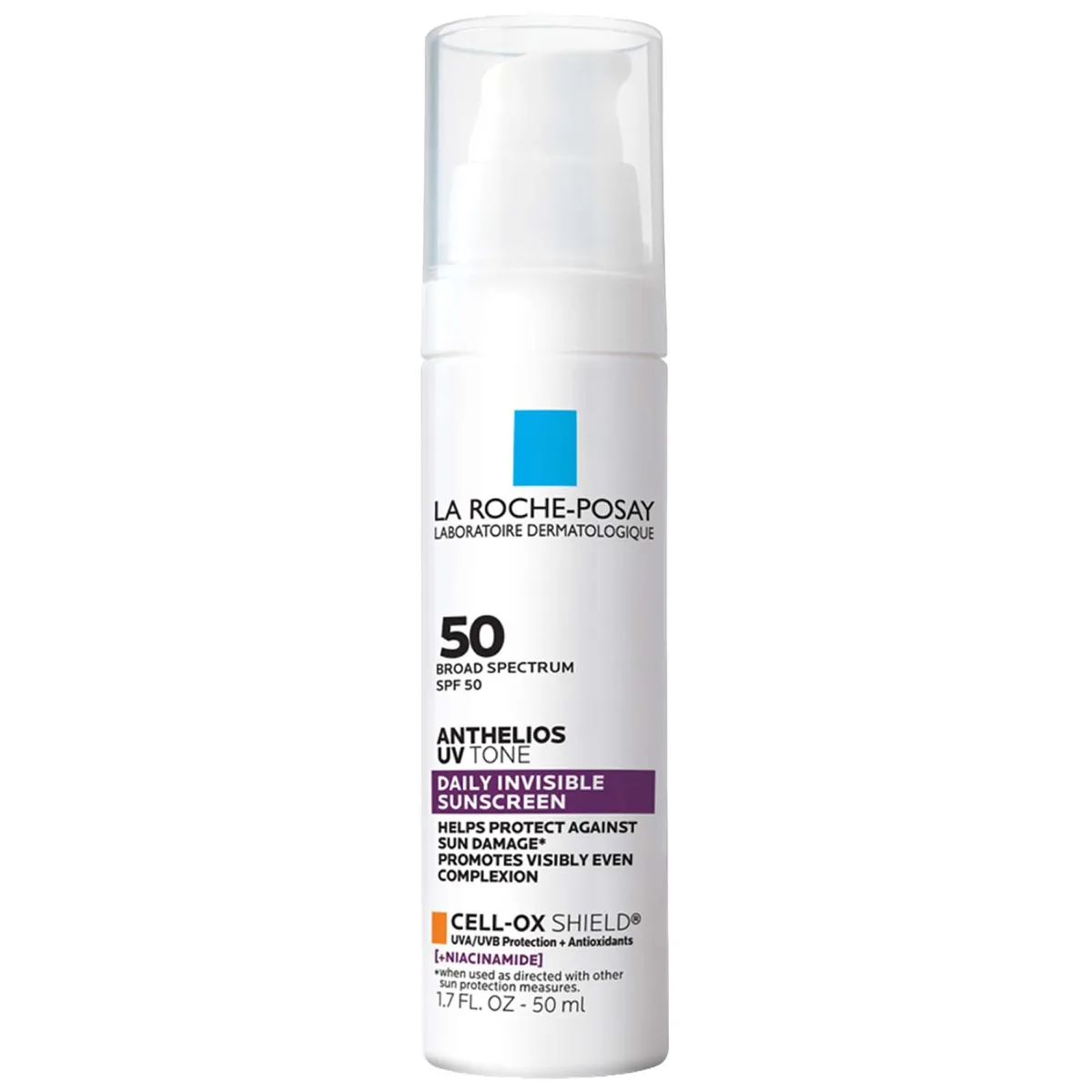
 Anthelios UV Tone Daily Invisible Sunscreen SPF 50
La Roche-Posay's most thoughtful answer yet for hyperpigmentation-prone skin that needs daily SPF. A photostable avobenzone system reinforced with Oxynex ST, paired with a meaningful dose of niacinamide, in a serum-fluid base that goes on invisible on every skin tone. Expensive for 1.7 oz but legitimately well-built — and a rare chemical sunscreen that earns its 'for dark spots' marketing.
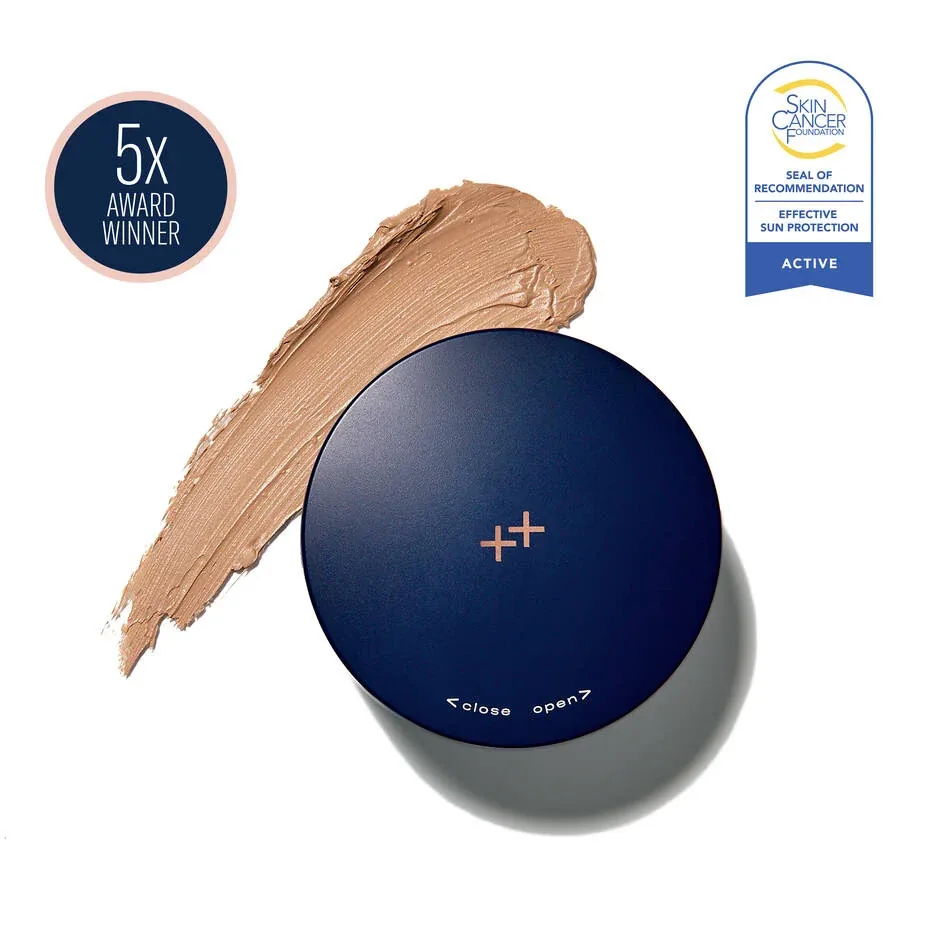 Melasma-Grade Mineral Sunscreen
 sunbetter TONE SMART SPF 68
One of the most clinically useful tinted mineral sunscreens in the professional category. SPF 68 from a 100% mineral formula, iron oxide tint that blocks visible light for melasma protection, and an unusually lightweight texture that doesn't feel like you're wearing high-concentration zinc. For patients with melasma or post-inflammatory hyperpigmentation, this is the category benchmark — and it's earned its Allure Best of Beauty wins.
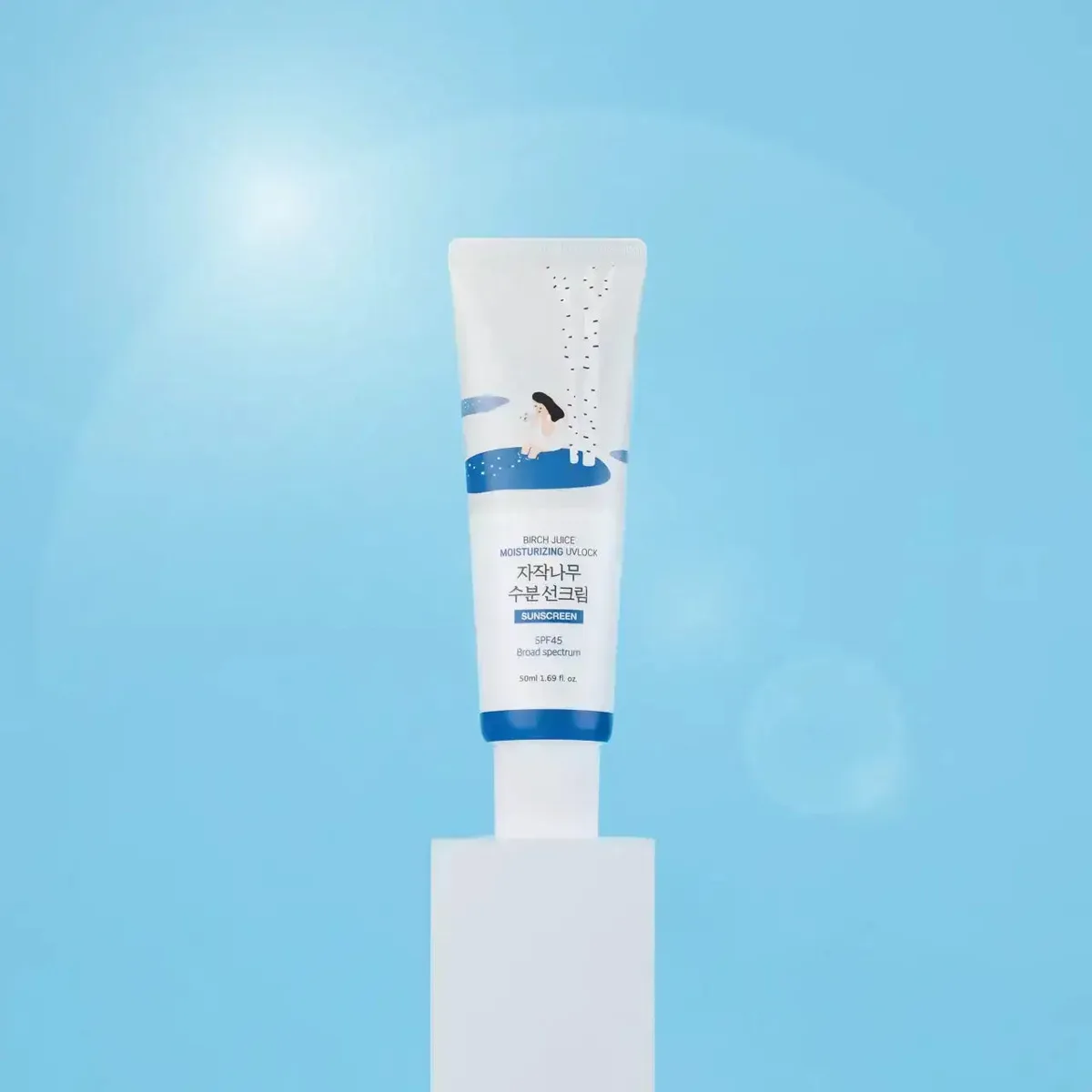 K-Beauty Cult Favorite
 Birch Juice Moisturizing Sun Cream SPF 50+
One of the best hybrid sunscreens in K-beauty right now — a 70% birch sap base, modern UVA filters you can't get in the US, and a finish that wears like a lightweight moisturizer. Broadly compatible, well-priced, and genuinely pleasant to apply, with minor tradeoffs for oily and fungal-acne-prone users.
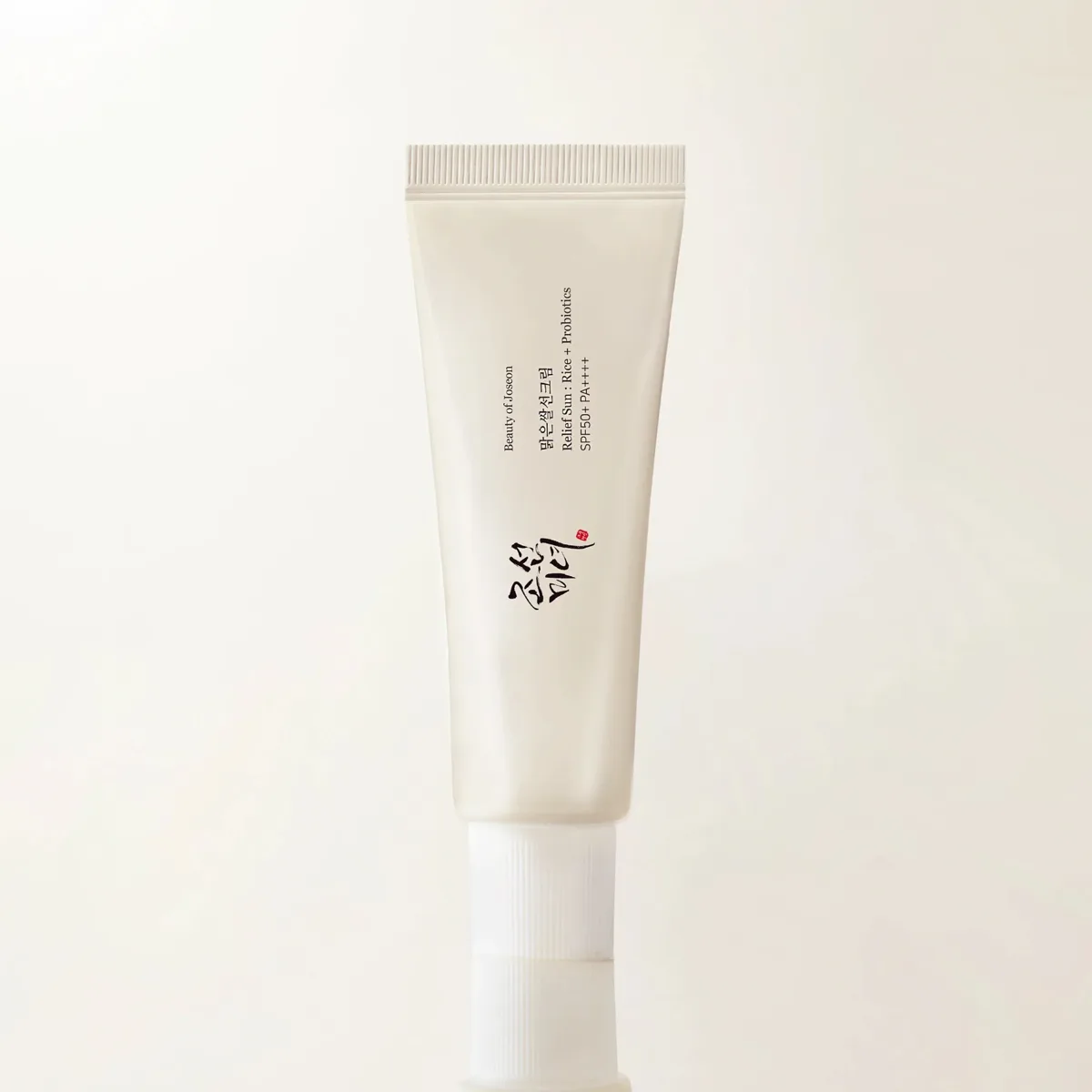 The K-Beauty Sunscreen That Changed Everything
 Relief Sun: Rice + Probiotics SPF 50+
The sunscreen that rewrote the rules for what a $14 product could deliver. With independently verified SPF 50+, 30% rice extract, niacinamide, and a probiotic ferment complex, it offers protection and skincare benefits that rival products three times its price. The texture that feels like wearing nothing on your face is the reason it went viral — and stayed there.