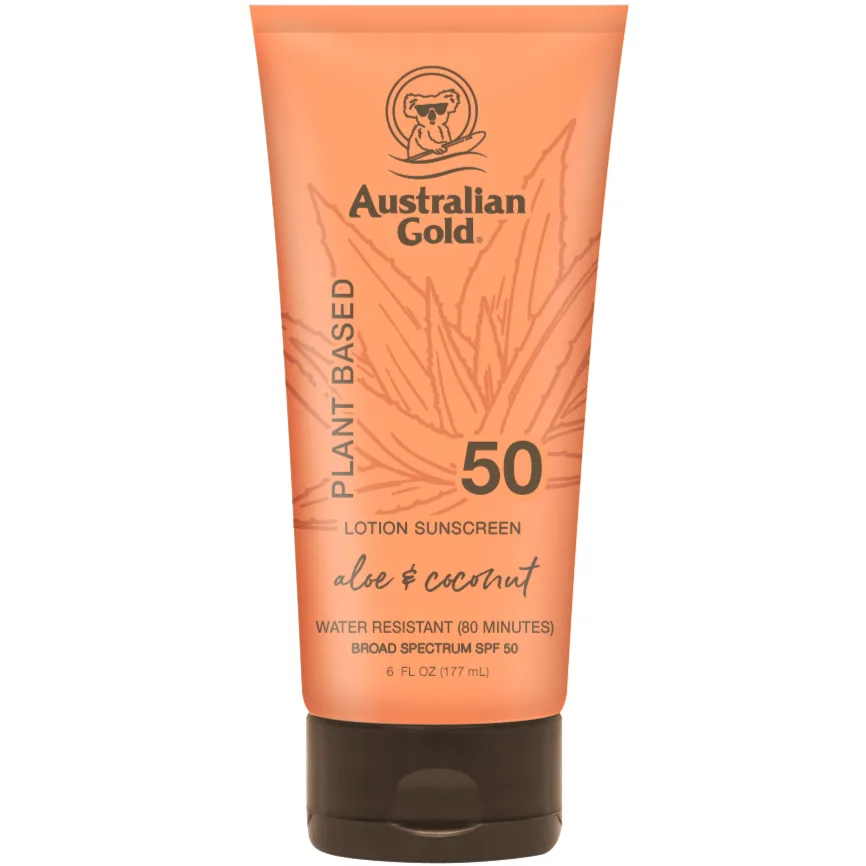
A genuinely affordable chemical sunscreen that backs up its plant-based branding with real botanical content — aloe vera as the primary base and coconut oil for moisturizing emollience. It is not revolutionary, but at under $12 for 6 ounces of fragrance-free, vegan SPF 50 protection, it does not need to be.
Plant Based SPF 50 Lotion
A genuinely affordable chemical sunscreen that backs up its plant-based branding with real botanical content — aloe vera as the primary base and coconut oil for moisturizing emollience. It is not revolutionary, but at under $12 for 6 ounces of fragrance-free, vegan SPF 50 protection, it does not need to be.
Score Breakdown
Where this product gains points and where it loses them — broken down across the four scoring pillars.
An extremely affordable chemical sunscreen with good broad-spectrum coverage and pleasant plant-based extras. The standard chemical filter system is effective but not innovative, and the chemical actives may irritate sensitive skin — but the value is hard to beat.
Pros & Cons
- ✓Exceptional value — under $12 for 6 fl oz of broad-spectrum SPF 50 protection
- ✓Aloe vera as primary base provides genuine soothing and hydration beyond typical sunscreens
- ✓Zero white cast — absorbs completely invisible on all skin tones
- ✓Fragrance-free, vegan, and Leaping Bunny certified cruelty-free
- ✓Lightweight lotion texture spreads easily over large body areas
- ✓Moisturizing coconut oil vehicle doubles as a light body moisturizer
- ✗Chemical UV filters may irritate very sensitive or rosacea-prone skin
- ✗Coconut oil is comedogenic and may trigger body acne in prone individuals
- ✗Standard chemical filter system — no innovative UV protection technology
- ✗Homosalate at 10% maximum concentration has drawn scrutiny from European regulators
- ✗Water resistance may not hold up as well as mineral alternatives during intense swimming
Full Review
The term 'plant-based' has become one of those marketing phrases that can mean almost anything or almost nothing, depending on who is using it. In the sunscreen aisle, where the real work is done by UV-absorbing molecules synthesized in laboratories, calling a product plant-based invites reasonable skepticism. Australian Gold's Plant Based SPF 50 Lotion deserves credit for being more honest about this than most: the UV filters are entirely chemical (avobenzone, homosalate, octisalate, octocrylene), and the plant-based claim refers to what surrounds them.
That surrounding vehicle, to be fair, delivers on the promise. Aloe vera juice appears as the first inactive ingredient — not water with a splash of aloe extract buried at the bottom of the list, but aloe as the primary liquid base. Coconut oil provides the emollient layer, replacing the petroleum-derived moisturizers and silicones that constitute the backbone of most sunscreen vehicles. The difference is subtle on application but noticeable over a day of wear: this sunscreen leaves the skin feeling genuinely moisturized rather than merely coated.
The UV filter system is straightforward and proven. Avobenzone at 3% handles UVA absorption, stabilized by octocrylene at 5% to prevent the photodegradation that avobenzone is prone to. Homosalate at 10% — its maximum allowed concentration — provides the primary UVB absorption, supported by octisalate at 5% for additional UVB coverage. This is a well-established four-filter combination used in countless chemical sunscreens, and it achieves reliable broad-spectrum SPF 50 protection. It is not innovative, but it works.
The application experience is where this sunscreen earns its place in the everyday rotation. It spreads easily over large body areas with none of the drag or pilling that mineral sunscreens can produce. It absorbs completely within about a minute, leaving no white cast on any skin tone — a significant advantage over mineral formulas for users with medium to deep complexions. The slightly hydrating finish comes from the coconut oil and aloe, and on dry skin particularly, this sunscreen pulls double duty as a light body moisturizer.
For a fragrance-free sunscreen, the sensory experience is unexpectedly pleasant. There is no chemical sunscreen smell, no perfume overlay, just a clean, barely-there product scent that fades within minutes. The vegan and Leaping Bunny cruelty-free certifications add ethical checkmarks that align with the plant-based positioning, and unlike many budget sunscreens, these are not empty marketing claims — the certifications are verified.
The limitations are inherent to the category rather than specific to the formulation. Chemical UV filters can sting sensitive skin, particularly around the eyes. Homosalate at 10% is a robust concentration that, while FDA-approved and widely used, has drawn some scrutiny from European regulators regarding long-term systemic absorption. The coconut oil, while an excellent body emollient, is comedogenic and could trigger breakouts on acne-prone skin if used on the body areas where breakouts occur.
The water resistance claim deserves realistic expectations. This is rated for 80 minutes of water resistance, which means it maintains SPF protection during swimming or sweating for that duration. In practice, toweling off removes the sunscreen regardless of the rating, and reapplication after any water activity is non-negotiable.
The value proposition is where this product genuinely shines. At approximately $12 for 6 fluid ounces of SPF 50 protection, this is among the most affordable sunscreens available that also checks the fragrance-free, vegan, and cruelty-free boxes. For families buying sunscreen in bulk for summer, for everyday commuters who want daily body protection without a premium price, and for anyone who simply wants reliable sun protection without paying for marketing, this delivers exactly what it promises.
Australian Gold has been making sun care products for four decades, and this Plant Based line shows a brand that understands where the market is heading without losing sight of what matters most: effective UV protection at a price point that encourages people to actually use enough of it. The plant-based ingredients genuinely improve the user experience. The UV protection is standard but reliable. And the price makes the decision easy.
Formula
Key Ingredients
The hero actives that drive this product's performance.
| Ingredient | Function | Evidence |
|---|---|---|
| Avobenzone (3%) | The UVA workhorse in this four-filter chemical system, absorbing the long-wave UV radiation most responsible for photoaging and hyperpigmentation. Stabilized in this formula by octocrylene, which prevents avobenzone's natural photodegradation during prolonged sun exposure. | well-established |
| Homosalate (10%) | The primary UVB filter at the maximum allowed concentration, providing the backbone of the SPF 50 rating. Works in concert with octisalate to cover the full UVB spectrum and boost the overall protection factor. | well-established |
| Aloe Barbadensis Leaf Juice | Listed first among inactive ingredients, indicating a significant concentration in this formula. Provides anti-inflammatory soothing and hydration that counterbalances the potential drying effects of the chemical UV filters, while supporting the 'plant-based' positioning with genuine skin benefits. | well-established |
| Coconut Oil | Provides emollient fatty acids that keep the skin moisturized during extended sun exposure, contributing to the lotion's smooth spreadability. The medium-chain triglycerides in coconut oil absorb quickly without leaving the heavy, greasy feeling associated with many body sunscreens. | well-established |
| Tocopheryl Acetate | A stabilized vitamin E derivative providing antioxidant protection that supplements the UV filter system, scavenging free radicals generated by UV exposure that penetrate even through the chemical sunscreen barrier. | well-established |
Full INCI List
Active Ingredients: Avobenzone (3.0%), Homosalate (10.0%), Octisalate (5.0%), Octocrylene (5.0%). Inactive Ingredients: Aloe Barbadensis Leaf Juice, Water, Cocos Nucifera (Coconut) Oil, Glycerin, Tapioca Starch, VP/Acrylates/Lauryl Methacrylate Copolymer, Phenoxyethanol, Acrylic Acid/VP Crosspolymer, Sodium Hydroxide, Caprylyl Glycol, Polyacrylate-13, Ethylhexylglycerin, Tocopheryl Acetate, Tetrasodium Glutamate Diacetate, Polyisobutene, Polymethylsilsesquioxane, Polysorbate 20.
Product Flags
✓ Fragrance Free✓ Alcohol Free✗ Oil Free✓ Silicone Free✓ Paraben Free✓ Sulfate Free✓ Cruelty Free✓ Vegan✗ Fungal Acne Safe
Comedogenic Ingredients
Cocos Nucifera (Coconut) Oil
Potential Irritants
AvobenzoneHomosalateOctisalateOctocrylene
Compatibility
Skin Match
Best For
Works For
Not Ideal For
Addresses These Conditions
Use With Caution
Routine Step
sunscreen
Time of Day
AM
Pregnancy Safe
Yes ✓
Layering Tips
Apply generously to all exposed skin 15 minutes before sun exposure. This lotion-weight formula spreads easily over large body areas. Reapply every 2 hours or immediately after swimming, sweating, or toweling off.
Results Timeline
Immediate broad-spectrum UV protection upon application. The aloe vera and coconut oil provide concurrent skin hydration. Consistent daily use helps prevent cumulative sun damage, photoaging, and reduces skin cancer risk.
Pairs Well With
After-sun aloe gelLightweight body moisturizer in the evening
Sample AM Routine
- Body moisturizer if needed
- THIS PRODUCT on all exposed skin
- Reapply every 2 hours
Sample PM Routine
- Cleanse to remove sunscreen
- Body moisturizer if desired
Evidence
Who Should Skip
- Chemical UV filters may irritate very sensitive or rosacea-prone skin
- Coconut oil is comedogenic and may trigger body acne in prone individuals
- Standard chemical filter system — no innovative UV protection technology
- Homosalate at 10% maximum concentration has drawn scrutiny from European regulators
Science & Expert Perspective
The Science
This sunscreen uses a conventional four-filter chemical UV system. Avobenzone (3%) is the sole UVA filter, providing peak absorption at 357 nm — squarely in the UVA I range most responsible for photoaging, immunosuppression, and long-wave DNA damage. Its well-documented photostability issue (it degrades under the very UV light it absorbs) is addressed here by octocrylene (5%), which acts as both a UVB filter and an avobenzone photostabilizer by quenching the triplet-state avobenzone before it can break down.
Homosalate (10%) and octisalate (5%) cover the UVB range (290-320 nm), with homosalate at its maximum FDA-allowed concentration providing the bulk of the SPF rating. A 2020 FDA maximal usage trial published in JAMA found that homosalate, along with other chemical filters, was absorbed systemically above the FDA's threshold for requiring additional safety data. This does not mean the ingredient is unsafe — it means the FDA has requested additional studies, which are ongoing. Current dermatological consensus continues to support the use of chemical sunscreens as the benefits of UV protection outweigh theoretical systemic absorption risks.
The aloe vera base provides more than marketing value. Aloe barbadensis has demonstrated anti-inflammatory properties in dermatological literature, with polysaccharides like acemannan shown to reduce UV-induced erythema. In a sunscreen vehicle, this translates to a product that not only prevents UV damage but may provide modest soothing benefits to sun-exposed skin.
Coconut oil (Cocos nucifera) contributes medium-chain fatty acids — primarily lauric acid — which have demonstrated antimicrobial and anti-inflammatory properties. While coconut oil alone provides negligible UV protection (estimated SPF of 1-2), its role here is entirely as an emollient that improves the sensory profile and skin-conditioning properties of the formula.
Dermatologist Perspective
Dermatologists generally endorse chemical sunscreens for patients who find mineral formulas cosmetically unacceptable, as the most effective sunscreen is the one that gets used consistently. Board-certified dermatologists note that the four-filter system in this product provides reliable broad-spectrum protection suitable for daily use. The fragrance-free formulation is appreciated in clinical practice, though dermatologists commonly advise patients with very sensitive or rosacea-prone skin to consider mineral alternatives. The plant-based vehicle ingredients are viewed as benign additions that improve patient compliance through better sensory experience, though dermatologists note that the coconut oil content makes this less suitable for body areas prone to folliculitis or acne.
Guidance
Usage Guide
How to Use
Apply generously to all exposed skin 15 minutes before sun exposure. Use approximately one ounce (a full shot glass) for complete body coverage. Spread evenly and allow to absorb for 1-2 minutes. Reapply every 2 hours, or immediately after swimming, sweating heavily, or toweling off. Despite the 80-minute water resistance rating, reapplication after water activities is essential. For face use, consider a dedicated facial sunscreen, as coconut oil may be comedogenic for facial skin.
Value Assessment
At approximately $12 for 6 fluid ounces, this is one of the best values in the sunscreen category. Comparable chemical sunscreens from mass-market brands typically cost $10-15 for similar sizes but rarely offer the combination of fragrance-free, vegan, and cruelty-free certifications at this price point. The 6 oz tube provides enough product for approximately 2-4 weeks of regular body use at proper application amounts. For families or heavy sunscreen users, this is an easy recommendation where the low price encourages the generous application that dermatologists advocate.
Who Should Buy
Budget-conscious sun protection seekers who want reliable SPF 50 coverage without fragrance, animal testing, or a premium price tag. Ideal for families buying sunscreen in volume for summer, everyday body protection users, and anyone with dry skin who appreciates sunscreen that actually moisturizes.
Who Should Skip
Those with very sensitive or rosacea-prone skin who react to chemical UV filters. Anyone prone to body acne should test this on a small area first due to the coconut oil content. Users who specifically want mineral-only protection should look at the brand's Botanical Mineral line instead.
Ready to try Australian Gold Plant Based SPF 50 Lotion?
Details
Details
Texture
Lightweight, smooth lotion that spreads easily over large body areas with a slightly hydrating feel
Scent
Fragrance-free with a very subtle, barely noticeable product scent
Packaging
6 fl oz squeeze tube, standard body sunscreen format
Finish
lightweightdewynon-greasy
What to Expect on First Use
The lotion applies smoothly with zero white cast, absorbing quickly into the skin. The aloe vera and coconut oil give it a slightly more hydrating feel than typical sunscreens, which can feel pleasantly moisturizing on dry skin but slightly too much for very oily skin. No stinging or burning on initial application for most users.
How Long It Lasts
2-4 weeks with daily body application at proper sunscreen amounts
Period After Opening
12 months
Best Season
All Year
Certifications
Leaping Bunny Certified Cruelty-FreeVegan
Background
The Why
Australian Gold's Plant Based line represents the brand's push into the eco-conscious sunscreen market. Rather than simply reformulating their classic products, they built this line from the ground up with aloe vera as the primary base — a nod to Australia's sun-and-surf culture where aloe has been used for sun-soothing for generations. The result is a sunscreen that doubles as a light body moisturizer.
About Australian Gold Legacy Brand (20+ years)
Australian Gold was founded in 1985 in Indiana by Trevor Gray, inspired by Australia's sun-loving culture. With over 40 years in the sun care industry, the brand has become a drugstore staple known for accessible, cruelty-free sunscreen formulations sold at Target, CVS, Ulta, and other mass retailers.
Brand founded: 1985 · Product launched: 2020
Myth vs. Reality
Myths & Misconceptions
Myth
Plant-based sunscreens are less effective than regular chemical sunscreens.
Reality
The UV protection in this product comes from the same FDA-approved chemical filters used in conventional sunscreens — avobenzone, homosalate, octisalate, and octocrylene. The 'plant-based' refers to the vehicle and moisturizing ingredients, not the UV filters themselves.
Myth
Coconut oil in sunscreen makes it less effective because oil breaks down sunscreen.
Reality
The coconut oil in this formula is formulated into the emulsion system and does not interfere with the UV filters' performance. It serves as an emollient that improves spreadability and skin feel.
FAQ
Frequently Asked Questions
Is Australian Gold Plant Based SPF 50 actually plant-based?
The UV filters are standard chemical (synthetic) actives — avobenzone, homosalate, octisalate, and octocrylene. The 'plant-based' name refers to the vehicle ingredients: aloe vera juice as the primary base and coconut oil as the main emollient, replacing water and petroleum-derived ingredients typically used in sunscreens.
Does Australian Gold Plant Based SPF 50 leave a white cast?
No. This is a chemical (organic) sunscreen that absorbs UV light rather than reflecting it, so there is no white cast on any skin tone. It absorbs clear and invisible.
Is this sunscreen reef-safe?
The brand markets this as 'reef friendly.' It does not contain oxybenzone or octinoxate, which are the two UV filters banned in Hawaii. However, it does contain octocrylene and homosalate, which some environmental groups flag as potentially concerning for marine life. No sunscreen has a universally accepted 'reef safe' certification.
Can I use Australian Gold Plant Based SPF 50 on my face?
You can, though Australian Gold also makes a separate Plant Based Face Lotion SPF 50 in a smaller 3 oz size that may be more convenient. The body lotion formula contains coconut oil, which can be comedogenic for some facial skin types. If you're acne-prone, the face version or a different face-specific sunscreen may be a better choice.
Is this sunscreen good for sensitive skin?
While it's fragrance-free and paraben-free, the chemical UV filters (especially avobenzone and homosalate) can cause stinging or irritation on very sensitive skin. If you have reactive or rosacea-prone skin, a mineral sunscreen may be a better choice. For moderately sensitive skin that tolerates chemical filters, this is a well-tolerated option.
Community
Community Voices
Common Praise
"Extremely affordable for SPF 50 broad-spectrum protection"
"No white cast — invisible on all skin tones"
"Moisturizing formula that doesn't feel greasy"
"Fragrance-free and pleasant to use"
Common Complaints
"Chemical filters may irritate very sensitive skin"
"Coconut oil can cause breakouts on acne-prone body skin"
"Not mineral — some users prefer physical filters"
"Water resistance could be stronger for swimming"
Notable Endorsements
Vegan and cruelty-free certifiedFeatured in multiple affordable sunscreen roundups
Appears In
best sunscreen under 15 best body sunscreen affordable best vegan sunscreen best sunscreen no white cast
Related Conditions
Related Ingredients
You Might Also Like
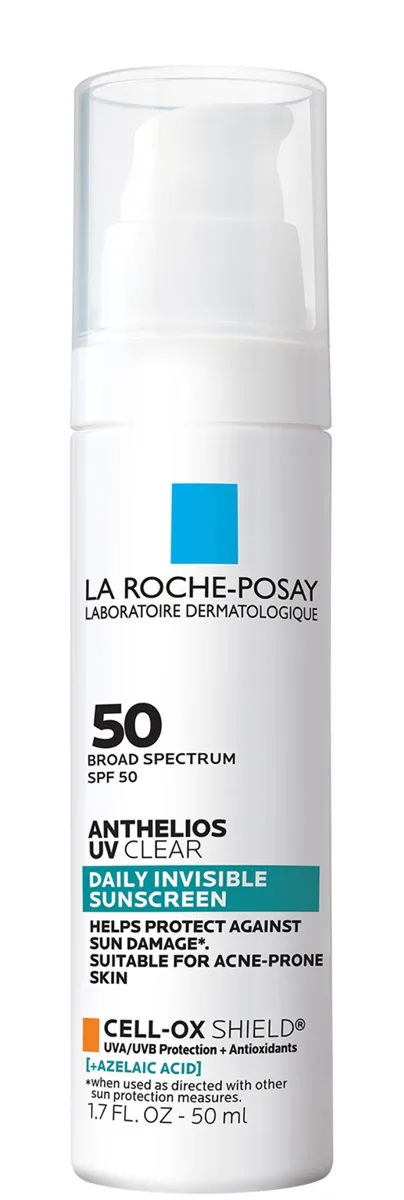 Derm Office Staple
 Anthelios UV Clear Sunscreen SPF 50
One of the only US chemical sunscreens that genuinely earns its 'for sensitive and breakout-prone skin' positioning. A photostable Anthelios filter system paired with a legitimate azelaic acid dose in a lightweight serum-fluid that disappears on every skin tone. Excellent for rosacea, acne, and post-inflammatory hyperpigmentation — and probably the single best daily sunscreen in the La Roche-Posay US lineup for those conditions.
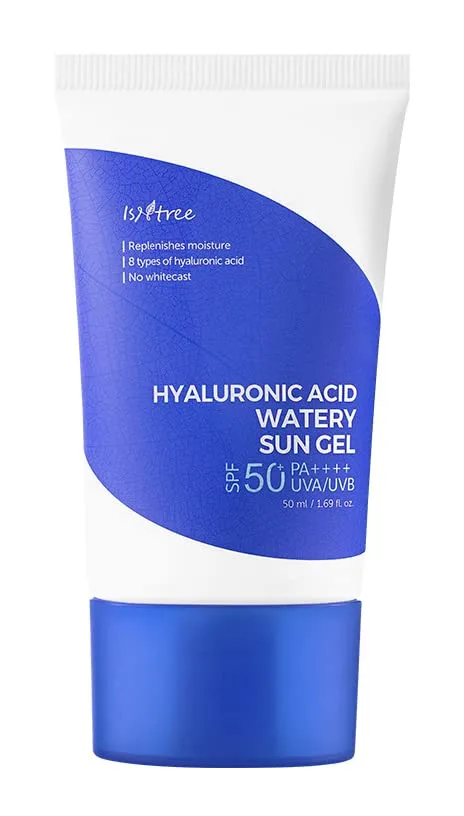 K-Beauty Daily SPF Standout
 Hyaluronic Acid Watery Sun Gel SPF 50+
One of the strongest everyday K-beauty sunscreens in the international market — modern European filters, no white cast, fragrance-free, niacinamide-boosted, and built around the brand's signature six-weight HA complex. At twenty-two dollars for 50ml, it's a case study in how much better a daily sunscreen can be when the formulator cares about both protection and wearability.
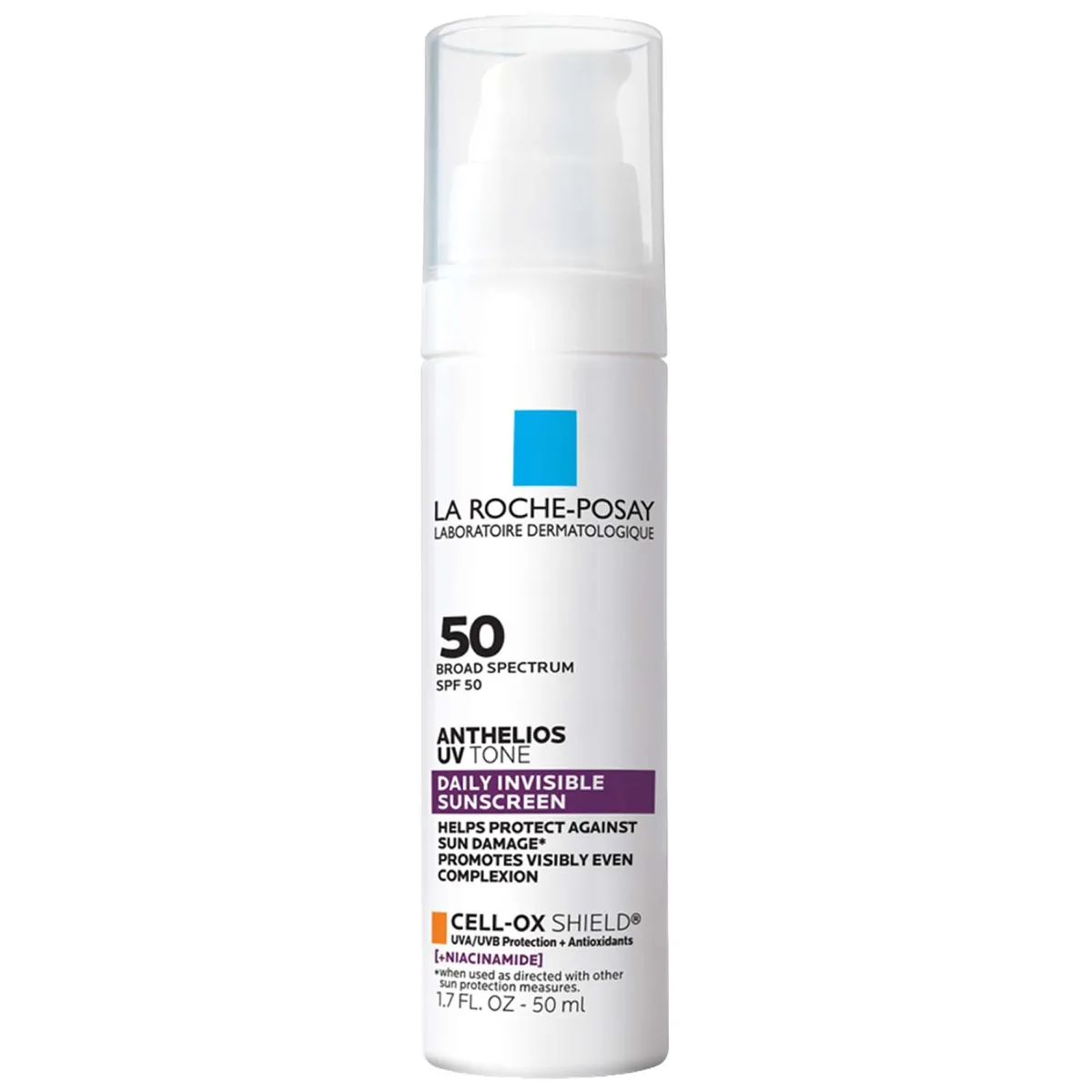 Derm Office Staple
 Anthelios UV Tone Daily Invisible Sunscreen SPF 50
La Roche-Posay's most thoughtful answer yet for hyperpigmentation-prone skin that needs daily SPF. A photostable avobenzone system reinforced with Oxynex ST, paired with a meaningful dose of niacinamide, in a serum-fluid base that goes on invisible on every skin tone. Expensive for 1.7 oz but legitimately well-built — and a rare chemical sunscreen that earns its 'for dark spots' marketing.
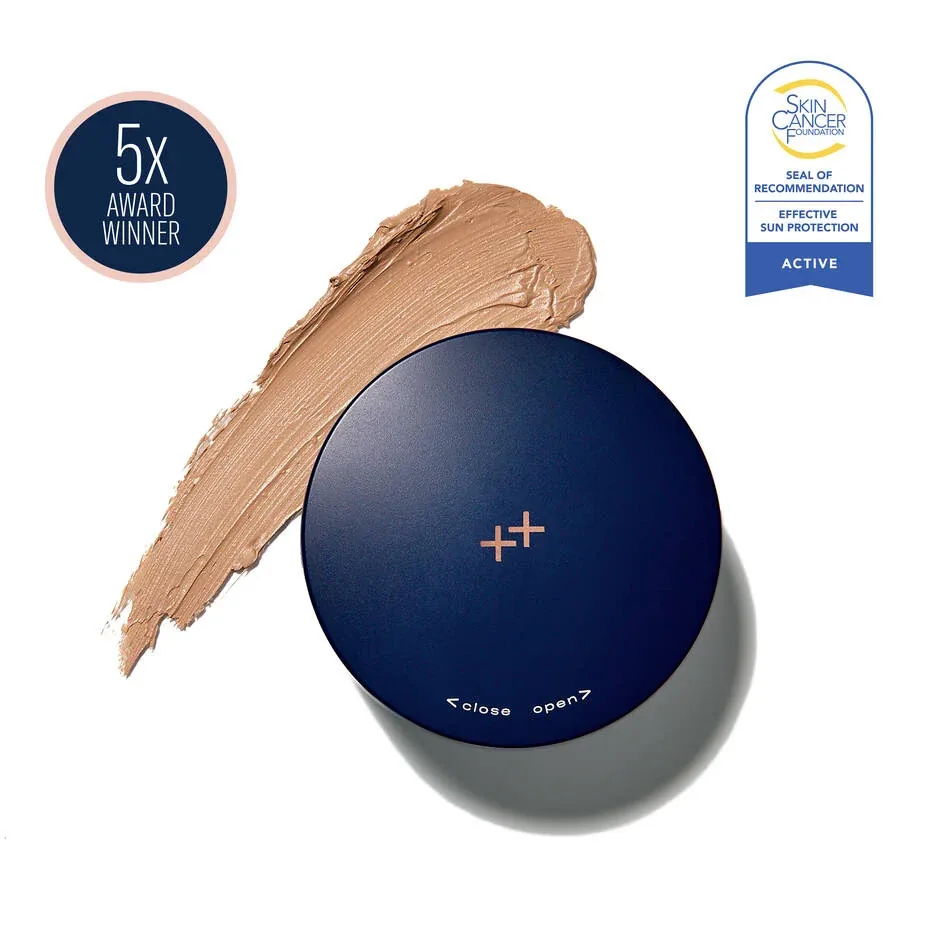 Melasma-Grade Mineral Sunscreen
 sunbetter TONE SMART SPF 68
One of the most clinically useful tinted mineral sunscreens in the professional category. SPF 68 from a 100% mineral formula, iron oxide tint that blocks visible light for melasma protection, and an unusually lightweight texture that doesn't feel like you're wearing high-concentration zinc. For patients with melasma or post-inflammatory hyperpigmentation, this is the category benchmark — and it's earned its Allure Best of Beauty wins.
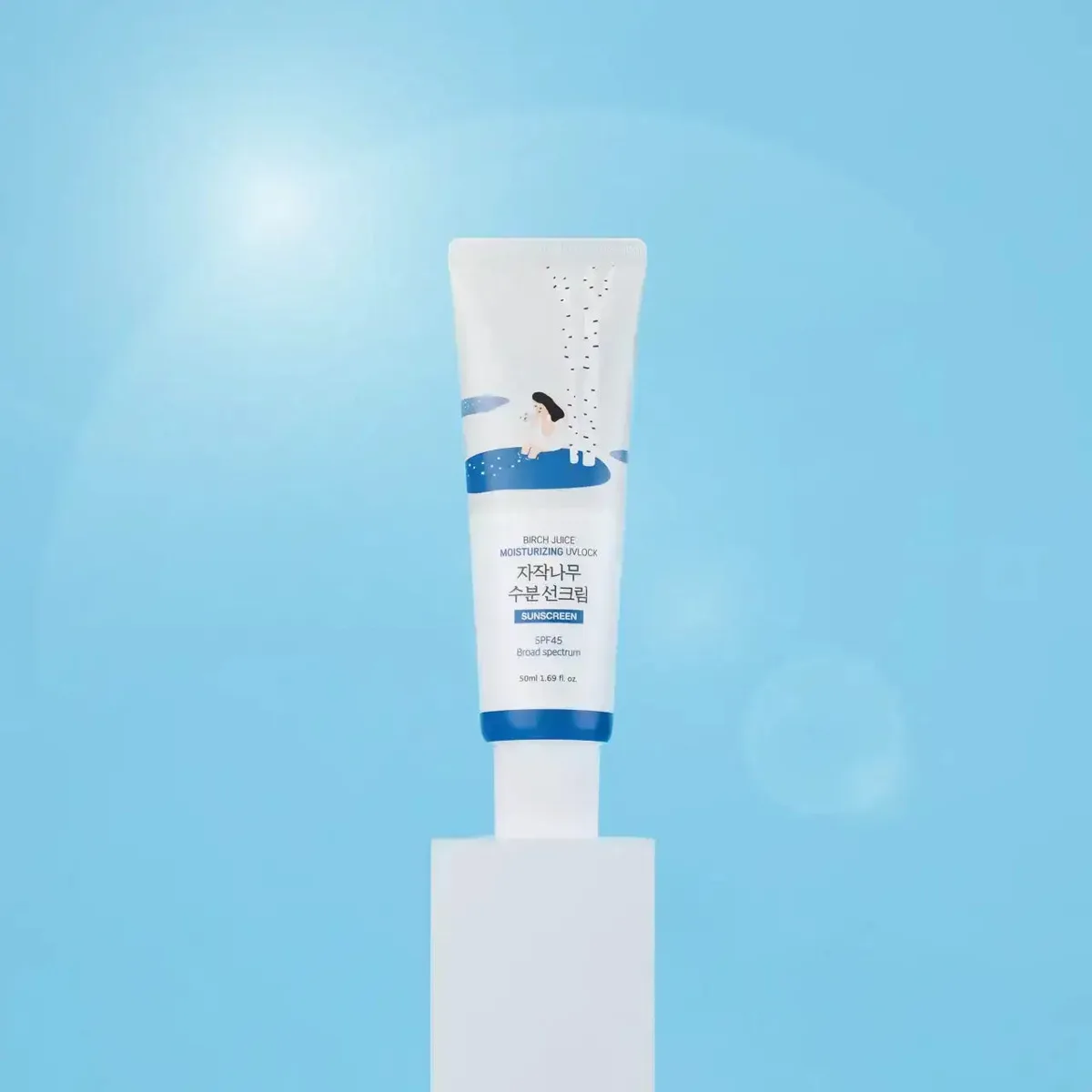 K-Beauty Cult Favorite
 Birch Juice Moisturizing Sun Cream SPF 50+
One of the best hybrid sunscreens in K-beauty right now — a 70% birch sap base, modern UVA filters you can't get in the US, and a finish that wears like a lightweight moisturizer. Broadly compatible, well-priced, and genuinely pleasant to apply, with minor tradeoffs for oily and fungal-acne-prone users.
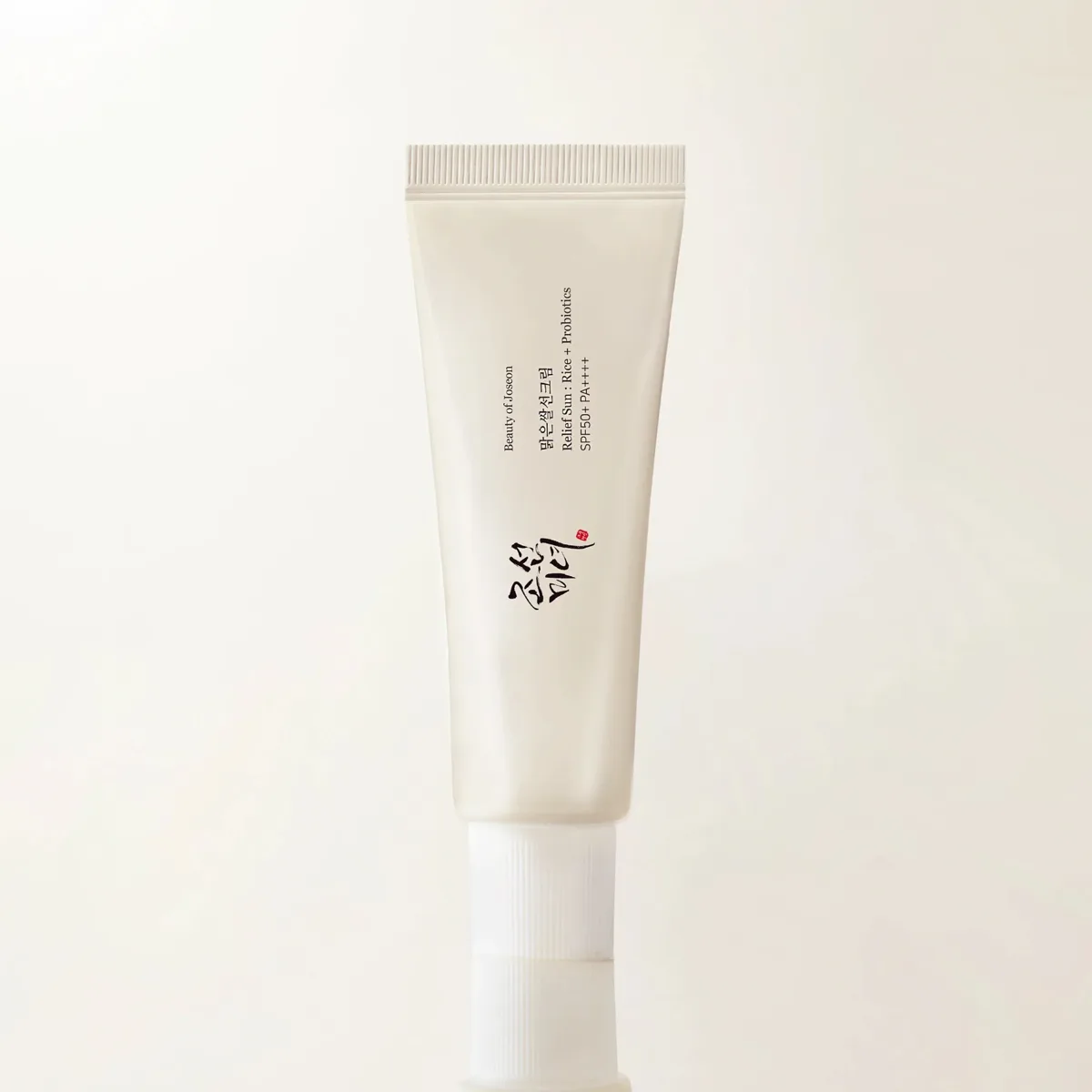 The K-Beauty Sunscreen That Changed Everything
 Relief Sun: Rice + Probiotics SPF 50+
The sunscreen that rewrote the rules for what a $14 product could deliver. With independently verified SPF 50+, 30% rice extract, niacinamide, and a probiotic ferment complex, it offers protection and skincare benefits that rival products three times its price. The texture that feels like wearing nothing on your face is the reason it went viral — and stayed there.
This review reflects our independent analysis of publicly available ingredient data, manufacturer claims, and verified user reviews. We are reader-supported — Amazon links may earn us a commission at no cost to you. We do not accept paid placements; rankings are based solely on the evidence.