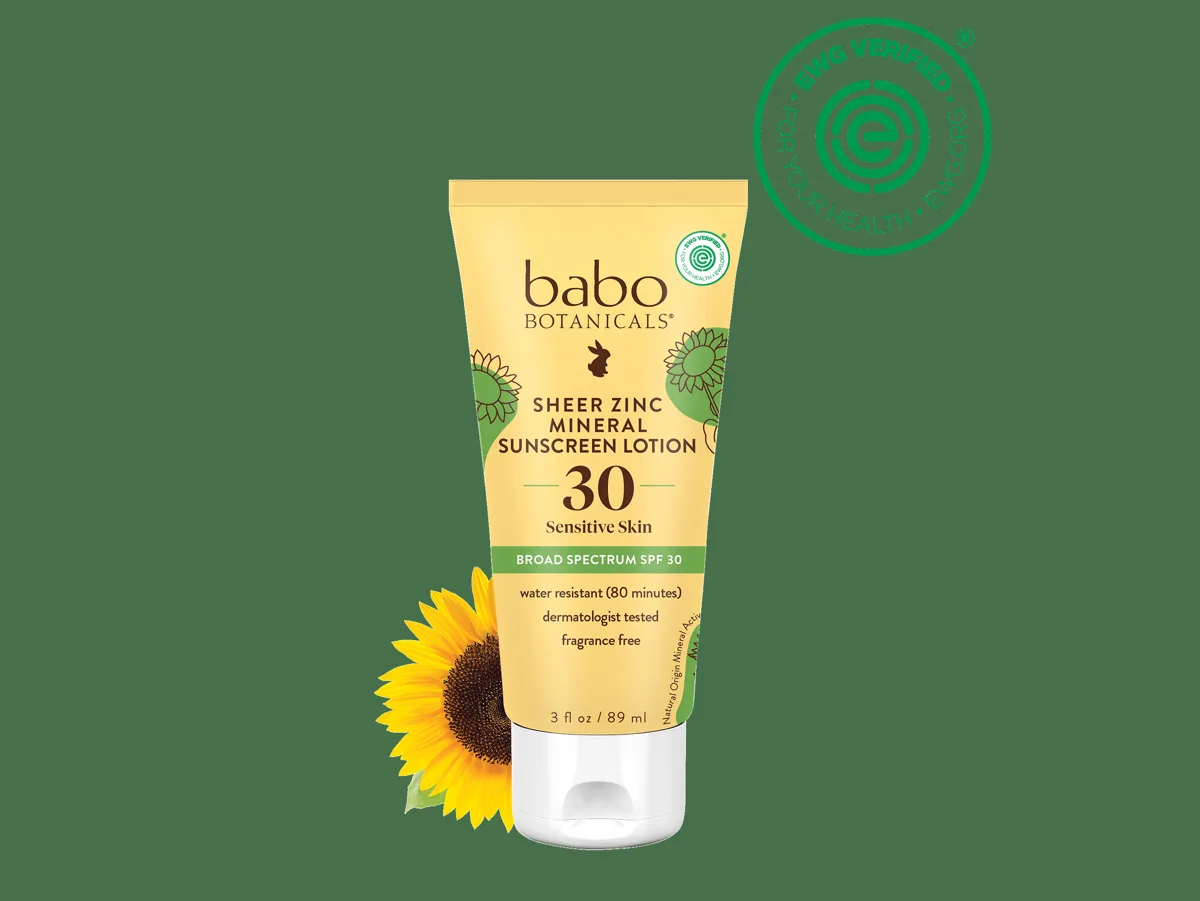
A well-considered mineral sunscreen that genuinely partially solves the white cast problem for fair and medium skin tones without resorting to organic UV filters. The SPF 30 rating is a deliberate trade-off for cosmetic elegance, and in most daily-use contexts it's a smart one. Not perfect for deeper skin tones, but a strong pediatric-friendly pick.
Clear Zinc Sunscreen SPF 30
A well-considered mineral sunscreen that genuinely partially solves the white cast problem for fair and medium skin tones without resorting to organic UV filters. The SPF 30 rating is a deliberate trade-off for cosmetic elegance, and in most daily-use contexts it's a smart one. Not perfect for deeper skin tones, but a strong pediatric-friendly pick.
Score Breakdown
A thoughtfully formulated mineral sunscreen that partially solves the white cast problem of pure zinc options. The 15% zinc load and polyhydroxystearic acid coating make this blend better than most pediatric mineral lotions, though it still casts more than hybrid alternatives.
Data Confidence: high
This score reflects nearly eight years on the US market, substantial reviews across Amazon, Target, and Whole Foods, and the brand's established position in family mineral sunscreens.
0/100
Overall Score
Ingredient Quality 0
Value for Money 0
Suitability Breadth 0
Irritation Risk (↑ = safer) 0
Assessment
Pros
- Partially solves the white cast problem through particle coating technology
- Fragrance-free, pediatric-appropriate, and eczema-friendly
- 15% zinc provides solid SPF 30 broad-spectrum protection
- Lightweight lotion texture without the drag of most pure-zinc options
- Reef-safer formulation — no oxybenzone, octinoxate, or organic filters
- Water-resistant for 80 minutes (max FDA claim)
Cons
- Still casts visibly on medium-deep and deep skin tones
- SPF 30 is lower than some users prefer for extended outdoor use
- Shea butter content limits acne-prone facial use
- 3oz bottle runs out quickly with full-body family application
- Can feel slightly greasy on very oily skin
Full Review
Every mineral sunscreen is a compromise. The higher you push the zinc concentration, the stronger the UV protection and the more visible the white cast. The lower you push it, the more cosmetically elegant the finish and the weaker the protection. This trade-off has defined the entire category for years, and brands have taken different approaches to resolving it. Some accept the white cast as the price of purity. Some add tint to correct the visible residue. Some quietly slip organic UV filters into 'mineral' formulations to reduce the zinc load while maintaining the marketing claim. Babo's answer with the Clear Zinc Sunscreen SPF 30 is more interesting than any of these: they kept the formulation pure mineral, kept the zinc at a moderate 15%, and used particle coating technology to make that moderate zinc load spread and blend more transparently than it would on its own.
The technical mechanism is worth understanding because it's actually how progress happens in this corner of cosmetic science. The white cast in a mineral sunscreen comes from the way zinc oxide particles scatter visible light — they reflect enough wavelengths to appear white on the skin, which is literally the same mechanism that makes them reflect UV. You can't eliminate the scattering without losing the UV protection, but you can modify how the particles sit on the skin. Polyhydroxystearic acid, which appears prominently in this formula, is a coating agent that surrounds each zinc particle with a thin organic layer. This layer improves particle dispersion (so the zinc doesn't clump), increases spreadability, and allows the formulator to place the zinc more evenly across the skin surface rather than in visible patches. The net result is that a 15% zinc load coated this way casts less visibly than an uncoated 15% formulation, and it still delivers a genuine SPF 30 rating under FDA testing.
The rest of the inactive list is sensible. Caprylic/capric triglyceride and sunflower oil provide a lightweight emollient base. Dimethicone adds slip and improves spread. Shea butter, calendula, chamomile, oat kernel extract, and aloe contribute a gentle soothing cast that supports the pediatric positioning. Butyloctyl salicylate — technically not a UV filter on its own — functions as an SPF booster by helping disperse and stabilize the zinc. The whole formula reads as one that's been through several development rounds aimed at maximizing the cosmetic acceptability of a pure-zinc approach.
On the skin, it performs on most of its promises. It dispenses as a slightly thick white lotion and spreads into a noticeably less cast-y finish than most pure-zinc alternatives at comparable concentrations. On fair skin, it settles into something close to invisible within a couple of minutes. On light to medium tones, there's still a faint mineral sheen but it's subtle enough to pass as a matte finish under makeup. On medium-deep and deep skin tones, the 'clear' claim starts to break down — the residue is still visibly whitish, and while it's better than the pediatric alternatives that don't even try to address the problem, it's not truly invisible. For these users, a tinted mineral sunscreen is going to be a better fit, and there's no formulation magic at this price point that will change that.
The SPF 30 rating is a deliberate choice, and it's worth defending. SPF 30 blocks about 97% of UVB radiation, while SPF 50 blocks about 98% — a numerical difference that sounds meaningful but is practically small. What actually matters more for real-world protection is applying enough sunscreen and reapplying it regularly. Most people under-apply by a large margin, and the effective SPF they achieve is far lower than the label number. A thoughtful SPF 30 that you actually use and reapply consistently outperforms an SPF 50 you under-apply once and forget. For daily use, school pickup, errands, short walks, this SPF 30 is more than adequate. For extended beach days, reapply every two hours and you're well-protected.
The formula has the usual limitations of a shea-butter-containing pediatric lotion: not fungal acne safe, not ideal for aggressively acne-prone adults, and the 3-ounce bottle is small if you're using it as a full-family body sunscreen. At twenty dollars, the pricing is consistent with the brand tier and reasonable for what you get. For fair-to-medium skin, sensitive complexions, pediatric use, and daily facial SPF, this is a genuinely thoughtful pick.
Formula
Ingredients
The hero actives that drive this product's performance.
| Ingredient | Function | Evidence |
|---|---|---|
| Zinc Oxide 15% (15%) | The sole UV filter at a moderate 15% concentration — enough to deliver SPF 30 broad-spectrum protection while keeping the finish light enough to blend more transparently than higher-zinc mineral sunscreens. The specific particle size and dispersion in this formula is what enables the 'clear' marketing claim. | well-established |
| Butyloctyl Salicylate | A cosmetic solvent and SPF booster that helps disperse zinc oxide more evenly across the skin, which is part of the mechanism that reduces white cast in this formula. Technically not a UV filter on its own but functions as a photostabilizer and dispersion aid. | well-established |
| Polyhydroxystearic Acid | A coating agent that surrounds the zinc oxide particles and improves their spreadability, which is the technical trick that allows a 15% zinc load to blend as transparently as this formula manages. Without this coating, the same zinc concentration would cast much more visibly. | well-established |
| Shea Butter + Sunflower Oil | Provides moisturizing support and softens the stratum corneum, helping the sunscreen spread more evenly and feel less drying than some mineral-only formulations. In a pediatric-facing product, this comfort factor supports compliance. | well-established |
Full INCI List
Active Ingredient: Zinc Oxide 15%. Inactive Ingredients: Water, Caprylic/Capric Triglyceride, Butyloctyl Salicylate, Glycerin, Octyldodecyl Citrate Crosspolymer, Sorbitan Olivate, Polyhydroxystearic Acid, Dimethicone, Glyceryl Stearate, Cetyl Alcohol, Helianthus Annuus (Sunflower) Seed Oil, Butyrospermum Parkii (Shea) Butter, Tocopherol, Calendula Officinalis Flower Extract, Chamomilla Recutita (Matricaria) Flower Extract, Avena Sativa (Oat) Kernel Extract, Aloe Barbadensis Leaf Juice, Xanthan Gum, Cetearyl Alcohol, Glyceryl Caprylate, Phenoxyethanol, Ethylhexylglycerin, Sodium Hydroxide, Citric Acid
Product Flags
✓ Fragrance Free✓ Alcohol Free✗ Oil Free✗ Silicone Free✓ Paraben Free✓ Sulfate Free✓ Cruelty Free✓ Vegan✗ Fungal Acne Safe
Comedogenic Ingredients
Butyrospermum Parkii (Shea) Butter
Compatibility
Skin Match
Best For
sensitive normal dry combination
Works For
Not Ideal For
Addresses These Conditions
Use With Caution
Routine Step
sunscreen
Time of Day
AM
Pregnancy Safe
Yes ✓
Layering Tips
Apply as the final step of morning skincare with the standard two-finger-length dose for face and neck. Reapply every two hours during outdoor exposure.
Results Timeline
Immediate: broad-spectrum UV protection on first application. Long-term: daily consistent use is the most evidence-backed anti-aging and anti-pigmentation strategy in skincare.
Pairs Well With
niacinamide-serumshydrating-essencesceramide-moisturizers
Sample AM Routine
- Gentle cleanser
- Toner
- Serum
- Moisturizer
- Babo Botanicals Clear Zinc Sunscreen SPF 30
Sample PM Routine
- Do not apply — AM only
Evidence
Science
The Science
Zinc oxide is one of the two true broad-spectrum mineral UV filters and is approved globally as an active sunscreen ingredient. Its ability to provide UVA and UVB protection through a combination of scattering, reflection, and absorption has been studied extensively, with the Journal of Investigative Dermatology and similar publications characterizing its photoprotection profile over decades of research. A 15% zinc concentration corresponds to approximately SPF 30 under FDA testing protocols, and it's a common concentration target for pediatric and sensitive-skin formulations that prioritize cosmetic elegance.
The particle coating technology that distinguishes this formula centers on polyhydroxystearic acid, a fatty acid polymer that surrounds zinc oxide particles and improves their dispersion in the cosmetic emulsion. Research on coated mineral UV filters, published in journals including the International Journal of Cosmetic Science, has shown that particle coating can significantly improve spreadability and reduce the visible white cast without sacrificing UV protection efficacy. The underlying mechanism is that coated particles distribute more evenly across the skin, reducing the 'clumping' that creates visible patches of zinc residue.
Butyloctyl salicylate appears in the inactive list not as a UV filter (it isn't approved as one in the FDA monograph) but as a solvent and SPF booster. Its role is to help dissolve and disperse the zinc oxide particles and to improve the photostability and cosmetic feel of the formula. This ingredient is common in modern mineral sunscreens aiming for clear finish and enhanced SPF output.
The supporting soothing cast — colloidal oatmeal, calendula, chamomile, aloe — has varying degrees of research backing, with oat kernel extract being the most clinically established as an FDA-approved skin protectant in other formats. Its inclusion supports the pediatric sensitive-skin positioning, though its direct contribution to UV protection is negligible.
Dermatologist Perspective
Dermatologists generally support non-nano zinc oxide as an ideal UV filter for pediatric and sensitive-skin patients, and this Babo Botanicals sunscreen is commonly included in derm recommendations for mineral-forward family sunscreens. Board-certified dermatologists note that the SPF 30 rating is adequate for daily facial use and many outdoor activities, with the caveat that consistent application and reapplication are more important than the label number for real-world protection. The reduced white cast compared to typical pure-zinc formulations is viewed positively in clinical settings, particularly for improving compliance in patients who otherwise reject mineral sunscreens for cosmetic reasons. For patients with deeper skin tones, dermatologists often suggest tinted alternatives as a better fit. The lack of oxybenzone and octinoxate makes this a frequent recommendation for patients with specific ingredient-avoidance preferences or those traveling to reef-sensitive destinations.
Guidance
Usage Guide
How to Use
Apply generously to face, neck, and body 15 minutes before sun exposure, using approximately two full finger-lengths for face and neck and a shot-glass-sized amount for full body. Reapply every two hours during outdoor exposure, or every 40-80 minutes during swimming or heavy sweating. For facial use, apply as the final step of morning skincare and allow 60-90 seconds to set before applying makeup. Safe for daily year-round use, not just beach days.
Value Assessment
At approximately twenty dollars for 3oz, this sunscreen is priced in the upper-mid range of family mineral options. Per ounce, it's more expensive than drugstore mineral sunscreens from Banana Boat Mineral or Coppertone Pure & Simple, but it's not charging luxury prices. The value is strong if you're prioritizing the pediatric-appropriate formulation, the reduced white cast, and the established brand track record. Coming from a brand with twenty years in family skincare, the premium over drugstore alternatives feels earned through formulation care rather than marketing alone. For daily facial use, a 3oz bottle lasts six to eight weeks at proper dosing.
Who Should Buy
Families with young children who want a fragrance-free, pediatric-appropriate mineral sunscreen with reduced white cast. Fair to medium skin tones seeking a mineral option that blends more transparently than most pure-zinc alternatives. Sensitive and eczema-prone adults looking for a gentle daily SPF. Reef-safer travelers visiting Hawaii and other destinations with organic-UV-filter restrictions.
Who Should Skip
Medium-deep and deep skin tones for whom the 'clear' claim falls short — tinted mineral alternatives work better. Adults wanting SPF 50 for extended beach or outdoor use without frequent reapplication. Acne-prone users for whom the shea butter content may be comedogenic. People who need an oil-free facial sunscreen.
Ready to try Babo Botanicals Clear Zinc Sunscreen SPF 30?
Details
Details
Texture
Lightweight lotion that spreads easily and absorbs into a soft, semi-satin finish
Scent
Fragrance-free
Packaging
Squeeze tube with flip cap — practical for daily use and travel
Finish
satinlightweightnon-greasy
What to Expect on First Use
Dispenses as a slightly thick white lotion that blends more transparently than most pure-zinc options. On fair skin, it settles into an almost invisible finish within a couple of minutes; on deeper skin tones it still leaves some visible mineral residue, though less than equivalent concentrations in other brands. No sting, no offensive smell, pleasant overall application feel.
How Long It Lasts
6-8 weeks with daily application to face and neck; faster with body use
Period After Opening
12 months
Best Season
All Year
Certifications
National Eczema Association
Background
The Why
Babo Botanicals launched the Clear Zinc Sunscreen SPF 30 in 2018 as a response to the persistent consumer complaint that pediatric mineral sunscreens produced unacceptable white cast. The product represented the brand's attempt to reconcile the 'pure mineral' positioning that their customer base valued with the cosmetic acceptability that made sunscreens actually get used.
About Babo Botanicals Established Brand (5–20 years)
Babo Botanicals launched in 2004 as a pediatric-focused clean beauty brand and has built an established reputation in the US family-skincare category. The Clear Zinc Sunscreen SPF 30 targets the common consumer complaint with mineral sunscreens — white cast — and relies on the brand's twenty-year track record in sensitive-skin formulation.
Brand founded: 2004 · Product launched: 2018
Myth vs. Reality
Myths
Myth
A 'clear' zinc sunscreen is completely invisible on all skin tones.
Reality
The 'clear' marketing is relative — this formula reduces the white cast compared to typical pure-zinc options, but it's not truly invisible, especially on medium and deep skin tones. Set expectations accordingly, and consider tinted alternatives if complete invisibility is your priority.
FAQ
FAQ
Is this actually clear, or does it still leave a white cast?
Clear is relative. This formula uses particle coating technology to reduce the white cast compared to typical pure-zinc sunscreens, and on fair to medium skin tones it blends more transparently than alternatives at the same zinc concentration. On deeper skin tones it still leaves some visible mineral residue. For truly cast-free use on darker skin, a tinted mineral alternative is a better fit.
Why is it SPF 30 instead of SPF 50?
The 15% zinc concentration is calibrated to balance protection with cosmetic elegance — higher zinc loads cast more visibly, so Babo made a conscious trade-off at SPF 30 to prioritize blendability. SPF 30 blocks roughly 97% of UVB, compared to 98% for SPF 50, so for daily use the practical difference is small. For extended outdoor exposure, reapplying SPF 30 every two hours provides equivalent protection to less-frequent SPF 50 use.
Is it safe for kids and babies?
Yes — the formula is fragrance-free, pediatric-appropriate, and carries National Eczema Association recognition. For babies under 6 months, the FDA and AAP generally recommend sun avoidance rather than sunscreen, so consult your pediatrician. For older infants, toddlers, and children, this is one of the better-tolerated mineral lotion options.
Will it clog pores?
The formula contains shea butter, which can be comedogenic for acne-prone skin. For most users it's fine, but if you're actively dealing with breakouts, an oil-free mineral sunscreen may be a better fit.
Is it water-resistant?
Yes — Babo rates this at 80 minutes of water resistance, the maximum FDA-allowed claim. Reapply after swimming, sweating, or toweling off.
Does it contain oxybenzone or octinoxate?
No — the only UV filter in this formula is zinc oxide. It's free of oxybenzone, octinoxate, avobenzone, and other organic UV filters, which makes it a reef-safer option and suitable for travel to Hawaii and other destinations with organic-UV-filter restrictions.
How does it compare to other clear zinc options like Blue Lizard or Thinksport?
All three are well-regarded family mineral sunscreens with similar positioning. Babo has a slightly lighter feel and blends more transparently than Thinksport; Blue Lizard tends to cast more visibly but has a higher SPF option. Performance on UV protection is comparable when applied correctly.
Community
Community
Common Praise
"Less white cast than most pure-zinc alternatives"
"Fragrance-free and gentle on sensitive skin"
"Pleasant lightweight lotion texture"
"Works well for kids and adults"
Common Complaints
"Still casts white on medium and deep skin tones"
"SPF 30 is lower than some users want for extended outdoor exposure"
"Can feel slightly greasy on oily skin"
Notable Endorsements
Frequently cited in family blog roundups of mineral sunscreens with reduced white castCarried across Target, Whole Foods, and Amazon
Appears In
best mineral sunscreen for sensitive skin best reduced white cast mineral sunscreen best family mineral sunscreen best reef safe sunscreen lotion
Related Conditions
Related Ingredients
You Might Also Like
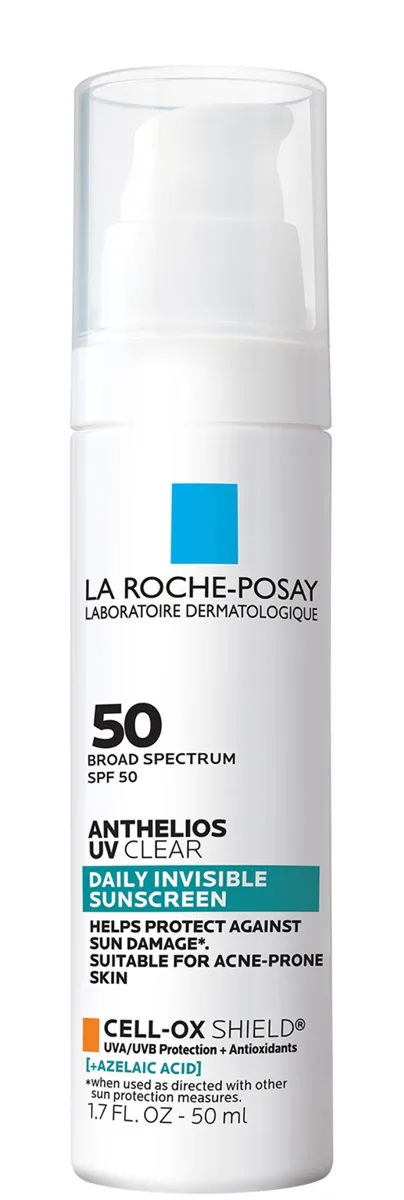 Derm Office Staple
 Anthelios UV Clear Sunscreen SPF 50
One of the only US chemical sunscreens that genuinely earns its 'for sensitive and breakout-prone skin' positioning. A photostable Anthelios filter system paired with a legitimate azelaic acid dose in a lightweight serum-fluid that disappears on every skin tone. Excellent for rosacea, acne, and post-inflammatory hyperpigmentation — and probably the single best daily sunscreen in the La Roche-Posay US lineup for those conditions.
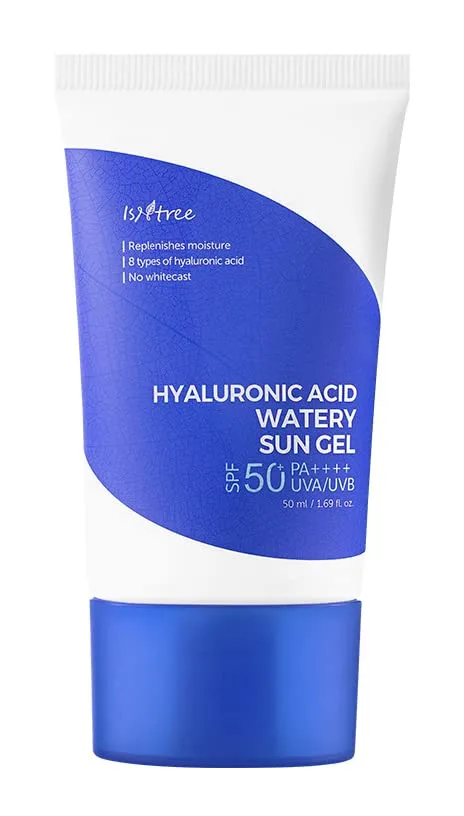 K-Beauty Daily SPF Standout
 Hyaluronic Acid Watery Sun Gel SPF 50+
One of the strongest everyday K-beauty sunscreens in the international market — modern European filters, no white cast, fragrance-free, niacinamide-boosted, and built around the brand's signature six-weight HA complex. At twenty-two dollars for 50ml, it's a case study in how much better a daily sunscreen can be when the formulator cares about both protection and wearability.
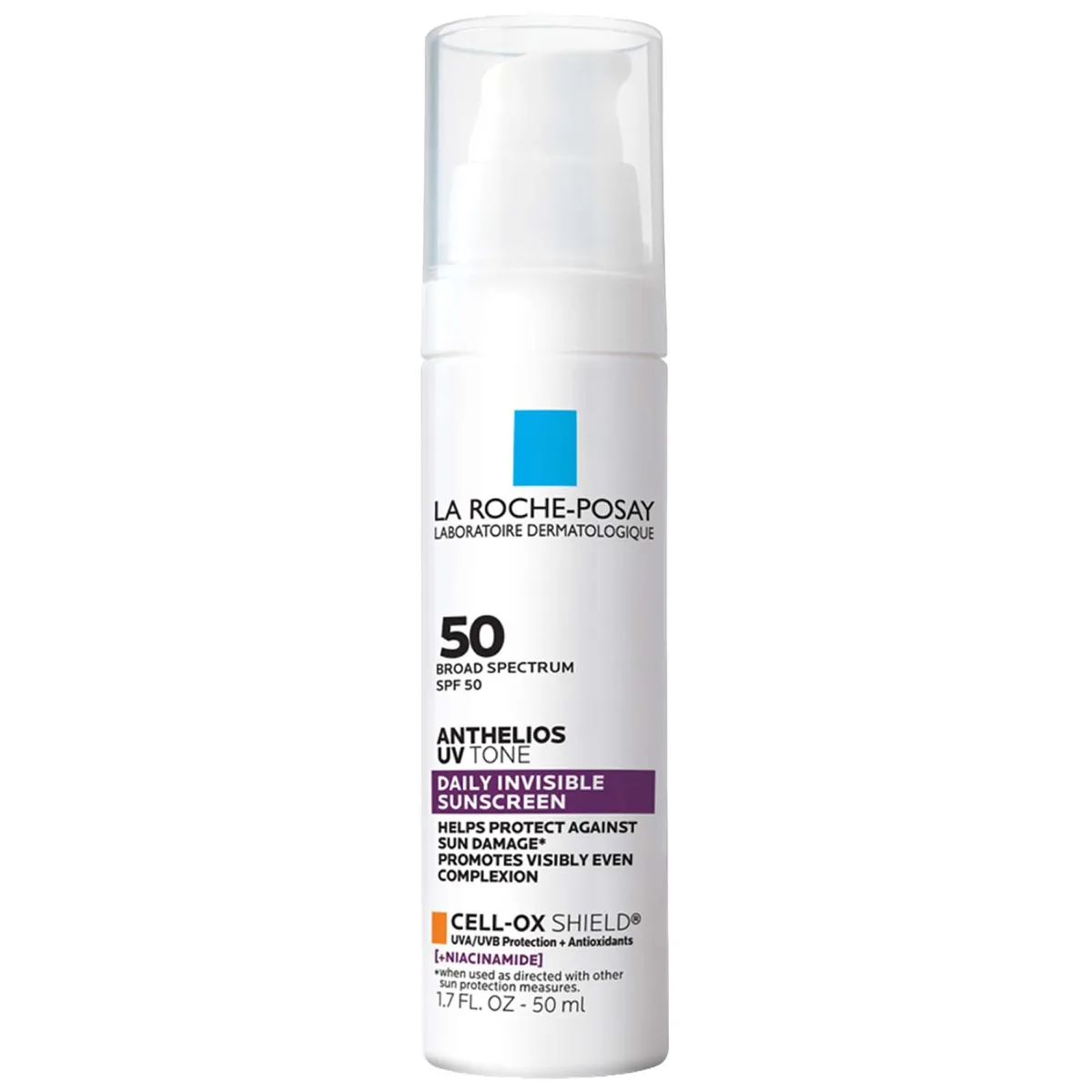 Derm Office Staple
 Anthelios UV Tone Daily Invisible Sunscreen SPF 50
La Roche-Posay's most thoughtful answer yet for hyperpigmentation-prone skin that needs daily SPF. A photostable avobenzone system reinforced with Oxynex ST, paired with a meaningful dose of niacinamide, in a serum-fluid base that goes on invisible on every skin tone. Expensive for 1.7 oz but legitimately well-built — and a rare chemical sunscreen that earns its 'for dark spots' marketing.
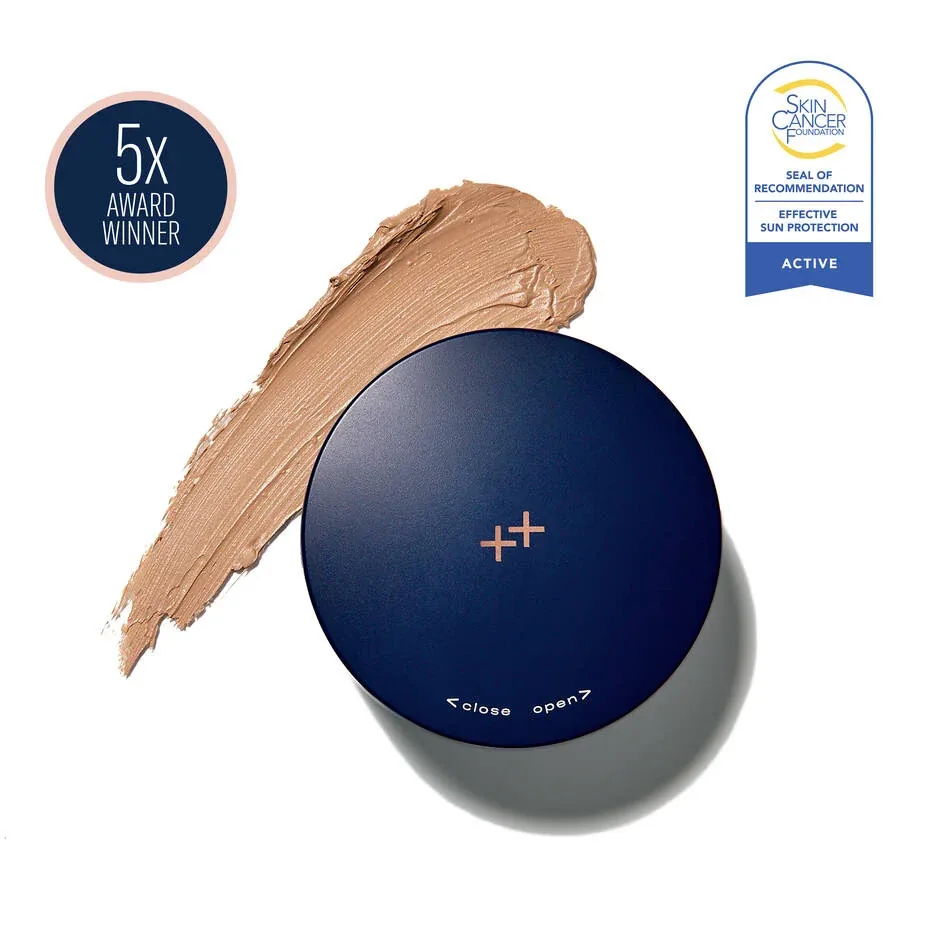 Melasma-Grade Mineral Sunscreen
 sunbetter TONE SMART SPF 68
One of the most clinically useful tinted mineral sunscreens in the professional category. SPF 68 from a 100% mineral formula, iron oxide tint that blocks visible light for melasma protection, and an unusually lightweight texture that doesn't feel like you're wearing high-concentration zinc. For patients with melasma or post-inflammatory hyperpigmentation, this is the category benchmark — and it's earned its Allure Best of Beauty wins.
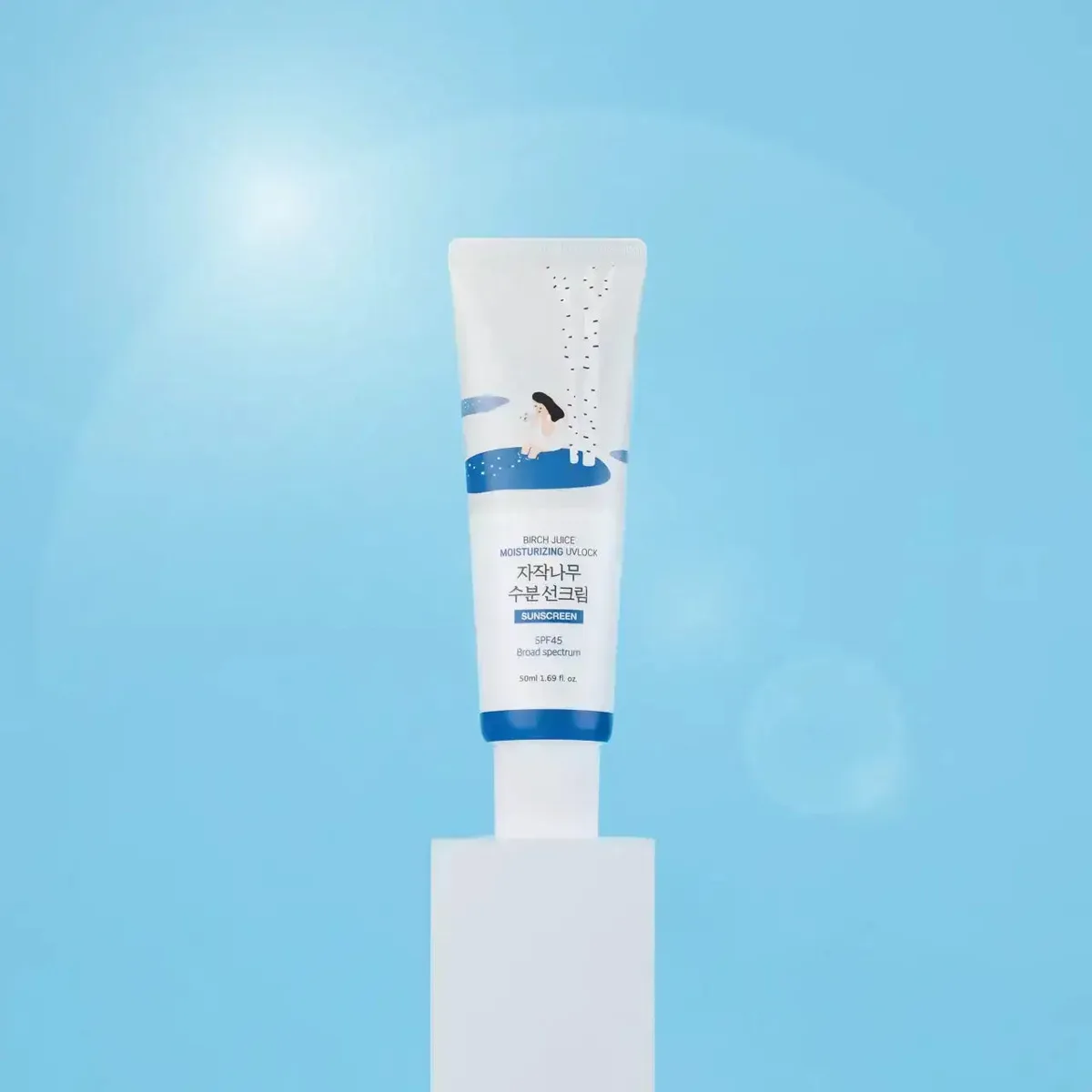 K-Beauty Cult Favorite
 Birch Juice Moisturizing Sun Cream SPF 50+
One of the best hybrid sunscreens in K-beauty right now — a 70% birch sap base, modern UVA filters you can't get in the US, and a finish that wears like a lightweight moisturizer. Broadly compatible, well-priced, and genuinely pleasant to apply, with minor tradeoffs for oily and fungal-acne-prone users.
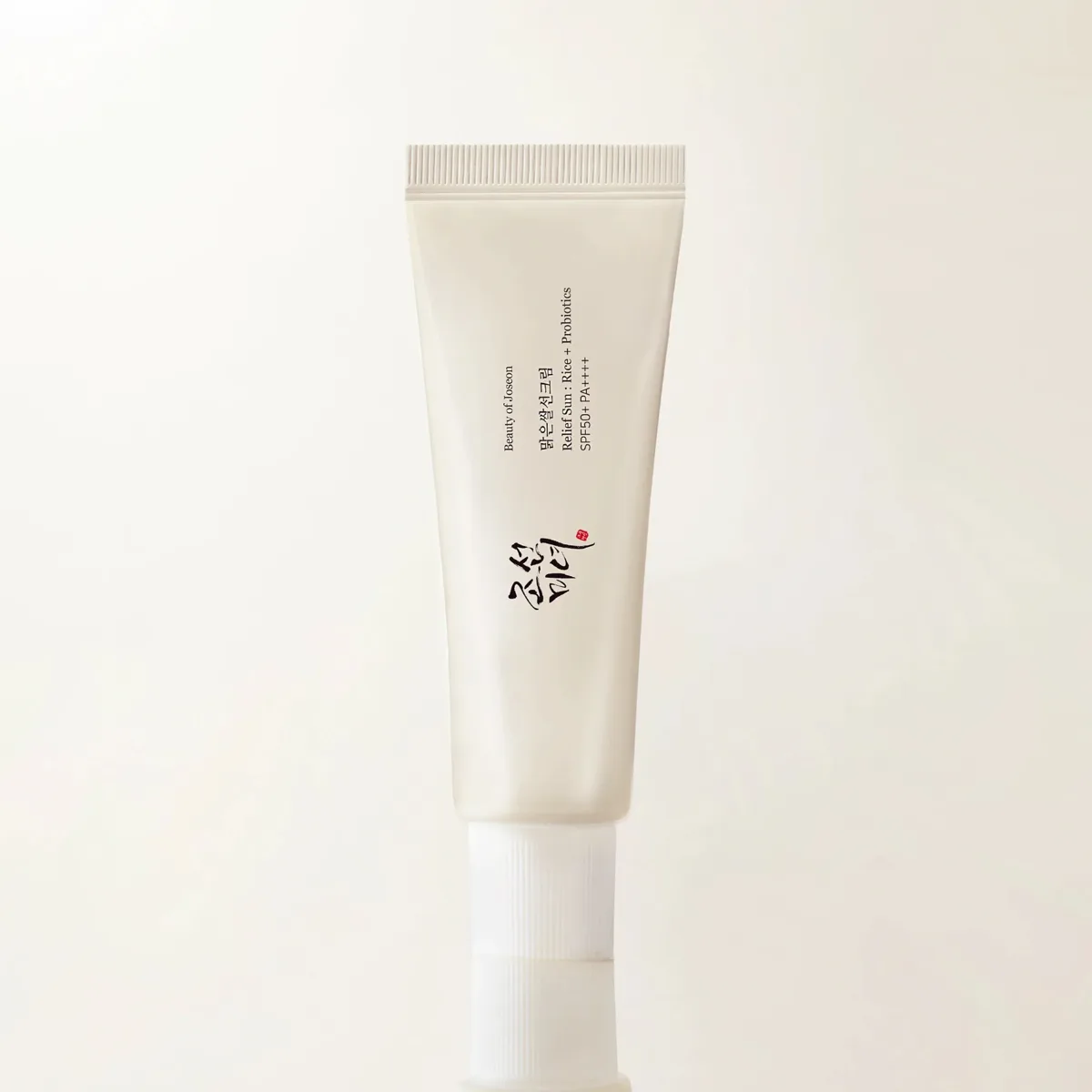 The K-Beauty Sunscreen That Changed Everything
 Relief Sun: Rice + Probiotics SPF 50+
The sunscreen that rewrote the rules for what a $14 product could deliver. With independently verified SPF 50+, 30% rice extract, niacinamide, and a probiotic ferment complex, it offers protection and skincare benefits that rival products three times its price. The texture that feels like wearing nothing on your face is the reason it went viral — and stayed there.