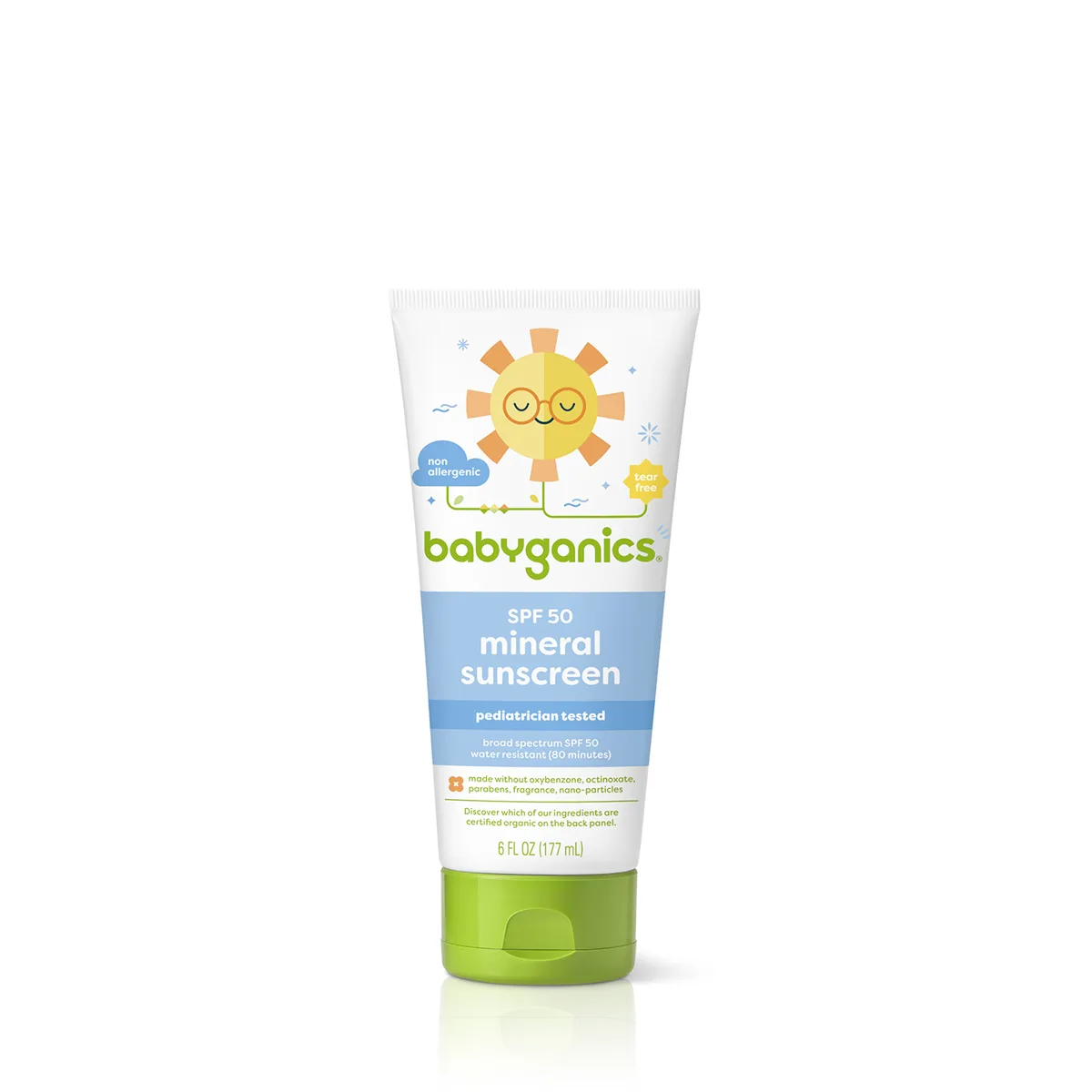
A straightforward mineral sunscreen that does exactly what anxious parents need: provides reliable SPF 50+ protection with an ingredient list short enough to read in one breath. It won't win any cosmetic elegance awards, but for the under-five crowd, tolerability matters more than Instagram-readiness.
Mineral-Based Baby Sunscreen SPF 50+
A straightforward mineral sunscreen that does exactly what anxious parents need: provides reliable SPF 50+ protection with an ingredient list short enough to read in one breath. It won't win any cosmetic elegance awards, but for the under-five crowd, tolerability matters more than Instagram-readiness.
Score Breakdown
Where this product gains points and where it loses them — broken down across the four scoring pillars.
A gentle, no-frills mineral sunscreen that excels in tolerability but offers limited cosmetic elegance and is narrowly targeted at the baby and sensitive skin market.
Pros & Cons
- ✓100% mineral UV protection with no chemical filter backup at SPF 50+
- ✓Completely fragrance-free formula suitable for the most sensitive infant skin
- ✓Olive-derived emulsifiers are gentler than synthetic alternatives in most sunscreens
- ✓Antioxidant seed oil blend adds genuine skin-conditioning beyond basic protection
- ✓Water resistant for 80 minutes — the maximum FDA-allowed claim
- ✓Non-nano particles avoid concerns about mineral sunscreen skin penetration
- ✓Competitive pricing at under $11 for 6 ounces in the baby sunscreen category
- ✗Significant white cast that is especially noticeable on medium to deep skin tones
- ✗Greasy, slow-absorbing texture requires patience during application on restless babies
- ✗Product separation reported in some tubes before the printed expiration date
- ✗Formula has not kept pace with modern mineral sunscreen cosmetic elegance innovations
- ✗Contains ethylhexyl palmitate and isopropyl myristate which are potentially comedogenic
Full Review
Two dads in New York started Babyganics in 2002 because they couldn't find baby products that passed their personal ingredient scrutiny. Fast forward to 2016, SC Johnson — the conglomerate behind Windex and Pledge — acquired the brand. That transition raises a fair question: does a baby-first ethos survive corporate ownership? In the case of this mineral sunscreen, the answer is mostly yes.
The formula is admirably clean for a mass-market baby sunscreen. Two mineral actives — 12% zinc oxide and 3% titanium dioxide — handle all the UV protection with no chemical filter assist. That's a meaningful commitment, because formulating SPF 50+ with minerals alone is genuinely harder than throwing in some avobenzone and calling it a day. The zinc oxide concentration is the star here, providing the kind of broad-spectrum UVA coverage that most pediatric dermatologists specifically recommend for young skin.
The inactive ingredient list reveals some thoughtful choices. An olive-derived emulsifier system (cetearyl olivate and sorbitan olivate) replaces the harsher synthetic emulsifiers you'd find in most drugstore sunscreens. A handful of antioxidant-rich seed oils — sunflower, cranberry, black cumin, raspberry, and tomato — add genuine skin-conditioning benefits beyond just acting as carrier oils. Bisabolol, derived from chamomile, contributes anti-inflammatory soothing. And tocopheryl acetate rounds things out as an antioxidant stabilizer.
Let's talk about what it's actually like to use this product. It's thick. It's white. It will make your baby look like a tiny Victorian ghost for the first few minutes of application. This is the unavoidable reality of non-nano mineral sunscreens at effective concentrations — the particles are large enough to scatter visible light, which means visible white cast. If you're used to the sheer elegance of newer mineral formulas from premium brands, this will feel like a step backward in cosmetic sophistication.
The texture is creamy and dense, requiring genuine effort to spread evenly across squirming limbs. It settles into a slightly dewy, somewhat greasy finish that takes a good ten to fifteen minutes to feel less slippery. On the plus side, there's zero sting, zero fragrance, and zero tingling — exactly what you want when you're applying sunscreen to a baby who can't tell you something hurts.
Water resistance is rated at 80 minutes, which is the maximum the FDA allows brands to claim. In practice, mineral sunscreens tend to physically rub off during vigorous activity more readily than chemical ones, so reapplication every two hours (or sooner for water babies) is genuinely important, not just label compliance.
Some users report that the product separates in the tube — the liquid and solid phases dividing before the expiration date. This isn't uncommon with natural emulsifier systems, and a good squeeze and shake usually resolves it, but it's worth noting as a quality control consideration. If a tube arrives already separated and won't re-homogenize, replace it.
The elephant in the room with any baby-branded product is whether parents are paying a markup for the word 'baby' on the label. At $10.99 for 6 ounces, Babyganics is actually priced fairly for what it delivers. You're getting a genuinely mineral-only, fragrance-free, non-nano SPF 50+ formula — products with those combined credentials from boutique baby brands easily run two to three times as much. The 8-ounce value size brings the per-ounce cost down further.
The honest limitation is cosmetic elegance. Modern mineral sunscreens from brands investing in advanced particle-coating technology have made enormous strides in reducing white cast while maintaining protection. This formula hasn't kept pace with those innovations. It protects beautifully, but it looks and feels like a sunscreen from five years ago.
For what it's designed to do — keep a baby safe from the sun without introducing fragrance, chemical filters, or unnecessary complexity — this product delivers reliably. It's not trying to be a lifestyle product or a skincare experience. It's trying to be the sunscreen you grab without worrying, and on that front, it succeeds.
Formula
Key Ingredients
The hero actives that drive this product's performance.
| Ingredient | Function | Evidence |
|---|---|---|
| Zinc Oxide (12%) | The primary UV filter in this formula, providing broad-spectrum UVA and UVB protection. At 12%, it does most of the heavy lifting for sun protection, working alongside the titanium dioxide to cover the full UV spectrum. Zinc oxide sits on the skin surface rather than absorbing into it, making it the preferred choice for baby and sensitive skin sunscreens. | well-established |
| Titanium Dioxide (3%) | A secondary mineral UV filter that complements the zinc oxide by strengthening UVB protection specifically. At 3%, it plays a supporting role — the zinc oxide handles the broad-spectrum coverage while titanium dioxide reinforces protection in the burning UVB range. | well-established |
| Bisabolol | A chamomile-derived soothing agent included to calm any potential irritation from the mineral filters. In this baby-focused formula, it works as an anti-inflammatory buffer, helping ensure the product remains comfortable on delicate skin that may already be prone to redness or irritation. | well-established |
| Tocopheryl Acetate | A stable form of vitamin E that serves as an antioxidant in this formula, helping neutralize free radicals generated by UV exposure that the mineral filters don't fully block. It also helps stabilize the seed oil blend (sunflower, cranberry, raspberry) in the formula, preventing oxidation. | well-established |
| Seed Oil Blend (Sunflower, Cranberry, Black Cumin, Raspberry, Tomato) | A blend of antioxidant-rich seed oils that serve a dual purpose in this formula: they provide emollient properties to offset the drying, chalky feel that mineral sunscreens are known for, while contributing additional antioxidant protection from their naturally occurring carotenoids and tocopherols. | promising |
Full INCI List
Active Ingredients: Titanium Dioxide 3%, Zinc Oxide 12%. Inactive Ingredients: Water, Ethylhexyl Palmitate, Butyloctyl Salicylate, Caprylic/Capric Triglyceride, Trimethylpentanediol/Adipic Acid/Glycerin Crosspolymer, Cetearyl Olivate, Glycerin, Sorbitan Olivate, Tocopheryl Acetate, Phenoxyethanol, Cetearyl Alcohol, Cetearyl Glucoside, Propanediol, Alumina, Xanthan Gum, Jojoba Esters, 1,2-Hexanediol, Bisabolol, Helianthus Annuus (Sunflower) Seed Oil, Solanum Lycopersicum (Tomato) Seed Oil, Lecithin, Polyhydroxystearic Acid, Caprylhydroxamic Acid, Citric Acid, Isopropyl Myristate, Isostearic Acid, Polyglyceryl-3 Polyricinoleate, Vaccinium Macrocarpon (Cranberry) Seed Oil, Nigella Sativa (Black Cumin) Seed Oil, Rubus Idaeus (Raspberry) Seed Oil
Product Flags
✓ Fragrance Free✓ Alcohol Free✗ Oil Free✓ Silicone Free✓ Paraben Free✓ Sulfate Free✗ Cruelty Free✓ Vegan✗ Fungal Acne Safe
Comedogenic Ingredients
Ethylhexyl PalmitateIsopropyl Myristate
Compatibility
Skin Match
Best For
Works For
Not Ideal For
Addresses These Conditions
Routine Step
sunscreen
Time of Day
AM
Pregnancy Safe
Yes ✓
Layering Tips
Apply as the last step of your baby's skincare routine, at least 15 minutes before sun exposure. Reapply every 2 hours or immediately after swimming, towel drying, or sweating.
Results Timeline
Immediate broad-spectrum UV protection upon application. No cumulative skin benefits to track — effectiveness is entirely dependent on proper application and reapplication.
Pairs Well With
gentle moisturizerbarrier cream
Sample AM Routine
- Gentle cleanser (if needed)
- Moisturizer
- Babyganics Mineral-Based Baby Sunscreen SPF 50+
Sample PM Routine
- Gentle cleanser to remove sunscreen
- Moisturizer
Evidence
Science & Expert Perspective
The Science
The two mineral UV filters in this formula — zinc oxide at 12% and titanium dioxide at 3% — represent the only two sunscreen actives that the FDA currently designates as GRASE (Generally Recognized as Safe and Effective). This designation is particularly relevant for pediatric use, as the FDA's 2019 proposed sunscreen monograph update requested additional safety data for all chemical UV filters while reaffirming the GRASE status of these two minerals.
Zinc oxide provides genuinely broad-spectrum protection, absorbing and reflecting both UVA and UVB radiation across the entire UV range (290-400nm). Titanium dioxide complements this by offering particularly strong UVB absorption (290-320nm), which addresses the wavelengths most responsible for sunburn. The combination in this product ensures no gaps in the protection spectrum.
A 2011 review published in Nanotechnology, Science and Applications by Smijs and Pavel examined the safety and effectiveness of zinc oxide and titanium dioxide nanoparticles in sunscreens. The study noted that while nanoparticle forms can induce photocytotoxicity under certain conditions, non-nano formulations like the one used by Babyganics significantly reduce these concerns because larger particle sizes don't penetrate beyond the outermost skin layers. The trade-off is the white cast, but the safety margin is wider.
The American Academy of Pediatrics specifically recommends mineral sunscreens for children, noting that zinc oxide and titanium dioxide remain on the skin surface rather than being absorbed systemically. A 2020 FDA maximal usage trial published in JAMA found that chemical UV filters (avobenzone, oxybenzone, octocrylene, and others) were absorbed into the bloodstream at levels exceeding the FDA's threshold for requiring additional safety studies — a finding that did not apply to mineral filters.
The inclusion of bisabolol in this formula is more than decorative. Alpha-bisabolol has documented anti-inflammatory properties, with studies showing it inhibits pro-inflammatory cytokines — a useful secondary benefit when UV exposure inevitably triggers some inflammatory response in the skin. In the context of a baby sunscreen, this adds a layer of skin-calming function beyond simple UV blocking.
References
- Titanium dioxide and zinc oxide nanoparticles in sunscreens: focus on their safety and effectiveness — Nanotechnology, Science and Applications (2011)
Dermatologist Perspective
Pediatric dermatologists consistently recommend mineral-only sunscreens for infants and young children, and this product aligns with those guidelines. Board-certified dermatologists note that zinc oxide is the single most effective broad-spectrum UV filter available, and pairing it with titanium dioxide provides redundant UVB coverage — an approach that many dermatologists consider the gold standard for pediatric sun protection. The fragrance-free, non-nano formulation is frequently cited as appropriate for children with eczema, atopic dermatitis, or generally reactive skin. Dermatologists typically advise that the white cast, while cosmetically undesirable, is an acceptable trade-off for the superior safety profile of mineral filters in the pediatric population.
Guidance
Usage Guide
How to Use
Apply liberally to all exposed skin at least 15 minutes before sun exposure. For babies, use approximately a nickel-sized amount per limb and a quarter-sized amount for the torso. Squeeze and knead the tube before dispensing to ensure the formula is well-mixed. Rub in thoroughly using firm, even strokes — the thick texture requires more effort than spray or chemical sunscreens. Reapply every 2 hours, or immediately after swimming, towel drying, or heavy sweating. For the face, apply carefully around the eyes — while the formula is tear-free, no sunscreen should be applied directly to eyelids on infants.
Value Assessment
At $10.99 for 6 ounces, Babyganics sits in the affordable middle of the baby sunscreen market. Boutique mineral baby sunscreens from brands like Babo Botanicals or Thinkbaby run $14-18 for similar sizes, while store-brand mineral options can be found for slightly less but with simpler formulations. The 2-ounce travel size and 8-ounce value size offer flexibility — the larger format brings per-ounce cost below most competitors. For a mineral-only, fragrance-free, non-nano SPF 50+ product from a well-known brand, the price-to-quality ratio is fair. You're not paying a premium for marketing — you're paying for a solid, no-surprises formulation.
Who Should Buy
Parents of babies 6 months and older who want a straightforward mineral sunscreen without fragrance, chemical filters, or nanoparticles. Also well-suited for adults with extremely sensitive or eczema-prone skin who prioritize gentleness over cosmetic elegance.
Who Should Skip
Adults looking for a daily-wear facial sunscreen — the white cast and greasy texture make this impractical for that use. Anyone who needs a sunscreen that blends invisibly on medium to deep skin tones will find this product frustrating.
Ready to try Babyganics Mineral-Based Baby Sunscreen SPF 50+?
Details
Details
Texture
Thick, creamy white lotion that requires firm rubbing to spread. Leaves a visible white film that doesn't fully absorb, typical of high-zinc mineral sunscreens.
Scent
Fragrance-free with a faint, neutral mineral sunscreen smell
Packaging
Squeezable plastic tube with flip-top cap. Simple, functional design in the brand's signature green and white color scheme.
Finish
non-greasydewy
What to Expect on First Use
On first application, expect a thick white cream that requires patience to blend. It will leave a white cast — this is normal for mineral sunscreens at this zinc oxide concentration. The formula feels slightly greasy initially but settles within 10-15 minutes. No stinging, tingling, or irritation expected, even on eczema-prone skin.
How Long It Lasts
4-6 weeks with daily full-body application on a baby or toddler
Period After Opening
12 months
Best Season
spring summer
Certifications
Pediatrician testedDermatologist tested
Background
The Why
Babyganics was born in 2002 when two dads in New York couldn't find baby products they felt comfortable using on their own kids. The mineral sunscreen became one of their flagship products, built around the premise that sun protection shouldn't require compromising on ingredient safety. After SC Johnson acquired the brand in 2016, the formulation has been refined while maintaining its mineral-only active ingredient approach.
About Babyganics Established Brand (5–20 years)
Babyganics was founded in 2002 by two fathers seeking safer baby care products and was acquired by SC Johnson in 2016. The brand's sunscreens are pediatrician and dermatologist tested, though its formulations are not backed by independent peer-reviewed research specific to the brand.
Brand founded: 2002
Myth vs. Reality
Myths & Misconceptions
Myth
Mineral sunscreens like this one don't provide as much protection as chemical sunscreens
Reality
Zinc oxide is one of the only single ingredients that provides true broad-spectrum UVA and UVB protection. At 12% zinc oxide plus 3% titanium dioxide, this formula meets FDA requirements for SPF 50+ broad-spectrum protection. The protection is equivalent — the difference is cosmetic elegance, not efficacy.
Myth
The white cast means you've applied too much product
Reality
White cast is inherent to mineral sunscreens — it's the physical particles sitting on skin and reflecting UV rays. The visible film is actually reassuring: it confirms the minerals are present on the surface doing their job. Reducing application to avoid white cast means reducing protection.
FAQ
Frequently Asked Questions
Is Babyganics Mineral Sunscreen SPF 50+ safe for newborns?
The FDA and American Academy of Pediatrics recommend avoiding sunscreen on babies under 6 months old, regardless of the formula. For babies 6 months and older, this mineral-only formula with zinc oxide and titanium dioxide is among the safest options — these ingredients sit on the skin surface rather than absorbing into the bloodstream, and this particular formula is fragrance-free and dermatologist tested.
Why does Babyganics sunscreen leave a white cast?
The white cast comes from the 12% zinc oxide and 3% titanium dioxide — mineral particles that physically sit on the skin and reflect UV rays. This is actually a sign the product is working as intended. Unlike chemical sunscreens that absorb into skin, mineral filters remain on the surface, which inevitably creates some visible whiteness, especially at the concentrations needed for SPF 50+ protection.
How often should I reapply Babyganics mineral sunscreen?
Reapply every 2 hours during continuous sun exposure, and immediately after swimming, towel drying, or heavy sweating. While the formula is rated water resistant for 80 minutes, mineral sunscreens can rub off more easily than chemical ones, so err on the side of more frequent reapplication, especially on active toddlers.
Does Babyganics sunscreen contain nanoparticles?
No. Babyganics explicitly formulates without nanoparticles, using non-nano zinc oxide and titanium dioxide. This is why the formula has a more noticeable white cast compared to some mineral sunscreens that use nano-sized particles for better cosmetic transparency — the trade-off is a thicker appearance but no concerns about nanoparticle skin penetration.
Can adults use Babyganics mineral sunscreen?
Absolutely. The formula's gentle, fragrance-free mineral approach works well for adults with sensitive skin, rosacea, or eczema. The main trade-off is cosmetic: the heavy white cast and somewhat greasy texture may not be acceptable for daily facial use on adults. It's a solid body sunscreen option for sensitive-skinned adults, though.
Is Babyganics sunscreen reef safe?
This formula uses only zinc oxide and titanium dioxide as UV filters and is free of oxybenzone and octinoxate — the two chemical filters most commonly cited in coral reef concerns. While no sunscreen is certified 'reef safe' by the FDA, this mineral-only formula avoids the ingredients that Hawaii and Key West have banned for reef protection.
Why does my Babyganics sunscreen separate in the tube?
Some users report product separation, where the liquid and solid components divide. This can happen with mineral sunscreens that use natural emulsifier systems, especially in warm storage conditions. Shake or knead the tube thoroughly before each use. If the product has fully separated and won't re-mix, it may have degraded and should be replaced.
Community
Community Voices
Common Praise
"Gentle enough for sensitive baby skin"
"No fragrance or harsh chemicals"
"Truly mineral-only formula parents can trust"
"Water resistant for pool and beach days"
"Affordable compared to boutique baby sunscreens"
Common Complaints
"Noticeable white cast, especially on deeper skin tones"
"Can feel greasy and takes time to absorb"
"Product separation reported in some tubes before expiration"
"Formula feels thin and some parents question adequate coverage"
"White residue transfers onto clothing"
Notable Endorsements
Pediatrician testedDermatologist tested
Appears In
best sunscreen for babies best mineral sunscreen for sensitive skin best fragrance free sunscreen best sunscreen for eczema
Related Conditions
Related Ingredients
zinc oxide titanium dioxide chamomile vitamin e sunflower oil
You Might Also Like
 Derm Office Staple
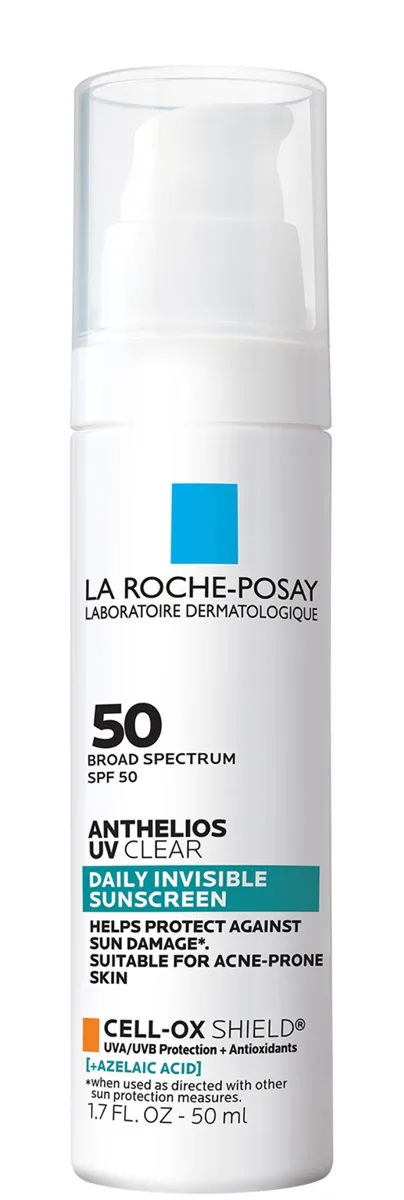
 Anthelios UV Clear Sunscreen SPF 50
One of the only US chemical sunscreens that genuinely earns its 'for sensitive and breakout-prone skin' positioning. A photostable Anthelios filter system paired with a legitimate azelaic acid dose in a lightweight serum-fluid that disappears on every skin tone. Excellent for rosacea, acne, and post-inflammatory hyperpigmentation — and probably the single best daily sunscreen in the La Roche-Posay US lineup for those conditions.
 K-Beauty Daily SPF Standout
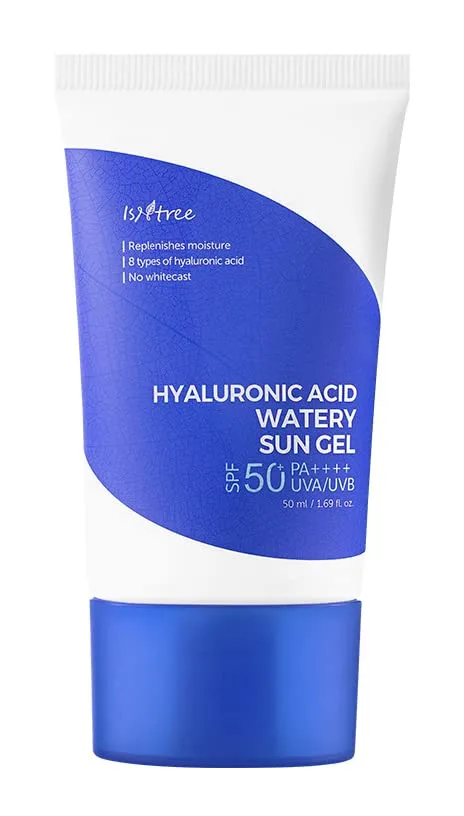
 Hyaluronic Acid Watery Sun Gel SPF 50+
One of the strongest everyday K-beauty sunscreens in the international market — modern European filters, no white cast, fragrance-free, niacinamide-boosted, and built around the brand's signature six-weight HA complex. At twenty-two dollars for 50ml, it's a case study in how much better a daily sunscreen can be when the formulator cares about both protection and wearability.
 Derm Office Staple
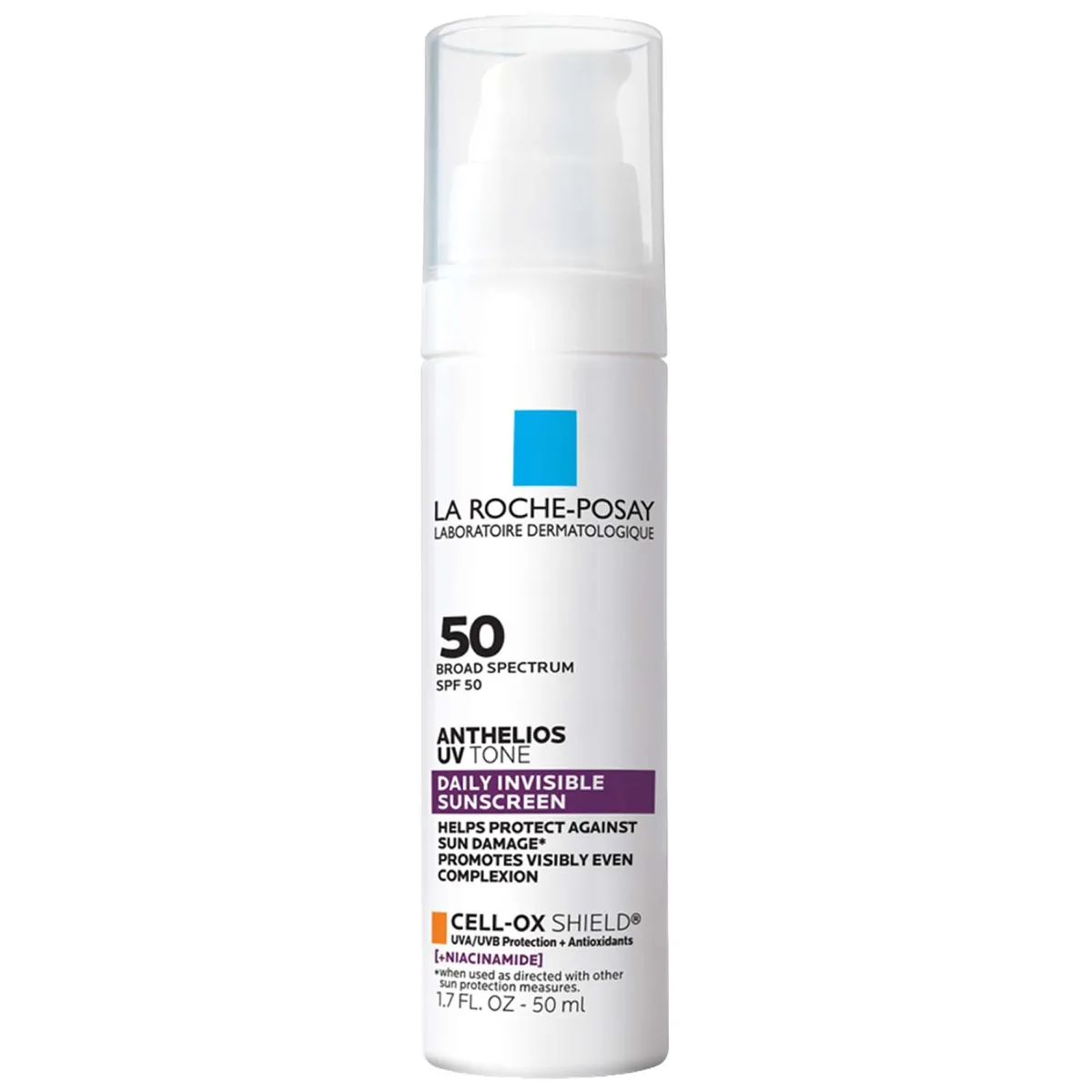
 Anthelios UV Tone Daily Invisible Sunscreen SPF 50
La Roche-Posay's most thoughtful answer yet for hyperpigmentation-prone skin that needs daily SPF. A photostable avobenzone system reinforced with Oxynex ST, paired with a meaningful dose of niacinamide, in a serum-fluid base that goes on invisible on every skin tone. Expensive for 1.7 oz but legitimately well-built — and a rare chemical sunscreen that earns its 'for dark spots' marketing.
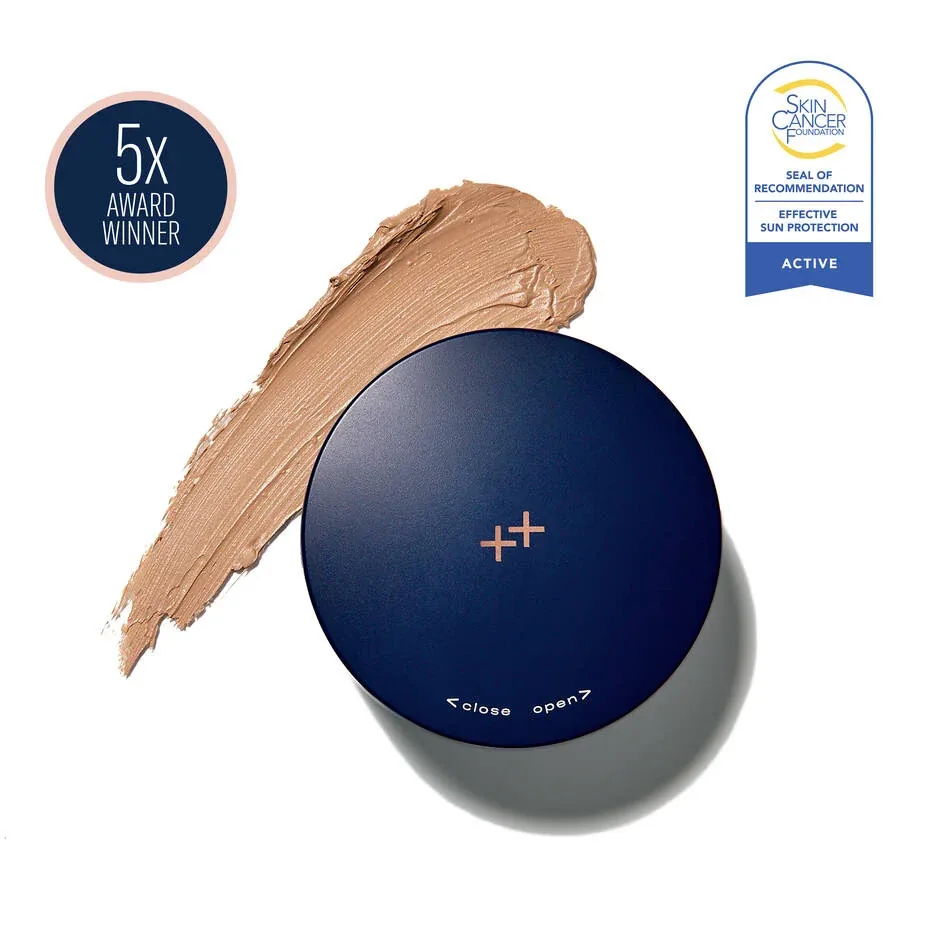 Melasma-Grade Mineral Sunscreen
 sunbetter TONE SMART SPF 68
One of the most clinically useful tinted mineral sunscreens in the professional category. SPF 68 from a 100% mineral formula, iron oxide tint that blocks visible light for melasma protection, and an unusually lightweight texture that doesn't feel like you're wearing high-concentration zinc. For patients with melasma or post-inflammatory hyperpigmentation, this is the category benchmark — and it's earned its Allure Best of Beauty wins.
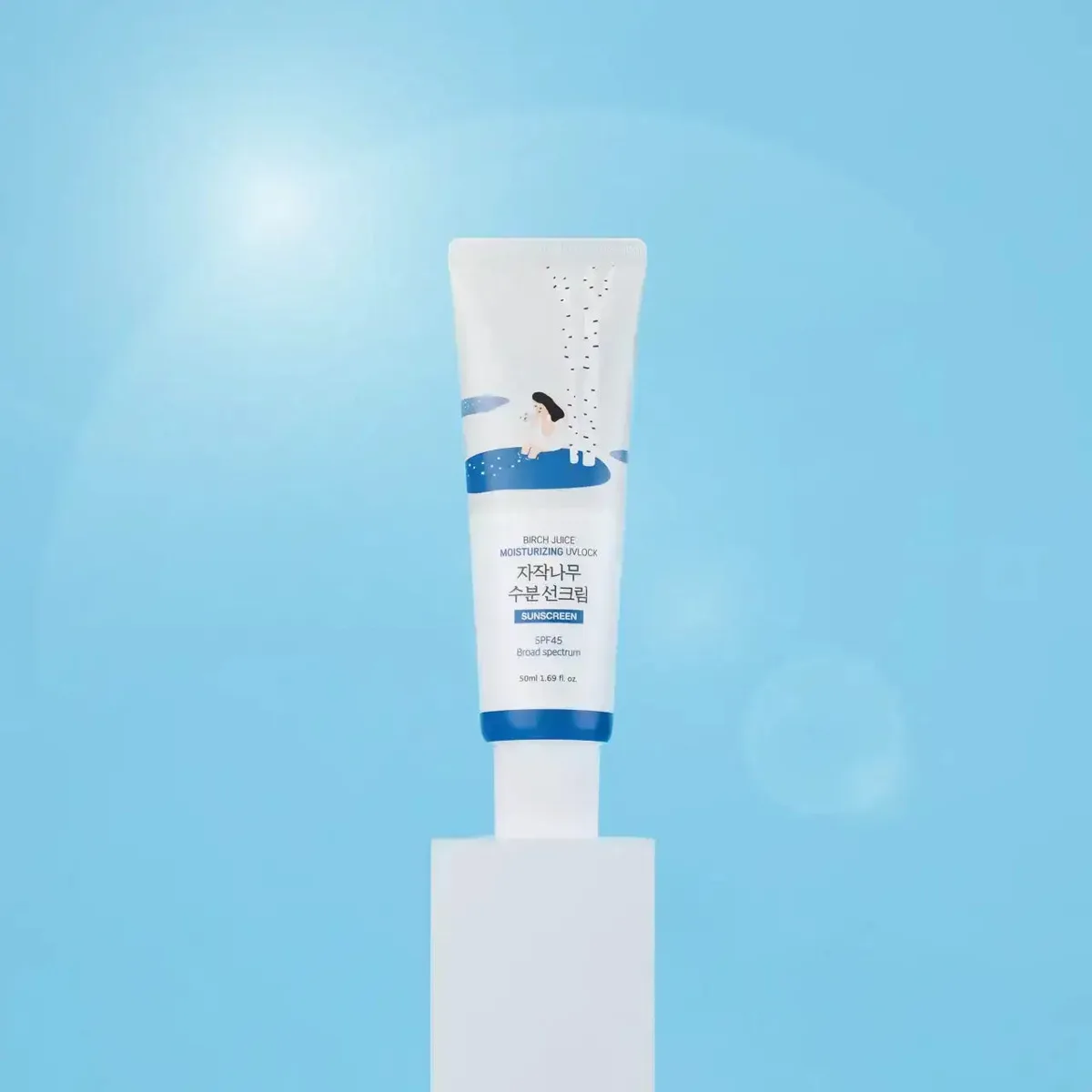 K-Beauty Cult Favorite
 Birch Juice Moisturizing Sun Cream SPF 50+
One of the best hybrid sunscreens in K-beauty right now — a 70% birch sap base, modern UVA filters you can't get in the US, and a finish that wears like a lightweight moisturizer. Broadly compatible, well-priced, and genuinely pleasant to apply, with minor tradeoffs for oily and fungal-acne-prone users.
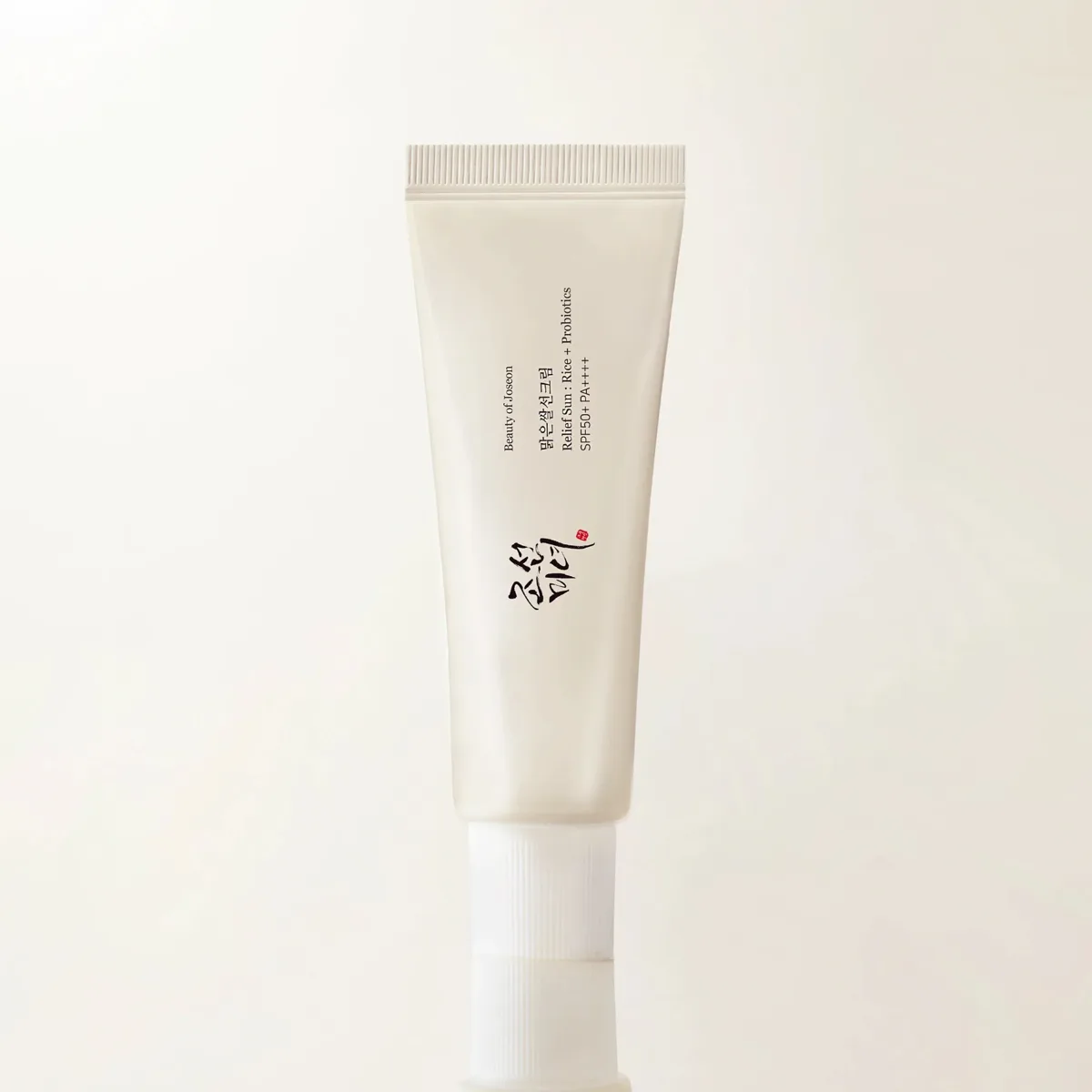 The K-Beauty Sunscreen That Changed Everything
 Relief Sun: Rice + Probiotics SPF 50+
The sunscreen that rewrote the rules for what a $14 product could deliver. With independently verified SPF 50+, 30% rice extract, niacinamide, and a probiotic ferment complex, it offers protection and skincare benefits that rival products three times its price. The texture that feels like wearing nothing on your face is the reason it went viral — and stayed there.