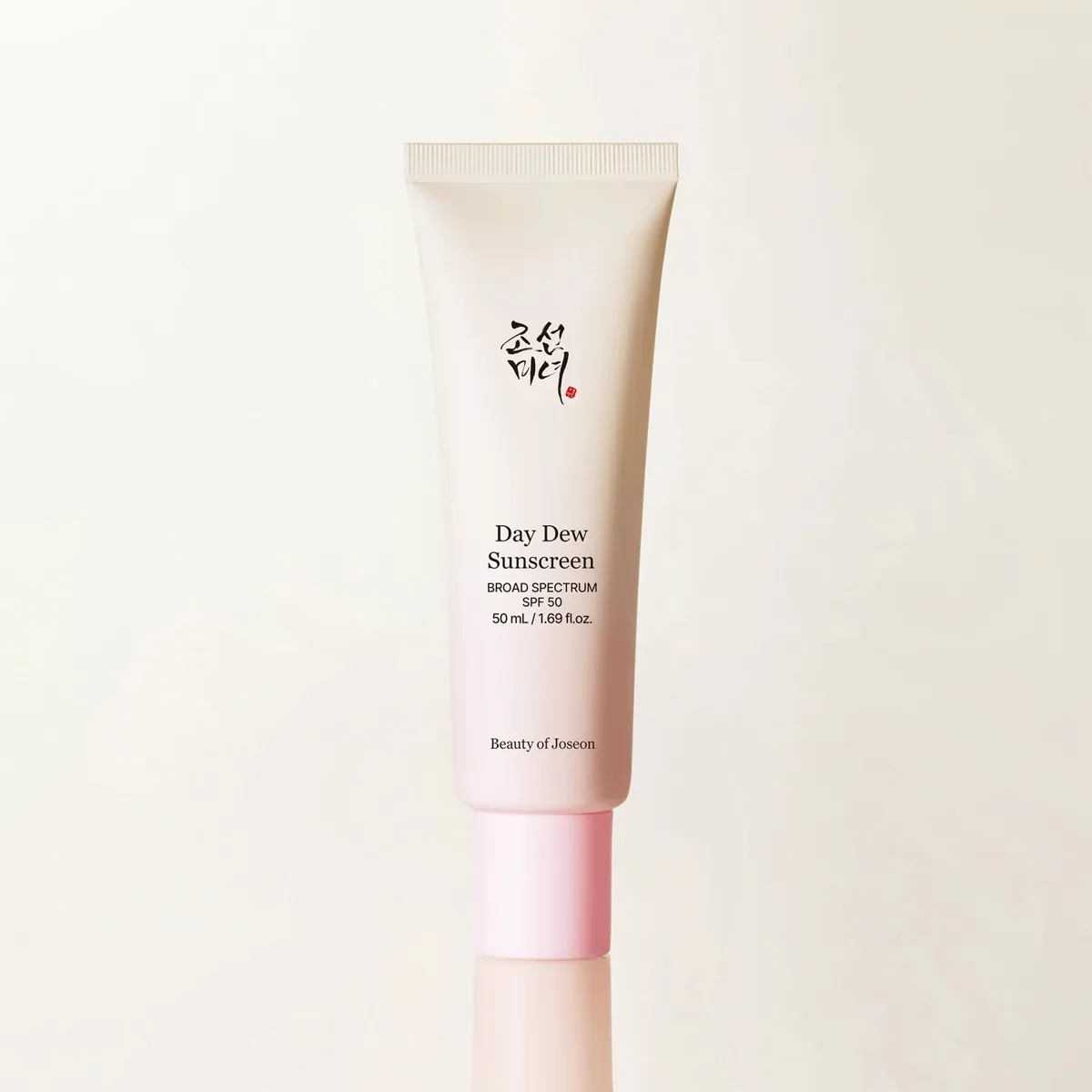
A hydration-first sunscreen that delivers SPF 50 protection wrapped in the glass-skin aesthetic K-beauty is famous for. The dewy finish, niacinamide, hyaluronic acid, and panthenol make this feel more like a skincare step than sun protection — which is precisely the point. Just know that 'dewy' and 'oily T-zone' are not friends.
Day Dew Sunscreen SPF 50
A hydration-first sunscreen that delivers SPF 50 protection wrapped in the glass-skin aesthetic K-beauty is famous for. The dewy finish, niacinamide, hyaluronic acid, and panthenol make this feel more like a skincare step than sun protection — which is precisely the point. Just know that 'dewy' and 'oily T-zone' are not friends.
Score Breakdown
Where this product gains points and where it loses them — broken down across the four scoring pillars.
A well-rounded daily sunscreen that combines reliable SPF 50 broad-spectrum protection with genuinely beneficial skincare ingredients. The dewy finish is a specific aesthetic choice that limits its appeal for oily skin, but for its target audience, it delivers excellent UV protection with visible hydration benefits.
Pros & Cons
- ✓SPF 50 broad-spectrum with 80 minutes water resistance at an accessible $18 price point
- ✓Beautiful dewy, glass-skin finish that makes daily sunscreen feel like a skincare treat
- ✓Niacinamide, hyaluronic acid, and panthenol add genuine skincare benefits to the SPF step
- ✓Zero white cast and zero eye stinging — comfortable for all-day wear
- ✓Fragrance-free, alcohol-free formula suitable for most skin types
- ✓Layers beautifully under cream and liquid makeup products
- ✓Lightweight emulsion texture spreads effortlessly without pilling
- ✗Dewy finish is too shiny for oily skin types, especially in humid climates
- ✗Contains homosalate and octocrylene — UV filters that face growing scrutiny
- ✗Not suitable for pregnancy — chemical UV filters are typically avoided as a precaution
- ✗50ml tube requires monthly repurchasing for diligent daily users
- ✗Dewy finish can interfere with matte and powder makeup application
Full Review
The Relief Sun made Beauty of Joseon a sunscreen brand. It was one of those products that transcended K-beauty fandom and showed up in mainstream beauty routines worldwide — a gentle, affordable, effective daily SPF that set a new benchmark for the category. So when the brand announced the Day Dew, the question wasn't whether people would buy it, but whether it could justify existing alongside a product that already seemed to do everything right.
The answer lies in finish philosophy. The Relief Sun dries to a natural, slightly matte finish — versatile, inoffensive, appropriate for most skin types. The Day Dew is unapologetically wet. It wants your skin to look like it just stepped out of a hydrating mist, like you spent the morning doing a seven-step routine even if you just splashed water on your face and applied this one product. For the glass-skin faithful, this is the aesthetic. For those who consider shine a four-letter word, this is a dealbreaker.
The UV protection system uses four chemical filters: avobenzone at 3% for UVA coverage, octocrylene at 5% for UVB protection and avobenzone stabilization, homosalate at 7% as additional UVB coverage, and octisalate at 5% for supplementary UVB absorption. It's a conventional but effective combination — the same foundational system used in many well-regarded Western sunscreens. The SPF 50 broad-spectrum rating with 80 minutes of water resistance puts this firmly in the reliable daily protection category.
What elevates this beyond a standard chemical sunscreen is the skincare ingredient layer. Niacinamide appears high on the INCI list, suggesting a percentage that can deliver its documented benefits — barrier strengthening, pore appearance reduction, and gradual brightening. Sodium hyaluronate (low-molecular-weight hyaluronic acid) provides the hydration that drives the dewy finish. Panthenol adds another humectant with documented soothing properties. And glycerin, the workhorse humectant, sits near the top of the formula, ensuring the base level of hydration is substantial.
The texture is immediately and obviously different from the Relief Sun. Where the Relief Sun feels like a lightweight lotion, the Day Dew feels like a thin emulsion — almost watery in consistency, spreading with virtually no effort. It absorbs quickly but doesn't 'dry down' in the traditional sense. Instead, it leaves a visible wet-look sheen that persists throughout wear. On dry skin, this looks like healthy hydration. On normal skin, it looks luminous. On oily skin, it can look like your moisturizer is sweating through.
The rice extract inclusion is a nod to the Beauty of Joseon identity, providing gamma-oryzanol antioxidant support that complements the UV filters. Tocopheryl acetate (vitamin E) adds another antioxidant layer. These aren't revolutionary inclusions, but they're thoughtful — they transform the daily sunscreen application from a pure protection step into a mild antioxidant treatment.
Application is straightforward and satisfying. The formula glides on without resistance, leaves no white cast, and causes no stinging around the eyes — a notable advantage over many chemical sunscreens, especially those with avobenzone, which is notorious for eye irritation in some formulations. The finish develops within two to three minutes: a clear, luminous sheen that photographs beautifully and makes skin look like it's been gently lit from within.
The formula layers well under makeup, particularly cream and liquid products that benefit from a hydrated base. Powder foundation and matte products can look slightly patchy over the dewy layer, so technique adjustments may be needed. Many users report using the Day Dew as their only base product, skipping foundation entirely — the luminous finish provides enough 'something' that bare skin looks intentional rather than unfinished.
At $18 for 50ml, this is one of the most affordable SPF 50 sunscreens available at Sephora, where it sits alongside products costing two to three times as much. The per-ounce value is strong, though the 50ml tube runs out in six to eight weeks with proper daily application — roughly a $9-per-month habit, which is still remarkably cheap for daily facial sunscreen.
The honest tension in this product is between the 'clean beauty' conversation and the reality of UV filter chemistry. Homosalate and octocrylene are not the most beloved chemical filters — both have attracted regulatory scrutiny in Europe and skepticism in clean beauty circles. If you follow a strict clean/mineral-only sunscreen philosophy, this product isn't for you. If you follow the scientific consensus that these filters are safe and effective at their approved concentrations and that the benefits of daily sunscreen far outweigh theoretical absorption concerns, then this is an excellent daily SPF.
Formula
Key Ingredients
The hero actives that drive this product's performance.
| Ingredient | Function | Evidence |
|---|---|---|
| Avobenzone + Octocrylene UV System (3% + 5%) | Avobenzone at 3% (maximum FDA-allowed) provides the UVA protection, while octocrylene at 5% serves as both a UVB filter and a photostabilizer that prevents the avobenzone from degrading in sunlight. This pairing is critical — without octocrylene, avobenzone loses most of its protective capacity within the first hour of sun exposure. Homosalate (7%) and octisalate (5%) round out the UVB protection. | well-established |
| Niacinamide | Listed eighth on the INCI (suggesting a meaningful concentration), niacinamide strengthens the skin barrier, helps reduce the appearance of pores, and provides mild brightening. In a daily sunscreen context, it adds skincare benefits that accumulate with consistent use — making the daily SPF step pull double duty as a treatment. | well-established |
| Sodium Hyaluronate | The low-molecular-weight form of hyaluronic acid that provides the 'dew' in Day Dew. It draws moisture into the upper layers of the skin, creating the plump, hydrated look this sunscreen is designed to deliver. Working alongside glycerin, it ensures the sunscreen layer feels hydrating rather than drying. | well-established |
| Panthenol (Vitamin B5) | A soothing humectant that attracts and retains moisture while supporting skin barrier repair. In this sunscreen formula, panthenol complements the niacinamide's barrier-strengthening action and helps prevent the dehydrating effect that some chemical UV filters can cause with daily use. | well-established |
| Oryza Sativa (Rice) Extract | Beauty of Joseon's signature ingredient, connecting this product to the brand's hanbang heritage. Rice extract provides ferulic acid and gamma-oryzanol — both antioxidants that complement the UV filters by neutralizing free radicals that penetrate past the sunscreen layer. | promising |
Full INCI List
Active Ingredients: Avobenzone 3%, Homosalate 7%, Octisalate 5%, Octocrylene 5%. Inactive Ingredients: Water, Butyloctyl Salicylate, Glycerin, Dimethicone, Poly C10-30 Alkyl Acrylate, VP/Eicosene Copolymer, Cetearyl Alcohol, Niacinamide, Sodium Stearoyl Glutamate, Ammonium Polyacryloyldimethyl Taurate, Hydroxyacetophenone, Phenoxyethanol, Tocopheryl Acetate, Panthenol, Pentaerythrityl Tetra-Di-T-Butyl Hydroxyhydrocinnamate, Xanthan Gum, Propanediol, Oryza Sativa (Rice) Extract, 1,2-Hexanediol, Sodium Hyaluronate
Product Flags
✓ Fragrance Free✓ Alcohol Free✗ Oil Free✗ Silicone Free✓ Paraben Free✓ Sulfate Free✓ Cruelty Free✓ Vegan✗ Fungal Acne Safe
Potential Irritants
HomosalateOctocrylene
Compatibility
Skin Match
Best For
Works For
Not Ideal For
Addresses These Conditions
dryness dehydration dullness sun damage
Use With Caution
Routine Step
sunscreen
Time of Day
AM
Pregnancy Safe
No ✗
Layering Tips
Apply as the final step of your morning skincare routine. The dewy finish makes it an excellent base for makeup — works particularly well under cream and liquid products. For oily skin types, follow with a light dusting of setting powder to control the dewiness. Reapply every 2 hours during sun exposure.
Results Timeline
Immediate dewy, hydrated appearance and UV protection upon application. With daily use over 2-4 weeks, the niacinamide and panthenol contribute to improved skin barrier function and more even tone. Water resistant for 80 minutes.
Pairs Well With
hydrating serummoisturizercream blush
Sample AM Routine
- Gentle cleanser
- Hydrating toner
- Serum
- Moisturizer (if needed)
- Beauty of Joseon Day Dew Sunscreen SPF 50
Sample PM Routine
- Double cleanse to remove
- Toner
- Treatment serum
- Moisturizer
Evidence
Who Should Skip
- Dewy finish is too shiny for oily skin types, especially in humid climates
- Contains homosalate and octocrylene — UV filters that face growing scrutiny
- Not suitable for pregnancy — chemical UV filters are typically avoided as a precaution
- 50ml tube requires monthly repurchasing for diligent daily users
Science & Expert Perspective
The Science
The four-filter UV system in this product provides layered protection across the UV spectrum. Avobenzone (butyl methoxydibenzoylmethane) at 3% absorbs UVA radiation in the 310-400nm range — it's the only widely available chemical UVA filter approved for use in the US. Its primary limitation is photolability, which octocrylene addresses through triplet-state quenching, preventing the excited avobenzone molecule from degrading.
Homosalate at 7% and octisalate at 5% provide additional UVB absorption in the 295-315nm range. While effective, both have been the subject of regulatory review. The European Commission's Scientific Committee on Consumer Safety (SCCS) issued an opinion in 2021 recommending reduced maximum concentrations for homosalate, citing potential endocrine activity. The FDA's 2019 proposed sunscreen monograph requested additional safety data for both ingredients. Importantly, neither organization recommended removing these filters from the market — the requests are for more data, not for withdrawal.
The humectant system — glycerin, sodium hyaluronate, and panthenol — creates the product's signature dewy finish through moisture attraction and retention. A 2011 study in the Journal of Investigative Dermatology demonstrated that sodium hyaluronate penetrates the stratum corneum and increases hydration in a dose-dependent manner. Panthenol (provitamin B5) converts to pantothenic acid in the skin, where it supports lipid barrier synthesis — a 2002 study in the American Journal of Clinical Dermatology confirmed its wound-healing and barrier-repair properties.
Niacinamide's placement high on the INCI list suggests a concentration sufficient to deliver its well-documented benefits. Multiple studies, including a 2005 publication by Bissett and colleagues in the Journal of Cosmetic Dermatology, have demonstrated that topical niacinamide at 2-5% improves skin barrier function, reduces redness, and helps regulate sebum production.
Dermatologist Perspective
Dermatologists generally endorse daily SPF 50 broad-spectrum sunscreen as a cornerstone of skin health, and this product meets that recommendation at an accessible price point. Board-certified dermatologists note that the addition of niacinamide and panthenol provides legitimate skin barrier support that accumulates with daily use — making this more beneficial than a sunscreen-only formula. The dewy finish is often recommended by dermatologists for patients with dry or aging skin, where a hydrated appearance can minimize the look of fine lines. Dermatologists would advise pregnant patients to switch to the brand's mineral-only tinted sunscreen during pregnancy, as chemical UV filters are typically avoided as a precaution despite the absence of definitive evidence of harm.
Guidance
Usage Guide
How to Use
Apply generously (approximately two finger-lengths for the face) as the last step of your morning skincare routine, after moisturizer has fully absorbed. Spread evenly across the face, neck, and ears. Allow 2-3 minutes for the finish to develop before applying makeup. Reapply every 2 hours during extended sun exposure, or immediately after swimming or heavy sweating. For a more matte finish, set with a light dusting of translucent powder.
Value Assessment
At $18 for 50ml, the Day Dew Sunscreen offers exceptional value for an SPF 50 product with meaningful skincare ingredients. For context, comparable sunscreens at Sephora — Supergoop Unseen Sunscreen ($22/15ml) and Drunk Elephant Umbra Sheer ($36/30ml) — cost significantly more per milliliter. The Day Dew delivers more product at a lower price point while including niacinamide, panthenol, and hyaluronic acid. The only value limitation is the 50ml tube size — daily users will repurchase every 6-8 weeks, making the annual cost approximately $120-140, which is still below most premium sunscreens.
Who Should Buy
Dry-to-normal skin types who love the glass-skin look and want their daily sunscreen to double as a hydrating, luminous base. K-beauty enthusiasts who already love the Relief Sun but want a dewier alternative. Anyone seeking an affordable, effective SPF 50 with skincare benefits and no white cast.
Who Should Skip
Oily skin types who already struggle with shine — the dewy finish will amplify oiliness, especially in warm weather. Those who strictly avoid chemical UV filters or are pregnant. And anyone who prefers a matte or natural finish from their sunscreen — the dewiness is intentional and persistent.
Ready to try Beauty of Joseon Day Dew Sunscreen SPF 50?
Details
Details
Texture
Lightweight, creamy lotion with a fluid consistency that spreads easily and absorbs quickly. Noticeably thinner than the brand's Relief Sun — feels more like an emulsion than a traditional sunscreen cream.
Scent
Fragrance-free with minimal chemical sunscreen odor — considerably less noticeable than most avobenzone-based sunscreens
Packaging
Slim white squeeze tube with gold accents and the brand's signature minimalist design. Compact enough for travel and daily carry. Small opening allows controlled dispensing.
Finish
dewyglowylightweight
What to Expect on First Use
On first application, the lotion spreads like a lightweight moisturizer — there's no resistance, pilling, or white cast. The dewy finish is apparent within minutes: skin looks plump, hydrated, and subtly luminous. For dry skin types, this feels like the sunscreen they've been waiting for — protective without being drying. For oily types, the dewiness may feel like too much, particularly in the T-zone. No stinging, burning, or unpleasant smell.
How Long It Lasts
6-8 weeks with daily facial application at recommended amount
Period After Opening
12 months
Best Season
fall winter
Background
The Why
Beauty of Joseon's Relief Sun became the brand's breakout global hit, but its natural-matte finish didn't satisfy the growing 'glass skin' movement in K-beauty. The Day Dew was developed as a complementary offering for those who want the dewy, luminous look that Korean beauty is famous for — essentially splitting the sunscreen line into two aesthetic philosophies rather than trying to make one product do everything.
About Beauty of Joseon Established Brand (5–20 years)
Beauty of Joseon was founded in 2016 in South Korea and has become one of K-beauty's most successful sunscreen brands. The Relief Sun SPF 50 was a global bestseller, and the Day Dew represents the brand's expansion into a dewy-finish sunscreen line targeting hydration-focused consumers.
Brand founded: 2016 · Product launched: 2024
Myth vs. Reality
Myths & Misconceptions
Myth
Dewy sunscreens provide less protection than matte ones
Reality
The finish has no relationship to UV protection — that's determined entirely by the UV filters and their concentrations. This product achieves SPF 50 broad-spectrum protection with the same robust four-filter system regardless of its dewy appearance. The dewiness comes from the humectants and emollients, not from reduced UV filter content.
Myth
Chemical sunscreens are unsafe because they absorb into the bloodstream
Reality
The FDA's 2019 and 2020 studies found that certain chemical UV filters are absorbed systemically at levels exceeding the threshold for safety studies — but 'exceeding the threshold for further study' is not the same as 'unsafe.' The FDA did not recommend avoiding these filters. They requested more data. Current scientific consensus is that the benefits of sun protection outweigh the theoretical risks of systemic absorption.
FAQ
Frequently Asked Questions
What's the difference between Beauty of Joseon Relief Sun and Day Dew?
The Relief Sun has a natural-to-matte finish with rice and probiotic-focused ingredients, while the Day Dew delivers a distinctly dewy, luminous finish with hyaluronic acid, niacinamide, and panthenol. Both are SPF 50 broad-spectrum, but they use different UV filter systems — the Relief Sun uses a different combination of chemical filters. Choose Relief Sun for a natural finish or if you have oily skin; choose Day Dew if you want visible dewiness and have normal-to-dry skin.
Is Beauty of Joseon Day Dew Sunscreen safe for pregnancy?
This sunscreen uses chemical UV filters (avobenzone, homosalate, octisalate, octocrylene), which some dermatologists recommend avoiding during pregnancy as a precaution. If you're pregnant and want a Beauty of Joseon sunscreen, the Daily Tinted Fluid Sunscreen uses zinc oxide (mineral-only) and is considered pregnancy-safe. Always consult your OB-GYN for personalized guidance.
Is the Day Dew Sunscreen water resistant?
Yes, it's water resistant for 80 minutes — the maximum claim allowed by the FDA. This means it maintains its SPF protection during swimming or sweating for up to 80 minutes before reapplication is needed. The formula holds up well for outdoor activities without the heavy, waxy texture of many water-resistant sunscreens.
Can I skip moisturizer if I use the Day Dew Sunscreen?
For normal skin types, the Day Dew's glycerin, hyaluronic acid, and panthenol provide enough hydration that skipping a separate moisturizer is feasible — especially in humid climates. For dry skin, a lightweight moisturizer underneath is still recommended, as sunscreen should not be your sole source of hydration. The niacinamide adds barrier support but isn't a complete moisturizer replacement.
Why does my Day Dew Sunscreen pill when I apply it?
Pilling typically occurs when silicone-based products interact with certain skincare layers underneath. The dimethicone in this formula can pill if applied over products with high concentrations of certain polymers or if too much product is used. Apply to fully absorbed skincare, use the recommended amount, and pat gently rather than rubbing vigorously.
Community
Community Voices
Common Praise
"Lightweight formula that feels like skincare, not sunscreen"
"Beautiful dewy finish that makes skin look hydrated and healthy"
"No white cast and layers beautifully under makeup"
"Fragrance-free and doesn't sting eyes"
"Water resistant for 80 minutes — holds up well for outdoor activities"
Common Complaints
"Too dewy for oily skin — can exacerbate shine"
"Chemical UV filters may concern those who prefer mineral-only sunscreens"
"Small 50ml tube requires frequent repurchasing with daily use"
"Dewy finish can look greasy in humid climates"
"Homosalate and octocrylene are less favored UV filters in clean beauty circles"
Notable Endorsements
Available at Sephora
Appears In
best dewy sunscreen best k beauty sunscreen best hydrating sunscreen for dry skin best sunscreen for glass skin
Related Conditions
dryness dehydration dullness sun damage
Related Ingredients
You Might Also Like
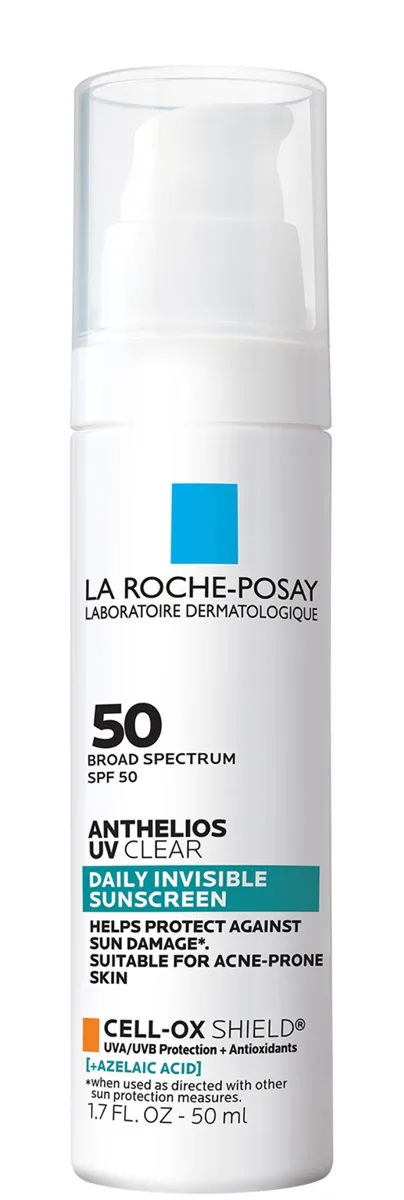 Derm Office Staple
 Anthelios UV Clear Sunscreen SPF 50
One of the only US chemical sunscreens that genuinely earns its 'for sensitive and breakout-prone skin' positioning. A photostable Anthelios filter system paired with a legitimate azelaic acid dose in a lightweight serum-fluid that disappears on every skin tone. Excellent for rosacea, acne, and post-inflammatory hyperpigmentation — and probably the single best daily sunscreen in the La Roche-Posay US lineup for those conditions.
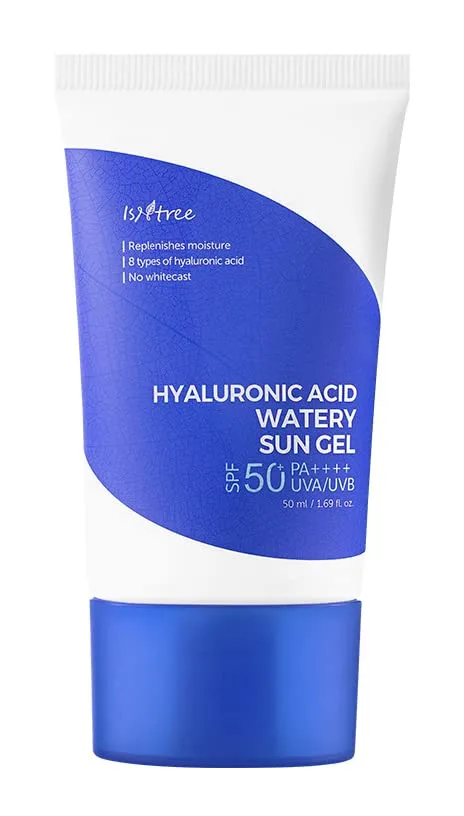 K-Beauty Daily SPF Standout
 Hyaluronic Acid Watery Sun Gel SPF 50+
One of the strongest everyday K-beauty sunscreens in the international market — modern European filters, no white cast, fragrance-free, niacinamide-boosted, and built around the brand's signature six-weight HA complex. At twenty-two dollars for 50ml, it's a case study in how much better a daily sunscreen can be when the formulator cares about both protection and wearability.
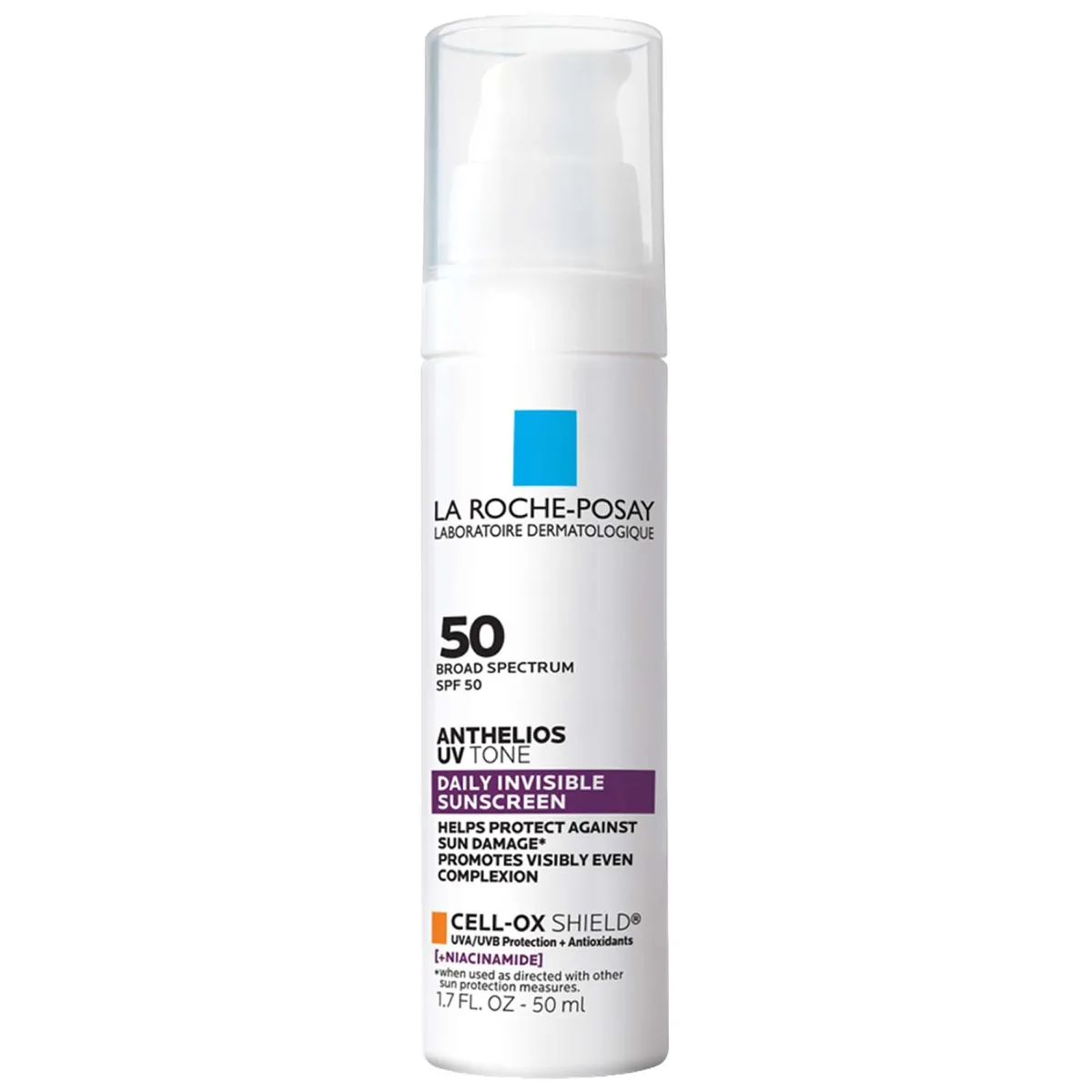 Derm Office Staple
 Anthelios UV Tone Daily Invisible Sunscreen SPF 50
La Roche-Posay's most thoughtful answer yet for hyperpigmentation-prone skin that needs daily SPF. A photostable avobenzone system reinforced with Oxynex ST, paired with a meaningful dose of niacinamide, in a serum-fluid base that goes on invisible on every skin tone. Expensive for 1.7 oz but legitimately well-built — and a rare chemical sunscreen that earns its 'for dark spots' marketing.
 Melasma-Grade Mineral Sunscreen
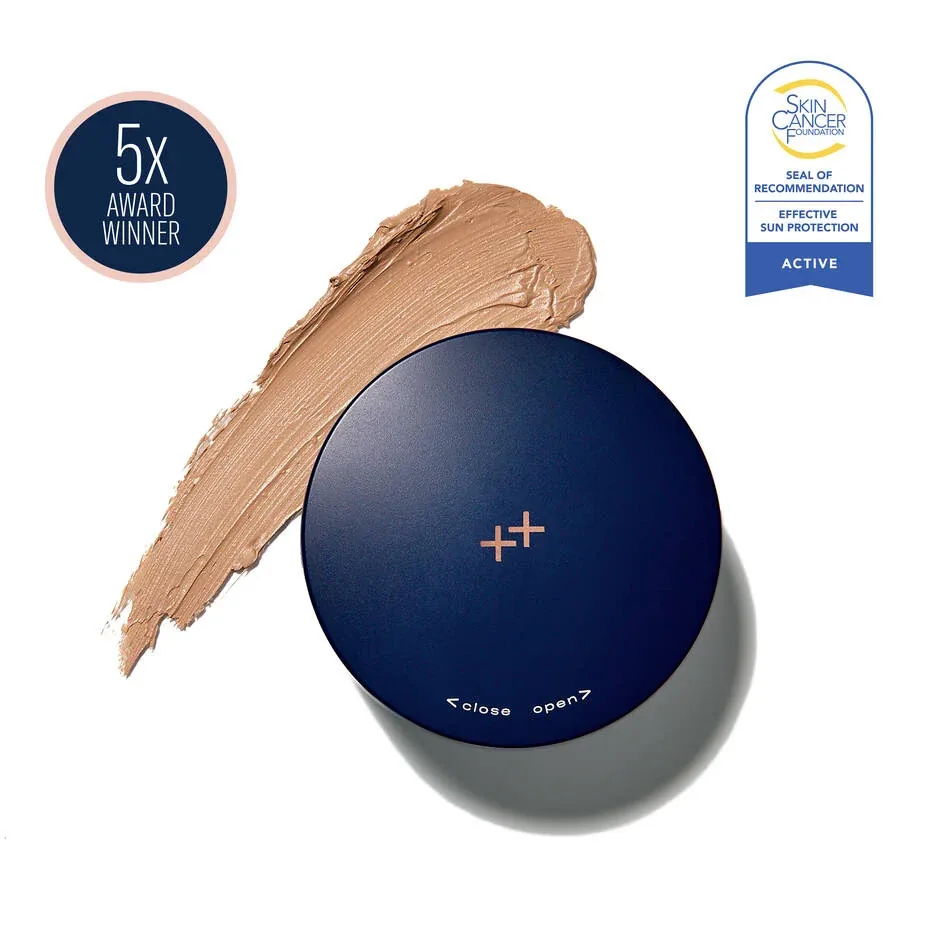
 sunbetter TONE SMART SPF 68
One of the most clinically useful tinted mineral sunscreens in the professional category. SPF 68 from a 100% mineral formula, iron oxide tint that blocks visible light for melasma protection, and an unusually lightweight texture that doesn't feel like you're wearing high-concentration zinc. For patients with melasma or post-inflammatory hyperpigmentation, this is the category benchmark — and it's earned its Allure Best of Beauty wins.
 K-Beauty Cult Favorite
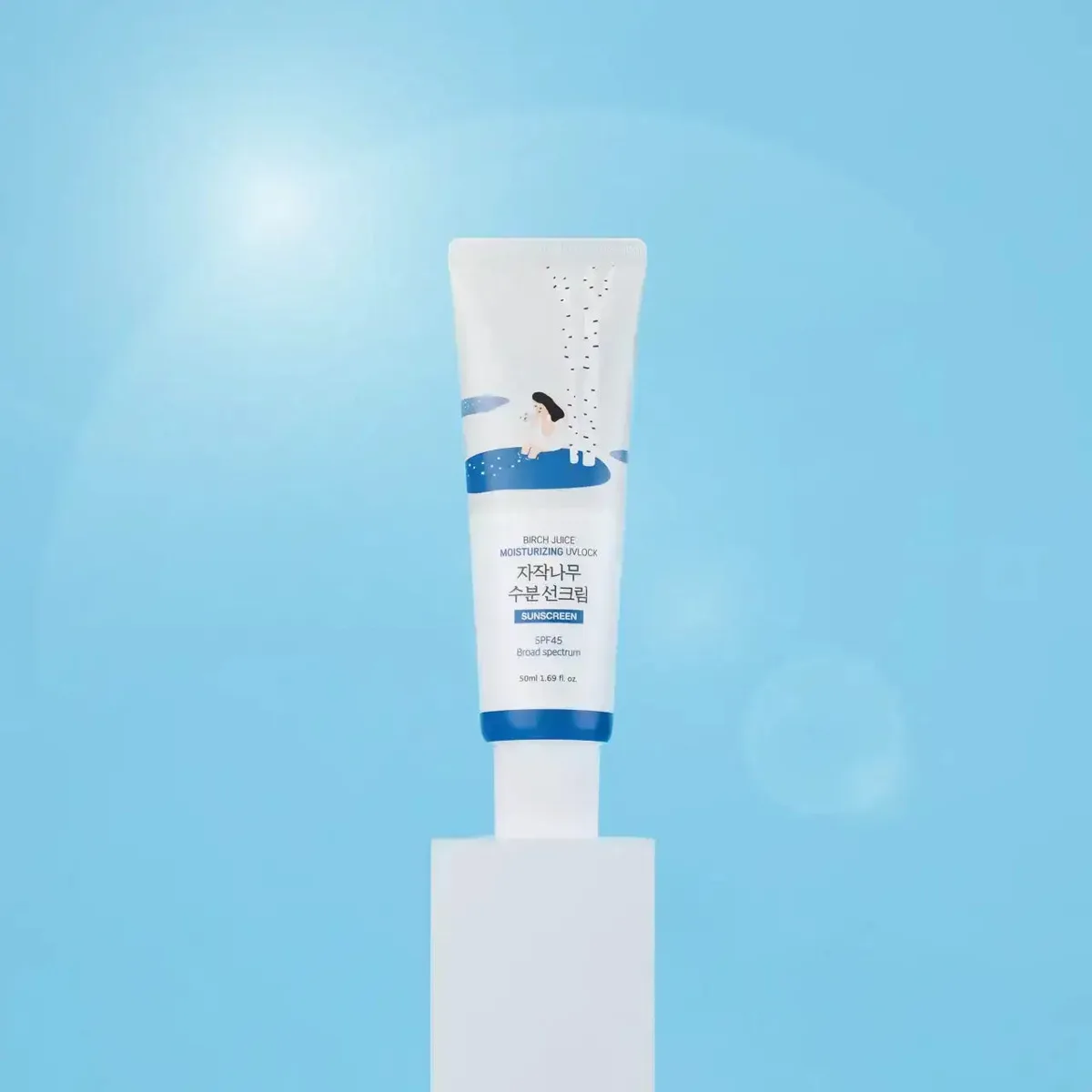
 Birch Juice Moisturizing Sun Cream SPF 50+
One of the best hybrid sunscreens in K-beauty right now — a 70% birch sap base, modern UVA filters you can't get in the US, and a finish that wears like a lightweight moisturizer. Broadly compatible, well-priced, and genuinely pleasant to apply, with minor tradeoffs for oily and fungal-acne-prone users.
 The K-Beauty Sunscreen That Changed Everything
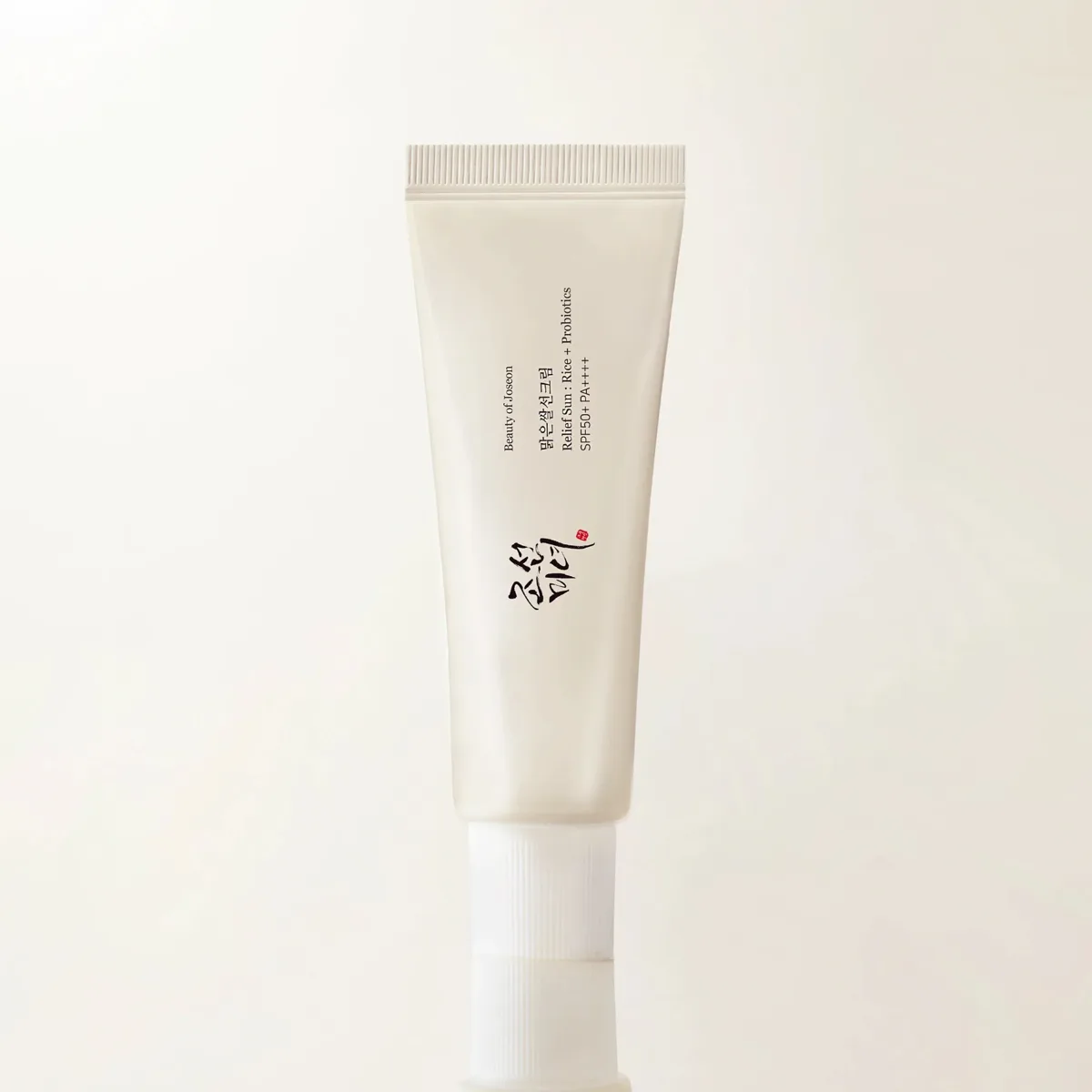
 Relief Sun: Rice + Probiotics SPF 50+
The sunscreen that rewrote the rules for what a $14 product could deliver. With independently verified SPF 50+, 30% rice extract, niacinamide, and a probiotic ferment complex, it offers protection and skincare benefits that rival products three times its price. The texture that feels like wearing nothing on your face is the reason it went viral — and stayed there.
This review reflects our independent analysis of publicly available ingredient data, manufacturer claims, and verified user reviews. We are reader-supported — Amazon links may earn us a commission at no cost to you. We do not accept paid placements; rankings are based solely on the evidence.