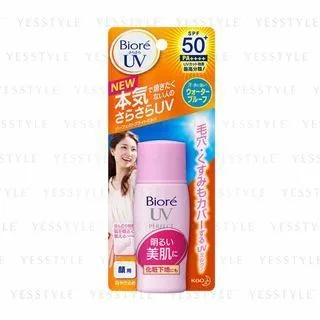
A clever dual-purpose product that embeds tone correction directly into your sunscreen step — the pinkish tint brightens sallow complexions while five UV filters deliver serious SPF 50+ protection. Best for oily, light-to-medium skin types who want their SPF to double as a matte primer.
UV Bright Face Milk SPF 50+
A clever dual-purpose product that embeds tone correction directly into your sunscreen step — the pinkish tint brightens sallow complexions while five UV filters deliver serious SPF 50+ protection. Best for oily, light-to-medium skin types who want their SPF to double as a matte primer.
Score Breakdown
Where this product gains points and where it loses them — broken down across the four scoring pillars.
A solid hybrid sunscreen with a thoughtful brightening effect from mica, tin oxide, and a pink tint. The UV filter system is comprehensive, but the small 30ml size limits value, the pinkish tone is not universal across skin tones, and the mattifying formula runs dry on non-oily skin.
Pros & Cons
- ✓Pink-tinted formula doubles as a tone-correcting makeup base that brightens sallow complexions
- ✓Five UV-active ingredients deliver genuine SPF 50+ PA++++ hybrid protection
- ✓Fragrance-free — a rare and welcome distinction among Japanese Bioré sunscreens
- ✓Matte, powdery finish controls oil and extends makeup wear for oily skin types
- ✓Silicone-smooth application creates an even, poreless canvas for foundation
- ✓Compact 30ml size is convenient for travel and daily handbag carry
- ✗Pink tint is not suitable for deep skin tones — can leave an ashy or unnatural cast
- ✗Aggressively mattifying — very drying on combination, normal, and dry skin types
- ✗Small 30ml size lasts only about a month, making it less economical per ml
- ✗Requires oil-based cleanser for proper removal of the tenacious silicone base
- ✗Contains alcohol that can sting on sensitized or freshly exfoliated skin
Full Review
Japanese women have long understood something that the Western beauty market is only recently catching onto: your sunscreen should be doing more than just blocking UV. In a country where the morning skincare routine is a precisely choreographed sequence of layers, each product justifies its position by multitasking. The Bioré UV Bright Face Milk is perhaps the purest expression of this philosophy — a sunscreen that exists to make your skin look better, not just protect it.
The product arrives in a compact 30ml bottle that signals face-only intent. Shake it, and a uniform pinkish milk emerges — the color comes from D&C Red #30, mica, and tin oxide, which together create the brightening effect that gives this product its name. The pink tone is not heavy or opaque. It is closer to a sheer color wash that neutralizes sallowness and yellow undertones, leaving the complexion looking fresher and more even without any actual pigment coverage.
The formula is built on the same silicone-based architecture as the Athlizm Milk — cyclopentasiloxane first, zinc oxide second — but optimized for cosmetic elegance rather than extreme durability. Five UV-active ingredients span the spectrum: zinc oxide and titanium dioxide provide physical scattering, octinoxate delivers UVB absorption, and DHHB and Tinosorb S cover the UVA range. The SPF 50+ PA++++ rating is genuine and well-supported by this multi-filter system.
The finish is decisively matte. Talc, polymethylsilsesquioxane, and the silicone base create a powdery surface that absorbs oil on contact. For oily and combination skin types, this is a gift — it creates a smooth, non-greasy canvas that holds makeup in place and controls shine for hours. For everyone else, it is a warning. Dry skin types will find this uncomfortably tight without a hydrating layer underneath. The alcohol content accelerates the mattifying effect, and there is no glycerin or emollient cushion to soften the blow.
The fragrance-free formulation deserves specific recognition. Among Bioré's Japanese sunscreens, which almost universally contain fragrance, the Bright Face Milk stands out as one of the rare exceptions. For users who love the Japanese sunscreen experience but have fragrance sensitivities, this is a meaningful differentiator.
As a makeup base, this performs exceptionally well. The silicone-smooth finish provides the kind of even, poreless canvas that dedicated primers aspire to. Foundation glides on without pilling or separation, and the pinkish undertone can replace a separate color-correcting primer for those who deal with dullness or sallowness. The matte finish also extends the wear time of makeup, particularly for oily skin types who struggle with midday shine.
The primary limitation is the tint's universality — or lack thereof. The pinkish hue is flattering on light to medium skin tones with cool to neutral undertones, but it can look ashy or leave a noticeable cast on deep skin tones and warm-toned complexions. This is not a universal product, and Bioré's lack of shade range in its face milks is a legitimate shortcoming in a global market.
The 30ml size is the other frustration. At the recommended application amount for adequate UV protection, a bottle lasts roughly a month of daily use. For a product priced around $12 through importers, that works out to roughly $0.40 per day — not unreasonable, but significantly less economical per ml than the Aqua Rich products. The small bottle does make it convenient for travel and handbag use, but many users have expressed a wish for a larger option.
Removal, as with all silicone-based Bioré milks, requires an oil-based first cleanse. The water-resistant formula is designed to stay put, and a regular face wash will not fully remove the silicone and mineral residue.
The Bright Face Milk occupies a specific niche: it is for the person who wants maximum UV protection with built-in complexion enhancement, is willing to trade hydration for mattification, and has the right skin tone to benefit from the pink tint. Within that niche, it excels. Outside of it, the Aqua Rich line or the Perfect Milk are better fits. But for the oily-skinned, light-complexioned user who has spent years applying sunscreen, then primer, then color corrector, discovering that one product can replace all three is a small but meaningful revelation.
Formula
Key Ingredients
The hero actives that drive this product's performance.
| Ingredient | Function | Evidence |
|---|---|---|
| Zinc Oxide | Provides broad-spectrum mineral UV protection as the second ingredient, forming the primary physical shield. In this brightening formula, the zinc oxide particles are coated and paired with titanium dioxide to maximize UV scattering while the mica and tin oxide add light-diffusing radiance on top. | well-established |
| Titanium Dioxide | Supplements the zinc oxide with additional UV scattering focused on the UVB range, while contributing to the bright, smooth-looking finish that makes this function as a makeup base. The coated titanium dioxide helps achieve the product's signature soft-focus effect. | well-established |
| Mica and Tin Oxide | The 'Bright' in the product name — mica reflects light to create a luminous base, while tin oxide adds a fine pearlescent sheen. Combined with the D&C Red #30 tint, they give the milk its characteristic pinkish, skin-brightening tone correction that evens out dullness and sallowness. | well-established |
| Diethylamino Hydroxybenzoyl Hexyl Benzoate (DHHB) | Targets UVA-I wavelengths to ensure PA++++ protection in the longer wavelength range where zinc oxide's absorption falls off. Works alongside Tinosorb S to provide complete UVA coverage. | well-established |
| Sodium Hyaluronate | Provides moisture retention within the silicone-dominant, mattifying base to prevent the formula from feeling excessively dry on the skin surface. Low in the INCI list, it offers modest hydration support. | well-established |
Full INCI List
Cyclopentasiloxane, Zinc Oxide, Alcohol, Water, Ethylhexyl Methoxycinnamate, Dimethicone, Hydrogenated Polyisobutene, Lauryl Methacrylate/Sodium Methacrylate Crosspolymer, Isopropyl Palmitate, Talc, Titanium Dioxide, Diethylamino Hydroxybenzoyl Hexyl Benzoate, Polymethylsilsesquioxane, Glycerin, Mica, Bis-Ethylhexyloxyphenol Methoxyphenyl Triazine, PEG-12 Dimethicone, Triethoxycaprylylsilane, Polysilicone-9, PEG-3 Dimethicone, Silica, Vinyl Dimethicone/Methicone Silsesquioxane Crosspolymer, Aluminum Hydroxide, Methylhydrogen Polysiloxane, Dimethicone/Vinyl Dimethicone Crosspolymer, Stearic Acid, PEG-32, BHT, Tin Oxide, Barium Sulfate, Aluminum Dimyristate, Sodium Hyaluronate, D&C Red #30, Phenoxyethanol
Product Flags
✓ Fragrance Free✗ Alcohol Free✗ Oil Free✗ Silicone Free✓ Paraben Free✓ Sulfate Free✗ Cruelty Free✗ Vegan✗ Fungal Acne Safe
Comedogenic Ingredients
Isopropyl Palmitate
Potential Irritants
AlcoholEthylhexyl MethoxycinnamateD&C Red #30
Compatibility
Skin Match
Best For
Works For
Not Ideal For
Addresses These Conditions
Use With Caution
Avoid With
eczema compromised skin barrier rosacea
Routine Step
sunscreen
Time of Day
AM
Pregnancy Safe
Yes ✓
Layering Tips
Apply as the final skincare step, doubling as a makeup base. The pinkish tint provides natural tone correction — skip color-correcting primers when using this. Apply moisturizer underneath if you have dry patches. Foundation layers smoothly on top.
Results Timeline
Immediate brightening and tone-evening effect upon application. UV protection is active right away. The pinkish tint creates instant radiance that lasts 4-6 hours. Consistent daily use prevents photoaging and hyperpigmentation long-term.
Pairs Well With
Hydrating moisturizer (underneath)Lightweight foundation (on top)Setting powder (for oily T-zones)
Sample AM Routine
- Gentle cleanser
- Hydrating toner
- Lightweight moisturizer
- Biore UV Bright Face Milk SPF 50+
- Foundation (optional)
Sample PM Routine
- Oil cleanser
- Water-based cleanser
- Toner
- Serum
- Night cream
Evidence
Science & Expert Perspective
The Science
The Bright Face Milk employs a five-component UV filter system that combines physical and chemical mechanisms. Zinc oxide and titanium dioxide provide physical UV scattering across a broad spectrum, while octinoxate (ethylhexyl methoxycinnamate) delivers targeted UVB absorption. DHHB and Tinosorb S complete the coverage in the UVA range, with Tinosorb S additionally serving as a photostabilizer for the octinoxate.
The cosmetic optics in this formula are worth examining. Mica is a naturally occurring silicate mineral that creates a pearlescent, light-reflective effect when applied to skin. Tin oxide nanoparticles add a fine, uniform luminosity that scatters visible light more evenly than mica alone. Together, they create what optical engineers call a soft-focus effect — light that hits the skin is reflected at multiple angles rather than in a single direction, which visually smooths texture and reduces the appearance of fine lines and pores.
D&C Red #30 (a synthetic organic pigment) provides the pink tint that neutralizes yellow and sallow undertones. Color theory in cosmetics follows complementary color principles: pink (a red-blue blend) counteracts the yellow-green tones associated with dullness and fatigue. The concentration is calibrated to be sheer enough that it provides correction without obvious pigmentation — the goal is skin that looks naturally brighter, not visibly tinted.
Barium sulfate, listed toward the end of the INCI, serves as an opacifier and UV-scattering aid. While not a primary UV filter, its refractive properties contribute to the overall protective film and enhance the opacity of the zinc oxide and titanium dioxide layers.
The silicone vehicle (cyclopentasiloxane, dimethicone, polymethylsilsesquioxane) creates a water-resistant film that is inherently hydrophobic, contributing to the product's durability during wear. Polymethylsilsesquioxane specifically creates the matte, blurring finish by forming microscopic spherical particles that scatter light and absorb surface oils.
Dermatologist Perspective
Dermatologists view tinted mineral sunscreens favorably for their dual function of UV protection and visible light defense. Board-certified dermatologists note that iron oxides and mineral tints can provide protection against visible light — particularly relevant for patients with melasma and hyperpigmentation, where visible light wavelengths can trigger pigmentation in addition to UV. While the Bright Face Milk's pink tint is not iron oxide-based, the mineral components (zinc oxide, titanium dioxide) do scatter some visible light. Dermatologists caution that the mattifying nature of this formula makes it inappropriate for patients with dry skin or eczema, and recommend it primarily for oily-to-normal skin types seeking a multifunctional sun protection step.
Guidance
Usage Guide
How to Use
Shake well before each use to mix the separated mineral and fluid components. Apply a nickel-sized amount to clean, moisturized face. Spread evenly across forehead, cheeks, nose, and chin. The milk sets to a matte finish within 1-2 minutes — avoid touching during this time. Apply foundation or powder on top as desired. Reapply every 2 hours during sun exposure. Remove at end of day with an oil cleanser followed by a water-based cleanser.
Value Assessment
At approximately $12 for 30ml, the per-ml cost is roughly $0.40 — nearly double the per-ml price of the Aqua Rich Watery Essence. The premium reflects the specialized face-milk format and brightening optics. For users who would otherwise buy both a sunscreen and a separate tone-correcting primer, the combined function can actually represent savings. However, the small size means monthly repurchasing, which adds up to roughly $144 per year of daily use. The value is best for those who fully leverage the dual sunscreen-primer function.
Who Should Buy
Oily and combination skin types with light-to-medium, cool-to-neutral complexions who want their sunscreen to double as a brightening, mattifying makeup base. Ideal for anyone looking to streamline their morning routine by combining UV protection with tone correction and oil control.
Who Should Skip
Deep skin tones, warm-toned complexions, dry skin types, and anyone who prefers a dewy or hydrating finish. Also avoid if you have rosacea, eczema, or a compromised skin barrier due to the alcohol and aggressively mattifying formula.
Ready to try Biore UV Bright Face Milk SPF 50+?
Details
Details
Texture
Fluid silicone-based milk that shakes to a uniform pink-tinted liquid, setting to a smooth, matte, powdery finish
Scent
Fragrance-free — one of the few unscented products in the Bioré Japanese sunscreen lineup
Packaging
Compact 30ml shake-to-mix bottle designed for face-only use, in Bioré's Face Milk branding with pink accents
Finish
mattesatinnatural
What to Expect on First Use
Shake well before use. The pinkish milk applies smoothly with a silicone-primer feel. Within a minute, it sets to a matte, powdery finish that visibly brightens and evens the complexion. The effect is like a light BB cream without coverage — more tone correction than pigment. Dry skin types will notice tightness if no moisturizer is applied underneath.
How Long It Lasts
1-2 months with daily face-only application
Period After Opening
12 months
Best Season
All Year
Background
The Why
The Face Milk sub-line was Bioré's answer to the Japanese consumer's desire for sunscreens that serve as functional makeup bases. In a market where sun protection is non-negotiable and makeup routines are carefully layered, the Bright Face Milk bridged the gap by building tone correction directly into the SPF step. The product has been continuously refined since its original launch, with the pink-tinted variant targeting the 'brightening' trend popular in East Asian beauty.
About Biore Legacy Brand (20+ years)
Bioré's Face Milk range represents Kao Corporation's makeup-base-oriented sunscreens, combining UV protection with tone-correcting effects. The Bright Face Milk has been part of the Japanese Bioré lineup for over a decade, reformulated across multiple generations.
Brand founded: 1980 · Product launched: 2012
Myth vs. Reality
Myths & Misconceptions
Myth
The pink tint in this sunscreen means it contains harmful artificial colorants
Reality
D&C Red #30 is an FDA-approved colorant widely used in cosmetics and sunscreens. At the low concentration present in this formula, it provides a subtle pinkish tone correction without safety concerns. The tint serves a functional cosmetic purpose — counteracting sallowness and dullness in the complexion.
Myth
Tinted sunscreens provide less UV protection than clear ones
Reality
The tint comes from colorants (D&C Red #30) and light-reflectors (mica, tin oxide) that are separate from the UV-active filters. The zinc oxide, titanium dioxide, octinoxate, DHHB, and Tinosorb S provide the actual UV protection, and the tint does not reduce their efficacy. In fact, mineral tints can add a small amount of visible light protection.
FAQ
Frequently Asked Questions
Does the Biore UV Bright Face Milk work on dark skin tones?
The pinkish tint from D&C Red #30 and mica can leave a noticeable cast on deep or warm-toned skin. This product is best suited for light to medium skin tones where the pink brightening effect is subtle and flattering. For darker skin tones, consider the Bioré UV Aqua Rich Watery Essence, which has no tint and absorbs transparently.
Can I use the Biore Bright Face Milk as a makeup primer?
Yes — this is one of its primary functions. The silicone-based formula creates a smooth, matte canvas that helps foundation adhere evenly. The pink tint provides natural tone correction, potentially replacing a separate color-correcting primer. Allow 1-2 minutes for the milk to set before applying foundation.
Is the Biore UV Bright Face Milk fragrance-free?
Yes — this is one of the few products in Bioré's Japanese sunscreen lineup that does not contain added fragrance. This makes it a better option for fragrance-sensitive users than the Aqua Rich products, which all contain fragrance.
Why does this sunscreen feel so drying?
The combination of cyclopentasiloxane (volatile silicone), alcohol, zinc oxide, talc, and polymethylsilsesquioxane creates an aggressively mattifying formula. This is intentional — it is designed for oily skin types who want oil control alongside UV protection. If you find it too drying, apply a hydrating moisturizer or hydrating toner underneath before application.
How long does a 30ml bottle of Biore Bright Face Milk last?
At the recommended sunscreen application amount (about 1/4 teaspoon for the face), a 30ml bottle provides approximately 25-30 days of daily use. This makes it one of the less economical Bioré sunscreen options — you will go through roughly one bottle per month with daily use.
Community
Community Voices
Common Praise
"Excellent makeup base that gives skin a brightened, even look"
"Matte finish controls oil well throughout the day"
"Fragrance-free formulation is a rare plus in J-beauty sunscreens"
"Non-greasy feel despite high mineral content"
"Strong SPF 50+ PA++++ protection in a face-specific formula"
Common Complaints
"Pinkish tint is not suitable for deep or warm-toned skin"
"Very drying — requires moisturizer underneath for most skin types"
"Small 30ml size runs out quickly for daily use"
"Can leave a slight white or pink cast on darker complexions"
"Requires oil cleanser for thorough removal"
Notable Endorsements
Popular J-beauty makeup base sunscreenRecommended in Asian beauty communities for tone correction
Appears In
best sunscreen primer best matte sunscreen best sunscreen for oily skin best brightening sunscreen
Related Conditions
sun damage dullness oiliness hyperpigmentation
Related Ingredients
You Might Also Like
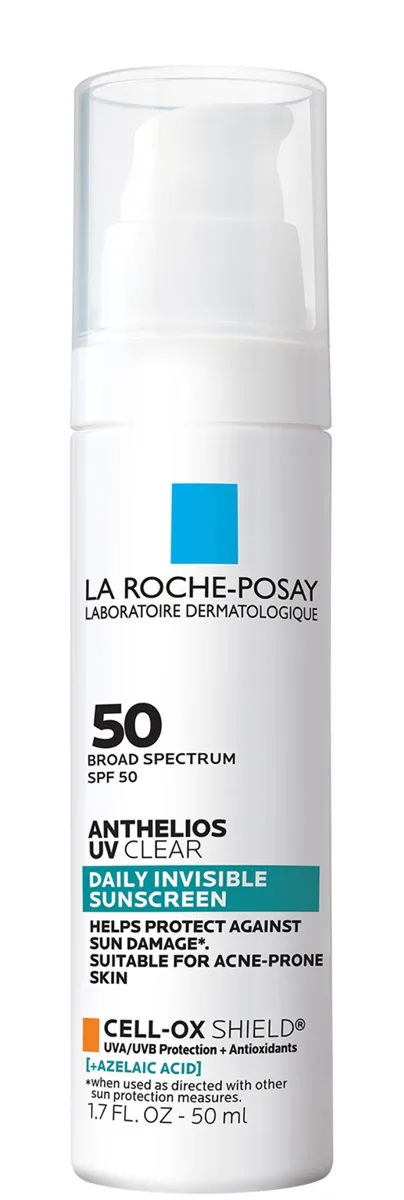 Derm Office Staple
 Anthelios UV Clear Sunscreen SPF 50
One of the only US chemical sunscreens that genuinely earns its 'for sensitive and breakout-prone skin' positioning. A photostable Anthelios filter system paired with a legitimate azelaic acid dose in a lightweight serum-fluid that disappears on every skin tone. Excellent for rosacea, acne, and post-inflammatory hyperpigmentation — and probably the single best daily sunscreen in the La Roche-Posay US lineup for those conditions.
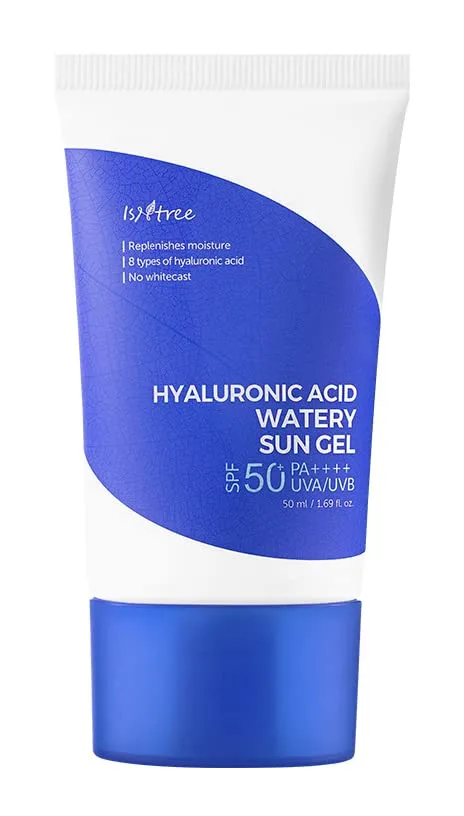 K-Beauty Daily SPF Standout
 Hyaluronic Acid Watery Sun Gel SPF 50+
One of the strongest everyday K-beauty sunscreens in the international market — modern European filters, no white cast, fragrance-free, niacinamide-boosted, and built around the brand's signature six-weight HA complex. At twenty-two dollars for 50ml, it's a case study in how much better a daily sunscreen can be when the formulator cares about both protection and wearability.
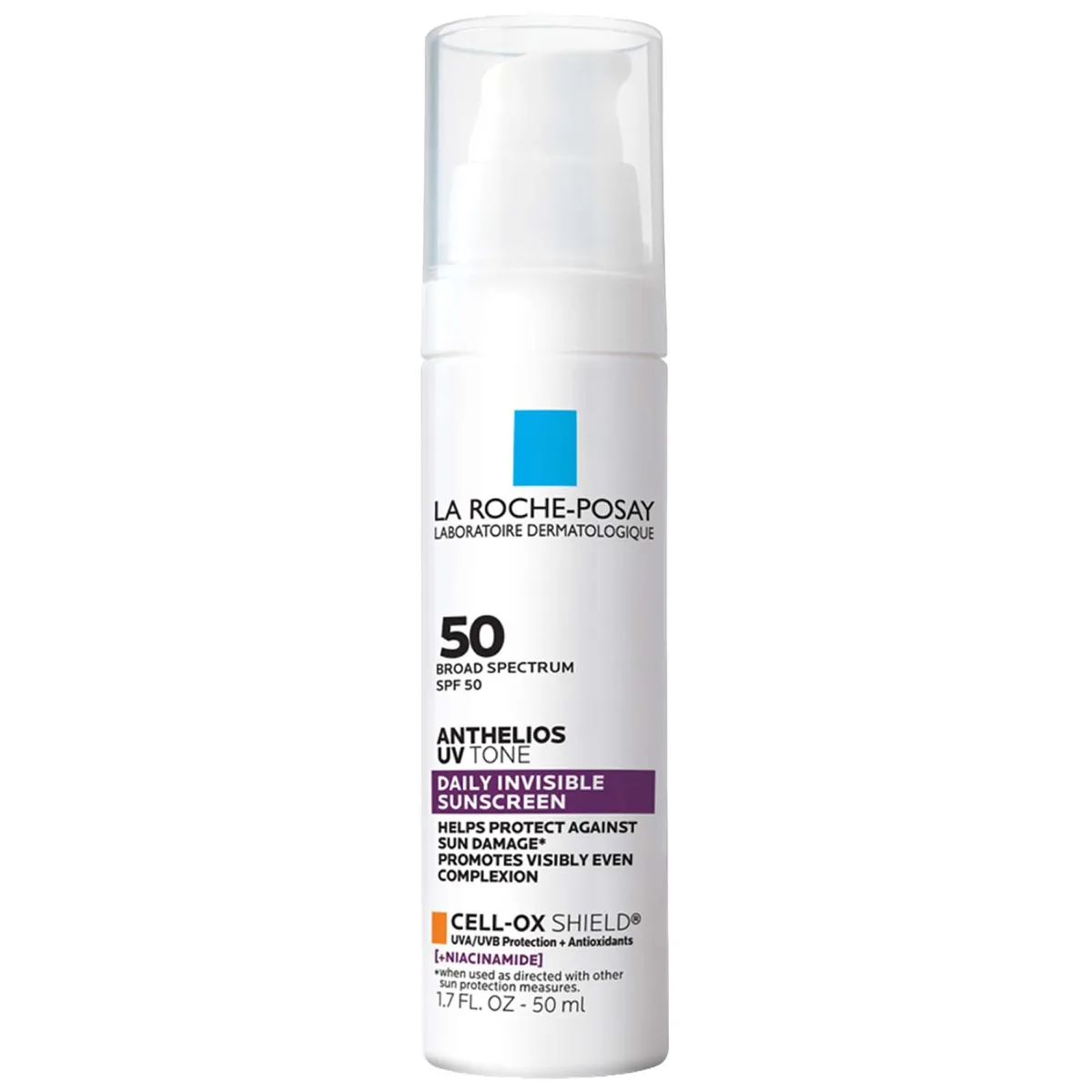 Derm Office Staple
 Anthelios UV Tone Daily Invisible Sunscreen SPF 50
La Roche-Posay's most thoughtful answer yet for hyperpigmentation-prone skin that needs daily SPF. A photostable avobenzone system reinforced with Oxynex ST, paired with a meaningful dose of niacinamide, in a serum-fluid base that goes on invisible on every skin tone. Expensive for 1.7 oz but legitimately well-built — and a rare chemical sunscreen that earns its 'for dark spots' marketing.
 Melasma-Grade Mineral Sunscreen
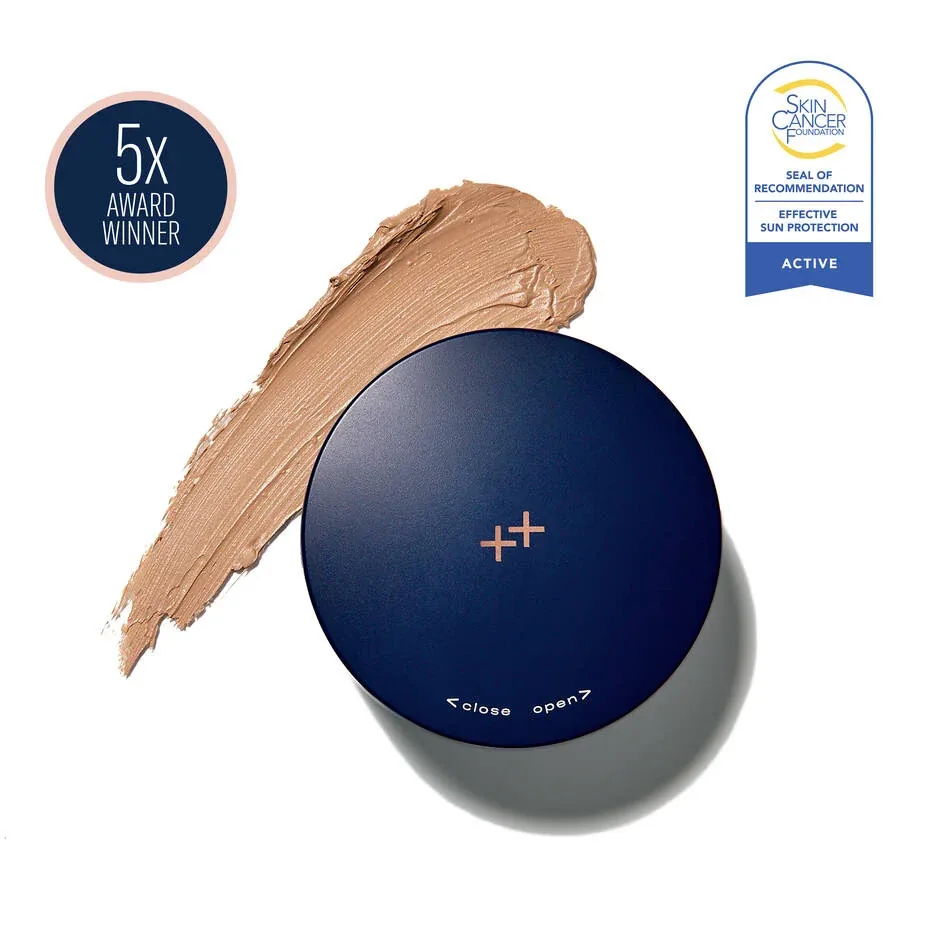
 sunbetter TONE SMART SPF 68
One of the most clinically useful tinted mineral sunscreens in the professional category. SPF 68 from a 100% mineral formula, iron oxide tint that blocks visible light for melasma protection, and an unusually lightweight texture that doesn't feel like you're wearing high-concentration zinc. For patients with melasma or post-inflammatory hyperpigmentation, this is the category benchmark — and it's earned its Allure Best of Beauty wins.
 K-Beauty Cult Favorite
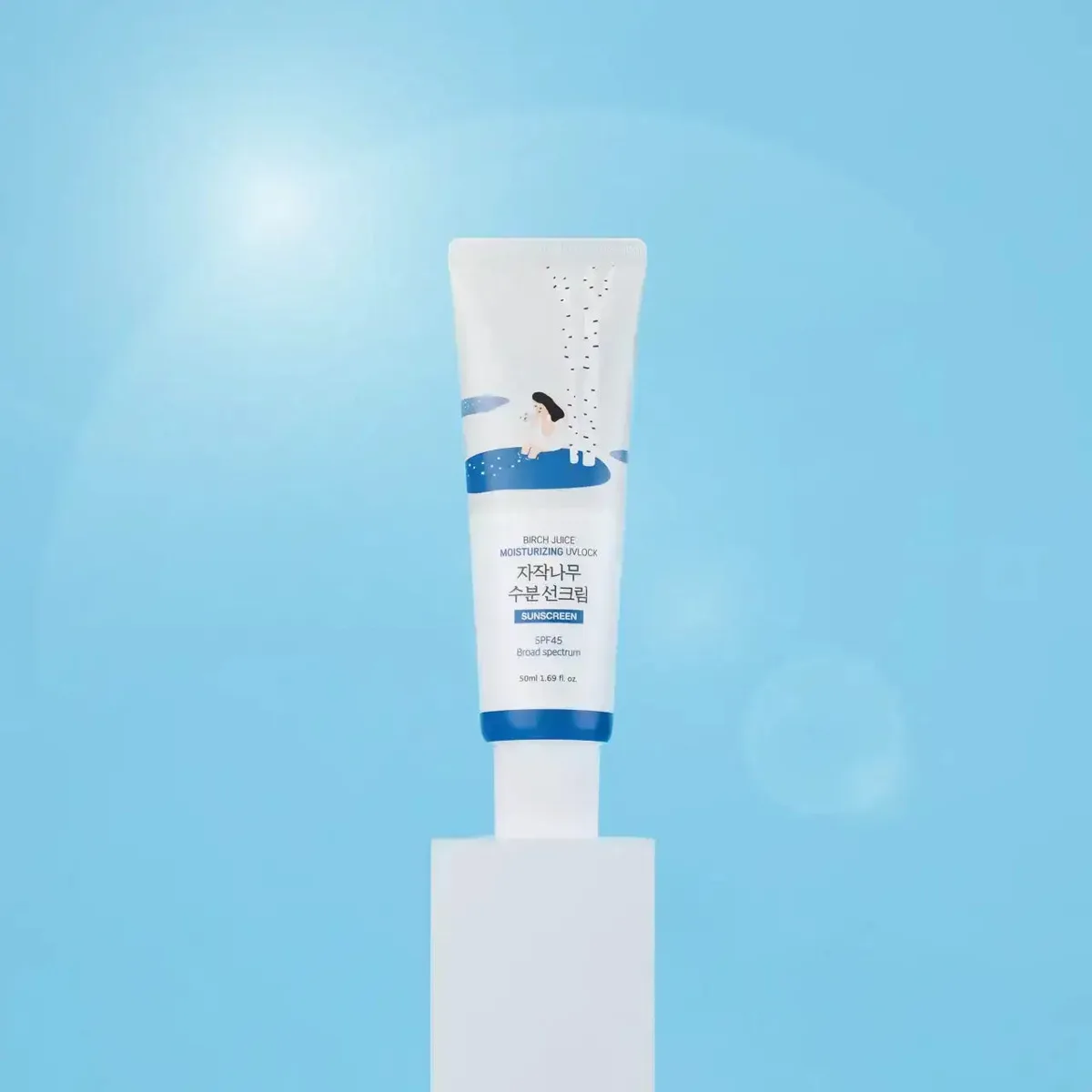
 Birch Juice Moisturizing Sun Cream SPF 50+
One of the best hybrid sunscreens in K-beauty right now — a 70% birch sap base, modern UVA filters you can't get in the US, and a finish that wears like a lightweight moisturizer. Broadly compatible, well-priced, and genuinely pleasant to apply, with minor tradeoffs for oily and fungal-acne-prone users.
 The K-Beauty Sunscreen That Changed Everything
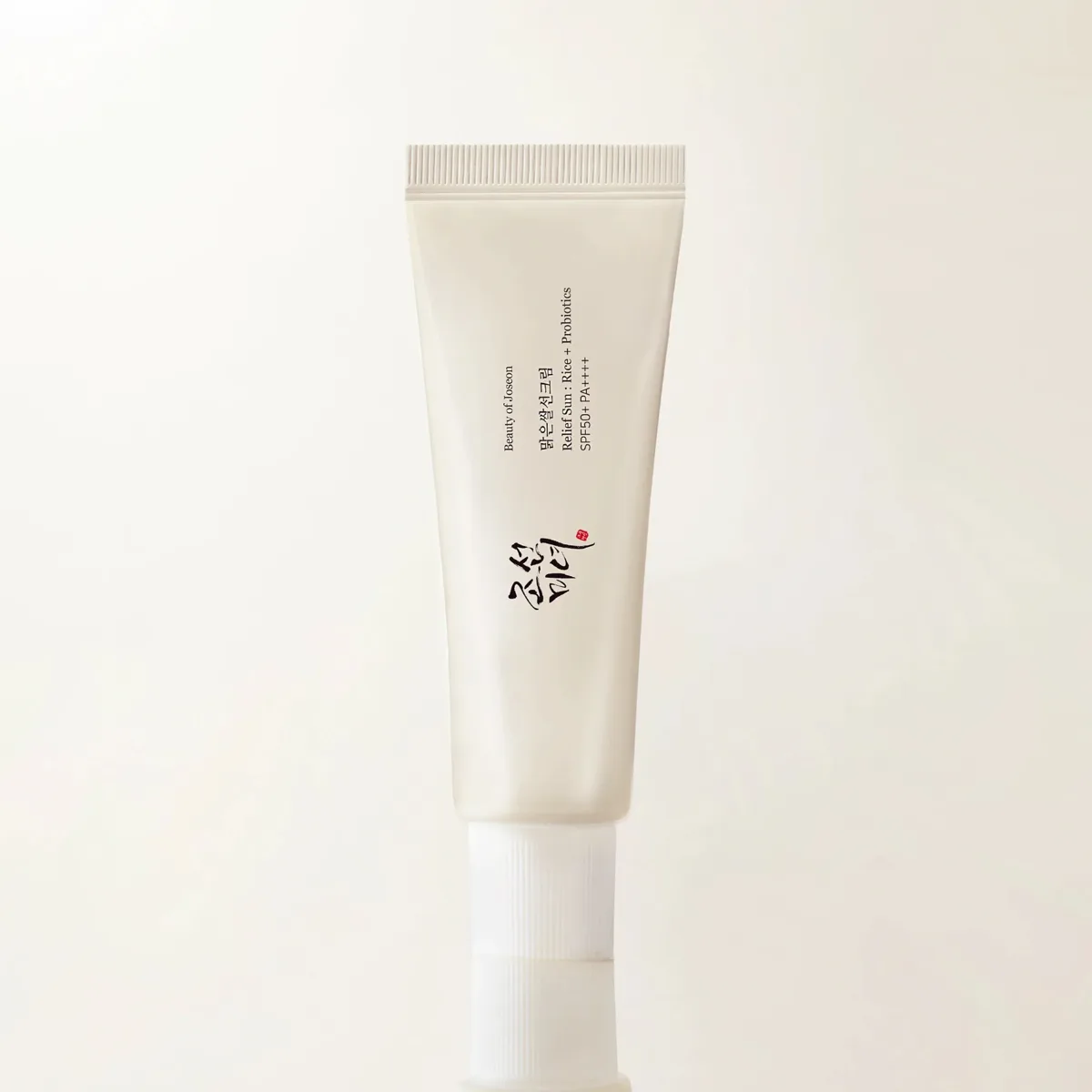
 Relief Sun: Rice + Probiotics SPF 50+
The sunscreen that rewrote the rules for what a $14 product could deliver. With independently verified SPF 50+, 30% rice extract, niacinamide, and a probiotic ferment complex, it offers protection and skincare benefits that rival products three times its price. The texture that feels like wearing nothing on your face is the reason it went viral — and stayed there.