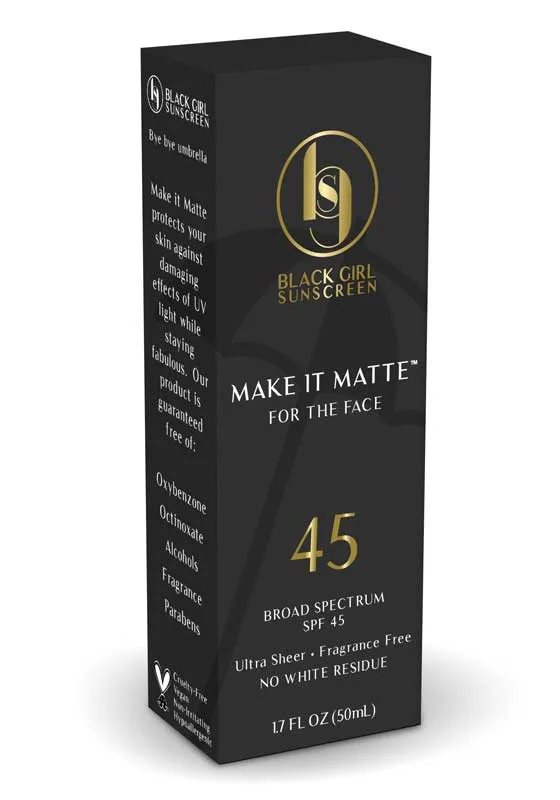
A solid no-white-cast face sunscreen with competent broad-spectrum protection, but the matte promise does not fully deliver for everyone. The gel texture and chemical filter combo work beautifully on melanin-rich skin, though the finish lands closer to satin than truly matte. A good option for oily skin types, with the caveat that you may still need blotting papers by afternoon.
Make It Matte SPF 45
A solid no-white-cast face sunscreen with competent broad-spectrum protection, but the matte promise does not fully deliver for everyone. The gel texture and chemical filter combo work beautifully on melanin-rich skin, though the finish lands closer to satin than truly matte. A good option for oily skin types, with the caveat that you may still need blotting papers by afternoon.
Score Breakdown
Where this product gains points and where it loses them — broken down across the four scoring pillars.
A competent four-filter broad-spectrum sunscreen with genuine no-white-cast performance, but the matte finish claim receives mixed consumer validation and the formula includes coconut oil, which is an unusual choice for an oily-skin product. Good but not outstanding.
Pros & Cons
- ✓Absolutely no white cast on melanin-rich skin — completely invisible application
- ✓Four-filter broad-spectrum SPF 45 provides robust UV protection
- ✓Gel texture is lighter and less greasy than cream sunscreens
- ✓Works well as a makeup primer once fully set
- ✓Fragrance-free and paraben-free formulation
- ✓Affordable at $17.99 and widely available at mass retailers
- ✗Matte finish claim is only partially delivered — closer to satin than true matte
- ✗Takes 1-2 minutes to set and can feel tacky before fully absorbing
- ✗Contains coconut oil, which is comedogenic and counterintuitive for oily skin
- ✗Can transfer to phone screens, clothing, and hands throughout the day
- ✗Very oily skin types may experience breakthrough shine by midday
- ✗Only 1.7 oz — small size for the price compared to body sunscreens
Full Review
Black Girl Sunscreen built its reputation on one revolutionary idea that should not have been revolutionary: sunscreen that does not make dark skin look ashy. The original formula proved the concept. The Kids SPF 50 extended it to children. And then came Make It Matte, the brand's attempt to solve a second problem that disproportionately affects melanin-rich sunscreen wearers: the shine that most chemical sunscreens leave behind.
The thinking is sound. Chemical UV filters solve the white-cast problem by absorbing rather than reflecting UV light, but they come dissolved in oily or emollient bases that can leave a dewy-to-greasy finish — particularly on skin that already produces abundant sebum. For anyone trying to wear makeup over sunscreen, or simply get through a workday without looking reflective, this is a daily frustration. Make It Matte promises to thread the needle: chemical filters for invisible protection, gel texture for lightweight wear, and silica-based mattifying agents for shine control.
The UV filter system is a step up from the Kids formula. Four chemical filters — avobenzone at 3%, homosalate at 10%, octisalate at 5%, and octocrylene at 10% — deliver broad-spectrum SPF 45. The addition of octocrylene is notable because it serves double duty: providing its own UV absorption while significantly stabilizing avobenzone, which is notoriously prone to photodegradation. This combination should maintain its protection better throughout a day of sun exposure than simpler three-filter systems.
The gel format delivers on the lightweight promise. It spreads easily across the face, requiring only a nickel-sized amount for full coverage. There is no white cast — not a hint, not a whisper, not even a slight ashiness. On this front, Black Girl Sunscreen continues to deliver exactly what it promises. The gel is clear, and it stays clear on every skin tone.
Where the product gets more complicated is the matte claim. User experiences diverge significantly. Some find the silica-based finish adequately matte, reporting that it controls shine and works well as a makeup base. Others describe the feel as silicone-heavy — a slippery, slightly tacky sensation that never fully sets to a true matte finish. The difference may come down to skin type: those with moderately oily skin find the mattifying effect sufficient, while those with very oily skin report breakthrough shine within a few hours.
The honest assessment is that this sunscreen produces a satin finish rather than the powder-dry matte that the name implies. If your reference point for matte is a setting powder or a truly oil-free mattifying primer, this will not meet that expectation. If your reference point is a standard dewy sunscreen, this is meaningfully less shiny. The matte-ness is relative.
The inactive ingredient list includes an eyebrow-raiser: coconut oil. For a product positioned for oily skin, the inclusion of a comedogenic oil is a puzzling choice. Its concentration is likely low — it appears well into the inactive list — but for acne-prone users who have learned the hard way to scan ingredient lists for coconut-derived oils, this is a legitimate concern. It is a small detail, but for the target audience of oily-skinned consumers, it is the kind of detail that matters.
Squalane and aloe vera provide the comfort layer, preventing the formula from feeling overly drying despite the silica mattifying agents. This is a thoughtful balance — pure mattifying formulas can leave skin feeling tight and stripped, which triggers reactive oil production that defeats the purpose. The squalane keeps the skin comfortable without adding visible shine.
The texture requires a brief setting period. Unlike water-light Japanese gel sunscreens that absorb in seconds, Make It Matte needs a good minute or two to fully set. During this window, the product can feel tacky and transfers to anything that touches your face. Once set, it holds up reasonably well, though some users report transfer to phone screens and clothing throughout the day.
At $17.99 for 1.7 fluid ounces, the pricing is fair for a face-specific sunscreen with four UV filters. It is less expensive than many comparable products at Sephora, and it is widely available at Target, Ulta, CVS, and Walmart. For a specialized face sunscreen in a mass-market retail channel, this represents reasonable value.
The product ultimately delivers about seventy percent of its promise. The no-white-cast claim is fulfilled completely — that remains Black Girl Sunscreen's core competency and it does not waver. The broad-spectrum protection is robust with its four-filter system. The matte finish is partial — better than most sunscreens, not as good as the name suggests. For melanin-rich consumers with oily skin who have been cycling through sunscreens looking for one that is both invisible and non-greasy, this is worth trying. It may not be the perfect solution, but it is a meaningful improvement over most alternatives, and the brand deserves credit for continuing to address the specific needs of an underserved market.
Formula
Key Ingredients
The hero actives that drive this product's performance.
| Ingredient | Function | Evidence |
|---|---|---|
| Avobenzone (3%) (3%) | Provides the formula's critical UVA protection, absorbing long-wave UV rays that cause photoaging and hyperpigmentation. Stabilized in this formula by the combination of octocrylene and homosalate, which prevent avobenzone from degrading during sun exposure — essential for a sunscreen marketed for prolonged outdoor wear. | well-established |
| Octocrylene (10%) (10%) | Serves double duty as a UVB filter and an avobenzone photostabilizer. At 10%, it significantly extends the duration of the formula's broad-spectrum protection. Also contributes to the gel-like texture by acting as an emollient that helps the formula spread evenly across the face without the thickness of cream sunscreens. | well-established |
| Squalane | Provides lightweight, non-comedogenic moisture in a formula designed for oily skin. Unlike heavier oils, squalane mimics the skin's own lipids and absorbs without adding shine — supporting the matte finish claim while preventing the drying effect that silica-heavy mattifying formulas can cause. | well-established |
| Silica | The primary mattifying agent, absorbing excess oil and creating the matte finish that the product name promises. Combined with silica silylate, it creates a micro-porous network on the skin surface that controls shine throughout the day while allowing the UV filters to maintain their protective film. | well-established |
| Aloe Vera (Aloe Barbadensis Leaf Juice) | Provides soothing hydration and anti-inflammatory benefits in a formula that might otherwise feel drying from the mattifying agents. The aloe helps keep the skin comfortable under the sunscreen film, particularly important for a face product worn all day. | well-established |
Full INCI List
Active Ingredients: Avobenzone 3%, Homosalate 10%, Octisalate 5%, Octocrylene 10%. Inactive Ingredients: Aloe Barbadensis Leaf Juice, Butyrospermum Parkii (Shea) Butter, Cetyl Ethylhexanoate, Cocos Nucifera (Coconut) Oil, Diisopropyl Adipate, Diisopropyl Sebacate, Neopentyl Glycol Diethylhexanoate, Silica, Silica Silylate, Squalane, Tocopheryl Acetate, VP/Hexadecene Copolymer
Product Flags
✓ Fragrance Free✓ Alcohol Free✗ Oil Free✗ Silicone Free✓ Paraben Free✓ Sulfate Free✓ Cruelty Free✓ Vegan✗ Fungal Acne Safe
Comedogenic Ingredients
Cocos Nucifera (Coconut) Oil
Potential Irritants
Octocrylene
Compatibility
Skin Match
Best For
Works For
Not Ideal For
Addresses These Conditions
Use With Caution
Routine Step
sunscreen
Time of Day
AM
Pregnancy Safe
Unknown
Layering Tips
Apply as the last step of your morning skincare routine, after moisturizer (if using one — oily skin types may skip moisturizer). Let it set for 1-2 minutes before applying makeup. The matte finish creates a smooth base for foundation. Reapply every 2 hours during prolonged sun exposure.
Results Timeline
Immediate UV protection and matte finish upon application. No white cast visible on melanin-rich skin tones. Mattifying effect is most noticeable within the first few hours of wear.
Pairs Well With
Lightweight gel moisturizerNiacinamide serumMattifying primer
Sample AM Routine
- Gentle cleanser
- Niacinamide serum (optional)
- Black Girl Sunscreen Make It Matte SPF 45
- Makeup (optional)
Sample PM Routine
- Oil cleanser to remove sunscreen
- Water-based cleanser
- Treatment products
- Moisturizer
Evidence
Who Should Skip
- Matte finish claim is only partially delivered — closer to satin than true matte
- Takes 1-2 minutes to set and can feel tacky before fully absorbing
- Contains coconut oil, which is comedogenic and counterintuitive for oily skin
- Can transfer to phone screens, clothing, and hands throughout the day
Science & Expert Perspective
The Science
This formula employs a four-filter UV protection system that covers both the UVA and UVB spectrum. Avobenzone (butyl methoxydibenzoylmethane) at 3% provides UVA protection across the 310-400 nm range, with peak absorption at 357 nm. The photostability challenge inherent to avobenzone is addressed through the inclusion of octocrylene at 10%, which acts as a triplet-state quencher — absorbing the energy released when avobenzone degrades under UV exposure and effectively regenerating its protective capacity.
Homosalate at 10% and octisalate at 5% provide UVB coverage in the 295-315 nm range. The salicylate esters are among the gentlest chemical UV filters, with low sensitization potential, which supports the formula's suitability for daily facial use. Together, the four filters create overlapping absorption profiles that deliver the broad-spectrum SPF 45 claim.
The mattifying approach relies on silica and silica silylate rather than high-alcohol formulations. Silica particles absorb sebum through their porous structure, reducing visible shine without the barrier-disrupting effects of denatured alcohol. Silica silylate — a surface-modified silica — creates a hydrophobic network that repels oil at the skin surface. This mechanical approach to oil control is generally better tolerated than chemical mattifying agents, though its effectiveness varies with individual sebum production levels.
The inclusion of squalane in a mattifying formula reflects current formulation philosophy that stripped, dehydrated skin compensates by overproducing oil. By providing a lightweight, biomimetic lipid, the formula aims to keep the skin barrier stable enough that reactive sebum overproduction is minimized — a preventive approach to shine control rather than purely absorptive.
Dermatologist Perspective
Dermatologists frequently emphasize that for patients with melanin-rich skin, the cosmetic elegance of a sunscreen directly impacts compliance — if it looks bad, it will not be used consistently. Board-certified dermatologists note that the four-filter chemical system in this formula provides reliable broad-spectrum protection without the white cast that drives many patients with darker skin tones to skip sunscreen entirely. For patients with oily or combination skin, dermatologists may recommend this as a reasonable daily face sunscreen, while noting that the matte effect may need supplementation with blotting papers or mattifying powder for very oily skin. Dermatologists also note that chemical UV filter sunscreens like this one are preferred by many patients of color over mineral formulations, and compliance-focused dermatology practice supports this preference.
Guidance
Usage Guide
How to Use
Apply a nickel-sized amount to clean, dry face 15 minutes before sun exposure. Spread evenly across forehead, cheeks, nose, chin, and neck. Allow 1-2 minutes for the formula to set before applying makeup or touching your face. Reapply every 2 hours during prolonged sun exposure. For midday reapplication over makeup, consider a cushion compact sunscreen or setting spray with SPF. Remove thoroughly at night with an oil-based cleanser followed by a water-based cleanser.
Value Assessment
At $17.99 for 1.7 fl oz, this is competitively priced for a face-specific gel sunscreen with four UV filters. Comparable mattifying face sunscreens from other brands often run $20-35 for similar sizes. The product is available at mass retailers (Target, Walmart, CVS, Ulta), keeping it accessible. The small size does mean frequent repurchasing for daily users, but for a face-only product, 1.7 oz should last 4-6 weeks. The value is solid, especially considering the specialized no-white-cast formulation.
Who Should Buy
Oily and combination skin types with melanin-rich skin looking for a face sunscreen that provides broad-spectrum protection without white cast or excessive shine. Ideal for daily wear under makeup, and a good choice for anyone who has avoided face sunscreen due to greasy or ashy finishes.
Who Should Skip
Dry skin types who need more moisture from their sunscreen. Anyone with a coconut oil sensitivity should check the ingredient list carefully. Those seeking a truly matte, powder-dry finish may be disappointed — this delivers satin rather than full matte. Not suitable for consumers who prefer mineral-only formulations.
Ready to try Black Girl Sunscreen Make It Matte SPF 45?
Details
Details
Texture
Clear gel that spreads easily. Thicker than expected for a gel formula — more of a gel-cream hybrid. Takes 1-2 minutes to fully set on skin.
Scent
Fragrance-free. Minimal inherent scent from the chemical UV filters.
Packaging
Squeeze tube with screw cap. Compact 1.7 oz size is travel-friendly. Black and orange branded design.
Finish
mattenon-greasy
What to Expect on First Use
Applies as a clear gel that takes a minute to absorb. The immediate feel can be slightly tacky or silicone-like before fully setting. Once set, the finish is more satin than truly matte — users with very oily skin may still notice some shine by midday. No white cast is visible from the first application. Works well under makeup once fully absorbed.
How Long It Lasts
4-6 weeks with daily face-only application
Period After Opening
12 months
Best Season
spring summer
Certifications
Cruelty-Free
Background
The Why
After establishing itself with the original moisturizing SPF 30 and the Kids line, Black Girl Sunscreen recognized that oily-skinned consumers — particularly those who wear makeup daily — needed a mattifying option. Make It Matte launched as the brand's first face-specific sunscreen, targeting the combination of concerns that had kept many melanin-rich consumers from consistent sunscreen use: white cast and excess shine.
About Black Girl Sunscreen Established Brand (5–20 years)
Black Girl Sunscreen was founded in 2016 by Shontay Lundy with $33,000 in personal savings to address the lack of sunscreens formulated for melanin-rich skin. The brand has since expanded to over 12,000 retail locations including Target, Walmart, and Ulta, and has become the first Black-owned sunscreen brand in major US retailers.
Brand founded: 2016 · Product launched: 2023
Myth vs. Reality
Myths & Misconceptions
Myth
Gel sunscreens provide less protection than cream sunscreens.
Reality
The vehicle (gel, cream, lotion) does not determine UV protection — the UV filters and their concentrations do. This gel contains four chemical UV filters at substantial concentrations providing broad-spectrum SPF 45 protection. The gel format simply affects texture and aesthetics, not the level of sun protection when applied correctly.
Myth
SPF 45 is significantly weaker than SPF 50.
Reality
SPF 45 blocks approximately 97.8% of UVB rays, while SPF 50 blocks about 98%. The practical difference is negligible. Reapplication frequency and application amount matter far more than the difference between SPF 45 and 50.
FAQ
Frequently Asked Questions
Is Black Girl Sunscreen Make It Matte actually matte?
Reviews are mixed on this point. The silica-based formula provides a more matte finish than most sunscreens, but it may not deliver the truly oil-free, powder-dry finish some users expect. The result is closer to a satin finish with reduced shine, which works well under makeup but may not fully control oil for the entire day on very oily skin.
Does this sunscreen leave a white cast?
No. Like all Black Girl Sunscreen products, this formula uses exclusively chemical UV filters that absorb into the skin invisibly. There is no zinc oxide or titanium dioxide to cause white residue on any skin tone.
Can I wear this under makeup?
Yes — the gel texture creates a smooth, relatively matte base for foundation. Allow 1-2 minutes for the sunscreen to fully set before applying makeup. Many users report it works as well as or better than a dedicated primer for keeping makeup in place.
How does this compare to the original Black Girl Sunscreen?
The original BGS SPF 30 is a moisturizing lotion designed for face and body with a dewy finish. Make It Matte is specifically a face-only gel at higher SPF 45, formulated with silica mattifying agents for shine control. Choose the original for dry/normal skin and body use; choose Make It Matte for oily/combination skin and a less dewy face finish.
Is this sunscreen water resistant?
Yes, the formula provides water resistance. However, as a face sunscreen primarily designed for daily wear under makeup, reapplication after heavy sweating or water exposure is recommended for maintained protection.
Community
Community Voices
Common Praise
"No white cast at all on melanin-rich skin"
"Lightweight gel texture"
"Good as a makeup base"
"Affordable price for a face sunscreen"
Common Complaints
"Finish is not truly matte — can feel greasy or silicone-heavy"
"Takes longer to absorb than expected for a gel"
"Transfers to clothing and hands"
"Coconut oil inclusion seems counterintuitive for oily skin"
Notable Endorsements
Available at Target, Ulta, CVS, and WalmartBlack-owned sunscreen brand
Appears In
best sunscreen for oily skin best matte sunscreen best sunscreen for dark skin best sunscreen under makeup
Related Conditions
sun damage oiliness hyperpigmentation
Related Ingredients
You Might Also Like
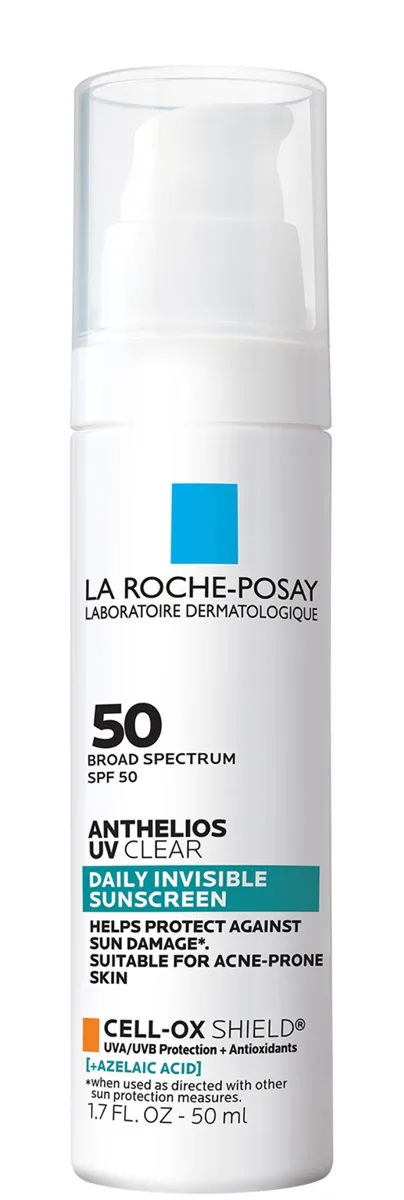 Derm Office Staple
 Anthelios UV Clear Sunscreen SPF 50
One of the only US chemical sunscreens that genuinely earns its 'for sensitive and breakout-prone skin' positioning. A photostable Anthelios filter system paired with a legitimate azelaic acid dose in a lightweight serum-fluid that disappears on every skin tone. Excellent for rosacea, acne, and post-inflammatory hyperpigmentation — and probably the single best daily sunscreen in the La Roche-Posay US lineup for those conditions.
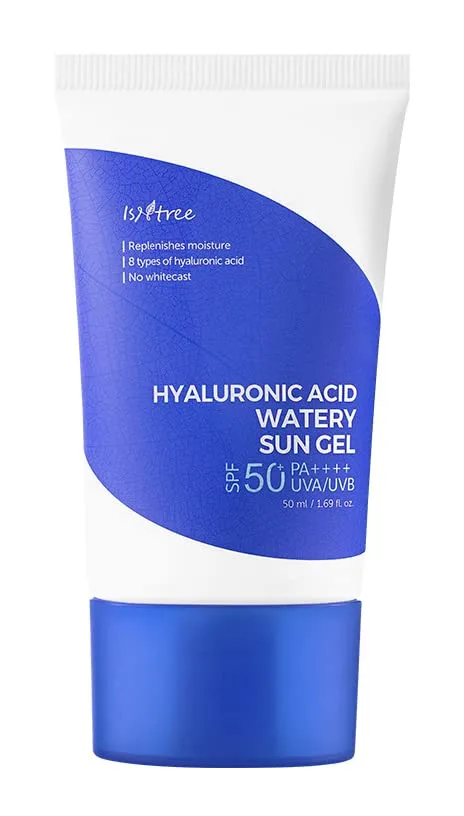 K-Beauty Daily SPF Standout
 Hyaluronic Acid Watery Sun Gel SPF 50+
One of the strongest everyday K-beauty sunscreens in the international market — modern European filters, no white cast, fragrance-free, niacinamide-boosted, and built around the brand's signature six-weight HA complex. At twenty-two dollars for 50ml, it's a case study in how much better a daily sunscreen can be when the formulator cares about both protection and wearability.
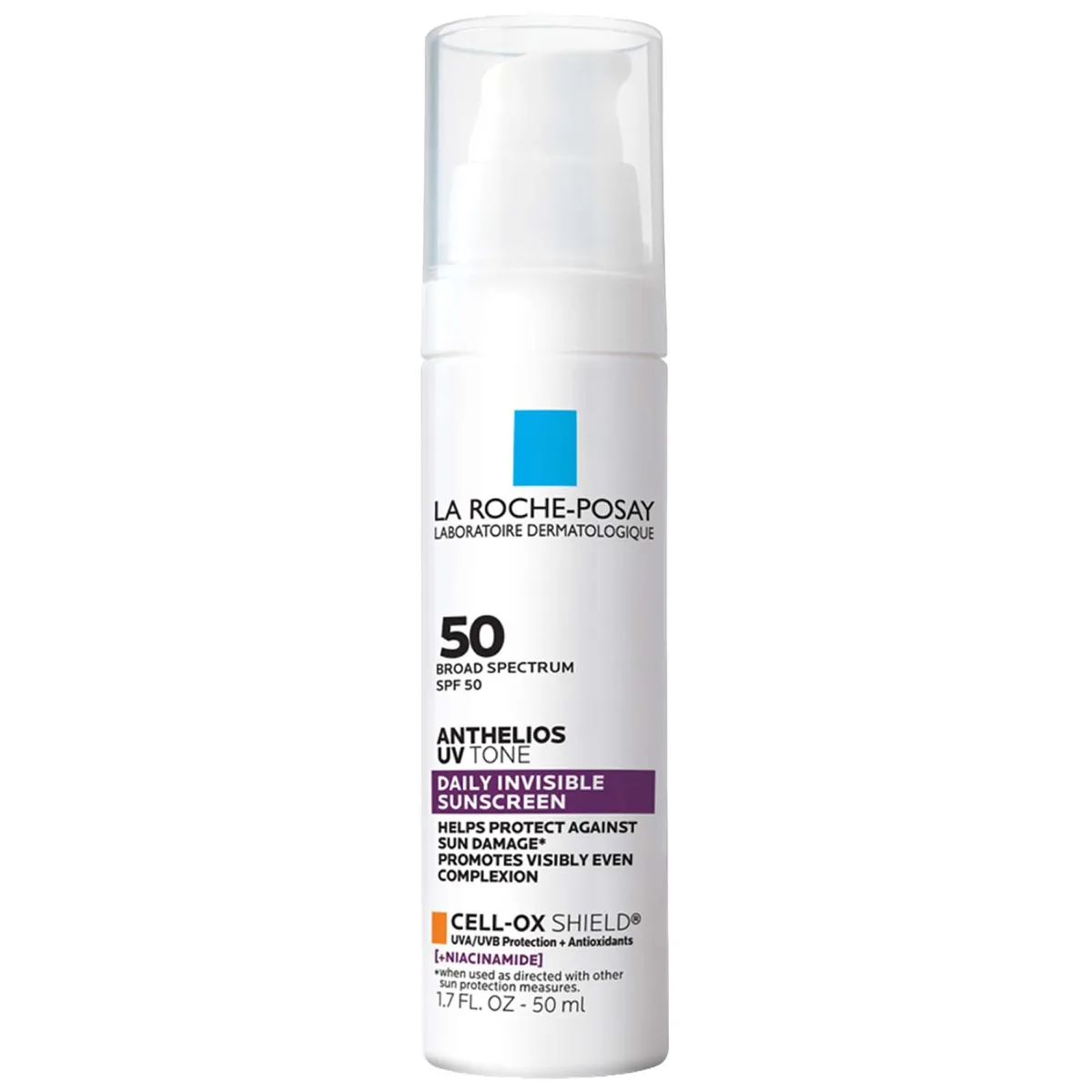 Derm Office Staple
 Anthelios UV Tone Daily Invisible Sunscreen SPF 50
La Roche-Posay's most thoughtful answer yet for hyperpigmentation-prone skin that needs daily SPF. A photostable avobenzone system reinforced with Oxynex ST, paired with a meaningful dose of niacinamide, in a serum-fluid base that goes on invisible on every skin tone. Expensive for 1.7 oz but legitimately well-built — and a rare chemical sunscreen that earns its 'for dark spots' marketing.
 Melasma-Grade Mineral Sunscreen
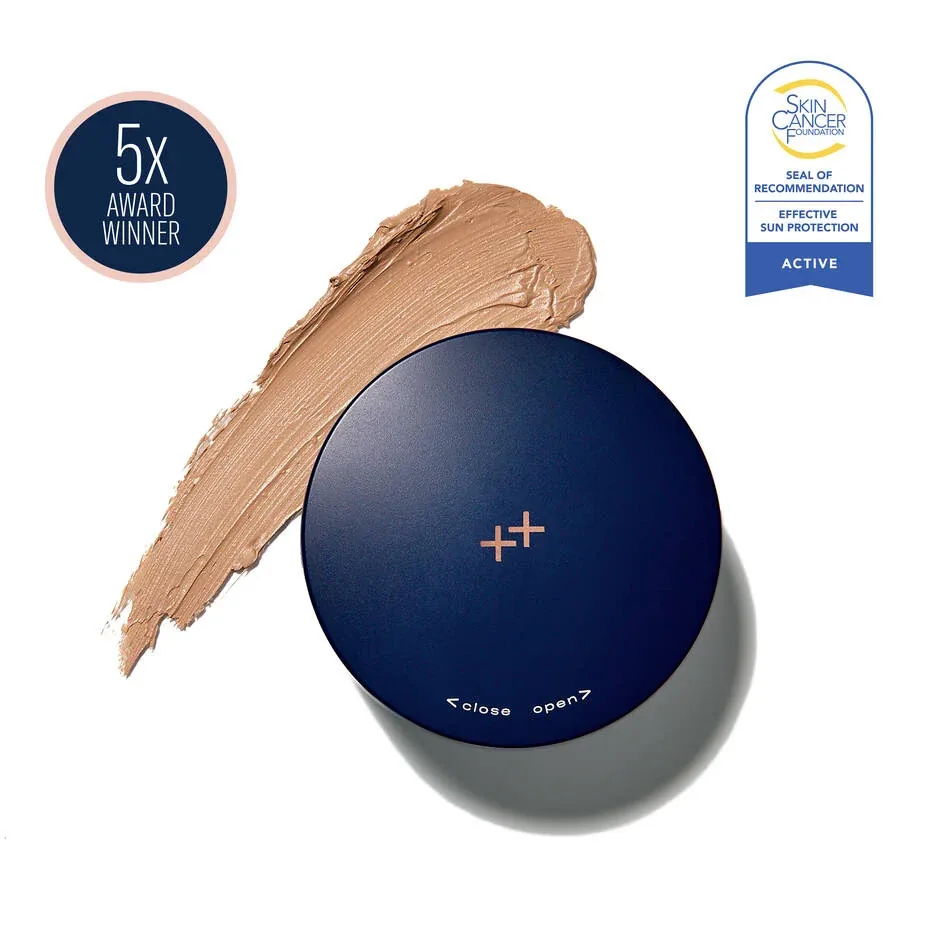
 sunbetter TONE SMART SPF 68
One of the most clinically useful tinted mineral sunscreens in the professional category. SPF 68 from a 100% mineral formula, iron oxide tint that blocks visible light for melasma protection, and an unusually lightweight texture that doesn't feel like you're wearing high-concentration zinc. For patients with melasma or post-inflammatory hyperpigmentation, this is the category benchmark — and it's earned its Allure Best of Beauty wins.
 K-Beauty Cult Favorite
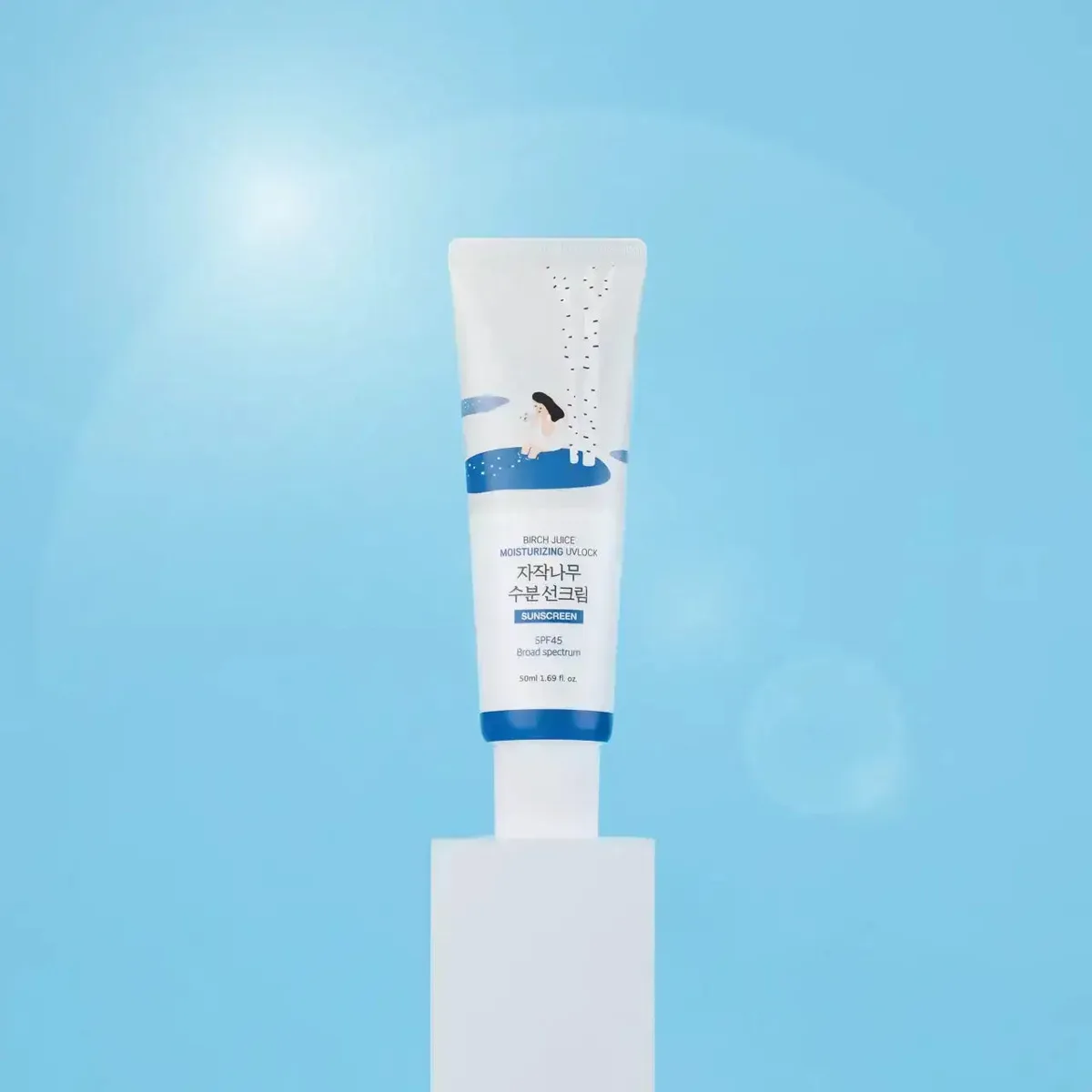
 Birch Juice Moisturizing Sun Cream SPF 50+
One of the best hybrid sunscreens in K-beauty right now — a 70% birch sap base, modern UVA filters you can't get in the US, and a finish that wears like a lightweight moisturizer. Broadly compatible, well-priced, and genuinely pleasant to apply, with minor tradeoffs for oily and fungal-acne-prone users.
 The K-Beauty Sunscreen That Changed Everything
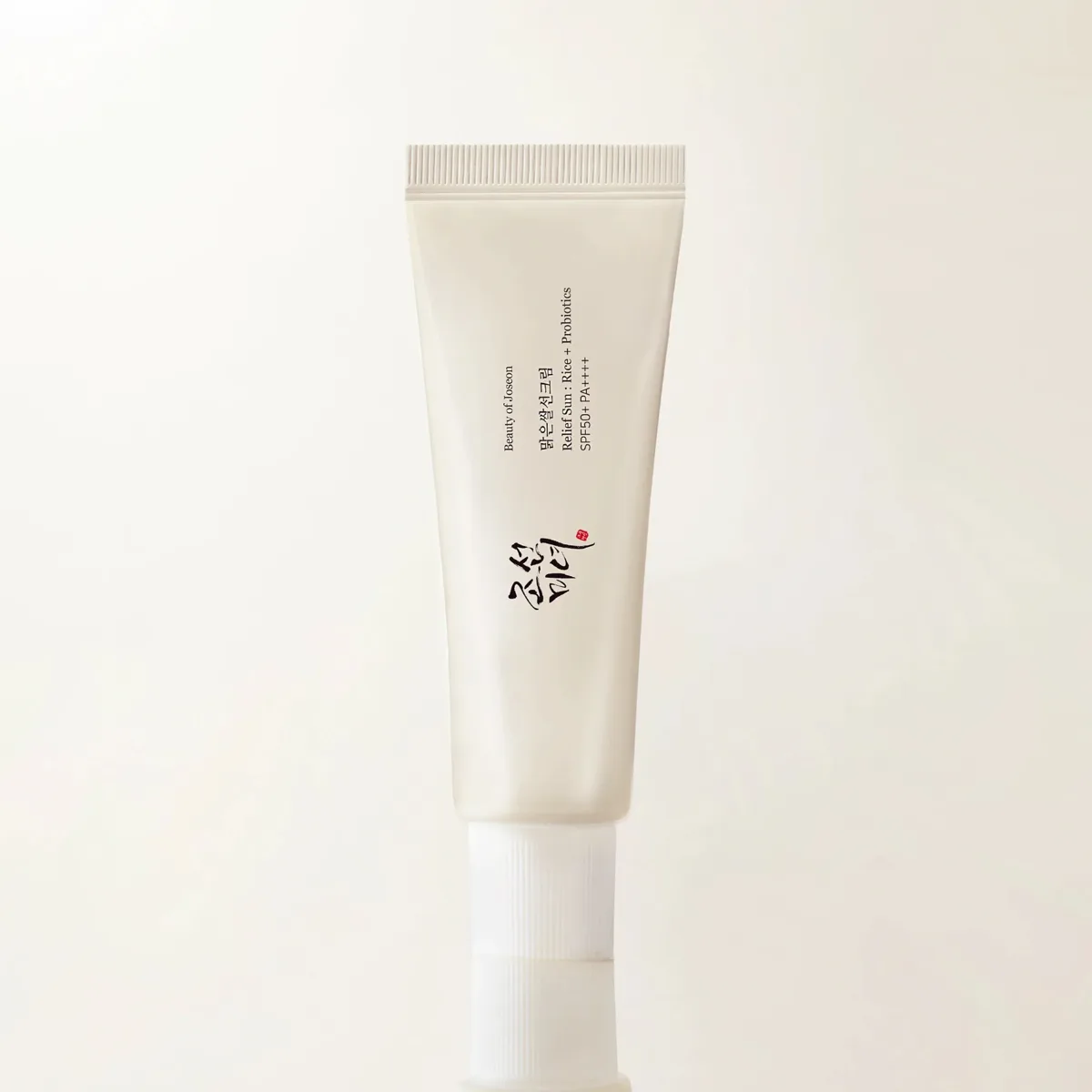
 Relief Sun: Rice + Probiotics SPF 50+
The sunscreen that rewrote the rules for what a $14 product could deliver. With independently verified SPF 50+, 30% rice extract, niacinamide, and a probiotic ferment complex, it offers protection and skincare benefits that rival products three times its price. The texture that feels like wearing nothing on your face is the reason it went viral — and stayed there.
This review reflects our independent analysis of publicly available ingredient data, manufacturer claims, and verified user reviews. We are reader-supported — Amazon links may earn us a commission at no cost to you. We do not accept paid placements; rankings are based solely on the evidence.