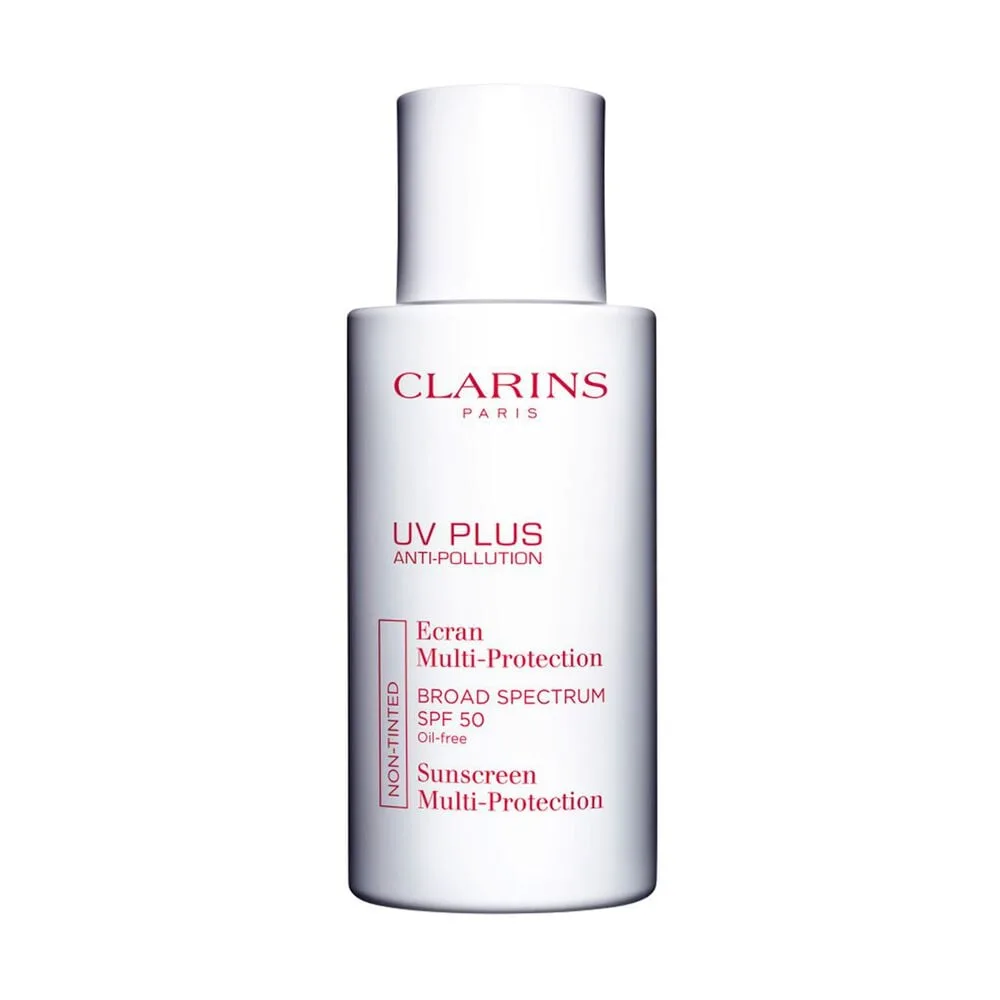
A perfectly serviceable luxury sunscreen with a genuinely pleasant texture and thoughtful botanical antioxidants, but the inclusion of oxybenzone in the current US formulation feels dated for a premium product in 2026. Best suited for oily skin types who prioritize elegance under makeup and want more than basic UV protection.
UV Plus Anti-Pollution Sunscreen Multi-Protection SPF 50
A perfectly serviceable luxury sunscreen with a genuinely pleasant texture and thoughtful botanical antioxidants, but the inclusion of oxybenzone in the current US formulation feels dated for a premium product in 2026. Best suited for oily skin types who prioritize elegance under makeup and want more than basic UV protection.
Score Breakdown
Where this product gains points and where it loses them — broken down across the four scoring pillars.
A competent hybrid sunscreen with nice botanical antioxidants, but the inclusion of oxybenzone and SLS alongside fragrance and alcohol limits its appeal for sensitive skin types and raises questions about formulation modernity at this price point.
Pros & Cons
- ✓Exceptionally lightweight silky texture that doubles as an excellent makeup primer
- ✓Hybrid mineral-chemical filter system provides broad-spectrum SPF 50 without heavy white cast
- ✓Oil-free formula particularly well-suited for oily and combination skin types
- ✓Genuine botanical antioxidant complex beyond basic UV filtration
- ✓Extremophile ferment is a novel and scientifically interesting anti-pollution ingredient
- ✓Quick absorption and non-greasy finish that holds up throughout the day
- ✓No flashback in photos despite mineral filter content
- ✗Contains oxybenzone which many consumers and environmental groups prefer to avoid
- ✗Fragrance and alcohol can be drying and irritating for sensitive or dry skin
- ✗Sodium lauryl sulfate presence is unusual and unwelcome in a leave-on product
- ✗Anti-pollution claims are difficult to verify despite reasonable ingredient basis
- ✗Premium pricing for a sunscreen with somewhat dated filter technology
Full Review
Clarins was talking about pollution damage before it was trendy. While the rest of the sunscreen world was still debating SPF numbers in the early 2010s, this French heritage brand was already building formulas around the premise that urban skin faces more than just ultraviolet radiation. The UV Plus range launched around 2015 with a then-novel proposition: what if your sunscreen also shielded you from the particulate matter, free radicals, and environmental toxins that city living deposits on your face every day?
The science behind this claim is more nuanced than the marketing suggests, but it is not without merit. The formula includes Camellia sinensis (green tea) extract, a well-documented source of EGCG with established antioxidant activity. There is also Thermus Thermophillus ferment, derived from extremophile bacteria that thrive in volcanic hot springs — organisms that have evolved sophisticated cellular defense mechanisms against environmental stress. Translating extremophile resilience to human skin is a leap, but it is a more interesting one than slapping 'anti-pollution' on a basic sunscreen and calling it innovation.
The UV filter system is where things get more complicated. This is a hybrid formula combining 10.9% titanium dioxide with homosalate, octocrylene, and oxybenzone. The mineral component provides solid UVA protection, while the chemical filters round out the UVB coverage and help keep the texture wearable. The result is a genuinely impressive sensory experience — lightweight, silky, and almost primer-like on the skin, with none of the chalky heaviness that high-percentage titanium dioxide formulas typically inflict.
But oxybenzone. In 2026, its presence in a forty-eight-dollar sunscreen feels like finding a flip phone in a luxury electronics store. While the 1.5% concentration is low, oxybenzone has become one of the most polarizing ingredients in skincare — banned in Hawaii and Key West for reef toxicity concerns, and flagged by environmental groups for potential endocrine disruption. Whether you personally find these concerns compelling is a reasonable debate, but for a brand that positions itself around environmental consciousness and plant-based innovation, the optics are awkward.
The base formula leans heavily on dimethicone and alcohol as its vehicle system. For oily and combination skin types, this is actually a strength — the alcohol drives quick absorption and the silicone leaves a smooth, matte-adjacent finish that genuinely works well under makeup. Multiple users describe it as the best makeup primer they have ever used that happens to also be a sunscreen. But for dry or dehydrated skin, the alcohol-forward approach can feel stripping, and the sodium hyaluronate tucked near the bottom of the INCI list is unlikely to fully compensate.
The product also contains fragrance and, notably, sodium lauryl sulfate near the end of the ingredient list. SLS in a leave-on product is unusual and unwelcome for those with reactive skin, even at trace levels likely present here as a processing aid rather than a functional surfactant.
Performance-wise, the sunscreen delivers on its core promise. SPF 50 with a hybrid filter system provides robust protection, and the lightweight texture means people actually want to reapply — which is arguably more important than any specific filter choice. The oil-free formula does not break down under sweat the way some elegant sunscreens do, and it photographs well without flashback.
The anti-pollution claims are harder to verify in practice. You cannot see free radical neutralization the way you can see a sunburn prevented. But the antioxidant ingredients are real, and there is growing evidence that topical antioxidants do provide measurable protection against pollution-induced skin damage when applied consistently. Whether Clarins' specific combination outperforms a simple vitamin C serum under any SPF 50 is an open question.
At forty-eight dollars for 1.7 ounces, this is not cheap sunscreen, but it is not unreasonable for the luxury segment. You are paying for the botanical complexity, the French manufacturing, and a texture that genuinely earns the word 'elegant.' If Clarins reformulated the US version to drop oxybenzone — as they appear to have done in some international markets — this would be a much easier recommendation. As it stands, it is a well-made sunscreen with a thoughtful anti-pollution concept, held back by one ingredient choice that feels increasingly out of step with both consumer expectations and the brand's own ethos.
Formula
Key Ingredients
The hero actives that drive this product's performance.
| Ingredient | Function | Evidence |
|---|---|---|
| Titanium Dioxide (10.9%) | The primary UV filter in this hybrid formula, providing broad-spectrum mineral protection that anchors the sunscreen system. At 10.9%, it delivers significant UVA coverage that the chemical filters alone would lack, while the silicone-based vehicle helps minimize the white cast typically associated with mineral filters. | well-established |
| Homosalate (4%) | A UVB-absorbing chemical filter that extends the sun protection range of this formula, working alongside octocrylene and titanium dioxide to achieve the SPF 50 rating while keeping the texture lightweight and wearable. | well-established |
| Camellia Sinensis (Green Tea) Leaf Extract | Provides antioxidant defense that complements the UV filters by neutralizing free radicals generated by pollution and UV exposure that penetrate past the sunscreen shield — supporting Clarins' anti-pollution positioning for this product. | well-established |
| Sodium Hyaluronate | The low-molecular-weight form of hyaluronic acid included here to counteract the drying effects of the alcohol and silicone-heavy base, helping maintain skin hydration throughout the day under the sunscreen film. | well-established |
| Thermus Thermophillus Ferment | A ferment lysate from extremophile bacteria that supports the skin's natural defense against environmental stressors and pollution-induced oxidative damage, reinforcing the anti-pollution claim beyond simple UV filtration. | emerging |
Full INCI List
Active Ingredients: Homosalate 4%, Octocrylene 4%, Oxybenzone 1.5%, Titanium Dioxide 10.9%. Inactive Ingredients: Water, Dimethicone, Alcohol, Polyglyceryl-3 Polydimethylsiloxyethyl Dimethicone, Aluminum Hydroxide, Stearic Acid, Nylon-12, PEG-12 Dimethicone, Sodium Chloride, Phenoxyethanol, Fragrance, PEG/PPG-18/18 Dimethicone, Glycerin, Ethylhexylglycerin, Tocopheryl Acetate, Disodium EDTA, Sanicula Europaea Extract, Butylene Glycol, Sodium Hyaluronate, Hydroxypropyltrimonium Maltodextrin Crosspolymer, Thermus Thermophillus Ferment, Lapsana Communis Flower/Leaf/Stem Extract, Ribes Nigrum (Black Currant) Bud Extract, Potassium Sorbate, Citric Acid, Camellia Sinensis Leaf Extract, Cucumis Melo (Melon) Fruit Extract, Sodium Lauryl Sulfate
Product Flags
✗ Fragrance Free✗ Alcohol Free✓ Oil Free✗ Silicone Free✓ Paraben Free✗ Sulfate Free✗ Cruelty Free✗ Vegan✗ Fungal Acne Safe
Potential Irritants
OxybenzoneFragranceAlcoholSodium Lauryl Sulfate
Common Allergens
OxybenzoneFragrance
Compatibility
Skin Match
Best For
Works For
Not Ideal For
Addresses These Conditions
Use With Caution
Routine Step
sunscreen
Time of Day
AM
Pregnancy Safe
Unknown
Layering Tips
Apply as the last step of your skincare routine, before makeup. The silicone-based formula creates a smooth canvas for foundation. Reapply every two hours during extended sun exposure. The lightweight texture layers well without pilling over most serums and moisturizers.
Results Timeline
Immediate UV and pollution protection upon application. Skin appears smoother and more even-toned right away due to the silky finish. Over 4 weeks of daily use, users report healthier-looking, softer skin from the antioxidant and hydrating ingredients.
Pairs Well With
Antioxidant serum underneath for enhanced protectionLightweight moisturizer for dry skin typesHydrating toner for added moisture under the sunscreen film
Sample AM Routine
- Gentle cleanser
- Hydrating toner
- Vitamin C serum
- Moisturizer
- Clarins UV Plus Anti-Pollution Sunscreen Multi-Protection SPF 50
Sample PM Routine
- Oil cleanser
- Gentle cleanser
- Treatment serum
- Night cream
Evidence
Science & Expert Perspective
The Science
The UV filter system in this formula combines titanium dioxide (10.9%) with chemical absorbers homosalate (4%), octocrylene (4%), and oxybenzone (1.5%). Titanium dioxide is one of the most thoroughly studied UV filters, providing excellent UVA protection through physical scattering and absorption. A comprehensive review published in the Journal of the American Academy of Dermatology confirmed that hybrid mineral-chemical formulations can achieve superior broad-spectrum protection compared to either approach alone.
The anti-pollution component centers on Camellia sinensis (green tea) leaf extract, which contains epigallocatechin gallate (EGCG). A study published in the Journal of Investigative Dermatology demonstrated that topical EGCG reduces UV-induced oxidative stress and inflammation in human skin. Research published in Free Radical Biology and Medicine has shown that green tea polyphenols can neutralize reactive oxygen species generated by particulate matter exposure.
Thermus Thermophillus ferment is derived from bacteria isolated from volcanic hot springs. These extremophile organisms produce specialized enzymes and proteins that protect cellular structures against environmental stress. While direct clinical evidence for skin-applied extremophile ferments is limited, the theoretical basis — leveraging evolved stress-resistance mechanisms — represents an innovative approach to environmental skin protection.
References
- Sunscreen: A comprehensive review on current available, global regulations, and challenges — Journal of the American Academy of Dermatology (2024)
Dermatologist Perspective
Dermatologists recognize hybrid sunscreen formulations as an effective approach to achieving broad-spectrum protection with cosmetic elegance. The titanium dioxide provides reliable UVA coverage that chemical filters alone often lack, while the chemical components maintain a wearable texture that promotes consistent daily use — which dermatologists consistently identify as the most important factor in sun protection. However, board-certified dermatologists increasingly note that oxybenzone is a contentious ingredient with ongoing regulatory scrutiny, and many recommend alternatives for patients who express concern. The oil-free formulation is frequently suggested for acne-prone patients who struggle with sunscreen compliance due to breakout concerns.
Guidance
Usage Guide
How to Use
Apply generously to the face and neck as the final step in your morning skincare routine, at least 15 minutes before sun exposure. Use approximately a nickel-sized amount for the face alone. The silky texture spreads easily and sets quickly, making it an ideal base for makeup application. Reapply every two hours during extended outdoor exposure, or immediately after sweating or toweling off. For optimal anti-pollution benefit, apply daily regardless of weather, as pollution exposure occurs rain or shine.
Value Assessment
At $48 for 1.7 oz, this falls in the mid-luxury range for facial sunscreens. The price is justified by the genuinely elegant texture, French manufacturing, and the botanical antioxidant complex that goes beyond basic UV protection. However, equally effective SPF 50 protection is available at a fraction of the cost from pharmacy brands. The value proposition here is the sensory experience, the anti-pollution extras, and the primer-like finish — not the UV filtration itself. For budget-conscious shoppers, the core sun protection does not warrant the premium. For those who value texture and want their sunscreen to feel like skincare, the price is more defensible.
Who Should Buy
This sunscreen is ideal for oily to combination skin types who want an elegant, oil-free SPF 50 that doubles as a makeup primer. It suits urban professionals who spend time outdoors commuting and want environmental protection beyond basic UV defense. Those who appreciate luxury textures and French botanical skincare will find the experience worthwhile.
Who Should Skip
Anyone with sensitive, dry, or eczema-prone skin should proceed with caution due to the alcohol, fragrance, and SLS content. If you specifically avoid oxybenzone for environmental or personal health reasons, this is not the right choice. Budget-conscious shoppers can find comparable SPF 50 protection at a lower price point.
Ready to try Clarins UV Plus Anti-Pollution Sunscreen Multi-Protection SPF 50?
Details
Details
Texture
Lightweight, silky liquid with a milky appearance that blends to an invisible, non-greasy finish. The dimethicone base gives it a smooth, almost primer-like feel on the skin.
Scent
Noticeable floral-herbal fragrance typical of the Clarins range
Packaging
Squeeze tube with a flip-cap closure in Clarins' signature packaging. Easy to dispense the right amount.
Finish
satinnon-greasylightweight
What to Expect on First Use
Applies smoothly with a silky slip that absorbs quickly. The finish is remarkably lightweight for a product with over 10% titanium dioxide. No immediate white cast on most skin tones. Some users notice the alcohol-driven quick-dry effect and may feel slight tightness on dry skin.
How Long It Lasts
2-3 months with daily face application
Period After Opening
12 months
Best Season
All Year
Background
The Why
Clarins developed the UV Plus range as a response to growing research linking urban pollution to premature skin aging. The brand leveraged its decades of botanical expertise to create a sunscreen that goes beyond UV filtration, incorporating plant-based antioxidants and an extremophile ferment to address the broader spectrum of environmental skin damage that city dwellers face daily.
About Clarins Legacy Brand (20+ years)
Clarins was founded in Paris in 1954 by Jacques Courtin-Clarins, originally a medical student who pioneered plant-based skincare. With over 70 years of expertise and products manufactured exclusively in France, the brand has earned a reputation for combining botanical innovation with rigorous clinical testing.
Brand founded: 1954 · Product launched: 2015
Myth vs. Reality
Myths & Misconceptions
Myth
Mineral-chemical hybrid sunscreens don't work as well as pure mineral or pure chemical formulas
Reality
Hybrid formulations like this one can actually offer broader-spectrum protection by combining the UVA strengths of mineral filters with the cosmetic elegance and UVB coverage of chemical filters. The 10.9% titanium dioxide provides robust UVA protection while the chemical filters maintain a lightweight texture.
Myth
Anti-pollution sunscreens are just marketing hype with no real benefit
Reality
While UV protection remains the primary function, research does support that antioxidant-enriched sunscreens provide additional defense against pollution-induced free radical damage. The green tea extract and extremophile ferment in this formula have documented antioxidant activity, though the magnitude of pollution-specific protection is harder to quantify than UV filtration.
FAQ
Frequently Asked Questions
Does Clarins UV Plus SPF 50 leave a white cast?
Despite containing 10.9% titanium dioxide, the silicone-based vehicle and hybrid formula minimize white cast for most skin tones. The product blends to an invisible, silky finish. However, those with deeper skin tones may notice a slight cast and should consider the tinted versions Clarins offers in this range.
Is Clarins UV Plus SPF 50 good for oily skin?
Yes — the oil-free, dimethicone-based formula is particularly well-suited for oily and combination skin. It provides a matte-to-satin finish that controls shine and works as an excellent makeup base. The lightweight texture won't clog pores or feel heavy.
Does Clarins UV Plus SPF 50 contain oxybenzone?
Yes, the current US formulation contains oxybenzone at 1.5%. Some consumers prefer to avoid this ingredient due to environmental concerns (reef safety) or potential endocrine disruption at high concentrations. If this is a concern, Clarins offers reformulated versions in some markets that use newer UV filter technologies.
Can I use Clarins UV Plus SPF 50 under makeup?
This sunscreen excels as a makeup base. The dimethicone-rich formula creates a silky, primer-like canvas that helps foundation glide on smoothly. Allow 30 seconds for it to set before applying makeup to prevent pilling.
How does the anti-pollution feature work in this sunscreen?
Beyond UV filtration, the formula includes green tea extract, black currant bud extract, and an extremophile bacteria ferment (Thermus Thermophillus) that neutralize free radicals generated by environmental pollutants. This antioxidant complex helps protect skin from pollution-induced oxidative stress that contributes to premature aging.
Community
Community Voices
Common Praise
"Lightweight oil-free texture that works well under makeup"
"No white cast despite mineral filter content"
"Skin feels softer and more hydrated after use"
"Pleasant silky finish without greasiness"
Common Complaints
"Contains oxybenzone which many consumers prefer to avoid"
"Alcohol content can feel drying on dry or dehydrated skin"
"Strong fragrance that some find overpowering"
"Expensive compared to equally effective drugstore SPF 50 options"
Notable Endorsements
Part of Clarins' bestselling UV Plus rangeFeatured in multiple sunscreen roundups
Appears In
best sunscreen for oily skin best sunscreen for aging best luxury sunscreen best sunscreen for under makeup
Related Conditions
Related Ingredients
You Might Also Like
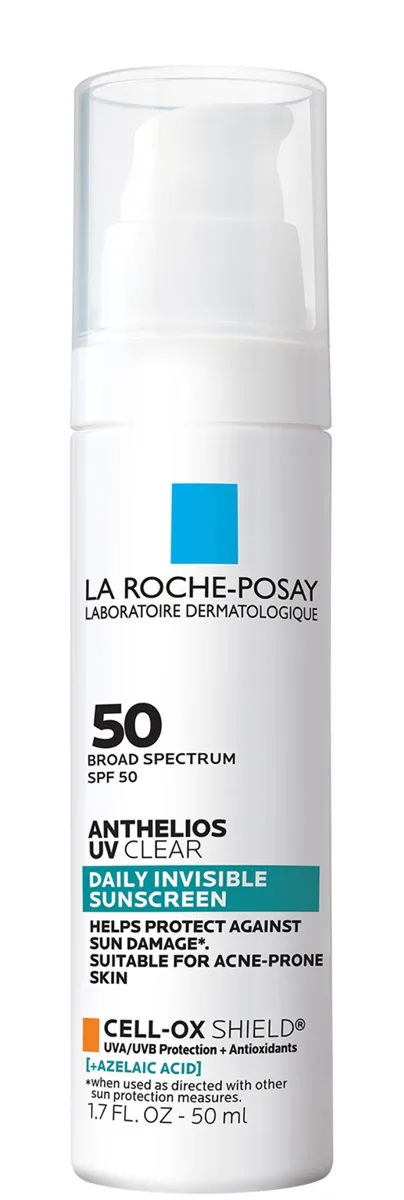 Derm Office Staple
 Anthelios UV Clear Sunscreen SPF 50
One of the only US chemical sunscreens that genuinely earns its 'for sensitive and breakout-prone skin' positioning. A photostable Anthelios filter system paired with a legitimate azelaic acid dose in a lightweight serum-fluid that disappears on every skin tone. Excellent for rosacea, acne, and post-inflammatory hyperpigmentation — and probably the single best daily sunscreen in the La Roche-Posay US lineup for those conditions.
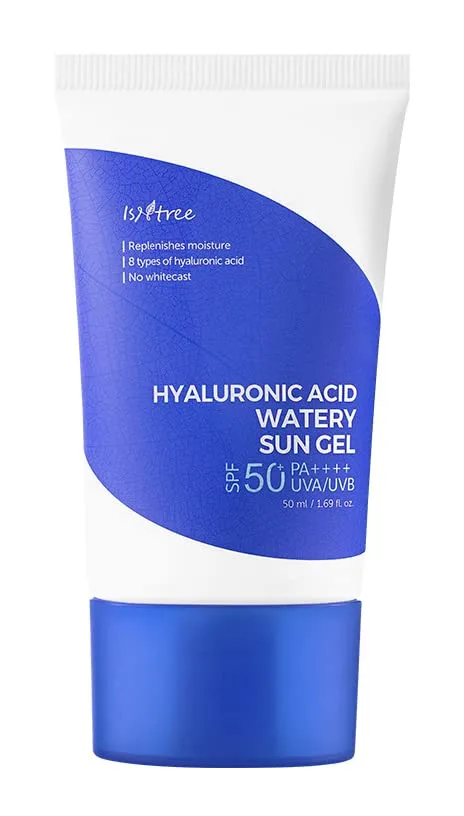 K-Beauty Daily SPF Standout
 Hyaluronic Acid Watery Sun Gel SPF 50+
One of the strongest everyday K-beauty sunscreens in the international market — modern European filters, no white cast, fragrance-free, niacinamide-boosted, and built around the brand's signature six-weight HA complex. At twenty-two dollars for 50ml, it's a case study in how much better a daily sunscreen can be when the formulator cares about both protection and wearability.
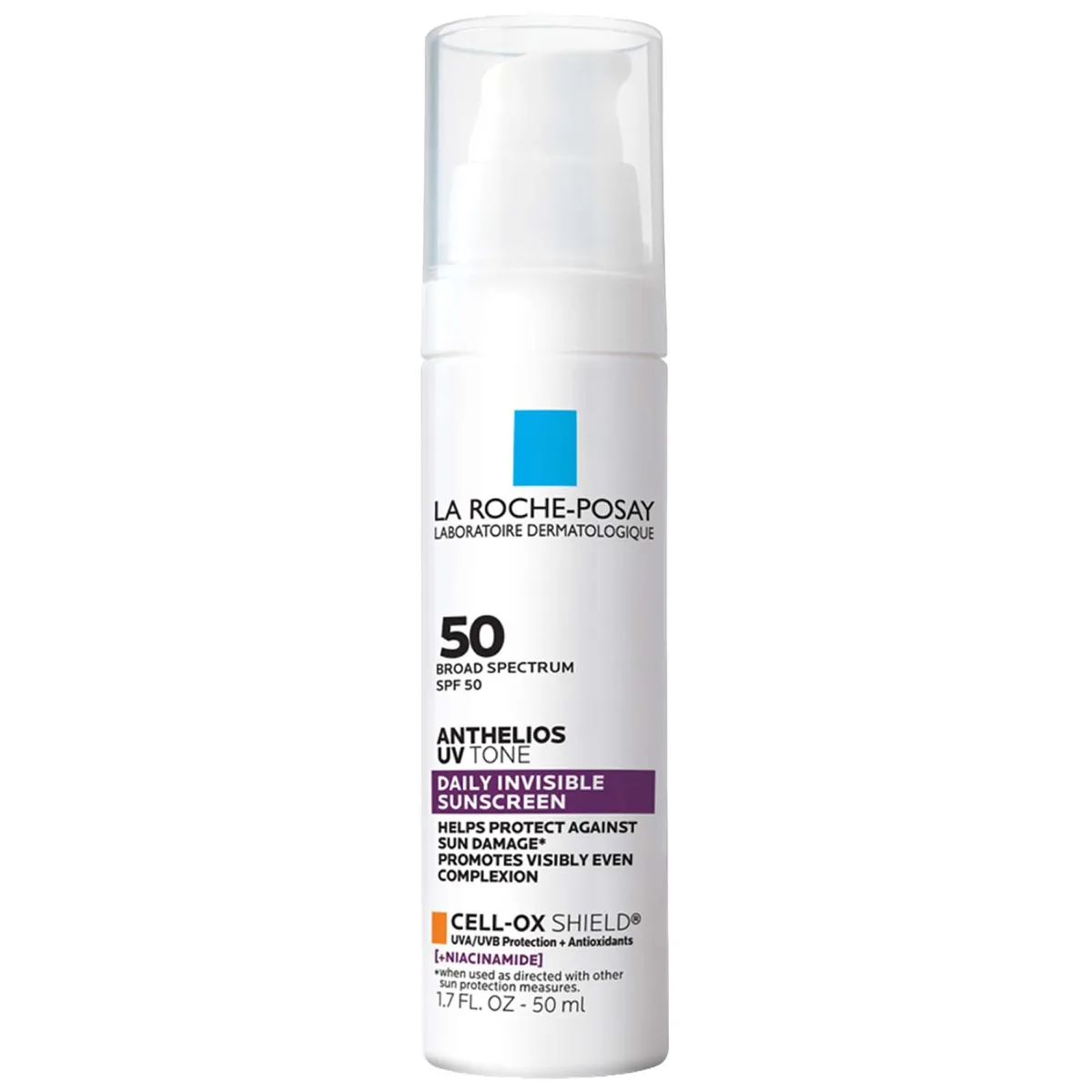 Derm Office Staple
 Anthelios UV Tone Daily Invisible Sunscreen SPF 50
La Roche-Posay's most thoughtful answer yet for hyperpigmentation-prone skin that needs daily SPF. A photostable avobenzone system reinforced with Oxynex ST, paired with a meaningful dose of niacinamide, in a serum-fluid base that goes on invisible on every skin tone. Expensive for 1.7 oz but legitimately well-built — and a rare chemical sunscreen that earns its 'for dark spots' marketing.
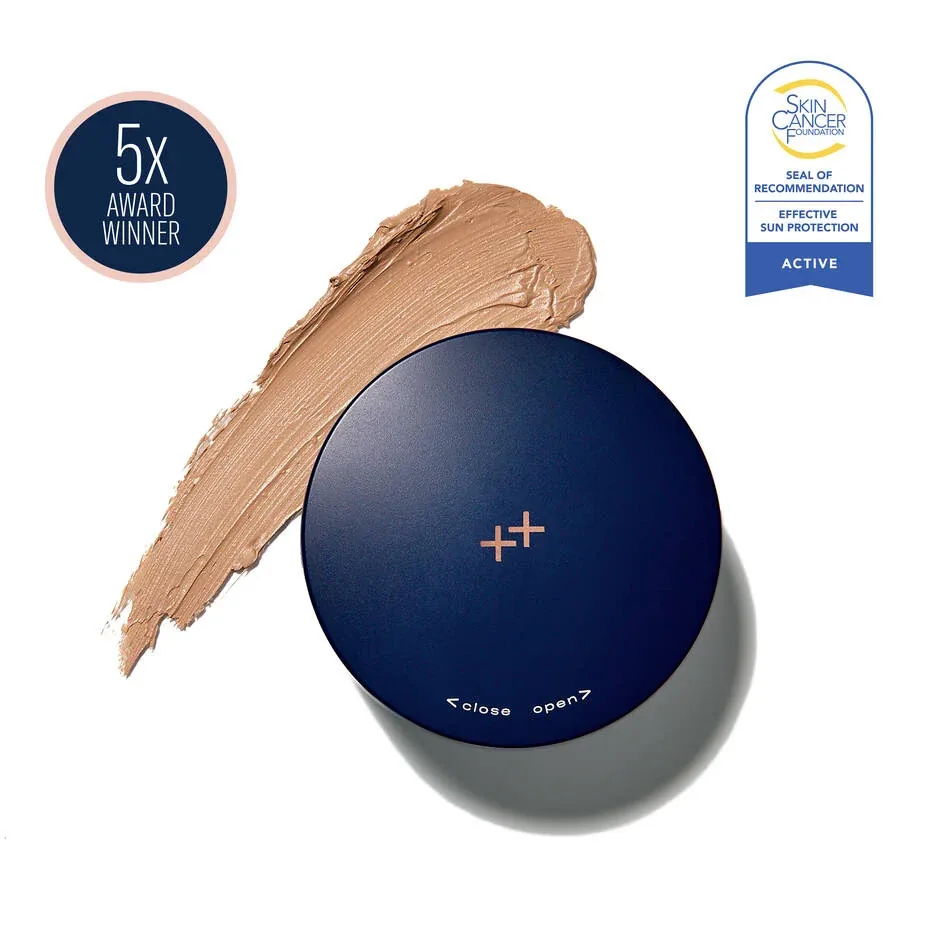 Melasma-Grade Mineral Sunscreen
 sunbetter TONE SMART SPF 68
One of the most clinically useful tinted mineral sunscreens in the professional category. SPF 68 from a 100% mineral formula, iron oxide tint that blocks visible light for melasma protection, and an unusually lightweight texture that doesn't feel like you're wearing high-concentration zinc. For patients with melasma or post-inflammatory hyperpigmentation, this is the category benchmark — and it's earned its Allure Best of Beauty wins.
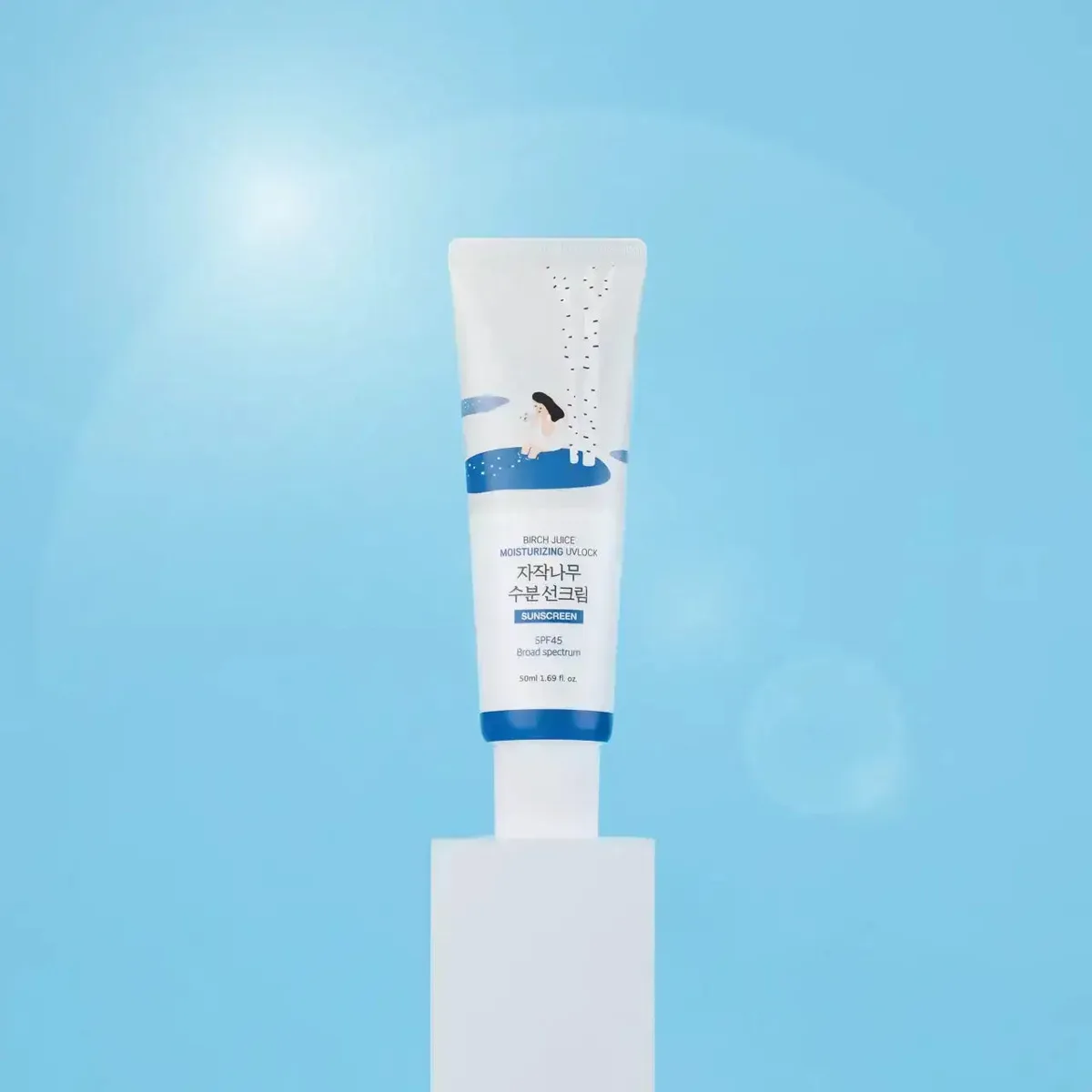 K-Beauty Cult Favorite
 Birch Juice Moisturizing Sun Cream SPF 50+
One of the best hybrid sunscreens in K-beauty right now — a 70% birch sap base, modern UVA filters you can't get in the US, and a finish that wears like a lightweight moisturizer. Broadly compatible, well-priced, and genuinely pleasant to apply, with minor tradeoffs for oily and fungal-acne-prone users.
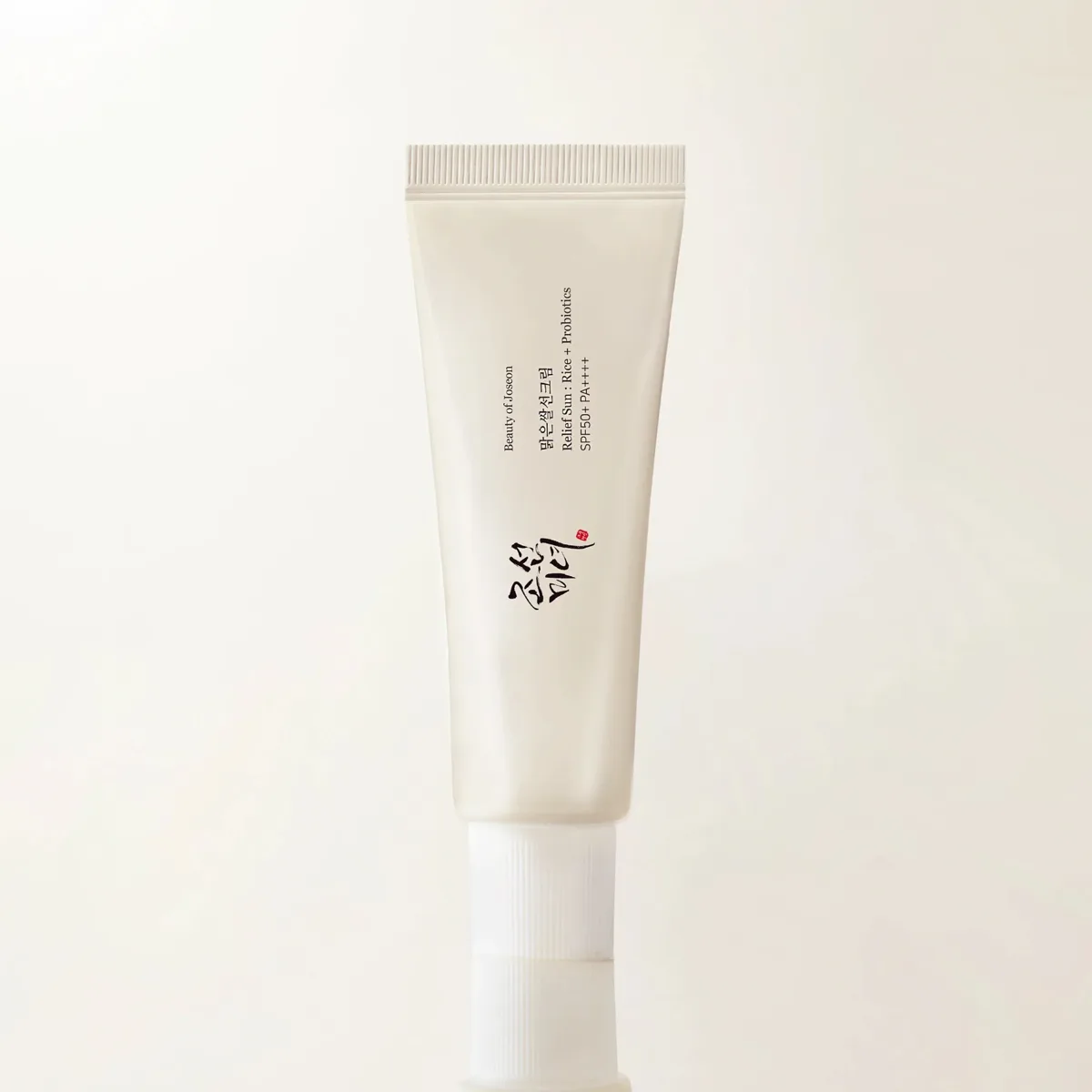 The K-Beauty Sunscreen That Changed Everything
 Relief Sun: Rice + Probiotics SPF 50+
The sunscreen that rewrote the rules for what a $14 product could deliver. With independently verified SPF 50+, 30% rice extract, niacinamide, and a probiotic ferment complex, it offers protection and skincare benefits that rival products three times its price. The texture that feels like wearing nothing on your face is the reason it went viral — and stayed there.