
A reliable, tear-free kids sunscreen backed by the #1 pediatrician-recommended brand in America. The 14.5% zinc oxide mineral protection provides genuine peace of mind, and the fragrance-free, hypoallergenic formula works for even sensitive young skin — though the parabens and octinoxate may give some ingredient-conscious parents pause.
Kids Sport Sunscreen Lotion SPF 50
A reliable, tear-free kids sunscreen backed by the #1 pediatrician-recommended brand in America. The 14.5% zinc oxide mineral protection provides genuine peace of mind, and the fragrance-free, hypoallergenic formula works for even sensitive young skin — though the parabens and octinoxate may give some ingredient-conscious parents pause.
Score Breakdown
Where this product gains points and where it loses them — broken down across the four scoring pillars.
A reliable hybrid mineral-chemical kids sunscreen with 14.5% zinc oxide and tear-free formulation. Broad suitability for children of all skin types and affordable pricing are strengths. The parabens and diazolidinyl urea preservative system lower the irritation risk score.
Pros & Cons
- ✓Tear-free ophthalmologist-tested formula prevents stinging during application near eyes
- ✓14.5% zinc oxide provides immediate physical UV protection from the moment of application
- ✓Water-resistant for 80 minutes during swimming and active outdoor play
- ✓Fragrance-free and hypoallergenic suitable for children with sensitive skin
- ✓#1 pediatrician-recommended sunscreen brand with dedicated kids-focused formulation
- ✓Affordable pricing encourages generous application which is critical for effective protection
- ✗Contains methylparaben and propylparaben which some parents prefer to avoid
- ✗Diazolidinyl urea is a formaldehyde-releasing preservative that concerns ingredient-conscious users
- ✗14.5% zinc oxide creates noticeable white cast especially on medium to dark skin tones
- ✗Contains octinoxate which is banned in some reef-protection jurisdictions
- ✗Thick texture requires patience to spread evenly on uncooperative children
- ✗Not cruelty-free certified
Full Review
Every parent at a pool or beach has experienced the same scene: a child who would rather negotiate with a dentist than stand still for sunscreen application. The screaming, the squirming, the inevitable moment when lotion gets in their eyes and the whole operation escalates from mildly annoying to genuinely distressing. Coppertone's Kids Sport Sunscreen exists in this context. It's not just a UV protection product — it's a tool designed to make one of parenting's most thankless daily tasks slightly less terrible.
The tear-free formulation is the headline feature, and it delivers. The combination of zinc oxide with gentle co-filters and a formula specifically tested by ophthalmologists means this sunscreen doesn't sting when it inevitably migrates toward tiny, rubbing eyes. This alone separates it from many adult sunscreens repurposed for children, and it's the single biggest reason to choose a dedicated kids' product over whatever SPF you have lying around.
The UV protection architecture is a hybrid approach: 14.5% zinc oxide provides the mineral backbone, sitting on the skin surface and physically blocking UV radiation rather than absorbing it. This is supplemented by octinoxate (7.5%) and octisalate (5%), two chemical UVB filters that boost the SPF to 50 — a level that pure zinc oxide alone would struggle to reach without becoming an unwearable paste. The result is genuine broad-spectrum protection at a high SPF, with the gentleness advantage that zinc oxide offers for sensitive skin.
The texture is where the reality of zinc oxide makes itself known. At 14.5%, this is a thick, white cream that requires commitment to spread. On a cooperative child — or more realistically, one distracted by a popsicle — you can achieve even coverage in about a minute of rubbing. On a child who is already covered in sand and running toward the ocean, good luck. The white cast is real and proportional to how much you apply. On lighter skin tones it fades to near-invisible with adequate rubbing. On darker skin tones it can be more persistent, which is both a cosmetic issue and a coverage indicator.
The ingredient list reveals some choices that will split parents along generational and philosophical lines. The preservative system includes diazolidinyl urea (a formaldehyde-releasing preservative) and both methylparaben and propylparaben. All three are FDA-approved at their respective concentrations and have extensive safety data behind them. Diazolidinyl urea releases formaldehyde in trace amounts far below levels of concern, and parabens at cosmetic concentrations have been reviewed and cleared by regulatory bodies worldwide. But 'formaldehyde releaser' and 'parabens' are terms that trigger legitimate concern in parents who follow the ingredient-conscious skincare conversation, and Coppertone's decision to retain them when paraben-free alternatives exist is a calculated trade — proven preservation reliability versus parental peace of mind.
The octinoxate presents a different kind of concern. It's an effective UVB filter, but it's also the ingredient banned by Hawaii, Key West, and several international destinations for potential harm to coral reefs. For families who vacation in reef-adjacent waters, this is a practical consideration: you may need a different sunscreen at your destination.
But here's what the Coppertone Kids Sport gets fundamentally right: it protects children from the sun. Reliably, effectively, for 80 minutes of water resistance, at SPF 50, in a formula gentle enough not to sting their eyes. The zinc oxide provides immediate physical protection the moment it's applied — no waiting 15-30 minutes for chemical filters to activate. The aloe vera extract soothes skin during prolonged sun exposure. The fragrance-free, hypoallergenic formulation works for the broad range of skin sensitivities you encounter in a family with multiple children.
At roughly $12.49 for 6 oz, this is affordable enough to use generously — and generous application is the single most important factor in sunscreen effectiveness. Parents who ration expensive sunscreen to make it last are undermining the protection. A product priced for liberal, guilt-free slathering on children who will be in water twenty minutes later serves the actual purpose better than a premium mineral sunscreen applied sparingly.
The Coppertone Kids Sport isn't the cleanest-formulated kids' sunscreen on the market. It's not mineral-only, it's not paraben-free, and it won't satisfy every criteria on an ingredient watchdog's checklist. What it is, is the sunscreen from the brand that pediatricians recommend most, formulated to make the daily sunscreen battle between parent and child slightly more winnable. Sometimes the best product is the one that actually gets used.
Formula
Key Ingredients
The hero actives that drive this product's performance.
| Ingredient | Function | Evidence |
|---|---|---|
| Zinc Oxide 14.5% (14.5%) | The primary mineral UV filter providing broad-spectrum UVA and UVB protection. Zinc oxide sits on the skin surface reflecting and scattering UV rays rather than absorbing them — a gentler mechanism that makes it the preferred choice for children's sensitive, tear-prone skin. | well-established |
| Octinoxate 7.5% (7.5%) | A chemical UVB filter that supplements the zinc oxide's protection to achieve the SPF 50 rating. Absorbs UVB radiation in the 280-320nm range, boosting the overall photoprotection level beyond what zinc oxide alone provides at 14.5%. | well-established |
| Octisalate 5% (5%) | A mild UVB-absorbing filter that works alongside octinoxate and zinc oxide to broaden the UVB coverage range. Also helps improve the cosmetic feel of the formula by reducing the heavy, white-cast quality of high-percentage zinc oxide. | well-established |
| Aloe Barbadensis Leaf Extract | A soothing botanical included to calm and condition children's skin during sun exposure. Provides mild anti-inflammatory benefits that help prevent the dryness and irritation that sun protection products can sometimes cause on young, delicate skin. | well-established |
Full INCI List
Active Ingredients: Octinoxate 7.5%, Octisalate 5%, Zinc Oxide 14.5%. Inactive Ingredients: Water, Propylene Glycol, C12-15 Alkyl Benzoate, Neopentyl Glycol Diheptanoate, Cyclopentasiloxane, Cetyl PEG/PPG-10/1 Dimethicone, PEG-12 Dimethicone Crosspolymer, Triethoxycaprylylsilane, Aloe Barbadensis Leaf Extract, Ethylhexyl Palmitate, Diazolidinyl Urea, Methylparaben, Propylparaben, Sodium Chloride
Product Flags
✓ Fragrance Free✓ Alcohol Free✓ Oil Free✗ Silicone Free✗ Paraben Free✓ Sulfate Free✗ Cruelty Free✗ Vegan✗ Fungal Acne Safe
Comedogenic Ingredients
Ethylhexyl Palmitate
Potential Irritants
Propylene GlycolDiazolidinyl Urea
Common Allergens
Propylene GlycolDiazolidinyl Urea
Compatibility
Skin Match
Best For
Works For
Not Ideal For
Addresses These Conditions
Routine Step
sunscreen
Time of Day
AM
Pregnancy Safe
Yes ✓
Layering Tips
Apply generously to all exposed skin 15 minutes before sun exposure. For children, pay special attention to ears, nose, back of neck, and tops of feet. Reapply every 2 hours or immediately after swimming, sweating, or toweling off.
Results Timeline
Immediate broad-spectrum UV protection on application. The zinc oxide provides instant physical protection as soon as applied. Water resistance lasts 80 minutes during swimming or sweating.
Pairs Well With
Gentle moisturizerAloe vera after-sun care
Sample AM Routine
- Gentle cleanser (optional for kids)
- THIS PRODUCT (generous application)
Sample PM Routine
- Gentle cleanser to remove sunscreen
- Moisturizer if needed
Evidence
Science & Expert Perspective
The Science
Zinc oxide at 14.5% provides the broadest UV coverage of any single sunscreen active, attenuating radiation across UVA1 (340-400nm), UVA2 (320-340nm), and UVB (290-320nm) wavelengths. A 2019 systematic review published in the Journal of the American Academy of Dermatology confirmed that zinc oxide-based sunscreens demonstrate consistent broad-spectrum protection with a favorable safety profile, as the mineral particles sit on the skin surface and are not absorbed systemically — a particularly relevant consideration for children's thinner, more permeable skin.
The hybrid approach of combining zinc oxide with chemical UVB boosters (octinoxate and octisalate) is a well-established formulation strategy. Research published in Photodermatology, Photoimmunology & Photomedicine has demonstrated that mineral-chemical hybrid formulations can achieve higher SPF values than either approach alone, while maintaining the gentleness advantage of the mineral component.
Regarding the SPF 50 claim: the relationship between SPF number and UVB protection follows a logarithmic curve. SPF 30 blocks approximately 96.7% of UVB radiation, while SPF 50 blocks approximately 98%. While the incremental protection is modest, a 2012 study in the Journal of the American Academy of Dermatology demonstrated that higher SPF products provide a meaningful safety margin against the real-world problem of insufficient application — users typically apply only 25-50% of the recommended amount, and a higher SPF partially compensates for this habitual under-application.
Dermatologist Perspective
Pediatric dermatologists consistently recommend mineral-based or mineral-hybrid sunscreens for children due to the physical UV-blocking mechanism that avoids systemic absorption concerns associated with some chemical filters. Board-certified dermatologists note that the tear-free formulation of this product addresses one of the biggest barriers to consistent sunscreen use in children — the distress caused by eye contact during application. Dermatologists typically advise applying sunscreen 15-30 minutes before sun exposure and reapplying every 2 hours, with special attention to commonly missed areas like ears, the back of the neck, and tops of feet.
Guidance
Usage Guide
How to Use
Apply generously to all exposed skin 15 minutes before sun exposure. Use approximately one ounce (a shot glass full) for a child's full body — adjust down for smaller children. Rub in thoroughly for 30-60 seconds until the white cast minimizes. Reapply every 2 hours, immediately after swimming or toweling off, and after heavy sweating. Don't forget ears, back of neck, and tops of feet.
Value Assessment
At approximately $12.49 for 6 fl oz, this is priced appropriately for a family sunscreen that needs to be used generously and frequently. The per-ounce cost is lower than most premium mineral kids' sunscreens, which is important because the single biggest factor in sunscreen effectiveness is applying enough of it. For families who go through multiple bottles per summer, the affordable pricing encourages proper usage rather than economical rationing.
Who Should Buy
Parents looking for a reliable, pediatrician-recommended sunscreen for children of all skin types. Ideal for active outdoor families who need water-resistant, tear-free protection at a price that allows generous application without guilt.
Who Should Skip
Families who strictly avoid parabens and formaldehyde-releasing preservatives should look at Coppertone's Pure & Simple Kids line or other clean-formulated mineral sunscreens. Those traveling to Hawaii, Key West, or other reef-protected destinations should choose an octinoxate-free alternative.
Ready to try Coppertone Kids Sport Sunscreen Lotion SPF 50?
Details
Details
Texture
Thick, creamy white lotion with the characteristic density of a high-percentage zinc oxide formula. Requires more effort to spread than pure chemical sunscreens but is manageable with patience.
Scent
Fragrance-free. No detectable scent beyond a faint, neutral mineral sunscreen base smell.
Packaging
Plastic squeeze bottle with flip-top cap in Coppertone's signature kids line branding (blue and yellow). Available in 6 fl oz and other sizes.
Finish
mattelightweight
What to Expect on First Use
The white cream requires 30-60 seconds of rubbing to spread evenly and blend in. A slight white cast is typical, especially with generous application. No stinging or discomfort — the tear-free claim holds up. Children with eczema-prone or sensitive skin tolerate it well.
How Long It Lasts
1-2 months with regular outdoor use for one child
Period After Opening
12 months
Best Season
spring summer
Certifications
HSA/FSA EligibleBroad Spectrum SPF 50Dermatologist TestedOphthalmologist TestedPediatrician Tested
Background
The Why
Coppertone has been protecting families since 1944, when the brand's iconic Little Miss Coppertone advertisement became one of the most recognizable images in American advertising. The Kids line represents the brand's core promise — reliable sun protection for the most vulnerable skin. The tear-free zinc oxide formula reflects decades of reformulation to make sunscreen application less traumatic for both children and the parents who chase them with the bottle.
About Coppertone Legacy Brand (20+ years)
Coppertone was founded in 1944 and is the #1 pediatrician-recommended sunscreen brand in America. Now owned by Beiersdorf, the brand has over 80 years of sun protection expertise and was voted Most Trusted Sunscreen Brand by American Shoppers in the 2022 BrandSpark Study.
Brand founded: 1944
Myth vs. Reality
Myths & Misconceptions
Myth
Children need special sunscreen that's different from adult sunscreen.
Reality
The UV filters in kids' sunscreens are the same FDA-regulated active ingredients used in adult products. The key differences are formulation choices — kids' products tend to be fragrance-free, tear-free, and use gentler preservative systems. Any broad-spectrum SPF 30+ sunscreen that doesn't irritate a child's skin is appropriate.
Myth
SPF 50 provides significantly more protection than SPF 30.
Reality
SPF 30 blocks approximately 97% of UVB rays, while SPF 50 blocks about 98%. The practical difference is small, but the higher SPF provides a margin of error for the inevitable uneven application and missed spots that come with applying sunscreen to an uncooperative child.
FAQ
Frequently Asked Questions
Is Coppertone Kids Sport Sunscreen safe for babies?
The American Academy of Pediatrics recommends avoiding sunscreen on infants under 6 months — instead, keep them in shade and protective clothing. For babies 6 months and older, this zinc oxide-based formula is among the safer options due to its mineral UV protection and tear-free, fragrance-free formulation.
Does Coppertone Kids Sport Sunscreen leave a white cast?
Yes, the 14.5% zinc oxide can leave a noticeable white cast, particularly on medium to dark skin tones. This is inherent to high-percentage zinc oxide formulas and indicates adequate coverage. Rubbing in thoroughly for 30-60 seconds helps minimize the cast, though some visibility is normal.
Does Coppertone Kids Sport Sunscreen contain parabens?
Yes, the current formula contains methylparaben and propylparaben as preservatives. While parabens are FDA-approved and widely studied as safe at cosmetic concentrations, some parents prefer paraben-free alternatives. Coppertone's Pure & Simple Kids line offers a paraben-free option.
Is Coppertone Kids Sport Sunscreen reef-safe?
The formula contains octinoxate, which is banned in some locations (like Hawaii and Key West) due to potential coral reef harm. For reef-sensitive destinations, consider a zinc oxide-only mineral sunscreen without octinoxate.
How often should you reapply Coppertone Kids Sport Sunscreen?
Reapply every 2 hours when outdoors, and immediately after swimming, sweating, or toweling off. The water resistance rating of 80 minutes means the protection begins to diminish after that time in water — not that you can wait 80 minutes to reapply.
Community
Community Voices
Common Praise
"Tear-free formula doesn't sting children's eyes during application or swimming"
"Zinc oxide mineral protection provides peace of mind for parents"
"Water-resistant for 80 minutes during active outdoor play"
"Fragrance-free and hypoallergenic suitable for sensitive young skin"
"Affordable price point for a family sunscreen used in large quantities"
"Rubs in reasonably well for a zinc oxide sunscreen"
Common Complaints
"Can leave a noticeable white cast especially on darker skin tones"
"Contains parabens which some parents prefer to avoid"
"Thick texture can be challenging to spread evenly on squirming children"
"Contains octinoxate which raises environmental concerns for some families"
"Diazolidinyl urea preservative is a formaldehyde releaser that concerns some users"
Notable Endorsements
#1 Pediatrician Recommended sunscreen brandDermatologist testedOphthalmologist testedPediatrician testedHSA/FSA eligible
Appears In
best sunscreen for sensitivity best kids sunscreen best mineral sunscreen best drugstore sunscreen
Related Conditions
Related Ingredients
You Might Also Like
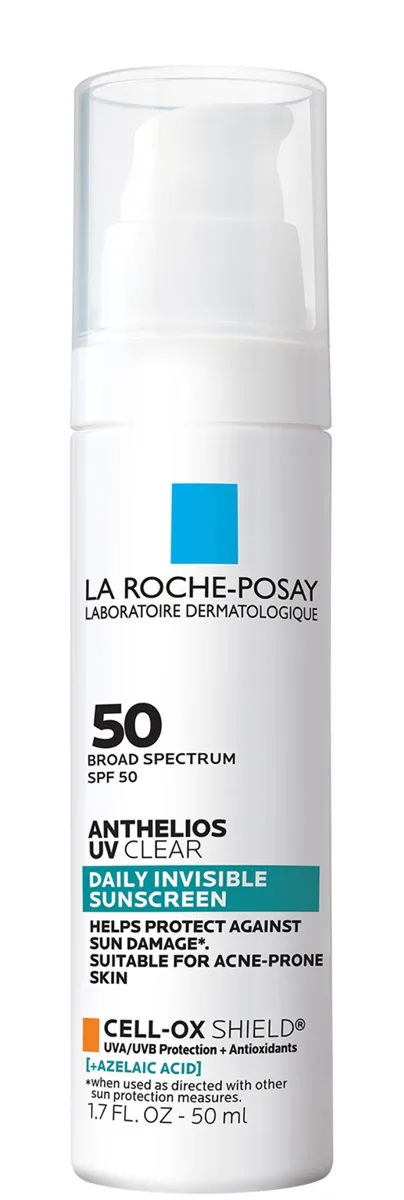 Derm Office Staple
 Anthelios UV Clear Sunscreen SPF 50
One of the only US chemical sunscreens that genuinely earns its 'for sensitive and breakout-prone skin' positioning. A photostable Anthelios filter system paired with a legitimate azelaic acid dose in a lightweight serum-fluid that disappears on every skin tone. Excellent for rosacea, acne, and post-inflammatory hyperpigmentation — and probably the single best daily sunscreen in the La Roche-Posay US lineup for those conditions.
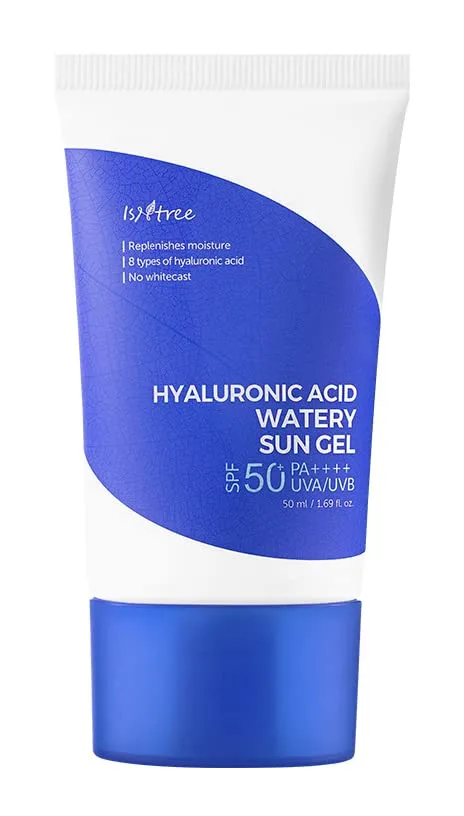 K-Beauty Daily SPF Standout
 Hyaluronic Acid Watery Sun Gel SPF 50+
One of the strongest everyday K-beauty sunscreens in the international market — modern European filters, no white cast, fragrance-free, niacinamide-boosted, and built around the brand's signature six-weight HA complex. At twenty-two dollars for 50ml, it's a case study in how much better a daily sunscreen can be when the formulator cares about both protection and wearability.
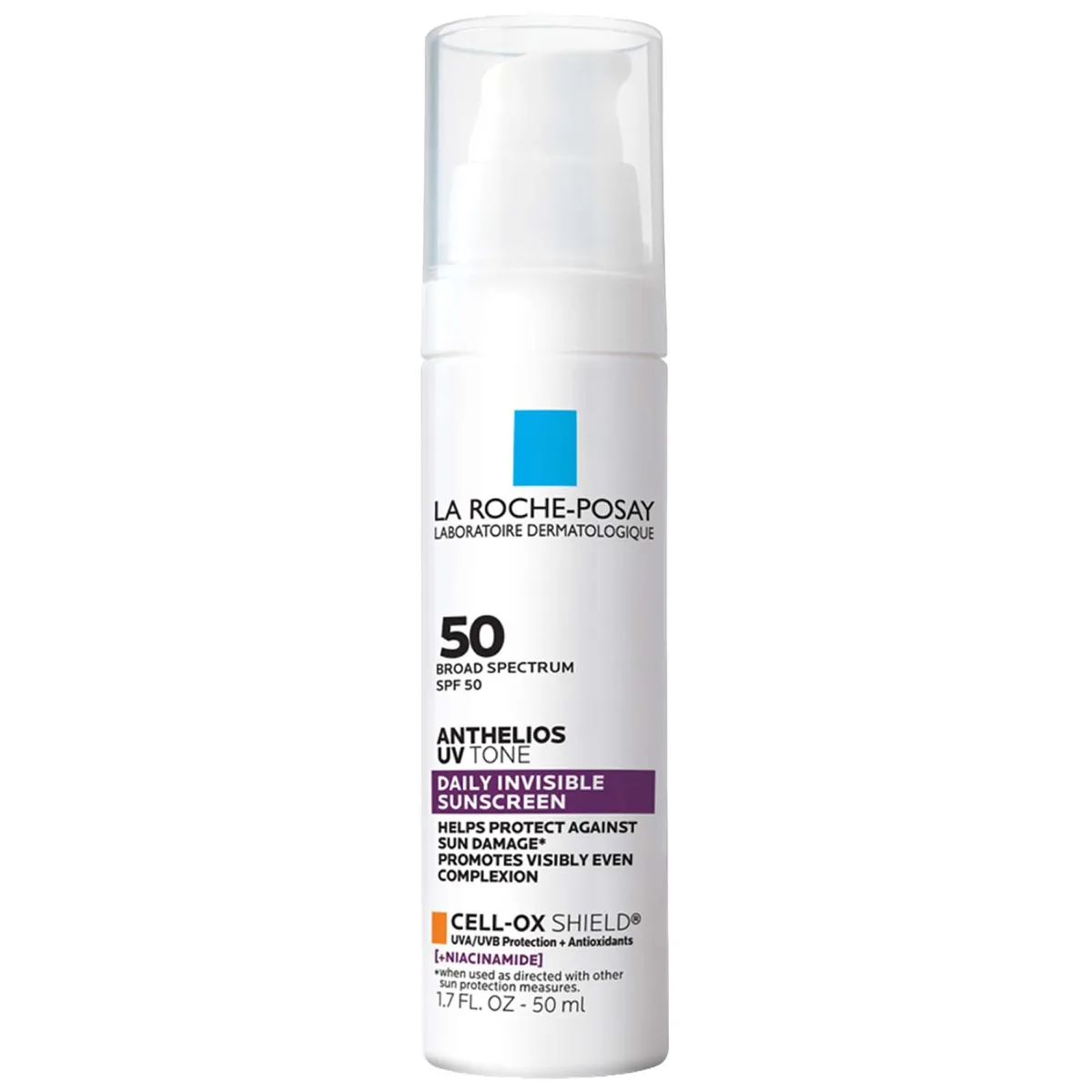 Derm Office Staple
 Anthelios UV Tone Daily Invisible Sunscreen SPF 50
La Roche-Posay's most thoughtful answer yet for hyperpigmentation-prone skin that needs daily SPF. A photostable avobenzone system reinforced with Oxynex ST, paired with a meaningful dose of niacinamide, in a serum-fluid base that goes on invisible on every skin tone. Expensive for 1.7 oz but legitimately well-built — and a rare chemical sunscreen that earns its 'for dark spots' marketing.
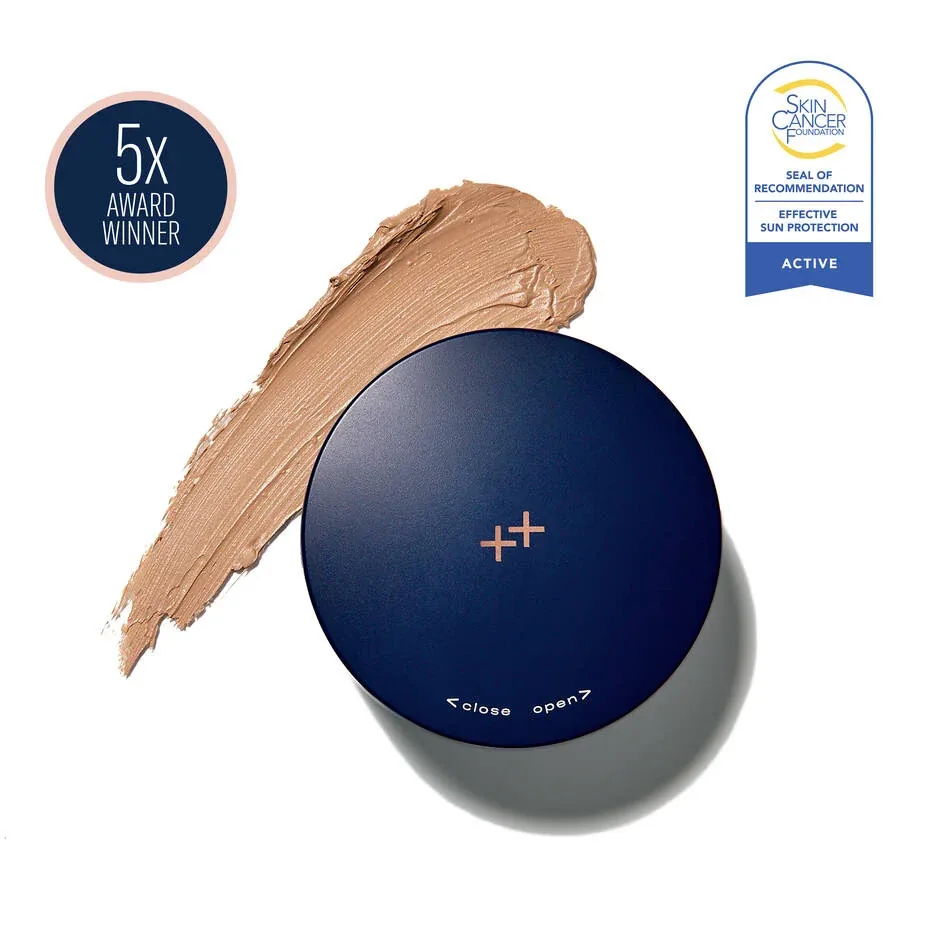 Melasma-Grade Mineral Sunscreen
 sunbetter TONE SMART SPF 68
One of the most clinically useful tinted mineral sunscreens in the professional category. SPF 68 from a 100% mineral formula, iron oxide tint that blocks visible light for melasma protection, and an unusually lightweight texture that doesn't feel like you're wearing high-concentration zinc. For patients with melasma or post-inflammatory hyperpigmentation, this is the category benchmark — and it's earned its Allure Best of Beauty wins.
 K-Beauty Cult Favorite
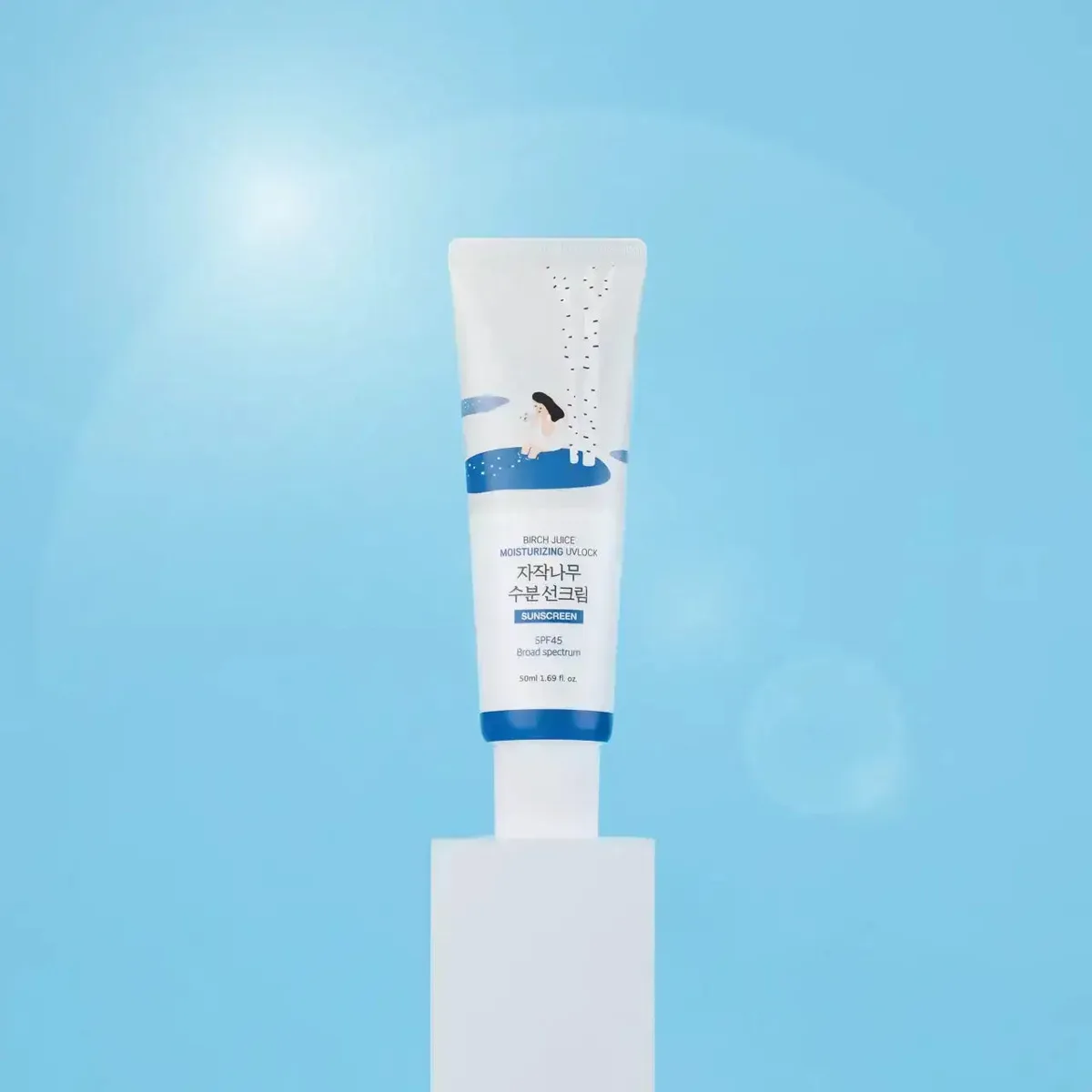
 Birch Juice Moisturizing Sun Cream SPF 50+
One of the best hybrid sunscreens in K-beauty right now — a 70% birch sap base, modern UVA filters you can't get in the US, and a finish that wears like a lightweight moisturizer. Broadly compatible, well-priced, and genuinely pleasant to apply, with minor tradeoffs for oily and fungal-acne-prone users.
 The K-Beauty Sunscreen That Changed Everything
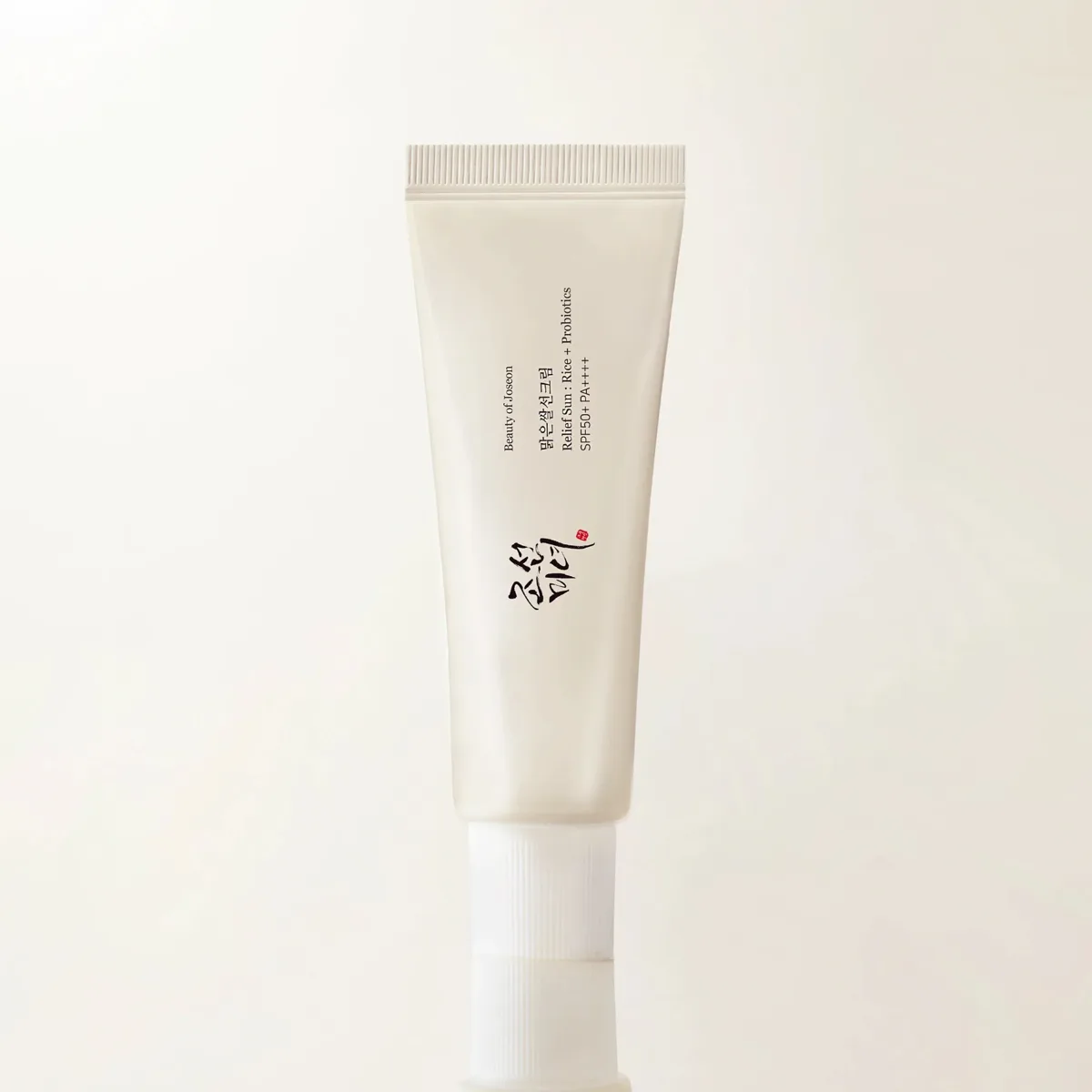
 Relief Sun: Rice + Probiotics SPF 50+
The sunscreen that rewrote the rules for what a $14 product could deliver. With independently verified SPF 50+, 30% rice extract, niacinamide, and a probiotic ferment complex, it offers protection and skincare benefits that rival products three times its price. The texture that feels like wearing nothing on your face is the reason it went viral — and stayed there.