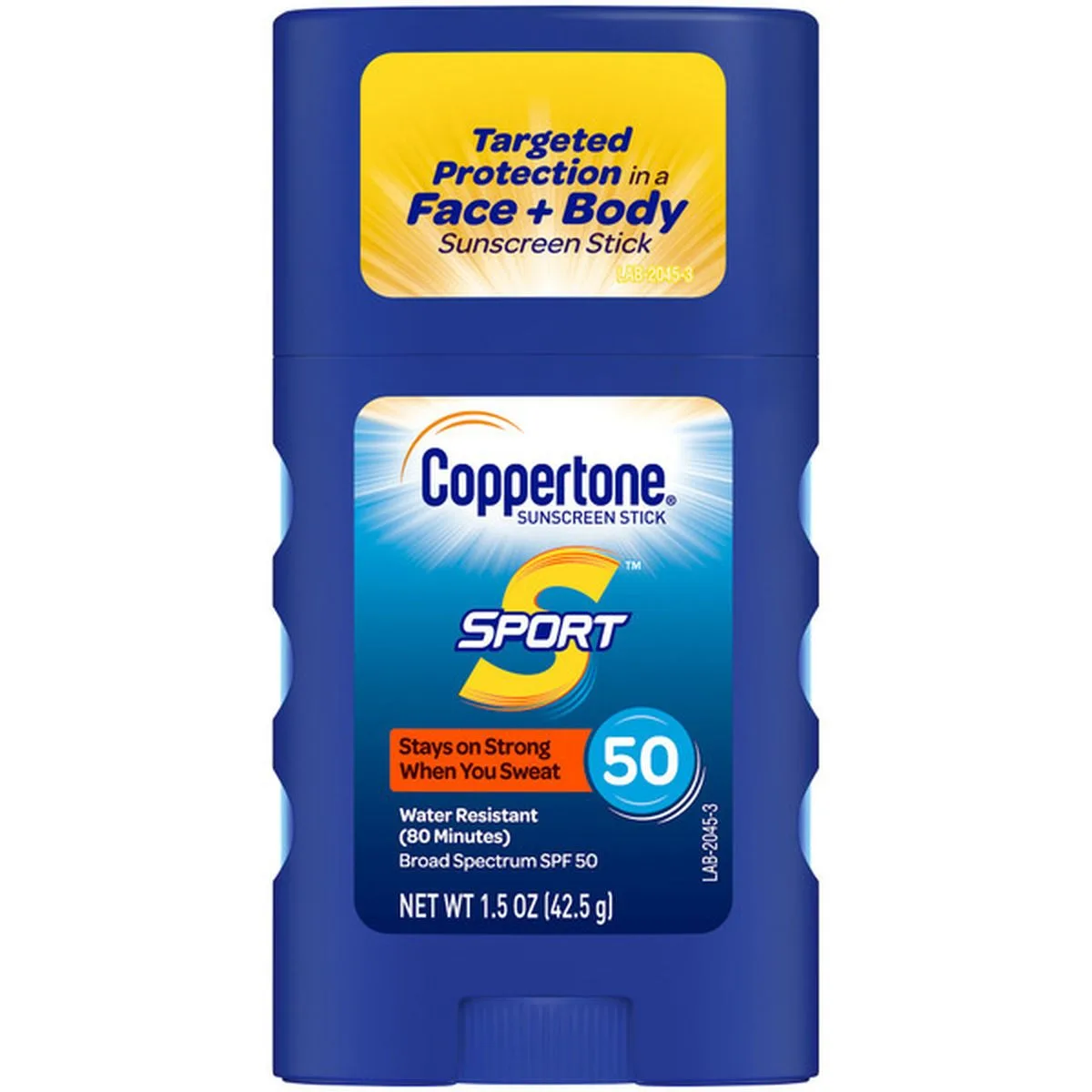
Coppertone Sport Stick SPF 50 is a purpose-built reapplication tool — not a primary sunscreen, but the thing you pull from your pocket when you need to re-up protection on your nose and ears without stopping your hike. Five UV filters at 39% total concentration deliver serious protection, but the oxybenzone and waxy texture are worth knowing about before you commit.
Sport Sunscreen Stick SPF 50
Coppertone Sport Stick SPF 50 is a purpose-built reapplication tool — not a primary sunscreen, but the thing you pull from your pocket when you need to re-up protection on your nose and ears without stopping your hike. Five UV filters at 39% total concentration deliver serious protection, but the oxybenzone and waxy texture are worth knowing about before you commit.
Score Breakdown
Where this product gains points and where it loses them — broken down across the four scoring pillars.
A functional sport sunscreen stick with robust UV filter coverage and strong water resistance, but the inclusion of oxybenzone, waxy texture, and potential for white cast limit its appeal. Best used as a targeted touch-up tool rather than a primary sunscreen.
Pros & Cons
- ✓Mess-free one-handed application makes mid-activity reapplication effortless and practical
- ✓Five UV filters at 39% total concentration provide robust broad-spectrum protection
- ✓Wax-based formula delivers inherent water resistance beyond what film-forming polymers alone achieve
- ✓Maximum FDA 80-minute water resistance rating holds up during swimming and sweating
- ✓Compact 1.5 oz size is TSA-compliant and fits easily in pockets and small bags
- ✓Minimal fragrance compared to the lotion version — no added parfum
- ✗Contains oxybenzone 6%, restricted in Hawaii and Key West for potential reef impact
- ✗Waxy texture requires firm pressure and multiple passes for even coverage
- ✗Can leave visible white cast on medium to deep skin tones
- ✗Very difficult to remove — requires oil-based cleanser or double cleansing
- ✗Contains isopropyl myristate, which is comedogenic for acne-prone skin
- ✗Impractical for full-body application due to small size and solid format
Full Review
There is a specific moment in every outdoor day when sun protection compliance breaks down. You've been at the beach for three hours. Your hands are sandy. Your lotion is buried in the bottom of a tote bag. You know you should reapply, but the whole production of squeezing, spreading, and washing your hands feels like an unreasonable ask when you're mid-volleyball game. This is the exact problem the sunscreen stick was invented to solve, and Coppertone's Sport Stick SPF 50 is perhaps the most utilitarian version of that solution on the market.
The formula is serious business. Five chemical UV filters at a combined 39% active concentration — substantially more than the 25.5% in Coppertone's own Sport Lotion. Avobenzone handles UVA1, octocrylene at 10% provides UVB absorption while photostabilizing the avobenzone, homosalate is cranked to its FDA maximum of 15% for heavy UVB protection, octisalate adds another 5% of UVB coverage, and oxybenzone at 6% bridges the spectral gap between UVB and UVA1. That last ingredient is the one that will make some users pause.
Oxybenzone is the most debated UV filter in modern sunscreen formulation. The 2020 JAMA study that tested systemic absorption of chemical sunscreen ingredients found that oxybenzone reached the highest plasma concentrations of all filters tested — 258.1 ng/mL in lotion form, well above the FDA's 0.5 ng/mL threshold that triggers additional safety data requirements. Hawaii and Key West have restricted its sale due to laboratory studies showing toxicity to coral larvae. Coppertone removed oxybenzone from its Sport Lotion reformulation but has retained it in the stick, likely because the solid delivery system limits the amount of product that contacts skin per application and because stick users are typically applying to smaller targeted areas rather than full-body coverage.
The texture is unmistakably waxy. This is a solid balm built on an ozokerite and synthetic beeswax base, and it behaves accordingly. You need to press firmly and swipe in overlapping passes to get meaningful coverage — a light glide will leave gaps. The product warms with body heat, which helps, but this will never feel like a creamy moisturizer. Think of it like applying a tinted lip balm to your cheeks: functional, targeted, and not particularly luxurious.
Once set, the stick creates a durable protective film that genuinely earns its 80-minute water resistance rating. The wax-based matrix is inherently water-repellent, which gives the stick an advantage over lotion formulations that rely on film-forming polymers to resist wash-off. During swimming and heavy sweating, the stick holds its ground. The trade-off is that it's equally resistant to intentional removal — you'll need an oil-based cleanser or dedicated first cleanse to fully dissolve this at the end of the day.
Application is where the stick format shines. One hand, five seconds, no mess. You can reapply sunscreen to your ears, nose, cheekbones, and forehead without washing your hands, without finding a flat surface, without anything. On a boat, at a trailhead, between innings of a softball game — the stick goes on and you keep moving. For parents chasing sandy children at the beach, this kind of zero-friction reapplication compliance is genuinely valuable.
The coverage area limitation is real, though. A 1.5 oz stick is not designed for full-body application. Used as intended — targeted facial and ear reapplication alongside a body lotion — a single stick lasts two to three months of regular summer use. Used as your only sunscreen, it'll be gone in weeks and the application will be uneven over large body areas.
Fragrance is minimal in the stick format. Without added parfum, the scent is limited to the faint waxy, slightly chemical smell of the active ingredients and base materials. It's substantially less noticeable than the classic Coppertone sunscreen smell of the lotion. Sensitive noses will appreciate this.
The white cast question depends on your skin tone. On lighter skin, the stick disappears within a minute of application. On medium to deep skin tones, the waxy film can remain visible, particularly on the ears and nose where the product sits thickest. Patting with fingertips after application helps, but full invisibility is not guaranteed.
The inclusion of aloe vera extract and sunflower seed oil in the inactive ingredients adds mild soothing and antioxidant properties to the base, though these are present in small enough quantities that they're functional rather than transformative. Tocopherol provides the primary antioxidant backup, mopping up free radicals that get past the UV filters.
At roughly seven to eight dollars for a single stick, the value is decent for what is essentially a convenience product. You're paying for the format as much as the formula — the ability to reapply sunscreen without interrupting your activity is a real value proposition that lotions and sprays don't match. The price per ounce is higher than the lotion, but the use case is different enough that direct comparison isn't entirely fair.
Coppertone Sport Stick SPF 50 doesn't pretend to be elegant. It doesn't pretend to be a facial sunscreen for your morning routine. It's a tactical sun protection tool designed for a specific moment: when you need more SPF on your face and you need it now, with one hand, in five seconds. For that job, it works.
Formula
Key Ingredients
The hero actives that drive this product's performance.
| Ingredient | Function | Evidence |
|---|---|---|
| Avobenzone 3% (3%) | The primary UVA1 filter in this five-filter stick formula, absorbing long-wave UV radiation that penetrates deep into skin. Photostabilized by the high concentration of octocrylene (10%) in this formula, preventing the breakdown that makes standalone avobenzone lose UVA protection under sustained sun exposure. | well-established |
| Homosalate 15% (15%) | Present at the maximum FDA-allowed concentration, providing the heaviest UVB absorption in this formula. The 15% concentration in the stick format (versus 10% in the lotion) reflects the need for higher filter loading in a solid delivery system where application thickness is harder to control. | well-established |
| Octocrylene 10% (10%) | Absorbs UVB and short-UVA while photostabilizing avobenzone through triplet-triplet energy transfer. At 10% in this formula, it provides both substantial UV absorption and ensures the avobenzone retains its UVA-blocking capacity throughout extended outdoor exposure. | well-established |
| Oxybenzone 6% (6%) | A broad-spectrum booster that absorbs across both UVB and UVA2 wavelengths (270-350nm), filling the spectral gap between the UVB filters and avobenzone's UVA1 coverage. This is the most scrutinized ingredient in the formula — while effective as a UV filter, it has drawn concern for systemic absorption and potential environmental impact on coral reefs. | well-established |
| Tocopherol (Vitamin E) | An antioxidant included to neutralize UV-generated free radicals that penetrate past the five chemical filters. In this stick formula enriched with sunflower seed oil, the tocopherol works alongside the oil's natural antioxidant profile to provide secondary photoprotection. | well-established |
Full INCI List
Active Ingredients: Avobenzone 3%, Homosalate 15%, Octisalate 5%, Octocrylene 10%, Oxybenzone 6%. Inactive Ingredients: Ozokerite, Caprylic/Capric Triglyceride, C12-15 Alkyl Benzoate, Lauryl Laurate, Behenyl Alcohol, Bis-PEG-12 Dimethicone Beeswax, Isopropyl Myristate, C20-40 Alkyl Stearate, Synthetic Beeswax, Tocopherol, Polyethylene, Sorbitan Oleate, VP/Hexadecene Copolymer, Aloe Barbadensis Leaf Extract, Stearoxy Dimethicone, Helianthus Annuus (Sunflower) Seed Oil
Product Flags
✓ Fragrance Free✓ Alcohol Free✗ Oil Free✗ Silicone Free✓ Paraben Free✓ Sulfate Free✗ Cruelty Free✗ Vegan✗ Fungal Acne Safe
Comedogenic Ingredients
Isopropyl Myristate
Potential Irritants
Oxybenzone
Common Allergens
Beeswax (Synthetic Beeswax)Oxybenzone
Compatibility
Skin Match
Best For
Works For
Not Ideal For
Addresses These Conditions
Use With Caution
Routine Step
sunscreen
Time of Day
AM
Pregnancy Safe
Unknown
Layering Tips
Apply directly to dry skin, pressing firmly and swiping in overlapping strokes to ensure even coverage. Best used for targeted areas like ears, nose, hairline, and back of neck. Layer over moisturizer on dry skin. Reapply every two hours or after swimming, sweating, or towel drying.
Results Timeline
Immediate UV protection upon application. No cumulative skin benefits — this is a protective product. The stick format makes targeted reapplication during outdoor activities quick and mess-free.
Pairs Well With
Body lotion sunscreen for full coverageMoisturizer underneath for dry skin
Sample AM Routine
- Gentle cleanser
- Moisturizer
- Primary sunscreen lotion for body
- THIS PRODUCT — for face, ears, nose, and neck touch-ups
Sample PM Routine
- Oil cleanser to dissolve waxy sunscreen
- Gentle foaming cleanser
- Evening treatment or moisturizer
Evidence
Science & Expert Perspective
The Science
This stick deploys five chemical UV filters at a combined 39% active concentration — the highest in the Coppertone Sport lineup. The photostabilization strategy mirrors the lotion: octocrylene at 10% quenches avobenzone's excited triplet state through energy transfer, preventing the photodegradation that progressively erodes UVA protection. A 2006 study in the International Journal of Pharmaceutics by Gaspar and Maia Campos confirmed that octocrylene acts as a stabilizing agent that significantly improves the photostability of avobenzone-containing formulations.
The presence of oxybenzone at 6% warrants direct discussion. The 2020 JAMA study by Matta et al. tested systemic absorption of six chemical UV filters, including all five in this product. Under maximal-use conditions, oxybenzone reached the highest plasma concentrations of all tested filters — 258.1 ng/mL for lotion and 180.1 ng/mL for spray — far exceeding the FDA's 0.5 ng/mL threshold. Homosalate and oxybenzone remained above threshold through day 21 post-application. The FDA emphasized that exceeding this threshold does not indicate harm — it means additional safety data is required. However, the stick format's smaller application area and lower total product application per use would be expected to result in meaningfully lower systemic exposure compared to full-body lotion application.
The solid wax base — primarily ozokerite and synthetic beeswax — provides a delivery advantage for water resistance. Unlike lotion formulations that depend on synthetic film-forming polymers, the stick's inherent wax matrix creates a physical barrier against water washoff. A 2023 review in Pharmaceutics noted that the delivery vehicle significantly impacts both the photostability and substantivity of UV filters, with solid and semi-solid formats generally demonstrating superior water resistance compared to fluid formulations.
References
- Evaluation of the photostability of different UV filter combinations in a sunscreen — International Journal of Pharmaceutics (2006)
- Effect of Sunscreen Application on Plasma Concentration of Sunscreen Active Ingredients: A Randomized Clinical Trial — JAMA (2020)
- Drug Delivery Strategies for Avobenzone: A Case Study of Photostabilization — Pharmaceutics (2023)
Dermatologist Perspective
Dermatologists recognize sunscreen sticks as valuable compliance tools — they remove the friction from reapplication, which is the step most patients skip. Board-certified dermatologists frequently recommend sticks for targeted areas like the nose, ears, and around the eyes where lotion application is messy and imprecise. The oxybenzone content is a consideration that dermatologists navigate on a case-by-case basis: for patients concerned about systemic absorption or swimming near coral reefs, mineral stick alternatives are recommended. For patients who prioritize reliable UV protection during athletic activity, the five-filter system in this stick provides robust broad-spectrum coverage.
Guidance
Usage Guide
How to Use
Apply directly to dry skin with firm, deliberate strokes. Make at least 3-4 overlapping passes per area to ensure sufficient coverage — a single light swipe is not enough. Focus on high-exposure areas: nose, cheekbones, ears, forehead, back of neck, and lips. Apply 15 minutes before sun exposure. Reapply every 2 hours and immediately after swimming, heavy sweating, or towel drying. To remove at end of day, use an oil-based cleanser or micellar water as a first cleanse, followed by a regular cleanser.
Value Assessment
At approximately $7.50 for 1.5 oz, the per-ounce cost is higher than the Sport Lotion — but the comparison is misleading because the stick serves a different purpose. This is a convenience and compliance product: you're paying for mess-free reapplication that actually happens, versus a cheaper lotion that stays in your bag because reapplying it is too inconvenient. For what it is — a robust, water-resistant, pocket-sized reapplication tool — the price is fair. HSA/FSA eligibility helps offset the cost for frequent buyers.
Who Should Buy
Athletes and outdoor enthusiasts who need a mess-free way to reapply sunscreen during activity. Parents who need to quickly re-up sun protection on children's faces at the beach or pool. Travelers who want a compact, TSA-friendly sunscreen for on-the-go use alongside a primary body sunscreen.
Who Should Skip
Anyone concerned about oxybenzone exposure or planning to swim near coral reefs should choose an oxybenzone-free alternative. People with acne-prone skin may react to the isopropyl myristate in the formula. Those seeking a primary full-body sunscreen will find the stick format impractical for that purpose.
Ready to try Coppertone Sport Sunscreen Stick SPF 50?
Details
Details
Texture
Solid waxy balm that requires firm pressure to glide across skin. Needs body heat to soften slightly before application. Thicker than a lip balm, similar to a deodorant stick in consistency. Sets into a protective film within 1-2 minutes.
Scent
Minimal scent compared to the lotion — the solid stick format contains no added fragrance, though a faint waxy, sunscreen-adjacent smell is present from the active ingredients and base materials.
Packaging
Cylindrical blue and yellow twist-up tube with a snap-on cap, similar in form to a deodorant stick. Compact at 1.5 oz, easily pocket-sized. Sturdy plastic construction holds up in beach bags and gym kits.
Finish
satinnon-greasy
What to Expect on First Use
Feels waxy and thick on first application — you need to press firmly and make multiple passes to get even coverage. The product warms slightly with body heat and becomes more spreadable. May leave visible streaks initially that need to be patted or rubbed in. Sets into a noticeable protective layer within a couple of minutes.
How Long It Lasts
2-3 months when used as a targeted touch-up stick for face, ears, and neck alongside a primary body sunscreen. 3-6 weeks if used as the sole face sunscreen with proper reapplication every 2 hours.
Period After Opening
12 months
Best Season
spring summer
Certifications
Broad Spectrum SPF 50Water Resistant (80 minutes)Dermatologist TestedHSA/FSA Eligible
Background
The Why
Coppertone's Sport stick emerged from the practical reality that athletes and outdoor enthusiasts needed a sunscreen they could reapply without stopping to wash their hands. The twist-up format allows one-handed application mid-activity — on a boat, at the top of a ski run, or between sets on a tennis court. It's a format-driven solution to a real-world sun protection compliance problem: people skip reapplication because it's inconvenient.
About Coppertone Legacy Brand (20+ years)
Coppertone was founded in 1944 by pharmacist Benjamin Green and has been a household name in sun protection for over 80 years. Now owned by Beiersdorf AG, the brand's products are FDA-regulated OTC drugs with decades of real-world use and testing.
Brand founded: 1944 · Product launched: 2016
Myth vs. Reality
Myths & Misconceptions
Myth
Sunscreen sticks don't provide as much protection as lotions because you can't apply enough product.
Reality
Sticks can provide equivalent protection when applied with sufficient pressure and multiple overlapping passes. The higher active concentration in this stick (39% vs. 25.5% in the lotion) partially compensates for the thinner application layer typical of stick formats. The key is applying with firm, deliberate strokes rather than a light glide.
Myth
Oxybenzone in this product will damage coral reefs every time you swim.
Reality
While oxybenzone has shown toxicity to coral larvae in laboratory settings at concentrations far higher than typical ocean exposure, the real-world environmental impact of individual sunscreen use is debated among marine scientists. Hawaii and Key West have restricted oxybenzone-containing sunscreens as a precautionary measure. If you're swimming near coral reefs, choose a mineral sunscreen.
FAQ
Frequently Asked Questions
Does Coppertone Sport Stick SPF 50 contain oxybenzone?
Yes — unlike the reformulated Coppertone Sport Lotion, the stick format still contains oxybenzone at 6%. This ingredient is restricted in Hawaii and Key West due to potential coral reef impact. If reef safety is a concern, choose a mineral sunscreen stick for ocean swimming near coral reefs.
Is Coppertone Sport Stick SPF 50 water resistant?
Yes — it carries the maximum FDA-allowed water resistance rating of 80 minutes. The solid wax base creates a durable barrier that resists wash-off during swimming and sweating. Still reapply every 2 hours and immediately after toweling off.
Can I use Coppertone Sport Stick SPF 50 as my only sunscreen?
You can, but the stick format makes it impractical for full-body coverage. It's designed for targeted application on the face, ears, nose, and neck. For body coverage, pair it with a lotion or spray sunscreen. The stick excels as a mess-free reapplication tool during outdoor activity.
Does Coppertone Sport Stick SPF 50 leave a white cast?
It can leave a visible waxy film and slight white cast during application, particularly on darker skin tones. The residue typically becomes less noticeable within a few minutes as the product sets, but it may never fully disappear on deep skin tones. Blending with fingertips after stick application helps minimize visibility.
Is this sunscreen stick TSA-compliant for carry-on luggage?
Yes — at 1.5 oz, this stick is well under the TSA's 3.4 oz liquid limit. Additionally, solid sunscreen sticks are generally exempt from liquid restrictions entirely, making this an ideal travel sunscreen regardless of size restrictions.
Community
Community Voices
Common Praise
"Easy no-mess application — just twist up and swipe without getting hands dirty"
"Excellent water and sweat resistance for sports and swimming"
"Compact travel-friendly size is TSA-compliant and fits in any pocket or bag"
"Great for targeted coverage on ears, nose, hairline, and back of neck"
"Does not run or drip like liquid sunscreens in hot conditions"
Common Complaints
"Waxy, pasty consistency is difficult to spread evenly across larger areas"
"Can leave a visible white cast, especially on darker skin tones"
"Very difficult to wash off — requires double cleansing or oil-based cleanser"
"Contains oxybenzone, which is restricted in Hawaii and Key West for reef concerns"
"May feel heavy or greasy on skin before fully setting"
Notable Endorsements
Dermatologist tested
Appears In
best sunscreen stick for sports best travel sunscreen best sunscreen for reapplication best water resistant sunscreen stick
Related Conditions
sun damage hyperpigmentation aging
Related Ingredients
You Might Also Like
 Derm Office Staple
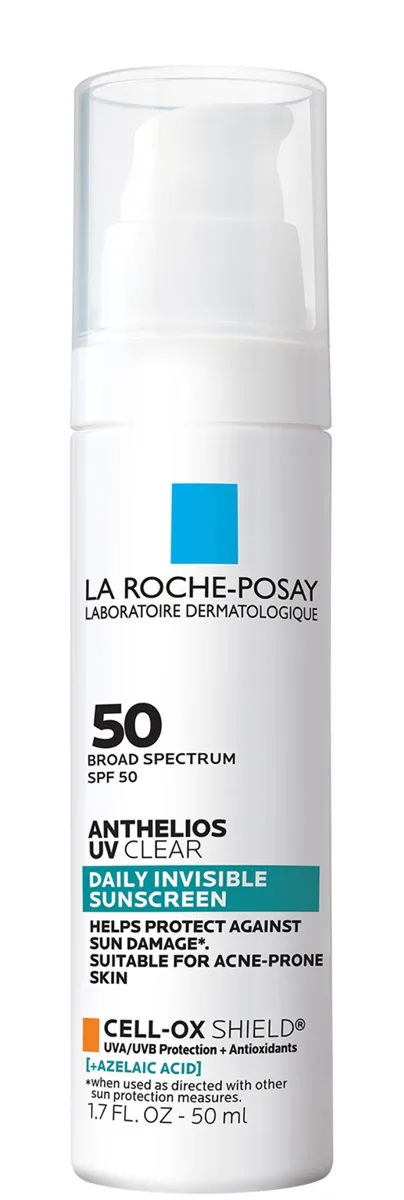
 Anthelios UV Clear Sunscreen SPF 50
One of the only US chemical sunscreens that genuinely earns its 'for sensitive and breakout-prone skin' positioning. A photostable Anthelios filter system paired with a legitimate azelaic acid dose in a lightweight serum-fluid that disappears on every skin tone. Excellent for rosacea, acne, and post-inflammatory hyperpigmentation — and probably the single best daily sunscreen in the La Roche-Posay US lineup for those conditions.
 K-Beauty Daily SPF Standout
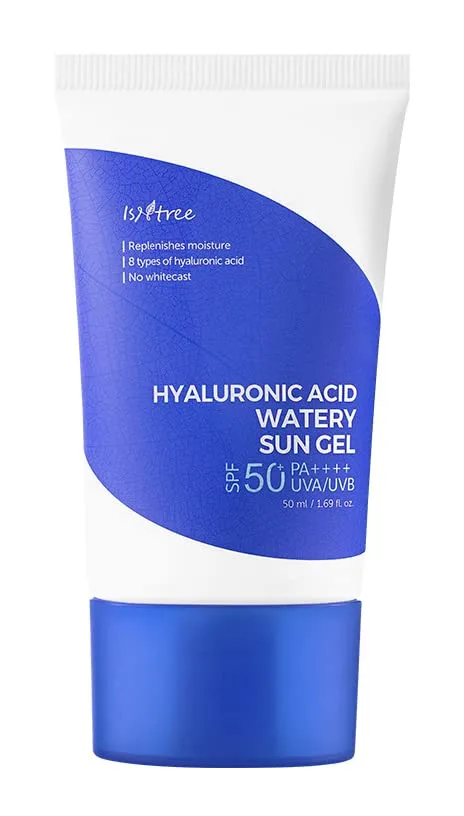
 Hyaluronic Acid Watery Sun Gel SPF 50+
One of the strongest everyday K-beauty sunscreens in the international market — modern European filters, no white cast, fragrance-free, niacinamide-boosted, and built around the brand's signature six-weight HA complex. At twenty-two dollars for 50ml, it's a case study in how much better a daily sunscreen can be when the formulator cares about both protection and wearability.
 Derm Office Staple
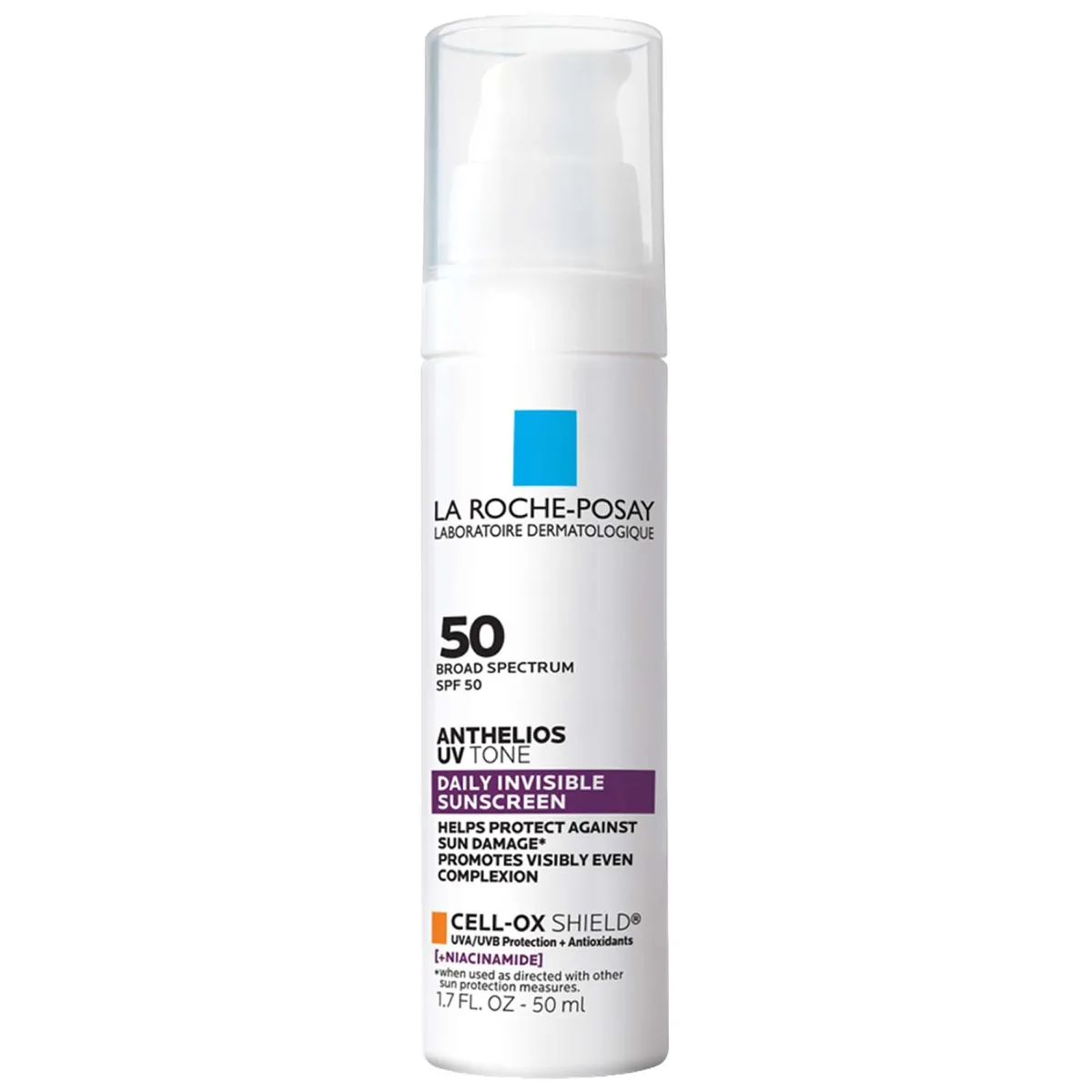
 Anthelios UV Tone Daily Invisible Sunscreen SPF 50
La Roche-Posay's most thoughtful answer yet for hyperpigmentation-prone skin that needs daily SPF. A photostable avobenzone system reinforced with Oxynex ST, paired with a meaningful dose of niacinamide, in a serum-fluid base that goes on invisible on every skin tone. Expensive for 1.7 oz but legitimately well-built — and a rare chemical sunscreen that earns its 'for dark spots' marketing.
 Melasma-Grade Mineral Sunscreen
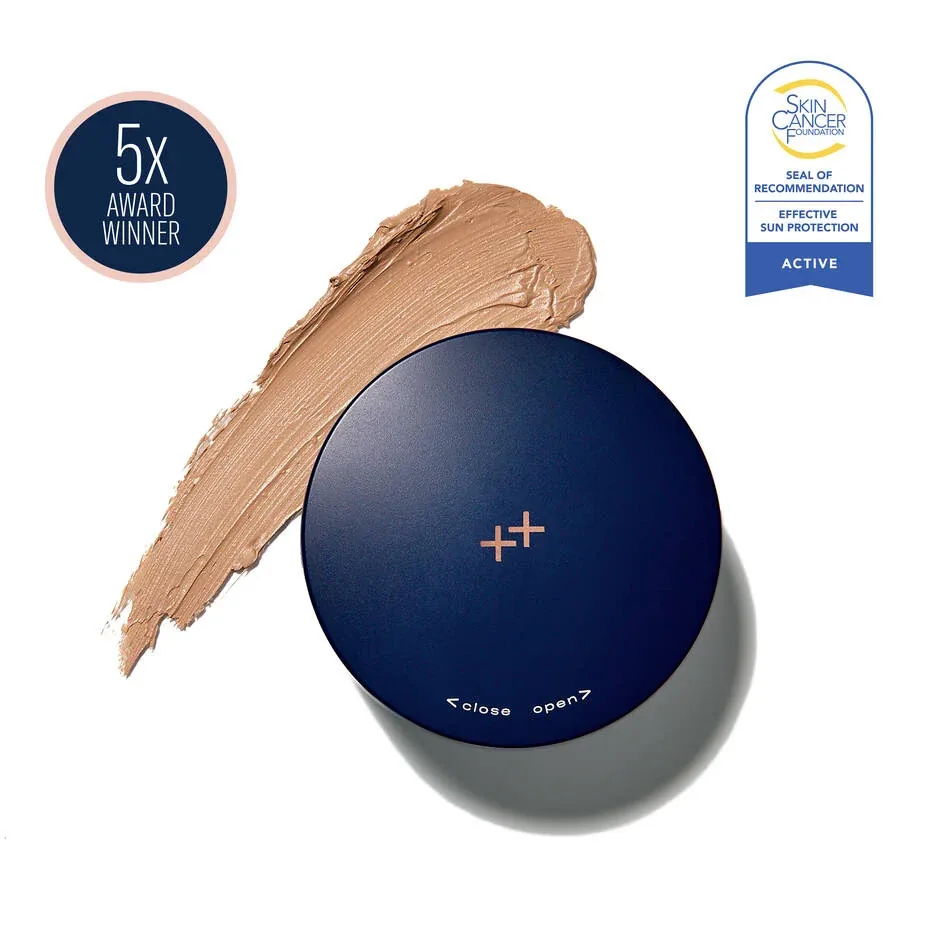
 sunbetter TONE SMART SPF 68
One of the most clinically useful tinted mineral sunscreens in the professional category. SPF 68 from a 100% mineral formula, iron oxide tint that blocks visible light for melasma protection, and an unusually lightweight texture that doesn't feel like you're wearing high-concentration zinc. For patients with melasma or post-inflammatory hyperpigmentation, this is the category benchmark — and it's earned its Allure Best of Beauty wins.
 K-Beauty Cult Favorite
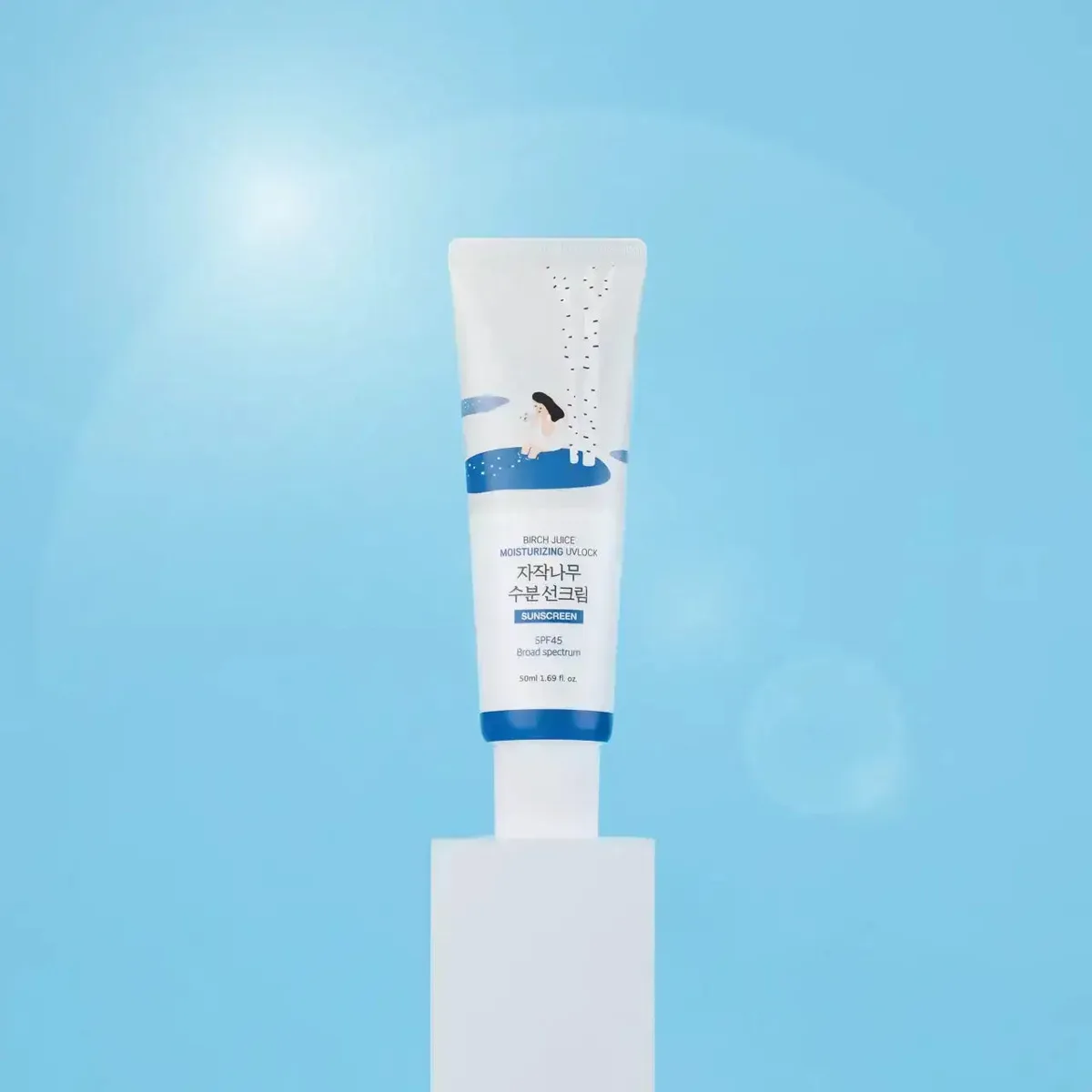
 Birch Juice Moisturizing Sun Cream SPF 50+
One of the best hybrid sunscreens in K-beauty right now — a 70% birch sap base, modern UVA filters you can't get in the US, and a finish that wears like a lightweight moisturizer. Broadly compatible, well-priced, and genuinely pleasant to apply, with minor tradeoffs for oily and fungal-acne-prone users.
 The K-Beauty Sunscreen That Changed Everything
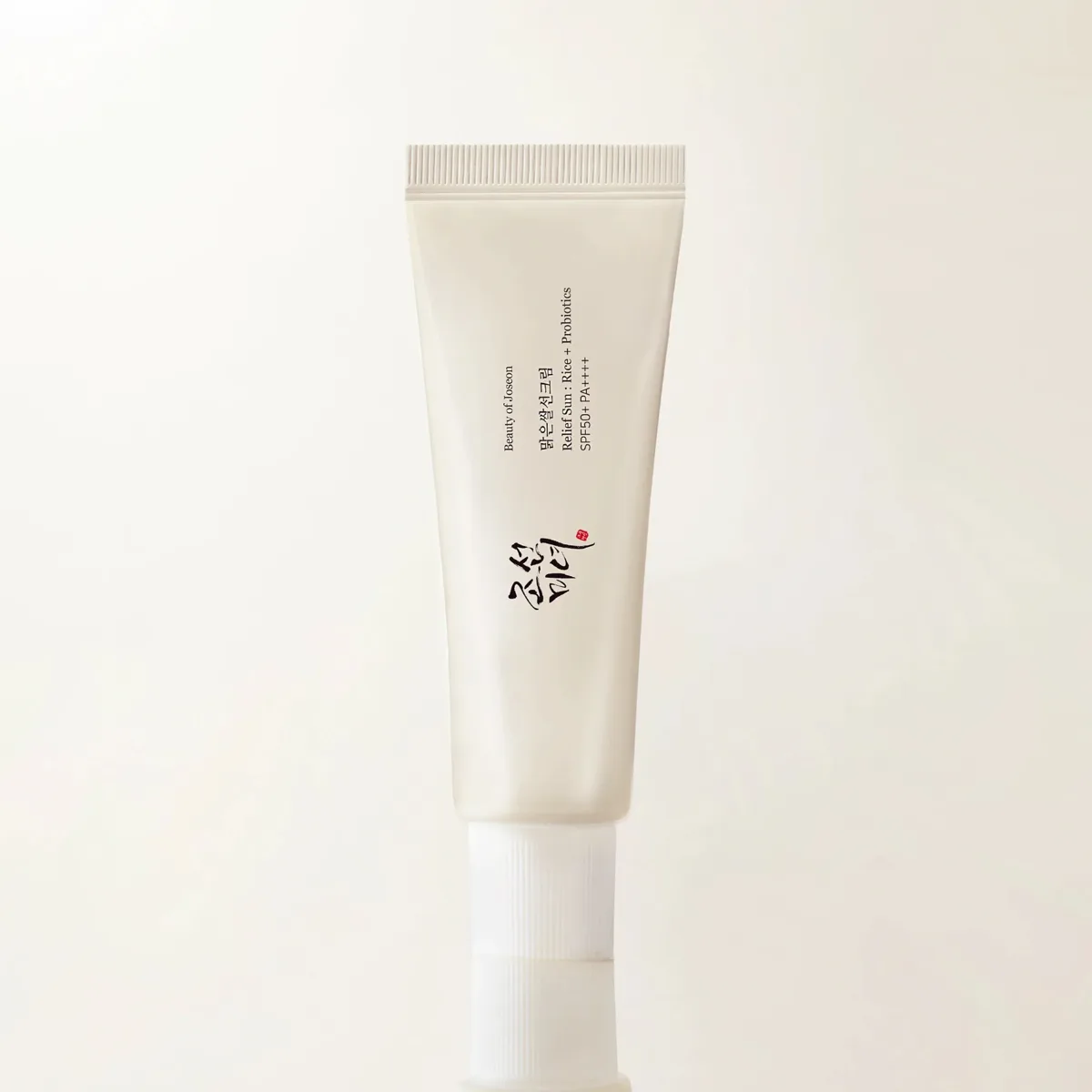
 Relief Sun: Rice + Probiotics SPF 50+
The sunscreen that rewrote the rules for what a $14 product could deliver. With independently verified SPF 50+, 30% rice extract, niacinamide, and a probiotic ferment complex, it offers protection and skincare benefits that rival products three times its price. The texture that feels like wearing nothing on your face is the reason it went viral — and stayed there.