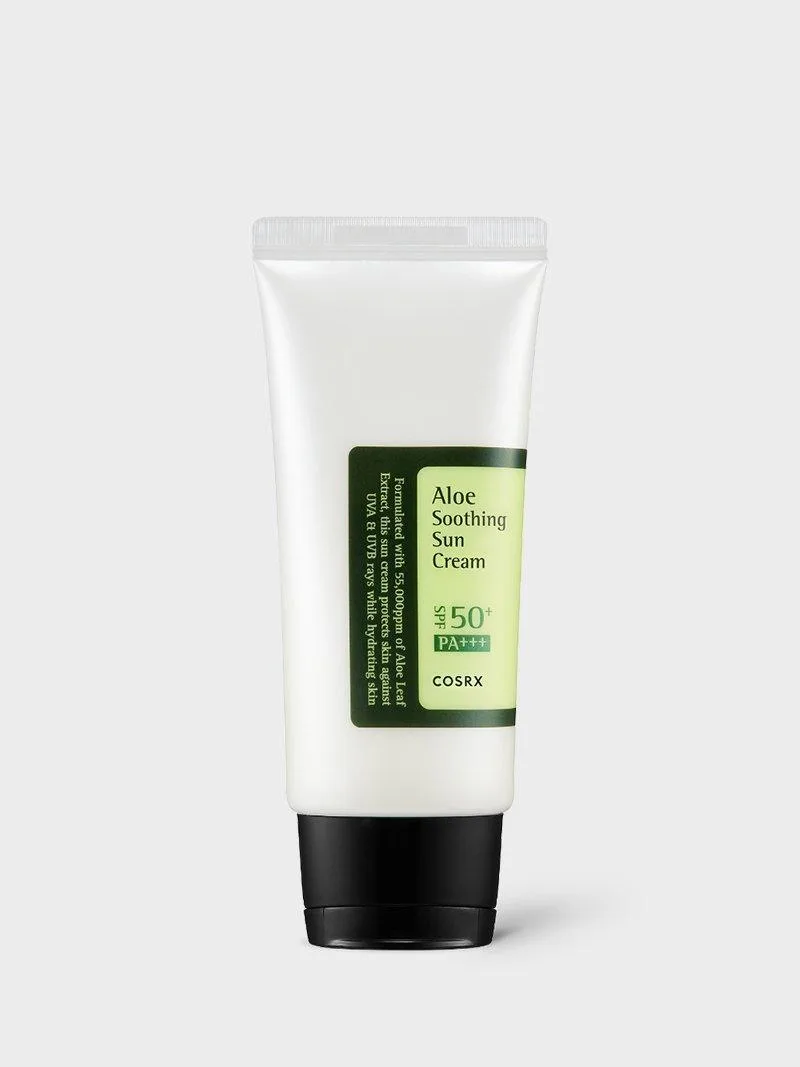
A budget-friendly hybrid sunscreen that doubles as a light moisturizer, with a genuinely meaningful 5.5% aloe concentration. The inclusion of Tinosorb S elevates the UV protection above typical drugstore options, but fragrance, alcohol, and octinoxate limit its reach to non-sensitive skin types.
Aloe Soothing Sun Cream SPF 50
A budget-friendly hybrid sunscreen that doubles as a light moisturizer, with a genuinely meaningful 5.5% aloe concentration. The inclusion of Tinosorb S elevates the UV protection above typical drugstore options, but fragrance, alcohol, and octinoxate limit its reach to non-sensitive skin types.
Score Breakdown
Where this product gains points and where it loses them — broken down across the four scoring pillars.
A solid everyday sunscreen with a meaningful aloe concentration and hybrid UV system that includes photostable Tinosorb S. Strong value at $16, but the inclusion of fragrance, denatured alcohol, and octinoxate limits its suitability for sensitive skin and pregnant individuals, lowering the irritation and breadth scores.
Pros & Cons
- ✓Genuine 5.5% Aloe Arborescens concentration provides real soothing and hydration
- ✓Hybrid UV system with photostable Tinosorb S offers robust broad-spectrum protection
- ✓Moisturizer-like texture can replace a separate hydrating step for normal skin
- ✓Outstanding value at $16 for SPF 50+ with modern UV filter technology
- ✓Pleasant satin finish works well as a makeup base
- ✓Vegan formula with no parabens or sulfates
- ✗Contains fragrance and denatured alcohol — not suitable for sensitive or reactive skin
- ✗Titanium dioxide component can leave a white cast on deeper skin tones
- ✗Octinoxate makes it unsuitable for pregnant individuals
- ✗Can pill when layered over silicone-heavy products
- ✗Small 50mL tube requires frequent repurchasing with daily use
- ✗Not fungal acne safe due to fatty acids and esters in the formula
Full Review
The single biggest enemy of sunscreen is not the sun. It is the person who leaves the bottle on the bathroom shelf because the stuff feels terrible on their face. The thick, greasy, white-streaked misery of traditional sunscreens has done more to undermine UV protection than any cloudy day. COSRX apparently understood this problem when they developed their first-ever sunscreen in 2016, because the Aloe Soothing Sun Cream was designed not to feel like sunscreen at all.
The strategy was simple and effective: make a moisturizer that happens to be a sunscreen. The base is built around 5.5% Aloe Arborescens Leaf Extract — not the common Aloe barbadensis you find in every after-sun gel at the drugstore, but a less common species considered more concentrated in active soothing compounds. At 55,000 ppm, this is not a marketing flourish on the label. The aloe is doing actual work here, providing a hydrating, calming foundation that transforms the product's texture from typical sunscreen to something genuinely pleasant.
The UV protection system is a hybrid of chemical and physical filters — an approach that is less common than it should be. Tinosorb S (Bis-Ethylhexyloxyphenol Methoxyphenyl Triazine) anchors the chemical side with one of the most photostable broad-spectrum filters available. Unlike avobenzone, which degrades under UV exposure, Tinosorb S maintains its protective capacity throughout the wear period. Three additional chemical filters — octinoxate, ensulizole, and amiloxate — fill out the UVB coverage. Titanium dioxide provides the physical component, adding UVA2 and UVB reflection that broadens the overall protection spectrum.
The result is SPF 50+ PA+++ in a cream that genuinely feels like a moisturizer. It melts into skin with a buttery consistency, absorbs within a minute or two, and leaves a satin-to-dewy finish that works under makeup or on its own. For normal and combination skin in temperate or humid climates, it is hydrating enough to skip a separate moisturizer entirely — a real time-saver in morning routines where every step you can eliminate increases the odds that you will actually apply sunscreen.
Here is where honesty starts to complicate the picture. The formula contains denatured alcohol, fragrance, and octinoxate — three ingredients that immediately exclude a significant portion of skincare-conscious consumers. The fragrance is light and fresh, not overwhelming, but its presence in a sunscreen designed around soothing aloe creates an internal contradiction. The denatured alcohol serves a functional purpose (improving absorption, reducing white cast), but it can be drying and irritating for barrier-compromised skin. And octinoxate, while an effective UVB filter, has attracted scrutiny for potential endocrine-disrupting activity, making this product unsuitable for pregnant individuals in the eyes of most dermatologists.
The white cast is skin-tone-dependent. On lighter complexions, it is negligible with proper blending. On medium skin tones, it requires more effort but eventually disappears. On deeper skin tones, the titanium dioxide component can leave a persistent grey or ashy cast that no amount of blending fully resolves. This is an inherent limitation of any sunscreen containing physical UV filters without being specifically formulated for inclusivity — and it is worth acknowledging that most K-beauty sunscreens of this era did not prioritize shade inclusivity in their development.
Pilling is the most common complaint, and it is not the sunscreen's fault alone — it is a compatibility issue. When layered over silicone-heavy serums or moisturizers, the cream can ball up and flake off, compromising both appearance and UV protection. The solution is letting each previous layer fully absorb before applying the sunscreen, and patting rather than rubbing during application. If your routine includes multiple silicone-based products, adjusting the steps before sunscreen may be necessary.
The value proposition is where the COSRX Aloe Soothing Sun Cream genuinely shines. At approximately $16 for 50mL, this is one of the most affordable SPF 50+ sunscreens that includes Tinosorb S — a modern UV filter that typically appears in products costing twice as much. The moisturizer-like texture, the meaningful aloe concentration, and the hybrid UV system represent remarkable formulation at this price point. You are not getting a bare-minimum SPF product with marketing ingredients; you are getting a well-thought-out formula that happens to be cheap.
The 50mL tube is the primary practical limitation. Daily facial application at the recommended amount will consume the tube in five to six weeks. This is standard for K-beauty sunscreens, which tend toward smaller, more frequently repurchased sizes — but it means your annual sunscreen budget for this product is roughly $140-170, which is not as cheap as the per-tube price suggests.
After roughly a decade on the market, the COSRX Aloe Soothing Sun Cream has proven its formula with over five thousand reviews and consistent popularity across global markets. It is not a product for sensitive skin purists or ingredient minimalists. It is a product for the person who wants reliable, high-SPF sun protection that feels comfortable enough to wear every single day without thinking about it — and who would rather spend $16 than $45 for the privilege. For that specific person, it remains one of the smartest buys in K-beauty.
Formula
Key Ingredients
The hero actives that drive this product's performance.
| Ingredient | Function | Evidence |
|---|---|---|
| Aloe Arborescens Leaf Extract (5.5%) (5.5%) | At 55,000 ppm, this is not a token inclusion. Aloe Arborescens is a different species from common aloe vera (Aloe barbadensis) and is considered more concentrated in active compounds. In this hybrid sunscreen formula, it provides genuine soothing and anti-inflammatory benefits that counteract the potential irritation from the chemical UV filters and denatured alcohol in the base. | well-established |
| Bis-Ethylhexyloxyphenol Methoxyphenyl Triazine (Tinosorb S) | One of the most photostable broad-spectrum UV filters available, providing both UVA and UVB absorption without the degradation issues that plague avobenzone. In this hybrid formula, it anchors the chemical filter system alongside titanium dioxide, ensuring the UVA protection remains consistent throughout the wear period. | well-established |
| Titanium Dioxide | The physical UV filter in this hybrid formula, providing UVA2 and UVB protection through reflection and scattering rather than absorption. Working alongside four chemical filters, it broadens the protection spectrum and reduces the total concentration of chemical filters needed — a formulation strategy that lowers irritation risk compared to purely chemical sunscreens. | well-established |
| Dipotassium Glycyrrhizate | A licorice root derivative providing anti-inflammatory and calming action that complements the aloe extract. In a sunscreen containing both chemical filters and denatured alcohol, this soothing agent serves a genuine functional purpose — mitigating the irritation potential of the more aggressive formula components. | well-established |
| Tocopheryl Acetate | A stable form of vitamin E that provides antioxidant defense against UV-generated free radicals. Complements the UV filter system by neutralizing the oxidative stress that penetrates even well-formulated sunscreens, reducing the cumulative photodamage from daily UV exposure. | well-established |
Full INCI List
Water, Ethylhexyl Methoxycinnamate, Glycerin, Propylene Glycol, Cyclopentasiloxane, Bis-Ethylhexyloxyphenol Methoxyphenyl Triazine, Phenylbenzimidazole Sulfonic Acid, Dicaprylyl Carbonate, Isoamyl P-Methoxycinnamate, Potassium Cetyl Phosphate, Alcohol, Dimethicone, Glyceryl Stearate, Butylene Glycol, Titanium Dioxide, C14-22 Alcohols, Polymethyl Methacrylate, Cetearyl Alcohol, Aloe Arborescens Leaf Extract, Dipotassium Glycyrrhizate, Tocopheryl Acetate, PEG-100 Stearate, Silica, C12-20 Alkyl Glucoside, Dimethicone/Vinyl Dimethicone Crosspolymer, Aluminum Hydroxide, Stearic Acid, Caprylyl Glycol, Acrylates/C10-30 Alkyl Acrylate Crosspolymer, Carbomer, Xanthan Gum, Triethanolamine, Sodium Hydroxide, Fragrance, Phenoxyethanol, Disodium EDTA
Product Flags
✗ Fragrance Free✗ Alcohol Free✗ Oil Free✗ Silicone Free✓ Paraben Free✓ Sulfate Free✗ Cruelty Free✓ Vegan✗ Fungal Acne Safe
Comedogenic Ingredients
Cetearyl Alcohol (mild, 2/5)
Potential Irritants
Alcohol (denatured)FragranceEthylhexyl Methoxycinnamate (octinoxate)
Common Allergens
Fragrance
Compatibility
Skin Match
Best For
Works For
Not Ideal For
Addresses These Conditions
sun damage dryness dehydration dullness
Use With Caution
rosacea sensitivity fungal acne
Routine Step
sunscreen
Time of Day
AM
Pregnancy Safe
No ✗
Layering Tips
Apply as the last step of your morning skincare routine. Can double as a light moisturizer for normal skin in humid climates. Let it absorb for 1-2 minutes before applying makeup. Blend thoroughly to minimize any white cast, especially on deeper skin tones.
Results Timeline
Immediate UV protection upon application. The aloe and licorice root provide a subtle soothing effect from first use. Consistent daily use prevents cumulative UV damage and supports skin tone evenness over weeks and months.
Pairs Well With
Lightweight hydrating serums underneathSetting powder on top for oily areas
Sample AM Routine
- Gentle cleanser
- Hydrating toner
- Serum
- COSRX Aloe Soothing Sun Cream SPF 50
Sample PM Routine
- Double cleanse
- Toner
- Treatment
- Moisturizer
Evidence
Who Should Skip
- Contains fragrance and denatured alcohol — not suitable for sensitive or reactive skin
- Titanium dioxide component can leave a white cast on deeper skin tones
- Octinoxate makes it unsuitable for pregnant individuals
- Can pill when layered over silicone-heavy products
Science & Expert Perspective
The Science
The hybrid UV system in this sunscreen combines chemical and physical filters for complementary protection. Bis-Ethylhexyloxyphenol Methoxyphenyl Triazine (Tinosorb S) is the standout filter — a broad-spectrum organic UV absorber covering both UVA (310-340nm) and UVB (280-310nm) wavelengths. Research published in Photochemical & Photobiological Sciences has documented its exceptional photostability: unlike avobenzone, which loses up to 90% of its UV-absorbing capacity within one hour of sun exposure without stabilization, Tinosorb S maintains consistent absorption throughout extended UV exposure periods.
The titanium dioxide component provides physical UV filtration through reflection and scattering, particularly effective in the UVA2 (320-340nm) and UVB ranges. The hybrid approach — combining chemical absorption with physical deflection — broadens the effective protection spectrum while reducing the individual concentration of any single filter, which can lower the overall irritation risk.
The 5.5% Aloe Arborescens concentration is noteworthy from an evidence perspective. While most sunscreens use trace amounts of common aloe vera for label appeal, research published in the International Journal of Molecular Sciences has shown that Aloe Arborescens contains higher concentrations of aloin, aloe-emodin, and acemannan than Aloe barbadensis — compounds with documented anti-inflammatory and wound-healing properties. At this concentration, the aloe provides meaningful soothing action rather than a cosmetic inclusion.
Dipotassium Glycyrrhizate, derived from licorice root, adds an additional anti-inflammatory layer. Research in the Journal of Dermatological Science has demonstrated its ability to inhibit prostaglandin E2 production and reduce UV-induced inflammation — a scientifically rational inclusion in a daily sunscreen designed for comfort.
Dermatologist Perspective
Dermatologists assessing this product would note a competent hybrid UV system at an accessible price point. The inclusion of Tinosorb S — one of the most photostable modern UV filters — provides confidence in sustained UVA protection that many budget sunscreens lack. Board-certified dermatologists frequently emphasize that the best sunscreen is the one a patient will actually use daily, and the moisturizer-like texture of this formula supports compliance by eliminating the unpleasant feel that drives many patients to skip sun protection entirely. However, dermatologists treating sensitive or reactive skin would flag the fragrance and denatured alcohol as concerns, recommending fragrance-free alternatives for those patients. The octinoxate content makes it inappropriate for pregnant patients, for whom mineral-only formulations are standard recommendations. The white cast on deeper skin tones is a practical limitation that dermatologists should discuss with patients of color when recommending this product.
Guidance
Usage Guide
How to Use
Apply generously as the final step of your morning skincare routine, after serum and moisturizer (if using a separate one). Use approximately a nickel-sized amount for the face and a dime-sized amount for the neck. Warm the product between palms before pressing and patting onto skin for the most even application and minimal white cast. Wait 1-2 minutes before applying makeup. Reapply every 2 hours during direct sun exposure. For sensitive areas around the eyes, apply carefully to avoid irritation from the fragrance.
Value Assessment
At approximately $16 for 50mL, this is exceptional value for a hybrid sunscreen featuring Tinosorb S. Comparable products with this level of UV filter sophistication typically cost $25-40. The 50mL tube lasts roughly 5-6 weeks with daily use, translating to approximately $2.50-3.00 per week — affordable by any measure. The trade-off for the low price is the inclusion of fragrance and denatured alcohol, ingredients that more expensive formulations tend to avoid. No other sizes are available, and the small tube format means frequent repurchasing, but the per-unit cost is low enough that this is a minor inconvenience rather than a genuine drawback.
Who Should Buy
Anyone seeking an affordable, comfortable daily sunscreen that feels like a moisturizer. Ideal for normal and combination skin types who want SPF 50+ protection without the heaviness or greasiness of traditional sunscreens. Great for K-beauty beginners looking for a reliable entry-level SPF.
Who Should Skip
Sensitive or reactive skin types should avoid due to fragrance, denatured alcohol, and chemical UV filters. Pregnant individuals should choose a mineral-only sunscreen. Those with deeper skin tones may find the white cast from titanium dioxide unacceptable. Fungal-acne-prone users should look elsewhere.
Ready to try COSRX Aloe Soothing Sun Cream SPF 50?
Details
Details
Texture
Medium-weight white cream with a buttery consistency that melts into skin. Feels like a lightweight moisturizer rather than a typical sunscreen. Blends easily but requires thorough application to avoid white streaks.
Scent
Light, fresh floral-aloe scent that dissipates within minutes. Pleasant but present — not truly unscented.
Packaging
Simple white squeeze tube (50mL) with green accents and black screw-on cap. Compact, travel-friendly size. Clean COSRX minimalist branding.
Finish
satindewylightweight
What to Expect on First Use
On first application, the cream feels moisturizing and soothing — more like a hydrating day cream than a traditional sunscreen. The light scent is noticeable but fades quickly. The cream blends to a satin finish with a subtle glow. On lighter skin tones, it disappears completely; on medium to deeper tones, thorough blending is needed to avoid a faint white cast from the titanium dioxide component.
How Long It Lasts
5-6 weeks with daily facial use (single application per day)
Period After Opening
12 months
Best Season
All Year
Background
The Why
The Aloe Soothing Sun Cream was COSRX's first-ever sunscreen, launched around 2016. Founder Jun Sang Hun developed it to address a gap he saw in the Korean market: affordable daily sunscreens that felt comfortable enough to replace a moisturizer step. The 55,000 ppm aloe concentration reflects the brand's philosophy of using meaningful amounts of hero ingredients rather than sprinkling them in for label appeal. It became one of COSRX's best-known products internationally, particularly in Southeast Asian markets where high-SPF daily wear is standard.
About COSRX Established Brand (5–20 years)
COSRX launched in 2013 with a philosophy of minimal, effective formulations (the name stands for 'Cosmetics + RX'). Over 11 years the brand has built a reputation for ingredient-forward products widely praised by dermatologists, and was acquired by AmorePacific in 2023.
Brand founded: 2013 · Product launched: 2016
Myth vs. Reality
Myths & Misconceptions
Myth
Hybrid sunscreens (chemical + physical) provide double the protection.
Reality
The SPF of a hybrid sunscreen is not the sum of its chemical and physical filter contributions — it is a single measured value. The benefit of hybrid formulation is broader-spectrum coverage and improved photostability, not 'double protection.' The SPF 50+ rating reflects the total protection from all filters working together.
Myth
Any sunscreen with aloe in the name is soothing enough for sensitive skin.
Reality
While the 5.5% Aloe Arborescens in this formula is genuinely soothing, the product also contains denatured alcohol, fragrance, and octinoxate — all of which are common irritants for sensitive skin. The aloe helps but does not fully offset these ingredients for truly reactive skin types.
FAQ
Frequently Asked Questions
Does the COSRX Aloe Sun Cream leave a white cast?
On lighter skin tones, the white cast is minimal to nonexistent with thorough blending. On medium to deeper skin tones, the titanium dioxide content can leave a noticeable cast — careful blending and warming the product between palms before application helps, but this may not fully eliminate it for darker complexions.
Can I use the COSRX Aloe Sun Cream as a moisturizer?
For normal and combination skin in moderate climates, yes — the cream is hydrating enough to replace a separate moisturizer. For dry skin or cold/dry conditions, you may want a lightweight moisturizer underneath. The formula includes glycerin, propylene glycol, and aloe extract for hydration alongside the UV protection.
Is the COSRX Aloe Sun Cream pregnancy safe?
This sunscreen contains octinoxate (ethylhexyl methoxycinnamate), which some studies have flagged for potential endocrine-disrupting activity. Most dermatologists recommend mineral-only sunscreens during pregnancy. If this is a concern, look for sunscreens using only zinc oxide or titanium dioxide as active filters.
Why does the COSRX Aloe Sun Cream pill on my face?
Pilling usually occurs when this cream is layered over silicone-heavy serums or moisturizers. To prevent it, let each layer absorb fully before applying the next (wait 1-2 minutes), pat rather than rub, and avoid products with dimethicone or cyclopentasiloxane in the steps before sunscreen.
Is this sunscreen suitable for sensitive skin?
Despite the soothing aloe base, this product contains fragrance (parfum), denatured alcohol, and chemical UV filters including octinoxate — all common irritants for sensitive skin. If you have reactive or easily irritated skin, a fragrance-free, alcohol-free sunscreen would be a safer choice.
Community
Community Voices
Common Praise
"Feels like a moisturizer rather than a sunscreen"
"Non-greasy finish absorbs quickly"
"Soothing and hydrating with the aloe base"
"Excellent value for SPF 50+ at this price"
"Works well as a makeup base"
"Pleasant, non-overpowering scent"
Common Complaints
"Can leave a white cast on deeper skin tones"
"Contains fragrance and denatured alcohol"
"May pill when layered over certain serums"
"Too moisturizing for very oily skin in humid weather"
"Small 50mL tube runs out quickly with daily use"
Notable Endorsements
Consistently featured in 'best K-beauty sunscreens' roundupsPopular in Southeast Asian K-beauty communities
Appears In
best sunscreen for dryness best sunscreen for dehydration best k beauty sunscreen best budget sunscreen
Related Conditions
sun damage dryness dehydration dullness
Related Ingredients
You Might Also Like
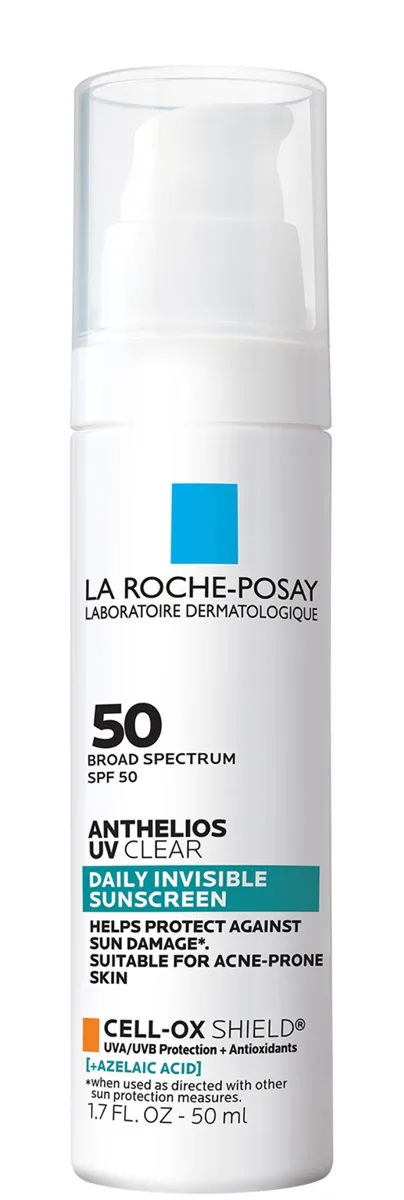 Derm Office Staple
 Anthelios UV Clear Sunscreen SPF 50
One of the only US chemical sunscreens that genuinely earns its 'for sensitive and breakout-prone skin' positioning. A photostable Anthelios filter system paired with a legitimate azelaic acid dose in a lightweight serum-fluid that disappears on every skin tone. Excellent for rosacea, acne, and post-inflammatory hyperpigmentation — and probably the single best daily sunscreen in the La Roche-Posay US lineup for those conditions.
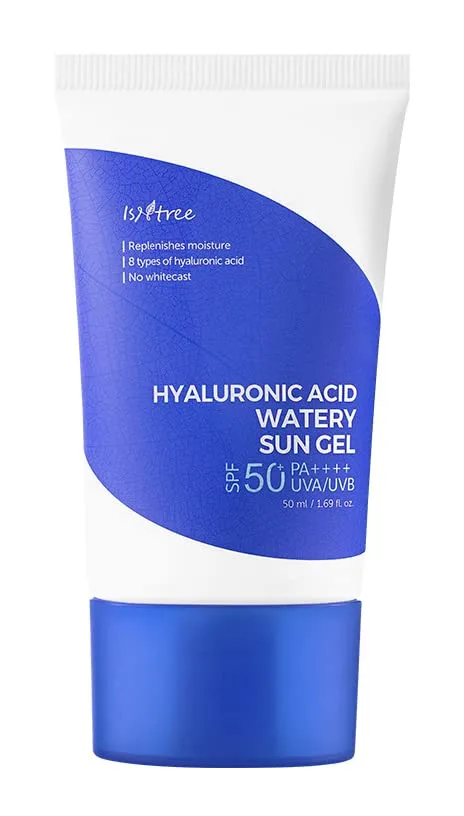 K-Beauty Daily SPF Standout
 Hyaluronic Acid Watery Sun Gel SPF 50+
One of the strongest everyday K-beauty sunscreens in the international market — modern European filters, no white cast, fragrance-free, niacinamide-boosted, and built around the brand's signature six-weight HA complex. At twenty-two dollars for 50ml, it's a case study in how much better a daily sunscreen can be when the formulator cares about both protection and wearability.
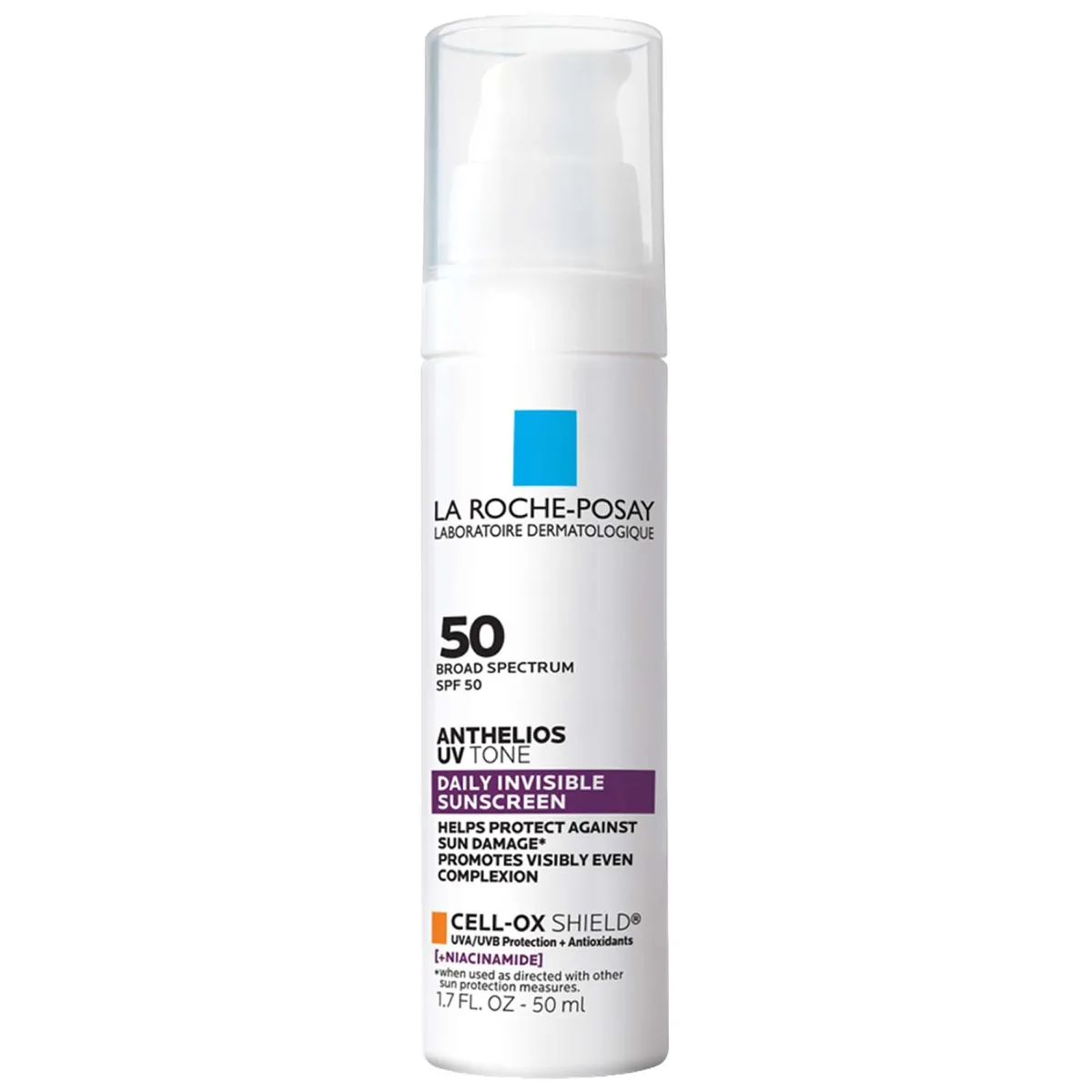 Derm Office Staple
 Anthelios UV Tone Daily Invisible Sunscreen SPF 50
La Roche-Posay's most thoughtful answer yet for hyperpigmentation-prone skin that needs daily SPF. A photostable avobenzone system reinforced with Oxynex ST, paired with a meaningful dose of niacinamide, in a serum-fluid base that goes on invisible on every skin tone. Expensive for 1.7 oz but legitimately well-built — and a rare chemical sunscreen that earns its 'for dark spots' marketing.
 Melasma-Grade Mineral Sunscreen
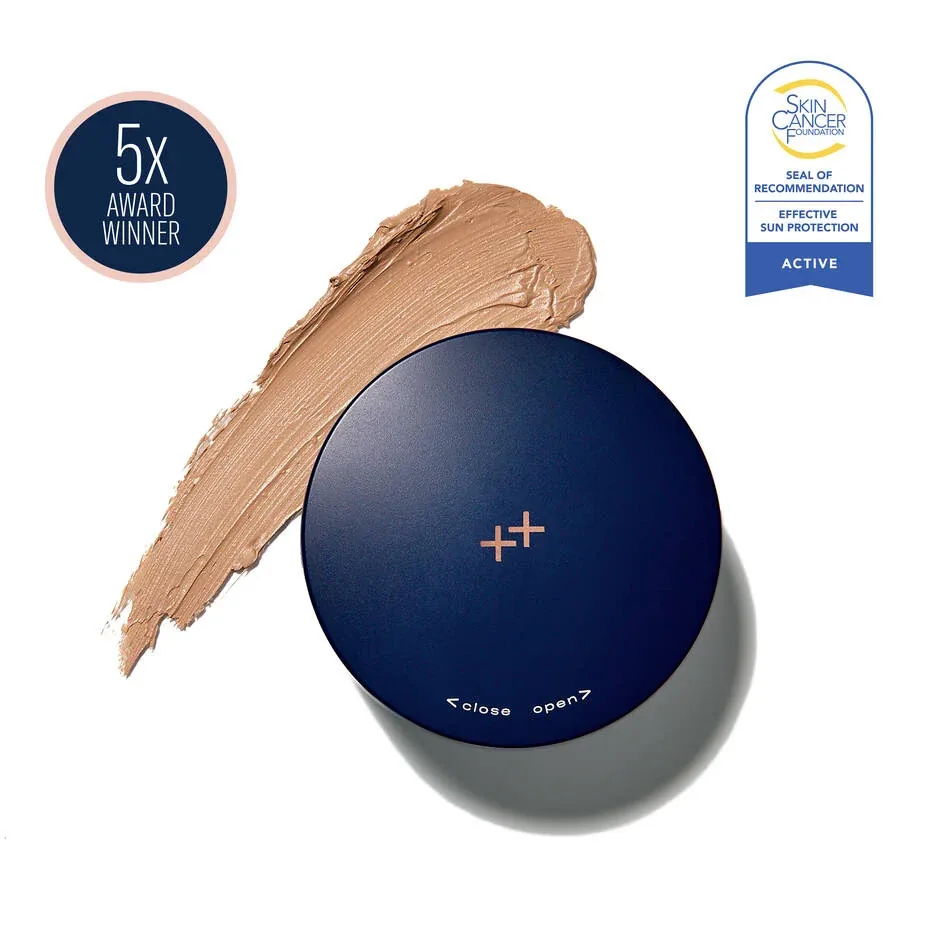
 sunbetter TONE SMART SPF 68
One of the most clinically useful tinted mineral sunscreens in the professional category. SPF 68 from a 100% mineral formula, iron oxide tint that blocks visible light for melasma protection, and an unusually lightweight texture that doesn't feel like you're wearing high-concentration zinc. For patients with melasma or post-inflammatory hyperpigmentation, this is the category benchmark — and it's earned its Allure Best of Beauty wins.
 K-Beauty Icon
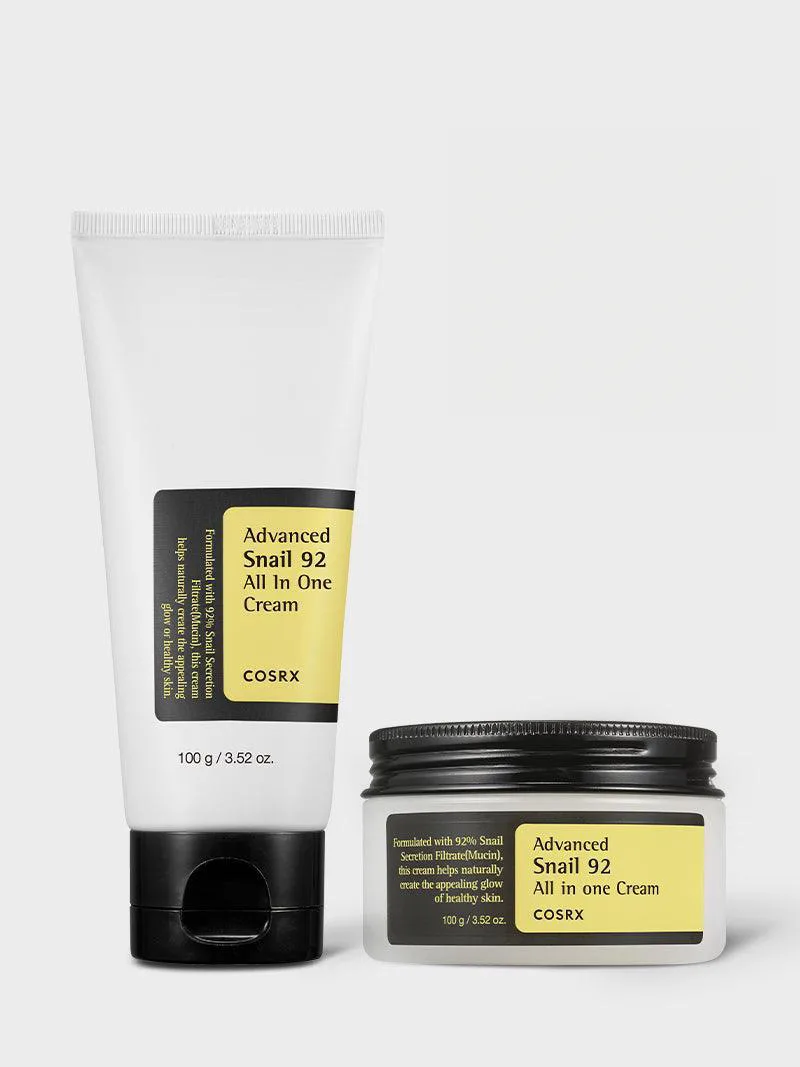
 Advanced Snail 92 All in One Cream
The cream that helped prove snail mucin to the world — and a decade later, it still deserves the reputation. At 92% snail secretion filtrate in a fragrance-free, gentle gel-cream, it delivers hydration, soothing, and gradual skin improvement across virtually every skin type. The texture takes getting used to, but 13 million sold units and 25,000+ reviews suggest most people manage.
 K-Beauty Cult Favorite
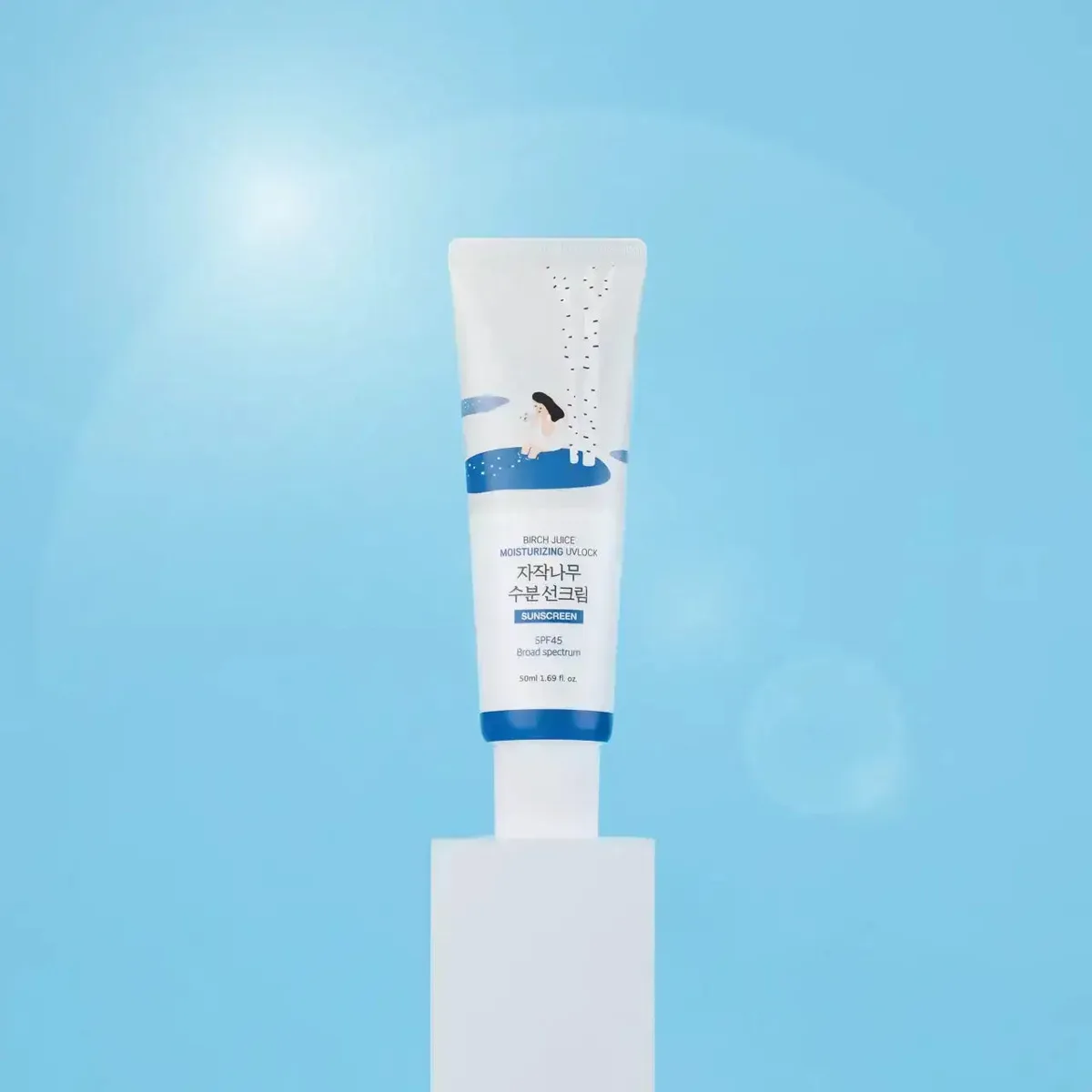
 Birch Juice Moisturizing Sun Cream SPF 50+
One of the best hybrid sunscreens in K-beauty right now — a 70% birch sap base, modern UVA filters you can't get in the US, and a finish that wears like a lightweight moisturizer. Broadly compatible, well-priced, and genuinely pleasant to apply, with minor tradeoffs for oily and fungal-acne-prone users.
This review reflects our independent analysis of publicly available ingredient data, manufacturer claims, and verified user reviews. We are reader-supported — Amazon links may earn us a commission at no cost to you. We do not accept paid placements; rankings are based solely on the evidence.