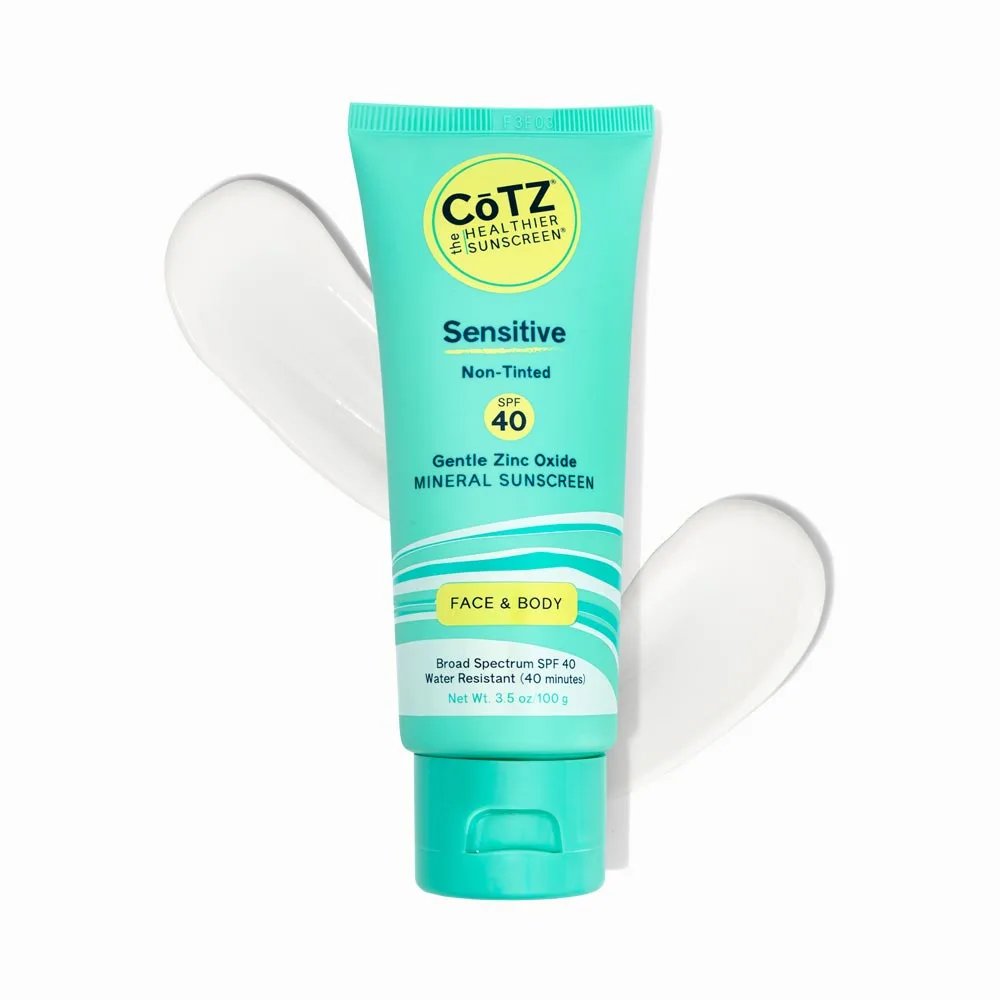
Cotz Sensitive SPF 40 is the Cotz philosophy taken to its logical endpoint — 13.5% mineral filters, minimal silicone base, nothing added that contact-dermatitis-prone skin might react to, and a larger 3 oz tube that makes it a practical face-and-body choice. It's thick, it leaves a slight cast, and it's not elegant. It is also one of the few sunscreens reactive users can wear every day without planning a backup.
Sensitive SPF 40
Cotz Sensitive SPF 40 is the Cotz philosophy taken to its logical endpoint — 13.5% mineral filters, minimal silicone base, nothing added that contact-dermatitis-prone skin might react to, and a larger 3 oz tube that makes it a practical face-and-body choice. It's thick, it leaves a slight cast, and it's not elegant. It is also one of the few sunscreens reactive users can wear every day without planning a backup.
Score Breakdown
Where this product gains points and where it loses them — broken down across the four scoring pillars.
A stripped-back mineral SPF 40 aimed squarely at the most reactive users, with a clean inactive deck and the largest tube in the Cotz face lineup. Good value for face-and-body coverage on sensitive-skin routines.
Pros & Cons
- ✓13.5% mineral filter load for broad-spectrum SPF 40 without chemical filters
- ✓Genuinely stripped-back inactive deck optimized for contact-dermatitis-prone skin
- ✓Larger 3 oz size suitable for face-and-body daily use
- ✓No fragrance, essential oils, plant extracts, or denatured alcohol
- ✓Pregnancy and breastfeeding safe
- ✓Well-tolerated on rosacea, eczema, and post-procedure skin
- ✓Reasonable price for a dermatologist-recommended mineral sunscreen
- ✗Noticeable white cast, particularly on deeper skin tones
- ✗Thick texture requires patient blending
- ✗Not water-resistant for swimming or athletic use
- ✗No tint means no visible-light protection for melasma users
Full Review
The word 'sensitive' on a sunscreen label has been devalued so thoroughly over the last decade that it barely means anything. Formulas marketed for sensitive skin routinely contain fragrance, essential oils, plant extracts, botanical actives, and chemical UV filters — ingredients that are fine for most people, including most people with 'sensitive skin,' but that reliably trigger reactions in users with actual contact dermatitis, fragrance allergy, or chemical filter intolerance. The people who most need a genuinely non-reactive sunscreen have the hardest time finding one, because the products labeled for them are often optimized for the middle of the sensitivity bell curve rather than for the users at the reactive end. Cotz Sensitive SPF 40 is one of the relatively few sunscreens that takes the word 'sensitive' seriously as a formulation constraint rather than as a marketing category, and that seriousness is what earns it a place in dermatology and allergist offices around the country.
The formula is stripped down to the minimum viable product. Ten percent zinc oxide and 3.5% titanium dioxide handle all UV protection, delivering a broad-spectrum SPF 40 without any chemical UV filters whatsoever. The inactive side is equally restrained — dimethicone and related silicones form the base, C12-15 alkyl benzoate and butyloctyl salicylate serve as cosmetic emollients to improve spread, sodium chloride stabilizes the emulsion, tocopheryl acetate adds antioxidant support, phenoxyethanol preserves the formula, and disodium EDTA handles chelation. That's it. There's no fragrance. There are no essential oils. There's no denatured alcohol. There are no plant extracts, no botanical actives, no niacinamide, no peptides, no centella, no anything that could plausibly trigger a reaction in someone with genuine contact dermatitis. The formulation philosophy is 'add nothing that isn't structurally necessary,' and the result is one of the cleanest ingredient decks you'll find in a sunscreen meeting FDA SPF 40 standards.
The tradeoff for that minimalism is cosmetic. This is not an invisible sunscreen. It's not a tinted sunscreen. It's a thick white mineral lotion that leaves a noticeable cast on first application and takes 30 to 60 seconds of patient blending to settle into a more natural finish. On light and medium skin tones, the cast fades substantially within a few minutes of wear. On deeper skin tones, a faint ashy quality remains visible, which will be a dealbreaker for some users. If cast is your primary concern, this isn't your product — one of the tinted Cotz formulas with iron oxides will serve you better both cosmetically and for visible-light protection. But if what you need is a sunscreen that reliably doesn't cause problems, the cosmetic compromise is usually worth it.
The practical advantage Sensitive SPF 40 has over Cotz's face-only formulas is the size. At 3 ounces, it's twice the size of the 1.5 oz Face Moisture tubes, which makes it much more realistic to use as a combined face-and-body sunscreen. For users with reactive skin, having a single product that works on face, neck, chest, arms, and any other exposed areas simplifies a lot of daily decisions. Most users don't want to maintain one sunscreen for the face and a different one for the body, particularly when both need to meet the same tolerability standards. The 3 oz size lasts about four to six weeks of face-and-body use, which puts the per-month cost in a reasonable range for a dermatologist-tier mineral option.
Application and technique matter more with this formula than with thinner sunscreens. The correct dose for the face is a quarter-teaspoon, and for face plus neck and chest, closer to a half teaspoon. For body use, the standard is approximately one ounce — about a shot glass worth — for full body coverage. This is a substantial amount of product, and most users underapply body sunscreen by 50% or more. If you're buying Sensitive SPF 40 specifically to protect reactive skin from contact dermatitis flare-ups, committing to the full dose is essential. Underapplication reduces SPF proportionally and makes the whole exercise of choosing a well-tolerated formula pointless.
For the contact dermatitis patient, the allergist's referral, the user whose skin has reacted to fragrance or essential oil-containing sunscreens in the past, the eczema-prone user looking for a face-and-body option that won't trigger flares, the post-procedure patient whose dermatologist has instructed them to use only the cleanest possible formula, Cotz Sensitive SPF 40 is a reliable, boring, dermatologist-approved choice. It is not going to win any beauty industry awards for texture or finish. It is going to quietly do its job of providing broad-spectrum UV protection without adding to the user's burden of managing their reactivity — which is exactly what it's supposed to do.
Formula
Key Ingredients
The hero actives that drive this product's performance.
| Ingredient | Function | Evidence |
|---|---|---|
| Zinc Oxide (10%) | The primary broad-spectrum UV filter, delivering UVA1 through UVB coverage. At 10%, it provides the bulk of the SPF 40 protection with minimal sensitization risk — zinc oxide is one of the most hypoallergenic UV filters available. | well-established |
| Titanium Dioxide (3.5%) | Paired with zinc to strengthen UVB coverage and round out the broad-spectrum curve. The two-filter combination provides complete UV protection without any chemical filters that could trigger reactions in sensitive skin. | well-established |
| Dimethicone | The silicone backbone that makes a high-concentration mineral sunscreen spreadable and wearable. Without silicones like this, 13.5% mineral filter load would feel like paste. Dimethicone is also one of the lowest-reactivity cosmetic ingredients available, which matters in a formula built for contact-dermatitis-prone skin. | well-established |
| Tocopheryl Acetate | Provides antioxidant support against UV-induced free radical damage and stabilizes the formula during storage. One of the few active ingredients in the inactive deck — intentionally minimal because everything that's added is another potential trigger for reactive users. | well-established |
Full INCI List
Active Ingredients: Zinc Oxide 10%, Titanium Dioxide 3.5%. Inactive Ingredients: Water, C12-15 Alkyl Benzoate, Cyclopentasiloxane, Butyloctyl Salicylate, Styrene/Acrylates Copolymer, PEG-10 Dimethicone, Sorbitan Sesquioleate, Dimethicone, Caprylyl Methicone, Sodium Chloride, Disteardimonium Hectorite, Hydrogen Dimethicone, Triethoxycaprylylsilane, Phenoxyethanol, Tocopheryl Acetate, Propylene Carbonate, Disodium EDTA
Product Flags
✓ Fragrance Free✓ Alcohol Free✓ Oil Free✗ Silicone Free✓ Paraben Free✓ Sulfate Free✓ Cruelty Free✓ Vegan✓ Fungal Acne Safe
Compatibility
Skin Match
Best For
sensitive normal dry combination
Works For
Not Ideal For
Addresses These Conditions
sensitivity rosacea eczema post procedure sun damage compromised skin barrier
Routine Step
sunscreen
Time of Day
AM
Pregnancy Safe
Yes ✓
Layering Tips
Use as the final morning step for face, and apply generously to body areas with sun exposure. The larger 3 oz size makes it more practical as a face-and-body option than the smaller face-only tubes in the Cotz lineup.
Results Timeline
Immediate broad-spectrum UV protection. Long-term consistent use supports photoaging prevention and reduces cumulative UV damage over months to years.
Pairs Well With
niacinamideceramideshyaluronic-acidpanthenolcentella
Sample AM Routine
- Gentle cleanser
- Hydrating serum
- Moisturizer
- THIS PRODUCT (face and body)
Sample PM Routine
- Not applicable — AM product only
Evidence
Science & Expert Perspective
The Science
Mineral sunscreens based on zinc oxide and titanium dioxide are the best-tolerated UV filter systems for sensitive and reactive skin populations. The published literature consistently identifies chemical UV filters — particularly oxybenzone, avobenzone, and octocrylene — as more common causes of photocontact dermatitis and allergic contact dermatitis than physical filters. For patients with diagnosed contact sensitivity, mineral-only formulations are the clinically preferred choice. The 13.5% total mineral filter load in Cotz Sensitive SPF 40 delivers a labeled SPF 40, which blocks approximately 97.5% of UVB radiation when applied at the correct dose of two milligrams per square centimeter of skin. The difference between SPF 40 and SPF 50 is modest in practical terms — SPF 50 blocks about 98% of UVB, a 0.5 percentage point advantage that matters most for very high-exposure users and high-risk populations but is not meaningful for typical daily office and commute exposure. For sensitive-skin users, the more important factor is the formulation's minimization of potential triggers. Fragrance, essential oils, botanical extracts, preservatives other than phenoxyethanol, and chemical UV filters are the most common sunscreen sensitizers documented in the literature, and Sensitive SPF 40's inactive deck avoids all of them except for phenoxyethanol, which has a relatively low sensitization rate. Zinc oxide itself is among the most hypoallergenic UV filters available, and titanium dioxide has a similar profile. The dimethicone base is also low-reactivity, though a small subset of users with silicone sensitivity may need to consider alternative formulations.
Dermatologist Perspective
Dermatologists and allergists routinely recommend 100% mineral sunscreens for patients with diagnosed contact dermatitis, photo-allergic reactions, fragrance allergy, and chronic sensitivity. The clinical guidance typically emphasizes avoiding fragrance, essential oils, and chemical UV filters while maintaining adequate broad-spectrum coverage. Board-certified dermatologists note that the ingredient most commonly implicated in sunscreen reactions is fragrance, and that eliminating it dramatically reduces the rate of adverse reactions in reactive populations. Cotz Sensitive SPF 40 is frequently recommended in dermatology and allergist offices for this exact use case, and the larger tube size makes it practical as a unified face-and-body option for patients who need tolerability across their whole routine. Compliance — actually wearing sunscreen consistently — matters more than any single SPF comparison, and a formula that a sensitive patient can wear reliably outperforms one with better numbers that causes reactions.
Guidance
Usage Guide
How to Use
Apply as the final step of your morning routine after moisturizer. Use a quarter-teaspoon for the face, or a half teaspoon for face and neck combined. For body application, use approximately one ounce for full body coverage. Blend patiently for 30–60 seconds to work the product into a uniform film. Reapply every two hours during meaningful sun exposure, after swimming (though this is not a true water-resistant formula), or after heavy sweating. Use year-round, not just in summer months.
Value Assessment
Twenty-two dollars for 3 ounces is one of the better per-ounce values in the dermatologist-recommended mineral sunscreen category. Comparable hypoallergenic mineral sunscreens from Vanicream, Blue Lizard Sensitive, and Neutrogena Sheer Zinc exist at similar or slightly lower price points, though each has slightly different inactive ingredient philosophies. What Cotz offers is a longer track record in dermatology office retail and a formulation specifically optimized for contact-dermatitis-prone users. The 3 oz size gives it a practical advantage for face-and-body use that the smaller Cotz face formulas don't match.
Who Should Buy
People with diagnosed contact dermatitis, fragrance allergy, or chemical UV filter intolerance. Eczema-prone users needing a face-and-body sunscreen that won't trigger flares. Post-procedure patients under dermatologist guidance to use stripped-back formulations. Pregnant and breastfeeding users seeking a straightforward mineral option.
Who Should Skip
People with deep skin tones who can't tolerate cast — look at tinted alternatives. Users working on melasma who specifically need visible-light protection — the tinted Cotz formulas or a dedicated iron-oxide sunscreen are better choices. Swimmers and athletes needing genuine water resistance.
Ready to try Cotz Sensitive SPF 40?
Details
Details
Texture
Thick white mineral lotion that spreads into a satin finish
Scent
Fragrance-free with a faint neutral silicone base
Packaging
Squeeze tube, 3 oz — larger than Cotz's face-only formulas for practical face-and-body use
Finish
satinnatural
What to Expect on First Use
First application requires 30–60 seconds of patient blending to work the product into a uniform film. Some white cast is visible initially on all skin tones but settles into a more natural finish on lighter skin within minutes.
How Long It Lasts
Approximately 4–6 weeks with daily face-and-body application at proper dose
Period After Opening
12 months
Best Season
All Year
Background
The Why
Sensitive SPF 40 has lived in the Cotz lineup for well over a decade as the brand's stripped-back option for the most reactive users. It's frequently recommended by allergists and dermatologists for patients with contact dermatitis, fragrance allergy, or chemical UV filter intolerance, and the larger tube size reflects its intended role as a face-and-body sunscreen for daily use.
About Cotz Established Brand (5–20 years)
Cotz has built a 20-year track record as a US mineral sunscreen specialist for reactive-skin patients. Sensitive SPF 40 is the brand's face-and-body formulation specifically designed for the most reactive users, frequently stocked in dermatology and allergist offices for patients with contact dermatitis and fragrance intolerance.
Brand founded: 2005
Myth vs. Reality
Myths & Misconceptions
Myth
Sensitive-skin sunscreens are always weaker than regular sunscreens.
Reality
Sensitive SPF 40 uses a full 13.5% mineral filter load, the same as many mainstream mineral formulas. Tolerability for sensitive skin comes from removing potential triggers, not from lowering UV protection.
Myth
SPF 40 is meaningfully weaker than SPF 50.
Reality
SPF 40 blocks about 97.5% of UVB, SPF 50 blocks 98%. The practical difference is very small. Applying the correct dose of any SPF 30+ sunscreen matters far more than the number on the label.
FAQ
Frequently Asked Questions
Is Cotz Sensitive SPF 40 good for contact dermatitis?
Yes — this is one of its primary use cases. The formula strips out fragrance, essential oils, plant extracts, and chemical UV filters that most commonly trigger contact dermatitis. Many dermatologists and allergists recommend it for patients with diagnosed contact sensitivities.
Can I use Cotz Sensitive SPF 40 on my body too?
Yes — that's specifically why the tube is 3 oz rather than the 1.5 oz size of the face-only formulas. The texture and tolerability are appropriate for both face and body application, which makes it a practical single-product choice for sensitive-skin routines.
Is Cotz Sensitive pregnancy safe?
Yes. Zinc oxide and titanium dioxide are considered safe physical UV filters during pregnancy and breastfeeding, and the formula contains no chemical filters, retinoids, or other ingredients of pregnancy concern.
What's the difference between Cotz Sensitive SPF 40 and Cotz Face Moisture SPF 35?
Sensitive SPF 40 uses a higher mineral filter load (13.5% vs 12%) for higher SPF, comes in a larger 3 oz size for face-and-body use, and has a slightly stripped-back inactive deck optimized for contact-dermatitis-prone skin. Face Moisture SPF 35 is face-specific and has a slightly more cosmetic feel.
Does Cotz Sensitive leave a white cast?
Yes, a noticeable one on first application that fades to mostly natural on light to medium skin tones. Deep skin tones will see more persistent cast. If cast is a concern and you're working on pigmentation, the tinted Cotz formulas with iron oxides are a better choice.
Is this sunscreen water resistant?
Not to a level appropriate for swimming or heavy sweat activity. For beach, pool, or athletic use, Cotz makes a specifically water-resistant formula that's a better fit.
Community
Community Voices
Common Praise
"Genuinely non-reactive on allergy-prone skin"
"Larger size for face and body use"
"No stinging or burning"
Common Complaints
"White cast on deeper skin tones"
"Thick texture needs patient blending"
"Not water-resistant for serious swim time"
Notable Endorsements
Recommended for contact dermatitis and fragrance-sensitive patientsNational Eczema Association friendly reputation
Appears In
best sunscreen for contact dermatitis best hypoallergenic sunscreen best face and body mineral sunscreen best sunscreen for fragrance allergy best mineral spf 40
Related Conditions
sensitivity rosacea eczema compromised skin barrier post procedure
Related Ingredients
You Might Also Like
 Derm Office Staple
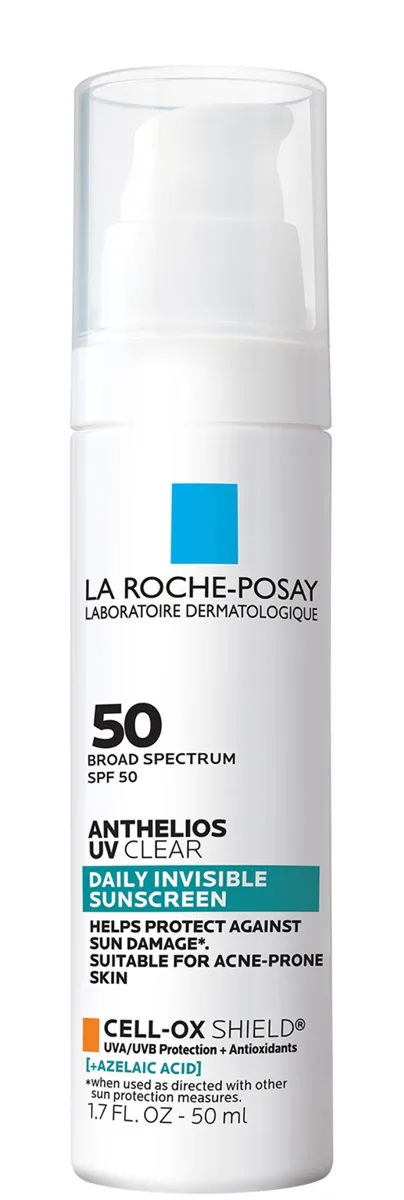
 Anthelios UV Clear Sunscreen SPF 50
One of the only US chemical sunscreens that genuinely earns its 'for sensitive and breakout-prone skin' positioning. A photostable Anthelios filter system paired with a legitimate azelaic acid dose in a lightweight serum-fluid that disappears on every skin tone. Excellent for rosacea, acne, and post-inflammatory hyperpigmentation — and probably the single best daily sunscreen in the La Roche-Posay US lineup for those conditions.
 K-Beauty Daily SPF Standout
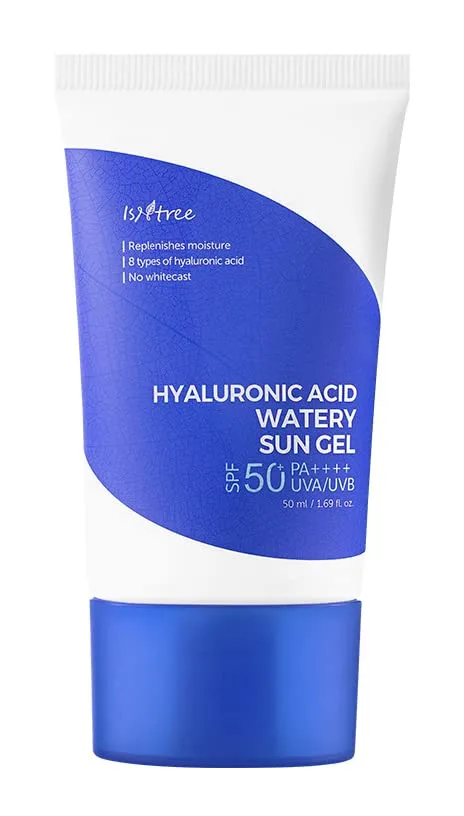
 Hyaluronic Acid Watery Sun Gel SPF 50+
One of the strongest everyday K-beauty sunscreens in the international market — modern European filters, no white cast, fragrance-free, niacinamide-boosted, and built around the brand's signature six-weight HA complex. At twenty-two dollars for 50ml, it's a case study in how much better a daily sunscreen can be when the formulator cares about both protection and wearability.
 Derm Office Staple
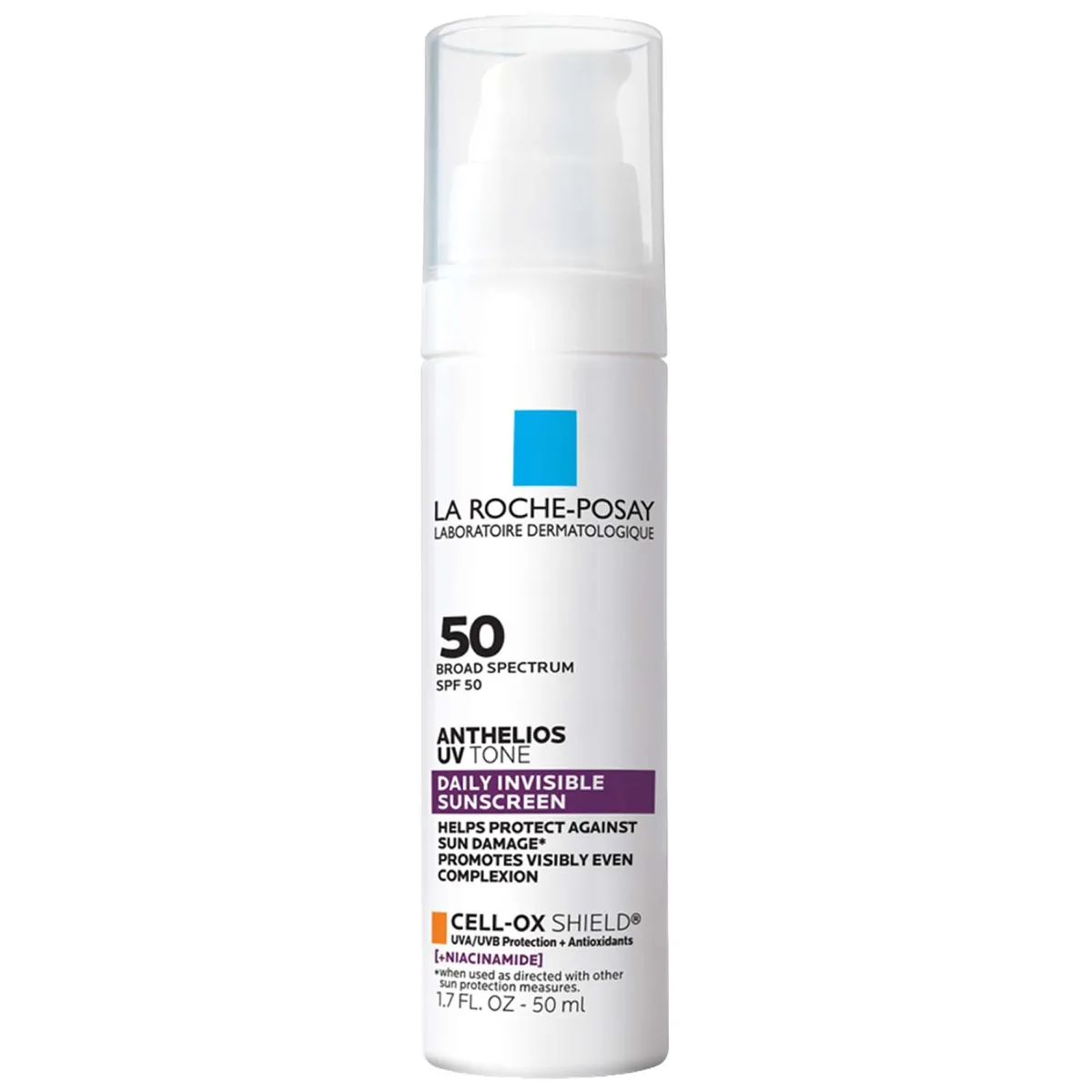
 Anthelios UV Tone Daily Invisible Sunscreen SPF 50
La Roche-Posay's most thoughtful answer yet for hyperpigmentation-prone skin that needs daily SPF. A photostable avobenzone system reinforced with Oxynex ST, paired with a meaningful dose of niacinamide, in a serum-fluid base that goes on invisible on every skin tone. Expensive for 1.7 oz but legitimately well-built — and a rare chemical sunscreen that earns its 'for dark spots' marketing.
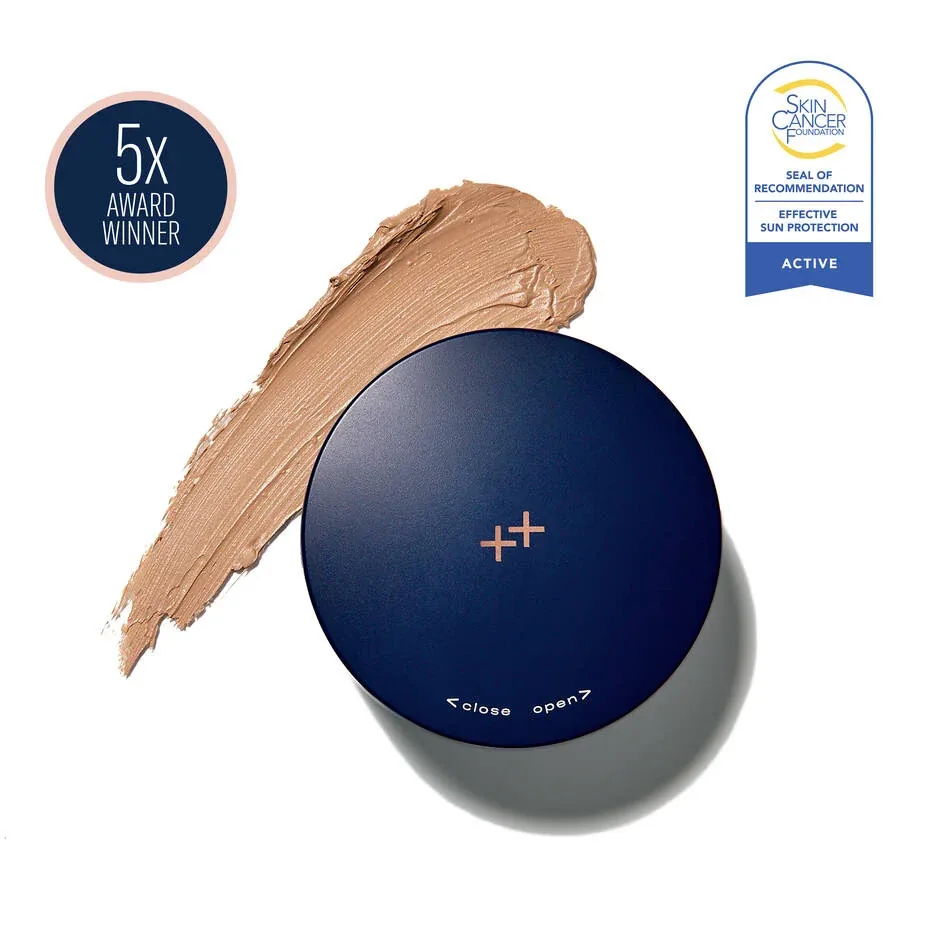 Melasma-Grade Mineral Sunscreen
 sunbetter TONE SMART SPF 68
One of the most clinically useful tinted mineral sunscreens in the professional category. SPF 68 from a 100% mineral formula, iron oxide tint that blocks visible light for melasma protection, and an unusually lightweight texture that doesn't feel like you're wearing high-concentration zinc. For patients with melasma or post-inflammatory hyperpigmentation, this is the category benchmark — and it's earned its Allure Best of Beauty wins.
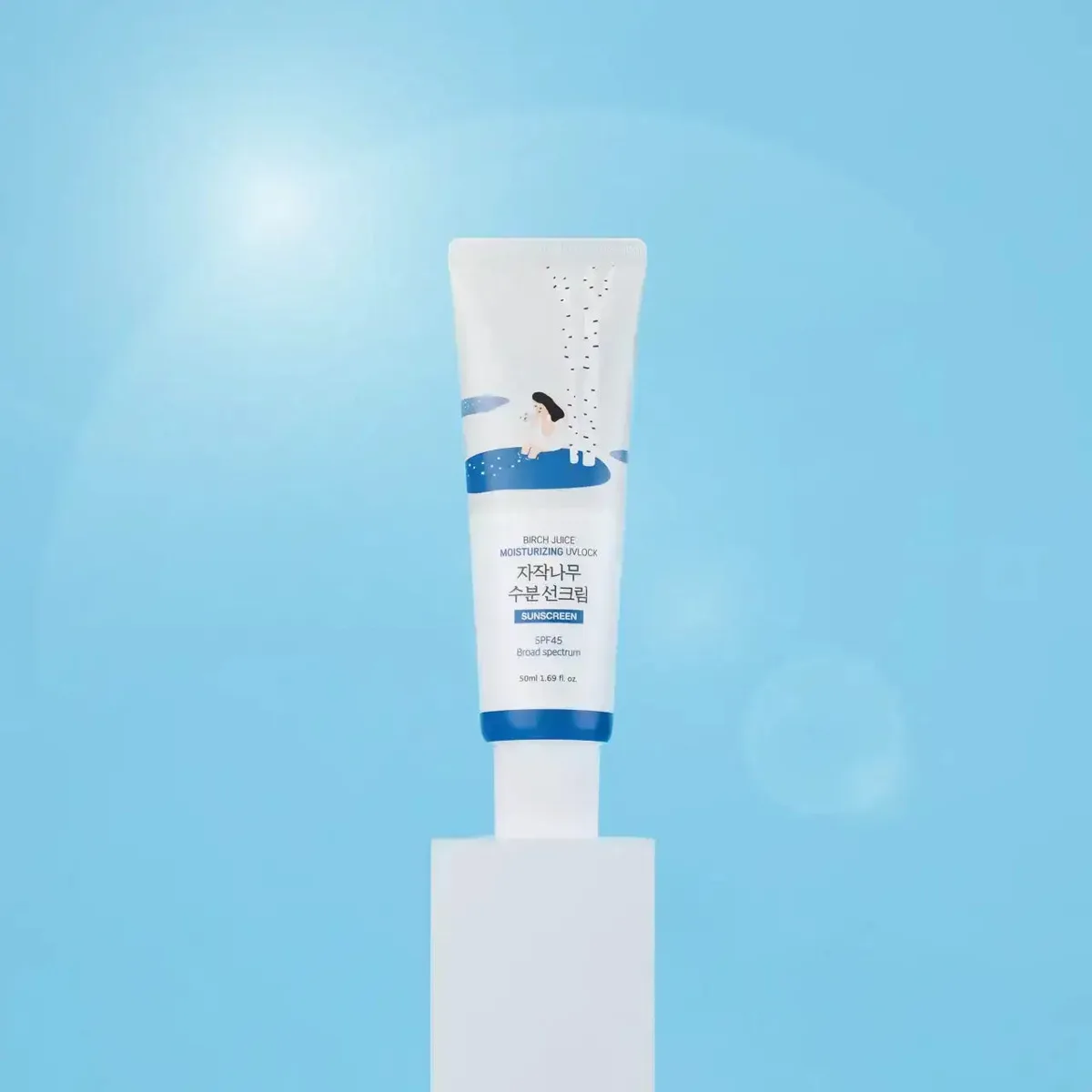 K-Beauty Cult Favorite
 Birch Juice Moisturizing Sun Cream SPF 50+
One of the best hybrid sunscreens in K-beauty right now — a 70% birch sap base, modern UVA filters you can't get in the US, and a finish that wears like a lightweight moisturizer. Broadly compatible, well-priced, and genuinely pleasant to apply, with minor tradeoffs for oily and fungal-acne-prone users.
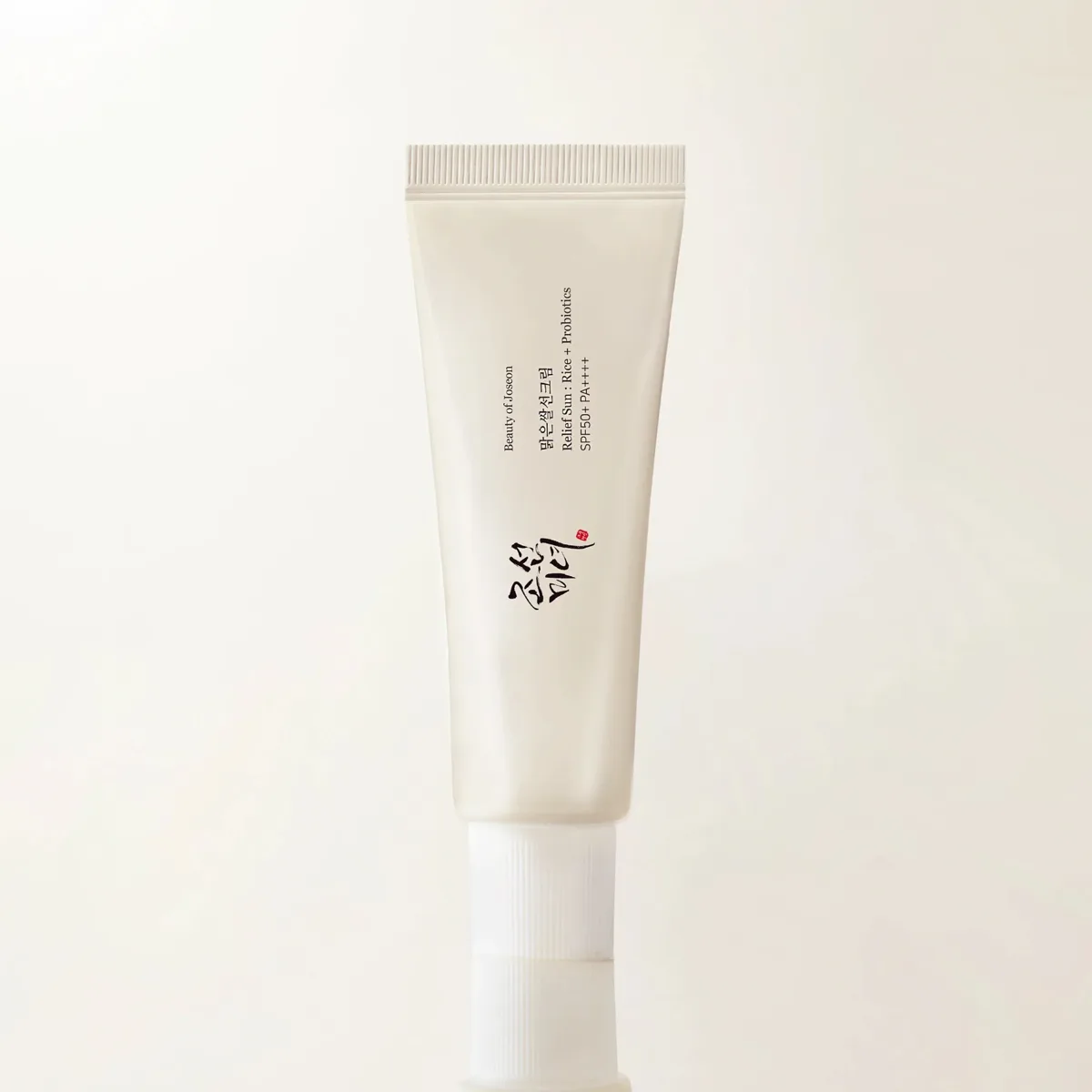 The K-Beauty Sunscreen That Changed Everything
 Relief Sun: Rice + Probiotics SPF 50+
The sunscreen that rewrote the rules for what a $14 product could deliver. With independently verified SPF 50+, 30% rice extract, niacinamide, and a probiotic ferment complex, it offers protection and skincare benefits that rival products three times its price. The texture that feels like wearing nothing on your face is the reason it went viral — and stayed there.