
A chemical SPF 40 that actually earns its 'antioxidant' name. Dr. Ciraldo stacks meaningful niacinamide, green tea, and vitamin E into a standard filter quartet, delivering invisible daily protection designed for city life rather than shoreline use. Premium price for SPF 40 is the main catch.
Urban Antioxidant Sunscreen SPF 40
A chemical SPF 40 that actually earns its 'antioxidant' name. Dr. Ciraldo stacks meaningful niacinamide, green tea, and vitamin E into a standard filter quartet, delivering invisible daily protection designed for city life rather than shoreline use. Premium price for SPF 40 is the main catch.
Score Breakdown
Where this product gains points and where it loses them — broken down across the four scoring pillars.
A competent chemical SPF 40 with a genuine antioxidant supporting cast. Pollution-defense positioning is backed by real niacinamide and green tea content, not just marketing. Price runs high for SPF 40 vs. available SPF 50 options.
Pros & Cons
- ✓Photostabilized chemical filter system delivers reliable SPF 40 throughout the day
- ✓Meaningful niacinamide, green tea, and vitamin E content backs the antioxidant claim
- ✓Completely invisible finish on all skin tones with no white cast
- ✓Wears smoothly under makeup without pilling or greasiness
- ✓Panthenol and bisabolol buffer chemical filter irritation for sensitive users
- ✓Fragrance-free and paraben-free with oil-free positioning
- ✓Lightweight texture suitable for daily face and neck use
- ✗Premium price for SPF 40 when SPF 50 alternatives cost less
- ✗Small 1.7 oz tube depletes quickly at recommended application amounts
- ✗Contains octocrylene which can trigger reactions in filter-allergic users
- ✗Not water-resistant and not suitable for beach or athletic use
Full Review
When you spend forty years treating dermatology patients in Miami and New York, you start to notice patterns that don't fit the textbooks. Dr. Loretta Ciraldo's pattern was this: patients who were diligent about sun protection were still showing oxidative damage and accelerated photoaging at rates that didn't match their actual UV exposure. The missing variable, she concluded, was particulate pollution — the PM2.5 and PM10 particles floating through urban air, loaded with polycyclic aromatic hydrocarbons and other reactive species that drive inflammation and collagen breakdown independently of sun exposure. Her solution was to build a sunscreen that treated pollution as a first-tier stressor instead of a marketing afterthought. This is that sunscreen.
The filter lineup is standard US stuff — avobenzone at 3%, homosalate at 10%, octisalate at 5%, octocrylene at 5%. That combination delivers broad-spectrum SPF 40 coverage and has the benefit of being photostabilized, meaning the avobenzone doesn't degrade on your face at hour two the way it can in less thoughtful formulations. The octocrylene is doing that stabilizing work, and it's also the ingredient most likely to cause trouble for users with known chemical filter allergies, so worth flagging up front. If you've reacted to octocrylene before, this isn't the sunscreen for you.
What sets the formula apart is what happens after the filters. Niacinamide shows up in meaningful amounts — not the 0.01% ghost-dose you sometimes find on INCI lists, but a real working concentration that reinforces barrier function and helps regulate sebum throughout the day. Green tea extract contributes EGCG, the polyphenol that specifically quenches free radicals generated by both UV exposure and pollutant oxidation. Tocopheryl acetate handles the lipid-soluble antioxidant layer. Together, these three form a small but genuine antioxidant system rather than a sprinkle of buzzword ingredients. You can feel the intentionality when you read the middle of the ingredient list, which is where most sunscreens fall apart.
The texture experience is where this product particularly shines. It's a thin, lightly silky lotion with a slight silicone glide that absorbs in about thirty seconds and leaves what users most often describe as an invisible finish. No white cast on any skin tone. No greasy mid-afternoon sheen. No pilling under common foundation formulations. It's the rare chemical sunscreen that earns the 'wearable under makeup' claim most brands make and few deliver. Panthenol, bisabolol, and allantoin are in the formula specifically to soften the feel and calm any reactivity from the filter load, which is why sensitive-leaning users generally tolerate this well despite the chemical filter concentration.
The price is where the honest skepticism comes in. At $40 for 1.7 fluid ounces of SPF 40, this lands in a category where consumers can find SPF 50+ options — some with comparable ingredient quality — for significantly less. The premium you're paying is the combination of the derm-developed positioning, the antioxidant complex, and the aesthetic finish. Whether that math works for you depends on how much you care about those specific features. If you're someone who has struggled to find a sunscreen that actually wears invisibly all day, reapplies without pilling, and includes a real antioxidant layer, yes, it's defensible. If you're primarily looking for maximum SPF at the best price, there are cheaper options that do the protection job fine.
The tube also runs smaller than you'd want. At 1.7 fluid ounces, you're looking at about two to three months of daily face-and-neck use if you're applying the recommended amount, which means you're repurchasing four to six times a year. A larger size would improve the value equation considerably and isn't available. This is a recurring issue with the Dr. Loretta line — the packaging sizes are consistently on the small side for the price point.
A note on the 'urban' positioning: it's real, but the word isn't magical. Pollution defense works by supplying antioxidants that neutralize the free radicals pollutants generate, and any sunscreen with niacinamide, EGCG, and tocopherol in meaningful concentrations will do this. What makes this product distinctive is the deliberateness — it was designed from the start around the pollution question, which means the supporting cast is unusually thoughtful for the category. It's not a gimmick, but it's also not a patented technology. Other well-formulated antioxidant sunscreens achieve similar protection.
Performance-wise, apply the recommended two-finger-lengths for face and neck and you'll get the SPF 40 protection the label promises. Reapply every two hours if you're outdoors for extended periods. The cumulative antioxidant benefits show up over weeks — most users notice skin looking more even-toned and less environmentally stressed after about a month of consistent daily use. For the right user — someone who commutes in a city, spends meaningful time outdoors but not in beach conditions, and wants an invisible finish under makeup — this is a genuinely well-constructed product. Just go in knowing you're paying for the sum of the details, not a breakthrough.
Formula
Key Ingredients
The hero actives that drive this product's performance.
| Ingredient | Function | Evidence |
|---|---|---|
| Avobenzone 3% + Homosalate 10% + Octisalate 5% + Octocrylene 5% (23% combined) | A standard US chemical filter quartet calibrated for SPF 40 broad-spectrum protection. Octocrylene stabilizes the avobenzone against photodegradation, which matters because this formula is pitched as urban all-day wear — it has to hold up through a commute, not just a beach morning. | well-established |
| Niacinamide | Included here specifically to reinforce the barrier against pollution-induced oxidative stress, which is the product's whole thesis. Works with the green tea extract in this formula to give the antioxidant claim real substance rather than a token drop. | well-established |
| Green Tea Extract (Camellia Sinensis) | EGCG polyphenols scavenge free radicals generated by UV and particulate pollution — the two stressors this sunscreen is built to address simultaneously. Pairs with tocopherol to cover both water-soluble and lipid-soluble oxidative pathways. | well-established |
| Vitamin E (Tocopheryl Acetate) | The lipid-soluble antioxidant completes the protective layer by quenching radicals in the sebum and membrane fractions of skin where water-soluble antioxidants can't reach. Also mildly stabilizes the avobenzone in the formula. | well-established |
| Panthenol & Bisabolol | A calming duo added specifically to offset any discomfort from the chemical filter load — bisabolol reduces inflammatory signaling while panthenol supports barrier repair. Makes this sunscreen more tolerable for sensitive-leaning users than a filter-only formula. | well-established |
Full INCI List
Active Ingredients: Avobenzone 3%, Homosalate 10%, Octisalate 5%, Octocrylene 5%. Inactive Ingredients: Water/Aqua/Eau, Butyloctyl Salicylate, Styrene/Acrylates Copolymer, Propanediol, Silica, Glycerin, Polymethyl Methacrylate, Dimethicone, Sodium Polyacrylate, Caprylhydroxamic Acid, Caprylyl Glycol, Panthenol, Tocopheryl Acetate, Camellia Sinensis Leaf Extract, Niacinamide, Sodium Hyaluronate, Allantoin, Bisabolol, Disodium EDTA, Phenoxyethanol, Ethylhexylglycerin
Product Flags
✓ Fragrance Free✓ Alcohol Free✓ Oil Free✗ Silicone Free✓ Paraben Free✓ Sulfate Free✓ Cruelty Free✓ Vegan✗ Fungal Acne Safe
Potential Irritants
octocrylene
Common Allergens
octocrylene
Compatibility
Skin Match
Best For
Works For
Not Ideal For
Addresses These Conditions
sun damage aging dullness hyperpigmentation
Use With Caution
Routine Step
sunscreen
Time of Day
AM
Pregnancy Safe
Unknown
Layering Tips
Apply as the final step of your morning routine, after moisturizer. Use two finger-lengths for face and neck. Reapply every 2 hours outdoors or after sweating or swimming.
Results Timeline
Immediate UV protection on application. Antioxidant and pollution-defense benefits are cumulative — expect visible protection against environmental dullness and photoaging over 4-12 weeks of daily use.
Pairs Well With
vitamin-c-ascorbic-acidniacinamidehyaluronic-acidpeptides
Sample AM Routine
- Gentle cleanser
- Vitamin C serum
- Moisturizer
- Dr. Loretta Urban Antioxidant Sunscreen SPF 40
Sample PM Routine
- Cleanser
- Treatment serum
- Moisturizer
Evidence
Who Should Skip
- Premium price for SPF 40 when SPF 50 alternatives cost less
- Small 1.7 oz tube depletes quickly at recommended application amounts
- Contains octocrylene which can trigger reactions in filter-allergic users
- Not water-resistant and not suitable for beach or athletic use
Science & Expert Perspective
The Science
The four active filters in this sunscreen represent a well-studied combination. Avobenzone (butyl methoxydibenzoylmethane) is the primary UVA-absorbing filter in most US sunscreens, and its tendency to photodegrade is a known limitation that is addressed in this formulation through the inclusion of octocrylene, which transfers excited-state energy away from avobenzone and stabilizes it across extended sun exposure. Homosalate and octisalate contribute the UVB-absorbing backbone. A 2018 review in the Journal of the American Academy of Dermatology confirmed that properly stabilized chemical filter combinations at these concentrations provide consistent SPF 40 broad-spectrum protection when applied at the standard 2 mg/cm² density. The antioxidant supporting cast is backed by independent research: niacinamide has been shown in multiple controlled studies, including work by Bissett and colleagues published in the International Journal of Cosmetic Science, to reduce measurable photoaging markers, improve skin barrier function, and modulate melanosome transfer. Green tea polyphenols, particularly EGCG, have been studied for their ability to quench reactive oxygen species generated by both UV exposure and particulate air pollution — a 2010 paper in the Journal of Investigative Dermatology examined topical EGCG's protective effect against UVB-induced oxidative stress. Tocopheryl acetate, while less efficient than free tocopherol, converts to active vitamin E on the skin and supports the lipid-phase antioxidant pool. The combination approach — UV filters paired with a multi-pathway antioxidant layer — reflects the current clinical thinking on comprehensive daytime photoprotection.
Dermatologist Perspective
Dermatologists frequently emphasize that daily sun protection should be paired with antioxidants to address the full spectrum of environmental damage, not just UV. The formulation philosophy in this sunscreen — combining a stabilized chemical filter system with meaningful niacinamide, green tea, and vitamin E content — reflects that clinical consensus. Board-certified dermatologists often note that patients in urban environments benefit from sunscreens that address both UV and pollution-induced oxidative stress, particularly those concerned about photoaging and hyperpigmentation. For patients who prefer the aesthetic advantages of chemical over mineral sunscreens and can tolerate the filter ingredients, this type of formulation represents a reasonable daily option. Patients with known octocrylene sensitivity, and those requiring reef-safe options, should look to mineral alternatives instead.
Guidance
Usage Guide
How to Use
Apply as the final step of your morning skincare routine, after moisturizer and before makeup. Use two full finger-lengths of product to adequately cover face and neck — this is the amount required to achieve the labeled SPF. Gently massage in until fully absorbed, about 30-60 seconds, then let set for another minute before applying makeup. Reapply every 2 hours when outdoors or immediately after sweating. Not water-resistant, so not suitable for swimming. Use year-round, including on cloudy days and in winter, as UVA penetrates clouds and glass.
Value Assessment
At $40 for 1.7 fluid ounces, this runs toward the premium end of the sunscreen category and is a tougher sell as SPF 40 when comparably formulated SPF 50 options exist at lower price points. No larger size is available, which is a missed opportunity given the small tube depletes in two to three months of daily use. The value case holds up if you specifically want the invisible finish, the makeup compatibility, and the genuine antioxidant complement — those are real differentiators. If you're sunscreen-shopping on price alone, this isn't the right product. For the user who prioritizes daily wearability and pollution defense and is willing to pay for a derm-developed formulation, it earns most of the premium.
Who Should Buy
Urban professionals who want meaningful daily sun and pollution protection with a completely invisible finish under makeup. Particularly good for normal to oily combination skin that has struggled with greasy or white-casting sunscreens. A solid choice for anyone building an anti-photoaging routine who values ingredient sophistication over price.
Who Should Skip
Users with known sensitivity to octocrylene or other chemical filters should choose a mineral alternative. Beach-goers and swimmers need a water-resistant product, which this isn't. Budget-conscious shoppers can find SPF 50 chemical sunscreens with solid antioxidant content for significantly less money.
Ready to try Dr. Loretta Urban Antioxidant Sunscreen SPF 40?
Details
Details
Texture
Thin, fast-absorbing lotion with a slight silicone glide
Scent
Fragrance-free with a faint green botanical note
Packaging
White squeeze tube with flip cap, 1.7 fl oz
Finish
naturalinvisiblenon-greasy
What to Expect on First Use
Expect a smooth, nearly weightless application with no white cast on most skin tones. First-time users often notice a subtle silky finish within 30 seconds of application. No stinging or tingling should occur. The formula is designed to layer well under makeup.
How Long It Lasts
About 2-3 months with daily face and neck application
Period After Opening
12 months
Best Season
All Year
Certifications
Cruelty-FreeVegan
Background
The Why
Dr. Loretta Ciraldo developed this sunscreen after observing that her Miami and New York patients showed accelerated photoaging beyond what UV alone could explain — particulate pollution was adding an oxidative load on top of sun exposure. The formula was built to address both stressors in one step, targeted at urban professionals rather than beach-goers.
About Dr. Loretta Emerging Brand (2–5 years)
Dr. Loretta was founded in 2018 by Dr. Loretta Ciraldo, a Miami-based board-certified dermatologist with over 40 years of clinical practice. The brand's formulations emphasize pollution defense alongside traditional actives, though independent clinical validation remains limited compared to legacy derm brands.
Brand founded: 2018 · Product launched: 2018
Myth vs. Reality
Myths & Misconceptions
Myth
Chemical sunscreens are automatically worse for sensitive skin than mineral ones
Reality
This formula includes panthenol, bisabolol, and allantoin specifically to buffer any irritation from the chemical filters. Many sensitive-skin users tolerate it well, and the invisible finish is often preferable to the white cast of comparable mineral options.
Myth
SPF 40 is essentially the same as SPF 50
Reality
SPF 40 blocks about 97.5% of UVB while SPF 50 blocks about 98%. The real-world difference is minimal if applied at the recommended density, but the marketing premium between the two tiers can be significant.
FAQ
Frequently Asked Questions
Is Dr. Loretta Urban Antioxidant Sunscreen reef safe?
No. This formula contains octocrylene and homosalate, which are among the chemical filters restricted in certain reef-protection regulations. If you're swimming in sensitive marine environments, choose a mineral-only sunscreen instead.
Can I wear this sunscreen under makeup?
Yes — this is one of the product's strengths. The silicone-containing formula creates a smooth, slightly matte base that most foundations and concealers apply over cleanly. Let the sunscreen set for 60-90 seconds before applying makeup.
How does the antioxidant content compare to other sunscreens?
The niacinamide, green tea EGCG, and tocopherol levels in this formula are meaningfully higher than in most chemical sunscreens, which typically include antioxidants at token levels. The brand positioning as a pollution-defense product is backed by the actual ingredient list.
Will this sunscreen leave a white cast on deeper skin tones?
No. Because this is a chemical filter formula with no zinc or titanium, there is no white cast on any skin tone. It finishes clear and slightly luminous.
Is this sunscreen water resistant?
No, this is not a water-resistant formulation and is not labeled as such. Reapply every 2 hours if outdoors, and immediately after swimming or heavy sweating. It's designed for everyday urban wear, not beach use.
Can I use this if I have acne-prone skin?
Yes — the formula is labeled oil-free and includes niacinamide, which can help regulate sebum. However, it contains silicones that some acne-prone users prefer to avoid, so patch test first.
Community
Community Voices
Common Praise
"No white cast"
"Lightweight invisible finish"
"Works well under makeup"
"Doesn't sting eyes"
Common Complaints
"Only SPF 40 at a premium price"
"Small tube depletes quickly"
"Requires thorough application for full protection"
Notable Endorsements
Featured in AllureRecommended by Dr. Loretta Ciraldo
Appears In
best sunscreen for urban skin best chemical sunscreen with antioxidants best sunscreen under makeup best dermatologist developed sunscreen best pollution defense sunscreen
Related Conditions
sun damage aging hyperpigmentation dullness
Related Ingredients
chemical sunscreen filters niacinamide green tea vitamin e panthenol
You Might Also Like
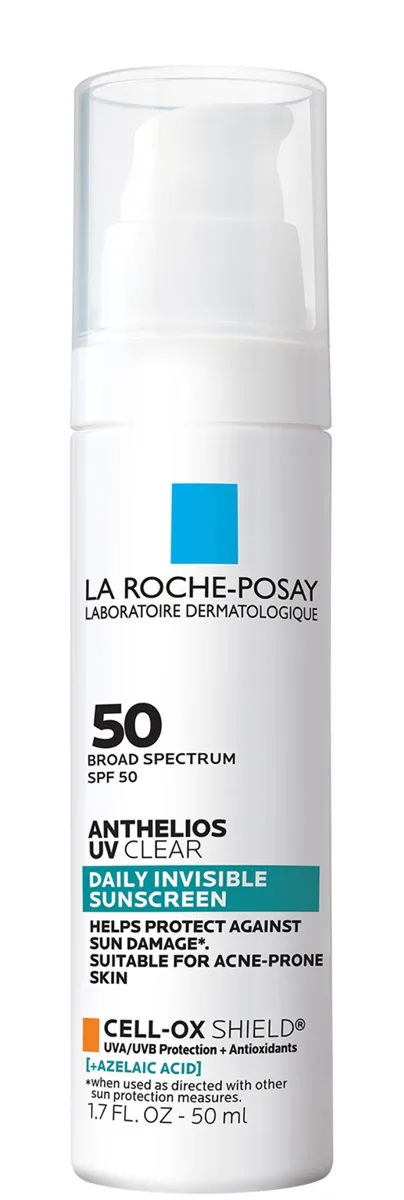 Derm Office Staple
 Anthelios UV Clear Sunscreen SPF 50
One of the only US chemical sunscreens that genuinely earns its 'for sensitive and breakout-prone skin' positioning. A photostable Anthelios filter system paired with a legitimate azelaic acid dose in a lightweight serum-fluid that disappears on every skin tone. Excellent for rosacea, acne, and post-inflammatory hyperpigmentation — and probably the single best daily sunscreen in the La Roche-Posay US lineup for those conditions.
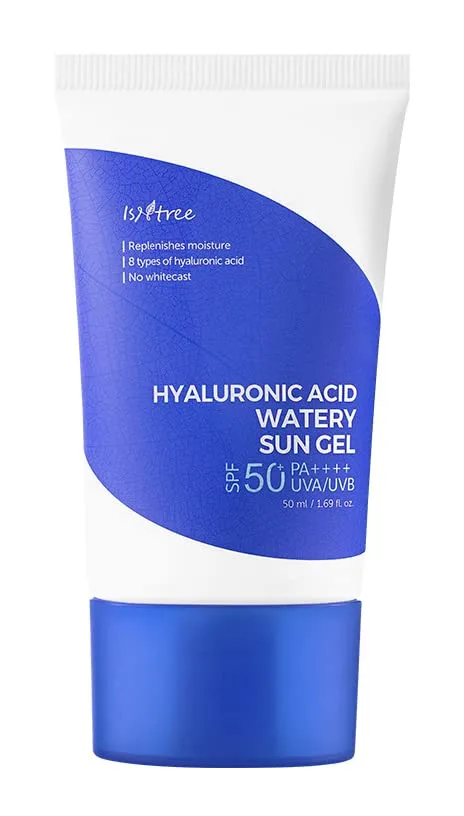 K-Beauty Daily SPF Standout
 Hyaluronic Acid Watery Sun Gel SPF 50+
One of the strongest everyday K-beauty sunscreens in the international market — modern European filters, no white cast, fragrance-free, niacinamide-boosted, and built around the brand's signature six-weight HA complex. At twenty-two dollars for 50ml, it's a case study in how much better a daily sunscreen can be when the formulator cares about both protection and wearability.
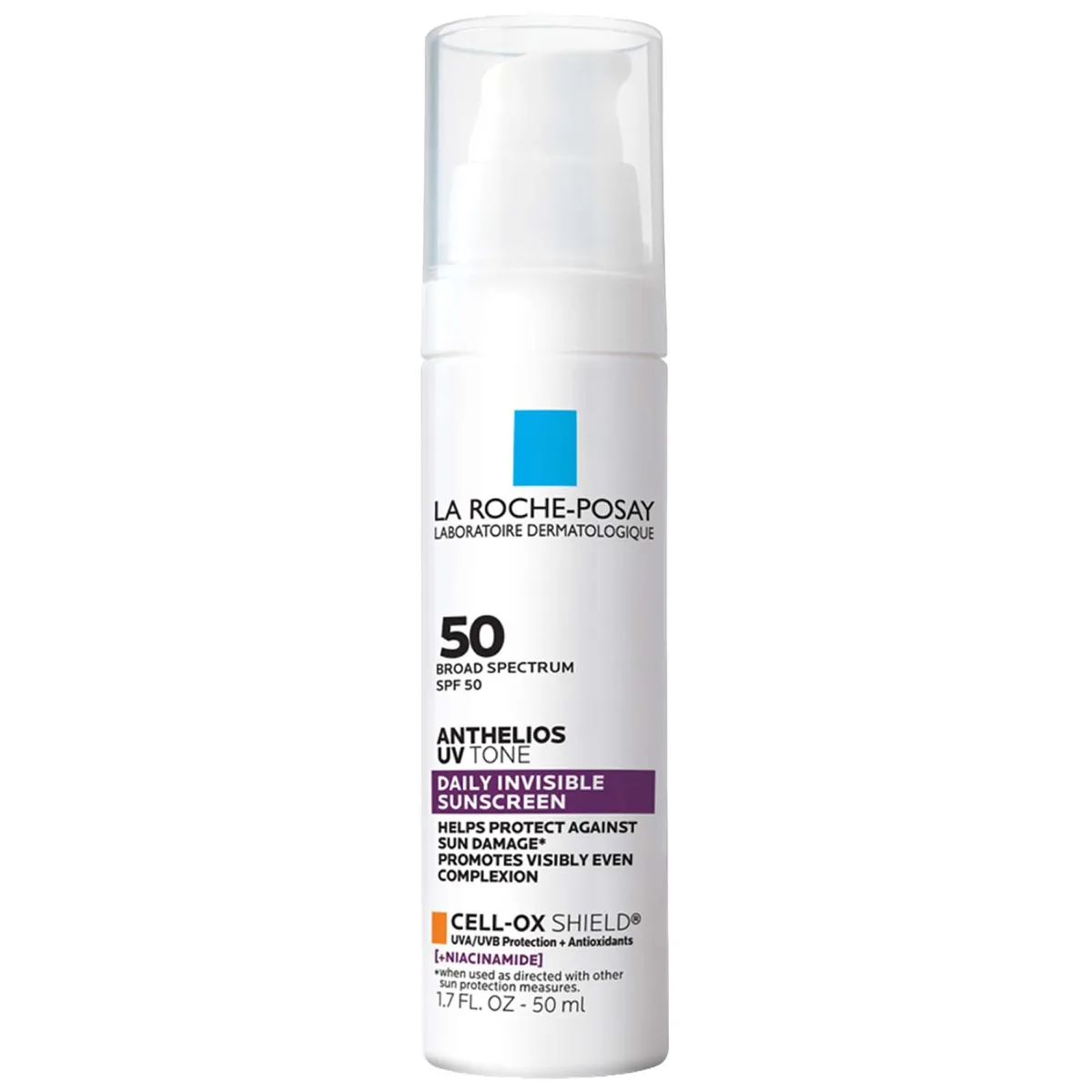 Derm Office Staple
 Anthelios UV Tone Daily Invisible Sunscreen SPF 50
La Roche-Posay's most thoughtful answer yet for hyperpigmentation-prone skin that needs daily SPF. A photostable avobenzone system reinforced with Oxynex ST, paired with a meaningful dose of niacinamide, in a serum-fluid base that goes on invisible on every skin tone. Expensive for 1.7 oz but legitimately well-built — and a rare chemical sunscreen that earns its 'for dark spots' marketing.
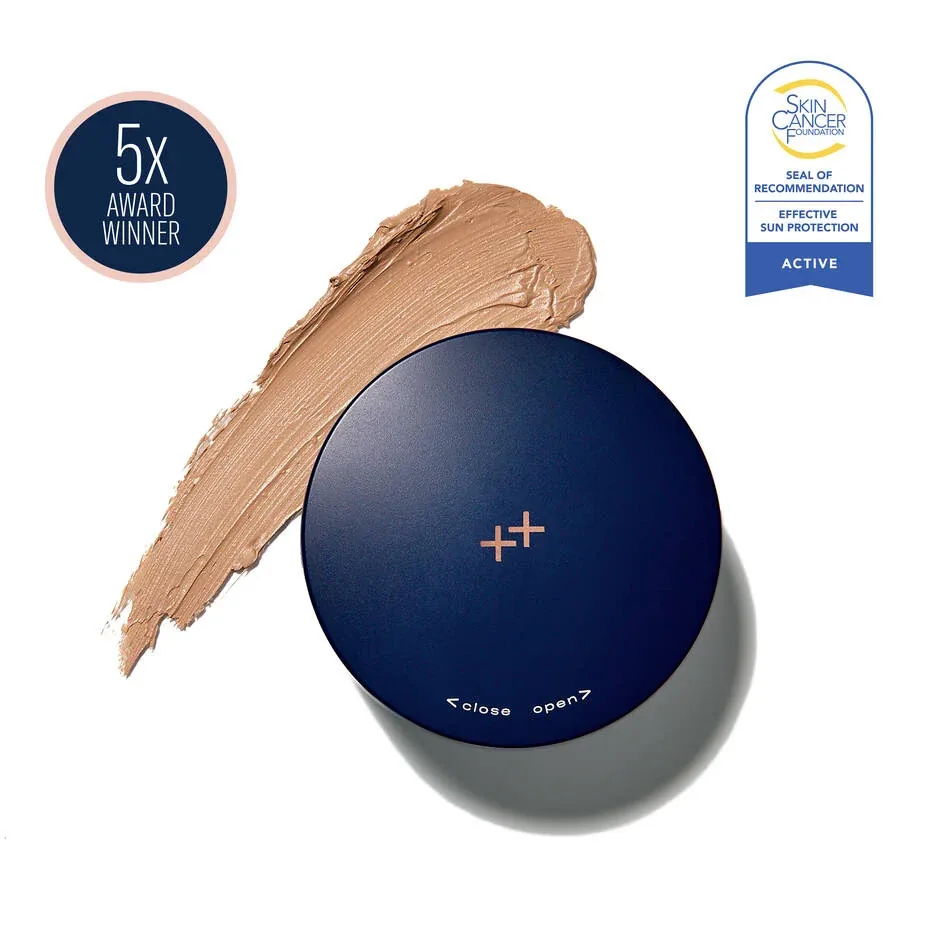 Melasma-Grade Mineral Sunscreen
 sunbetter TONE SMART SPF 68
One of the most clinically useful tinted mineral sunscreens in the professional category. SPF 68 from a 100% mineral formula, iron oxide tint that blocks visible light for melasma protection, and an unusually lightweight texture that doesn't feel like you're wearing high-concentration zinc. For patients with melasma or post-inflammatory hyperpigmentation, this is the category benchmark — and it's earned its Allure Best of Beauty wins.
 K-Beauty Cult Favorite
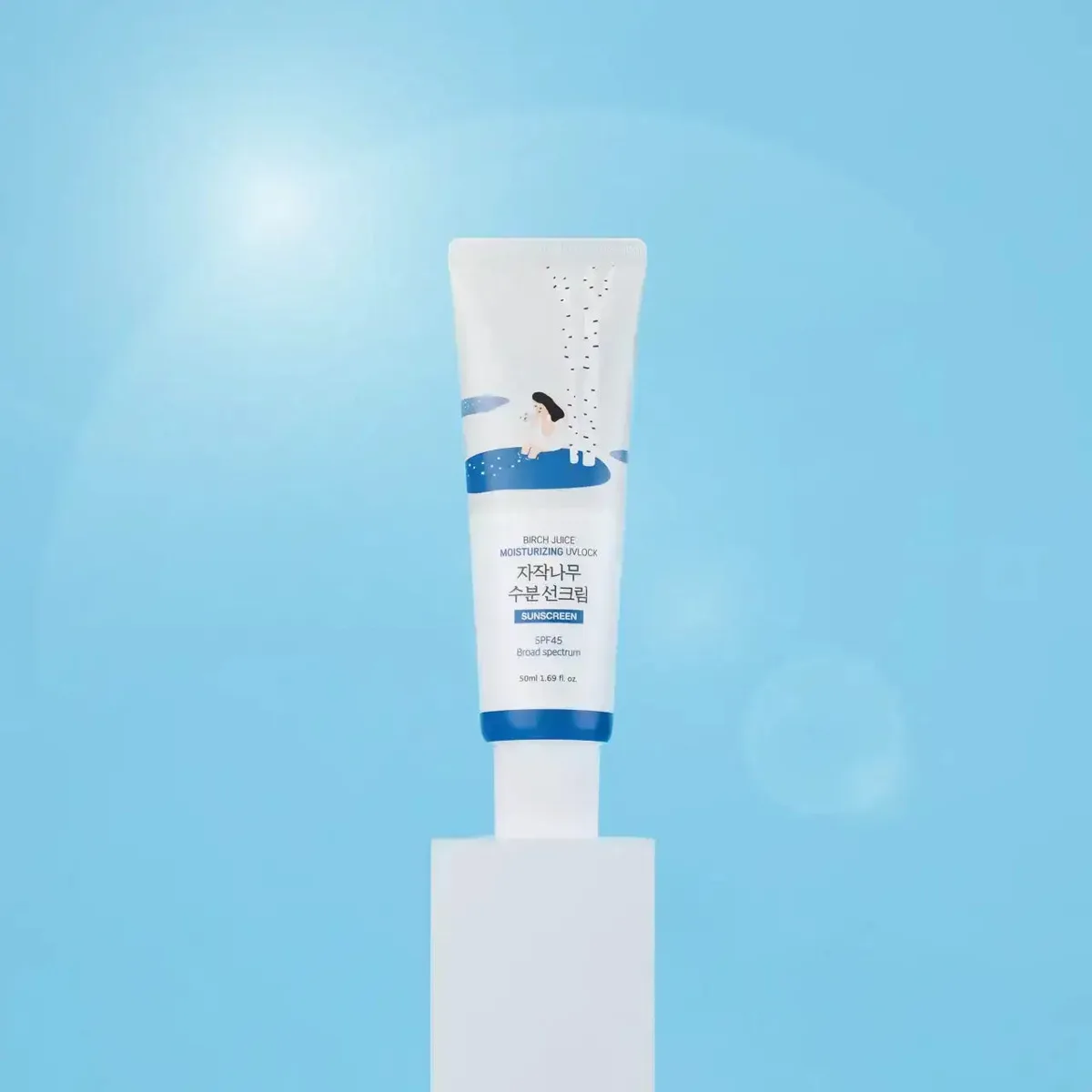
 Birch Juice Moisturizing Sun Cream SPF 50+
One of the best hybrid sunscreens in K-beauty right now — a 70% birch sap base, modern UVA filters you can't get in the US, and a finish that wears like a lightweight moisturizer. Broadly compatible, well-priced, and genuinely pleasant to apply, with minor tradeoffs for oily and fungal-acne-prone users.
 The K-Beauty Sunscreen That Changed Everything
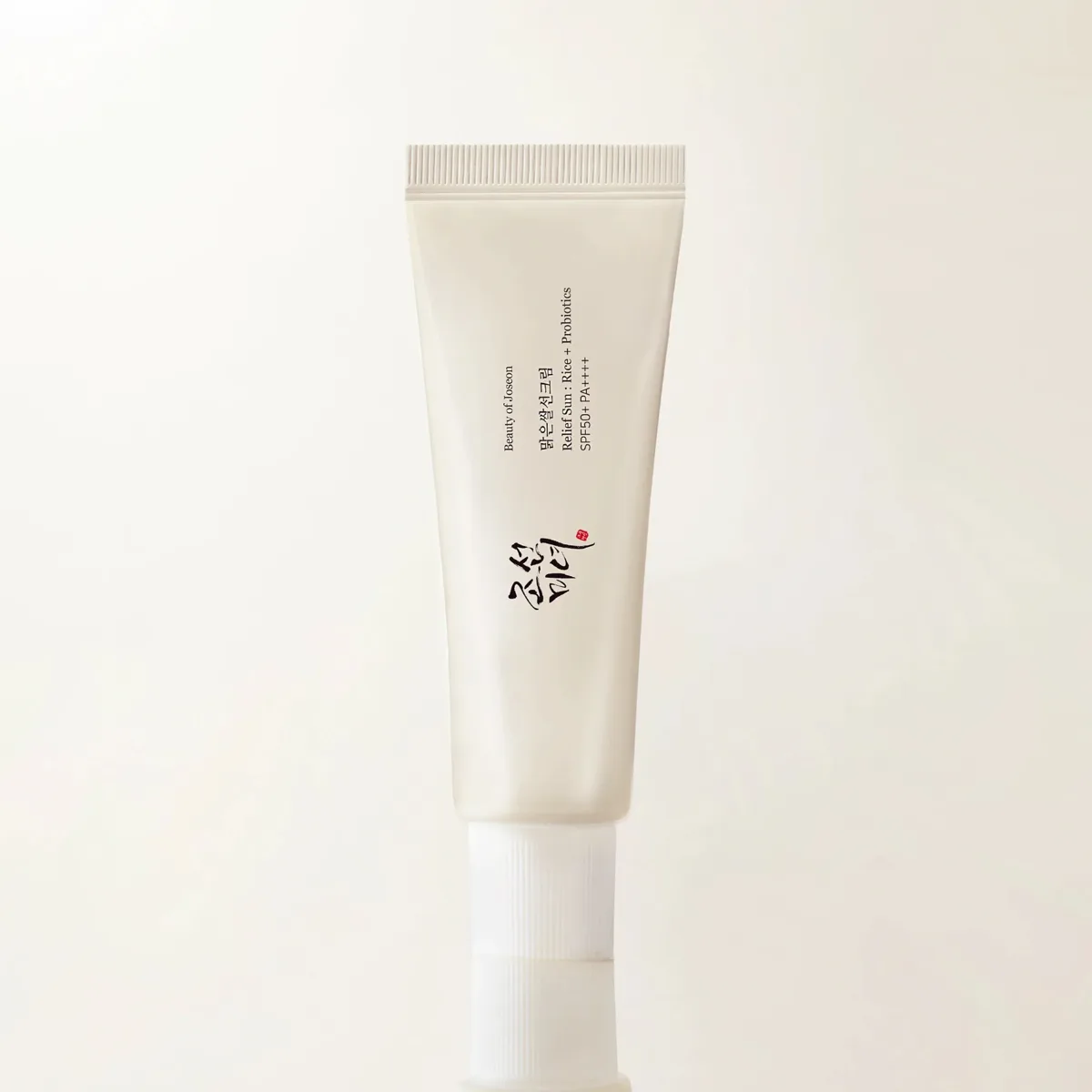
 Relief Sun: Rice + Probiotics SPF 50+
The sunscreen that rewrote the rules for what a $14 product could deliver. With independently verified SPF 50+, 30% rice extract, niacinamide, and a probiotic ferment complex, it offers protection and skincare benefits that rival products three times its price. The texture that feels like wearing nothing on your face is the reason it went viral — and stayed there.
This review reflects our independent analysis of publicly available ingredient data, manufacturer claims, and verified user reviews. We are reader-supported — Amazon links may earn us a commission at no cost to you. We do not accept paid placements; rankings are based solely on the evidence.