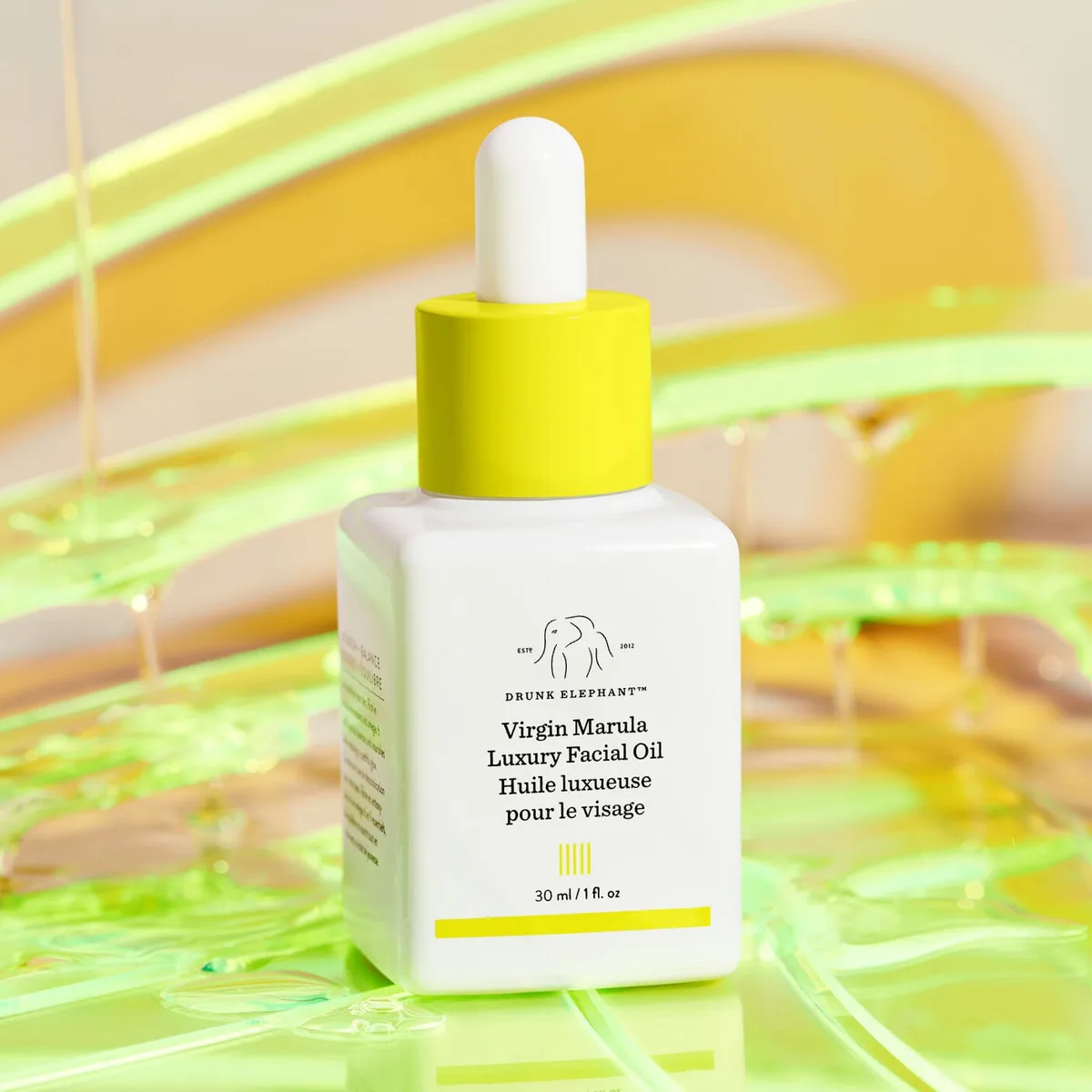
A gorgeous, fast-absorbing facial oil that delivers on moisturization and glow, but at $72 for a single ingredient available elsewhere for under $15, you are paying almost entirely for the Drunk Elephant name and the pretty bottle it comes in.
Virgin Marula Luxury Facial Oil
A gorgeous, fast-absorbing facial oil that delivers on moisturization and glow, but at $72 for a single ingredient available elsewhere for under $15, you are paying almost entirely for the Drunk Elephant name and the pretty bottle it comes in.
Score Breakdown
Where this product gains points and where it loses them — broken down across the four scoring pillars.
A beautiful single-ingredient oil with genuine moisturizing merit, but the eye-watering $72 price tag for an ingredient available at a fraction of the cost from other brands makes the value proposition nearly impossible to defend on formulation alone.
Pros & Cons
- ✓Absorbs remarkably fast for a facial oil without heavy greasy residue
- ✓Single-ingredient purity with no additives, preservatives, or fragrance
- ✓Immediate softness and luminous glow visible from first application
- ✓Lightweight fluid texture defies typical facial oil heaviness
- ✓Effective fine line plumping through deep oleic acid moisturization
- ✓Excellent for sensitive skin with zero potential irritants in the formula
- ✓Opaque packaging protects preservative-free oil from light degradation
- ✓Pregnancy-safe and suitable for the most reactive skin types
- ✗Wildly overpriced at $72 for a single ingredient available for under $15 elsewhere
- ✗High oleic acid content makes it comedogenic for acne-prone skin
- ✗Not fungal acne safe due to oleic acid feeding Malassezia yeast
- ✗No active treatment ingredients beyond basic moisturization and antioxidants
- ✗Too heavy and shiny for oily skin types even at just 2-3 drops
- ✗Small 30 mL bottle size feels inadequate at the luxury price point
Full Review
Before Drunk Elephant was an $845 million Shiseido acquisition, before the rainbow-colored packaging became an Instagram aesthetic, and before every skincare brand started listing its 'free-from' credentials, there was a woman in Houston whose skin was falling apart. Tiffany Masterson's origin story has been told enough times to qualify as beauty-industry scripture, but the part that matters here is that marula oil was her revelation — the ingredient she credits with turning everything around. Virgin Marula was one of the six products she launched with in 2013, and it remains the spiritual anchor of the entire line.
The product itself is disarmingly simple: 100% cold-pressed, unrefined Sclerocarya Birrea Seed Oil. No supporting actives. No preservatives. No fragrance, essential oils, or stabilizers. Just the oil from the marula fruit, in a bottle. In an industry that often confuses complexity with sophistication, there is something genuinely refreshing about a product that bets everything on a single ingredient and says, essentially, this is enough.
And for the right skin type, it really is. The oil has a remarkably lightweight, fluid texture that defies what most people expect from a facial oil. Where many plant oils sit heavy and tacky on the surface, marula absorbs within a couple of minutes, leaving behind a luminous, satin finish rather than a greasy slick. The first time you use it, you might check the bottle to make sure it is actually an oil and not a serum in disguise. Two to three drops is genuinely all you need — the dropper dispenses precisely, and a little goes a surprisingly long way.
The moisturizing performance is legitimate. Marula oil's fatty acid profile — dominated by oleic acid at roughly 69-78% — closely mirrors the lipids naturally present in the skin's outer layer, which is why it integrates so seamlessly rather than just sitting on top. A 2015 clinical study published in the Journal of Ethnopharmacology confirmed that marula oil exhibits significant moisturizing and hydrating properties on dry skin, with measurable occlusive effects that help prevent transepidermal water loss. The naturally occurring tocopherols and tocotrienols (forms of vitamin E) provide genuine antioxidant support, protecting both the skin and the oil itself from oxidative degradation.
For dry and normal skin types, the effects are noticeable almost immediately. Skin feels softer, looks more luminous, and fine lines that were accentuated by dehydration appear plumped and less visible. Over a few weeks of consistent use, the cumulative barrier-strengthening effects become apparent — skin that was chronically dry starts holding onto moisture better, and the kind of tightness and flaking that plague winter skin fades. It is a genuinely effective moisturizing product that does exactly what it promises.
But here is where we need to have an honest conversation about price. Virgin Marula Luxury Facial Oil costs $72 for 30 mL. The ingredient list is one line long. The same ingredient — 100% Sclerocarya Birrea Seed Oil — is available from budget-friendly brands at roughly one-seventh of the price. Drunk Elephant will tell you their sourcing, pressing method, and quality control justify the premium, and there may be marginal differences in freshness, antioxidant preservation, or oleic acid consistency between suppliers. But marula oil's core composition is determined by the tree, not the brand, and the fatty acid profile of quality cold-pressed marula oil from any reputable source is going to be within the same range.
What you are paying for at $72 is the Drunk Elephant experience: the opaque glass bottle that protects the oil from light degradation, the satisfying dropper, the packaging that looks like a tiny art object on your bathroom shelf, and the peace of mind that comes with a brand that has staked its reputation on ingredient purity. Whether those things are worth a seven-fold markup over the same INCI list is a personal calculation, not a skincare one.
The product's limitations are intrinsic to its ingredient. Oleic acid, while excellent for dry skin, carries a comedogenic rating of 3-4 out of 5. Acne-prone and oily skin types frequently report clogged pores and breakouts. It is not fungal acne safe — the high oleic acid content feeds Malassezia yeast. And because there is literally one ingredient, there is no active treatment happening here beyond moisturization and antioxidant protection. You will not get the brightening of vitamin C, the cell turnover of retinol, or the barrier repair of ceramides. This is a moisturizing oil, full stop.
For its intended audience — dry to normal skin that needs effective, minimalist moisturization and is willing to pay luxury prices for single-ingredient purity — Virgin Marula delivers a genuinely excellent experience. The texture, absorption, and glow are hard to fault. It has been doing this since 2013, and there is a reason it has survived over a decade of reformulations and trends across the rest of the Drunk Elephant line. It is just that the emperor's new oil looks remarkably similar to everyone else's oil once you read past the label.
Formula
Key Ingredients
The hero actives that drive this product's performance.
| Ingredient | Function | Evidence |
|---|---|---|
| Marula Oil (Sclerocarya Birrea Seed Oil) (100%) | The sole ingredient — a cold-pressed, unrefined oil rich in oleic acid (approximately 69-78%) that closely mirrors the skin's natural lipid profile. Delivers emollient moisturization and occlusive barrier support in a single-ingredient vehicle, with naturally occurring tocopherols and tocotrienols providing antioxidant protection without added stabilizers. | promising |
| Oleic Acid (Omega-9) (~69-78% of oil) | The dominant fatty acid in this oil, oleic acid provides deep emollient action by integrating into the intercellular lipid matrix of the stratum corneum. In this unrefined oil, oleic acid works alongside the naturally occurring antioxidants to deliver both moisturization and anti-inflammatory benefits, though it can also act as a penetration enhancer — a double-edged sword for acne-prone skin. | well-established |
| Natural Tocopherols and Tocotrienols (Vitamin E) | Naturally present in the unrefined marula oil at levels the brand claims exceed those found in dark chocolate or green tea. These antioxidants protect both the oil itself from oxidation and the skin from environmental free radical damage, working synergistically with the oil's phenolic compounds to extend the product's shelf stability without synthetic preservatives. | well-established |
Full INCI List
Sclerocarya Birrea Seed Oil
Product Flags
✓ Fragrance Free✓ Alcohol Free✗ Oil Free✓ Silicone Free✓ Paraben Free✓ Sulfate Free✓ Cruelty Free✓ Vegan✗ Fungal Acne Safe
Comedogenic Ingredients
Oleic acid-rich marula oil (comedogenic rating 3-4)
Common Allergens
Tree nut derivative (marula fruit) — those with tree nut allergies should patch test
Compatibility
Skin Match
Best For
Works For
Not Ideal For
Addresses These Conditions
dryness dehydration dullness aging compromised skin barrier winter skin sensitivity
Use With Caution
Avoid With
Routine Step
moisturizer
Time of Day
AM & PM
Pregnancy Safe
Yes ✓
Layering Tips
Apply 2-3 drops as the last step after water-based serums and moisturizer to seal everything in. Can also be mixed into moisturizer for a lighter application. In the AM, layer under sunscreen and allow a minute to absorb. Works well as a PM occlusive layer over active treatments.
Results Timeline
Immediate softness and glow upon application. Dryness relief noticeable within 1-3 days of consistent use. Fine line plumping and improved skin texture visible after 2-4 weeks. Cumulative barrier-strengthening benefits over 4-8 weeks of daily use.
Pairs Well With
Hyaluronic acid serumsRetinol treatments (buffering)Vitamin C serumsCeramide moisturizers
Sample AM Routine
- Gentle cleanser
- Vitamin C serum
- Lightweight moisturizer
- Drunk Elephant Virgin Marula Luxury Facial Oil (2-3 drops)
- Sunscreen
Sample PM Routine
- Oil cleanser
- Gentle cleanser
- Treatment serum
- Moisturizer
- Drunk Elephant Virgin Marula Luxury Facial Oil (2-3 drops)
Evidence
Who Should Skip
- Wildly overpriced at $72 for a single ingredient available for under $15 elsewhere
- High oleic acid content makes it comedogenic for acne-prone skin
- Not fungal acne safe due to oleic acid feeding Malassezia yeast
- No active treatment ingredients beyond basic moisturization and antioxidants
Science & Expert Perspective
The Science
Virgin Marula's entire evidence base rests on the well-studied Sclerocarya birrea seed oil. A 2015 clinical study published in the Journal of Ethnopharmacology (Komane et al.) tested marula oil on 20 healthy adult female volunteers and found it to be non-irritating (p < 0.001), with significant moisturizing and hydrating properties on xerotic skin (p < 0.001) and measurable occlusive effects on normal skin (p < 0.001). The study's analysis of the oil's fatty acid profile — 69% oleic acid, 15.3% palmitic acid, 9.2% linoleic acid — confirmed its similarity to the epidermis's natural lipid composition.
The high oleic acid content is both the product's strength and its limitation. Oleic acid is a well-established emollient that integrates into the stratum corneum's intercellular lipid matrix, but it also functions as a penetration enhancer — a property documented in a 2018 review in the International Journal of Molecular Sciences examining plant oils' effects on skin barrier function. This penetration enhancement explains both the oil's rapid absorption and its potential to disrupt barrier function in some individuals, particularly those with already-compromised barriers or acne-prone skin.
A 2020 study in the Journal of Ethnopharmacology demonstrated oleic acid's anti-inflammatory properties in a mouse model, showing effects comparable to dexamethasone in irritant contact dermatitis. This supports the anecdotal reports of marula oil calming inflamed, dry skin.
The naturally occurring tocopherols and tocotrienols provide antioxidant protection, with tocotrienols showing particular promise as more potent antioxidants than tocopherols in some in vitro studies. However, the concentrations of these compounds in cold-pressed marula oil are not standardized or disclosed, making it impossible to assess whether they reach therapeutically relevant levels on the skin. The antioxidant activity is real but best considered a bonus rather than the primary mechanism of action.
References
- Safety and efficacy of Sclerocarya birrea (A.Rich.) Hochst (Marula) oil: A clinical perspective — Journal of Ethnopharmacology (2015)
- Anti-Inflammatory and Skin Barrier Repair Effects of Topical Application of Some Plant Oils — International Journal of Molecular Sciences (2018)
- Oleic acid exhibits an expressive anti-inflammatory effect in croton oil-induced irritant contact dermatitis without the occurrence of toxicological effects in mice — Journal of Ethnopharmacology (2020)
Dermatologist Perspective
Dermatologists recognize marula oil as an effective emollient for dry and normal skin types, with its oleic acid-dominant profile providing occlusive moisturization that helps reduce transepidermal water loss. Board-certified dermatologists frequently note that single-ingredient plant oils are among the lowest-risk skincare products for sensitive and reactive skin, as there are no preservatives, fragrances, or actives to trigger sensitization. However, dermatologists also caution that high-oleic-acid oils are not appropriate for acne-prone skin due to their comedogenic potential, and they routinely recommend linoleic acid-rich alternatives for patients with oily or breakout-prone skin.
Guidance
Usage Guide
How to Use
Dispense 2-3 drops into clean palms and press gently into skin as the final step of your routine, after all water-based serums and moisturizers. The oil acts as an occlusive seal to lock in hydration. In the morning, allow a minute for absorption before applying sunscreen. At night, layer over active treatments like retinol to buffer potential irritation. Can also be mixed with 1-2 drops into your moisturizer for a lighter, less dewy application.
Value Assessment
At $72 for 30 mL ($2.40 per mL), Virgin Marula is one of the most expensive single-ingredient facial oils on the market. The same INCI — 100% Sclerocarya Birrea Seed Oil — is available from budget-friendly brands for approximately $10-15 per 30 mL. The premium reflects Drunk Elephant's sourcing standards, light-protective packaging, and brand positioning rather than formulation complexity. A 15 mL midi size is available at $42, offering only slightly better per-mL value. For consumers who have tried marula oil from other sources and found the Drunk Elephant version meaningfully superior in freshness or results, the price may feel justified. For most, the math simply does not work in its favor.
Who Should Buy
Dry to normal skin types seeking a minimalist, single-ingredient facial oil that absorbs quickly and provides immediate glow. Ideal for sensitive skin that reacts to complex formulations, and for anyone who values ingredient purity over price-per-ingredient value.
Who Should Skip
Oily or acne-prone skin types, anyone dealing with fungal acne, budget-conscious shoppers who cannot justify the markup over identical single-ingredient marula oils, and those seeking active anti-aging or brightening ingredients beyond basic moisturization.
Ready to try Drunk Elephant Virgin Marula Luxury Facial Oil?
Details
Details
Texture
Lightweight, fine-textured oil with a fluid, non-viscous consistency. Notably lighter than many facial oils — it absorbs into skin within a few minutes rather than sitting on the surface. Has none of the thick, sticky quality associated with heavier plant oils.
Scent
Essentially unscented with no added fragrance. May have an extremely faint, subtle nutty aroma from the unrefined oil, but most users describe it as having virtually no smell.
Packaging
Opaque glass bottle with a dropper/pipette applicator in Drunk Elephant's signature playful design. The opaque packaging protects the preservative-free oil from light degradation, and the dropper allows precise dispensing of 2-3 drops per application.
Finish
dewyglowysatin
What to Expect on First Use
The first application reveals a surprisingly lightweight oil that absorbs faster than expected. Skin feels immediately softer with a luminous, healthy-looking glow. There is no adjustment period — results are essentially immediate. Those with oily skin may notice excess shine within an hour of application.
How Long It Lasts
3-4 months with twice-daily use of 2-3 drops on face and neck
Period After Opening
12 months
Best Season
fall winter
Certifications
Leaping Bunny (cruelty-free)PETA certified cruelty-freeSephora CleanDermatologist-tested
Background
The Why
Virgin Marula was one of Drunk Elephant's founding products in 2013, born from Tiffany Masterson's personal experience with marula oil as part of her 'skin went crazy' journey that led to the brand's creation. The oil became the brand's signature ingredient, appearing across the product line and becoming a symbol of the clean-beauty-meets-efficacy philosophy that drove Drunk Elephant's meteoric rise to an $845 million acquisition.
About Drunk Elephant Established Brand (5–20 years)
Drunk Elephant was founded in 2012 by Tiffany Masterson and quickly became one of Sephora's fastest-growing brands. Acquired by Shiseido in 2019 for $845 million, the brand is known for its 'Suspicious 6'-free philosophy and Leaping Bunny certification, though its formulations rely more on clean-beauty marketing than independent clinical research.
Brand founded: 2012 · Product launched: 2013
Myth vs. Reality
Myths & Misconceptions
Myth
This marula oil is fundamentally different from cheaper marula oils because of Drunk Elephant's sourcing
Reality
While Drunk Elephant uses cold-pressed, unrefined marula oil, the fatty acid profile and antioxidant content of marula oil is largely determined by the Sclerocarya birrea tree itself. Quality variations exist between suppliers, but 100% marula oil from reputable sources has the same core composition regardless of brand.
Myth
Facial oils clog pores and cause breakouts for everyone
Reality
Pore-clogging potential depends on the specific oil's fatty acid profile. Marula oil is high in oleic acid (69-78%), which does carry a higher comedogenic risk, but many dry and normal skin types tolerate it well. The issue is skin-type dependent, not universal.
FAQ
Frequently Asked Questions
Is Drunk Elephant Virgin Marula Oil worth $72?
That depends on what you're paying for. The formula is 100% Sclerocarya Birrea Seed Oil — the same single ingredient available from other brands at a fraction of the price. What you're paying for with Drunk Elephant is the brand's sourcing standards (cold-pressed, unrefined), the opaque light-protective packaging, and the aesthetic. If marula oil works for your skin, budget alternatives with the same INCI list deliver comparable results.
Can I use Drunk Elephant Marula Oil on acne-prone skin?
Proceed with caution. Marula oil is high in oleic acid (approximately 69-78%), which has a comedogenic rating of 3-4 out of 5. While some acne-prone individuals tolerate it without issues, others report breakouts and clogged pores. If you're acne-prone, a facial oil high in linoleic acid rather than oleic acid would be a safer choice.
How do I use Drunk Elephant Marula Oil in my routine?
Apply 2-3 drops as the final step after all water-based serums and moisturizers, both morning and night. The oil acts as a seal to lock in everything applied underneath. In the morning, allow a minute for absorption before applying sunscreen. You can also mix 1-2 drops into your moisturizer for a lighter application.
Is Drunk Elephant Marula Oil safe during pregnancy?
Yes. This is a single-ingredient product containing only 100% marula oil with no retinoids, chemical actives, or ingredients of concern during pregnancy. It is one of the safest skincare products available for pregnant and breastfeeding individuals.
Does Drunk Elephant Marula Oil help with wrinkles?
The oil provides immediate fine line plumping through deep moisturization — dry, dehydrated skin shows lines more prominently, and the oleic acid in marula oil fills in that moisture deficit. However, it does not contain retinoids or peptides that address wrinkles at a cellular level. Think of it as a hydration-driven improvement rather than a structural anti-aging treatment.
How long does the 30 mL bottle last?
With typical use of 2-3 drops twice daily on the face and neck, the 30 mL bottle lasts approximately 3-4 months. A 15 mL midi size is also available at $42 and lasts roughly 6-8 weeks.
Community
Community Voices
Common Praise
"Absorbs quickly without heavy greasy residue"
"Deeply moisturizing and leaves skin soft and plump"
"Single-ingredient simplicity appeals to minimalists"
"Visibly plumps fine lines with consistent use"
"No fragrance or irritants making it ideal for sensitive skin"
"Layers beautifully under makeup and with other skincare"
Common Complaints
"Extremely overpriced at $72 for a single-ingredient oil available much cheaper elsewhere"
"Too oily and heavy for oily or combination skin types"
"No discernible difference from budget marula oil alternatives"
"Small 30 mL bottle runs out quickly at the price point"
"Can cause breakouts and clogged pores in acne-prone skin"
Notable Endorsements
Women's Health 2024 Skincare AwardSephora Clean certifiedLeaping Bunny certified
Appears In
best facial oil for dry skin best oil for sensitive skin best luxury facial oil best oil for winter skin
Related Conditions
dryness dehydration dullness aging compromised skin barrier winter skin
Related Ingredients
You Might Also Like
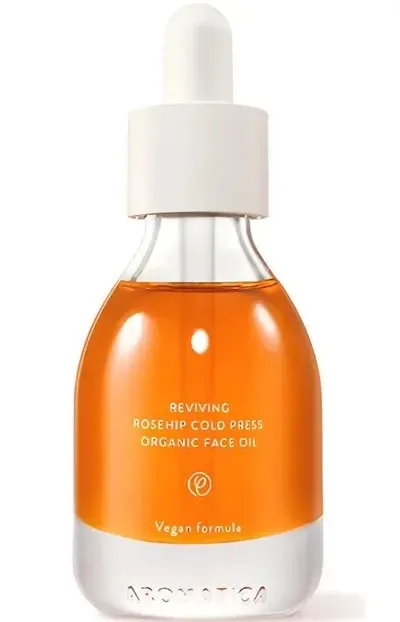 Single-Ingredient Rosehip Standard
 Organic Rose Hip Oil
Aromatica's Organic Rose Hip Oil is one of the few rosehip products on the market that delivers what the category claims — 100% certified-organic cold-pressed Rosa canina fruit oil with no fillers, no carriers, no fragrance. The result is the genuine rosehip experience: distinct earthy scent, fast absorption, and visible improvement in scars, pigmentation, and tone over consistent use.
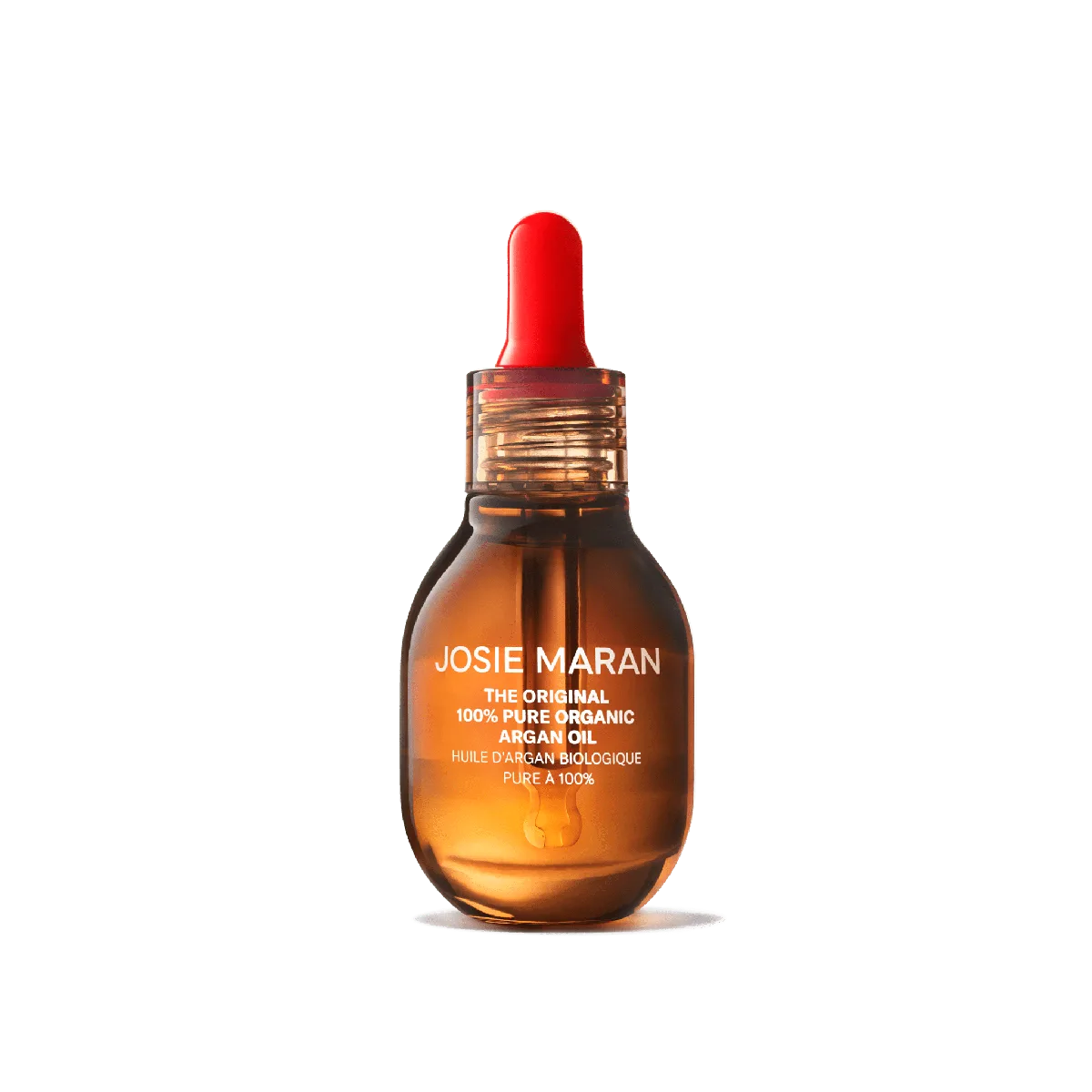 Clean Beauty Pioneer
 100% Pure Argan Oil
The product that single-handedly introduced argan oil to luxury skincare remains one of the purest, most versatile face oils on the market. Its single-ingredient simplicity is both its greatest strength and its limitation — you're getting impeccably sourced argan oil and nothing else, which means the $39 price tag reflects provenance and ethics more than formulation wizardry. For dry, aging, or dull skin, it delivers visible results from day one.
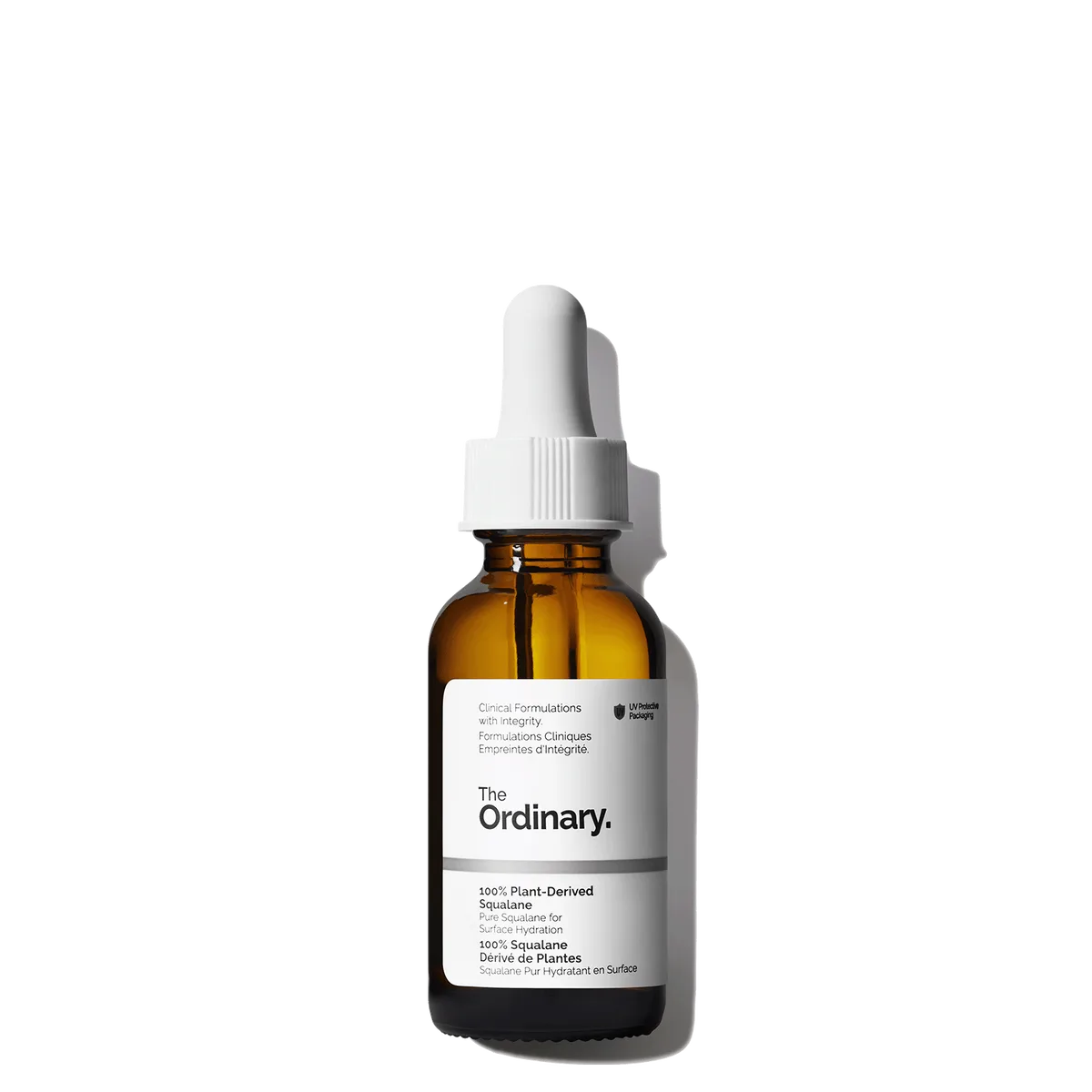 Universal Skin Staple
 100% Plant-Derived Squalane
A near-universal face oil that works for virtually every skin type — including fungal-acne-prone — thanks to its skin-identical composition and zero irritants. It won't transform your skin alone, but as a lightweight sealant over active treatments, it's the $10 workhorse that makes everything else in your routine perform better.
 Single-Ingredient Staple
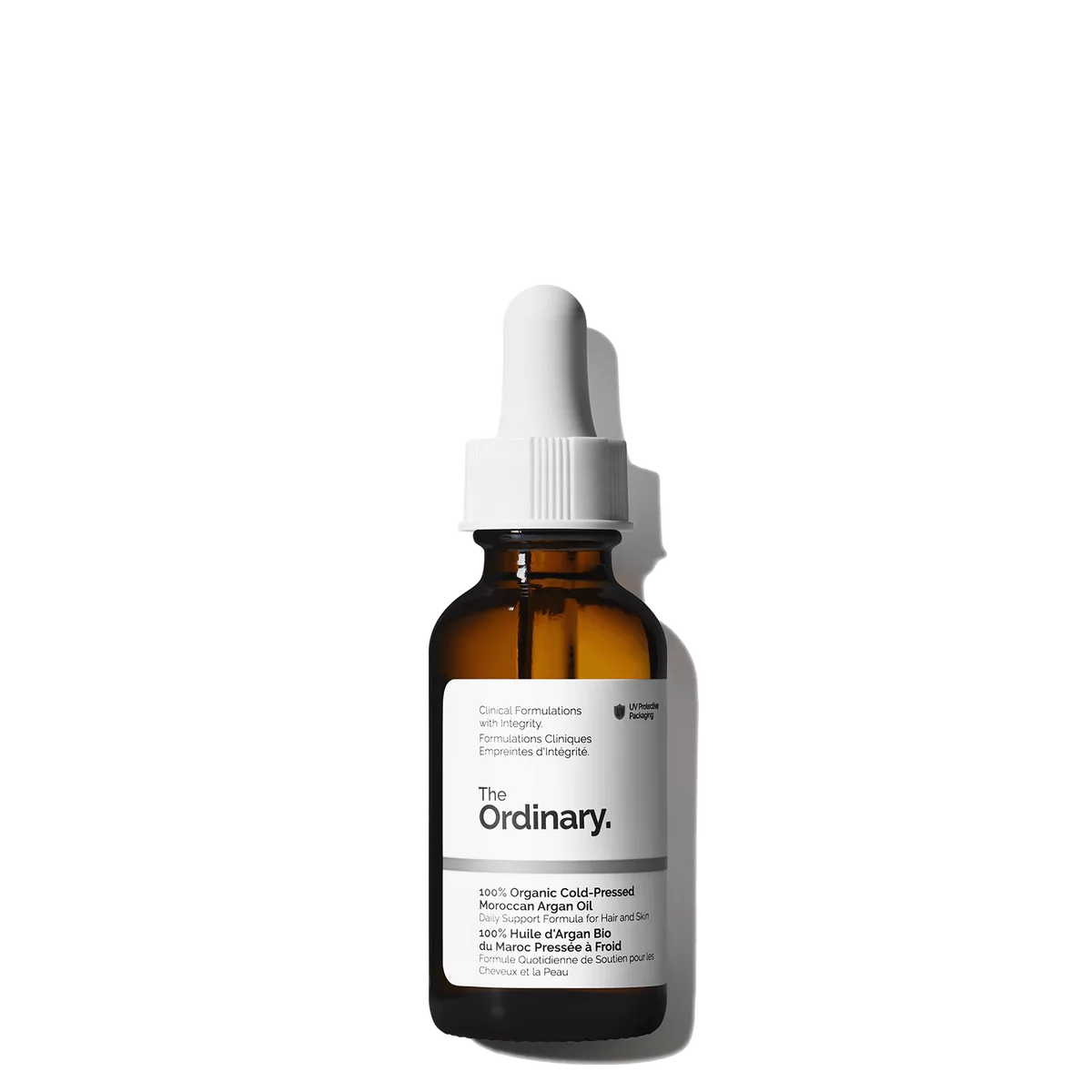
 100% Organic Cold-Pressed Moroccan Argan Oil
A no-frills, bioactive-rich argan oil that delivers genuine cold-pressed quality at a price point that makes luxury oil brands look absurd. It won't wow you with fragrance or texture elegance, but it will quietly strengthen your moisture barrier, soften stubborn dry patches, and remind you that skincare doesn't need to be complicated to be effective.
 Multi-Purpose MVP
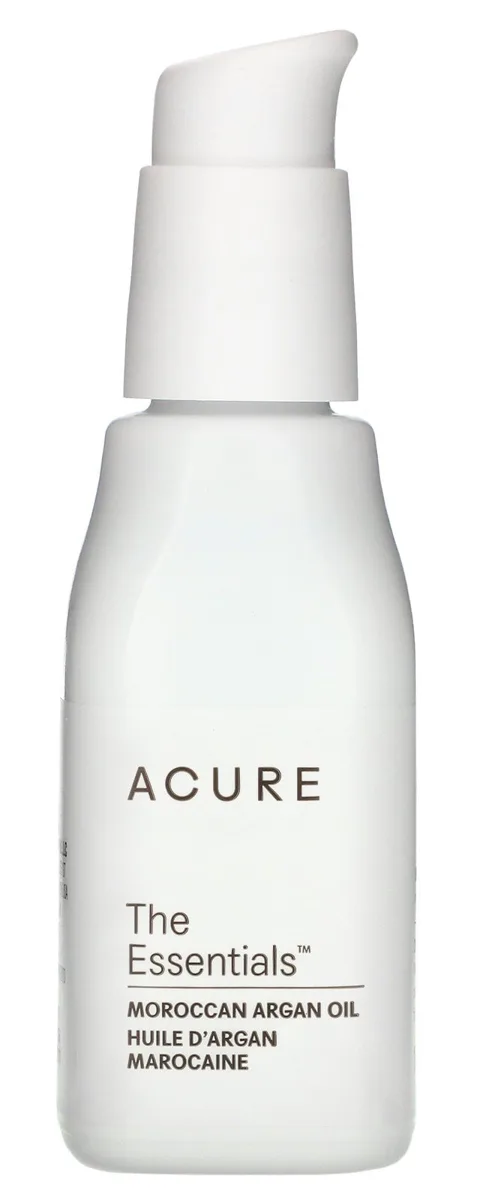
 The Essentials Moroccan Argan Oil
A 100% pure argan oil at a fair budget price — no fragrance, no carriers, no essential oils, just argan. As foundational and versatile as skincare gets, and one of the most genuinely useful products in the entire Acure lineup. If you want a multi-purpose oil for face, hair, and body, this is hard to beat at the price.
 Oily-Skin Friendly Facial Oil
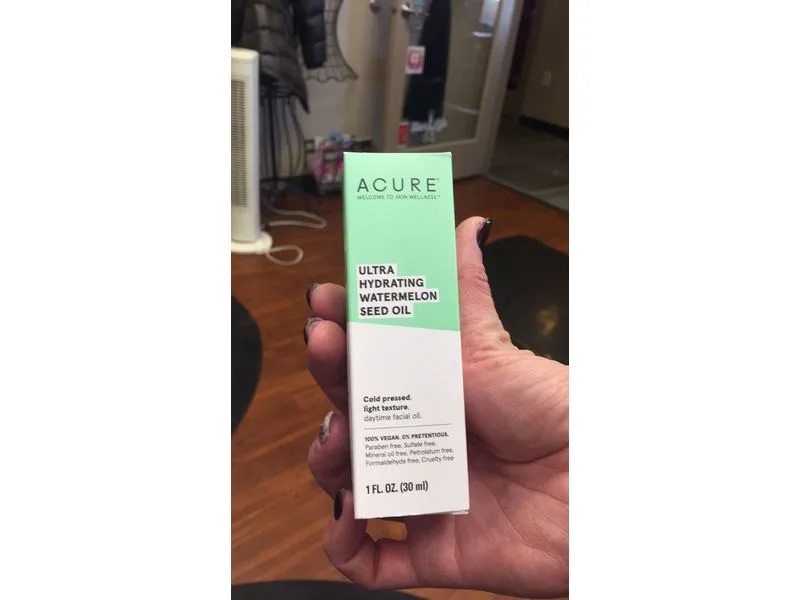
 Ultra Hydrating Watermelon Seed Oil
One of the most underrated facial oils on the drugstore shelf — a genuinely single-ingredient, high-linoleic watermelon seed oil that absorbs like a serum and costs the same as a sandwich. Ideal for oily, combination, and dehydrated skin types who thought facial oils weren't for them.
This review reflects our independent analysis of publicly available ingredient data, manufacturer claims, and verified user reviews. We are reader-supported — Amazon links may earn us a commission at no cost to you. We do not accept paid placements; rankings are based solely on the evidence.