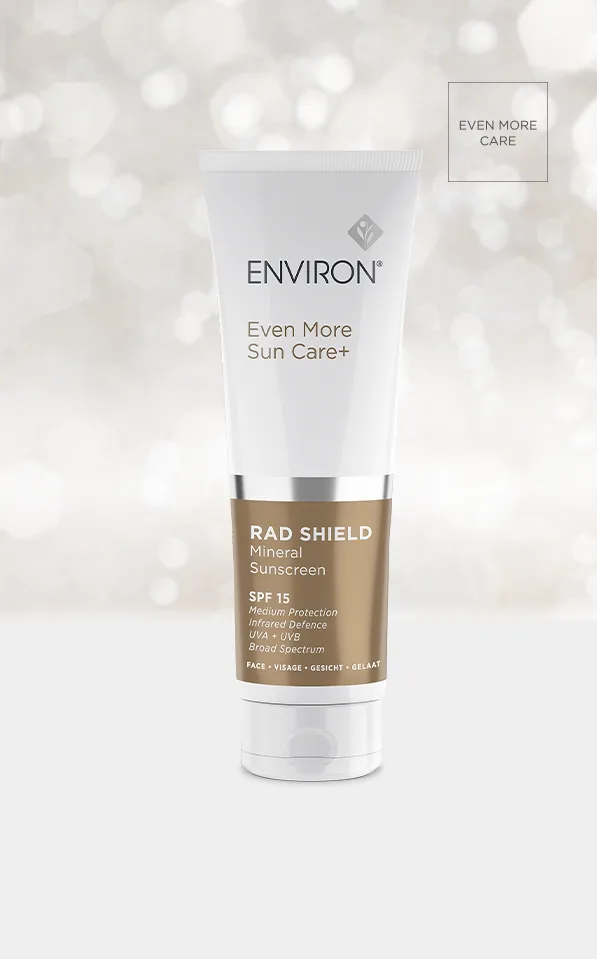
A sunscreen born from a plastic surgeon's personal crusade against skin cancer, the RAD Shield pairs mineral UV filters with antioxidant and infrared defense in a genuinely elegant texture. The SPF 15 rating is its Achilles' heel — a philosophical choice that puts it at odds with modern dermatological guidance, even as the formulation itself is quietly brilliant.
RAD Shield Mineral Sunscreen SPF 15
A sunscreen born from a plastic surgeon's personal crusade against skin cancer, the RAD Shield pairs mineral UV filters with antioxidant and infrared defense in a genuinely elegant texture. The SPF 15 rating is its Achilles' heel — a philosophical choice that puts it at odds with modern dermatological guidance, even as the formulation itself is quietly brilliant.
Score Breakdown
Where this product gains points and where it loses them — broken down across the four scoring pillars.
Thoughtful formulation combining mineral UV filters with antioxidant defense — a philosophy ahead of its time. However, SPF 15 falls below the dermatologist-recommended SPF 30 minimum for daily protection, limiting its standalone utility and suitability breadth.
Pros & Cons
- ✓Multi-layered photoprotection combining UV filters with IR defense and antioxidants
- ✓Genuinely lightweight texture that defies mineral sunscreen stereotypes
- ✓Completely fragrance-free — ideal for post-procedure and reactive skin
- ✓Generous 125 mL tube lasts three to four months with daily face application
- ✓Developed by a plastic surgeon with over 35 years of photoprotection research
- ✓Squalane and glycerin base provides hydration without heaviness
- ✗SPF 15 falls below dermatologist-recommended minimum of SPF 30 for daily protection
- ✗Contains potentially comedogenic ingredients like shea butter and isostearyl isostearate
- ✗Professional distribution model makes purchasing inconvenient for many consumers
- ✗Limited availability in the US where the SPF 30 version is preferred
- ✗Faint white cast still visible on medium to dark skin tones
Full Review
In 1990, a Cape Town plastic surgeon named Des Fernandes founded Environ after watching two patients under twenty-three die from melanoma. The experience didn't just shape a brand — it shaped a philosophy. Fernandes became one of the earliest advocates for combining UV filters with topical antioxidants, arguing that sun protection should address the full spectrum of environmental damage, not just block UVB rays and call it done. Three decades later, the RAD Shield Mineral Sunscreen is the latest evolution of that philosophy, and it remains both ahead of its time and stubbornly behind it.
The ahead-of-its-time part is the formulation concept. Where most sunscreens are single-purpose products — apply filter, block rays, done — the RAD Shield layers its defense. Zinc oxide and titanium dioxide handle the UV spectrum. Thermus Thermophillus Ferment, a patented extract from bacteria that thrive in volcanic hot springs, targets infrared radiation — the portion of the solar spectrum that standard SPF ratings don't measure but that contributes to collagen breakdown and premature aging. Tocopheryl acetate and tomato-derived lycopene provide antioxidant backup, scavenging the free radicals that slip through the physical barrier. It's a three-tier strategy: block, shield, neutralize.
The behind-its-time part is the SPF 15 rating. In an era where dermatologists universally recommend SPF 30 as the minimum for daily protection, and most consumers reach for SPF 50, a new-to-market SPF 15 raises eyebrows. The math: SPF 15 blocks approximately 93% of UVB rays versus SPF 30's 97%. That four percent gap matters more than it sounds — it means SPF 15 allows roughly twice the UVB penetration. Environ has since introduced an SPF 30 version for the US market, which suggests even the brand recognizes the limitation.
But this review is about the SPF 15 formula as it exists, and there is a lot to like here. The texture is genuinely impressive. Mineral sunscreens — particularly those with adequate zinc oxide content — have a well-earned reputation for thick, white, paste-like application. The RAD Shield defies this. It goes on creamy and light, absorbs quickly, and settles into a comfortable finish that feels more like a lightweight moisturizer than a sunscreen. The nano-sized mineral particles reduce the white cast significantly, though users with deeper skin tones may still detect a faint brightening effect.
The absence of fragrance deserves mention because it's not the norm, even among products marketed for sensitive skin. There are no essential oils, no synthetic fragrance, no perfuming agents of any kind. For post-procedure skin, freshly retinized skin, or anyone whose face is actively irritated, this is a meaningful differentiator. The formula relies on glycerin, squalane, and shea butter for skin feel rather than fragrance for user experience — a clinical-minded choice.
Texture on application is smooth with no dragging. The dimethicone provides slip without the heavy silicone-blanket feel that some mineral sunscreens create. It layers well under makeup and doesn't pill over serums or moisturizers — important for Environ's target user, who is likely applying this over a vitamin A serum and a peptide treatment in the morning.
The 125 mL tube is generous by sunscreen standards, offering three to four months of daily facial use. This brings the per-use cost into reasonable territory despite the premium price tag, and it means you don't have to ration your application — a critical point, since under-application is the most common reason sunscreens underperform in practice.
Performance-wise, the mineral filters do what mineral filters do: they sit on the skin surface, absorb UV photons, and dissipate the energy as heat. They don't degrade over time the way some chemical filters do, so reapplication is mainly necessary after physical removal (sweating, rubbing, swimming) rather than chemical breakdown. The antioxidant layer provides an extra margin of protection that SPF numbers alone don't capture.
The limitations are real, though. Beyond the SPF question, the formula includes shea butter and isostearyl isostearate — both potentially comedogenic ingredients that make this less ideal for acne-prone skin. The professional distribution model means you may need to purchase through an authorized skincare clinic or esthetician, which adds friction to the buying process. And in the US market, the SPF 15 version is increasingly hard to find as the SPF 30 takes its place.
Environ's RAD Shield sits in an interesting position. The formulation philosophy — multi-layered defense combining UV, IR, and antioxidant protection — is genuinely sophisticated and arguably ahead of mainstream sunscreen science. But the SPF 15 rating undermines the very protection mission that inspired the brand's creation. For low-UV environments, incidental exposure, or as a supplement to other photoprotective behaviors (hats, shade, clothing), it performs beautifully. As a standalone daily sunscreen for meaningful sun exposure, the SPF leaves you wanting. If the SPF 30 version is available to you, it's the more practical choice. But the SPF 15 formula remains a testament to what happens when a surgeon's grief becomes a scientist's lifework.
Formula
Key Ingredients
The hero actives that drive this product's performance.
| Ingredient | Function | Evidence |
|---|---|---|
| Zinc Oxide (Nano) | Primary broad-spectrum mineral UV filter providing both UVA and UVB protection. The nano-sized particles reduce the white cast typical of mineral sunscreens while maintaining full UV absorption. Works alongside titanium dioxide to achieve the SPF 15 rating. | well-established |
| Thermus Thermophillus Ferment (Venuceane) | A patented extremophile-derived ferment that protects against infrared radiation damage — a type of environmental stress that standard UV filters don't address. In this formula, it extends protection beyond the UV spectrum, complementing the zinc oxide and titanium dioxide with defense against IR-induced premature aging. | emerging |
| Tocopheryl Acetate | Stable vitamin E derivative that provides antioxidant support beneath the mineral UV shield. Neutralizes free radicals generated by UV exposure that penetrate past the physical filters, adding a biochemical layer of photoprotection to the physical barrier. | well-established |
| Solanum Lycopersicum (Tomato) Fruit Extract | Rich in lycopene, a carotenoid antioxidant that supplements the photoprotective strategy. Works alongside tocopheryl acetate to scavenge reactive oxygen species generated during sun exposure, reflecting Dr. Fernandes' founding philosophy of combining UV filters with antioxidant defense. | promising |
| Squalane | Lightweight emollient that improves the formula's spreadability and skin feel without adding greasiness. Helps maintain the skin's moisture barrier during sun exposure, preventing the drying effect common with mineral sunscreen bases. | well-established |
Full INCI List
Aqua (Water), Zinc Oxide (Nano), Caprylic/Capric Triglyceride, Butylene Glycol, Glycerin, Butyrospermum Parkii (Shea) Butter, Isostearyl Isostearate, Steareth-2, Thermus Thermophillus Ferment, Decyl Isostearate, Steareth-21, Dimethicone, Polyurethane-34, Polyhydroxystearic Acid, Citric Acid, Tocopheryl Acetate, Titanium Dioxide (Nano), Solanum Lycopersicum (Tomato) Fruit Extract, Squalane, Xanthan Gum, Magnesium Aluminum Silicate, Alumina, Aluminum Stearate, Ethylhexylglycerin, Phenylpropanol, BHT, Caprylyl Glycol, Disodium EDTA, Isostearic Acid, Methylpropanediol, Potassium Bitartrate, Propanediol, Phenoxyethanol, Potassium Sorbate
Product Flags
✓ Fragrance Free✓ Alcohol Free✗ Oil Free✗ Silicone Free✓ Paraben Free✓ Sulfate Free✓ Cruelty Free✓ Vegan✗ Fungal Acne Safe
Comedogenic Ingredients
Isostearyl IsostearateButyrospermum Parkii (Shea) Butter
Compatibility
Skin Match
Best For
Works For
Not Ideal For
Addresses These Conditions
sun damage sensitivity aging post procedure
Use With Caution
Routine Step
sunscreen
Time of Day
AM
Pregnancy Safe
Yes ✓
Layering Tips
Apply as the final step of your morning skincare routine after Environ vitamin A serums and moisturizers. The cream texture layers smoothly under makeup. Reapply every 90 minutes to 2 hours during extended sun exposure.
Results Timeline
Immediate UV protection upon application. The lightweight texture settles into a comfortable finish within minutes. Antioxidant benefits accumulate over time with consistent daily use, supporting long-term photoprotection strategy.
Pairs Well With
vitamin-cretinolniacinamide
Sample AM Routine
- Gentle cleanser
- Environ vitamin A serum
- Moisturizer
- Environ RAD Shield Mineral Sunscreen SPF 15
Sample PM Routine
- Double cleanse
- Environ vitamin A step-up serum
- Peptide treatment
- Night moisturizer
Evidence
Science & Expert Perspective
The Science
The RAD Shield's formulation reflects a multi-target approach to photoprotection that goes beyond conventional SPF. The mineral filters — zinc oxide and titanium dioxide — provide broad-spectrum UV protection through absorption rather than reflection, as demonstrated by Cole et al. (Photodermatology, Photoimmunology & Photomedicine, 2016). This distinction matters because it means the protection doesn't depend on a perfectly opaque white layer — the nano-sized particles can be dispersed into a cosmetically elegant film while still absorbing UV photons effectively.
The inclusion of Thermus Thermophillus Ferment (marketed as Venuceane by Sederma) represents a newer frontier in photoprotection. This extract from an extremophile bacterium that thrives in volcanic hot springs has been patented for its ability to protect against infrared radiation damage. While UV radiation accounts for only about 5% of the solar energy reaching the skin, infrared radiation accounts for approximately 50%. Research published in 2024 (PubMed: 39161108) on Thermus thermophilus ferment extracts demonstrated potent skin benefits including protection against environmental aging in vitro.
The antioxidant strategy — tocopheryl acetate (vitamin E) paired with tomato fruit extract (lycopene) — addresses the free radical cascade that UV exposure triggers even when physical filters are in place. No sunscreen blocks 100% of UV, so the antioxidant layer acts as a secondary defense system, neutralizing reactive oxygen species before they can damage cellular DNA and collagen.
The SPF 15 rating, while limiting, does block approximately 93% of UVB radiation. The combination with antioxidants and IR protection means the total photoprotective benefit may exceed what the SPF number alone suggests — though this broader protection is not captured in standard SPF testing methodology.
References
- Metal oxide sunscreens protect skin by absorption, not by reflection or scattering — Photodermatology, Photoimmunology & Photomedicine (2016)
- Novel Thermus thermophilus and Bacillus subtilis mixed-culture ferment extract provides potent skin benefits in vitro and protects skin from aging — PubMed (2024)
Dermatologist Perspective
Dermatologists generally appreciate the multi-target photoprotection concept behind the RAD Shield, though the SPF 15 rating draws consistent concern. Board-certified dermatologists note that while the antioxidant and infrared protection add value beyond standard SPF, these benefits cannot compensate for the lower UVB blocking capacity compared to SPF 30 or 50 formulas. The fragrance-free, mineral-only formulation makes it appropriate for post-procedure patients who need gentle UV protection during healing. Dermatologists familiar with the Environ system often recommend this as part of a comprehensive vitamin A protocol where the sunscreen complements the brand's retinoid step-up system.
Guidance
Usage Guide
How to Use
Apply generously as the final step of your morning skincare routine, after serums and moisturizer. Smooth evenly across the face, neck, and any exposed areas. Allow a few minutes to set before applying makeup. Reapply every 90 minutes to two hours during extended sun exposure. For days with significant outdoor time, consider pairing with a higher-SPF product or supplementing with protective clothing and shade.
Value Assessment
At approximately $45 for 125 mL, the per-milliliter cost is actually competitive with many premium sunscreens — you get more than double the volume of most $40 sunscreens. The generous size means three to four months of daily use, bringing the effective monthly cost to around $12-$15. The sophisticated formulation with Venuceane and the antioxidant complex justifies some premium over basic mineral formulas. However, the SPF 15 limitation means you may need a second, higher-SPF sunscreen for meaningful sun exposure, which effectively doubles your sunscreen budget. The professional distribution model can also limit price competition.
Who Should Buy
Environ devotees looking for a sunscreen that integrates seamlessly with the brand's vitamin A step-up system. Those with sensitive, reactive, or post-procedure skin who need a fragrance-free mineral formula with additional antioxidant support. Skincare enthusiasts interested in cutting-edge photoprotection concepts like infrared defense who primarily have low to moderate daily sun exposure.
Who Should Skip
Anyone who needs robust standalone sun protection — the SPF 15 is inadequate for prolonged outdoor exposure or high-UV environments. Acne-prone skin types should be cautious due to potentially comedogenic ingredients. Those who prefer to buy skincare easily through mainstream retailers will find Environ's professional distribution model frustrating.
Ready to try Environ RAD Shield Mineral Sunscreen SPF 15?
Details
Details
Texture
Lightweight and creamy with a smooth, non-oily feel. Absorbs quickly without the thick, paste-like resistance typical of mineral sunscreens. The nano-sized mineral particles contribute to a more elegant application.
Scent
Fragrance-free. No detectable scent beyond a very faint neutral cream base.
Packaging
Squeeze tube with a flip-top cap. The 125 mL size is generous for a professional-grade sunscreen. Clean, clinical design consistent with Environ's medical aesthetic.
Finish
satinnon-greasynatural
What to Expect on First Use
Applies smoothly and absorbs within minutes to a comfortable, non-tacky finish. No stinging, burning, or adjustment period. The lightweight feel is immediately apparent — this doesn't feel like wearing sunscreen. Some users with deeper skin tones may notice a faint white cast from the mineral filters.
How Long It Lasts
3-4 months with once-daily face and neck application
Period After Opening
12 months
Best Season
All Year
Certifications
Dermatologist-developedNot tested on animals
Background
The Why
Dr. Des Fernandes lost two young melanoma patients before age 23, which set him on a lifelong mission to develop better photoprotection. The original RAD sunscreen line debuted in the 1990s as one of the first formulations to combine UV filters with topical antioxidants. The 2020 RAD Shield reformulation modernized the concept with nano mineral filters and extremophile-derived infrared protection, reflecting three decades of evolving skin science.
About Environ Legacy Brand (20+ years)
Environ was founded in 1990 by Dr. Des Fernandes, a Cape Town-based plastic surgeon and pioneer of skin needling. The brand has over 35 years of clinical-grade skincare development, with vitamin A science at its core, and is sold in 70+ countries through authorized skincare professionals.
Brand founded: 1990 · Product launched: 2020
Myth vs. Reality
Myths & Misconceptions
Myth
SPF 15 provides adequate protection for a full day of sun exposure.
Reality
SPF 15 blocks approximately 93% of UVB rays compared to SPF 30's 97% and SPF 50's 98%. While adequate for brief incidental exposure, most dermatologists recommend SPF 30 or higher for meaningful daily protection. This product works best as part of a comprehensive sun-avoidance strategy.
Myth
Nano-sized mineral sunscreen particles are unsafe because they penetrate the skin.
Reality
Multiple studies have demonstrated that nano zinc oxide and titanium dioxide particles do not penetrate beyond the outermost stratum corneum into living tissue. The nano sizing improves cosmetic elegance without compromising safety.
FAQ
Frequently Asked Questions
Is SPF 15 enough for daily sun protection?
Most dermatologists recommend SPF 30 or higher for daily use. SPF 15 blocks about 93% of UVB rays, which may suffice for brief incidental exposure in low-UV conditions. For extended outdoor time, Environ also offers a RAD Shield SPF 30 version with higher zinc oxide concentration.
Is Environ RAD Shield safe for sensitive and post-procedure skin?
Yes — the mineral-only formula with zinc oxide and titanium dioxide sits on the skin surface rather than absorbing into it, making it suitable for sensitive, reactive, and post-procedure skin. The fragrance-free formulation further reduces irritation risk.
What is Thermus Thermophillus Ferment in the Environ RAD Shield?
Also known as Venuceane, it's a patented extract from an extremophile bacterium that survives in volcanic hot springs. In this sunscreen, it provides protection against infrared radiation damage — a type of environmental stress that standard UV filters don't address, potentially preventing IR-induced collagen breakdown.
Where can I buy Environ RAD Shield sunscreen?
Environ products are sold through authorized skincare professionals, clinics, and select online retailers. The SPF 15 version is widely available internationally through UK and EU retailers. In the US, the SPF 30 version is more commonly stocked. Check Environ's website for authorized stockists.
Is Environ cruelty-free?
Environ states it has never tested and will never test on animals. However, the brand does not carry official Leaping Bunny or PETA certification, as the company considers such claims redundant under EU cosmetic regulations that already prohibit animal testing.
Community
Community Voices
Common Praise
"Lightweight texture that doesn't feel like a typical mineral sunscreen"
"Fragrance-free and gentle on sensitive skin"
"Works beautifully under makeup without pilling"
"Moisturizing without being heavy or greasy"
"Suitable for post-treatment and post-procedure skin"
Common Complaints
"SPF 15 is below the recommended minimum of SPF 30 for daily sun protection"
"Difficult to purchase without an authorized skincare professional"
"Contains potentially comedogenic ingredients like shea butter"
"Premium price for a lower SPF rating"
"Limited availability in the United States"
Notable Endorsements
Developed under guidance of Dr. Des Fernandes, pioneer of skin needlingJoanna Czech (celebrity esthetician) carries Environ products in her studios
Appears In
best sunscreen for sensitive skin best mineral sunscreen best sunscreen for post procedure best clinical sunscreen
Related Conditions
sun damage sensitivity aging post procedure
Related Ingredients
You Might Also Like
 Derm Office Staple
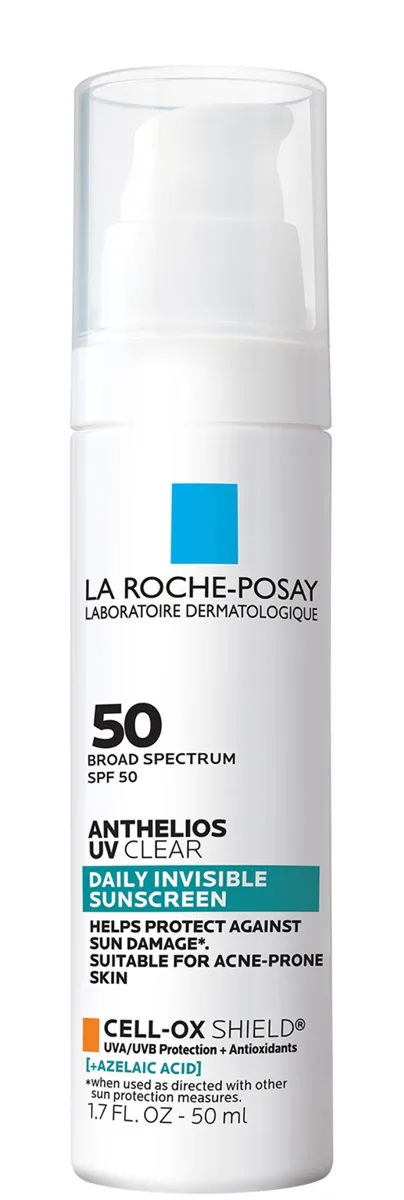
 Anthelios UV Clear Sunscreen SPF 50
One of the only US chemical sunscreens that genuinely earns its 'for sensitive and breakout-prone skin' positioning. A photostable Anthelios filter system paired with a legitimate azelaic acid dose in a lightweight serum-fluid that disappears on every skin tone. Excellent for rosacea, acne, and post-inflammatory hyperpigmentation — and probably the single best daily sunscreen in the La Roche-Posay US lineup for those conditions.
 K-Beauty Daily SPF Standout
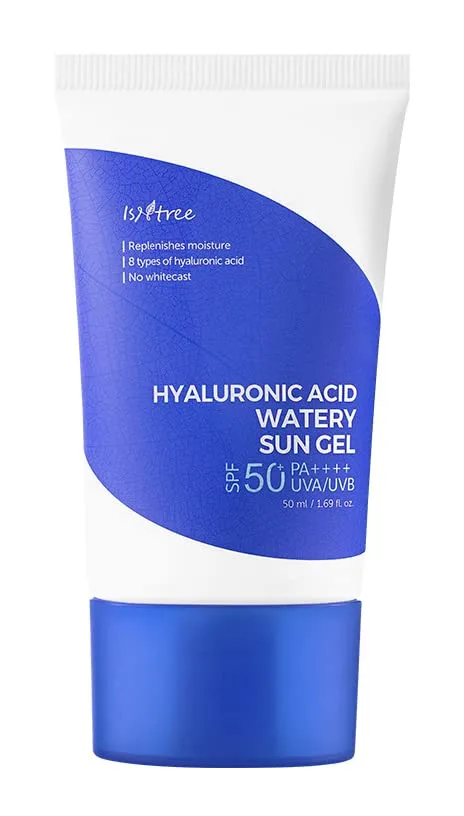
 Hyaluronic Acid Watery Sun Gel SPF 50+
One of the strongest everyday K-beauty sunscreens in the international market — modern European filters, no white cast, fragrance-free, niacinamide-boosted, and built around the brand's signature six-weight HA complex. At twenty-two dollars for 50ml, it's a case study in how much better a daily sunscreen can be when the formulator cares about both protection and wearability.
 Derm Office Staple
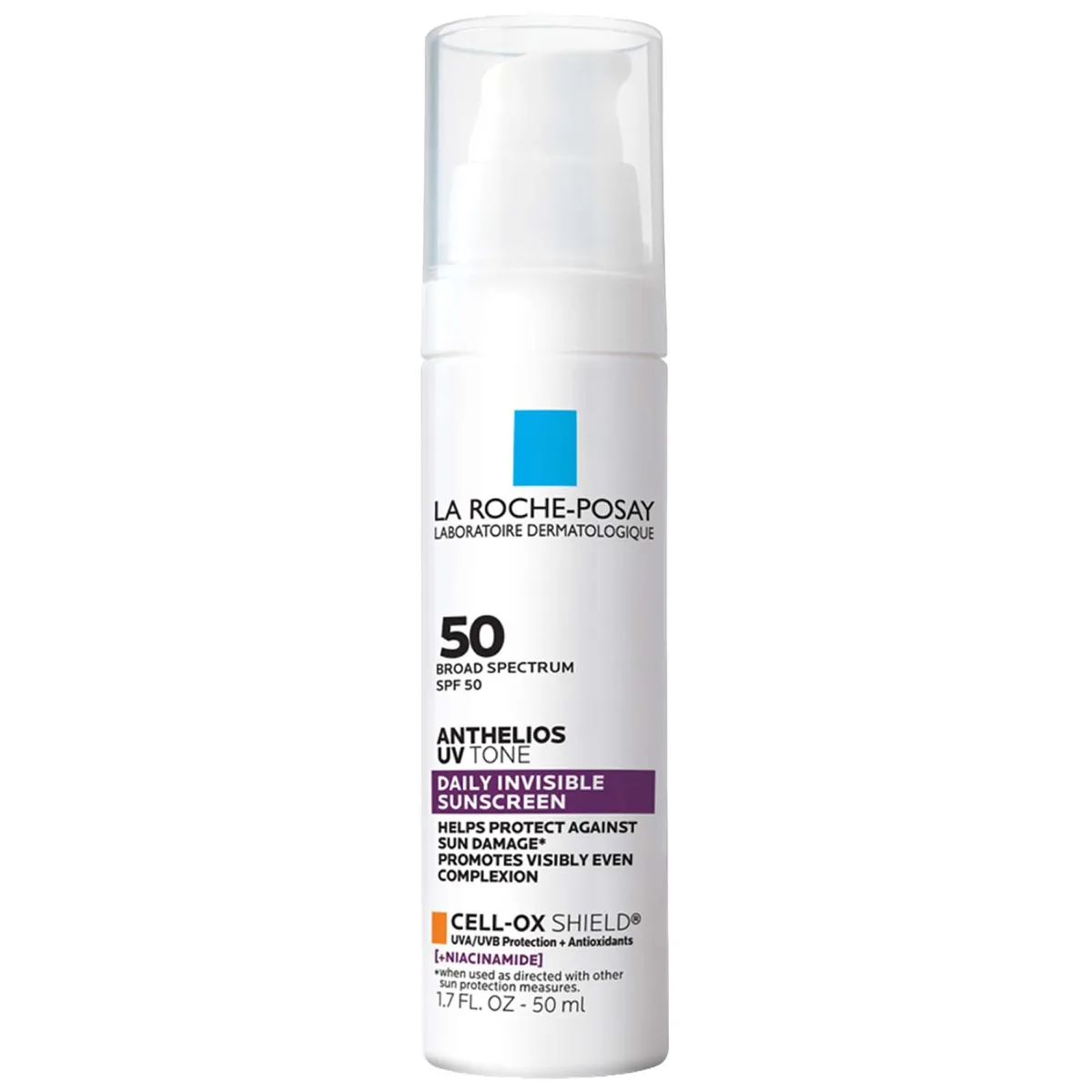
 Anthelios UV Tone Daily Invisible Sunscreen SPF 50
La Roche-Posay's most thoughtful answer yet for hyperpigmentation-prone skin that needs daily SPF. A photostable avobenzone system reinforced with Oxynex ST, paired with a meaningful dose of niacinamide, in a serum-fluid base that goes on invisible on every skin tone. Expensive for 1.7 oz but legitimately well-built — and a rare chemical sunscreen that earns its 'for dark spots' marketing.
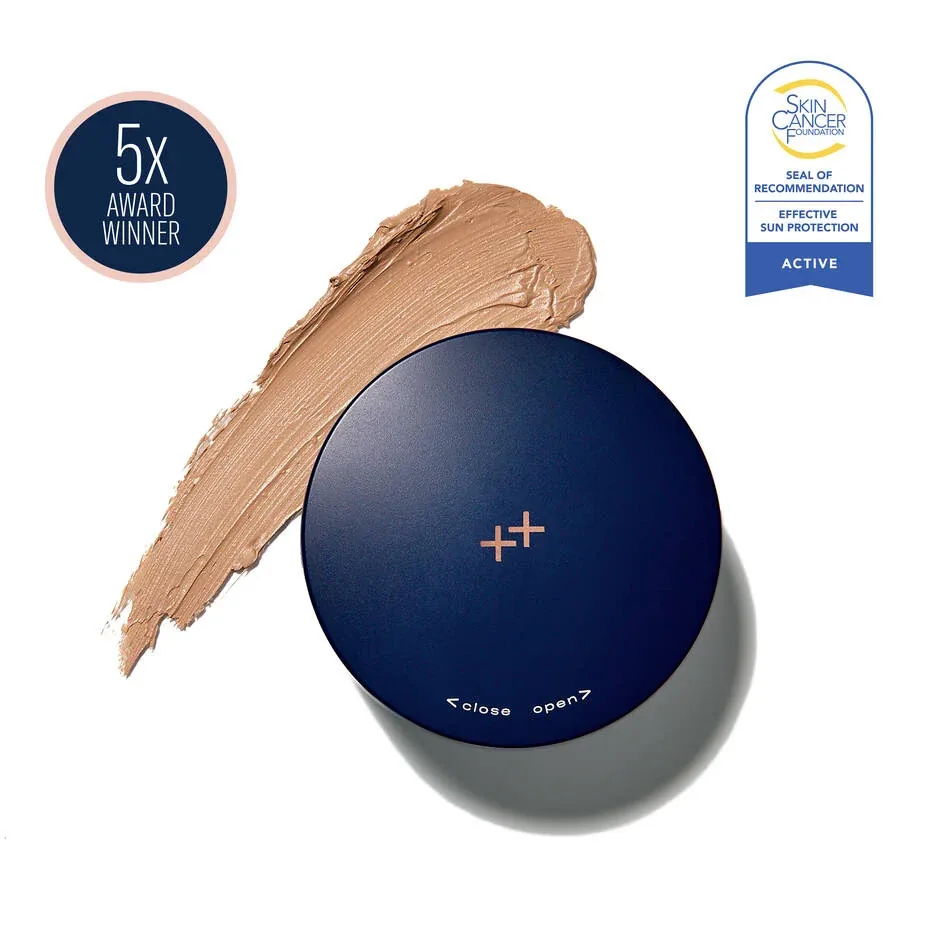 Melasma-Grade Mineral Sunscreen
 sunbetter TONE SMART SPF 68
One of the most clinically useful tinted mineral sunscreens in the professional category. SPF 68 from a 100% mineral formula, iron oxide tint that blocks visible light for melasma protection, and an unusually lightweight texture that doesn't feel like you're wearing high-concentration zinc. For patients with melasma or post-inflammatory hyperpigmentation, this is the category benchmark — and it's earned its Allure Best of Beauty wins.
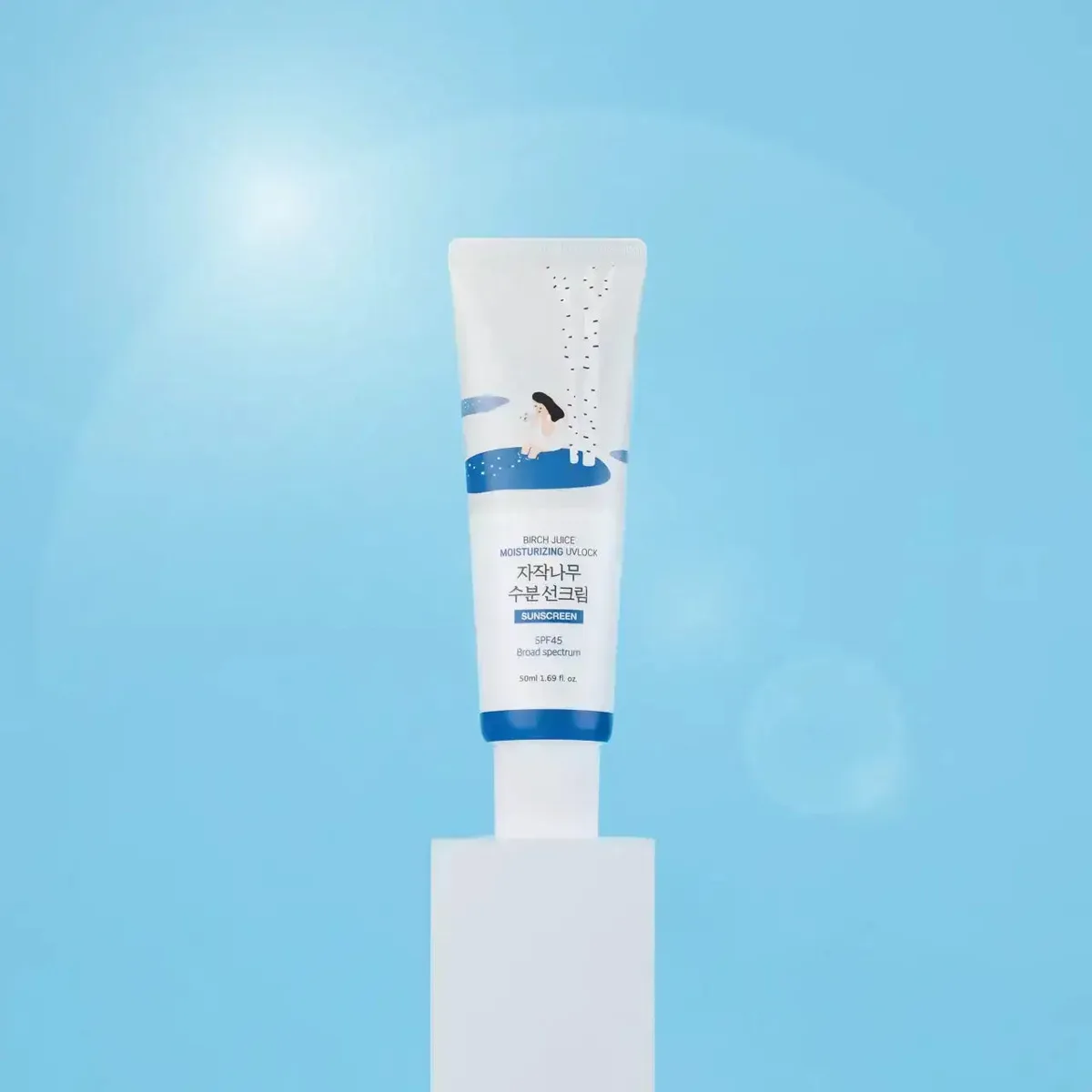 K-Beauty Cult Favorite
 Birch Juice Moisturizing Sun Cream SPF 50+
One of the best hybrid sunscreens in K-beauty right now — a 70% birch sap base, modern UVA filters you can't get in the US, and a finish that wears like a lightweight moisturizer. Broadly compatible, well-priced, and genuinely pleasant to apply, with minor tradeoffs for oily and fungal-acne-prone users.
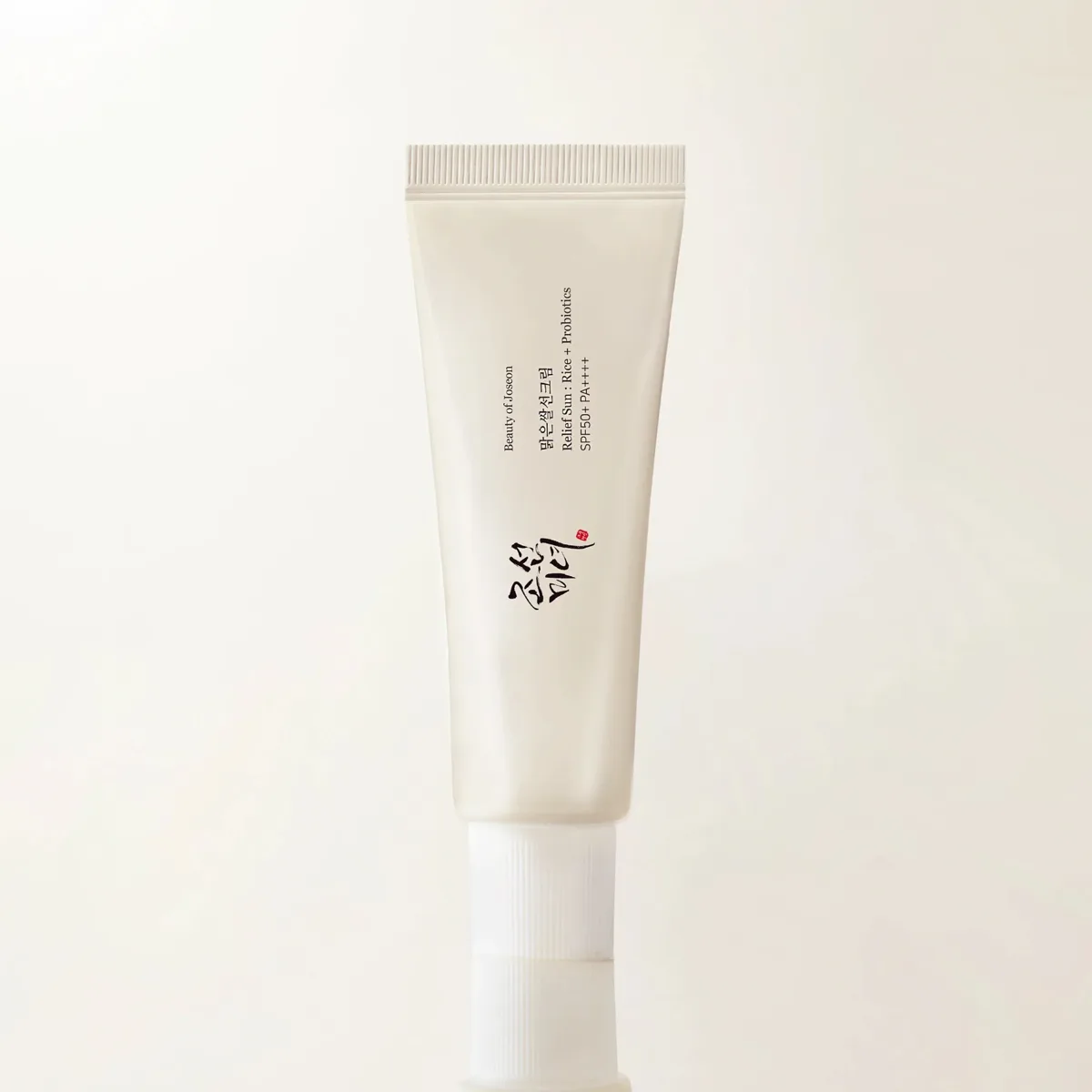 The K-Beauty Sunscreen That Changed Everything
 Relief Sun: Rice + Probiotics SPF 50+
The sunscreen that rewrote the rules for what a $14 product could deliver. With independently verified SPF 50+, 30% rice extract, niacinamide, and a probiotic ferment complex, it offers protection and skincare benefits that rival products three times its price. The texture that feels like wearing nothing on your face is the reason it went viral — and stayed there.