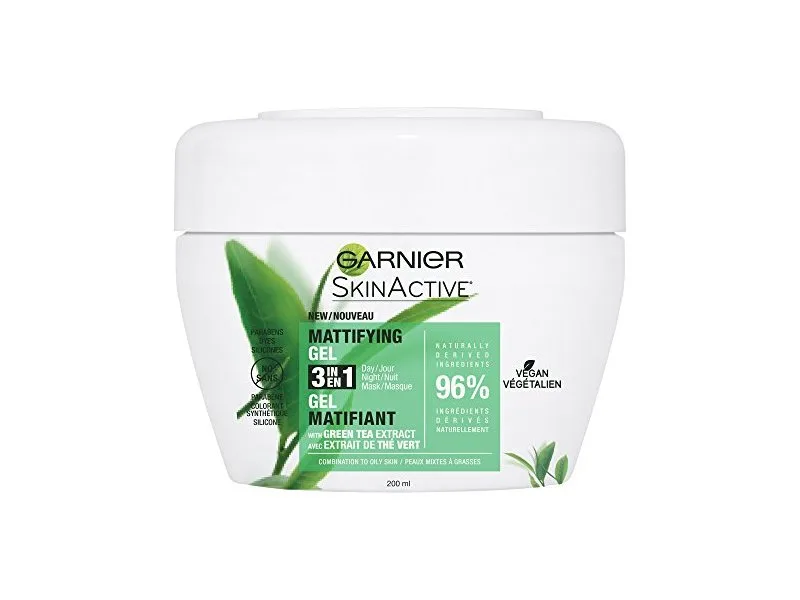
A convenient drugstore 3-in-1 that combines mild hydration, a green tea antioxidant sprinkle, and SPF 15 — serviceable for users who want a single morning step and don't spend meaningful time outdoors. The SPF level, the fragrance, and the octinoxate are real drawbacks for anyone taking daily UV protection seriously, but at under $15 it has a clear audience.
3-in-1 Face Moisturizer with Green Tea SPF 15
A convenient drugstore 3-in-1 that combines mild hydration, a green tea antioxidant sprinkle, and SPF 15 — serviceable for users who want a single morning step and don't spend meaningful time outdoors. The SPF level, the fragrance, and the octinoxate are real drawbacks for anyone taking daily UV protection seriously, but at under $15 it has a clear audience.
Score Breakdown
Where this product gains points and where it loses them — broken down across the four scoring pillars.
A serviceable drugstore moisturizer-plus-SPF combo with a convenient format, held back by fragrance, octinoxate, and the outdated SPF 15 level that falls below current derm recommendations.
Pros & Cons
- ✓Affordable and widely available at drugstores
- ✓Lightweight texture absorbs quickly without white cast
- ✓Combines moisturizer and basic SPF in one convenient step
- ✓Glycerin-forward formula delivers acceptable surface hydration
- ✓Works on all skin tones with no chalky residue
- ✓Pleasant green tea scent masks chemical sunscreen notes
- ✗SPF 15 falls below current dermatology recommendations for daily UV defense
- ✗Contains fragrance, a common sensitizer
- ✗Contains octinoxate, restricted in Hawaii and not pregnancy-preferred
- ✗Green tea extract level is marketing-positioned, not treatment-level
- ✗Not suitable for sensitive, reactive, or melasma-prone skin
Full Review
There's a category of skincare product that exists mostly as a negotiation between convenience and conscience, and the 3-in-1 SPF moisturizer is its purest expression. The premise is simple: you don't want to apply moisturizer, then antioxidant serum, then sunscreen on the same face every morning, so here is a single product that promises to do all three at a drugstore price point. The reality is that combining these functions almost always means compromising at least one of them, and this Garnier entry illustrates the compromise pattern with unusual clarity.
Let's start with what it actually does well. The moisturizer portion is legitimately functional — glycerin is positioned high in the ingredient list, there's dimethicone to give a smooth finish, and the overall texture is a lightweight white lotion that absorbs quickly without greasiness. If you applied this without any UV or antioxidant function and called it a basic drugstore daytime moisturizer, it would be a perfectly reasonable $14 product. The finish layers under makeup without pilling, the scent is pleasant even if it's present, and users with normal or combination skin can expect it to deliver enough hydration for a typical workday without feeling dry by lunch.
The 3-in-1 claim gets more complicated when you look at the SPF and antioxidant portions. The sunscreen system is standard chemical filters — ethylhexyl methoxycinnamate (octinoxate) as the primary UVB filter, octocrylene as a photostabilizer, and avobenzone as the UVA filter. This is a competent combination on paper, but the product only claims SPF 15, which is where the friction with current sun-protection thinking starts. The American Academy of Dermatology recommends broad-spectrum SPF 30 or higher for daily use, and most dermatologists will tell you SPF 15 belongs to an older era of sun-protection advice. SPF 15 blocks about 93% of UVB rays; SPF 30 blocks about 97%; the difference sounds small but meaningfully changes cumulative UV damage over years of daily exposure. If you're using this as your only daytime sun protection and you spend time outdoors, you're under-protected by modern standards.
The antioxidant portion is where marketing meets reality. Camellia sinensis (green tea) leaf extract is real, well-studied for its polyphenol content, and capable of providing meaningful antioxidant activity — in formulations that include it at serious concentration. Here it sits deep enough on the ingredient list that the amount is modest, and treating this product as an antioxidant treatment would be misreading it. The green tea is a marketing differentiator and a small bonus, not a replacement for a proper vitamin C serum or a dedicated antioxidant step.
Then there are the ingredient choices that didn't age well. The formula contains fragrance, which many users will find pleasant but which is a documented contact sensitizer for reactive skin. It contains methylparaben, which is safe by current FDA assessment but has been trending out of modern formulations for consumer-preference reasons. It contains octinoxate, which is restricted in Hawaii and some other coastal regions for reef impact, has shown potential endocrine activity in animal studies, and is on most dermatologists' avoid list during pregnancy. None of these individually disqualify the product, but collectively they reflect an older formulation philosophy that hasn't been updated aggressively.
Where does that leave the honest recommendation? This product has a real audience: someone on a tight skincare budget, someone who genuinely will not do a multi-step morning routine and whose alternative is no SPF at all, someone who needs a convenient travel-friendly single product for brief daily use. For that person, any SPF is better than none, and this delivers acceptable moisture plus baseline UV protection at an accessible price. It also works for users in low-UV environments — dim winters, indoor-heavy lifestyles, climates where incidental sun exposure is the main concern.
Who it doesn't work for is almost everyone else. Anyone taking skin health seriously should be using SPF 30+ broad spectrum daily, and dedicated products (a proper sunscreen and a separate moisturizer) will almost always outperform the compromise formulation. Sensitive and reactive skin should avoid the fragrance and octinoxate. Melasma-prone users should choose a higher-SPF broad-spectrum option with strong UVA coverage. Pregnancy users should opt for a mineral sunscreen. Users with active acne or fungal concerns will likely find the formula not quite right.
The value equation is the final piece. At around $14, this is fairly priced for what it is. A bottle lasts roughly two to three months with daily face use. If you compared it to buying a separate drugstore moisturizer and SPF, you'd spend more total money but you'd also get better individual performance on both fronts. The 3-in-1 premium — such as it is — is the time you save, not the money. Judge it on those terms and it's a defensible drugstore convenience product, not a serious skincare recommendation. Judge it against current dermatology best practices for daily UV defense, and it falls short of the standard that should guide any product bought for sun protection.
Formula
Key Ingredients
The hero actives that drive this product's performance.
| Ingredient | Function | Evidence |
|---|---|---|
| Ethylhexyl Methoxycinnamate (Octinoxate) | The primary UVB filter providing the bulk of this product's SPF 15 rating — chosen alongside octocrylene and avobenzone to create a standard chemical sunscreen system that's effective for incidental daily sun exposure but not adequate for beach or outdoor use. | well-established |
| Butyl Methoxydibenzoylmethane (Avobenzone) | The UVA filter in this formula, stabilized by octocrylene to prevent photodegradation — this is what makes the SPF 15 claim meaningful as a daily protectant rather than just a burn-prevention number, though the SPF 15 level is below current dermatology recommendations for robust daily UVA defense. | well-established |
| Camellia Sinensis (Green Tea) Leaf Extract | The marketing hero ingredient — present at a modest level in the aqueous phase, providing some polyphenol antioxidant support to complement the chemical sunscreen system. Don't expect treatment-level antioxidant benefits at the position it appears on the INCI. | promising |
| Glycerin | The core humectant providing the moisturizer portion of the 3-in-1 claim, positioned high on the ingredient list to deliver meaningful surface hydration — paired with dimethicone to lock in water and give the product its characteristic smooth, non-greasy finish. | well-established |
Full INCI List
Water, Ethylhexyl Methoxycinnamate, Glycerin, Dicaprylyl Carbonate, Octocrylene, Dimethicone, Butyl Methoxydibenzoylmethane, Cetearyl Alcohol, Glyceryl Stearate, PEG-100 Stearate, Camellia Sinensis (Green Tea) Leaf Extract, Tocopheryl Acetate, Glycine Soja (Soybean) Oil, Phenoxyethanol, Disodium EDTA, Xanthan Gum, Fragrance, Carbomer, Triethanolamine, Methylparaben
Product Flags
✗ Fragrance Free✓ Alcohol Free✗ Oil Free✗ Silicone Free✗ Paraben Free✓ Sulfate Free✓ Cruelty Free✗ Vegan✗ Fungal Acne Safe
Potential Irritants
fragranceoctinoxate
Common Allergens
fragrance
Compatibility
Skin Match
Best For
Works For
Not Ideal For
Addresses These Conditions
Use With Caution
Avoid With
Routine Step
moisturizer
Time of Day
AM
Pregnancy Safe
No ✗
Layering Tips
Use as the final daytime step over serum. Because SPF 15 is below dermatology recommendations for full daily UV defense, consider layering a dedicated broad-spectrum sunscreen on top if you'll have meaningful sun exposure.
Results Timeline
Immediate: skin feels moisturized with a soft finish and mild incidental sun protection. Short-term (1-2 weeks): convenient simplified morning routine if you don't want separate moisturizer and SPF. Full benefits: this is a maintenance product, not a corrective one.
Pairs Well With
gentle cleanserhyaluronic acid serum
Sample AM Routine
- Gentle cleanser
- Antioxidant serum
- Garnier SkinActive 3-in-1 Face Moisturizer with Green Tea SPF 15
- Dedicated broad-spectrum SPF (if outdoors)
Sample PM Routine
- Cleanser
- Serum
- Night moisturizer
- Treatment
Evidence
Science & Expert Perspective
The Science
The chemical sunscreen system here — octinoxate, octocrylene, and avobenzone — is well-characterized in photoprotection literature. Octocrylene specifically plays a stabilizing role for avobenzone, which degrades rapidly under UV exposure in the absence of a photostabilizer. SPF 15 blocks approximately 93% of UVB rays compared to 97% for SPF 30, a difference that compounds over years of cumulative daily exposure. Current American Academy of Dermatology guidance recommends SPF 30 or higher for daily use based on this accumulated evidence, making SPF 15 a functional but below-standard choice for serious sun defense. Camellia sinensis (green tea) polyphenols — particularly epigallocatechin gallate (EGCG) — have meaningful antioxidant activity in published research, including reduction of UV-induced oxidative stress markers in keratinocyte cultures and ex vivo skin models. However, clinical benefits from topical green tea have been demonstrated primarily at concentrations above 2%, and formulations positioning green tea as a marketing ingredient rather than an active typically deliver far less. Glycerin is one of the most thoroughly studied humectants in cosmetic chemistry and provides reliable hydration at the concentrations used here. Dimethicone's role as a smooth-finish emollient and water-loss barrier is similarly well-established. The formulation reflects standard drugstore chemical sunscreen practice rather than any novel delivery approach, and the overall performance should be understood as baseline rather than advanced.
Dermatologist Perspective
Dermatologists generally advise daily broad-spectrum SPF 30 or higher as the current standard for meaningful sun protection. A product at SPF 15 is typically considered insufficient for outdoor activity and is more commonly framed as baseline protection against incidental exposure. Board-certified dermatologists also frequently note that fragrance and octinoxate are ingredients to approach cautiously for sensitive skin and during pregnancy. For patients specifically treating melasma or hyperpigmentation, dermatologists commonly recommend higher-SPF mineral or hybrid sunscreens with strong UVA coverage rather than drugstore 3-in-1 formulations.
Guidance
Usage Guide
How to Use
Apply each morning as the final step over serum or directly onto cleansed skin. Use about a quarter-teaspoon for face and neck to reach the SPF 15 label claim — most users under-apply sunscreen and reduce effective protection meaningfully. If you'll have sun exposure beyond walking to your car or brief outdoor moments, layer a dedicated broad-spectrum SPF 30+ sunscreen on top. Reapply every two hours if you stay outdoors. Avoid using in place of a dedicated sunscreen for outdoor activities.
Value Assessment
At approximately $14 for 2.5 fl oz, the per-ounce price is fair for drugstore tier, and a bottle lasts about two to three months with daily face use. The real value question is not cost but function — you're paying for convenience, and the trade-off is a SPF level below current recommendations and a formula that's not friendly to sensitive or pregnancy users. If you would genuinely not use a separate moisturizer and sunscreen otherwise, the convenience is worth the modest price. If you would use separate products, a dedicated drugstore SPF 30+ sunscreen and a basic moisturizer will cost only a little more and deliver meaningfully better performance on both fronts.
Who Should Buy
Budget-conscious users who want a single-step morning moisturizer with basic UV protection, people whose alternative is wearing no SPF at all, and users with normal to combination skin who live in low-UV environments. Also reasonable for short-term travel convenience.
Who Should Skip
Anyone serious about daily sun protection who should be using SPF 30+, sensitive or reactive skin that can't tolerate fragrance, pregnancy users, melasma-prone skin, and users who want antioxidant benefits beyond a marketing sprinkle.
Ready to try Garnier SkinActive 3-in-1 Face Moisturizer with Green Tea SPF 15?
Details
Details
Texture
A lightweight white lotion that absorbs quickly with a smooth, slightly silicone-cushioned finish.
Scent
Light green tea and fresh botanical fragrance — pleasant but present.
Packaging
Plastic tube with a flip-cap, standard drugstore format.
Finish
lightweightnon-greasynatural
What to Expect on First Use
Absorbs quickly without a white cast, leaves skin soft and mildly hydrated. The scent is noticeable on application but fades within minutes. No purging expected.
How Long It Lasts
About 2-3 months with daily morning face application.
Period After Opening
12 months
Best Season
All Year
Background
The Why
Garnier's SkinActive line was built to bring L'Oréal-backed formulations to the drugstore price tier, and this 3-in-1 SPF moisturizer is one of its core daytime products. It's aimed at users who want a simple morning step without juggling separate moisturizer and sunscreen.
About Garnier SkinActive Legacy Brand (20+ years)
Garnier was founded in France in 1904 and has been part of L'Oréal Group since 1965. The SkinActive line benefits from L'Oréal's research infrastructure, though Garnier's drugstore positioning means formulations are cost-optimized rather than premium.
Brand founded: 1904 · Product launched: 2018
Myth vs. Reality
Myths & Misconceptions
Myth
SPF 15 is enough daily sun protection.
Reality
Current dermatology guidance recommends SPF 30 or higher for daily use. SPF 15 provides meaningful but limited UVA/UVB coverage and is best considered a baseline for incidental exposure, not outdoor activity.
Myth
Green tea extract in a moisturizer provides meaningful antioxidant treatment.
Reality
Green tea polyphenols have real antioxidant activity, but at the low concentration typical of a marketing-positioned ingredient in a moisturizer, the effect is minor. Treat this as a small bonus, not an active treatment.
FAQ
Frequently Asked Questions
Is SPF 15 enough for daily use?
SPF 15 provides baseline protection against incidental sun exposure — driving, walking to work, brief outdoor moments — but current dermatology guidance recommends SPF 30 or higher for meaningful daily UV defense. If you spend time outdoors, layer a dedicated broad-spectrum SPF over this product or choose a higher-SPF alternative.
Is this safe during pregnancy?
We advise caution. The formula contains octinoxate (ethylhexyl methoxycinnamate), which has shown potential endocrine effects in animal studies and which some dermatologists recommend avoiding during pregnancy. Mineral sunscreens with zinc oxide are the typical pregnancy-safe preference.
Can I use this on sensitive skin?
Probably not the best choice — the formula contains fragrance, methylparaben, and chemical sunscreen filters that can trigger reactions in sensitive users. A fragrance-free mineral sunscreen is a better match.
Does it leave a white cast?
No — this is an entirely chemical sunscreen system with no zinc oxide or titanium dioxide, so it absorbs clearly into all skin tones without any ashy or chalky residue.
Is it reef-safe?
No. The formula contains octinoxate and octocrylene, both restricted in Hawaii and some other coastal regions for reef impact reasons. If reef safety matters to you, choose a mineral sunscreen alternative.
How does it compare to a dedicated sunscreen plus moisturizer?
A dedicated moisturizer and a dedicated SPF 30+ sunscreen will almost always outperform a 3-in-1. This product's value is in convenience for low-maintenance routines, not in superior protection or hydration.
Community
Community Voices
Common Praise
"Affordable convenience for a combined moisturizer and SPF"
"Light texture absorbs quickly"
"Pleasant green tea scent"
"Good option for low-maintenance routines"
Common Complaints
"SPF 15 is lower than most users need for daily outdoor protection"
"Contains fragrance and methylparaben"
"Octinoxate is restricted in Hawaii and some reef-safe regions"
"Not recommended for sensitive or melasma-prone skin"
Notable Endorsements
Widely stocked at major drugstores in the US, UK, and Europe
Appears In
best drugstore moisturizer with spf best 3 in 1 moisturizer best affordable spf moisturizer best drugstore daily moisturizer
Related Conditions
Related Ingredients
You Might Also Like
 Clean Beauty Cult Classic
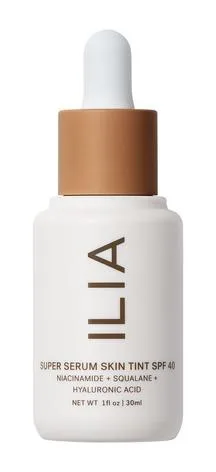
 Super Serum Skin Tint SPF 40
The product that finally made mineral tinted SPF desirable instead of medicinal. At 12% non-nano zinc with iron oxide visible-light protection, niacinamide, and a squalane-based glowy finish, this bottle does the impossible — it delivers real sun protection, real skincare, and real makeup in a single step without any one of them feeling compromised. The $54 price stings, but almost nothing else in the category does all three jobs this well.
 Australian SPF Standard
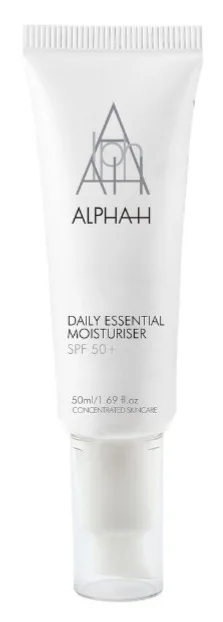
 Daily Essential Moisturiser SPF 50+
An excellent multi-active daily SPF that meets Australia's stricter TGA SPF 50+ standard and includes modern UVA filters that put it well ahead of most US sunscreens. Niacinamide, centella, and hyaluronate make it a genuine moisturizer rather than just a sunscreen step. Premium-priced but uniquely well-formulated.
 Mineral SPF for Melasma
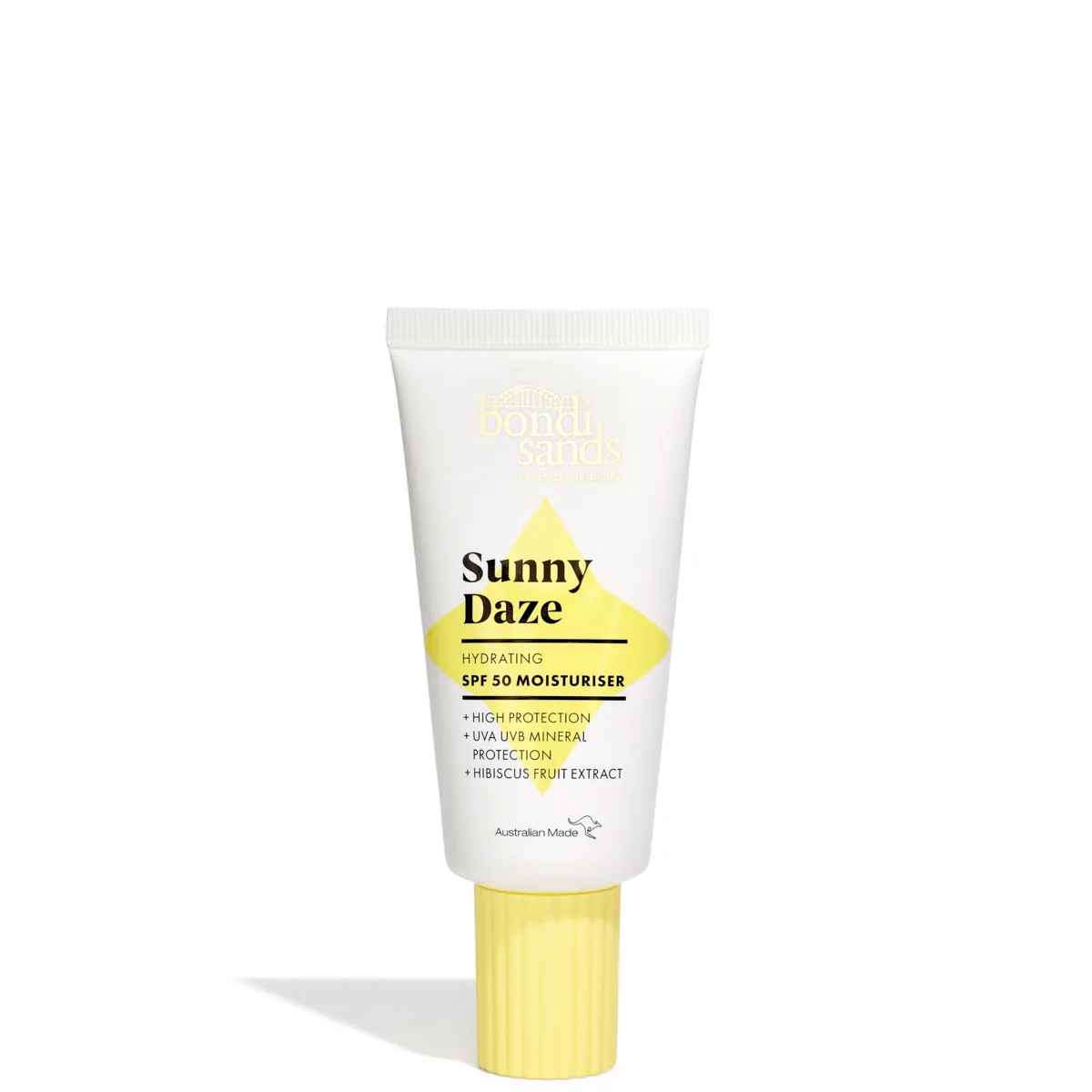
 Sunny Daze SPF 50 Moisturiser
A 25% zinc oxide mineral face moisturizer with a built-in universal tint that provides both visible-light protection and white-cast neutralization — one of the better-engineered mineral SPF moisturizers in its price tier. The single universal shade is a real limitation, but for anyone managing melasma or reactive skin, this is a surprisingly thoughtful drugstore option.
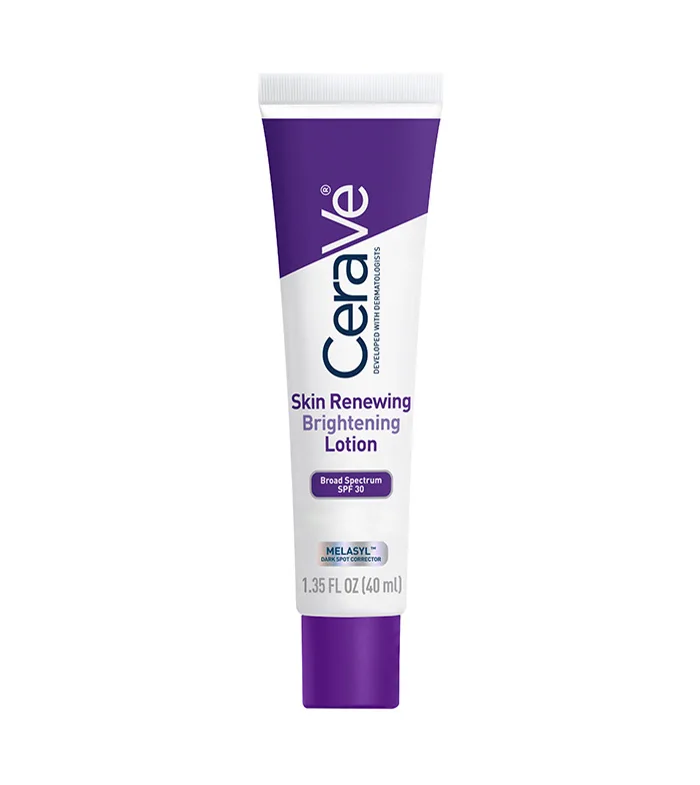 Brightening Multitasker
 Skin Renewing Brightening Lotion SPF 30
CeraVe's first product to use L'Oréal's Melasyl pigmentation molecule is also a competent SPF 30 day cream and a barrier-supporting lotion in one step. The size is small for the price, but the formula is genuinely impressive — this is CeraVe taking a real swing at the dark spot treatment category.
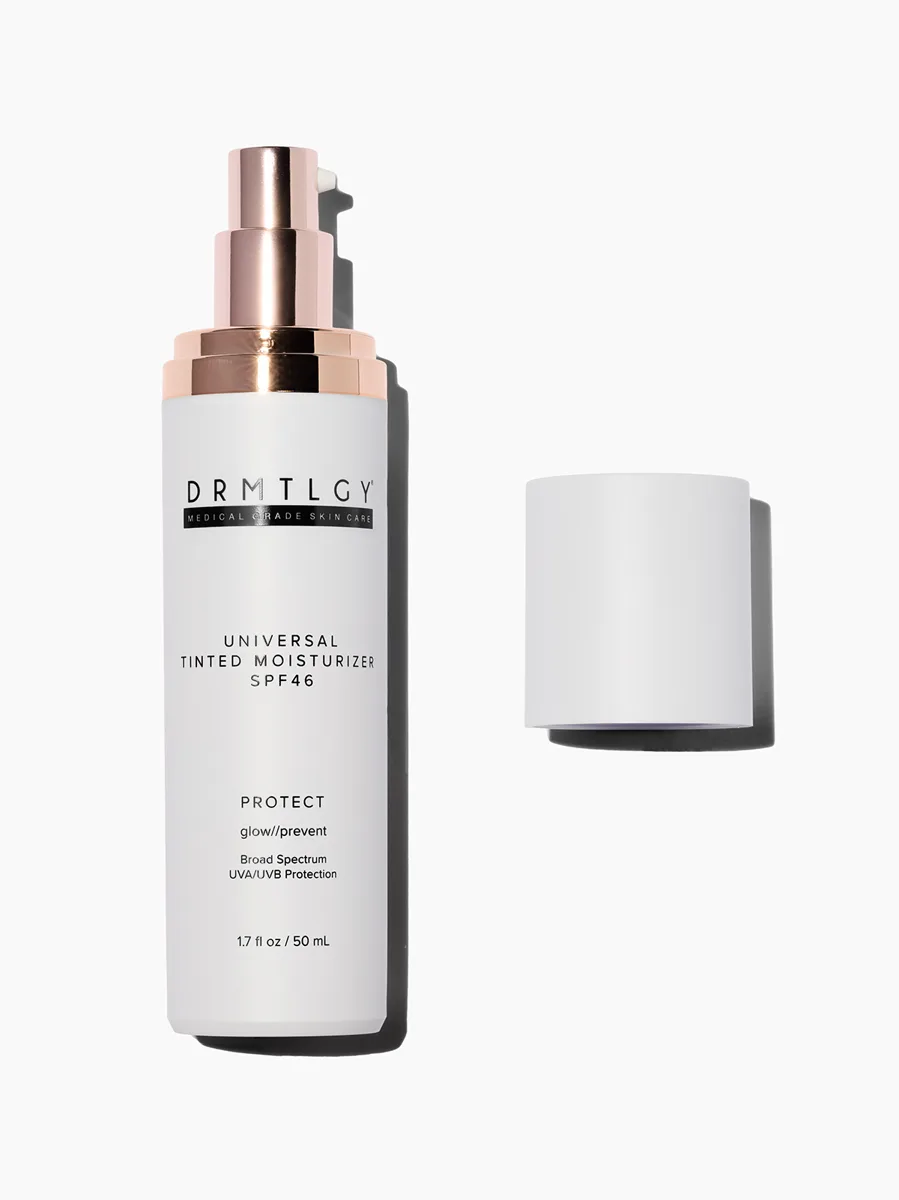 Budget Tinted SPF Pick
 Tinted Moisturizer SPF 46
One of the most-recommended tinted SPFs in dermatologist-focused online communities, and for good reason — a hybrid SPF 46 with iron oxide visible-light protection, niacinamide treatment benefits, and a universal satin tint at roughly half the price of the Elta MD product it closely resembles. The fragrance and the octinoxate are the only meaningful asks for forgiveness.
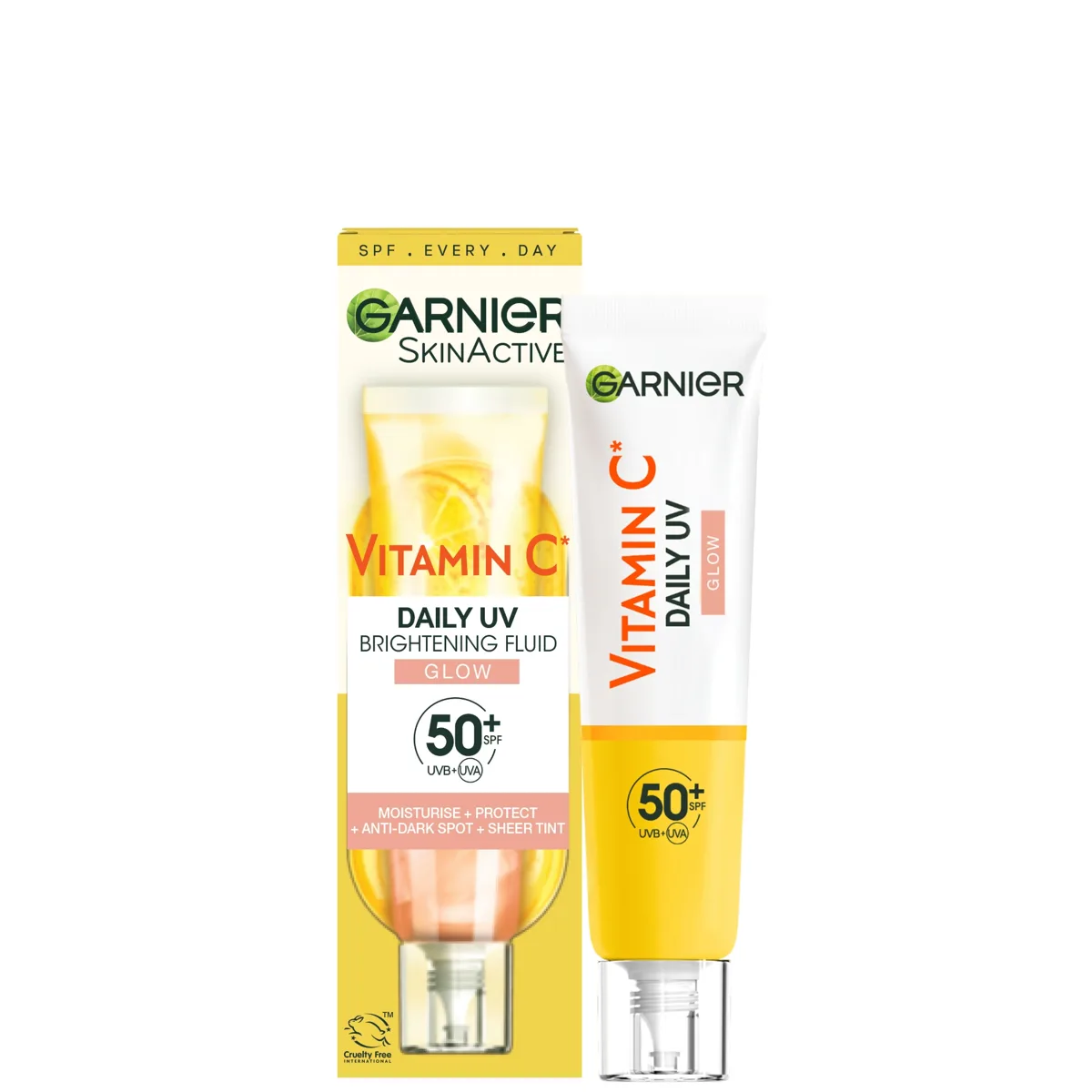 European Filter Advantage
 Vitamin C Brightening Daily UV Fluid SPF 50
A genuinely modern European drugstore sunscreen that punches well above its price point thanks to Tinosorb S and Uvinul T 150 — filters not yet available in US formulations. The light fluid texture, invisible finish, and SPF 50 rating make it an excellent daily choice for users in European markets. Fragrance and alcohol content are the main trade-offs; sensitive skin should look elsewhere.