
A pioneering invisible sunscreen that made daily SPF compliance genuinely enjoyable — zero white cast, gel-light texture, and a finish you forget about. The SPF 35 and tiny bottle were always its weaknesses, and Glossier rightly upgraded to SPF 50. A product that changed the conversation, even if the conversation has now moved past it.
Invisible Shield Daily Sunscreen SPF 35
A pioneering invisible sunscreen that made daily SPF compliance genuinely enjoyable — zero white cast, gel-light texture, and a finish you forget about. The SPF 35 and tiny bottle were always its weaknesses, and Glossier rightly upgraded to SPF 50. A product that changed the conversation, even if the conversation has now moved past it.
Score Breakdown
Where this product gains points and where it loses them — broken down across the four scoring pillars.
A genuinely elegant daily sunscreen with a zero-white-cast gel texture and thoughtful antioxidant supporting ingredients. Knocked down by its low SPF 35 (below the dermatologist-recommended SPF 50), small 1 oz size at $25, and the unnecessary inclusion of orange peel oil. Now superseded by the SPF 50 version.
Pros & Cons
- ✓Completely transparent gel formula with zero white cast on any skin tone
- ✓Microcapsule technology creates a uniquely pleasant application experience
- ✓Lightweight texture absorbs in seconds leaving a natural skin-like finish
- ✓Thoughtful antioxidant supporting ingredients including green tea and licorice root
- ✓Excellent base for makeup that doesn't pill or create greasiness for most users
- ✓Avobenzone is properly photostabilized for lasting UVA protection
- ✗SPF 35 is below the dermatologist-recommended minimum of SPF 50
- ✗1 oz bottle at $25 lasts only 2-3 weeks with proper application amounts
- ✗Contains orange peel oil — not fragrance-free despite clean positioning
- ✗Homosalate at 6% has drawn regulatory scrutiny for potential endocrine activity
- ✗Being discontinued in favor of the SPF 50 version
- ✗Not moisturizing enough for dry skin types as a standalone daytime product
Full Review
In 2017, the American sunscreen landscape was grim. Your options were broadly: thick white mineral paste that made you look like a Victorian ghost, or greasy chemical lotion that felt like you'd smeared cooking oil on your face. Japanese and Korean beauty fans had been enjoying elegant, invisible sunscreens for years, watching Americans suffer with a mixture of sympathy and bewilderment. Into this gap stepped Glossier with Invisible Shield — a clear water-gel that promised to make sunscreen feel like nothing at all.
It delivered on that promise. The texture is genuinely remarkable. It's a transparent gel that contains microcapsules — tiny spheres of biosaccharide gum-4 that burst on application, releasing a fresh, slightly cooling sensation as the formula transforms from gel to water on your skin. Within thirty seconds, it has vanished completely. No white cast. No greasiness. No residue. No sunscreen smell. On dark skin tones, where white cast from zinc-based formulas is a constant frustration, this was genuinely liberating.
The UV filter system is straightforward: avobenzone at three percent for UVA protection, homosalate at six percent and octisalate at five percent for UVB coverage. Broad-spectrum, as required by the SPF label. The avobenzone is photostabilized by bis-ethylhexyl hydroxydimethoxy benzylmalonate — a stabilizing agent that prevents the avobenzone from breaking down under UV exposure, which has historically been avobenzone's Achilles heel.
The supporting ingredient list shows thoughtfulness beyond basic sun protection. Dipotassium glycyrrhizate from licorice root provides anti-inflammatory calming that helps skin tolerate the chemical filters. Green tea extract and vitamin E add antioxidant backup — while the UV filters block most radiation, some free radicals still form, and these antioxidants help mop up what gets through. Sea buckthorn and broccoli extracts contribute additional flavonoid and antioxidant support. It's a sunscreen that thinks of itself as skincare, which in 2017 was less common than it sounds today.
The finish is practically skin-like. Neither matte nor dewy — just your skin, but protected. Under makeup, it creates a smooth, non-interfering base that most foundations sit happily on top of. The occasional pilling reports tend to come from users layering it over silicone-heavy serums, where the aqueous gel and the silicone don't always play nicely together.
But there are real limitations, and Glossier's own decision to replace this product tacitly acknowledges the biggest one: SPF 35 simply isn't enough by current dermatological standards. Board-certified dermatologists recommend SPF 50 minimum for daily use, and while the difference between 35 and 50 sounds marginal in numbers, SPF 35 allows roughly forty-five percent more UVB radiation through than SPF 50. That matters, especially for a product positioned as your everyday, all-year sunscreen.
The second issue is size. One ounce. At twenty-five dollars. If you're applying the dermatologist-recommended quarter teaspoon for your face alone — not counting neck, ears, or reapplication — that bottle lasts maybe two to three weeks. The economics are brutal. You'd need roughly eighteen to twenty-four bottles a year for proper daily use, which puts your annual sunscreen budget north of four hundred fifty dollars. From a brand that markets accessibility and low-friction beauty, the sizing always felt contradictory.
The orange peel oil is the formula's unforced error. In a product otherwise well-suited for daily wear, including a citrus essential oil that contains limonene — a known skin sensitizer and EU-listed fragrance allergen — seems like a choice made for marketing appeal over formulation purity. It gives the product a pleasant light citrus scent, but it also means this can never honestly be called fragrance-free. For a sunscreen that sensitive skin types might otherwise love, that's a real limitation.
The chemical filter system itself is another consideration. Homosalate has drawn scrutiny from environmental and health advocacy groups — the European Commission's Scientific Committee on Consumer Safety recommended a lower maximum concentration than the six percent used here, citing potential endocrine activity. The evidence at real-world usage levels remains debated, but it's worth noting for consumers who factor these considerations into their choices.
Invisible Shield SPF 35 was, for its era, a genuinely important product. It demonstrated that American brands could make elegant, invisible sunscreens and that consumers would enthusiastically adopt daily SPF when the sensory experience didn't punish them for doing the right thing. The fact that Glossier upgraded to SPF 50 in a larger format in 2024 shows the brand learned from the original's limitations while preserving what made it special.
As a historical product that's being phased out, it's hard to recommend purchasing remaining stock when the improved successor exists. But as a moment in American sunscreen culture — the product that helped a generation of skincare enthusiasts actually enjoy wearing SPF every day — Invisible Shield earned its place.
Formula
Key Ingredients
The hero actives that drive this product's performance.
| Ingredient | Function | Evidence |
|---|---|---|
| Avobenzone 3% (3%) | The formula's primary UVA filter, providing broad-spectrum protection against the UV rays most responsible for photoaging and pigmentation. Stabilized in this formula by the bis-ethylhexyl hydroxydimethoxy benzylmalonate, which prevents avobenzone from degrading on sun exposure. | well-established |
| Homosalate 6% (6%) | A UVB filter that handles the bulk of sunburn prevention in this three-filter system. Also acts as a solvent for the other UV filters, helping maintain the clear, gel-like texture that makes this sunscreen invisible on application. | well-established |
| Octisalate 5% (5%) | A UVB filter that complements homosalate and critically stabilizes the avobenzone, extending its photostability and ensuring the UVA protection lasts throughout the day rather than degrading after the first hour of exposure. | well-established |
| Dipotassium Glycyrrhizate (Licorice Root) | A licorice-derived anti-inflammatory that calms UV-induced redness and soothes skin that might otherwise react to the chemical UV filters. An intelligent supporting ingredient in a chemical sunscreen designed for daily wear. | well-established |
| Camellia Sinensis Leaf Extract (Green Tea) | Provides supplementary antioxidant protection that works alongside the UV filters — while the filters block UV radiation, the green tea polyphenols help neutralize any free radicals that slip through, adding a secondary defense layer against photoaging. | well-established |
Full INCI List
Active Ingredients: Avobenzone 3%, Homosalate 6%, Octisalate 5%. Inactive Ingredients: Water, Butyloctyl Salicylate, Dipropylene Glycol, Methyl Trimethicone, Biosaccharide Gum-4, Caprylyl Methicone, Propanediol, Bis-Ethylhexyl Hydroxydimethoxy Benzylmalonate, Betaine, Acrylates Copolymer, Ammonium Acryloyldimethyltaurate/VP Copolymer, Hydroxyacetophenone, Phenoxyethanol, Hydrolyzed Wheat Protein/PVP Crosspolymer, Dibutyl Lauroyl Glutamide, Dibutyl Ethylhexanoyl Glutamide, Citrus Aurantium Dulcis (Orange) Peel Oil, Dipotassium Glycyrrhizate, Carbomer, Tocopheryl Acetate, Aminomethyl Propanol, Butylene Glycol, Hippophae Rhamnoides Fruit Extract, Disodium EDTA, Pentylene Glycol, Aloe Barbadensis Leaf Extract, Silica, Bioflavonoids, Potassium Sorbate, Hydroxyphenyl Propamidobenzoic Acid, Brassica Oleracea Italica (Broccoli) Extract, Ethylhexylglycerin, Camellia Sinensis Leaf Extract, Ascorbyl Palmitate
Product Flags
✗ Fragrance Free✓ Alcohol Free✗ Oil Free✗ Silicone Free✓ Paraben Free✓ Sulfate Free✓ Cruelty Free✗ Vegan✗ Fungal Acne Safe
Potential Irritants
Citrus Aurantium Dulcis (Orange) Peel OilHomosalateAvobenzone
Common Allergens
Limonene (from Orange Peel Oil)Hydrolyzed Wheat Protein
Compatibility
Skin Match
Best For
Works For
Not Ideal For
Addresses These Conditions
Use With Caution
Routine Step
sunscreen
Time of Day
AM
Pregnancy Safe
Unknown
Layering Tips
Apply as the final step of your morning skincare routine, after moisturizer. Wait 1-2 minutes before applying makeup. The gel texture layers well under most foundations. Apply generously — a full finger-length for face alone — to achieve the labeled SPF protection.
Results Timeline
Immediate UV protection upon application. The invisible, non-greasy finish is apparent from first use. No long-term skincare transformation — this is a protection product. The antioxidant ingredients (green tea, vitamin E, licorice root) provide supplementary free-radical defense over time with daily use.
Pairs Well With
Lightweight moisturizersHydrating serumsVitamin C serums
Sample AM Routine
- Gentle cleanser
- Hydrating serum
- Lightweight moisturizer
- Glossier Invisible Shield Daily Sunscreen SPF 35
Sample PM Routine
- Cleansing balm
- Gentle cleanser
- Treatment serum
- Night moisturizer
Evidence
Science & Expert Perspective
The Science
The three-filter system in Invisible Shield represents a standard but effective approach to broad-spectrum chemical sun protection. Avobenzone remains the most widely used UVA filter in the United States, absorbing radiation across the 310-400 nm range with peak absorption at 357 nm. Its well-documented tendency to photodegrade — losing up to 90% of its UV-absorbing capacity after one hour of sun exposure in unstabilized formulations — is addressed here by the inclusion of bis-ethylhexyl hydroxydimethoxy benzylmalonate, a photostabilizer that donates energy to avobenzone, preventing its molecular degradation under UV exposure.
Homosalate and octisalate provide UVB coverage across the 290-320 nm range, with octisalate also functioning as an avobenzone stabilizer through energy-transfer mechanisms. The combined system provides broad-spectrum coverage, though the SPF 35 rating means approximately 2.9% of UVB radiation penetrates versus the 2% that penetrates at SPF 50.
The antioxidant supporting cast has meaningful scientific rationale. Epigallocatechin gallate (EGCG) from the camellia sinensis extract is one of the most studied photoprotective antioxidants, with research published in the Journal of the American Academy of Dermatology demonstrating that topical green tea polyphenols reduce UV-induced erythema and DNA damage even when applied after UV exposure. In a sunscreen context, these polyphenols provide a secondary defense against the reactive oxygen species generated by the UV radiation that the filters don't block completely — a complementary rather than redundant protection mechanism.
Dipotassium glycyrrhizate, derived from licorice root, inhibits prostaglandin E2 production and has anti-inflammatory activity that helps skin tolerate daily chemical filter exposure. This is a practical inclusion for a daily-wear sunscreen where cumulative mild irritation from chemical filters can lead to compliance issues over time.
Dermatologist Perspective
Dermatologists universally recommend daily sunscreen as the single most important anti-aging intervention, and cosmetically elegant formulations like Invisible Shield address the primary barrier to compliance: people simply don't like how most sunscreens feel. Board-certified dermatologists would appreciate the transparent, non-greasy formula but would note that SPF 35 falls below the recommended minimum of SPF 50. The chemical filter system is effective but not photostable to the same degree as newer-generation filters available in European and Asian formulations. Dermatologists would also flag the orange peel oil as an unnecessary irritation risk in a daily-wear product. The successor SPF 50 version addresses the most significant concern.
Guidance
Usage Guide
How to Use
Apply generously as the final step of your morning skincare routine, after moisturizer has fully absorbed. Use a full quarter teaspoon (about two finger-lengths) for face coverage — most people under-apply sunscreen, dramatically reducing effective protection. Allow 60-90 seconds for absorption before applying makeup. Reapply every two hours during direct sun exposure. For indoor days with minimal sun exposure, one morning application provides reasonable protection.
Value Assessment
At $25 per ounce — with only one ounce in the bottle — this is among the most expensive daily sunscreens on a per-application basis. Proper daily use (quarter teaspoon for face, with reapplication) means going through a bottle every two to three weeks, translating to roughly $450-650 per year on sunscreen alone. The texture and elegance are genuinely premium, but the SPF 35 rating means you're paying a luxury price for less-than-optimal protection. The SPF 50 successor at $32 in a larger format offers considerably better value and higher protection.
Who Should Buy
If you can still find remaining stock and prefer this formula, it works well for oily and combination skin types who want zero white cast and a gel-light texture. However, the SPF 50 successor is objectively a better product — consider that instead.
Who Should Skip
Anyone who needs SPF 50 protection (which is everyone, according to most dermatologists). Anyone with chemical filter sensitivity, fragrance sensitivities, or dry skin. Budget-conscious sunscreen shoppers will find far more product per dollar elsewhere.
Ready to try Glossier Invisible Shield Daily Sunscreen SPF 35?
Details
Details
Texture
Clear, lightweight water-gel that feels more like a hydrating serum than a sunscreen. Contains microcapsules that burst on application, releasing a fresh sensation. Thin, fluid consistency.
Scent
Light, sweet citrus from orange peel oil. Mild and fades within minutes. Not unscented.
Packaging
Small round plastic bottle with pump dispenser. Compact and travel-friendly, but the 1 oz size is the only option. Clean, minimal Glossier design.
Finish
satinnon-greasyinvisible
What to Expect on First Use
First application is a revelation if you're used to heavy sunscreens — the clear gel disappears completely, leaving no white cast, no greasiness, and no sunscreen smell. The microcapsule technology creates a fresh, slightly cooling burst on application. Within 30 seconds, it's as if you've applied nothing. The catch comes at the end of the month when you realize you've already used the entire bottle.
How Long It Lasts
2-3 weeks with daily face application at recommended SPF amount (1/4 teaspoon for face)
Period After Opening
12 months
Best Season
All Year
Certifications
Leaping Bunny Certified (Cruelty-Free)
Background
The Why
Invisible Shield was Glossier's first sunscreen, launched in May 2017 at a time when most American sunscreens were either thick zinc-based formulas or greasy chemical lotions. It was designed to solve the compliance problem — people skip sunscreen because they hate how it feels — by creating something that genuinely felt invisible. The product helped shift the American sunscreen conversation toward cosmetic elegance.
About Glossier Established Brand (5–20 years)
Glossier was founded in 2014 by Emily Weiss, born from the Into The Gloss beauty blog. The brand is Leaping Bunny certified for cruelty-free practices and expanded into Sephora retail in 2023. While not dermatologist-developed, products are dermatologist-tested. The Invisible Shield SPF 35 has been superseded by the SPF 50 version.
Brand founded: 2014 · Product launched: 2017
Myth vs. Reality
Myths & Misconceptions
Myth
SPF 35 provides nearly as much protection as SPF 50.
Reality
SPF 35 blocks approximately 97% of UVB rays, while SPF 50 blocks about 98%. The difference sounds small, but in terms of UV radiation transmitted, SPF 50 lets through 2% versus SPF 35's roughly 2.9% — meaning SPF 35 allows about 45% more UVB through. For daily wear, this difference matters, which is why dermatologists recommend SPF 50 and why Glossier eventually upgraded to SPF 50.
Myth
If a sunscreen feels invisible, it must not be working.
Reality
UV protection comes from the chemical filters dissolved in the formula, not from the thickness or visibility of the product on skin. Avobenzone, homosalate, and octisalate provide broad-spectrum protection regardless of whether you can see or feel the sunscreen after application. The key is applying enough — a full quarter teaspoon for the face.
FAQ
Frequently Asked Questions
Is the Glossier Invisible Shield SPF 35 discontinued?
Yes, effectively. Glossier has replaced the SPF 35 version with the Invisible Shield SPF 50, which offers higher protection in a larger tube format at $32. The SPF 35 may still be available through some retailers while stock lasts, but it is no longer being restocked by Glossier.
Does Glossier Invisible Shield leave a white cast?
No — this is a 100% chemical sunscreen with a completely transparent gel formula. It leaves zero white cast on any skin tone, making it particularly well-suited for darker skin tones that are often underserved by mineral sunscreens. The formula is literally invisible once absorbed.
Is SPF 35 enough for daily sun protection?
Board-certified dermatologists recommend SPF 50 for daily use, and SPF 35 allows approximately 45% more UVB radiation through than SPF 50. For casual daily exposure (commuting, brief outdoor time), SPF 35 provides reasonable protection. For extended sun exposure, the upgraded SPF 50 version or a higher-SPF alternative is strongly recommended.
Can I wear the Glossier Invisible Shield under makeup?
Yes — its lightweight gel texture is specifically designed to layer under makeup without pilling or creating a greasy base. Wait about 60-90 seconds after application before applying primer or foundation. Some users report occasional pilling when layered over silicone-heavy serums, so test your specific routine.
Is the Glossier Invisible Shield fragrance-free?
No. Despite its clean, minimal marketing, the formula contains Citrus Aurantium Dulcis (Orange) Peel Oil, which provides a light citrus scent and contains limonene, an EU-listed fragrance allergen. If you need truly fragrance-free sun protection, this isn't the right choice.
Community
Community Voices
Common Praise
"Completely invisible on all skin tones with zero white cast"
"Lightweight gel texture feels nothing like traditional sunscreen"
"Layers beautifully under makeup without pilling for most users"
"Ideal for oily and combination skin — no greasiness"
"Absorbs quickly leaving a natural skin-like finish"
"Pleasant light citrus scent that fades fast"
Common Complaints
"1 oz bottle at $25 is expensive and runs out quickly with proper application"
"SPF 35 is below dermatologist-recommended SPF 50 minimum"
"Some users experience pilling when layered over certain serums"
"Slight tackiness in humid conditions"
"Contains orange peel oil — not truly fragrance-free"
"Chemical UV filters may not suit sensitive skin types"
"Product is being discontinued in favor of SPF 50 version"
Appears In
best invisible sunscreen best sunscreen for oily skin best sunscreen no white cast best gel sunscreen
Related Conditions
sun damage aging oiliness hyperpigmentation
Related Ingredients
You Might Also Like
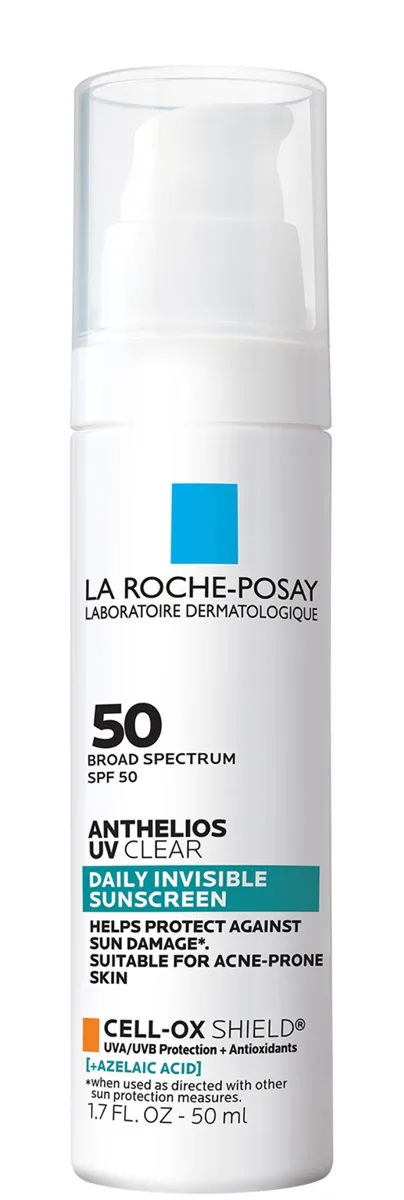 Derm Office Staple
 Anthelios UV Clear Sunscreen SPF 50
One of the only US chemical sunscreens that genuinely earns its 'for sensitive and breakout-prone skin' positioning. A photostable Anthelios filter system paired with a legitimate azelaic acid dose in a lightweight serum-fluid that disappears on every skin tone. Excellent for rosacea, acne, and post-inflammatory hyperpigmentation — and probably the single best daily sunscreen in the La Roche-Posay US lineup for those conditions.
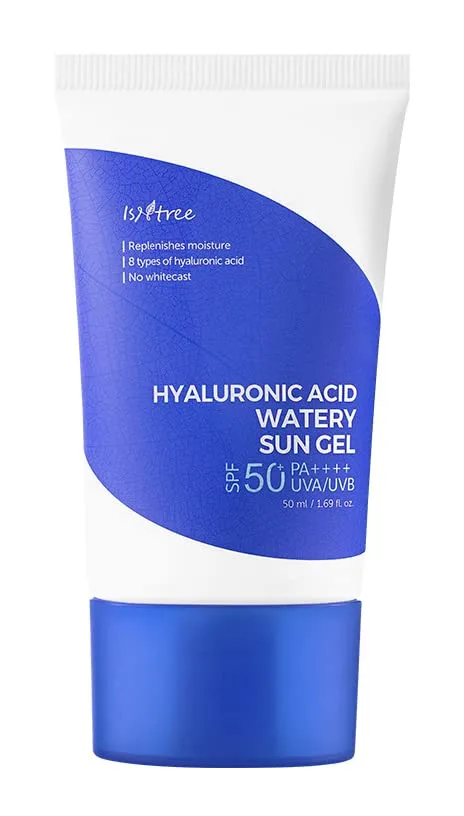 K-Beauty Daily SPF Standout
 Hyaluronic Acid Watery Sun Gel SPF 50+
One of the strongest everyday K-beauty sunscreens in the international market — modern European filters, no white cast, fragrance-free, niacinamide-boosted, and built around the brand's signature six-weight HA complex. At twenty-two dollars for 50ml, it's a case study in how much better a daily sunscreen can be when the formulator cares about both protection and wearability.
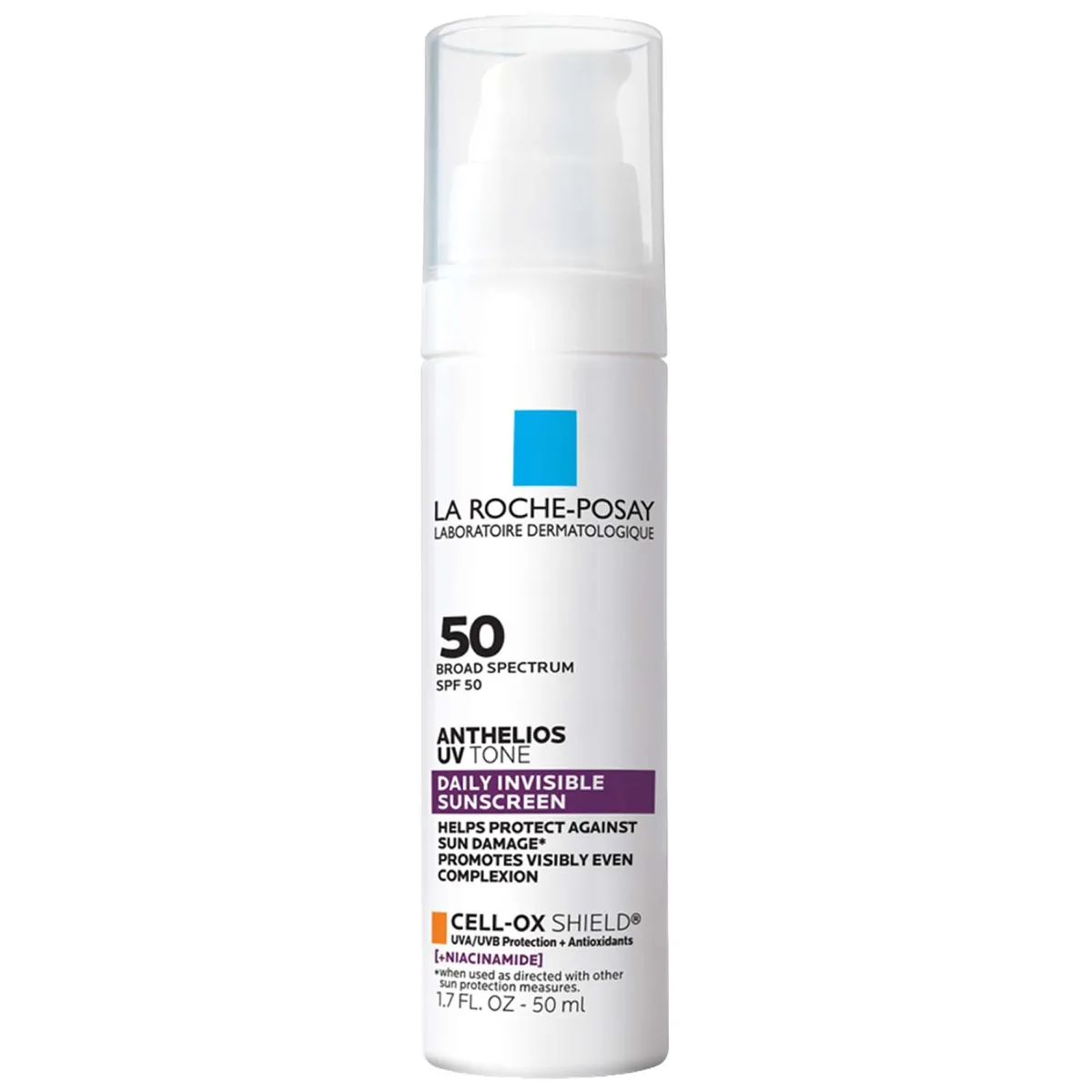 Derm Office Staple
 Anthelios UV Tone Daily Invisible Sunscreen SPF 50
La Roche-Posay's most thoughtful answer yet for hyperpigmentation-prone skin that needs daily SPF. A photostable avobenzone system reinforced with Oxynex ST, paired with a meaningful dose of niacinamide, in a serum-fluid base that goes on invisible on every skin tone. Expensive for 1.7 oz but legitimately well-built — and a rare chemical sunscreen that earns its 'for dark spots' marketing.
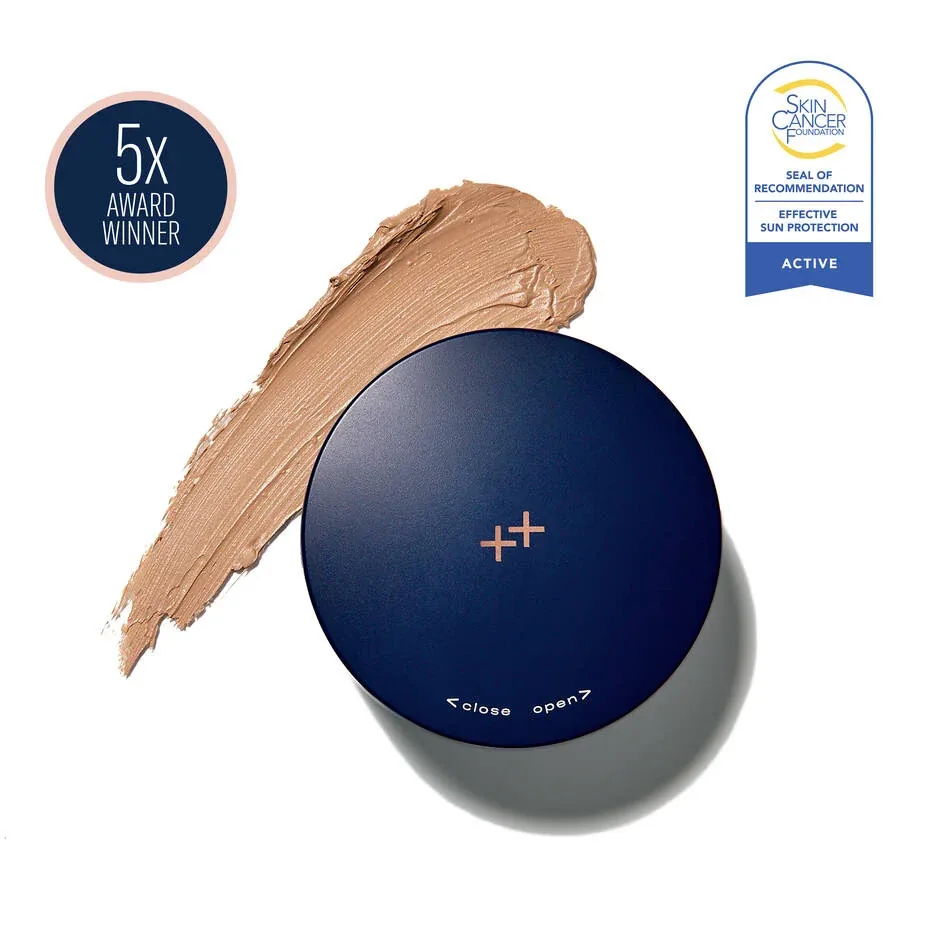 Melasma-Grade Mineral Sunscreen
 sunbetter TONE SMART SPF 68
One of the most clinically useful tinted mineral sunscreens in the professional category. SPF 68 from a 100% mineral formula, iron oxide tint that blocks visible light for melasma protection, and an unusually lightweight texture that doesn't feel like you're wearing high-concentration zinc. For patients with melasma or post-inflammatory hyperpigmentation, this is the category benchmark — and it's earned its Allure Best of Beauty wins.
 K-Beauty Cult Favorite
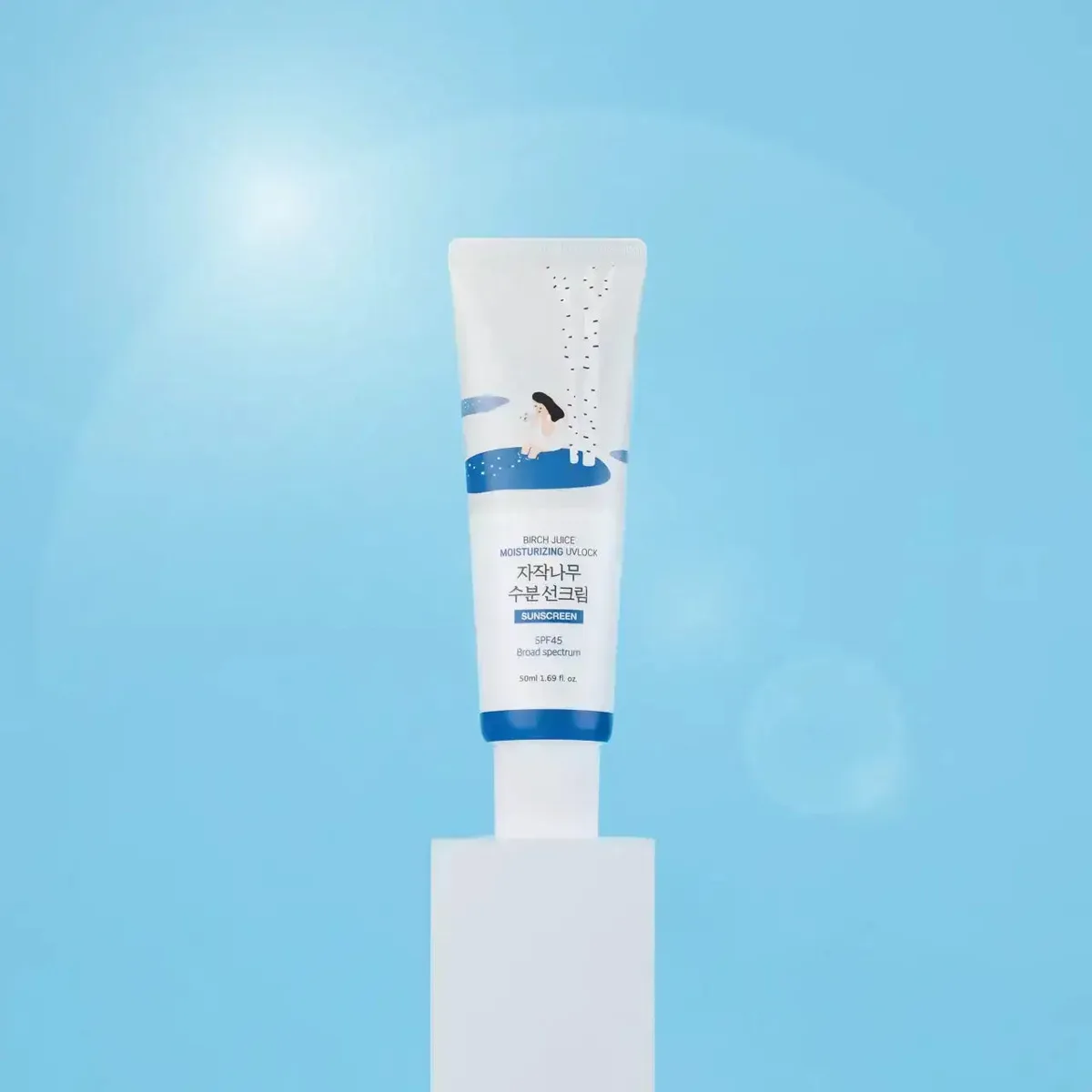
 Birch Juice Moisturizing Sun Cream SPF 50+
One of the best hybrid sunscreens in K-beauty right now — a 70% birch sap base, modern UVA filters you can't get in the US, and a finish that wears like a lightweight moisturizer. Broadly compatible, well-priced, and genuinely pleasant to apply, with minor tradeoffs for oily and fungal-acne-prone users.
 The K-Beauty Sunscreen That Changed Everything
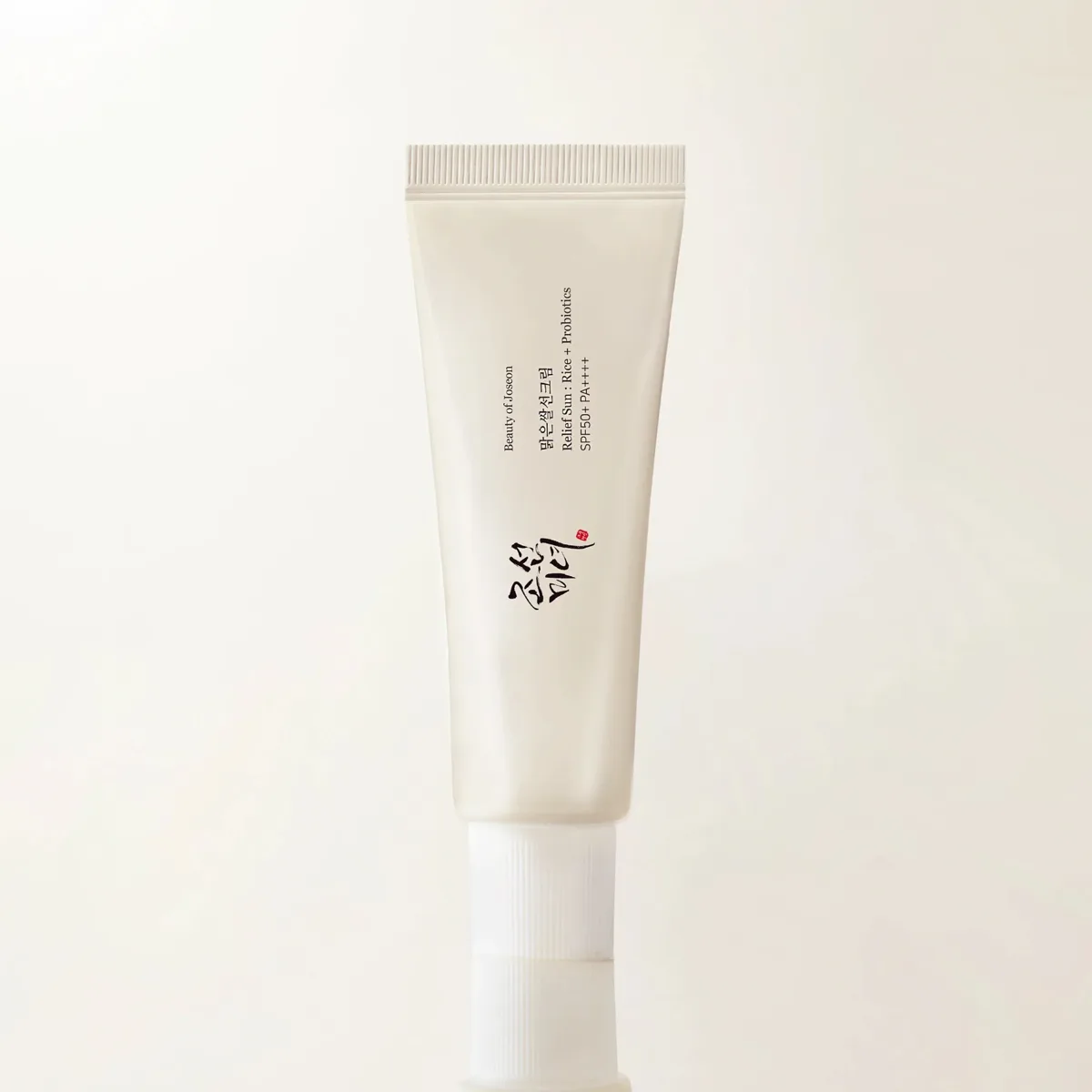
 Relief Sun: Rice + Probiotics SPF 50+
The sunscreen that rewrote the rules for what a $14 product could deliver. With independently verified SPF 50+, 30% rice extract, niacinamide, and a probiotic ferment complex, it offers protection and skincare benefits that rival products three times its price. The texture that feels like wearing nothing on your face is the reason it went viral — and stayed there.