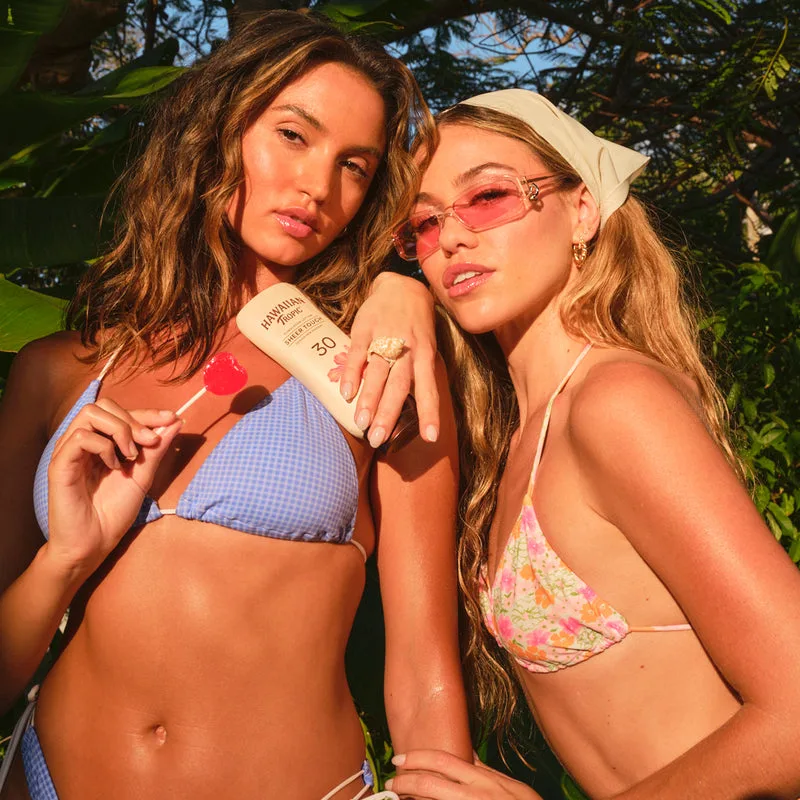
A solid everyday sunscreen that does what it promises at a price that makes daily reapplication financially painless. The oxybenzone-free formula delivers reliable SPF 30 protection with Hawaiian Tropic's signature tropical vibe, though the fragrance and older-generation chemical filters will not win over the sensitive-skin or cosmetically elegant SPF crowd.
Everyday Active Lotion SPF 30
A solid everyday sunscreen that does what it promises at a price that makes daily reapplication financially painless. The oxybenzone-free formula delivers reliable SPF 30 protection with Hawaiian Tropic's signature tropical vibe, though the fragrance and older-generation chemical filters will not win over the sensitive-skin or cosmetically elegant SPF crowd.
Score Breakdown
Where this product gains points and where it loses them — broken down across the four scoring pillars.
An affordable, well-performing everyday chemical sunscreen with solid broad-spectrum coverage and water resistance. The oxybenzone-free reformulation is welcome, but the older-generation UV filter system and added fragrance keep it from top-tier status compared to modern photostable formulations.
Pros & Cons
- ✓Oxybenzone-free reformulation addresses reef-safety and exposure concerns
- ✓SPF 30 broad-spectrum provides excellent everyday UVA/UVB protection
- ✓80-minute water and sweat resistance ideal for active outdoor use
- ✓Excellent value at under $9 for 8 ounces of sunscreen
- ✓Tropical botanical blend adds genuine moisturizing and antioxidant benefits
- ✓Minimal white cast thanks to chemical (not mineral) UV filters
- ✓Pleasant tropical fragrance makes daily sunscreen application enjoyable
- ✗Fragrance limits suitability for sensitive or fragrance-reactive skin
- ✗Older-generation US-approved UV filters lag behind European/Asian options
- ✗Can feel slightly tacky in high humidity conditions
- ✗May pill when layered under makeup or other facial products
- ✗Not ideal as a dedicated facial sunscreen for cosmetically demanding users
Full Review
Hawaiian Tropic has a complicated relationship with dermatology. For much of its existence, the brand was essentially in the business of making sun damage smell like coconut. Founded in 1969 by Ron Rice — who famously mixed his first batch of tanning oil in a garbage can — Hawaiian Tropic became synonymous with the deeply bronzed beach culture of the seventies and eighties. When the connection between UV exposure and skin cancer became impossible to ignore, the brand had to pivot. The Everyday Active line is the most visible evidence of that pivot: a water-resistant, broad-spectrum sport sunscreen designed for people who actually want protection, not just fragrance.
The UV filter system uses three chemical actives. Avobenzone at 2.2% handles UVA protection — the longer-wavelength radiation that penetrates deeper into skin, causing photoaging, collagen degradation, and contributing to melanoma risk. Homosalate at 7% provides the primary UVB shield, preventing sunburn. Octocrylene at 4.2% pulls double duty as both a UVB absorber and a photostabilizer for avobenzone. This last role is crucial: avobenzone is notorious for degrading under the very UV light it is supposed to absorb, and without octocrylene holding it together, the UVA protection would diminish significantly within the first hour of sun exposure.
This three-filter combination represents the standard American approach to broad-spectrum SPF 30 protection. It is effective, well-understood, and has decades of real-world data supporting its safety and efficacy. It is also, by modern global sunscreen standards, somewhat behind the times. European and Asian sunscreens have access to newer-generation UV filters like Tinosorb S and Tinosorb M that offer broader protection with better photostability. American consumers are stuck with an FDA approval framework that has not cleared a new UV filter since 1999, which means formulas like this one are doing the best they can with the ingredients they are allowed to use.
Critically, this formula removed oxybenzone — the chemical filter that drew the most consumer concern over the past decade, both for its environmental impact on coral reefs and its documented ability to absorb through skin into the bloodstream. Whether the health concern is warranted at realistic exposure levels remains debated in the dermatological community, but the reformulation reflects a reasonable response to consumer preference and the precautionary principle.
The moisturizing and botanical components elevate this above a pure-utility sunscreen. Mango seed butter provides genuine emollient richness and antioxidant support. Papaya, passionfruit, plumeria, and guava extracts contribute primarily to the sensory experience — they make this sunscreen smell and feel like a product you would actually enjoy applying. Panthenol and glycerin add conditioning and hydration. Dimethicone provides a smooth application feel and helps the UV filter film distribute evenly.
On the skin, the texture is a conventional white lotion that spreads with good slip and absorbs within two to three minutes. There is minimal white cast — the chemical filters absorb UV rather than reflecting it, so the white-cast issue that plagues mineral sunscreens is absent here. The finish is semi-matte and non-sticky once set, though in high humidity, some users report a slight tackiness.
The tropical fragrance is unmistakably Hawaiian Tropic. It is pleasantly coconut-forward with fruity floral notes — the kind of scent that triggers beach nostalgia. For some people, this is the entire point: wearing Hawaiian Tropic is a sensory ritual, not just a health measure. For others — particularly those with fragrance sensitivities or anyone who needs to apply sunscreen under other products — the fragrance is a limitation. It is present and persistent enough that you will smell it for at least thirty minutes after application.
Water and sweat resistance is rated at 80 minutes, which is the maximum claim allowed under FDA testing guidelines. In practice, heavy swimming or toweling will reduce this. Reapplication after water exposure is non-negotiable.
The 8-ounce bottle provides excellent value at roughly nine dollars. If you are applying the recommended amount for full-body coverage (about one ounce per application), the bottle lasts approximately eight applications — which, for a beach weekend, means you will go through it quickly. For daily commuter use on exposed skin, it lasts significantly longer. Larger 10.8-ounce bottles are also available.
As a daily sunscreen for someone who is not fussy about cosmetic elegance, this works perfectly well. As a beach, pool, or outdoor activity sunscreen, the water resistance and large format make it practical. As a facial sunscreen for someone who wears makeup or prefers a weightless, fragrance-free finish, there are better options. Hawaiian Tropic knows its audience — this is for people who want protection they can feel good about wearing, with a scent that makes the protection feel less like medicine and more like a mini-vacation.
Formula
Key Ingredients
The hero actives that drive this product's performance.
| Ingredient | Function | Evidence |
|---|---|---|
| Avobenzone (2.2%) (2.2%) | The primary UVA filter in this formula, absorbing long-wave UVA radiation that causes photoaging and contributes to skin cancer risk. Avobenzone is stabilized in this formula by octocrylene, which prevents the photoinstability that can otherwise cause avobenzone to degrade under sun exposure. | well-established |
| Homosalate (7%) (7%) | A UVB filter that absorbs medium-wave UV radiation responsible for sunburn. At 7%, it is the highest-concentration active in this formula, providing the primary sunburn protection. Homosalate also acts as a solvent for other UV filters, helping maintain a stable, uniform film on the skin. | well-established |
| Octocrylene (4.2%) (4.2%) | Serves a dual role as both a UVB absorber and a photostabilizer for avobenzone. Without octocrylene's stabilizing effect, avobenzone would degrade rapidly under UV exposure, losing its UVA protection capacity. This synergy between the two filters is what makes the broad-spectrum claim possible. | well-established |
| Panthenol (Vitamin B5) | A skin-conditioning ingredient that provides moisture and supports barrier repair alongside sun protection. In a sport sunscreen designed for extended outdoor wear, panthenol helps counteract the drying effect that chemical UV filters and environmental exposure can have on skin throughout the day. | well-established |
| Mangifera Indica (Mango) Seed Butter | A rich emollient that contributes to the lotion's moisturizing properties while providing antioxidant support. Mango seed butter is high in oleic and stearic acids, helping the sunscreen film feel nourishing rather than purely protective. It also contributes to the tropical botanical identity that defines Hawaiian Tropic products. | promising |
Full INCI List
Active Ingredients: Avobenzone 2.2%, Homosalate 7%, Octocrylene 4.2%. Inactive Ingredients: Water, Diisopropyl Adipate, Cetearyl Alcohol, Glycerin, Phenoxyethanol, Benzyl Alcohol, Acrylates/C12-22 Alkyl Methacrylate Copolymer, Fragrance, C12-15 Alkyl Benzoate, Acrylates/C10-30 Alkyl Acrylate Crosspolymer, Ceteth-10 Phosphate, Dicetyl Phosphate, Coco-Glucoside, Chlorphenesin, Dimethicone, Xanthan Gum, Sodium Hydroxide, Disodium EDTA, Tocopheryl Acetate, Mangifera Indica (Mango) Seed Butter, Carica Papaya (Papaya) Fruit Extract, Mangifera Indica (Mango) Fruit Extract, Passiflora Incarnata Fruit Extract, Plumeria Acutifolia Flower Extract, Psidium Guajava Fruit Extract, Panthenol
Product Flags
✗ Fragrance Free✗ Alcohol Free✓ Oil Free✗ Silicone Free✓ Paraben Free✓ Sulfate Free✓ Cruelty Free✓ Vegan✗ Fungal Acne Safe
Potential Irritants
FragranceBenzyl Alcohol
Common Allergens
Fragrance
Compatibility
Skin Match
Best For
Works For
Not Ideal For
Addresses These Conditions
Use With Caution
Avoid With
Routine Step
sunscreen
Time of Day
AM
Pregnancy Safe
Yes ✓
Layering Tips
Apply as the final step of your skincare routine, 15 minutes before sun exposure. For face use, apply over moisturizer and any serums. For body use, apply generously to all exposed skin. Reapply every 2 hours or immediately after swimming or towel-drying.
Results Timeline
Immediate broad-spectrum UV protection upon application. Water and sweat resistance active for up to 80 minutes. No long-term skin improvement expected — this is a protective product, not a treatment.
Pairs Well With
Lightweight moisturizer underneathAfter-sun aloe gel (post-exposure)Antioxidant serum (underneath)
Sample AM Routine
- Cleanser
- Moisturizer
- THIS PRODUCT (face and body)
Sample PM Routine
- Double cleanse to remove sunscreen
- Treatment products
- Night moisturizer
Evidence
Who Should Skip
- Fragrance limits suitability for sensitive or fragrance-reactive skin
- Older-generation US-approved UV filters lag behind European/Asian options
- Can feel slightly tacky in high humidity conditions
- May pill when layered under makeup or other facial products
Science & Expert Perspective
The Science
The UV filter system in this formula represents a well-characterized approach to broad-spectrum protection. Avobenzone (butyl methoxydibenzoylmethane) absorbs across the UVA spectrum with peak absorption around 360 nm — the UVA-I range most associated with dermal photoaging and melanoma risk. Avobenzone's primary limitation is its photolability: it degrades under UV exposure unless stabilized. Octocrylene serves as the photostabilizer, absorbing the excited-state energy from avobenzone before it can degrade, a mechanism documented extensively in the Journal of the American Academy of Dermatology.
Homosalate absorbs in the UVB range (290-315 nm), preventing the erythema (sunburn) that drives the SPF rating. At 7%, it is within the FDA-permitted maximum of 15% and provides effective UVB attenuation.
The octocrylene-avobenzone photostabilization system has been studied in multiple published works. A paper in Photochemistry and Photobiology (2009) confirmed that octocrylene significantly extends avobenzone's UVA protective capacity over multiple hours of UV exposure, maintaining the broad-spectrum designation throughout typical outdoor exposure durations.
Notably, this formula omits oxybenzone (benzophenone-3), which a 2020 FDA study published in JAMA found was absorbed into the bloodstream at levels exceeding the FDA's recommended threshold for waived safety testing. While the clinical significance of systemic absorption remains uncertain, the omission aligns with the precautionary approach increasingly favored by consumers and some regulatory bodies.
Dermatologist Perspective
Board-certified dermatologists broadly recommend any broad-spectrum SPF 30+ sunscreen applied consistently and in adequate quantity. From a dermatological perspective, this product meets the core requirements: broad-spectrum designation, adequate SPF, and water resistance for outdoor activity. Dermatologists would note that the three-filter chemical system is well-established and effective for the general population. However, dermatologists treating patients with rosacea, photodermatoses, or chemical sunscreen sensitivities would recommend mineral alternatives. The fragrance, while pleasant, is an unnecessary addition from a dermatological standpoint — all fragrance compounds carry some sensitization risk, and dermatologists generally prefer fragrance-free sun protection.
Guidance
Usage Guide
How to Use
Apply generously to all exposed skin 15 minutes before sun exposure. Use approximately one ounce (a full shot glass) for full-body coverage. For face and neck, use a nickel-sized amount. Reapply every 2 hours, or immediately after swimming, sweating, or towel-drying. For best results, apply to dry skin and allow 2-3 minutes to absorb before water exposure. Remember commonly missed areas: ears, back of neck, tops of feet, and the part in your hair.
Value Assessment
At approximately $8.97 for 8 fluid ounces, this is one of the best values in the sunscreen market. The cost per ounce ($1.12) is significantly lower than most facial sunscreens and competitive with other mass-market body sunscreens. The larger 10.8 oz option offers even better per-ounce value. For families or individuals who need to apply sunscreen frequently — beach days, outdoor sports, daily commutes — the low price makes proper application quantity and frequent reapplication financially realistic. Hawaiian Tropic's legacy brand positioning and Edgewell's manufacturing scale keep the price accessible without compromising on UV filter concentrations or water resistance.
Who Should Buy
Anyone looking for an affordable, reliable everyday sunscreen for outdoor activities, beach days, or daily wear. Ideal for families who need to protect multiple people without spending a premium. Great for those who enjoy the tropical scent as a motivator for consistent sunscreen use. Particularly suited to sport and water activities with the 80-minute water resistance rating.
Who Should Skip
Those with fragrance sensitivities or sensitive/rosacea-prone skin should opt for fragrance-free alternatives. People seeking a cosmetically elegant facial sunscreen for under-makeup wear will find this too heavy and fragrant. Anyone who specifically wants mineral (zinc oxide/titanium dioxide) sun protection for reef-safety or chemical-free preference should look elsewhere. Not recommended for babies or very young children.
Ready to try Hawaiian Tropic Everyday Active Lotion SPF 30?
Details
Details
Texture
Lightweight white lotion that absorbs into a semi-matte finish with minimal white cast
Scent
Classic Hawaiian Tropic tropical fragrance — coconut, plumeria, and fruit notes
Packaging
Squeezable plastic bottle (8 fl oz) with flip-top cap. Large format suitable for body application. Also available in 10.8 fl oz.
Finish
lightweightnon-greasysatin
What to Expect on First Use
Spreads easily with good slip. The tropical scent is noticeable but not overwhelming. Absorbs within 2-3 minutes into a comfortable, non-sticky finish. The formula does not feel heavy or occlusive on skin.
How Long It Lasts
2-4 weeks with daily full-body application; longer if used on face only
Period After Opening
12 months
Best Season
spring summer
Certifications
Oxybenzone-freeCruelty-freeVegan
Background
The Why
Hawaiian Tropic was born in 1969 when Ron Rice started mixing coconut oil and cocoa butter suntan lotion in a garbage can in his garage in Daytona Beach. The brand defined the tanning oil era — which, in hindsight, was not dermatology's finest hour. The Everyday Active line represents Hawaiian Tropic's evolution toward serious sun protection while retaining the tropical sensory experience that made the brand iconic. The oxybenzone-free reformulation reflects growing consumer awareness of both reef safety and personal chemical exposure concerns.
About Hawaiian Tropic Legacy Brand (20+ years)
Hawaiian Tropic was founded in 1969 by Ron Rice in Daytona Beach, Florida. Now owned by Edgewell Personal Care, the brand has over five decades of sunscreen formulation experience. While originally known for tanning oils, the brand has evolved toward broad-spectrum sun protection with modern UV filter systems.
Brand founded: 1969 · Product launched: 2019
Myth vs. Reality
Myths & Misconceptions
Myth
Chemical sunscreens are dangerous because they absorb into the bloodstream
Reality
FDA studies have detected chemical sunscreen ingredients in blood, but at levels far below known toxicity thresholds. The dermatological consensus remains that the proven harm of UV exposure significantly outweighs the theoretical risk of sunscreen ingredient absorption. This formula specifically removed oxybenzone, the most scrutinized chemical filter.
Myth
SPF 30 is only half as protective as SPF 60
Reality
SPF 30 blocks approximately 97% of UVB rays, while SPF 60 blocks about 98.3%. The difference is marginal. What matters more is proper application amount (a full shot glass for the body) and reapplication every 2 hours. SPF 30 applied correctly offers excellent protection.
FAQ
Frequently Asked Questions
Is Hawaiian Tropic Everyday Active SPF 30 reef-safe?
This formula is oxybenzone-free, which addresses one of the primary reef-toxicity concerns. However, it contains octocrylene and homosalate, which some environmental organizations also flag. It does not carry an official reef-safe certification. For maximum reef safety, mineral sunscreens with zinc oxide or titanium dioxide are preferred.
How long is Hawaiian Tropic Everyday Active SPF 30 water-resistant?
The formula provides up to 80 minutes of water and sweat resistance per FDA testing standards. After 80 minutes of water exposure, swimming, or heavy sweating, you should reapply immediately. On dry land, reapply every 2 hours regardless.
Can I use Hawaiian Tropic Everyday Active SPF 30 on my face?
Yes, though it's primarily formulated as a body sunscreen. The lotion formula works on the face but the fragrance and heavier texture may not suit those who prefer lightweight, cosmetically elegant facial sunscreens. For daily facial use, a dedicated face SPF may be more comfortable under makeup.
Does Hawaiian Tropic Everyday Active SPF 30 contain oxybenzone?
No, this formula was specifically reformulated to be oxybenzone-free. The UV filter system uses avobenzone (UVA protection), homosalate (UVB), and octocrylene (UVB + photostabilizer) instead.
How much Hawaiian Tropic sunscreen should I apply?
For full-body coverage, use approximately one ounce (a shot glass full). For the face and neck alone, use about a nickel-sized amount. Most people under-apply sunscreen by 50-75%, which dramatically reduces the actual protection received. The 8 fl oz bottle should last about 8 full-body applications.
Community
Community Voices
Common Praise
"Pleasant tropical scent that feels like vacation"
"Non-greasy formula absorbs well"
"Excellent value per ounce compared to premium sunscreens"
"Water and sweat resistant for active use"
"Doesn't sting eyes during sweating"
Common Complaints
"Fragrance may bother those who prefer unscented sunscreen"
"Can pill under makeup or other products"
"Some users report it feels heavy in humid weather"
"Chemical filters may irritate very sensitive skin"
Notable Endorsements
Widely available at all major US retailersDermatologist testedOxybenzone-free reformulation
Appears In
best drugstore sunscreen best sunscreen for the beach best sport sunscreen spf 30 best affordable sunscreen
Related Conditions
Related Ingredients
You Might Also Like
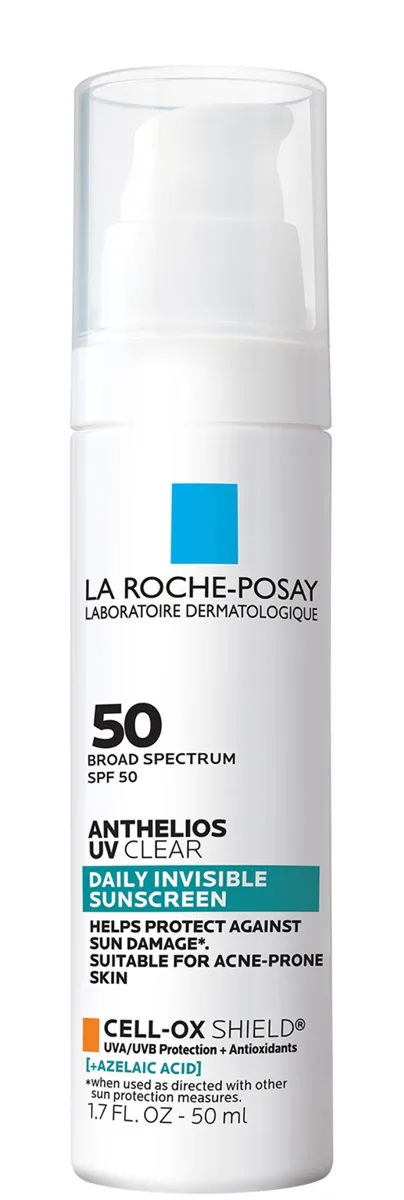 Derm Office Staple
 Anthelios UV Clear Sunscreen SPF 50
One of the only US chemical sunscreens that genuinely earns its 'for sensitive and breakout-prone skin' positioning. A photostable Anthelios filter system paired with a legitimate azelaic acid dose in a lightweight serum-fluid that disappears on every skin tone. Excellent for rosacea, acne, and post-inflammatory hyperpigmentation — and probably the single best daily sunscreen in the La Roche-Posay US lineup for those conditions.
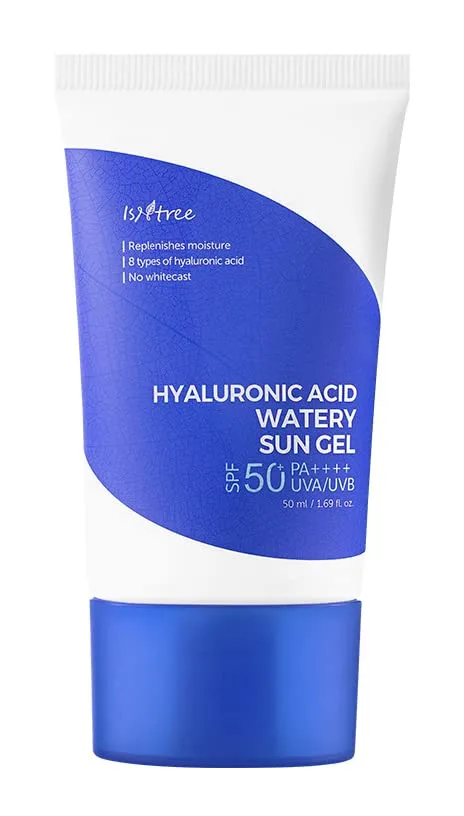 K-Beauty Daily SPF Standout
 Hyaluronic Acid Watery Sun Gel SPF 50+
One of the strongest everyday K-beauty sunscreens in the international market — modern European filters, no white cast, fragrance-free, niacinamide-boosted, and built around the brand's signature six-weight HA complex. At twenty-two dollars for 50ml, it's a case study in how much better a daily sunscreen can be when the formulator cares about both protection and wearability.
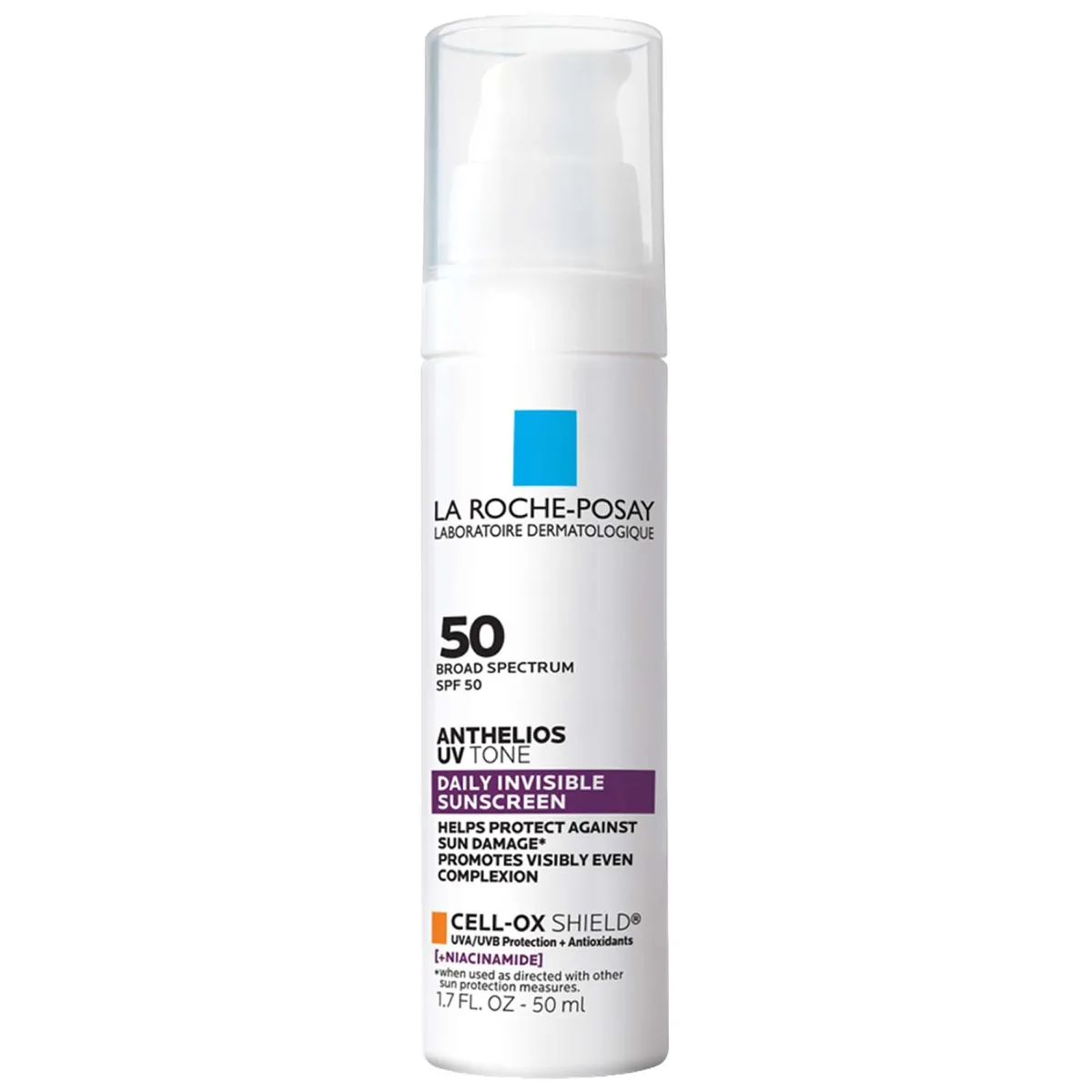 Derm Office Staple
 Anthelios UV Tone Daily Invisible Sunscreen SPF 50
La Roche-Posay's most thoughtful answer yet for hyperpigmentation-prone skin that needs daily SPF. A photostable avobenzone system reinforced with Oxynex ST, paired with a meaningful dose of niacinamide, in a serum-fluid base that goes on invisible on every skin tone. Expensive for 1.7 oz but legitimately well-built — and a rare chemical sunscreen that earns its 'for dark spots' marketing.
 Melasma-Grade Mineral Sunscreen
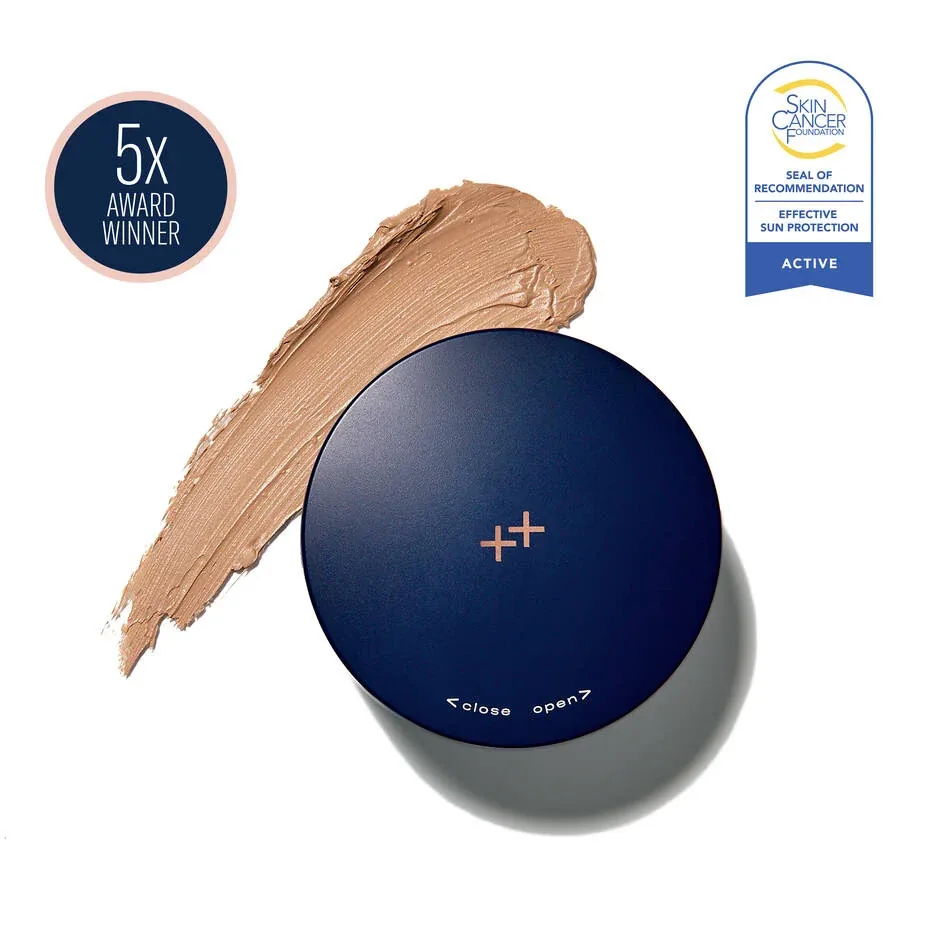
 sunbetter TONE SMART SPF 68
One of the most clinically useful tinted mineral sunscreens in the professional category. SPF 68 from a 100% mineral formula, iron oxide tint that blocks visible light for melasma protection, and an unusually lightweight texture that doesn't feel like you're wearing high-concentration zinc. For patients with melasma or post-inflammatory hyperpigmentation, this is the category benchmark — and it's earned its Allure Best of Beauty wins.
 K-Beauty Cult Favorite
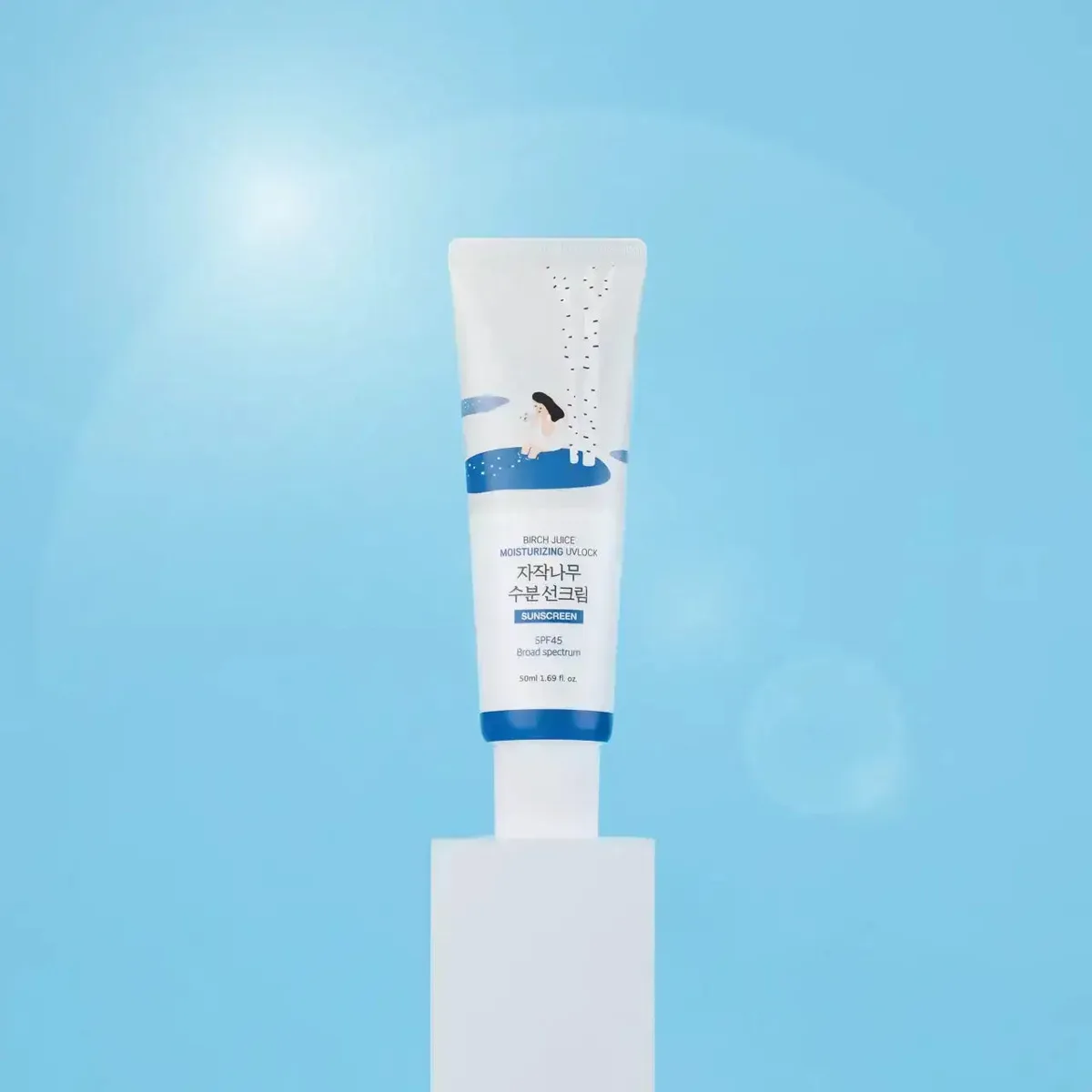
 Birch Juice Moisturizing Sun Cream SPF 50+
One of the best hybrid sunscreens in K-beauty right now — a 70% birch sap base, modern UVA filters you can't get in the US, and a finish that wears like a lightweight moisturizer. Broadly compatible, well-priced, and genuinely pleasant to apply, with minor tradeoffs for oily and fungal-acne-prone users.
 The K-Beauty Sunscreen That Changed Everything
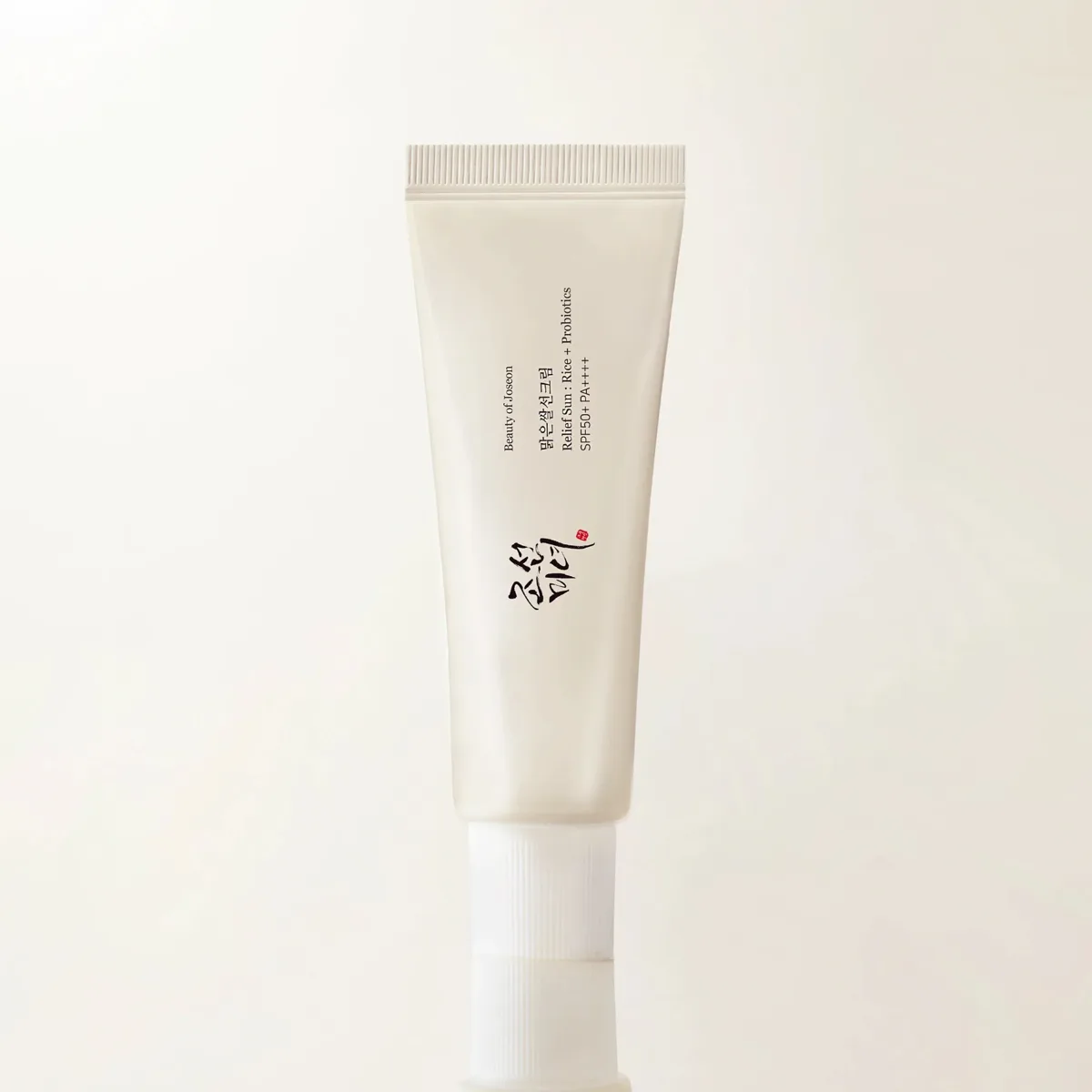
 Relief Sun: Rice + Probiotics SPF 50+
The sunscreen that rewrote the rules for what a $14 product could deliver. With independently verified SPF 50+, 30% rice extract, niacinamide, and a probiotic ferment complex, it offers protection and skincare benefits that rival products three times its price. The texture that feels like wearing nothing on your face is the reason it went viral — and stayed there.
This review reflects our independent analysis of publicly available ingredient data, manufacturer claims, and verified user reviews. We are reader-supported — Amazon links may earn us a commission at no cost to you. We do not accept paid placements; rankings are based solely on the evidence.