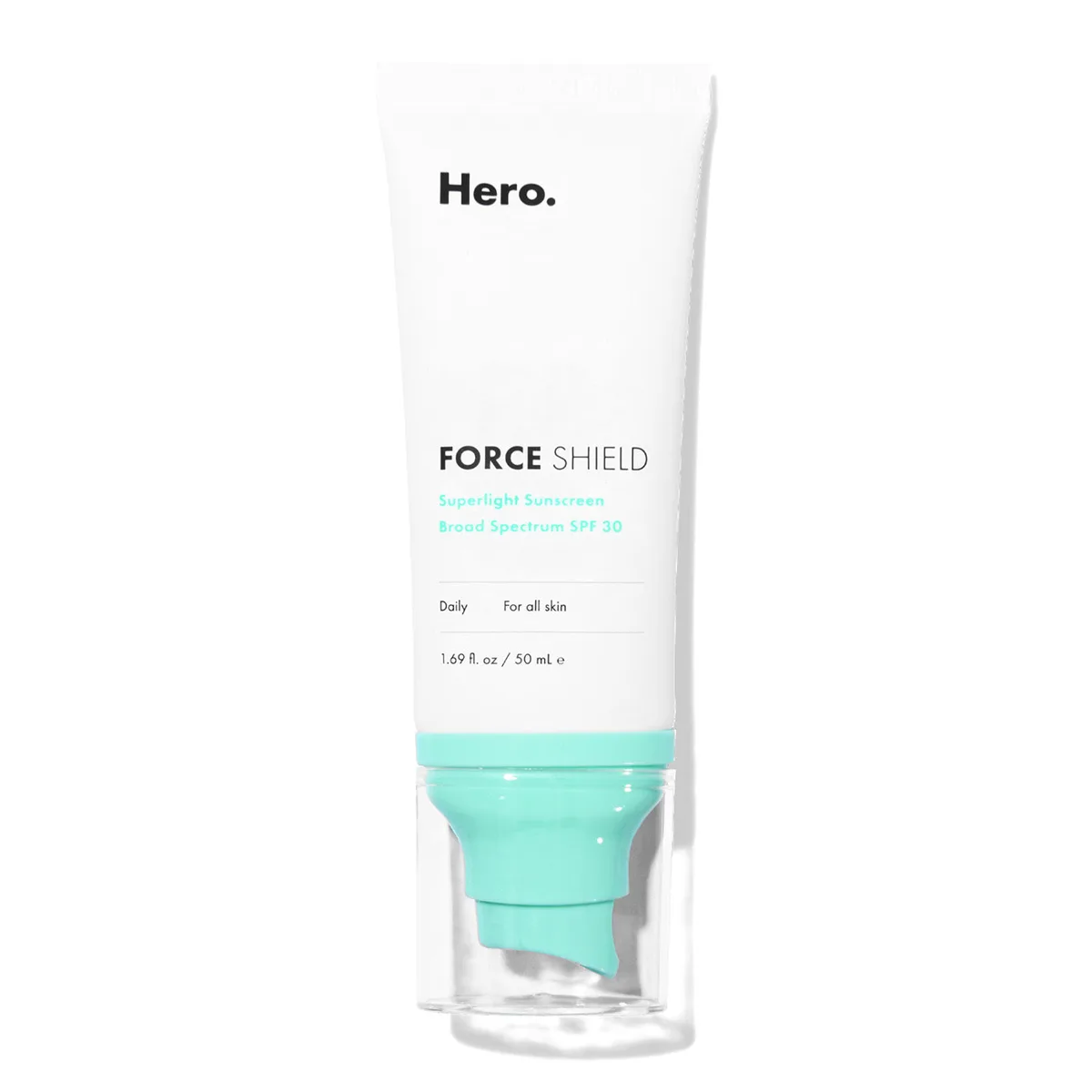
A genuinely lightweight mineral sunscreen that earns its place in acne-prone routines. The silicone-free, fragrance-free formula with ectoin and dual postbiotics goes beyond basic UV protection, though at $19.99 for 50ml, you're paying a slight premium for the elegant texture and thoughtful extras.
Force Shield Superlight Sunscreen SPF 30
A genuinely lightweight mineral sunscreen that earns its place in acne-prone routines. The silicone-free, fragrance-free formula with ectoin and dual postbiotics goes beyond basic UV protection, though at $19.99 for 50ml, you're paying a slight premium for the elegant texture and thoughtful extras.
Score Breakdown
Where this product gains points and where it loses them — broken down across the four scoring pillars.
A well-formulated mineral sunscreen with thoughtful supporting ingredients like ectoin and postbiotics, held back slightly by its SPF 30 ceiling and premium pricing for the category.
Pros & Cons
- ✓Genuinely lightweight texture that feels like moisturizer, not sunscreen
- ✓No white cast on any skin tone thanks to sheer green-tinted formula
- ✓Ectoin provides cell-level environmental stress protection beyond basic UV filtering
- ✓Dual postbiotic ferment lysates support skin microbiome health for acne-prone skin
- ✓Silicone-free and fragrance-free without compromising cosmetic elegance
- ✓Non-nano zinc oxide at 17.53% delivers reliable broad-spectrum mineral protection
- ✓Reef-safe formula with no oxybenzone or octinoxate
- ✗SPF 30 may feel insufficient for extended outdoor exposure compared to SPF 50 options
- ✗Matte finish fades to slight dewiness after 4-5 hours on oily skin
- ✗Some silicone-heavy foundations may not layer well over this silicone-free formula
- ✗50ml tube runs out in 6-8 weeks with daily use at proper application amount
- ✗Contains plant oils (moringa, raspberry) that may concern fungal acne sufferers
Full Review
Hero Cosmetics made its name by sticking things on your face. The Mighty Patch — that little translucent hydrocolloid dot — became so ubiquitous that it transcended skincare and became a cultural marker: you spotted them in Zoom meetings, on TikTok creators mid-rant, on celebrities doing paparazzi walks as if to say, yes, I get pimples, and no, I'm not ashamed. By 2022, the brand had sold hundreds of millions of patches and was the undisputed king of acne care in America. So when Hero Cosmetics turned its attention to sunscreen, the question wasn't whether they'd make one — it was whether a brand built on reactive acne treatment could nail preventive daily care.
The Force Shield Superlight Sunscreen SPF 30 is their answer, and it's a surprisingly confident one. This is a 100% mineral formula built on 17.53% non-nano zinc oxide — a solid concentration that delivers broad-spectrum UVA/UVB protection without the heavy, chalky misery that mineral sunscreens have historically inflicted on anyone who isn't starring in a kabuki performance. The gel-cream texture is genuinely airy. You squeeze out a slightly green-tinted substance that looks concerning for approximately three seconds, then blend it in and — nothing. No white cast, no greasiness, no film. It vanishes into skin with the grace of a product that has clearly been through extensive consumer testing.
What sets this formula apart from the crowded mineral SPF field is the supporting cast. Ectoin, a natural extremolyte originally discovered in bacteria that survive in salt lakes and hot springs, appears high on the inactive ingredients list — unusually high, suggesting Hero didn't just sprinkle it in for label appeal. Ectoin stabilizes cell membranes against environmental stress, essentially providing a biological backup to the physical UV barrier. Below that, you'll find a duo of postbiotic ferment lysates (Lactobacillus and Saccharomyces) that support the skin microbiome — increasingly relevant science, as research continues to link microbiome disruption with acne flares. There's green tea for antioxidant coverage, bisabolol for anti-inflammatory calming, and moringa seed oil for its purifying properties. It reads like a formula designed by someone who actually understands what acne-prone skin needs from a sunscreen: protection without provocation.
The texture deserves its own paragraph because for mineral sunscreen users, texture is everything. This feels like a lightweight moisturizer with ambitions. It's not watery-thin like some chemical SPFs — there's a slight body to it — but it absorbs within seconds and leaves behind a matte, comfortable finish that doesn't feel like you're wearing a mask. The green tint, sourced from the botanical extracts rather than synthetic colorants, offers a genuine color-correcting effect. If you have redness around healing breakouts or general rosacea-adjacent pinkness, you'll notice the difference. On deeper skin tones, the tint is essentially invisible after blending.
Performance through the day is solid if unspectacular. The matte finish holds up for about four to five hours before a slight dewiness creeps in around the T-zone on oily skin — not a dealbreaker, but noticeable if you're comparing to silicone-based formulas that lock down shine more aggressively. Under makeup, it performs well as a base for most foundations and concealers, though a few users report certain silicone-heavy foundations sliding. The silicone-free formula is a deliberate choice by Hero — one that benefits skin health but requires a compatible makeup routine.
Let's talk limitations honestly. SPF 30 is perfectly adequate for daily incidental sun exposure — the difference between SPF 30 and SPF 50 in real-world protection is marginal when you account for actual application habits. But for extended outdoor time, some users will want to reach for something with a higher rating. At $19.99 for 50ml, the value calculation depends on your frame of reference: compared to luxury mineral sunscreens that charge $40-60 for similar volumes, this is a bargain. Compared to drugstore mineral options, it's a modest premium — one that the ectoin and postbiotic complex arguably justify, but the price-per-ounce is still higher than category leaders.
The formulation is also notably clean by necessity rather than ideology. Hero doesn't lean heavily into "clean beauty" marketing language, but this product happens to be free of fragrance, silicones, parabens, and chemical UV filters — not because of fear-based ingredient avoidance, but because each of those exclusions serves the acne-prone target audience. That's a meaningful distinction. This is a functional formula, not a marketing exercise.
For anyone who has cycled through mineral sunscreens searching for the one that doesn't break them out, doesn't leave them ghostly, and doesn't feel like spackle — the Force Shield Superlight is a strong contender. It doesn't try to be the highest SPF or the cheapest option. Instead, it does something harder: it makes wearing mineral sunscreen feel like wearing nothing at all, while quietly supporting your skin's barrier and microbiome underneath. Hero Cosmetics may have started with patches, but this sunscreen proves they understand the full arc of acne care — not just treating breakouts, but preventing the conditions that cause them.
Formula
Key Ingredients
The hero actives that drive this product's performance.
| Ingredient | Function | Evidence |
|---|---|---|
| Zinc Oxide (17.53%) | The sole UV filter in this formula, providing broad-spectrum UVA/UVB protection at a concentration that delivers reliable SPF 30 coverage. Non-nano zinc oxide sits on the skin's surface to physically deflect UV rays rather than absorbing them, making it inherently less irritating for acne-prone and sensitive skin types that react poorly to chemical filters. | well-established |
| Ectoin | A natural extremolyte positioned unusually high in this formula's inactive list, suggesting a meaningful concentration. Works as a cell-protective shield that stabilizes cell membranes against UV-induced and pollution-related oxidative stress, complementing the zinc oxide's physical UV barrier with biological-level protection underneath. | promising |
| Camellia Sinensis Leaf Extract | Provides polyphenol-rich antioxidant support that scavenges free radicals generated by any UV that penetrates past the zinc oxide layer. In this silicone-free formula, the green tea extract also contributes mild soothing properties that help counteract the slight drying tendency mineral sunscreens can have on acne-prone skin. | well-established |
| Lactobacillus Ferment Lysate | A postbiotic ingredient that supports the skin microbiome by reinforcing the skin's natural defense systems. Combined with Saccharomyces Lysate in this formula, it creates a dual-ferment approach that helps maintain microbiome balance on acne-prone skin — relevant because disrupted microbiome is increasingly linked to breakout activity. | emerging |
| Bisabolol | A chamomile-derived anti-inflammatory that calms redness and irritation, working alongside the green tint in this formula to address visible redness from both a cosmetic and functional angle. Particularly useful here because zinc oxide formulas can sometimes feel tight on skin, and bisabolol helps keep the skin comfortable. | well-established |
Full INCI List
Active: Zinc Oxide 17.53%. Inactive: Water, Caprylic/Capric Triglyceride, C13-15 Alkane, Propanediol, C15-19 Alkane, Bis-Diglyceryl Polyacyladipate-2, Butyloctyl Salicylate, Ectoin, Alteromonas Ferment Extract, Harungana Madagascariensis Extract, Ipomoea Batatas Root Extract, Rubus Idaeus Seed Oil, Camellia Sinensis Leaf Extract, Corallina Officinalis Extract, Curcuma Longa Leaf Extract, Melia Azadirachta Flower Extract, Melia Azadirachta Leaf Extract, Moringa Oleifera Seed Oil, Ocimum Sanctum Leaf Extract, Oryza Sativa Hull Extract, Solanum Melongena Fruit Extract, Coccinia Indica Fruit Extract, Tocopherol, Bisabolol, Amber Powder, Coco-Glucoside, Glucose, Glycerin, Xanthan Gum, 1,2-Hexanediol, Caprylhydroxamic Acid, Arachidyl Alcohol, Arachidyl Glucoside, Hydroxyacetophenone, Polyacrylate Crosspolymer-6, Behenyl Alcohol, Cetearyl Alcohol, Isostearic Acid, Lecithin, Polyglycerin-3, Polyglyceryl-3 Lactate/Laurate, Polyglyceryl-3 Polyricinoleate, Polyhydroxystearic Acid, Silica, T-Butyl Alcohol, Sodium Benzoate, Sodium Citrate, Sodium Dilauramidoglutamide Lysine, Sodium Phytate, Citric Acid, Inositol, Lactobacillus Ferment Lysate, Saccharomyces Lysate, Butylene Glycol, Caprylyl Glycol
Product Flags
✓ Fragrance Free✓ Alcohol Free✗ Oil Free✓ Silicone Free✓ Paraben Free✓ Sulfate Free✓ Cruelty Free✓ Vegan✗ Fungal Acne Safe
Compatibility
Skin Match
Best For
Works For
Not Ideal For
Addresses These Conditions
acne sensitivity oiliness sun damage
Routine Step
sunscreen
Time of Day
AM
Pregnancy Safe
Yes ✓
Layering Tips
Apply as the final step in your morning skincare routine, after moisturizer. The gel-cream texture layers well under makeup without pilling. Reapply every two hours during prolonged sun exposure.
Results Timeline
Immediate: subtle green tint neutralizes redness on application, matte-but-comfortable finish within 1-2 minutes. Short-term (1-2 weeks): skin adjusts to the formula, potential reduction in post-acne redness with consistent use. Long-term (4-8 weeks): cumulative UV protection helps prevent post-inflammatory hyperpigmentation from healing breakouts.
Pairs Well With
niacinamide serumslightweight hyaluronic acid serumssalicylic acid treatments (PM)
Sample AM Routine
- Gentle gel cleanser
- Niacinamide serum
- Lightweight moisturizer
- Hero Cosmetics Force Shield Superlight Sunscreen SPF 30
Sample PM Routine
- Oil cleanser (to remove sunscreen)
- Gentle gel cleanser
- Salicylic acid treatment
- Lightweight moisturizer
Evidence
Who Should Skip
- SPF 30 may feel insufficient for extended outdoor exposure compared to SPF 50 options
- Matte finish fades to slight dewiness after 4-5 hours on oily skin
- Some silicone-heavy foundations may not layer well over this silicone-free formula
- 50ml tube runs out in 6-8 weeks with daily use at proper application amount
Science & Expert Perspective
The Science
The backbone of this formula is zinc oxide at 17.53%, a mineral UV filter with decades of established safety and efficacy data. Zinc oxide provides true broad-spectrum protection by reflecting and scattering both UVA and UVB radiation, and its mechanism of action — sitting on the skin's surface rather than absorbing into the upper epidermis — makes it one of the least irritating sunscreen actives available. The FDA classifies zinc oxide as Category I (safe and effective) for sun protection.
The inclusion of ectoin is where this formula gets scientifically interesting. Ectoin is a compatible solute produced by extremophilic bacteria to survive extreme environmental conditions. A 2022 systematic review published in Dermatology and Therapy (Marini et al.) evaluated six clinical studies and found that topical formulations containing ectoin positively influenced skin dryness, pruritus, and inflammation scores in patients with impaired skin barriers, with formulations being well-tolerated even in infants and children. While those studies used higher concentrations than what's likely present in this sunscreen, the evidence supports ectoin's role as a meaningful cell-protective ingredient rather than a marketing additive.
The dual postbiotic approach — combining Lactobacillus Ferment Lysate and Saccharomyces Lysate — targets the skin microbiome, which is increasingly recognized as relevant to acne pathogenesis. Research published in Experimental Dermatology has demonstrated that topical application of Lactobacillus ferment lysates can modulate skin barrier function and reduce markers of inflammation. The combination with Saccharomyces lysate, which has demonstrated wound-healing and barrier-supportive properties, creates a complementary postbiotic system. This is still an emerging area of skincare science, but the directional evidence is encouraging.
Bisabolol, the chamomile-derived anti-inflammatory, has well-established evidence for reducing erythema and improving skin smoothness. A study in the International Journal of Cosmetic Science confirmed its anti-inflammatory activity at concentrations as low as 0.1%, making it effective even at typical cosmetic use levels.
References
- Topical Ectoine Application in Children and Adults to Treat Inflammatory Diseases Associated with an Impaired Skin Barrier: A Systematic Review — Dermatology and Therapy (2022)
Dermatologist Perspective
Dermatologists frequently recommend mineral sunscreens for acne-prone patients because zinc oxide is non-comedogenic and has inherent anti-inflammatory and mild antimicrobial properties. Board-certified dermatologists note that the biggest compliance barrier with mineral SPF is cosmetic inelegance — patients stop using products that feel heavy or leave visible residue. This formula directly addresses that compliance gap. The fragrance-free, silicone-free formulation is consistent with what dermatologists typically suggest for reactive, breakout-prone skin. The ectoin and postbiotic inclusions represent a forward-thinking approach that aligns with the dermatological community's growing interest in microbiome-supportive skincare, though more clinical data specific to this formulation would strengthen the claims.
Guidance
Usage Guide
How to Use
Apply liberally to face and neck as the last step in your morning skincare routine, at least 15 minutes before sun exposure. Use approximately a nickel-sized amount for full face coverage — mineral sunscreens are effective immediately upon application but need adequate coverage to deliver their rated SPF. The green tint blends to invisible within seconds of rubbing in. Reapply every two hours during prolonged outdoor exposure, or after sweating or swimming. Can be applied directly over serums and moisturizers without pilling.
Value Assessment
At $19.99 for 50ml, this sits in the mid-range for mineral sunscreens — more expensive than basic drugstore mineral SPFs but significantly less than prestige options from brands like Supergoop or Drunk Elephant. The inclusion of ectoin and dual postbiotic ferment lysates adds genuine formulation value that most competitors in this price range don't offer. A smaller 10ml travel size is available for trying before committing. The per-ounce cost is higher than category staples, but for someone who has struggled to find a mineral sunscreen that doesn't cause breakouts, the premium is easy to justify. Hero Cosmetics' track record in the acne space adds credibility, though as a brand founded in 2017, it lacks the decades of dermatological research backing that heritage brands bring.
Who Should Buy
Anyone with acne-prone, oily, or sensitive skin who has given up on mineral sunscreens due to white cast, heaviness, or breakout triggers. Also ideal for those seeking a pregnancy-safe daily SPF with genuinely lightweight wear, or anyone who wants microbiome-supportive ingredients in their sun protection.
Who Should Skip
Those who need maximum SPF protection for extended outdoor activities should look for SPF 50+ options. If you rely on silicone-heavy foundation, this silicone-free base may cause compatibility issues. People with fungal acne (Malassezia folliculitis) should note the plant oils in the formula.
Ready to try Hero Cosmetics Force Shield Superlight Sunscreen SPF 30?
Details
Details
Texture
Ultra-lightweight gel-cream with a barely-there feel that absorbs quickly without the heavy, pasty quality typical of mineral sunscreens. Has a subtle green tint that disappears on application.
Scent
Fragrance-free with no discernible scent.
Packaging
Sleek squeeze tube with a flip-cap dispenser in Hero Cosmetics' signature playful aesthetic. The 50ml size is travel-friendly but runs out quickly with daily use.
Finish
mattelightweightnon-greasy
What to Expect on First Use
On first application, the sheer green tint may look unusual but blends to invisible within seconds. The formula feels like a lightweight moisturizer rather than a sunscreen — no chalkiness, no heaviness. No adjustment period; works from day one.
How Long It Lasts
6-8 weeks with once-daily face application
Period After Opening
12 months
Best Season
All Year
Certifications
reef-safe
Background
The Why
Hero Cosmetics built its empire on the Mighty Patch, a deceptively simple hydrocolloid sticker that became Amazon's #1 beauty product. The Force Shield Superlight Sunscreen represents the brand's expansion beyond spot treatments into daily preventive care — specifically addressing the fact that people with acne-prone skin often skip sunscreen because most formulas feel heavy and cause breakouts. It launched in 2022 as part of the Force Shield sub-line focused on environmental protection.
About Hero Cosmetics Emerging Brand (2–5 years)
Hero Cosmetics launched in 2017 with the Mighty Patch hydrocolloid acne patch, which became the #1 best-selling beauty product on Amazon. The brand is now the top-selling acne care brand in the U.S. and has expanded into a full acne-focused skincare line, though its clinical research portfolio is limited compared to legacy derm-developed brands.
Brand founded: 2017 · Product launched: 2022
Myth vs. Reality
Myths & Misconceptions
Myth
Mineral sunscreens always leave a white cast and feel heavy on skin.
Reality
This formula uses non-nano zinc oxide at 17.53% in a gel-cream base with lightweight emollients like C13-15 alkane, which creates a finish closer to a chemical sunscreen. The green tint also helps counteract any residual whiteness.
Myth
SPF 30 isn't enough protection for daily use.
Reality
SPF 30 blocks approximately 97% of UVB rays when applied correctly, compared to SPF 50's 98%. The real-world difference is marginal for daily commuting and incidental exposure — proper application amount and reapplication matter far more than the SPF number.
FAQ
Frequently Asked Questions
Does Hero Cosmetics Force Shield Superlight Sunscreen leave a white cast?
No — this formula is specifically designed to avoid white cast. The non-nano zinc oxide is dispersed in lightweight emollients, and the subtle green tint (which disappears on application) actually helps counteract any chalkiness. Users across skin tones consistently report it blends to invisible.
Is this sunscreen good for acne-prone skin?
Yes — this is one of the better mineral sunscreen options for acne-prone skin. The formula is non-comedogenic, fragrance-free, and silicone-free, and includes postbiotic ferment lysates that support skin microbiome health. The 17.53% zinc oxide also has mild antibacterial properties that can benefit breakout-prone skin.
Can I wear makeup over Hero Cosmetics Force Shield Sunscreen?
Most users layer makeup successfully over this sunscreen, though some report that certain foundations can slide. Allow the sunscreen to fully set for 2-3 minutes before applying makeup, and consider using a setting spray for extra hold. The matte finish provides a good primer-like base for most formulas.
Is Hero Cosmetics Force Shield Sunscreen reef safe?
Yes — this sunscreen uses only zinc oxide as its UV filter, which is considered reef-safe. It does not contain oxybenzone or octinoxate, the two chemical filters most commonly linked to coral reef damage.
Is SPF 30 enough for daily use?
For most daily activities involving incidental sun exposure (commuting, running errands, working near windows), SPF 30 provides strong protection by blocking about 97% of UVB rays. If you'll be outdoors for extended periods, you may want a higher SPF, but for the average person's daily routine, SPF 30 applied correctly is effective.
What does the green tint in this sunscreen do?
The subtle green tint is a color-correcting feature that neutralizes visible redness on application. It counteracts the pink and red tones common in acne-prone and sensitive skin. The tint disappears as you blend the product in, leaving no visible color behind — just a more even-looking base.
Is this sunscreen safe during pregnancy?
Yes — mineral sunscreens with zinc oxide are generally considered the safest option during pregnancy because the zinc oxide sits on the skin's surface rather than being absorbed into the bloodstream. This formula also avoids retinoids, chemical UV filters, and other ingredients commonly flagged during pregnancy.
Community
Community Voices
Common Praise
"Extremely lightweight and non-greasy finish"
"No white cast — blends seamlessly into skin"
"Green tint helps neutralize redness"
"Comfortable for all-day wear under makeup"
"Fragrance-free and non-irritating for sensitive skin"
Common Complaints
"Some users report makeup sliding off over the sunscreen"
"Green tint can leave a slight purplish hue on certain skin tones"
"Only SPF 30 — some prefer higher protection"
"Smaller size (50ml) for the price point"
Appears In
best sunscreen for acne best mineral sunscreen for sensitive skin best lightweight mineral sunscreen best sunscreen for oily skin best fragrance free sunscreen
Related Conditions
acne sensitivity oiliness sun damage hyperpigmentation
Related Ingredients
You Might Also Like
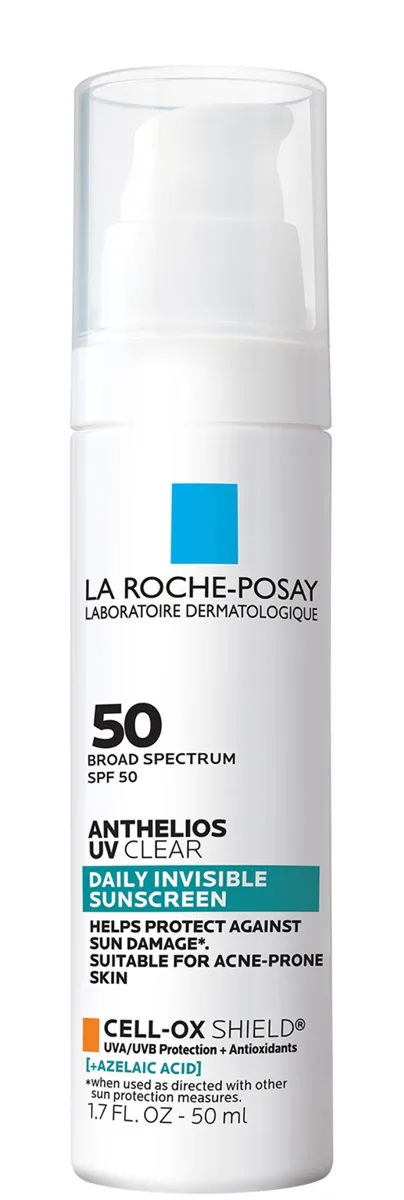 Derm Office Staple
 Anthelios UV Clear Sunscreen SPF 50
One of the only US chemical sunscreens that genuinely earns its 'for sensitive and breakout-prone skin' positioning. A photostable Anthelios filter system paired with a legitimate azelaic acid dose in a lightweight serum-fluid that disappears on every skin tone. Excellent for rosacea, acne, and post-inflammatory hyperpigmentation — and probably the single best daily sunscreen in the La Roche-Posay US lineup for those conditions.
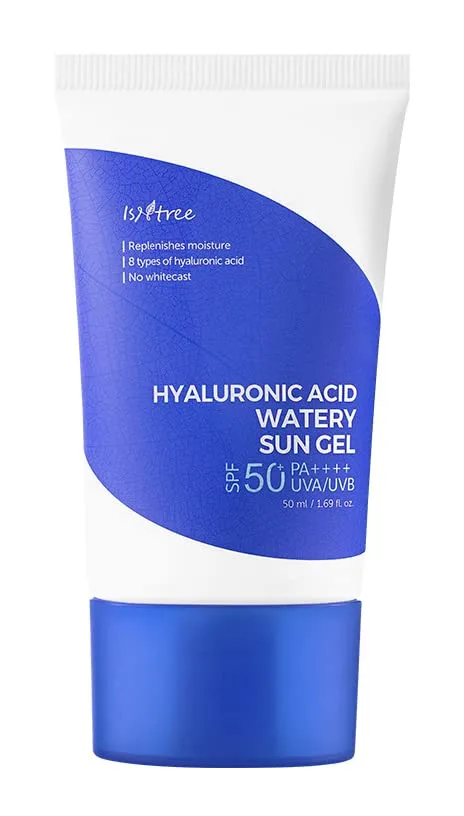 K-Beauty Daily SPF Standout
 Hyaluronic Acid Watery Sun Gel SPF 50+
One of the strongest everyday K-beauty sunscreens in the international market — modern European filters, no white cast, fragrance-free, niacinamide-boosted, and built around the brand's signature six-weight HA complex. At twenty-two dollars for 50ml, it's a case study in how much better a daily sunscreen can be when the formulator cares about both protection and wearability.
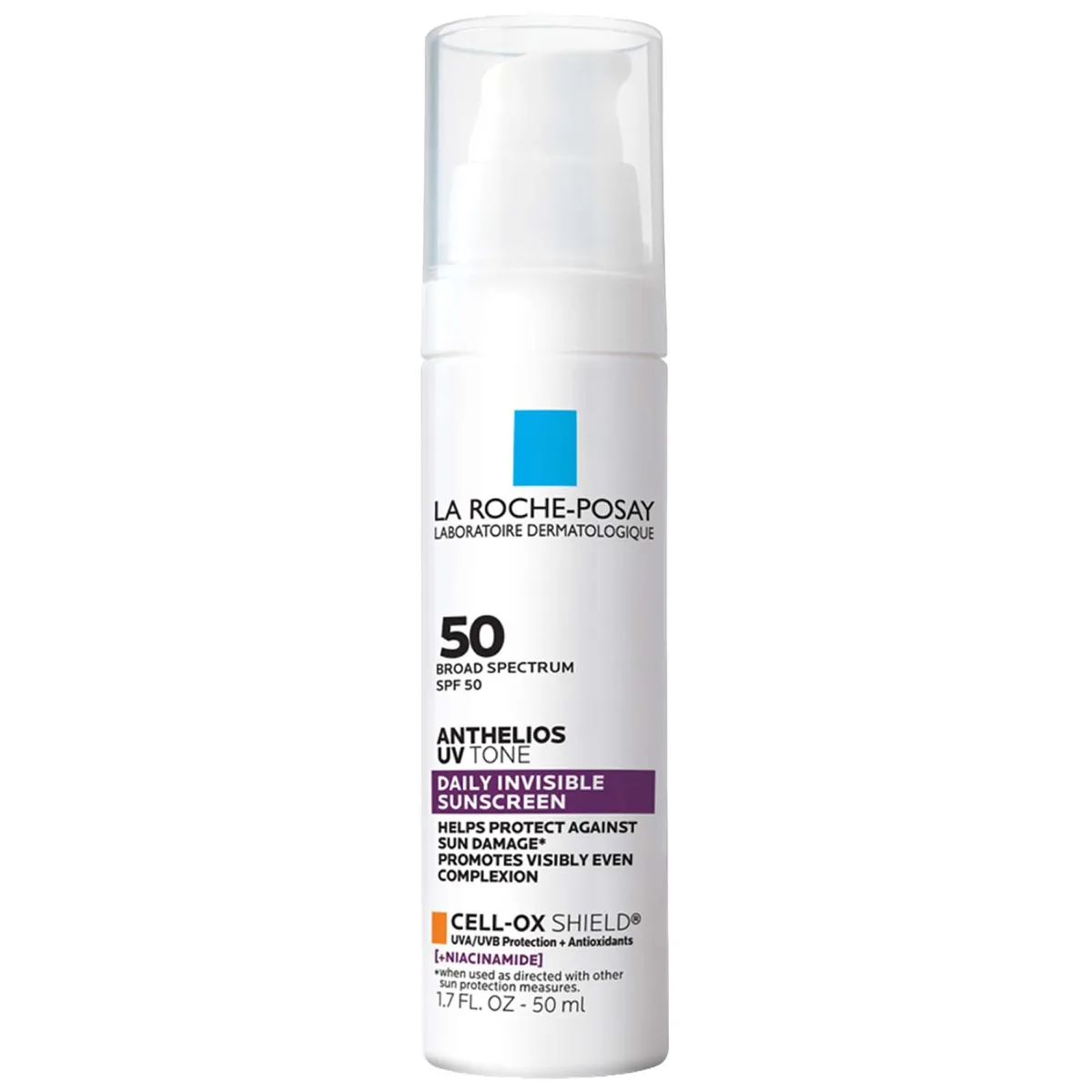 Derm Office Staple
 Anthelios UV Tone Daily Invisible Sunscreen SPF 50
La Roche-Posay's most thoughtful answer yet for hyperpigmentation-prone skin that needs daily SPF. A photostable avobenzone system reinforced with Oxynex ST, paired with a meaningful dose of niacinamide, in a serum-fluid base that goes on invisible on every skin tone. Expensive for 1.7 oz but legitimately well-built — and a rare chemical sunscreen that earns its 'for dark spots' marketing.
 Melasma-Grade Mineral Sunscreen
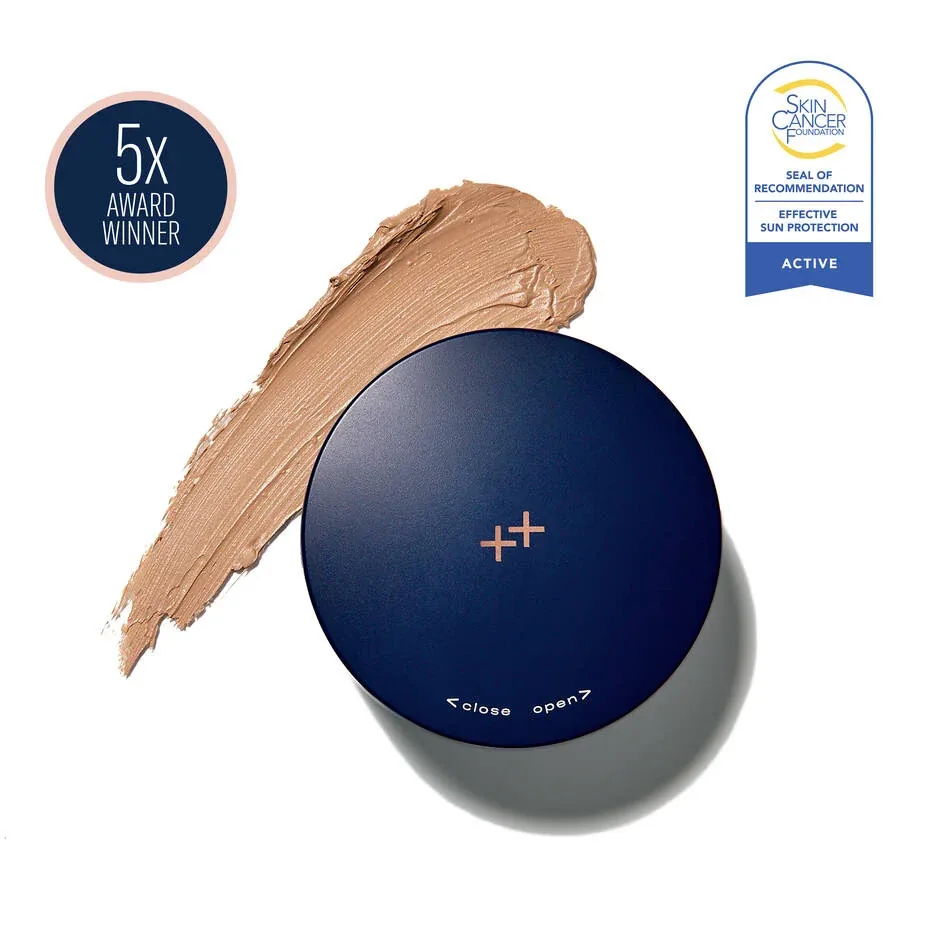
 sunbetter TONE SMART SPF 68
One of the most clinically useful tinted mineral sunscreens in the professional category. SPF 68 from a 100% mineral formula, iron oxide tint that blocks visible light for melasma protection, and an unusually lightweight texture that doesn't feel like you're wearing high-concentration zinc. For patients with melasma or post-inflammatory hyperpigmentation, this is the category benchmark — and it's earned its Allure Best of Beauty wins.
 K-Beauty Cult Favorite
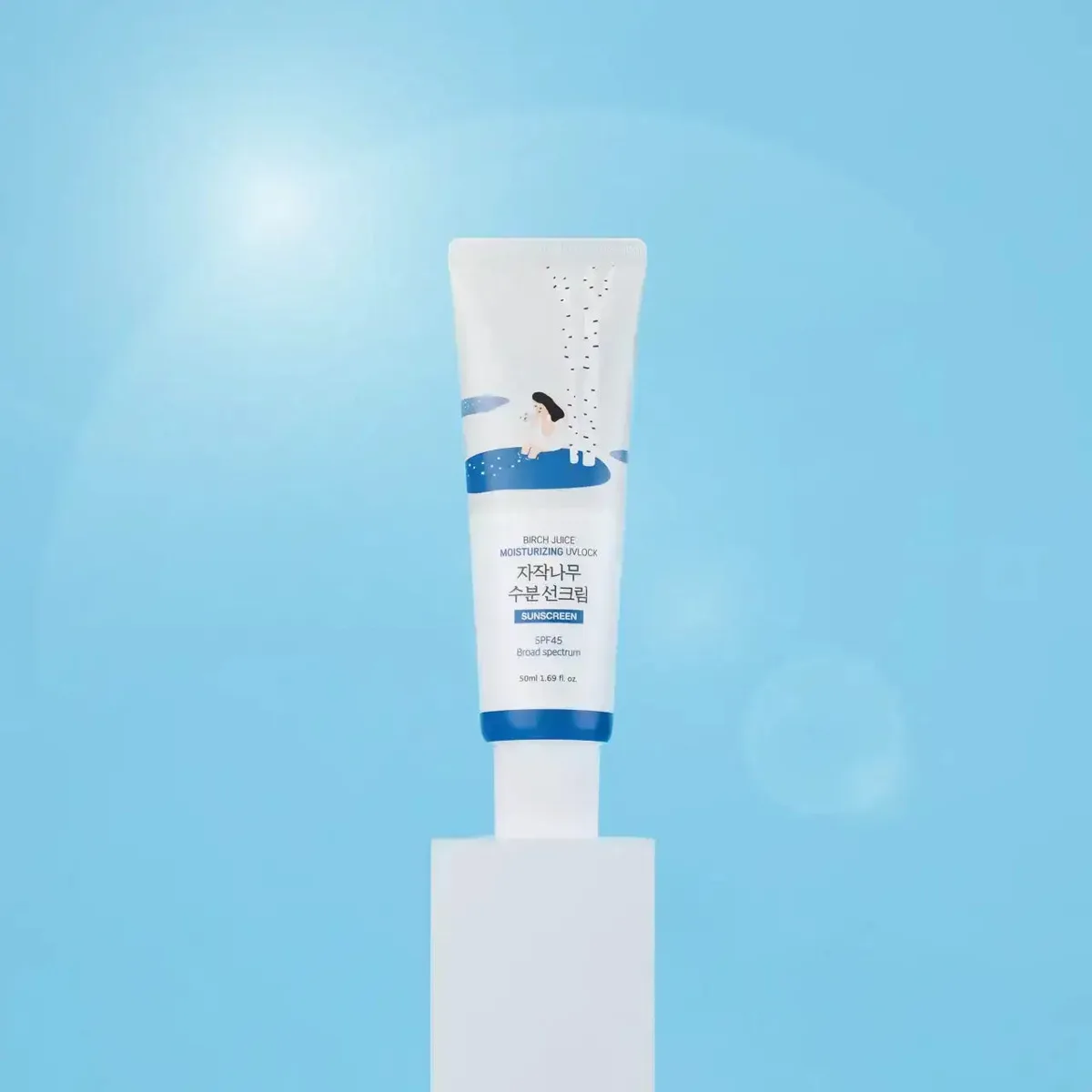
 Birch Juice Moisturizing Sun Cream SPF 50+
One of the best hybrid sunscreens in K-beauty right now — a 70% birch sap base, modern UVA filters you can't get in the US, and a finish that wears like a lightweight moisturizer. Broadly compatible, well-priced, and genuinely pleasant to apply, with minor tradeoffs for oily and fungal-acne-prone users.
 The K-Beauty Sunscreen That Changed Everything
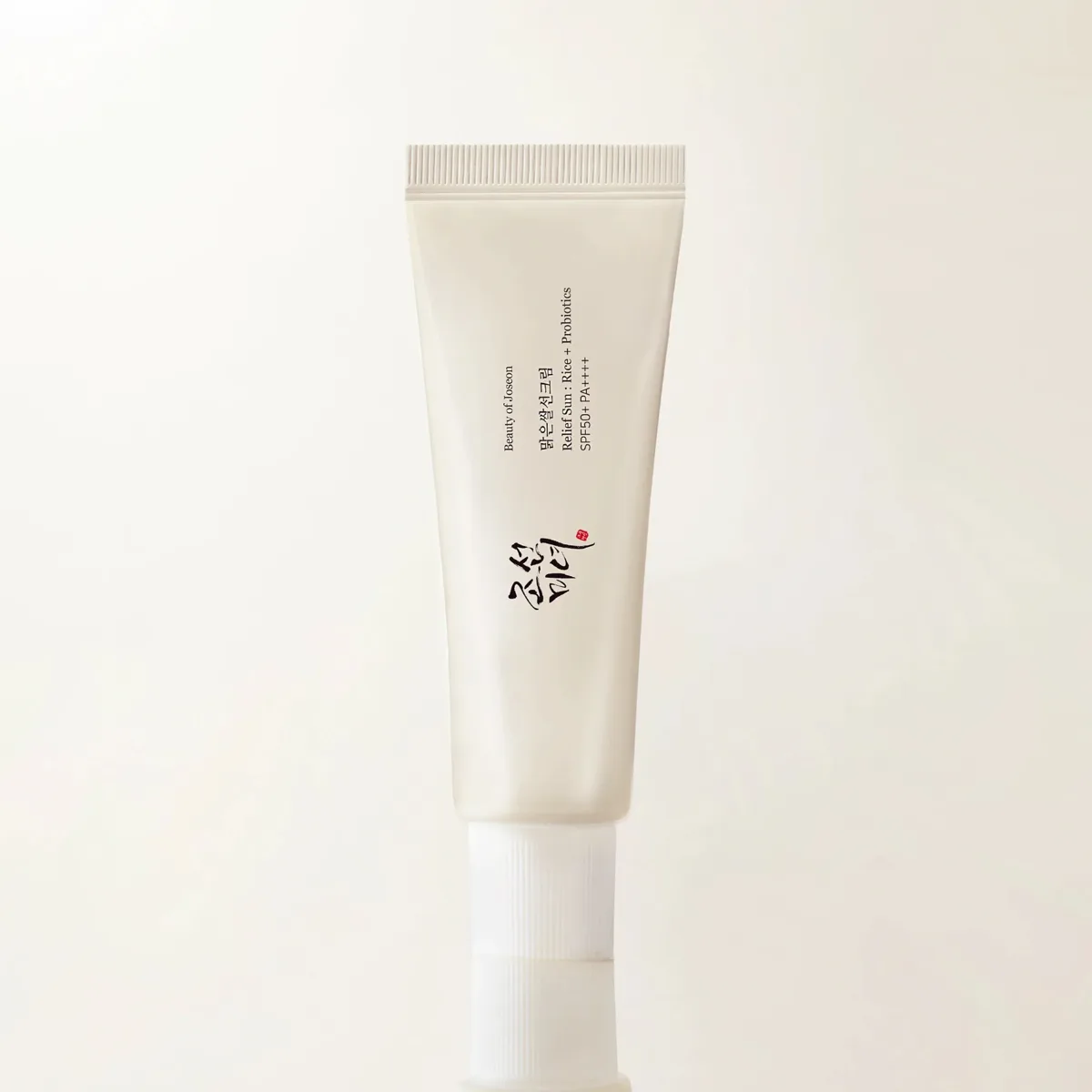
 Relief Sun: Rice + Probiotics SPF 50+
The sunscreen that rewrote the rules for what a $14 product could deliver. With independently verified SPF 50+, 30% rice extract, niacinamide, and a probiotic ferment complex, it offers protection and skincare benefits that rival products three times its price. The texture that feels like wearing nothing on your face is the reason it went viral — and stayed there.
This review reflects our independent analysis of publicly available ingredient data, manufacturer claims, and verified user reviews. We are reader-supported — Amazon links may earn us a commission at no cost to you. We do not accept paid placements; rankings are based solely on the evidence.