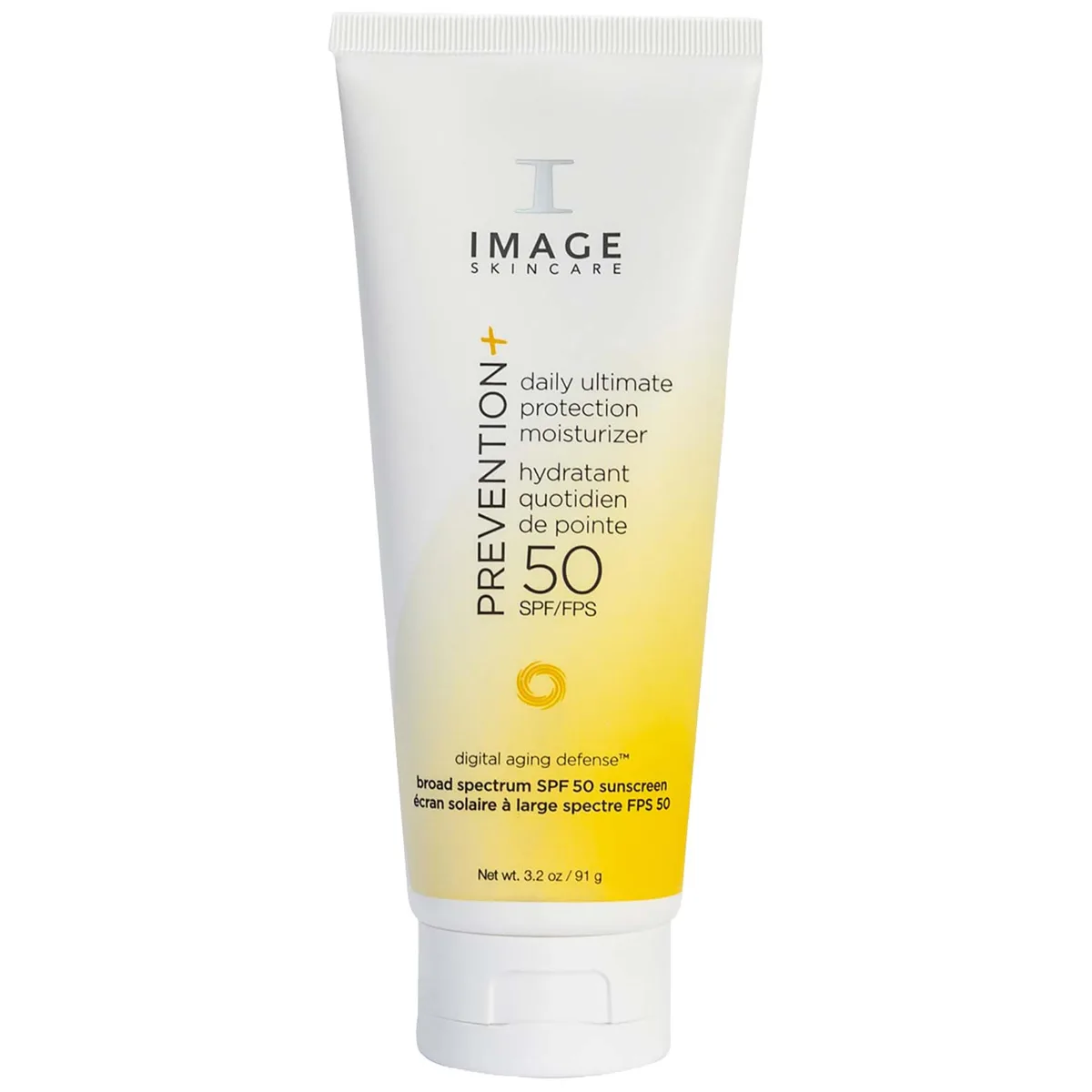
Image Skincare's highest-SPF moisturizer delivers robust four-filter protection with genuinely hydrating skincare benefits. Best for dry and normal skin seeking maximum daily protection, but the heavy texture, chemical filter blend, and citrus essential oils limit its audience — and the discontinuation in favor of the DAILY PREVENTION line means this is a product in sunset mode.
Prevention+ Daily Ultimate Protection Moisturizer SPF 50
Image Skincare's highest-SPF moisturizer delivers robust four-filter protection with genuinely hydrating skincare benefits. Best for dry and normal skin seeking maximum daily protection, but the heavy texture, chemical filter blend, and citrus essential oils limit its audience — and the discontinuation in favor of the DAILY PREVENTION line means this is a product in sunset mode.
Score Breakdown
Where this product gains points and where it loses them — broken down across the four scoring pillars.
A high-SPF moisturizer with solid UV protection from a four-filter system and useful antioxidant additions, but the three chemical filters, citrus essential oils, and heavy texture narrow the audience. The discontinued status further limits its recommendation.
Pros & Cons
- ✓Four-filter SPF 50 system provides robust broad-spectrum protection for high-UV-exposure needs
- ✓DNA repair enzyme (Thermus Thermophillus Ferment) addresses UV damage after it occurs
- ✓Genuinely hydrating formula with glycerin, HA, sunflower oil, and panthenol
- ✓Generous 3.2 oz size lasts 3-4 months and offers strong per-ounce value
- ✓Stable vitamin C and vitamin E provide layered antioxidant defense
- ✓Professional-grade formula developed under plastic surgeon's medical direction
- ✗Rich texture is too heavy for oily and combination skin types
- ✗Citrus essential oils add sensitization risk to a daily sun protection product
- ✗Contains three chemical UV filters — not suitable for pregnancy or reef-safe priorities
- ✗Product is discontinued and transitioning to DAILY PREVENTION line
- ✗Dewy finish reads as oily rather than glowing on some skin types
Full Review
Some people need more from their sunscreen than others. Not everyone faces the same UV calculation — a person managing melasma knows that even a few minutes of unprotected exposure can undo weeks of treatment. A post-laser patient understands that their temporarily barrier-compromised skin is extraordinarily vulnerable. An outdoor worker needs protection that will hold up through hours of direct exposure. For these people, SPF 30 is not a comfort; it is a bare minimum, and they reach for SPF 50 the way someone in a downpour reaches for the bigger umbrella.
Image Skincare's Prevention+ Daily Ultimate Protection Moisturizer SPF 50 was designed specifically for this audience — people who need maximum daily protection delivered through a product they will actually enjoy wearing. And for a professional-channel formula built around four UV filters, it does a remarkably good job of feeling like skincare rather than sunscreen.
The protection architecture is a four-filter hybrid system. Zinc oxide at 9% provides the UVA backbone — the long-wave UV radiation responsible for photoaging, hyperpigmentation, and melanoma risk. Homosalate at 10% (maximum FDA-allowed concentration), octisalate at 5%, and octocrylene at 6% handle UVB absorption and supplementary UVA coverage. This four-filter approach achieves SPF 50 while keeping any single filter at a moderate enough concentration to maintain formulation elegance. It is the same multi-filter philosophy that most modern high-SPF products employ.
The formula includes two genuinely distinctive ingredients that elevate it above basic SPF 50 offerings. Thermus Thermophillus Ferment is a DNA repair enzyme derived from thermophilic bacteria — organisms that thrive in hot springs. Topically applied, this enzyme has been shown in research to help repair UV-induced DNA damage, essentially working after the fact to clean up the molecular damage that even good sunscreen cannot entirely prevent. Melanin appears in the inactive ingredients as well — the same pigment your body produces naturally for UV protection — providing an additional layer of light absorption.
The hydration profile is strong and genuine. Glycerin forms the humectant base, sodium hyaluronate provides deeper moisture binding, sunflower seed oil delivers essential fatty acids, and panthenol (vitamin B5) soothes and conditions. For dry skin types, this combination delivers all-day moisture that eliminates the need for a separate morning moisturizer. The texture reflects this hydration emphasis — it is rich, emollient, and unambiguously creamy. This is not a sheer, watery SPF. It is a moisturizer that happens to provide SPF 50, and it feels like one.
That richness is both the product's strength and its limitation. For its target audience — dry and normal skin types who want maximum protection with genuine hydration — the texture is a feature, not a bug. For oily or combination skin, it is too much. Multiple users report oiliness and shine within hours, and the dewy finish that dry-skinned users appreciate reads as greasy on sebum-prone faces. Image Skincare addressed this audience with the Prevention+ Matte Moisturizer SPF 32, though both products are now in the process of being phased out.
The citrus essential oils are a recurring frustration across the Prevention+ line. Orange peel oil, mandarin peel oil, and limonene appear here as they do in the SPF 30 sibling, adding fragrance that some users enjoy but that introduces photoactive sensitizers into a sun protection product. For a formula developed under a plastic surgeon's direction and marketed for use on post-procedure skin, this remains a puzzling choice.
The formula was updated with Digital Aging Defense technology, which adds ergothioneine and other antioxidants targeting blue light and environmental pollution — a nod to the evolving understanding that UV is not the only environmental threat to skin health. The inclusion of tetrahexyldecyl ascorbate (stable vitamin C) and tocopherol (vitamin E) provides classical antioxidant support that pairs logically with high-SPF protection.
At $50 for 3.2 ounces, the value is competitive within the professional SPF tier. The generous size means three to four months of daily use, and the dual moisturizer-SPF functionality eliminates one product from the morning routine. Compared to prestige brand SPF 50 products that charge $40-60 for 1.7 ounces, Image Skincare offers nearly twice the product at a similar or lower price.
With the product transitioning to the new DAILY PREVENTION Ultra Defense Moisturizer SPF 50, the remaining Prevention+ inventory represents either a last chance for loyal users or a diminishing-returns purchase for newcomers. The fundamental formula delivers on its promises — high SPF, real hydration, professional-grade antioxidant support — but the evolving market has produced more elegant options. Whether Image Skincare addresses the texture and essential oil concerns in the successor product will determine if the Prevention line maintains its professional skincare relevance.
Formula
Key Ingredients
The hero actives that drive this product's performance.
| Ingredient | Function | Evidence |
|---|---|---|
| Zinc Oxide (9%) | The mineral component of this four-filter SPF system, providing UVA protection that the three chemical filters cannot fully deliver on their own. At 9%, zinc oxide anchors the broad-spectrum claim while the chemical filters handle the bulk of UVB absorption — enabling SPF 50 protection without the heavy, opaque texture that high-concentration zinc-oxide-only formulas produce. | well-established |
| Homosalate (10%) | The primary chemical UVB filter in this formula at maximum FDA-allowed concentration. Works alongside octisalate and octocrylene to create a robust UVB defense system, enabling the SPF 50 rating without requiring zinc oxide concentrations that would compromise the moisturizer's cosmetic elegance. | well-established |
| Tetrahexyldecyl Ascorbate | A stable, oil-soluble vitamin C derivative that provides antioxidant backup to the UV filtration system — scavenging free radicals generated by any UV that penetrates past the four-filter protection layer. Its lipid-soluble nature means it integrates seamlessly into this emollient-rich formula and remains stable longer than water-soluble vitamin C forms. | promising |
| Sodium Hyaluronate | Provides the hydrating core that separates this from a basic sunscreen. Draws moisture into the skin to deliver the 'moisturizer' half of the product's dual promise, working alongside glycerin and sunflower seed oil to keep skin comfortable under the four-filter UV system. | well-established |
| Panthenol | Vitamin B5 derivative that provides soothing and moisture-binding support, helping to counteract any potential irritation from the three chemical UV filters. Also strengthens the skin barrier over time, which is relevant for a product designed for daily use on faces exposed to environmental stressors. | well-established |
Full INCI List
Active: Homosalate 10%, Octisalate 5%, Octocrylene 6%, Zinc Oxide 9%. Inactive: Aqua/Water/Eau, Caprylic/Capric Triglyceride, Glycerin, Cyclopentasiloxane, Cetyl PEG/PPG-10/1 Dimethicone, Thermus Thermophillus Ferment, Polyacrylate-13, Cetearyl Ethylhexanoate, Phenoxyethanol, Polyisobutene, Polyglyceryl-6 Polyricinoleate, Lecithin, Isostearic Acid, Polyglyceryl-3 Polyricinoleate, Polyhydroxystearic Acid, Sodium Chloride, Cetearyl Dimethicone, Marrubium Vulgare Extract, Helianthus Annuus Seed Oil, Xanthan Gum, Polyglyceryl-2 Isostearate, Disteardimonium Hectorite, Polysorbate 20, Citrus Aurantium Dulcis Peel Oil, Limonene, Sorbitan Isostearate, Ethylhexylglycerin, Panthenol, Citrus Nobilis Peel Oil, Disodium EDTA, Sodium Hyaluronate, Melanin, Erythritol, Citric Acid, Vanilla Planifolia Fruit Extract, Glucose, Potassium Sorbate, Hydrolyzed Pea Protein, Tocopherol, PEG-8/SMDI Copolymer, Tetrahexyldecyl Ascorbate, Tocopheryl Acetate, Barosma Betulina Leaf Oil, Sodium Benzoate
Product Flags
✗ Fragrance Free✓ Alcohol Free✗ Oil Free✗ Silicone Free✓ Paraben Free✓ Sulfate Free✓ Cruelty Free✗ Vegan✗ Fungal Acne Safe
Potential Irritants
HomosalateOctocryleneCitrus Aurantium Dulcis Peel OilCitrus Nobilis Peel Oil
Common Allergens
Citrus Aurantium Dulcis Peel OilLimonene
Compatibility
Skin Match
Best For
Works For
Not Ideal For
Addresses These Conditions
Use With Caution
Routine Step
sunscreen
Time of Day
AM
Pregnancy Safe
No ✗
Layering Tips
Apply as the final step in morning skincare. The rich texture provides enough hydration to serve as a standalone moisturizer for most skin types. Allow 15 minutes before sun exposure for chemical filters to activate. Works under makeup but may feel heavy for those who prefer lightweight bases.
Results Timeline
Immediate: hydrated, protected finish with a dewy glow. Short-term (1-2 weeks): consistently moisturized feel throughout the day. Long-term (4-12 weeks): cumulative SPF 50 protection helps prevent photoaging, sun spots, and UV-induced damage.
Pairs Well With
vitamin C serums (underneath)retinol treatments (PM only)hydrating toners
Sample AM Routine
- Gentle cleanser
- Antioxidant serum
- Image Skincare Prevention+ Daily Ultimate Protection Moisturizer SPF 50
Sample PM Routine
- Gentle cleanser
- Retinol treatment
- Rich moisturizer
Evidence
Who Should Skip
- Rich texture is too heavy for oily and combination skin types
- Citrus essential oils add sensitization risk to a daily sun protection product
- Contains three chemical UV filters — not suitable for pregnancy or reef-safe priorities
- Product is discontinued and transitioning to DAILY PREVENTION line
Science & Expert Perspective
The Science
The four-filter UV protection system in this formula employs complementary mechanisms across the UV spectrum. Zinc oxide at 9% provides broad-spectrum attenuation through physical scattering and absorption, particularly effective in the UVA-I range (340-400nm). Homosalate, octisalate, and octocrylene are organic (chemical) filters that absorb UV radiation in the UVB and UVA-II ranges, converting it to heat. Together, they achieve SPF 50 — blocking approximately 98% of UVB radiation.
The inclusion of Thermus Thermophillus Ferment represents an innovative approach to photoprotection. This enzyme, derived from bacteria that thrive in extreme thermal environments, has demonstrated the ability to recognize and excise UV-induced DNA photoproducts (specifically cyclobutane pyrimidine dimers). Research published in the Journal of Investigative Dermatology (Stege et al., 2000) demonstrated that liposomal delivery of the bacterial DNA repair enzyme T4 endonuclease V — a related photlyase technology — significantly reduced UV-induced immunosuppression and the rate of actinic keratosis development in xeroderma pigmentosum patients over a 12-month period. While this specific formula uses a different enzyme source, the principle of topically applied DNA repair enzymes supporting the skin's own repair mechanisms has established clinical precedent.
The melanin inclusion is scientifically logical: melanin is the body's own UV-absorbing pigment, and topically applied melanin has been shown to absorb UV radiation and scavenge reactive oxygen species. While the concentration in this formula is likely low, it adds a biologically coherent layer to the photoprotection strategy.
Tetrahexyldecyl ascorbate (vitamin C) and tocopherol (vitamin E) provide the antioxidant backbone. The combination of vitamins C and E has been shown to be synergistic in photoprotection, with research in the Journal of the American Academy of Dermatology demonstrating that topical application of combined vitamins C and E provides enhanced protection against UV-induced erythema compared to either vitamin alone.
Dermatologist Perspective
Board-certified dermatologists frequently recommend SPF 50 for patients with heightened photoprotection needs — melasma, post-procedure recovery, history of skin cancer, or high daily UV exposure. The hybrid mineral-chemical approach in this formula is clinically acceptable, providing comprehensive spectral coverage without the cosmetic challenges of ultra-high-concentration zinc oxide formulations. Dermatologists note that the DNA repair enzyme inclusion aligns with emerging photoprotection science, though most evidence on topical DNA repair enzymes comes from prescription-level formulations. The product's positioning as a moisturizer-SPF hybrid is considered beneficial for compliance, as patients are more likely to apply sunscreen consistently when it is integrated into an enjoyable skincare step. The citrus essential oils, however, remain a concern in dermatological settings, particularly for post-procedure patients whose compromised barriers are more susceptible to contact sensitization.
Guidance
Usage Guide
How to Use
Apply a generous amount (approximately a nickel-sized dollop) to clean skin as the final step in your morning routine. The chemical filters require 15 minutes before sun exposure to fully activate — apply before getting dressed or leaving the house. For normal and dry skin, this can serve as your sole morning moisturizer. Reapply every 2 hours during extended outdoor time. Allow the product to set for 2-3 minutes before applying makeup.
Value Assessment
At $50 for 3.2 oz, this is one of the better values in professional-grade SPF 50 moisturizers. The per-ounce cost undercuts many prestige brands that offer smaller sizes at higher prices, and the dual moisturizer-SPF functionality eliminates one product from the morning routine. The inclusion of DNA repair enzymes, stable vitamin C, and melanin adds formulation sophistication that basic SPF 50 products do not provide. However, the discontinued status impacts value for anyone seeking a reliable long-term product. The successor DAILY PREVENTION Ultra Defense Moisturizer SPF 50 is priced at $26 (per LovelySkin) and may offer better long-term value as a replacement.
Who Should Buy
Normal to dry skin types who need maximum daily SPF protection — particularly melasma patients, post-procedure recoverers, outdoor workers, or anyone whose dermatologist emphasizes SPF 50 as the minimum. Those who want a hydrating, skincare-forward sun protection product that doubles as a moisturizer.
Who Should Skip
Oily skin types will find this too heavy and dewy. Anyone pregnant or breastfeeding should consider the chemical filter content. Those who prioritize reef-safe formulas need a mineral-only alternative. Anyone building a long-term routine should note the discontinued status and explore the DAILY PREVENTION successor products instead.
Ready to try Image Skincare Prevention+ Daily Ultimate Protection Moisturizer SPF 50?
Details
Details
Texture
Rich, emollient cream with noticeable body. The four-filter SPF system combined with hydrating oils and silicones creates a product that feels more like a traditional moisturizer than a sunscreen.
Scent
Citrus scent from orange and mandarin peel oils — not fragrance-free.
Packaging
3.2 oz tube in Image Skincare's Prevention line branding. Generous size provides good value for daily use.
Finish
dewysatin
What to Expect on First Use
On first application, the cream feels rich and hydrating. It blends reasonably well but requires more effort than lightweight chemical sunscreens. The dewy finish is noticeable — those accustomed to matte products may find it too glowy. The citrus scent is apparent but fades within minutes. Allow 15 minutes for the chemical filters to fully activate before sun exposure.
How Long It Lasts
3-4 months with once-daily face and neck application
Period After Opening
12 months
Best Season
All Year
Certifications
cruelty-free
Background
The Why
The Ultimate Protection Moisturizer was Image Skincare's highest-SPF offering in the Prevention+ line, designed for patients who need maximum daily protection — post-procedure skin, melasma patients, and anyone spending significant time outdoors. Developed under Dr. Marc Ronert's surgical direction, it was formulated for the professional skincare channel where estheticians could match the right SPF level to each patient's exposure needs. The product is now transitioning to the DAILY PREVENTION Ultra Defense Moisturizer SPF 50.
About Image Skincare Established Brand (5–20 years)
Image Skincare was founded in 2003 by aesthetician Janna Ronert and board-certified plastic surgeon Dr. Marc Ronert. The brand is the #1 professional skincare brand in the global spa and salon category, with formulations developed under medical direction.
Brand founded: 2003
Myth vs. Reality
Myths & Misconceptions
Myth
SPF 50 offers significantly more protection than SPF 30.
Reality
SPF 30 blocks approximately 97% of UVB rays, while SPF 50 blocks about 98%. The difference in daily protection is marginal for most people. SPF 50 is most beneficial for those with high UV exposure, post-procedure skin, or conditions like melasma where even small amounts of UV can trigger hyperpigmentation.
Myth
Hybrid mineral-chemical sunscreens aren't safe because of the chemical filters.
Reality
All four UV filters in this product — including the chemical ones — are FDA-approved and have decades of use history. The mineral (zinc oxide) and chemical (homosalate, octisalate, octocrylene) filters address different parts of the UV spectrum, creating more complete protection than either approach alone.
FAQ
Frequently Asked Questions
Is Image Skincare Prevention+ SPF 50 being discontinued?
Yes — Image Skincare is transitioning the Prevention+ line to the updated DAILY PREVENTION range. The replacement product is the DAILY PREVENTION Ultra Defense Moisturizer SPF 50. Remaining Prevention+ stock is available through various retailers but availability is decreasing.
Does this sunscreen leave a white cast?
The hybrid formula with 9% zinc oxide alongside three chemical filters produces less white cast than pure mineral sunscreens. However, the rich texture means thorough blending is still necessary. Most users on light to medium skin tones report minimal white cast with proper application.
Can I use this during pregnancy?
This formula contains three chemical UV filters (homosalate, octisalate, octocrylene) that some healthcare providers recommend avoiding during pregnancy. The zinc oxide component is pregnancy-safe, but the chemical filters have raised concerns about potential endocrine disruption. Consult your OB-GYN — many recommend pure mineral sunscreens during pregnancy.
Is this too heavy for oily skin?
Yes, most oily skin types will find this product too rich and dewy. The emollient-heavy formula is designed for normal to dry skin that needs both hydration and high SPF protection. Image Skincare's Prevention+ Matte Moisturizer SPF 32 was the line's oily-skin option, though it is also being discontinued.
Does this work as a standalone moisturizer?
For normal and dry skin types, yes — the formula contains glycerin, sunflower seed oil, sodium hyaluronate, and panthenol, providing multi-layer hydration sufficient for most morning routines. Very dry skin may still benefit from a hydrating serum underneath.
Community
Community Voices
Common Praise
"High SPF 50 protection prevents sunburn during extended outdoor time"
"Dual-purpose moisturizer and sunscreen simplifies morning routine"
"Hydrating formula works well for dry and normal skin types"
"Creates a dewy, glowing base for makeup application"
Common Complaints
"Thick texture can be difficult to blend evenly"
"Too heavy and oily for oily or acne-prone skin types"
"Formula change disappointed longtime users who preferred original version"
"Contains citrus essential oils that add unnecessary sensitization risk"
Appears In
best spf moisturizer for dry skin best sunscreen for aging best sunscreen for sun damage
Related Conditions
Related Ingredients
You Might Also Like
 Clean Beauty Cult Classic
 Super Serum Skin Tint SPF 40
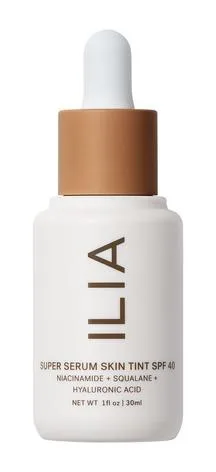
The product that finally made mineral tinted SPF desirable instead of medicinal. At 12% non-nano zinc with iron oxide visible-light protection, niacinamide, and a squalane-based glowy finish, this bottle does the impossible — it delivers real sun protection, real skincare, and real makeup in a single step without any one of them feeling compromised. The $54 price stings, but almost nothing else in the category does all three jobs this well.
 Australian SPF Standard
 Daily Essential Moisturiser SPF 50+
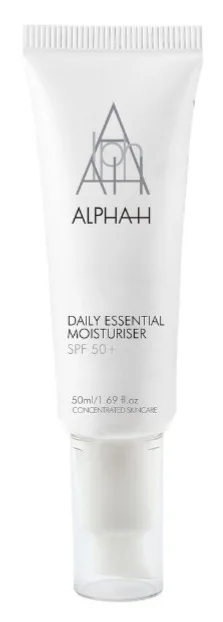
An excellent multi-active daily SPF that meets Australia's stricter TGA SPF 50+ standard and includes modern UVA filters that put it well ahead of most US sunscreens. Niacinamide, centella, and hyaluronate make it a genuine moisturizer rather than just a sunscreen step. Premium-priced but uniquely well-formulated.
 Mineral SPF for Melasma
 Sunny Daze SPF 50 Moisturiser
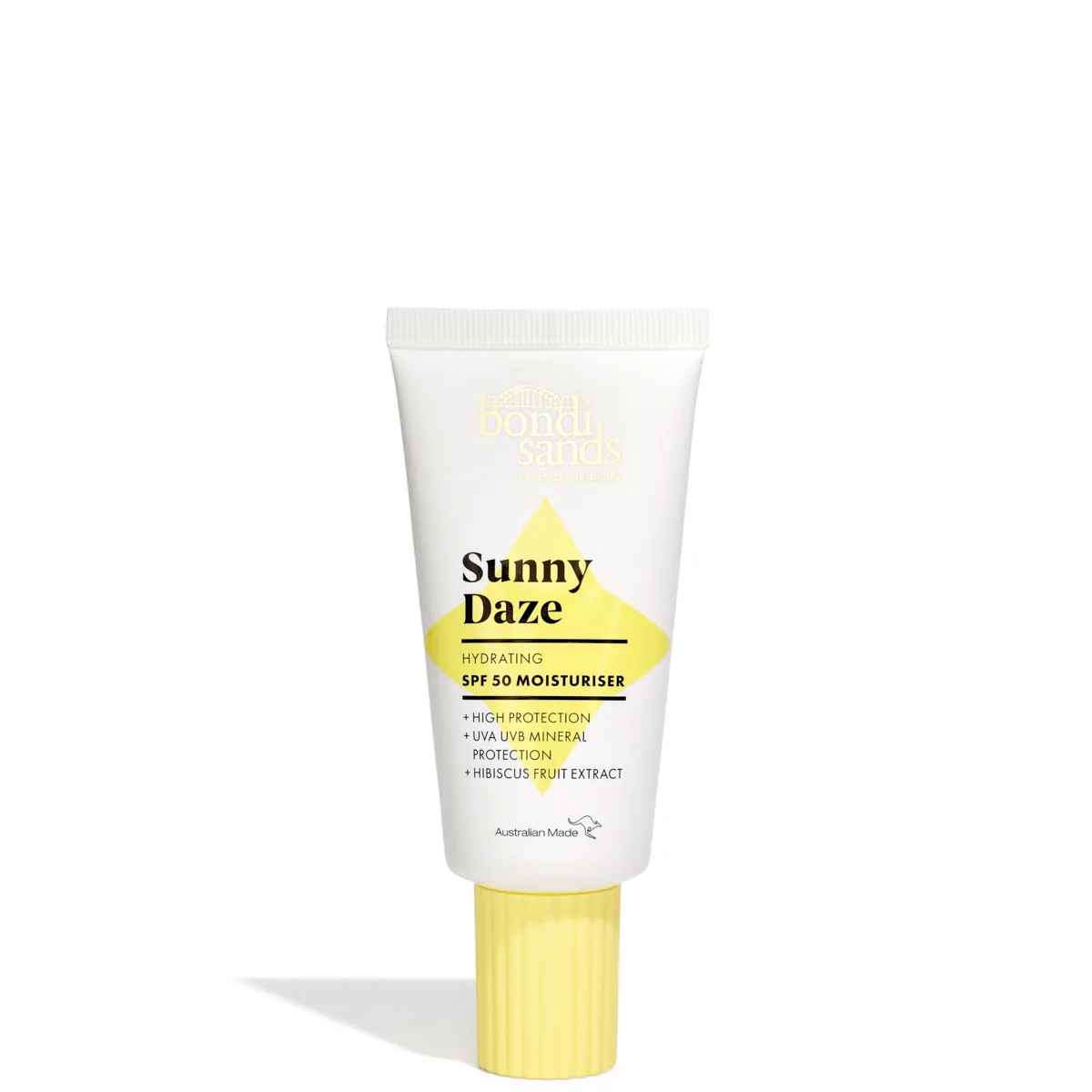
A 25% zinc oxide mineral face moisturizer with a built-in universal tint that provides both visible-light protection and white-cast neutralization — one of the better-engineered mineral SPF moisturizers in its price tier. The single universal shade is a real limitation, but for anyone managing melasma or reactive skin, this is a surprisingly thoughtful drugstore option.
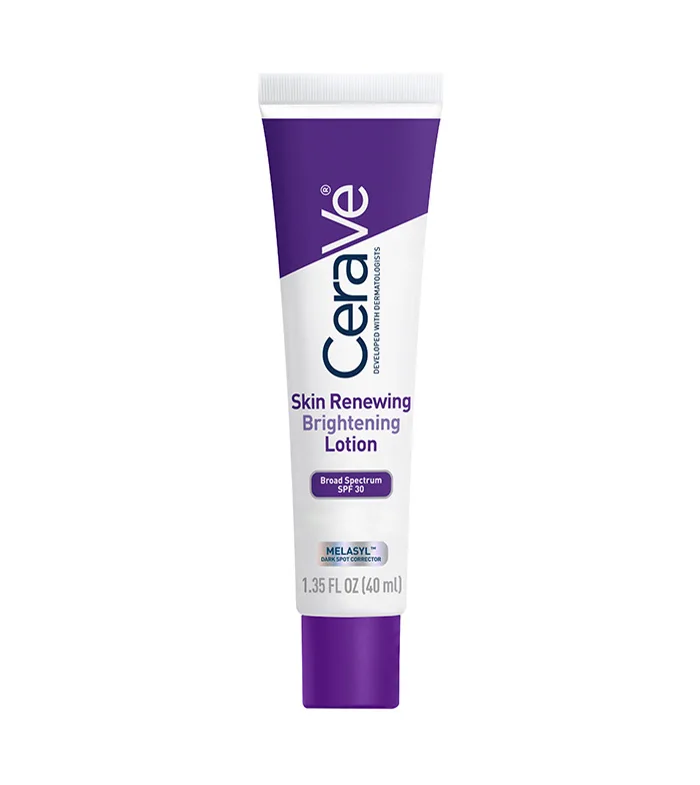 Brightening Multitasker
 Skin Renewing Brightening Lotion SPF 30
CeraVe's first product to use L'Oréal's Melasyl pigmentation molecule is also a competent SPF 30 day cream and a barrier-supporting lotion in one step. The size is small for the price, but the formula is genuinely impressive — this is CeraVe taking a real swing at the dark spot treatment category.
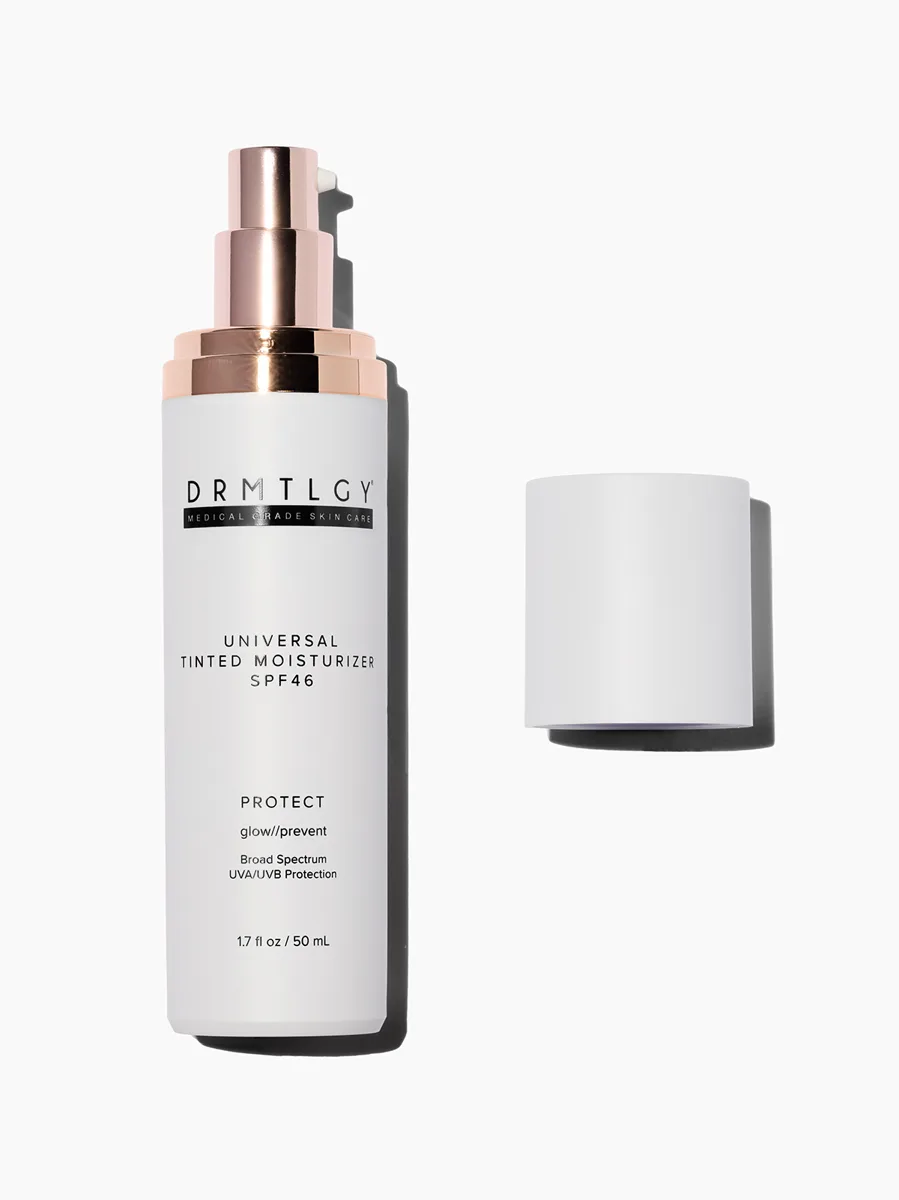 Budget Tinted SPF Pick
 Tinted Moisturizer SPF 46
One of the most-recommended tinted SPFs in dermatologist-focused online communities, and for good reason — a hybrid SPF 46 with iron oxide visible-light protection, niacinamide treatment benefits, and a universal satin tint at roughly half the price of the Elta MD product it closely resembles. The fragrance and the octinoxate are the only meaningful asks for forgiveness.
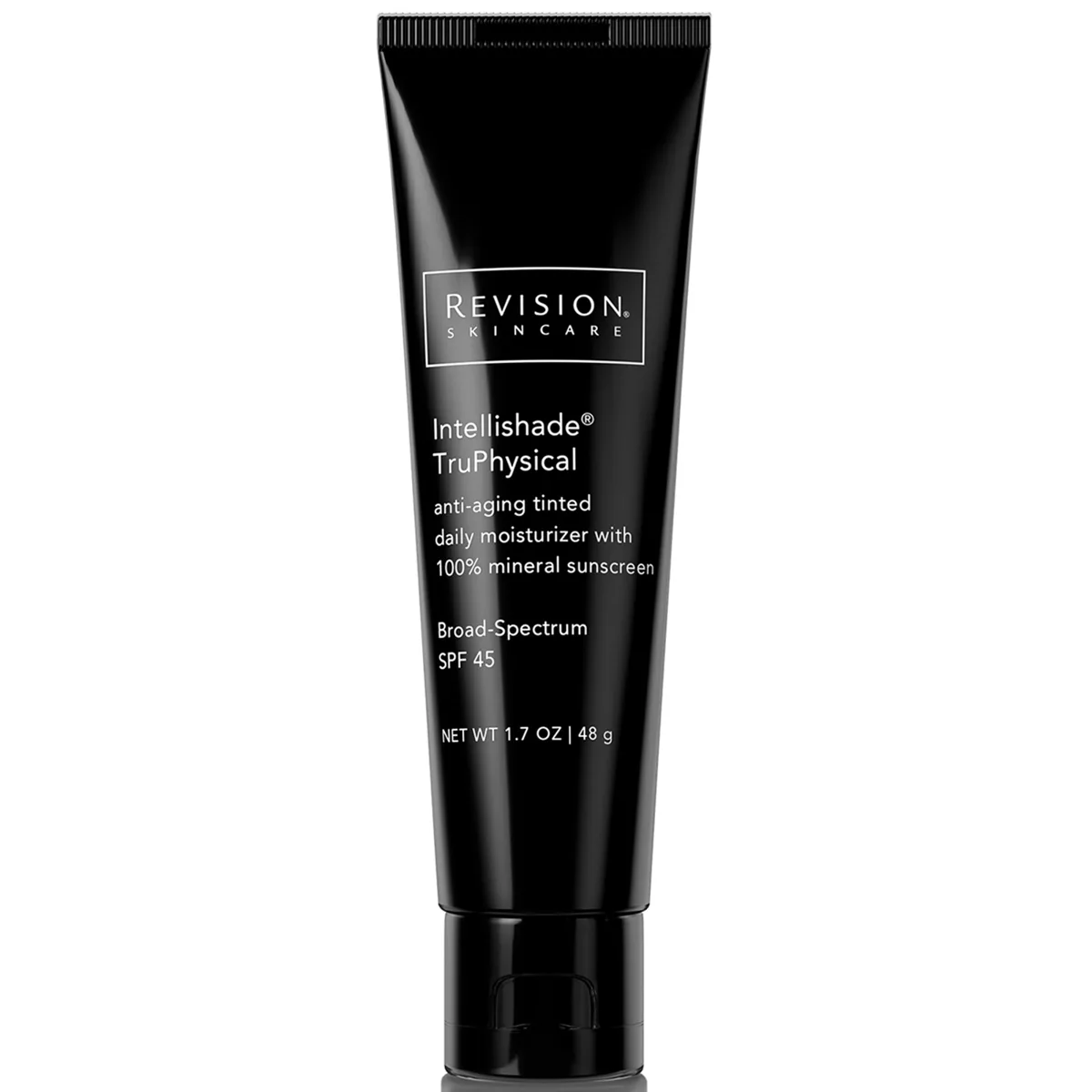 5-in-1 Mineral SPF Multitasker
 Intellishade TruPhysical SPF 45
A genuinely impressive multi-tasking mineral sunscreen that packs meaningful anti-aging actives into a wearable tinted formula. It replaces foundation for many users while delivering SPF 45 mineral protection and peptide-driven corrective benefits — though the thick texture requires patience and may not suit oily skin.
This review reflects our independent analysis of publicly available ingredient data, manufacturer claims, and verified user reviews. We are reader-supported — Amazon links may earn us a commission at no cost to you. We do not accept paid placements; rankings are based solely on the evidence.