
A smartly formulated mineral sunscreen that punches above its weight with iron oxide visible-light protection, niacinamide skin benefits, and a lighter-than-expected texture — all at an impressively accessible price. The fragrance and white cast on deeper skin tones are the trade-offs.
Intensive Triple-Shield Sunscreen SPF 50+
A smartly formulated mineral sunscreen that punches above its weight with iron oxide visible-light protection, niacinamide skin benefits, and a lighter-than-expected texture — all at an impressively accessible price. The fragrance and white cast on deeper skin tones are the trade-offs.
Score Breakdown
Where this product gains points and where it loses them — broken down across the four scoring pillars.
A well-formulated mineral sunscreen with iron oxides for visible light protection and niacinamide for added skin benefits, though the fragrance and potential white cast on deeper skin tones limit its universal appeal.
Pros & Cons
- ✓Iron oxide tints provide visible and HEV light protection beyond standard UV filtering
- ✓Remarkably lightweight texture for a full mineral SPF 50+ formula
- ✓Niacinamide and hyaluronic acid add genuine skincare benefits beneath the sun protection
- ✓Excellent value at $13.50 for 50 mL compared to Western mineral sunscreens
- ✓Matte-satin finish works well alone or as a primer under makeup
- ✓Water-resistant formula suitable for outdoor activities and light perspiration
- ✗Noticeable white cast on medium to deep skin tones despite iron oxide tinting
- ✗Contains added fragrance — problematic for sensitive or rosacea-prone skin
- ✗Silicone-heavy base requires thorough double cleansing for complete removal
- ✗Not vegan — may contain animal-derived ingredients
- ✗Initial application requires 2-3 minutes of blending to settle into final finish
Full Review
There's a reason Korean sunscreens have developed a cult following that transcends borders and skin types. While much of the Western sunscreen market was still debating whether SPF 30 was sufficient and treating mineral formulas as an afterthought, Korean brands were engineering sunscreens with the precision and user experience obsession that other countries reserve for luxury goods. Innisfree's Intensive Triple-Shield is a textbook example of this philosophy in action.
The 'triple shield' in the name refers to the three-layer protection strategy: titanium dioxide and zinc oxide in nano form handle UV filtration, iron oxides block visible and high-energy visible light, and the skincare actives (niacinamide, hyaluronic acid, adenosine) support the skin underneath the protective barrier. It's a comprehensive approach that reflects how K-beauty thinks about sun protection — not as a single shield against UV, but as a multi-layered defense system against the full spectrum of light-induced skin damage.
The iron oxide inclusion is particularly significant and often overlooked. Research has increasingly demonstrated that visible light — the wavelengths you can actually see — contributes to hyperpigmentation, particularly in individuals with Fitzpatrick skin types III-VI. A mineral sunscreen without iron oxides blocks UV effectively but leaves skin vulnerable to visible light-triggered melanogenesis. By incorporating CI 77491, 77492, and 77499, Innisfree addresses a protection gap that many sunscreens simply ignore.
The texture is where the Korean formulation advantage becomes obvious. Mineral sunscreens have a reputation for feeling like spackling paste, and for good reason — zinc oxide and titanium dioxide are inherently heavy, opaque powders that resist elegant cosmetic formulation. Innisfree deploys nano-sized particles, silicone-based dispersants, and boron nitride (a cosmetic blurring agent) to transform these chunky minerals into something that approaches the lightweight feel of a chemical sunscreen. It's not quite as ethereal as a Korean chemical SPF, but for a full mineral formula, the texture is remarkably accomplished.
The white cast situation needs honest assessment. On fair to light-medium skin tones, the iron oxide tints compensate effectively — after two to three minutes of blending, the sunscreen settles into a natural-looking finish with a subtle matte glow. On medium skin tones, it's workable but requires more effort. On deeper skin tones, the white cast from the mineral filters persists despite the tinting, and this product simply isn't the right match. This is a genuine limitation of all current mineral sunscreen technology, not a flaw specific to this formula, but it matters.
The fragrance is the other significant caveat. It's a light floral note that fades quickly, but it's there — and for a product that lands on face skin every single day, that's worth noting. Mineral sunscreens are often the choice for sensitive and rosacea-prone skin precisely because they're physical blockers rather than chemical absorbers. Adding fragrance undermines that positioning for the exact population most likely to reach for a mineral formula.
Daily wear reveals a sunscreen that performs reliably as a base for makeup and as a standalone finish. The matte-to-satin finish prevents midday oiliness without the powdery dryness that some matte sunscreens cause. It holds up reasonably well during light activity and perspiration, though heavy sweating will still require reapplication. Removal demands a proper double cleanse — the silicone and mineral combination grips skin effectively, which is great for protection duration but means a single water-based cleanser won't cut it.
The niacinamide is a genuine value-add, not just a label claim. Present at a concentration visible in the mid-ingredient list, it provides ongoing brightening and barrier support while you wear the sunscreen. The adenosine adds mild anti-wrinkle properties, and the sodium hyaluronate prevents the dehydrating feeling that some mineral formulas cause. It's these thoughtful additions that separate a Korean sunscreen from a Western one — the philosophy that sun protection and skincare should be the same product, not competing priorities.
At $13.50 for 50 mL, the value is excellent by any standard. This is a sophisticated formula that competes with mineral sunscreens three to four times its price, and the compact tube format makes it easy to keep in a bag for reapplication. For the K-beauty enthusiast or the mineral sunscreen devotee with fair-to-medium skin who doesn't mind a touch of fragrance, the Triple-Shield delivers professional-grade protection with everyday wearability.
Formula
Key Ingredients
The hero actives that drive this product's performance.
| Ingredient | Function | Evidence |
|---|---|---|
| Titanium Dioxide (Nano) | One of two mineral UV filters providing the SPF 50+ protection. Titanium dioxide primarily blocks UVB rays and some short-wave UVA. In nano form within this formula, it disperses more evenly across the skin to reduce the chalky white cast that larger-particle titanium dioxide typically causes, while maintaining strong UV filtering capacity. | well-established |
| Zinc Oxide (Nano) | The second mineral UV filter that provides broad-spectrum UVA protection, complementing the titanium dioxide's UVB focus. Zinc oxide's broad UVA coverage is essential for preventing photoaging and hyperpigmentation. The nano particle size in this formula helps reduce white cast while the iron oxides provide additional visible light protection. | well-established |
| Niacinamide | Included as a skin-conditioning active that brightens and supports the barrier while wearing the sunscreen. In this mineral formula, niacinamide adds antioxidant defense beyond UV filtering and helps maintain skin hydration under the mineral film throughout the day. | well-established |
| Sodium Hyaluronate | A low-molecular-weight form of hyaluronic acid that penetrates beneath the mineral sunscreen layer to provide hydration to the skin itself. Prevents the dehydrating feeling that some mineral sunscreens can cause by maintaining moisture levels underneath the UV-protective film. | well-established |
| Iron Oxides | A trio of iron oxide pigments (CI 77491, 77492, 77499) that provide a subtle skin-tone tint and, critically, offer protection against visible light and high-energy visible (HEV/blue) light. This is significant for hyperpigmentation-prone skin, as visible light can trigger melanogenesis even when UV is blocked. | well-established |
Full INCI List
Water/Aqua/Eau, Propylheptyl Caprylate, Titanium Dioxide (Nano), Zinc Oxide (Nano), Cyclohexasiloxane, Butylene Glycol Dicaprylate/Dicaprate, Disiloxane, Butylene Glycol, Polyglyceryl-5 Polyricinoleate, Polymethylsilsesquioxane, Glycerin, Caprylyl Methicone, Dicaprylyl Ether, Niacinamide, Disteardimonium Hectorite, Polyglyceryl-3 Polydimethylsiloxyethyl Dimethicone, Calcium Aluminum Borosilicate, Magnesium Sulfate, 1,2-Hexanediol, Triethoxycaprylylsilane, Octyldodecanol, Fragrance/Parfum, Dicaprylyl Carbonate, Iron Oxides (CI 77492), Caprylyl Glycol, Glyceryl Caprylate, Mica, Ethylhexylglycerin, Aluminum Hydroxide, Adenosine, Iron Oxides (CI 77491), Echium Plantagineum Seed Oil, Boron Nitride, Sodium Hyaluronate, Propylene Glycol Dicaprylate/Dicaprate, Saccharide Isomerate, Propanediol, Iron Oxides (CI 77499), Tocopherol, Helianthus Annuus (Sunflower) Seed Oil Unsaponifiables, Cardiospermum Halicacabum Flower/Leaf/Vine Extract, Dimethicone/Vinyl Dimethicone Crosspolymer, Oryza Sativa (Rice) Bran Oil, Lespedeza Capitata Leaf/Stem Extract, Sodium Citrate, Citric Acid
Product Flags
✗ Fragrance Free✓ Alcohol Free✗ Oil Free✗ Silicone Free✓ Paraben Free✓ Sulfate Free✓ Cruelty Free✗ Vegan✗ Fungal Acne Safe
Potential Irritants
Fragrance/Parfum
Common Allergens
Fragrance/Parfum
Compatibility
Skin Match
Best For
Works For
Not Ideal For
Addresses These Conditions
sun damage hyperpigmentation aging
Use With Caution
Routine Step
sunscreen
Time of Day
AM
Pregnancy Safe
Yes ✓
Layering Tips
Apply as the final step of your morning skincare routine, after moisturizer. Use a generous amount — approximately two finger lengths for the face. The slightly tinted formula can help even out skin tone and may reduce the need for foundation. Wait 2-3 minutes before applying makeup on top. Reapply every 2 hours during sun exposure.
Results Timeline
Immediate UV protection and skin-tone evening upon application. The matte finish develops within 5-10 minutes as the formula sets. Long-term prevention of sun damage and hyperpigmentation with consistent daily use.
Pairs Well With
Lightweight moisturizerVitamin C serumNiacinamide serum
Sample AM Routine
- Gentle cleanser
- Toner
- Serum
- Lightweight moisturizer
- Innisfree Intensive Triple-Shield Sunscreen SPF 50+
Sample PM Routine
- Double cleanse (to thoroughly remove mineral sunscreen)
- Toner
- Treatment
- Moisturizer
Evidence
Who Should Skip
- Noticeable white cast on medium to deep skin tones despite iron oxide tinting
- Contains added fragrance — problematic for sensitive or rosacea-prone skin
- Silicone-heavy base requires thorough double cleansing for complete removal
- Not vegan — may contain animal-derived ingredients
Science & Expert Perspective
The Science
The dual mineral filter system in this formula — nano titanium dioxide and nano zinc oxide — represents the gold standard for broad-spectrum photostable UV protection. Titanium dioxide primarily absorbs UVB and short-wave UVA (280-340 nm), while zinc oxide provides broader UVA coverage extending to 380 nm. Together, they deliver SPF 50+ protection that doesn't degrade with sun exposure, unlike some chemical filters that lose efficacy over time.
The iron oxide component addresses an increasingly recognized gap in conventional sun protection. A 2010 study published in the Journal of Investigative Dermatology by Mahmoud et al. demonstrated that visible light induces significant and persistent pigmentation in skin types III-VI. Subsequent research published in Photodermatology, Photoimmunology & Photomedicine confirmed that iron oxide-containing sunscreens provide significantly better protection against visible light-induced pigmentation than mineral-only formulas without iron oxides. For individuals prone to hyperpigmentation or melasma, this visible light protection is clinically meaningful.
The nano-particle format of the mineral filters has been extensively evaluated for safety. The European Commission's Scientific Committee on Consumer Safety (SCCS) reviewed the available evidence in 2012 and 2014, concluding that nano titanium dioxide and nano zinc oxide, when used as UV filters in sunscreens at concentrations up to 25%, do not pose a risk via dermal application on healthy or sunburned skin. Studies consistently show that nanoparticles remain in the stratum corneum and do not penetrate to viable skin layers.
Niacinamide's inclusion provides complementary photoprotection. Research has demonstrated that topical niacinamide enhances the skin's natural DNA repair mechanisms and reduces UV-induced immunosuppression. A 2005 study in the Journal of Cosmetic Dermatology confirmed that niacinamide applied under sunscreen improved overall skin appearance parameters beyond what sunscreen alone achieved.
Dermatologist Perspective
Board-certified dermatologists increasingly recommend mineral sunscreens with iron oxides for patients with melasma and other pigmentary disorders, as visible light has been shown to exacerbate these conditions beyond what UV exposure alone causes. Dermatologists would view this formula favorably for its comprehensive protection approach, though they would note the fragrance as a drawback for patients with sensitive or rosacea-prone skin. For patients with deeper skin tones, dermatologists typically recommend tinted mineral sunscreens with a more universal shade range or chemical sunscreens that avoid the white cast issue entirely. The SPF 50+ PA++++ rating meets dermatological recommendations for high UV environments.
Guidance
Usage Guide
How to Use
Apply generously as the final step of your morning skincare routine. Use approximately two finger lengths for the face and additional product for the neck and ears. Allow 2-3 minutes for the formula to settle before applying makeup. Reapply every 2 hours during direct sun exposure. At the end of the day, use an oil-based cleanser first to dissolve the mineral and silicone film, followed by a water-based cleanser for complete removal.
Value Assessment
At $13.50 for 1.69 fl oz, this is one of the most competitively priced mineral sunscreens with iron oxides on the market. Comparable tinted mineral formulas from Western brands typically retail for $30-45 for similar volumes. The formula's inclusion of niacinamide, hyaluronic acid, and adenosine adds genuine skincare value that most sunscreens in this price range don't offer. The compact 50 mL size does mean frequent repurchasing if you're diligent about application and reapplication, but even with frequent repurchasing, the annual cost remains far below premium mineral alternatives.
Who Should Buy
K-beauty enthusiasts seeking affordable, high-protection mineral sunscreen. Those with fair to light-medium skin tones who want iron oxide visible light protection. Anyone looking for a mineral SPF that doubles as a lightweight makeup base with a matte finish. Hyperpigmentation-prone individuals who need broad-spectrum plus visible light defense.
Who Should Skip
Those with medium to deep skin tones who experience persistent white cast from mineral sunscreens. Fragrance-sensitive individuals or those with rosacea who need a completely unscented formula. Anyone seeking a completely clean or silicone-free sunscreen formulation.
Ready to try Innisfree Intensive Triple-Shield Sunscreen SPF 50+?
Details
Details
Texture
Lightweight cream with a slightly tinted, fluid consistency that blends more easily than typical mineral sunscreens
Scent
Light floral fragrance that is noticeable during application but fades within minutes
Packaging
Compact squeeze tube with a flip-top cap, travel-friendly at 50 mL. The packaging is practical for on-the-go reapplication and the small size fits easily in a bag.
Finish
mattesatinnatural
What to Expect on First Use
The cream has a slightly tinted, peachy-beige tone that initially appears white on application but blends down within 2-3 minutes. On fair to light-medium skin tones, it settles into an invisible, matte finish. On deeper skin tones, a white cast may persist. The texture is lighter than expected for a mineral formula — more fluid than typical zinc oxide sunscreens. No stinging or burning, though the fragrance may be noticeable to sensitive noses.
How Long It Lasts
6-8 weeks with daily face-only application
Period After Opening
12 months
Best Season
All Year
Certifications
Cruelty-Free
Background
The Why
Innisfree's sunscreen lineup has been a cornerstone of affordable K-beauty sun protection for over a decade. The Intensive Triple-Shield formula was developed to address the three most common mineral sunscreen complaints — white cast, heavy texture, and poor wearability — while maintaining the robust SPF 50+ PA++++ protection that the Korean sunscreen market demands.
About Innisfree Established Brand (5–20 years)
Innisfree was founded in 2000 by Amorepacific, South Korea's largest cosmetics conglomerate with origins dating to the 1930s. The brand pioneered eco-conscious K-beauty using ingredients sourced from Jeju Island, and has over two decades of formulation experience with a strong presence in both Asian and Western markets.
Brand founded: 2000 · Product launched: 2020
Myth vs. Reality
Myths & Misconceptions
Myth
Nano-sized mineral sunscreen particles are unsafe because they penetrate the skin.
Reality
Extensive safety data reviewed by regulatory agencies worldwide, including the EU Scientific Committee on Consumer Safety, consistently shows that nano titanium dioxide and nano zinc oxide do not penetrate beyond the outermost layers of intact skin. They remain on the surface where they provide UV protection without systemic absorption.
Myth
Mineral sunscreens always leave a white cast on every skin tone.
Reality
While traditional mineral sunscreens with micronized particles do create visible white cast, nano-sized particles combined with iron oxide tints — as in this formula — significantly reduce this effect. The tint blends with a wider range of skin tones, though deeper complexions may still notice some residual cast.
FAQ
Frequently Asked Questions
Does Innisfree Triple Shield sunscreen leave a white cast?
On fair to light-medium skin tones, the initial white cast settles within 2-3 minutes thanks to the iron oxide tints and nano-sized mineral particles. On medium to deep skin tones, some white cast may persist and this sunscreen may not be the best choice. The tint helps but cannot fully eliminate the white cast inherent to mineral filters on darker complexions.
Is Innisfree Triple Shield sunscreen reef safe?
This sunscreen uses mineral filters (titanium dioxide and zinc oxide) rather than chemical filters like oxybenzone and octinoxate that have raised coral reef concerns. However, 'reef safe' has no standardized definition, and the nano-sized particles in this formula are a point of ongoing environmental discussion. It's a better choice for ocean use than most chemical sunscreens.
Can I use Innisfree Triple Shield sunscreen on sensitive skin?
The mineral UV filters themselves are generally well-tolerated by sensitive skin, but this formula contains added fragrance which can irritate reactive skin. If you have fragrance sensitivities, rosacea, or eczema, look for a fragrance-free mineral sunscreen instead.
Is Innisfree Triple Shield sunscreen water resistant?
Yes — the formula is designed with water-resistant properties, making it suitable for outdoor activities and light swimming. However, you should still reapply every 2 hours during prolonged sun exposure and immediately after heavy sweating or swimming.
Do I need to double cleanse to remove this sunscreen?
Yes — mineral sunscreens with silicone bases like this one adhere firmly to the skin, which is great for protection but means a regular cleanser alone may not fully remove it. An oil-based first cleanse followed by a water-based cleanser ensures complete removal and prevents pore clogging from residual sunscreen.
Community
Community Voices
Common Praise
"Lightweight texture for a mineral sunscreen"
"Slight tint helps even skin tone without looking cakey"
"Matte finish works well under makeup"
"Affordable for a well-formulated mineral SPF"
"Water-resistant formula holds up during activity"
Common Complaints
"Noticeable white cast on medium to deep skin tones despite iron oxides"
"Contains fragrance that can irritate eyes"
"Silicone-heavy formula may not suit all skin types"
"Requires thorough double cleansing to fully remove"
"Initial white cast takes several minutes to settle"
Notable Endorsements
Frequently cited as a holy grail K-beauty sunscreen on skincare forums
Appears In
best sunscreen for hyperpigmentation best k beauty sunscreen best mineral sunscreen best sunscreen for aging
Related Conditions
sun damage hyperpigmentation aging
Related Ingredients
You Might Also Like
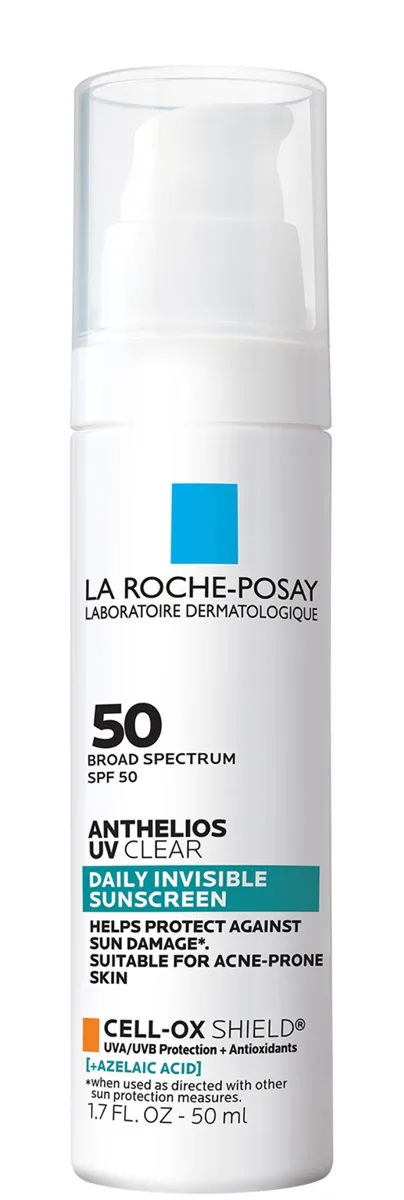 Derm Office Staple
 Anthelios UV Clear Sunscreen SPF 50
One of the only US chemical sunscreens that genuinely earns its 'for sensitive and breakout-prone skin' positioning. A photostable Anthelios filter system paired with a legitimate azelaic acid dose in a lightweight serum-fluid that disappears on every skin tone. Excellent for rosacea, acne, and post-inflammatory hyperpigmentation — and probably the single best daily sunscreen in the La Roche-Posay US lineup for those conditions.
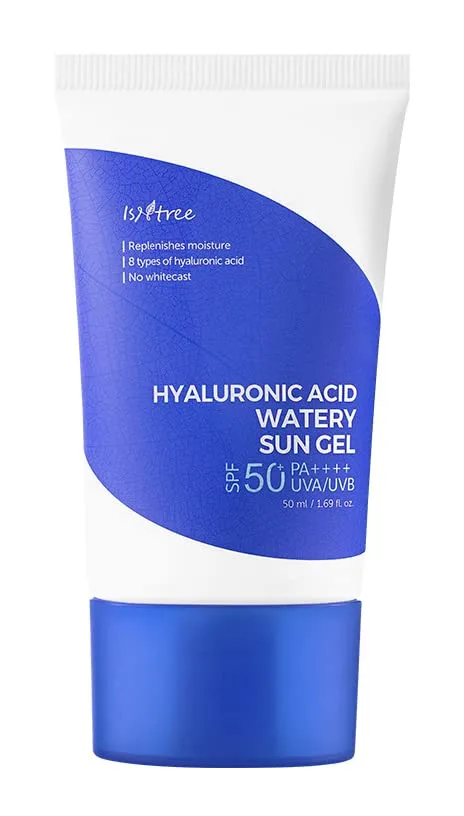 K-Beauty Daily SPF Standout
 Hyaluronic Acid Watery Sun Gel SPF 50+
One of the strongest everyday K-beauty sunscreens in the international market — modern European filters, no white cast, fragrance-free, niacinamide-boosted, and built around the brand's signature six-weight HA complex. At twenty-two dollars for 50ml, it's a case study in how much better a daily sunscreen can be when the formulator cares about both protection and wearability.
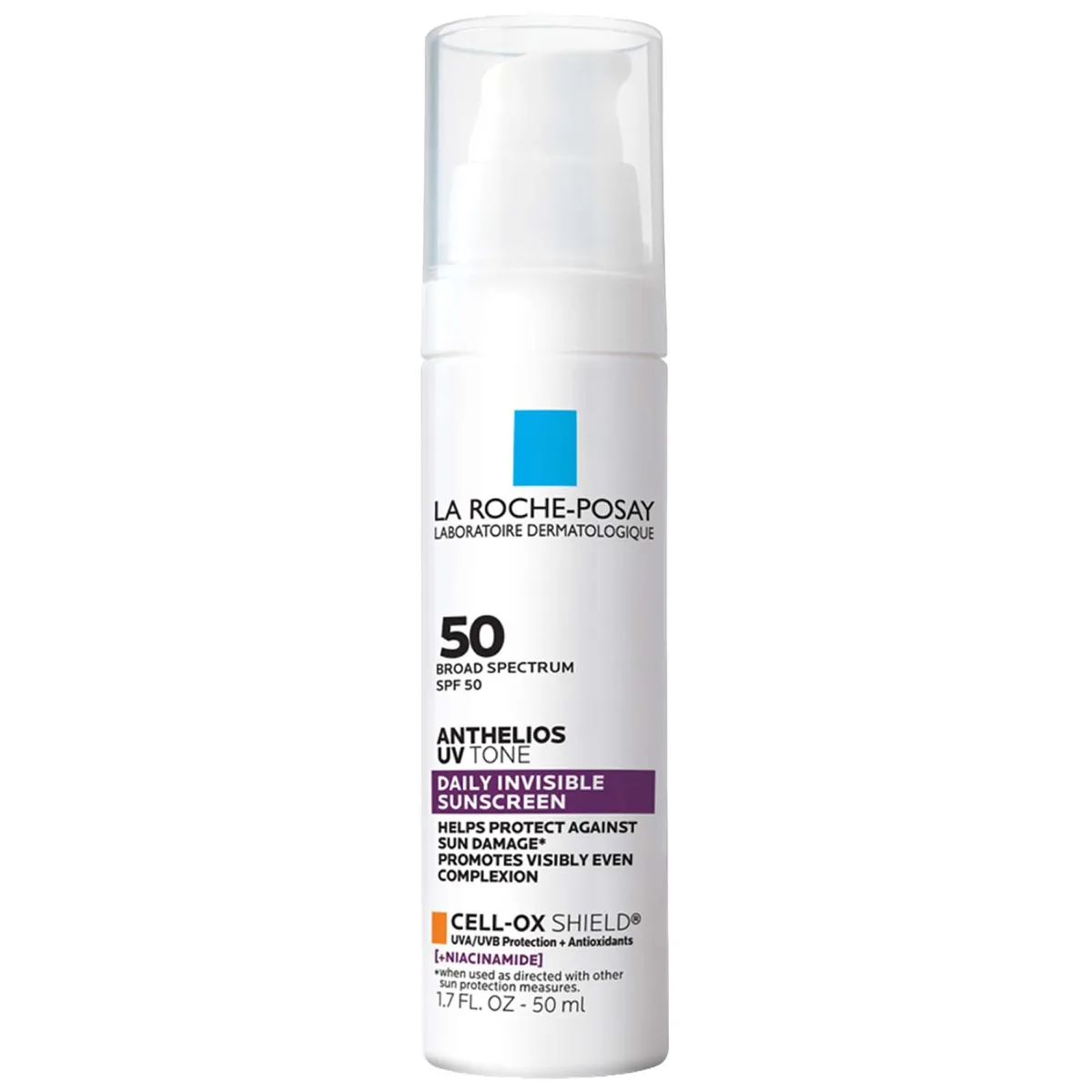 Derm Office Staple
 Anthelios UV Tone Daily Invisible Sunscreen SPF 50
La Roche-Posay's most thoughtful answer yet for hyperpigmentation-prone skin that needs daily SPF. A photostable avobenzone system reinforced with Oxynex ST, paired with a meaningful dose of niacinamide, in a serum-fluid base that goes on invisible on every skin tone. Expensive for 1.7 oz but legitimately well-built — and a rare chemical sunscreen that earns its 'for dark spots' marketing.
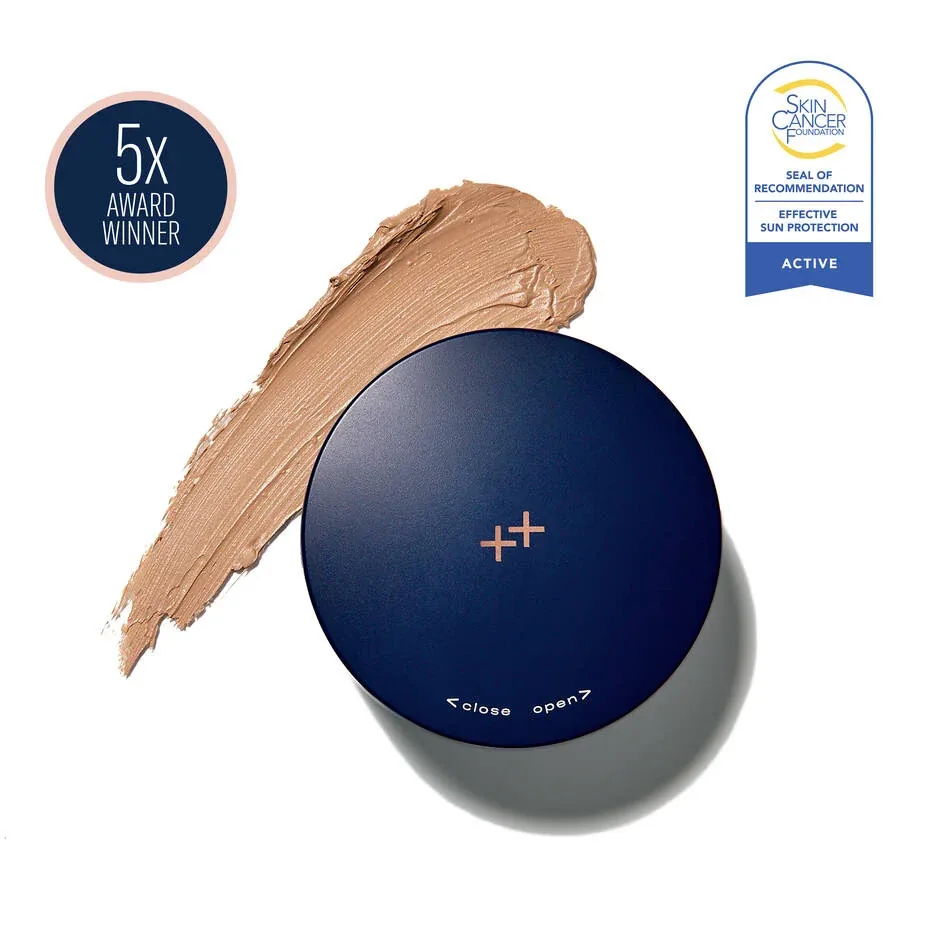 Melasma-Grade Mineral Sunscreen
 sunbetter TONE SMART SPF 68
One of the most clinically useful tinted mineral sunscreens in the professional category. SPF 68 from a 100% mineral formula, iron oxide tint that blocks visible light for melasma protection, and an unusually lightweight texture that doesn't feel like you're wearing high-concentration zinc. For patients with melasma or post-inflammatory hyperpigmentation, this is the category benchmark — and it's earned its Allure Best of Beauty wins.
 K-Beauty Cult Favorite
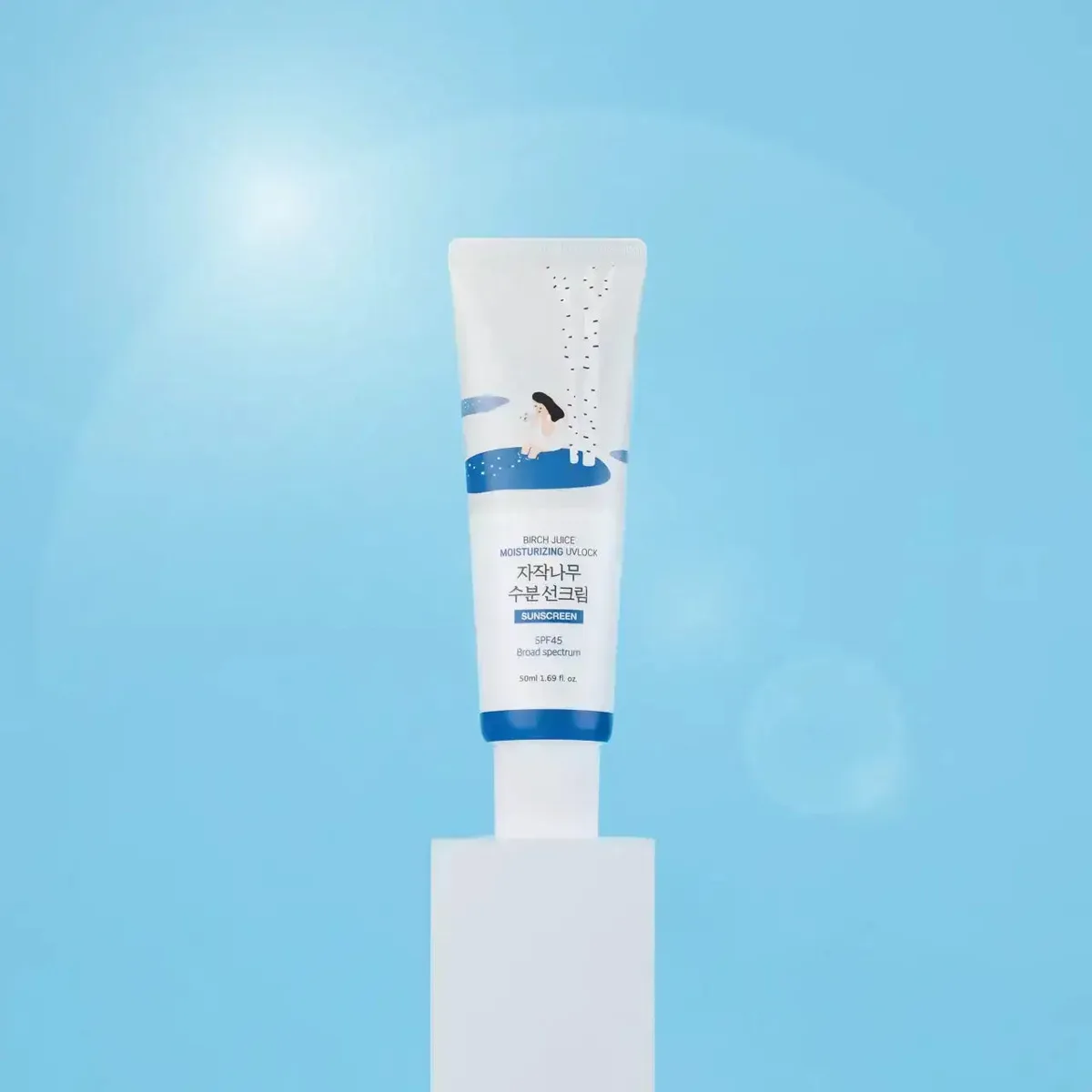
 Birch Juice Moisturizing Sun Cream SPF 50+
One of the best hybrid sunscreens in K-beauty right now — a 70% birch sap base, modern UVA filters you can't get in the US, and a finish that wears like a lightweight moisturizer. Broadly compatible, well-priced, and genuinely pleasant to apply, with minor tradeoffs for oily and fungal-acne-prone users.
 The K-Beauty Sunscreen That Changed Everything
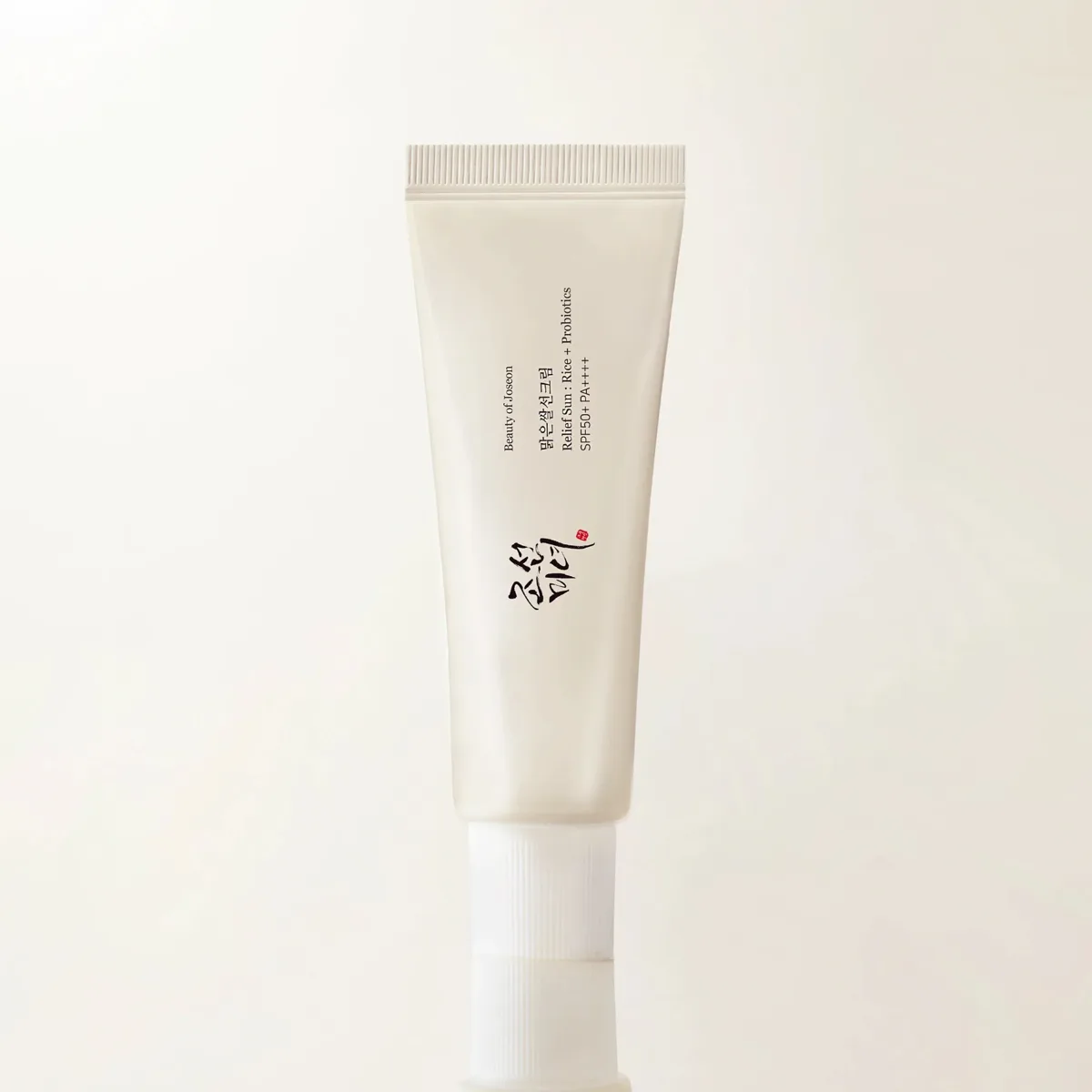
 Relief Sun: Rice + Probiotics SPF 50+
The sunscreen that rewrote the rules for what a $14 product could deliver. With independently verified SPF 50+, 30% rice extract, niacinamide, and a probiotic ferment complex, it offers protection and skincare benefits that rival products three times its price. The texture that feels like wearing nothing on your face is the reason it went viral — and stayed there.
This review reflects our independent analysis of publicly available ingredient data, manufacturer claims, and verified user reviews. We are reader-supported — Amazon links may earn us a commission at no cost to you. We do not accept paid placements; rankings are based solely on the evidence.