A mineral sunscreen that does something no other mineral sunscreen does: actively repair the DNA damage that UV radiation causes. The ultralight texture and SPF 50+ from zinc oxide alone are impressive feats of formulation, and the photolyase technology is backed by genuine clinical evidence. The fragrance and price are real drawbacks, but for sun-damaged skin, this is the most scientifically ambitious mineral sunscreen on the market.
Eryfotona Actinica Mineral Sunscreen SPF 50+
A mineral sunscreen that does something no other mineral sunscreen does: actively repair the DNA damage that UV radiation causes. The ultralight texture and SPF 50+ from zinc oxide alone are impressive feats of formulation, and the photolyase technology is backed by genuine clinical evidence. The fragrance and price are real drawbacks, but for sun-damaged skin, this is the most scientifically ambitious mineral sunscreen on the market.
Score Breakdown
Where this product gains points and where it loses them — broken down across the four scoring pillars.
Exceptional ingredient innovation with clinically studied DNA repair technology and a sophisticated antioxidant complex. The ultralight texture achieves broad-spectrum SPF 50+ from zinc oxide alone — a formulation feat. Value is tempered by the $73 price and the inclusion of fragrance and denatured alcohol.
Pros & Cons
- ✓Patented DNA Repairsomes technology actively repairs UV-induced DNA damage backed by 11+ clinical studies
- ✓Ultralight fluid texture achieves SPF 50+ from just 11% zinc oxide alone
- ✓Minimal white cast that blends quickly — unlike most mineral sunscreens at this SPF
- ✓Dual vitamin C and vitamin E antioxidant complex provides multi-phase free radical defense
- ✓Recommended and sold by dermatologists for actinic keratosis management
- ✓HSA/FSA eligible — recognized as a medical-grade photoprotection product
- ✗Contains synthetic fragrance — questionable for a product targeting photodamaged sensitive skin
- ✗Denatured alcohol may be drying for already compromised skin types
- ✗Premium price at $73 per 100 mL adds up with daily application and reapplication
- ✗Can pill around the hairline when layered over certain products
- ✗Fluid consistency may settle into fine lines on mature skin
Full Review
Somewhere in a volcanic hot spring, billions of years before humans invented sunscreen, a cyanobacterium called Anacystis nidulans evolved an elegant solution to UV damage. Rather than blocking UV rays — it hadn't developed that trick yet — it simply fixed the damage after it happened. The enzyme responsible, photolyase, directly reverses the most common type of UV-induced DNA lesion by recognizing damaged pyrimidine pairs and snapping them back into their correct configuration. It has been doing this for approximately three billion years. ISDIN, a fifty-year-old Spanish pharmaceutical company, figured out how to put it in a sunscreen.
The Eryfotona Actinica represents something genuinely unusual in the sunscreen world: a product with a real scientific thesis beyond 'blocks UV rays.' The thesis is that prevention alone isn't enough. Every sunscreen, no matter how well formulated or religiously applied, allows some UV photons through. Those photons create cyclobutane pyrimidine dimers — CPDs — the molecular fingerprints of DNA damage that accumulate over a lifetime and eventually express as actinic keratoses, photoaging, and skin cancer. Most sunscreens shrug at this reality. Eryfotona Actinica tries to address it.
The DNA Repairsomes technology encapsulates photolyase in liposomes — tiny lipid vesicles that can penetrate into skin cells and deliver the enzyme where it's needed. Once there, the enzyme is activated by visible light (not UV — it uses the safe part of the spectrum) and goes to work reversing CPD lesions. The clinical evidence is substantial: a randomized controlled trial by Carducci et al. (Journal of Drugs in Dermatology, 2015) found that sunscreen with DNA repair enzymes reduced CPDs by 61% compared to 35% for sunscreen alone. A decade-long review by Puig et al. (Dermatology and Therapy, 2019) covering 228 patients across 11 studies found that only 14% of Eryfotona users developed new actinic keratosis lesions, compared to 54% in the sunscreen-only group.
These are serious numbers from real studies, and they explain why this product lives in dermatologist offices rather than on drugstore shelves. The 'Actinica' in the name is a direct reference to actinic keratosis — precancerous lesions caused by cumulative sun damage — and the product is positioned as a medical-adjacent intervention, not just a daily sunscreen. It is HSA and FSA eligible, which further signals its clinical positioning.
The sunscreen itself is beautifully formulated. SPF 50+ from 11% zinc oxide alone is a formulation achievement that shouldn't be taken for granted. Most mineral sunscreens at this SPF level require 15-25% zinc oxide and sometimes titanium dioxide as well, resulting in thick, white formulas that make application feel like spackling a wall. ISDIN achieves their SPF rating through advanced dispersion technology — the zinc oxide is distributed in a silicone-based emulsion (cyclopentasiloxane, dimethicone, PEG-10 dimethicone) that creates a remarkably thin, even film. The result is an ultralight fluid that applies like a serum and dries in seconds to a matte, non-greasy finish.
The texture genuinely surprises. Pick up this tube expecting a mineral sunscreen experience and you'll find something closer to a lightweight moisturizer. It's fluid, almost watery, and spreads across the face with zero resistance. The white cast is minimal — noticeable for a moment on medium skin tones, essentially invisible on fair skin, and fading quickly on all but the deepest complexions. For a mineral-only formula, this is impressive.
Beyond the photolyase, the formula includes a supporting cast of antioxidants: ascorbic acid and ascorbyl palmitate (dual vitamin C forms covering both water and lipid phases), tocopherol and tocopheryl acetate (dual vitamin E for membrane protection), panthenol for skin-soothing and barrier support, and bisabolol for anti-inflammatory calm. This isn't a zinc-oxide-and-done formula — it's a multi-layered defense system.
The limitations are honest ones. First, the fragrance. For a product sold through dermatologist offices for photodamaged, sensitive skin, the inclusion of synthetic fragrance is a puzzling choice — the same criticism leveled at Dr. Jart+'s Ceramidin Cream applies here with perhaps more force, since actinic keratosis patients are among the most skin-reactive populations. The scent is clean and dissipates quickly, but its presence on the ingredient list will (rightly) give pause to some users and some prescribing dermatologists.
Second, denatured alcohol appears relatively high on the ingredient list. While it helps achieve the ultralight texture by evaporating quickly, it can be drying for already-compromised skin. The panthenol and bisabolol help offset this, but dry-skinned users may want a hydrating serum underneath.
Third, the price. At seventy-three dollars for one hundred milliliters, this is a premium sunscreen. The 11+ clinical studies and patented technology justify some premium, but it's still a significant ask for a product that needs daily reapplication. The fifty-milliliter size at forty-six dollars offers a lower entry point for those who want to test before committing.
The question this product forces is simple: is sun protection enough, or should we also be repairing the damage that inevitably gets through? The evidence says repair matters, and ISDIN is currently the only brand offering clinically validated DNA repair in a wearable mineral sunscreen format. Whether that's worth the premium depends on your sun damage history, your risk profile, and how much you value a product that's doing something genuinely different. For anyone with a history of actinic keratoses, a lifetime of sun exposure, or simply a desire for the most scientifically ambitious mineral sunscreen available, the Eryfotona Actinica earns its place on the shelf — and its place in the dermatologist's recommendation.
Formula
Key Ingredients
The hero actives that drive this product's performance.
| Ingredient | Function | Evidence |
|---|---|---|
| Zinc Oxide 11% (11%) | Sole UV filter providing broad-spectrum SPF 50+ protection. At 11%, zinc oxide handles both UVA and UVB absorption. The single-filter approach simplifies the formula and avoids potential interactions between multiple UV filters, while the silicone vehicle ensures even distribution for consistent protection. | well-established |
| DNA Repairsomes (Plankton Extract / Photolyase) | Liposome-encapsulated photolyase enzyme derived from Anacystis nidulans cyanobacteria. This is the formula's defining technology — upon activation by visible light, photolyase directly repairs cyclobutane pyrimidine dimers (CPDs), the most common form of UV-induced DNA damage. Clinical studies show 61% reduction in CPDs versus 35% with sunscreen alone. | promising |
| Vitamin C Complex (Ascorbic Acid + Ascorbyl Palmitate) | Dual vitamin C forms provide antioxidant defense beneath the mineral UV shield. Ascorbic acid offers immediate free radical neutralization while the lipid-soluble ascorbyl palmitate integrates into cell membranes for sustained antioxidant activity — a two-phase approach that complements the DNA repair mechanism. | well-established |
| Panthenol | Soothes and hydrates sun-stressed skin while supporting the barrier function. In a formula designed for photodamaged skin, panthenol's wound-healing properties help address the chronic low-grade irritation that accompanies actinic damage. | well-established |
| Bisabolol | Chamomile-derived anti-inflammatory that calms reactive, sun-damaged skin. Works alongside panthenol to reduce the redness and irritation common in skin with actinic keratosis history. | well-established |
Full INCI List
Active Ingredient: Zinc Oxide 11%. Inactive Ingredients: Water, Diethylhexyl Carbonate, Dibutyl Adipate, Cyclopentasiloxane, Dicaprylyl Carbonate, Alcohol Denat., Cyclohexasiloxane, Butylene Glycol, PEG-30 Dipolyhydroxystearate, Nylon-12, PEG-10 Dimethicone, Dimethicone, Sodium Chloride, Phenoxyethanol, Disteardimonium Hectorite, Triethoxycaprylylsilane, Tocopheryl Acetate, Glyceryl Stearate, Fragrance, Bisabolol, Disodium EDTA, Ethylhexylglycerin, Panthenol, PEG-8, Tocopherol, Lecithin, Plankton Extract, Ascorbyl Palmitate, Ascorbic Acid, Citric Acid
Product Flags
✗ Fragrance Free✗ Alcohol Free✓ Oil Free✗ Silicone Free✓ Paraben Free✓ Sulfate Free✗ Cruelty Free✓ Vegan✗ Fungal Acne Safe
Potential Irritants
FragranceAlcohol Denat.
Common Allergens
Fragrance
Compatibility
Skin Match
Best For
Works For
Not Ideal For
Addresses These Conditions
sun damage aging dark spots hyperpigmentation
Use With Caution
Routine Step
sunscreen
Time of Day
AM
Pregnancy Safe
Yes ✓
Layering Tips
Apply as the final step of your morning skincare routine. The ultralight emulsion layers effortlessly over serums and moisturizers. Shake well before use. Allow a moment to set before applying makeup. The fluid texture doubles as a primer-like base.
Results Timeline
Immediate UV protection and a smooth, matte finish from first application. The DNA Repairsomes technology works cumulatively — clinical studies show measurable reduction in UV-induced DNA damage markers over weeks to months of consistent daily use.
Pairs Well With
vitamin-cretinolniacinamidehyaluronic-acid
Sample AM Routine
- Gentle cleanser
- Vitamin C serum
- Lightweight moisturizer
- ISDIN Eryfotona Actinica Mineral Sunscreen SPF 50+
Sample PM Routine
- Double cleanse
- Retinol treatment
- Barrier-repair moisturizer
Evidence
Science & Expert Perspective
The Science
The DNA Repairsomes technology in Eryfotona Actinica represents one of the most clinically studied innovations in photoprotection. The core mechanism relies on photolyase — an enzyme from the cyanobacterium Anacystis nidulans — that directly reverses cyclobutane pyrimidine dimers (CPDs), the most prevalent form of UV-induced DNA damage.
Carducci et al. (Journal of Drugs in Dermatology, 2015) conducted a six-month randomized clinical trial on 28 patients with actinic keratosis, finding that CPDs decreased by 61% in the photolyase sunscreen group compared to 35% in the conventional sunscreen group (p < 0.001). Field cancerization markers also improved significantly more in the enzyme group.
A comprehensive 10-year review by Puig et al. (Dermatology and Therapy, 2019) analyzed 11 studies involving 228 patients and found that only 14% of patients using the photolyase-containing sunscreen developed new actinic keratosis lesions, compared to 54% in sunscreen-only control groups. The review also documented improvements in microscopic skin characteristics assessed by reflectance confocal microscopy.
A systematic review by Luze et al. (Photodermatology, Photoimmunology & Photomedicine, 2020) confirmed the DNA damage reduction findings but noted a lack of large randomized controlled trials demonstrating superiority for photoaging specifically. Importantly, Alvares et al. (Anais Brasileiros de Dermatologia, 2022) found no significant difference between photolyase sunscreen and regular sunscreen for advanced photodamage in immunocompetent patients, suggesting the strongest benefits may be specific to the AK population.
The zinc oxide UV filter at 11% provides broad-spectrum protection through absorption rather than reflection. The silicone-based vehicle optimizes zinc oxide dispersion for maximum optical efficiency, achieving SPF 50+ at a concentration where traditional formulations would typically reach SPF 30-35.
References
- Comparative Effects of Sunscreens Alone vs Sunscreens Plus DNA Repair Enzymes in Patients With Actinic Keratosis — Journal of Drugs in Dermatology (2015)
- Review of Clinical Evidence over 10 Years on Prevention and Treatment of a Film-Forming Medical Device Containing Photolyase in the Management of Field Cancerization in Actinic Keratosis — Dermatology and Therapy (2019)
- DNA repair enzymes in sunscreens and their impact on photoageing — A systematic review — Photodermatology, Photoimmunology & Photomedicine (2020)
- Efficacy of sunscreen with photolyase or regular sunscreen associated with topical antioxidants in treating advanced photodamage and cutaneous field cancerization — Anais Brasileiros de Dermatologia (2022)
Dermatologist Perspective
Board-certified dermatologists consider the Eryfotona Actinica a uniquely positioned product in photoprotection, particularly for patients with actinic keratosis history or significant cumulative sun damage. The DNA Repairsomes technology is cited in dermatological literature and used in clinical practice as part of AK management protocols. Dr. Rosemarie Ingleton has praised its lightweight texture and clinically proven DNA repair ingredients. The product is sold through dozens of dermatology practice shops across the United States, indicating strong professional endorsement. Dermatologists note that while the photolyase technology adds genuine value, the inclusion of fragrance and denatured alcohol prevents it from being a universal recommendation for all sensitive or photodamaged skin types.
Guidance
Usage Guide
How to Use
Shake well before each use. Apply generously to the face, neck, and any exposed areas as the last step of your morning skincare routine. The fluid texture requires less effort to spread than traditional sunscreens — a few drops dispensed from the pump cover the entire face. Allow to dry for one to two minutes before applying makeup. Reapply every two hours during prolonged sun exposure, and immediately after swimming, heavy sweating, or towel-drying. Water resistance lasts 40 minutes.
Value Assessment
At $73 for 100 mL, the Eryfotona Actinica commands a significant premium over conventional mineral sunscreens. The pricing reflects the patented DNA Repairsomes technology and 15+ years of clinical research — no other mineral sunscreen offers active DNA repair with this level of evidence. The 100 mL tube is generous and should last two to three months with once-daily facial application. A 50 mL size at $46 offers a lower entry point. HSA/FSA eligibility effectively reduces the out-of-pocket cost for many consumers. For patients with AK history or significant sun damage who would otherwise spend money on clinical treatments, the preventive value proposition is compelling. For general daily sun protection without specific photodamage concerns, less expensive mineral options may serve equally well.
Who Should Buy
Anyone with a history of actinic keratosis, significant cumulative sun exposure, or dermatologist-monitored photodamage. Those who want the most scientifically advanced mineral sunscreen available, with DNA repair technology backed by clinical evidence. Oily and combination skin types who find traditional mineral sunscreens too heavy. Users who prefer a medical-grade product recommended by dermatologists.
Who Should Skip
Those with fragrance sensitivities — the added fragrance is unnecessary for a clinical product. Very dry skin types who need hydrating sunscreen formulas — the denatured alcohol and matte finish may exacerbate dryness. Budget-conscious shoppers who don't have specific photodamage concerns will find better value in simpler mineral sunscreens.
Ready to try ISDIN Eryfotona Actinica Mineral Sunscreen SPF 50+?
Details
Details
Texture
Ultralight emulsion with a fluid, almost water-like consistency. Nothing like a traditional thick mineral sunscreen. Spreads effortlessly and absorbs within seconds to a smooth, non-tacky finish.
Scent
Contains added fragrance — noticeable on initial application with a clean, slightly floral scent. Dissipates within a few minutes. Polarizing for fragrance-sensitive users.
Packaging
White tube with pump dispenser. Clean, clinical aesthetic consistent with ISDIN's pharmaceutical heritage. The pump allows precise dispensing and keeps the formula protected from air and light exposure. Travel-friendly.
Finish
mattenon-greasynatural
What to Expect on First Use
The fluid texture surprises first-time users expecting a thick mineral paste. It applies like a lightweight serum, absorbs almost instantly, and leaves a smooth, matte canvas. Minimal white cast that fades within minutes. The fragrance is noticeable briefly but disappears quickly.
How Long It Lasts
2-3 months with once-daily face and neck application
Period After Opening
12 months
Best Season
All Year
Certifications
Non-comedogenicBroad Spectrum SPF 50+Water Resistant (40 minutes)HSA/FSA Eligible
Background
The Why
ISDIN developed the Eryfotona line in 2008 around a radical idea: what if sunscreen could repair the DNA damage it was supposed to prevent? The key was photolyase — an ancient enzyme found in cyanobacteria that evolved to fix UV damage billions of years before sunscreen existed. By encapsulating photolyase in liposomes (DNA Repairsomes) and embedding them in a mineral sunscreen base, ISDIN created a product that dermatologists now use as part of actinic keratosis management protocols.
About ISDIN Legacy Brand (20+ years)
ISDIN was founded in 1975 in Barcelona as a joint venture between Puig (cosmetics) and Esteve (pharmaceuticals). Spain's number one dermatological brand for over 50 years, ISDIN develops products in collaboration with dermatologists and skin cancer researchers, with products sold in 30+ countries.
Brand founded: 1975 · Product launched: 2019
Myth vs. Reality
Myths & Misconceptions
Myth
Mineral sunscreens can only block UV rays — they can't repair existing sun damage.
Reality
This formula's DNA Repairsomes contain photolyase, an enzyme that, upon exposure to visible light, directly reverses cyclobutane pyrimidine dimers — the most common UV-induced DNA lesion. Clinical data shows a 61% reduction in CPDs versus 35% with sunscreen alone.
Myth
You need high zinc oxide concentrations (20%+) to achieve SPF 50 in a mineral sunscreen.
Reality
This formula achieves SPF 50+ with just 11% zinc oxide through advanced dispersion and vehicle technology. The silicone-based emulsion distributes zinc oxide particles into a more uniform, optically efficient film than traditional cream bases, maximizing UV absorption per particle.
FAQ
Frequently Asked Questions
What are DNA Repairsomes in ISDIN Eryfotona Actinica?
DNA Repairsomes are patented liposome-encapsulated photolyase enzymes derived from cyanobacteria (listed as Plankton Extract in the INCI). When activated by visible light after application, these enzymes directly repair cyclobutane pyrimidine dimers — the most common form of UV-induced DNA damage. Clinical studies show they reduce DNA damage markers by 61% compared to 35% with conventional sunscreen alone.
Is ISDIN Eryfotona Actinica good for sensitive skin?
The zinc-oxide-only mineral formula is inherently gentle, but this product contains fragrance and denatured alcohol, which may irritate very sensitive skin. It also includes soothing panthenol and bisabolol to offset potential irritation. Best suited for skin that tolerates fragrance but needs mineral-only UV protection.
Does ISDIN Eryfotona Actinica leave a white cast?
Minimal. The ultralight emulsion formula distributes zinc oxide into a thin, uniform film that produces significantly less white cast than traditional mineral creams. On fair to medium skin tones, the cast is negligible. On deeper skin tones, a faint brightening may be visible but blends within minutes.
Is ISDIN Eryfotona Actinica worth the price?
At $73 for 100 mL, the pricing reflects the patented DNA Repairsomes technology and the clinical research behind it — over 11 published studies spanning 15+ years. No other mineral sunscreen offers active DNA repair at this level. A 50 mL travel size is available for $46 if you want to try before committing. The product is also HSA/FSA eligible.
Can ISDIN Eryfotona Actinica help with actinic keratosis?
Clinical studies specifically on the Eryfotona line show that only 14% of users who applied the photolyase-containing sunscreen developed new actinic keratosis lesions over a study period, compared to 54% using sunscreen alone. Dermatologists frequently recommend it as part of an AK management protocol alongside regular skin checks.
How is ISDIN Eryfotona Actinica different from Eryfotona Ageless?
Eryfotona Actinica focuses on DNA repair for sun-damaged and AK-prone skin, with a formula centered on photolyase and antioxidants. Eryfotona Ageless is tinted and adds anti-aging peptides. Actinica is the more clinical, treatment-focused option; Ageless adds cosmetic benefits like tint and anti-aging.
Community
Community Voices
Common Praise
"Ultralight fluid texture feels nothing like a mineral sunscreen"
"Minimal to no white cast that blends in quickly"
"Effective DNA repair technology backed by clinical studies"
"Non-greasy matte finish works beautifully under makeup"
"Recommended and sold by dermatologists for actinic damage management"
Common Complaints
"Contains fragrance that some users find overpowering initially"
"Premium price at $73 for 100 mL"
"Contains denatured alcohol which may dry sensitive skin"
"Can pill around the hairline in some conditions"
"Fluid consistency can settle into fine lines on mature skin"
Notable Endorsements
InStyle Best Beauty Buys winner (Facial Sunscreen)Cosmopolitan Holy Grail Beauty Award 2024Dr. Rosemarie Ingleton endorsementSold through dozens of dermatology practices nationwideHSA/FSA eligible
Appears In
best sunscreen for sun damage best mineral sunscreen best dermatologist recommended sunscreen best sunscreen for aging
Related Conditions
sun damage aging dark spots hyperpigmentation sensitivity
Related Ingredients
You Might Also Like
 Derm Office Staple
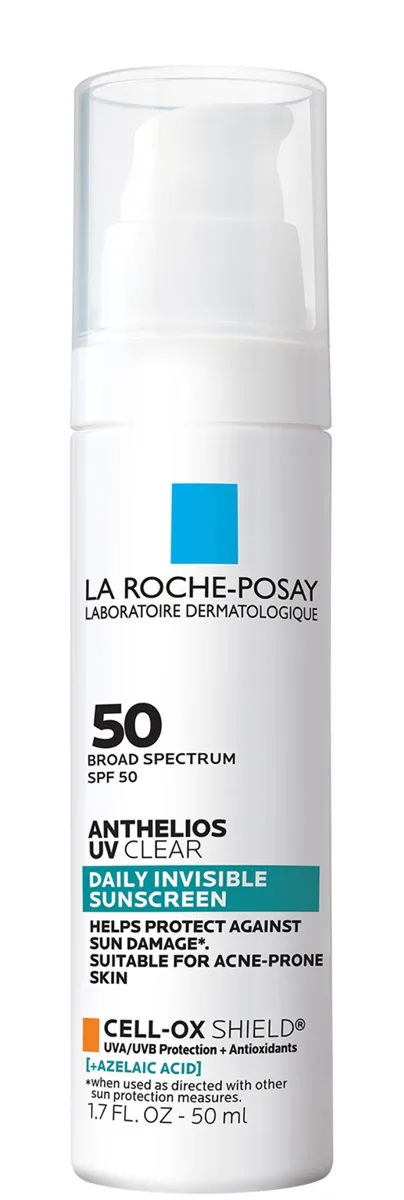
 Anthelios UV Clear Sunscreen SPF 50
One of the only US chemical sunscreens that genuinely earns its 'for sensitive and breakout-prone skin' positioning. A photostable Anthelios filter system paired with a legitimate azelaic acid dose in a lightweight serum-fluid that disappears on every skin tone. Excellent for rosacea, acne, and post-inflammatory hyperpigmentation — and probably the single best daily sunscreen in the La Roche-Posay US lineup for those conditions.
 K-Beauty Daily SPF Standout
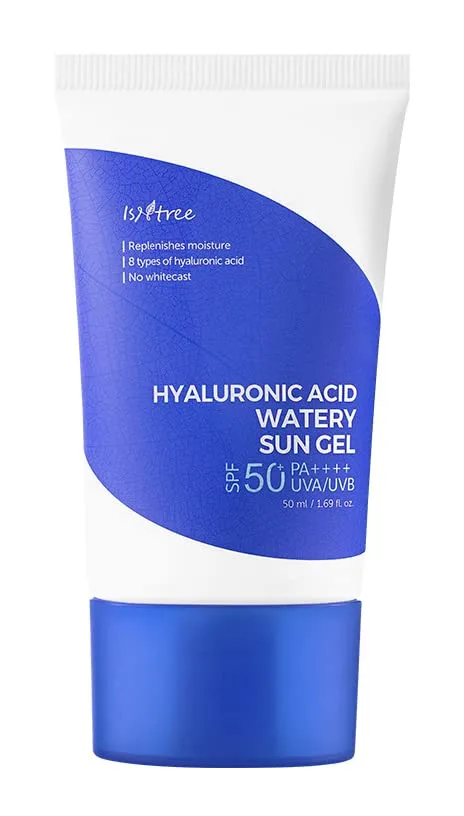
 Hyaluronic Acid Watery Sun Gel SPF 50+
One of the strongest everyday K-beauty sunscreens in the international market — modern European filters, no white cast, fragrance-free, niacinamide-boosted, and built around the brand's signature six-weight HA complex. At twenty-two dollars for 50ml, it's a case study in how much better a daily sunscreen can be when the formulator cares about both protection and wearability.
 Derm Office Staple
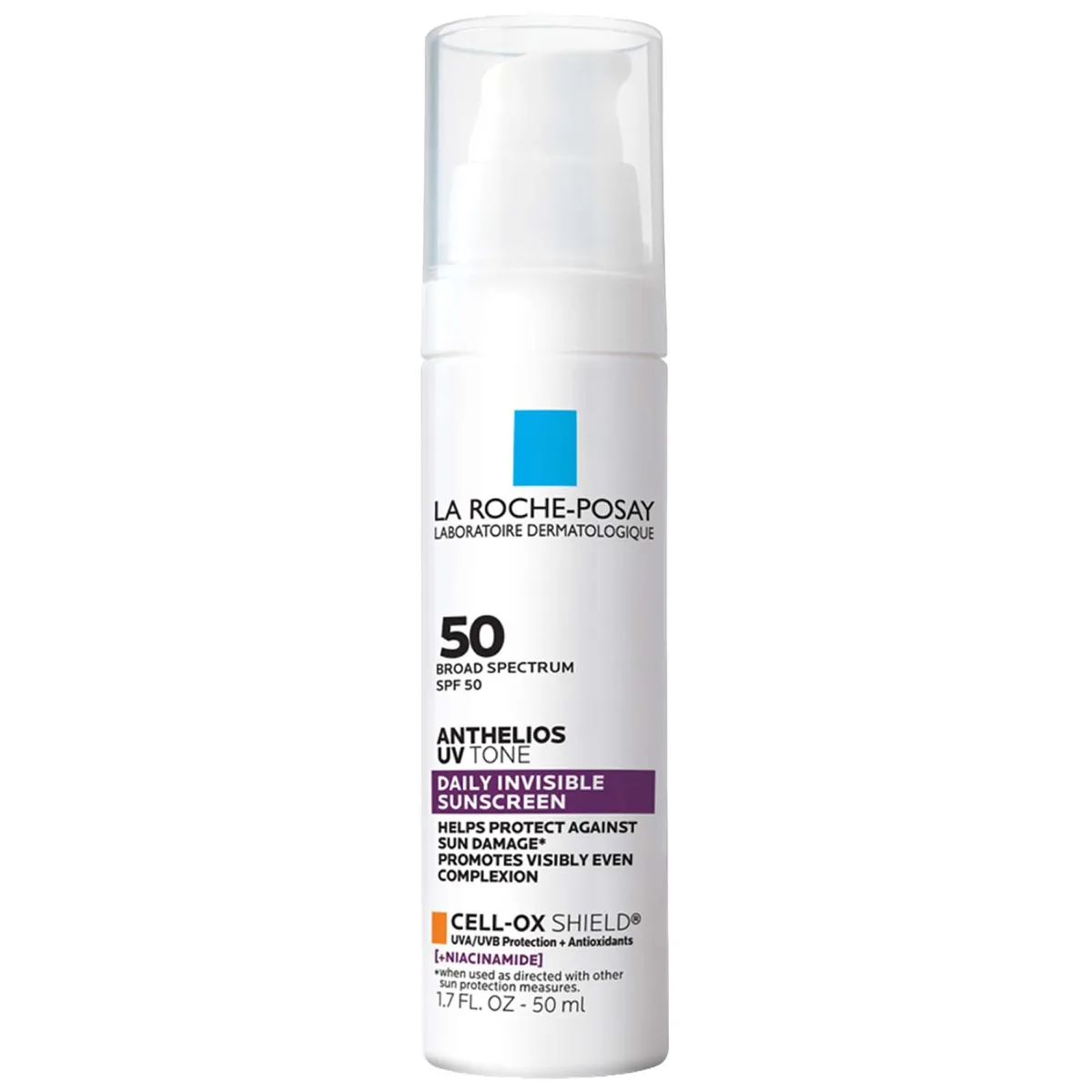
 Anthelios UV Tone Daily Invisible Sunscreen SPF 50
La Roche-Posay's most thoughtful answer yet for hyperpigmentation-prone skin that needs daily SPF. A photostable avobenzone system reinforced with Oxynex ST, paired with a meaningful dose of niacinamide, in a serum-fluid base that goes on invisible on every skin tone. Expensive for 1.7 oz but legitimately well-built — and a rare chemical sunscreen that earns its 'for dark spots' marketing.
 Melasma-Grade Mineral Sunscreen
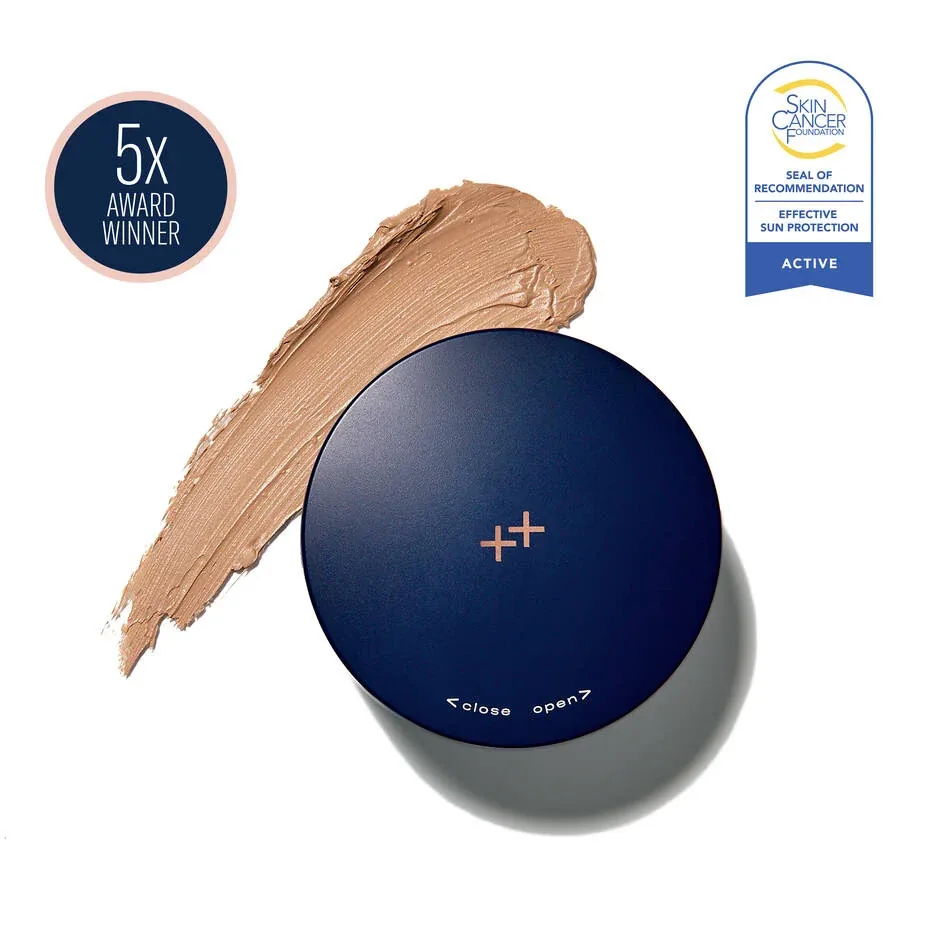
 sunbetter TONE SMART SPF 68
One of the most clinically useful tinted mineral sunscreens in the professional category. SPF 68 from a 100% mineral formula, iron oxide tint that blocks visible light for melasma protection, and an unusually lightweight texture that doesn't feel like you're wearing high-concentration zinc. For patients with melasma or post-inflammatory hyperpigmentation, this is the category benchmark — and it's earned its Allure Best of Beauty wins.
 K-Beauty Cult Favorite
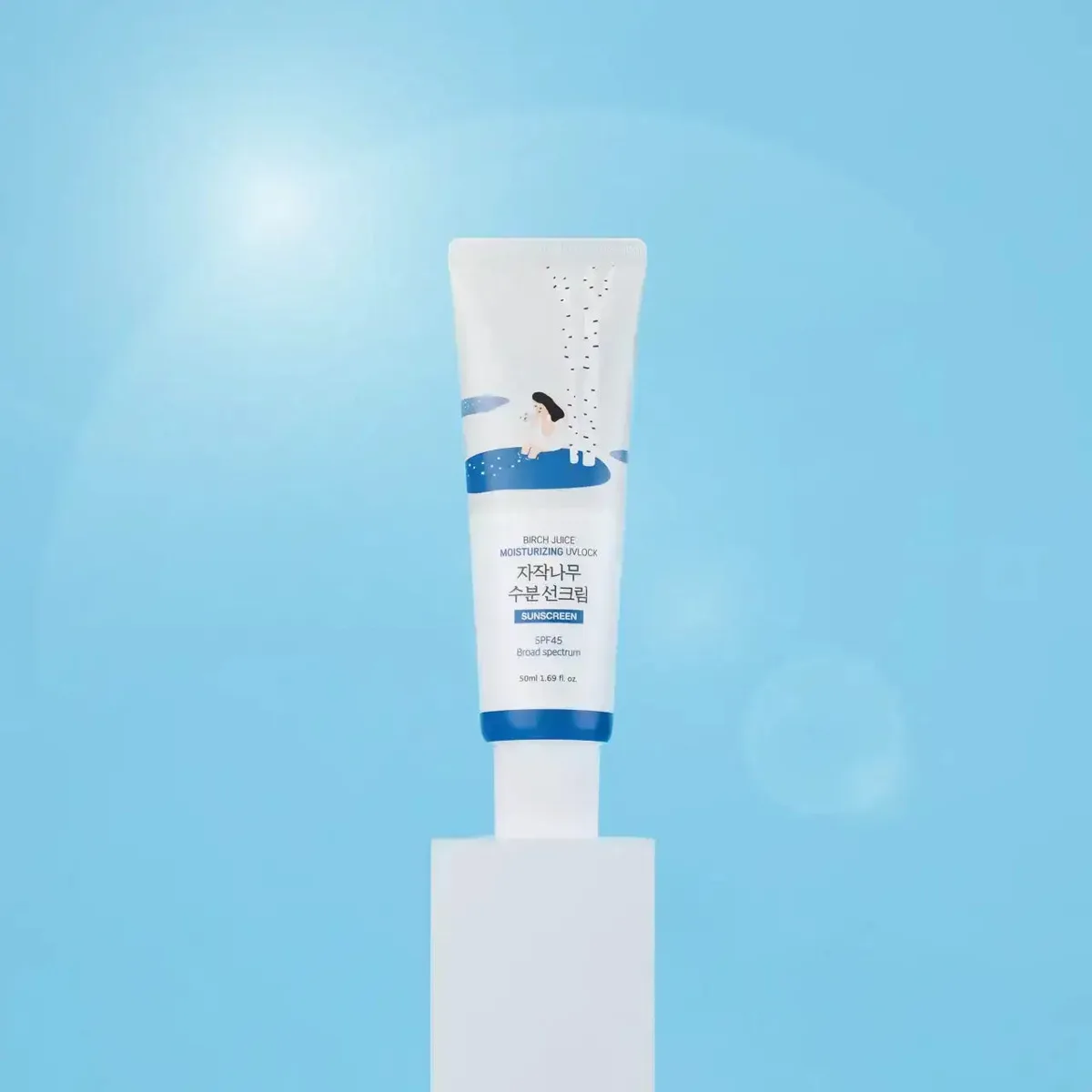
 Birch Juice Moisturizing Sun Cream SPF 50+
One of the best hybrid sunscreens in K-beauty right now — a 70% birch sap base, modern UVA filters you can't get in the US, and a finish that wears like a lightweight moisturizer. Broadly compatible, well-priced, and genuinely pleasant to apply, with minor tradeoffs for oily and fungal-acne-prone users.
 The K-Beauty Sunscreen That Changed Everything
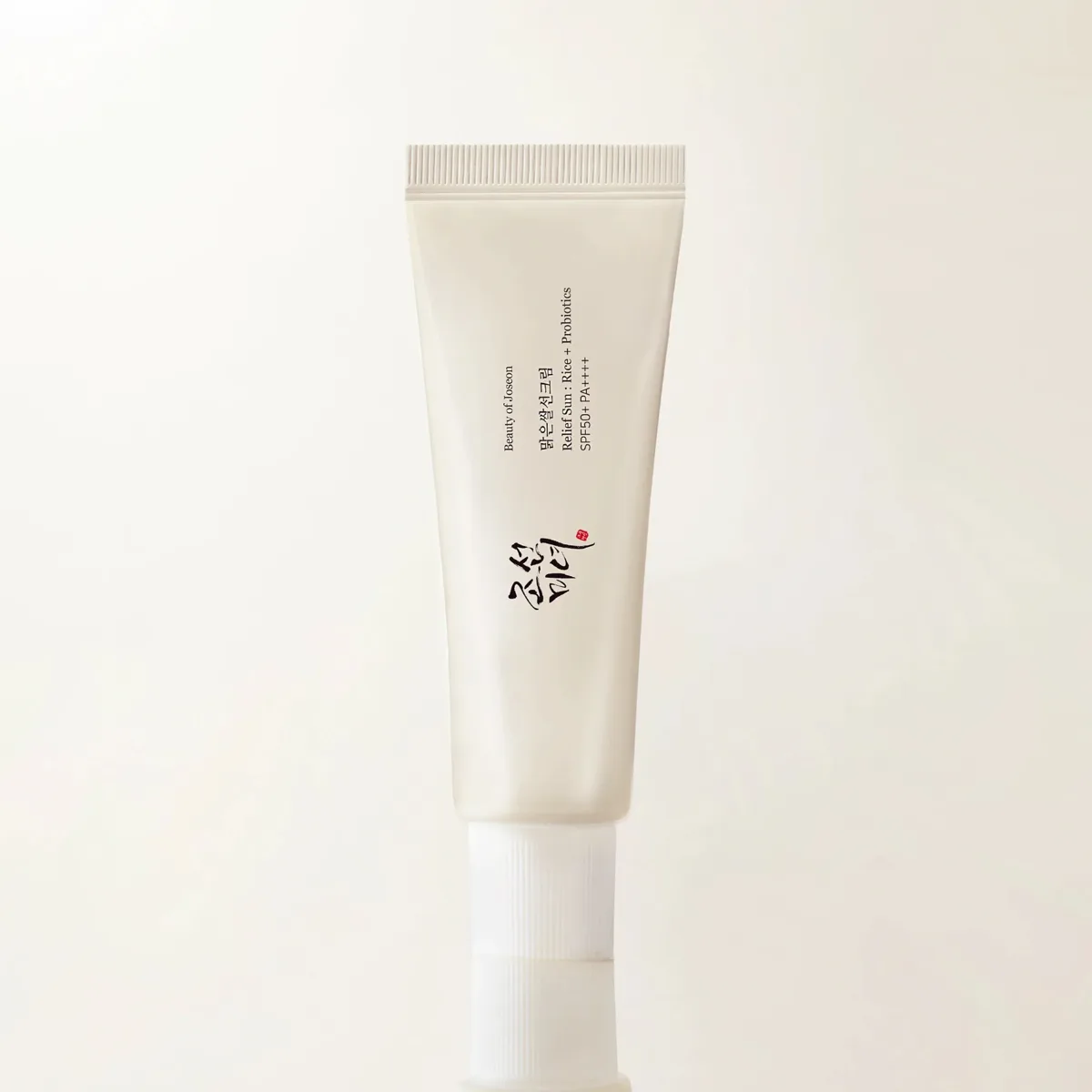
 Relief Sun: Rice + Probiotics SPF 50+
The sunscreen that rewrote the rules for what a $14 product could deliver. With independently verified SPF 50+, 30% rice extract, niacinamide, and a probiotic ferment complex, it offers protection and skincare benefits that rival products three times its price. The texture that feels like wearing nothing on your face is the reason it went viral — and stayed there.