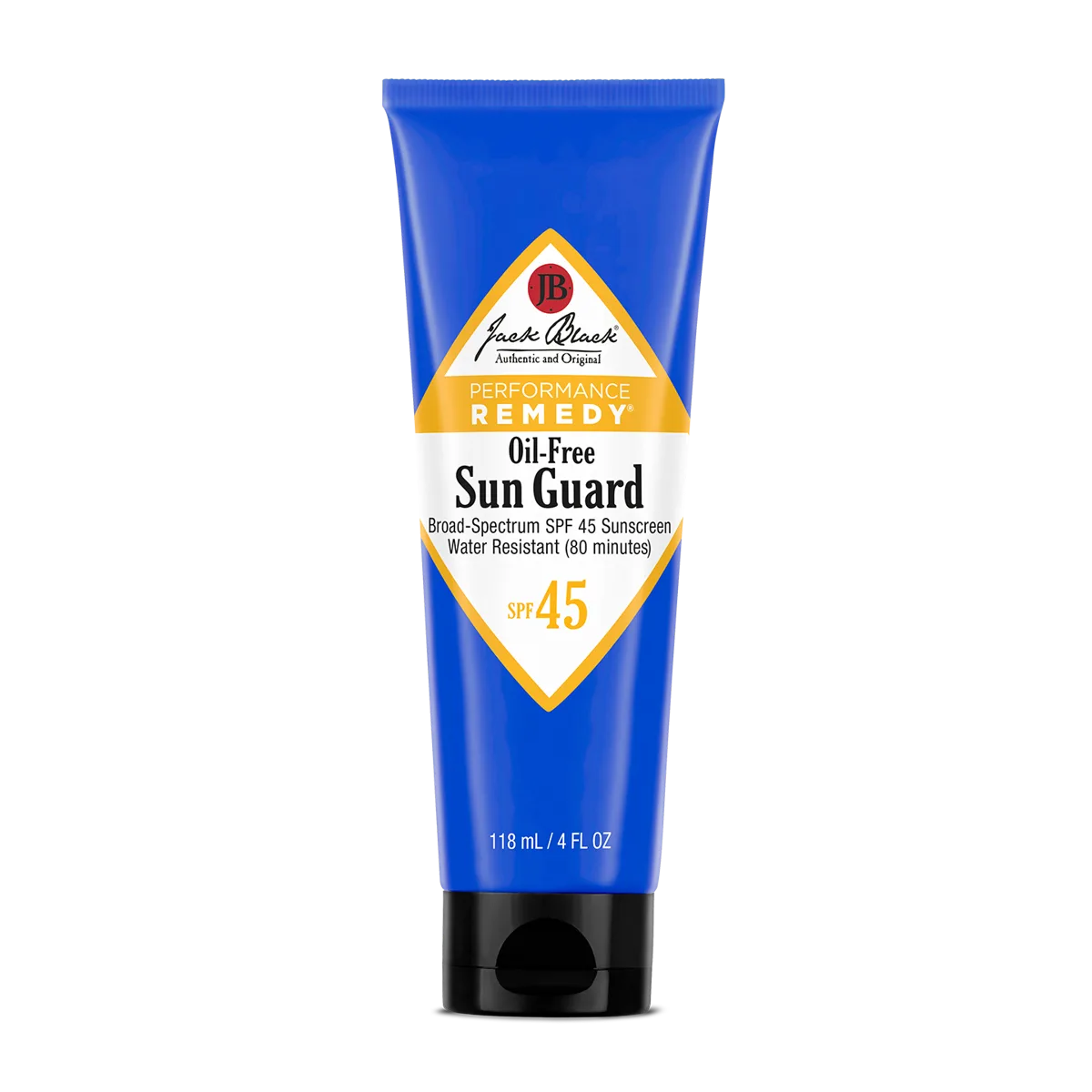
A reliable, no-fuss hybrid sunscreen built for oily skin and active lifestyles. The oil-free formula disappears on application and holds up through sweat and water, though the inclusion of octinoxate may give environmentally conscious buyers pause. At $24 for 4 oz, it's a fair deal for a well-engineered SPF that doesn't interfere with your day.
Oil-Free Sun Guard SPF 45
A reliable, no-fuss hybrid sunscreen built for oily skin and active lifestyles. The oil-free formula disappears on application and holds up through sweat and water, though the inclusion of octinoxate may give environmentally conscious buyers pause. At $24 for 4 oz, it's a fair deal for a well-engineered SPF that doesn't interfere with your day.
Score Breakdown
Where this product gains points and where it loses them — broken down across the four scoring pillars.
A solid hybrid sunscreen with an oil-free formula well-suited for oily and combination skin. The inclusion of octinoxate may concern environmentally conscious consumers, and the antioxidant additions are modest, but the overall protection and wearability are strong for the price point.
Pros & Cons
- ✓Genuinely oil-free formula that controls shine throughout the day
- ✓Minimal white cast despite containing zinc oxide for UVA protection
- ✓80-minute water resistance holds up during intense physical activity
- ✓Fragrance-free and dermatologist-tested for sensitive skin compatibility
- ✓Silicone base creates smooth primer-like finish under makeup or alone
- ✓Hybrid UV filter system achieves SPF 45 without heavy mineral load
- ✓Won't sting or drip into eyes during sweating and exercise
- ✗Contains octinoxate which is banned in some reef-protected areas
- ✗Silicone-heavy base may not suit those who avoid silicones
- ✗Can feel slightly drying on very dry skin types without moisturizer underneath
- ✗Antioxidant ingredients are present at likely modest concentrations
- ✗Travel size at $13 for 1.5 oz offers poor per-ounce value
Full Review
When Jack Black launched in 2000, the idea of a men's skincare line was somewhere between niche and delusional. Most men's sun protection came in a neon-labeled bottle that smelled like a beach vacation and left you looking like a glazed donut. The Oil-Free Sun Guard was built to fix that — a sunscreen for guys who needed protection but refused to feel like they were wearing anything at all.
The formulation takes a hybrid approach, combining 8% zinc oxide with two chemical filters — octinoxate at 7.5% and octisalate at 3%. This three-filter strategy is deliberate. The zinc oxide handles the heavy lifting on UVA protection, shielding against the longer wavelengths responsible for photoaging and deeper skin damage. Octinoxate picks up the UVB slack with strong absorption in the burning range, while octisalate extends the coverage and helps the formula reach its SPF 45 rating without requiring a mineral-heavy base that would turn the product into a white paste.
The oil-free claim here is genuine, not just marketing maneuvering. The base relies on cyclopentasiloxane and dimethicone — volatile and non-volatile silicones that create a smooth, breathable film without contributing any oil or shine. For oily and combination skin types, this is the critical detail. The formula sits on skin like a lightweight primer: present enough to protect, invisible enough to forget. It dries to a matte, non-greasy finish that doesn't slide around during activity or create that telltale midday sheen.
Water resistance is rated at 80 minutes, which is the FDA's highest designation. In practical terms, this means the formula holds up through significant sweating and moderate water contact before needing reapplication. Users consistently report that it doesn't run into their eyes during exercise — a detail that sounds minor until you've experienced the searing agony of a conventional sunscreen dripping into your eyes during a summer run.
The botanical additions are a nice touch, if not groundbreaking. Calendula flower extract brings anti-inflammatory properties, and the alpine extracts — edelweiss, artemisia, and buddleja — contribute antioxidant support. These are certified organic ingredients, which adds a quality layer, though their concentrations are likely modest given their placement in the ingredient list. Ascorbyl palmitate (a vitamin C derivative) and retinyl palmitate (a vitamin A derivative) round out the antioxidant package. Neither is present at concentrations that would produce dramatic anti-aging effects, but they provide a reasonable free-radical defense that complements the UV filters.
Texture-wise, this is one of the more pleasant sunscreen experiences in its price range. It applies as a fluid, slightly milky lotion that spreads easily without dragging. There's a brief moment of slight white cast from the zinc oxide, but it disappears within seconds of rubbing. The finish is genuinely matte — not the fake matte that turns dewy in an hour, but a lasting matte that holds through most of the day. The fragrance-free formulation means there's no competing scent, just a faint, neutral sunscreen smell that vanishes almost immediately.
Honesty demands addressing the octinoxate question. This ingredient has faced increasing scrutiny for its potential impact on coral reefs, leading to bans in Hawaii, Key West, and several island nations. If you're snorkeling in protected waters, this isn't the sunscreen to reach for. For everyday urban and suburban use, the environmental exposure is considerably lower, but it's a consideration worth noting for environmentally conscious consumers.
The price sits at $24 for the 4 oz tube, with a 1.5 oz travel size available at $13. At $6 per ounce for the full size, it's positioned in the mid-premium range — more expensive than drugstore options but well below luxury sunscreens that charge twice as much for comparable protection. The value is reasonable given the cosmetic elegance, the brand's dermatologist-tested pedigree, and the genuinely oil-free formula.
Where this sunscreen excels is in its specificity. It knows exactly who it's for: oily and combination skin types who want reliable protection without any cosmetic compromise. It's the sunscreen you reach for when you want to forget you're wearing sunscreen. It won't transform your skin, it won't deliver anti-aging miracles, and it won't save a coral reef — but it will protect you from UV damage without making you think about it again until it's time to reapply. For a sunscreen, that quiet competence is exactly the point.
Formula
Key Ingredients
The hero actives that drive this product's performance.
| Ingredient | Function | Evidence |
|---|---|---|
| Zinc Oxide 8% (8%) | Serves as the mineral backbone of this hybrid formula, providing broad-spectrum UVA/UVB protection that complements the two chemical filters. The zinc oxide grounds the formula with physical blocking while octinoxate and octisalate handle peak UVB absorption. | well-established |
| Octinoxate 7.5% (7.5%) | The primary chemical UVB absorber in this formula, working at a robust 7.5% concentration to supplement the zinc oxide's broader but less intense UVB coverage. Allows the formula to achieve SPF 45 without requiring a heavy mineral load that would leave white cast. | well-established |
| Octisalate 3% (3%) | A supporting UVB absorber that extends the overall spectral coverage and helps stabilize the formula's protection profile. At 3%, it contributes additional UVB filtering without adding greasiness to the oil-free base. | well-established |
| Calendula Officinalis Flower Extract | An organic-certified botanical that provides anti-inflammatory and soothing benefits to counteract any irritation from UV exposure or the chemical filters in this hybrid formula. Works alongside the edelweiss and artemisia extracts to form the botanical antioxidant complex. | traditional-use |
| Ascorbyl Palmitate | A lipid-soluble vitamin C derivative that provides antioxidant protection against UV-generated free radicals. Positioned at the end of the ingredient list, it serves a supporting antioxidant role rather than a primary active, complementing the physical and chemical UV filters. | promising |
Full INCI List
Active Ingredients: Octinoxate 7.5%, Octisalate 3.0%, Zinc Oxide 8%. Inactive Ingredients: Aqua (Water), Cyclopentasiloxane, Ethylhexyl Isononanoate, Butylene Glycol, Lauryl PEG-9 Polydimethylsiloxyethyl Dimethicone, Calendula Officinalis (Calendula) Flower Extract, Peucedanum Ostruthium Leaf Extract, Buddleja Davidii Leaf Extract, Artemisia Umbelliformis Extract, Leontopodium Alpinum (Edelweiss) Extract, Dimethicone, Dimethicone/Vinyl Dimethicone Crosspolymer, Phenoxyethanol, Sodium Chloride, Triethoxycaprylylsilane, Dimethicone/PEG-10/15 Crosspolymer, Iodopropynyl Butylcarbamate, Ascorbyl Palmitate, Retinyl Palmitate
Product Flags
✓ Fragrance Free✓ Alcohol Free✓ Oil Free✗ Silicone Free✓ Paraben Free✓ Sulfate Free✓ Cruelty Free✗ Vegan✗ Fungal Acne Safe
Potential Irritants
OctinoxateIodopropynyl Butylcarbamate
Compatibility
Skin Match
Best For
Works For
Not Ideal For
Addresses These Conditions
Use With Caution
Routine Step
sunscreen
Time of Day
AM
Pregnancy Safe
Unknown
Layering Tips
Apply as the final step in your morning skincare routine, after moisturizer. The oil-free, silicone-based formula layers well under makeup or on its own. Wait 15 minutes before sun exposure for full protection activation.
Results Timeline
Immediate UV protection upon application (full activation after 15 minutes). The oil-free finish and matte feel are apparent from the first use. Long-term sun damage prevention builds with consistent daily use over weeks and months.
Pairs Well With
Lightweight oil-free moisturizersVitamin C serums (applied underneath)Niacinamide serums
Sample AM Routine
- Gentle cleanser
- Vitamin C serum
- Lightweight moisturizer
- Jack Black Oil-Free Sun Guard SPF 45
Sample PM Routine
- Gentle cleanser
- Treatment serum
- Night moisturizer
Evidence
Who Should Skip
- Contains octinoxate which is banned in some reef-protected areas
- Silicone-heavy base may not suit those who avoid silicones
- Can feel slightly drying on very dry skin types without moisturizer underneath
- Antioxidant ingredients are present at likely modest concentrations
Science & Expert Perspective
The Science
The hybrid UV filter approach in this formula leverages the complementary absorption spectra of mineral and organic filters. Zinc oxide at 8% provides broad-spectrum protection across both UVA and UVB ranges, with particularly strong absorption in the UVA-I region (340-400 nm) that chemical filters often miss. A 1999 study published in the Journal of the American Academy of Dermatology demonstrated that microfine zinc oxide (Z-Cote) provides effective photostable UVA/UVB protection without the photodegradation concerns of some organic filters.
Octinoxate (ethylhexyl methoxycinnamate) at 7.5% is one of the most widely used UVB absorbers globally, with peak absorption around 310 nm. Octisalate at 3% extends UVB coverage with absorption centered around 307 nm. Together, these two chemical filters handle the UVB spectrum efficiently, allowing the zinc oxide concentration to stay low enough to avoid significant white cast.
However, research has raised questions about the interaction between zinc oxide and organic UV filters over time. A 2021 study published in Photochemical & Photobiological Sciences found that zinc oxide can catalyze the photodegradation of some organic UV filters under UV irradiation, potentially reducing UVA protection by significant margins after two hours of exposure. This underscores the importance of the standard reapplication recommendation every two hours.
The botanical antioxidant complex — particularly edelweiss extract — has emerging evidence for UV-protective properties. Research published in the Journal of Ethnopharmacology has documented the antioxidant and anti-inflammatory properties of Leontopodium alpinum extracts, though the concentrations used in cosmetic applications are typically lower than those in clinical studies.
References
- Microfine zinc oxide (Z-cote) as a photostable UVA/UVB sunblock agent — Journal of the American Academy of Dermatology (1999)
- Zinc oxide-induced changes to sunscreen ingredient efficacy and toxicity under UV irradiation — Photochemical & Photobiological Sciences (2021)
Dermatologist Perspective
Dermatologists frequently recommend hybrid sunscreens for patients with oily or acne-prone skin who struggle with the cosmetic feel of pure mineral formulas. The combination of zinc oxide with lightweight chemical filters allows for broad-spectrum protection without the heavy, occlusive texture that can exacerbate breakouts. Board-certified dermatologists note that the oil-free, non-comedogenic formulation is particularly well-suited for patients who cite cosmetic elegance as a barrier to daily sunscreen use. The fragrance-free, paraben-free formulation reduces the risk of contact sensitization. Dermatologists generally advise that the most effective sunscreen is the one patients will actually wear consistently, and the wearability of this formula supports daily compliance.
Guidance
Usage Guide
How to Use
Apply generously to face and neck 15 minutes before sun exposure. Use approximately a nickel-sized amount for the face alone. Spread evenly, paying attention to the nose, ears, and hairline. Reapply every two hours during continuous sun exposure, or immediately after heavy sweating, swimming, or towel drying. For best results, apply over your morning moisturizer as the final skincare step. Can be worn alone or under makeup.
Value Assessment
At $24 for 4 oz ($6/oz), this sits in the mid-premium range for facial sunscreens. The oil-free formulation, dermatologist-tested credentials, and hybrid protection system justify the price for oily-skinned consumers who've struggled with cheaper alternatives that leave them greasy or broken out. The 1.5 oz travel size at $13 ($8.67/oz) is notably less economical — stick with the full size for better value. Jack Black has been a trusted name in men's grooming for over two decades, and the formulation quality here reflects that established track record rather than brand markup.
Who Should Buy
Active individuals with oily or combination skin who want reliable sun protection that won't add shine or weight. Ideal for those who exercise outdoors, spend time in water, or simply want a sunscreen that disappears on contact and stays put through the day.
Who Should Skip
Those with very dry skin who need added moisture from their sunscreen, or consumers seeking reef-safe formulations without octinoxate. If you prefer a fully mineral sunscreen for precautionary reasons, this hybrid formula isn't the right fit.
Ready to try Jack Black Oil-Free Sun Guard SPF 45?
Details
Details
Texture
Lightweight, fluid lotion that spreads easily and absorbs quickly into a smooth, non-greasy finish. The silicone base gives it a velvety slip without the heaviness typical of mineral sunscreens.
Scent
Fragrance-free with a faint, neutral sunscreen scent that dissipates quickly after application.
Packaging
Opaque squeeze tube with a flip-top cap. Available in a 4 oz standard size and a 1.5 oz travel-friendly tube. Clean, minimalist black and white design consistent with Jack Black's men's grooming aesthetic.
Finish
mattenon-greasylightweight
What to Expect on First Use
Applies smoothly with minimal white cast that blends away within seconds. The silicone-based formula creates a comfortable, matte film that doesn't feel heavy. No stinging or irritation on first use for most skin types.
How Long It Lasts
2-3 months with daily face and neck application from the 4 oz tube
Period After Opening
12 months
Best Season
All Year
Certifications
Dermatologist TestedCruelty-Free
Background
The Why
Jack Black launched as a men's skincare brand in 2000 when the concept of men's skincare was still niche. The Sun Guard was developed to fill a gap: men who were active outdoors needed sun protection that didn't feel like they were wearing a product. It became one of Jack Black's bestsellers and a staple at Sephora and Nordstrom men's departments.
About Jack Black Established Brand (5–20 years)
Jack Black was founded in 2000 by Curran Dandurand and Emily Dalton as a premium men's skincare line. All products are dermatologist-tested, fragrance-free, and cruelty-free. The brand was acquired by Edgewell Personal Care in 2018 for nearly $100 million, reflecting its strong market position in men's grooming.
Brand founded: 2000 · Product launched: 2010
Myth vs. Reality
Myths & Misconceptions
Myth
Hybrid sunscreens offer less protection than pure mineral or pure chemical formulas.
Reality
Hybrid formulations can actually optimize protection by combining the broad-spectrum UVA coverage of zinc oxide with the high UVB absorption efficiency of chemical filters, allowing for a lighter, more cosmetically elegant formula without sacrificing SPF.
Myth
Oil-free sunscreens can't be moisturizing or protective enough for all-day wear.
Reality
This formula uses silicones (cyclopentasiloxane, dimethicone) to create a moisture-sealing barrier that keeps skin protected and comfortable without any oil-based ingredients, achieving water resistance for up to 80 minutes.
FAQ
Frequently Asked Questions
Is Jack Black Oil-Free Sun Guard SPF 45 reef safe?
This sunscreen contains octinoxate, which has been banned in some locations (Hawaii, Key West, US Virgin Islands) due to concerns about coral reef bleaching. If reef safety is a priority, consider a sunscreen with only mineral filters like zinc oxide and titanium dioxide.
Does Jack Black Sun Guard leave a white cast?
Despite containing 8% zinc oxide, this hybrid formula produces minimal white cast because the zinc concentration is relatively low and the silicone-based vehicle helps the formula blend transparently. Most users report it disappears within seconds of rubbing in.
Can I use Jack Black Sun Guard under makeup or moisturizer?
Yes — the oil-free, silicone-based formula creates a smooth, matte base that works well under makeup or additional products. Apply it as the last step of your skincare routine, after moisturizer, and let it set for a minute before applying makeup.
How often should I reapply Jack Black Oil-Free Sun Guard?
Reapply every two hours during continuous sun exposure, or immediately after heavy sweating, towel drying, or swimming. The formula is rated 'very water resistant' for up to 80 minutes of water activity.
Is this sunscreen good for acne-prone skin?
The oil-free formula and non-comedogenic design make it a reasonable choice for acne-prone skin. However, it does contain silicones (cyclopentasiloxane, dimethicone), which some acne-prone individuals may find problematic. Patch test first if you're sensitive to silicone-heavy formulas.
Community
Community Voices
Common Praise
"Absorbs quickly without greasy residue"
"No white cast despite zinc oxide"
"Doesn't sting eyes during sweat or exercise"
"Oil-free finish that works well for oily skin"
"Water-resistant and stays put during activity"
Common Complaints
"Contains octinoxate which is controversial for reef safety"
"Can feel slightly drying on very dry skin"
"Silicone-heavy base may not appeal to all users"
"Travel size is expensive per ounce"
Notable Endorsements
Men's Health Best SunscreensGQ Grooming Awards
Appears In
best sunscreen for oily skin best sunscreen for men best oil free sunscreen best sunscreen for active lifestyle
Related Conditions
Related Ingredients
You Might Also Like
 Derm Office Staple
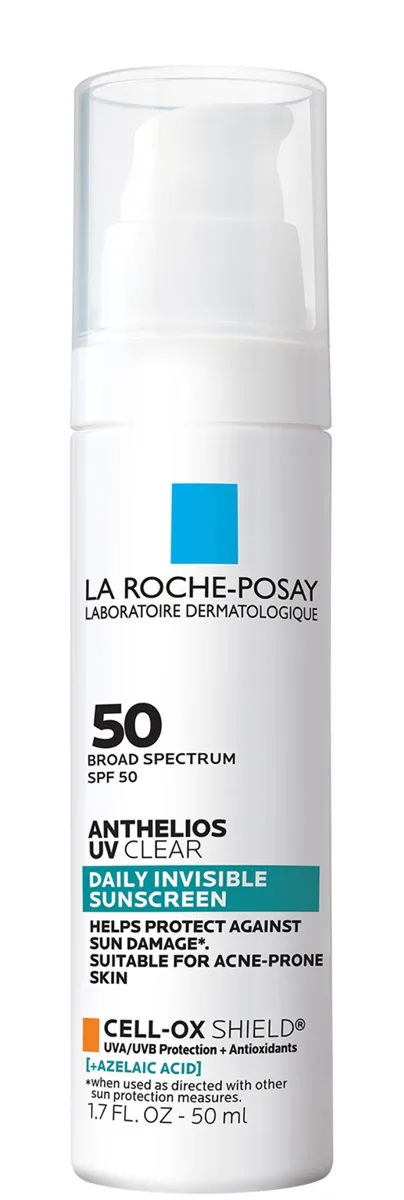
 Anthelios UV Clear Sunscreen SPF 50
One of the only US chemical sunscreens that genuinely earns its 'for sensitive and breakout-prone skin' positioning. A photostable Anthelios filter system paired with a legitimate azelaic acid dose in a lightweight serum-fluid that disappears on every skin tone. Excellent for rosacea, acne, and post-inflammatory hyperpigmentation — and probably the single best daily sunscreen in the La Roche-Posay US lineup for those conditions.
 K-Beauty Daily SPF Standout
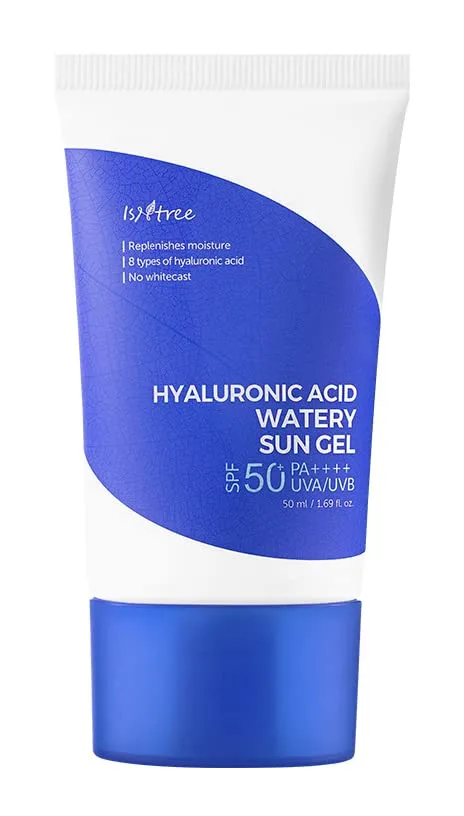
 Hyaluronic Acid Watery Sun Gel SPF 50+
One of the strongest everyday K-beauty sunscreens in the international market — modern European filters, no white cast, fragrance-free, niacinamide-boosted, and built around the brand's signature six-weight HA complex. At twenty-two dollars for 50ml, it's a case study in how much better a daily sunscreen can be when the formulator cares about both protection and wearability.
 Derm Office Staple
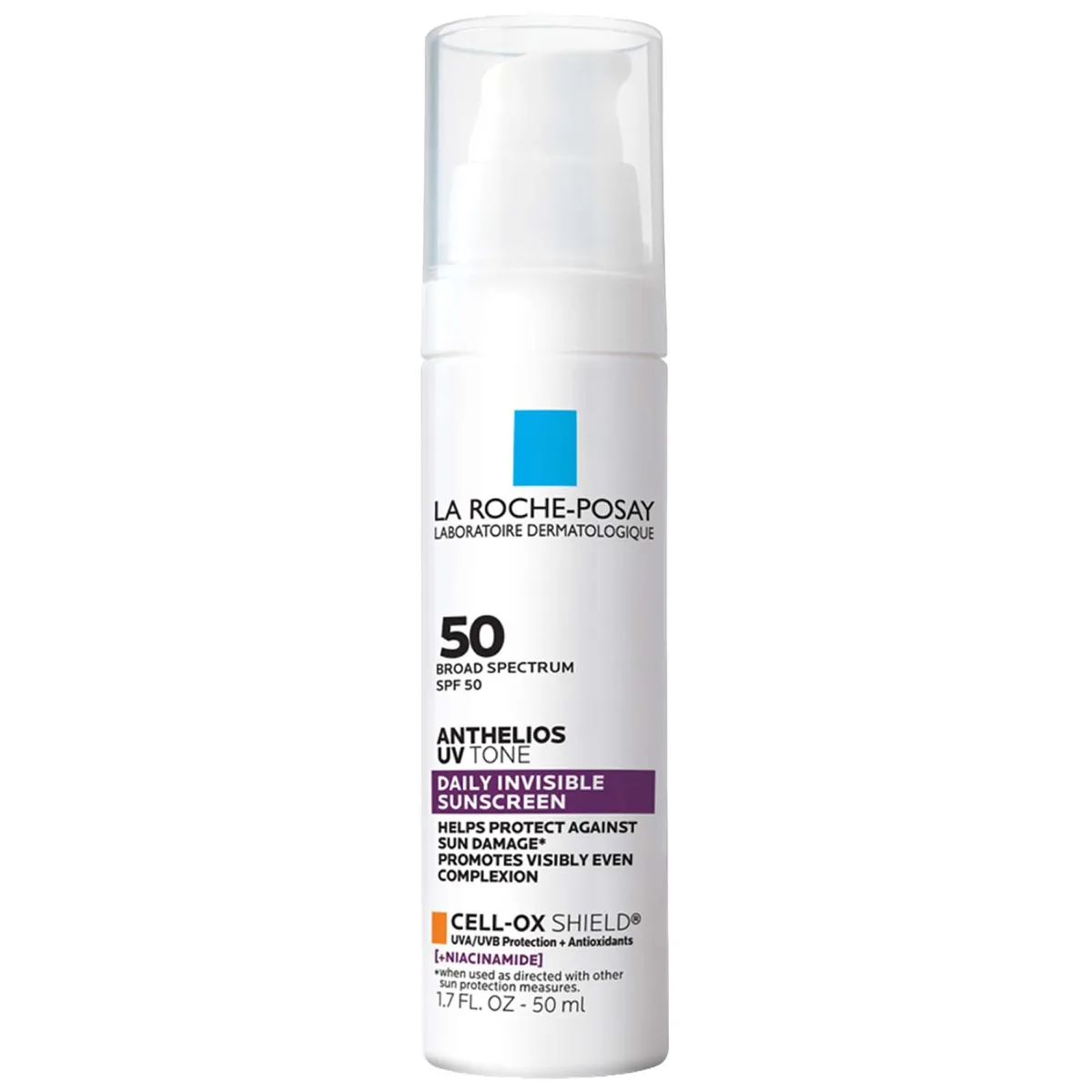
 Anthelios UV Tone Daily Invisible Sunscreen SPF 50
La Roche-Posay's most thoughtful answer yet for hyperpigmentation-prone skin that needs daily SPF. A photostable avobenzone system reinforced with Oxynex ST, paired with a meaningful dose of niacinamide, in a serum-fluid base that goes on invisible on every skin tone. Expensive for 1.7 oz but legitimately well-built — and a rare chemical sunscreen that earns its 'for dark spots' marketing.
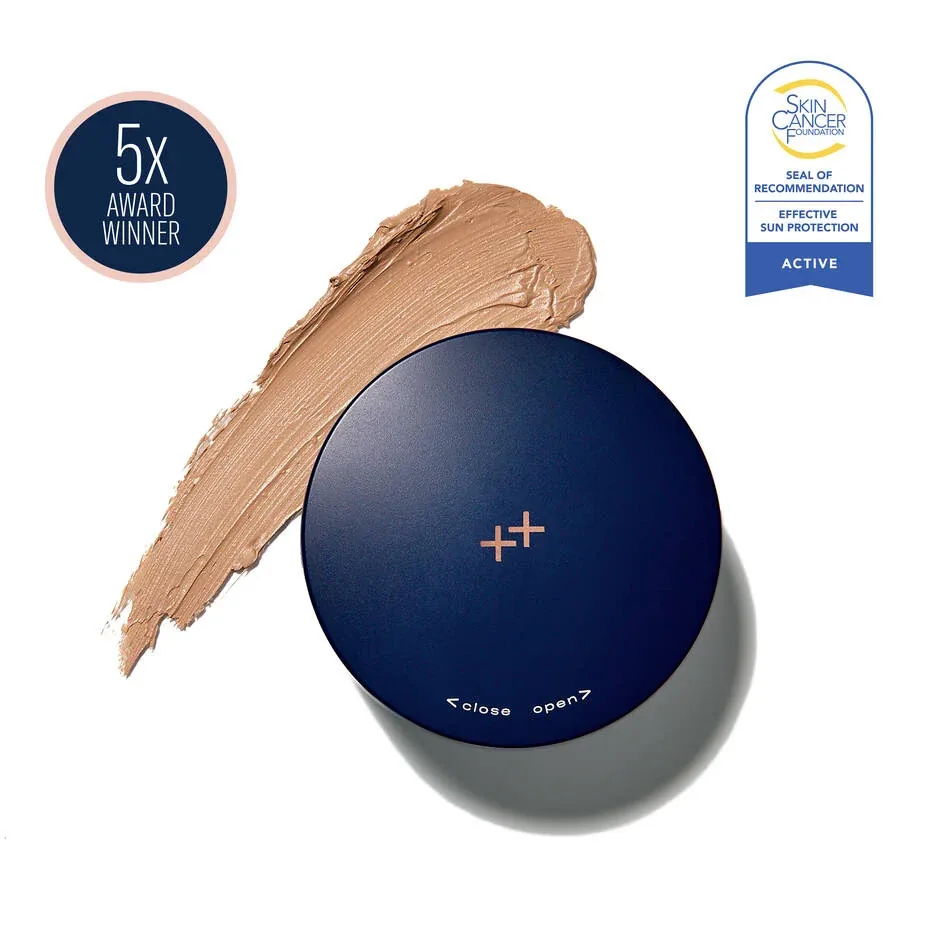 Melasma-Grade Mineral Sunscreen
 sunbetter TONE SMART SPF 68
One of the most clinically useful tinted mineral sunscreens in the professional category. SPF 68 from a 100% mineral formula, iron oxide tint that blocks visible light for melasma protection, and an unusually lightweight texture that doesn't feel like you're wearing high-concentration zinc. For patients with melasma or post-inflammatory hyperpigmentation, this is the category benchmark — and it's earned its Allure Best of Beauty wins.
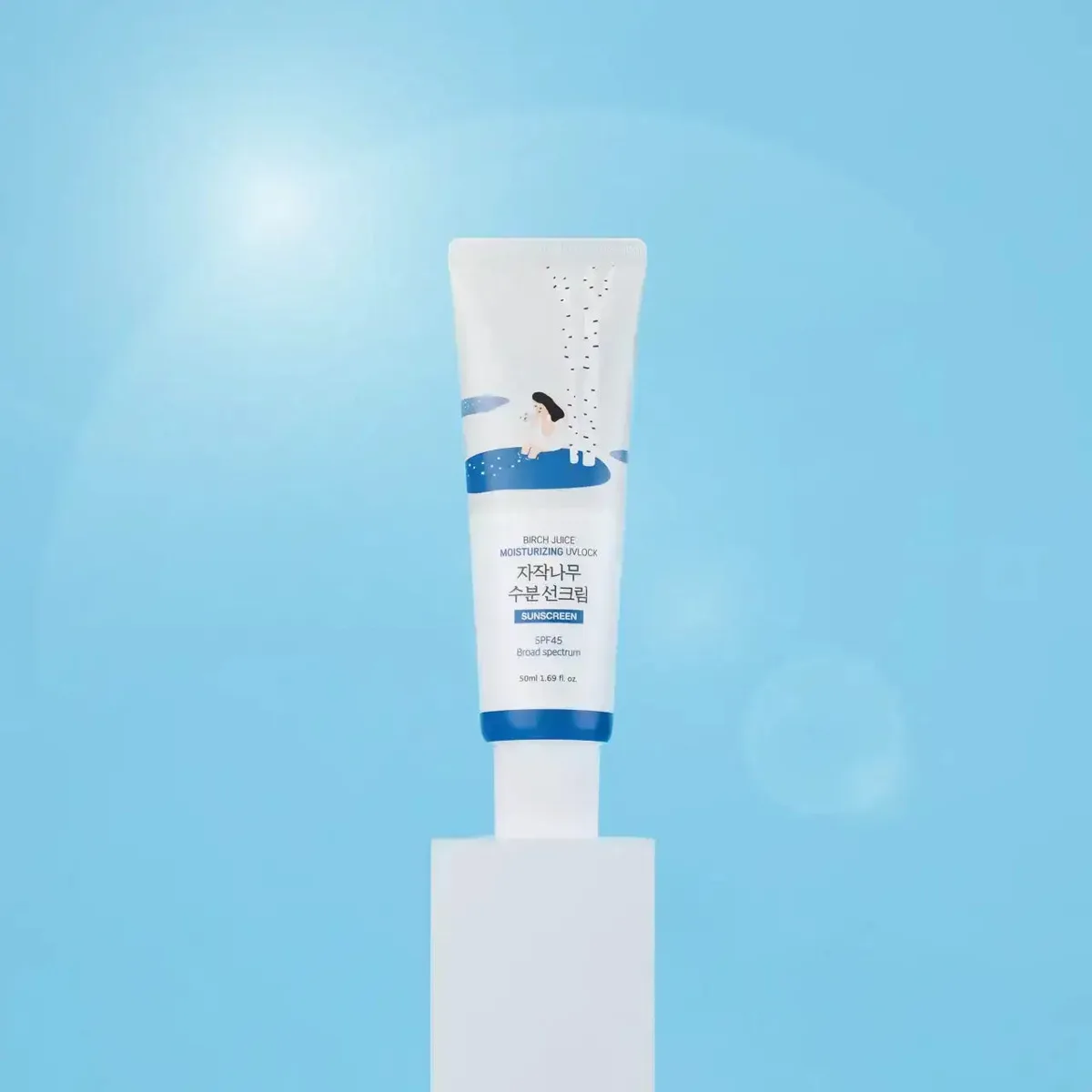 K-Beauty Cult Favorite
 Birch Juice Moisturizing Sun Cream SPF 50+
One of the best hybrid sunscreens in K-beauty right now — a 70% birch sap base, modern UVA filters you can't get in the US, and a finish that wears like a lightweight moisturizer. Broadly compatible, well-priced, and genuinely pleasant to apply, with minor tradeoffs for oily and fungal-acne-prone users.
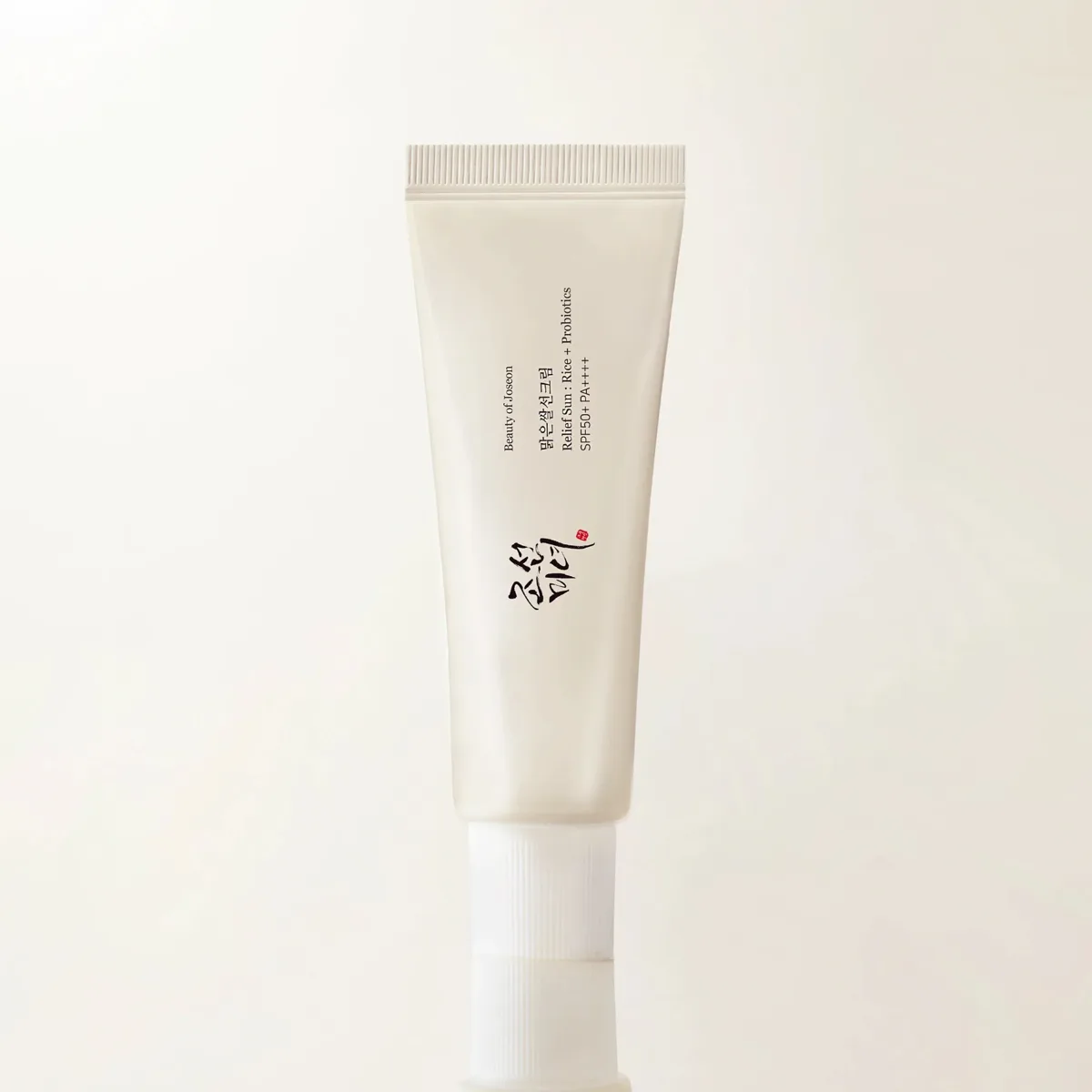 The K-Beauty Sunscreen That Changed Everything
 Relief Sun: Rice + Probiotics SPF 50+
The sunscreen that rewrote the rules for what a $14 product could deliver. With independently verified SPF 50+, 30% rice extract, niacinamide, and a probiotic ferment complex, it offers protection and skincare benefits that rival products three times its price. The texture that feels like wearing nothing on your face is the reason it went viral — and stayed there.
This review reflects our independent analysis of publicly available ingredient data, manufacturer claims, and verified user reviews. We are reader-supported — Amazon links may earn us a commission at no cost to you. We do not accept paid placements; rankings are based solely on the evidence.