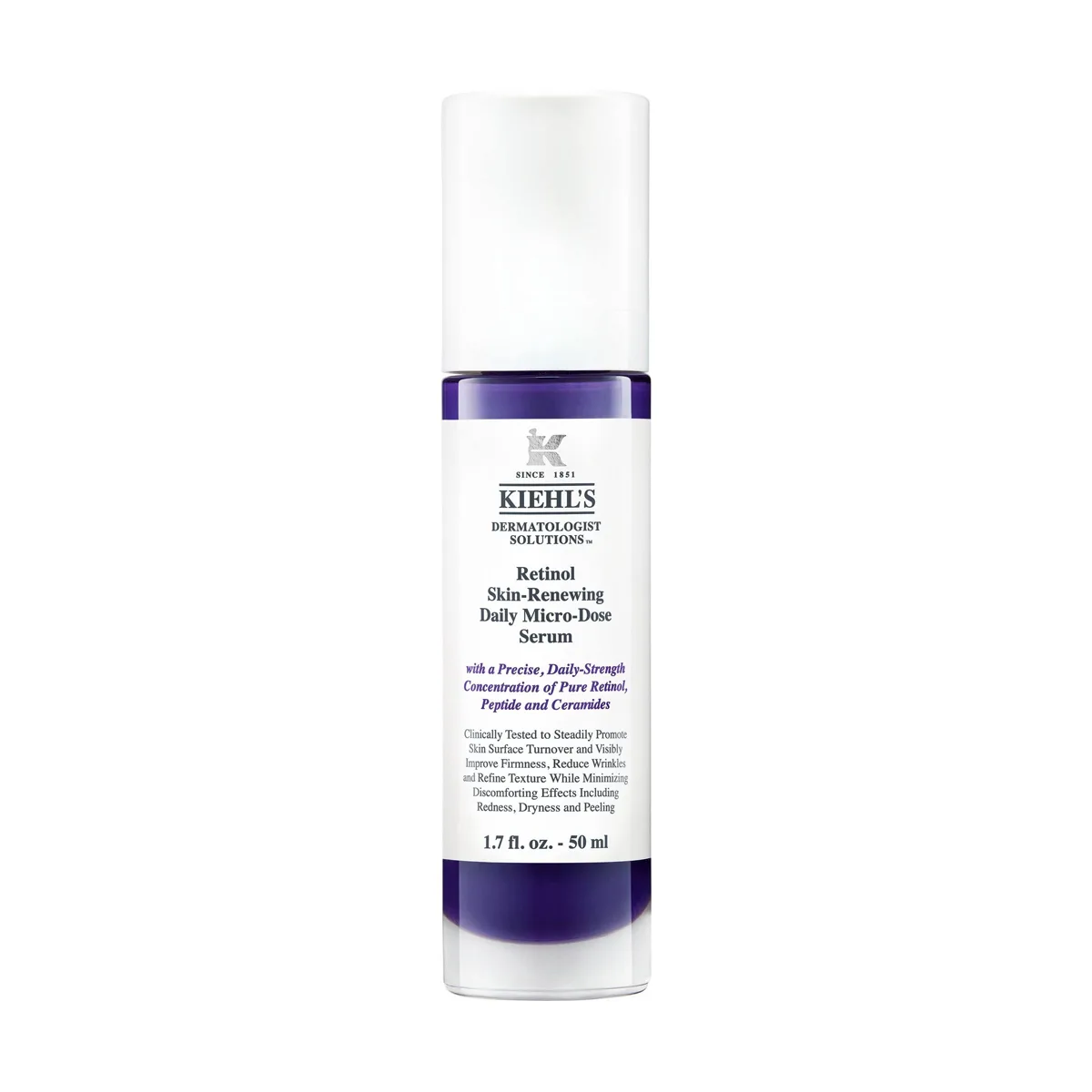
A masterfully engineered beginner-friendly retinol that pairs 0.1% pure retinol with ceramides, 4% peptide, and niacinamide for multi-pathway anti-aging with exceptional tolerability. Results are gradual rather than dramatic, but for anyone who has been afraid to try retinol, this is the product that removes the barrier.
Retinol Skin-Renewing Daily Micro-Dose Serum
A masterfully engineered beginner-friendly retinol that pairs 0.1% pure retinol with ceramides, 4% peptide, and niacinamide for multi-pathway anti-aging with exceptional tolerability. Results are gradual rather than dramatic, but for anyone who has been afraid to try retinol, this is the product that removes the barrier.
Score Breakdown
Where this product gains points and where it loses them — broken down across the four scoring pillars.
An intelligently formulated micro-dose retinol with excellent tolerability, backed by ceramides, peptides, niacinamide, and hyaluronic acid. High marks for ingredient quality and broad suitability, with the micro-dose approach making retinol accessible to almost all skin types. Price is moderate for the formula quality.
Pros & Cons
- ✓Micro-dose 0.1% retinol backed by published research showing efficacy at this concentration
- ✓Built-in ceramide complex self-buffers the barrier during retinol use for exceptional tolerance
- ✓4% peptide adds a second anti-aging pathway independent of retinoid receptors
- ✓Fragrance-free, silicone-free, alcohol-free — minimal irritation potential
- ✓Amber glass dropper bottle protects light-sensitive retinol from degradation
- ✓90% of first-time retinol users reported comfortable skin from first application
- ✓Niacinamide at meaningful concentration amplifies brightening and barrier benefits
- ✗Results are more gradual and subtle than higher-concentration retinol products
- ✗Price of $65 per ounce feels high for 0.1% retinol despite the supporting formula
- ✗1 oz size lasts only 2-3 months with nightly use requiring frequent repurchase
- ✗Not cruelty-free certified due to L'Oréal parent company practices
- ✗May not satisfy experienced retinol users seeking more aggressive anti-aging
Full Review
Retinol is the most recommended and the most abandoned ingredient in skincare. Dermatologists prescribe it with near-universal enthusiasm for its anti-aging benefits. Consumers buy it with equal enthusiasm, use it twice, wake up looking like they sunburned in December, and banish the bottle to the back of the medicine cabinet. Kiehl's Micro-Dose Serum was designed to break this cycle, and after five years on the market, the evidence suggests it largely succeeds.
The concept is borrowed from pharmaceutical science, where micro-dosing refers to administering the minimum effective dose of a drug to achieve therapeutic benefits while minimizing side effects. Kiehl's applies this principle to retinol at 0.1% — a concentration that published research has confirmed drives measurable anti-aging changes in the skin while staying below the irritation threshold for the vast majority of users.
A 2024 pooled analysis of six studies published in the Journal of Drugs in Dermatology demonstrated that 0.1% stabilized retinol improved all signs of photoaging versus vehicle as early as week four. A 2022 review in Advances in Therapy confirmed that this concentration increases epidermal thickness and upregulates collagen types I and III. The science says 0.1% works. It just works on a longer timeline than the concentrations that also make your skin peel.
What makes this formula genuinely intelligent is the ceramide pairing. Ceramide NP and hydroxypalmitoyl sphinganine — a ceramide precursor — strengthen the moisture barrier simultaneously as the retinol accelerates cell turnover. This is not just adding a moisturizing ingredient alongside retinol. It is engineering the formula to rebuild the barrier that retinol can disrupt, creating a self-correcting system. In Kiehl's testing, 90% of first-time retinol users reported comfortable skin from the first application. That is a remarkable number for any retinol product.
The 4% peptide concentration (acetyl dipeptide-1 cetyl ester) adds a second anti-aging pathway that does not rely on retinoid receptors. Instead of asking retinol to do all the heavy lifting, the formula distributes the anti-aging workload across multiple mechanisms — retinol for cell turnover and collagen stimulation, peptides for firmness signaling, niacinamide for brightening and barrier support, and hyaluronic acid for hydration.
Niacinamide's position at fifth on the INCI list suggests a meaningful concentration, likely in the 3-5% range. This is not a token inclusion. Niacinamide brightens hyperpigmentation, refines pores, and strengthens the barrier through increased ceramide production — all of which complement and amplify the retinol's effects. It is the kind of ingredient pairing that shows the formulator was thinking about outcomes, not just label appeal.
The texture is a quiet triumph. This is a cream-serum that feels silky, absorbs within seconds, and leaves no tacky or greasy residue. It layers seamlessly under any moisturizer. There is no scent to speak of — a genuine fragrance-free formulation that does not rely on masking fragrances. For a retinol product from a legacy brand that could easily have added a luxury scent, this restraint signals that the formula prioritizes function over sensory marketing.
The amber glass dropper bottle protects the light-sensitive retinol from UV degradation, which is a meaningful packaging choice. Retinol degrades when exposed to light and air, and a clear or thin plastic bottle would compromise the formula's potency over time. The dropper delivers precise doses, typically two to three drops per application.
Now for the honest limitation. At 0.1%, this retinol is not going to deliver the dramatic before-and-after transformation that higher concentrations can achieve. Users accustomed to 0.5% or 1% retinol products will likely find the results underwhelming. Fine lines soften gradually over weeks rather than days. Dark spots fade over months rather than weeks. The trade-off is that you will not experience the peeling, redness, and misery that make those stronger products effective but intolerable for many people.
The price — sixty-five dollars for one ounce — is the most common criticism. At 0.1% retinol, you are paying significantly more per unit of active ingredient than higher-concentration alternatives. But this framing misses what you are actually paying for: the ceramide complex, the 4% peptide, the niacinamide, the hyaluronic acid, the controlled-release delivery, and the engineering that makes the formula tolerable. You are paying for the architecture around the retinol, not just the retinol itself.
The 1.7-ounce size at ninety-five dollars offers better per-ounce value and lasts roughly four months — a more economical commitment for those who plan to use it long-term, which is the only way to get meaningful results from any retinol product.
In a market crowded with retinol products competing on concentration like it is an arms race, Kiehl's went the other direction. They asked not how much retinol they could fit into a bottle, but how little they needed for the retinol to work while the user actually keeps using it. The answer — 0.1% with ceramide buffering — may not be the most exciting number on the label. But five years of market success and thousands of positive reviews suggest it might be the smartest one.
For anyone who has wanted to try retinol but was afraid of the adjustment period, or who has tried and quit because of irritation, the Micro-Dose Serum is the product that removes the excuse. It works. It just asks for patience instead of pain.
Formula
Key Ingredients
The hero actives that drive this product's performance.
| Ingredient | Function | Evidence |
|---|---|---|
| Retinol (0.1%) | Pure retinol at a micro-dosed 0.1% concentration designed for daily tolerability while still driving cell turnover, collagen production, and wrinkle reduction. The polycaprolactone in the formula may provide controlled-release delivery, moderating retinol exposure over time. | well-established |
| Ceramide NP + Hydroxypalmitoyl Sphinganine | Dual ceramide system — Ceramide NP (skin-identical lipid) plus hydroxypalmitoyl sphinganine (ceramide precursor) — that strengthens the moisture barrier simultaneously as retinol accelerates turnover. This built-in barrier buffer is the key to the formula's tolerability. | well-established |
| Acetyl Dipeptide-1 Cetyl Ester (Peptide) (4%) | Firming peptide at a meaningful 4% concentration that supports skin resilience and elasticity. Adds a multi-pronged anti-aging approach beyond the retinol, targeting firmness through peptide signaling rather than vitamin A pathways. | promising |
| Niacinamide | Listed fifth in the INCI, suggesting a meaningful concentration. Provides brightening, pore-refining, and barrier-strengthening benefits that complement retinol's anti-aging action while helping to mitigate potential irritation. | well-established |
| Sodium Hyaluronate | Low molecular weight hyaluronic acid form providing deep hydration to counteract any potential retinol-induced dryness. Part of the formula's strategy to deliver retinol with simultaneous moisture replenishment. | well-established |
Full INCI List
Aqua/Water, Glycerin, Butylene Glycol, Pentylene Glycol, Niacinamide, Cetyl Alcohol, Isohexadecane, Isononyl Isononanoate, Diisopropyl Sebacate, 2-Oleamido-1,3-Octadecanediol, 4-T-Butylcyclohexanol, Acetyl Dipeptide-1 Cetyl Ester, Adenosine, Ceramide NP, Hydroxypalmitoyl Sphinganine, Lauroyl Lysine, Octyldodecanol, Pentaerythrityl Tetra-Di-T-Butyl Hydroxyhydrocinnamate, Sodium Chloride, Sodium Hyaluronate, Sodium Hydroxide, Trisodium Ethylenediamine Disuccinate, Retinol, Tocopherol, Dicaprylyl Ether, Ammonium Polyacryloyldimethyl Taurate, Behenyl Alcohol, Caprylyl Glycol, Carbomer, Cetearyl Alcohol, Cetearyl Glucoside, Glycine Soja Oil/Soybean Oil, Helianthus Annuus Seed Oil/Sunflower Seed Oil, Hydroxyethylcellulose, Lecithin, Phenethyl Alcohol, Poloxamer 188, Polycaprolactone, Sorbitan Laurate, Steareth-100, CI 40800, Beta-Carotene, Chlorphenesin, Phenoxyethanol
Product Flags
✓ Fragrance Free✓ Alcohol Free✗ Oil Free✓ Silicone Free✓ Paraben Free✓ Sulfate Free✗ Cruelty Free✗ Vegan✗ Fungal Acne Safe
Comedogenic Ingredients
Isononyl IsononanoateCetyl Alcohol
Potential Irritants
Retinol
Common Allergens
Glycine Soja Oil (soy-derived)Lecithin (soy-derived)
Compatibility
Skin Match
Best For
Works For
Not Ideal For
Addresses These Conditions
aging dullness texture dark spots sun damage large pores
Use With Caution
eczema rosacea compromised skin barrier sensitivity
Routine Step
serum
Time of Day
PM
Pregnancy Safe
No ✗
Layering Tips
Apply 2-3 drops to clean, dry face and neck at night after cleansing and toning. Follow with a moisturizer. Can be used nightly from the start for most skin types due to the micro-dose concentration. Always apply broad-spectrum sunscreen SPF 30+ the following morning.
Results Timeline
Skin texture refinement noticeable within 2-4 weeks. Fine line improvement visible at 6-8 weeks. Full anti-aging benefits including dark spot fading and firming at 12 weeks of consistent nightly use. Minimal to no adjustment period for most users.
Pairs Well With
Ceramide moisturizerHyaluronic acidSunscreen SPF 30+ (morning)Niacinamide (already in formula)
Conflicts With
Other retinoidsAHA/BHA exfoliants on same night (alternate nights instead)Benzoyl peroxide (can deactivate retinol)
Sample AM Routine
- Gentle cleanser
- Vitamin C serum
- Moisturizer
- Sunscreen SPF 30+
Sample PM Routine
- Gentle cleanser
- Kiehl's Retinol Skin-Renewing Daily Micro-Dose Serum
- Ceramide or peptide moisturizer
Evidence
Who Should Skip
- Results are more gradual and subtle than higher-concentration retinol products
- Price of $65 per ounce feels high for 0.1% retinol despite the supporting formula
- 1 oz size lasts only 2-3 months with nightly use requiring frequent repurchase
- Not cruelty-free certified due to L'Oréal parent company practices
Science & Expert Perspective
The Science
The Kiehl's Micro-Dose Serum's 0.1% retinol concentration is supported by robust published evidence. A 2024 pooled analysis of six clinical studies published in the Journal of Drugs in Dermatology by the research team at Kiehl's/L'Oréal demonstrated that 0.1% stabilized bioactive retinol significantly improved all measured signs of photoaging — including fine lines, wrinkles, roughness, and dyspigmentation — compared to vehicle control, with improvements detectable as early as week four and sustained through twelve weeks of use.
A comprehensive 2022 review in Advances in Therapy confirmed that 0.1% retinol increases epidermal thickness and upregulates the production of collagen types I and III in the dermis. This concentration activates retinoid acid receptors (RARs) sufficiently to drive the gene expression changes responsible for retinol's anti-aging effects, including increased hyaluronan synthase activity and decreased matrix metalloproteinase expression.
The ceramide pairing is scientifically well-grounded. Research has established that retinoid use can deplete stratum corneum ceramides, contributing to the barrier disruption that manifests as dryness, peeling, and irritation. Ceramide NP is a skin-identical lipid that directly replenishes these losses, while hydroxypalmitoyl sphinganine serves as a ceramide precursor that stimulates the skin's own ceramide synthesis. Together, they create a dual-mechanism barrier support system that operates simultaneously with the retinol treatment.
The polycaprolactone in the formula is notable as a biodegradable polymer used in pharmaceutical controlled-release systems. Its presence suggests a moderated delivery profile for the retinol, potentially smoothing the concentration curve over hours of skin contact and further reducing irritation potential.
References
- Efficacy and Tolerability of Topical 0.1% Stabilized Bioactive Retinol for Photoaging: A Vehicle-Controlled Integrated Analysis — Journal of Drugs in Dermatology (2024)
- Use of Retinoids in Topical Antiaging Treatments: A Focused Review of Clinical Evidence — Advances in Therapy (2022)
Dermatologist Perspective
Dermatologists widely recognize the micro-dosing approach as a valid strategy for retinol introduction and long-term maintenance. Board-certified dermatologists note that patient compliance is the single biggest factor in retinol outcomes — a product that users actually continue using will deliver better results than a stronger product they abandon after two weeks. The 0.1% concentration, while at the lower end of the effective range, is supported by published evidence and pairs intelligently with ceramides to address the most common reason for retinol discontinuation. Dermatologists would likely recommend this as an excellent first retinol for beginners, for patients with reactive skin, or as a maintenance product for those who have completed initial retinoid treatment at higher concentrations.
Guidance
Usage Guide
How to Use
Apply 2-3 drops to clean, dry face and neck every evening after cleansing and toning. Gently press into the skin — do not rub aggressively. Follow with a moisturizer to seal in hydration. Can be used nightly from the start for most skin types. If you have very sensitive skin, start with every other night for the first two weeks. Always apply broad-spectrum sunscreen SPF 30 or higher the following morning. Do not combine with other retinoid products.
Value Assessment
At $65 for 1 fluid ounce, the Micro-Dose Serum is priced at the mid-to-upper range for a retinol serum. The 0.1% retinol concentration is lower than many competitors at similar price points, but the supporting formula — ceramide NP complex, 4% peptide, niacinamide, sodium hyaluronate, adenosine, and tocopherol — represents genuine ingredient investment beyond the retinol alone. The 1.7 oz size at $95 reduces the per-ounce cost from $65 to $56 and lasts roughly 4 months, making it the better value for committed users. For the tolerability engineering and the multi-active approach, the price is justifiable — though budget-conscious shoppers can find effective retinol products for less.
Who Should Buy
First-time retinol users who want a gentle, evidence-based introduction to vitamin A. Anyone who has previously abandoned retinol due to irritation. Those with sensitive skin who have been told retinol is not for them. Also suitable as a maintenance retinol for experienced users on their non-prescription-retinoid nights.
Who Should Skip
Experienced retinol users seeking aggressive anti-aging correction may find 0.1% insufficient. Anyone pregnant or breastfeeding must avoid retinol products entirely. Those on a tight budget may find better retinol value per dollar at lower price points, though the supporting formula here adds genuine value beyond the retinol concentration alone.
Ready to try Kiehl's Retinol Skin-Renewing Daily Micro-Dose Serum?
Details
Details
Texture
Lightweight cream-serum with a silky, non-greasy feel. Absorbs quickly into the skin without any tacky or sticky residue. Elegant and refined application experience.
Scent
Essentially unscented with a very faint clinical note. No added fragrance — any slight scent comes from the functional ingredients.
Packaging
Opaque amber glass dropper bottle that protects the light-sensitive retinol from UV degradation. Kiehl's signature apothecary-inspired labeling. Recyclable packaging. The glass bottle and dropper deliver precise dosing.
Finish
satinnon-greasylightweightfast-absorbing
What to Expect on First Use
The serum feels silky and lightweight on first application, absorbing within seconds. No tingling, stinging, or tightness — which may surprise those accustomed to stronger retinol products. By morning, skin looks subtly smoother and more refined. No adjustment period or purging for the vast majority of users.
How Long It Lasts
2-3 months with nightly use of 2-3 drops from the 1 oz bottle
Period After Opening
12 months
Best Season
All Year
Certifications
Dermatologist-testedParaben-free
Background
The Why
Kiehl's developed the Micro-Dose Serum to address the paradox that retinol is the most recommended anti-aging ingredient by dermatologists but also the most frequently abandoned by consumers due to irritation. By borrowing the pharmaceutical concept of micro-dosing — administering the minimum effective dose to achieve therapeutic benefits with minimal side effects — Kiehl's created a retinol that 90% of first-time users found comfortable from the first application.
About Kiehl's Legacy Brand (20+ years)
Kiehl's was founded in 1851 as an apothecary in New York City's East Village and has been owned by L'Oréal since 2000. The Micro-Dose Serum represents the brand's modern approach to retinol, leveraging pharmaceutical micro-dosing methodology to deliver effective yet tolerable vitamin A treatment.
Brand founded: 1851 · Product launched: 2021
Myth vs. Reality
Myths & Misconceptions
Myth
0.1% retinol is too low to have any real anti-aging effect.
Reality
A 2024 pooled analysis of six studies published in the Journal of Drugs in Dermatology demonstrated that 0.1% stabilized retinol improved all signs of photoaging versus vehicle as early as week 4 through 12 weeks. A 2022 review in Advances in Therapy confirmed that 0.1% retinol increases epidermal thickness and upregulates collagen types I and III. The concentration works — it just works more gradually than higher doses.
Myth
If a retinol product does not cause irritation, it must not be strong enough.
Reality
Irritation is a side effect of retinol, not a measure of efficacy. The micro-dose approach delivers retinol at a concentration that activates retinoid receptors and drives cell turnover without overwhelming the skin's tolerance capacity. The ceramide complex in this formula further prevents irritation by reinforcing the barrier simultaneously.
FAQ
Frequently Asked Questions
What percentage of retinol is in Kiehl's Micro-Dose Serum?
The serum contains 0.1% pure retinol — a micro-dose concentration borrowed from pharmaceutical methodology. While lower than some competitor serums, published research has demonstrated that 0.1% retinol improves wrinkles, texture, and skin thickness. The formula compensates with supporting actives including 4% peptide and niacinamide.
Can sensitive skin use Kiehl's Retinol Micro-Dose Serum?
Yes — this serum was specifically designed for retinol tolerance. In brand-sponsored testing, 90% of first-time retinol users reported comfortable skin from the first application. The built-in ceramide complex strengthens the barrier during retinol use, and the 0.1% concentration stays below the irritation threshold for most people. Start with every other night if you have very sensitive skin.
Is Kiehl's Retinol Micro-Dose Serum safe during pregnancy?
No — this product contains retinol, a vitamin A derivative. Dermatologists and obstetricians consistently advise against all retinoid products during pregnancy and breastfeeding due to potential risks. Discontinue use if you become pregnant and consult your healthcare provider.
How long does it take to see results from Kiehl's Micro-Dose Retinol?
Most users notice improved skin texture within 2-4 weeks. Fine line reduction becomes visible at 6-8 weeks. Full anti-aging benefits — including dark spot fading, improved firmness, and wrinkle reduction — develop over 12 weeks of consistent nightly use. Results are gradual rather than dramatic, reflecting the gentle micro-dose approach.
Can you use Kiehl's Micro-Dose Retinol with vitamin C?
Yes, but use them at different times. Apply vitamin C serum in the morning for antioxidant protection, and the retinol serum at night. This maximizes both ingredients without the pH incompatibility concerns that can arise when layering vitamin C and retinol simultaneously.
Is Kiehl's Retinol Micro-Dose worth the price at $65?
The formula justifies the price through its multi-active approach: 0.1% retinol, ceramide NP complex, 4% peptide, niacinamide, hyaluronic acid, and adenosine. You are paying for the tolerance-engineering (ceramides + micro-dosing) as much as the retinol itself. The 1.7 oz size at $95 offers better per-ounce value for committed users.
Community
Community Voices
Common Praise
"Gentle enough for retinol beginners with virtually no irritation or peeling"
"Fast-absorbing lightweight texture that layers well under moisturizer"
"Visible improvement in skin texture and fine lines within 4 weeks"
"Fragrance-free and silicone-free formula suitable for sensitive skin"
"Elegant amber glass packaging protects the retinol from light degradation"
Common Complaints
"Results are slower and more subtle than higher-concentration retinol products"
"Price of $65 feels high for only 0.1% retinol concentration"
"The 1 oz size runs out quickly with nightly use over 2-3 months"
"May not satisfy experienced retinol users seeking more dramatic results"
"Subtle results can make it hard to tell if the product is actually working"
Notable Endorsements
Dr. Nancy Ilaya (Scientific Director at Kiehl's) developed the micro-dosing concept
Appears In
best retinoid for beginners best retinoid for aging best retinoid for sensitivity best retinoid for texture best retinoid for dark spots
Related Conditions
aging dullness texture dark spots sun damage large pores
Related Ingredients
You Might Also Like
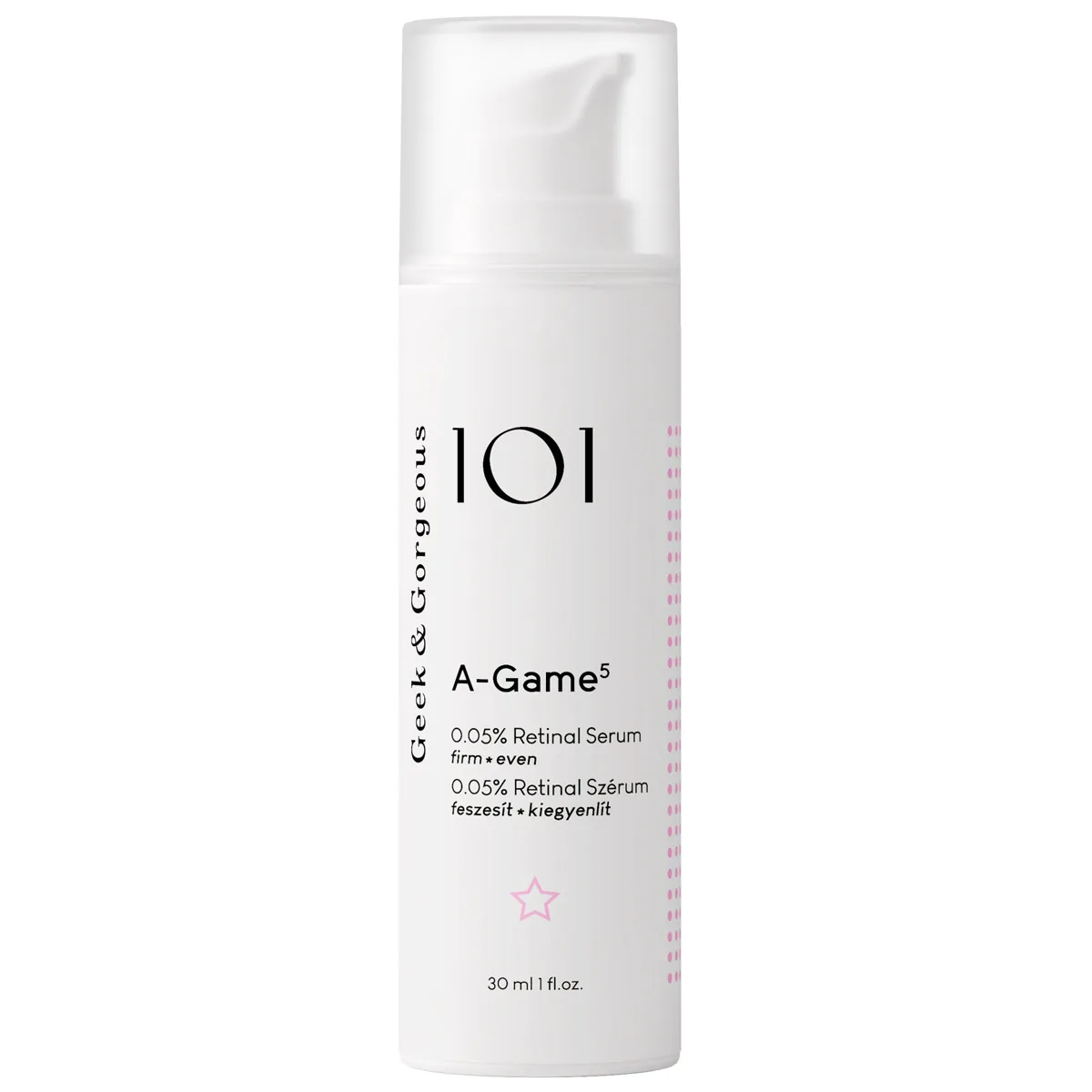 Beginner-Friendly Retinoid
 A-Game 5 Retinal Serum
The ideal beginner's retinaldehyde serum — a properly dosed 0.05% retinal in a buffered, fragrance-free formula at a price that makes long-term retinoid use actually sustainable. Same thoughtful supporting ingredients as the higher-strength A-Game 10 at half the potency, which is exactly the point. If you've never used a real retinoid, this is one of the best entry points on the market.
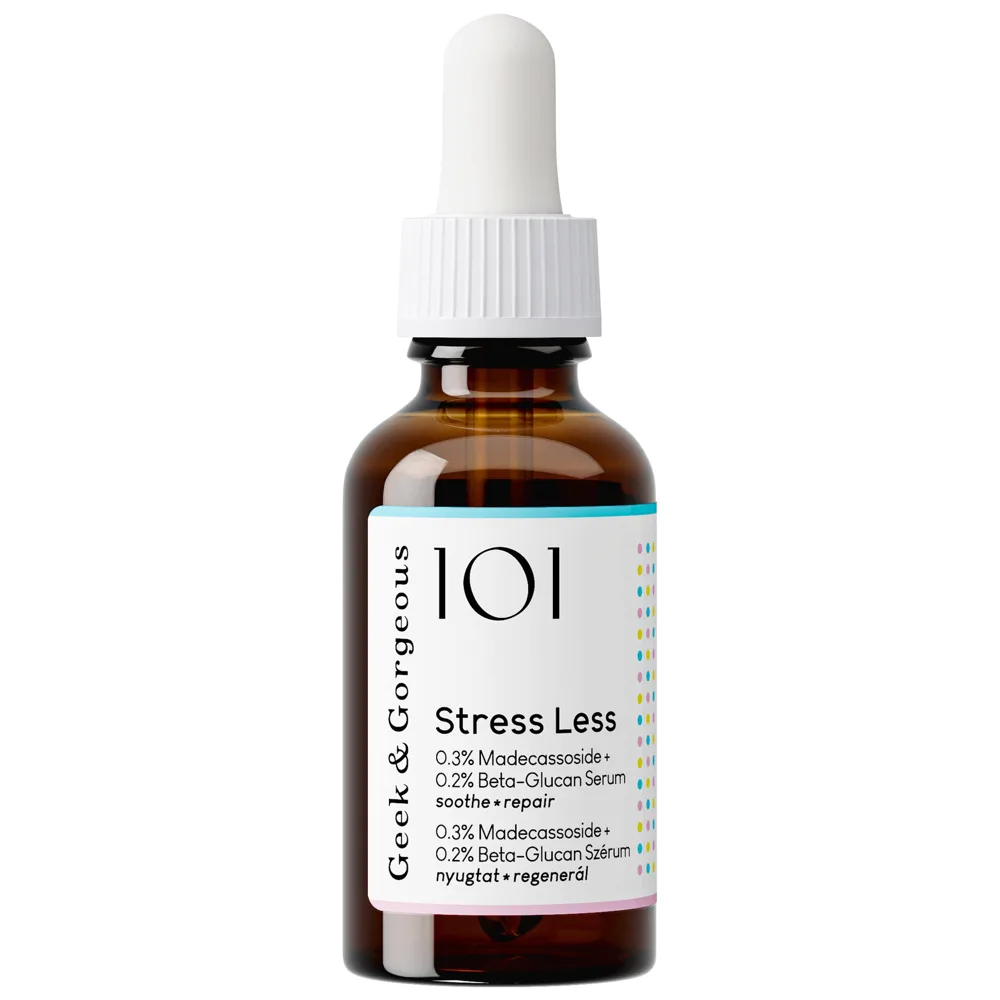 Derm-Grade Retinal at Drugstore Price
 Stress Less 0.3% Retinal Serum
A genuinely derm-grade 0.3% retinaldehyde serum at a price that shouldn't be possible. The ceramide and bisabolol buffering keeps it tolerable for experienced retinoid users, and the results — on texture, tone, and fine lines — rival premium retinals costing four times as much.
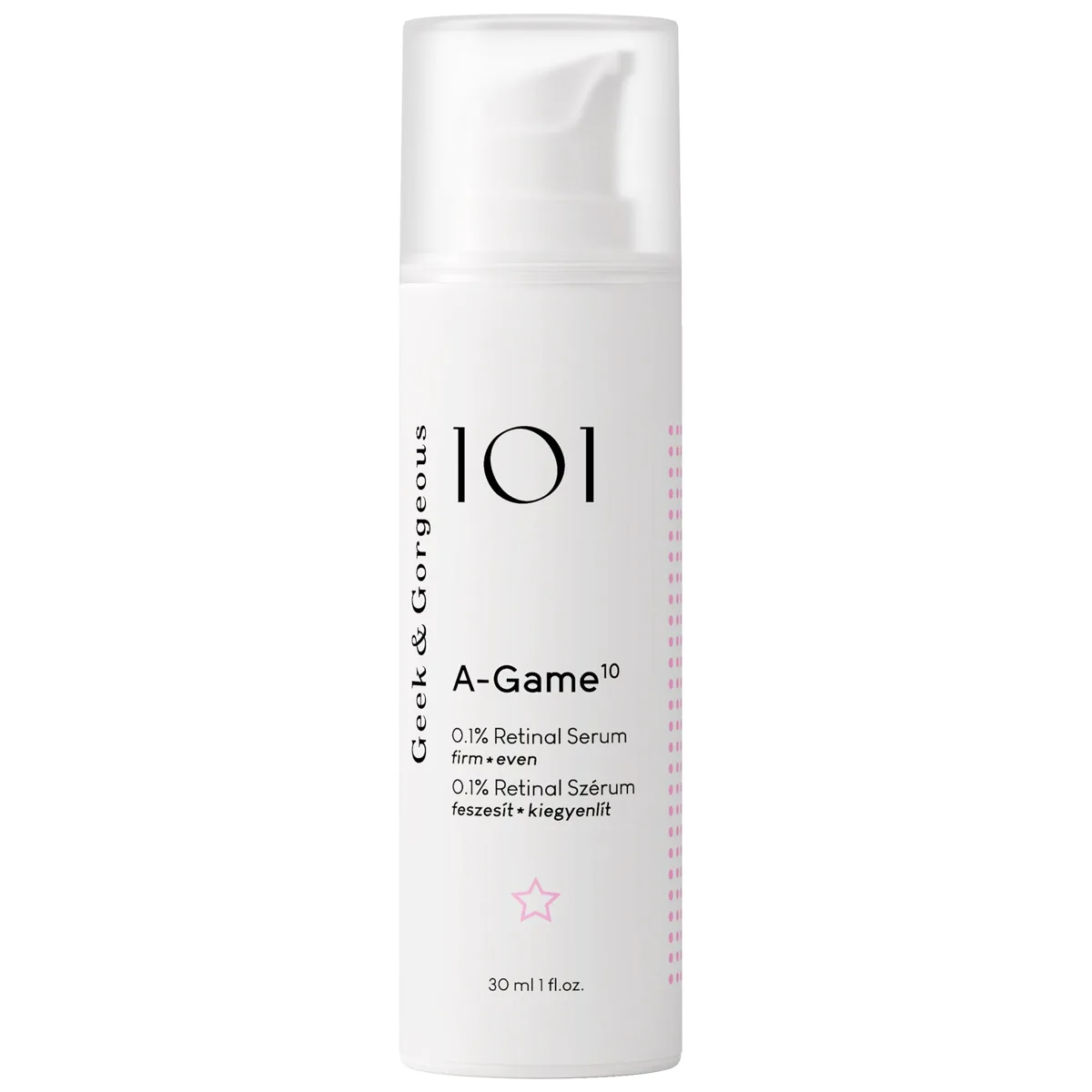 Budget Retinal Holy Grail
 A-Game 10 Retinal Serum
One of the most disruptive products in the retinoid category — a 0.1% retinaldehyde serum at around $16 when equivalent concentrations from derm brands cost $60-120. The formulation is thoughtful, the airless packaging is right, and the price point has no real competitor. Not for retinoid beginners: start with the 5 version and step up to this after a few months.
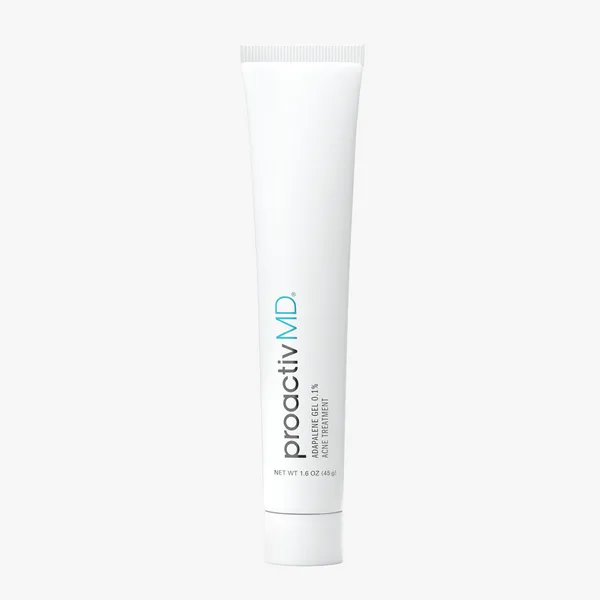 Gold Standard OTC Retinoid
 Adapalene Gel 0.1%
This is adapalene 0.1% — the same FDA-approved retinoid dermatologists have prescribed for over two decades, now available without a prescription in a no-nonsense gel. It's one of the most evidence-backed acne treatments you can buy, and Proactiv's version offers solid value in the larger size with an updated paraben-free formula.
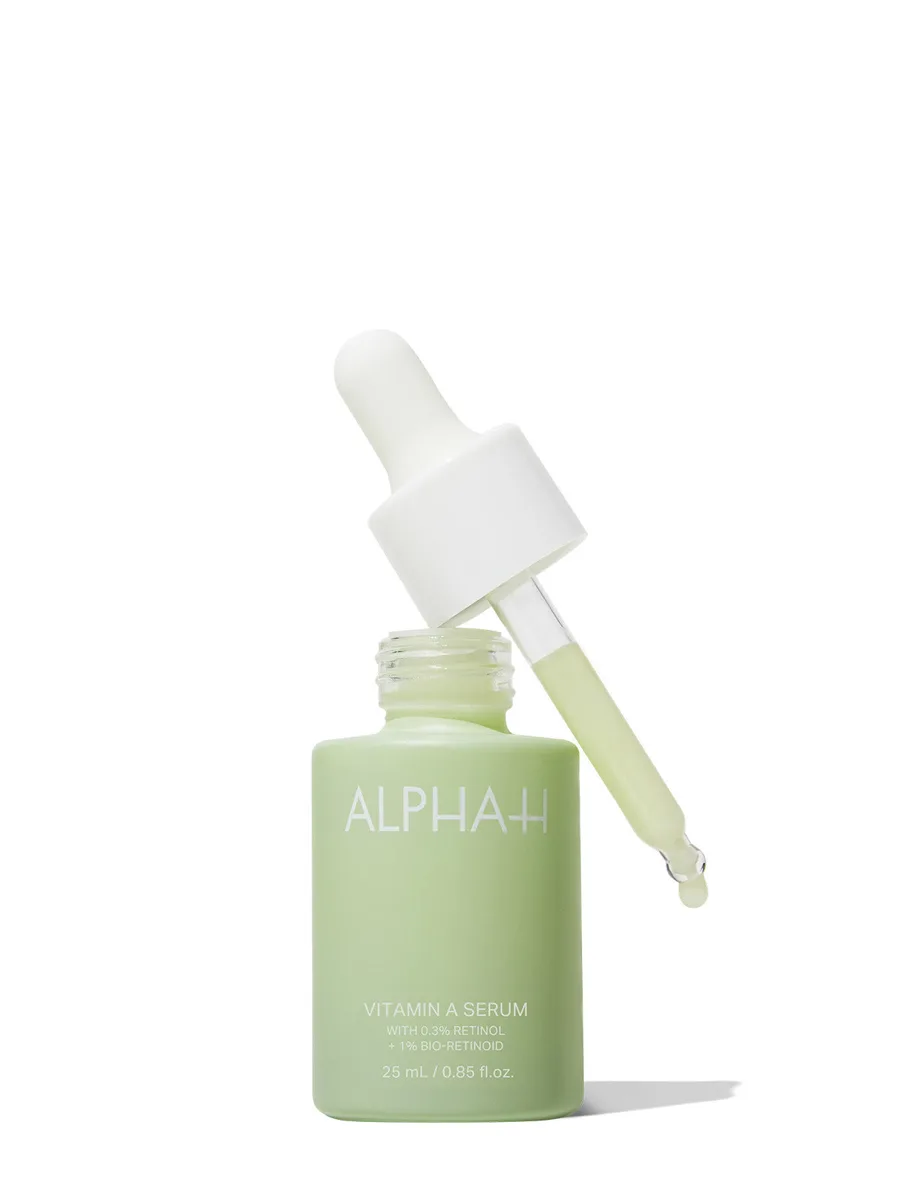 Buffered Beginner Retinol
 Vitamin A Serum
Alpha-H built its 0.5% retinol on a squalane and plant-oil base specifically to make a meaningful retinol concentration tolerable for the beginners it knew were already running aggressive AHA routines. The buffering works — this is one of the few 0.5% retinol serums new users can actually stick with through the adjustment period. The price is the only meaningful complaint.
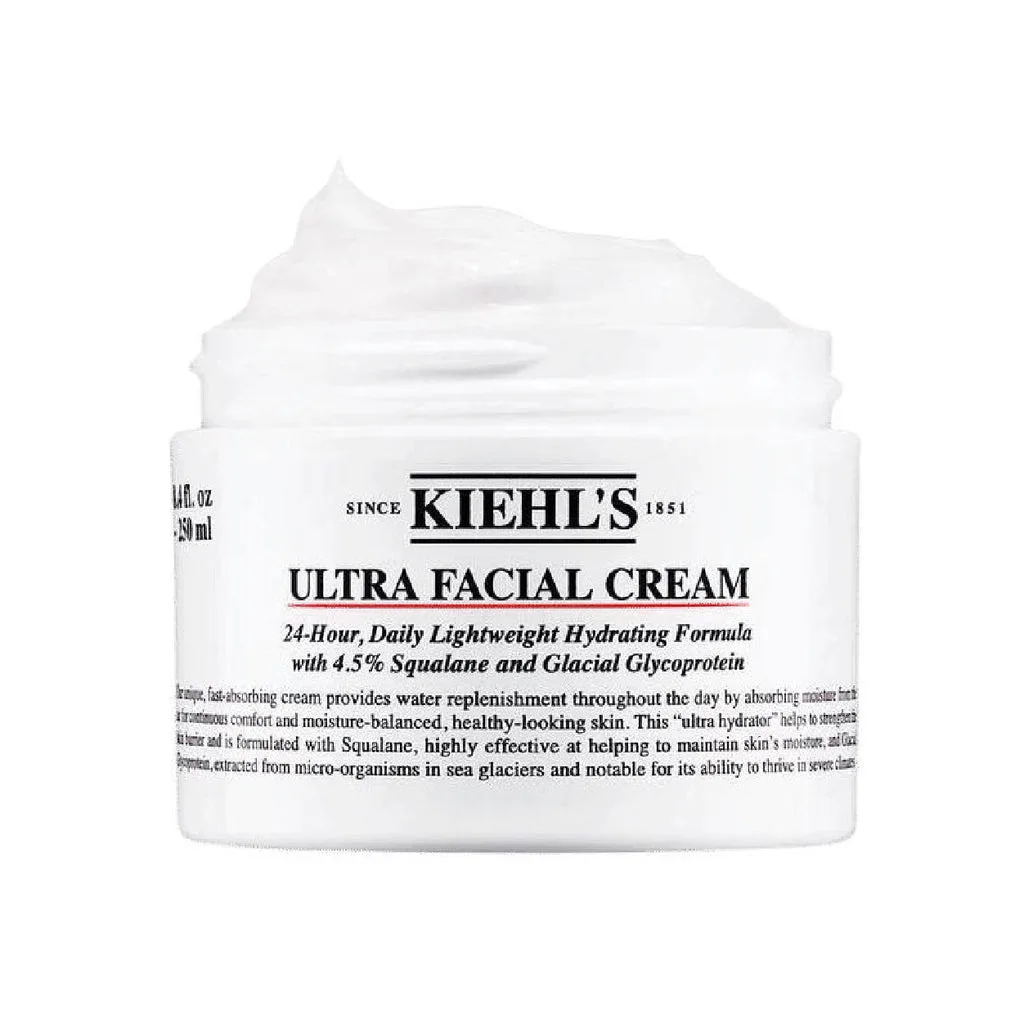 Desert Island Moisturizer
 Ultra Facial Cream
The moisturizer equivalent of a standing ovation — not for doing something revolutionary, but for doing one thing so well and so consistently that it earned a place in a museum. A near-universally tolerated, fragrance-free daily cream that delivers lasting hydration through a smartly designed squalane and glycerin system.
This review reflects our independent analysis of publicly available ingredient data, manufacturer claims, and verified user reviews. We are reader-supported — Amazon links may earn us a commission at no cost to you. We do not accept paid placements; rankings are based solely on the evidence.