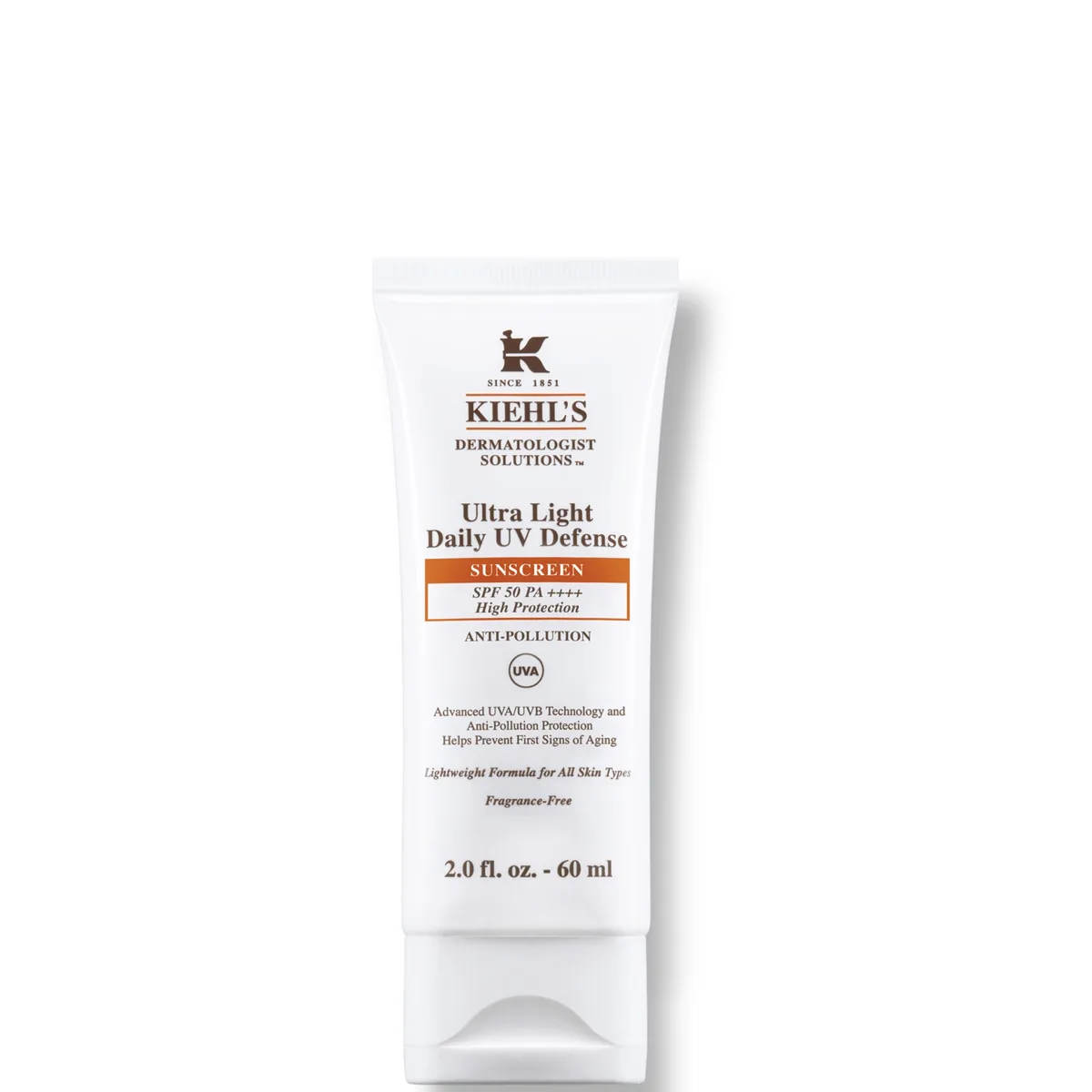
A genuinely impressive UV filter cocktail housed in one of the lightest SPF 50 textures you'll find — Kiehl's leverages L'Oréal's Mexoryl technology to deliver photostable broad-spectrum protection that oily skin types will love. The alcohol-driven formula achieves its weightless finish at a cost that dry and sensitive skin will want to avoid.
Ultra Light Daily UV Defense SPF 50
A genuinely impressive UV filter cocktail housed in one of the lightest SPF 50 textures you'll find — Kiehl's leverages L'Oréal's Mexoryl technology to deliver photostable broad-spectrum protection that oily skin types will love. The alcohol-driven formula achieves its weightless finish at a cost that dry and sensitive skin will want to avoid.
Score Breakdown
Where this product gains points and where it loses them — broken down across the four scoring pillars.
Strong UV filter technology with L'Oréal's proprietary Mexoryl system delivers excellent sun protection, but the presence of Alcohol Denat. and menthol derivatives limits its appeal for sensitive and dry skin types. Premium pricing reduces value given similar protection available at lower price points.
Pros & Cons
- ✓Six photostable UV filters including proprietary Mexoryl XL deliver exceptional broad-spectrum SPF 50 protection
- ✓Genuinely weightless aqua-gel texture absorbs in seconds with zero residue
- ✓Completely invisible finish with no white cast on any skin tone
- ✓Excellent makeup base that prevents pilling and smooths pore texture
- ✓Adenosine provides additional anti-aging benefits beyond pure sun protection
- ✓Matte finish controls shine effectively for four to six hours
- ✓Oil-free and non-comedogenic formula works well for acne-prone skin
- ✗High concentration of Alcohol Denat. is potentially drying for dry or compromised skin
- ✗Menthol derivatives may irritate sensitive or rosacea-prone skin
- ✗Premium pricing of approximately $45 for 60 mL limits daily-use affordability
- ✗Increasingly difficult to find through major US retail channels
- ✗Not cruelty-free due to parent company testing policies in certain markets
Full Review
There is a quiet irony in Kiehl's Ultra Light Daily UV Defense SPF 50. The brand trades heavily on its 1851 New York apothecary origins — the hand-lettered labels, the vintage pharmacy aesthetic, the staff in white coats — but the technology inside this tube is pure twenty-first-century L'Oréal. Specifically, it is the result of decades of UV filter research that produced the Mexoryl family of filters, compounds so effective that dermatologists have been requesting their wider availability for years. When L'Oréal acquired Kiehl's in 2000, it was only a matter of time before these filters migrated from La Roche-Posay Anthelios into the apothecary's own lineup.
The formula deploys six UV filters — an unusually comprehensive approach for a consumer sunscreen. Mexoryl XL handles broad-spectrum absorption, Tinosorb S provides photostability and additional UVA coverage, and four supporting filters (including Ethylhexyl Triazone and nano Titanium Dioxide) round out the protection matrix. The practical result is SPF 50 protection that holds up under UV exposure rather than degrading like older-generation chemical filters. For anyone who has worn a sunscreen that felt protective in the morning and suspiciously lightweight by afternoon, this photostability is the actual selling point — not the texture, not the brand name.
That said, the texture deserves its reputation. This is genuinely one of the lightest SPF 50 formulas on the market. It applies like a barely-there gel, absorbs within seconds, and leaves a matte finish that oily skin types will appreciate on a near-spiritual level. There is no white cast, no greasy residue, no tacky film. Under makeup, it performs beautifully — foundation glides on without pilling, and the methyl methacrylate crosspolymer in the formula acts as a subtle blurring agent that smooths out pore texture.
The mechanism behind this lightweight feel is worth understanding, because it comes with a trade-off. Alcohol Denat. appears second in the inactive ingredient list, which means it is present in significant concentration. Alcohol is the reason this sunscreen absorbs so fast and dries so matte — it evaporates rapidly, carrying the UV filters into a thin, even film on the skin surface. For oily and normal skin types, this is elegant engineering. For dry, dehydrated, or barrier-compromised skin, it is a potential problem. The formula includes glycerin and propylene glycol as humectants to offset the drying effect, but they cannot fully compensate for a high alcohol load on skin that is already struggling to retain moisture.
There is also Menthoxypropanediol in the inactive ingredients — a menthol derivative that produces a cooling sensation on application. Some users find this refreshing; others find it irritating, particularly those with rosacea or reactive skin. Mentha Piperita Extract makes a late appearance in the list as well, reinforcing the cooling profile. If your skin does not tolerate menthol well, this is not the sunscreen for you, regardless of how appealing the UV protection is.
The supporting cast of ingredients adds genuine value beyond sun protection. Adenosine, a well-studied anti-inflammatory and anti-aging molecule, provides a secondary benefit with daily use. Tocopherol stabilizes the formula and adds antioxidant protection. Moringa Oleifera Seed Extract contributes anti-pollution properties, while Gentiana Lutea Root Extract and Rosa Gallica Flower Extract add botanical antioxidant support.
Performance across a full day is strong for most users. The matte finish holds for four to six hours in moderate conditions, though those with very oily T-zones may notice some breakthrough shine by mid-afternoon. In high humidity, the formula holds up better than many competitors, though reapplication every two hours during extended sun exposure remains essential regardless of photostability claims.
The honest limitation here is price. At approximately forty-five dollars for sixty milliliters, this is a premium-priced daily sunscreen. Given that sunscreen should be applied generously and reapplied frequently, cost per use adds up. L'Oréal makes the same Mexoryl technology available in La Roche-Posay Anthelios products at a lower price point, which raises a legitimate question about whether the Kiehl's premium is justified by formulation differences or merely by brand positioning.
The other consideration is availability. This specific product has become harder to find through US retail channels, with Kiehl's pushing its newer Super Fluid Daily UV Defense as the primary lightweight option. International availability remains stronger, but US consumers may find sourcing inconvenient.
For oily and combination skin types who want serious UV protection without the sensory compromises of traditional high-SPF sunscreens, this product delivers. The six-filter system is genuinely excellent, the texture is remarkable, and the matte finish is among the best in the category. Just understand what you are getting: cutting-edge UV technology in a formula optimized for oil control, with alcohol as the enabler of its featherweight finish. If that trade-off works for your skin, this is a very good sunscreen. If it does not, the same parent company makes options that will.
Formula
Key Ingredients
The hero actives that drive this product's performance.
| Ingredient | Function | Evidence |
|---|---|---|
| Mexoryl XL (Drometrizole Trisiloxane) (1%) | L'Oréal's proprietary UVA/UVB filter that provides photostable protection and works synergistically with the five other UV filters in this formula to deliver broad-spectrum SPF 50 coverage without the heavy feel typical of high-SPF products. | well-established |
| Tinosorb S (Bis-Ethylhexyloxyphenol Methoxyphenyl Triazine) (3%) | A next-generation photostable broad-spectrum UV filter that absorbs and reflects both UVA and UVB radiation. In this formula, it anchors the protection system and stabilizes the other organic filters, contributing to the product's high SPF rating with minimal white cast. | well-established |
| Titanium Dioxide (2.5%) | A mineral UV filter included at a low concentration to boost broad-spectrum coverage without the chalky finish of traditional mineral sunscreens. Combined with the organic filters in this hybrid formula, it adds physical protection while the nano particle size ensures invisible application. | well-established |
| Glycerin | Serves as the primary humectant in this formula, counterbalancing the potentially drying effects of the Alcohol Denat. by drawing moisture into the skin. Works alongside propylene glycol and sorbitol to maintain hydration under the UV filter matrix. | well-established |
| Adenosine | An anti-inflammatory and anti-aging molecule that provides soothing benefits to skin exposed to UV stress. In this daily sunscreen, it adds a secondary anti-aging function beyond simple UV protection, helping reduce the appearance of fine lines with continued use. | well-established |
| Tocopherol (Vitamin E) | Acts as both a formulation-stabilizing antioxidant and a skin-protective agent, neutralizing free radicals generated by UV exposure that slip past the filter system. Its lipid-soluble nature allows it to integrate into the product's emulsion and support the integrity of the UV filter blend. | well-established |
Full INCI List
Active Ingredients: Ethylhexyl Triazone (50 mg/mL), Diethylamino Hydroxybenzoyl Hexyl Benzoate (30 mg/mL), Bis-Ethylhexyloxyphenol Methoxyphenyl Triazine (30 mg/mL), Drometrizole Trisiloxane (10 mg/mL), Titanium Dioxide (25 mg/mL). Inactive Ingredients: Aqua/Water, Alcohol Denat., Diisopropyl Sebacate, Isopropyl Lauroyl Sarcosinate, Propylene Glycol, Glycerin, Methyl Methacrylate Crosspolymer, Tocopherol, Stearic Acid, Phenoxyethanol, Cetyl Alcohol, Palmitic Acid, Styrene/Acrylates Copolymer, Ceteth-10, Caprylyl Glycol, Menthoxypropanediol, Dextrin Palmitate, Acrylates/C10-30 Alkyl Acrylate Crosspolymer, Aluminum Hydroxide, Ammonium Polyacryloyldimethyl Taurate, Butylene Glycol, Potassium Hydroxide, PEG-8 Laurate, Disodium EDTA, Adenosine, Myristic Acid, Gentiana Lutea Root Extract, Pentylene Glycol, Mentha Piperita Extract, Butyrospermum Parkii Seedcake Extract, Rosa Gallica Flower Extract, Sorbitol, Moringa Oleifera Seed Extract, Disodium Phosphate, Citric Acid
Product Flags
✗ Fragrance Free✗ Alcohol Free✓ Oil Free✓ Silicone Free✓ Paraben Free✓ Sulfate Free✗ Cruelty Free✗ Vegan✗ Fungal Acne Safe
Comedogenic Ingredients
Myristic AcidPalmitic Acid
Potential Irritants
Alcohol Denat.MenthoxypropanediolMentha Piperita Extract
Compatibility
Skin Match
Best For
Works For
Not Ideal For
Addresses These Conditions
Use With Caution
rosacea sensitivity compromised skin barrier dehydration
Avoid With
Routine Step
sunscreen
Time of Day
AM
Pregnancy Safe
Yes ✓
Layering Tips
Apply as the last step in your morning skincare routine, after moisturizer but before makeup. Allow 1-2 minutes for the formula to set before applying foundation or powder.
Results Timeline
Immediate UV protection upon application. Mattifying effect is visible within minutes. With consistent daily use over 4-8 weeks, anti-aging benefits from the adenosine and UV protection compound to help prevent new fine lines and sun damage.
Pairs Well With
Hydrating serums with hyaluronic acidLightweight oil-free moisturizersAntioxidant serums with vitamin C
Sample AM Routine
- Gentle cleanser
- Hydrating serum
- Lightweight moisturizer
- Kiehl's Ultra Light Daily UV Defense SPF 50
Sample PM Routine
- Gentle cleanser
- Treatment serum
- Night moisturizer
Evidence
Science & Expert Perspective
The Science
The standout feature of this formula is its multi-filter UV protection system, anchored by two technologies not widely available in US sunscreens. Drometrizole Trisiloxane (Mexoryl XL) is a patented L'Oréal filter that absorbs across both UVA and UVB wavelengths. A 2002 study published in the Journal of the American Academy of Dermatology demonstrated that Mexoryl-containing sunscreens provided superior UVA protection compared to formulas using avobenzone alone, with significantly less photodegradation over time.
Bis-Ethylhexyloxyphenol Methoxyphenyl Triazine (Tinosorb S) functions as both a UV absorber and a photostabilizer for other organic filters in the blend. Research published in Photodermatology, Photoimmunology & Photomedicine (2007) confirmed that Tinosorb S maintains its protective capacity after prolonged UV exposure, addressing the degradation problem that plagued earlier-generation chemical sunscreens.
The inclusion of nano-scale Titanium Dioxide at 2.5% adds a mineral component that reflects UV radiation through a different mechanism than the organic filters, creating a layered defense. A study in the British Journal of Dermatology (2011) found that hybrid organic-mineral formulations often achieve higher SPF values with lower individual filter concentrations, reducing the sensitization risk associated with any single filter.
Adenosine, while present at a concentration unlikely to rival dedicated anti-aging treatments, has documented effects on collagen synthesis and anti-inflammatory activity. A 2019 study in Clinical, Cosmetic and Investigational Dermatology showed that topical adenosine improved wrinkle depth and skin firmness over twelve weeks of daily use, supporting its role as a beneficial secondary active in a daily sunscreen.
References
- Mexoryl SX and XL provide superior UVA protection compared to avobenzone-containing sunscreens — Journal of the American Academy of Dermatology (2002)
- Photostability of Tinosorb S (Bemotrizinol) as a broad-spectrum UV filter — Photodermatology, Photoimmunology & Photomedicine (2007)
Dermatologist Perspective
Dermatologists frequently highlight the importance of broad-spectrum photostable UV protection as the single most effective anti-aging intervention. Board-certified dermatologists note that formulas combining multiple UV filter technologies — as this product does with both organic and mineral components — tend to provide more reliable real-world protection than single-filter approaches. The Mexoryl and Tinosorb systems in particular are well-regarded in dermatological circles for their UVA stability. However, dermatologists also caution that the Alcohol Denat. content makes this less suitable for patients with rosacea, eczema, or barrier dysfunction, and recommend patch testing for those with sensitive skin before committing to daily use.
Guidance
Usage Guide
How to Use
Apply generously to face and neck as the final step in your morning skincare routine, at least fifteen minutes before sun exposure. Use approximately a nickel-sized amount for the face alone. Can be applied over moisturizer and serum layers. Reapply every two hours during extended outdoor exposure or immediately after swimming or heavy perspiration. Pairs best with a hydrating serum underneath to offset the drying potential of the alcohol base.
Value Assessment
At approximately $45 for 60 mL, this sits firmly in premium sunscreen territory. The Mexoryl and Tinosorb filter system genuinely justifies a higher price point — these are not widely available filters, and the six-filter approach represents serious formulation work. However, La Roche-Posay Anthelios products deliver comparable Mexoryl-based protection at a lower cost, raising questions about whether the Kiehl's premium reflects formulation superiority or brand positioning. The 30 mL size is also available for those wanting to trial before committing. For the UV technology alone, the value is reasonable; as a luxury purchase, it is a tougher sell.
Who Should Buy
Oily and combination skin types who struggle with greasy, heavy sunscreens will find this formula revelatory. It is ideal for those who wear makeup daily and need a sunscreen that doubles as a matte, pore-blurring primer. Anyone who prioritizes UV filter technology and photostability over ingredient minimalism will appreciate the sophisticated filter blend.
Who Should Skip
Those with dry, dehydrated, or barrier-compromised skin should look elsewhere — the Alcohol Denat. content will likely exacerbate dryness. Anyone with rosacea or menthol sensitivity should avoid the cooling agents in this formula. Budget-conscious consumers may find better value in La Roche-Posay's Mexoryl-based alternatives.
Ready to try Kiehl's Ultra Light Daily UV Defense SPF 50?
Details
Details
Texture
Watery, ultra-lightweight gel that feels almost like water on the skin. Spreads effortlessly with minimal product needed for full-face coverage.
Scent
No added fragrance, though a faint clinical scent from the UV filters and a brief alcohol note dissipate within seconds of application.
Packaging
Sleek white plastic tube with a twist-off cap. The 60 mL size is compact and travel-friendly. Simple, apothecary-inspired design consistent with the Kiehl's brand aesthetic.
Finish
mattenon-greasyinvisiblefast-absorbing
What to Expect on First Use
On first application, expect a brief cooling sensation from the menthoxypropanediol and a fleeting alcohol scent. The formula absorbs in under ten seconds, leaving a matte, barely-there finish. No adjustment period — results are immediate.
How Long It Lasts
2-3 months with daily face application
Period After Opening
12 months
Best Season
spring summer
Certifications
Dermatologist-testedNon-comedogenic
Background
The Why
Born from L'Oréal's decades of UV filter research, this product leverages Mexoryl technology that the company patented and initially reserved for its La Roche-Posay Anthelios line. Kiehl's reformulated it into an aqua-gel around 2015, specifically targeting oily-skinned consumers frustrated by greasy, heavy sunscreens — a gap the apothecary brand identified through its in-store consultation model.
About Kiehl's Legacy Brand (20+ years)
Kiehl's was founded as an apothecary in New York City in 1851 and has operated continuously for over 170 years. Now owned by L'Oréal, the brand benefits from the parent company's extensive R&D capabilities, including access to proprietary UV filter technologies like Mexoryl.
Brand founded: 1851 · Product launched: 2015
Myth vs. Reality
Myths & Misconceptions
Myth
Chemical sunscreens are unsafe and should be avoided in favor of mineral-only formulas.
Reality
The organic UV filters in this product — including Tinosorb S and Mexoryl XL — are among the most well-studied and photostable filters available. Regulatory agencies worldwide have approved these filters based on extensive safety data, and the hybrid approach actually reduces the amount of each individual filter needed.
Myth
Alcohol in sunscreen always damages the skin barrier.
Reality
While Alcohol Denat. is a potential irritant, its role in this formula is to create the ultra-light texture and fast absorption. For oily and normal skin types, the amount used here is unlikely to cause barrier damage when paired with the formula's glycerin and emollient ingredients. However, those with dry or compromised barriers should be cautious.
FAQ
Frequently Asked Questions
Does Kiehl's Ultra Light Daily UV Defense SPF 50 leave a white cast?
No — the nano titanium dioxide at 2.5% combined with five organic UV filters means this sunscreen absorbs virtually invisible on all skin tones. The aqua-gel texture dries completely clear within seconds, making it one of the most cosmetically elegant high-SPF options available.
Is Kiehl's Ultra Light Daily UV Defense good for sensitive skin?
This formula contains Alcohol Denat. (a drying solvent) and Menthoxypropanediol (a cooling agent derived from menthol), both of which can irritate reactive or sensitive skin. If you have rosacea, eczema, or a compromised barrier, a fragrance-free mineral sunscreen without alcohol would be a safer choice.
Can I wear makeup over Kiehl's UV Defense SPF 50?
Yes — this is one of its strongest suits. The matte, non-greasy finish creates an excellent base for foundation, concealer, or powder. Users consistently report zero pilling when layering makeup over it, likely due to the alcohol-driven fast-dry formula and methyl methacrylate crosspolymer that smooths skin texture.
How does the Mexoryl technology in this sunscreen work?
Mexoryl XL (Drometrizole Trisiloxane) is a photostable UVA/UVB filter patented by L'Oréal. Unlike older organic filters that degrade under UV exposure, Mexoryl maintains its protective capacity throughout the day. Combined with Tinosorb S and four other filters, this creates a multi-layered UV defense system with exceptional stability.
Is Kiehl's Ultra Light UV Defense SPF 50 reef-safe?
This product contains organic UV filters and nano titanium dioxide rather than oxybenzone or octinoxate, which are the two filters most commonly banned in reef-protection legislation. However, it is not marketed as reef-safe, and the environmental impact of its specific filter combination has not been independently certified.
How often should I reapply Kiehl's UV Defense SPF 50?
Despite its photostable Mexoryl and Tinosorb filters, dermatologists recommend reapplying every two hours during continuous sun exposure or immediately after swimming or heavy sweating. For indoor or incidental exposure, a single morning application provides adequate protection for most daily activities.
Does Kiehl's Ultra Light UV Defense contain fragrance?
The formula does not contain added fragrance compounds, but it does include Rosa Gallica Flower Extract and Mentha Piperita (Peppermint) Extract, which contribute subtle botanical scents. The Alcohol Denat. also produces a brief scent on application that dissipates quickly.
Community
Community Voices
Common Praise
"Feather-light texture that feels like wearing nothing"
"Zero white cast even on deeper skin tones"
"Excellent base under makeup without pilling"
"Shine-free matte finish lasts for hours"
"Fast absorption within seconds of application"
Common Complaints
"Alcohol content can feel drying on dehydrated skin"
"Premium price for a daily-use sunscreen"
"Menthol tingle may irritate sensitive skin"
"Limited availability in US retail channels"
Notable Endorsements
Dermatologist-testedFeatured in multiple sunscreen roundups by beauty editors
Appears In
best sunscreen for oily skin best sunscreen for under makeup best lightweight sunscreen best matte sunscreen best luxury sunscreen
Related Conditions
sun damage aging oiliness hyperpigmentation
Related Ingredients
You Might Also Like
 Derm Office Staple
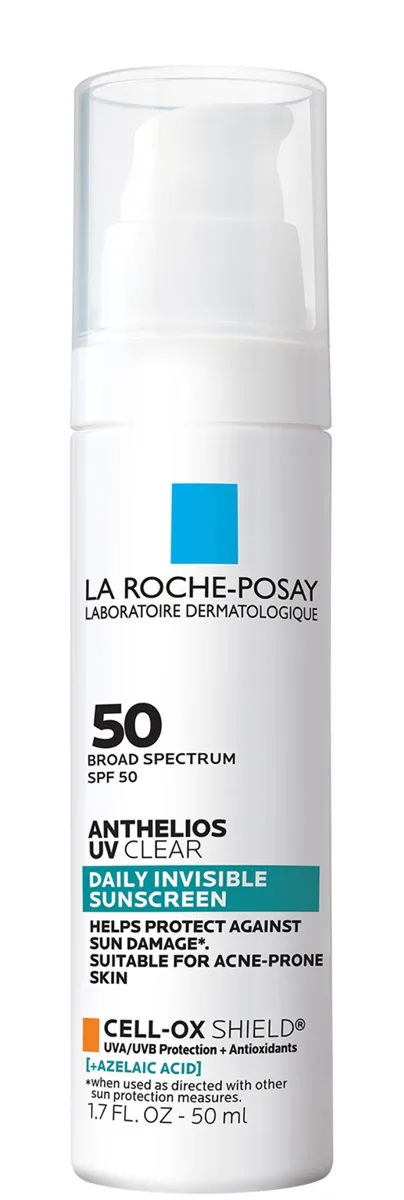
 Anthelios UV Clear Sunscreen SPF 50
One of the only US chemical sunscreens that genuinely earns its 'for sensitive and breakout-prone skin' positioning. A photostable Anthelios filter system paired with a legitimate azelaic acid dose in a lightweight serum-fluid that disappears on every skin tone. Excellent for rosacea, acne, and post-inflammatory hyperpigmentation — and probably the single best daily sunscreen in the La Roche-Posay US lineup for those conditions.
 K-Beauty Daily SPF Standout
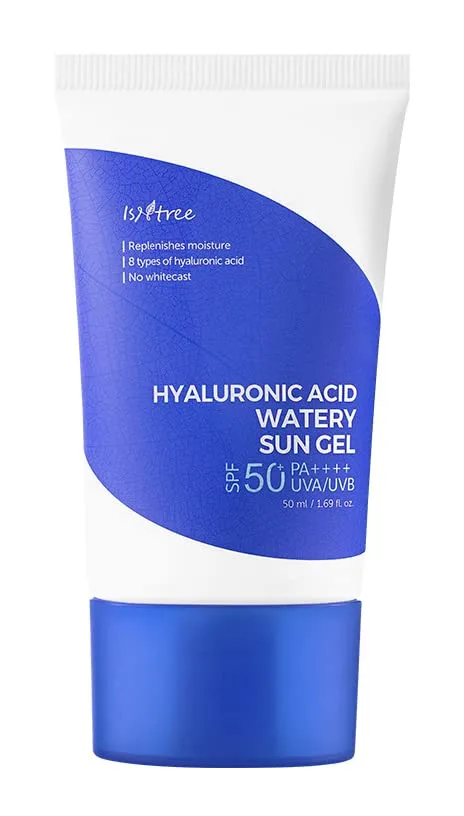
 Hyaluronic Acid Watery Sun Gel SPF 50+
One of the strongest everyday K-beauty sunscreens in the international market — modern European filters, no white cast, fragrance-free, niacinamide-boosted, and built around the brand's signature six-weight HA complex. At twenty-two dollars for 50ml, it's a case study in how much better a daily sunscreen can be when the formulator cares about both protection and wearability.
 Derm Office Staple
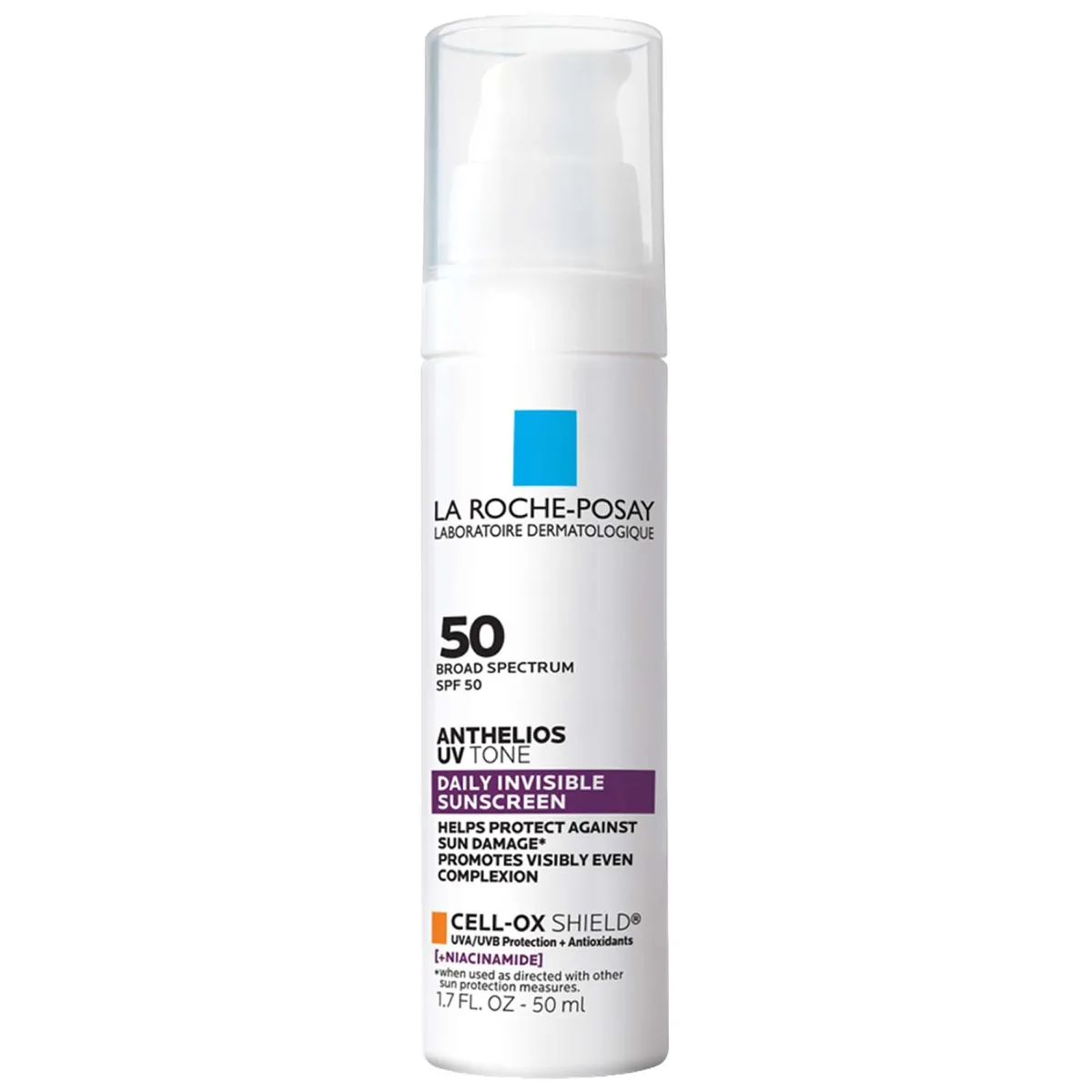
 Anthelios UV Tone Daily Invisible Sunscreen SPF 50
La Roche-Posay's most thoughtful answer yet for hyperpigmentation-prone skin that needs daily SPF. A photostable avobenzone system reinforced with Oxynex ST, paired with a meaningful dose of niacinamide, in a serum-fluid base that goes on invisible on every skin tone. Expensive for 1.7 oz but legitimately well-built — and a rare chemical sunscreen that earns its 'for dark spots' marketing.
 Melasma-Grade Mineral Sunscreen
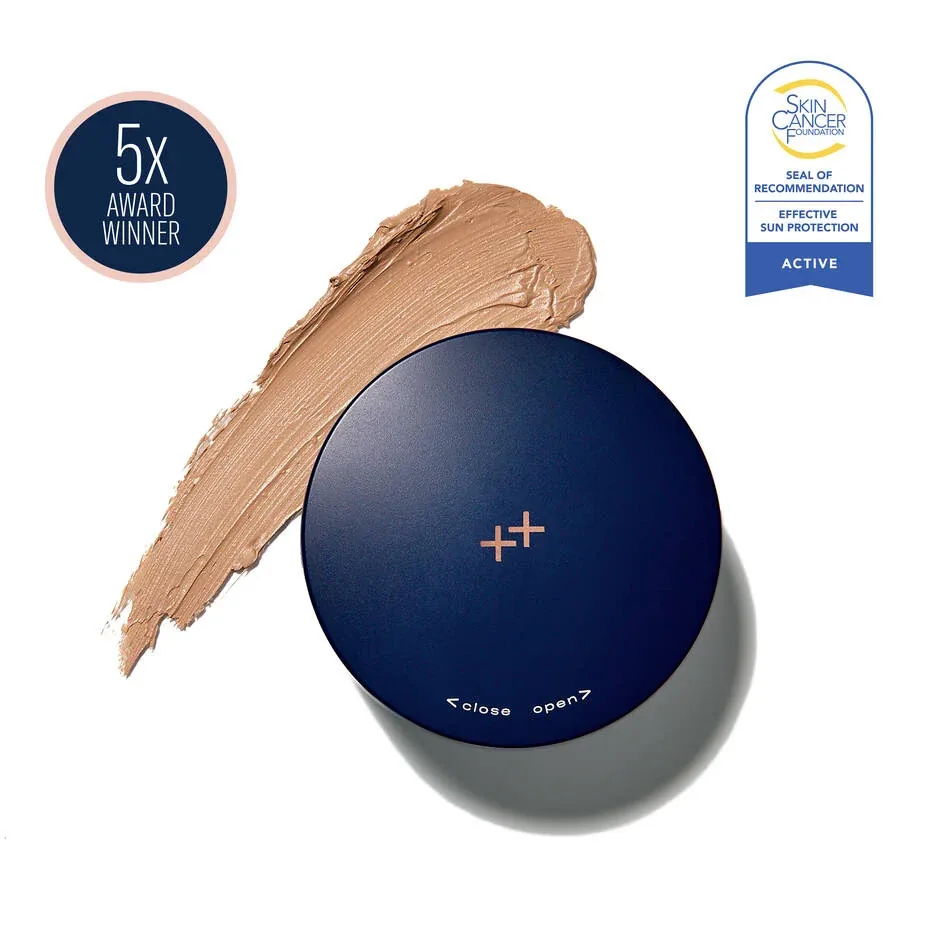
 sunbetter TONE SMART SPF 68
One of the most clinically useful tinted mineral sunscreens in the professional category. SPF 68 from a 100% mineral formula, iron oxide tint that blocks visible light for melasma protection, and an unusually lightweight texture that doesn't feel like you're wearing high-concentration zinc. For patients with melasma or post-inflammatory hyperpigmentation, this is the category benchmark — and it's earned its Allure Best of Beauty wins.
 K-Beauty Cult Favorite
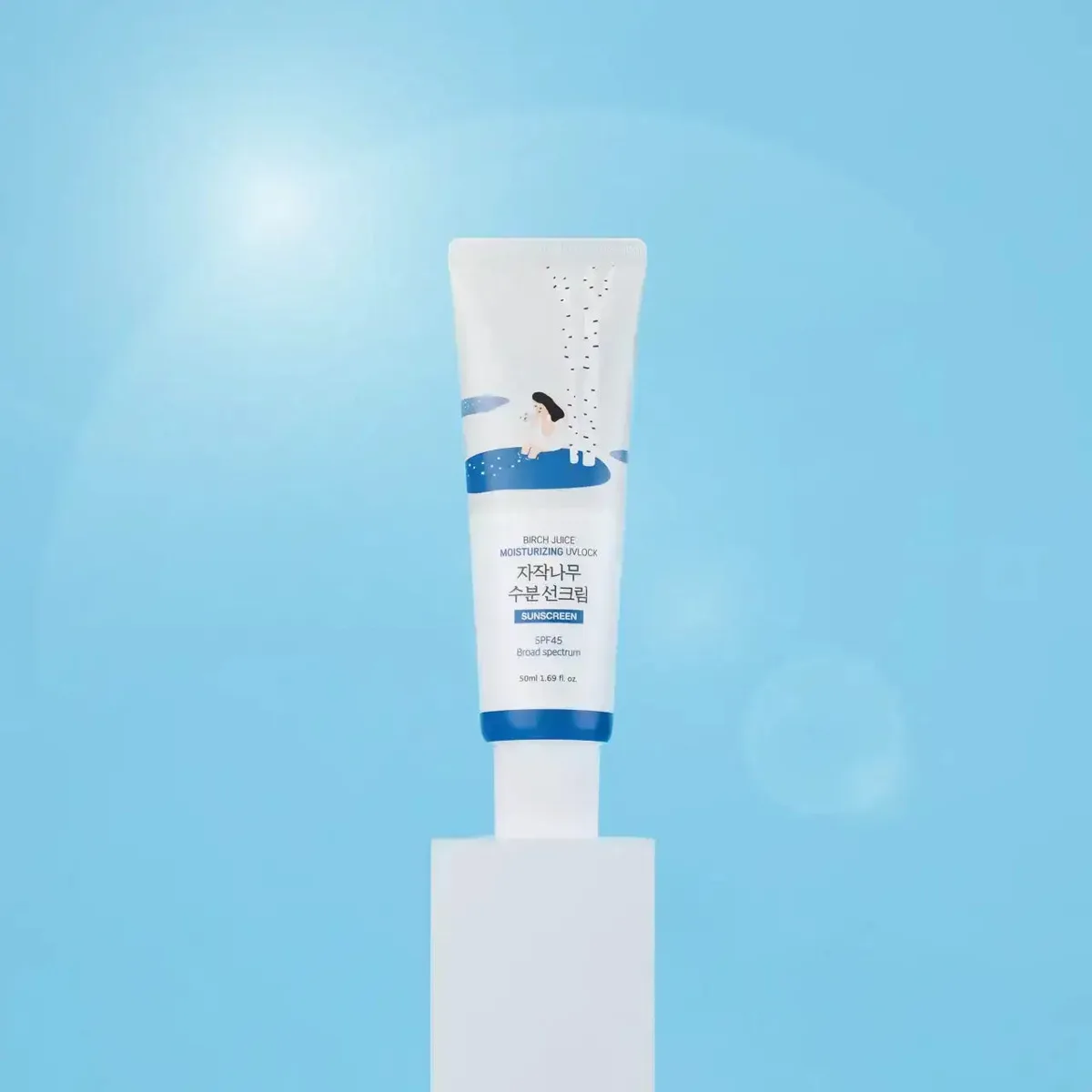
 Birch Juice Moisturizing Sun Cream SPF 50+
One of the best hybrid sunscreens in K-beauty right now — a 70% birch sap base, modern UVA filters you can't get in the US, and a finish that wears like a lightweight moisturizer. Broadly compatible, well-priced, and genuinely pleasant to apply, with minor tradeoffs for oily and fungal-acne-prone users.
 The K-Beauty Sunscreen That Changed Everything
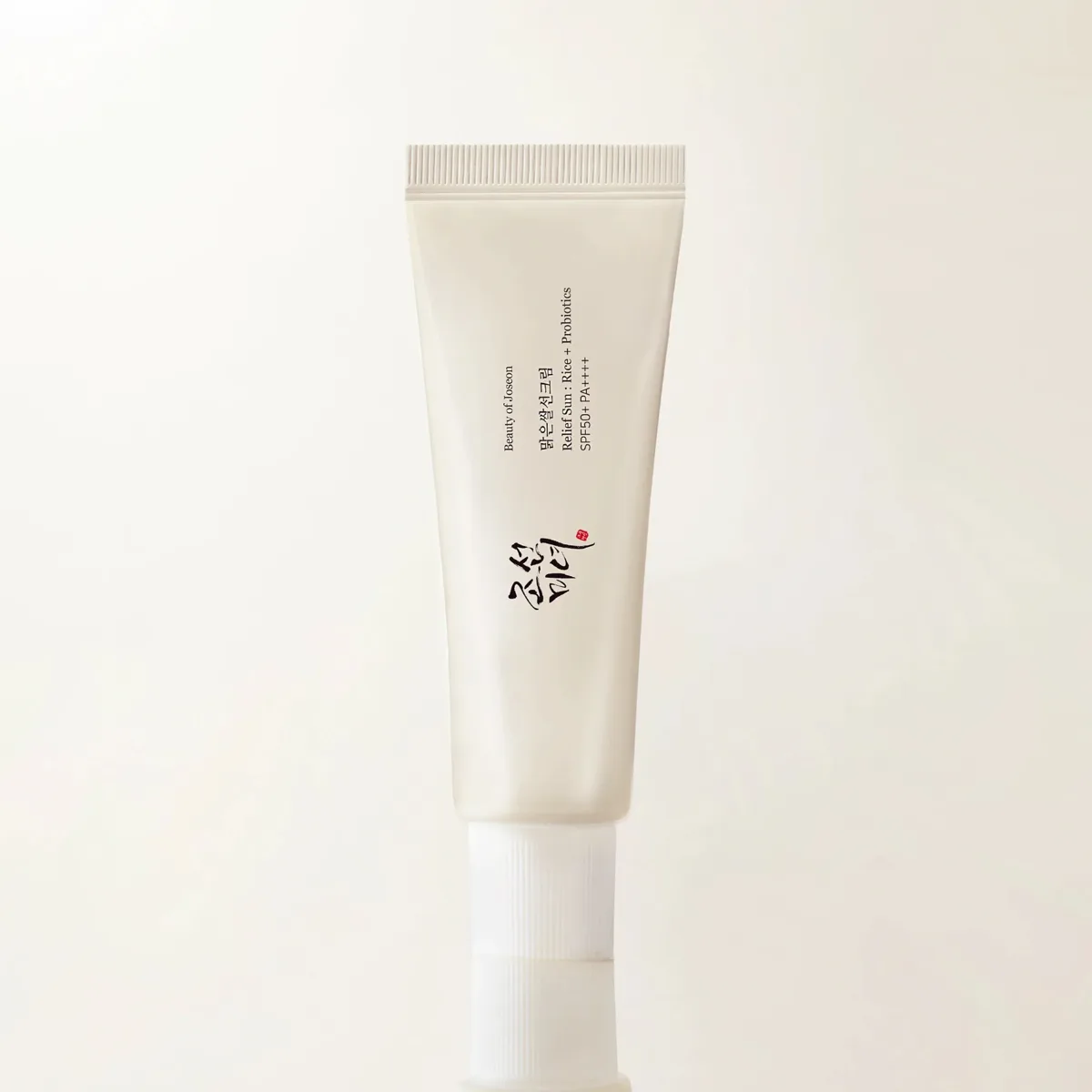
 Relief Sun: Rice + Probiotics SPF 50+
The sunscreen that rewrote the rules for what a $14 product could deliver. With independently verified SPF 50+, 30% rice extract, niacinamide, and a probiotic ferment complex, it offers protection and skincare benefits that rival products three times its price. The texture that feels like wearing nothing on your face is the reason it went viral — and stayed there.