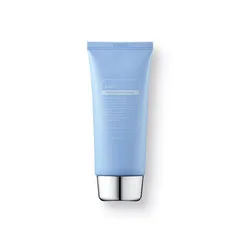
A well-engineered mineral sunscreen that solved the oily-skin-meets-SPF dilemma with a matte, lightweight formula and a clever guaiazulene twist. The inclusion of synthetic fragrance was an odd misstep for a sensitive-skin brand, and discontinuation makes this a legacy review. When it was available, it was one of the better mineral sunscreens in K-beauty.
Mid-Day Blue UV Shield SPF 50+
A well-engineered mineral sunscreen that solved the oily-skin-meets-SPF dilemma with a matte, lightweight formula and a clever guaiazulene twist. The inclusion of synthetic fragrance was an odd misstep for a sensitive-skin brand, and discontinuation makes this a legacy review. When it was available, it was one of the better mineral sunscreens in K-beauty.
Score Breakdown
Where this product gains points and where it loses them — broken down across the four scoring pillars.
A solid mineral sunscreen with dual UV filters and the interesting addition of guaiazulene for anti-inflammatory support. The inclusion of synthetic fragrance is surprising for a brand built on sensitive-skin principles and lowers the irritation score. Discontinuation limits long-term relevance.
Pros & Cons
- ✓Dual zinc oxide and titanium dioxide provide genuine broad-spectrum mineral UV protection
- ✓Semi-matte finish provides exceptional oil control for oily and combination skin
- ✓Guaiazulene adds anti-inflammatory and antioxidant benefits unique among sunscreens
- ✓Minimal white cast compared to most mineral sunscreens at this protection level
- ✓Lightweight silicone base provides elegant spreadability without chalkiness
- ✓80ml tube offers good value and practical, hygienic dispensing
- ✗Contains synthetic fragrance — contradicts Klairs' sensitive-skin brand positioning
- ✗Product has been discontinued by the brand
- ✗Too mattifying for dry and some normal skin types
- ✗Some white cast still visible on deeper skin tones despite micronized formula
- ✗The Klairs SPF testing controversy casts a shadow over brand trust in sun protection
Full Review
Klairs' relationship with sunscreen has been complicated. After the well-publicized controversy over their Soft Airy UV Essence's SPF labeling — where independent testing raised questions about whether the product delivered its claimed protection level — the brand faced a trust deficit in the one category where trust matters most. The Mid-Day Blue UV Shield was the quieter sibling in this story, a mineral sunscreen that largely avoided the controversy but ultimately didn't survive the brand's reassessment of its sun protection lineup.
The formulation itself deserved better than its fate. A dual mineral filter system — zinc oxide and titanium dioxide — provided genuine broad-spectrum UVA/UVB protection through physical reflection rather than chemical absorption. This is the sunscreen approach most frequently recommended by dermatologists for sensitive and reactive skin, and Klairs' execution was notably elegant. The silicone-rich base (cyclohexasiloxane and caprylyl methicone) created a slip and spreadability that most mineral sunscreens struggle to achieve. On application, it felt lightweight rather than chalky — a genuine accomplishment in mineral sunscreen formulation.
Guaiazulene was the formula's distinctive character. This chamomile-derived compound gave the cream its striking blue tint and provided anti-inflammatory and antioxidant properties that most sunscreens don't offer. The blue color — arresting when you first squeeze it from the tube — blended away completely on application, leaving behind a semi-matte, slightly brightened finish from the titanium dioxide's natural tone-up effect.
The matte finish was this sunscreen's primary selling point for oily and combination skin types. Mineral sunscreens have historically defaulted to greasy, heavy formulations that leave oily skin looking like it's been shellacked. The Blue UV Shield took the opposite approach, setting into a controlled matte that kept oil at bay for four to six hours. For oily-skinned individuals who had tried and abandoned mineral sunscreens, this was genuinely revelatory — proof that physical UV filters didn't have to mean a shiny, heavy experience.
The white cast situation was better than most mineral sunscreens but not perfect. On light to medium skin tones, the micronized particles and silicone vehicle minimized the chalky appearance that gives mineral sunscreens their bad reputation. On deeper skin tones, some white cast remained visible — a persistent limitation of mineral UV filters that even the best formulations haven't fully solved. The guaiazulene's blue tint partially counteracted the whitening effect, which was a clever formulation touch.
Now, the fragrance. Klairs built their brand on sensitive-skin compatibility. The Fundamental line is explicitly fragrance-free. Their vitamin C drop is beloved partly for its gentle approach. And yet this sunscreen — the one product you apply to your face and leave on all day — contains synthetic fragrance. It's a baffling choice that undermines the brand's core positioning. The fragrance itself was light and inoffensive, fading quickly after application, but its presence is a legitimate concern for the very audience Klairs claims to serve.
As a daily sunscreen for oily and combination skin, the Blue UV Shield performed well. It sat cleanly under makeup, didn't cause flashback in photography (a common mineral sunscreen issue at lower concentrations), and reapplied over makeup with reasonable ease — justifying the 'mid-day' name. The semi-matte finish was genuinely one of the best in its category, and the guaiazulene's anti-inflammatory properties added value beyond basic UV protection.
For dry skin types, this was the wrong product entirely. The mattifying finish that oily skin loved felt tight and parched on dry skin, and the formula lacked the emollient and humectant support needed to keep dry skin comfortable throughout the day. Without a substantial moisturizer underneath, dry skin would find this sunscreen actively uncomfortable by midday.
The 80ml tube offered decent value at the original price point, lasting two to three months with daily face and neck application. The squeeze tube packaging was practical and hygienic — no jars, no droppers, no product waste.
With the product now discontinued, this review serves more as documentation than purchasing guidance. Those who stocked up before it disappeared from shelves can continue using their remaining supply with confidence. For everyone else, the sunscreen's departure from Klairs' lineup may reflect the brand's decision to consolidate around products that more consistently align with their sensitive-skin, fragrance-free philosophy — and perhaps to address lingering concerns from the SPF testing controversy by focusing on fewer, more rigorously validated sun protection products.
Formula
Key Ingredients
The hero actives that drive this product's performance.
| Ingredient | Function | Evidence |
|---|---|---|
| Zinc Oxide | The primary mineral UV filter providing broad-spectrum UVA and UVB protection. As the broadest-spectrum single UV filter approved by the FDA, zinc oxide anchors this sunscreen's protective capacity and is particularly effective against long-wave UVA rays that contribute to photoaging. | well-established |
| Titanium Dioxide | A secondary mineral UV filter that reinforces the zinc oxide's protection, particularly in the UVB and short-wave UVA range. The combination of both mineral filters provides more complete spectral coverage than either alone, while the titanium dioxide contributes to the product's mild tone-up brightening effect. | well-established |
| Guaiazulene | A chamomile-derived anti-inflammatory compound that gives this sunscreen its distinctive blue tint. Beyond its calming properties, guaiazulene provides antioxidant support that complements the UV protection — addressing both the UV damage the sunscreen blocks and the oxidative stress from any UV that penetrates. | promising |
| Helianthus Annuus Seed Oil Unsaponifiables | The unsaponifiable fraction of sunflower oil — concentrated in phytosterols and vitamin E — provides emollient conditioning and antioxidant support without the heaviness of whole sunflower oil. Helps offset the drying effect that mineral UV filters can have on the skin. | well-established |
Full INCI List
Water, Cyclohexasiloxane, Zinc Oxide, Titanium Dioxide (CI 77891), Polyglyceryl-3 Polydimethylsiloxyethyl Dimethicone, Dibutyl Adipate, Propanediol, Caprylyl Methicone, 1,2-Hexanediol, Disteardimonium Hectorite, Betaine, Magnesium Sulfate, Hydrogen Dimethicone, Inositol, Aluminum Hydroxide, C30-45 Alkyl Cetearyl Dimethicone Crosspolymer, Polyglyceryl-2 Dipolyhydroxystearate, Styrene/Acrylates Copolymer, Stearic Acid, Pentylene Glycol, Ethylhexylglycerin, Octyldodecanol, Guaiazulene, Echium Plantagineum Seed Oil, Cardiospermum Halicacabum Flower/Leaf/Vine Extract, Helianthus Annuus (Sunflower) Seed Oil Unsaponifiables, Dicaprylyl Carbonate, Cetyl Ethylhexanoate, Tocopherol, Fragrance
Product Flags
✗ Fragrance Free✓ Alcohol Free✗ Oil Free✗ Silicone Free✓ Paraben Free✓ Sulfate Free✓ Cruelty Free✓ Vegan✗ Fungal Acne Safe
Comedogenic Ingredients
Cetyl Ethylhexanoate
Potential Irritants
Fragrance
Common Allergens
Fragrance
Compatibility
Skin Match
Best For
Works For
Not Ideal For
Addresses These Conditions
sun damage oiliness sensitivity
Use With Caution
Routine Step
sunscreen
Time of Day
AM
Pregnancy Safe
Yes ✓
Layering Tips
Apply as the final step of your morning skincare routine, after moisturizer. Wait 1-2 minutes for the previous layer to absorb before applying. Can be reapplied over makeup during the day. The 'mid-day' name refers to its suitability for reapplication.
Results Timeline
Immediate UV protection upon application. Semi-matte finish develops within 2-3 minutes as the formula sets. Mild tone-up brightening effect is visible immediately. Oil control lasts approximately 4-6 hours before touch-up may be needed.
Pairs Well With
Hydrating serums applied underneath to prevent drynessLightweight moisturizersSetting powders for extended oil control
Sample AM Routine
- Gentle cleanser
- Hydrating toner
- Lightweight serum
- Moisturizer
- Klairs Mid-Day Blue UV Shield SPF 50+
Sample PM Routine
- Oil cleanser (to remove mineral sunscreen)
- Water-based cleanser
- Treatment serum
- Night cream
Evidence
Science & Expert Perspective
The Science
The dual mineral filter system in this sunscreen leverages the complementary spectral coverage of zinc oxide and titanium dioxide. Zinc oxide provides the broadest single-ingredient UV protection, covering both UVA (320-400nm) and UVB (290-320nm) wavelengths, with particular strength in the long-wave UVA-I range (340-400nm) that contributes most to photoaging. Titanium dioxide reinforces protection primarily in the UVB and short-wave UVA-II range (320-340nm). A 2011 review in the Journal of the American Academy of Dermatology confirmed that combinations of both mineral filters provide more complete spectral protection than either alone.
Guaiazulene, a sesquiterpene derived from chamomile essential oil, has demonstrated anti-inflammatory activity through inhibition of leukotriene B4 and thromboxane B2 production. Research published in the European Journal of Pharmacology showed that guaiazulene reduces UV-induced inflammation and oxidative damage — making it a particularly relevant addition to a sunscreen formula where it can address both the UV exposure the filters block and the inflammatory cascade from any UV that penetrates.
The silicone vehicle — primarily cyclohexasiloxane — serves a dual purpose beyond cosmetic elegance. Silicone-based matrices help distribute mineral UV filter particles more evenly across the skin surface, which directly impacts protection efficacy. Uneven distribution is one of the primary reasons real-world mineral sunscreen performance falls short of lab SPF testing, and formulation vehicles that improve particle distribution effectively improve protection consistency.
Dermatologist Perspective
Dermatologists generally favor mineral sunscreens containing zinc oxide and titanium dioxide for patients with sensitive or reactive skin, as these filters sit on the skin surface rather than being absorbed. Board-certified dermatologists note that the guaiazulene addition is an unusual but scientifically rational choice for a sunscreen, providing anti-inflammatory support at the point of UV exposure. However, dermatologists would likely flag the synthetic fragrance inclusion as an avoidable irritation risk, particularly for a product marketed to sensitive skin. The product's discontinuation — in the context of Klairs' broader SPF concerns — may lead dermatologists to recommend currently available alternatives with independently verified SPF claims.
Guidance
Usage Guide
How to Use
Apply generously as the final step of your morning skincare routine, after moisturizer has fully absorbed. Use approximately a nickel-sized amount for the face and a similar amount for the neck. Allow 1-2 minutes for the semi-matte finish to set before applying makeup. Reapply every 2 hours during direct sun exposure, or after sweating or touching your face. Double cleanse in the evening to fully remove mineral sunscreen particles.
Value Assessment
At $23 for 80ml, this sunscreen offered competitive value in the mineral sunscreen category during its availability. Comparable mineral sunscreens from Western dermatological brands typically cost $15-20 for 50ml. The guaiazulene and botanical additions provided genuine value-adds beyond basic UV protection. However, with the product discontinued, current market availability is limited to remaining stock at discounted prices — making the value assessment less relevant for new purchasers.
Who Should Buy
Oily and combination skin types who need a mineral sunscreen that won't add shine or heaviness. Note: This product has been discontinued, so availability is limited to remaining retailer stock. If you find it, it's worth trying for its unique matte mineral formula.
Who Should Skip
Dry skin types who will find the mattifying finish uncomfortable. Anyone with fragrance sensitivities — this product contains synthetic fragrance despite Klairs' general sensitive-skin positioning. Those seeking a currently available sunscreen should look at Klairs' reformulated options.
Ready to try Klairs Mid-Day Blue UV Shield SPF 50+?
Details
Details
Texture
Lightweight blue-tinted cream that blends into a semi-matte finish. The blue color from guaiazulene disappears on application, leaving a slight tone-up brightening effect from the titanium dioxide.
Scent
Contains added fragrance — a light, clean scent. This is notable as it contradicts Klairs' general sensitive-skin positioning.
Packaging
White squeeze tube with blue accents matching the product's blue theme. The 80ml tube is practical for daily use and travel-friendly.
Finish
mattelightweightnatural
What to Expect on First Use
The blue-tinted cream blends surprisingly well, with the color disappearing as it's worked into the skin. The semi-matte finish sets within a few minutes. Skin feels mattified and slightly brightened. No stinging or irritation typical of mineral sunscreens. The fragrance is detectable but fades quickly.
How Long It Lasts
2-3 months with daily face and neck application
Period After Opening
12 months
Best Season
spring summer
Certifications
Vegan certifiedKARA cruelty-free certified
Background
The Why
The Mid-Day Blue UV Shield was part of Klairs' Blue line, named for the guaiazulene that gives these products their blue hue. Designed specifically for oily and combination skin types who struggled with the greasy finish of most sunscreens, it was positioned as a sunscreen you could reapply over makeup during the day. The product was discontinued, though the reasons haven't been publicly detailed — speculation ranges from reformulation plans to addressing the brand's broader SPF testing concerns.
About Klairs Established Brand (5–20 years)
Dear, Klairs was founded in 2010 in South Korea and holds KARA cruelty-free and vegan certifications. Note: This product has been discontinued by the brand. Klairs previously faced a controversy over SPF testing accuracy with another product (Soft Airy UV Essence), which they addressed publicly and subsequently reformulated.
Brand founded: 2010 · Product launched: 2020
Myth vs. Reality
Myths & Misconceptions
Myth
Mineral sunscreens always leave a heavy white cast.
Reality
This sunscreen's silicone-based formula and micronized mineral particles significantly reduced white cast compared to traditional mineral sunscreens, though it could still appear on deeper skin tones. The guaiazulene's blue tint also helped counteract the white appearance.
Myth
You need to apply sunscreen only in the morning.
Reality
Reapplication every 2 hours of sun exposure is essential for maintained protection, which is exactly what this product's 'mid-day' name references. Mineral sunscreens like this one degrade less than chemical sunscreens but still need reapplication after sweating, rubbing, or extended UV exposure.
FAQ
Frequently Asked Questions
Is Klairs Mid Day Blue UV Shield discontinued?
Yes, this product has been discontinued by Klairs. It may still be available through remaining stock at some retailers, but it is no longer in active production. The Klairs Soft Airy UV Essence (reformulated) is the brand's current primary sunscreen offering.
Why is Klairs Mid Day Blue UV Shield blue?
The blue tint comes from guaiazulene, a naturally derived compound from chamomile. Beyond providing the distinctive color, guaiazulene has anti-inflammatory and antioxidant properties. The blue color disappears as the sunscreen is blended into the skin.
Does Klairs Mid Day Blue UV Shield leave a white cast?
For light to medium skin tones, the white cast is minimal thanks to the silicone-heavy formula and micronized mineral particles. However, on deeper skin tones, some white cast may still be visible. The blue guaiazulene partially counteracts the whitening effect of the mineral filters.
Is Klairs Mid Day Blue UV Shield good for dry skin?
This sunscreen's semi-matte finish was designed primarily for oily and combination skin. Dry skin types may find it too mattifying and potentially drying. If you have dry skin, applying a hydrating serum and moisturizer underneath is essential, or consider a more hydrating sunscreen formula.
Is this sunscreen really fragrance-free?
No — despite Klairs' general reputation for sensitive-skin-friendly formulations, this product contains added fragrance (listed as 'Fragrance' in the INCI). This is unusual for the brand and worth noting if you have fragrance sensitivities.
Community
Community Voices
Common Praise
"Excellent matte finish for oily skin types"
"Minimal white cast for a mineral sunscreen"
"Lightweight feel that doesn't feel heavy or suffocating"
"Works well as a makeup base"
"Interesting blue tint that blends away on application"
Common Complaints
"Too mattifying and drying for dry or normal skin types"
"Contains synthetic fragrance — inconsistent with brand positioning"
"Has been discontinued by the brand"
"White cast can appear on deeper skin tones despite minimal claims"
"Silicone-heavy formula may not suit all preferences"
Appears In
best sunscreen for oiliness best mineral sunscreen best k beauty sunscreen best matte sunscreen
Related Conditions
sun damage oiliness sensitivity
Related Ingredients
You Might Also Like
 Derm Office Staple
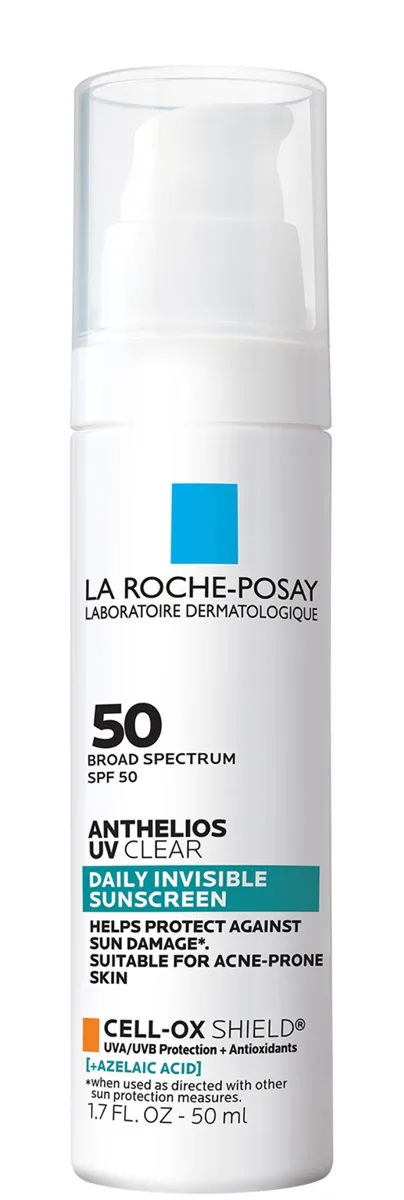
 Anthelios UV Clear Sunscreen SPF 50
One of the only US chemical sunscreens that genuinely earns its 'for sensitive and breakout-prone skin' positioning. A photostable Anthelios filter system paired with a legitimate azelaic acid dose in a lightweight serum-fluid that disappears on every skin tone. Excellent for rosacea, acne, and post-inflammatory hyperpigmentation — and probably the single best daily sunscreen in the La Roche-Posay US lineup for those conditions.
 K-Beauty Daily SPF Standout
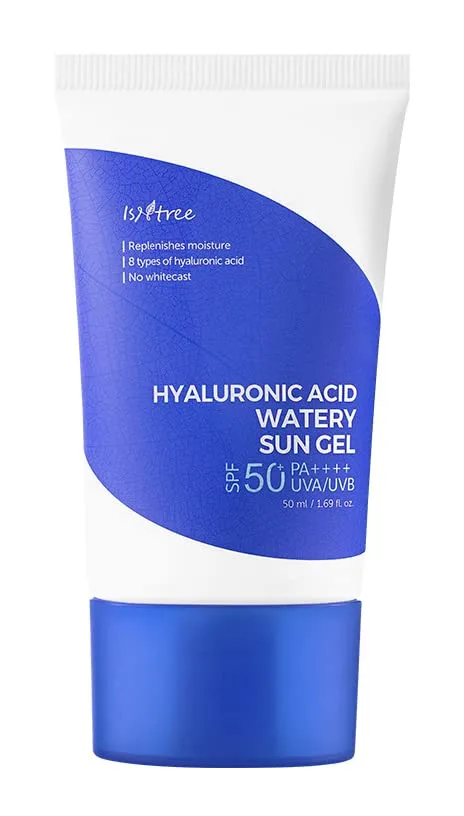
 Hyaluronic Acid Watery Sun Gel SPF 50+
One of the strongest everyday K-beauty sunscreens in the international market — modern European filters, no white cast, fragrance-free, niacinamide-boosted, and built around the brand's signature six-weight HA complex. At twenty-two dollars for 50ml, it's a case study in how much better a daily sunscreen can be when the formulator cares about both protection and wearability.
 Derm Office Staple
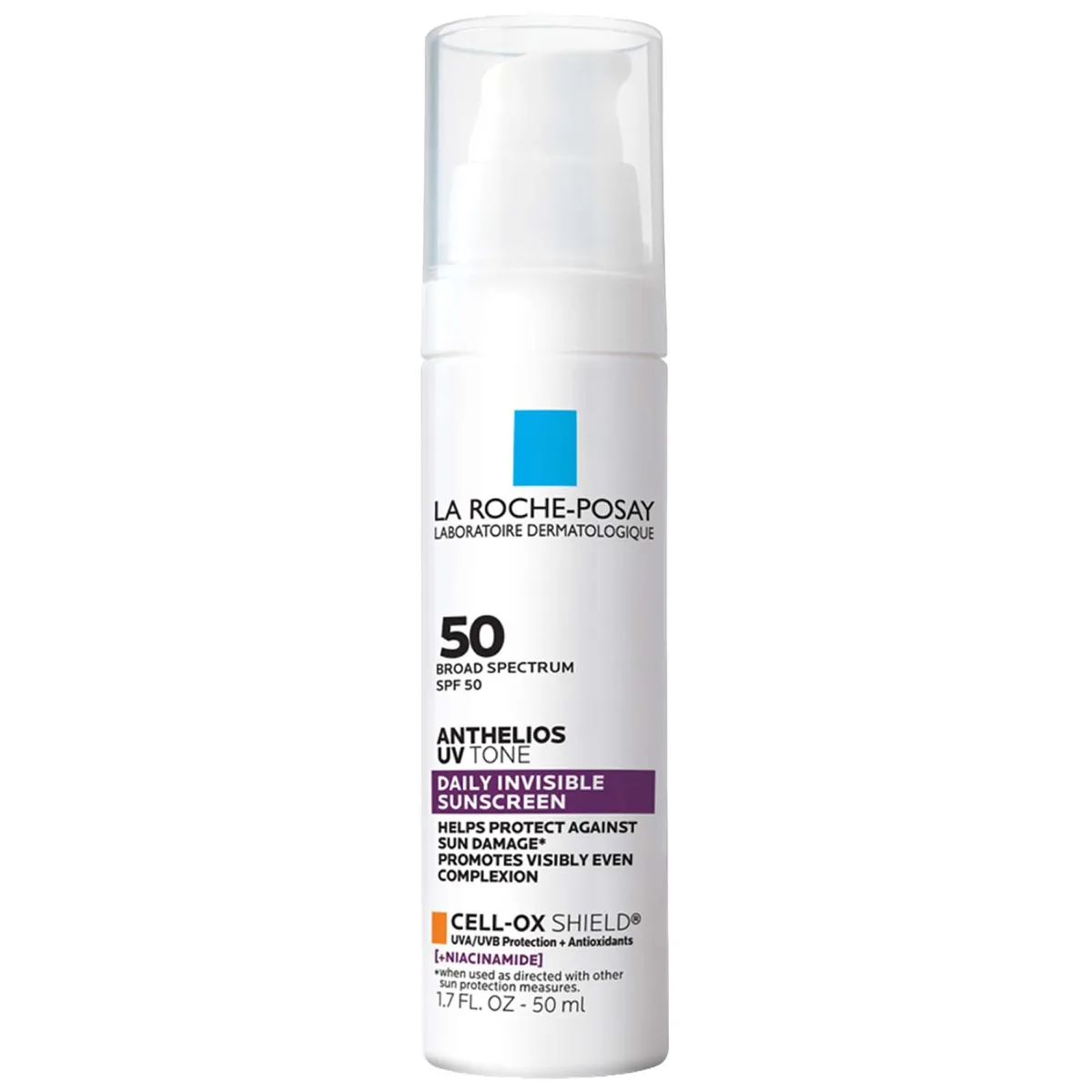
 Anthelios UV Tone Daily Invisible Sunscreen SPF 50
La Roche-Posay's most thoughtful answer yet for hyperpigmentation-prone skin that needs daily SPF. A photostable avobenzone system reinforced with Oxynex ST, paired with a meaningful dose of niacinamide, in a serum-fluid base that goes on invisible on every skin tone. Expensive for 1.7 oz but legitimately well-built — and a rare chemical sunscreen that earns its 'for dark spots' marketing.
 Melasma-Grade Mineral Sunscreen
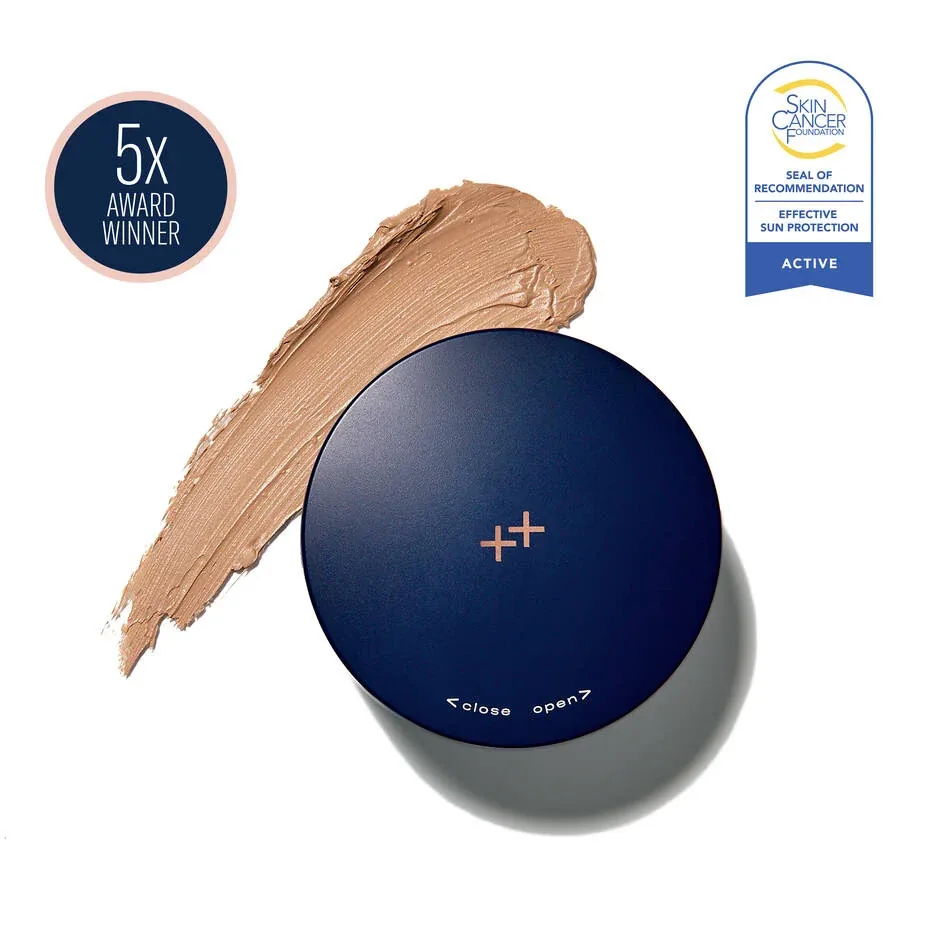
 sunbetter TONE SMART SPF 68
One of the most clinically useful tinted mineral sunscreens in the professional category. SPF 68 from a 100% mineral formula, iron oxide tint that blocks visible light for melasma protection, and an unusually lightweight texture that doesn't feel like you're wearing high-concentration zinc. For patients with melasma or post-inflammatory hyperpigmentation, this is the category benchmark — and it's earned its Allure Best of Beauty wins.
 K-Beauty Cult Favorite
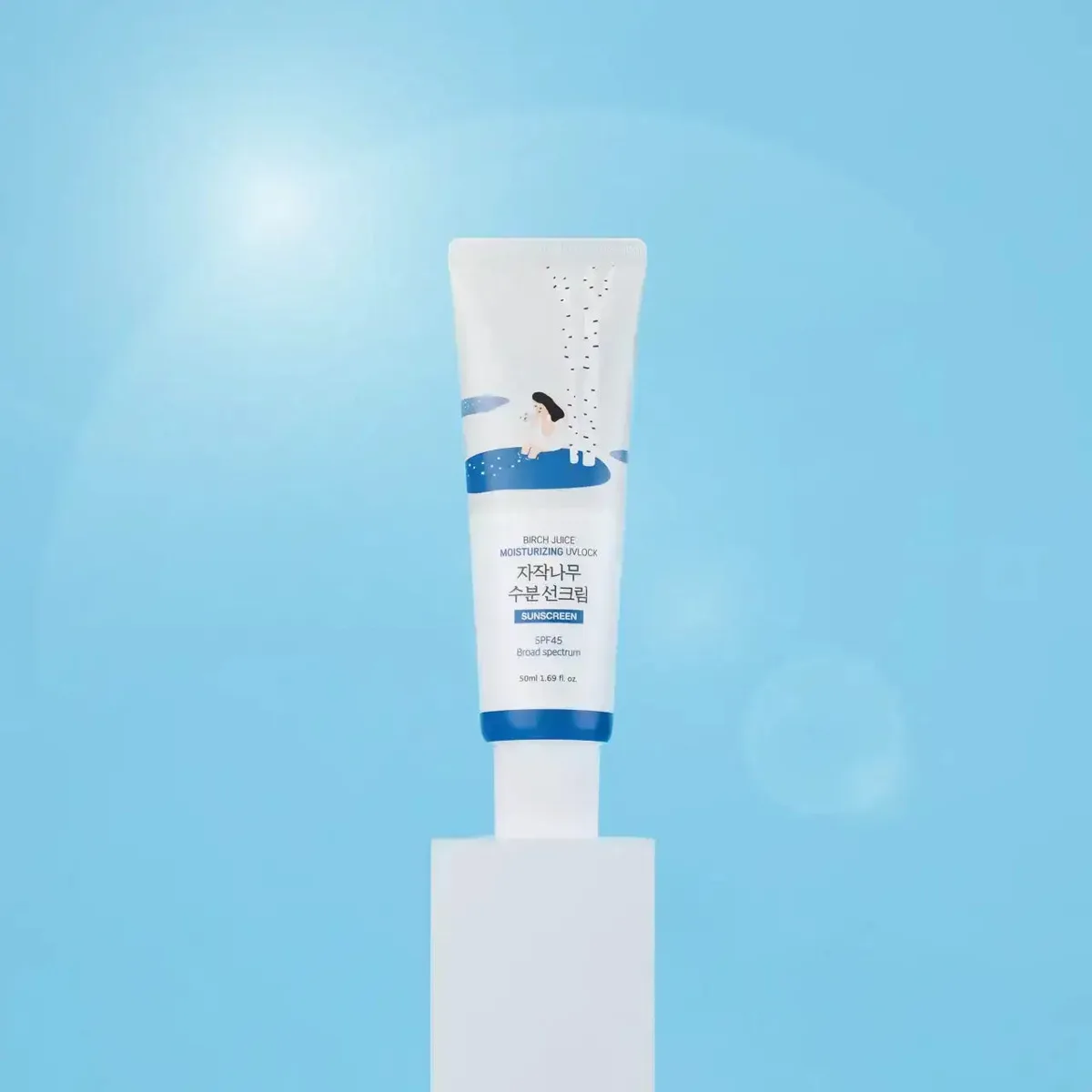
 Birch Juice Moisturizing Sun Cream SPF 50+
One of the best hybrid sunscreens in K-beauty right now — a 70% birch sap base, modern UVA filters you can't get in the US, and a finish that wears like a lightweight moisturizer. Broadly compatible, well-priced, and genuinely pleasant to apply, with minor tradeoffs for oily and fungal-acne-prone users.
 The K-Beauty Sunscreen That Changed Everything
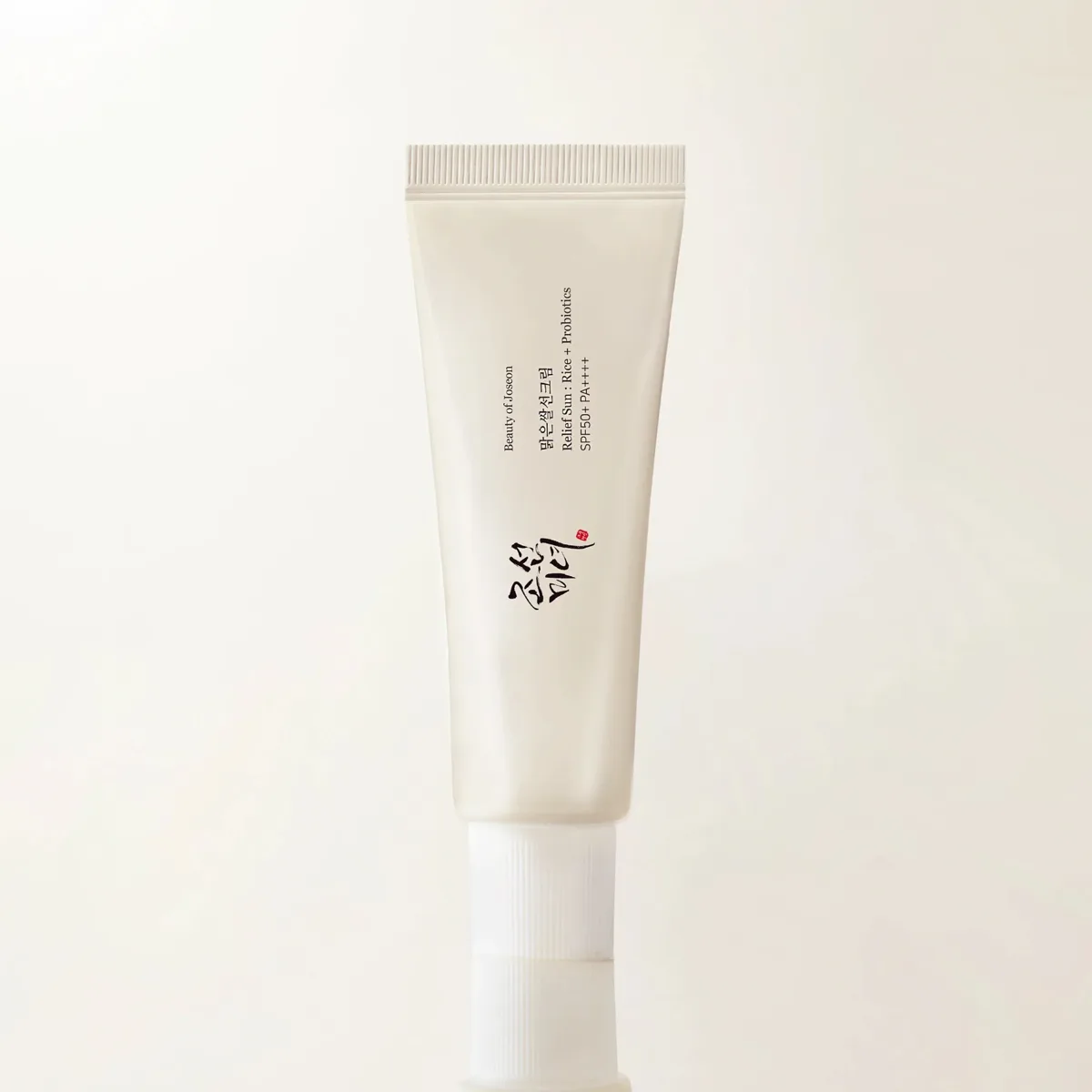
 Relief Sun: Rice + Probiotics SPF 50+
The sunscreen that rewrote the rules for what a $14 product could deliver. With independently verified SPF 50+, 30% rice extract, niacinamide, and a probiotic ferment complex, it offers protection and skincare benefits that rival products three times its price. The texture that feels like wearing nothing on your face is the reason it went viral — and stayed there.