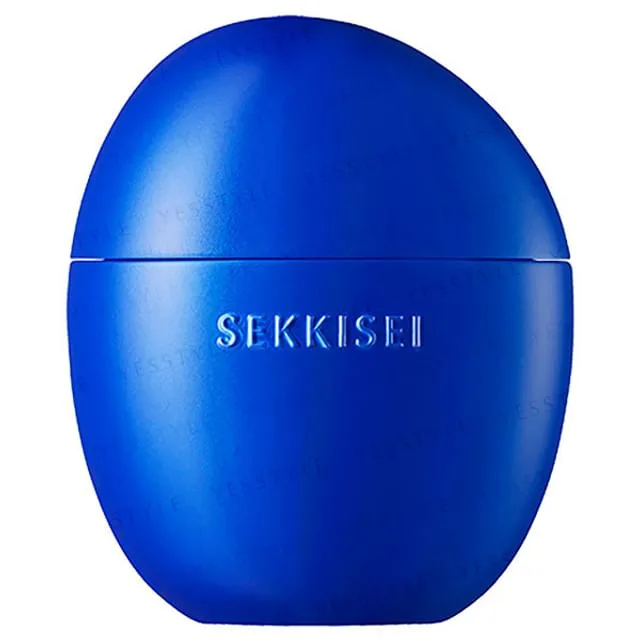
Sekkisei's modernized daily sunscreen gets the important things right: PA++++ UVA coverage, a weightless milk texture, and zero white cast. The alcohol base and signature herbal fragrance keep it off the sensitive-skin shortlist, but for normal-to-oily skin in a hot climate, it's one of the most wearable high-protection formulas in J-beauty.
Sekkisei Clear Wellness UV Defense Milk SPF 50+ PA++++
Sekkisei's modernized daily sunscreen gets the important things right: PA++++ UVA coverage, a weightless milk texture, and zero white cast. The alcohol base and signature herbal fragrance keep it off the sensitive-skin shortlist, but for normal-to-oily skin in a hot climate, it's one of the most wearable high-protection formulas in J-beauty.
Score Breakdown
Where this product gains points and where it loses them — broken down across the four scoring pillars.
A well-formulated Japanese hybrid sunscreen with strong PA++++ UVA coverage and a genuinely elegant milk texture. The alcohol and fragrance content and octinoxate use drag on the safety score for sensitive skin and pregnancy.
Pros & Cons
- ✓PA++++ UVA rating with photostable DHHB filter
- ✓Weightless milk texture with no white cast
- ✓Sets cleanly under makeup without pilling
- ✓Signature Sekkisei herbal scent fans love
- ✓Forty years of Japanese dermatological heritage
- ✓Works across all skin tones with zero cast
- ✓Durable indoor-outdoor daily wear
- ✗Contains octinoxate — not reef-safe or pregnancy-preferred
- ✗Alcohol-forward base too stripping for sensitive skin
- ✗Added fragrance will bother reactive users
- ✗60ml tube is small for the price point
- ✗Limited US retail availability
Full Review
Sekkisei has been sitting on Japanese vanities since 1985, which means this sunscreen carries more heritage weight than most of the formulas it competes with. The original Sekkisei Lotion — a watery, herbal-scented toner in a cobalt blue bottle — became one of the best-selling Japanese skincare products of all time, and Kose spent three decades building the rest of the line around it. In 2020 the brand did something rare for a legacy franchise: it reformulated the entire range under the Clear Wellness banner, updated the packaging for better recyclability, and swapped in modern ingredients where the old ones were showing their age. The Clear Wellness UV Defense Milk is the daily sunscreen anchor of that refresh, and it's a genuinely good piece of work. The filter system is the headline. Kose pairs ethylhexyl methoxycinnamate, the workhorse UVB absorber the formula leans on for its SPF 50+ rating, with diethylamino hydroxybenzoyl hexyl benzoate — the ingredient known in Europe as Uvinul A Plus and the reason this sunscreen earns a PA++++ rating on the Japanese UVA scale. Uvinul A Plus is photostable, efficient across the long UVA range, and not approved for sale in the United States, which is part of why Japanese sunscreens remain a destination for people who care about pigmentation. A supporting dose of coated zinc oxide rounds out the spectrum without adding a chalky cast. The texture is the other thing Kose got right. This is a milk, not a cream — it pours thin, spreads like a light lotion, and dries down to a soft semi-matte finish that sits cleanly under makeup. There's an alcohol base, which is how Kose keeps the formula weightless and fast-drying, but it also means the sunscreen will feel too stripping for skin that's already compromised or reactive. The botanical story is pure Sekkisei. Coix seed extract — hatomugi, in Japanese — has been in every Sekkisei product since the beginning, and it's here alongside angelica acutiloba root, melothria, and peony root as part of what Kose calls the ITOWA complex. These are traditional Kampo ingredients with long cultural resonance in Japan but limited hard clinical evidence for the brightening claims the marketing gestures toward. What they do contribute, clearly and unmistakably, is the signature Sekkisei scent: slightly green, slightly powdery, herbal in a way that instantly tells you which line you're holding. Sekkisei fans adore this smell. Fragrance-sensitive users will want to test it first. Performance-wise, the sunscreen does what a well-made hybrid SPF 50+ formula should do. It applies invisibly on every skin tone we'd recommend it for, it doesn't pill under primers or BB creams, and it holds up through a normal day of indoor-outdoor activity. Where it falls short is the fine print: the octinoxate makes it a non-starter in Hawaii, a concern for pregnant users, and a reason some reef-conscious travelers skip it entirely. The small tube and the duty-free pricing also keep it out of budget territory. None of that erases what Kose has built here. This is a mature, well-composed daily sunscreen from a brand that has earned the right to take itself seriously about UV protection, and it happens to smell like the kind of thing you'd find on a shelf in a Ginza department store because that's exactly where it was born.
Formula
Key Ingredients
The hero actives that drive this product's performance.
| Ingredient | Function | Evidence |
|---|---|---|
| Ethylhexyl Methoxycinnamate (Octinoxate) | The primary UVB filter anchoring this Japanese milk sunscreen, providing the SPF 50+ rating when combined with DHHB and zinc oxide. Works alongside the botanical ITOWA complex that Kose layers into every Sekkisei formula to offset dryness from the alcohol base. | well-established |
| Diethylamino Hydroxybenzoyl Hexyl Benzoate (Uvinul A Plus) | A photostable long-wave UVA filter approved in Japan but not the US, delivering the PA++++ rating that makes this formula particularly appealing for pigmentation-prone skin. Pairs with octinoxate to deliver broad-spectrum coverage without the white cast of mineral-heavy formulas. | well-established |
| Coix Seed Extract (Job's Tears / Hatomugi) | The signature Sekkisei botanical, used in every product in the line since 1985 and marketed for its brightening and skin-softening traditional use in Kampo medicine. Here it's paired with angelica and melothria extracts to support the 'clear skin' claim that built the Sekkisei franchise. | traditional-use |
| Angelica Acutiloba Root Extract | A Japanese herb used in Kampo formulations for circulation and inflammation support, included in the ITOWA complex that defines Sekkisei's botanical identity. Adds the subtle herbal scent characteristic of the line. | traditional-use |
| Zinc Oxide | A supporting mineral filter that reinforces UVA coverage and helps balance the chemical filters in this hybrid system. Coated with triethoxycaprylylsilane so it disperses cleanly without the chalky residue that pure mineral sunscreens leave on deeper skin tones. | well-established |
Full INCI List
Water, Ethylhexyl Methoxycinnamate, Alcohol, Zinc Oxide, Diethylamino Hydroxybenzoyl Hexyl Benzoate, Butylene Glycol, Glycerin, Dimethicone, PEG-10 Dimethicone, Coix Lacryma-Jobi Ma-Yuen Seed Extract, Angelica Acutiloba Root Extract, Melothria Heterophylla Root Extract, Paeonia Suffruticosa Root Extract, Crataegus Cuneata Fruit Extract, Pearl Extract, Sodium Hyaluronate, Tocopherol, Silica, Stearic Acid, Disteardimonium Hectorite, Triethoxycaprylylsilane, Aluminum Hydroxide, Xanthan Gum, Phenoxyethanol, Fragrance
Product Flags
✗ Fragrance Free✗ Alcohol Free✓ Oil Free✗ Silicone Free✓ Paraben Free✓ Sulfate Free✗ Cruelty Free✗ Vegan✗ Fungal Acne Safe
Potential Irritants
alcoholfragranceoctinoxate
Common Allergens
fragrance
Compatibility
Skin Match
Best For
Works For
Not Ideal For
Addresses These Conditions
sun damage hyperpigmentation melasma
Use With Caution
Avoid With
Routine Step
sunscreen
Time of Day
AM
Pregnancy Safe
No ✗
Layering Tips
Apply as the final step of your morning routine over moisturizer. Wait 1-2 minutes before layering makeup to allow the alcohol to flash off and the filters to set into an even film.
Results Timeline
Immediate UV protection on application when used at the recommended two-finger dose. Visible pigmentation benefits from consistent daily use take 8-12 weeks, as with any sunscreen.
Pairs Well With
hydrating-tonerceramide-moisturizervitamin-c-serum
Sample AM Routine
- Gentle cleanser
- Vitamin C serum
- Hydrating moisturizer
- Kose Sekkisei Clear Wellness UV Defense Milk SPF 50+ PA++++
Sample PM Routine
- Oil cleanser
- Water cleanser
- Essence
- Moisturizer
Evidence
Science & Expert Perspective
The Science
The UV protection story here rests on a well-studied hybrid filter system. Ethylhexyl methoxycinnamate (octinoxate) is one of the longest-used UVB absorbers in sunscreen formulation and has been the subject of decades of efficacy and safety studies, though recent research on endocrine effects has prompted reef regulations in several jurisdictions. Its partner here is diethylamino hydroxybenzoyl hexyl benzoate (DHHB), a filter approved by the European Commission and Japan's Ministry of Health that covers the full UVA range with excellent photostability. Published stability studies in journals like Photochemistry and Photobiology have shown DHHB maintains filtering efficiency over hours of UV exposure, which is why it has become a go-to ingredient in Japanese and European broad-spectrum sunscreens targeting pigmentation. The coated zinc oxide adds boundary coverage at the UVA1 edge and helps compensate for the known UVA gap of octinoxate-only formulas. The PA++++ rating — the highest on Japan's persistent pigment darkening scale — reflects this UVA emphasis and is the reason formulas like this are popular in Asian markets where post-inflammatory hyperpigmentation is a primary skincare concern. The botanical ITOWA complex has a different evidence profile. Coix lacryma-jobi seed extract has traditional-use standing in Japanese Kampo medicine and some limited in-vitro data on melanogenesis modulation, but no robust clinical trials supporting its brightening claims in finished skincare. The same is true of angelica acutiloba and the other herbal extracts. These ingredients contribute identity and scent more than measurable skin-clearing action — the real pigmentation benefit comes from the high UVA coverage and consistent daily use.
Dermatologist Perspective
Dermatologists broadly recommend high-PA-rated sunscreens for patients with melasma, post-inflammatory hyperpigmentation, or a personal history of sun-triggered pigmentation, and this formula's PA++++ rating puts it in that preferred category. Board-certified dermatologists frequently note that UVA protection — not SPF number alone — is the most important factor for patients managing pigmentation concerns, which is why Japanese sunscreens featuring filters like DHHB are often discussed favorably in pigmentation-focused practices. The alcohol content and added fragrance are the features dermatologists flag for patients with rosacea, eczema, or a compromised barrier, where simpler mineral formulations are typically suggested instead. Pregnancy is another common conversation: some dermatologists advise patients to avoid octinoxate during pregnancy as a precaution, even though systemic absorption data remains limited.
Guidance
Usage Guide
How to Use
Apply as the final step of your morning skincare routine over moisturizer. Use two finger-lengths for the face and neck to reach the labeled SPF, which is more product than most people instinctively apply. Wait one to two minutes for the alcohol to flash off and the film to set before layering primer or foundation. Reapply every two hours with prolonged sun exposure, or use a powder SPF for midday touch-ups over makeup. Shake the tube gently before each use to redisperse the zinc oxide. Remove at night with an oil cleanser followed by a water-based cleanser — this is a film-forming sunscreen and a single cleanse will not fully break it down.
Value Assessment
At around $38 for a 60ml tube, this sunscreen is priced as a mid-premium J-beauty product — more expensive than drugstore Japanese SPFs like Biore UV Aqua Rich but meaningfully cheaper than European pharmacy equivalents that use the same filter. You're paying for a legacy brand, a modernized formulation, and the DHHB-driven PA++++ rating that's hard to find at lower price points. For someone specifically managing pigmentation who wants a lightweight daily sunscreen with a scent they actually enjoy, that math works. For someone who just wants broad-spectrum SPF 50+, cheaper Japanese formulas deliver comparable protection without the Sekkisei name tax. No larger size is available, which limits the per-milliliter value play.
Who Should Buy
Normal, combination, and oily-skinned users who want a lightweight daily sunscreen with genuine PA++++ UVA protection and don't mind a herbal fragrance. It's particularly well-suited to pigmentation-prone skin and to anyone who appreciates Japanese skincare heritage.
Who Should Skip
Anyone with sensitive, reactive, or barrier-compromised skin should choose a fragrance-free mineral sunscreen instead. Pregnant users and reef-conscious travelers should avoid this formula because of the octinoxate content. Fragrance-sensitive users will find the herbal scent too strong.
Ready to try Kose Sekkisei Clear Wellness UV Defense Milk SPF 50+ PA++++?
Details
Details
Texture
A thin, fluid milk that spreads like lotion and dries down to a soft semi-matte finish.
Scent
A distinctive Japanese herbal fragrance — slightly green, slightly powdery, instantly recognizable to Sekkisei fans.
Packaging
A slim white squeeze tube with the Sekkisei snowflake motif, sized for travel or pouch carry.
Finish
lightweightfast-absorbingnatural
What to Expect on First Use
Expect a brief alcohol whoosh on application that flashes off within seconds. First-time users often notice the herbal fragrance more strongly than expected — it mellows once the film sets. No tingling or stinging for most users.
How Long It Lasts
Approximately 2-3 months of daily face and neck application at the recommended sunscreen dose.
Period After Opening
12 months
Best Season
All Year
Background
The Why
Sekkisei launched in 1985 with a single botanical lotion that became one of Japan's best-selling skincare products of all time. In 2020, Kose reformulated the entire line under the 'Clear Wellness' banner with more sustainable packaging and updated filter systems. This sunscreen is the line's daily UV anchor, designed to deliver modern PA++++ protection while preserving the hatomugi-centric identity Sekkisei is known for.
About Kose Legacy Brand (20+ years)
Kose was founded in Tokyo in 1946 and is one of Japan's largest heritage cosmetics houses with decades of published research on botanical extracts and sun protection. Sekkisei has been the brand's flagship line since 1985 and is widely studied in Japanese dermatological literature.
Brand founded: 1946 · Product launched: 2020
Myth vs. Reality
Myths & Misconceptions
Myth
Japanese sunscreens are always better than Western ones.
Reality
Japan approves more modern filters like DHHB, which is a real advantage for UVA coverage. But this specific formula still leans on octinoxate, and the alcohol and fragrance content make it no gentler than many Western hybrids.
Myth
Sekkisei's herbal extracts actively whiten skin.
Reality
The ITOWA complex has traditional-use backing in Kampo medicine but no strong clinical evidence for depigmentation. The real pigmentation benefit comes from consistent PA++++ UV protection, not the botanicals.
FAQ
Frequently Asked Questions
Is Kose Sekkisei Clear Wellness UV Defense Milk reef-safe?
No. It contains octinoxate, which is banned in Hawaii and several other marine protection zones. If you're swimming in protected waters, choose a mineral-only sunscreen instead.
Does this leave a white cast on darker skin?
No — it's a hybrid formula with only a small supporting dose of coated zinc oxide, so it dries down to a neutral, nearly invisible finish. The chemical filters DHHB and octinoxate do most of the UV work, which keeps the cast minimal.
How does Clear Wellness differ from the original Sekkisei sunscreen?
Clear Wellness is Kose's 2020 sustainability-focused reformulation of the entire Sekkisei line. It uses more recycled packaging, drops some legacy ingredients, and updates the UV filter system to include DHHB for PA++++ UVA coverage.
Is this safe during pregnancy?
We flag it as not pregnancy-safe because it contains octinoxate, a chemical filter some dermatologists advise pregnant patients to avoid out of caution. Pregnant users should pick a mineral-only sunscreen.
Can I wear makeup over this?
Yes — it sets into a light, semi-matte base that doesn't pill under most foundations or cushion compacts. Wait a minute or two after application before layering for the cleanest result.
Why does it smell herbal?
The signature Sekkisei scent comes from the Japanese botanical extracts in the formula plus added fragrance. It's a brand identity going back to 1985 — fans love it, but fragrance-sensitive users should note it's not unscented.
Community
Community Voices
Common Praise
"Lightweight milky texture"
"No white cast"
"Doesn't pill under makeup"
"Luxurious herbal scent"
"High UVA coverage"
Common Complaints
"Contains fragrance"
"Alcohol-forward base"
"Small tube for the price"
"Not sold at US retailers"
Notable Endorsements
Featured in Japanese Cosme rankingsLong-standing bestseller in Asian duty-free
Appears In
best japanese sunscreen best sunscreen for pigmentation best hybrid sunscreen spf 50 best j beauty sunscreen
Related Conditions
sun damage hyperpigmentation melasma
Related Ingredients
You Might Also Like
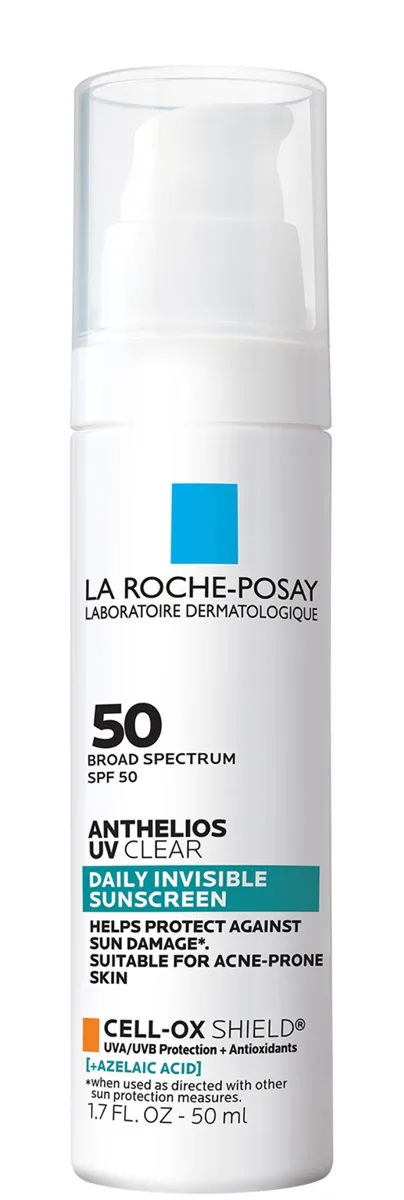 Derm Office Staple
 Anthelios UV Clear Sunscreen SPF 50
One of the only US chemical sunscreens that genuinely earns its 'for sensitive and breakout-prone skin' positioning. A photostable Anthelios filter system paired with a legitimate azelaic acid dose in a lightweight serum-fluid that disappears on every skin tone. Excellent for rosacea, acne, and post-inflammatory hyperpigmentation — and probably the single best daily sunscreen in the La Roche-Posay US lineup for those conditions.
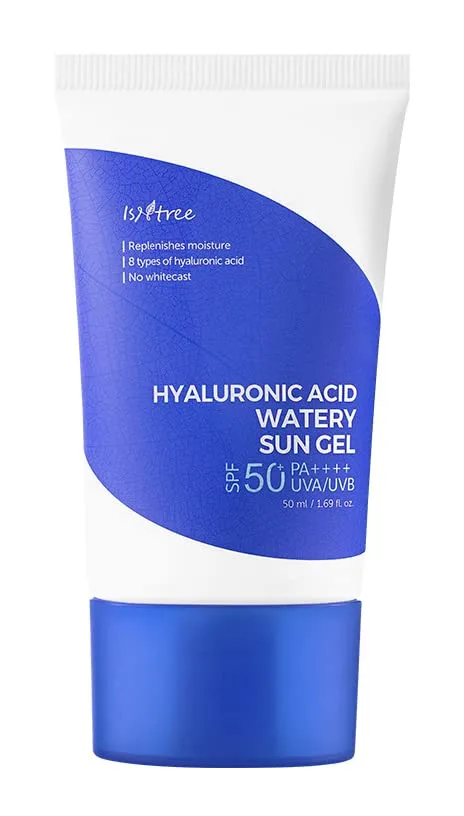 K-Beauty Daily SPF Standout
 Hyaluronic Acid Watery Sun Gel SPF 50+
One of the strongest everyday K-beauty sunscreens in the international market — modern European filters, no white cast, fragrance-free, niacinamide-boosted, and built around the brand's signature six-weight HA complex. At twenty-two dollars for 50ml, it's a case study in how much better a daily sunscreen can be when the formulator cares about both protection and wearability.
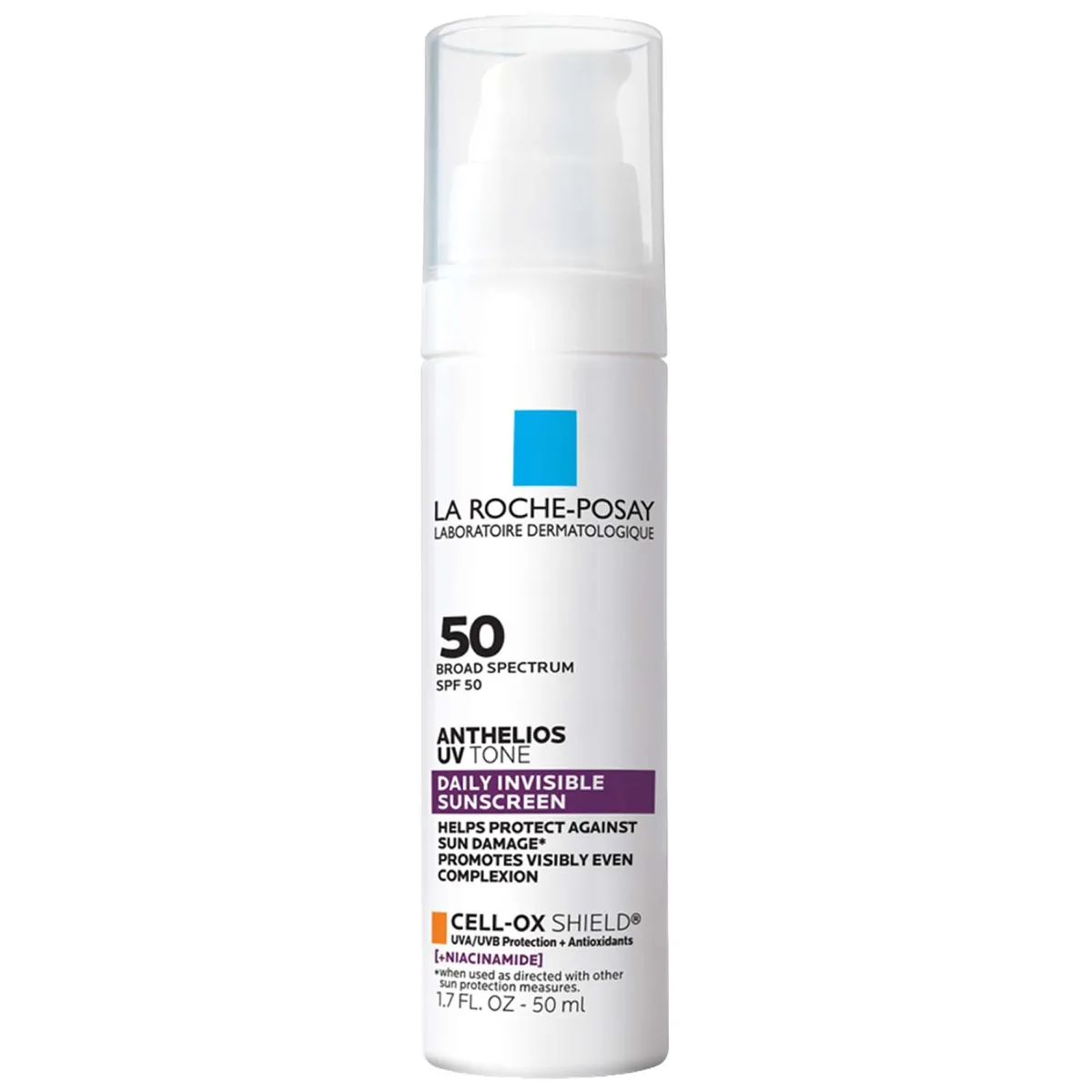 Derm Office Staple
 Anthelios UV Tone Daily Invisible Sunscreen SPF 50
La Roche-Posay's most thoughtful answer yet for hyperpigmentation-prone skin that needs daily SPF. A photostable avobenzone system reinforced with Oxynex ST, paired with a meaningful dose of niacinamide, in a serum-fluid base that goes on invisible on every skin tone. Expensive for 1.7 oz but legitimately well-built — and a rare chemical sunscreen that earns its 'for dark spots' marketing.
 Melasma-Grade Mineral Sunscreen
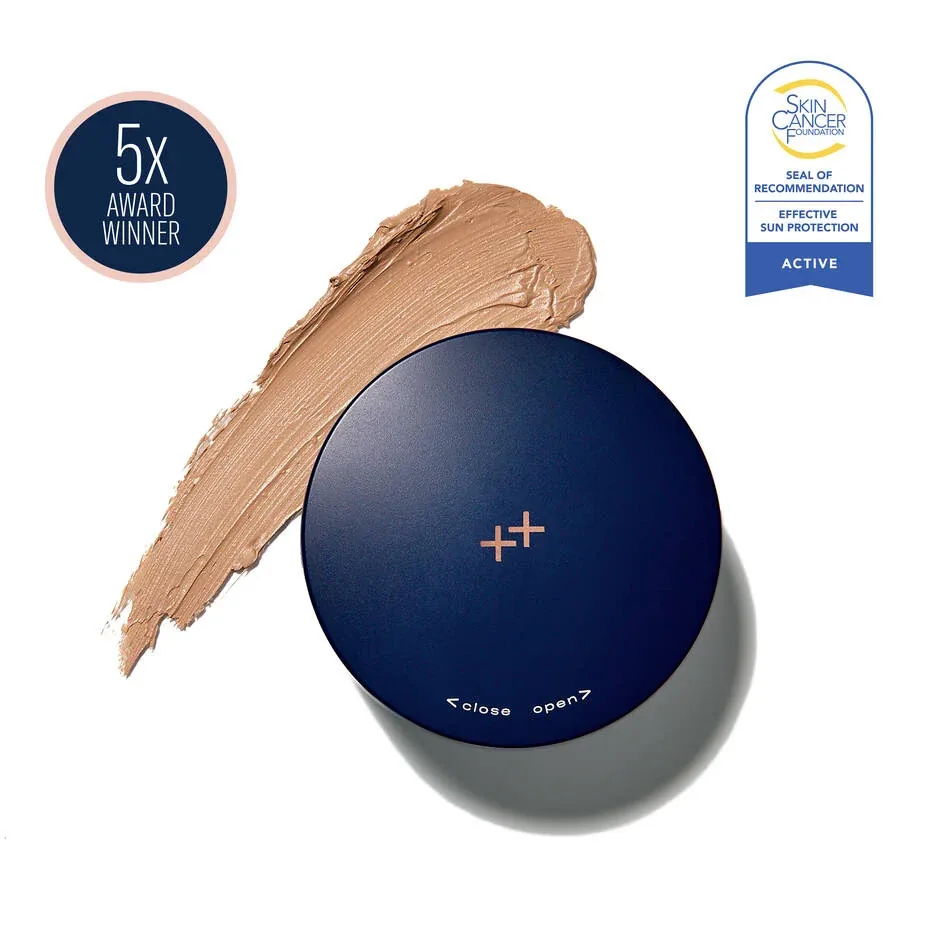
 sunbetter TONE SMART SPF 68
One of the most clinically useful tinted mineral sunscreens in the professional category. SPF 68 from a 100% mineral formula, iron oxide tint that blocks visible light for melasma protection, and an unusually lightweight texture that doesn't feel like you're wearing high-concentration zinc. For patients with melasma or post-inflammatory hyperpigmentation, this is the category benchmark — and it's earned its Allure Best of Beauty wins.
 K-Beauty Cult Favorite
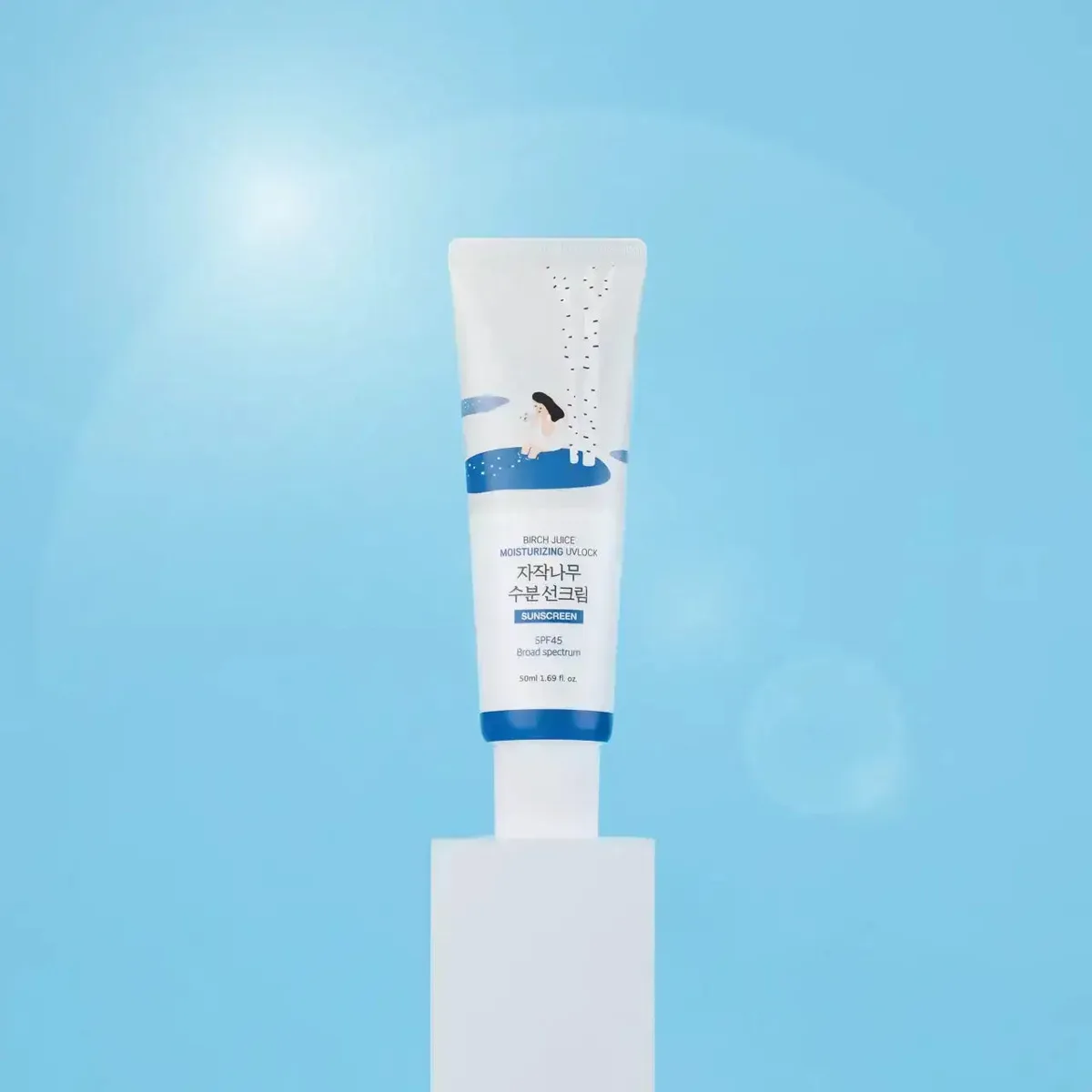
 Birch Juice Moisturizing Sun Cream SPF 50+
One of the best hybrid sunscreens in K-beauty right now — a 70% birch sap base, modern UVA filters you can't get in the US, and a finish that wears like a lightweight moisturizer. Broadly compatible, well-priced, and genuinely pleasant to apply, with minor tradeoffs for oily and fungal-acne-prone users.
 The K-Beauty Sunscreen That Changed Everything
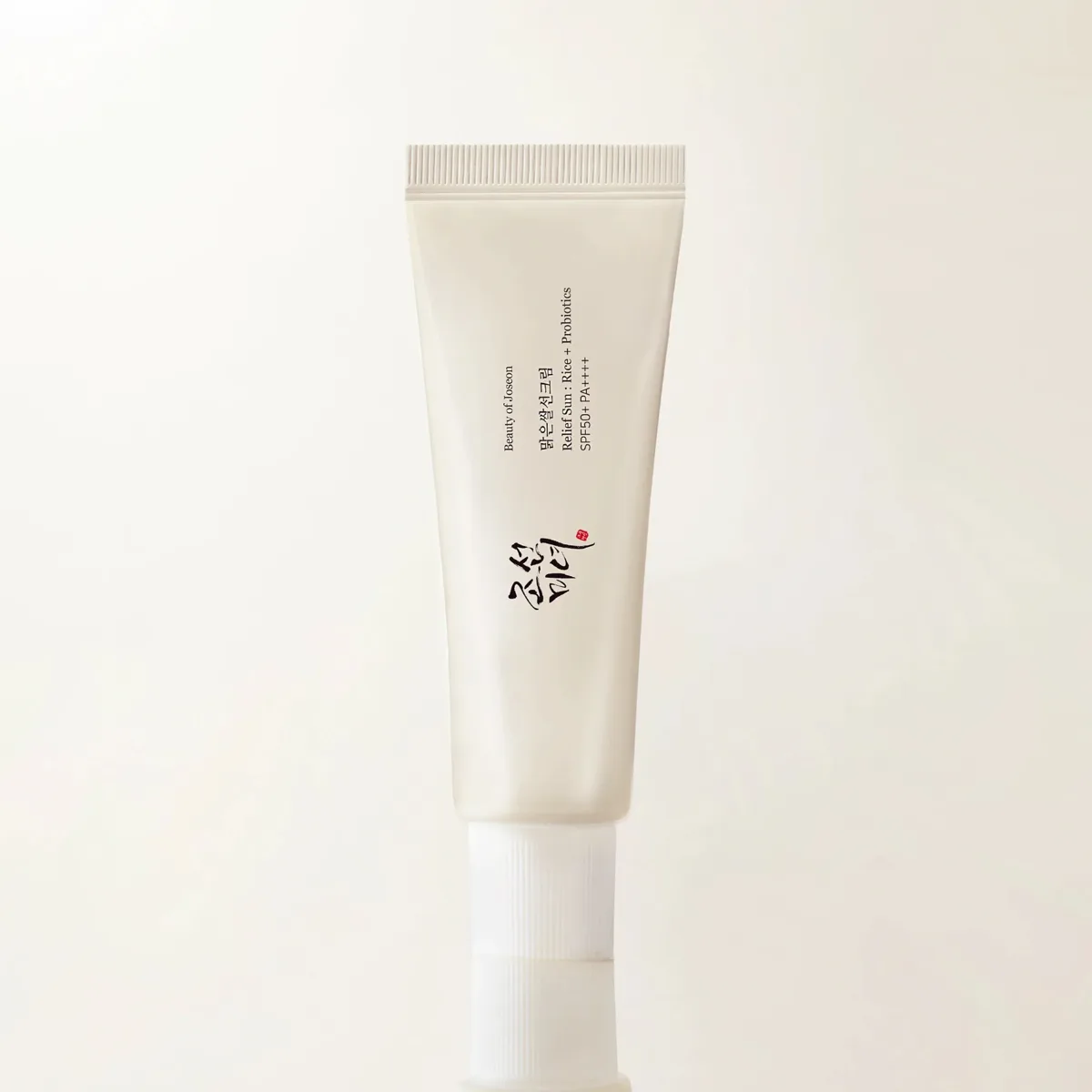
 Relief Sun: Rice + Probiotics SPF 50+
The sunscreen that rewrote the rules for what a $14 product could deliver. With independently verified SPF 50+, 30% rice extract, niacinamide, and a probiotic ferment complex, it offers protection and skincare benefits that rival products three times its price. The texture that feels like wearing nothing on your face is the reason it went viral — and stayed there.