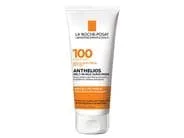
The rare SPF 100 sunscreen that's actually pleasant to wear. La Roche-Posay's melt-in milk technology delivers maximum UV protection in a formula that blends invisibly, feels comfortable on both face and body, and doesn't require the texture sacrifices that extreme SPF usually demands. A genuine achievement in sun protection formulation.
Anthelios Melt-In Milk Sunscreen SPF 100
The rare SPF 100 sunscreen that's actually pleasant to wear. La Roche-Posay's melt-in milk technology delivers maximum UV protection in a formula that blends invisibly, feels comfortable on both face and body, and doesn't require the texture sacrifices that extreme SPF usually demands. A genuine achievement in sun protection formulation.
Score Breakdown
Where this product gains points and where it loses them — broken down across the four scoring pillars.
The highest SPF available in an elegant consumer formula drives the ingredient quality score. Exceptional value for a dermatologist-recommended SPF 100 body-and-face sunscreen. Broad suitability — designed for everyone from fair-skinned sun-sensitive individuals to families needing reliable protection. Chemical filters lower the irritation score slightly for very sensitive skin.
Pros & Cons
- ✓SPF 100 provides maximum commercially available UV protection with real-world proven benefits
- ✓Melt-in milk texture blends invisibly despite extreme filter concentration
- ✓Versatile face-and-body formula eliminates the need for separate sunscreens
- ✓80 minutes water resistance for pool, beach, and athletic activities
- ✓Oxybenzone-free and octinoxate-free addresses common chemical filter concerns
- ✓Glycerin and panthenol provide hydration during extended sun exposure
- ✓HSA/FSA eligible and available in two sizes
- ✗Chemical UV filters can cause significant eye stinging during heavy sweating
- ✗Too dewy and rich for oily facial skin — not a matte formula
- ✗Contains homosalate and octocrylene which draw regulatory scrutiny
- ✗Goes on slightly white and thick before blending — requires rubbing
- ✗Not reef-safe due to chemical UV filter content
- ✗Requires thorough double cleansing to remove high-concentration filters
Full Review
In 2019, a randomized, double-blind study published in the Journal of the American Academy of Dermatology sent participants to a ski resort with two sunscreens: SPF 50+ on one side of their face, SPF 100+ on the other. After a day of outdoor exposure, the SPF 100+ side showed significantly less sunburn. The study didn't just prove that SPF 100 works better in theory — it proved it works better in the messy reality of how people actually use sunscreen, where under-application is the norm rather than the exception.
La Roche-Posay's Anthelios Melt-In Milk SPF 100 is the product built on that finding. It's an argument in a tube: that the highest commercially available SPF, delivered in a formula people will actually enjoy wearing, is the most effective sun protection strategy available.
The UV filter system uses the same four chemical filters as the Clear Skin formulation but at higher total concentrations — octocrylene jumps from 7% to 10%, pushing the combined filter load to the maximum that can be comfortably formulated. Avobenzone handles UVA, octocrylene stabilizes the avobenzone while contributing UVB absorption, and homosalate plus octisalate round out the UVB coverage. The system is oxybenzone-free and octinoxate-free, addressing the two chemical filters that have drawn the most consumer and environmental scrutiny.
The melt-in milk texture is the product's signature achievement and the reason it exists as something beyond a clinical curiosity. SPF 100 requires extremely high concentrations of UV filters, which historically meant thick, white, paste-like products that no one outside a dermatologist's office would voluntarily apply. La Roche-Posay's formulation team used a silicone-based matrix (polymethylsilsesquioxane and dimethicone) to create a vehicle that starts as a rich, slightly white milk and transforms into a nearly invisible layer within seconds of rubbing. The glycerin and panthenol in the base provide hydration and soothing, so the product feels like a moisturizing lotion rather than a UV shield.
For face and body use, this versatility matters. You can apply the same product to your face after moisturizer in the morning and to your arms, chest, and legs at the pool — no need for separate facial and body sunscreens. On the face, the finish is satin rather than matte (this isn't designed for oily-skin oil control like the Clear Skin), comfortable enough for most skin types but potentially too dewy for those who prefer a dry-touch finish.
The 80-minute water resistance is meaningful for anyone using this at the beach, pool, or during outdoor exercise. Combined with SPF 100, it provides a substantial safety margin — even after partial wash-off from swimming, the remaining protection is likely still above SPF 50. This is the practical benefit of extreme SPF: a buffer against the real-world realities of sweating, rubbing, and under-application that erode sunscreen protection throughout the day.
There are legitimate considerations before committing. The chemical UV filter system means this isn't suitable for people who specifically want mineral-only protection. Eye stinging during heavy sweating is a reported issue — the high concentration of chemical filters migrating with sweat into the eyes can be intensely uncomfortable. For athletic outdoor use, consider wearing a headband or visor to redirect forehead sweat away from the eyes, or use a mineral sunscreen stick around the orbital area.
For facial use on oily skin, this isn't the right Anthelios. The glycerin and silicone base that make it comfortable on the body create a dewy, potentially greasy finish on oily facial skin. The Clear Skin SPF 60 is specifically designed for that skin type. The Melt-In Milk is better suited for normal, dry, or combination facial skin, or as a dedicated body sunscreen for all skin types.
At approximately $31 for 3 ounces (also available in a 5 oz size), this represents strong value for a dermatologist-recommended SPF 100 sunscreen. You're getting maximum UV protection from the #1 derm-recommended European skincare brand in a formula that's HSA/FSA eligible. Per-ounce, it's competitive with mid-range body sunscreens despite delivering significantly higher protection and a more elegant texture.
The Anthelios Melt-In Milk SPF 100 isn't just the highest SPF in La Roche-Posay's lineup — it's a proof of concept that maximum protection and wearable texture aren't mutually exclusive. For sun-sensitive individuals, fair-skinned families, outdoor enthusiasts, and anyone who takes UV defense seriously, this is the sunscreen that removes the last excuse for not wearing the highest protection available. The science says SPF 100 makes a difference. La Roche-Posay made a product that makes wearing it easy.
Formula
Key Ingredients
The hero actives that drive this product's performance.
| Ingredient | Function | Evidence |
|---|---|---|
| Cell-Ox Shield UV Filter System (Avobenzone 3%, Homosalate 15%, Octisalate 5%, Octocrylene 10%) | La Roche-Posay's highest-concentration UV filter system achieves SPF 100 through maximized filter loading. Octocrylene at 10% (higher than the Clear Skin's 7%) stabilizes avobenzone while contributing UVB absorption. The combined system blocks approximately 99% of UVB radiation — a meaningful improvement over SPF 50 (98%) for sun-sensitive individuals where every percentage point of additional protection matters. | well-established |
| Panthenol (Provitamin B5) | Provides skin-soothing and moisture-retention benefits in a sunscreen formula designed for extended outdoor exposure. In this body-and-face formula, panthenol helps counteract the drying effect of high-concentration UV filters and supports the skin barrier during prolonged sun exposure. | well-established |
| Glycerin | A powerful humectant positioned high in the INCI list, drawing moisture into the skin to maintain hydration during sun exposure. In this melt-in milk formula, glycerin is key to the comfortable, non-drying texture that sets this apart from other high-SPF sunscreens that can feel like wearing armor. | well-established |
| Cassia Alata Leaf Extract | La Roche-Posay's signature antioxidant from the Cell-Ox Shield system, providing free radical defense that complements the UV filters. At SPF 100 levels, even the small percentage of UV radiation that penetrates generates oxidative stress — this botanical extract neutralizes those free radicals before they can damage cellular structures. | promising |
Full INCI List
Active Ingredients: Avobenzone 3%, Homosalate 15%, Octisalate 5%, Octocrylene 10%. Inactive Ingredients: Water, Polymethylsilsesquioxane, Glycerin, Dimethicone, Poly C10-30 Alkyl Acrylate, Styrene/Acrylates Copolymer, Silica, Caprylyl Methicone, Acrylates/Dimethicone Copolymer, Diethylhexyl Syringylidenemalonate, PEG-100 Stearate, Glyceryl Stearate, Phenoxyethanol, Potassium Cetyl Phosphate, Tocopherol, Caprylyl Glycol, Panthenol, Acrylates/C10-30 Alkyl Acrylate Crosspolymer, Triethanolamine, PEG-8 Laurate, Inulin Lauryl Carbamate, Chlorphenesin, p-Anisic Acid, Caprylic/Capric Triglyceride, Xanthan Gum, Disodium EDTA, Cassia Alata Leaf Extract, Maltodextrin, Sodium Dodecylbenzenesulfonate
Product Flags
✓ Fragrance Free✓ Alcohol Free✓ Oil Free✗ Silicone Free✓ Paraben Free✓ Sulfate Free✗ Cruelty Free✗ Vegan✗ Fungal Acne Safe
Potential Irritants
HomosalateOctocryleneAvobenzone
Compatibility
Skin Match
Best For
Works For
Not Ideal For
Addresses These Conditions
sun damage sensitivity dryness
Use With Caution
Routine Step
sunscreen
Time of Day
AM
Pregnancy Safe
Yes ✓
Layering Tips
Apply generously as the final step of your AM routine — this is a body-and-face formula designed for generous application. On the face, apply after moisturizer. For body use, apply directly to skin. The melt-in texture blends easily and doesn't require extensive rubbing.
Results Timeline
Immediate broad-spectrum UV protection on application. Water-resistant protection maintained for up to 80 minutes during swimming or sweating. Long-term prevention of sunburn, photoaging, and UV-induced skin damage with consistent use.
Pairs Well With
Any moisturizer underneathAfter-sun products for PM recoveryAntioxidant serums for additional protection
Sample AM Routine
- Gentle cleanser
- Moisturizer (face)
- La Roche-Posay Anthelios Melt-In Milk SPF 100 (face and body)
Sample PM Routine
- Thorough double cleanse to remove sunscreen
- Treatment serum
- Moisturizer or after-sun product
Evidence
Who Should Skip
- Chemical UV filters can cause significant eye stinging during heavy sweating
- Too dewy and rich for oily facial skin — not a matte formula
- Contains homosalate and octocrylene which draw regulatory scrutiny
- Goes on slightly white and thick before blending — requires rubbing
Science & Expert Perspective
The Science
The Anthelios Melt-In Milk SPF 100 is grounded in the strongest available evidence for high-SPF sunscreen efficacy — a 2019 randomized, double-blind study that demonstrated real-world superiority of SPF 100+ over SPF 50+.
Published in the Journal of the American Academy of Dermatology, the study by Williams et al. (2019) randomized 199 participants at a ski resort to apply SPF 100+ sunscreen on one side of their face and SPF 50+ on the other. After a day of outdoor exposure, significantly more sunburn was observed on the SPF 50+ side compared to the SPF 100+ side (55.3% vs 40.7%, p<0.001). The study addressed the common critique that theoretical SPF differences above 50 are clinically meaningless — in practice, under-application and uneven distribution mean that the nominal SPF rarely matches the protection actually achieved on the skin. Higher SPF provides a safety margin that compensates for these real-world application deficits.
The four-filter system in this formula maximizes the total UV filter concentration within FDA regulatory limits. Octocrylene at 10% (the maximum allowed) serves a dual function: as a UVB filter absorbing radiation in the 280-320nm range, and as a photostabilizer for avobenzone. Research published in Photochemistry and Photobiology has demonstrated that octocrylene absorbs the triplet-state energy from photoexcited avobenzone, preventing the photodegradation that would otherwise reduce UVA protection over time.
The combination of avobenzone (3%, maximum allowed) for UVA protection with the three UVB filters achieves the Critical Wavelength of 370nm or higher required for the broad-spectrum designation, ensuring protection across the full UV damage spectrum. The oxybenzone-free formulation responds to both consumer preference and regulatory trends — Hawaii banned oxybenzone-containing sunscreens due to coral reef concerns, and the FDA has requested additional safety data for this ingredient.
Panthenol's inclusion addresses a practical concern with high-SPF formulations: the drying effect of concentrated UV filters on the skin during extended exposure. Research has demonstrated that topical panthenol improves stratum corneum hydration and reduces transepidermal water loss, supporting barrier function during the prolonged outdoor activities where SPF 100 is most relevant.
References
- Randomized, controlled, double-blind study of a sunscreen of SPF 100+ compared with a sunscreen of SPF 50+ in prevention of sunburn — Journal of the American Academy of Dermatology (2019)
Dermatologist Perspective
Dermatologists recommend the Anthelios Melt-In Milk SPF 100 particularly for patients at highest risk of UV damage: those with fair skin, history of skin cancer, photosensitizing medication use, or conditions exacerbated by sun exposure. Board-certified dermatologists cite the Williams et al. (2019) study as evidence that SPF 100 provides clinically meaningful additional protection in real-world conditions, particularly because most patients apply only 25-50% of the amount used in SPF testing. The melt-in milk texture is valued in clinical practice because it removes the compliance barrier of uncomfortable high-SPF formulations — dermatologists note that the best sunscreen is the one patients will actually use consistently. The oxybenzone-free formulation allows dermatologists to recommend maximum protection without the common patient objection to this specific ingredient.
Guidance
Usage Guide
How to Use
Apply generously and evenly to all exposed skin 15 minutes before sun exposure. For the face, use approximately a nickel-sized amount after moisturizer. For the body, use approximately one ounce (a shot glass) for full coverage. Reapply every 2 hours, and immediately after swimming, sweating heavily, or toweling off. The 80-minute water resistance provides protection during water activities, but reapply after exiting the water. In the evening, double cleanse — use an oil-based cleanser first to dissolve the silicone-based formula, followed by a water-based cleanser.
Value Assessment
At approximately $31 for 3 ounces (with a 5 oz option for even better per-ounce value), this represents excellent value for the highest SPF commercially available in an elegant formula. Compared to other SPF 100 products — which are rare and often poorly formulated — the Anthelios Melt-In Milk delivers a dramatically superior texture experience. La Roche-Posay's five-decade sun protection heritage and the peer-reviewed evidence supporting SPF 100 efficacy add substantial credibility. HSA/FSA eligibility further reduces the effective cost. For face-and-body sun protection during outdoor activities, the per-application cost is competitive with mid-range SPF 50 sunscreens while delivering measurably higher protection.
Who Should Buy
Anyone seeking maximum available UV protection: fair-skinned individuals, those with a personal or family history of skin cancer, people on photosensitizing medications, outdoor workers and athletes, and families wanting the highest-level protection for beach and pool days. Ideal for those who want one versatile sunscreen for both face and body.
Who Should Skip
Those with very oily facial skin who need a matte finish — use the Clear Skin SPF 60 for your face instead. Anyone requiring mineral-only UV protection. Those who experience severe eye stinging from chemical sunscreens during sweating should use a mineral sunscreen stick around the eye area and reserve this for body and lower face.
Ready to try La Roche-Posay Anthelios Melt-In Milk Sunscreen SPF 100?
Details
Details
Texture
Rich, milky lotion that melts into skin upon application. Goes on slightly white and thick but blends completely within 30-60 seconds of rubbing. More substantial than the Clear Skin or Light Fluid formulas but far lighter than most SPF 100 products.
Scent
Fragrance-free. Faint chemical sunscreen base scent that dissipates after application.
Packaging
Squeeze tube available in 3 oz and 5 oz sizes. Easy to dispense and travel-friendly for the 3 oz size.
Finish
satinnon-greasylightweight
What to Expect on First Use
The melt-in texture is immediately noticeable — the formula goes on as a slightly thick white milk but transforms into a nearly invisible, comfortable layer within seconds of rubbing. No heavy or greasy feeling despite the extreme SPF. Skin feels hydrated rather than coated thanks to the glycerin and panthenol.
How Long It Lasts
1-2 months with regular face and body use during sun exposure season
Period After Opening
12 months
Best Season
spring summer
Background
The Why
Developed after a landmark 2019 study published in the Journal of the American Academy of Dermatology demonstrated that SPF 100+ sunscreen provided significantly better protection against sunburn than SPF 50+ in real-world beach conditions. La Roche-Posay, with its decades of UV filter expertise, formulated a consumer-friendly SPF 100 that proved the highest protection level could be delivered in a cosmetically elegant format rather than the thick, white paste that maximum SPF typically requires.
About La Roche-Posay Legacy Brand (20+ years)
La Roche-Posay was founded in 1975 near the thermal springs of La Roche-Posay, France, and has been recommended by dermatologists for over four decades. Owned by L'Oréal, the brand is the #1 dermatologist-recommended skincare brand in Europe and has extensive clinical research backing its formulations.
Brand founded: 1975 · Product launched: 2019
Myth vs. Reality
Myths & Misconceptions
Myth
SPF above 50 doesn't provide meaningful additional protection.
Reality
While SPF 50 blocks approximately 98% of UVB and SPF 100 blocks approximately 99%, the real-world difference is more significant than the 1% gap suggests. A 2019 JAAD study found that SPF 100+ provided significantly less sunburn in actual beach conditions compared to SPF 50+, because people apply less sunscreen than tested amounts — higher SPF provides a safety margin for real-world under-application.
Myth
High-SPF sunscreens are always thick, white, and uncomfortable.
Reality
This formula achieves SPF 100 with a melt-in milk texture that blends invisibly. Modern formulation technology allows high filter concentrations to be delivered in elegant textures — the thick, paste-like SPF 100 products of the past are a formulation limitation, not a physical law.
FAQ
Frequently Asked Questions
Is SPF 100 really better than SPF 50?
Yes — a 2019 randomized study published in JAAD found that SPF 100+ provided significantly less sunburn than SPF 50+ in real-world conditions. While SPF 100 blocks approximately 99% vs 98% of UVB in lab testing, the practical difference is larger because people typically apply less sunscreen than the tested amount. Higher SPF provides a crucial safety margin for real-world under-application.
Can I use La Roche-Posay Anthelios SPF 100 on my face?
Yes — it's formulated for both face and body. On the face, it provides a satin, hydrating finish. However, if you have oily skin and prefer a matte finish, the Anthelios Clear Skin SPF 60 is better suited for facial use. Apply the Melt-In Milk after your moisturizer.
Does this sunscreen leave a white cast?
It goes on slightly white and thick during initial application but melts into skin and becomes virtually invisible within 30-60 seconds of rubbing. Most users report no lasting white cast once fully blended, though very generous application may leave some residue on darker skin tones.
Is La Roche-Posay Anthelios SPF 100 waterproof?
It's water-resistant for up to 80 minutes, which is the maximum rating allowed by the FDA. No sunscreen is truly waterproof. Reapply immediately after swimming, heavy sweating, or toweling off, regardless of the water-resistance rating.
Why does this sunscreen sting my eyes?
The high concentration of chemical UV filters (especially avobenzone and homosalate) can migrate with sweat into the eyes, causing significant stinging. For sweat-prone activities, consider applying a mineral sunscreen stick around the eye area and using this formula on the rest of the face and body.
Is this sunscreen reef safe?
No — while it's oxybenzone-free and octinoxate-free (the two ingredients banned in Hawaii), it still contains homosalate and octocrylene, which have raised environmental concerns. For reef-safe protection, mineral sunscreens with zinc oxide and/or titanium dioxide are recommended.
Community
Community Voices
Common Praise
"Melts into skin without white cast"
"Non-greasy despite SPF 100 rating"
"Effective — no sunburn even during extended outdoor activity"
"Suitable for sensitive skin"
"Works well on both face and body"
Common Complaints
"Can feel greasy on very oily facial skin"
"Stings if it gets into eyes during sweating"
"Goes on slightly thick and white before blending in"
"Chemical UV filters concern some consumers"
"Premium price compared to basic body sunscreens"
Notable Endorsements
HSA/FSA eligibleWidely recommended by dermatologists for sun-sensitive patientsOxybenzone and octinoxate free
Appears In
best spf 100 sunscreen best sunscreen for sun sensitive skin best body sunscreen best sunscreen for outdoor activities best high spf sunscreen
Related Conditions
sun damage sensitivity dryness
Related Ingredients
You Might Also Like
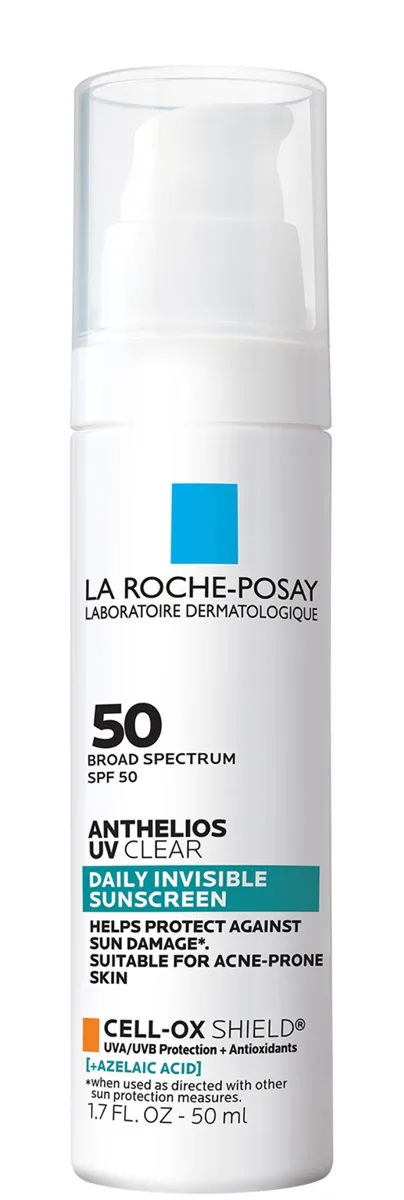 Derm Office Staple
 Anthelios UV Clear Sunscreen SPF 50
One of the only US chemical sunscreens that genuinely earns its 'for sensitive and breakout-prone skin' positioning. A photostable Anthelios filter system paired with a legitimate azelaic acid dose in a lightweight serum-fluid that disappears on every skin tone. Excellent for rosacea, acne, and post-inflammatory hyperpigmentation — and probably the single best daily sunscreen in the La Roche-Posay US lineup for those conditions.
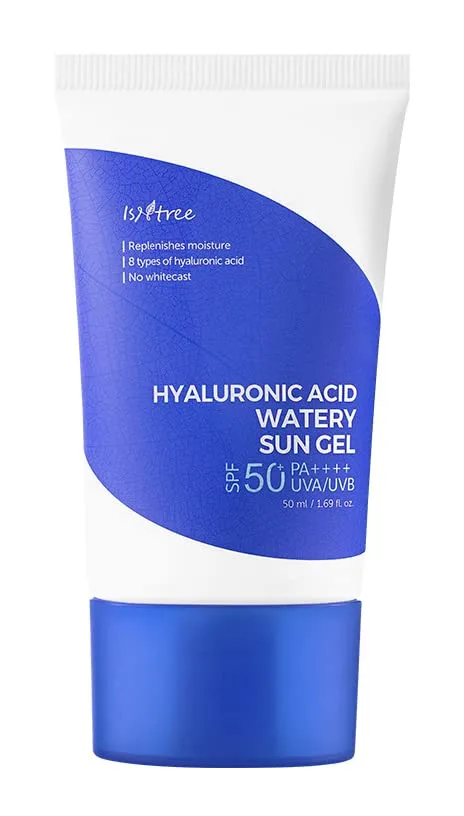 K-Beauty Daily SPF Standout
 Hyaluronic Acid Watery Sun Gel SPF 50+
One of the strongest everyday K-beauty sunscreens in the international market — modern European filters, no white cast, fragrance-free, niacinamide-boosted, and built around the brand's signature six-weight HA complex. At twenty-two dollars for 50ml, it's a case study in how much better a daily sunscreen can be when the formulator cares about both protection and wearability.
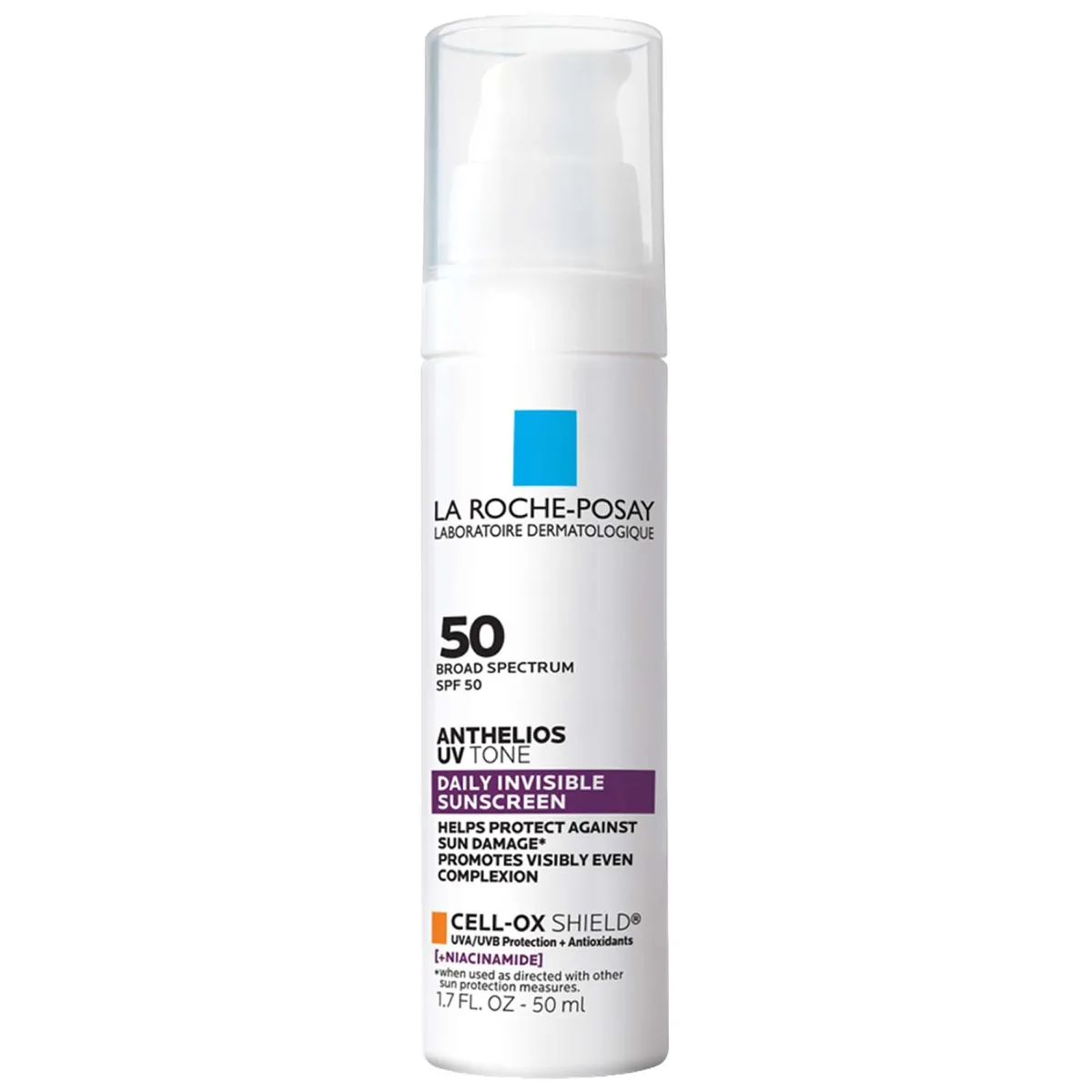 Derm Office Staple
 Anthelios UV Tone Daily Invisible Sunscreen SPF 50
La Roche-Posay's most thoughtful answer yet for hyperpigmentation-prone skin that needs daily SPF. A photostable avobenzone system reinforced with Oxynex ST, paired with a meaningful dose of niacinamide, in a serum-fluid base that goes on invisible on every skin tone. Expensive for 1.7 oz but legitimately well-built — and a rare chemical sunscreen that earns its 'for dark spots' marketing.
 Melasma-Grade Mineral Sunscreen
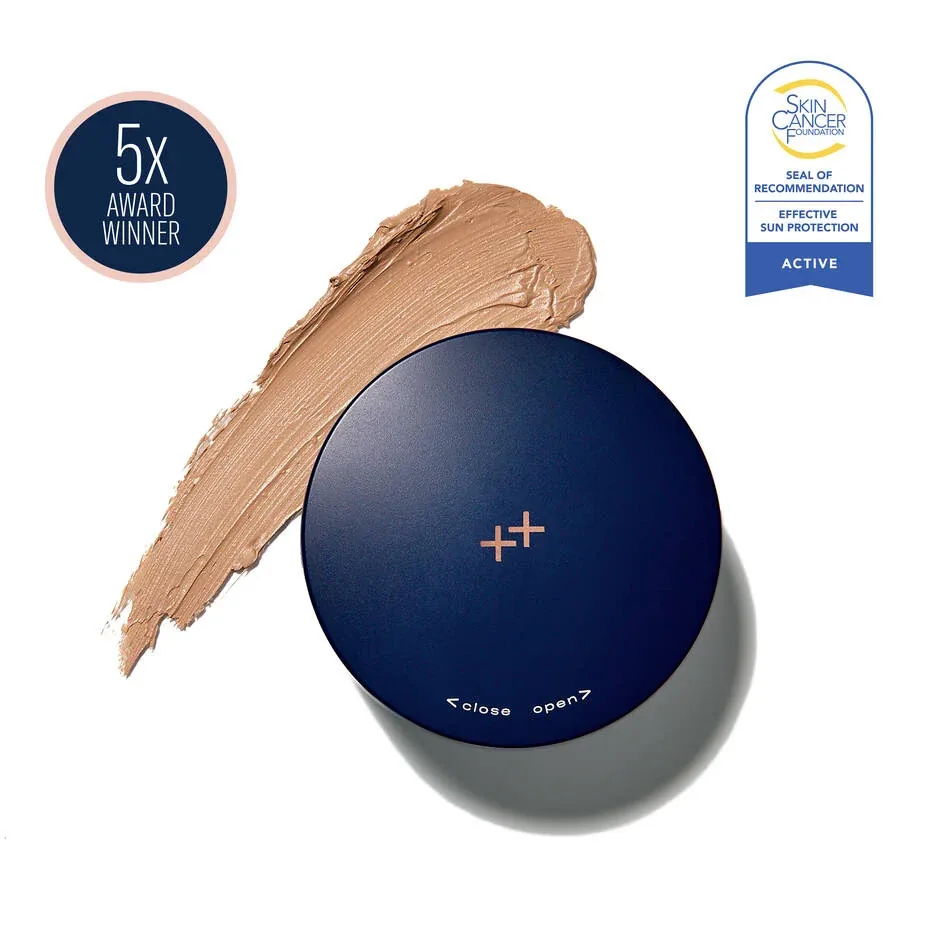
 sunbetter TONE SMART SPF 68
One of the most clinically useful tinted mineral sunscreens in the professional category. SPF 68 from a 100% mineral formula, iron oxide tint that blocks visible light for melasma protection, and an unusually lightweight texture that doesn't feel like you're wearing high-concentration zinc. For patients with melasma or post-inflammatory hyperpigmentation, this is the category benchmark — and it's earned its Allure Best of Beauty wins.
 Derm Office Staple
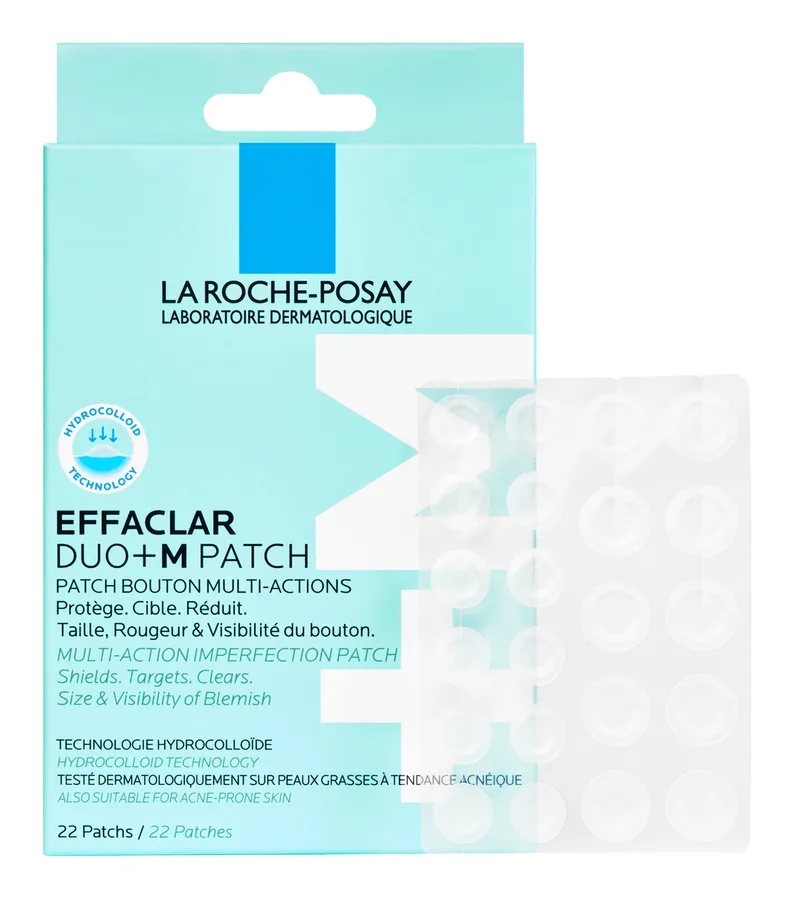
 Effaclar Multi-Target Blemish Patches
One of the few hydrocolloid pimple patches that actually stays on overnight without curling off at 3am. At 420 microns thick with two size options in one pack and zero actives to irritate sensitive skin, this is the Effaclar line's quiet overachiever — and a legitimately good answer for anyone whose acne routine has been sabotaged by thinner patches that refuse to stay put.
 K-Beauty Cult Favorite
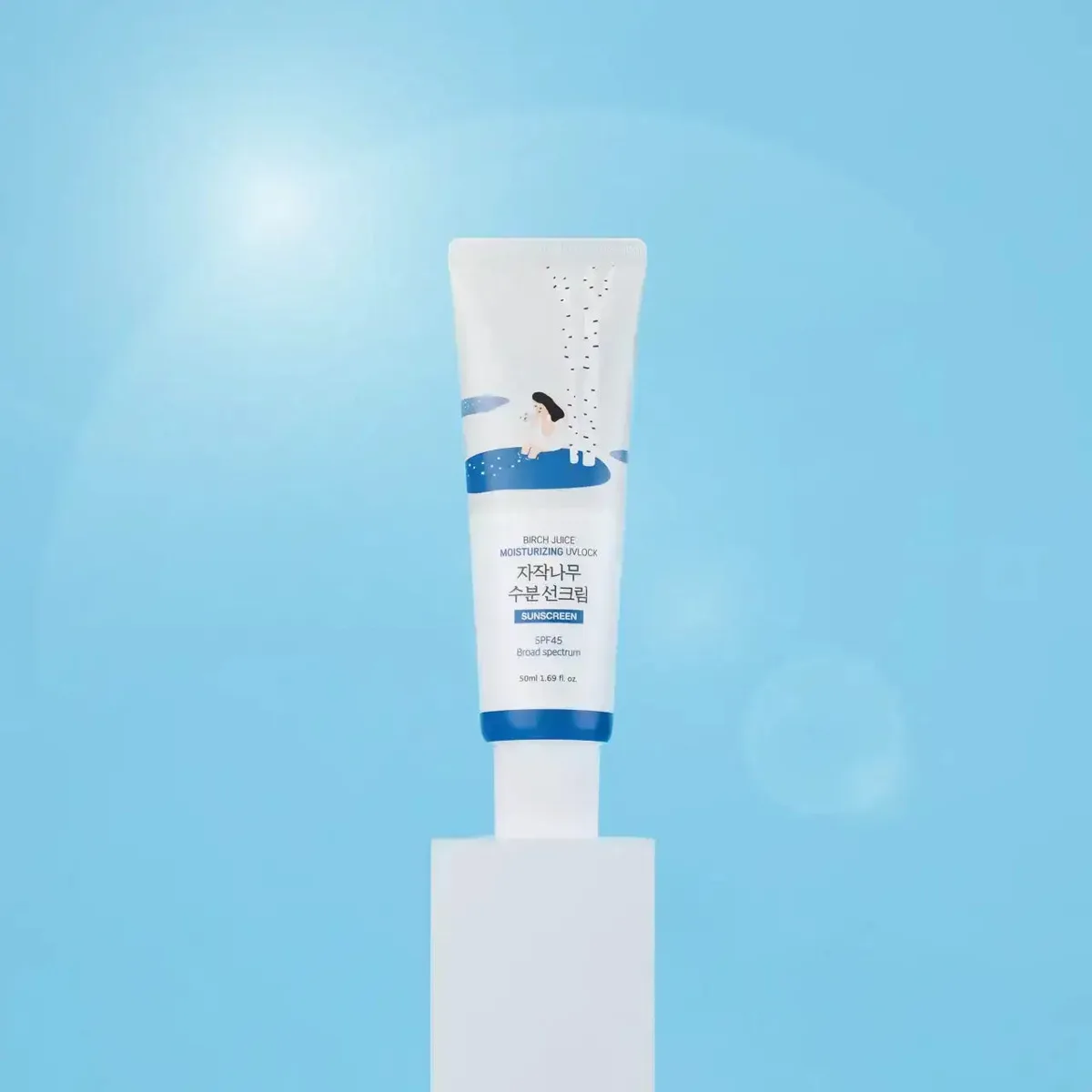
 Birch Juice Moisturizing Sun Cream SPF 50+
One of the best hybrid sunscreens in K-beauty right now — a 70% birch sap base, modern UVA filters you can't get in the US, and a finish that wears like a lightweight moisturizer. Broadly compatible, well-priced, and genuinely pleasant to apply, with minor tradeoffs for oily and fungal-acne-prone users.
This review reflects our independent analysis of publicly available ingredient data, manufacturer claims, and verified user reviews. We are reader-supported — Amazon links may earn us a commission at no cost to you. We do not accept paid placements; rankings are based solely on the evidence.