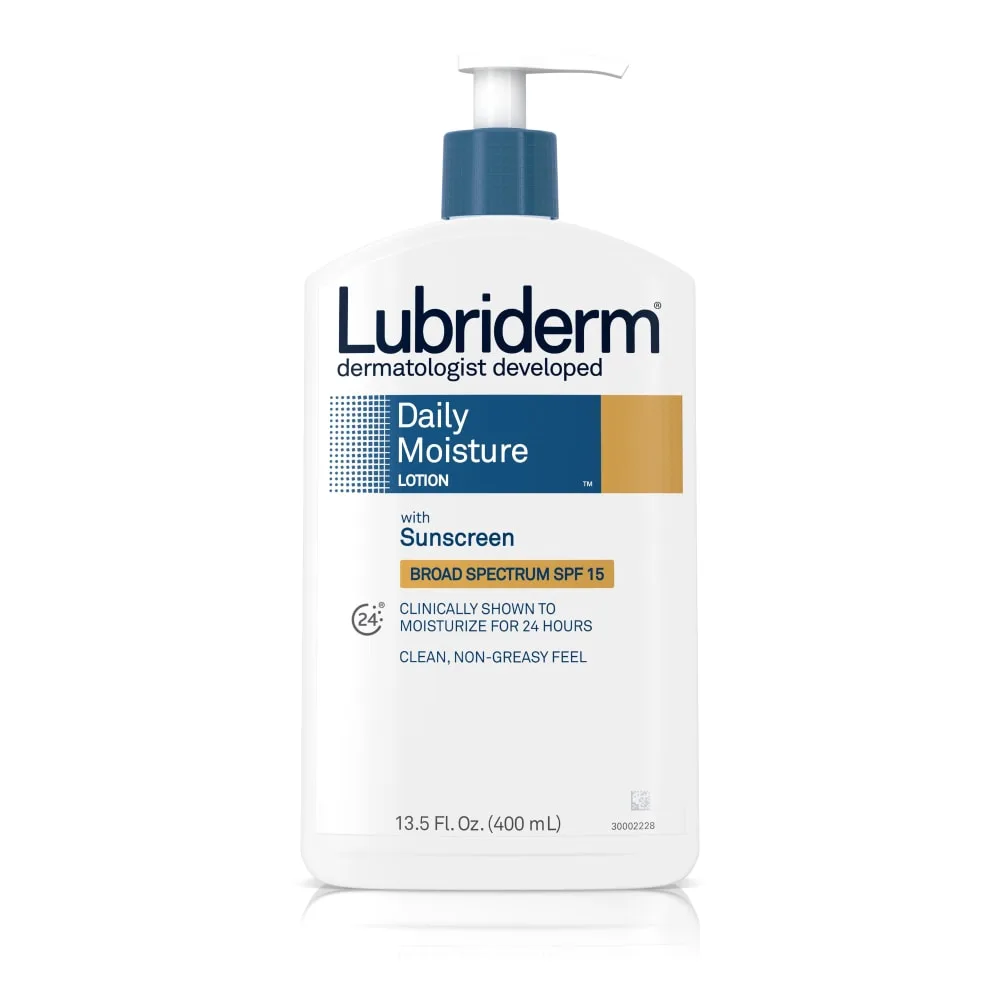
A discontinued product that served an important role — making daily body SPF effortless — but was rightfully retired as dermatological standards moved beyond SPF 15 and consumer awareness of chemical UV filter concerns grew. If you still have a bottle, it works fine until expiration, but its time has passed.
Daily Moisture Lotion SPF 15
A discontinued product that served an important role — making daily body SPF effortless — but was rightfully retired as dermatological standards moved beyond SPF 15 and consumer awareness of chemical UV filter concerns grew. If you still have a bottle, it works fine until expiration, but its time has passed.
Score Breakdown
Where this product gains points and where it loses them — broken down across the four scoring pillars.
A convenient daily body moisturizer-sunscreen hybrid that served its purpose well but has been rightfully discontinued as dermatological standards moved beyond SPF 15 and concerns about certain chemical filters grew. The fragrance and multiple allergens further limit its appeal for modern sensitive-skin standards.
Pros & Cons
- ✓Made daily body SPF effortless by integrating it into an existing moisturizing routine
- ✓Lightweight, non-greasy texture felt identical to a regular body lotion
- ✓Broad-spectrum protection combining UVA and UVB filters
- ✓Large 13.5 oz pump bottle was convenient for full-body application
- ✓Glycerin and panthenol provided genuine moisturizing benefits alongside sun protection
- ✗Discontinued — no longer manufactured or widely available
- ✗SPF 15 falls below current dermatological recommendation of SPF 30 minimum
- ✗Contains homosalate and octocrylene, now facing increased regulatory and consumer scrutiny
- ✗Fragrance and multiple fragrance allergens make it unsuitable for sensitive skin
- ✗No mineral or newer-generation chemical filter options
Full Review
For years, Lubriderm's Daily Moisture Lotion SPF 15 solved a problem that millions of people did not even realize they had: they were not wearing sunscreen on their body. Not because they did not care about sun protection, but because the extra step of applying a separate body sunscreen — often sticky, heavy, and unpleasant — was one step too many in a morning routine. Lubriderm's solution was elegant in its simplicity: take the lightweight, fast-absorbing moisturizer people were already using and add broad-spectrum SPF 15 to it. No extra step. No behavioral change required. Just swap one bottle for another and suddenly you have daily body sun protection.
The formula achieved this with a chemical UV filter system of homosalate, octocrylene, and avobenzone — the standard trio of the mid-2000s sunscreen formulation. These filters are lightweight and cosmetically elegant, which is why the lotion managed to feel almost identical to the non-SPF Daily Moisture. You could apply it over your entire body, get dressed within a minute, and go about your day without any sticky, greasy, or white-cast complications. As a daily-use body moisturizer that happened to include sun protection, it was genuinely excellent at its job.
The glycerin base provided the moisturizing backbone, supplemented by panthenol for soothing and vitamin E for antioxidant protection. The texture was fluid and lightweight, spreading easily over large body areas and absorbing quickly. For people who dislike the feeling of sunscreen — which is most people when it comes to body application — this product made the experience invisible.
So why did Lubriderm discontinue it? The answer lies in two decades of evolving science and consumer awareness. When this product launched, SPF 15 was considered adequate daily protection. The American Academy of Dermatology now recommends SPF 30 as the minimum, and the gap between SPF 15 and SPF 30 is more significant than the numbers suggest: SPF 15 allows approximately twice as much UVB radiation through compared to SPF 30. For a product designed for daily, every-day use, that difference compounds over years of sun exposure.
The UV filter system also aged poorly in the court of public opinion. Homosalate and octocrylene, once considered unremarkable sunscreen ingredients, have faced increasing scrutiny over potential endocrine-disrupting effects and environmental concerns. While the evidence is still debated among dermatologists and regulatory bodies, consumer sentiment has shifted decisively toward mineral filters and newer-generation chemical filters that these ingredients do not belong to.
The fragrance was another issue that became more prominent over time. Unlike the fragrance-free Daily Moisture line, this SPF version contained added perfume along with a roster of EU-listed fragrance allergens — linalool, limonene, benzyl salicylate, hydroxycitronellal, citronellol, alpha-isomethyl ionone, and benzyl benzoate. For a product applied over large body areas daily, this represented a meaningful sensitization risk that modern formulation standards would not tolerate.
For those who still have bottles of this product: it works perfectly well until its expiration date. The moisturization is reliable, the texture is pleasant, and SPF 15 is certainly better than no SPF at all. But it is worth upgrading to a modern body sunscreen at SPF 30 or higher, ideally with a newer UV filter system. The convenience this product offered — SPF in your daily moisturizer — is now replicated by several brands at SPF 30+, even if finding one that matches this exact lightweight body-lotion texture remains a challenge.
The Lubriderm Daily Moisture SPF 15 deserves respect as a product that made daily body sun protection accessible and habitual for millions of people who might not otherwise have bothered. Its discontinuation is not a failure — it is a graduation. The product did its job, the science evolved, and better options now exist. What remains is the lesson it taught: the best sunscreen is the one you actually wear, and making that as easy as applying your regular moisturizer is the key to compliance.
Formula
Key Ingredients
The hero actives that drive this product's performance.
| Ingredient | Function | Evidence |
|---|---|---|
| Homosalate | A UVB-absorbing chemical sunscreen filter that provides the backbone of this SPF 15 formula. Homosalate absorbs UV radiation in the 290-315nm range, helping prevent sunburn. Combined with octocrylene and avobenzone, it creates a broad-spectrum UV protection system. | well-established |
| Avobenzone (Butyl Methoxydibenzoylmethane) | The primary UVA filter in this formula, providing protection in the 310-400nm range. Octocrylene stabilizes the avobenzone, which would otherwise photodegrade rapidly, ensuring the UVA protection remains effective throughout wear time. | well-established |
| Glycerin | Positioned third in the formula, glycerin serves as the primary hydrating agent, drawing moisture into the skin and delivering the moisturizing component of this dual-purpose product. Its presence at this concentration bridges the gap between sunscreen and daily moisturizer. | well-established |
| Panthenol | Provitamin B5 adds soothing and hydrating properties that complement the glycerin, helping to offset any drying effects from the sunscreen actives and maintaining skin comfort throughout the day. | well-established |
Full INCI List
Water, Homosalate, Glycerin, Octocrylene, Cetyl Alcohol, Stearyl Alcohol, C12-15 Alkyl Benzoate, Butyl Methoxydibenzoylmethane, Styrene/Acrylates Copolymer, Phenoxyethanol, Glyceryl Stearate, PEG-100 Stearate, Caprylyl Glycol, Carbomer, Xanthan Gum, Disodium EDTA, Fragrance, Sodium Hydroxide, Acrylates/C10-30 Alkyl Acrylate Crosspolymer, Linalool, Panthenol, Tocopheryl Acetate, Benzyl Salicylate, Hydroxycitronellal, Citronellol, Alpha-Isomethyl Ionone, Limonene, Benzyl Benzoate
Product Flags
✗ Fragrance Free✓ Alcohol Free✗ Oil Free✓ Silicone Free✓ Paraben Free✓ Sulfate Free✗ Cruelty Free✗ Vegan✗ Fungal Acne Safe
Comedogenic Ingredients
Cetyl AlcoholStearyl Alcohol
Potential Irritants
FragranceHomosalateOctocryleneLinaloolLimonene
Common Allergens
FragranceLinaloolLimoneneBenzyl SalicylateHydroxycitronellalCitronellolAlpha-Isomethyl IononeBenzyl Benzoate
Compatibility
Skin Match
Best For
Works For
Not Ideal For
Addresses These Conditions
Use With Caution
Routine Step
sunscreen
Time of Day
AM
Pregnancy Safe
Yes ✓
Layering Tips
Apply as the last step of your morning body care routine. For the body, apply generously to all exposed areas. Note: SPF 15 provides moderate protection and is not recommended as sole sun protection for extended outdoor exposure.
Results Timeline
Immediate moisturization and sun protection upon application. Soft, non-greasy skin feel within minutes of applying.
Pairs Well With
Body moisturizer for PM useHigher SPF sunscreen for extended outdoor exposure
Sample AM Routine
- Body wash
- THIS PRODUCT on all exposed body skin
Sample PM Routine
- Body wash
- Lubriderm Daily Moisture or Advanced Therapy Lotion
Evidence
Who Should Skip
- Discontinued — no longer manufactured or widely available
- SPF 15 falls below current dermatological recommendation of SPF 30 minimum
- Contains homosalate and octocrylene, now facing increased regulatory and consumer scrutiny
- Fragrance and multiple fragrance allergens make it unsuitable for sensitive skin
Science & Expert Perspective
The Science
The SPF 15 in this formula provides approximately 93.3% UVB filtration, compared to SPF 30's 96.7%. While this 3.4% difference appears small, it means SPF 15 allows roughly twice the amount of erythema-causing UVB radiation through to the skin. A study in the Journal of the American Academy of Dermatology (2017) emphasized that cumulative UV exposure from daily activities — commuting, walking outdoors, window exposure — adds up significantly over years, making the gap between SPF 15 and SPF 30 clinically meaningful for long-term photoaging and skin cancer risk.
The avobenzone (butyl methoxydibenzoylmethane) provides UVA protection in the 310-400nm range but is inherently photounstable — it degrades upon UV exposure. The octocrylene in this formula serves a dual purpose: it provides additional UVB absorption and stabilizes the avobenzone, extending the functional life of UVA protection. This stabilization strategy was standard in the mid-2000s sunscreen formulation but has since been superseded by more photostable UVA filters in newer formulations.
Homosalate, the lead UV filter positioned second in the ingredient list, has been the subject of increasing regulatory scrutiny. The European Commission's Scientific Committee on Consumer Safety (SCCS) issued an opinion in 2021 suggesting that homosalate concentrations should be reduced from 10% to 0.5% based on potential endocrine activity findings, though this recommendation has not been universally adopted by regulatory bodies worldwide.
References
- Cumulative UV exposure and the importance of adequate SPF for daily use — Journal of the American Academy of Dermatology (2017)
- SCCS opinion on homosalate safety assessment — Scientific Committee on Consumer Safety (2021)
Dermatologist Perspective
Dermatologists now uniformly recommend SPF 30 as the minimum for daily use, making this SPF 15 product outdated by current standards. Board-certified dermatologists acknowledge that this product served an important role in normalizing daily body SPF use — compliance is the most critical factor in sun protection — but note that modern alternatives provide meaningfully better protection without sacrificing the lightweight texture that made this product popular. The chemical UV filter system, while effective, has been partially superseded by newer-generation filters with better photostability and safety profiles.
Guidance
Usage Guide
How to Use
Applied as a daily morning body moisturizer to all sun-exposed skin areas. Spread generously and evenly — sunscreen efficacy depends on adequate application thickness. Reapply after swimming, sweating, or every 2 hours of continuous sun exposure. Note: SPF 15 is not recommended as sole protection for extended outdoor activities; use a higher SPF product for prolonged sun exposure.
Value Assessment
When available, this product offered good value at approximately $12 for 13.5 oz of a combined moisturizer-sunscreen. However, as a discontinued product, any remaining stock found on secondary marketplaces may be expired or marked up significantly. The value proposition is further diminished by the SPF 15 level, which no longer meets minimum dermatological recommendations. For current shoppers, investing in a modern SPF 30+ body moisturizer or applying a separate body sunscreen over regular Lubriderm Daily Moisture is a better use of money.
Who Should Buy
This product is discontinued and no longer recommended for new purchase. Those who still have unexpired bottles can continue using them, but should consider transitioning to an SPF 30+ alternative for better protection.
Who Should Skip
Everyone looking to purchase this for the first time — it is discontinued. Those with remaining bottles should transition to SPF 30+ products, especially if they have fair skin, a history of sun damage, or spend significant time outdoors. Anyone with fragrance sensitivities should avoid remaining stock due to the multiple fragrance allergens.
Ready to try Lubriderm Daily Moisture Lotion SPF 15?
Details
Details
Texture
A lightweight, fluid lotion similar in texture to the standard Daily Moisture Lotion. Spreads easily over large body areas and absorbs quickly without leaving a white cast or greasy film.
Scent
Contains added fragrance with a light, clean scent. Unlike the fragrance-free Daily Moisture line, this SPF version has a mild but detectable perfume.
Packaging
A 13.5 fl oz pump bottle in Lubriderm's standard design, with SPF 15 prominently labeled. The large pump bottle format was convenient for full-body application.
Finish
non-greasylightweightfast-absorbing
What to Expect on First Use
The lotion applied and felt like a standard lightweight body moisturizer — no heavy sunscreen feeling, no white cast, no sticky residue. This ease of use was its main selling point, making daily body SPF feel effortless rather than like an extra step.
How Long It Lasts
4-6 weeks with daily full-body application
Period After Opening
12 months
Best Season
spring summer
Background
The Why
The Daily Moisture Lotion SPF 15 extended Lubriderm's moisturizing heritage into sun protection, recognizing that the easiest way to get people to wear daily body SPF was to put it in the lotion they were already using. Discontinued around 2022-2023, likely due to evolving dermatological recommendations favoring SPF 30+ and growing consumer concern about chemical UV filters like homosalate and oxybenzone. Lubriderm has not released a replacement.
About Lubriderm Legacy Brand (20+ years)
Lubriderm was developed by pharmacist Louis Schleuse in 1945 and used exclusively in dermatological and hospital settings for thirty years before becoming publicly available in 1975. Now owned by Kenvue, the brand carries over 80 years of therapeutic moisturization heritage. Note: This specific SPF 15 product has been discontinued.
Brand founded: 1945 · Product launched: 2005
Myth vs. Reality
Myths & Misconceptions
Myth
SPF 15 provides adequate daily sun protection.
Reality
Modern dermatological consensus recommends SPF 30 as the minimum for daily use. SPF 15 blocks approximately 93% of UVB rays compared to SPF 30's 97%. While the difference seems small numerically, SPF 15 allows roughly twice as much UVB radiation through, which accumulates significantly over daily exposure. This product's discontinuation reflects this evolving standard.
FAQ
Frequently Asked Questions
Is the Lubriderm Daily Moisture Lotion SPF 15 discontinued?
Yes, this product has been discontinued by Kenvue (formerly Johnson & Johnson) as of approximately 2022-2023. It is listed on the official Lubriderm website under discontinued products. Remaining stock may occasionally appear on secondary marketplaces, but check expiration dates carefully before purchasing.
Why was Lubriderm SPF 15 discontinued?
The likely reasons include evolving dermatological recommendations favoring SPF 30 or higher as the minimum standard for daily use, growing consumer concern about certain chemical UV filters in the formula, and the general industry shift toward higher-SPF, more modern sunscreen formulations.
What can I use instead of Lubriderm Daily Moisture SPF 15?
For a body moisturizer with SPF, consider body lotions with SPF 30+ from brands like Neutrogena, Eucerin, or CeraVe. Alternatively, you can use the regular Lubriderm Daily Moisture Lotion (fragrance-free) and apply a separate SPF 30+ body sunscreen, which provides better UV protection.
Is SPF 15 enough for daily use?
Current dermatological guidelines recommend SPF 30 as the minimum for daily use. SPF 15 blocks about 93% of UVB rays, while SPF 30 blocks about 97%. For everyday incidental sun exposure, SPF 15 provides some protection, but SPF 30+ is the recommended standard for adequate daily protection.
Is this Lubriderm SPF lotion fragrance-free?
No, unlike the fragrance-free Daily Moisture Lotion, the SPF 15 version contained added fragrance along with multiple fragrance allergens including linalool, limonene, benzyl salicylate, and others. This was one factor that limited its appeal for sensitive skin users.
Community
Community Voices
Common Praise
"Convenient two-in-one moisturizer and sunscreen for daily body use"
"Lightweight texture that absorbed well without greasiness"
"Made daily SPF application easy and habitual for body skin"
"Good value for the amount of product in the bottle"
Common Complaints
"SPF 15 is considered insufficient by modern dermatological standards"
"Contains fragrance and multiple fragrance allergens"
"Discontinued and increasingly difficult to find"
"Chemical UV filters like homosalate and octocrylene are controversial"
Appears In
Related Conditions
Related Ingredients
You Might Also Like
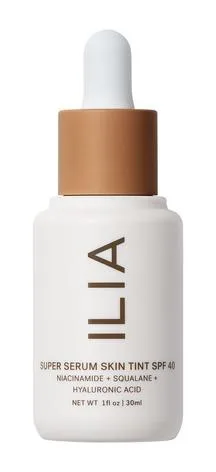 Clean Beauty Cult Classic
 Super Serum Skin Tint SPF 40
The product that finally made mineral tinted SPF desirable instead of medicinal. At 12% non-nano zinc with iron oxide visible-light protection, niacinamide, and a squalane-based glowy finish, this bottle does the impossible — it delivers real sun protection, real skincare, and real makeup in a single step without any one of them feeling compromised. The $54 price stings, but almost nothing else in the category does all three jobs this well.
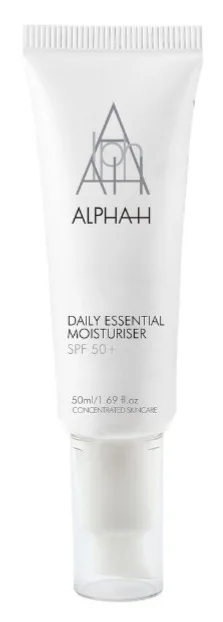 Australian SPF Standard
 Daily Essential Moisturiser SPF 50+
An excellent multi-active daily SPF that meets Australia's stricter TGA SPF 50+ standard and includes modern UVA filters that put it well ahead of most US sunscreens. Niacinamide, centella, and hyaluronate make it a genuine moisturizer rather than just a sunscreen step. Premium-priced but uniquely well-formulated.
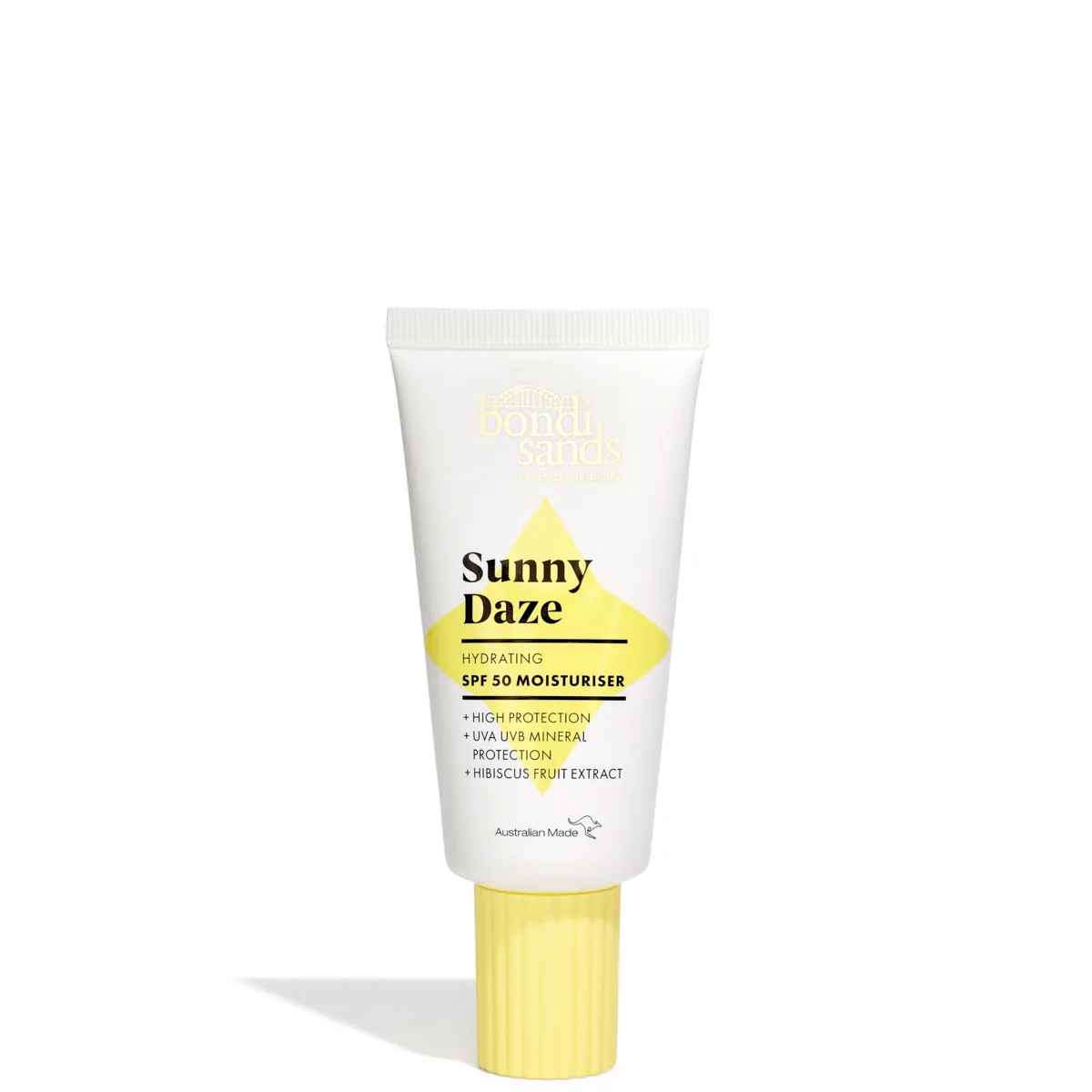 Mineral SPF for Melasma
 Sunny Daze SPF 50 Moisturiser
A 25% zinc oxide mineral face moisturizer with a built-in universal tint that provides both visible-light protection and white-cast neutralization — one of the better-engineered mineral SPF moisturizers in its price tier. The single universal shade is a real limitation, but for anyone managing melasma or reactive skin, this is a surprisingly thoughtful drugstore option.
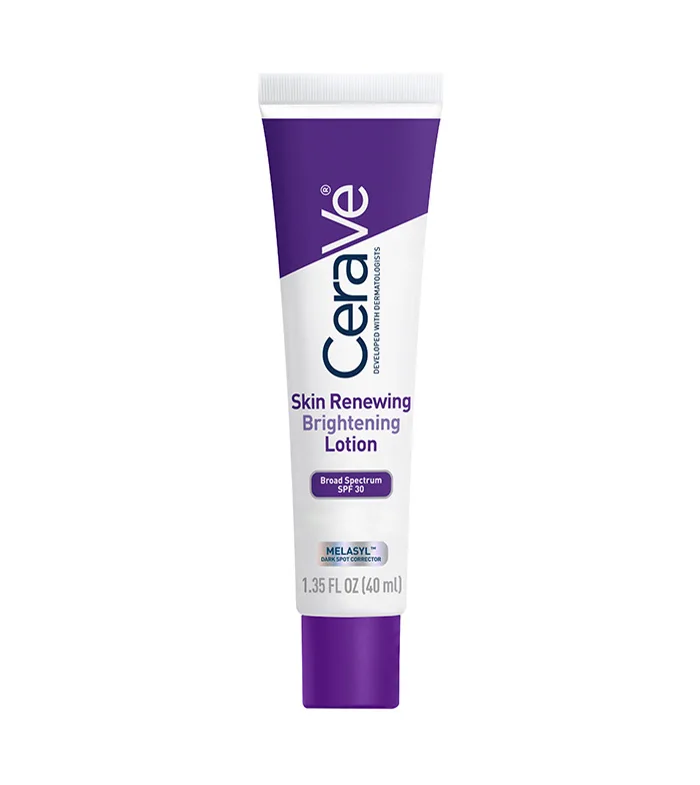 Brightening Multitasker
 Skin Renewing Brightening Lotion SPF 30
CeraVe's first product to use L'Oréal's Melasyl pigmentation molecule is also a competent SPF 30 day cream and a barrier-supporting lotion in one step. The size is small for the price, but the formula is genuinely impressive — this is CeraVe taking a real swing at the dark spot treatment category.
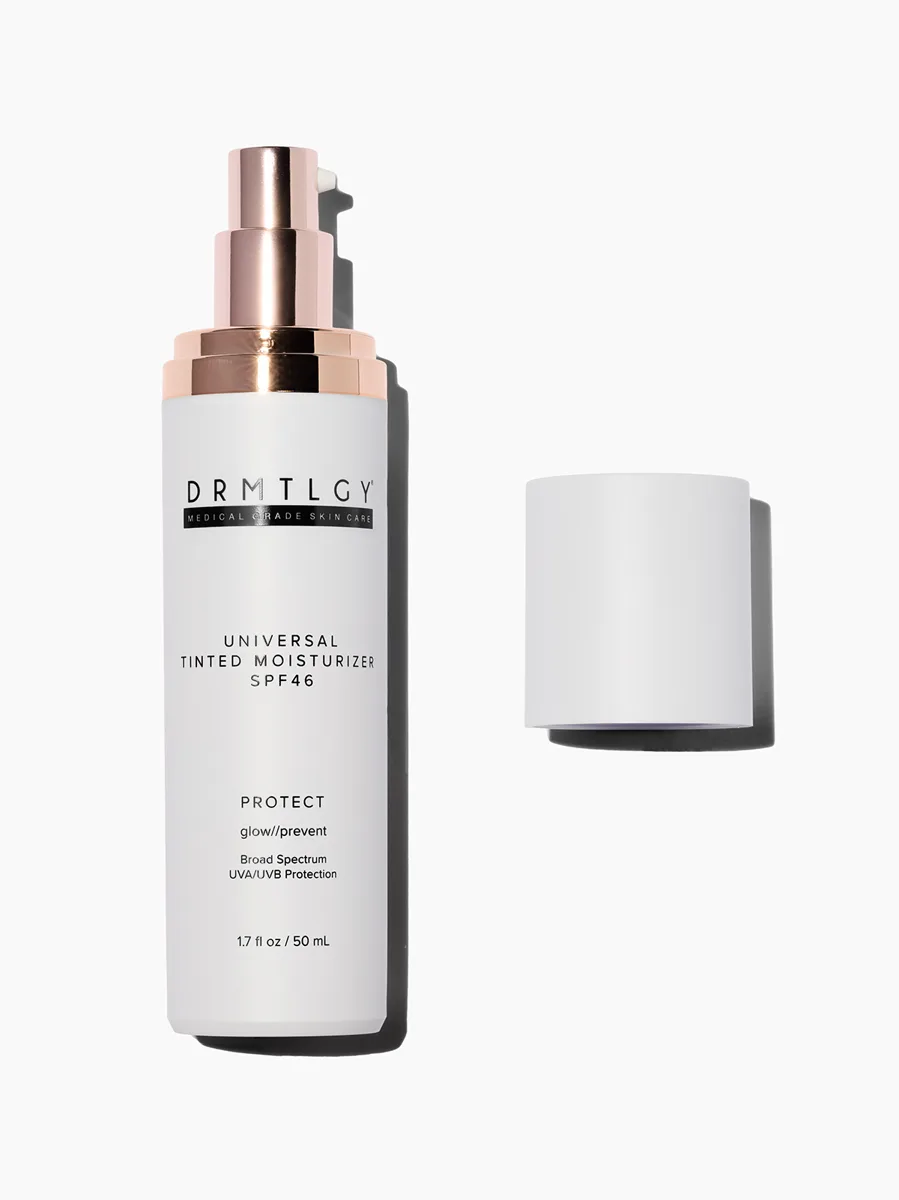 Budget Tinted SPF Pick
 Tinted Moisturizer SPF 46
One of the most-recommended tinted SPFs in dermatologist-focused online communities, and for good reason — a hybrid SPF 46 with iron oxide visible-light protection, niacinamide treatment benefits, and a universal satin tint at roughly half the price of the Elta MD product it closely resembles. The fragrance and the octinoxate are the only meaningful asks for forgiveness.
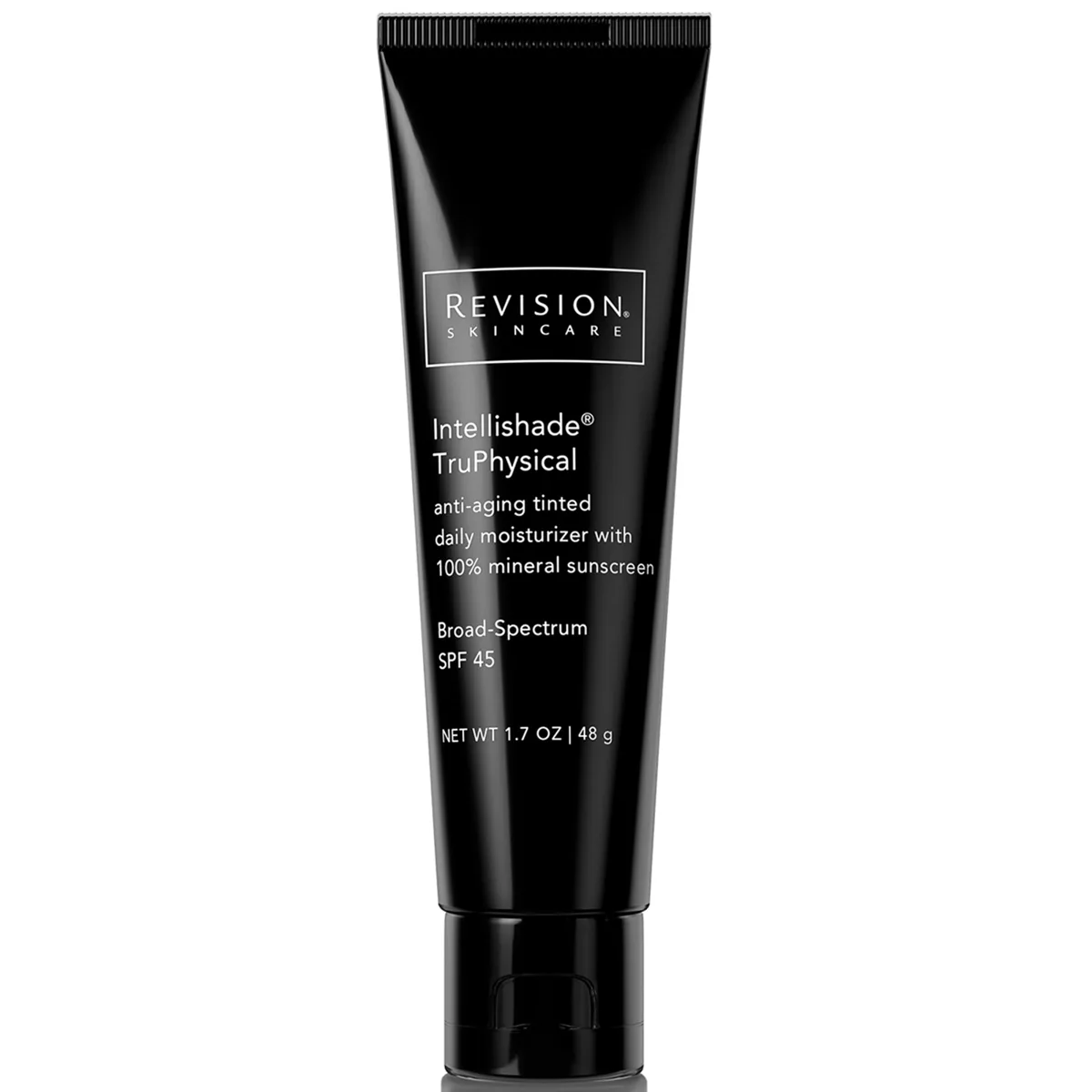 5-in-1 Mineral SPF Multitasker
 Intellishade TruPhysical SPF 45
A genuinely impressive multi-tasking mineral sunscreen that packs meaningful anti-aging actives into a wearable tinted formula. It replaces foundation for many users while delivering SPF 45 mineral protection and peptide-driven corrective benefits — though the thick texture requires patience and may not suit oily skin.
This review reflects our independent analysis of publicly available ingredient data, manufacturer claims, and verified user reviews. We are reader-supported — Amazon links may earn us a commission at no cost to you. We do not accept paid placements; rankings are based solely on the evidence.