
A genuinely weightless, truly invisible chemical SPF 30 lotion that disappears under makeup and sits well on oily and combination skin. The catch is that the filter stack still includes oxybenzone and octinoxate — banned in Hawaii and widely phased out of the category — which makes it a hard recommend in 2026 when cleaner options exist for less money.
SPF 30 Face Moisturizer
A genuinely weightless, truly invisible chemical SPF 30 lotion that disappears under makeup and sits well on oily and combination skin. The catch is that the filter stack still includes oxybenzone and octinoxate — banned in Hawaii and widely phased out of the category — which makes it a hard recommend in 2026 when cleaner options exist for less money.
Score Breakdown
A competent chemical SPF 30 in a pleasant lightweight vehicle, but the filter stack relies on oxybenzone and octinoxate — ingredients most of the category has moved away from due to reef and sensitization concerns. The $52 price is hard to justify when cleaner chemical and mineral options exist for less.
Data Confidence: high
This score is based on roughly a decade on market, thousands of retailer reviews across Sephora, Nordstrom, Space NK, and Bloomingdale's, and extensive monograph research on the individual UV filters.
-50/100
Overall Score
Ingredient Quality -51
Value for Money -43
Suitability Breadth -51
Irritation Risk (↑ = safer) -55
Assessment
Pros
- Genuinely invisible finish with zero white cast
- Lightweight lotion texture plays well under makeup
- Fragrance-free apothecary formulation
- Photostable avobenzone thanks to octinoxate pairing
- Soothing chamomile and allantoin base
- Travel-friendly 1.7 oz squeeze tube
- Strong brand track record and QC
Cons
- Contains oxybenzone banned in Hawaii and other jurisdictions
- Higher contact-sensitization risk than newer filter stacks
- Tends to sting the eye area when carried by sweat
- Premium price versus comparable cleaner chemical SPFs
- Not appropriate for reef snorkeling or ocean swimming
Full Review
Here is a quiet trivia question: which prestige sunscreen brands still sell a chemical SPF with oxybenzone in 2026? The list is shorter than it used to be. Most of the US prestige category has quietly swapped out oxybenzone and octinoxate in the last five years, either because of the 2021 Hawaii ban, the 2020 FDA plasma absorption studies, or the broader consumer shift toward mineral sunscreens. Malin + Goetz is one of the holdouts. The SPF 30 Face Moisturizer they launched around 2016 still carries avobenzone 3%, homosalate 10%, octinoxate 7.5%, octisalate 5%, and oxybenzone 5% on the drug facts panel, and the formula has not been meaningfully updated. To the brand's credit, they also sell a newer mineral SPF 30 for buyers who care about that trade-off. But the product on the front of the shelf — the one people are actually asking about — is still the original chemical lotion. So let us talk about it honestly, both the things it does well and the things the category has moved past. The cosmetic case for this formula is real. Older-generation organic UV filters, particularly homosalate at the monograph ceiling of 10%, make for an unusually light and invisible sunscreen vehicle. You squeeze out a thin white lotion, spread it over face and neck, and within about a minute it has completely vanished. No white cast, no tacky finish, no silicone slip pilling under foundation. Oily and combination skin types tend to love this texture because it feels closer to a tinted moisturizer than to a traditional face SPF. The base formula around the filters is also thoughtfully calm: glycerin and sodium hyaluronate for hydration, panthenol and allantoin for a soothing touch, chamomile flower extract as the botanical signature. It is fragrance-free, which at the prestige level is genuinely appreciated. The mechanistic case holds up too. Avobenzone at 3% handles the UVA range that drives photoaging and melasma, and it is properly photostabilized here by the octinoxate and octisalate — a combination that is well documented in sunscreen chemistry to keep avobenzone intact through a day of sun exposure. Homosalate and oxybenzone cover the UVB range. On paper, this is a competent broad-spectrum stack that hits SPF 30 in a truly lightweight vehicle. The cracks start showing the moment you compare it to what else is available in 2026. First, oxybenzone. Hawaii, Palau, the US Virgin Islands, and parts of Mexico have banned it from retail sunscreens specifically because of coral reef bleaching evidence. If you are traveling to any of those places, you literally cannot bring this product through customs. Second, the FDA's 2019 and 2020 pilot studies found that homosalate, oxybenzone, octinoxate, and several other chemical filters cross into plasma above the agency's 0.5 ng/mL threshold for further investigation. The FDA has not said these filters are dangerous — they have said more data is needed — but most major prestige brands have chosen to reformulate rather than wait for that data. Third, oxybenzone is a recognized contact sensitizer and one of the more common causes of photo-allergic dermatitis in patch testing, which is why dermatologists often steer sensitive-skin patients away from it. None of this means the Malin + Goetz SPF stings on every face or causes harm in every wearer. It is a monograph-compliant product, fully legal on the US mainland, and most users report no issues at all. But the product competes in a category where you can now buy an equally elegant SPF moisturizer from brands like Supergoop, La Roche-Posay, or Isdin without any of these asterisks, often for less money. A $52 price tag for the original chemical filter stack is a tough sell when the cleaner alternative on the same brand's own shelf is $40 for the mineral version. Who should actually buy this one? Honestly, the narrow answer is: people who tried the mineral version, hated the white cast, and prioritize cosmetic elegance over the reef-safety and contact-sensitization concerns. People with oily skin who cannot tolerate any of the heavier cream-format chemical SPFs. People who are not traveling to any oxybenzone-restricted jurisdictions. For everyone else, the Mineral SPF 30 from the same brand is the easier recommendation. The Face Moisturizer is a genuinely well-made product from a trustworthy brand, but it is a product the rest of the category has essentially retired, and it is priced as if that had not happened.
Formula
Ingredients
The hero actives that drive this product's performance.
| Ingredient | Function | Evidence |
|---|---|---|
| Avobenzone 3% (3%) | The UVA-protective backbone of this chemical sunscreen — avobenzone covers the long-wave UVA range that drives photoaging and pigmentation. In this formula it is photostabilized by octinoxate and octisalate, which is essential because avobenzone degrades rapidly in sunlight without stabilizing partners. | well-established |
| Homosalate 10% (10%) | The highest-concentration filter in the formula and the main UVB workhorse. Sits at the monograph ceiling at 10%, which is part of why this product hits SPF 30 in a lotion-weight vehicle rather than a heavier cream. | well-established |
| Octinoxate 7.5% (7.5%) | Secondary UVB filter and, in this stack, one of the photostabilizers for the avobenzone. Together with octisalate it is why the UVA protection in this formula holds up through a day of sun exposure rather than degrading within an hour. | well-established |
| Niacinamide-free hydration complex (Glycerin + Sodium Hyaluronate + Panthenol) | Rather than adding niacinamide or vitamin C to the SPF vehicle, Malin + Goetz builds the moisturizer base around a classic humectant trio plus chamomile and allantoin. That means fewer interaction risks with the chemical filters and a more stable formula, at the cost of not doubling as a targeted treatment. | well-established |
| Chamomile Flower Extract | Soothes low-grade post-sun inflammation and fits the brand's apothecary-botanical positioning. In this specific formula it pairs with allantoin to take the edge off the homosalate and oxybenzone, which can cause tingling on sensitive skin. | traditional-use |
Full INCI List
Active Ingredients: Avobenzone 3%, Homosalate 10%, Octinoxate 7.5%, Octisalate 5%, Oxybenzone 5%. Inactive Ingredients: Water/Aqua/Eau, Glycerin, Cyclopentasiloxane, Dimethicone, Caprylic/Capric Triglyceride, Butylene Glycol, Butyloctyl Salicylate, Glyceryl Stearate, PEG-100 Stearate, Cetyl Alcohol, Stearic Acid, Phenoxyethanol, Ethylhexylglycerin, Tocopheryl Acetate, Panthenol, Sodium Hyaluronate, Chamomilla Recutita (Matricaria) Flower Extract, Allantoin, Xanthan Gum, Carbomer, Triethanolamine, BHT, Disodium EDTA.
Product Flags
✓ Fragrance Free✓ Alcohol Free✓ Oil Free✗ Silicone Free✓ Paraben Free✓ Sulfate Free✓ Cruelty Free✓ Vegan✗ Fungal Acne Safe
Potential Irritants
oxybenzoneoctinoxate
Compatibility
Skin Match
Best For
Works For
Not Ideal For
Addresses These Conditions
Use With Caution
melasma hyperpigmentation rosacea sensitivity
Routine Step
sunscreen
Time of Day
AM
Pregnancy Safe
Unknown
Layering Tips
Apply as the final step of your morning routine, after serums and any treatment moisturizer. Use a two-finger length for the face and neck combined — less than that will not hit labeled SPF. Wait 15-20 minutes before heading outdoors and reapply every two hours of direct sun exposure.
Results Timeline
Immediate: invisible finish with no white cast, mild hydration, lightweight lotion feel. Short-term (1-2 weeks of daily use): fewer new sunspots and a more even tone in reflection. Full benefit (4-8 weeks and beyond): measurable reduction in UV-driven aging and pigmentation when worn daily as directed.
Pairs Well With
antioxidant serumspeptide creamsceramide moisturizers
Sample AM Routine
- Gentle cleanser
- Vitamin C serum
- Light moisturizer
- Malin + Goetz SPF 30 Face Moisturizer
Sample PM Routine
- Gentle cleanser
- Treatment serum
- Night moisturizer
Evidence
Science
The Science
Chemical organic sunscreen filters absorb UV photons and dissipate the energy as low-level heat, and the specific stack used here — avobenzone, homosalate, octinoxate, octisalate, and oxybenzone — has been on the US OTC monograph for decades. Avobenzone is the only FDA-approved organic filter that covers the full UVA-1 range (320-400 nm), but it is notoriously photo-unstable on its own; it degrades by roughly half within an hour of sun exposure unless combined with a stabilizer. Octinoxate and octisalate are both well-documented avobenzone stabilizers in the cosmetic chemistry literature, which is why this particular combination became the industry workhorse in the 2000s and early 2010s. Homosalate at 10% (the monograph ceiling) is the primary UVB absorber and contributes most of the SPF number. The concerns with this specific stack are not about efficacy — it is a competent broad-spectrum formula — but about safety and environmental profile. The FDA's 2019 and 2020 Maximal Usage Trial (MUsT) pilot studies, published in JAMA, found that oxybenzone, homosalate, octinoxate, octisalate, and avobenzone all crossed into plasma above the 0.5 ng/mL threshold that triggers further toxicology review. The agency has explicitly stated that plasma detection does not equal harm and that people should continue to use sunscreen, but the finding has driven most prestige brands to reformulate around newer European filters or mineral alternatives. Separately, oxybenzone and octinoxate have published evidence of causing coral bleaching at environmentally relevant concentrations, which triggered the Hawaii SB 2571 ban effective January 2021 and similar legislation in Palau and the US Virgin Islands. Finally, oxybenzone is one of the more common causes of photo-allergic contact dermatitis in dermatology patch-test series. None of these signals is catastrophic, but together they explain why the category has moved on.
Dermatologist Perspective
Dermatologists generally agree that the best sunscreen is the one a patient will actually wear consistently, and chemical SPFs like this one remain legal, monograph-compliant, and meaningfully protective against UV-driven aging and skin cancer. That said, board-certified dermatologists increasingly steer patients — particularly those who are pregnant, who have melasma, who have a history of contact dermatitis, or who swim in the ocean — toward mineral zinc-based alternatives or newer chemical filter stacks that exclude oxybenzone and octinoxate. The Malin + Goetz Mineral SPF 30 from the same brand is a reasonable substitution in those cases. Clinicians also stress that the cosmetic elegance of this particular formula — genuinely invisible, lightweight, no white cast — is part of why it is well tolerated and consistently reapplied, which is itself a real clinical benefit.
Guidance
Usage Guide
How to Use
Apply as the final step of your morning skincare routine, after any serums and treatment moisturizer. Use a two-finger length of product (one full strip along each of your index and middle fingers) for the face and neck combined — anything less than that will not hit the labeled SPF 30. Wait 15-20 minutes before heading outdoors and reapply every two hours of direct sun exposure or immediately after sweating or swimming. Do not layer under tinted mineral sunscreens — this is the only sunscreen you need for the day.
Value Assessment
At $52 for 1.7 fl oz, this is priced as a prestige face SPF but the filter stack is an older-generation formula that the rest of the prestige category has largely moved past. Malin + Goetz's own mineral SPF 30 alternative runs closer to $40 for the same size, and there are cleaner chemical alternatives from Supergoop and La Roche-Posay in the $30-$45 range with comparable cosmetic finish. The price is defensible if you specifically want this exact texture and finish and are fine with the oxybenzone trade-off — otherwise the value math does not work out.
Who Should Buy
Buyers with oily or combination skin who prioritize an absolutely invisible finish, who live outside of reef-ban jurisdictions, and who tried the mineral version and disliked the slight white cast. Also suitable for men and gender-neutral buyers who want a fragrance-free face SPF that layers cleanly under makeup or grooming products.
Who Should Skip
Pregnant buyers, people with melasma or a history of contact dermatitis, anyone traveling to Hawaii or the US Virgin Islands, and reef-conscious buyers — the brand's own mineral SPF 30 or a newer oxybenzone-free prestige chemical SPF is a cleaner pick for all of these groups.
Ready to try Malin + Goetz SPF 30 Face Moisturizer?
Details
Details
Texture
A thin white lotion that breaks into a nearly-invisible satin finish on application. It is noticeably lighter than most cream-format SPFs and does not leave a tacky residue.
Scent
Fragrance-free with a faint base note from the chamomile extract and the chemical filters themselves. The slight nail-polish remover hint from the filter base fades within a minute.
Packaging
White squeeze tube with a flip-top cap and the brand's signature apothecary label. Travel-friendly and TSA-compliant at 1.7 oz.
Finish
satinnon-greasyinvisible
What to Expect on First Use
First use gives a thin, easy-spreading lotion that sinks in within 60 seconds with no white cast. Expect a faint chemical-filter scent on application that fades quickly. There is no tingling for most users, though people with very sensitive skin around the eyes may notice mild stinging if sweat carries the filters into the eye area. No purging or adjustment period — this is a sunscreen, and its job is to be invisible.
How Long It Lasts
2-3 months as a daily face-only SPF. Much shorter if used for full body coverage, for which it is not economically sized.
Period After Opening
12 months
Best Season
All Year
Certifications
Leaping Bunny (cruelty-free)
Background
The Why
Malin + Goetz launched their first broad-spectrum face SPF as part of the brand's apothecary expansion in the mid-2010s, leaning on the then-standard US monograph filter combination of avobenzone, homosalate, octinoxate, octisalate, and oxybenzone. The brand later added a mineral SPF 30 option for buyers concerned about reef safety, but kept the original chemical lotion in the lineup because of its distinctive invisible finish. The formula has barely been reformulated since launch.
About Malin + Goetz Established Brand (5–20 years)
Malin + Goetz is an NYC apothecary brand founded in 2004 with a two-decade track record of minimalist unisex skincare. The chemical SPF 30 face moisturizer is one of its earlier FDA-monograph sunscreens, sold alongside a newer mineral SPF 30 version for buyers who prefer zinc-based filters.
Brand founded: 2004 · Product launched: 2016
Myth vs. Reality
Myths
Myth
An SPF moisturizer can replace both your morning cream and your sunscreen if you are in a hurry.
Reality
Only if you apply enough. SPF 30 on a label assumes 2 mg per square centimeter — a two-finger length for face and neck. Most people apply a quarter of that when using an SPF moisturizer, which functionally drops the protection into single digits. Use it as a sunscreen first, moisturizer second.
Myth
Chemical sunscreens are absorbed into your bloodstream and are therefore dangerous.
Reality
The 2019-2020 FDA pilot studies did detect several chemical filters in plasma above the FDA threshold for further investigation, but the agency explicitly stated that detection does not equal harm and that consumers should continue to use sunscreen. The evidence for harm is still weaker than the evidence for UV-driven skin cancer — the risk math favors wearing the sunscreen.
FAQ
FAQ
What is the difference between Malin + Goetz SPF 30 Face Moisturizer and SPF 30 Mineral Sunscreen?
The Face Moisturizer is the older chemical formula built on avobenzone, homosalate, octinoxate, octisalate, and oxybenzone — it is lighter-weight and genuinely invisible but contains filters banned in Hawaii. The Mineral Sunscreen uses zinc oxide and titanium dioxide instead, which is reef-safe and better for sensitive skin but tends to leave a faint white cast and feels slightly heavier.
Does Malin + Goetz SPF 30 Face Moisturizer contain oxybenzone?
Yes — 5% oxybenzone is listed as an active ingredient alongside avobenzone, homosalate, octinoxate, and octisalate. This is an older-generation filter stack that is banned in Hawaii, Palau, and the US Virgin Islands for reef safety reasons. If you are concerned about oxybenzone exposure or reef safety, choose the mineral version instead.
Is this SPF reef-safe?
No. The chemical Face Moisturizer contains both oxybenzone and octinoxate, which are the two filters banned in several jurisdictions specifically over reef and marine-life concerns. If you will be swimming in the ocean or visiting Hawaii, reach for the Malin + Goetz Mineral SPF 30 or another zinc-based alternative.
Can I wear this SPF under makeup?
Yes. The lotion is thin and dries to a satin finish that plays well with liquid foundations, tinted moisturizers, and mineral powders. Give it about 90 seconds to fully absorb before applying makeup to minimize pilling, and stick to a two-finger length for the face-and-neck combined to preserve labeled SPF.
Is this SPF safe during pregnancy?
Oxybenzone is an ingredient many dermatologists now recommend pregnant patients avoid out of an abundance of caution, even though the systemic absorption data is still debated. For pregnancy use, most clinicians recommend switching to a mineral zinc oxide sunscreen — including Malin + Goetz's own mineral SPF 30 version — rather than this chemical formula.
Why does this SPF sting my eyes?
Chemical filters, particularly avobenzone and homosalate, can migrate into sweat and cause transient stinging when they reach the eye area. If you experience this regularly, a zinc-based mineral sunscreen is a better match — the mineral SPF version from Malin + Goetz is formulated to be less migration-prone.
Community
Community
Common Praise
"no white cast"
"lightweight feel"
"fragrance-free"
"works under makeup"
"gentle unisex packaging"
Common Complaints
"contains oxybenzone and octinoxate"
"stings near eyes"
"too light for very dry skin"
"expensive for a chemical sunscreen"
"not reef-safe"
Notable Endorsements
Sephora top-rated men's SPFNordstrom bestseller
Appears In
best invisible chemical sunscreen best spf moisturizer for men best lightweight face sunscreen best fragrance free spf moisturizer
Related Conditions
sun damage aging hyperpigmentation
Related Ingredients
You Might Also Like
 Clean Beauty Cult Classic
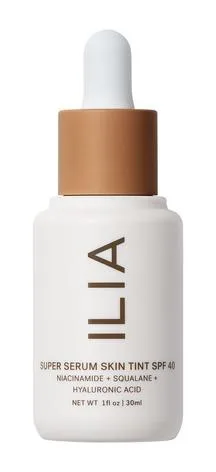
 Super Serum Skin Tint SPF 40
The product that finally made mineral tinted SPF desirable instead of medicinal. At 12% non-nano zinc with iron oxide visible-light protection, niacinamide, and a squalane-based glowy finish, this bottle does the impossible — it delivers real sun protection, real skincare, and real makeup in a single step without any one of them feeling compromised. The $54 price stings, but almost nothing else in the category does all three jobs this well.
 Australian SPF Standard
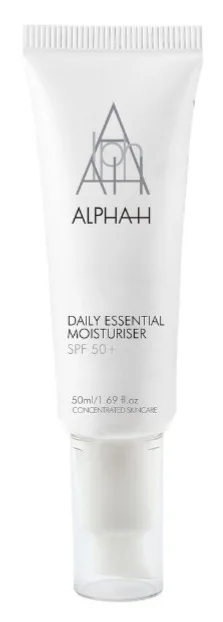
 Daily Essential Moisturiser SPF 50+
An excellent multi-active daily SPF that meets Australia's stricter TGA SPF 50+ standard and includes modern UVA filters that put it well ahead of most US sunscreens. Niacinamide, centella, and hyaluronate make it a genuine moisturizer rather than just a sunscreen step. Premium-priced but uniquely well-formulated.
 Mineral SPF for Melasma
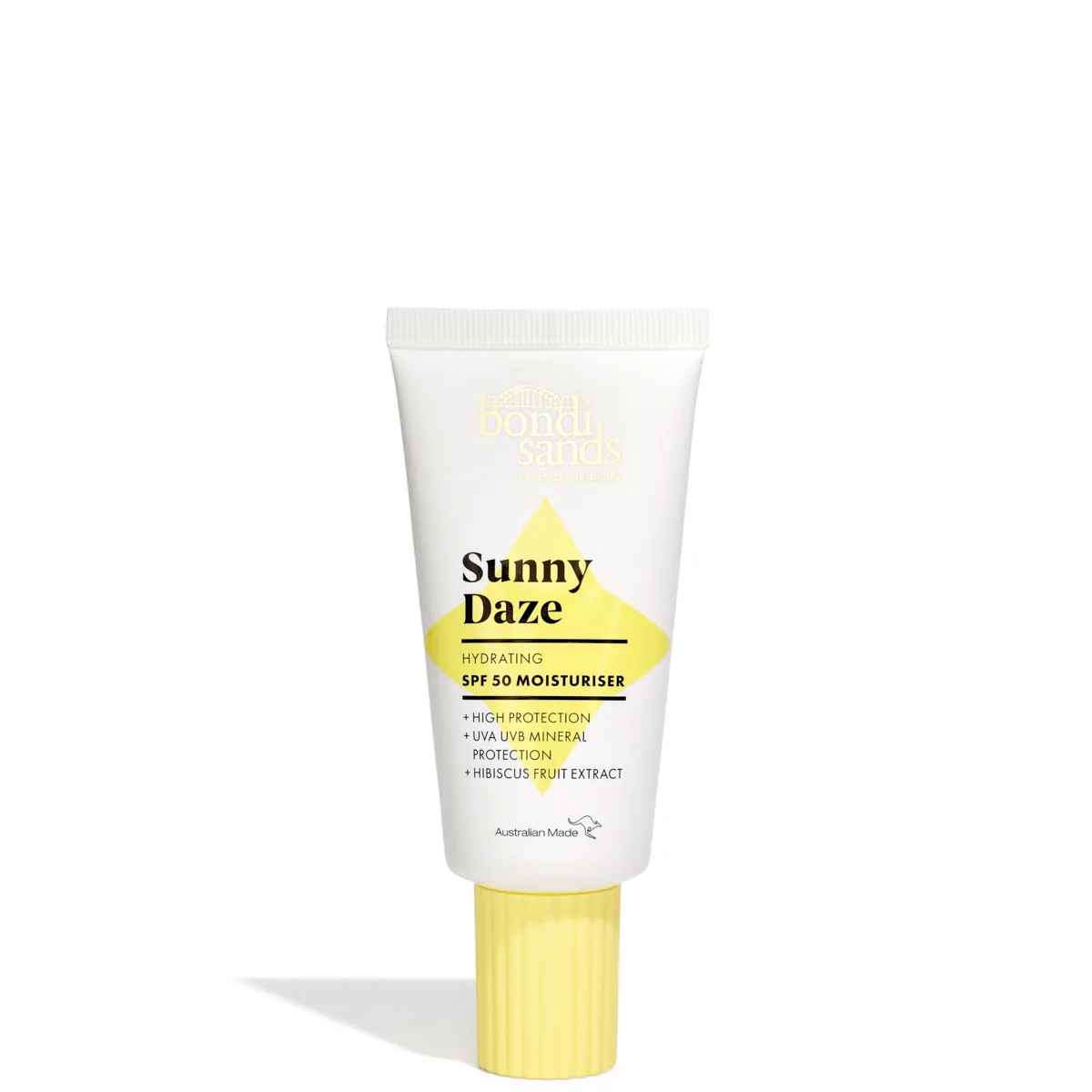
 Sunny Daze SPF 50 Moisturiser
A 25% zinc oxide mineral face moisturizer with a built-in universal tint that provides both visible-light protection and white-cast neutralization — one of the better-engineered mineral SPF moisturizers in its price tier. The single universal shade is a real limitation, but for anyone managing melasma or reactive skin, this is a surprisingly thoughtful drugstore option.
 Brightening Multitasker
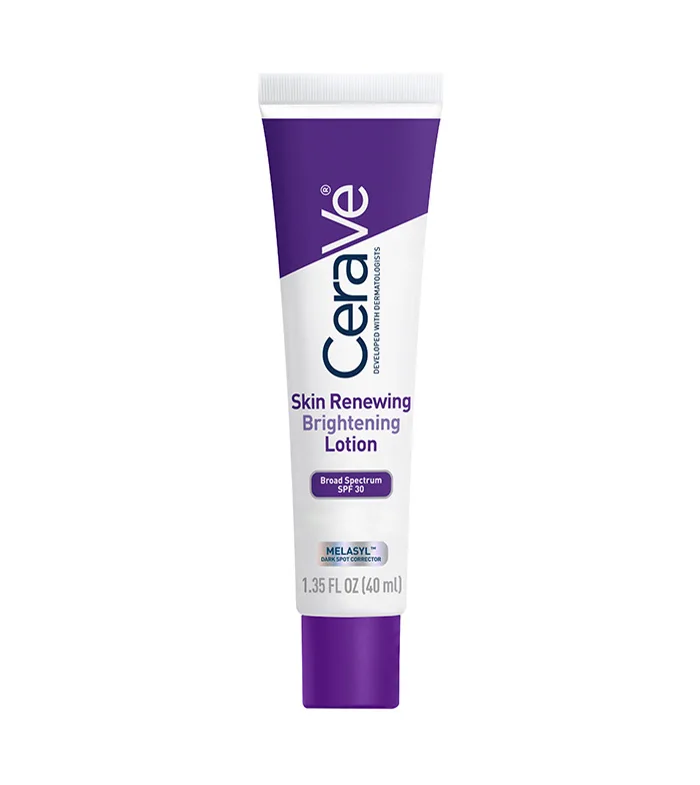
 Skin Renewing Brightening Lotion SPF 30
CeraVe's first product to use L'Oréal's Melasyl pigmentation molecule is also a competent SPF 30 day cream and a barrier-supporting lotion in one step. The size is small for the price, but the formula is genuinely impressive — this is CeraVe taking a real swing at the dark spot treatment category.
 Budget Tinted SPF Pick
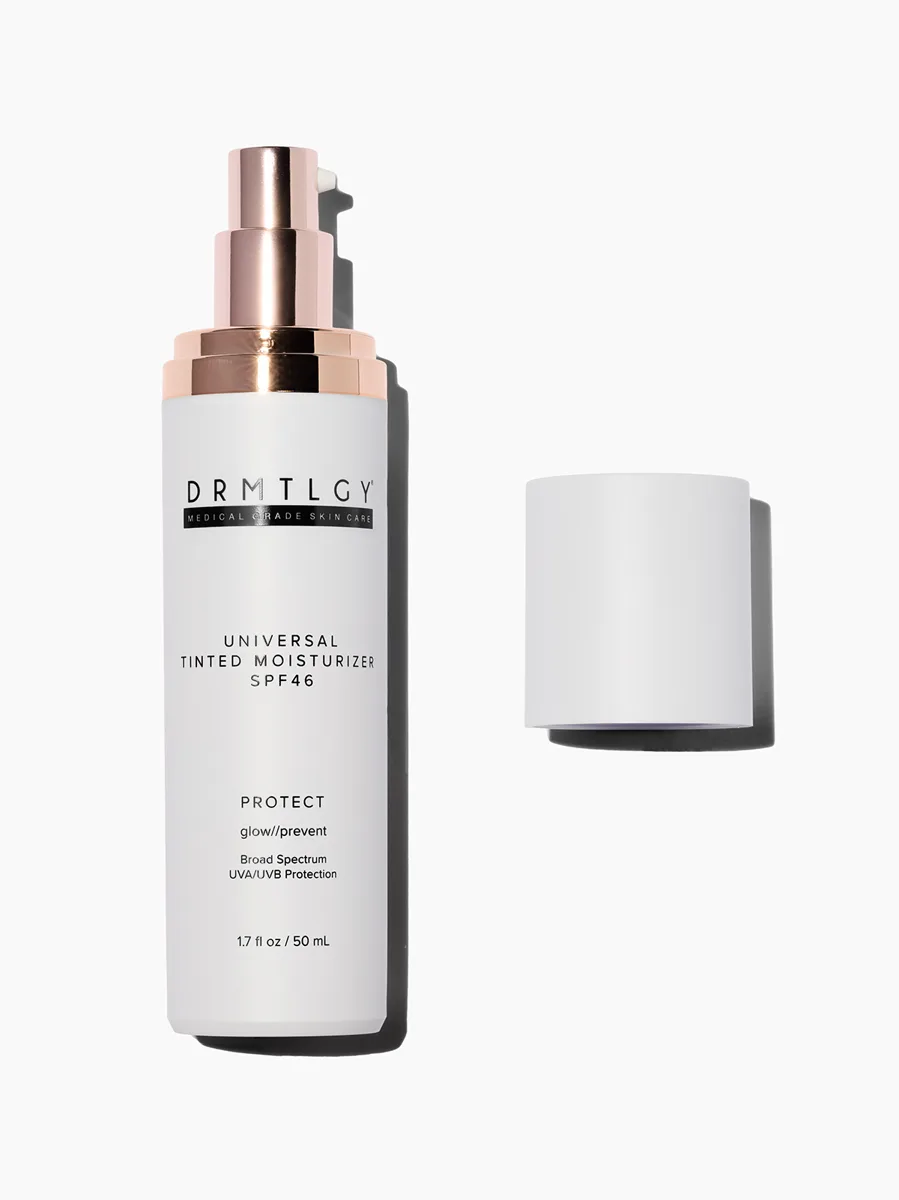
 Tinted Moisturizer SPF 46
One of the most-recommended tinted SPFs in dermatologist-focused online communities, and for good reason — a hybrid SPF 46 with iron oxide visible-light protection, niacinamide treatment benefits, and a universal satin tint at roughly half the price of the Elta MD product it closely resembles. The fragrance and the octinoxate are the only meaningful asks for forgiveness.
 Cult NYC Apothecary Spot Treatment
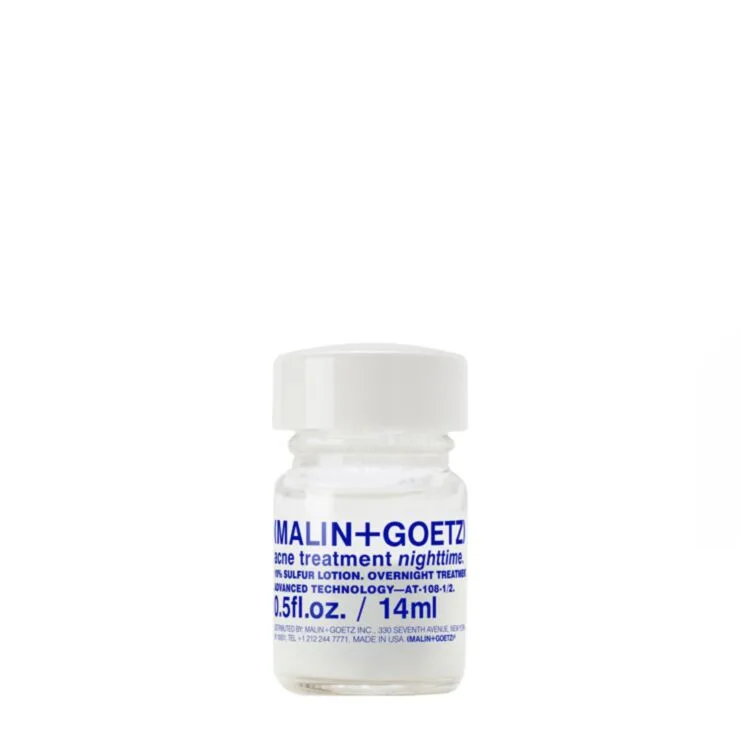
 Acne Treatment Nighttime Serum
A two-decade-old NYC apothecary classic that borrows from the old dermatology playbook: 10% sulfur, zinc oxide, and a little salicylic acid settled into a pink sediment you dab on a whitehead before bed. It is genuinely excellent at flattening surface pimples overnight, but it is not a maintenance product and the per-ounce price sits well above drugstore sulfur lotions.