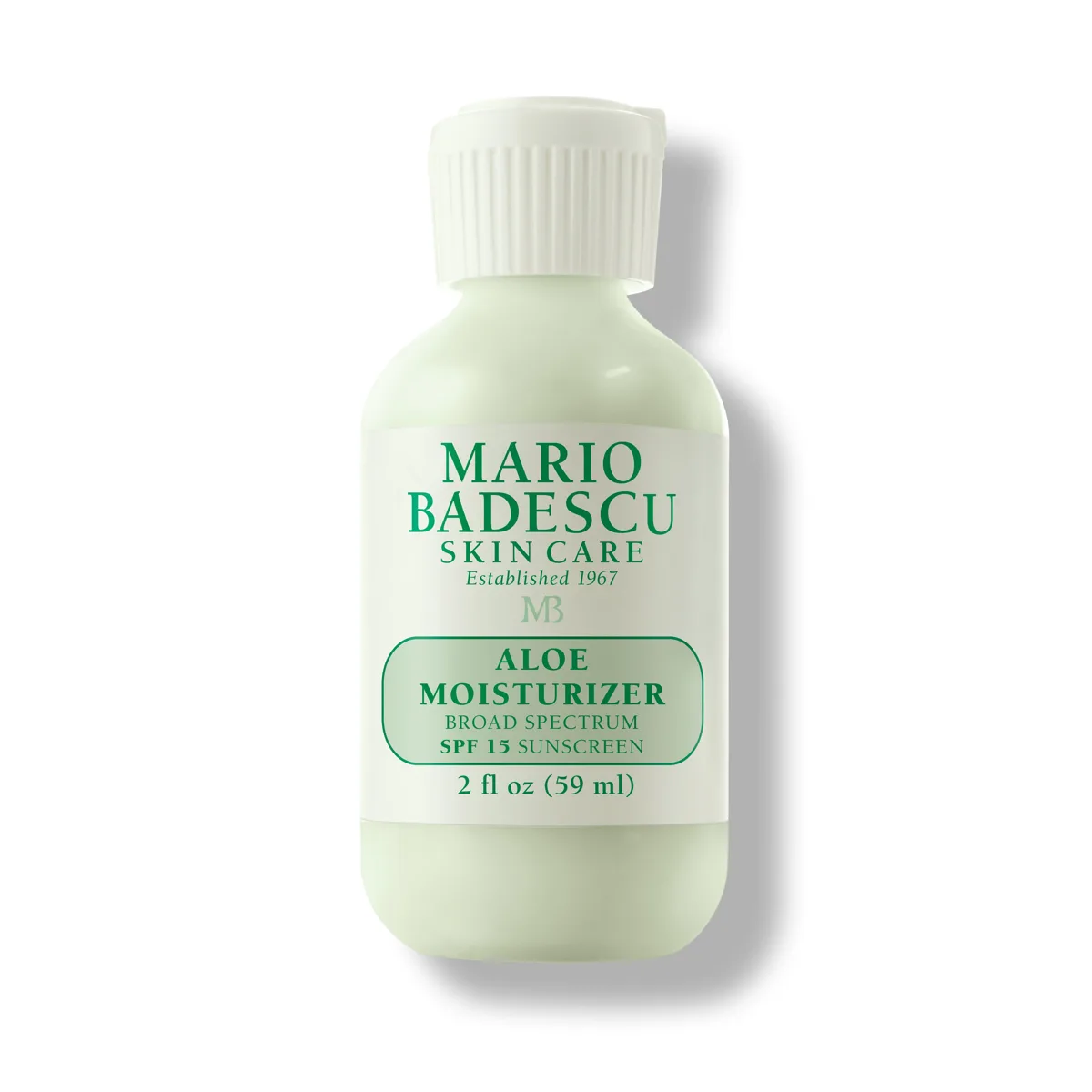
A no-frills, affordable SPF moisturizer that delivers basic hydration and basic sun protection — emphasis on basic. The oil-free, fragrance-free formula has nostalgic appeal for longtime Mario Badescu fans, but the SPF 15 level, oxybenzone, and comedogenic isopropyl myristate make it hard to recommend over modern alternatives.
Aloe Moisturizer SPF 15
A no-frills, affordable SPF moisturizer that delivers basic hydration and basic sun protection — emphasis on basic. The oil-free, fragrance-free formula has nostalgic appeal for longtime Mario Badescu fans, but the SPF 15 level, oxybenzone, and comedogenic isopropyl myristate make it hard to recommend over modern alternatives.
Score Breakdown
Where this product gains points and where it loses them — broken down across the four scoring pillars.
The SPF 15 level falls below dermatological recommendations of SPF 30+, and the inclusion of oxybenzone and highly comedogenic isopropyl myristate significantly limit this product's appeal. The oil-free, fragrance-free base and affordable price provide some value, but the formula feels outdated by modern sunscreen standards.
Pros & Cons
- ✓Oil-free and fragrance-free — a rare combination in affordable SPF moisturizers
- ✓Soothing aloe vera base is genuinely calming for reactive oily skin
- ✓Lightweight texture that does not feel heavy or greasy on oily skin types
- ✓Affordable at 4 for 2 fl oz with 2-3 months of daily use
- ✓No white cast from the chemical UV filters
- ✓Practical squeeze tube packaging that is hygienic and travel-friendly
- ✓Legacy brand with nearly 60 years of skincare experience
- ✗SPF 15 falls below the dermatologically recommended minimum of SPF 30
- ✗Contains oxybenzone, which is banned in several jurisdictions and absorbs systemically above FDA thresholds
- ✗Isopropyl myristate has a comedogenicity rating of 5/5 — contradicting acne-prone skin positioning
- ✗Contains unnecessary synthetic blue dye (CI 42090) with no functional purpose
- ✗Octinoxate faces increasing regulatory scrutiny for potential endocrine activity
- ✗Not safe for pregnancy due to oxybenzone and octinoxate concerns
Full Review
Mario Badescu has been doing business on the same stretch of Manhattan since Lyndon Johnson was in the White House. The brand's longevity is a genuine achievement — surviving nearly sixty years in an industry that eats trends for breakfast requires either exceptional products or an unshakeable cult following. Mario Badescu has managed the latter, building a devoted customer base through accessible pricing and the kind of straightforward formulations that feel like a reassuring constant in an industry addicted to novelty. The Aloe Moisturizer SPF 15 is a distillation of that philosophy: simple ingredients, simple purpose, simple price.
The formula centers on aloe barbadensis leaf juice as its second ingredient after water, providing the soothing, lightweight base that defines the product experience. The aloe gives the moisturizer a gentle, calming quality that feels pleasant on application — particularly for oily skin types accustomed to moisturizers that feel like they are adding a problem rather than solving one. Glycerin handles the humectant work, dimethicone provides the smoothing finish, and the overall texture is cooperative enough for layering under makeup or wearing alone on low-maintenance days.
The sun protection comes from a trio of chemical UV filters: octinoxate at 7.5%, oxybenzone at 3.5%, and avobenzone at 2%. This combination provides the labeled SPF 15 broad-spectrum coverage, which raises the first and most significant concern. In 2026, SPF 15 is a relic. The American Academy of Dermatology has recommended SPF 30 as the minimum for daily use for over a decade. SPF 15 blocks roughly 93% of UVB rays; SPF 30 blocks 97%. The difference sounds trivial until you realize that SPF 15 allows through roughly twice the burning radiation of SPF 30. For someone who walks from their car to their office, this may be adequate. For anyone who spends meaningful time near windows or outdoors, it is not.
The oxybenzone inclusion is equally dated. A 2020 randomized clinical trial published in JAMA found that oxybenzone absorbs into the bloodstream at concentrations exceeding the FDA's safety threshold of 0.5 ng/mL after a single application — reaching geometric mean concentrations of 169 to 210 ng/mL. The FDA has not concluded that oxybenzone is unsafe, but it has requested additional safety data that the industry has been slow to provide. Meanwhile, Hawaii, Key West, and Palau have banned oxybenzone-containing sunscreens to protect coral reefs. Whether these concerns warrant avoiding oxybenzone is a personal decision, but modern sunscreen formulations offer equally effective UV protection without it.
Perhaps the most puzzling formulation choice is isopropyl myristate, which sits at a comedogenicity rating of 5 out of 5 — the highest possible. This is one of the most pore-clogging ingredients commonly used in skincare. Its inclusion in a product marketed as oil-free and suitable for acne-prone skin is a genuine contradiction. The oil-free claim is technically accurate — isopropyl myristate is an ester, not an oil — but the practical effect on congestion-prone pores is the same or worse. If you are using this product because you have oily, breakout-prone skin, the isopropyl myristate may be working against you.
The fragrance-free formulation is a genuine positive in a brand portfolio that heavily fragrances many of its other products. The absence of added scent makes this more suitable for reactive skin types, though the oxybenzone and blue dye partially undermine that advantage. Speaking of the dye — CI 42090, Blue No. 1, serves no functional purpose whatsoever. It gives the product a faint blue-green tint that disappears on application. It is the kind of unnecessary addition that makes you wonder who the formula was designed to impress.
The aloe base does earn its keep. Aloe vera has documented anti-inflammatory and soothing properties, and as the second ingredient here, it provides more than a token presence. For oily skin that does not need heavy emollients, the aloe-and-glycerin moisturizing approach is sensible — light enough to avoid congestion while providing basic hydration. The dimethicone creates a smooth, non-greasy film that helps the sunscreen actives sit evenly on the skin.
At 4 for 59 milliliters, the price is fair — and it is one of the product's strongest arguments. For someone on a tight budget who needs a simple, oil-free daily moisturizer with some SPF, this delivers the bare minimum at an accessible price point. The squeeze tube packaging is practical, and the product lasts two to three months with daily morning use.
But here is the honest assessment: the bare minimum is no longer enough. Modern SPF moisturizers at similar or lower price points offer SPF 30 or higher, skip the oxybenzone, and avoid comedogenic ingredients like isopropyl myristate. Mario Badescu built this product in a different era of sunscreen formulation, and while the brand has reformulated it at least once, the core approach has not evolved to match what we now know about UV protection and ingredient safety. The aloe base is pleasant, the price is right, and the fragrance-free formula has its merits — but when better options exist at the same price point, nostalgia alone cannot carry a recommendation.
Formula
Key Ingredients
The hero actives that drive this product's performance.
| Ingredient | Function | Evidence |
|---|---|---|
| Avobenzone (2.0%) | The primary UVA filter in this formula, stabilized by ethylhexyl methoxycrylene to prevent photodegradation. At 2%, it provides moderate UVA coverage but falls below the 3% typically used in higher-SPF products, limiting the depth of broad-spectrum protection. | well-established |
| Octinoxate (7.5%) | The workhorse UVB filter at the maximum allowable concentration in US formulations. Handles the bulk of the SPF 15 protection in this formula, though its potential for endocrine disruption has led the EU to lower its maximum concentration. | well-established |
| Oxybenzone (3.5%) | Boosts both UVA and UVB coverage while helping stabilize the avobenzone. Controversial due to demonstrated systemic absorption above FDA thresholds and coral reef concerns — banned in Hawaii and several other jurisdictions. | well-established |
| Aloe Barbadensis Leaf Juice | The second ingredient in the inactive list, providing the soothing, anti-inflammatory base this product is built around. In this SPF formula, the aloe helps counteract potential irritation from the chemical UV filters while adding lightweight hydration. | promising |
| Glycerin | Standard humectant that works alongside the aloe to deliver the moisturizing component of this SPF product. Draws moisture into the stratum corneum to support hydration under the sunscreen film. | well-established |
Full INCI List
Active Ingredients: Avobenzone 2.0%, Octinoxate 7.5%, Oxybenzone 3.5%. Inactive Ingredients: Aqua (Water), Aloe Barbadensis Leaf Juice, Aluminum Starch Octenylsuccinate, Glycerin, Ethylhexyl Methoxycrylene, Isopropyl Myristate, Cetyl Alcohol, Dimethicone, PPG-2 Myristyl Ether Propionate, Stearic Acid, Styrene/Acrylates Copolymer, Caprylyl Glycol, PEG-8 Laurate, Ceteareth-20, Cetearyl Alcohol, Glyceryl Stearate, PEG-100 Stearate, Carbomer, Tetrasodium Glutamate Diacetate, Ethylhexylglycerin, Sodium Hydroxide, Phenoxyethanol, CI 42090 (FD&C Blue No. 1)
Product Flags
✓ Fragrance Free✓ Alcohol Free✓ Oil Free✗ Silicone Free✓ Paraben Free✓ Sulfate Free✓ Cruelty Free✗ Vegan✗ Fungal Acne Safe
Comedogenic Ingredients
Isopropyl MyristateCetyl AlcoholCetearyl AlcoholStearic Acid
Potential Irritants
OxybenzoneOctinoxateIsopropyl MyristateCI 42090 (Blue 1)
Common Allergens
Oxybenzone
Compatibility
Skin Match
Best For
Works For
Not Ideal For
Addresses These Conditions
Use With Caution
Avoid With
Routine Step
sunscreen
Time of Day
AM
Pregnancy Safe
No ✗
Layering Tips
Apply as the final step of your morning skincare routine. Use a generous amount — at least a nickel-sized dollop for the face alone. Reapply every two hours with sun exposure. Not sufficient as sole sun protection for extended outdoor time.
Results Timeline
Immediate SPF protection upon application. Moisturizing benefits noticeable right away. No cumulative long-term results beyond basic hydration maintenance and daily sun protection.
Pairs Well With
Lightweight serumsOil-free moisturizersNiacinamide
Conflicts With
Other chemical sunscreens (may cause irritation when layered)
Sample AM Routine
- Gentle cleanser
- Lightweight serum
- Mario Badescu Aloe Moisturizer SPF 15
Sample PM Routine
- Gentle cleanser
- Treatment serum
- Oil-free moisturizer
Evidence
Who Should Skip
- SPF 15 falls below the dermatologically recommended minimum of SPF 30
- Contains oxybenzone, which is banned in several jurisdictions and absorbs systemically above FDA thresholds
- Isopropyl myristate has a comedogenicity rating of 5/5 — contradicting acne-prone skin positioning
- Contains unnecessary synthetic blue dye (CI 42090) with no functional purpose
Science & Expert Perspective
The Science
The UV protection in this formula relies on three chemical filters that have been extensively studied — though not always favorably in recent years. A landmark 2020 randomized clinical trial published in JAMA (PMID: 31961417) by Matta et al. found that oxybenzone, one of the three actives in this product at 3.5%, achieved plasma concentrations of 169-210 ng/mL after a single maximal-use application — exceeding the FDA's safety threshold of 0.5 ng/mL by over 300-fold. The same study found octinoxate (present here at 7.5%) and avobenzone (at 2%) also exceeded the threshold, though at lower absolute concentrations than oxybenzone. The FDA has emphasized that exceeding the threshold does not mean these ingredients are harmful — only that additional safety data is needed.
The avobenzone at 2% provides the UVA protection in this formula, stabilized by ethylhexyl methoxycrylene. Avobenzone is photolabile and degrades under UV exposure, but stabilizers like methoxycrylene have been shown to extend its photoprotective lifespan significantly. However, at 2%, the UVA protection is moderate at best — many modern formulations use 3% avobenzone or newer, more photostable UVA filters.
Aloe barbadensis leaf juice, the moisturizing base, has documented anti-inflammatory properties. A 2008 review in the Indian Journal of Dermatology (PMID: 19882025) confirmed acemannan and other aloe polysaccharides provide anti-inflammatory, antimicrobial, and wound-healing benefits. In this formula, the aloe may help mitigate irritation from the chemical UV filters, particularly oxybenzone, which is a known contact sensitizer.
References
- Effect of Sunscreen Application on Plasma Concentration of Sunscreen Active Ingredients: A Randomized Clinical Trial — JAMA (2020)
- Aloe vera: a short review — Indian Journal of Dermatology (2008)
Dermatologist Perspective
Dermatologists would find it difficult to recommend this product in its current formulation. Board-certified dermatologists universally advocate for SPF 30 as the minimum daily protection, making SPF 15 a hard sell in clinical settings. The oxybenzone inclusion adds another layer of concern — while the FDA has not deemed it unsafe, many dermatologists have moved away from recommending oxybenzone-containing products, preferring mineral filters or newer chemical alternatives. The isopropyl myristate is particularly problematic for the acne-prone demographic this product targets. Dermatologists treating acne patients would likely flag this ingredient as counterproductive to their treatment goals.
Guidance
Usage Guide
How to Use
Apply generously as the final step of your morning skincare routine, at least 15 minutes before sun exposure. Use approximately a nickel-sized amount for the face alone. Reapply every two hours during sustained sun exposure. For extended outdoor time, layer a higher-SPF sunscreen over this product or replace it with a dedicated SPF 30+ sunscreen.
Value Assessment
At 4 for 59 mL, the price is accessible and fair for an SPF moisturizer. The product lasts 2-3 months with daily use, keeping the per-use cost low. However, value is not just about price — it is about what you get for that price. Multiple SPF 30+ moisturizers from drugstore brands like CeraVe, Neutrogena, and Cetaphil offer superior UV protection, skip oxybenzone, avoid comedogenic ingredients, and cost the same or less. The aloe base and fragrance-free formula are genuine differentiators, but they do not compensate for the fundamental shortcomings in sun protection and comedogenic safety.
Who Should Buy
Budget-conscious oily skin types who spend minimal time in direct sun and want a simple, fragrance-free moisturizer with basic UV protection. Best for low-UV environments with limited outdoor exposure.
Who Should Skip
Anyone seeking adequate daily sun protection (SPF 30+), acne-prone individuals concerned about comedogenic ingredients, pregnant individuals, anyone traveling to jurisdictions that ban oxybenzone, and those who prefer modern sunscreen formulations without controversial UV filters.
Ready to try Mario Badescu Aloe Moisturizer SPF 15?
Details
Details
Texture
A lightweight cream with a slight green-blue tint from the FD&C Blue No. 1 dye. Spreads easily but some users report it can sit on top of the skin rather than fully absorbing.
Scent
Very faint, no added fragrance. Any scent comes from the natural ingredients and sunscreen actives.
Packaging
Standard Mario Badescu white plastic squeeze tube with green accents. Available in 1 fl oz and 2 fl oz sizes. Simple, functional packaging.
Finish
non-greasysatinlightweight
What to Expect on First Use
Light, easy to spread with a faint cooling sensation from the aloe. The blue-green tint is visible during application but disappears as the product blends in. No white cast from the chemical UV filters. Some users notice a slight film after application.
How Long It Lasts
2-3 months with daily morning application to face
Period After Opening
12 months
Best Season
All Year
Background
The Why
Mario Badescu built his brand on the principle that effective skincare does not need to be expensive — a philosophy that resonated from his first Manhattan studio in 1967 through today. This aloe moisturizer represents the brand's straightforward approach: basic hydration, basic sun protection, basic ingredients. Whether that simplicity is a virtue or a limitation depends on how you feel about SPF 15 and oxybenzone in the modern skincare landscape.
About Mario Badescu Legacy Brand (20+ years)
Mario Badescu opened his first skincare studio on East 52nd Street in New York City in 1967. The brand has built a cult following over nearly six decades through accessible pricing and simple formulations, though it has faced controversy over undisclosed steroids in some products in the past and lacks significant clinical research backing its specific formulations.
Brand founded: 1967
Myth vs. Reality
Myths & Misconceptions
Myth
SPF 15 provides adequate daily sun protection for most people.
Reality
Dermatologists universally recommend SPF 30 as the minimum for daily use. SPF 15 blocks approximately 93% of UVB rays, compared to 97% for SPF 30. The difference may seem small, but SPF 15 lets through roughly twice as much burning radiation. For daily commuting in low-UV environments, SPF 15 offers basic protection, but it falls short for any meaningful sun exposure.
Myth
Chemical sunscreens like oxybenzone are dangerous and should be avoided entirely.
Reality
A 2020 JAMA study found oxybenzone absorbs into the bloodstream above FDA safety thresholds, but this does not mean it causes harm — the FDA requested more data, not a ban. However, oxybenzone is a documented contact allergen for some individuals and is banned in certain locations to protect coral reefs. Many dermatologists now recommend mineral alternatives or newer chemical filters as a precautionary approach.
FAQ
Frequently Asked Questions
Is Mario Badescu Aloe Moisturizer SPF 15 enough sun protection?
SPF 15 blocks about 93% of UVB rays, which provides basic protection for minimal daily sun exposure like commuting. However, dermatologists recommend SPF 30 as the minimum for daily use. If you spend significant time outdoors, you will need a higher-SPF product or to layer a separate sunscreen over this moisturizer.
Does this moisturizer contain oxybenzone?
Yes, it contains 3.5% oxybenzone as one of three chemical UV filters. Oxybenzone is FDA-approved but controversial due to studies showing systemic absorption and potential environmental impact on coral reefs. It is banned in Hawaii, Key West, and Palau. If this concerns you, consider mineral SPF alternatives with zinc oxide or titanium dioxide.
Is Mario Badescu Aloe Moisturizer SPF 15 good for acne-prone skin?
Despite being oil-free, this product contains isopropyl myristate, which has a comedogenicity rating of 5 out of 5 — one of the most pore-clogging ingredients commonly used in skincare. If you are acne-prone, this is a significant concern. The oil-free claim is technically true but potentially misleading for breakout-prone skin.
Can I use this moisturizer during pregnancy?
Most dermatologists recommend avoiding oxybenzone and octinoxate during pregnancy due to potential endocrine activity. Mineral sunscreens with zinc oxide or titanium dioxide are generally considered the safest option during pregnancy and breastfeeding.
Why is this moisturizer blue-green in color?
The product contains CI 42090 (FD&C Blue No. 1), a synthetic dye that gives it a blue-green tint. This is purely cosmetic and does not contribute to the product's function. The color disappears as the product blends into the skin.
Community
Community Voices
Common Praise
"Lightweight and oil-free — absorbs without greasy residue"
"Soothing aloe base feels pleasant and calming on skin"
"Affordable for a combined moisturizer and SPF product"
"Fragrance-free formulation is a welcome touch"
"Good for oily skin as a simple daily moisturizer with basic sun protection"
Common Complaints
"SPF 15 is too low by modern dermatological standards — SPF 30+ is recommended"
"Contains oxybenzone, which is controversial and banned in some locations"
"Isopropyl myristate is highly comedogenic despite product being marketed for acne-prone skin"
"Some users report it sits on top of skin and does not absorb well"
"Contains unnecessary synthetic blue dye (CI 42090)"
Appears In
best budget spf moisturizer best oil free spf moisturizer best spf moisturizer for oily skin best fragrance free spf moisturizer
Related Conditions
Related Ingredients
You Might Also Like
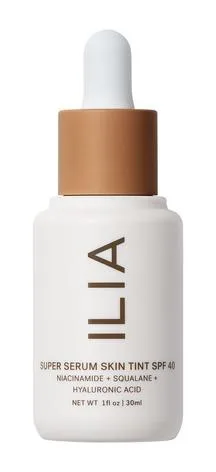 Clean Beauty Cult Classic
 Super Serum Skin Tint SPF 40
The product that finally made mineral tinted SPF desirable instead of medicinal. At 12% non-nano zinc with iron oxide visible-light protection, niacinamide, and a squalane-based glowy finish, this bottle does the impossible — it delivers real sun protection, real skincare, and real makeup in a single step without any one of them feeling compromised. The $54 price stings, but almost nothing else in the category does all three jobs this well.
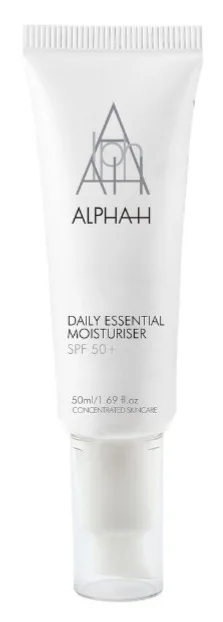 Australian SPF Standard
 Daily Essential Moisturiser SPF 50+
An excellent multi-active daily SPF that meets Australia's stricter TGA SPF 50+ standard and includes modern UVA filters that put it well ahead of most US sunscreens. Niacinamide, centella, and hyaluronate make it a genuine moisturizer rather than just a sunscreen step. Premium-priced but uniquely well-formulated.
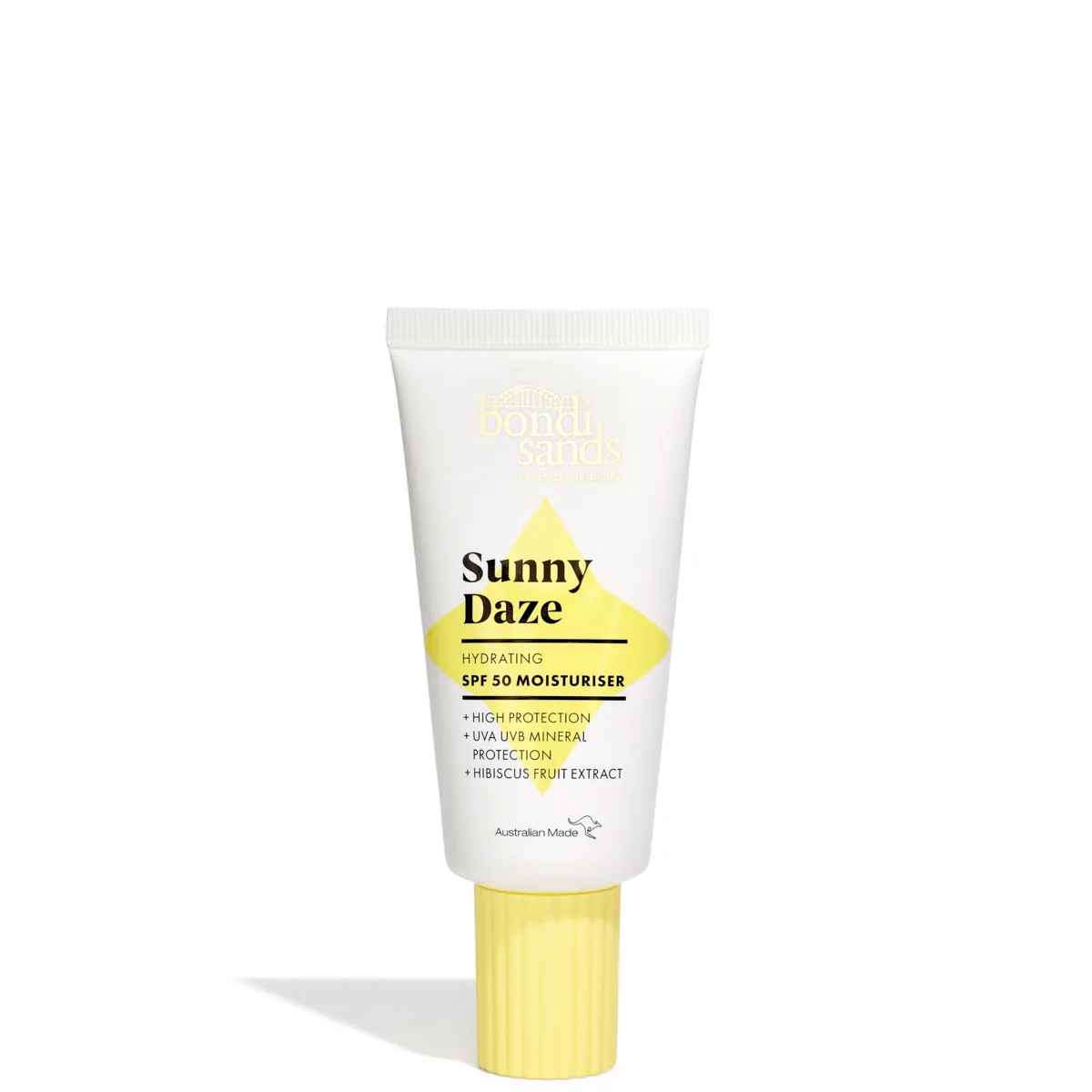 Mineral SPF for Melasma
 Sunny Daze SPF 50 Moisturiser
A 25% zinc oxide mineral face moisturizer with a built-in universal tint that provides both visible-light protection and white-cast neutralization — one of the better-engineered mineral SPF moisturizers in its price tier. The single universal shade is a real limitation, but for anyone managing melasma or reactive skin, this is a surprisingly thoughtful drugstore option.
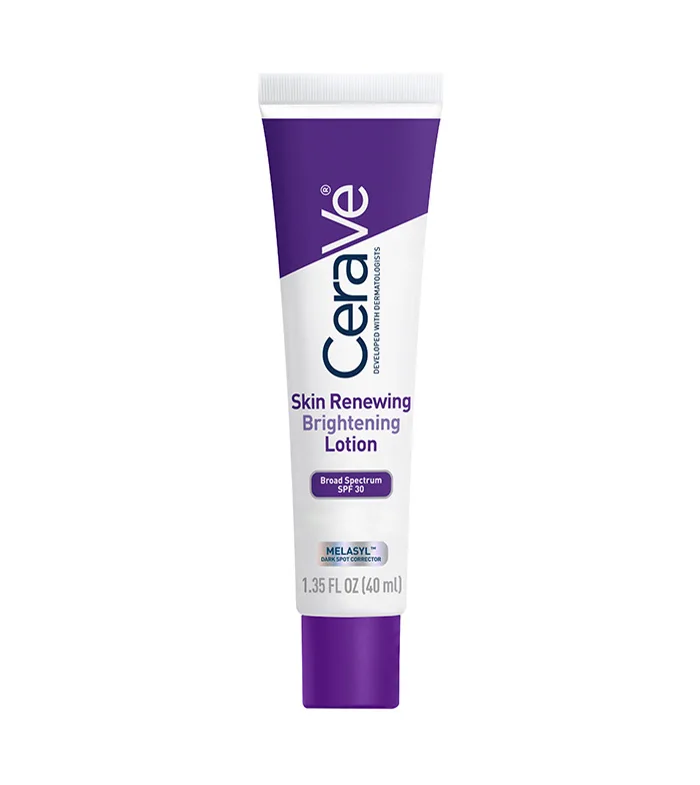 Brightening Multitasker
 Skin Renewing Brightening Lotion SPF 30
CeraVe's first product to use L'Oréal's Melasyl pigmentation molecule is also a competent SPF 30 day cream and a barrier-supporting lotion in one step. The size is small for the price, but the formula is genuinely impressive — this is CeraVe taking a real swing at the dark spot treatment category.
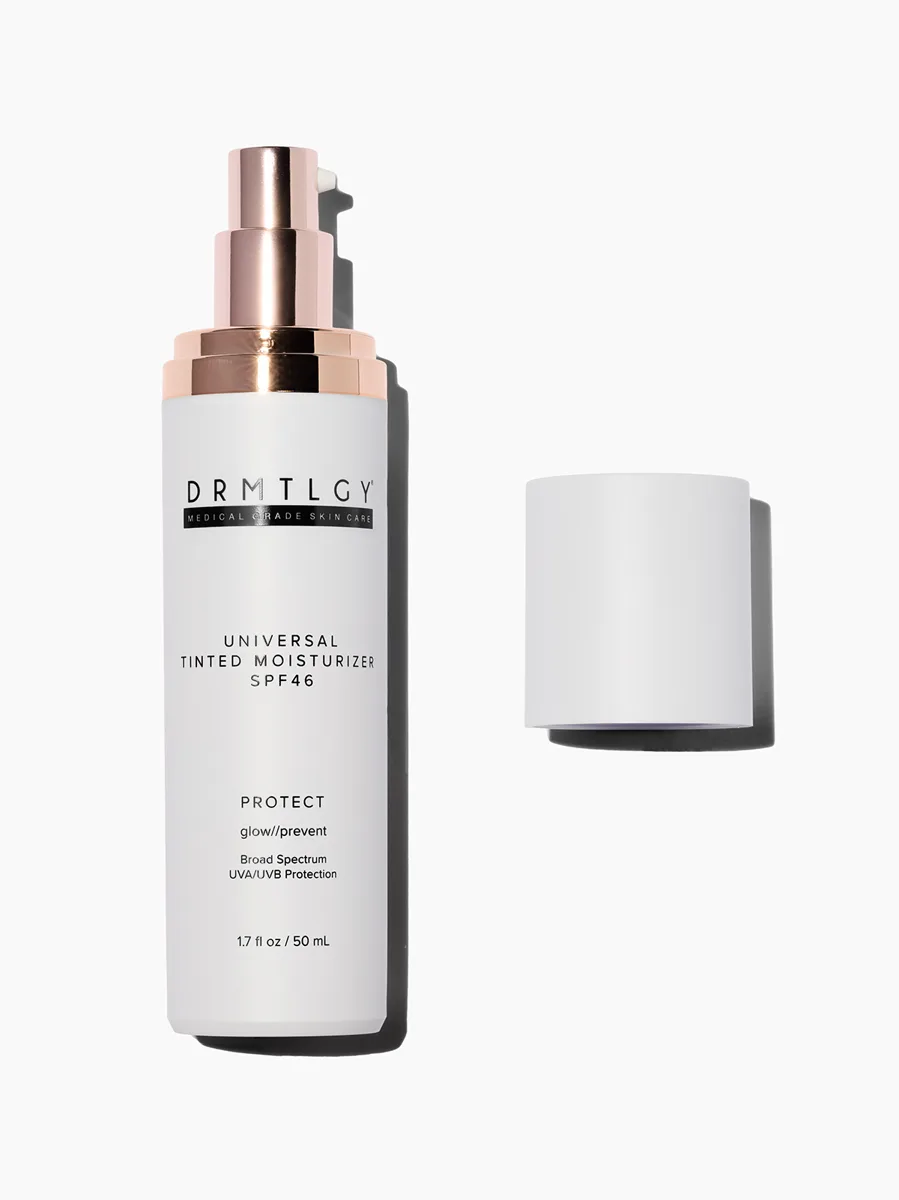 Budget Tinted SPF Pick
 Tinted Moisturizer SPF 46
One of the most-recommended tinted SPFs in dermatologist-focused online communities, and for good reason — a hybrid SPF 46 with iron oxide visible-light protection, niacinamide treatment benefits, and a universal satin tint at roughly half the price of the Elta MD product it closely resembles. The fragrance and the octinoxate are the only meaningful asks for forgiveness.
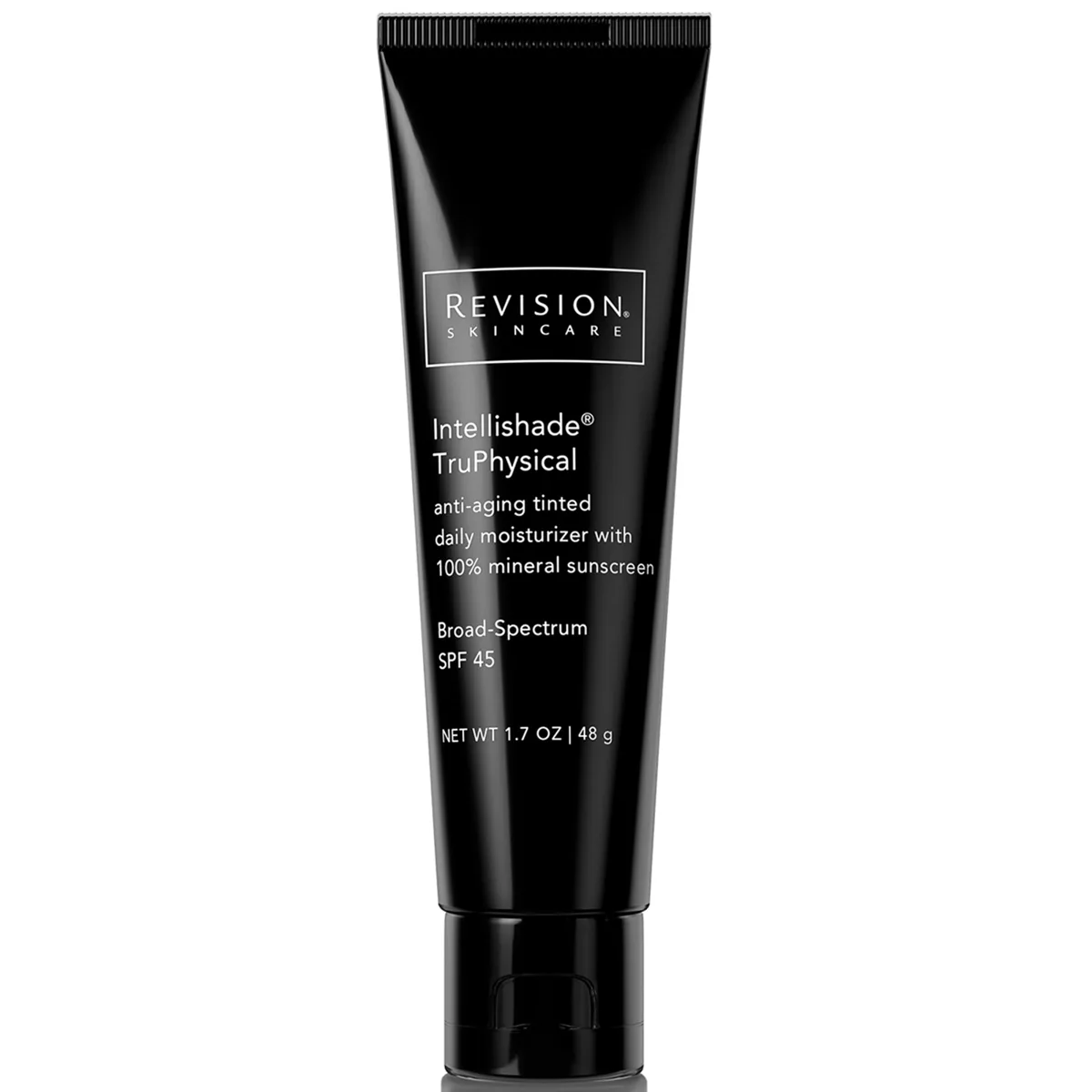 5-in-1 Mineral SPF Multitasker
 Intellishade TruPhysical SPF 45
A genuinely impressive multi-tasking mineral sunscreen that packs meaningful anti-aging actives into a wearable tinted formula. It replaces foundation for many users while delivering SPF 45 mineral protection and peptide-driven corrective benefits — though the thick texture requires patience and may not suit oily skin.
This review reflects our independent analysis of publicly available ingredient data, manufacturer claims, and verified user reviews. We are reader-supported — Amazon links may earn us a commission at no cost to you. We do not accept paid placements; rankings are based solely on the evidence.