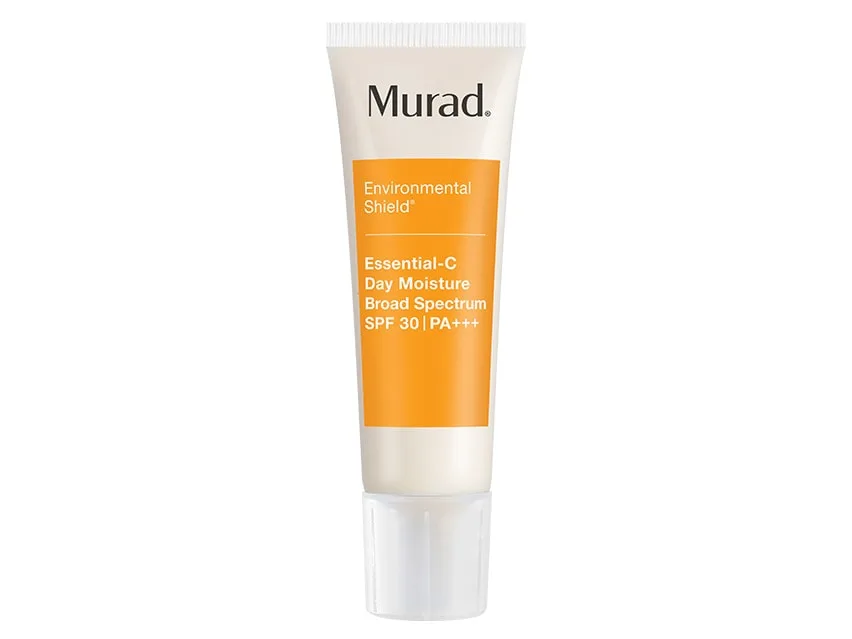
A legacy vitamin C SPF moisturizer that's been quietly earning its keep in derm offices for nearly two decades. The antioxidant complex is genuinely impressive, but the inclusion of oxybenzone, fragrance, and synthetic dyes feels like a formula that hasn't quite kept pace with modern sensibilities.
Essential-C Day Moisture SPF 30
A legacy vitamin C SPF moisturizer that's been quietly earning its keep in derm offices for nearly two decades. The antioxidant complex is genuinely impressive, but the inclusion of oxybenzone, fragrance, and synthetic dyes feels like a formula that hasn't quite kept pace with modern sensibilities.
Score Breakdown
A well-loaded antioxidant SPF moisturizer with a strong vitamin C complex, but the inclusion of oxybenzone, fragrance, and dyes limits its tolerability score. The premium price is steep for a chemical sunscreen formula.
Data Confidence: high
This product has been on the market for nearly two decades with thousands of user reviews across retailers and extensive professional commentary. Our scoring reflects substantial long-term real-world data.
0/100
Overall Score
Ingredient Quality 0
Value for Money 0
Suitability Breadth 0
Irritation Risk (↑ = safer) 0
Assessment
Pros
- Dual vitamin C complex with stable, oil-soluble tetrahexyldecyl ascorbate
- Ectoin provides cellular environmental stress protection beyond UV filtering
- Retinyl palmitate adds gradual anti-aging benefits to daily SPF routine
- Rich, moisturizing texture that works well under makeup without pilling
- Nearly 20 years of real-world validation and professional endorsement
- Multi-layered humectant system keeps skin comfortable all day
Cons
- Contains oxybenzone at 2%, which many consumers now prefer to avoid
- Fragrance with limonene and linalool — unnecessary in a clinical skincare product
- Synthetic dyes add no skincare benefit and may sensitize reactive skin
- Too rich and emollient for oily skin types
- Premium price at 8 for a formula that hasn't been reformulated recently
- Can migrate into eyes and cause stinging during application
Full Review
There's something almost quaint about the Murad Essential-C Day Moisture SPF 30 in 2026. It arrived on the market around 2005, back when oxybenzone was just another sunscreen filter and nobody was scrutinizing INCI lists on TikTok. Two decades later, it's still here — which either means it's genuinely good enough to survive shifting consumer preferences, or it's coasting on brand loyalty. The truth, characteristically, is somewhere in between.
The formula's strongest argument is its antioxidant architecture. Two forms of vitamin C — tetrahexyldecyl ascorbate (oil-soluble, stable, penetrates well) and ascorbyl palmitate (a gentler ester) — form the backbone of the Environmental Shield concept. But Murad didn't stop there. Ectoin, a natural extremolyte borrowed from desert-surviving bacteria, provides cellular stress protection that goes beyond what UV filters alone can offer. Grape seed extract adds polyphenol antioxidant muscle. Ginkgo biloba and passionflower extracts round out a botanical antioxidant network that reads like a greatest-hits compilation of early-2000s cosmetic chemistry — in the best possible way.
Then there's the retinyl palmitate, which turns this from a defensive product into an offensive one. It's the gentlest retinoid ester, nowhere near as potent as retinol or tretinoin, but in a daily SPF moisturizer it provides gradual cell turnover benefits that compound over months. Combined with the vitamin C's brightening action, this formula genuinely works on multiple aging pathways simultaneously.
The hydration profile is thoughtful. Urea, sodium PCA, panthenol, trehalose, and betaine create a layered humectant system that keeps skin comfortable under the sunscreen layer. The phospholipids and cocoglycerides contribute to a rich, emollient base that dry and normal skin types appreciate. This cream feels like a moisturizer that happens to have SPF, not a sunscreen pretending to moisturize — and for many users, that distinction matters more than spec sheets suggest.
The texture is creamy and rich, with a slightly warm tone from the cosmetic dyes. It spreads easily, absorbs within a couple of minutes, and leaves a dewy, luminous finish that works beautifully under makeup. There's no white cast, no pilling, no weird interactions with foundation. As a user experience, it's polished.
But the ingredient list also carries some baggage. Oxybenzone at 2% is the most obvious conversation starter. While it remains FDA-approved and perfectly legal, it's the UV filter that launched a thousand think pieces — banned in Hawaii and Key West for coral reef concerns, flagged by some researchers for potential endocrine disruption at high exposures. For many consumers, its presence is now a dealbreaker, and that's a legitimate choice.
The fragrance is the other elephant. Murad includes parfum along with the flagged fragrance components limonene and linalool. For a product from a dermatologist-developed brand, this feels like a missed opportunity — especially when the target audience includes people concerned about aging and environmental damage, who often also have sensitized skin. The synthetic dyes (Yellow 6 and Red 33) are similarly unnecessary from a skincare perspective.
The SPF 30 broad-spectrum protection itself is solid, delivered through five chemical filters — avobenzone, homosalate, octinoxate, octisalate, and oxybenzone — that provide comprehensive UVA/UVB coverage. This is workmanlike sunscreen chemistry that gets the job done.
At 8 for 1.7 ounces, this is premium pricing. You're paying for the multi-active antioxidant complex and the Murad name, and whether that's justified depends on how much you value the specific combination of vitamin C, ectoin, retinyl palmitate, and SPF in a single step. The convenience factor is real — this replaces a separate moisturizer and sunscreen — but the per-ounce cost is difficult to justify when newer formulations offer cleaner ingredient profiles at comparable price points.
The Essential-C Day Moisture is a product of its era — innovative when it launched, still effective today, but showing its age in ways that matter to modern consumers. If you've been using it for years and it works for your skin, there's no urgent reason to switch. But if you're choosing a new vitamin C SPF moisturizer in 2026, the oxybenzone, fragrance, and dyes may give you pause.
Formula
Ingredients
The hero actives that drive this product's performance.
| Ingredient | Function | Evidence |
|---|---|---|
| Tetrahexyldecyl Ascorbate (Vitamin C) | An oil-soluble vitamin C derivative that penetrates the lipid barrier more effectively than water-soluble forms. In this SPF formula, it serves double duty — neutralizing free radicals generated by UV exposure that the sunscreen filters miss, while also supporting collagen synthesis and brightening hyperpigmentation over time. | promising |
| Ectoin | A natural extremolyte that shields skin cells from environmental stress — an especially strategic inclusion in an SPF product designed for daily environmental defense. In this formula, ectoin complements the UV filters by protecting against infrared and pollution-induced damage that sunscreen alone cannot address. | promising |
| Retinyl Palmitate | A gentle retinoid ester that provides mild pro-aging benefits without the irritation risk of stronger retinoids. Positioned in this daily SPF moisturizer to deliver gradual cell turnover support alongside the vitamin C and antioxidant complex, making this a multitasking environmental shield rather than just a sunscreen. | promising |
| Grape Seed Extract | A potent polyphenol antioxidant that works in the broader antioxidant network of this formula alongside vitamin C, vitamin E, and ectoin. Grape seed extract's proanthocyanidins help neutralize reactive oxygen species triggered by UV penetration, adding another layer of defense beyond the physical sunscreen filters. | promising |
| Panthenol (Vitamin B5) | Provides humectant hydration and mild anti-inflammatory action to counterbalance the potentially drying effects of the chemical UV filters. Works alongside sodium PCA and urea to maintain skin comfort throughout the day under the sunscreen layer. | well-established |
Full INCI List
Active Ingredients: Avobenzone 3.0%, Homosalate 6.5%, Octinoxate 7.5%, Octisalate 5.0%, Oxybenzone 2.0%. Inactive Ingredients: Water (Aqua), Butylene Glycol, Stearic Acid, Diisopropyl Sebacate, Cocoglycerides, Lauryl Lactate, Glyceryl Stearate, Peg-100 Stearate, Isodecyl Neopentanoate, Dimethicone, Cetyl Alcohol, Cetyl Phosphate, Urea, Yeast Amino Acids, Trehalose, Inositol, Taurine, Betaine, Phospholipids, Retinyl Palmitate, Tocopheryl Acetate, Ascorbyl Palmitate, Pelvetia Canaliculata Extract, Ectoin, Ginkgo Biloba Leaf Extract, Vitis Vinifera (Grape) Seed Extract, Passiflora Incarnata Extract, Tetrahexyldecyl Ascorbate, Sodium Pca, Panthenol, Tripleurospermum Maritimum Extract, Zinc Gluconate, Ethyl Linoleate, Magnesium Aluminum Silicate, Xanthan Gum, Aminomethyl Propanol, Disodium Edta, Phenoxyethanol, Caprylyl Glycol, Chlorphenesin, Limonene, Linalool, Fragrance (Parfum), Yellow 6 (Ci 15985), Red 33 (Ci 17200).
Product Flags
✗ Fragrance Free✓ Alcohol Free✗ Oil Free✗ Silicone Free✓ Paraben Free✓ Sulfate Free✗ Cruelty Free✗ Vegan✗ Fungal Acne Safe
Comedogenic Ingredients
Isodecyl NeopentanoateLauryl Lactate
Potential Irritants
Fragrance (Parfum)OxybenzoneLimoneneLinalool
Common Allergens
Fragrance (Parfum)LimoneneLinalool
Compatibility
Skin Match
Best For
Works For
Not Ideal For
Addresses These Conditions
sun damage hyperpigmentation aging dullness
Use With Caution
Routine Step
sunscreen
Time of Day
AM
Pregnancy Safe
Unknown
Layering Tips
Apply as the final step of your morning skincare routine. Pairs well with a vitamin C serum underneath for enhanced antioxidant defense. Allow 2-3 minutes before applying makeup.
Results Timeline
Immediate UV protection and a hydrated, luminous finish. Skin tone evening and reduced dullness noticeable within 2-4 weeks of daily use. Cumulative antioxidant and anti-aging benefits become more apparent over 2-3 months.
Pairs Well With
vitamin-chyaluronic-acidniacinamide
Sample AM Routine
- Gentle cleanser
- Vitamin C serum
- Murad Essential-C Day Moisture SPF 30
Sample PM Routine
- Gentle cleanser
- Treatment serum (retinol or peptides)
- Night moisturizer
Evidence
Science
The Science
The antioxidant strategy in this formula centers on tetrahexyldecyl ascorbate, an oil-soluble vitamin C ester. Research published in the International Journal of Cosmetic Science has demonstrated that tetrahexyldecyl ascorbate penetrates the stratum corneum more effectively than L-ascorbic acid due to its lipophilic nature, and once absorbed, it is converted to active ascorbic acid within the skin. This makes it particularly well-suited for an SPF product, where it can work beneath the sunscreen layer to neutralize UV-generated free radicals.
Ectoin represents one of the more forward-thinking inclusions in this formula. Studies published in the Journal of Dermatological Science have shown that ectoin, a compatible solute produced by extremophilic bacteria, stabilizes cell membranes and proteins under stress conditions. Applied topically, it has been demonstrated to reduce UVA-induced skin aging markers including mitochondrial DNA mutations and Langerhans cell damage.
The combination of five UV filters provides broad-spectrum protection, though the inclusion of oxybenzone warrants discussion. A 2020 FDA study published in JAMA found that oxybenzone was absorbed systemically above the FDA's threshold of concern after a single application, prompting a call for additional safety data. The FDA has not banned oxybenzone but has requested further studies. The 2% concentration in this product is lower than the 6% maximum allowed.
Retinyl palmitate in a sunscreen context has been debated since a 2012 NTP study suggested potential photocarcinogenic concerns in mice. However, subsequent reviews by the CIR Expert Panel and European Scientific Committee on Consumer Safety concluded that retinyl palmitate is safe in cosmetic products, including those with UV exposure, at the concentrations used in skincare formulations.
References
- Maximal usage trial of oxybenzone sunscreen — JAMA (2020)
Dermatologist Perspective
Dermatologists have long recommended vitamin C in combination with sunscreen for enhanced photoprotection, and this product delivers on that principle with a multi-antioxidant approach. Board-certified dermatologists note that the combination of topical antioxidants with UV filters provides synergistic protection — the sunscreen blocks a significant portion of UV radiation while the antioxidants neutralize the free radicals generated by whatever UV gets through. The moisturizing base makes this a practical recommendation for patients with dry skin who struggle with sunscreen compliance. However, dermatologists increasingly steer patients away from oxybenzone-containing products when alternatives are available, particularly for those with sensitive or hormonally sensitive skin.
Guidance
Usage Guide
How to Use
Apply a nickel-sized amount to clean, dry skin as the last step of your morning skincare routine. Smooth evenly over the face and neck, avoiding the immediate eye area to prevent stinging. Allow 2-3 minutes for absorption before applying makeup or primer. Reapply every two hours during prolonged sun exposure. Can be layered over serums and treatments.
Value Assessment
At 8 for 1.7 fl oz, this is a premium-priced daily SPF moisturizer. A travel size (0.8 fl oz) is also available, offering a lower entry point for trial. The value proposition rests on the multi-active formula — you're getting vitamin C, ectoin, retinyl palmitate, botanical antioxidants, and SPF 30 in one step, potentially replacing two or three separate products. For those who appreciate this convenience and whose skin responds well to the formula, the cost-per-use becomes more reasonable. However, the legacy ingredients (oxybenzone, fragrance, dyes) make the premium harder to justify against newer competitors that deliver comparable antioxidant-SPF combinations without these concerns.
Who Should Buy
Long-time Murad loyalists with normal to dry skin who want a proven, multi-active SPF moisturizer in a single step. Ideal for those prioritizing anti-aging and environmental defense who aren't concerned about oxybenzone or fragrance in their routine.
Who Should Skip
Anyone avoiding oxybenzone for personal, environmental, or sensitivity reasons. Those with oily skin will find this too rich. Fragrance-sensitive individuals should steer clear due to parfum, limonene, and linalool. Not recommended for those with reactive or eczema-prone skin.
Ready to try Murad Essential-C Day Moisture SPF 30?
Details
Details
Texture
Rich, creamy moisturizer with a slightly warm-toned tint from the dyes. Spreads easily and feels more like a traditional moisturizer than a sunscreen.
Scent
Mild citrus-like fragrance. Noticeable upon application but fades within minutes.
Packaging
Opaque pump bottle with the signature Murad Environmental Shield orange branding. Pump dispenser allows controlled product application.
Finish
dewyglowylightweight
What to Expect on First Use
On first use, expect a smooth, moisturizing application with a subtle citrus scent. The cream absorbs within 2-3 minutes, leaving a dewy, slightly luminous finish. No white cast. Some users with sensitive eyes may notice mild stinging if product migrates toward the eye area — apply carefully around the orbital bone.
How Long It Lasts
2-3 months with daily facial application
Period After Opening
12 months
Best Season
All Year
Background
The Why
The Essential-C Day Moisture was one of Murad's earliest Environmental Shield products, born from Dr. Murad's belief that sun protection alone isn't enough — you need to actively fight the environmental damage that gets past your sunscreen. It's been quietly sitting on dermatology office shelves for nearly two decades.
About Murad Legacy Brand (20+ years)
Murad was founded in 1989 by Dr. Howard Murad, a board-certified dermatologist and trained pharmacist who has treated over 50,000 patients. The brand pioneered clinical-grade skincare sold directly to consumers and maintains a strong reputation in professional dermatology settings.
Brand founded: 1989 · Product launched: 2005
Myth vs. Reality
Myths
Myth
Chemical sunscreens like this one are dangerous and should be avoided.
Reality
While oxybenzone has drawn regulatory scrutiny regarding coral reef impact and potential endocrine concerns at high exposures, the concentrations in skincare products remain within FDA-approved safety limits. The larger risk is skipping sun protection entirely. That said, those who prefer to avoid oxybenzone have many effective mineral and newer-generation chemical alternatives.
Myth
Vitamin C in a sunscreen is pointless because UV light degrades it.
Reality
The tetrahexyldecyl ascorbate in this formula is oil-soluble and significantly more stable than L-ascorbic acid. It doesn't degrade as quickly under UV exposure, and its antioxidant action actually complements the UV filters by neutralizing free radicals that the sunscreen filters cannot fully prevent.
FAQ
FAQ
Does Murad Essential-C Day Moisture SPF 30 contain oxybenzone?
Yes, this formula contains oxybenzone at 2.0% as one of five chemical UV filters. While oxybenzone remains FDA-approved, some users prefer to avoid it due to environmental and potential endocrine concerns. If this is a concern, consider Murad's mineral SPF alternatives.
Can I use this as my only sunscreen?
Yes — with broad-spectrum SPF 30 protection from five UV filters including avobenzone for UVA coverage, this provides adequate daily sun protection for most people. Apply a nickel-sized amount to the face and reapply every two hours during prolonged sun exposure. For extended outdoor activity, a dedicated SPF 50 may be preferable.
Is Murad Essential-C Day Moisture good for oily skin?
This cream is best suited for normal to dry skin types. The rich, emollient texture and ingredients like cocoglycerides and dimethicone may feel heavy or greasy on oily skin. If you have oily skin and want Murad's vitamin C benefits, consider pairing a lighter Murad serum with an oil-free SPF.
Why does this moisturizer have dyes in it?
The Yellow 6 and Red 33 dyes give the cream its warm, peach-toned color for a more cosmetically elegant appearance. These are cosmetic colorants that don't provide skincare benefits. While generally well-tolerated, individuals with known dye sensitivities should note their inclusion.
Can I layer this over a vitamin C serum?
Yes — layering a dedicated vitamin C serum underneath actually enhances the antioxidant protection. Apply your serum first, allow it to absorb for 1-2 minutes, then apply this SPF moisturizer as the final step. The tetrahexyldecyl ascorbate in this formula complements most L-ascorbic acid serums.
Community
Community
Common Praise
"Effective UV protection with a moisturizing finish"
"Brightens skin tone noticeably over time"
"Layers well under makeup without pilling"
"Good for dry and normal skin types"
"Antioxidant-rich formula provides environmental defense"
Common Complaints
"Contains oxybenzone which some users prefer to avoid"
"Can irritate eyes during application"
"Feels greasy on oily skin types"
"Contains fragrance and synthetic dyes"
"Expensive for a daily sunscreen moisturizer"
Notable Endorsements
Developed by Dr. Howard Murad, board-certified dermatologistLong-standing bestseller in Murad's Environmental Shield line
Appears In
best spf moisturizer for dry skin best spf moisturizer for aging best antioxidant sunscreen best spf moisturizer for hyperpigmentation
Related Conditions
sun damage hyperpigmentation aging dullness
Related Ingredients
You Might Also Like
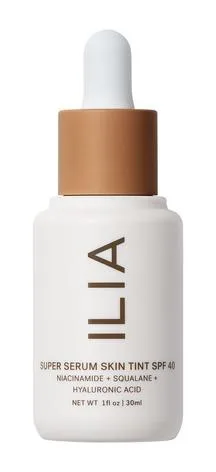 Clean Beauty Cult Classic
 Super Serum Skin Tint SPF 40
The product that finally made mineral tinted SPF desirable instead of medicinal. At 12% non-nano zinc with iron oxide visible-light protection, niacinamide, and a squalane-based glowy finish, this bottle does the impossible — it delivers real sun protection, real skincare, and real makeup in a single step without any one of them feeling compromised. The $54 price stings, but almost nothing else in the category does all three jobs this well.
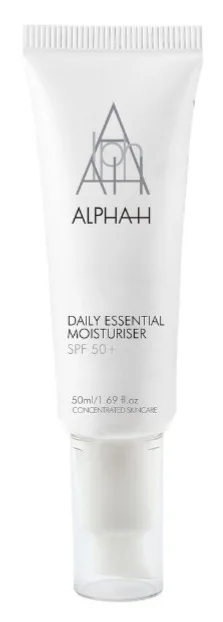 Australian SPF Standard
 Daily Essential Moisturiser SPF 50+
An excellent multi-active daily SPF that meets Australia's stricter TGA SPF 50+ standard and includes modern UVA filters that put it well ahead of most US sunscreens. Niacinamide, centella, and hyaluronate make it a genuine moisturizer rather than just a sunscreen step. Premium-priced but uniquely well-formulated.
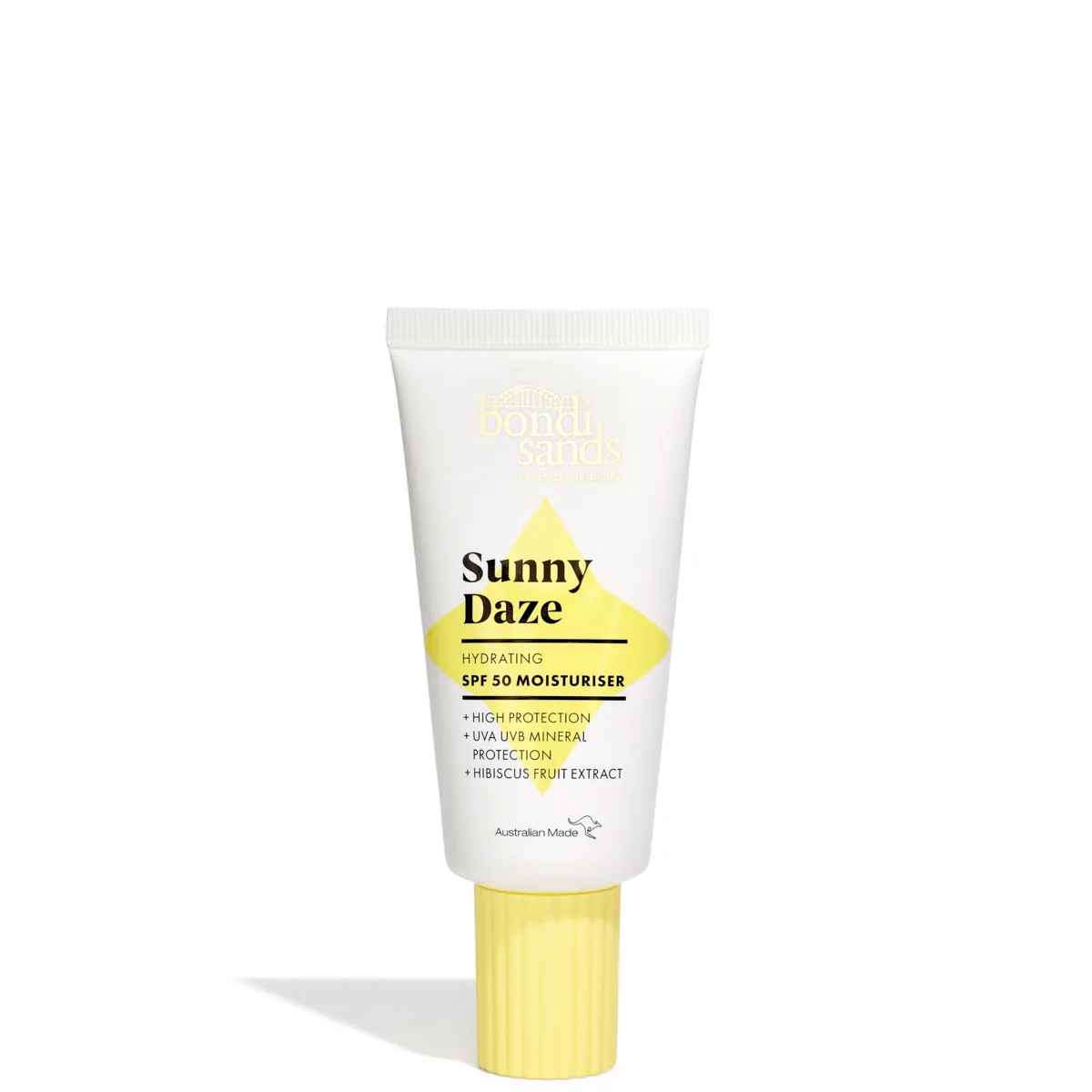 Mineral SPF for Melasma
 Sunny Daze SPF 50 Moisturiser
A 25% zinc oxide mineral face moisturizer with a built-in universal tint that provides both visible-light protection and white-cast neutralization — one of the better-engineered mineral SPF moisturizers in its price tier. The single universal shade is a real limitation, but for anyone managing melasma or reactive skin, this is a surprisingly thoughtful drugstore option.
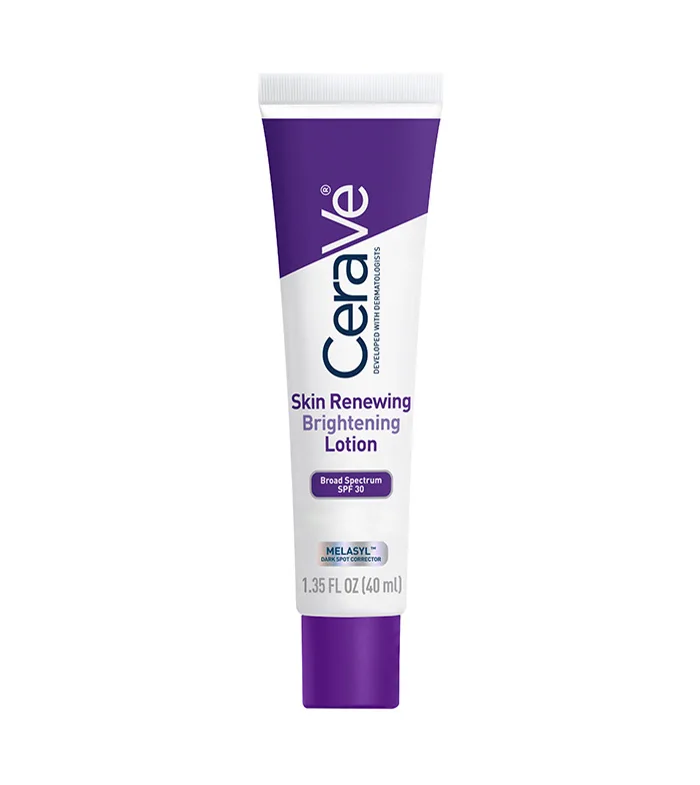 Brightening Multitasker
 Skin Renewing Brightening Lotion SPF 30
CeraVe's first product to use L'Oréal's Melasyl pigmentation molecule is also a competent SPF 30 day cream and a barrier-supporting lotion in one step. The size is small for the price, but the formula is genuinely impressive — this is CeraVe taking a real swing at the dark spot treatment category.
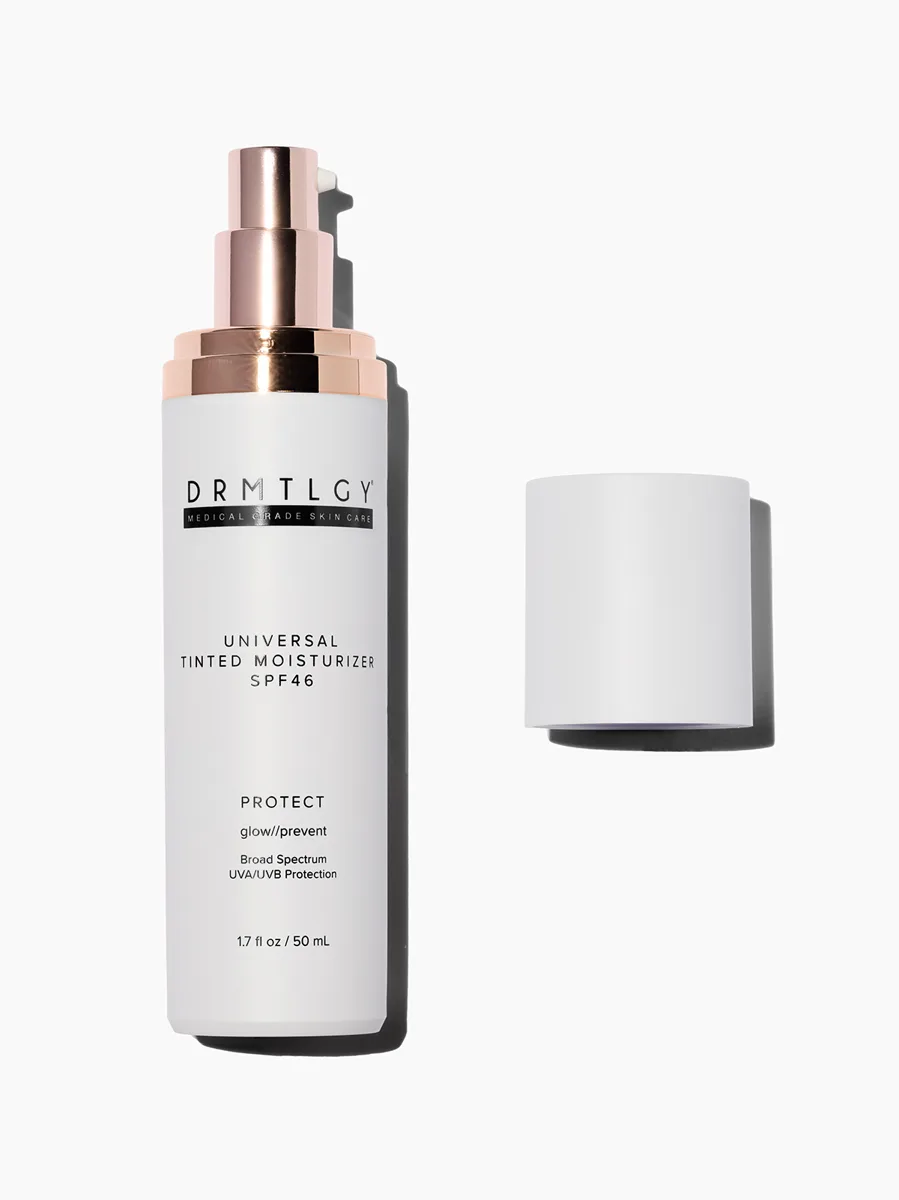 Budget Tinted SPF Pick
 Tinted Moisturizer SPF 46
One of the most-recommended tinted SPFs in dermatologist-focused online communities, and for good reason — a hybrid SPF 46 with iron oxide visible-light protection, niacinamide treatment benefits, and a universal satin tint at roughly half the price of the Elta MD product it closely resembles. The fragrance and the octinoxate are the only meaningful asks for forgiveness.
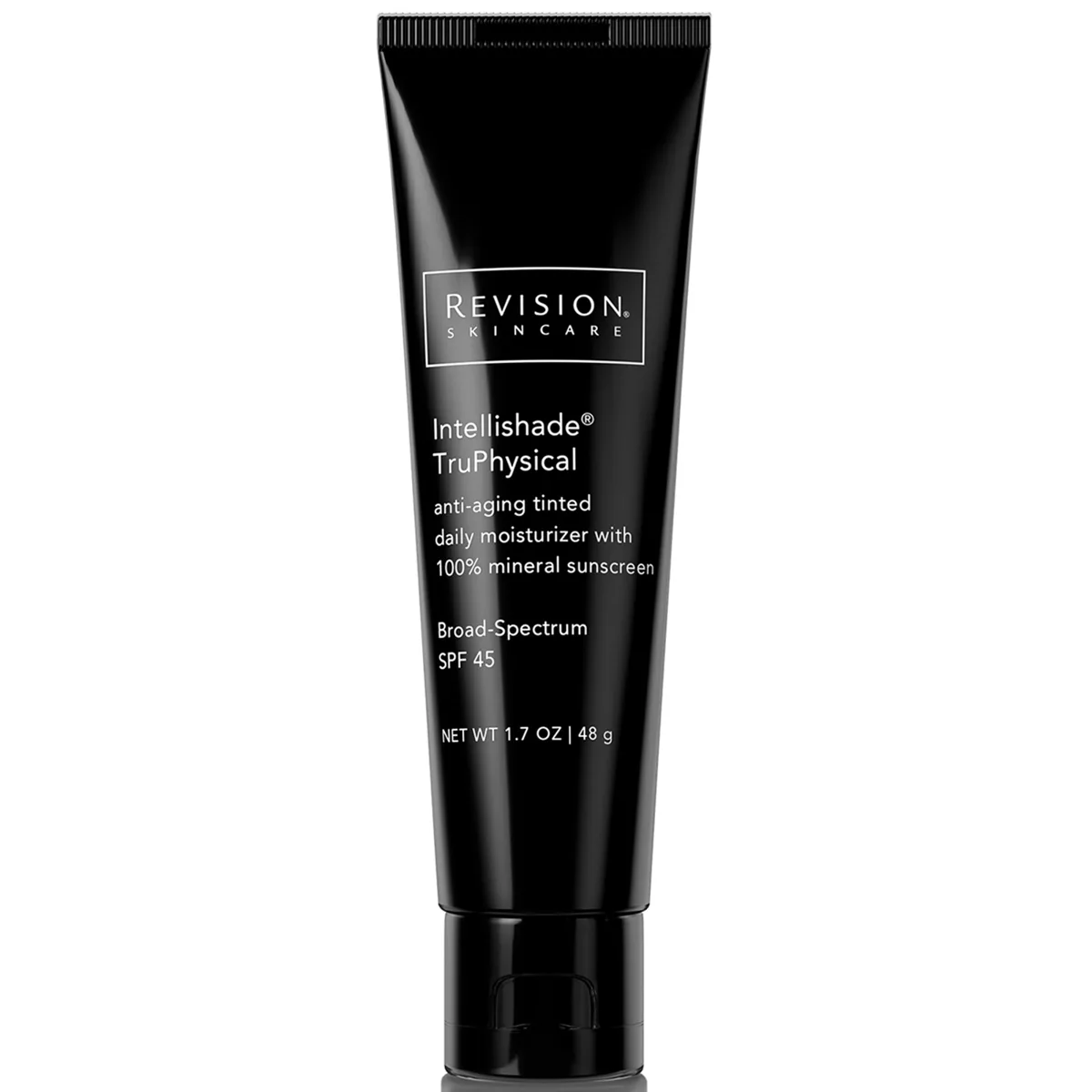 5-in-1 Mineral SPF Multitasker
 Intellishade TruPhysical SPF 45
A genuinely impressive multi-tasking mineral sunscreen that packs meaningful anti-aging actives into a wearable tinted formula. It replaces foundation for many users while delivering SPF 45 mineral protection and peptide-driven corrective benefits — though the thick texture requires patience and may not suit oily skin.