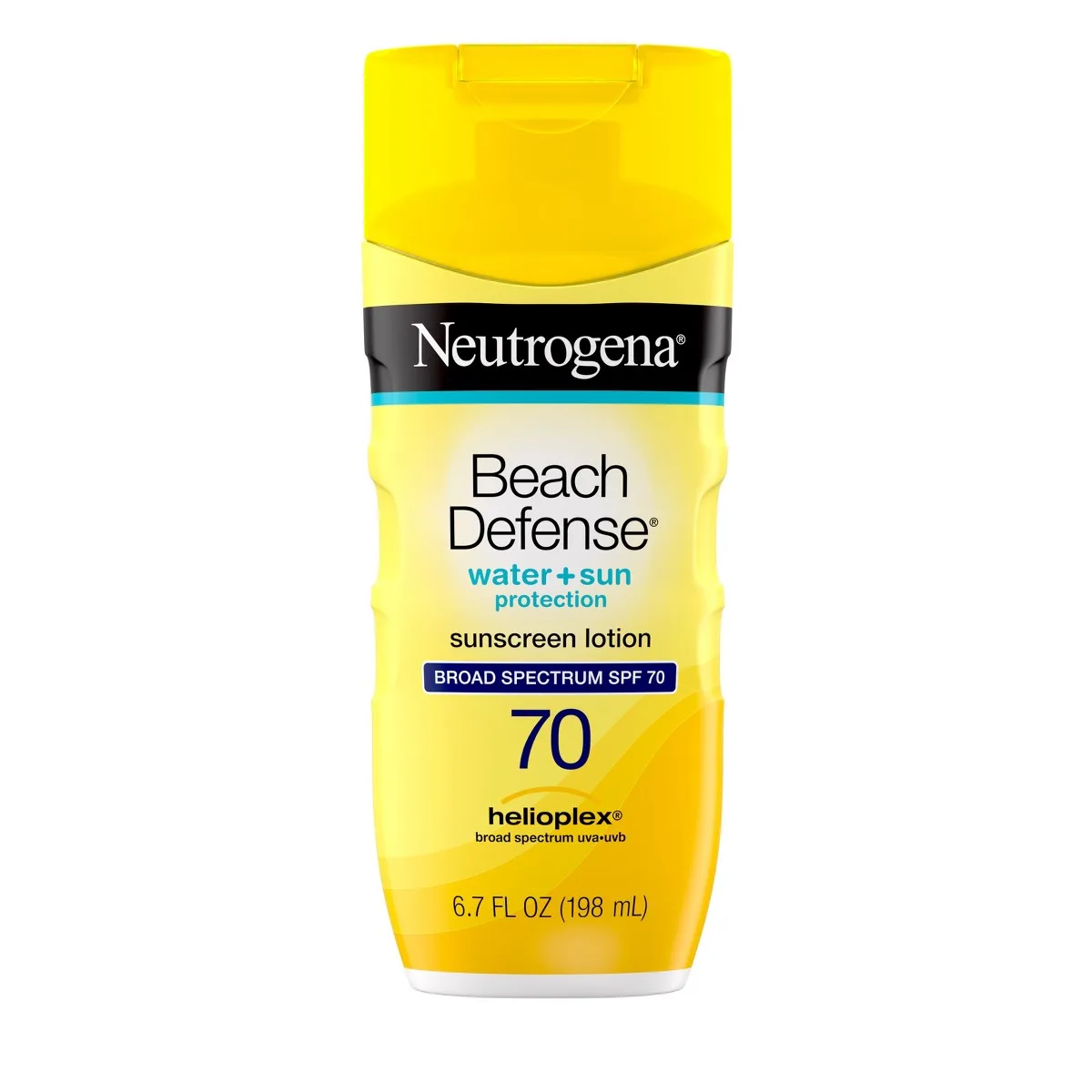
A no-nonsense, budget-friendly beach sunscreen that delivers legitimate SPF 70 protection with 80-minute water resistance. The reformulated oxybenzone-free Helioplex system holds up during extended sun exposure, and the price-to-protection ratio is hard to beat. Not the most elegant formula — fragrance and high homosalate will turn off purists — but for a day at the beach, it does exactly what it promises.
Beach Defense Sunscreen Lotion SPF 70
A no-nonsense, budget-friendly beach sunscreen that delivers legitimate SPF 70 protection with 80-minute water resistance. The reformulated oxybenzone-free Helioplex system holds up during extended sun exposure, and the price-to-protection ratio is hard to beat. Not the most elegant formula — fragrance and high homosalate will turn off purists — but for a day at the beach, it does exactly what it promises.
Score Breakdown
Where this product gains points and where it loses them — broken down across the four scoring pillars.
Strong value and effective UV protection from a proven four-filter system, but fragrance, high homosalate concentration, and limited suitability for sensitive skin hold back the overall score.
Pros & Cons
- ✓SPF 70 provides a meaningful real-world safety margin for the universal problem of under-application
- ✓Reformulated oxybenzone-free Helioplex system stabilizes avobenzone for lasting UVA protection
- ✓80-minute water resistance at the maximum FDA-allowed claim holds up during swimming
- ✓Exceptional value at roughly for 6.7 ounces of high-SPF protection
- ✓Lightweight, fast-absorbing texture that spreads easily over large body areas
- ✓No white cast on any skin tone — absorbs completely clear
- ✓Hawaii Act 104 compliant without sacrificing SPF or broad-spectrum protection
- ✓Available in multiple sizes including a 1 oz travel tube
- ✗Contains fragrance — unnecessary addition that limits use for sensitive or fragrance-averse skin
- ✗Homosalate at 15% (FDA max) exceeds the EU-recommended limit of 7.34% for precautionary reasons
- ✗Too heavy and comedogenic for facial use — strictly a body sunscreen
- ✗Contains ethylhexyl stearate which may trigger breakouts on acne-prone skin
- ✗No antioxidant or skincare actives beyond basic UV protection
- ✗Not suitable for sensitive skin due to high chemical filter concentration plus fragrance
Full Review
Here is a number that should change how you think about sunscreen: most people apply only 25 to 50 percent of the amount used in SPF testing. That means your SPF 30 sunscreen is functionally delivering SPF 10 to 15. Your SPF 50 is giving you maybe SPF 20. This is not carelessness. It is human nature — nobody applies a full shot glass of sunscreen to their face and body the way lab technicians do under controlled conditions.
Neutrogena Beach Defense SPF 70 exists because of this math. An SPF 70 product, even applied at half the recommended amount, still delivers meaningful protection in the SPF 30 to 40 range. It is an engineering solution to a behavioral problem, and it is one of the most honest reasons a sunscreen brand has ever given for going above SPF 50.
The UV filter system tells the story of a product that has evolved with the times. When Beach Defense originally launched around 2013, it rode on Neutrogena's proprietary Helioplex technology — a stabilization system that kept avobenzone from degrading under UV exposure, which had been a notorious weakness of avobenzone-based sunscreens. The original Helioplex relied on oxybenzone as part of its stabilization chemistry. Then came Hawaii Act 104, growing consumer concern about reef safety, and a broader cultural reckoning with oxybenzone. Neutrogena reformulated. The current version uses octocrylene at 10% as the primary avobenzone stabilizer, flanked by homosalate at 15% and octisalate at 5% to drive the UVB protection up to SPF 70.
That reformulation deserves credit. Removing oxybenzone from a high-SPF sunscreen without losing protection efficacy is not trivial. Many brands that made the switch ended up with lower SPF ratings or compromised UVA protection. Neutrogena managed to maintain both, though the tradeoff is a high concentration of homosalate — at 15%, it sits at the FDA maximum, and notably above the 7.34% limit the European Scientific Committee on Consumer Safety recommended in 2022 over endocrine disruption concerns. This is a body sunscreen applied to intact skin, and systemic absorption at meaningful levels from topical sunscreen remains debated, but it is worth acknowledging for those who track these regulatory conversations.
The texture is beach-friendly in the best sense. It is a smooth white lotion that spreads without resistance, absorbs within a minute or two, and does not feel like you are wearing armor. Compared to mineral sunscreens at similar SPF levels, it is dramatically lighter and leaves no white cast on any skin tone. There is a pleasant, recognizably beachy fragrance — light enough that it fades within minutes, but present enough that the fragrance-averse will notice. It is the kind of scent that triggers Pavlovian associations with summer weekends and salt water.
The 80-minute water resistance is the maximum claim the FDA allows, and in practice it holds up well. Swimmers and surfers report that the sunscreen stays put through vigorous activity, though towel-drying obviously removes it. The dimethicone in the formula creates a film that helps the UV filters cling to skin even when wet — this is where the silicone earns its place in the INCI list.
As a body sunscreen, it performs admirably. On the face, less so. The texture is heavier than most dedicated facial sunscreens, and the inclusion of ethylhexyl stearate — a moderately comedogenic emollient — makes it a poor choice for acne-prone skin. The fragrance is another reason to keep this below the jawline. Neutrogena makes excellent facial sunscreens in their Invisible Daily Defense and Ultra Sheer lines; Beach Defense is not trying to be that product.
The value proposition is where Beach Defense genuinely shines. At roughly nine dollars for 6.7 ounces, this is one of the most affordable high-SPF, water-resistant body sunscreens on the market. For families spending a week at the beach and going through multiple bottles, the math matters — you can buy four bottles of Beach Defense for the price of one boutique mineral sunscreen, and you are more likely to reapply generously when it does not feel like you are spreading liquid gold on your arms.
The ingredient list beyond the UV filters is unremarkable — jojoba esters for conditioning, standard emulsifiers, and a preservation system that includes benzyl alcohol, chlorphenesin, and BHT. None of these are remarkable or problematic for most users, though the BHT is an older antioxidant preservative that some formulators have moved away from. There are no bonus skincare actives — no vitamin C, no niacinamide, no antioxidant complex. This is a sunscreen that sunscreens, and it does not pretend to be a treatment product.
The honest limitations center on what this formula chooses to include. Fragrance in a sunscreen is divisive and unnecessary. Homosalate at 15% will concern those following EU regulatory developments. The texture, while excellent for a body sunscreen, is too heavy for facial use. And the formula is not suitable for sensitive skin — the combination of four chemical UV filters plus fragrance creates too many potential triggers for reactive complexions.
But for its intended purpose — affordable, high-protection body sunscreen for active days in the sun — Beach Defense SPF 70 delivers on every claim it makes. It protects. It resists water. It does not break the bank. And that SPF 70 rating quietly compensates for the fact that you, like everyone else, are not applying enough sunscreen. Sometimes the most useful innovation is not a new ingredient. It is a safety margin.
Formula
Key Ingredients
The hero actives that drive this product's performance.
| Ingredient | Function | Evidence |
|---|---|---|
| Avobenzone 3% (3%) | The primary UVA filter in this four-filter system, providing broad-spectrum protection against the deeper-penetrating wavelengths responsible for photoaging and hyperpigmentation. In this formula, avobenzone is stabilized by octocrylene at 10% — the core of Neutrogena's reformulated Helioplex system — which prevents the photodegradation that plagues avobenzone in simpler formulations. | well-established |
| Homosalate 15% (15%) | Present at the maximum FDA-allowed concentration, homosalate is the workhorse UVB filter driving the SPF 70 rating. It absorbs UVB radiation across the 290-315nm range. Worth noting that the EU Scientific Committee has flagged homosalate for potential endocrine-disrupting properties and restricted it to 7.34% in facial products — this body sunscreen uses double that limit. | well-established |
| Octocrylene 10% (10%) | Pulls critical double duty as both a UVB filter contributing to the high SPF and as the primary photostabilizer for avobenzone. This is the backbone of the reformulated Helioplex system — after Neutrogena removed oxybenzone from the formula, octocrylene at 10% took over the stabilization role, ensuring the UVA protection holds up during extended beach exposure rather than degrading within the first hour. | well-established |
| Octisalate 5% (5%) | A UVB filter that also functions as a solvent for the other UV filters, improving their even distribution across the skin. In this formula, octisalate contributes to the lightweight, spreadable texture while adding to the cumulative UVB protection that achieves the SPF 70 rating. | well-established |
| Dimethicone | A silicone emollient that creates a smooth, even film on the skin to help distribute UV filters uniformly — critical for consistent protection. Also provides the water-resistant properties that help this sunscreen maintain protection during 80 minutes of water immersion. | well-established |
Full INCI List
Active Ingredients: Avobenzone 3%, Homosalate 15%, Octisalate 5%, Octocrylene 10%. Inactive Ingredients: Water, Butyloctyl Salicylate, Styrene/Acrylates Copolymer, Potassium Cetyl Phosphate, Benzyl Alcohol, Silica, Glyceryl Stearate, PEG-100 Stearate, Dimethicone, Caprylyl Glycol, Synthetic Beeswax, Ethylhexylglycerin, Acrylates/C12-22 Alkyl Methacrylate Copolymer, Behenyl Alcohol, Fragrance, Xanthan Gum, Chlorphenesin, Dimethicone/PEG-10/15 Crosspolymer, Hydrolyzed Jojoba Esters, Disodium EDTA, Sodium Polyacrylate, Ethylhexyl Stearate, BHT, Jojoba Esters, Trideceth-6
Product Flags
✗ Fragrance Free✓ Alcohol Free✓ Oil Free✗ Silicone Free✓ Paraben Free✓ Sulfate Free✗ Cruelty Free✗ Vegan✗ Fungal Acne Safe
Comedogenic Ingredients
Ethylhexyl Stearate
Potential Irritants
FragranceBenzyl AlcoholBHT
Common Allergens
Fragrance
Compatibility
Skin Match
Best For
Works For
Not Ideal For
Addresses These Conditions
sun damage aging hyperpigmentation dark spots
Use With Caution
Routine Step
sunscreen
Time of Day
AM
Pregnancy Safe
Unknown
Layering Tips
Apply generously as the final step of your morning routine, at least 15 minutes before sun exposure. Designed primarily as a body sunscreen — for face, consider pairing with a lighter facial sunscreen. Reapply every 2 hours and after swimming or heavy sweating.
Results Timeline
Immediate UV protection upon application (full protection after 15 minutes). Long-term benefits of consistent sunscreen use — reduced photoaging, fewer dark spots, lower skin cancer risk — become visible over months to years of daily use.
Pairs Well With
Antioxidant serums (vitamin C for enhanced UV defense)Moisturizers (apply under sunscreen for hydration)After-sun care products for post-exposure recovery
Sample AM Routine
- Gentle cleanser
- Moisturizer
- Neutrogena Beach Defense Sunscreen Lotion SPF 70 (on body and exposed areas)
Sample PM Routine
- Gentle cleanser
- Treatment serum
- Moisturizer
Evidence
Who Should Skip
- Contains fragrance — unnecessary addition that limits use for sensitive or fragrance-averse skin
- Homosalate at 15% (FDA max) exceeds the EU-recommended limit of 7.34% for precautionary reasons
- Too heavy and comedogenic for facial use — strictly a body sunscreen
- Contains ethylhexyl stearate which may trigger breakouts on acne-prone skin
Science & Expert Perspective
The Science
The Neutrogena Beach Defense SPF 70 formula relies on a four-filter chemical UV protection system: avobenzone (3%) for UVA, with homosalate (15%), octisalate (5%), and octocrylene (10%) providing UVB protection and photostabilization.
The central challenge in this formulation is avobenzone photostability. Avobenzone is one of the most effective UVA filters approved by the FDA, but it is inherently photounstable — meaning UV radiation causes it to degrade, losing its protective ability over time. Research published in the Journal of Photochemistry and Photobiology B (2014) demonstrated that avobenzone undergoes significant photodegradation under UV exposure, with various stabilization strategies showing different degrees of effectiveness. Octocrylene has emerged as one of the most reliable avobenzone photostabilizers, and at 10% in this formula, it serves as the backbone of the reformulated Helioplex system.
A comprehensive review in Pharmaceutics (2023) examined multiple drug delivery strategies for maintaining avobenzone stability, confirming that the combination of octocrylene with avobenzone significantly extends UVA protection duration compared to avobenzone alone. This is particularly relevant for a beach sunscreen where extended sun exposure is the primary use case.
The homosalate concentration deserves scientific scrutiny. The European Commission's Scientific Committee on Consumer Safety (SCCS) published an opinion in 2022 concluding that homosalate is not safe at 10% concentration due to potential endocrine-disrupting properties, recommending a maximum of 7.34% for products applied to the face. This formula uses 15% — the FDA maximum — though it is marketed as a body sunscreen rather than a facial product. The systemic absorption debate remains active: while FDA-commissioned studies have detected chemical UV filters in blood after topical application, the clinical significance of these findings at real-world usage levels has not been established.
References
- Photodegradation of avobenzone: stabilization effect of antioxidants — Journal of Photochemistry and Photobiology B: Biology (2014)
- Drug Delivery Strategies for Avobenzone: A Case Study of Photostabilization — Pharmaceutics (2023)
- SCCS Opinion on Homosalate — European Commission Scientific Committee on Consumer Safety (2022)
Dermatologist Perspective
Dermatologists frequently recommend high-SPF sunscreens like Beach Defense specifically because of the application gap — studies consistently show that real-world sunscreen application delivers only 20-50% of the labeled SPF. Board-certified dermatologists note that SPF 70 effectively compensates for this under-application, delivering reliable protection in the SPF 30-40 range even when applied imperfectly. The 80-minute water resistance is valued for patients with active outdoor lifestyles. However, dermatologists working with sensitive or rosacea-prone patients typically steer toward fragrance-free mineral alternatives, as the combination of four chemical UV filters plus fragrance creates unnecessary irritation risk for reactive skin.
Guidance
Usage Guide
How to Use
Apply liberally to all exposed body areas at least 15 minutes before sun exposure. Use approximately one ounce (a shot glass full) for full-body coverage. Reapply every two hours, immediately after swimming or heavy sweating, and after towel drying. For best results, apply to dry skin rather than wet skin. Store in a cool place and discard after one year of opening or after the expiration date, whichever comes first.
Value Assessment
At approximately for 6.7 ounces, the Beach Defense SPF 70 offers one of the best price-to-protection ratios in the sunscreen market. Multiple sizes are available, from a 1 oz travel tube to an 8.5 oz large bottle. For families or anyone going through sunscreen at the recommended rate during summer months, the affordability removes the financial barrier to proper reapplication — and a sunscreen you can afford to apply generously is always better than a premium sunscreen you ration. The value here is genuine and well-earned.
Who Should Buy
Beach-goers, swimmers, and outdoor enthusiasts who need reliable, high-SPF body sunscreen at a price that encourages generous application. Ideal for families stocking up for summer vacations and anyone who wants maximum protection without the premium price tag.
Who Should Skip
Anyone with sensitive or reactive skin who needs fragrance-free sun protection. Those seeking a facial sunscreen — this formula is too heavy and comedogenic for daily face use. Also skip if you prefer mineral-only UV filters or are concerned about homosalate at high concentrations.
Ready to try Neutrogena Beach Defense Sunscreen Lotion SPF 70?
Details
Details
Texture
A smooth, white lotion that spreads easily with minimal effort. Lighter than mineral sunscreens but still has a noticeable presence on skin. Absorbs within a minute or two, though a slight film remains — typical for high-SPF body sunscreens.
Scent
Light, classic "beachy" sunscreen fragrance — pleasant and not overpowering. Fades within a few minutes of application. Recognizably a Neutrogena sunscreen scent.
Packaging
Standard drugstore sunscreen squeeze bottle in Neutrogena's teal Beach Defense branding with flip-top cap. Available in multiple sizes from travel (1 oz) to large (8.5 oz). Functional and portable — easy to toss in a beach bag.
Finish
lightweightdewynon-greasy
What to Expect on First Use
On first application, the lotion spreads smoothly with a faint beachy scent. It absorbs reasonably quickly for an SPF 70 product, leaving a slight sheen that fades over the next few minutes. No stinging, tingling, or white cast. The texture is immediately comfortable and does not feel heavy or suffocating on the body.
How Long It Lasts
2-4 weeks with daily full-body summer use; 2-3 months with occasional weekend outdoor use
Period After Opening
12 months
Best Season
spring summer
Certifications
Broad Spectrum SPF 7080-minute water resistanceHawaii Act 104 compliant (oxybenzone-free, octinoxate-free)HSA/FSA eligible
Background
The Why
Neutrogena developed Helioplex technology in 2005 as a breakthrough in avobenzone stabilization, and Beach Defense launched around 2013 as the brand's beach-specific line. The product was significantly reformulated around 2020-2021 to remove oxybenzone and octinoxate in response to Hawaii's reef protection legislation and growing consumer concern, with octocrylene at 10% taking over the avobenzone stabilization role.
About Neutrogena Legacy Brand (20+ years)
Neutrogena was founded in 1930 and has been the number-one dermatologist-recommended suncare brand in the United States for decades. Now under Kenvue (spun off from Johnson & Johnson in 2023), the brand developed proprietary Helioplex technology in 2005 and holds extensive clinical data on UV protection.
Brand founded: 1930 · Product launched: 2013
Myth vs. Reality
Myths & Misconceptions
Myth
SPF 70 provides dramatically more protection than SPF 30 or 50.
Reality
SPF 70 blocks approximately 98.6% of UVB rays versus 97% for SPF 30 and 98% for SPF 50. The real-world advantage is the safety margin — since most people under-apply sunscreen by 50% or more, the higher SPF compensates and delivers effective SPF 35+ protection even with imperfect application.
Myth
Water-resistant means waterproof — you can swim all day without reapplying.
Reality
The FDA banned the term "waterproof" for sunscreens in 2011. The 80-minute water resistance rating means protection was maintained after 80 minutes of water immersion in testing. Reapplication is still necessary after swimming, heavy sweating, and at minimum every two hours.
Myth
Chemical sunscreens like this are unsafe and should be avoided entirely.
Reality
The FDA classifies these UV filters as Category III (more data needed), not as unsafe. They have decades of use history. While the EU has restricted homosalate concentrations as a precautionary measure, the risk of UV damage from not using sunscreen far outweighs the theoretical risks from topical chemical UV filters at approved concentrations.
FAQ
Frequently Asked Questions
Is Neutrogena Beach Defense SPF 70 reef-safe?
The reformulated version is oxybenzone-free and octinoxate-free, making it compliant with Hawaii Act 104 reef protection legislation. However, it still contains octocrylene, which some environmental groups have flagged. If you want a fully reef-safe option, look for mineral sunscreens with only zinc oxide or titanium dioxide.
Can I use Neutrogena Beach Defense on my face?
While technically safe for facial use, this product was designed as a body sunscreen. Its heavier texture, fragrance, and comedogenic ethylhexyl stearate make it less ideal for the face, especially for acne-prone or sensitive skin. For facial use, consider a dedicated face sunscreen from the Neutrogena line.
How often should I reapply Neutrogena Beach Defense SPF 70?
Reapply every two hours, immediately after swimming or heavy sweating, and after towel drying — regardless of the 80-minute water resistance rating. The SPF 70 provides a safety margin for under-application, but it does not extend the reapplication interval beyond the standard two hours.
Is Neutrogena Beach Defense safe during pregnancy?
The safety of chemical UV filters during pregnancy is debated. This formula contains homosalate at 15% (the FDA maximum), which the EU has flagged for potential endocrine-disrupting properties. Many dermatologists consider chemical sunscreens acceptable in pregnancy, but mineral sunscreens are often preferred as the most cautious option. Consult your healthcare provider.
Does Neutrogena Beach Defense SPF 70 leave a white cast?
No — as a chemical sunscreen, the Beach Defense formula absorbs UV radiation rather than reflecting it, so it does not leave a visible white cast on any skin tone. It absorbs clear with a slight sheen that fades within minutes.
Community
Community Voices
Common Praise
"Excellent sun protection at a drugstore price point"
"Lightweight and easy to spread compared to similar SPF levels"
"Pleasant light beach scent that fades quickly"
"80-minute water resistance holds up well during swimming"
"Does not sting or burn eyes when sweating"
"Widely available at every drugstore and grocery store"
Common Complaints
"Can feel greasy or shiny on the skin, especially on the face"
"Tendency to pill when layered heavily or over certain products"
"Contains fragrance — not suitable for fragrance-sensitive individuals"
"Not ideal for facial use due to heavier texture"
"Homosalate at 15% may concern those tracking EU regulatory updates"
Notable Endorsements
Neutrogena is the #1 dermatologist-recommended suncare brand in the USHawaii Act 104 compliant (reef-friendly — no oxybenzone or octinoxate)
Appears In
best sunscreen for beach best drugstore sunscreen best water resistant sunscreen best sunscreen for value
Related Conditions
sun damage aging hyperpigmentation dark spots
Related Ingredients
You Might Also Like
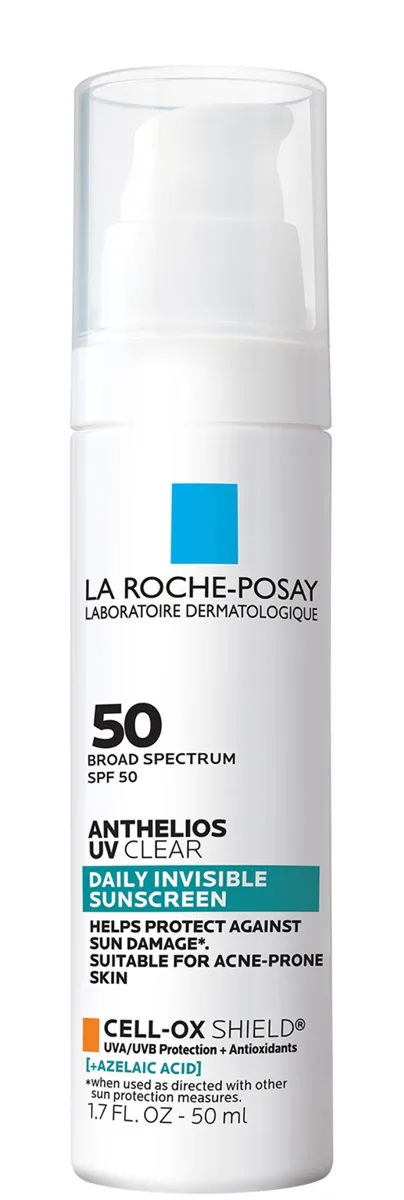 Derm Office Staple
 Anthelios UV Clear Sunscreen SPF 50
One of the only US chemical sunscreens that genuinely earns its 'for sensitive and breakout-prone skin' positioning. A photostable Anthelios filter system paired with a legitimate azelaic acid dose in a lightweight serum-fluid that disappears on every skin tone. Excellent for rosacea, acne, and post-inflammatory hyperpigmentation — and probably the single best daily sunscreen in the La Roche-Posay US lineup for those conditions.
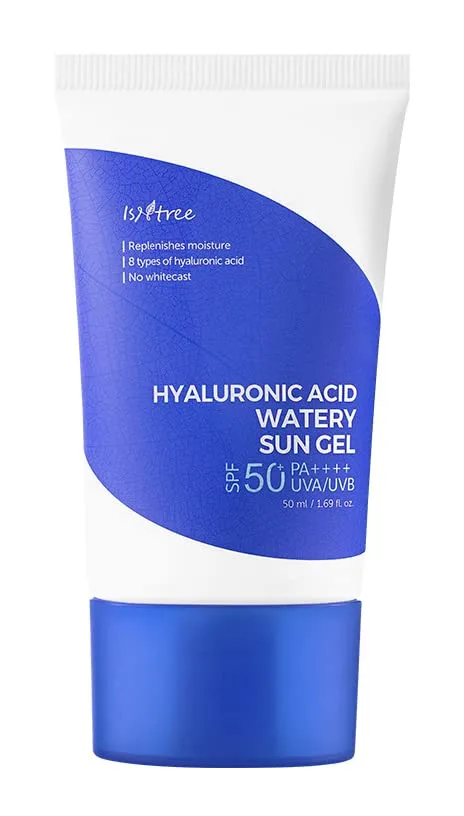 K-Beauty Daily SPF Standout
 Hyaluronic Acid Watery Sun Gel SPF 50+
One of the strongest everyday K-beauty sunscreens in the international market — modern European filters, no white cast, fragrance-free, niacinamide-boosted, and built around the brand's signature six-weight HA complex. At twenty-two dollars for 50ml, it's a case study in how much better a daily sunscreen can be when the formulator cares about both protection and wearability.
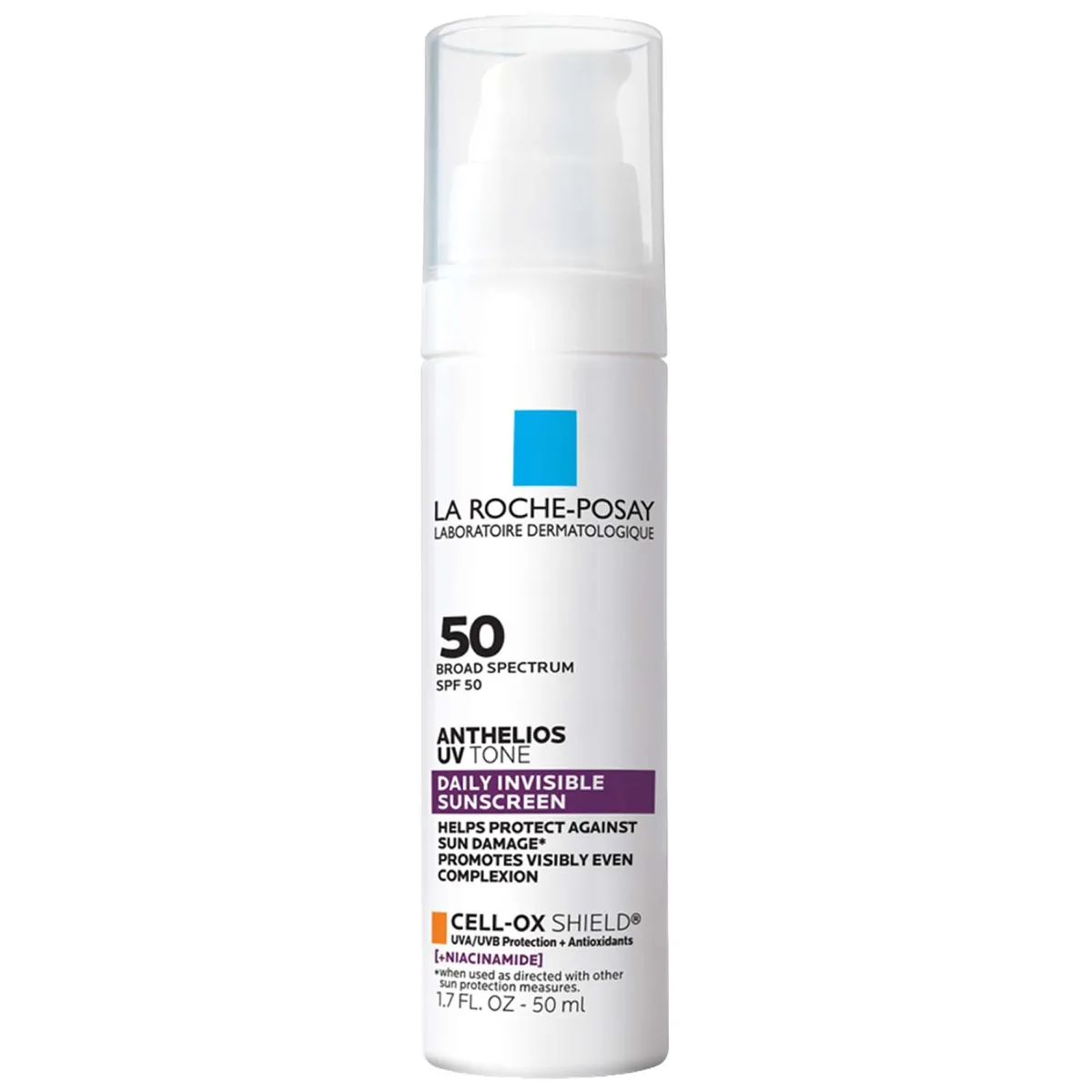 Derm Office Staple
 Anthelios UV Tone Daily Invisible Sunscreen SPF 50
La Roche-Posay's most thoughtful answer yet for hyperpigmentation-prone skin that needs daily SPF. A photostable avobenzone system reinforced with Oxynex ST, paired with a meaningful dose of niacinamide, in a serum-fluid base that goes on invisible on every skin tone. Expensive for 1.7 oz but legitimately well-built — and a rare chemical sunscreen that earns its 'for dark spots' marketing.
 Melasma-Grade Mineral Sunscreen
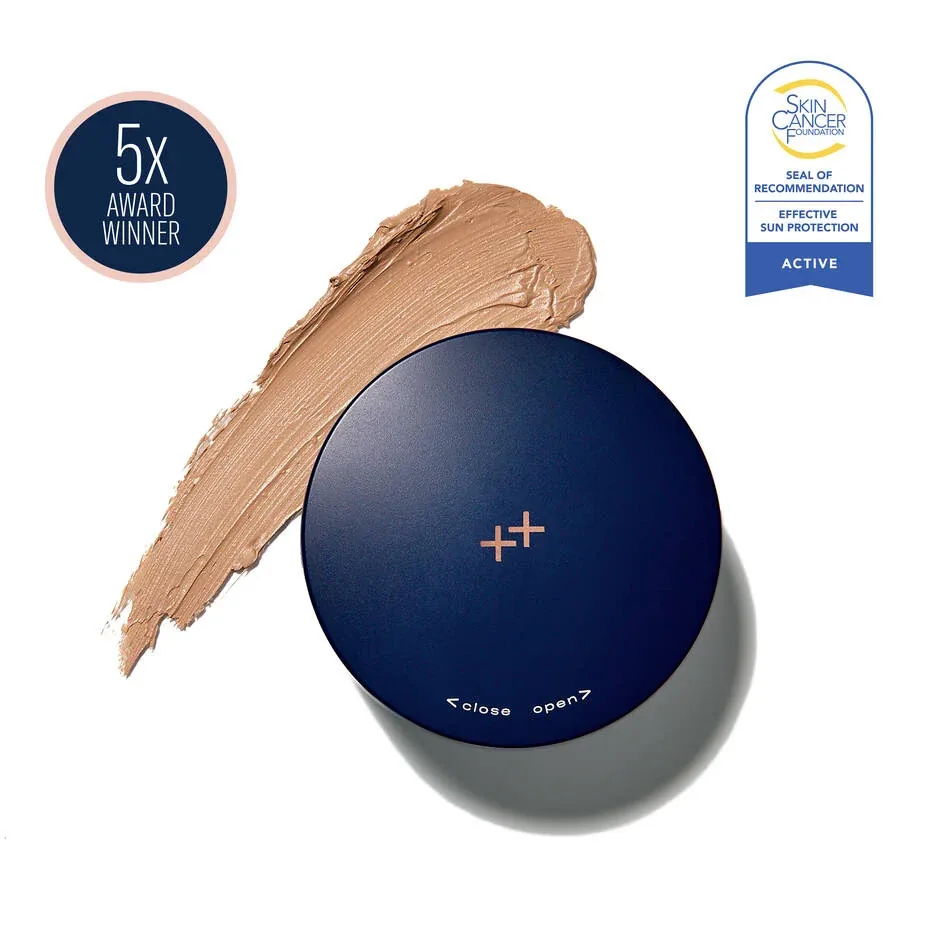
 sunbetter TONE SMART SPF 68
One of the most clinically useful tinted mineral sunscreens in the professional category. SPF 68 from a 100% mineral formula, iron oxide tint that blocks visible light for melasma protection, and an unusually lightweight texture that doesn't feel like you're wearing high-concentration zinc. For patients with melasma or post-inflammatory hyperpigmentation, this is the category benchmark — and it's earned its Allure Best of Beauty wins.
 K-Beauty Cult Favorite
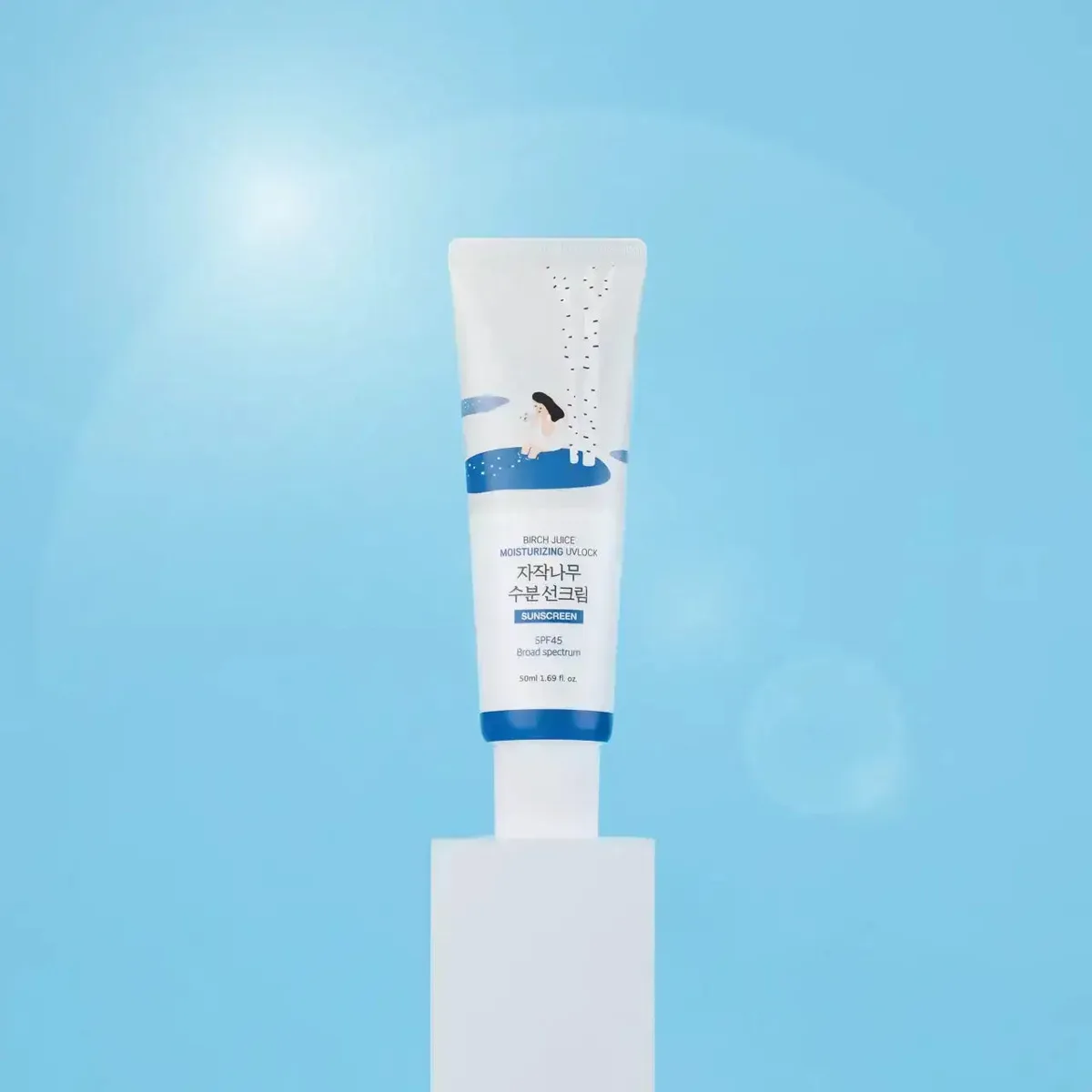
 Birch Juice Moisturizing Sun Cream SPF 50+
One of the best hybrid sunscreens in K-beauty right now — a 70% birch sap base, modern UVA filters you can't get in the US, and a finish that wears like a lightweight moisturizer. Broadly compatible, well-priced, and genuinely pleasant to apply, with minor tradeoffs for oily and fungal-acne-prone users.
 The K-Beauty Sunscreen That Changed Everything
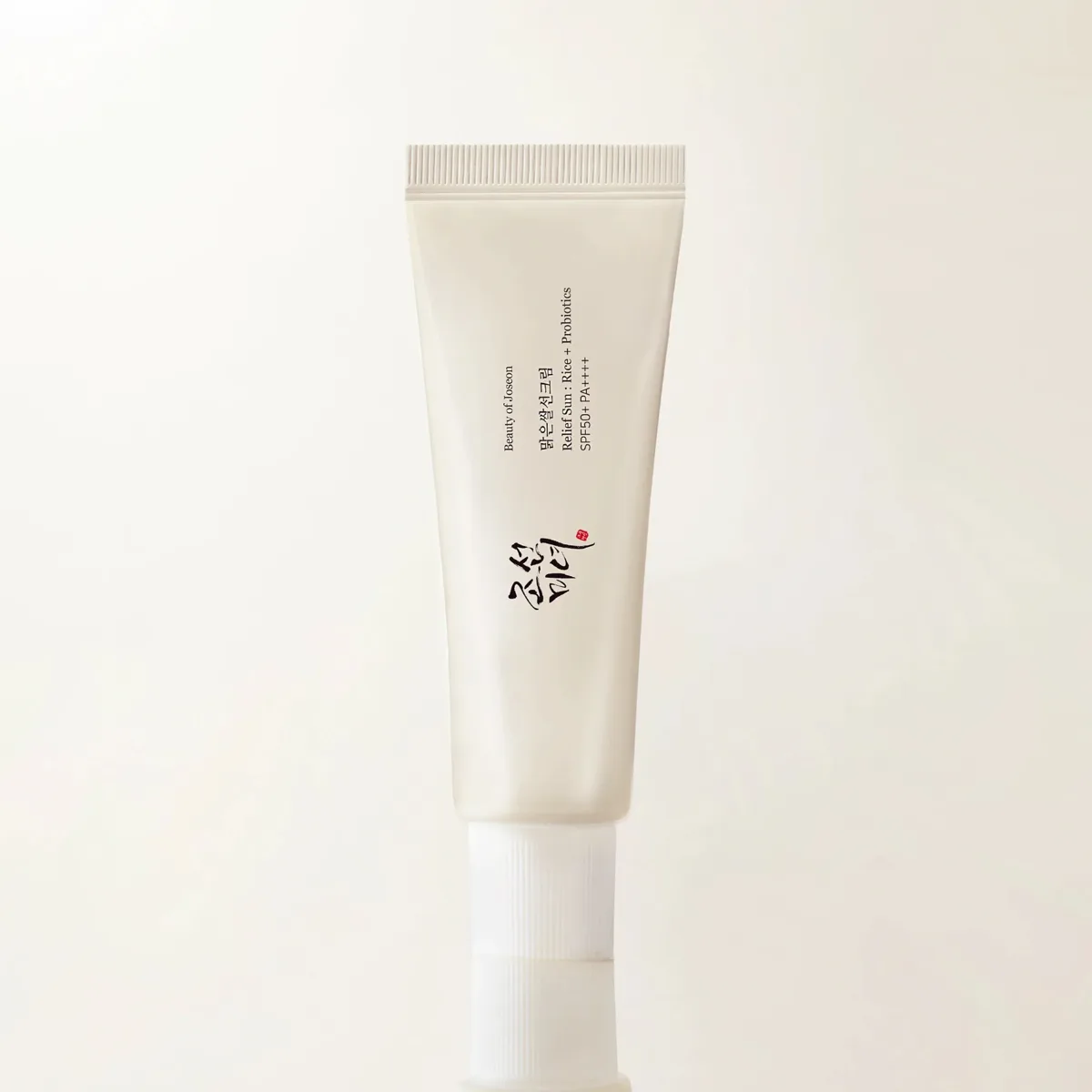
 Relief Sun: Rice + Probiotics SPF 50+
The sunscreen that rewrote the rules for what a $14 product could deliver. With independently verified SPF 50+, 30% rice extract, niacinamide, and a probiotic ferment complex, it offers protection and skincare benefits that rival products three times its price. The texture that feels like wearing nothing on your face is the reason it went viral — and stayed there.
This review reflects our independent analysis of publicly available ingredient data, manufacturer claims, and verified user reviews. We are reader-supported — Amazon links may earn us a commission at no cost to you. We do not accept paid placements; rankings are based solely on the evidence.