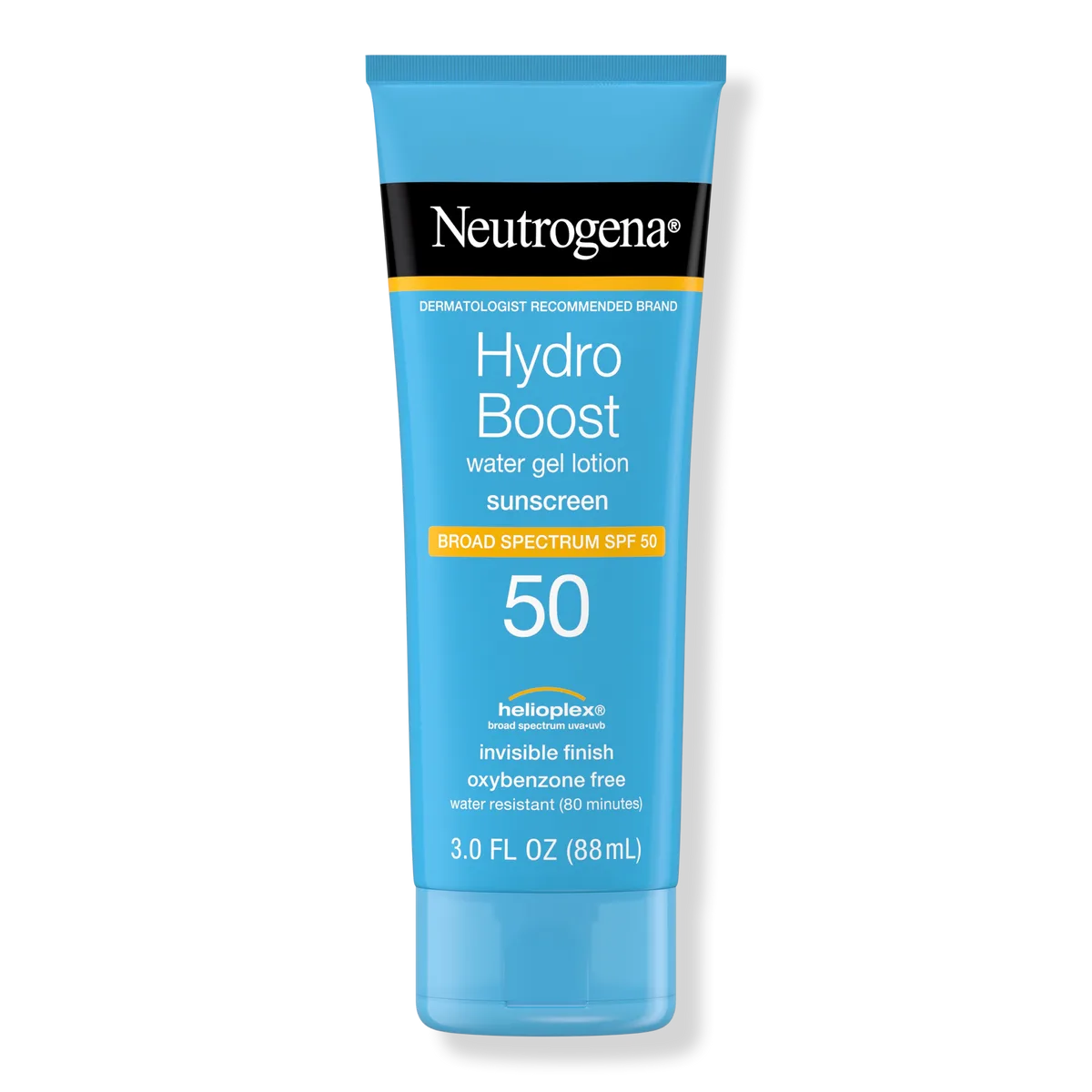
A genuinely hydrating SPF 50 that nails the lightweight texture most drugstore sunscreens fumble, but the fragrance, alcohol, and eye-stinging reputation keep it from being a universal recommendation. Best suited for normal-to-oily skin types who want sun protection that doubles as a light moisturizer.
Hydro Boost Water Gel Sunscreen SPF 50
A genuinely hydrating SPF 50 that nails the lightweight texture most drugstore sunscreens fumble, but the fragrance, alcohol, and eye-stinging reputation keep it from being a universal recommendation. Best suited for normal-to-oily skin types who want sun protection that doubles as a light moisturizer.
Score Breakdown
Where this product gains points and where it loses them — broken down across the four scoring pillars.
A competent drugstore SPF 50 with a genuinely hydrating twist, but the inclusion of alcohol denat., fragrance, and menthyl lactate alongside four chemical filters narrows its audience and caps its score.
Pros & Cons
- ✓Water-gel texture absorbs quickly and feels like a lightweight moisturizer, not a sunscreen
- ✓Broad-spectrum SPF 50 with four chemical filters and photostabilized avobenzone
- ✓No white cast whatsoever, works beautifully on all skin tones
- ✓Hydrolyzed hyaluronic acid provides measurable hydration benefit from the sunscreen step
- ✓Layers seamlessly under makeup without pilling, balling, or disrupting foundation
- ✓Oil-free formula controls shine effectively for normal and oily skin types
- ✓Affordable drugstore pricing with wide retail availability
- ✓Reformulated to remove oxybenzone, addressing environmental and health concerns
- ✗Stings and burns eyes significantly when product migrates during sweating
- ✗Contains alcohol denat. high in the ingredient list, potentially drying for dry or compromised skin
- ✗Fragrance and menthyl lactate make it unsuitable for truly sensitive skin
- ✗Only available in one size — no travel mini or value-size option
- ✗Can appear shiny or greasy in very humid conditions with heavy application
- ✗Chemical filters may concern pregnant users or those avoiding systemic absorption
Full Review
In 2015, Neutrogena looked at the Korean beauty wave sweeping through American skincare routines and made a calculated bet: hyaluronic acid was about to become a household name. The Hydro Boost line launched as an accessible, drugstore entry point into the HA craze, and when the sunscreen extension arrived two years later, it promised something that felt almost contradictory — a sunscreen that actually hydrates.
The pitch worked. The Hydro Boost Water Gel Sunscreen SPF 50 carved out a loyal following among people who'd spent years grimacing through thick, greasy sunscreen application every morning. The water-gel texture genuinely delivers on its promise: it melts into skin with the ease of a lightweight moisturizer, absorbs in under two minutes, and leaves behind a finish that reads as dewy-healthy rather than greasy-neglected. For oily and combination skin types especially, this texture was a revelation. You could actually look forward to applying sunscreen.
The four-filter chemical system — avobenzone at 3%, homosalate at 15%, octisalate at 5%, and octocrylene at 10% — provides legitimate broad-spectrum protection. The octocrylene does double duty as both a UVB filter and a photostabilizer for the avobenzone, which is notoriously prone to breaking down under UV exposure. Research published in AAPS PharmSciTech confirmed that octocrylene significantly reduces avobenzone's light-induced decomposition, and this pairing is what makes the broad-spectrum claim credible over a full day of wear.
The hydrolyzed hyaluronic acid — Hydro Boost's signature — is a smaller molecular weight form of HA that research shows actually penetrates into the stratum corneum rather than just sitting on top of skin. A 2016 study in Skin Research and Technology using Raman spectroscopy confirmed that low molecular weight HA reaches deeper skin layers where standard HA cannot. Paired with glycerin positioned high in the ingredient list, there's genuine humectant activity happening here, not just marketing.
But let's talk about the elephant in the tube: alcohol denat. Listed fourth in the ingredient list, this is not a trace amount. Denatured alcohol is what gives the formula its quick-drying, weightless feel — and it's also what makes this a harder sell for anyone with dry, sensitive, or barrier-compromised skin. The formula essentially gives with one hand (hydrolyzed HA, glycerin) and takes with the other (alcohol, which can disrupt the skin barrier over time). For oily skin, this tradeoff often works beautifully. For dry or reactive skin, it's a gamble.
Then there's the fragrance. In a sunscreen you're applying to your face every single day, synthetic fragrance is a polarizing choice. It's a light, clean scent that most people find inoffensive, but for the growing contingent of skincare consumers who've gone fragrance-free, it's a dealbreaker. Add in menthyl lactate — a cooling agent that can trigger stinging on sensitized skin — and you start to understand why this product's reviews are a study in extremes. People either love it or their skin absolutely does not.
The most common complaint deserves its own paragraph: this sunscreen stings eyes. Not mildly, not occasionally — a significant number of reviewers report burning, watering eyes, especially when sweating. If you're using this for outdoor workouts, beach days, or any activity where it might migrate, proceed with caution. It's a real limitation for a product marketed for active use.
Neutrogena reformulated this product around 2023, removing oxybenzone from the filter lineup. This was a smart move — oxybenzone had become a lightning rod for both environmental concerns (Hawaii banned it in reef-adjacent waters in 2021) and health concerns after a 2020 JAMA study showed chemical UV filters exceeding FDA systemic absorption thresholds under maximal use conditions. The reformulation modernized the filter system without sacrificing the SPF 50 rating, though some long-time users insist the original formula felt better on skin.
The packaging is straightforward Hydro Boost blue — functional, recognizable, nothing fancy. At 3 fl oz, it's compact enough for travel but will last only one to two months with daily face application at the recommended amount. At roughly seventeen dollars, the per-ounce cost is reasonable for a branded SPF 50, though you can certainly find comparable protection for less if hydration isn't a priority.
Value assessment aside, the real question is whether the hydration gimmick — and it is partly a gimmick, given the HA concentration and the counteracting alcohol — justifies choosing this over other chemical SPF 50 options. For normal-to-oily skin types who want a one-step morning product that provides both moisture and protection, it does. The texture is genuinely pleasant in a category where pleasant textures are rare at this price point. For sensitive or dry skin types, the fragrance, alcohol, and chemical filters create too many potential friction points.
Neutrogena's legacy as the number one dermatologist-recommended suncare brand carries weight here — this isn't an untested formula from an unknown lab. Nearly a decade of real-world use across millions of consumers has stress-tested this product thoroughly. It's not perfect, and it's not for everyone, but for the right skin type, it solves a real problem: making daily sunscreen application something you don't dread.
Formula
Key Ingredients
The hero actives that drive this product's performance.
| Ingredient | Function | Evidence |
|---|---|---|
| Avobenzone (3%) | The primary UVA shield in this four-filter system, stabilized here by octocrylene to prevent the photodegradation that plagues avobenzone in solo formulations. Provides the broad-spectrum UVA1 coverage that earns the SPF 50 its 'broad spectrum' designation. | well-established |
| Homosalate (15%) | Present at the maximum allowable concentration, this UVB absorber does the heavy lifting for the SPF number. Works alongside octisalate and octocrylene to build a layered UVB defense that allows the formula to hit SPF 50 without requiring mineral filters. | well-established |
| Octocrylene (10%) | Pulls double duty in this formula as both a UVB filter and a photostabilizer for avobenzone, preventing the keto-enol tautomerization that would otherwise degrade UVA protection over sun exposure. This pairing is why the broad-spectrum claim holds up. | well-established |
| Hydrolyzed Hyaluronic Acid | The Hydro Boost line's signature ingredient — a low molecular weight form of HA that penetrates deeper into the stratum corneum than full-size HA. In this sunscreen context, it provides a hydration layer that counteracts the drying effect of the alcohol denat. in the formula. | well-established |
| Glycerin | Supports the hydrolyzed HA by providing an additional humectant layer, drawing moisture into skin while the silicones in the formula help lock it in. Positioned high in the ingredient list, suggesting a meaningful concentration. | well-established |
Full INCI List
Active Ingredients: Avobenzone 3%, Homosalate 15%, Octisalate 5%, Octocrylene 10%. Inactive Ingredients: Water, Butyloctyl Salicylate, Glycerin, Alcohol Denat., Silica, Caprylyl Methicone, Aluminum Starch Octenylsuccinate, Dimethicone, Polyurethane-62, Phenoxyethanol, Pentylene Glycol, Styrene/Acrylates Copolymer, Sodium Acryloyldimethyltaurate/VP Crosspolymer, Acrylates/Dimethicone Copolymer, Fragrance, Glyceryl Stearate, Chlorphenesin, Menthyl Lactate, Tocopheryl Acetate, Disodium EDTA, Trideceth-6, Hydrolyzed Hyaluronic Acid, Sodium Hydroxide, Blue 1
Product Flags
✗ Fragrance Free✗ Alcohol Free✓ Oil Free✗ Silicone Free✓ Paraben Free✓ Sulfate Free✗ Cruelty Free✓ Vegan✗ Fungal Acne Safe
Comedogenic Ingredients
Glyceryl Stearate
Potential Irritants
Alcohol Denat.FragranceMenthyl LactateAvobenzoneHomosalateOctocrylene
Common Allergens
Fragrance
Compatibility
Skin Match
Best For
Works For
Not Ideal For
Addresses These Conditions
sun damage aging dehydration dullness
Use With Caution
Avoid With
Routine Step
sunscreen
Time of Day
AM
Pregnancy Safe
Unknown
Layering Tips
Apply as the final step in your morning skincare routine, before makeup. Oily skin types can skip a separate moisturizer underneath. For dry skin, layer over a hydrating serum or moisturizer. Apply liberally 15 minutes before sun exposure.
Results Timeline
UV protection is immediate upon absorption (allow 15 minutes before sun exposure). Hydrating effects are noticeable from first use. Long-term sun damage prevention requires consistent daily application over weeks and months.
Pairs Well With
hyaluronic acid serumsvitamin C serumslightweight moisturizers
Sample AM Routine
- Gentle cleanser
- Hyaluronic acid serum
- Lightweight moisturizer (optional for oily skin)
- Neutrogena Hydro Boost Water Gel Sunscreen SPF 50
Sample PM Routine
- Gentle cleanser
- Treatment serum
- Moisturizer
Evidence
Who Should Skip
- Stings and burns eyes significantly when product migrates during sweating
- Contains alcohol denat. high in the ingredient list, potentially drying for dry or compromised skin
- Fragrance and menthyl lactate make it unsuitable for truly sensitive skin
- Only available in one size — no travel mini or value-size option
Science & Expert Perspective
The Science
This sunscreen's four-filter system relies on a well-understood photochemical strategy. Avobenzone provides the UVA coverage, but it's inherently unstable — exposure to UV light triggers a keto-enol tautomerization that degrades its protective capacity. The inclusion of octocrylene at 10% directly addresses this. A 2009 study published in AAPS PharmSciTech demonstrated that co-formulating octocrylene with avobenzone reduced light-induced decomposition from 28.6% to 21.5%, and a comprehensive 2015 patent review in Recent Patents on Drug Delivery & Formulation documented this as the most widely used commercial photostabilization approach.
The homosalate at 15% — the FDA's maximum allowable concentration — raises a point worth addressing. A 2020 JAMA randomized clinical trial conducted by FDA researchers found that all tested chemical UV filters, including homosalate, exceeded the 0.5 ng/mL systemic absorption threshold under maximal application conditions. The study authors were careful to note this does not establish harm — it establishes the need for further study. A 2025 review in the Journal of the American Academy of Dermatology affirmed the dermatological consensus that sunscreen benefits outweigh theoretical absorption risks.
The hydrolyzed hyaluronic acid brings genuine science to the hydration claim. Unlike standard high molecular weight HA (1000-1400 kDa), hydrolyzed HA has been shown to penetrate the stratum corneum. A 2016 study in Skin Research and Technology using Raman micro-imaging on human skin confirmed that low molecular weight HA (20-300 kDa) penetrated through the stratum corneum while larger HA could not. A 2024 double-blind randomized controlled trial published in Archives of Dermatological Research further validated that low molecular weight HA produced significantly greater skin hydration than high molecular weight HA after four weeks of daily application. The combination of hydrolyzed HA with glycerin creates a dual-humectant system, though the alcohol denat. in the formula partially undermines this hydration benefit by potentially disrupting the lipid barrier.
References
- Incorporation in lipid microparticles of the UVA filter, butyl methoxydibenzoylmethane combined with the UVB filter, octocrylene: effect on photostability — AAPS PharmSciTech (2009)
- Effect of Sunscreen Application on Plasma Concentration of Sunscreen Active Ingredients: A Randomized Clinical Trial — JAMA (2020)
- Human skin penetration of hyaluronic acid of different molecular weights as probed by Raman spectroscopy — Skin Research and Technology (2016)
- Effectiveness of topical hyaluronic acid of different molecular weights in xerosis cutis treatment in elderly: a double-blind, randomized controlled trial — Archives of Dermatological Research (2024)
- Sunscreens part 2: Regulation and safety — Journal of the American Academy of Dermatology (2025)
Dermatologist Perspective
Dermatologists frequently recommend the Hydro Boost Water Gel Sunscreen for patients who struggle with sunscreen compliance due to texture aversion. Board-certified dermatologists note that the lightweight, hydrating formula addresses one of the most common barriers to daily SPF use — the heavy, greasy feel that leads people to skip or under-apply. The broad-spectrum SPF 50 rating with photostabilized avobenzone meets the AAD's recommendation for daily sunscreen use. However, dermatologists typically caution patients with rosacea, eczema, or compromised barriers to opt for fragrance-free mineral alternatives instead, as the alcohol denat. and chemical filters in this formula may exacerbate irritation in reactive skin.
Guidance
Usage Guide
How to Use
Apply liberally to face and neck fifteen minutes before sun exposure as the last step in your morning skincare routine, before makeup. Use approximately a nickel-sized amount for the face alone. Reapply every two hours during direct sun exposure or immediately after eighty minutes of swimming or heavy sweating. For daily indoor use, morning application is generally sufficient but reapply before heading outdoors. Can be used over a moisturizer for dry skin or directly on clean skin for oily types.
Value Assessment
At roughly seventeen dollars for a 3 fl oz tube, this sits in the mid-range of drugstore sunscreens — not the cheapest option, but competitive for a branded SPF 50 with hydrating benefits. A tube lasts one to two months with daily face application. The lack of size options is a miss — there's no mini for trial and no larger tube for better per-ounce value. Neutrogena's legacy and the genuine hydration technology justify the price over generic chemical SPFs, but the fragrance, alcohol, and eye-stinging issues mean you're paying for a formula that's optimized for a specific skin type rather than universally appealing.
Who Should Buy
Normal, combination, and oily skin types who want a lightweight daily SPF 50 that genuinely hydrates and layers well under makeup. Ideal for anyone who's been skipping sunscreen because they hate the greasy feel of traditional formulas.
Who Should Skip
Sensitive skin types, anyone with rosacea or eczema, fragrance-averse users, and those who need a sunscreen for sweaty activities where eye migration is a concern. Pregnant users may want to opt for mineral sunscreen alternatives instead.
Ready to try Neutrogena Hydro Boost Water Gel Sunscreen SPF 50?
Details
Details
Texture
A lightweight water-gel that melts into a thin, almost fluid consistency on contact with skin. Not a true gel — more of a gel-lotion hybrid that spreads easily and absorbs quickly without dragging.
Scent
Light, clean fragrance with a subtle floral-fresh note. Noticeable on application but dissipates within a few minutes. Not overwhelming but present enough that fragrance-averse users will notice it.
Packaging
Compact blue squeeze tube with flip-top cap, consistent with the Hydro Boost line's signature blue branding. Travel-friendly at 3 fl oz. Functional but not luxurious.
Finish
lightweightnon-greasydewy
What to Expect on First Use
Applies with a subtle cooling sensation from the menthyl lactate. Absorbs within one to two minutes into a lightweight, slightly dewy finish. May feel faintly tacky for a moment before fully setting. No adjustment period needed — what you experience on day one is what you get ongoing.
How Long It Lasts
1-2 months with daily face-only application at recommended amount
Period After Opening
12 months
Best Season
spring summer
Background
The Why
The Hydro Boost line launched in 2015 as Neutrogena's answer to the Korean beauty hydration trend, centering everything on hyaluronic acid. The sunscreen extension arrived in 2017, filling a gap for consumers who wanted lightweight, hydrating sun protection without the greasy feel of traditional formulas. A reformulation around 2023 removed oxybenzone, reflecting the broader industry shift away from the controversial UV filter.
About Neutrogena Legacy Brand (20+ years)
Neutrogena was founded in 1930 and rebranded in 1962, building its reputation through direct relationships with dermatologists. Now operated by Kenvue (formerly Johnson & Johnson Consumer Health), it remains the #1 dermatologist-recommended suncare brand in the United States with decades of formulation research.
Brand founded: 1930 · Product launched: 2017
Myth vs. Reality
Myths & Misconceptions
Myth
Water gel sunscreens provide weaker protection than thick, traditional sunscreens
Reality
SPF is tested identically regardless of texture. This product's SPF 50 provides the same measured protection as any thick cream-based SPF 50 when applied at the recommended 2mg per square centimeter.
Myth
The hyaluronic acid in this sunscreen replaces the need for a separate moisturizer
Reality
The hydrolyzed HA provides supplementary hydration, but it appears near the end of the ingredient list and the alcohol denat. may offset some benefits. Dry skin types will still benefit from a dedicated moisturizer underneath.
FAQ
Frequently Asked Questions
Is Neutrogena Hydro Boost Sunscreen SPF 50 good for oily skin?
This oil-free water-gel formula was designed with oily skin in mind. The lightweight texture absorbs quickly without leaving greasy residue, and the hydrolyzed hyaluronic acid provides hydration without adding oil. However, the dewy finish may read as shiny in very humid conditions — blotting or a mattifying primer can help.
Does Neutrogena Hydro Boost Sunscreen leave a white cast?
No. This is a chemical sunscreen using organic UV filters — avobenzone, homosalate, octisalate, and octocrylene — that absorb into skin without leaving visible residue. It works on all skin tones without any white cast, which is one of its strongest selling points.
Is Neutrogena Hydro Boost Sunscreen reef safe?
The reformulated version removed oxybenzone and octinoxate, the two UV filters most associated with coral reef damage. However, it still contains octocrylene, which some emerging research suggests may also affect marine life. It is not certified reef-safe by any third-party organization.
Can I use Neutrogena Hydro Boost Sunscreen during pregnancy?
This product uses chemical UV filters that some dermatologists recommend avoiding during pregnancy due to limited systemic absorption data. A 2020 JAMA study showed these filters exceed FDA absorption thresholds under maximal use. Consult your healthcare provider — many will recommend switching to a mineral sunscreen with zinc oxide or titanium dioxide.
Does Neutrogena Hydro Boost Sunscreen have alcohol in it?
Yes — the formula contains alcohol denat. (denatured alcohol), which contributes to its lightweight, fast-absorbing water-gel texture. While this gives the product its refreshing, non-greasy feel, it can be drying or irritating for those with sensitive, eczema-prone, or very dry skin.
How often should I reapply Neutrogena Hydro Boost Sunscreen?
Every two hours during direct sun exposure, or immediately after 80 minutes of swimming or heavy sweating. For typical indoor days with minimal sun exposure, morning application may suffice, but reapply before any significant time outdoors.
Is this the same as Neutrogena Hydro Boost Moisturizer SPF 50?
No — these are different products. The Water Gel Sunscreen SPF 50 is a dedicated sunscreen for face and body in a 3 fl oz tube. The Hydro Boost Moisturizer SPF 50 is a facial moisturizer with sun protection in a smaller 1.7 fl oz jar, with a different ingredient list and no fragrance.
Community
Community Voices
Common Praise
"Lightweight water-gel texture feels nothing like traditional sunscreen"
"Layers beautifully under makeup without pilling or balling"
"No white cast on any skin tone"
"Provides noticeable hydration while protecting from UV"
"Oil-free formula controls shine for most of the day"
"Affordable drugstore price point for SPF 50 protection"
Common Complaints
"Burns and stings eyes severely when sweating"
"Fragrance and alcohol bother sensitive skin users"
"Can feel greasy or shiny in high humidity"
"Some users report breakouts after extended use"
"Texture and performance changed with reformulation"
Notable Endorsements
Neutrogena is the #1 dermatologist-recommended suncare brand in the US
Appears In
best sunscreen for oily skin best drugstore sunscreen best hydrating sunscreen best sunscreen under makeup best sunscreen for combination skin best lightweight sunscreen
Related Conditions
sun damage aging dehydration hyperpigmentation dullness dark spots
Related Ingredients
You Might Also Like
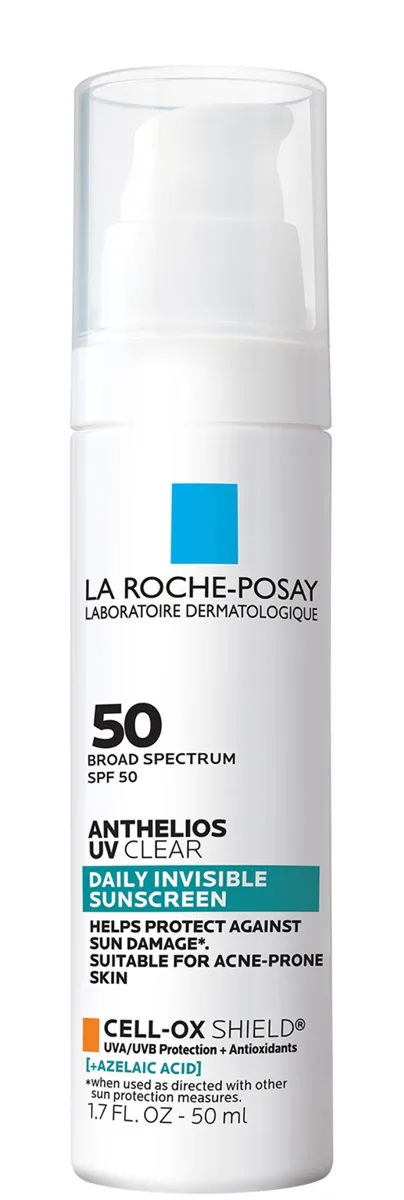 Derm Office Staple
 Anthelios UV Clear Sunscreen SPF 50
One of the only US chemical sunscreens that genuinely earns its 'for sensitive and breakout-prone skin' positioning. A photostable Anthelios filter system paired with a legitimate azelaic acid dose in a lightweight serum-fluid that disappears on every skin tone. Excellent for rosacea, acne, and post-inflammatory hyperpigmentation — and probably the single best daily sunscreen in the La Roche-Posay US lineup for those conditions.
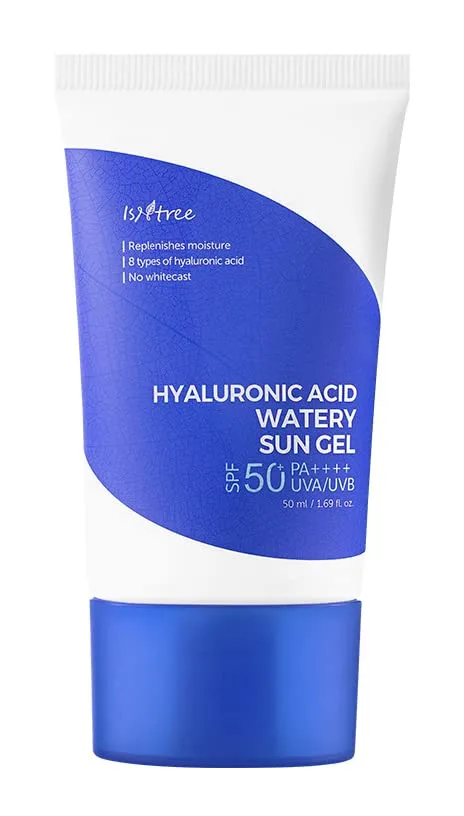 K-Beauty Daily SPF Standout
 Hyaluronic Acid Watery Sun Gel SPF 50+
One of the strongest everyday K-beauty sunscreens in the international market — modern European filters, no white cast, fragrance-free, niacinamide-boosted, and built around the brand's signature six-weight HA complex. At twenty-two dollars for 50ml, it's a case study in how much better a daily sunscreen can be when the formulator cares about both protection and wearability.
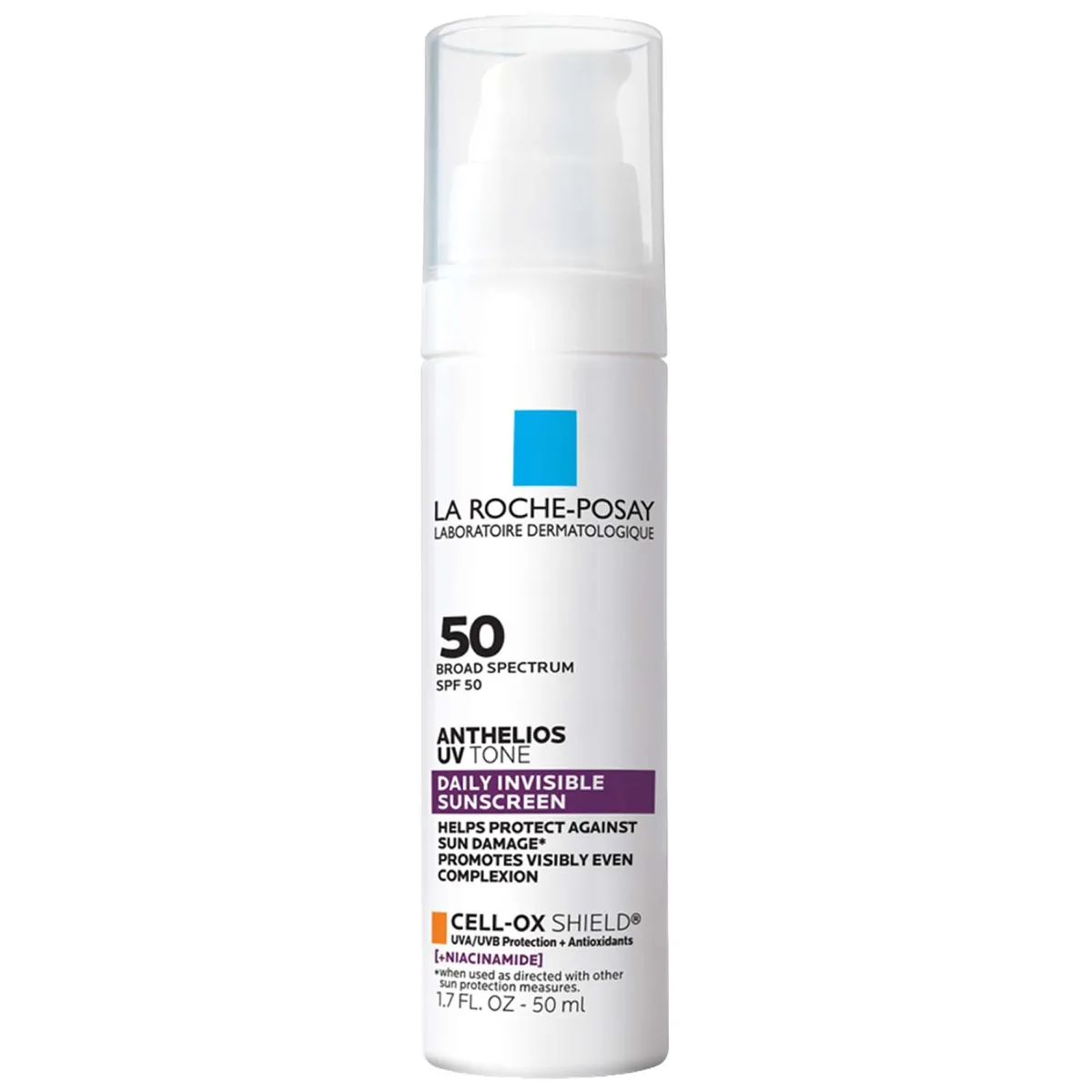 Derm Office Staple
 Anthelios UV Tone Daily Invisible Sunscreen SPF 50
La Roche-Posay's most thoughtful answer yet for hyperpigmentation-prone skin that needs daily SPF. A photostable avobenzone system reinforced with Oxynex ST, paired with a meaningful dose of niacinamide, in a serum-fluid base that goes on invisible on every skin tone. Expensive for 1.7 oz but legitimately well-built — and a rare chemical sunscreen that earns its 'for dark spots' marketing.
 Melasma-Grade Mineral Sunscreen
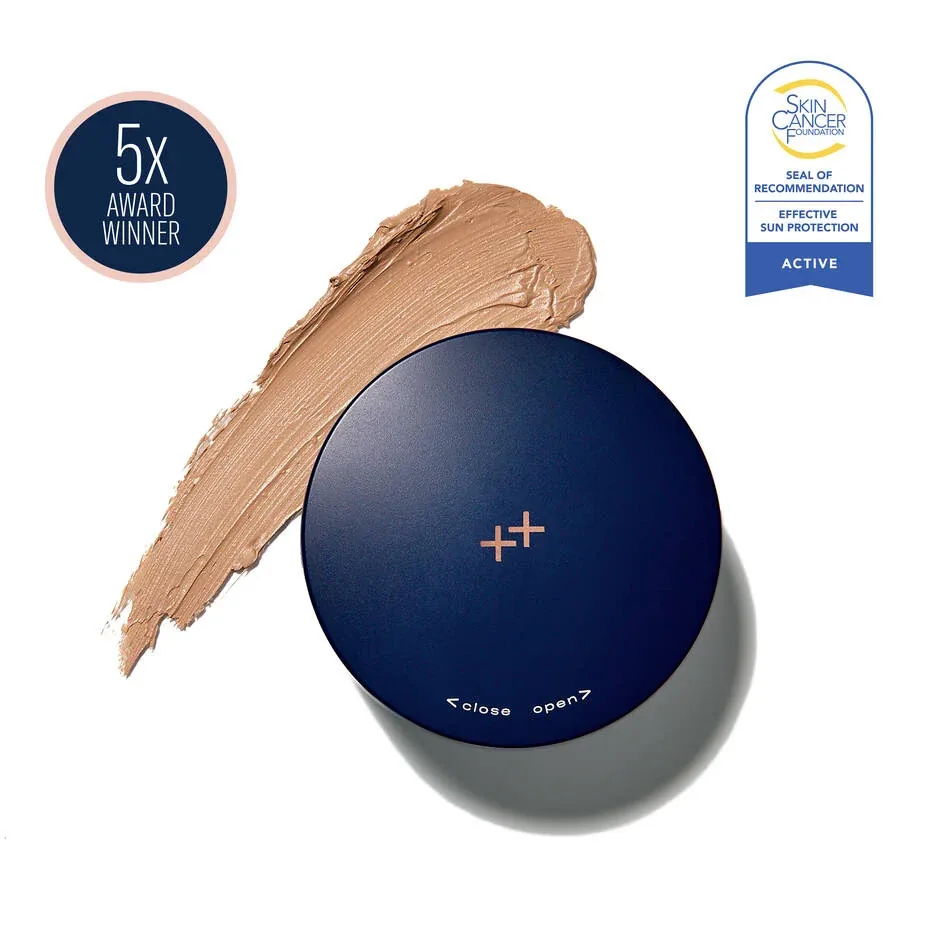
 sunbetter TONE SMART SPF 68
One of the most clinically useful tinted mineral sunscreens in the professional category. SPF 68 from a 100% mineral formula, iron oxide tint that blocks visible light for melasma protection, and an unusually lightweight texture that doesn't feel like you're wearing high-concentration zinc. For patients with melasma or post-inflammatory hyperpigmentation, this is the category benchmark — and it's earned its Allure Best of Beauty wins.
 K-Beauty Cult Favorite
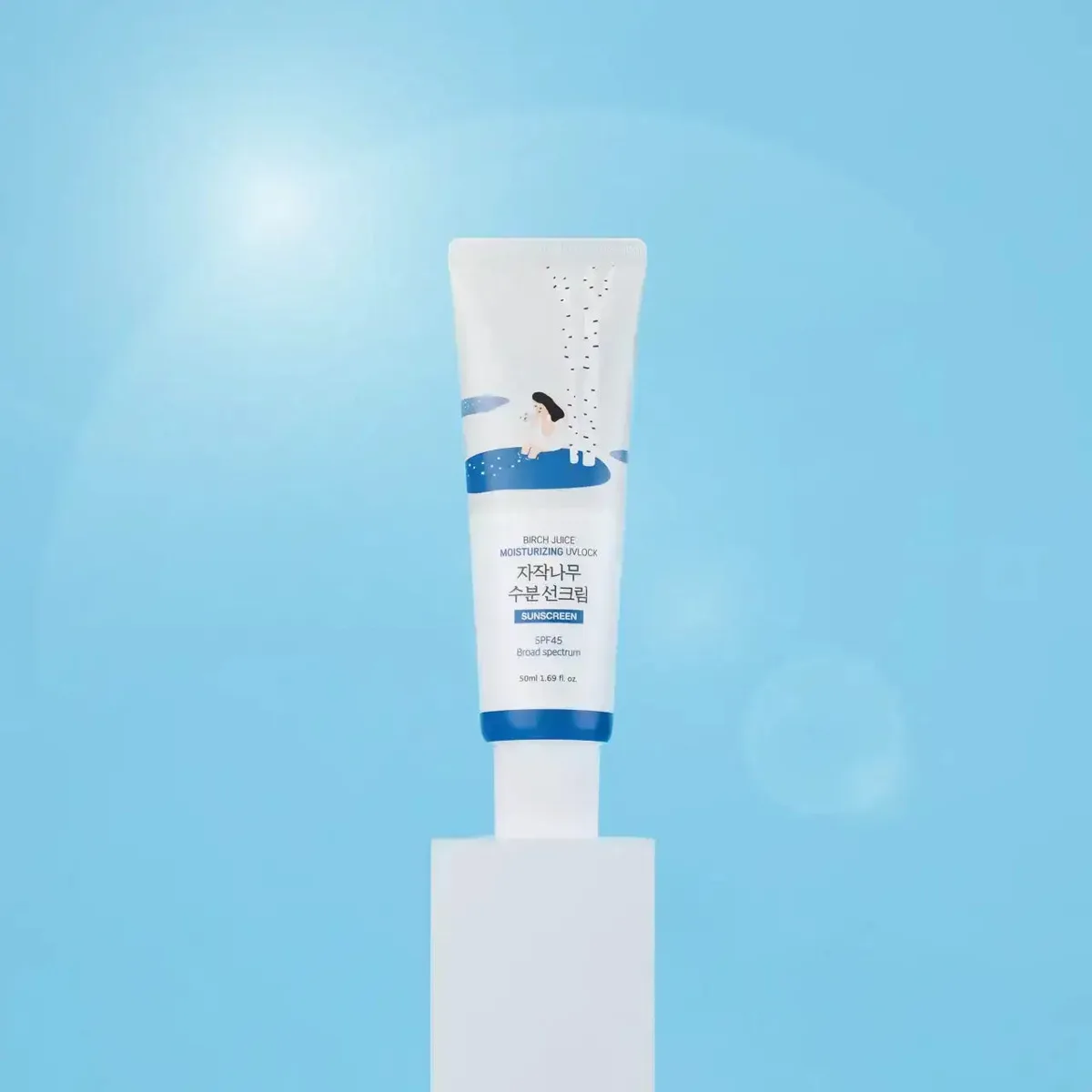
 Birch Juice Moisturizing Sun Cream SPF 50+
One of the best hybrid sunscreens in K-beauty right now — a 70% birch sap base, modern UVA filters you can't get in the US, and a finish that wears like a lightweight moisturizer. Broadly compatible, well-priced, and genuinely pleasant to apply, with minor tradeoffs for oily and fungal-acne-prone users.
 The K-Beauty Sunscreen That Changed Everything
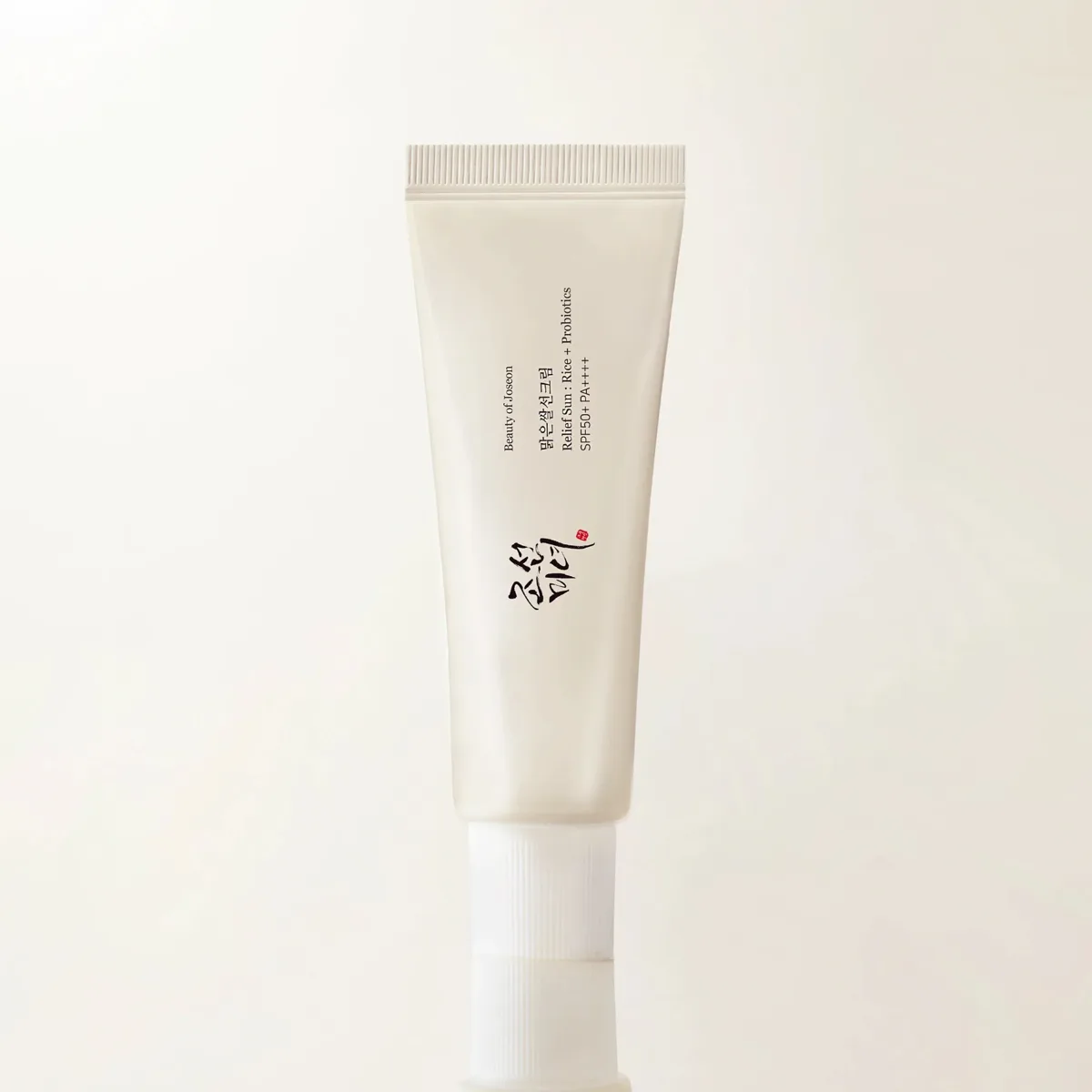
 Relief Sun: Rice + Probiotics SPF 50+
The sunscreen that rewrote the rules for what a $14 product could deliver. With independently verified SPF 50+, 30% rice extract, niacinamide, and a probiotic ferment complex, it offers protection and skincare benefits that rival products three times its price. The texture that feels like wearing nothing on your face is the reason it went viral — and stayed there.
This review reflects our independent analysis of publicly available ingredient data, manufacturer claims, and verified user reviews. We are reader-supported — Amazon links may earn us a commission at no cost to you. We do not accept paid placements; rankings are based solely on the evidence.