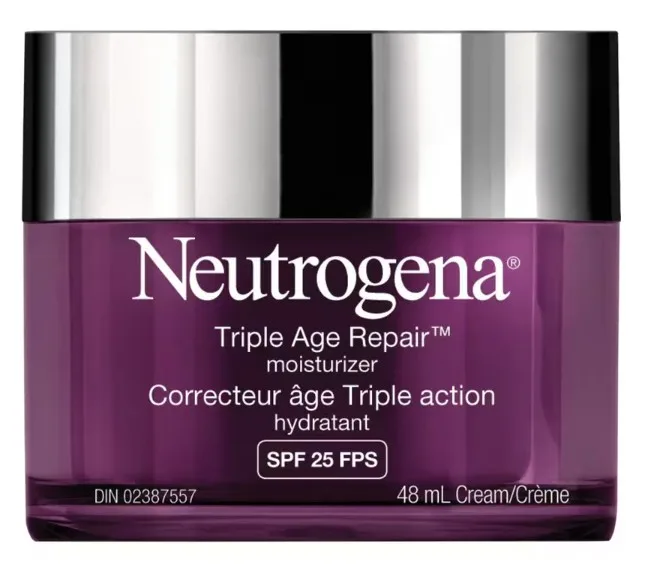
A surprisingly sophisticated drugstore moisturizer hiding a genuinely potent brightening ingredient — hexylresorcinol — behind unassuming purple packaging. The dark spot fading is real and research-backed, the moisturizing is comfortable, and the convenience of an all-in-one morning product is undeniable. But SPF 25 falls below dermatologist standards, and the fragrance and parabens narrow its appeal.
Triple Age Repair Moisturizer SPF 25
A surprisingly sophisticated drugstore moisturizer hiding a genuinely potent brightening ingredient — hexylresorcinol — behind unassuming purple packaging. The dark spot fading is real and research-backed, the moisturizing is comfortable, and the convenience of an all-in-one morning product is undeniable. But SPF 25 falls below dermatologist standards, and the fragrance and parabens narrow its appeal.
Score Breakdown
Where this product gains points and where it loses them — broken down across the four scoring pillars.
The hexylresorcinol (Hexinol) technology is a genuinely interesting and research-backed brightening ingredient that sets this apart from generic SPF moisturizers. However, the SPF 25 falls short of dermatologist standards, and the inclusion of fragrance, parabens, and comedogenic ingredients limits its audience.
Pros & Cons
- ✓Hexylresorcinol (Hexinol) is a research-backed brightening active far more potent than kojic acid or arbutin
- ✓Ascorbyl glucoside and hexylresorcinol create a dual-pathway approach to evening skin tone
- ✓Aquaxyl complex provides patented hydration that optimizes the skin's own moisture reserves
- ✓Soft-focus blurring from methyl methacrylate crosspolymer smooths appearance immediately
- ✓Rich yet quick-absorbing texture works well as a makeup base for dry and normal skin
- ✓Over 13,000 Amazon reviews with 4.5-star average documenting real dark spot improvement
- ✓Convenient all-in-one morning product combining moisturizer, brightener, and SPF
- ✗SPF 25 falls below the dermatologist-recommended minimum of SPF 30 for daily use
- ✗Contains fragrance — an unnecessary irritation risk in a product for potentially sensitized skin
- ✗Contains three parabens which many consumers actively prefer to avoid
- ✗Ethylhexyl palmitate and shea butter are comedogenic — not suitable for acne-prone skin
- ✗Jar packaging exposes air-sensitive active ingredients to degradation with each opening
- ✗Anti-wrinkle claims are somewhat overstated relative to the formulation's actual strengths
Full Review
Most drugstore anti-aging moisturizers with SPF are exercises in mediocrity. They moisturize adequately, provide some sun protection, and scatter a few antioxidants across the ingredient list for marketing purposes. The Neutrogena Triple Age Repair Moisturizer SPF 25 follows this template in many ways, but it has one genuinely interesting card to play — and it's an ingredient most consumers have never heard of.
Hexylresorcinol, which Neutrogena markets as Hexinol technology, is a tyrosinase inhibitor with published research backing its potency. In vitro studies have demonstrated an IC50 (the concentration needed to inhibit 50% of enzyme activity) of approximately 16 micromoles — compare that to kojic acid at 658 micromoles or arbutin at over 1,000 micromoles. In practical terms, hexylresorcinol is dramatically more effective at blocking the enzyme responsible for melanin production than either of those more famous brightening ingredients. Published research has shown that at concentrations around 0.4-0.5%, its skin-lightening efficacy is comparable to 2% hydroquinone — the former gold standard that fell out of consumer favor due to safety concerns at high concentrations.
This is not a typical drugstore ingredient. Finding it in a thirty-dollar Neutrogena jar rather than a hundred-dollar dermatologist-dispensed product is genuinely notable. Whether the concentration in this formula is sufficient for clinical-grade results isn't disclosed, but the ingredient's presence at all elevates this product above the sea of generic niacinamide-and-vitamin-E moisturizers competing for shelf space.
Ascorbyl glucoside, a stable vitamin C derivative, provides secondary brightening support and antioxidant protection. It's less immediately powerful than pure L-ascorbic acid but more stable in this type of formulation — an appropriate trade-off for a daily-use product that sits in a jar exposed to air. The Aquaxyl complex (xylitylglucoside, anhydroxylitol, xylitol) adds patented hydration technology that optimizes the skin's own moisture reserves, while glycerin and shea butter handle the more conventional moisturizing duties.
On the skin, the cream is pleasant in a straightforward way. It's rich enough to feel nourishing on dry and normal skin but absorbs cleanly enough to avoid the greasy film that heavier anti-aging creams leave behind. Methyl methacrylate crosspolymer provides a soft-focus blurring effect on pores and fine lines — the kind of cosmetic trick that makes skin look immediately smoother while the active ingredients work on actual structural improvement underneath. Mica and titanium dioxide add a subtle luminosity that photographs better than it reads on an ingredient list.
The SPF 25 situation requires direct honesty. It's below the dermatologist-recommended minimum of SPF 30. The four-filter chemical system (avobenzone, homosalate, octisalate, octocrylene) provides legitimate broad-spectrum protection, but the SPF 25 rating means you're starting with less margin than you should have. Given that most people underapply SPF products by 50-75%, the real-world protection from this moisturizer may land around SPF 8-12 — which is better than nothing but not adequate as your sole sun protection on a day with meaningful sun exposure. For commuting, errands, and indoor days with brief outdoor moments, it's functional. For anything more, layer a dedicated sunscreen.
The fragrance is present and noticeable. It's not overwhelming, but it's there, and in a product containing active brightening ingredients being applied to potentially sensitized or hyperpigmented skin, it's an unnecessary irritation risk. The three parabens (methylparaben, ethylparaben, propylparaben) will also deter consumers who prefer paraben-free products. To be clear: parabens at cosmetic concentrations are considered safe by every major regulatory body. But consumer preference is consumer preference, and this formulation doesn't accommodate it.
The comedogenic ingredients deserve a flag. Ethylhexyl palmitate and shea butter are both known to clog pores in some individuals. If you're acne-prone or have oily skin, this formula may cause breakouts — and an anti-aging product that gives you new skin problems isn't solving anything. This cream is genuinely better suited for dry to normal skin that can handle the richer formulation without consequence.
The jar packaging continues Neutrogena's frustrating habit of putting light-sensitive and air-sensitive ingredients in containers that expose them to both. The ascorbyl glucoside is more stable than pure vitamin C, which helps, but the hexylresorcinol and other actives would all benefit from an airless pump or tube format. This is a solvable problem that Neutrogena hasn't solved for this product line.
Results from the brightening complex are where this product earns its keep. Users consistently report visible improvement in dark spots and skin tone evenness over four to eight weeks of daily use. This tracks with the hexylresorcinol mechanism — tyrosinase inhibition doesn't erase existing pigment but prevents new melanin from being deposited, so improvement is gradual and cumulative. The thirteen thousand reviews on Amazon with a 4.5-star average tell a remarkably consistent story: it works for tone evening, it moisturizes well, and it's a convenient morning routine simplifier.
At approximately twenty-two to twenty-nine dollars depending on the retailer, the value is reasonable but not exceptional. You're paying a premium over basic SPF moisturizers, but you're getting the hexylresorcinol technology that justifies the uplift. Whether that premium is worth it depends on whether dark spots and uneven tone are among your primary skin concerns — if they are, this is one of the few drugstore products with a research-backed active targeting them specifically.
The bottom line: this is a better product than it looks. The purple jar and generic anti-aging marketing don't telegraph the genuinely interesting ingredient technology inside. If you have dry to normal skin, care about dark spot fading, and want a convenient morning moisturizer that does more than just moisturize, the hexylresorcinol alone makes this worth consideration. Just don't rely on the SPF 25 as your only sun protection, and be prepared for the fragrance and parabens if those are deal-breakers for you.
Formula
Key Ingredients
The hero actives that drive this product's performance.
| Ingredient | Function | Evidence |
|---|---|---|
| Hexylresorcinol (Hexinol Technology) | Neutrogena's proprietary tyrosinase inhibitor that is significantly more potent than kojic acid and arbutin in vitro — published research shows comparable skin-lightening efficacy to 2% hydroquinone at just 0.4-0.5% concentration. Works synergistically with the ascorbyl glucoside in this formula to target dark spots and uneven tone. | promising |
| Ascorbyl Glucoside | Stable vitamin C derivative that provides antioxidant protection and contributes to skin brightening alongside the hexylresorcinol, offering a dual-pathway approach to evening skin tone without the instability issues of pure L-ascorbic acid. | well-established |
| Aquaxyl Complex (Xylitylglucoside, Anhydroxylitol, Xylitol) | Patented plant sugar-derived hydration complex that optimizes the skin's own water reserves and reinforces barrier function, working alongside glycerin and shea butter to maintain sustained moisturization throughout the day. | promising |
| Butyrospermum Parkii (Shea) Butter | Rich occlusive emollient providing nourishment, barrier repair, and antioxidant benefits that help seal in the hydration delivered by the Aquaxyl complex and glycerin — contributes to the cream's rich, comfortable texture. | well-established |
| Bisabolol | Chamomile-derived anti-inflammatory agent that calms skin and helps offset potential irritation from the chemical UV filters and active brightening ingredients in the formula. | promising |
Full INCI List
Active Ingredients: Avobenzone 2%, Homosalate 4%, Octisalate 4%, Octocrylene 2%. Inactive Ingredients: Water, Propylene Glycol, Glycerin, Dimethicone, Ethylhexyl Palmitate, Isononyl Isononanoate, Steareth-2, Butyrospermum Parkii (Shea) Butter, Styrene/Acrylates Copolymer, Methyl Methacrylate Crosspolymer, Behenyl Alcohol, Hexylresorcinol, Steareth-21, Ammonium Acryloyldimethyltaurate/VP Copolymer, Dimethicone Crosspolymer, Caprylyl Glycol, Phenoxyethanol, Ascorbyl Glucoside, Fragrance, Sclerotium Gum, Methylparaben, Xylitylglucoside, Ethylparaben, Propylparaben, Anhydroxylitol, Disodium EDTA, Sodium Hydroxide, Xylitol, Bisabolol, Mica, Titanium Dioxide
Product Flags
✗ Fragrance Free✓ Alcohol Free✗ Oil Free✗ Silicone Free✗ Paraben Free✓ Sulfate Free✗ Cruelty Free✗ Vegan✗ Fungal Acne Safe
Comedogenic Ingredients
Ethylhexyl PalmitateButyrospermum Parkii Butter
Potential Irritants
FragranceMethylparabenEthylparabenPropylparabenAvobenzone
Common Allergens
FragranceParabens
Compatibility
Skin Match
Best For
Works For
Not Ideal For
Addresses These Conditions
aging hyperpigmentation dark spots dullness dryness sun damage
Use With Caution
Routine Step
moisturizer
Time of Day
AM
Pregnancy Safe
Unknown
Layering Tips
Apply as the last step of your morning skincare routine — this is both your moisturizer and your sun protection in one step. Use after cleansing and any serums. Allow a minute to set before applying makeup. Note: SPF 25 is below the dermatologist-recommended minimum of SPF 30, so consider adding a dedicated sunscreen on high-exposure days.
Results Timeline
Moisturizing and smoothing benefits are immediate from first use. Skin tone evening and dark spot fading from hexylresorcinol typically visible around 4-8 weeks. Maximum anti-aging and brightening results develop over 8-12 weeks of consistent daily use.
Pairs Well With
Retinol products (PM only)Hyaluronic acid serums (layer underneath)Vitamin C serums (layer underneath for enhanced brightening)
Sample AM Routine
- Gentle cleanser
- Vitamin C or hyaluronic acid serum
- Neutrogena Triple Age Repair Moisturizer SPF 25
Sample PM Routine
- Gentle cleanser
- Retinol treatment
- Night moisturizer
Evidence
Who Should Skip
- SPF 25 falls below the dermatologist-recommended minimum of SPF 30 for daily use
- Contains fragrance — an unnecessary irritation risk in a product for potentially sensitized skin
- Contains three parabens which many consumers actively prefer to avoid
- Ethylhexyl palmitate and shea butter are comedogenic — not suitable for acne-prone skin
Science & Expert Perspective
The Science
Hexylresorcinol is the formulation's most scientifically compelling ingredient. A study published in the International Journal of Cosmetic Science (2022) demonstrated that hexylresorcinol potently inhibits tyrosinase — the rate-limiting enzyme in melanin biosynthesis — with an IC50 value orders of magnitude lower than conventional brightening agents like kojic acid and arbutin. Clinical studies have shown that topical formulations containing 0.4-0.5% hexylresorcinol produce skin-lightening effects comparable to 2% hydroquinone, with a more favorable safety profile.
Hexylresorcinol also demonstrates antioxidant and anti-glycation properties, making it a multi-functional anti-aging ingredient beyond its brightening effects. Glycation — the non-enzymatic bonding of sugars to proteins — contributes to collagen stiffening and skin aging. By inhibiting this process, hexylresorcinol addresses a structural aging mechanism that most topical actives ignore entirely.
Ascorbyl glucoside contributes additional brightening through a separate mechanism. As a stable vitamin C derivative, it's cleaved by glucosidase enzymes in the skin to release free ascorbic acid, which inhibits melanin synthesis through its own pathway and provides antioxidant protection against UV-generated free radicals. The combination of hexylresorcinol and ascorbyl glucoside creates complementary inhibition of melanin production — hexylresorcinol blocking tyrosinase directly, and ascorbic acid interfering with subsequent oxidation steps in the melanin synthesis cascade.
The Aquaxyl complex (xylitylglucoside, anhydroxylitol, xylitol) has been studied for its ability to increase the skin's endogenous hyaluronic acid and chondroitin sulfate levels, effectively optimizing the skin's own hydration machinery rather than relying solely on topically applied humectants.
References
- Hexylresorcinol and niacinamide combination for skin brightening — International Journal of Cosmetic Science (2022)
Dermatologist Perspective
Dermatologists note that hexylresorcinol is an underutilized brightening ingredient with strong clinical evidence for tyrosinase inhibition. Board-certified dermatologists recommend this product for patients with mild to moderate hyperpigmentation who want a convenient morning routine — though they consistently flag the SPF 25 as insufficient and recommend supplementing with a dedicated SPF 30+ sunscreen for adequate photoprotection. Dermatologists view the combination of hexylresorcinol and vitamin C derivative as a rational dual-pathway approach to melanin inhibition, though they note that prescription-strength options like hydroquinone or tretinoin remain more effective for stubborn hyperpigmentation.
Guidance
Usage Guide
How to Use
Apply as the final step of your morning skincare routine after cleansing and any serums. Use a nickel-sized amount for face and neck. Allow a minute to absorb before applying makeup. For adequate sun protection, consider layering a dedicated SPF 30+ sunscreen over this product on days with meaningful sun exposure. Use daily for best brightening results — hexylresorcinol's effects are cumulative and build over 4-8 weeks of consistent use.
Value Assessment
At approximately $22-29 depending on retailer (with Amazon frequently discounting to $17-18), this represents decent value for a multi-tasking anti-aging moisturizer with a research-backed brightening active. The hexylresorcinol technology would typically command a higher price point in a clinical or dermatologist-dispensed brand. The 1.7 oz jar lasts 2-3 months of daily use. The main value detractors are the SPF 25 (requiring a separate sunscreen purchase for adequate protection) and the jar packaging that may reduce active ingredient potency over the product's lifespan.
Who Should Buy
Ideal for those with dry to normal skin concerned about dark spots, uneven tone, and early aging who want a convenient all-in-one morning product. Particularly well-suited for consumers dealing with hyperpigmentation who want a research-backed brightening active at a drugstore price without a complicated multi-step routine.
Who Should Skip
Skip this if you have oily or acne-prone skin (the comedogenic ingredients may cause breakouts), if you need SPF 30+ for your daily routine, or if you prefer fragrance-free and paraben-free products. Also not the best choice if hyperpigmentation isn't a primary concern — the hexylresorcinol technology is the main reason to choose this over simpler SPF moisturizers.
Ready to try Neutrogena Triple Age Repair Moisturizer SPF 25?
Details
Details
Texture
Rich, creamy moisturizer that feels surprisingly light once absorbed. Contains methyl methacrylate crosspolymer for a soft-focus blurring effect and mica/titanium dioxide for a subtle luminous finish.
Scent
Light fragrance that's noticeable during application. Some users find it pleasant; others find it unnecessary in an anti-aging product.
Packaging
Purple/plum colored jar with gold/bronze accents and screw-top lid, 1.7 oz. The jar format exposes the product to air and light with each opening, which is not ideal for preserving the ascorbyl glucoside and other antioxidant ingredients.
Finish
satindewynon-greasy
What to Expect on First Use
On first application, the cream spreads easily with a creamy, slightly luminous finish. Skin immediately feels moisturized and softened. A subtle blur effect from the methyl methacrylate crosspolymer smooths the appearance of pores and fine lines. No tingling or irritation for most users. Brightening results develop gradually over weeks.
How Long It Lasts
2-3 months with daily morning application to face and neck
Period After Opening
12 months
Best Season
All Year
Background
The Why
Launched around 2013, the Triple Age Repair line was Neutrogena's answer to consumers who wanted a single morning product addressing wrinkles, uneven tone, and firmness without a multi-step routine. The star ingredient, hexylresorcinol, was a relatively obscure but potent skin-brightening compound that Neutrogena branded as Hexinol technology — giving a drugstore moisturizer an active ingredient with clinical data typically associated with dermatologist-dispensed products. The product has quietly maintained a strong user following for over a decade.
About Neutrogena Legacy Brand (20+ years)
Neutrogena was founded in 1930 and is the #1 dermatologist-recommended skincare brand in the United States. The Triple Age Repair line features the brand's proprietary Hexinol technology (hexylresorcinol), a potent tyrosinase inhibitor backed by published research in the International Journal of Cosmetic Science.
Brand founded: 1930 · Product launched: 2013
Myth vs. Reality
Myths & Misconceptions
Myth
SPF 25 provides enough daily sun protection.
Reality
Dermatologists recommend SPF 30 as the minimum for daily use, and SPF 25 falls short of this standard. Given that most people underapply sunscreen by 50-75%, the real-world protection from SPF 25 may be closer to SPF 8-12 — well below adequate. On high-exposure days, layer a dedicated SPF 30+ sunscreen over this moisturizer.
Myth
Parabens in skincare are dangerous and should always be avoided.
Reality
Parabens are among the most extensively studied preservatives in cosmetics. Regulatory bodies including the FDA, European Commission, and CIR Expert Panel have repeatedly concluded that parabens at typical cosmetic concentrations are safe. The preservative concern is largely driven by a widely misinterpreted 2004 study that found parabens in breast tissue — a study that did not establish a causal link to cancer.
FAQ
Frequently Asked Questions
Is SPF 25 enough for daily protection?
Most dermatologists recommend SPF 30 as the minimum for daily use. SPF 25 provides reasonable protection for brief incidental sun exposure (commuting, errands), but falls short for extended outdoor time. Consider this moisturizer adequate for low-exposure days and layer a dedicated SPF 30+ sunscreen on top for beach days, outdoor exercise, or prolonged sun exposure.
What is Hexinol technology in this product?
Hexinol is Neutrogena's branded name for hexylresorcinol — a potent tyrosinase inhibitor that reduces melanin production to fade dark spots and even skin tone. Published research shows hexylresorcinol is significantly more potent than kojic acid and arbutin in vitro, with comparable efficacy to 2% hydroquinone at concentrations around 0.4-0.5%. It's an uncommonly powerful brightening active for a drugstore product.
Can I use this with retinol?
Yes — use this SPF moisturizer in the morning and your retinol product at night. This product's ascorbyl glucoside and hexylresorcinol work on skin tone by day, while retinol stimulates cell turnover overnight. The combination addresses aging from multiple angles. Just ensure you don't skip the morning SPF step, as retinol increases photosensitivity.
Does Neutrogena Triple Age Repair work for dark spots?
The hexylresorcinol in this formula is one of the more potent OTC brightening ingredients available, backed by published research on its tyrosinase inhibition. Users consistently report dark spot fading over 4-8 weeks of daily use. For stubborn hyperpigmentation, pair with a vitamin C serum underneath for enhanced results.
Is this moisturizer suitable for oily or acne-prone skin?
This product contains shea butter and ethylhexyl palmitate — both potentially comedogenic ingredients — making it less suitable for oily or acne-prone skin. The rich cream texture may also feel too heavy for very oily skin types. If you have oily skin, look for an oil-free SPF moisturizer instead.
Why does this product contain parabens?
Methylparaben, ethylparaben, and propylparaben serve as preservatives to prevent bacterial and fungal growth in the formula. While parabens have faced consumer pushback, they remain approved by the FDA, European Commission, and CIR Expert Panel at typical cosmetic concentrations. However, if you prefer paraben-free products, this is not the right choice for you.
Community
Community Voices
Common Praise
"Absorbs smoothly and leaves skin feeling soft and hydrated all day"
"Noticeable improvement in dark spots and skin tone evenness over weeks"
"Works well as a makeup base with a smooth, satin finish"
"Convenient all-in-one moisturizer with built-in SPF for morning routine"
"Good value for a multi-tasking anti-aging product at drugstore pricing"
"Pleasant texture that doesn't feel heavy or greasy after absorption"
Common Complaints
"SPF 25 is below the dermatologist-recommended minimum of SPF 30"
"Contains fragrance which can irritate sensitive skin or cause headaches"
"Contains three parabens which some consumers prefer to avoid"
"Comedogenic ingredients may cause breakouts on acne-prone skin"
"Anti-wrinkle claims feel overstated for the actual formulation"
"Jar packaging exposes active ingredients to air and light degradation"
Notable Endorsements
#1 dermatologist-recommended skincare brand in the U.S.
Appears In
best spf moisturizer for dark spots best spf moisturizer for aging best drugstore spf moisturizer best moisturizer for hyperpigmentation
Related Conditions
aging hyperpigmentation dark spots dullness dryness sun damage
Related Ingredients
You Might Also Like
 Sensitive Skin Workhorse
 Gentle Daily Cleanser
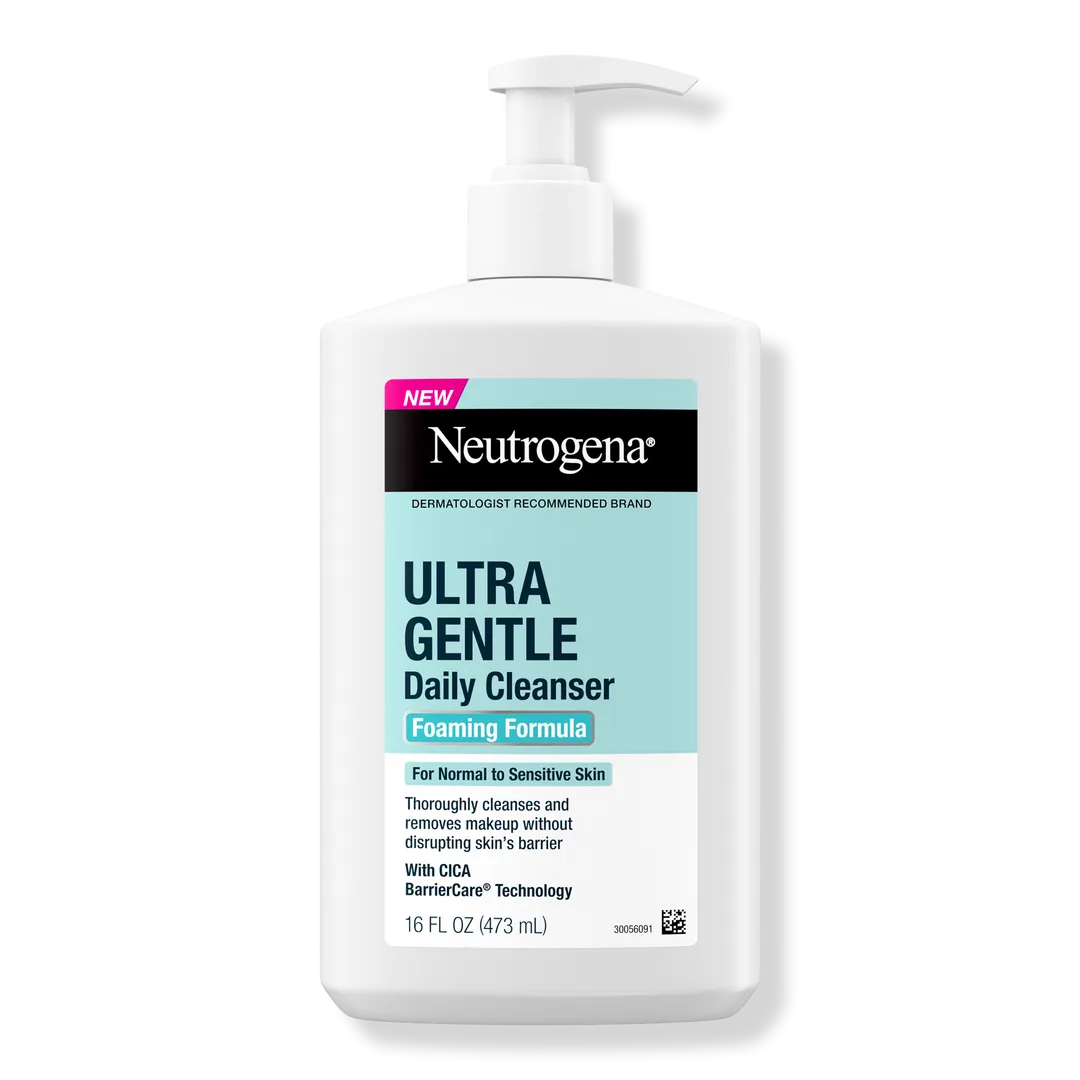
A quietly brilliant cleanser that solved a problem most people did not know existed: proving that foam and gentleness are not mutually exclusive. The HMP polymer technology is clinically validated, the surfactant system is genuinely sophisticated, and the price makes it accessible to everyone. Not glamorous, not exciting — just exceptionally good at the most fundamental step in skincare.
 Clean Beauty Cult Classic
 Super Serum Skin Tint SPF 40
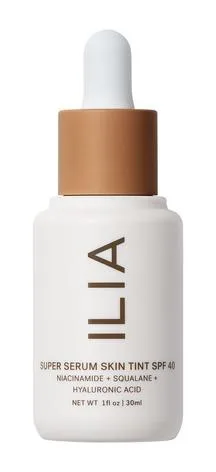
The product that finally made mineral tinted SPF desirable instead of medicinal. At 12% non-nano zinc with iron oxide visible-light protection, niacinamide, and a squalane-based glowy finish, this bottle does the impossible — it delivers real sun protection, real skincare, and real makeup in a single step without any one of them feeling compromised. The $54 price stings, but almost nothing else in the category does all three jobs this well.
 Australian SPF Standard
 Daily Essential Moisturiser SPF 50+
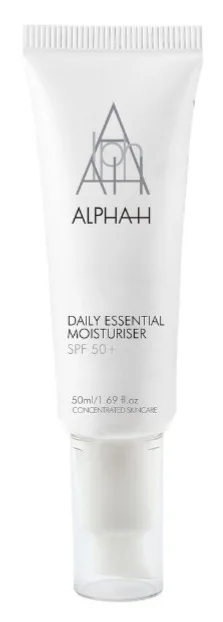
An excellent multi-active daily SPF that meets Australia's stricter TGA SPF 50+ standard and includes modern UVA filters that put it well ahead of most US sunscreens. Niacinamide, centella, and hyaluronate make it a genuine moisturizer rather than just a sunscreen step. Premium-priced but uniquely well-formulated.
 Mineral SPF for Melasma
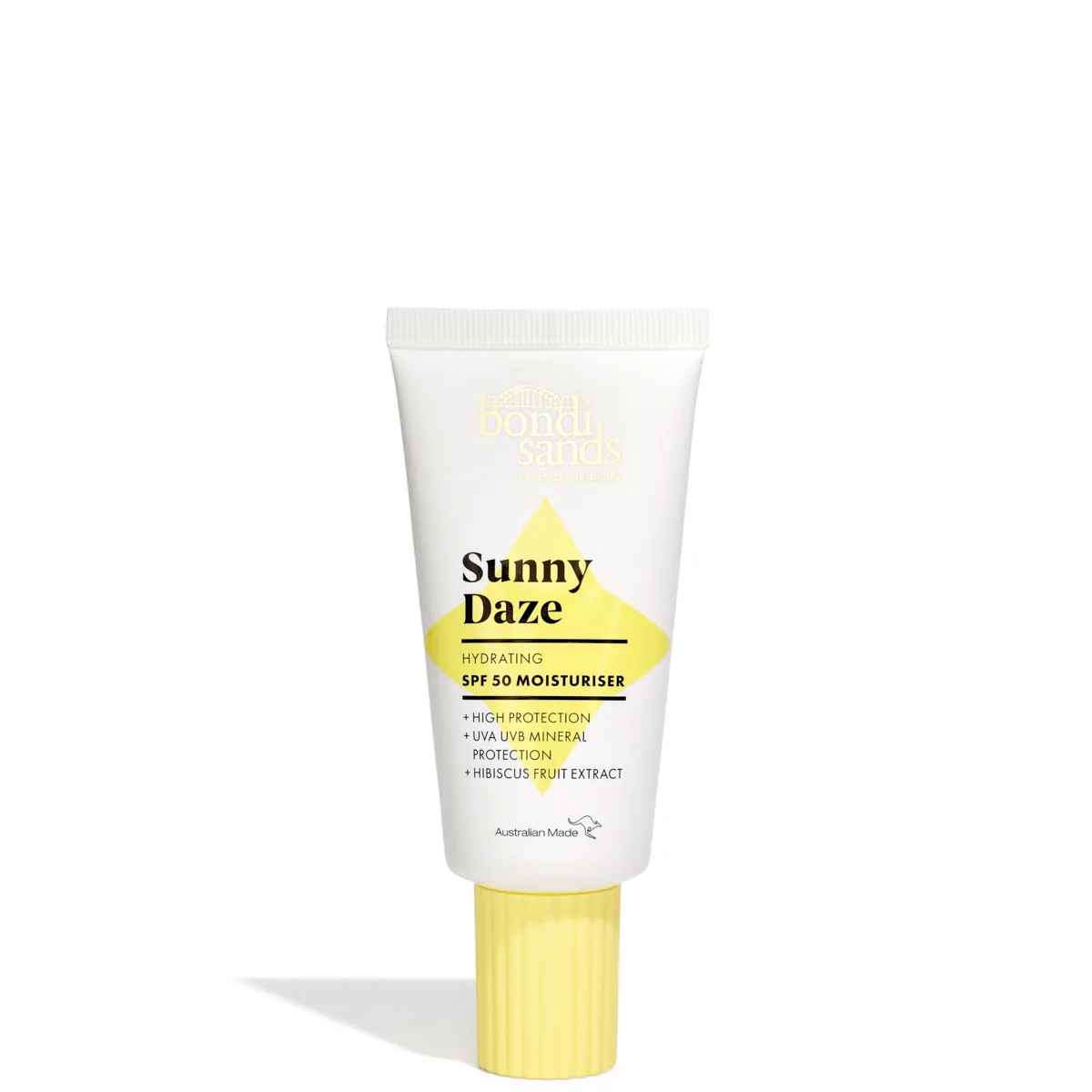
 Sunny Daze SPF 50 Moisturiser
A 25% zinc oxide mineral face moisturizer with a built-in universal tint that provides both visible-light protection and white-cast neutralization — one of the better-engineered mineral SPF moisturizers in its price tier. The single universal shade is a real limitation, but for anyone managing melasma or reactive skin, this is a surprisingly thoughtful drugstore option.
 Brightening Multitasker
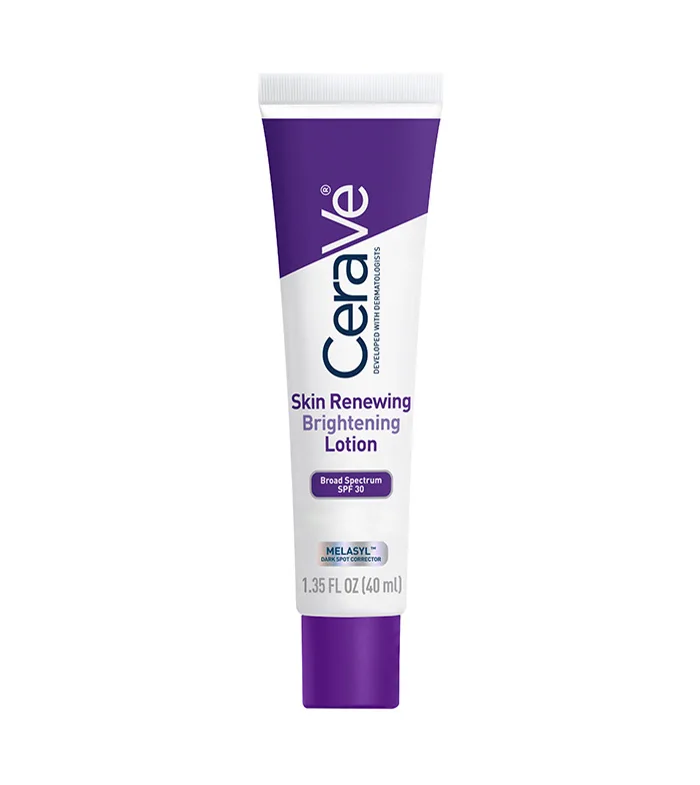
 Skin Renewing Brightening Lotion SPF 30
CeraVe's first product to use L'Oréal's Melasyl pigmentation molecule is also a competent SPF 30 day cream and a barrier-supporting lotion in one step. The size is small for the price, but the formula is genuinely impressive — this is CeraVe taking a real swing at the dark spot treatment category.
 Budget Tinted SPF Pick
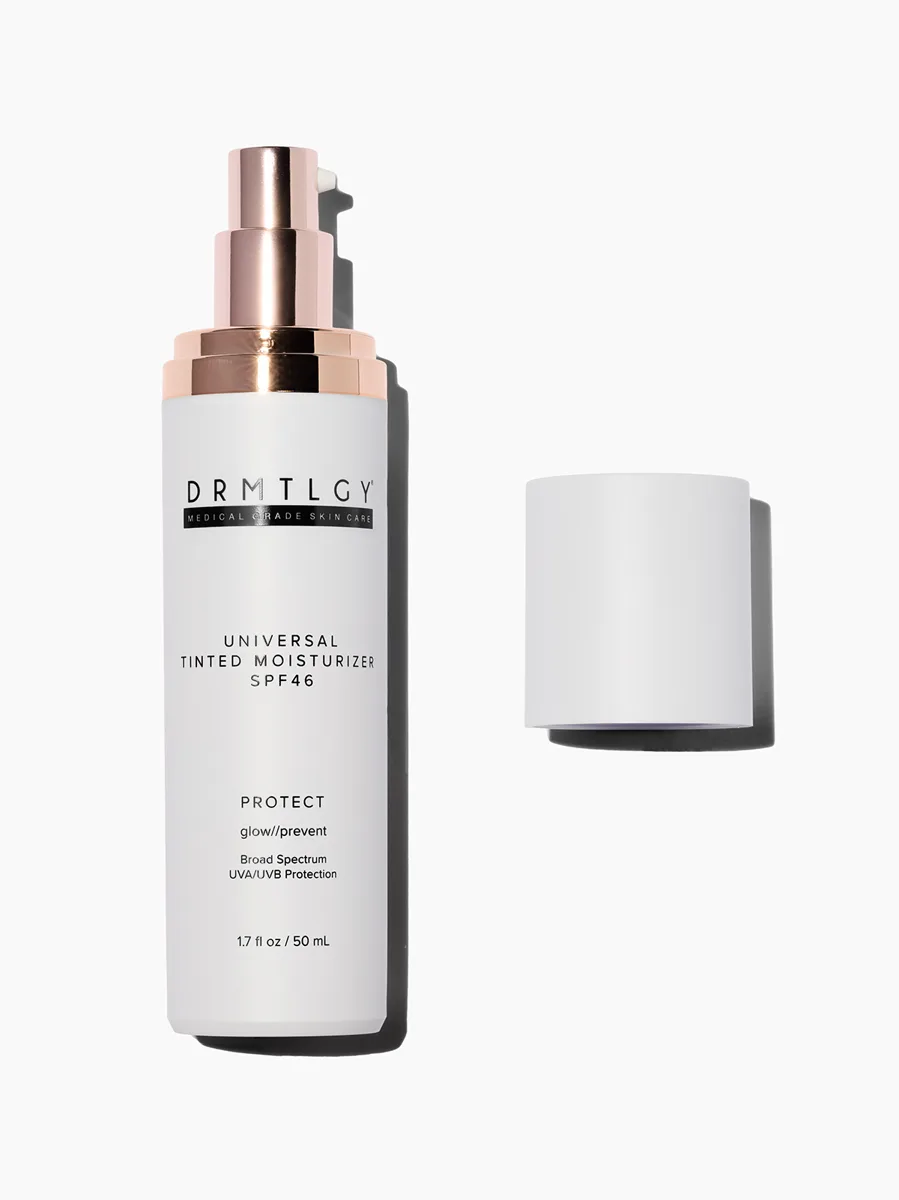
 Tinted Moisturizer SPF 46
One of the most-recommended tinted SPFs in dermatologist-focused online communities, and for good reason — a hybrid SPF 46 with iron oxide visible-light protection, niacinamide treatment benefits, and a universal satin tint at roughly half the price of the Elta MD product it closely resembles. The fragrance and the octinoxate are the only meaningful asks for forgiveness.
This review reflects our independent analysis of publicly available ingredient data, manufacturer claims, and verified user reviews. We are reader-supported — Amazon links may earn us a commission at no cost to you. We do not accept paid placements; rankings are based solely on the evidence.