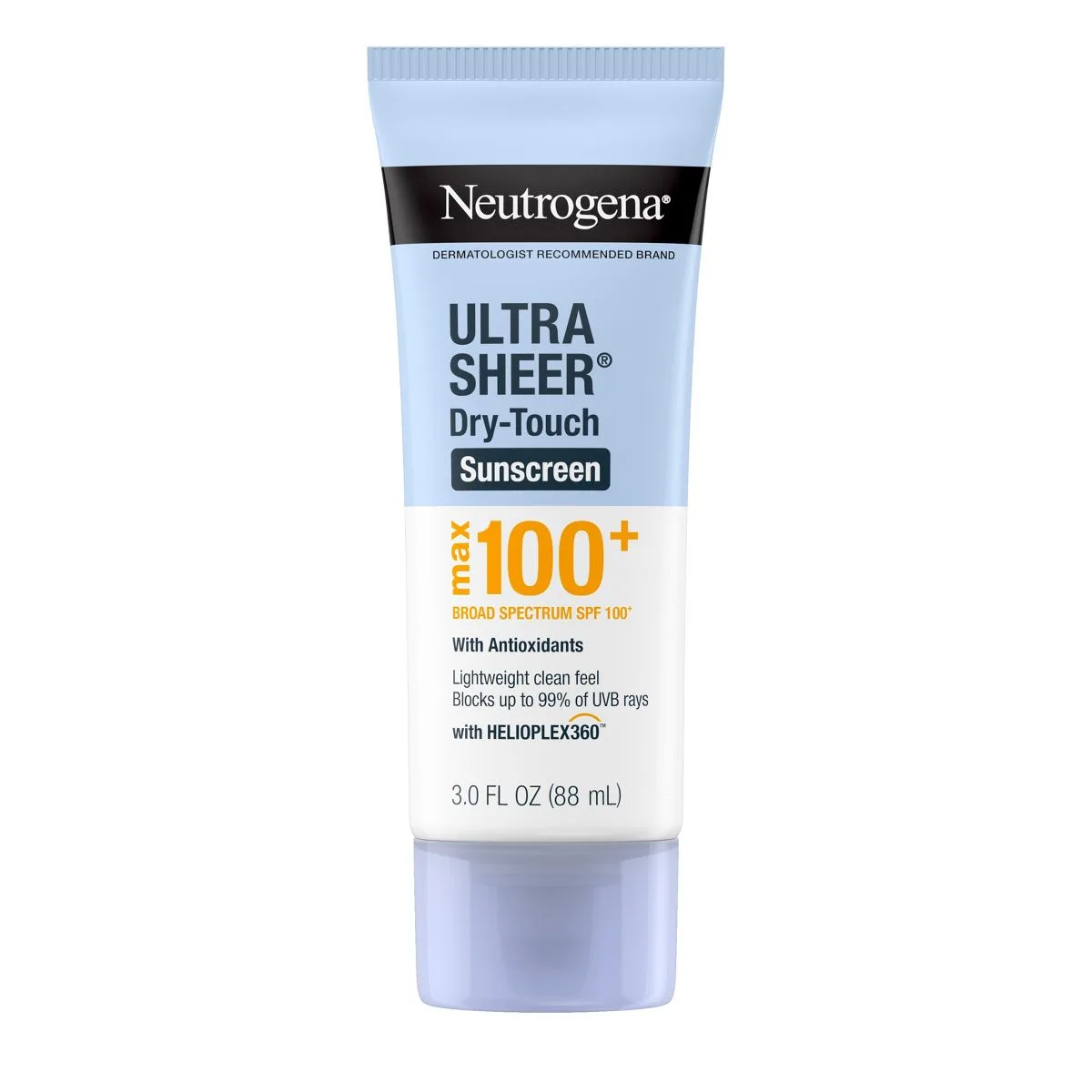
The maximum-SPF sunscreen that actually earned its number — backed by a published clinical trial proving SPF 100+ provides meaningful real-world protection beyond SPF 50+. The reformulated Helioplex360 technology and matte Dry-Touch finish make 33% active ingredients feel surprisingly wearable. If you take sun protection seriously and can tolerate chemical filters, this is as much protection as you can buy.
Ultra Sheer Dry-Touch Sunscreen SPF 100+
The maximum-SPF sunscreen that actually earned its number — backed by a published clinical trial proving SPF 100+ provides meaningful real-world protection beyond SPF 50+. The reformulated Helioplex360 technology and matte Dry-Touch finish make 33% active ingredients feel surprisingly wearable. If you take sun protection seriously and can tolerate chemical filters, this is as much protection as you can buy.
Score Breakdown
Where this product gains points and where it loses them — broken down across the four scoring pillars.
The highest consumer SPF available in the US market, backed by a landmark clinical trial proving real-world superiority over SPF 50+. The Helioplex360 technology and feverfew antioxidant add genuine value. However, the 33% active ingredient load with chemical UV filters creates moderate irritation risk, especially around the eyes during sweating.
Pros & Cons
- ✓Highest SPF available in the US market with clinical trial data proving real-world superiority over SPF 50+
- ✓Matte Dry-Touch finish feels surprisingly lightweight despite containing 33% active UV filters
- ✓Helioplex360 with ethylhexyl methoxycrylene provides next-generation avobenzone photostabilization
- ✓No white cast from the all-chemical UV filter system — wearable on all skin tones
- ✓Reformulated to remove oxybenzone, fragrance, parabens, phthalates, and dyes
- ✓80-minute water resistance for swimming and outdoor sports
- ✓Feverfew antioxidant and vitamin E provide secondary defense against UV-generated free radicals
- ✗Eye stinging during sweating is the most persistent complaint across 17 years of user reviews
- ✗33% active ingredient load creates moderate irritation risk for sensitive skin types
- ✗Can pill under makeup and when layered over certain skincare products
- ✗3 oz tube goes quickly with full-body or frequent reapplication
- ✗Some users report breakouts from the dense, high-active formulation
Full Review
For years, the skincare community treated SPF numbers above 50 as marketing theater. The math seemed to support this cynicism: SPF 50 blocks about 98% of UVB rays, SPF 100 blocks about 99%. A one-percent difference? Surely that's the kind of incremental gain that only matters to the spreadsheet-obsessed. Neutrogena's Ultra Sheer Dry-Touch SPF 100+ existed in this skeptical environment since 2009, quietly selling to people who wanted maximum protection while dermatologists debated whether they were wasting their money.
Then came the 2018 study. Published in the Journal of the American Academy of Dermatology by Williams and colleagues, it was a randomized, double-blind, split-face trial conducted at a ski resort in Vail, Colorado — real altitude, real UV exposure, real humans doing real outdoor activities. One side of each participant's face got SPF 100+. The other got SPF 50+. The results weren't close: 55.3% of subjects were more sunburned on the SPF 50+ side. Only 5% were more sunburned on the SPF 100+ side. A follow-up study in 2019 confirmed the findings over five consecutive days of exposure.
The reason the difference is larger than the math suggests comes down to human behavior. Nobody applies sunscreen the way the testing protocol requires — a thick, even layer of 2mg per square centimeter. In the real world, people apply 25-50% of that amount. At half the recommended application, your effective SPF drops dramatically: SPF 50 becomes roughly SPF 15, while SPF 100 becomes roughly SPF 30. That gap between SPF 15 and SPF 30 is clinically significant. The SPF 100+ rating isn't about the theoretical difference at perfect application — it's a safety margin for the imperfect way humans actually use sunscreen.
The formula itself deserves respect for a technical challenge most consumers don't appreciate. SPF 100+ requires 33% active ingredients — avobenzone at 3%, homosalate at the FDA maximum of 15%, octisalate at 5%, and octocrylene at 10%. That's a third of the formula dedicated to UV filters. Making that much active ingredient feel lightweight and non-greasy on skin is a genuine formulation feat. Most sunscreens at SPF 30-50 use 15-25% actives and already struggle with texture.
Neutrogena's Dry-Touch technology achieves what seems contradictory: a matte, almost powdery finish from a formula loaded with UV filters. Aluminum starch octenylsuccinate absorbs oil, silica contributes to the dry feel, and a silicone blend (caprylyl methicone, cetyl dimethicone, dimethicone) creates slip during application that converts to a non-greasy finish as it sets. The result actually feels lighter than many SPF 50 products, which is counterintuitive and impressive.
The current reformulation, launched in 2025, represents a meaningful upgrade. The oxybenzone that the original formula relied on is gone — replaced by ethylhexyl methoxycrylene, a newer photostabilizer that anchors what Neutrogena calls Helioplex360 technology. This is an evolution of the original Helioplex system that pairs this new stabilizer with octocrylene for a dual-stabilization approach to avobenzone. Fragrance has also been removed, and the formula is now free from parabens, phthalates, and dyes. The environmental and sensitivity concerns that dogged the original formula have been substantively addressed.
The feverfew extract (Chrysanthemum parthenium) and tocopheryl acetate provide an antioxidant layer that complements the UV filtration. At SPF 100+ exposure levels — think high altitude skiing, tropical beach days, marathon training — the UV-generated free radical load is enormous. Having antioxidant support alongside the UV filters adds a second line of defense against the photoaging that even excellent UV filtration can't completely prevent.
The honest limitations haven't changed with the reformulation. Chemical UV filters sting eyes during sweating, and this is the most consistent complaint across nearly two decades of user reviews. With 33% active ingredients, the irritation potential is higher than lower-SPF products. Some users report pilling under makeup and breakouts from the dense formulation. Sensitive skin types should approach with caution — the filter load is simply too high for many reactive complexions.
For facial use specifically, the 3 oz tube goes through quickly with daily application and regular reapplication. The economics still work at roughly fifteen dollars per tube, but frequent reapplicators during outdoor activities may want to buy multi-packs.
The no-white-cast advantage of an all-chemical system matters enormously here. Mineral sunscreens at SPF 50+ already leave significant white residue — imagine the cast at SPF 100+ with zinc oxide. It would be unwearable on any skin tone darker than porcelain. The chemical system makes SPF 100+ practically usable for all skin tones.
After seventeen years on market and a thorough reformulation, this product has earned its position as the maximum-protection option for people who take sun defense seriously. The clinical evidence supporting its efficacy is stronger than what exists for almost any other individual sunscreen product. The texture is better than it has any right to be at 33% actives. And the safety margin it provides for real-world underapplication is, as the JAAD study proved, clinically meaningful. Not everyone needs SPF 100+ every day. But when you do need it — high altitude, tropical sun, extended outdoor exposure, post-procedure skin, photosensitizing medications — nothing else on the shelf gives you this much protection in this wearable a format.
Formula
Key Ingredients
The hero actives that drive this product's performance.
| Ingredient | Function | Evidence |
|---|---|---|
| Avobenzone (3%) | Primary UVA filter stabilized by both octocrylene and the next-generation ethylhexyl methoxycrylene in Neutrogena's Helioplex360 system — a dual-stabilizer approach that maintains UVA protection integrity even under the extreme UV loads this SPF 100+ formula is designed to withstand. | well-established |
| Homosalate (15%) | UVB filter at the FDA maximum concentration, essential to achieving the SPF 100+ rating alongside octisalate and octocrylene — the highest combined active load (33% total) of any product in Neutrogena's consumer sunscreen portfolio. | well-established |
| Ethylhexyl Methoxycrylene | Next-generation photostabilizer that represents an evolution of Neutrogena's Helioplex technology — provides additional avobenzone stabilization beyond what octocrylene alone delivers, contributing to the Helioplex360 designation on current packaging. | promising |
| Chrysanthemum Parthenium (Feverfew) Extract | Neutrogena's patented antioxidant that neutralizes free radicals generated during UV exposure, adding a secondary defense layer that addresses the oxidative damage UV filters alone cannot fully prevent — especially important at extreme UV exposure levels where this product is designed to be used. | promising |
Full INCI List
Active Ingredients: Avobenzone 3%, Homosalate 15%, Octisalate 5%, Octocrylene 10%. Inactive Ingredients: Water, Ethylhexyl Methoxycrylene, Styrene/Acrylates Copolymer, Copernicia Cerifera (Carnauba) Wax, Hydrogenated Castor Oil, Silica, Triacontanyl PVP, Potassium Cetyl Phosphate, Caprylyl Methicone, Aluminum Starch Octenylsuccinate, Glyceryl Stearate, PEG-100 Stearate, Cetyl Dimethicone, Dimethicone, Phenoxyethanol, Caprylyl Glycol, Ethylhexylglycerin, Acrylates/Dimethicone Copolymer, Xanthan Gum, Chlorphenesin, Sodium Polyacrylate, Hydrolyzed Jojoba Esters, Disodium EDTA, Ethylhexyl Stearate, Tocopheryl Acetate, Jojoba Esters, Trideceth-6, Chrysanthemum Parthenium (Feverfew) Flower/Leaf/Stem Juice
Product Flags
✓ Fragrance Free✓ Alcohol Free✓ Oil Free✗ Silicone Free✓ Paraben Free✓ Sulfate Free✗ Cruelty Free✗ Vegan✗ Fungal Acne Safe
Comedogenic Ingredients
Ethylhexyl Stearate
Potential Irritants
HomosalateOctocryleneAvobenzone
Compatibility
Skin Match
Best For
Works For
Not Ideal For
Addresses These Conditions
Use With Caution
Routine Step
sunscreen
Time of Day
AM
Pregnancy Safe
Yes ✓
Layering Tips
Apply as the final step of your morning routine, after moisturizer. Use generously — the SPF 100+ rating assumes full application. The matte dry-touch finish layers reasonably well under makeup if you allow 1-2 minutes for it to set. Reapply every two hours during outdoor activities.
Results Timeline
Sun protection is immediate upon application. The matte finish is noticeable from first use. Over months and years of consistent daily use, you'll see significantly less cumulative sun damage, photoaging, and dark spot formation compared to lower-SPF or inconsistent protection.
Pairs Well With
Lightweight moisturizersVitamin C serums (layer underneath)Makeup primers
Sample AM Routine
- Gentle cleanser
- Antioxidant serum
- Lightweight moisturizer
- Neutrogena Ultra Sheer Dry-Touch Sunscreen SPF 100+
Sample PM Routine
- Oil cleanser (to remove sunscreen)
- Water-based cleanser
- Treatment serum
- Night moisturizer
Evidence
Who Should Skip
- Eye stinging during sweating is the most persistent complaint across 17 years of user reviews
- 33% active ingredient load creates moderate irritation risk for sensitive skin types
- Can pill under makeup and when layered over certain skincare products
- 3 oz tube goes quickly with full-body or frequent reapplication
Science & Expert Perspective
The Science
The clinical evidence supporting SPF 100+ efficacy is unusually strong for a consumer sunscreen product. The landmark Williams et al. study published in the Journal of the American Academy of Dermatology (2018) was a randomized, double-blind, split-face trial involving 199 subjects during outdoor activities at a ski resort at 10,000 feet elevation. After a single day of exposure, 55.3% of subjects showed more sunburn on the SPF 50+ side, while only 5% showed more sunburn on the SPF 100+ side (P < .001). A 2019 follow-up study by Kohli et al. in the same journal confirmed these findings over five consecutive days of exposure, demonstrating sustained superiority.
The mechanistic explanation centers on application behavior. A 2012 study published in the British Journal of Dermatology found that real-world sunscreen application averages 0.5-1.0 mg/cm² — well below the 2 mg/cm² used in SPF testing. At 0.5 mg/cm², the relationship between labeled SPF and actual protection becomes exponential rather than linear. SPF 50 at half-application provides roughly SPF 7-15 of real protection, while SPF 100 provides roughly SPF 15-30 — a gap that explains the significant clinical difference observed in the Williams study.
The Helioplex360 system addresses avobenzone photodegradation through a dual-stabilizer approach. Octocrylene (10%) quenches avobenzone's excited triplet state, while ethylhexyl methoxycrylene provides additional photostabilization through a different mechanism. Research on methoxycrylene-class stabilizers has demonstrated improved photostability over single-stabilizer systems, which is critical for SPF 100+ formulations where UV filter integrity must be maintained during extended high-intensity exposure.
References
- SPF 100+ sunscreen is more protective against sunburn than SPF 50+ in actual use: Results of a randomized, double-blind, split-face, natural sunlight exposure clinical trial — Journal of the American Academy of Dermatology (2018)
- Sunscreen SPF 100+ is more protective against sunburn than SPF 50+ in a real-world, 5-consecutive-day exposure study — Journal of the American Academy of Dermatology (2019)
Dermatologist Perspective
Dermatologists increasingly support SPF 100+ sunscreens following the 2018 JAAD clinical trial that definitively demonstrated their real-world superiority over SPF 50+. Board-certified dermatologists note that the primary value of very high SPF is the safety margin it provides for consumer underapplication — a problem that decades of public health messaging have failed to solve. Dermatologists particularly recommend SPF 100+ for patients on photosensitizing medications (doxycycline, isotretinoin, certain blood pressure medications), post-procedure skin (laser treatments, chemical peels), and individuals with a history of skin cancer. The reformulated oxybenzone-free formula addresses prior dermatologist concerns about endocrine disruption potential.
Guidance
Usage Guide
How to Use
Apply generously to all exposed skin 15 minutes before sun exposure. Use approximately a nickel-sized amount for the face and a shot glass (1 oz) for the full body. The SPF 100+ rating only delivers its full benefit with adequate application volume — underapplying defeats the purpose. Reapply every two hours during sun exposure, or immediately after 80 minutes of swimming or sweating. Remove thoroughly at night with an oil-based cleanser or micellar water followed by your regular cleanser.
Value Assessment
At approximately $14-17 for 3 fl oz, this is remarkably affordable for the highest SPF protection available in the consumer market — backed by clinical trial data that most premium sunscreens cannot match. The per-use cost is modest for facial application, though full-body use at outdoor events will go through the tube quickly. Multi-packs are available at a discount. For the combination of SPF 100+, Helioplex360 technology, Dry-Touch finish, and clinical validation, the value proposition is strong at the drugstore tier.
Who Should Buy
Essential for anyone with high UV exposure — outdoor athletes, skiers, beach-goers, and those living at high altitudes or tropical latitudes. Also strongly recommended for post-procedure skin, individuals on photosensitizing medications, people with a history of skin cancer, and anyone who knows they underapply sunscreen.
Who Should Skip
Skip this if you have sensitive skin that reacts to chemical UV filters, or if you're prone to eye stinging during outdoor exercise — the 33% active load intensifies this issue. Also not necessary for low-exposure indoor days where SPF 30-50 provides adequate protection.
Ready to try Neutrogena Ultra Sheer Dry-Touch Sunscreen SPF 100+?
Details
Details
Texture
Lightweight lotion with Neutrogena's proprietary Dry-Touch technology that creates a matte, non-greasy finish despite containing 33% active UV filters — a technical achievement given that high-concentration formulas typically feel heavy and occlusive.
Scent
Fragrance-free in the current reformulation. The older formula contained fragrance.
Packaging
Blue and white squeeze tube with screw-top cap, 3 fl oz. Also available in a 0.47 fl oz mini size. Current packaging prominently features 'Max SPF 100+' and oxybenzone-free claims.
Finish
mattenon-greasylightweight
What to Expect on First Use
On first application, the lotion spreads easily with a slightly thicker feel than the lower-SPF Ultra Sheer variants. Within 1-2 minutes, the Dry-Touch technology creates a matte, powdery finish that doesn't feel like traditional sunscreen. No white cast. The fragrance-free reformulation has no discernible scent. Apply generously — the high SPF only delivers its full benefit with proper application volume.
How Long It Lasts
4-6 weeks with daily facial application and regular outdoor reapplication
Period After Opening
12 months
Best Season
spring summer
Certifications
Non-comedogenicOxybenzone-freePABA-freeParaben-freePhthalate-freeDye-freeWater-resistant (80 minutes)HSA/FSA eligible
Background
The Why
Launched in 2009 following regulatory approval of SPF 100+ claims, this product became the center of the 'do higher SPF numbers actually matter?' debate. Neutrogena invested in clinical research to answer that question definitively — the 2018 Williams et al. study in the Journal of the American Academy of Dermatology found that in a split-face trial during skiing at high altitude, SPF 100+ provided significantly greater protection than SPF 50+. The product was reformulated in 2025 to remove oxybenzone, maintaining the SPF 100+ rating with the new Helioplex360 stabilization system.
About Neutrogena Legacy Brand (20+ years)
Neutrogena was founded in 1930 and is the #1 dermatologist-recommended suncare brand in the United States. The Ultra Sheer Dry-Touch SPF 100+ is backed by a landmark 2018 JAAD randomized clinical trial demonstrating its real-world superiority over SPF 50+, and the current formula features Neutrogena's next-generation Helioplex360 photostability technology.
Brand founded: 1930 · Product launched: 2009
Myth vs. Reality
Myths & Misconceptions
Myth
SPF 100+ is just marketing — there's no real difference from SPF 50.
Reality
A 2018 randomized, double-blind, split-face clinical trial published in JAAD demonstrated that SPF 100+ sunscreen prevented significantly more sunburn than SPF 50+ under real-world conditions. 55.3% of subjects were more sunburned on the SPF 50+ side versus only 5% on the SPF 100+ side. The difference is clinically meaningful, especially given that consumers typically underapply.
Myth
Higher SPF numbers mean significantly more chemicals on your skin.
Reality
This formula uses the same four UV filters as many SPF 30 and 50 sunscreens — just at higher concentrations. The total active load is 33%, compared to roughly 15-25% in SPF 30-50 products. The difference in what's on your skin is incremental, not exponential, while the protection gain is meaningful.
FAQ
Frequently Asked Questions
Is SPF 100+ actually better than SPF 50?
Yes — a 2018 randomized, double-blind clinical trial published in the Journal of the American Academy of Dermatology found that SPF 100+ sunscreen prevented significantly more sunburn than SPF 50+ in a split-face study during outdoor activities at high altitude. The difference is especially meaningful because most people underapply sunscreen, making the extra SPF margin clinically relevant.
Does this sunscreen leave a white cast?
No — this is a 100% chemical UV filter sunscreen with no zinc oxide or titanium dioxide. It absorbs completely clear on all skin tones. The Dry-Touch technology creates a matte, invisible finish.
Is Neutrogena Ultra Sheer SPF 100+ oxybenzone-free?
Yes — the current reformulated version (marketed as Max SPF 100+) has removed oxybenzone entirely. The formula uses avobenzone, homosalate, octisalate, and octocrylene as UV filters, with ethylhexyl methoxycrylene as a next-generation stabilizer. Older stock may still contain oxybenzone — check the active ingredients on your specific tube.
How often should I reapply SPF 100+?
Every two hours during sun exposure, regardless of the SPF number. SPF measures how much UVB is blocked, not how long the protection lasts. The 80-minute water resistance means you should reapply immediately after swimming or heavy sweating. Even at SPF 100+, no sunscreen provides all-day protection from a single application.
Why does this sunscreen sting my eyes?
The high concentration of chemical UV filters (33% total active ingredients) — particularly avobenzone and homosalate — can migrate into the eyes during sweating and cause stinging. This is the most common complaint across all chemical sunscreens. Consider using a separate mineral sunscreen stick around the eye area if you'll be sweating.
Is this sunscreen reef-safe?
The current formula is oxybenzone-free and octinoxate-free, meeting Hawaii's reef protection requirements. However, it contains homosalate and octocrylene, which some environmental organizations flag as potentially harmful to marine life. It's not fully reef-safe by the strictest definitions.
Community
Community Voices
Common Praise
"Maximum SPF available provides unmatched sunburn protection for outdoor activities"
"Matte dry-touch finish feels lightweight despite 33% active ingredient load"
"No white cast from the all-chemical UV filter system"
"Water-resistant for 80 minutes during swimming and sweating"
"Oxybenzone-free reformulation addresses prior environmental and safety concerns"
"Affordable drugstore pricing for the highest SPF protection level"
Common Complaints
"Chemical UV filters cause eye stinging and burning during sweating"
"High active ingredient concentration may irritate sensitive skin"
"Can pill when layered over certain skincare products or under makeup"
"May feel heavier than lower-SPF Ultra Sheer variants due to higher active load"
"Some reports of breakouts from the dense formulation"
Notable Endorsements
#1 dermatologist-recommended suncare brandBacked by 2018 JAAD randomized clinical trial (Williams et al.)
Appears In
best sunscreen for outdoor sports best high spf sunscreen best matte sunscreen best sunscreen for sun damage
Related Conditions
sun damage aging hyperpigmentation
Related Ingredients
You Might Also Like
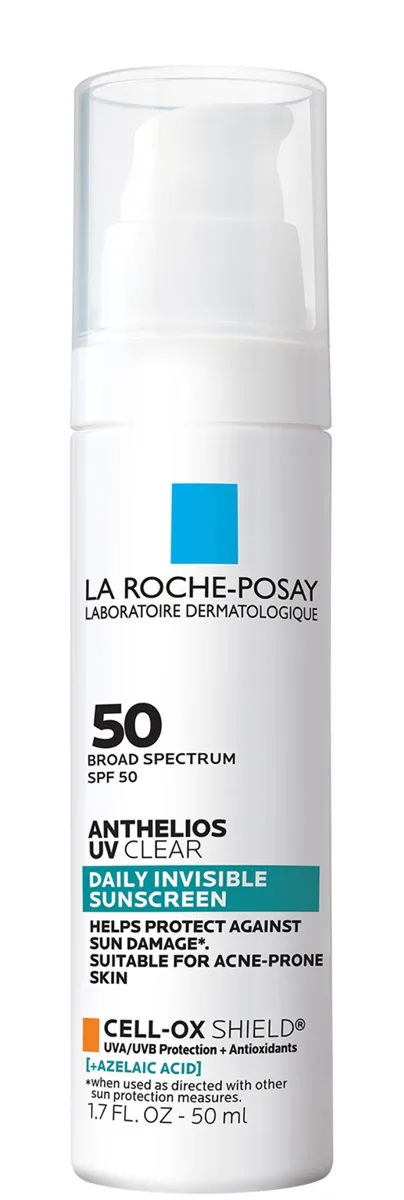 Derm Office Staple
 Anthelios UV Clear Sunscreen SPF 50
One of the only US chemical sunscreens that genuinely earns its 'for sensitive and breakout-prone skin' positioning. A photostable Anthelios filter system paired with a legitimate azelaic acid dose in a lightweight serum-fluid that disappears on every skin tone. Excellent for rosacea, acne, and post-inflammatory hyperpigmentation — and probably the single best daily sunscreen in the La Roche-Posay US lineup for those conditions.
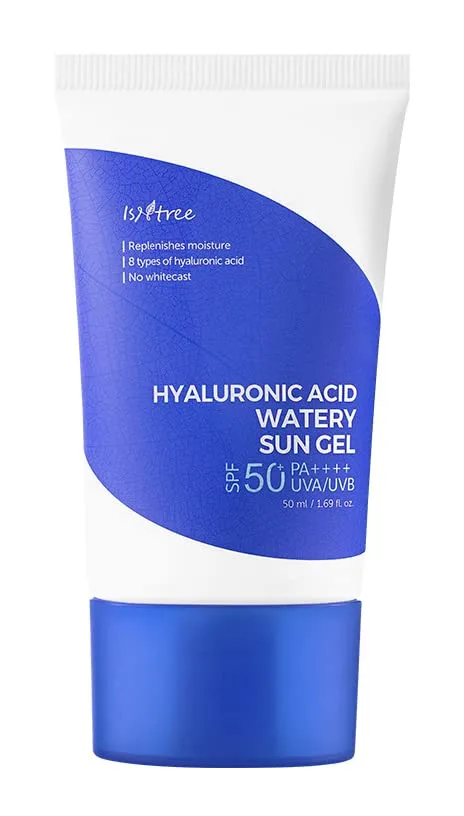 K-Beauty Daily SPF Standout
 Hyaluronic Acid Watery Sun Gel SPF 50+
One of the strongest everyday K-beauty sunscreens in the international market — modern European filters, no white cast, fragrance-free, niacinamide-boosted, and built around the brand's signature six-weight HA complex. At twenty-two dollars for 50ml, it's a case study in how much better a daily sunscreen can be when the formulator cares about both protection and wearability.
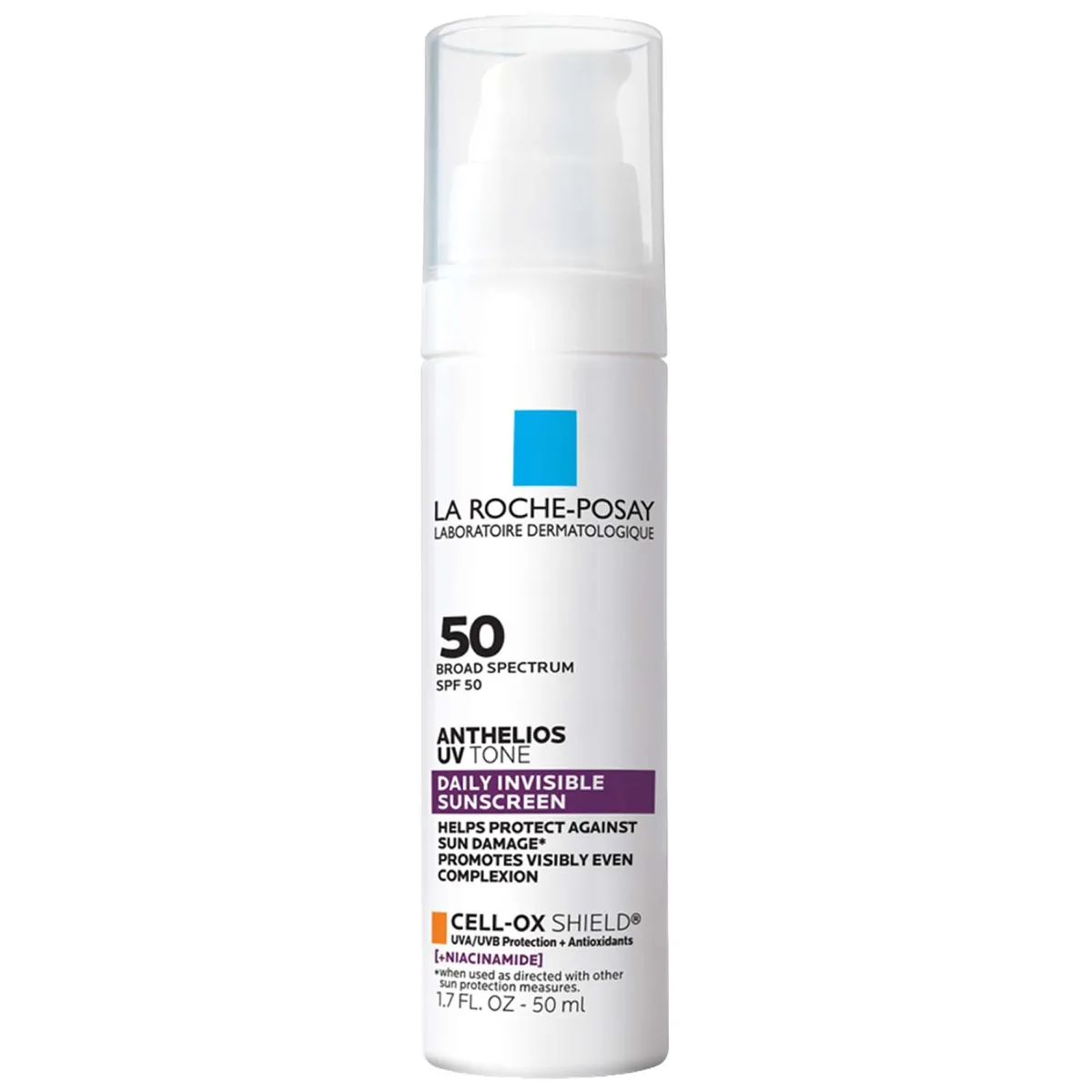 Derm Office Staple
 Anthelios UV Tone Daily Invisible Sunscreen SPF 50
La Roche-Posay's most thoughtful answer yet for hyperpigmentation-prone skin that needs daily SPF. A photostable avobenzone system reinforced with Oxynex ST, paired with a meaningful dose of niacinamide, in a serum-fluid base that goes on invisible on every skin tone. Expensive for 1.7 oz but legitimately well-built — and a rare chemical sunscreen that earns its 'for dark spots' marketing.
 Melasma-Grade Mineral Sunscreen
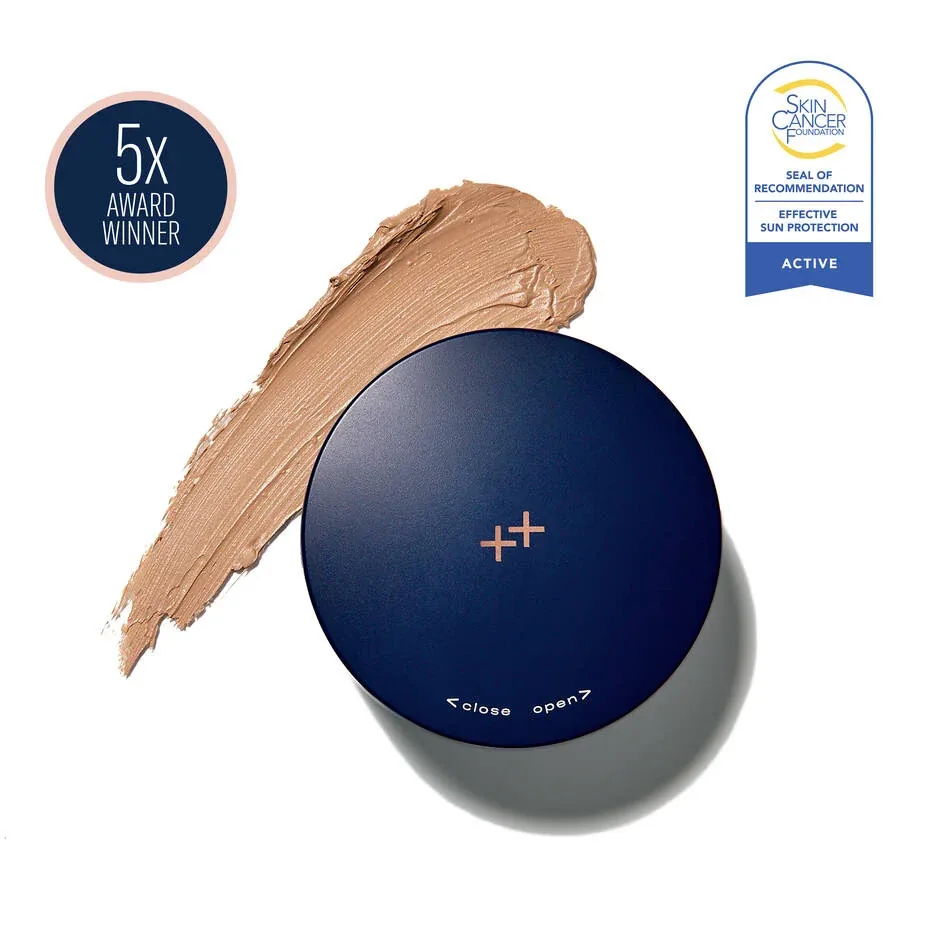
 sunbetter TONE SMART SPF 68
One of the most clinically useful tinted mineral sunscreens in the professional category. SPF 68 from a 100% mineral formula, iron oxide tint that blocks visible light for melasma protection, and an unusually lightweight texture that doesn't feel like you're wearing high-concentration zinc. For patients with melasma or post-inflammatory hyperpigmentation, this is the category benchmark — and it's earned its Allure Best of Beauty wins.
 K-Beauty Cult Favorite
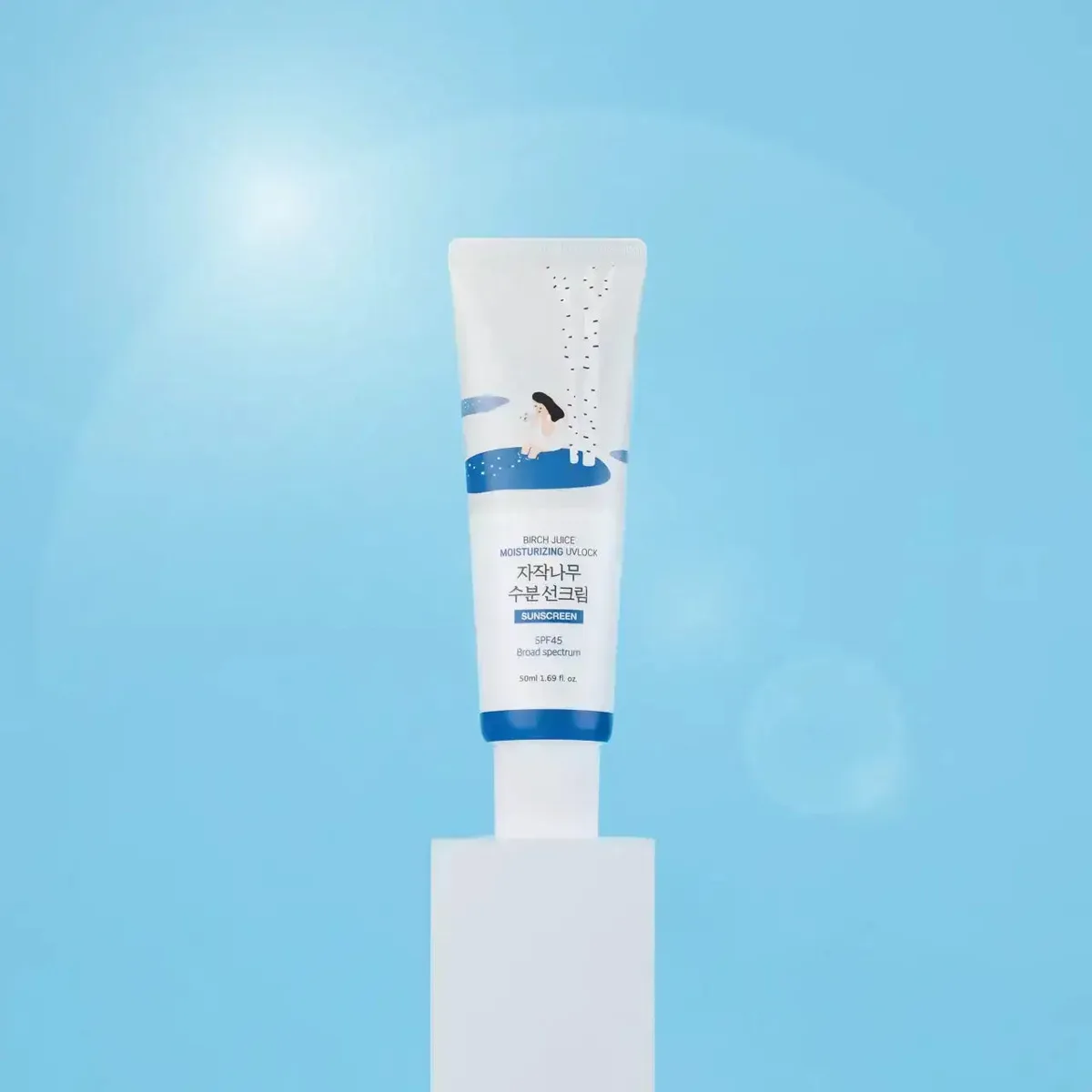
 Birch Juice Moisturizing Sun Cream SPF 50+
One of the best hybrid sunscreens in K-beauty right now — a 70% birch sap base, modern UVA filters you can't get in the US, and a finish that wears like a lightweight moisturizer. Broadly compatible, well-priced, and genuinely pleasant to apply, with minor tradeoffs for oily and fungal-acne-prone users.
 The K-Beauty Sunscreen That Changed Everything
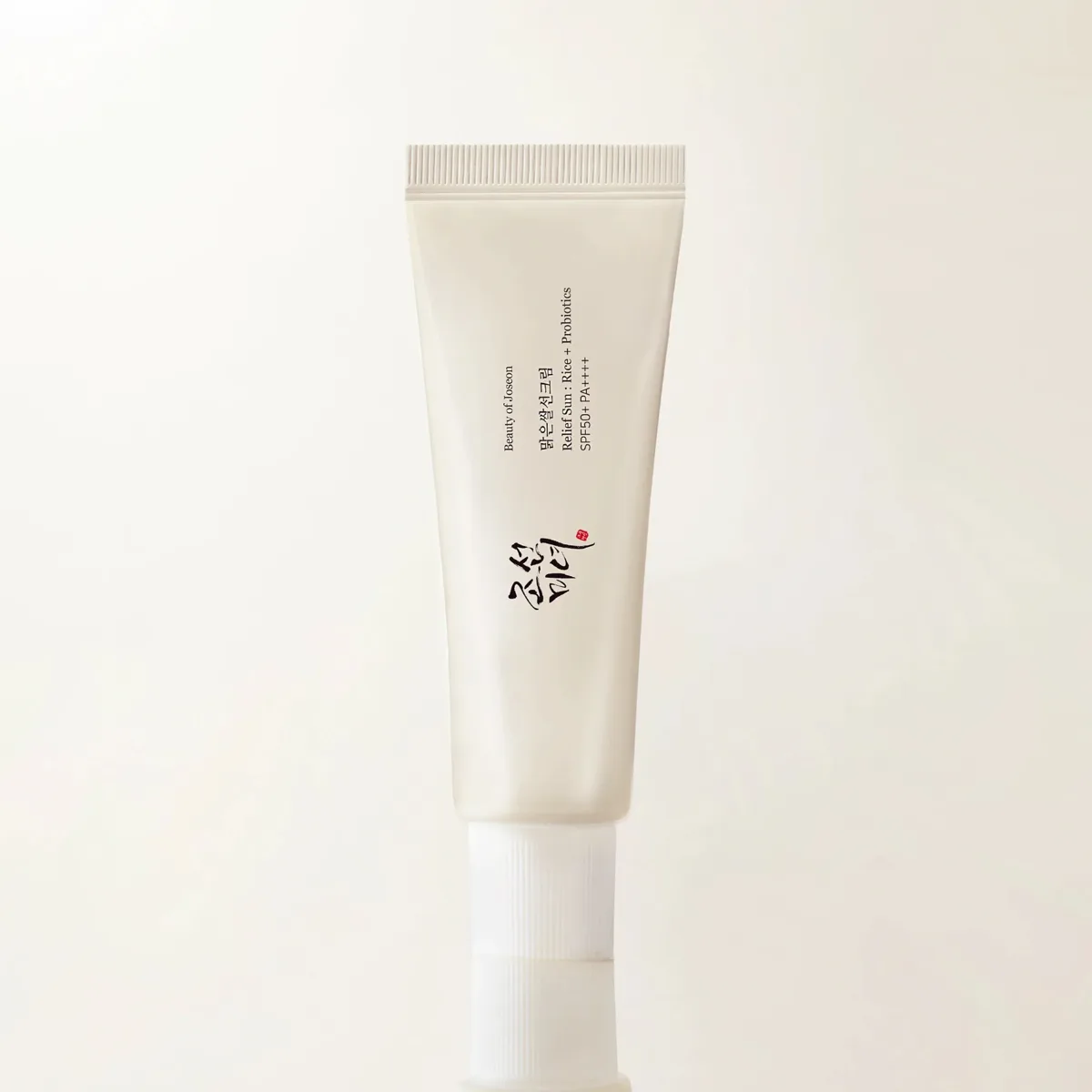
 Relief Sun: Rice + Probiotics SPF 50+
The sunscreen that rewrote the rules for what a $14 product could deliver. With independently verified SPF 50+, 30% rice extract, niacinamide, and a probiotic ferment complex, it offers protection and skincare benefits that rival products three times its price. The texture that feels like wearing nothing on your face is the reason it went viral — and stayed there.
This review reflects our independent analysis of publicly available ingredient data, manufacturer claims, and verified user reviews. We are reader-supported — Amazon links may earn us a commission at no cost to you. We do not accept paid placements; rankings are based solely on the evidence.