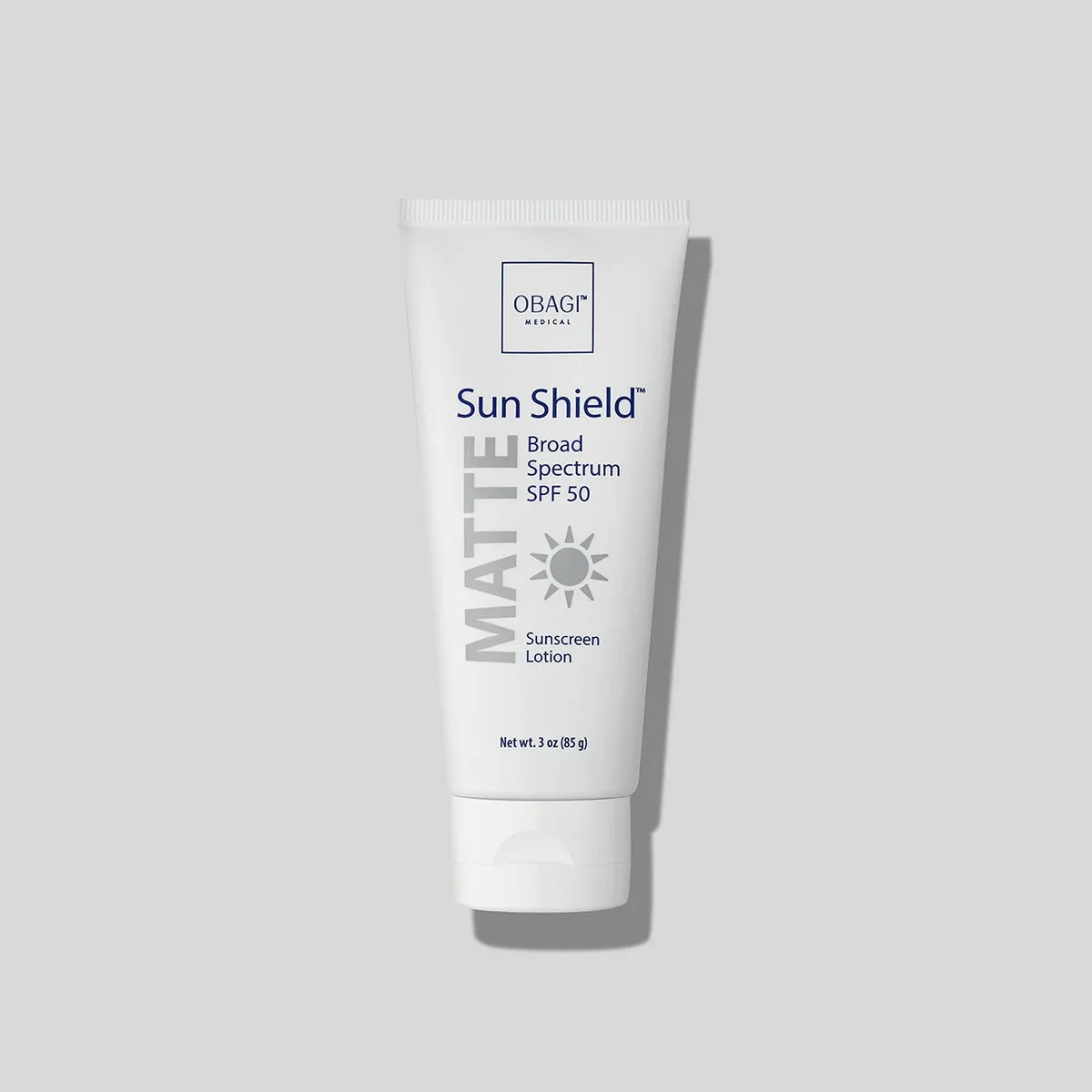
A genuinely excellent matte finish sunscreen with strong SPF 50 hybrid protection — undermined by the inclusion of methylisothiazolinone, a known contact allergen that a clinical skincare brand should have reformulated out years ago. Great texture, questionable preservative choice.
Sun Shield Matte Broad Spectrum SPF 50
A genuinely excellent matte finish sunscreen with strong SPF 50 hybrid protection — undermined by the inclusion of methylisothiazolinone, a known contact allergen that a clinical skincare brand should have reformulated out years ago. Great texture, questionable preservative choice.
Score Breakdown
Where this product gains points and where it loses them — broken down across the four scoring pillars.
Strong SPF 50 broad-spectrum protection with an excellent matte finish for oily skin, but the inclusion of methylisothiazolinone — a known contact allergen flagged by multiple regulatory bodies — significantly undermines the clinical credibility of the formula.
Pros & Cons
- ✓Genuinely matte velvety finish that controls oil for 4-6 hours without touchups
- ✓No white cast despite 10.5% zinc oxide thanks to the hybrid filter system
- ✓SPF 50 broad-spectrum protection suitable for use with photosensitizing active ingredients
- ✓Non-comedogenic formula sits well under makeup without pilling or separation
- ✓Tetrahexyldecyl ascorbate adds antioxidant support to complement UV protection
- ✓Squalane provides lightweight moisture without contributing to shine
- ✗Contains methylisothiazolinone a preservative flagged as a significant contact allergen
- ✗Lower user ratings than typical Obagi products with reports of allergic reactions
- ✗Octinoxate has been banned in several jurisdictions for coral reef concerns
- ✗Can feel drying on already-dry skin types due to the aggressive matte finish
- ✗Formula has not been updated to remove the controversial MI preservative
Full Review
There is a particular cruelty in the sunscreen market: the products that protect best often feel the worst, and the ones that feel elegant often cut corners on protection. Obagi's Sun Shield Matte SPF 50 attempts to thread this needle, offering broad-spectrum UVA/UVB coverage in a matte finish that dermatologists can recommend without the usual caveat about cosmetic tradeoffs. The result is a product that does some things very well, some things poorly, and one thing that should probably disqualify it from the shelves of a clinical skincare brand in 2026.
The UV filter system pairs zinc oxide at 10.5% with octinoxate at 7.5% — a hybrid approach that combines mineral and chemical protection. The zinc oxide provides broad-spectrum UVA coverage and physical blocking, while octinoxate handles UVB absorption. Together at SPF 50, they deliver strong protection for daily wear. The hybrid approach also keeps the formula from developing the thick, white-cast texture that pure zinc oxide sunscreens at similar SPF levels often suffer from.
The matte finish is this sunscreen's signature selling point, and it delivers on the promise convincingly. A combination of dimethicone crosspolymer, polymethylsilsesquioxane (silica microspheres), and phenyl trimethicone creates a velvety, shine-free finish that genuinely controls oil throughout the day. For oily and combination skin types — people who have historically been poorly served by the greasy, shiny residues of most sunscreens — this texture is close to ideal. It sits well under makeup without pilling or separating, and the matte effect persists for several hours before any shine breakthrough.
The supporting ingredients show some formulation thoughtfulness. Squalane provides lightweight, non-comedogenic moisture. Tetrahexyldecyl ascorbate — a stable, oil-soluble vitamin C derivative — adds antioxidant support that complements the UV protection. Glycerin draws moisture into the skin. These are sensible additions that elevate the formula above a bare-bones sunscreen.
But then there is the methylisothiazolinone. MI is a preservative that has been flagged by the European Scientific Committee on Consumer Safety as a significant contact allergen since 2013. The American Contact Dermatitis Society named it Allergen of the Year in 2013. Multiple regulatory bodies have recommended restricting its use in leave-on products. And yet, here it sits in a sunscreen from a clinical skincare brand that distributes through dermatology offices. This is not a theoretical concern — MI sensitization is one of the most well-documented preservative allergies in dermatological literature, and including it in a product worn on the face daily is, by current standards, an indefensible formulation choice.
The 2.3-star rating on Obagi's own website — unusually low for a brand that typically earns 4+ stars — suggests that this concern is not merely academic. Among the 80 reviews, allergic reactions and skin irritation appear with a frequency that distinguishes this product from the rest of the Obagi lineup. It is worth noting that not everyone will react to MI, and many users find this sunscreen performs beautifully on their skin. But the risk is real, documented, and avoidable — other preservative systems achieve the same shelf stability without the sensitization profile.
The octinoxate inclusion will also concern some users. While an effective UVB absorber with a long safety track record, octinoxate has come under environmental scrutiny for its potential impact on coral reefs. Hawaii, Palau, and several other jurisdictions have banned octinoxate in sunscreens. For environmentally conscious consumers, this may be a dealbreaker.
Texture and wearability aside, the SPF 50 protection level is genuinely useful for daily wear. Combined with the broad-spectrum designation (indicating adequate UVA protection), this sunscreen provides the level of daily defense that dermatologists recommend for patients using active ingredients like retinoids, AHAs, and vitamin C — products that increase photosensitivity and make consistent sun protection essential rather than optional.
The price at $59 for 3 ounces is competitive within the clinical sunscreen category. The tube provides approximately two months of daily facial application at the recommended amount, making it a reasonable ongoing investment in skin protection. The packaging is a standard tube with a flip-top cap — functional and portable.
The fundamental tension in this product is between genuinely excellent performance — the matte finish, the SPF level, the hybrid UV system — and a preservative choice that undermines the clinical credibility of the entire formula. If Obagi reformulated the Sun Shield Matte with a modern preservative system, it would be a straightforward recommendation for oily-skinned patients needing daily broad-spectrum protection. As it stands, the MI inclusion turns what should be a routine recommendation into a proceed-with-caution advisory — exactly the opposite of what you want from your sunscreen.
Formula
Key Ingredients
The hero actives that drive this product's performance.
| Ingredient | Function | Evidence |
|---|---|---|
| Zinc Oxide (10.5%) (10.5%) | The mineral UV filter providing the UVA backbone of this sunscreen's broad-spectrum protection. Zinc oxide absorbs and reflects UV radiation across both UVA and UVB ranges, with particular strength in the critical UVA-I range (340-400nm) that chemical filters often miss. In this hybrid formula, it complements the octinoxate's UVB strength to create complete spectrum coverage. | well-established |
| Octinoxate (7.5%) (7.5%) | A chemical UVB filter that absorbs ultraviolet radiation in the UVB range (290-320nm), preventing sunburn. In this hybrid formula, it handles the UVB protection that zinc oxide alone would require higher concentrations — and a thicker, whiter texture — to achieve. Its inclusion allows the formula to reach SPF 50 while maintaining the matte, cosmetically elegant texture. | well-established |
| Squalane | A lightweight, non-comedogenic emollient derived from plant sources that provides moisture without contributing to shine or pore congestion. In this matte sunscreen, squalane ensures the formula does not feel drying despite the absorbent silica and silicone microspheres that create the matte finish. | well-established |
| Tetrahexyldecyl Ascorbate (Vitamin C) | A stable, oil-soluble vitamin C derivative that provides antioxidant support complementing the UV protection. While the sunscreen blocks most UV radiation, the free radicals generated by the UV that does penetrate are neutralized by this vitamin C form — creating a secondary defense layer that enhances the overall photoprotective effect. | well-established |
Full INCI List
Active Ingredients: Zinc Oxide 10.5%, Octinoxate 7.5%. Inactive Ingredients: 1,2-Hexanediol, Caprylyl Glycol, Ceteareth-20, Cetearyl Alcohol, Chlorphenesin, Citric Acid, Cyclopentasiloxane, Dimethicone, Dimethicone Crosspolymer-3, Disodium EDTA, Glycerin, Hydrogenated Palm Glycerides, Hydroxyethyl Acrylate/Sodium Acryloyldimethyl Taurate Copolymer, Methylisothiazolinone, PEG-40 Stearate, Pentylene Glycol, Phenoxyethanol, Phenyl Trimethicone, Polysilicone-11, Polysorbate 60, Potassium Sorbate, Sodium Benzoate, Sodium Dihydroxycetyl Phosphate, Sodium Polyacrylate, Squalane, Stearyl Alcohol, Tetrahexyldecyl Ascorbate, Tropolone, Water, Xanthan Gum.
Product Flags
✓ Fragrance Free✓ Alcohol Free✓ Oil Free✗ Silicone Free✓ Paraben Free✓ Sulfate Free✗ Cruelty Free✗ Vegan✗ Fungal Acne Safe
Potential Irritants
MethylisothiazolinoneOctinoxate
Common Allergens
Methylisothiazolinone
Compatibility
Skin Match
Best For
Works For
Not Ideal For
Addresses These Conditions
Use With Caution
Routine Step
sunscreen
Time of Day
AM
Pregnancy Safe
Unknown
Layering Tips
Apply as the final step of your morning skincare routine, after moisturizer and any treatment serums have fully absorbed. Apply a generous amount (approximately a nickel-sized dollop for the face) and reapply every 2 hours with sun exposure. The matte finish makes it an excellent base under makeup.
Results Timeline
Immediate matte finish and UV protection upon application. Shine control typically lasts 4-6 hours before any breakthrough. Long-term consistent use prevents sun damage, dark spots, and premature aging.
Pairs Well With
Vitamin C serums (applied before sunscreen)Lightweight moisturizersMattifying primers
Sample AM Routine
- Gentle cleanser
- Vitamin C serum
- Lightweight moisturizer
- Obagi Sun Shield Matte Broad Spectrum SPF 50
Sample PM Routine
- Gentle cleanser
- Treatment serum
- Night cream
Evidence
Science & Expert Perspective
The Science
The hybrid UV filter system in this sunscreen combines zinc oxide (mineral/physical) and octinoxate (chemical/organic) for complementary UVA and UVB protection. Zinc oxide provides broad-spectrum coverage, absorbing and reflecting UV radiation across both UVA and UVB ranges, with particular strength in the UVA spectrum. A study published in the Journal of the American Academy of Dermatology (2004) established zinc oxide as one of the most photostable mineral UV filters available.
Octinoxate (ethylhexyl methoxycinnamate) is an efficient UVB absorber that has been used in sunscreen formulations for decades. While effective at preventing sunburn, research published in Environmental Science & Technology (2016) has documented octinoxate's potential to contribute to coral reef bleaching, leading to regulatory restrictions in several jurisdictions.
The inclusion of tetrahexyldecyl ascorbate — an oil-soluble vitamin C derivative — adds antioxidant protection that complements the UV filters. Research published in Photodermatology, Photoimmunology & Photomedicine (2005) has demonstrated that topical antioxidants provide synergistic photoprotection when combined with UV filters, neutralizing the free radicals that UV exposure generates even when the sunscreen is working effectively.
The methylisothiazolinone (MI) preservative warrants specific scientific discussion. A landmark position statement by the European Scientific Committee on Consumer Safety (SCCS, 2013) concluded that MI at concentrations commonly used in cosmetics is not safe for use in leave-on products due to high rates of contact sensitization. The American Contact Dermatitis Society named MI its Allergen of the Year in 2013, and subsequent epidemiological studies published in Contact Dermatitis have documented rising rates of MI sensitization across populations.
Dermatologist Perspective
Board-certified dermatologists recognize the Sun Shield Matte as an effective broad-spectrum sunscreen with a cosmetically elegant matte finish that promotes daily compliance among oily-skinned patients. However, many dermatologists express concern about the methylisothiazolinone inclusion, noting that MI sensitization has become increasingly common and that leave-on products containing MI are no longer recommended by European dermatological guidelines. Dermatologists who dispense this product typically advise patients to discontinue immediately at any sign of irritation and offer alternative matte sunscreens from brands that have moved to MI-free preservative systems.
Guidance
Usage Guide
How to Use
Apply generously to face, neck, and exposed areas as the last step of your morning skincare routine. Use approximately a nickel-sized amount for the face alone — most people underapply sunscreen. Allow 15 minutes before sun exposure. Reapply every 2 hours during prolonged outdoor activity, or immediately after swimming or sweating. The matte finish makes it an excellent primer base for makeup application.
Value Assessment
At $59 for 3 oz, the Sun Shield Matte is competitively priced within the clinical sunscreen category. The generous 3-oz tube provides approximately 2-3 months of daily use, making the effective monthly cost around $20-30. The hybrid filter system, matte finish technology, and vitamin C antioxidant support represent genuine formulation value. However, the MI preservative controversy may make consumers reluctant to invest in a product they may need to discontinue due to sensitization.
Who Should Buy
This sunscreen is ideal for people with oily or combination skin who struggle with the greasy finish of most high-SPF sunscreens. If you want a matte sunscreen that actually controls shine and works well under makeup, and you do not have a history of preservative sensitivity, the Sun Shield Matte performs exceptionally well on texture and protection.
Who Should Skip
Anyone with a history of contact dermatitis, preservative sensitivity, or reactive skin should avoid this product due to the methylisothiazolinone content. Those seeking reef-safe sunscreens should look for octinoxate-free options. People with dry skin will find the matte finish overly drying and should choose a hydrating sunscreen instead.
Ready to try Obagi Sun Shield Matte Broad Spectrum SPF 50?
Details
Details
Texture
Lightweight cream that applies smoothly and dries down to a velvety, completely matte finish. Silicone microspheres create a blurred, smooth-skin effect. No white cast despite the zinc oxide content.
Scent
Fragrance-free. Very faint sunscreen scent that is barely noticeable.
Packaging
Standard white tube with flip-top cap in the Obagi blue and grey design. Portable and easy to use for reapplication.
Finish
mattevelvetynon-greasy
What to Expect on First Use
First application reveals the standout matte finish immediately — skin looks blurred and shine-free within seconds of the product setting. No tingling or stinging for most users, though those with MI sensitivity may develop itching or redness within hours or days of initial use. If any irritation develops, discontinue immediately.
How Long It Lasts
2-3 months with daily facial application at recommended amounts
Period After Opening
12 months
Best Season
All Year
Certifications
Non-comedogenicDermatologist-tested
Background
The Why
The Sun Shield Matte was developed to solve a specific complaint from Obagi's clinical patient base: patients using aggressive active treatments (retinoids, AHAs, vitamin C) needed daily SPF 50 protection but could not tolerate the greasy, shiny residues of most high-SPF sunscreens. The matte formula was designed to complement Obagi's treatment products while giving oily-skinned patients a sunscreen they would actually want to wear.
About Obagi Legacy Brand (20+ years)
Obagi Medical was founded in 1988 by board-certified dermatologist Dr. Zein Obagi. The Sun Shield line has been a staple in dermatology offices for daily sun protection, complementing Obagi's active treatment products.
Brand founded: 1988 · Product launched: 2012
Myth vs. Reality
Myths & Misconceptions
Myth
Matte sunscreens provide less UV protection than shiny or greasy ones.
Reality
The matte finish is created by silicone microspheres that absorb excess oil and diffuse light — it has no impact on the UV filters' protective capacity. The zinc oxide and octinoxate provide the same SPF 50 protection regardless of the texture.
Myth
Hybrid sunscreens (mineral + chemical) are always better than pure mineral.
Reality
Hybrid formulas allow for cosmetically elegant textures at high SPF levels, which increases the likelihood of daily use — and the best sunscreen is the one you actually wear. However, for those seeking purely mineral protection (reef-safe, chemical-filter-free), a hybrid formula is not the answer.
FAQ
Frequently Asked Questions
Does Obagi Sun Shield Matte leave a white cast?
No — despite containing 10.5% zinc oxide, the hybrid formula with octinoxate and silicone microspheres creates a blurred, matte finish without the white cast typical of pure mineral sunscreens. The formula is designed to be invisible on skin.
Why does Obagi Sun Shield Matte have low ratings on some sites?
The formula contains methylisothiazolinone (MI), a preservative identified as a significant contact allergen by both the European Scientific Committee on Consumer Safety and the American Contact Dermatitis Society. Some users develop allergic reactions including itching, redness, and irritation. If you experience any irritation, discontinue use immediately.
Is Obagi Sun Shield Matte reef-safe?
No. The formula contains octinoxate (ethylhexyl methoxycinnamate), which has been banned in Hawaii, Palau, and several other jurisdictions due to potential impact on coral reef ecosystems. If reef-safe sunscreen is important to you, look for a pure zinc oxide formula.
Can I use this sunscreen with retinol?
Yes, and this is one of its intended use cases. The SPF 50 broad-spectrum protection provides the daily UV defense needed when using photosensitizing active ingredients like retinol, AHAs, and vitamin C. Apply the sunscreen as your final morning step after your retinol-compatible morning products.
How often should I reapply Obagi Sun Shield Matte?
Reapply every 2 hours during prolonged sun exposure, or immediately after swimming or heavy sweating. For typical indoor/commuter use, a single morning application provides adequate protection for most of the day, though reapplication at midday is ideal for maximum protection.
Community
Community Voices
Common Praise
"Excellent matte finish that genuinely controls oil throughout the day"
"No white cast despite containing zinc oxide"
"Sits beautifully under makeup without pilling"
"SPF 50 broad-spectrum protection provides strong daily defense"
Common Complaints
"Causes allergic reactions and irritation in some users likely due to methylisothiazolinone"
"Contains octinoxate which has been banned in some reef-protection jurisdictions"
"Can feel drying on already-dry skin types"
"Lower rating than most Obagi products suggests formula concerns"
Notable Endorsements
Non-comedogenic and dermatologist-testedFrequently dispensed through dermatology offices
Appears In
best sunscreen for oily skin best matte sunscreen best sunscreen for acne
Related Conditions
Related Ingredients
You Might Also Like
 Derm Office Staple
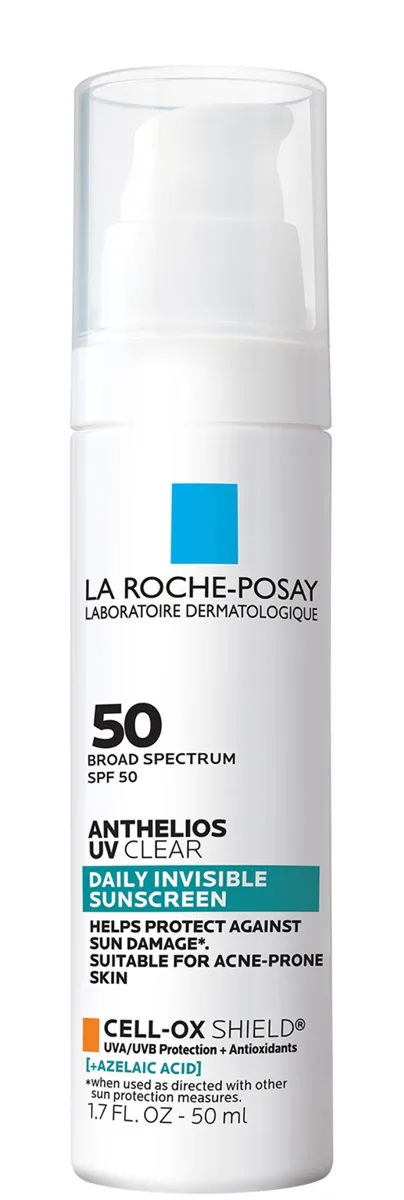
 Anthelios UV Clear Sunscreen SPF 50
One of the only US chemical sunscreens that genuinely earns its 'for sensitive and breakout-prone skin' positioning. A photostable Anthelios filter system paired with a legitimate azelaic acid dose in a lightweight serum-fluid that disappears on every skin tone. Excellent for rosacea, acne, and post-inflammatory hyperpigmentation — and probably the single best daily sunscreen in the La Roche-Posay US lineup for those conditions.
 K-Beauty Daily SPF Standout
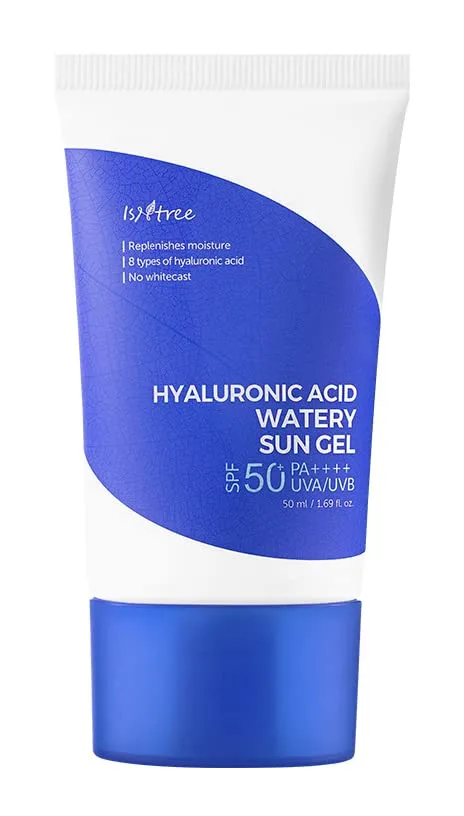
 Hyaluronic Acid Watery Sun Gel SPF 50+
One of the strongest everyday K-beauty sunscreens in the international market — modern European filters, no white cast, fragrance-free, niacinamide-boosted, and built around the brand's signature six-weight HA complex. At twenty-two dollars for 50ml, it's a case study in how much better a daily sunscreen can be when the formulator cares about both protection and wearability.
 Derm Office Staple
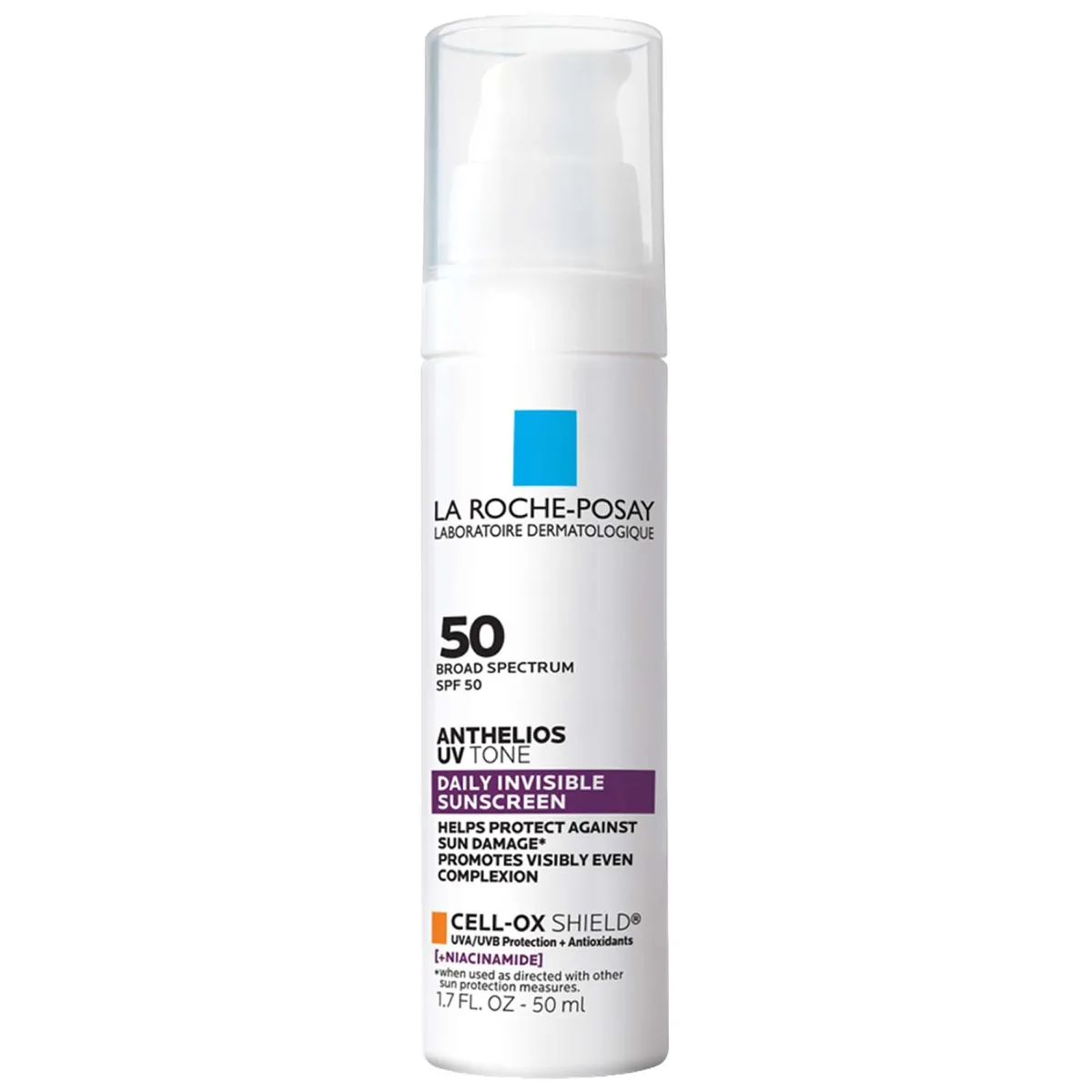
 Anthelios UV Tone Daily Invisible Sunscreen SPF 50
La Roche-Posay's most thoughtful answer yet for hyperpigmentation-prone skin that needs daily SPF. A photostable avobenzone system reinforced with Oxynex ST, paired with a meaningful dose of niacinamide, in a serum-fluid base that goes on invisible on every skin tone. Expensive for 1.7 oz but legitimately well-built — and a rare chemical sunscreen that earns its 'for dark spots' marketing.
 Melasma-Grade Mineral Sunscreen
 sunbetter TONE SMART SPF 68
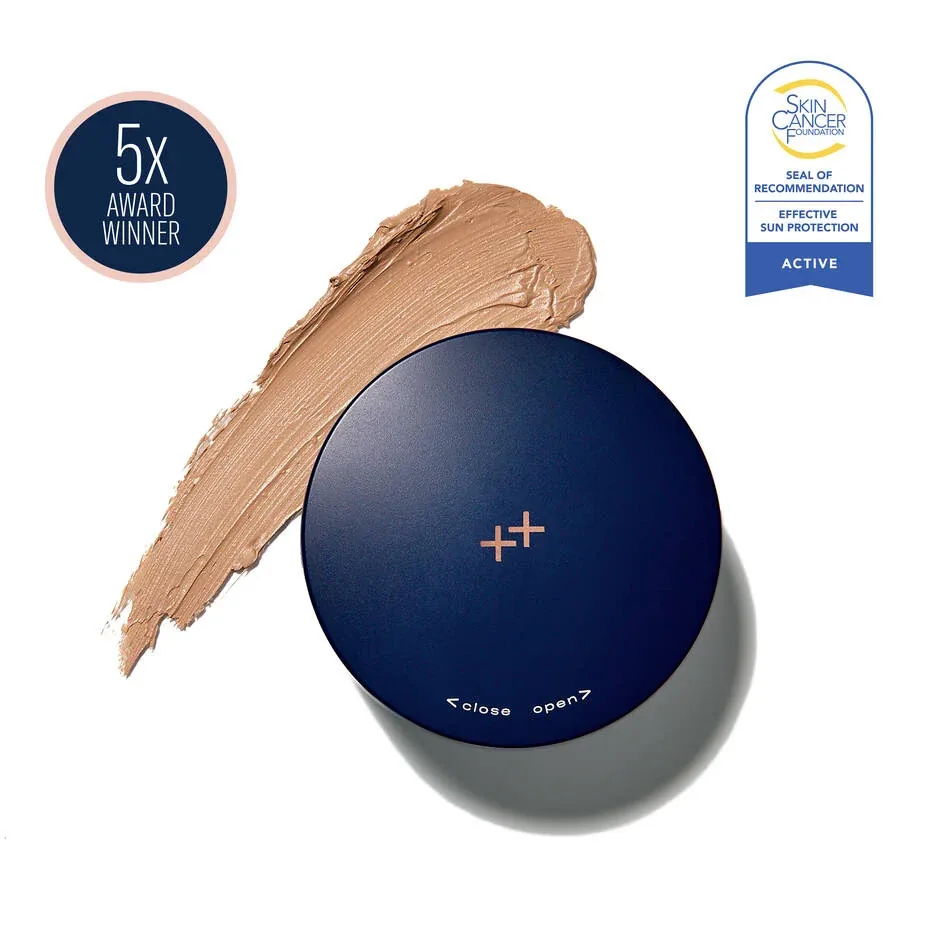
One of the most clinically useful tinted mineral sunscreens in the professional category. SPF 68 from a 100% mineral formula, iron oxide tint that blocks visible light for melasma protection, and an unusually lightweight texture that doesn't feel like you're wearing high-concentration zinc. For patients with melasma or post-inflammatory hyperpigmentation, this is the category benchmark — and it's earned its Allure Best of Beauty wins.
 K-Beauty Cult Favorite
 Birch Juice Moisturizing Sun Cream SPF 50+
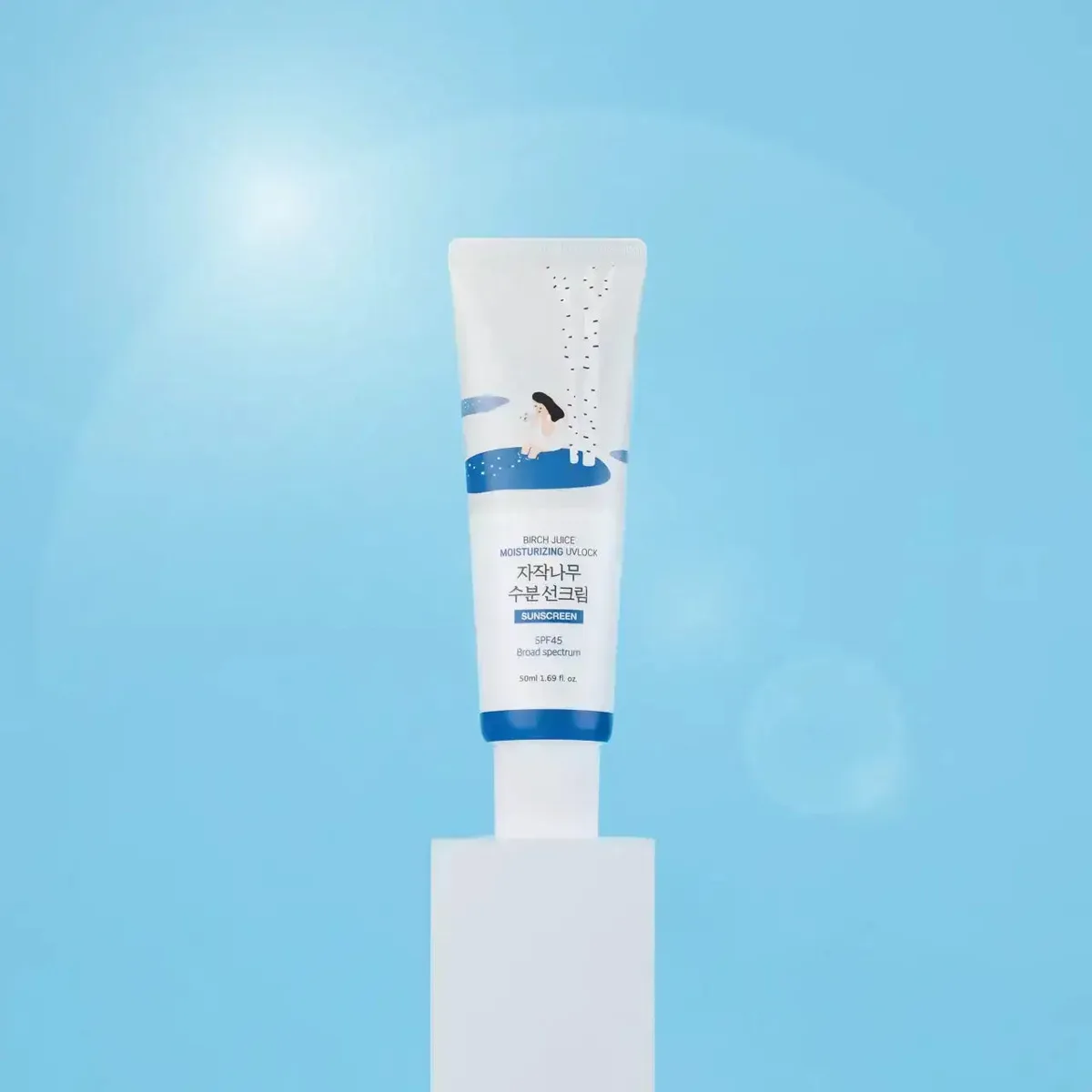
One of the best hybrid sunscreens in K-beauty right now — a 70% birch sap base, modern UVA filters you can't get in the US, and a finish that wears like a lightweight moisturizer. Broadly compatible, well-priced, and genuinely pleasant to apply, with minor tradeoffs for oily and fungal-acne-prone users.
 The K-Beauty Sunscreen That Changed Everything
 Relief Sun: Rice + Probiotics SPF 50+
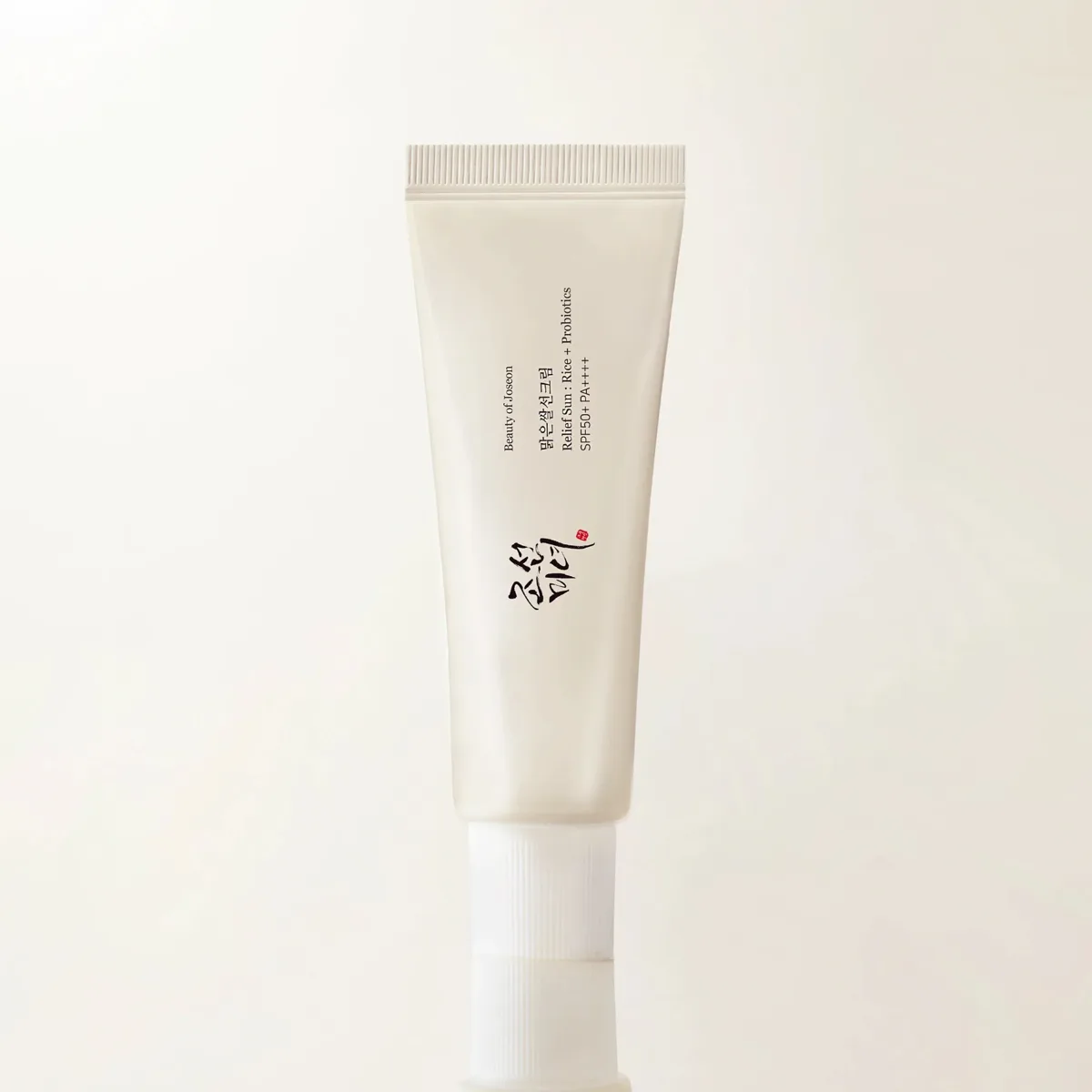
The sunscreen that rewrote the rules for what a $14 product could deliver. With independently verified SPF 50+, 30% rice extract, niacinamide, and a probiotic ferment complex, it offers protection and skincare benefits that rival products three times its price. The texture that feels like wearing nothing on your face is the reason it went viral — and stayed there.