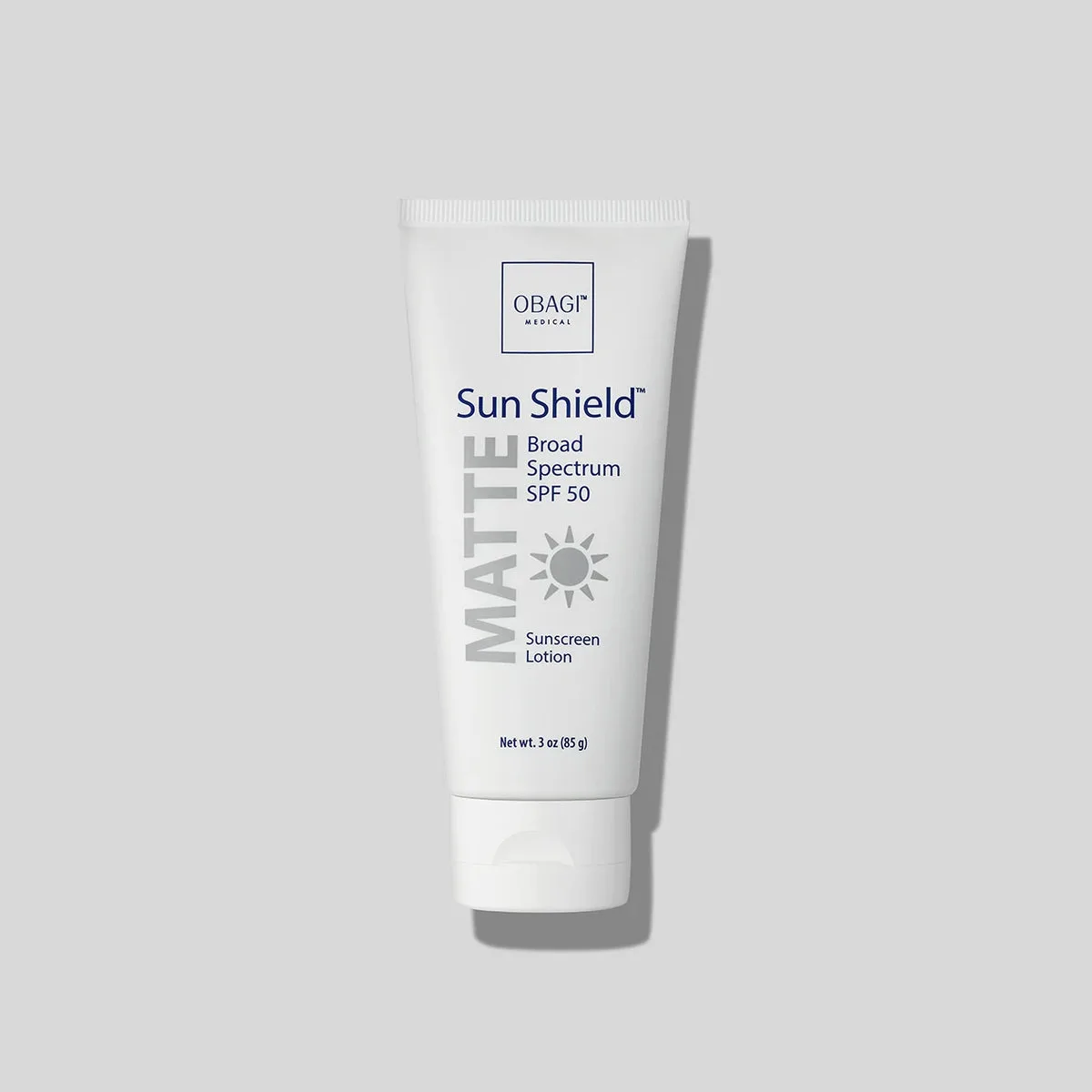
A dependable hybrid sunscreen built for the derm office waiting room crowd — people who want serious SPF 50 protection without the greasy, shiny aftermath. The matte finish is legitimately impressive for a formula packing 16.5% zinc oxide, though the $59 price tag asks a lot when the supporting cast of ingredients is fairly basic.
Sun Shield Matte SPF 50
A dependable hybrid sunscreen built for the derm office waiting room crowd — people who want serious SPF 50 protection without the greasy, shiny aftermath. The matte finish is legitimately impressive for a formula packing 16.5% zinc oxide, though the $59 price tag asks a lot when the supporting cast of ingredients is fairly basic.
Score Breakdown
Where this product gains points and where it loses them — broken down across the four scoring pillars.
A capable hybrid sunscreen with strong UV coverage from its three-filter system, but the premium price point relative to the ingredient list and the inclusion of chemical filters that some consumers prefer to avoid limits its overall value proposition.
Pros & Cons
- ✓Genuinely matte finish that controls oil and shine throughout the day
- ✓Broad-spectrum SPF 50 with hybrid mineral-chemical filter system for thorough coverage
- ✓Non-comedogenic and fragrance-free, safe for acne-prone skin
- ✓Works excellently as a makeup primer with smooth, pore-blurring texture
- ✓Minimal white cast despite containing 16.5% zinc oxide
- ✓Skin Cancer Foundation recommended with independently verified SPF claims
- ✓Over a decade of clinical use and dermatologist trust behind the formula
- ✗Premium $59 price tag for a formula without antioxidant or skin-benefit extras
- ✗Contains chemical filters (homosalate, octisalate) that some consumers prefer to avoid
- ✗Recent reformulation reports suggest texture inconsistencies between production batches
- ✗Can pill under certain silicone-heavy foundations if not given adequate dry-down time
- ✗Not suitable for consumers seeking a purely mineral sunscreen despite zinc oxide content
Full Review
There is a running joke in dermatology offices: the best sunscreen is the one you actually wear. For years, dermatologists would prescribe aggressive treatments — retinoids, chemical peels, laser resurfacing — only to watch patients undo all that work by skipping sunscreen because they couldn't stand the greasy, ghostly-white mess most formulas left behind. Obagi's Sun Shield Matte was built to solve exactly that problem, and for more than a decade it has been the tube sitting on the counter at checkout in countless derm practices across the country.
The formula takes a hybrid approach that is quietly clever. Rather than going all-in on mineral filters (which would require even higher zinc oxide concentrations and the inevitable white cast), Obagi pairs 16.5% zinc oxide with homosalate at 10% and octisalate at 5%. The zinc handles the heavy lifting on UVA protection — the aging, hyperpigmentation-causing wavelengths — while the two chemical filters pick up UVB duty. The result is legitimate broad-spectrum SPF 50 coverage without looking like you just applied calamine lotion.
The texture is where this sunscreen earns its name. It goes on as a cream with moderate thickness, but within about sixty seconds it sets to a genuinely matte, almost powdery finish. The secret is a combination of polymethylsilsesquioxane (those tiny silicone spheres that fill in pores and absorb oil) and silica, which together create an oil-blotting effect that persists through most of the day. For people with oily or combination skin, this finish is borderline revelatory. You can apply foundation directly on top and it sits beautifully — several users describe it as a two-in-one sunscreen and primer.
The ingredient list beyond the active filters is fairly utilitarian. Glycerin provides baseline hydration. Dimethicone smooths the formula across skin. Beeswax and candelilla wax help the product adhere and maintain its film integrity. There are no antioxidants to speak of, no peptides, no niacinamide — this is a sunscreen that does one job and focuses entirely on doing it well. Whether that focused approach justifies the price depends on what you expect from your SPF step.
On the positive side, the formula is fragrance-free, PABA-free, and non-comedogenic. It earned a recommendation from the Skin Cancer Foundation, which requires independent testing to verify SPF and broad-spectrum claims. For anyone dealing with acne-prone skin who needs sun protection that won't trigger breakouts, this checks the right boxes.
The honest limitations start with the reformulation controversy. Long-time loyalists have noted that the formula has changed — some batches reportedly have a grittier texture than the original, and a few users report the finish isn't quite as elegantly matte as it once was. This is the kind of thing that happens with physician-dispensed brands as they scale or change suppliers, and it's worth noting because if you fell in love with the original version a decade ago, your mileage may vary with current production runs.
There's also the chemical filter conversation. Homosalate and octisalate are FDA-approved and have been used in sunscreens for decades, but the FDA has requested additional safety data on both as part of its ongoing sunscreen monograph review. They are absorbed systemically — a 2020 study published in JAMA confirmed this for multiple chemical UV filters including homosalate and octisalate. For most people this is not a reason to avoid the product, but if you specifically seek a purely mineral sunscreen, this isn't it despite the zinc oxide presence.
The value proposition is where things get tricky. At $59 for three ounces, you're paying a premium that makes sense in the context of a dermatologist's recommendation — there's a trust factor baked into physician-dispensed pricing. But the ingredient list doesn't include the antioxidant boosters, peptides, or skin-beneficial extras that some similarly priced sunscreens now offer. You're paying for clean UV protection and an excellent matte finish, full stop.
For the right person — oily skin, makeup wearer, someone who wants a no-nonsense SPF 50 that won't leave them looking like a glazed donut by noon — Obagi Sun Shield Matte delivers on its core promise. It's the kind of sunscreen that turns sunscreen skeptics into daily wearers, which may be the most important thing any SPF product can do.
Formula
Key Ingredients
The hero actives that drive this product's performance.
| Ingredient | Function | Evidence |
|---|---|---|
| Zinc Oxide 16.5% (16.5%) | Provides the broadest-spectrum physical UV protection in this formula, deflecting both UVA and UVB rays. Works alongside the two chemical filters to fill spectral coverage gaps, particularly in the UVA I range where homosalate and octisalate are weakest. | well-established |
| Homosalate 10% (10%) | A UVB-absorbing chemical filter that boosts the SPF rating in this hybrid formula. Its inclusion at 10% allows the zinc oxide to focus on UVA coverage while homosalate handles a significant portion of UVB absorption, reducing the white cast that a zinc-only formula at this SPF level would produce. | well-established |
| Octisalate 5% (5%) | A supplementary UVB filter that enhances the overall SPF and helps stabilize the homosalate in this three-filter system. At 5%, it adds protection redundancy without significantly increasing the chemical filter load on skin. | well-established |
| Dimethicone | Contributes to the matte, smooth finish that defines this sunscreen's aesthetic profile. Creates a lightweight occlusive layer that helps the UV filters form an even, protective film across the skin surface. | well-established |
| Glycerin | Provides baseline hydration in what is otherwise a mattifying, oil-control-focused formula. Prevents the zinc oxide and silica from making the skin feel uncomfortably dry throughout the day. | well-established |
Full INCI List
Active Ingredients: Homosalate 10%, Octisalate 5%, Zinc Oxide 16.5%. Inactive Ingredients: Water (Aqua), C15-19 Alkane, Octyldodecyl Neopentanoate, Polymethylsilsesquioxane, Sorbitan Olivate, Silica, Polyglyceryl-6 Polyricinoleate, Sodium Chloride, Xanthan Gum, Glycerin, Hydroxyacetophenone, Disodium EDTA, 1,2-Hexanediol, Caprylyl Glycol, Sodium Hydroxide, Triethoxycaprylsilane, Polyhydroxystearic Acid, Disteardimonium Hectorite, Polyglyceryl-2 Isostearate, Euphorbia Cerifera (Candelilla) Wax, Beeswax, Dimethicone
Product Flags
✓ Fragrance Free✓ Alcohol Free✓ Oil Free✗ Silicone Free✓ Paraben Free✓ Sulfate Free✗ Cruelty Free✗ Vegan✗ Fungal Acne Safe
Potential Irritants
HomosalateOctisalate
Common Allergens
Beeswax
Compatibility
Skin Match
Best For
Works For
Not Ideal For
Addresses These Conditions
Use With Caution
Routine Step
sunscreen
Time of Day
AM
Pregnancy Safe
Unknown
Layering Tips
Apply as the final step in your morning skincare routine, after moisturizer and before makeup. The matte finish means it doubles as a primer for foundation. Reapply every two hours with sun exposure.
Results Timeline
Immediate UV protection upon application. Matte finish is apparent within 1-2 minutes of application. Over consistent daily use, contributes to prevention of photoaging and sun damage.
Pairs Well With
Vitamin C serum underneath for enhanced photoprotectionLightweight hydrating toner for dry skin types who need extra moisture beneath the matte finish
Sample AM Routine
- Gentle cleanser
- Vitamin C serum
- Lightweight moisturizer
- Obagi Sun Shield Matte SPF 50
Sample PM Routine
- Double cleanse to remove sunscreen
- Treatment serum
- Night moisturizer
Evidence
Science & Expert Perspective
The Science
The three-filter system in Obagi Sun Shield Matte represents a well-established approach to achieving broad-spectrum protection. Zinc oxide is widely regarded as the most comprehensive single UV filter available, providing protection across both UVA and UVB wavelengths. A 2011 review published in the Journal of the American Academy of Dermatology confirmed that zinc oxide provides the broadest single-ingredient UV absorption spectrum of any approved sunscreen active. At 16.5%, the concentration in this formula is substantial enough to provide meaningful UVA protection on its own.
The addition of homosalate (10%) and octisalate (5%) addresses a practical limitation of zinc-only formulas: achieving SPF 50 with zinc oxide alone requires concentrations that produce significant white cast and heavy texture. By offloading UVB protection to these two chemical filters, the formula maintains cosmetic elegance without sacrificing its SPF rating.
The systemic absorption question is worth addressing directly. A randomized clinical trial published in JAMA in 2020 by Matta et al. demonstrated that homosalate, octisalate, and other chemical UV filters are absorbed into the bloodstream at levels exceeding the FDA's threshold for requiring additional safety studies. This does not mean these ingredients are unsafe — the FDA explicitly stated that absorption alone does not indicate risk — but it does mean the long-term safety profile is still being fully characterized. For patients concerned about systemic exposure, dermatologists may recommend purely mineral alternatives.
The matte finish technology relies on polymethylsilsesquioxane, a spherical silicone powder that absorbs sebum and creates an optical blurring effect on skin. Combined with silica as an additional oil absorber, this system addresses the compliance gap that dermatologists have long recognized: patients are significantly more likely to use sunscreen consistently when they find the texture pleasant and compatible with their daily routine.
References
- Sunscreening Agents: A Review — Journal of the American Academy of Dermatology (2011)
- Effect of Sunscreen Application on Plasma Concentration of Sunscreen Active Ingredients: A Randomized Clinical Trial — JAMA (2020)
Dermatologist Perspective
Dermatologists have long recognized that sunscreen compliance is as important as sunscreen potency — a perfect SPF means nothing if the patient leaves it in the drawer. Obagi Sun Shield Matte addresses this directly with its cosmetically elegant matte finish, which is why it became a fixture in physician-dispensed skincare. Board-certified dermatologists frequently recommend this formula for patients with oily or acne-prone skin undergoing treatments like retinoid therapy or chemical peels, where daily sun protection is non-negotiable. The hybrid filter approach provides robust broad-spectrum coverage, though dermatologists working with patients who have chemical filter sensitivities may steer toward the brand's mineral-only alternative instead.
Guidance
Usage Guide
How to Use
Apply generously to face and neck as the final step in your morning skincare routine, at least 15 minutes before sun exposure. Use approximately a nickel-sized amount for the face alone. Allow 60 seconds for the matte finish to set before applying makeup. Reapply every two hours during extended sun exposure, after swimming, or after heavy perspiration. For best results, apply over a hydrating serum or lightweight moisturizer — the matte formula can feel drying on its own for non-oily skin types.
Value Assessment
At $59 for 3 ounces, Obagi Sun Shield Matte sits firmly in the premium sunscreen tier. For context, that's roughly three months of daily facial use — about $20 per month for your SPF step. The price reflects the physician-dispensed distribution model and the Obagi brand premium more than the ingredient complexity, which is straightforward compared to similarly priced sunscreens that include antioxidants or skin-care actives alongside UV filters. That said, the matte finish technology is genuinely effective and difficult to find at lower price points, so for oily-skinned users who have struggled with every drugstore sunscreen, the premium may feel justified.
Who Should Buy
This sunscreen is tailor-made for oily and combination skin types who want SPF 50 protection without any shine. If you've tried a dozen sunscreens and they all leave you looking greasy by lunch, or if you need a sunscreen that plays nicely under makeup, this is your formula.
Who Should Skip
If you have very dry or sensitive skin, the matte finish and chemical filters may not be your best match. Those specifically seeking a pure mineral sunscreen should look elsewhere despite the zinc oxide content, and budget-conscious shoppers can find comparable hybrid protection at lower price points.
Ready to try Obagi Sun Shield Matte SPF 50?
Details
Details
Texture
Lightweight cream with a slightly thick initial consistency that thins out and absorbs quickly, leaving a matte, powdery finish
Scent
Fragrance-free with a faint sunscreen-product smell that dissipates within seconds
Packaging
White squeeze tube with twist-off cap, professional medical-grade branding consistent with Obagi's clinical aesthetic
Finish
mattenon-greasyfast-absorbing
What to Expect on First Use
Upon first application, the cream spreads easily and sets to a matte finish within about a minute. There is no significant white cast for most skin tones. Some users notice a slight powdery feel from the silica and polymethylsilsesquioxane. No adjustment period needed.
How Long It Lasts
2-3 months with daily facial application
Period After Opening
12 months
Best Season
spring summer
Certifications
Skin Cancer Foundation Recommended
Background
The Why
Born from the Obagi Medical line — a brand built inside dermatology clinics — Sun Shield Matte was designed to solve the compliance problem: patients skipping sunscreen because they hated the greasy feel. It became a staple in derm offices where practitioners needed a sunscreen they could confidently recommend to patients with oily or acne-prone skin.
About Obagi Legacy Brand (20+ years)
Obagi Medical was founded by Dr. Zein Obagi in 1988 and is one of the most recognized physician-dispensed skincare brands in the U.S. Its products are developed with dermatological oversight and are widely carried in dermatology practices and medical spas.
Brand founded: 1988 · Product launched: 2010
Myth vs. Reality
Myths & Misconceptions
Myth
Hybrid sunscreens (mixing chemical and mineral filters) are less effective than pure mineral sunscreens.
Reality
Hybrid formulas often provide superior broad-spectrum coverage because each filter type covers different wavelength ranges. The zinc oxide in this product handles UVA while the chemical filters boost UVB protection, creating more complete coverage than either approach alone.
Myth
Matte sunscreens are too drying for anything other than very oily skin.
Reality
This formula includes glycerin for hydration balance, making it workable for normal and even mildly dry skin types, especially when layered over a hydrating moisturizer. The matte effect comes from oil-absorbing powders, not from stripping skin of moisture.
FAQ
Frequently Asked Questions
Is Obagi Sun Shield Matte SPF 50 good for oily skin?
Yes — this is one of the sunscreens specifically designed with oily skin in mind. The polymethylsilsesquioxane and silica in the formula actively absorb excess oil throughout the day, and the matte finish holds up well without becoming shiny. It's also non-comedogenic, so it won't contribute to breakouts.
Does Obagi Sun Shield Matte leave a white cast?
Despite containing 16.5% zinc oxide, this formula is engineered to minimize white cast through its hybrid approach — the chemical filters carry some of the UV protection load, allowing the zinc oxide to be micronized for better blending. Most light-to-medium skin tones experience no visible white cast, though deeper skin tones may notice some residual tint.
Can I wear makeup over Obagi Sun Shield Matte?
Absolutely. The matte, silicone-smoothed finish acts as an effective primer base. Many users apply foundation directly over it. However, some users report occasional pilling with certain silicone-heavy foundations, so a brief dry-down period of 1-2 minutes before applying makeup is recommended.
Is Obagi Sun Shield Matte SPF 50 reef safe?
This formula contains homosalate and octisalate, which are chemical UV filters. While it is free of oxybenzone and octinoxate — the two ingredients most commonly restricted in reef-safe legislation — it does not carry a reef-safe certification. If reef safety is a priority, a pure mineral sunscreen would be a more definitive choice.
How often should I reapply Obagi Sun Shield Matte?
Like all sunscreens, reapply every two hours during continuous sun exposure, and immediately after swimming, sweating, or towel-drying. For indoor or low-exposure days, a single morning application with a midday touch-up is generally sufficient for maintaining protection.
Community
Community Voices
Common Praise
"Truly matte finish that controls shine all day"
"Works well as a makeup primer"
"No white cast despite zinc oxide content"
"Fragrance-free and gentle on acne-prone skin"
Common Complaints
"Recent reformulation changed texture and feel"
"Some users report grittiness in newer batches"
"Premium price for a sunscreen"
"Can pill under certain foundations"
Notable Endorsements
Skin Cancer Foundation recommendedWidely carried in dermatology practices
Appears In
best sunscreen for oily skin best matte sunscreen best dermatologist sunscreen best sunscreen under makeup
Related Conditions
sun damage aging oiliness acne
Related Ingredients
You Might Also Like
 Derm Office Staple
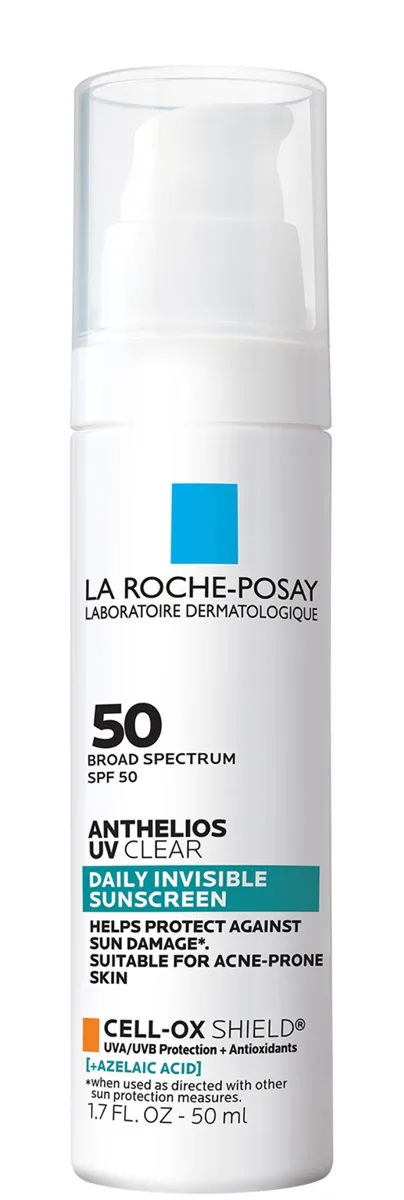
 Anthelios UV Clear Sunscreen SPF 50
One of the only US chemical sunscreens that genuinely earns its 'for sensitive and breakout-prone skin' positioning. A photostable Anthelios filter system paired with a legitimate azelaic acid dose in a lightweight serum-fluid that disappears on every skin tone. Excellent for rosacea, acne, and post-inflammatory hyperpigmentation — and probably the single best daily sunscreen in the La Roche-Posay US lineup for those conditions.
 K-Beauty Daily SPF Standout
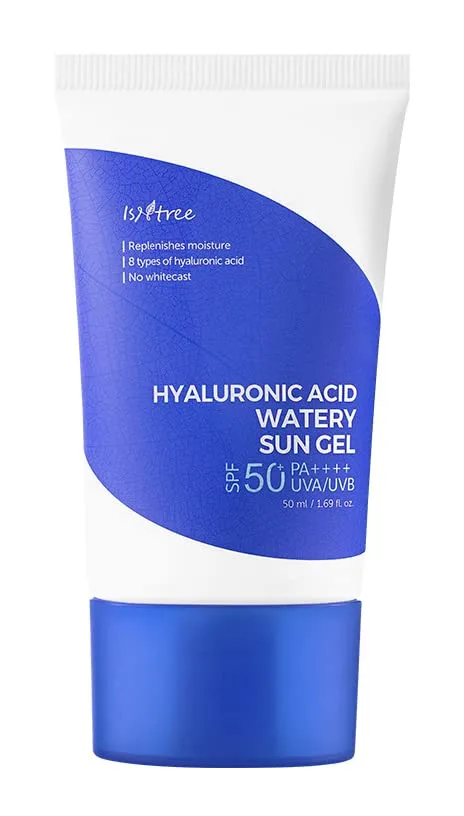
 Hyaluronic Acid Watery Sun Gel SPF 50+
One of the strongest everyday K-beauty sunscreens in the international market — modern European filters, no white cast, fragrance-free, niacinamide-boosted, and built around the brand's signature six-weight HA complex. At twenty-two dollars for 50ml, it's a case study in how much better a daily sunscreen can be when the formulator cares about both protection and wearability.
 Derm Office Staple
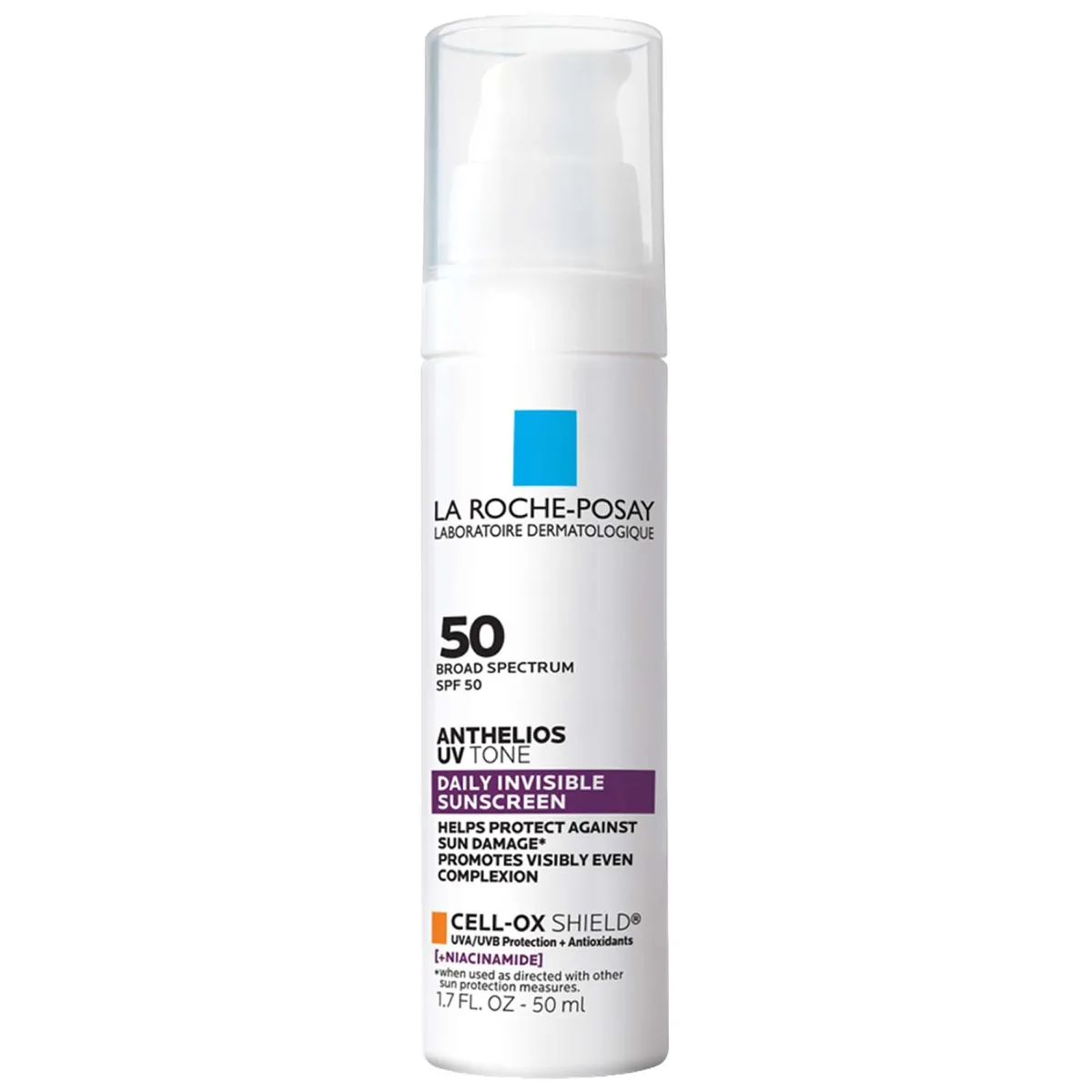
 Anthelios UV Tone Daily Invisible Sunscreen SPF 50
La Roche-Posay's most thoughtful answer yet for hyperpigmentation-prone skin that needs daily SPF. A photostable avobenzone system reinforced with Oxynex ST, paired with a meaningful dose of niacinamide, in a serum-fluid base that goes on invisible on every skin tone. Expensive for 1.7 oz but legitimately well-built — and a rare chemical sunscreen that earns its 'for dark spots' marketing.
 Melasma-Grade Mineral Sunscreen
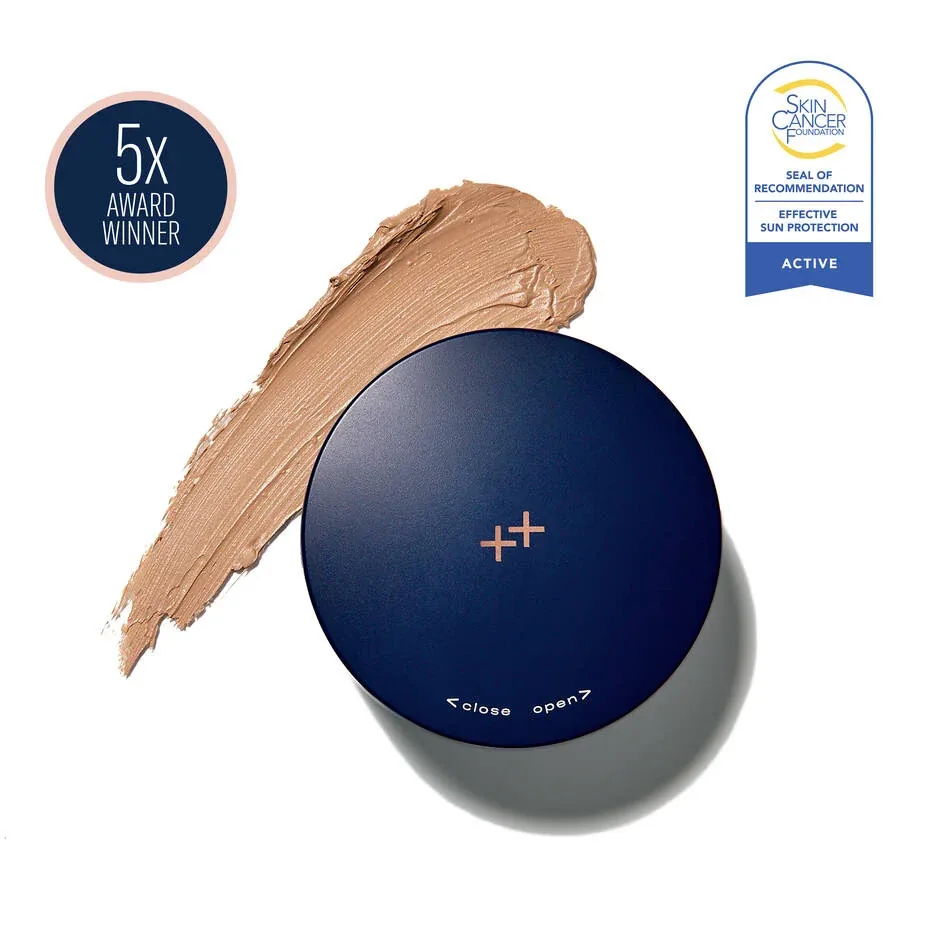
 sunbetter TONE SMART SPF 68
One of the most clinically useful tinted mineral sunscreens in the professional category. SPF 68 from a 100% mineral formula, iron oxide tint that blocks visible light for melasma protection, and an unusually lightweight texture that doesn't feel like you're wearing high-concentration zinc. For patients with melasma or post-inflammatory hyperpigmentation, this is the category benchmark — and it's earned its Allure Best of Beauty wins.
 K-Beauty Cult Favorite
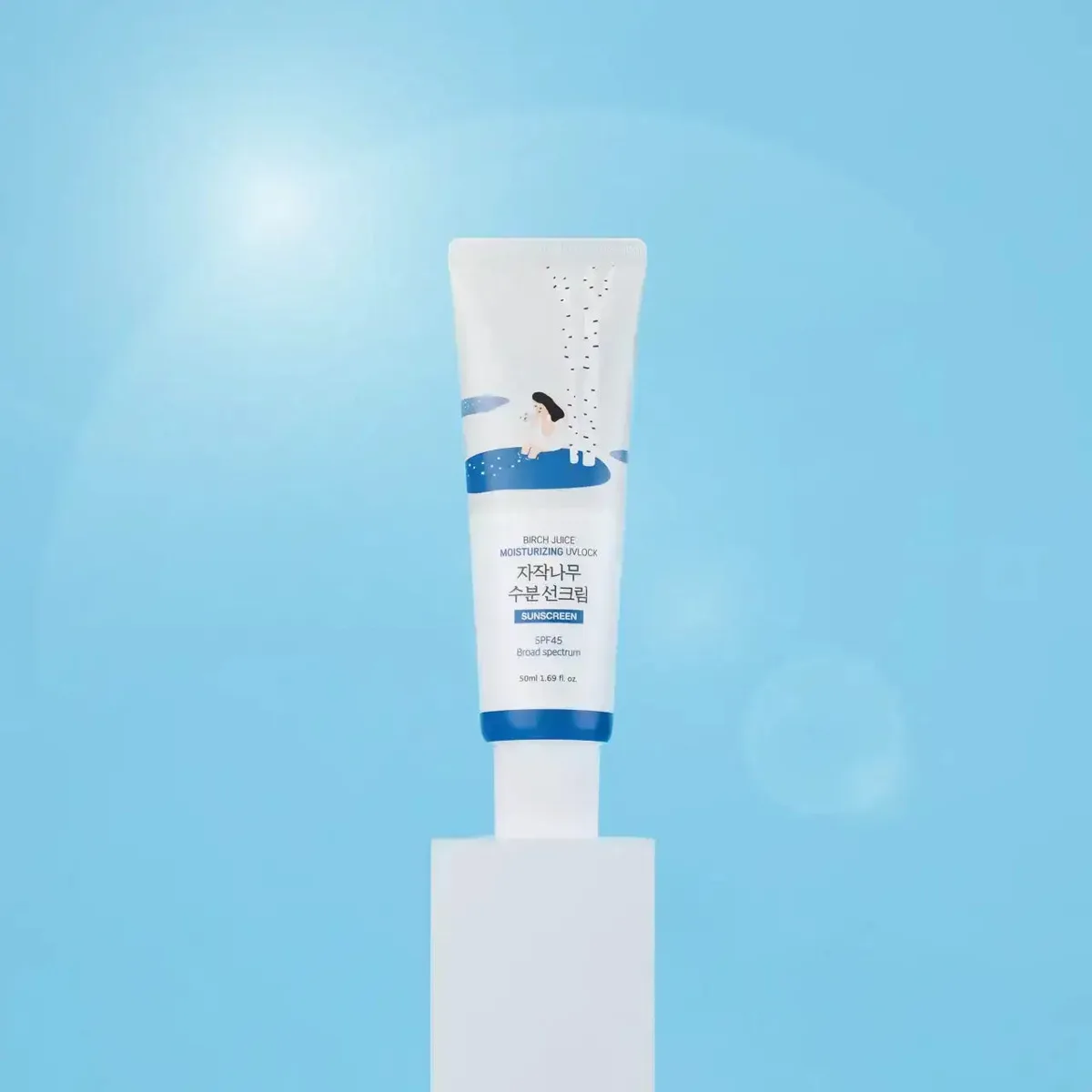
 Birch Juice Moisturizing Sun Cream SPF 50+
One of the best hybrid sunscreens in K-beauty right now — a 70% birch sap base, modern UVA filters you can't get in the US, and a finish that wears like a lightweight moisturizer. Broadly compatible, well-priced, and genuinely pleasant to apply, with minor tradeoffs for oily and fungal-acne-prone users.
 The K-Beauty Sunscreen That Changed Everything
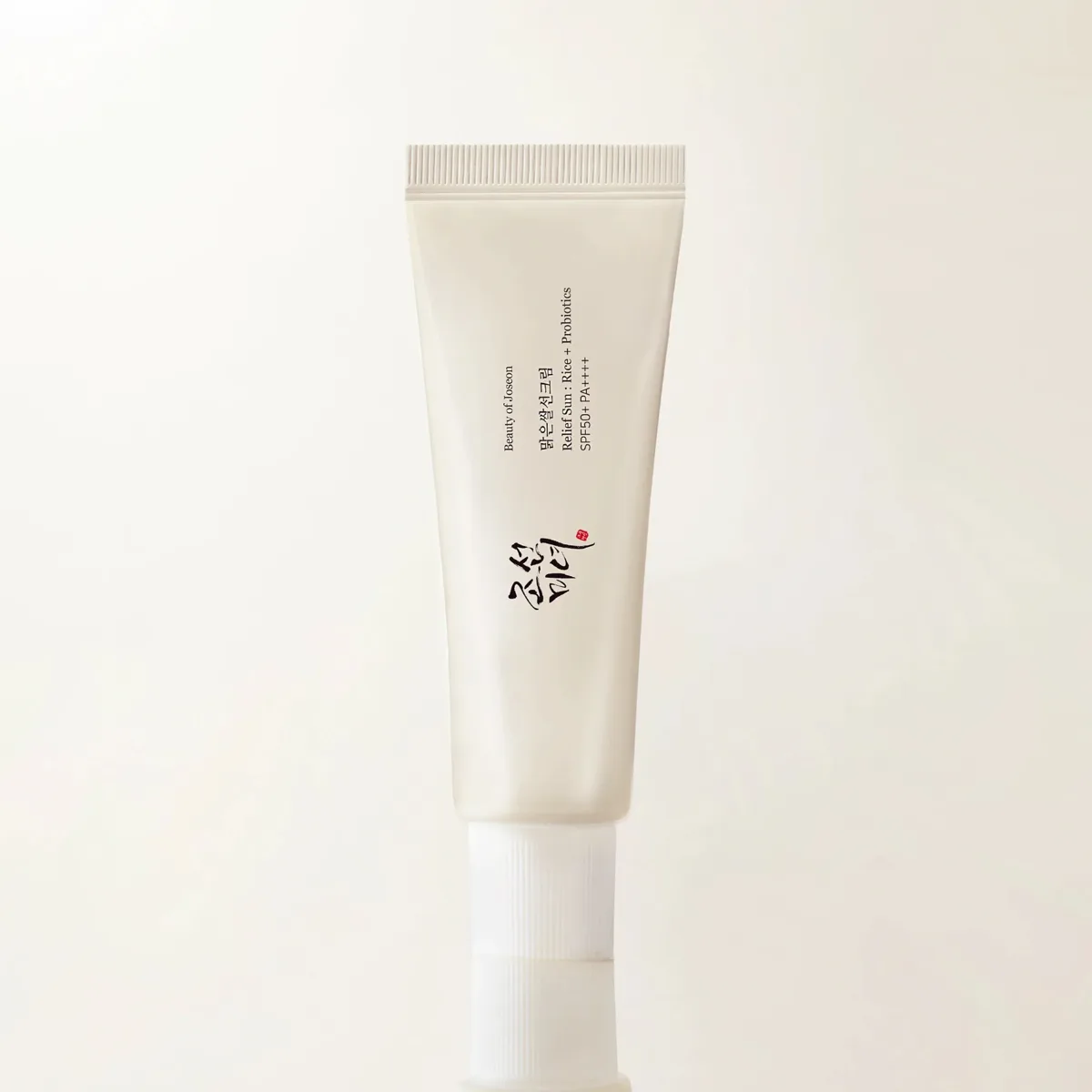
 Relief Sun: Rice + Probiotics SPF 50+
The sunscreen that rewrote the rules for what a $14 product could deliver. With independently verified SPF 50+, 30% rice extract, niacinamide, and a probiotic ferment complex, it offers protection and skincare benefits that rival products three times its price. The texture that feels like wearing nothing on your face is the reason it went viral — and stayed there.