
A pocket-sized sunscreen stick that brought Palmer's cocoa butter comfort to sun protection, but the oxybenzone content and comedogenic base aged poorly as consumer preferences evolved. Now discontinued, it is a product of its era — functional but no longer aligned with current sunscreen standards.
Cocoa Butter Formula Eventone Suncare Sunscreen Stick SPF 50
A pocket-sized sunscreen stick that brought Palmer's cocoa butter comfort to sun protection, but the oxybenzone content and comedogenic base aged poorly as consumer preferences evolved. Now discontinued, it is a product of its era — functional but no longer aligned with current sunscreen standards.
Score Breakdown
Where this product gains points and where it loses them — broken down across the four scoring pillars.
A portable, moisturizing sunscreen stick at a budget price, but the inclusion of oxybenzone — increasingly scrutinized for endocrine disruption concerns and coral reef harm — and the comedogenic cocoa butter base limit its appeal. Discontinued status further reduces its practical score.
Pros & Cons
- ✓Compact, portable stick format ideal for on-the-go facial reapplication
- ✓Moisturizing cocoa butter and shea butter base prevents typical sunscreen dryness
- ✓SPF 50 broad-spectrum protection with five chemical UV filters
- ✓Water resistant for 80 minutes — suitable for outdoor activities
- ✓Budget-friendly at under $6 for the 0.5 oz stick
- ✓Works well as a combined lip, ear, and nose sunscreen
- ✗Contains 6% oxybenzone — now banned in several jurisdictions and widely avoided
- ✗Cocoa butter base is comedogenic and can trigger facial breakouts
- ✗Discontinued — no longer available from Palmer's
- ✗Stick format makes it easy to under-apply and get less protection than rated
- ✗Fragrance in a facial sunscreen is a concern for sensitive skin
Full Review
There was a brief window when Palmer's Eventone Suncare Sunscreen Stick made a lot of sense. Around 2015, the sunscreen stick format was gaining popularity as a reapplication tool — something you could swipe on at the beach without greasy hands or a mirror. Palmer's, a brand built on cocoa butter body care, saw an opportunity to bring its moisturizing expertise to a category that desperately needed it. Most sunscreen sticks at the time felt like rubbing a candle on your face. Palmer's felt like rubbing cocoa butter on your face, because that is essentially what it was.
The UV filter system is straightforward mid-2010s chemical sunscreen engineering. Five filters — avobenzone for UVA, homosalate and octisalate for UVB, octocrylene pulling double duty as a UVB filter and avobenzone stabilizer, and oxybenzone rounding out the broad-spectrum coverage. Together they deliver SPF 50, which on paper is respectable protection for a stick format where under-application is the norm. The combination was standard for its era, before the industry's accelerating pivot away from oxybenzone.
And oxybenzone is the elephant in this compact little tube. When this product launched, oxybenzone was a common sunscreen ingredient with decades of use behind it. Since then, research into its endocrine-disrupting potential and environmental impact on coral reefs has led to bans in Hawaii, Palau, and the U.S. Virgin Islands, along with a measurable shift in consumer preference toward oxybenzone-free formulations. Palmer's decision to discontinue the Eventone Suncare line likely reflects this shift — the ingredient that once helped achieve SPF 50 in a convenient stick format became the ingredient that made the product unsellable to an increasingly informed customer base.
Setting aside the oxybenzone debate, the application experience had genuine strengths. The cocoa butter and shea butter base created a glide-on texture that was more comfortable than most competitors. It doubled as a lip and ear balm, which is exactly what you want from a stick sunscreen. The compact tube fit in a back pocket or beach bag without leaking. And Palmer's pricing kept it under six dollars, making it genuinely accessible as an everyday carry sunscreen.
But the same cocoa butter base that made application pleasant also made this a questionable choice for facial use. Cocoa butter is comedogenic — it can clog pores and trigger breakouts, particularly on the chin, forehead, and nose where sunscreen stick application is heaviest. For a product positioned around preventing dark spots and uneven tone through the Eventone branding, the risk of causing post-inflammatory hyperpigmentation from clogged-pore breakouts is an ironic formulation tension.
User reviews reflected this split. Dry-skinned users loved the moisturizing feel and praised the ease of reapplication. Oily and acne-prone users reported breakouts and a heavy, greasy sensation. Several users noted that despite the SPF 50 rating, they still experienced sunburn — likely a function of the stick format encouraging insufficient application rather than a formula failure. Sunscreen sticks require multiple firm passes to deposit enough product, and the waxy texture can make it feel like you have applied more than you actually have.
The fragrance is present but not overwhelming — the familiar warm cocoa butter scent that Palmer's is known for. On a sunscreen stick designed for facial use, any fragrance is debatable, but it fades quickly after application.
Palmer's has not replaced this specific product in its lineup, which suggests the brand may be rethinking its approach to sun protection entirely. The Eventone Suncare range, which also included SPF 30 lotions and sprays, has been quietly wound down. For anyone who relied on this stick, the current market offers numerous oxybenzone-free sunscreen sticks at similar price points with lighter, more universally tolerable bases.
This product served its purpose for a specific moment in sunscreen history — affordable, moisturizing, portable. That moment has passed. The sunscreen stick market has evolved toward mineral and hybrid formulas with cleaner profiles, and Palmer's cocoa butter DNA may find a better home in that next generation of products than it did in this one.
Formula
Key Ingredients
The hero actives that drive this product's performance.
| Ingredient | Function | Evidence |
|---|---|---|
| Avobenzone 3% (3%) | The primary UVA filter in this stick, providing broad-spectrum protection against the longer UV wavelengths responsible for photoaging and dark spot formation. Stabilized by the octocrylene in this formula, which prevents avobenzone's characteristic photodegradation. | well-established |
| Homosalate 15% (15%) | A UVB-absorbing filter at the maximum FDA-allowed concentration, providing the bulk of the SPF 50 rating. In this wax-based stick format, homosalate also contributes to the smooth, glide-on application texture. | well-established |
| Octocrylene 10% (10%) | Serves dual duty as a UVB filter and as a photostabilizer for avobenzone. In this five-filter system, octocrylene ensures the UVA protection from avobenzone remains stable through extended sun exposure — critical for the product's anti-dark spot positioning. | well-established |
| Theobroma Cacao (Cocoa) Seed Butter | Palmer's signature emollient provides the waxy, moisturizing base that gives this stick its solid format and comfortable wear. The cocoa butter prevents the typical drying effect of chemical sunscreen filters, making reapplication feel like moisturizing rather than a chore. | well-established |
| Tocopherol (Vitamin E) | An antioxidant that scavenges UV-generated free radicals that escape past the chemical filters. In a sunscreen context, vitamin E provides a secondary line of defense against photoaging and oxidative damage to the skin. | well-established |
Full INCI List
Active Ingredients: Avobenzone 3%, Homosalate 15%, Octisalate 5%, Octocrylene 10%, Oxybenzone 6%. Inactive Ingredients: Butyrospermum Parkii (Shea) Butter, C12-15 Alkyl Benzoate, Cocos Nucifera (Coconut) Oil, Dimethicone, Fragrance (Parfum), Methyl Dihydroabietate, Microcrystalline Wax, Mineral Oil, Theobroma Cacao (Cocoa) Fruit Powder, Theobroma Cacao (Cocoa) Seed Butter, Tocopherol
Product Flags
✗ Fragrance Free✓ Alcohol Free✗ Oil Free✗ Silicone Free✓ Paraben Free✓ Sulfate Free✗ Cruelty Free✗ Vegan✗ Fungal Acne Safe
Comedogenic Ingredients
Cocoa ButterCoconut Oil
Potential Irritants
OxybenzoneFragrance (Parfum)
Common Allergens
OxybenzoneFragrance (Parfum)
Compatibility
Skin Match
Best For
Works For
Not Ideal For
Addresses These Conditions
sun damage hyperpigmentation aging dark spots
Use With Caution
Avoid With
Routine Step
sunscreen
Time of Day
AM
Pregnancy Safe
Unknown
Layering Tips
Apply directly to face, lips, ears, and any exposed areas as the last step of your morning routine. The stick format requires firm, even strokes to deposit enough product for adequate protection. Reapply every 2 hours during sun exposure and immediately after swimming or sweating.
Results Timeline
Immediate UV protection upon application. The moisturizing cocoa butter base provides instant softening. With consistent daily use, helps prevent new dark spots and sun damage accumulation over weeks and months.
Pairs Well With
Daily moisturizer underneathAfter-sun care for extended exposureAntioxidant serum underneath for enhanced protection
Sample AM Routine
- Gentle cleanser
- Moisturizer
- THIS PRODUCT as final step
Sample PM Routine
- Double cleanse to remove sunscreen
- Treatment products
- Night moisturizer
Evidence
Science & Expert Perspective
The Science
This sunscreen uses a five-filter chemical UV protection system common in mid-2010s formulations. Avobenzone (3%) is the sole UVA filter, absorbing radiation in the 310-400 nm range. Its known photodegradation issue is addressed by octocrylene (10%), which acts as a photostabilizer and UVB absorber simultaneously. Homosalate (15%) at its maximum FDA-allowed concentration and octisalate (5%) provide the primary UVB absorption, while oxybenzone (6%) contributes both UVA and UVB absorption.
The oxybenzone inclusion warrants discussion in light of evolving research. A 2019 FDA study published in JAMA found that oxybenzone reached systemic blood levels exceeding the FDA's threshold of concern (0.5 ng/mL) after just one day of typical use, raising questions about endocrine disruption potential. A 2016 study in Archives of Environmental Contamination and Toxicology (Downs et al.) documented oxybenzone's contribution to coral bleaching at concentrations found in recreational swimming areas. These findings, while still debated in terms of real-world significance at typical exposure levels, have driven regulatory action and consumer preference shifts.
From a photoprotection standpoint, the five-filter approach provides robust UVA/UVB coverage. A study in the Journal of the American Academy of Dermatology (Wang et al., 2011) demonstrated that SPF 50 products block approximately 98% of UVB radiation compared to 97% for SPF 30, a marginal improvement that is nonetheless meaningful for high-risk individuals. The stick format, however, presents a practical challenge — research published in JAMA Dermatology (2019) found that stick sunscreens deposit less product per application than lotions, potentially reducing effective protection below the labeled SPF.
References
- Effect of Sunscreen Application Under Maximal Use Conditions on Plasma Concentration of Sunscreen Active Ingredients — JAMA (2019)
Dermatologist Perspective
Dermatologists acknowledge that sunscreen sticks serve an important role in encouraging reapplication — the most common failure point in sun protection. Board-certified dermatologists note that any sunscreen is better than none, and the Palmer's stick's convenient format addresses a real behavioral barrier. However, dermatologists increasingly recommend oxybenzone-free formulations, particularly for patients with hormonal concerns or those applying sunscreen to children. The comedogenic cocoa butter base is another point of concern dermatologists raise for patients with acne or rosacea. Dermatologists generally recommend stick sunscreens as supplementary reapplication tools rather than primary sunscreen, since the application thickness is difficult to control consistently.
Guidance
Usage Guide
How to Use
Apply the stick directly to exposed skin using firm, even strokes. For facial use, apply several overlapping passes to the nose, cheeks, forehead, ears, and lips to ensure adequate coverage. Apply 15 minutes before sun exposure. Reapply every 2 hours during sun exposure and immediately after swimming, toweling off, or heavy sweating.
Value Assessment
At approximately $5.99 for 0.5 oz, this was an affordable entry point for SPF 50 stick protection. The pocket-friendly format and moisturizing base provided genuine utility at drugstore pricing. However, the product's discontinuation makes its value proposition academic. As a legacy brand, Palmer's pricing always reflected accessibility over premium positioning, and this product was no exception. The limited remaining stock may be available at clearance prices, but purchasing a discontinued oxybenzone-containing sunscreen for ongoing use is not advisable.
Who Should Buy
Best suited for those with dry to normal skin seeking a portable, moisturizing sunscreen stick for on-the-go reapplication. Ideal for beach bags, hiking packs, and daily carry by users who are comfortable with chemical UV filters including oxybenzone.
Who Should Skip
Anyone avoiding oxybenzone — whether for personal health, environmental, or regulatory reasons — should choose an alternative. Acne-prone and oily skin types should avoid the comedogenic cocoa butter base. Given the discontinued status, anyone needing reliable long-term sun protection should select a currently available product.
Ready to try Palmer's Cocoa Butter Formula Eventone Suncare Sunscreen Stick SPF 50?
Details
Details
Texture
Waxy, solid stick that requires firm pressure to glide on. Deposits a moisturizing, slightly shiny layer that feels like a balm. Thicker application than most modern sunscreen sticks.
Scent
Warm cocoa butter fragrance consistent with the Palmer's brand signature. Noticeable on application but fades within 30 minutes.
Packaging
Compact twist-up stick in a pocket-sized tube. Portable and leak-proof — ideal for bags, pockets, and beach trips. Brown and gold Palmer's branding.
Finish
dewynon-greasy
What to Expect on First Use
Immediate moisturizing sensation from the cocoa butter and shea butter base. The stick requires several passes to deposit adequate product for SPF 50 coverage. No stinging or irritation for most users, though those sensitive to oxybenzone may experience mild warmth.
How Long It Lasts
1-2 months with daily facial application and regular reapplication
Period After Opening
12 months
Best Season
spring summer
Background
The Why
Palmer's launched the Eventone Suncare line to address sun protection specifically for melanin-rich skin, where hyperpigmentation and uneven tone are primary sun damage concerns rather than sunburn alone. The sunscreen stick was the most portable format in the range, designed for easy facial reapplication. The product has since been discontinued, likely in part due to growing consumer resistance to oxybenzone-containing sunscreens.
About Palmer's Legacy Brand (20+ years)
Palmer's is manufactured by E.T. Browne Drug Co., founded in 1840. While the brand is a household name in cocoa butter body care, its sunscreen range was a more recent extension. This Eventone Suncare Sunscreen Stick has since been discontinued.
Brand founded: 1840 · Product launched: 2015
Myth vs. Reality
Myths & Misconceptions
Myth
Higher SPF numbers always mean better protection
Reality
SPF 50 blocks approximately 98% of UVB rays, compared to 97% for SPF 30 — a minimal difference. The real factor in protection is adequate application quantity and consistent reapplication every 2 hours. This stick format makes it easy to under-apply due to the swipe-on mechanism.
Myth
Darker skin tones don't need sunscreen
Reality
While melanin provides some inherent UV protection, darker skin tones are still susceptible to UV-induced hyperpigmentation, dark spots, and photoaging. Palmer's Eventone line was specifically designed to address these concerns in melanin-rich skin.
FAQ
Frequently Asked Questions
Is Palmer's Eventone Sunscreen Stick SPF 50 discontinued?
Yes — this product has been discontinued by Palmer's. Remaining stock may be available through select online retailers, but it is no longer in active production. For a current Palmer's sunscreen alternative, check the brand's updated product lineup.
Does Palmer's Eventone Sunscreen Stick contain oxybenzone?
Yes — this formula contains 6% oxybenzone as one of its five UV-filtering active ingredients. Oxybenzone has come under increased scrutiny for potential endocrine disruption and coral reef harm, and has been banned in some jurisdictions including Hawaii and Key West. This is likely a factor in the product's discontinuation.
Can I use this sunscreen stick on my face?
Yes, the stick was designed for facial use including ears, nose, and lips. However, the cocoa butter base is comedogenic for acne-prone skin, and oxybenzone may irritate sensitive facial skin. If you have oily or breakout-prone skin, a non-comedogenic liquid sunscreen would be a better choice.
Is this sunscreen water resistant?
Yes — this sunscreen stick is water resistant for up to 80 minutes. Reapply immediately after swimming, toweling off, or heavy sweating, and at least every 2 hours during continuous sun exposure regardless of water contact.
Why does this sunscreen contain cocoa butter?
Cocoa butter is Palmer's signature ingredient and provides the moisturizing base that distinguishes this stick from competitors. It prevents the dry, tight feeling common with many chemical sunscreens. However, the cocoa butter also makes this formula comedogenic, which is a trade-off for its moisturizing benefits.
Community
Community Voices
Common Praise
"Extremely portable stick format for on-the-go reapplication"
"Moisturizing cocoa butter base prevents dry, tight feeling"
"Affordable SPF 50 protection at drugstore pricing"
"Easy application to ears, nose, and lips without mess"
Common Complaints
"Contains oxybenzone, which many consumers now avoid"
"Cocoa butter base can feel heavy and greasy on oily skin"
"Some users reported inadequate sun protection despite SPF 50 claim"
"Noticeable fragrance that some find unpleasant in a sunscreen"
Appears In
best sunscreen for dark spots best budget sunscreen stick best sunscreen for dryness
Related Conditions
sun damage hyperpigmentation dark spots aging
Related Ingredients
You Might Also Like
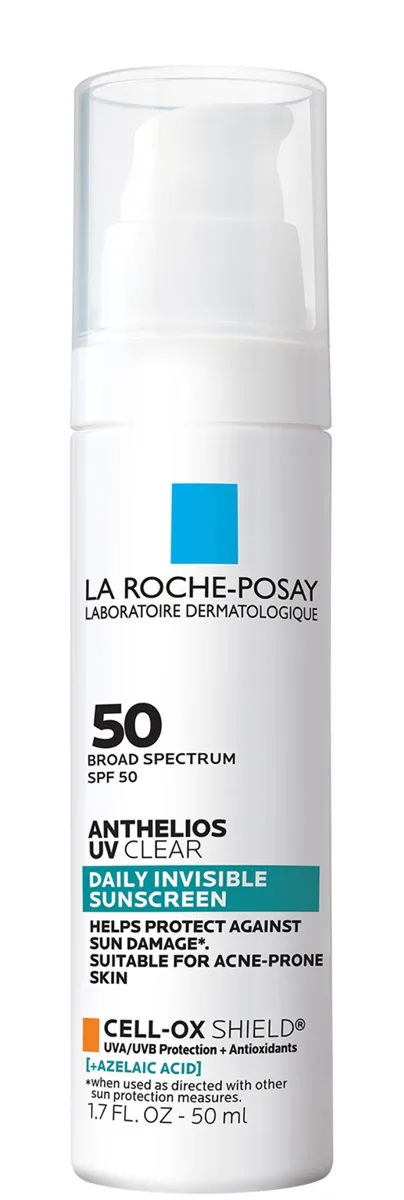 Derm Office Staple
 Anthelios UV Clear Sunscreen SPF 50
One of the only US chemical sunscreens that genuinely earns its 'for sensitive and breakout-prone skin' positioning. A photostable Anthelios filter system paired with a legitimate azelaic acid dose in a lightweight serum-fluid that disappears on every skin tone. Excellent for rosacea, acne, and post-inflammatory hyperpigmentation — and probably the single best daily sunscreen in the La Roche-Posay US lineup for those conditions.
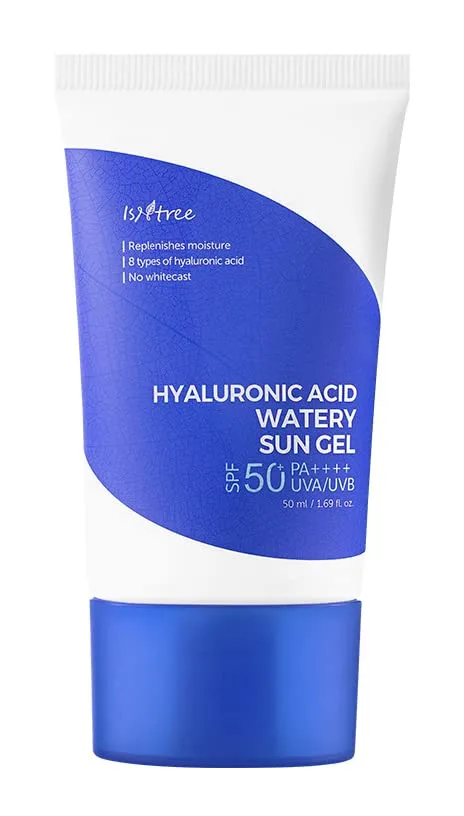 K-Beauty Daily SPF Standout
 Hyaluronic Acid Watery Sun Gel SPF 50+
One of the strongest everyday K-beauty sunscreens in the international market — modern European filters, no white cast, fragrance-free, niacinamide-boosted, and built around the brand's signature six-weight HA complex. At twenty-two dollars for 50ml, it's a case study in how much better a daily sunscreen can be when the formulator cares about both protection and wearability.
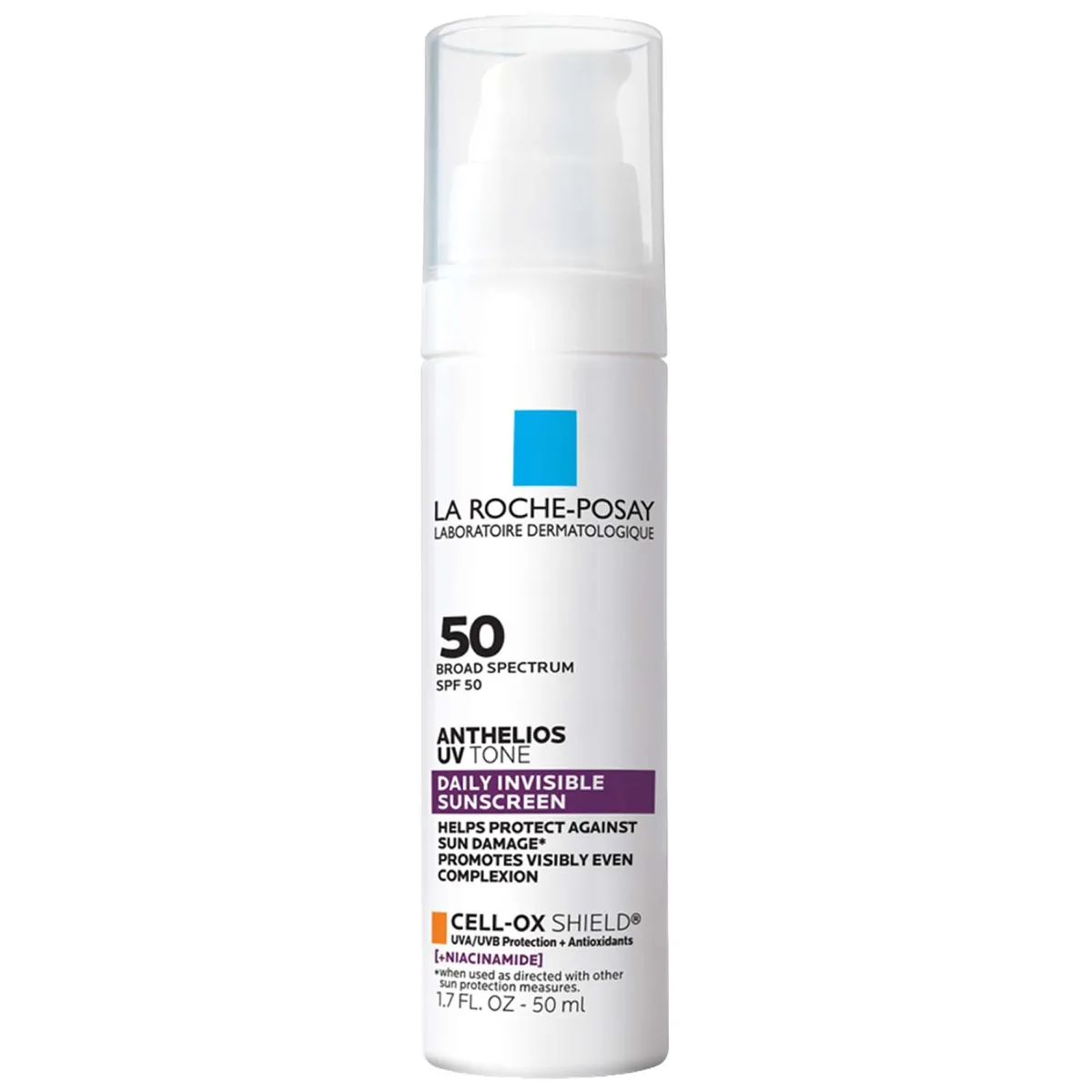 Derm Office Staple
 Anthelios UV Tone Daily Invisible Sunscreen SPF 50
La Roche-Posay's most thoughtful answer yet for hyperpigmentation-prone skin that needs daily SPF. A photostable avobenzone system reinforced with Oxynex ST, paired with a meaningful dose of niacinamide, in a serum-fluid base that goes on invisible on every skin tone. Expensive for 1.7 oz but legitimately well-built — and a rare chemical sunscreen that earns its 'for dark spots' marketing.
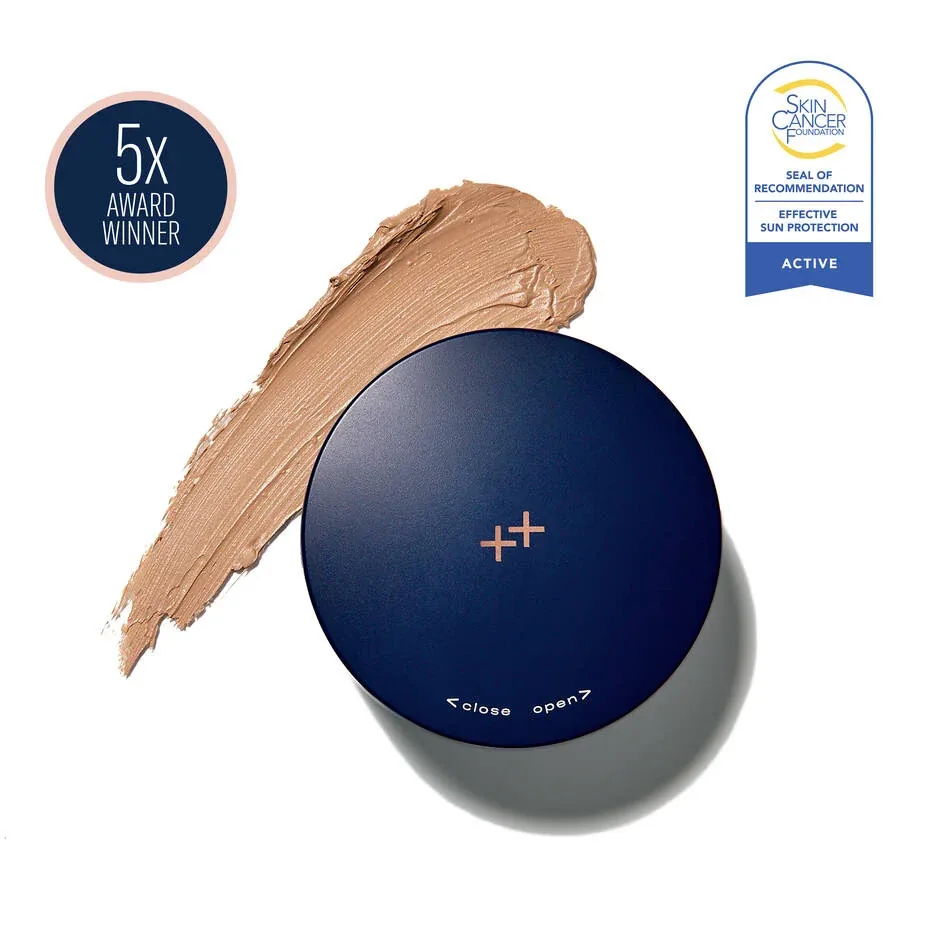 Melasma-Grade Mineral Sunscreen
 sunbetter TONE SMART SPF 68
One of the most clinically useful tinted mineral sunscreens in the professional category. SPF 68 from a 100% mineral formula, iron oxide tint that blocks visible light for melasma protection, and an unusually lightweight texture that doesn't feel like you're wearing high-concentration zinc. For patients with melasma or post-inflammatory hyperpigmentation, this is the category benchmark — and it's earned its Allure Best of Beauty wins.
 K-Beauty Cult Favorite
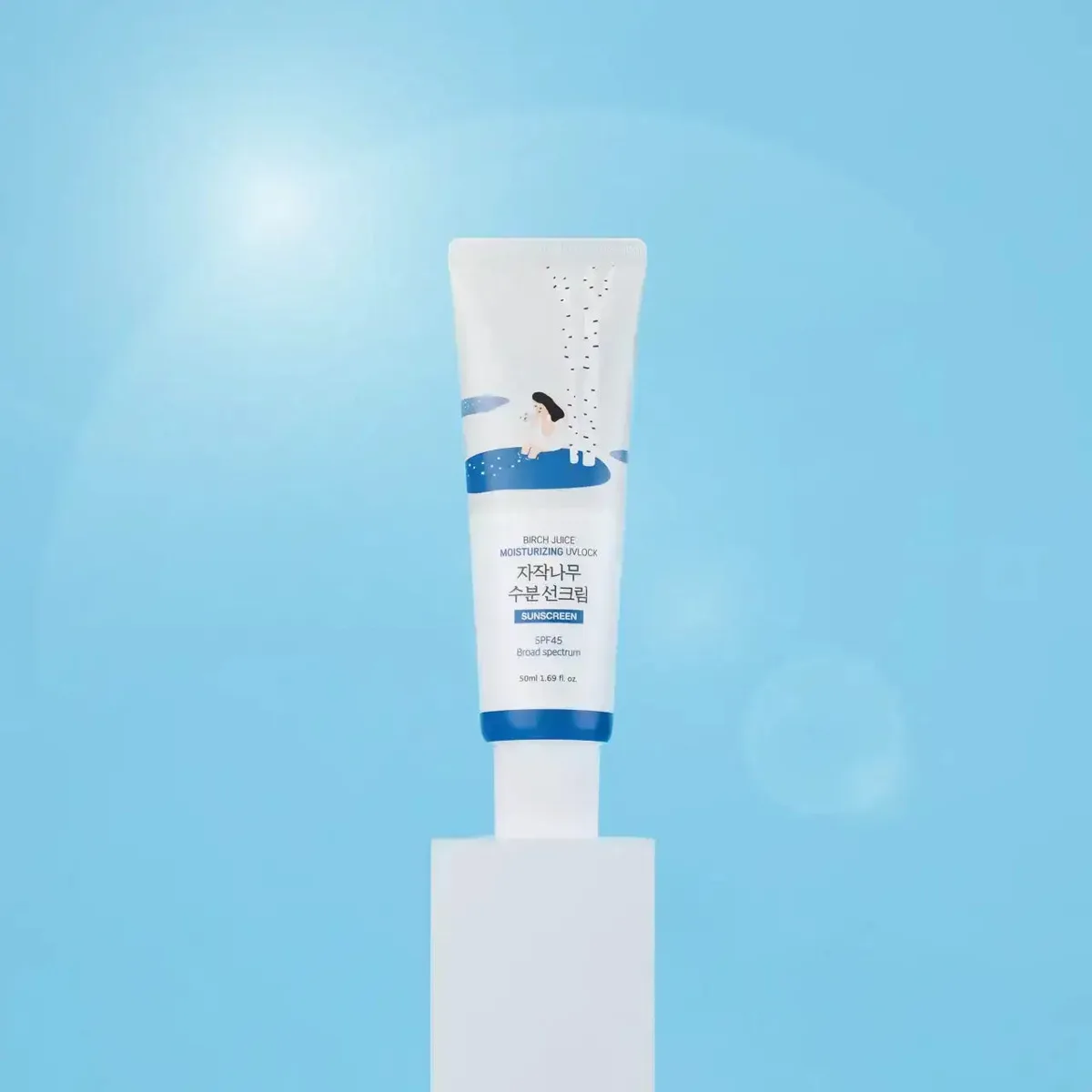
 Birch Juice Moisturizing Sun Cream SPF 50+
One of the best hybrid sunscreens in K-beauty right now — a 70% birch sap base, modern UVA filters you can't get in the US, and a finish that wears like a lightweight moisturizer. Broadly compatible, well-priced, and genuinely pleasant to apply, with minor tradeoffs for oily and fungal-acne-prone users.
 The K-Beauty Sunscreen That Changed Everything
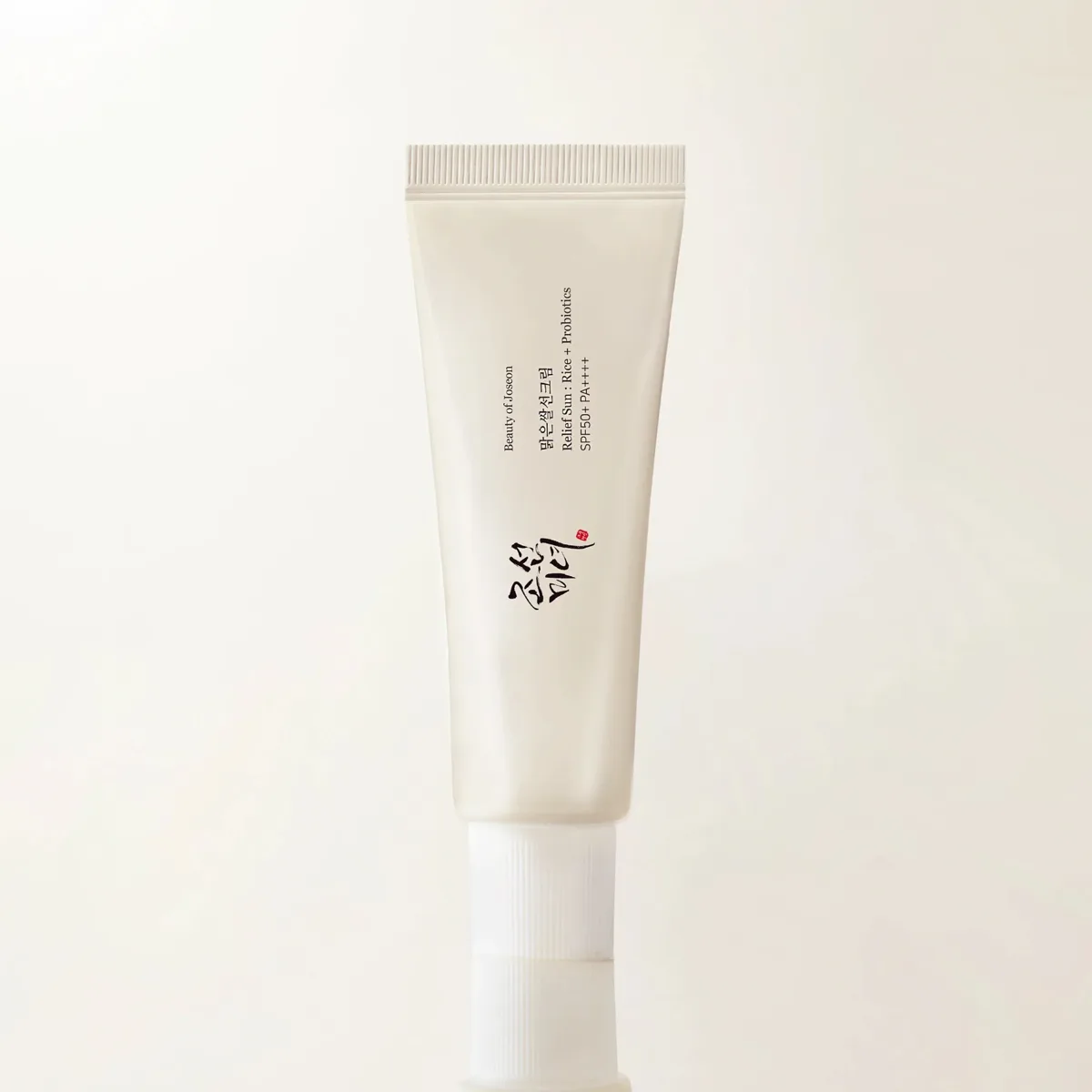
 Relief Sun: Rice + Probiotics SPF 50+
The sunscreen that rewrote the rules for what a $14 product could deliver. With independently verified SPF 50+, 30% rice extract, niacinamide, and a probiotic ferment complex, it offers protection and skincare benefits that rival products three times its price. The texture that feels like wearing nothing on your face is the reason it went viral — and stayed there.