
A thoughtfully over-engineered sunscreen that delivers beyond-basic UV protection with an antioxidant support system most competitors don't even attempt. The elegant, weightless wear makes daily compliance effortless — which is the only thing that actually matters with sunscreen.
Daily Defense Broad Spectrum SPF 50+
A thoughtfully over-engineered sunscreen that delivers beyond-basic UV protection with an antioxidant support system most competitors don't even attempt. The elegant, weightless wear makes daily compliance effortless — which is the only thing that actually matters with sunscreen.
Score Breakdown
Where this product gains points and where it loses them — broken down across the four scoring pillars.
A well-formulated hybrid sunscreen with an impressive antioxidant support system including ectoin, silymarin, and ethyl ferulate that goes beyond basic UV blocking. The lightweight, oil-free texture suits most skin types. Octocrylene sensitivity and the premium price for a small tube are the main drawbacks.
Pros & Cons
- ✓Sophisticated antioxidant support system with ectoin silymarin and ethyl ferulate beyond basic UV blocking
- ✓Hybrid mineral-chemical formula provides genuinely broad-spectrum UVA and UVB protection
- ✓No visible white cast despite 9.1% zinc oxide content
- ✓Lightweight fluid texture absorbs quickly and layers seamlessly under makeup
- ✓Oil-free and fragrance-free suitable for post-procedure and sensitive skin
- ✓Reef-friendly formula excluding oxybenzone and octinoxate
- ✓Bisabolol and oat extract provide anti-inflammatory calming during UV exposure
- ✗1.7 oz tube lasts only 4-6 weeks with proper daily application making it expensive over time
- ✗Contains octocrylene which some users prefer to avoid on sensitization or environmental grounds
- ✗Can occasionally pill over certain serum or moisturizer combinations
- ✗Premium price for a sunscreen when compared to drugstore SPF options
- ✗No water-resistance claim limiting reliability during swimming or heavy sweating
Full Review
There's a moment after every professional chemical peel where the esthetician hands you a sunscreen and says something like, 'This is the most important product you'll use for the next two weeks.' That hand-off is where PCA Skin's Daily Defense earned its reputation. When newly resurfaced skin is at its most photosensitive — raw, barrier-compromised, and vulnerable to UV-induced hyperpigmentation — the sunscreen needs to be both absolutely reliable and completely non-irritating. Daily Defense was formulated for exactly that critical window, and the result is a sunscreen that's dramatically better than it needs to be for everyday wear.
The UV filter system is a well-calibrated hybrid. Zinc oxide at 9.1% handles the heavy lifting on UVA protection — the aging, pigmentation-inducing rays that penetrate deeper into the skin. Octisalate and octocrylene at 4.9% and 9.5% respectively cover the UVB spectrum more efficiently than zinc oxide alone. This combination fills the spectral gaps that either mineral or chemical filters would leave individually, delivering genuinely broad protection that earns the SPF 50+ rating.
But the UV filters are only half the story, and this is where Daily Defense distinguishes itself from the vast majority of sunscreens on the market. The antioxidant support complex is uncommonly sophisticated. Ectoin — a natural extremolyte originally discovered in bacteria that survive extreme heat and UV environments — protects cell membranes and proteins from the thermal and oxidative stress that UV radiation generates even through sunscreen. Silymarin from milk thistle provides flavonoid antioxidant activity specifically targeting UV-induced free radicals. Ethyl ferulate, a derivative of the ferulic acid that made SkinCeuticals famous, both stabilizes the UV filters against photodegradation and scavenges its own share of free radicals. And caffeine adds anti-inflammatory activity that helps suppress the UV-triggered inflammatory cascade.
This layered approach reflects a growing understanding in photoprotection science: SPF measures only how much UV radiation is blocked, not how much oxidative damage occurs from the UV that gets through. Even at SPF 50+, roughly 2% of UVB and a significant portion of UVA still reaches the skin. Daily Defense addresses that residual damage with its antioxidant system, providing a second line of defense that most sunscreens simply don't offer.
The wearing experience is genuinely pleasant, which matters enormously for a product that only works if you actually use it. The texture is a lightweight, fluid lotion that spreads easily and absorbs within about sixty seconds. Despite the 9.1% zinc oxide, there is no visible white cast — the zinc is micronized and dispersed in a silicone base that renders it invisible on application. The finish is semi-matte without being drying, and it layers beautifully under makeup and foundation with no pilling.
Bisabolol and oat bran extract provide calming, anti-inflammatory support, and sodium hyaluronate delivers a light layer of hydration. The result is a sunscreen that feels like a lightweight moisturizer rather than a protective coating — which dramatically improves the odds that people will actually apply enough of it and wear it consistently.
The honest concerns are practical rather than formulation-based. At 1.7 oz, the tube is small for a product that should be applied generously every morning (and reapplied during extended exposure). With proper application, this tube lasts four to six weeks, making the effective monthly cost around $48 — which is a real consideration for a product that's meant to be used daily and liberally. Octocrylene, while effective and FDA-approved, is a chemical filter that some users prefer to avoid due to potential sensitization and environmental concerns, though it remains within regulatory safety limits.
PCA Skin's professional-grade approach to sunscreen formulation is evident in every choice here — from the hybrid filter system to the multi-antioxidant complex to the elegant vehicle. Daily Defense doesn't just block UV; it provides a comprehensive photoprotection strategy that works on multiple levels. For a product born in the treatment room, that overachieving instinct translates beautifully to daily wear.
Formula
Key Ingredients
The hero actives that drive this product's performance.
| Ingredient | Function | Evidence |
|---|---|---|
| Zinc Oxide (9.1%) (9.1%) | Provides the mineral UV-blocking backbone of this hybrid formula, offering broad UVA protection that the chemical filters alone cannot deliver — the zinc oxide sits on the skin surface reflecting and scattering UV rays while the octisalate and octocrylene absorb them chemically. | well-established |
| Ectoin | A natural extremolyte originally found in bacteria surviving extreme environments, ectoin provides a unique layer of cellular protection beyond UV filtering — stabilizing cell membranes and proteins against the heat and oxidative stress that UV radiation generates even through sunscreen. | promising |
| Silymarin (Milk Thistle Extract) | A potent flavonoid antioxidant that specifically targets UV-induced free radical damage, complementing the physical and chemical UV filters by neutralizing the oxidative stress that penetrating UVA rays generate in the deeper skin layers. | promising |
| Ethyl Ferulate | A derivative of ferulic acid that provides antioxidant photo-stabilizing support, enhancing the overall UV protection by scavenging free radicals generated by UV exposure and helping stabilize the chemical filters against photodegradation. | promising |
| Bisabolol | Delivers anti-inflammatory soothing to calm the skin's response to UV exposure and environmental stress, reducing the redness and irritation that some chemical UV filters can trigger in sensitive skin types. | well-established |
| Sodium Hyaluronate | Provides lightweight hydration beneath the sunscreen matrix, preventing the dry, tight feeling that zinc oxide-containing sunscreens sometimes cause while helping the formula spread more evenly across the skin. | well-established |
Full INCI List
Active Ingredients: Octisalate 4.9%, Octocrylene 9.5%, Zinc Oxide 9.1%. Inactive Ingredients: Water, Cyclopentasiloxane, Octyldodecyl Neopentanoate, Butyloctyl Salicylate, Propanediol, Caprylyl Methicone, Hydroxyethyl Acrylate/Sodium Acryloyldimethyl Taurate Copolymer, Butylene Glycol, Polyisobutene, Sodium Stearoyl Glutamate, Oleth-3 Phosphate, Triethoxycaprylylsilane, PEG-7 Trimethylolpropane Coconut Ether, Ectoin, Silybum Marianum Seed Extract, Ethyl Ferulate, Caffeine, Bisabolol, Avena Sativa (Oat) Bran Extract, Citrus Aurantium Dulcis (Orange) Peel Extract, Sodium Hyaluronate, Tocopheryl Acetate, Phenoxyethanol, Ethylhexylglycerin
Product Flags
✓ Fragrance Free✓ Alcohol Free✓ Oil Free✗ Silicone Free✓ Paraben Free✓ Sulfate Free✓ Cruelty Free✗ Vegan✗ Fungal Acne Safe
Potential Irritants
Octocrylene
Compatibility
Skin Match
Best For
Works For
Not Ideal For
Addresses These Conditions
sun damage aging hyperpigmentation dark spots
Routine Step
sunscreen
Time of Day
AM
Pregnancy Safe
Yes ✓
Layering Tips
Apply as the final step of your morning skincare routine, after moisturizer. Use a generous amount — approximately a nickel-sized dollop for the face. Allow 15 minutes before sun exposure for the chemical filters to fully activate. Reapply every 2 hours during prolonged sun exposure or after sweating or swimming.
Results Timeline
Immediate broad-spectrum UV protection upon application. The antioxidant complex provides ongoing free radical defense throughout wear. Over weeks and months of consistent daily use, prevents cumulative UV damage that leads to photoaging, dark spots, and loss of firmness.
Pairs Well With
vitamin C serumsniacinamidemoisturizersantioxidant serums
Sample AM Routine
- Gentle cleanser
- Vitamin C serum
- Moisturizer
- PCA Skin Daily Defense Broad Spectrum SPF 50+
Sample PM Routine
- Oil cleanser (to remove sunscreen)
- Gentle cleanser
- Treatment serum
- Moisturizer
Evidence
Science & Expert Perspective
The Science
The hybrid UV filter approach in Daily Defense combines the photostability advantages of zinc oxide with the cosmetic elegance and UVB efficiency of organic filters. Zinc oxide provides broad UVA coverage (critical wavelengths above 370nm), while octisalate absorbs UVB at peak efficiency and octocrylene contributes UVB absorption plus UV filter photostabilization.
Ectoin represents one of the more interesting additions in modern sunscreen formulation. Originally identified in extremophilic bacteria (Halomonas elongata) that survive in high-UV, high-temperature environments, ectoin functions as a compatible solute that stabilizes cell membranes and proteins under thermal and oxidative stress. A 2004 study published in Skin Pharmacology and Physiology demonstrated that topical ectoin reduced UV-induced skin damage markers including sunburn cell formation and Langerhans cell depletion at concentrations as low as 0.5%.
Silymarin, extracted from milk thistle seeds, has been studied for its photoprotective properties. Research published in the Journal of the American Academy of Dermatology (2010) showed that topical silymarin reduced UV-induced oxidative stress markers and had anti-inflammatory effects on UV-exposed skin. Its mechanism involves scavenging of reactive oxygen species and inhibition of NF-kB activation — a key inflammatory pathway triggered by UV exposure.
Ethyl ferulate is a derivative of ferulic acid with improved skin penetration. The photoprotective synergy between ferulic acid and UV filters was famously demonstrated in the 2005 Pinnell study published in the Journal of Investigative Dermatology, which showed that topical ferulic acid enhanced the photoprotection of vitamins C and E. While ethyl ferulate is a different compound, it shares the free radical scavenging and UV filter stabilizing properties that make the ferulic acid family valuable in sunscreen formulations.
References
- Ectoin protects skin from ultraviolet light-induced damage — Skin Pharmacology and Physiology (2004)
- Ferulic acid stabilizes a solution of vitamins C and E and doubles its photoprotection of skin — Journal of Investigative Dermatology (2005)
Dermatologist Perspective
Board-certified dermatologists universally recommend daily broad-spectrum SPF 50 as a cornerstone of any skincare regimen, and Daily Defense checks the essential boxes with its hybrid UV filter system. Dermatologists note that the addition of ectoin and silymarin represents a more sophisticated approach to photoprotection than UV filtering alone — addressing the oxidative damage that occurs even through sunscreen. The oil-free, fragrance-free profile makes it appropriate for post-procedure patients, including those recovering from chemical peels, laser resurfacing, and IPL treatments. Dermatologists specializing in skin of color appreciate the zero white cast formulation. The main clinical caveat is the lack of a water-resistance claim, which means dermatologists would recommend supplementing with a water-resistant SPF for beach or active outdoor activities.
Guidance
Usage Guide
How to Use
Apply generously to the face and neck as the final step of your morning skincare routine, after moisturizer. Use approximately a nickel-sized amount for the face alone. Allow the product to absorb for 15 minutes before sun exposure for the chemical filters to fully activate. Reapply every 2 hours during extended outdoor exposure, or immediately after sweating or swimming. For indoor days, a single morning application is sufficient for incidental UV exposure through windows.
Value Assessment
At $48 for 1.7 fl oz, Daily Defense is priced at the upper end for a daily sunscreen. With proper application, a tube lasts four to six weeks, translating to roughly $8-12 per week — significantly more than drugstore sunscreens but in line with other professional-grade SPF products. The value equation improves when you consider the antioxidant complex that goes beyond basic UV filtering — you're effectively getting a sunscreen plus an antioxidant serum in one step. A travel-size version is also available for trying before committing to the full size. For post-procedure patients and those committed to anti-aging photoprotection, the professional-grade formula and wearing elegance justify the premium over basic SPF options.
Who Should Buy
Daily Defense is ideal for anyone who wants professional-grade sun protection in an elegant, wearable formula. It's particularly well-suited for post-procedure skin, those on retinoids or prescription actives that increase photosensitivity, and anyone who struggles to wear sunscreen consistently because of texture or white cast issues.
Who Should Skip
If you're looking for a budget-friendly daily sunscreen, the per-ounce cost may not work for your routine. Those with known sensitivity to octocrylene should avoid this formula. For heavy outdoor activity or beach days, you'll want a water-resistant sunscreen instead of or in addition to this product.
Ready to try PCA Skin Daily Defense Broad Spectrum SPF 50+?
Details
Details
Texture
Lightweight, fluid lotion that spreads easily and absorbs quickly into the skin with a semi-matte finish
Scent
Unscented — no detectable fragrance
Packaging
Squeeze tube — hygienic, portable, and easy to dispense
Finish
mattenon-greasylightweightinvisible
What to Expect on First Use
Applies smoothly with no white cast despite the 9.1% zinc oxide content. Absorbs within a minute and leaves skin feeling comfortable, not heavy or greasy. Layers well under makeup. No stinging or irritation on application, even on post-procedure skin.
How Long It Lasts
4-6 weeks with daily application of recommended amount to face and neck
Period After Opening
12 months
Best Season
All Year
Certifications
Cruelty-FreeReef-Friendly
Background
The Why
PCA Skin developed Daily Defense as the sunscreen they could confidently recommend to clients leaving the treatment room after chemical peels and resurfacing procedures — when the skin is most photosensitive and most vulnerable to UV damage. The formula needed to be effective enough for professionally treated skin, gentle enough for post-procedure sensitivity, and elegant enough that clients would actually use it every day. That professional urgency shaped every aspect of the formula.
About PCA Skin Established Brand (5–20 years)
PCA Skin was founded in 1990 by an aesthetician and developed alongside dermatologists. The brand is the number-one professional chemical peel brand among estheticians, with over one million peels performed globally each year. Its formulations are developed in-house by PhD chemists.
Brand founded: 1990 · Product launched: 2019
Myth vs. Reality
Myths & Misconceptions
Myth
Hybrid sunscreens (mineral + chemical) are less effective than pure mineral sunscreens.
Reality
Hybrid formulas often provide more complete protection than either type alone. In Daily Defense, the zinc oxide covers the UVA spectrum where the chemical filters are weaker, while octisalate and octocrylene handle UVB absorption more efficiently than zinc oxide alone. The combination fills gaps that either approach would leave individually.
Myth
SPF 50 provides twice the protection of SPF 25.
Reality
The difference between SPF 30 and SPF 50 is about 1-2% more UVB blocking (96.7% vs 98%). The real value of SPF 50+ is the margin of error — since most people under-apply sunscreen, a higher SPF number compensates for imperfect application, which is why dermatologists recommend SPF 50 even though the mathematical difference from SPF 30 is small.
FAQ
Frequently Asked Questions
Does PCA Skin Daily Defense leave a white cast?
No — despite containing 9.1% zinc oxide, the formula is engineered with silicone-based dispersants that ensure the zinc oxide integrates smoothly without leaving a visible white cast. The lightweight texture absorbs quickly and dries invisible on most skin tones.
Is PCA Skin Daily Defense reef-safe?
Daily Defense is formulated without oxybenzone and octinoxate, making it compliant with reef safety regulations in Hawaii and Key West. It does contain octocrylene, which some environmental groups have flagged, though it is not currently included in reef safety legislation.
Can I use PCA Skin Daily Defense after a chemical peel?
Yes — Daily Defense was specifically designed for post-procedure skin. The fragrance-free, oil-free formula with soothing bisabolol, oat extract, and ectoin is gentle enough for freshly peeled skin while providing the SPF 50+ protection that photosensitized skin requires.
How often should I reapply PCA Skin Daily Defense?
Reapply every two hours during continuous sun exposure, or immediately after swimming, sweating, or toweling off. For indoor days with incidental sun exposure, a single morning application is generally sufficient, but reapplication is recommended if you spend extended time near windows or outdoors.
Is PCA Skin Daily Defense good for oily skin?
Yes — the oil-free formula with a semi-matte finish is well-suited for oily and combination skin types. The lightweight texture doesn't add shine or feel heavy, and the silicone base helps control oil throughout the day without clogging pores.
Community
Community Voices
Common Praise
"Lightweight texture absorbs quickly without white cast"
"Layers beautifully under makeup and foundation"
"No greasy or heavy feeling throughout the day"
"Good for sensitive skin and post-procedure use"
"Oil-free formula doesn't cause breakouts"
Common Complaints
"1.7 oz tube doesn't last long with proper daily application"
"Premium price for a sunscreen"
"Contains octocrylene which some users prefer to avoid"
"Can pill if applied over certain moisturizers or serums"
Notable Endorsements
Used in professional post-peel sun protection protocolsRecommended by estheticians and dermatologists
Appears In
best sunscreen for aging best sunscreen for sensitivity best hybrid sunscreen best sunscreen for post procedure
Related Conditions
sun damage aging hyperpigmentation dark spots post procedure
Related Ingredients
You Might Also Like
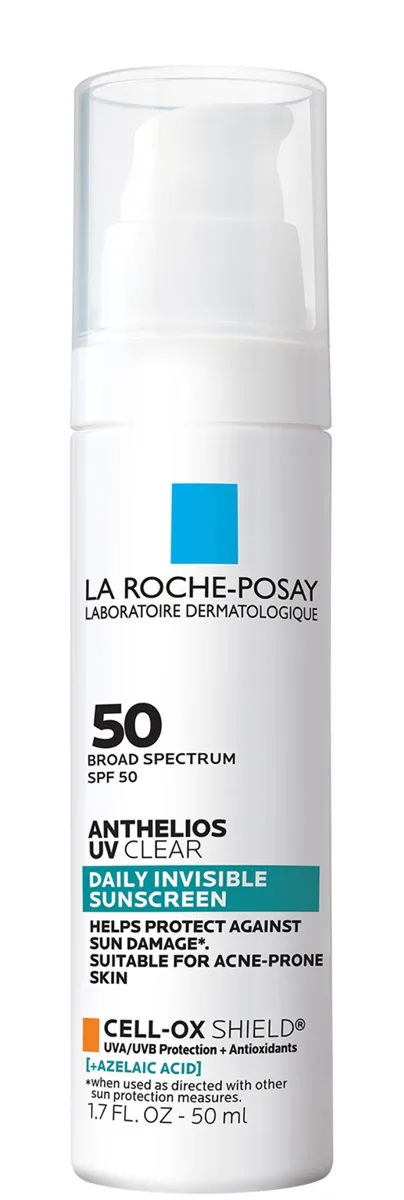 Derm Office Staple
 Anthelios UV Clear Sunscreen SPF 50
One of the only US chemical sunscreens that genuinely earns its 'for sensitive and breakout-prone skin' positioning. A photostable Anthelios filter system paired with a legitimate azelaic acid dose in a lightweight serum-fluid that disappears on every skin tone. Excellent for rosacea, acne, and post-inflammatory hyperpigmentation — and probably the single best daily sunscreen in the La Roche-Posay US lineup for those conditions.
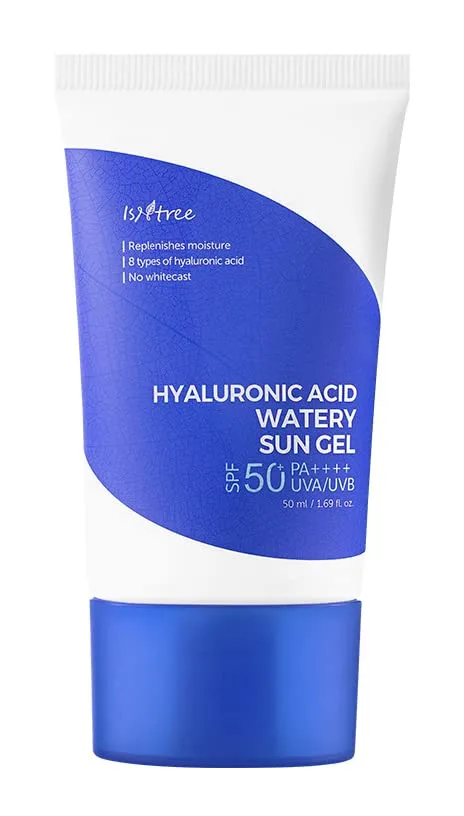 K-Beauty Daily SPF Standout
 Hyaluronic Acid Watery Sun Gel SPF 50+
One of the strongest everyday K-beauty sunscreens in the international market — modern European filters, no white cast, fragrance-free, niacinamide-boosted, and built around the brand's signature six-weight HA complex. At twenty-two dollars for 50ml, it's a case study in how much better a daily sunscreen can be when the formulator cares about both protection and wearability.
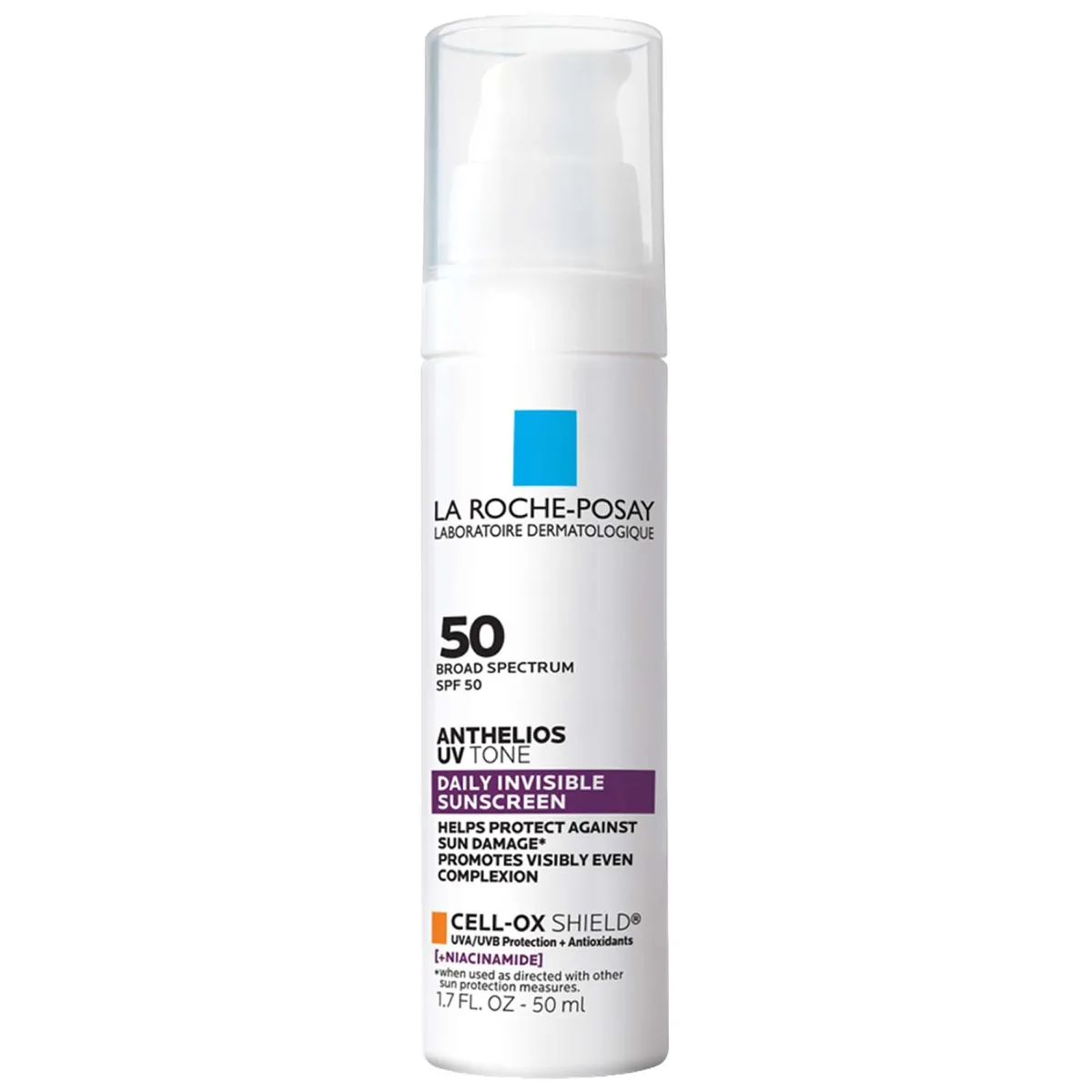 Derm Office Staple
 Anthelios UV Tone Daily Invisible Sunscreen SPF 50
La Roche-Posay's most thoughtful answer yet for hyperpigmentation-prone skin that needs daily SPF. A photostable avobenzone system reinforced with Oxynex ST, paired with a meaningful dose of niacinamide, in a serum-fluid base that goes on invisible on every skin tone. Expensive for 1.7 oz but legitimately well-built — and a rare chemical sunscreen that earns its 'for dark spots' marketing.
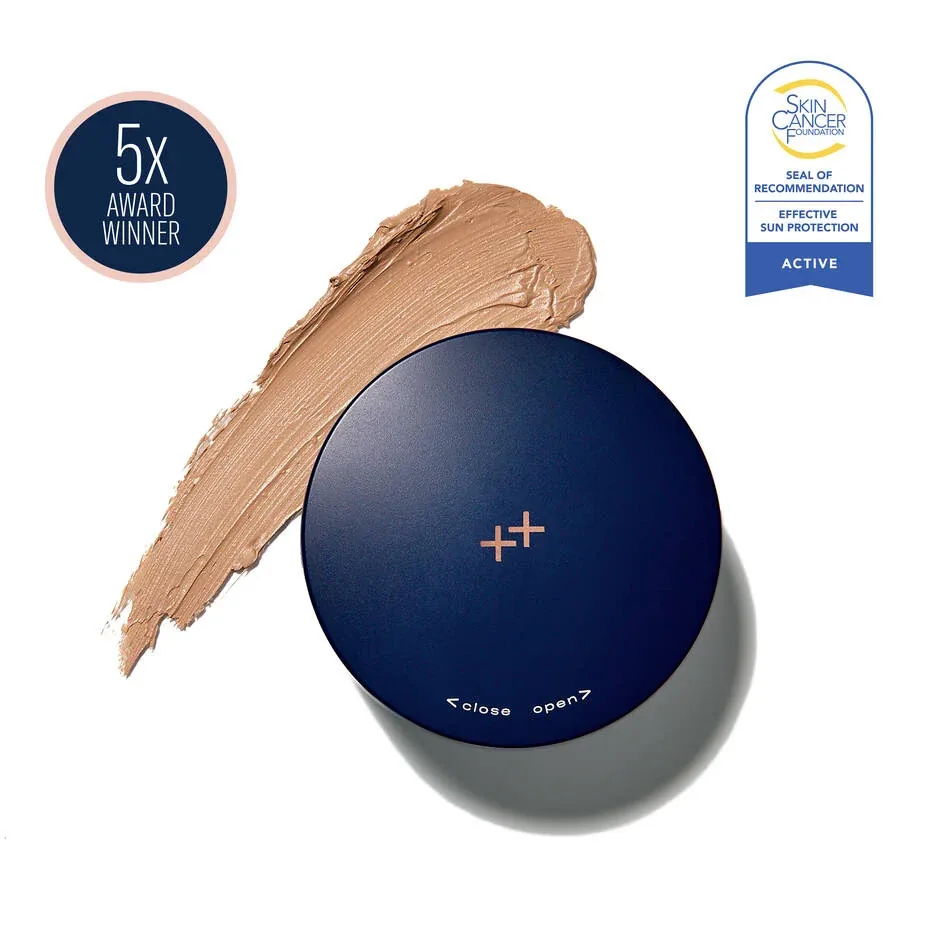 Melasma-Grade Mineral Sunscreen
 sunbetter TONE SMART SPF 68
One of the most clinically useful tinted mineral sunscreens in the professional category. SPF 68 from a 100% mineral formula, iron oxide tint that blocks visible light for melasma protection, and an unusually lightweight texture that doesn't feel like you're wearing high-concentration zinc. For patients with melasma or post-inflammatory hyperpigmentation, this is the category benchmark — and it's earned its Allure Best of Beauty wins.
 K-Beauty Cult Favorite
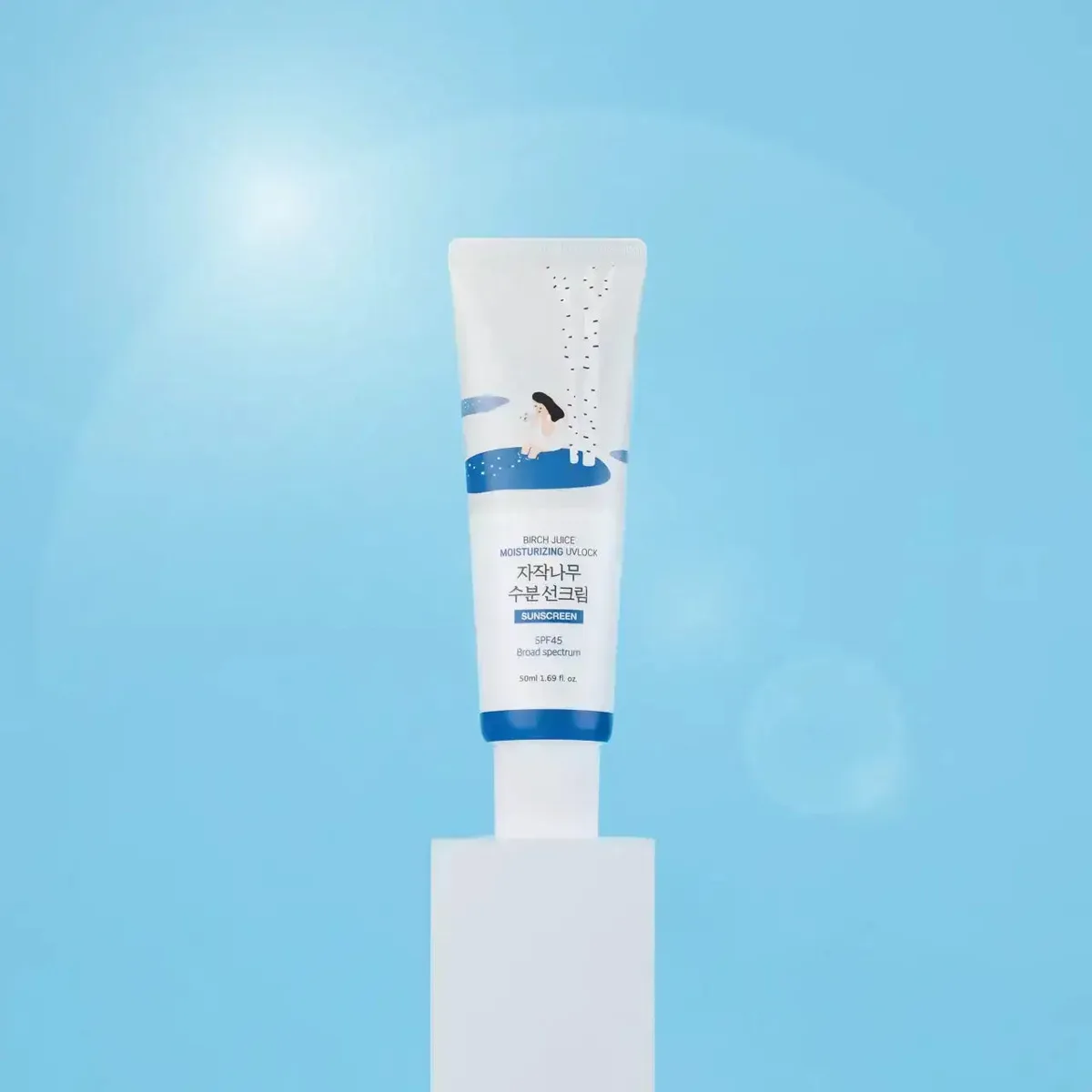
 Birch Juice Moisturizing Sun Cream SPF 50+
One of the best hybrid sunscreens in K-beauty right now — a 70% birch sap base, modern UVA filters you can't get in the US, and a finish that wears like a lightweight moisturizer. Broadly compatible, well-priced, and genuinely pleasant to apply, with minor tradeoffs for oily and fungal-acne-prone users.
 The K-Beauty Sunscreen That Changed Everything
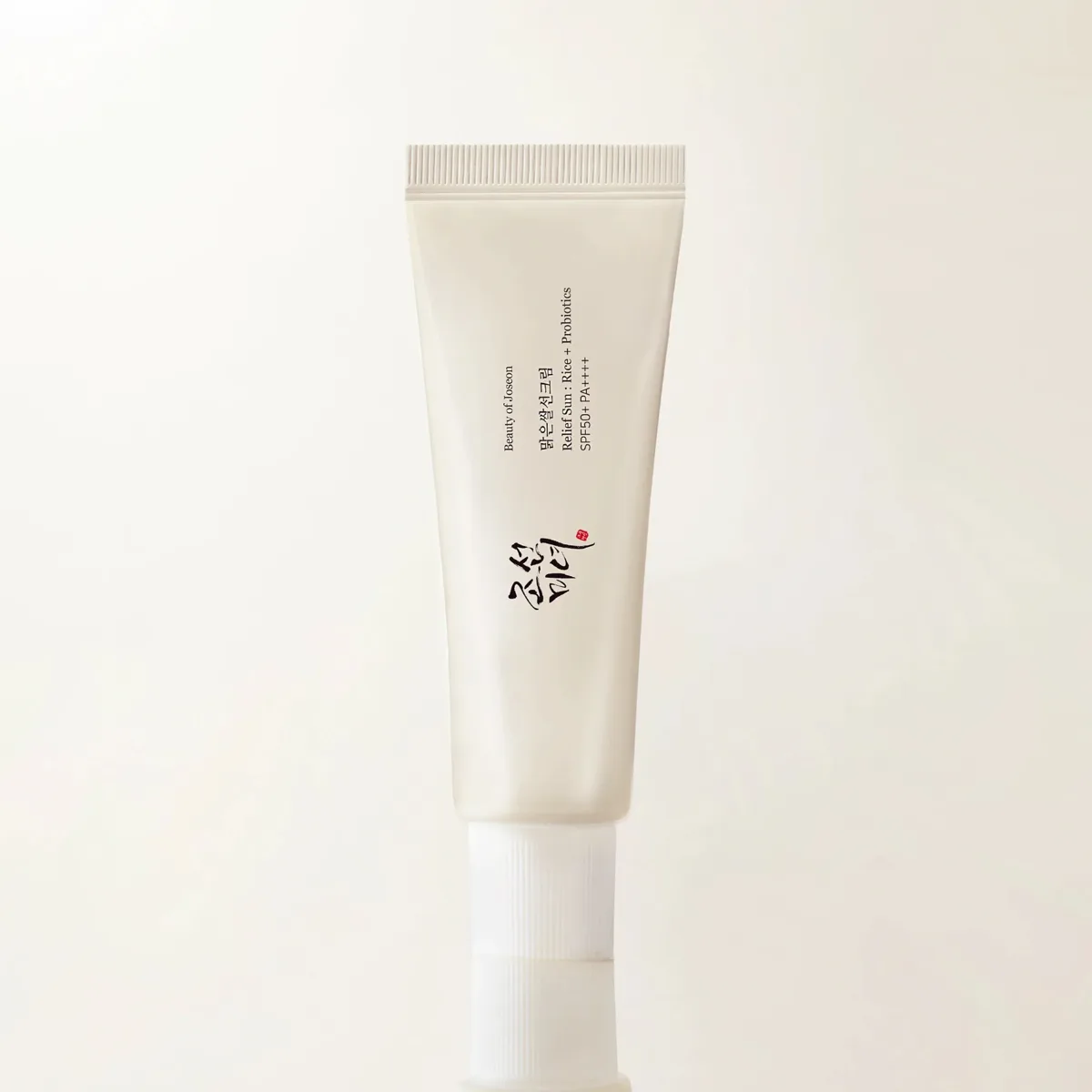
 Relief Sun: Rice + Probiotics SPF 50+
The sunscreen that rewrote the rules for what a $14 product could deliver. With independently verified SPF 50+, 30% rice extract, niacinamide, and a probiotic ferment complex, it offers protection and skincare benefits that rival products three times its price. The texture that feels like wearing nothing on your face is the reason it went viral — and stayed there.